Question 2
‘How does your media product represent particular social group?’
Let's take a look, shall we?
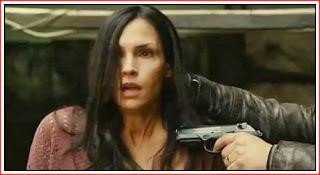
Her helpless posture and expression outline her inferiority complex. It never feels or looks like she’ll be able to save herself.
The use of a female protagonist who is torturing the male hostage shows a contrast in how real media products portray gender. Women are often perceived as the victims or the weaker characters in media products, especially in the thriller genre. Thriller films are known commonly to have women be objects of desire or affection and serve no real purpose in the actual events that occur other than existing to be saved.
She is the one whom the gun is being aimed at, rather than her aiming the gun.
TAKE THIS FOR EXAMPLE
Notice how her stature is much more defying and threatening. She rather looks like she’s entirely in control of her situation.

However, more recent thrillers in the last 10 years with female characters have portrayed them as a hero or determined character. Films such as Salt, The Hunger Games and Lucy make use of a strengthened female protagonist who rather saves, than waits to be saved.
She seems entirely confident and professional with her weapon, not clumsy as some females are presented.
IN CONTRAST TO THE LAST PICTURE
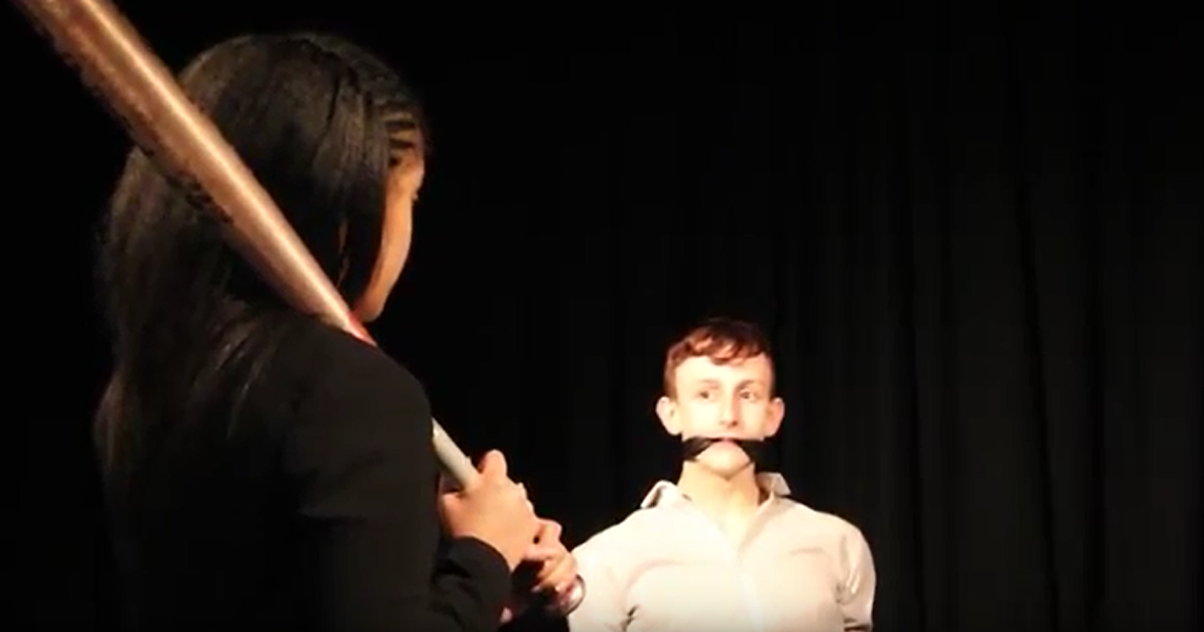
In our product, the female protagonist is empowered and displayed as the strongest character in the opening. We even made use of a high angle, over the shoulder shot to demonstrate her dominance over the hostage. Using a strong female character will be well received with female audiences and is a more realistic and positive representation of the gender in general.
HERE'S A SHOT
Note that Joan(left) is placed higher than the hostage, demonstrating her power and control over the situation.
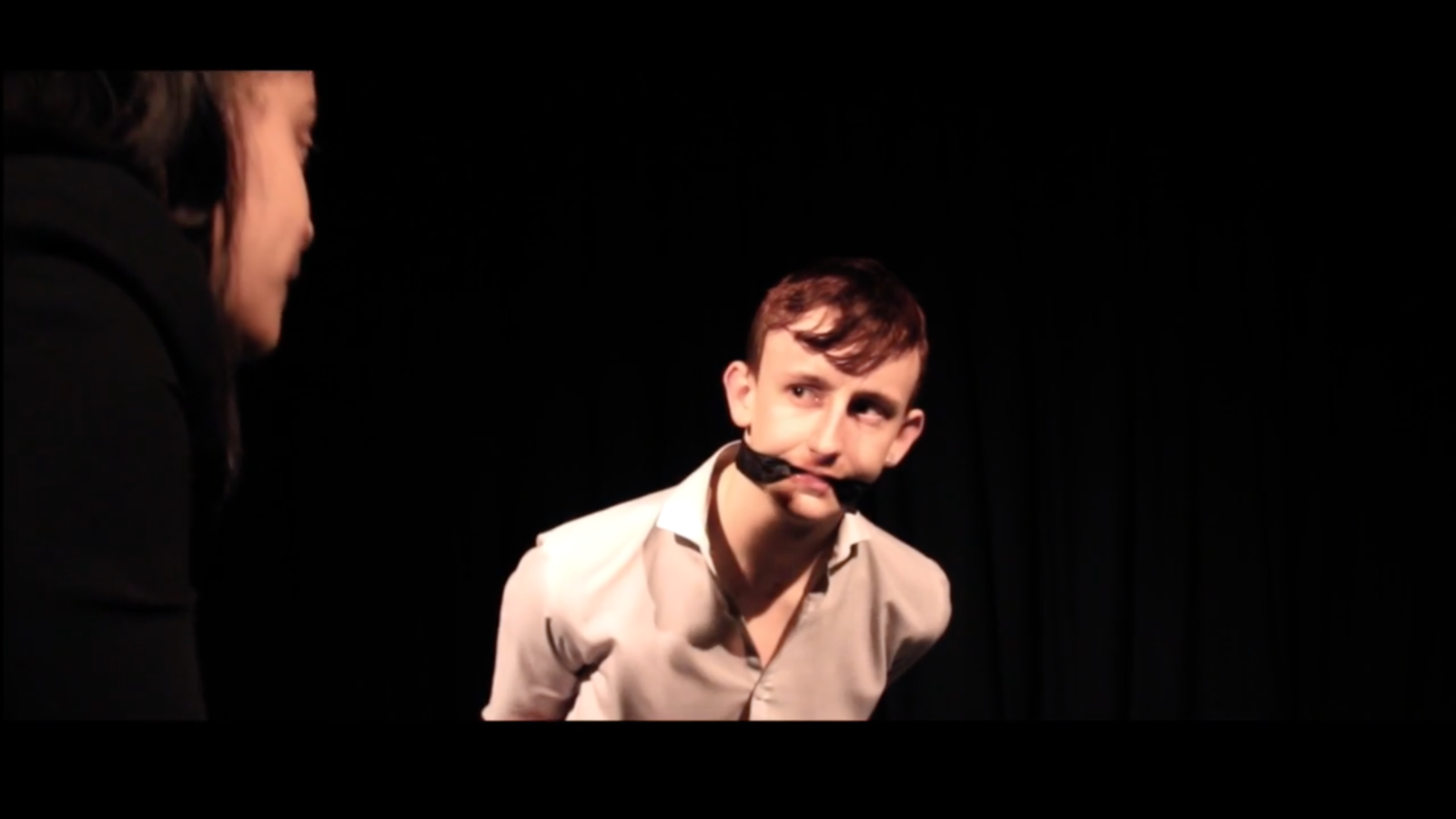
The facial expression of the hostage also shows he is not confident or dominant in the scene.
We also kept in mind casting foreigners in our product to bring diversity to our cast. A Russian spy is introduced but neither his name nor purpose is revealed, making him seem quite mysterious. The enigmatic Russian spy is a staple character in many spy thrillers. Stereotypical readings of a usual thriller would suggest that the Russian spy is an enemy but in actual fact he is working with the protagonist. The misconception would most likely fool viewers when it is revealed he is an ally.
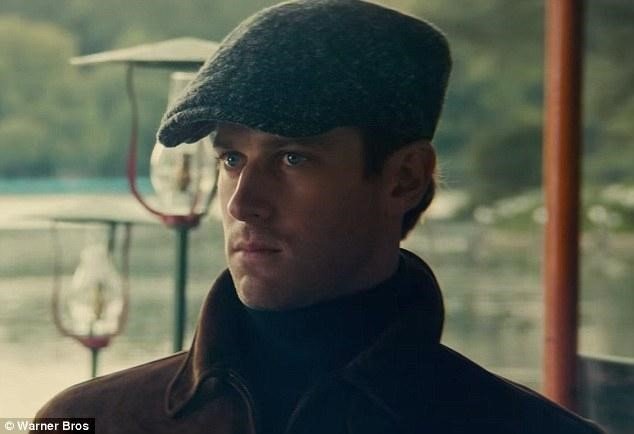
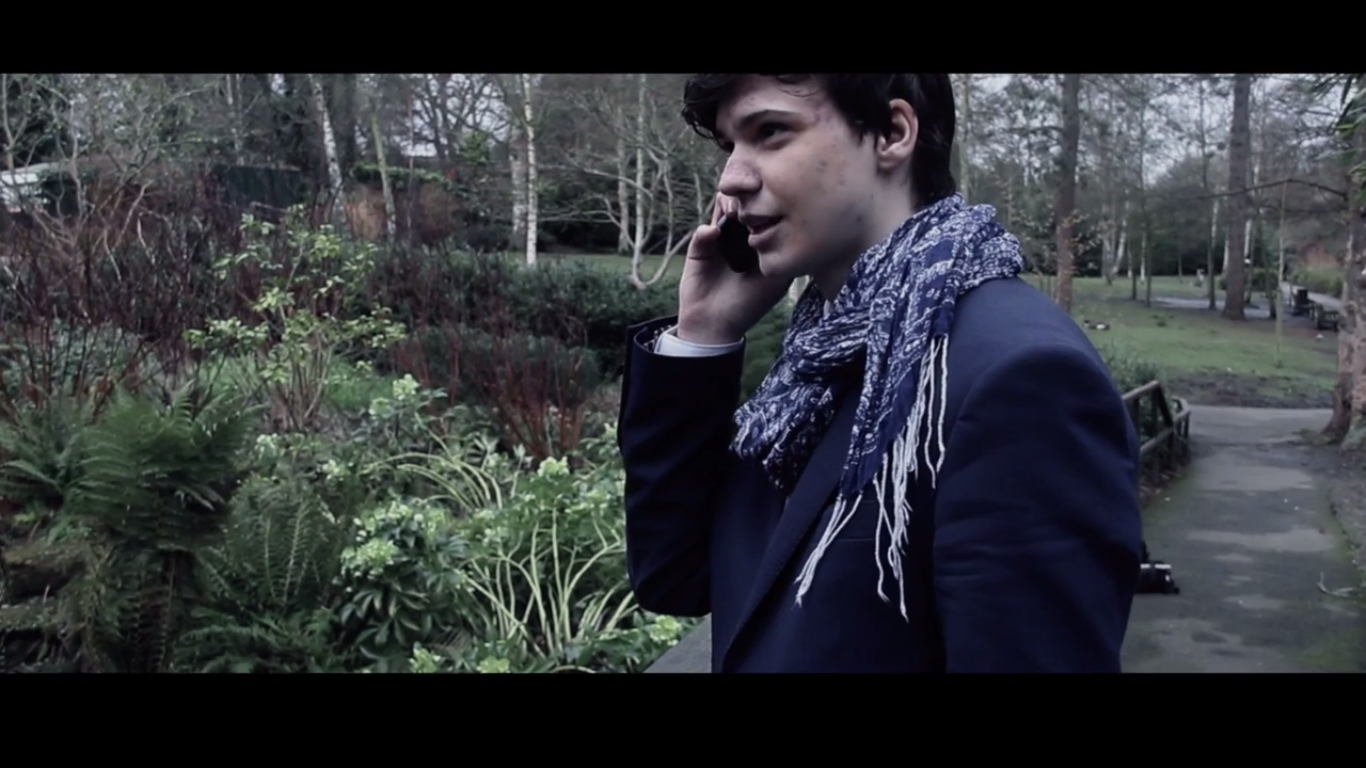
THE MAN FROM U.N.C.L.E
OUR OPENING
Both seem to use emotionless facial expressions and don’t show any hints to any information about them. They are also both in secretive locations which would make it hard it track them.
The racial diversity in the cast for our thriller is quite wide. The protagonist, Joan, originates from Jamaica and her ally Dimitri, coming from Russia.There is also an unnamed black gunman and a white hostage who are included in our opening, spreading the diversity even further, however, the representation of these characters is qute far from the social norm.
Black gunmen in films are very often not spies but rather thugs in gangs wars in bad neighbourhoods, making him far from the usual.
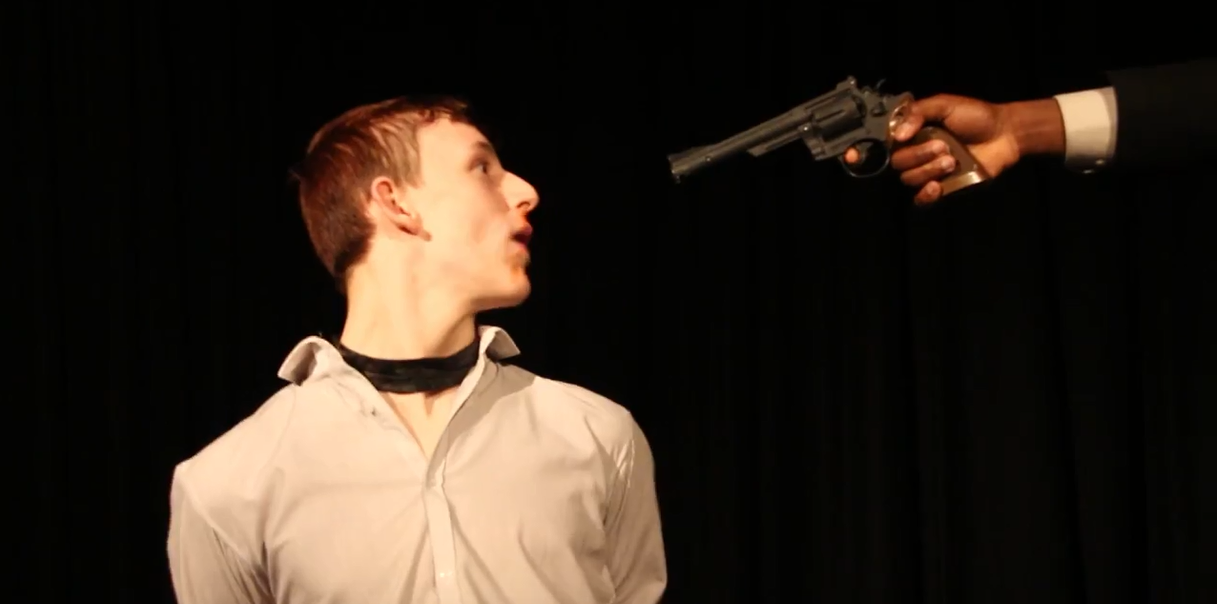
Professional killer; not a gang member.
There also are not many half English, half Jamaican, lead spies when it comes to thrillers, particularly in the eye of the public. The use of a protagonist of this ethnicity would be seen as a breath of fresh air in a market dominated by white males in that particular role.
Note Joan’s professional stance and composure in the interrogation, striking fear into the eyes of her hostage. She is not represented as an unstable, poor or helpless woman as often done with characters of her ethnicity.