1. In what ways does your media product use, develop or challenge forms and conventions of real media products?
Documentary
The documentary follows the codes and conventions of a mixed documentary. It features cutaways, archive footage, interviews relevant to the topic of hair and a voice over to guide the audience with the direction we want them to go. I ensured we stuck to the topic of our documentary by only featuring themes relevant to hair eg. hairdressers, someone with a fear of hair therefore the documentary has a single stranded narrative because I have continued with the linear narrative thus following the codes and conventions.
The graphics used within the documentary definitely follow the conventions of a professional documentary as they are positioned in the bottom corner on the opposite of the interviewee therefore not drawing attention from the interviewee but just letting the audience know their relevance to the documentary eg. Stating their name and occupation and in turn anchoring them to the documentary. The font I used was Seriff for the graphics because it is simple in order to maintain the focus on the interviewee.
The professional documentary 'The Devil Made Me Do It' also has simple graphics explaining the interviewees relevance.
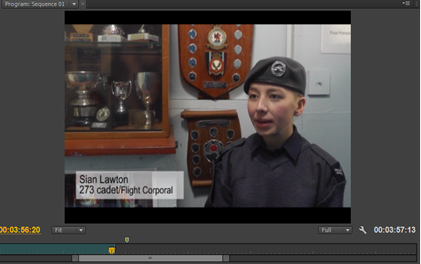
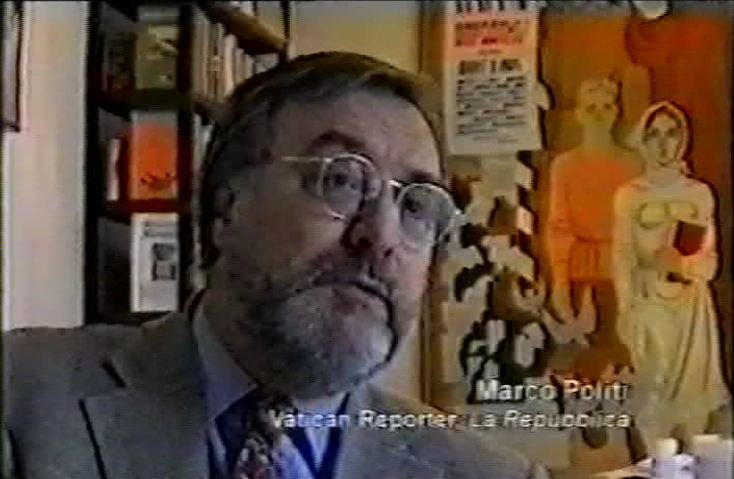
The mise-en-scene used in the documentary again follows the codes and conventions of a professional documentary as the setting of the interview connotes their relevance to the documentary eg. Barbers interview in barber shop. I knew this convention needed to be followed as it anchors the interviewee’s role in the documentary. Similarly, in the documentary 'The Devil Made Me Do It' the mise - en - scene is used to anchor his relevance, he is in a very dim lit room which suggests the dark nature of the documentary.
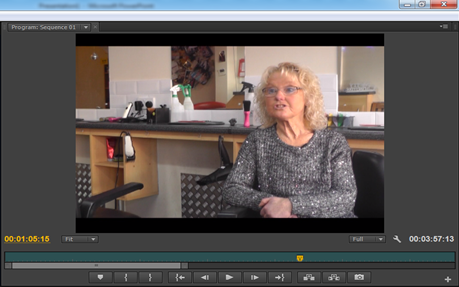
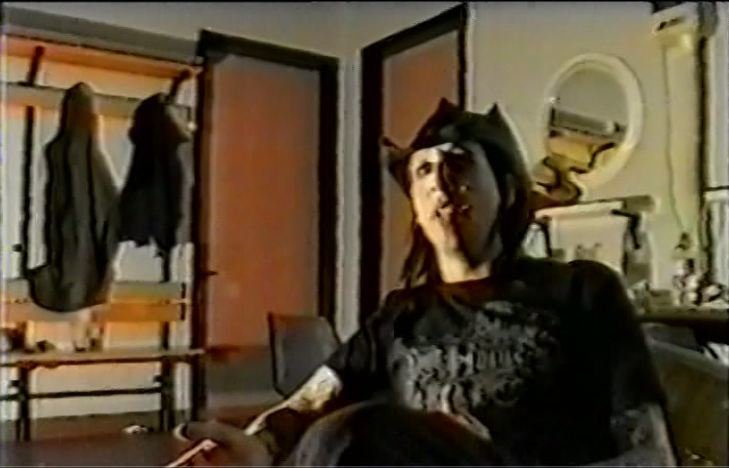
Cutaways are another way the documentary follows the codes and conventions of a professional documentary as we have used them to break any interviews with a jump cut to help them flow and make the mistake less obvious. I also used them to anchor what is being said by the interviewee eg. Hairdresser talks about fringe then I used footage of a fringe. Similarly, with the professional documentary 'The Devil Made Me Do It' the interviewee is talking about the funeral of the victim therefore a cutaway of the funeral was used.
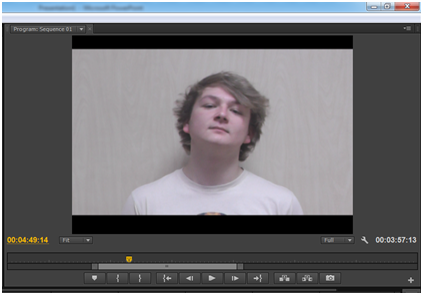
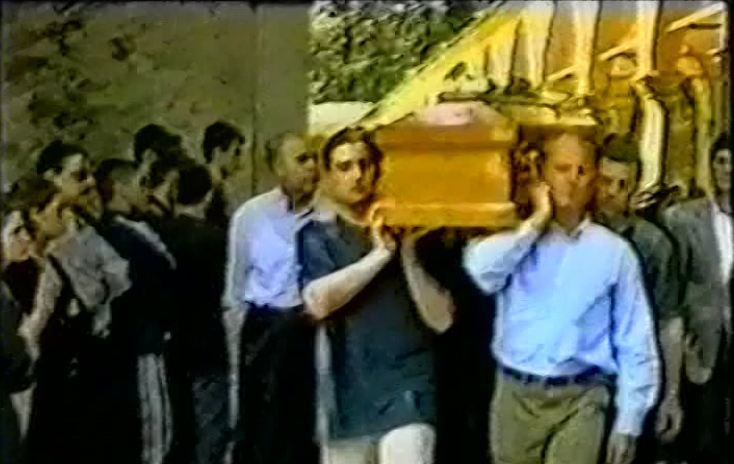
The editing throughout the documentary also uses the codes and conventions of a professional one as I mainly used cuts as it helps the continuity of the documentary as well as breaking up interviews which are quite long with cutaways in order to keep the audience’s attention. I also used a green screen as the background for the interviewee with a phobia of hair this was due to the mise-en-scene being inadequate as it didn’t really anchor her relevance to the documentary. In the professional documentary, 'The Devil Made Me Do It' montage editing is used to set the scene of where the crime happened this is done to anchor the scene/setting of the documentary like we did with green screen.
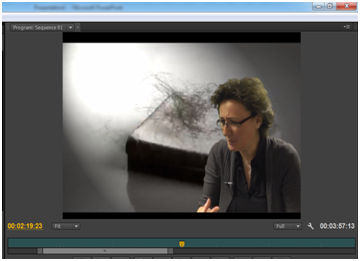
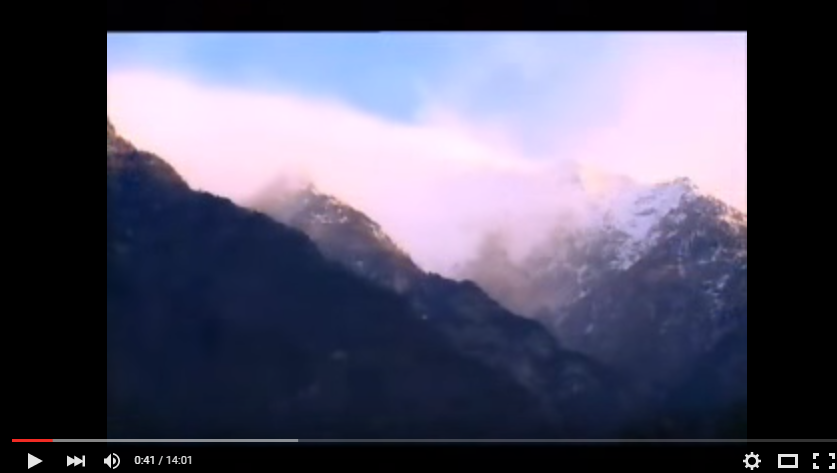
In terms of camera work I again follows the codes and conventions as I continuously ensured I used the rules of thirds when it came to the interviews, I also made sure the interviewee was looking diagonally across the frame to interviewer. I also tried to feature different techniques when filming cutaways rather than still images I would use zoom or panning shots as a way to keep the audience’s attention.
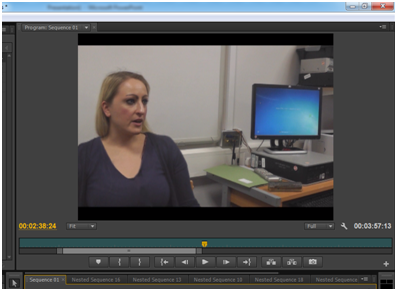
The rule of thirds is being used so that the interviewee had the right positioning/framing.
The interviewees eye line is towards the interviewer so not directly at the camera.
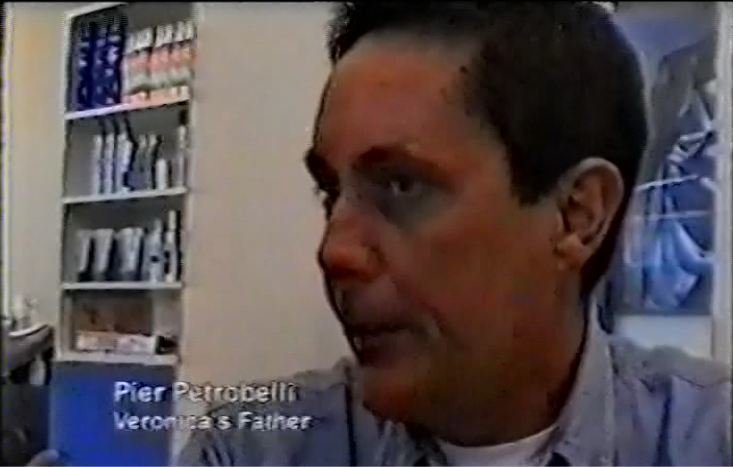
The professional 'The Devil Made Me Do It' follows the exact same convention of directing the interviewees eye line towards the interviewer.
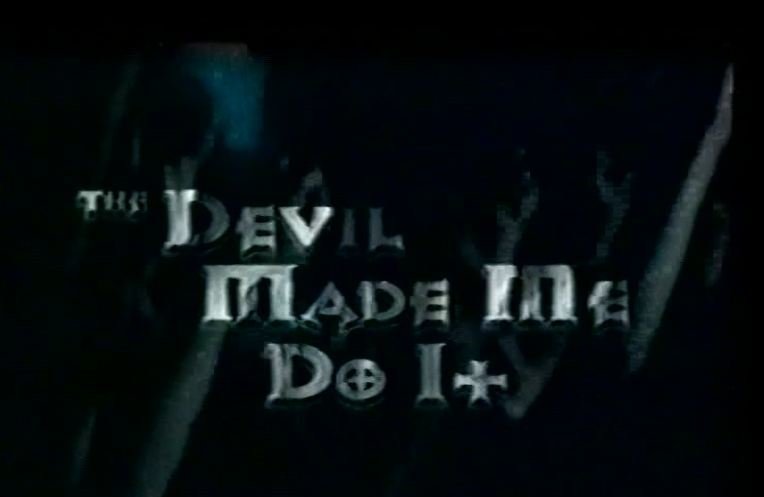
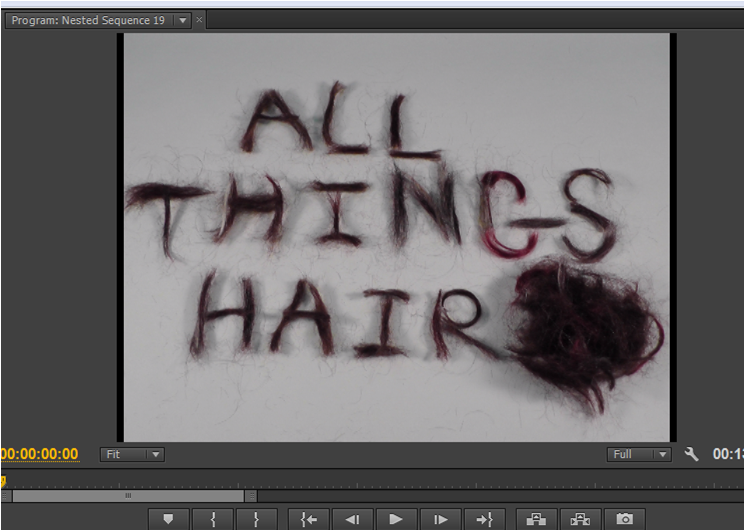
For the soundbed, I needed a song that would anchor the topic of the documentary being hair. After searching Youtube, I finally found a song from the musical Hair this mean't I had to pick about 15 seconds of the song which best represented the documentary. For the professional documentary 'The Devil Made Me Do It' they used an instrumental version of the song the devil made me do it.
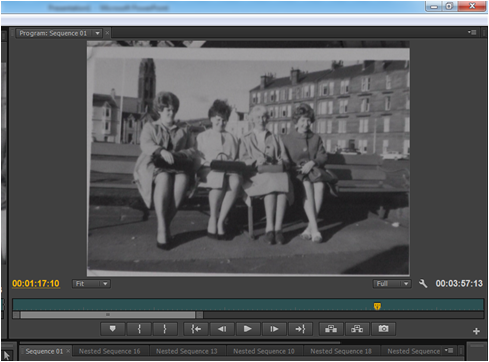
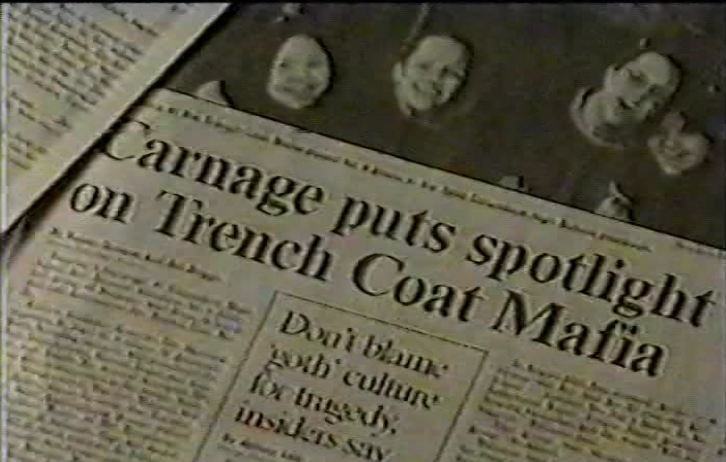
In terms of archive footage I followed the codes and conventions as I used it to anchor what the interviewee was saying eg. in the older generation interview she talks about how she only ever had short hair therefore an image of her with short hair was used. In the professional documentary 'The Devil Made Me Do It' the interviewee is talking 'the trench coat mafia' therefore they use a clipping of an old newspaper article.
Radio trailer
The most important code of the voice over is that it uses Standard English which means that the documentary does follow this convention. The voice over I used was a young male in order to relate to our target audience of 16-35. I ensured he spoke in a calm and clear voice so that the audience can clearly understand what is being said. The voice over was used to guide the documentary.
We also struggled to find a music bed which was relevant to our documentary, it proved quite hard to find a song to anchor our title sequence that was relevant to the topic of hair. We still however did follow this code and convention as we eventually extracted a clipping of a song from the film ‘Hair’ and used the relevant bit on the title sequence.
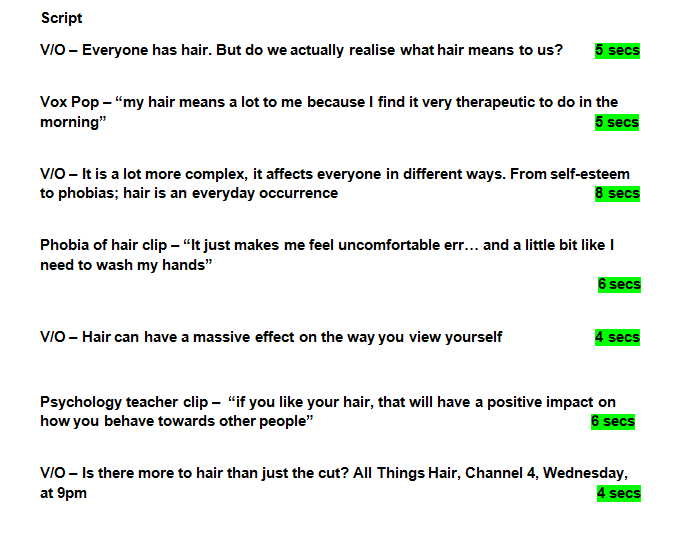
The opening of the radio trailer has to grab the attention of the audience in order to make them want to watch the documentary. It is also a rhetorical question so makes the audience feel like they’re being personally addressed and in turn draws them in to watch it.
Sound bites from the documentary our used in order to make the audience want to watch it by using the most interesting parts.
We also follow the codes and conventions with a slogan on the end which features in our print ad to show continuity. It also lets the audience know the scheduling of the documentary thus enabling them to watch it.
The music in the back of the radio trailer was an instrumental version of the song used in the title sequence of the documentary, this ensures continuity. It is also 38 seconds long which follows the convention as radio trailers are between 30-40 seconds.
Print advert
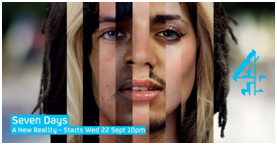
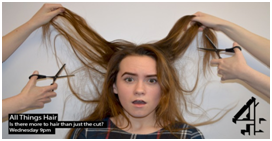
Like the professional print ad, we followed the convention that the Channel 4 logo does not over lay the main image of it. The logo is at the centre of right hand side, however I couldn't put the logo in the centre as it would over lay the image therefore I broke this convention and kept it to the bottom. Yet is a similar size as the professional print ad is used therefore I have followed the codes and conventions for the most part. By doing this it anchors the channel which the documentary features on and in turn drawing an audience in.
The image we used for the print ad also follows the codes and conventions as it is one main image which is essential to a print ad, the image used anchors our topic of hair eg. Her shocked face suggests how much her hair means to. Channel 4 print ads will usually use one image and then add any effects to it afterwards, you can see on the professional print ad that one image of the street with the child being sucked in to the ground has been taken then afterwards the blurred effect would have been created.
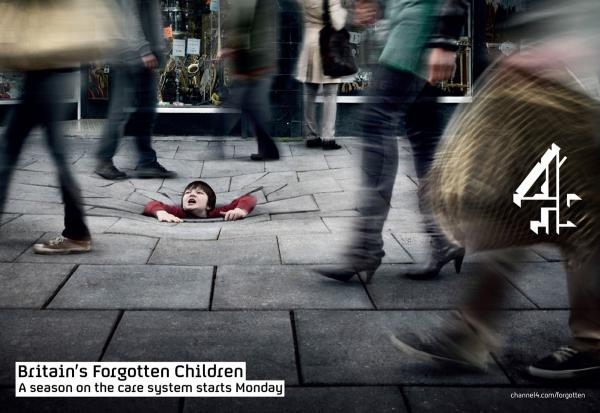
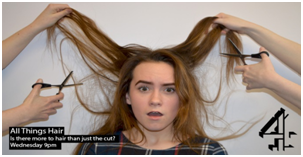
The colour scheme used for the print ad is simply black and white, but the graphics (colour block) behind the text is the same colour as the channel 4 logo used in the print ad. While the professional print ad sticks to a blue and white colour scheme, ours is black and white therefore following the codes and convention.
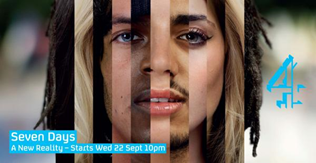
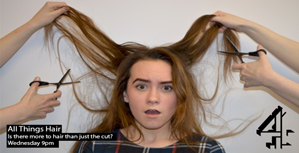


With the text I also followed the codes and conventions by putting a graphic behind the text to make the information stand out; it is typical of Channel 4 print ads to do this. The text also lets the audience know the date, time and channel the documentary is on enabling them to watch it. Again, the title of the documentary is also slightly bigger than the following text to show the audience what it is therefore following the codes and conventions. The smaller bit of text also gives the audience an insight on what the documentary is about eg. Is there more to hair than just the cut? shows that there is more to the documentary then just haircuts.