Physical Layer
Dr. Alexios Louridas
Physical Layer
Fourier Analysis
Fourier Series
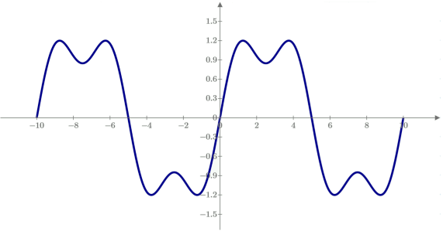
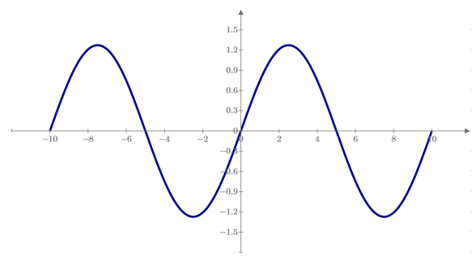
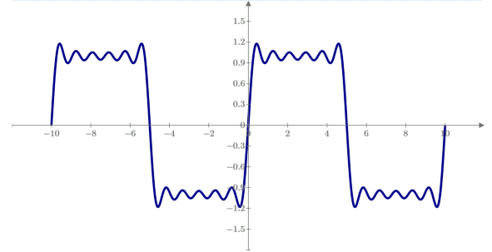
A continuous repeated time varying signal can be represented by an infinite sum of sines and cosines.
Fourier Series of a function f(x)
Square Wave
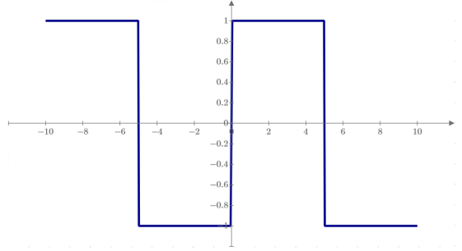
To produce a square wave you would need to add odd harmonics only to the Fourier series. The more harmonics that are added the better a square wave is represented.
The Nyquist theorem specifies that a sinusoidal function in time or distance can be regenerated with no loss of information as long as it is sampled at a frequency greater than or equal to twice per cycle.
Nyquist and Shannon’s Theorem
The Shannon capacity theorem defines the maximum amount of information, or data capacity, which can be sent over any channel or medium
〞
Prove why we digitise audio at more than 40kHz and voice at 8kHz
- Use Nyquist theorem to prove it
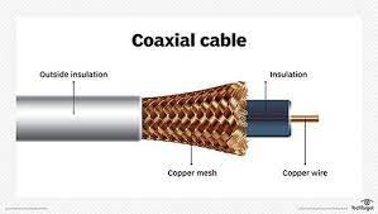
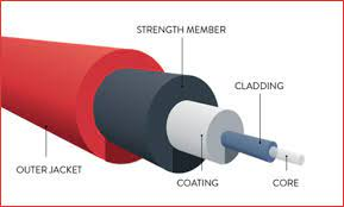
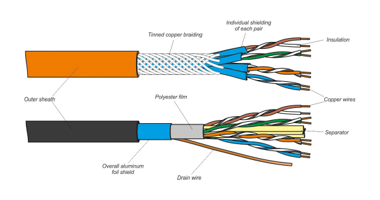
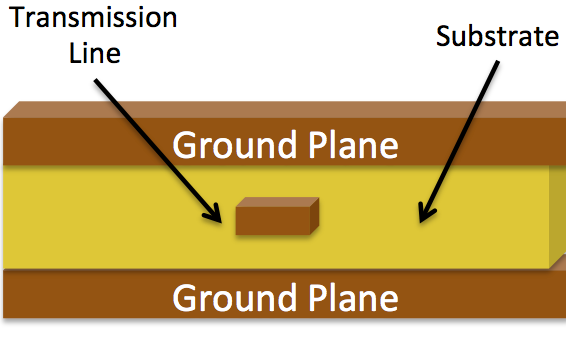
Guided Transmission Media
There are a variety of media which can be categorised in 4 types. Each type has a variety of bandwidths and bitrates.
Electromagnetic Spectrum and Telecommunications
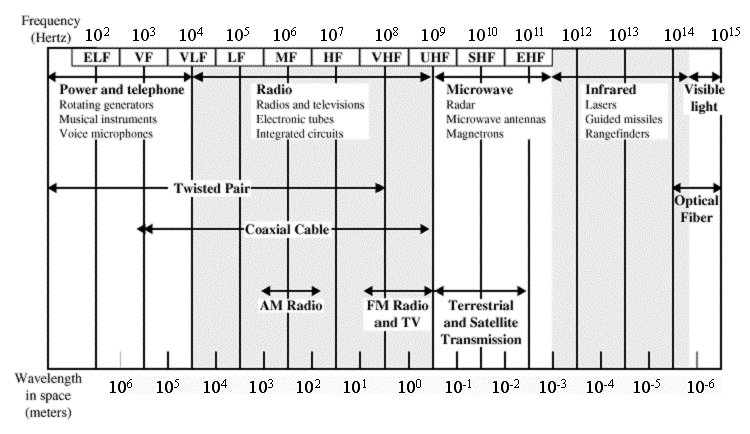
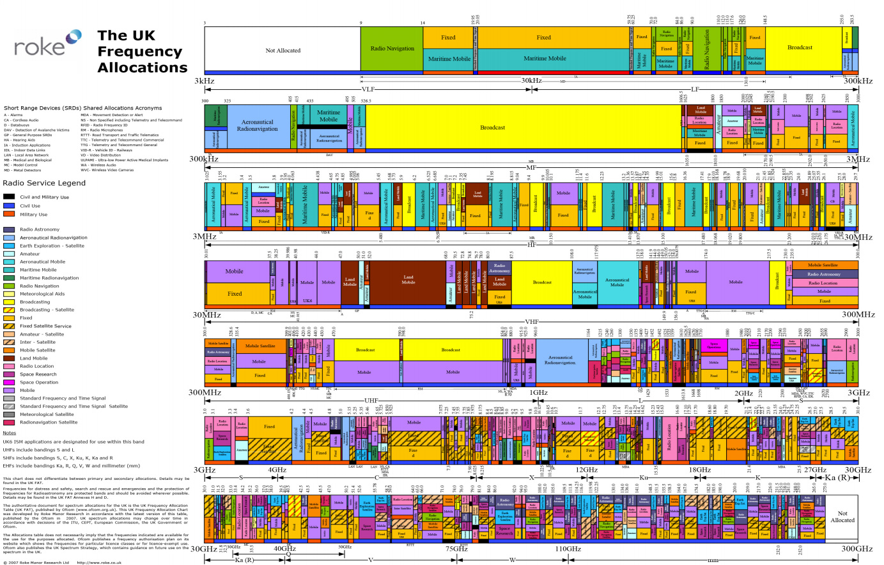
Frequency Allocation
Apple Newton (1992)
Nokia 3110 (1995)
Psion 5 (1997)
iPhone 3G (2009)
Compaq iPad(200)
Blackberry Pearl 9105 (2010)
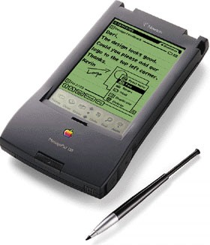
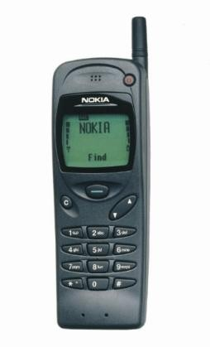
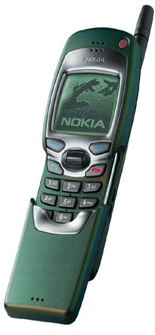
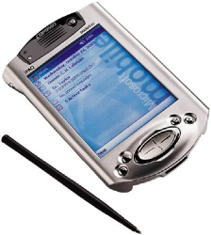
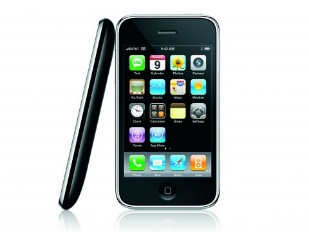

Looking back create a timeline of features concerning connectivity you though were cool
| Generation | Icon | Technology | Max (Mbit/s) | Typical (Mbit/s) |
|---|---|---|---|---|
| 2G | G | GPRS | 0.1 | <0.1 |
| E | EDGE | 0.3 | 0.1 | |
| 3G | 3G | 3G | 0.3 | 0.1 |
| H | HSPA | 7.2 | 1.5 | |
| H+ | HSPA+ | 21 | 4 | |
| H+ | DC-HSPA+ | 42 | 8 | |
| 4G | 4G | LTE Cat 4 | 150 | 12-15 |
| 4G+ | LTE Cat 6 | 300 | 24-30 | |
| 4G+ | LTE Cat 9 | 450 | 60 | |
| 5G and 5G+ | 5G | NR sub-6 GHz | 10000 | 200-400 |
| 5G+ | NR mmWave |
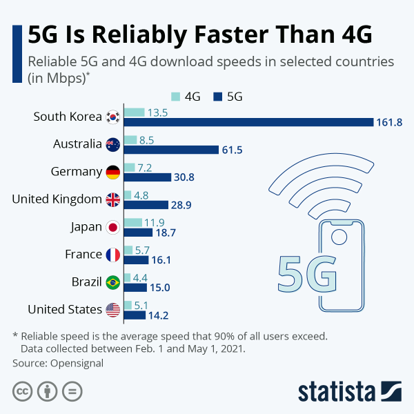
Mobile Networks (Download Speed)
| Generation | Upload (Mbps) | Latency(ms) | Packet Loss (%) |
|---|---|---|---|
| 5G | 10000 | 1 (10 typical) | 0.1 |
| 4G | 10 | 21 | 0.5 |
| 3G | 2.2 | 90 | 1.20 |
Mobile Networks (other comparatives)
Cell Shape
Highest Coverage Area
Re-usage of Frequencies
Adjacent cells different frequency
MS should share the same cell
Multiple Access Methods
- FDMA
- TDMA
- CDMA
- SDMA
Mobile Cells
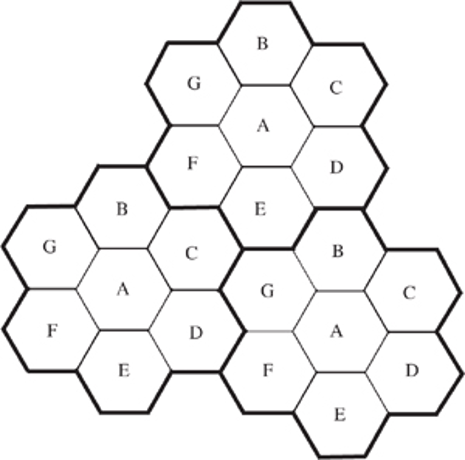
Re-use of resources
- Frequency
- Time
- Code
- Space
Handover
Cell change
Cell Selection
Overlapping
Mobile Communication Aspects
FDMA
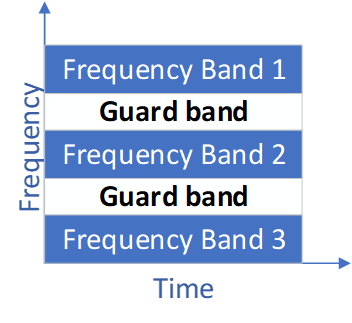
A different frequency for each user
Supports both analog and digital communication
Streaming
Handover difficult
CrossTalk
1G and 2G (GSM)
-
Channel divided in multiple frequencies
-
Each subscriber gets his own frequency
-
A guard band is required to reduce interference
TDMA
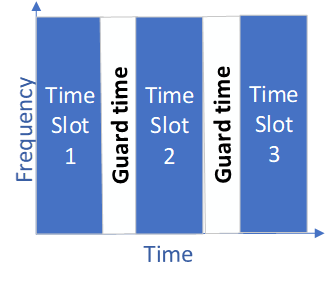
Same Frequency
Time slot division
- Fixed Length
- Time Slot Re-Use
Simpler handover
Streaming not possible
2G GSM
- Combined with FDMA
-
Each subscriber gets his own time to use all the frequencies of the channel
-
Guard times are required between different user times
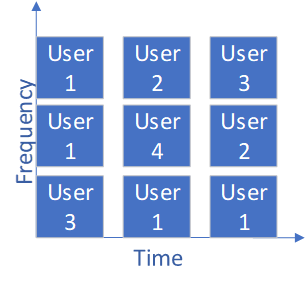
CDMA
Single frequency
Different codes between users
No interference
Significant complexity
Handover
- Code Re-use
2G
WCDMA in 3G (WideBand CDMA)
- 5MHz bandwidth vs 1.25MHz
-
A subscriber has a time slot and a frequency
-
Hopping can occur between frequencies
-
More Secure
-
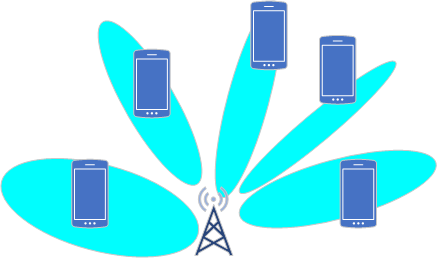
CDMA
Separate users to share frequencies
Multiple Antenna arrays
Beamforming
Polarized antennas
5G
-
Spatial separation of users
-
Multi-beam antennas
-
CDMA, TDMA or FDMA can still be used for each beam
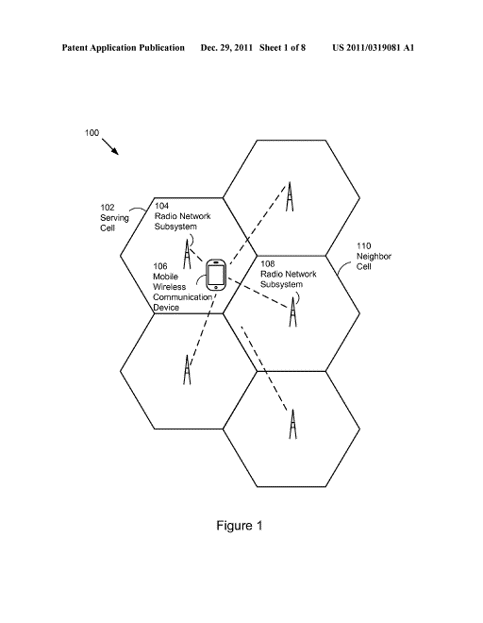
Cell Selection
Device is turned on
Searching for signals
Check for signal level
Attach to cell
-
Range 100m
-
Packetization
-
Carrier Sense Multiple Access with Collision Avoidance (CSMA/CA)
-
Transmit when channel is clear
-
All transmissions are acknowledged
Collision occurred when no ACK -
Retries after a random waiting interval
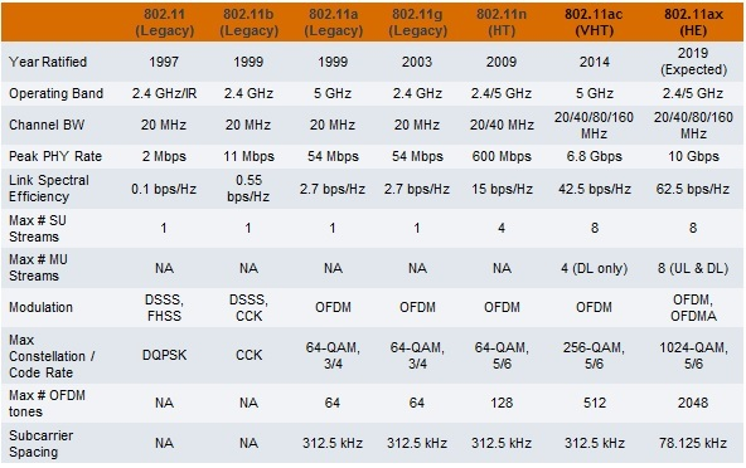
Wireless Lan

Bluetooth
Range only up to 10 meters
1 Data channel (700Kbps)
3 Voice Channels
Master-Slave
- Piconet
- Scatternet
TDMA
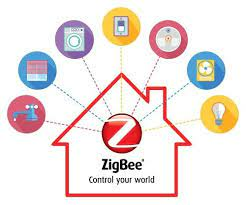
IOT WIRELESS PROTOCOLS
ZigBee
IEEE 802.15.4
20-250 kbps
Low Power
IoT
Low latency devices
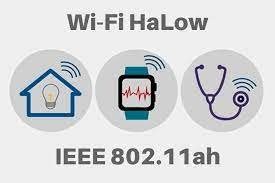
802.11ah (HaLow)
347 Mbps
Low Power
Comparable to Bluetooth
IoT
〞
Competition between cellular (5G) and Wi-Fi 6 is not a new debate
– Write a small literature review
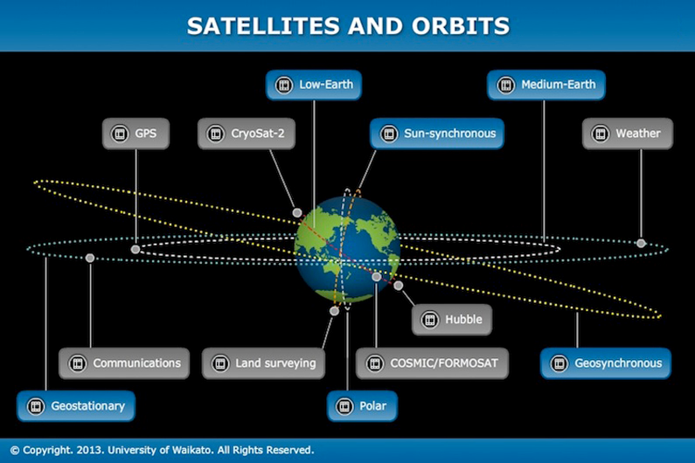
Satellite Communication
Can broadcast a signal in large areas anywhere and anytime.
TYPES OF EARTH ORBITS
By Inclination
By Shape
By Altitude
KNOWN ORBITS
Geostationary Orbit (GEO) Satellites
Medium Earth Orbit (MEO) Satellites
Low Earth Orbit (LEO) Satellites
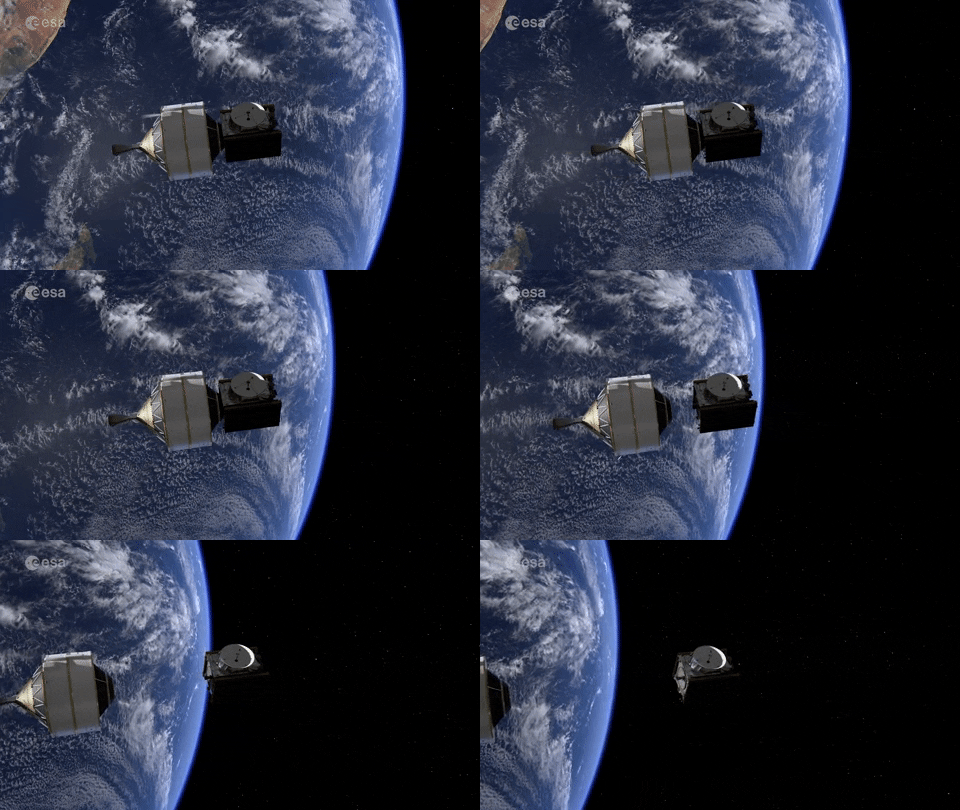
LEO
500-1500 km Height
Very Expensive to maintain
RTT = 10-30ms
MEO
5000-12000 km Height
Expensive to maintain
RTT = 70-200ms
GEO
358000 km Height
Relative Cheap to maintain
RTT = 0.5s
SATELLITE PROPERTIES
- Large Bandwidth
- Expensive relative to coverage
Fibres
- Large Coverage
- Limited Bandwidth
- Prone to Errors
Satellite
- Easy to engineer a fixed data rate over point-to-point links
- Can be expensive to deploy, over distances
- Doesn’t readily support mobility or broadcast
Wired & FIbre
-
Easy and inexpensive to deploy
-
Naturally supports mobility
-
Naturally supports broadcast
-
Transmissions interfere and must be managed
-
Signal strengths hence data rates vary greatly