Applied AI Task Force
To find known items, a researcher searches in Arabic, Persian, or Chinese, and wants the catalog to understand their query regardless of romanization or diaritics.
When a query returns no results, a researcher assume that the library does not have an item.
Discovery
To meet federal requirements, all public video content must have captioning that is 99% accurate.
Captioning
A graduate student with dyslexia wants to load primary-source documents into text-to-speech software so they can access handwritten and historical materials.
A faculty member listens to a book from our collections on their drive to Princeton from Brooklyn
Text Recognition
- The quality of text from our current OCR tool (Tesseract) is low.
- Use vision-language models (VLMs) can significantly improve extracted text in Figgy
- We allow staff to request text improvement, which provides data on need and delivery
- Patrons get readable text
OCR and
Handwritten Text Recognition

Letter from Hugh Simm to Andrew Simm, October 9, 1778
Tesseract:
AV ee |
CHCA Ala, |
f Sa :
<a f . : LA
m ef
Sle ed
hgh
fea 2?
Qwen3-VL:
William Varney Dr.
1802
William Varney Dr.
June 1 — to 1 Cow @ 25 Dollars
Settled in full — Cost 15 Dollars
[Marginal note above, partially crossed out:]
Ct. by Cash 5 Dollars July 7
August 19 by Cash 5 Dollars
—
Calf Skin
1802
June 10 — to one Calf Skin from my father — Sent to Joseph
— 2 shillings to him

Cook Almy Daybook
Create a system to measure the relevance of search results.
Evaluate aspects of semantic search.
- Simple embeddings
- Multilingual embeddings
- NLP classification and expansion
Implement those that lead to improved results.
Discovery
Current AI solutions for automatic speech recognition (ASR) are ~95% accurate.
This is sufficient to facilitate discovery, but does not meet federal accessibility requirements.
Vendors provide 99% and continue to be the preferable way to meet this need.
Captioning
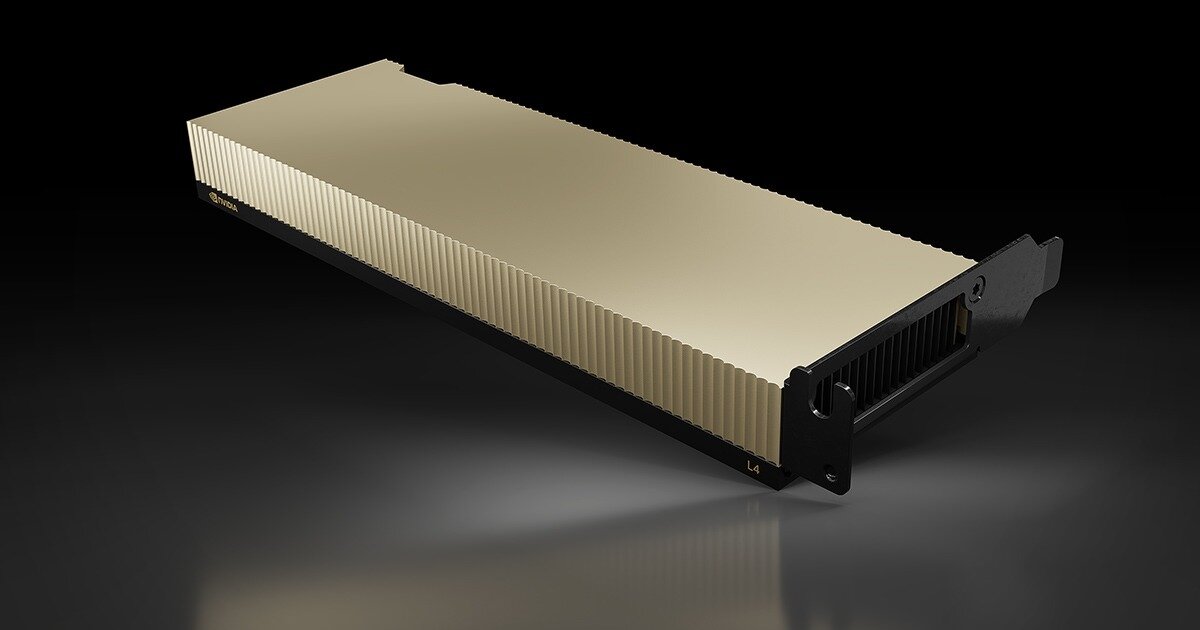
$11,600
- Hardware for production delivery and research/development.
- Small budget for renting the hardware first to verify its capacity before purchase.
- 2,500 images a month of cutting-edge HTR for our most complex content. ($50/mo ongoing)
Budget
LSC Co-sponsors: Jon Stroop and Wind Cowles
Co-Chairs: Andy Janco and Trey Pendragon
Members:
- Kayt Ahnberg
- Ellen Ambrosone
- Lexy deGraffenreid
- Ameet Doshi
- Willow Dressel
- Carol Houghton
- Kim Leaman
- Kevin Reiss
- Joshua Seufert