Complex Systems
Understanding complexity
Complex or Complicated?
To understand complexity, we need to separate it from something else: complication.


Anatomy of a Complex System
Across biology, economics, societies — and software — complex systems share four traits:
Diversity.
Connection.
Interdependence.
Adaptation.

Diversity
Diversity is the system’s available options.

Connection
Connections determine how information flows

Adaptation
Complex systems adapt — without central control.

Interdependence
In complex systems, nothing stands alone.

Feedback Loops
Feedback is how complex systems learn.

When Systems Interact
When diversity, connection, adaptation, and interdependence combine,
systems exhibit behaviors no one explicitly designed.
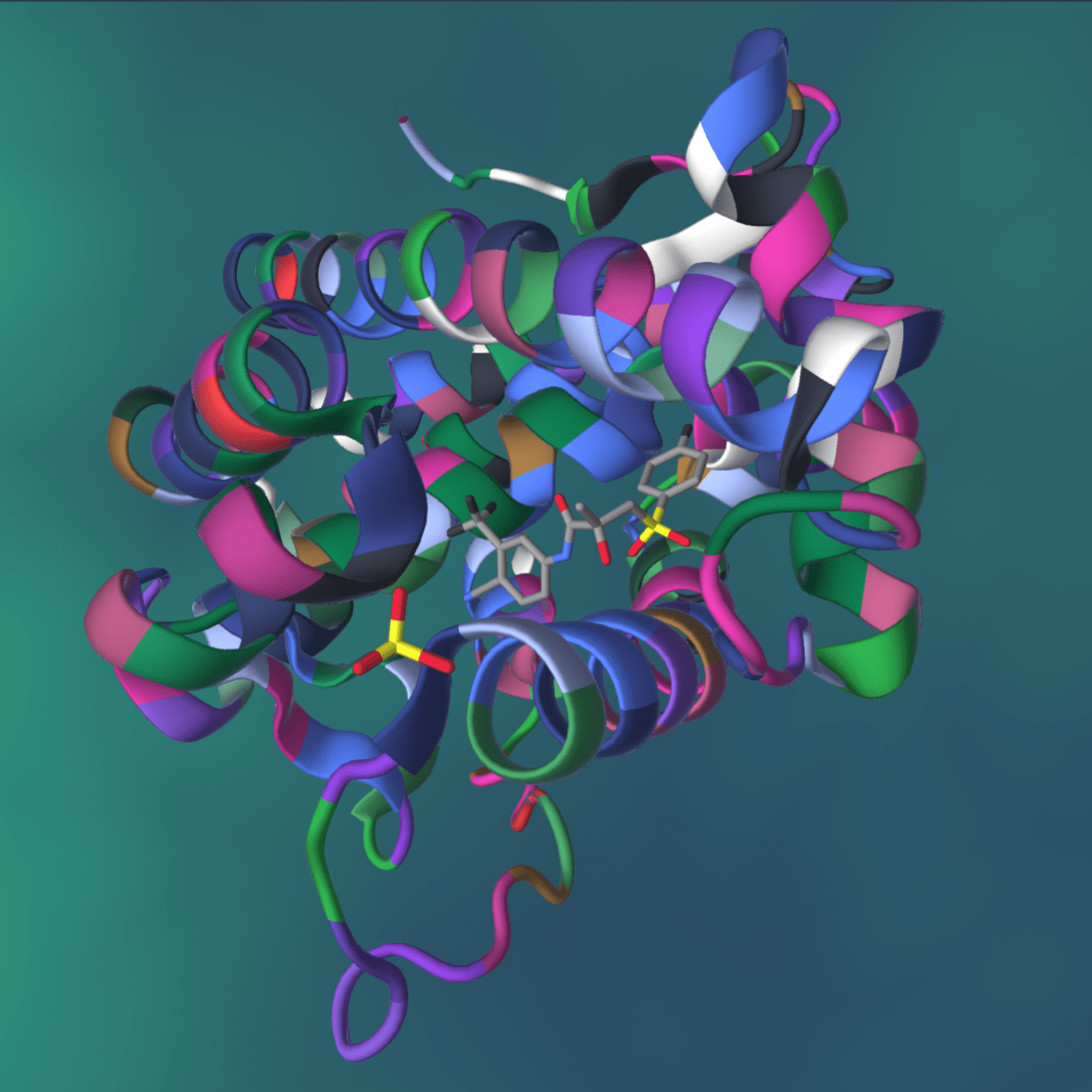
Emergence
Emergence is when the system does something none of the parts intended.

Robustness
Complex systems can be incredibly robust.

Collapse
But tight coupling flips robustness into fragility.

Novelty
One of the most powerful outcomes of complexity is novelty.

Prediction vs. Responsiveness
You can’t fully predict complex systems.

Harnessing Complexity
Thank you!