Just to Our West
Medaryville's Jasper County Connections
Brian Capouch
brianc@palaver.net
Medaryville's history has been shaped by people, places, and events located outside the town, more so than most small towns in the Midwest
The Plan:
-
Geography shapes history
-
Medaryville is in a unique place in that respect
-
-
B. J. Gifford
-
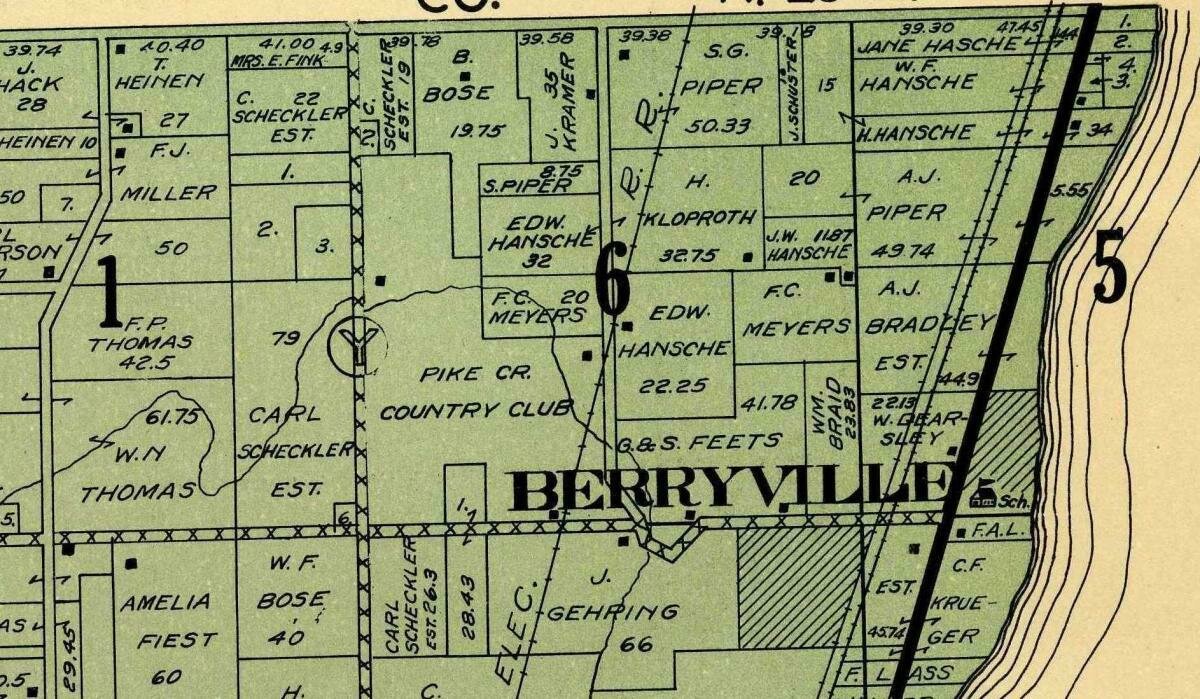
The Gehring Farm
-
Other notable stories
-
The Oil Rushes
-
The Onion King
-
1. Geography shapes history
Medaryville and eastern Jasper County are unique
Medaryville straddles a border between a "prairie" and a savanna
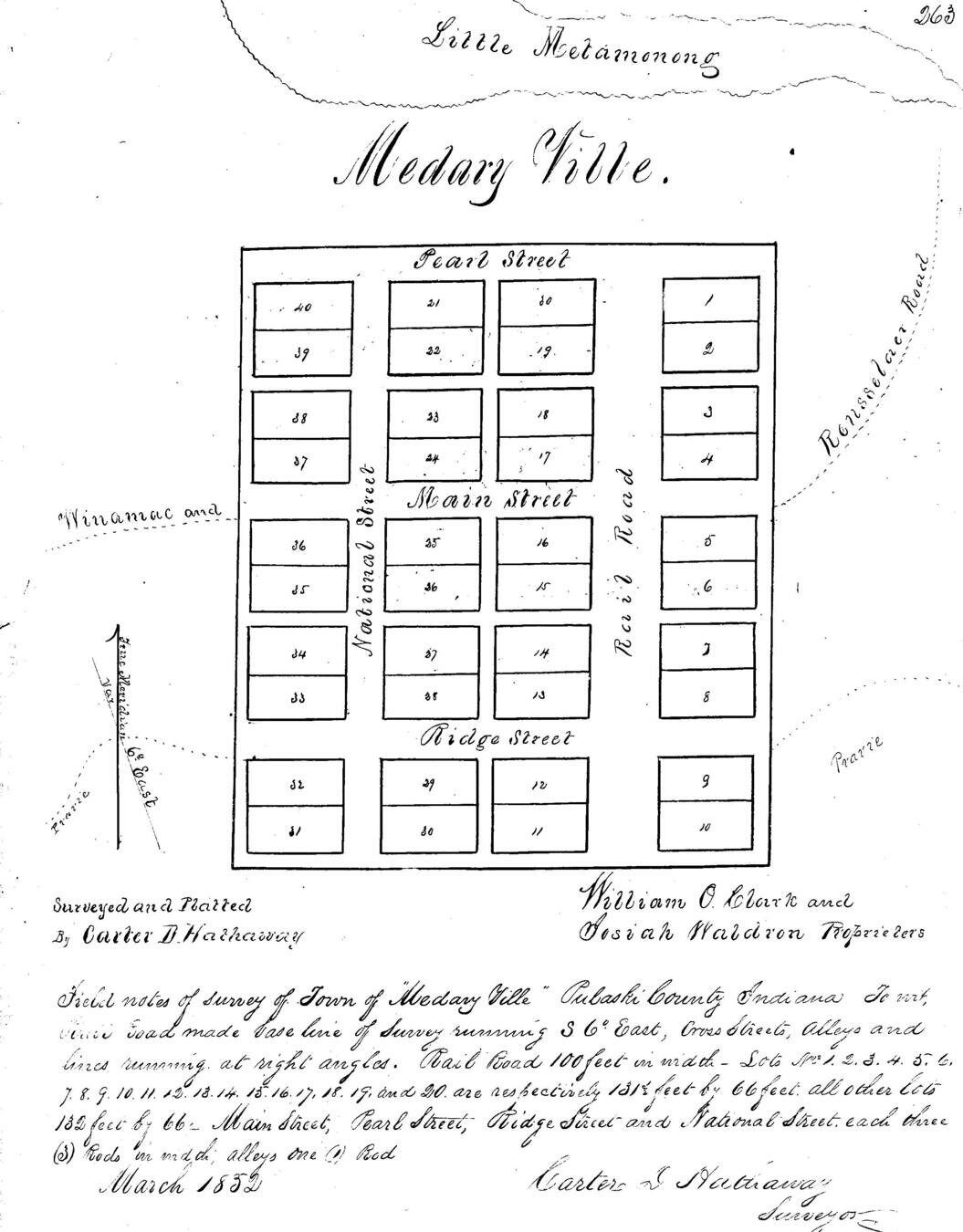
1852 Plat of Medaryville
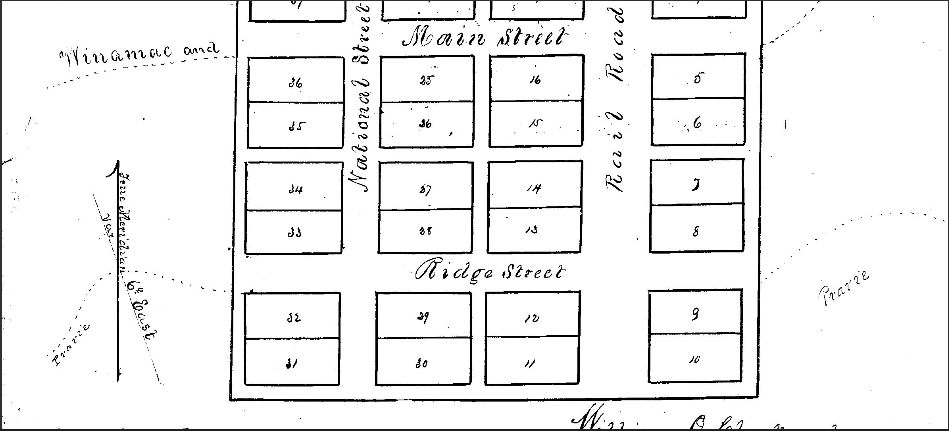
North Medaryville is savanna
South Medaryville is "prairie"
Gillam and Barkley townships have some of the highest and lowest elevations in the area
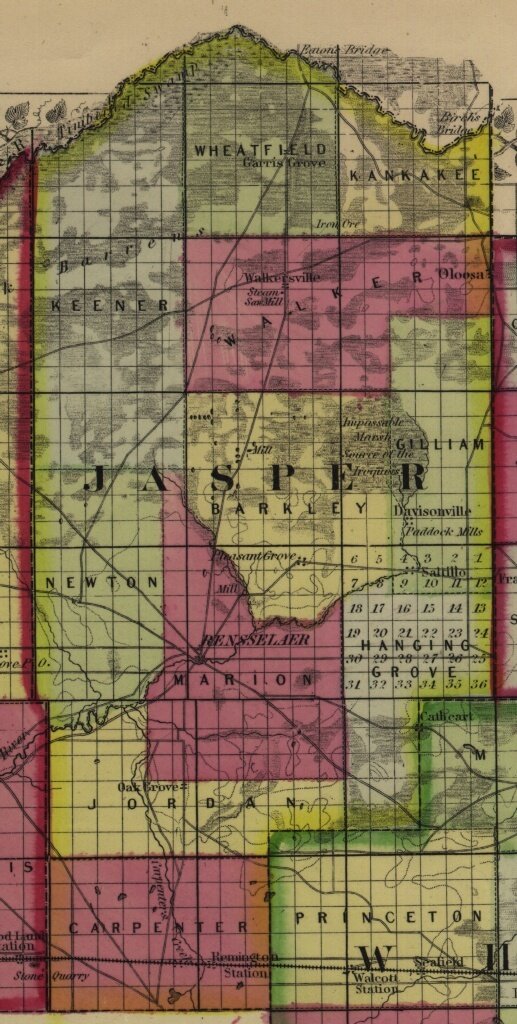
1860s Jasper Co. Map
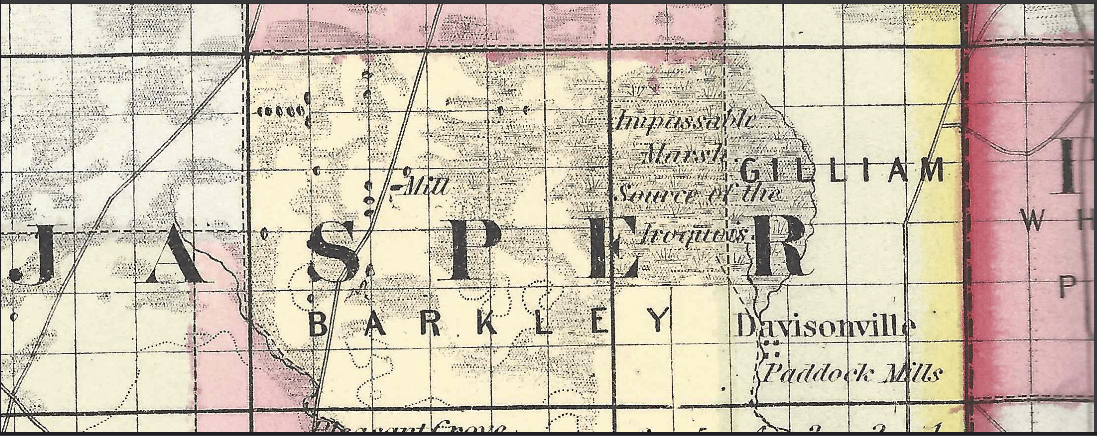
Map Detail
Jasper County's first settlers: in-laws the Culps and the Randles, 1834-5
They settled on adjoining sections on the "high ground" west of Francesville
The Culps, Randles, and John Gillam family founded Independence Church in 1836.
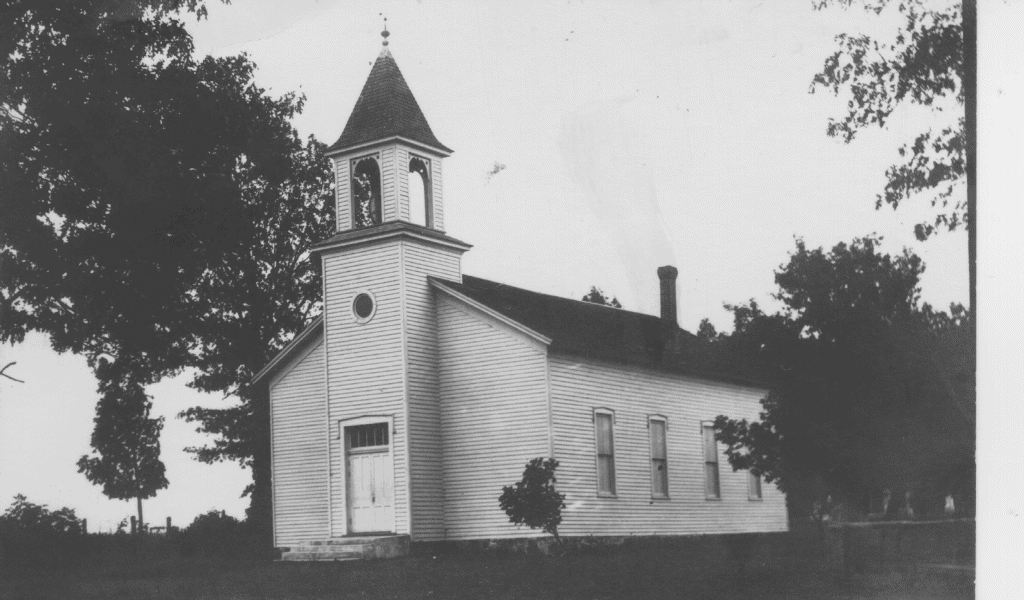
Independence Church Homecoming next Sunday!
Who were Pulaski County's first settlers, when and where did they settle?
Silas Phillips came to White Post Township in 1834; his brother George followed in 1835
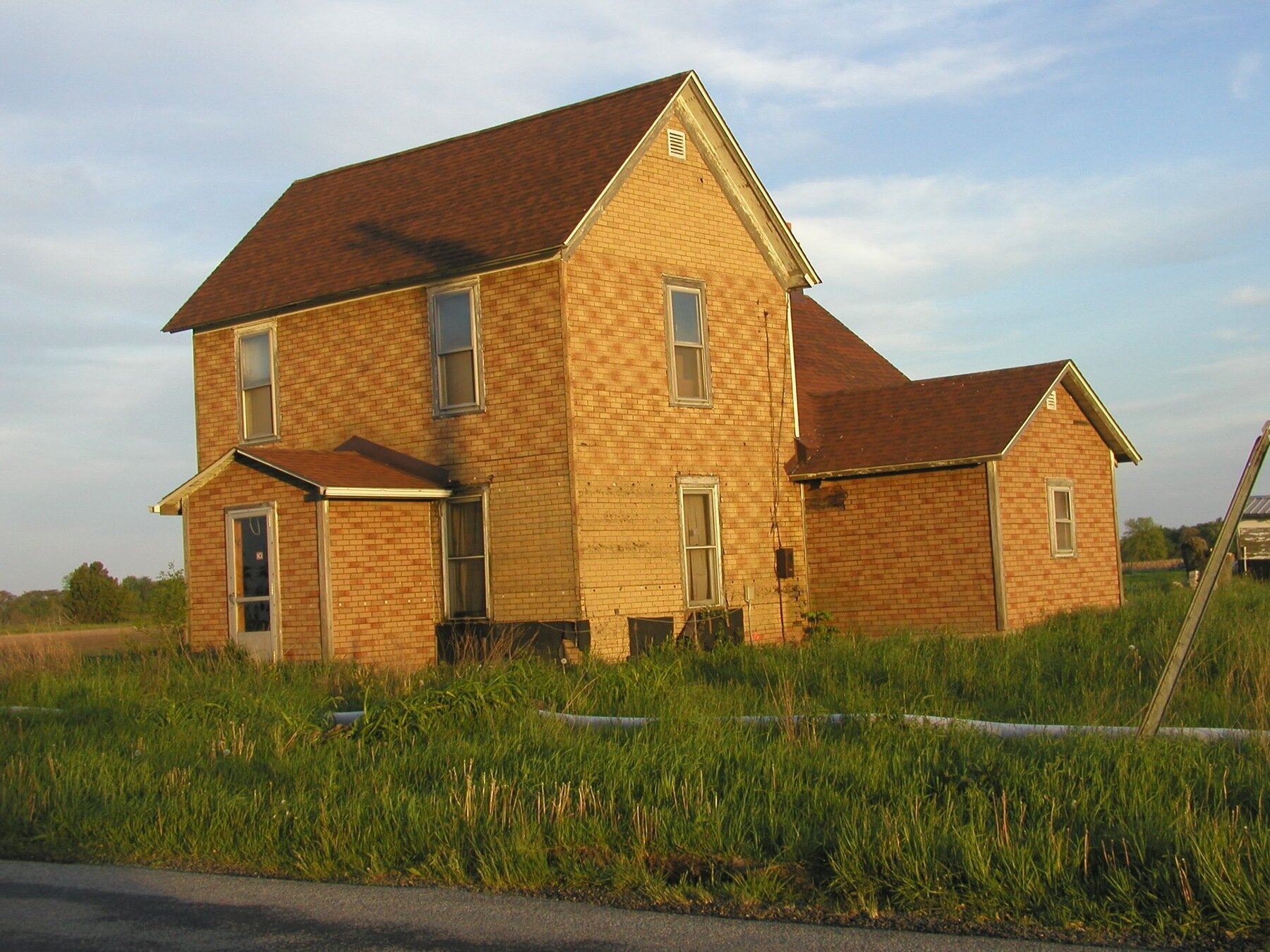
The earliest settlers in both counties settled on tracts within 10 miles of Medaryville
Families who shaped Medaryville
- Guild
- Prevo
- Posey
- Poisel
- Querry
- Faris
- Robinson
- Comer
- Freshour
- Logan
- And many more. . .
2. B.J. Gifford and "his" marsh
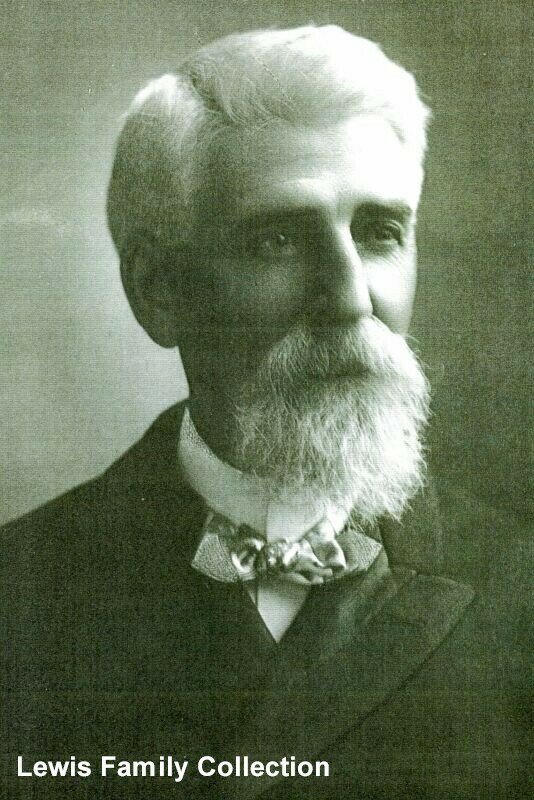
B. J. Gifford Bio
-
Born in Kendall Co. Illinois in 1840
-
Entrepreneurial from a very young age
-
Reclaimed 11,000 acres of marsh in Illinois
-
Used the proceeds to buy Jasper/Lake Co. marshlands
-
By 1894 was the largest landowner in Indiana
-
At peak, had 36,000 acres
-
-
Developed marsh-draining technology
-
Built scores of homesteads for tenants
-
B. J. Gifford Con't
-
Was also a railroad "baron"
-
Built and sold a RR in central IL
-
Sold it to Jay Gould
-
-
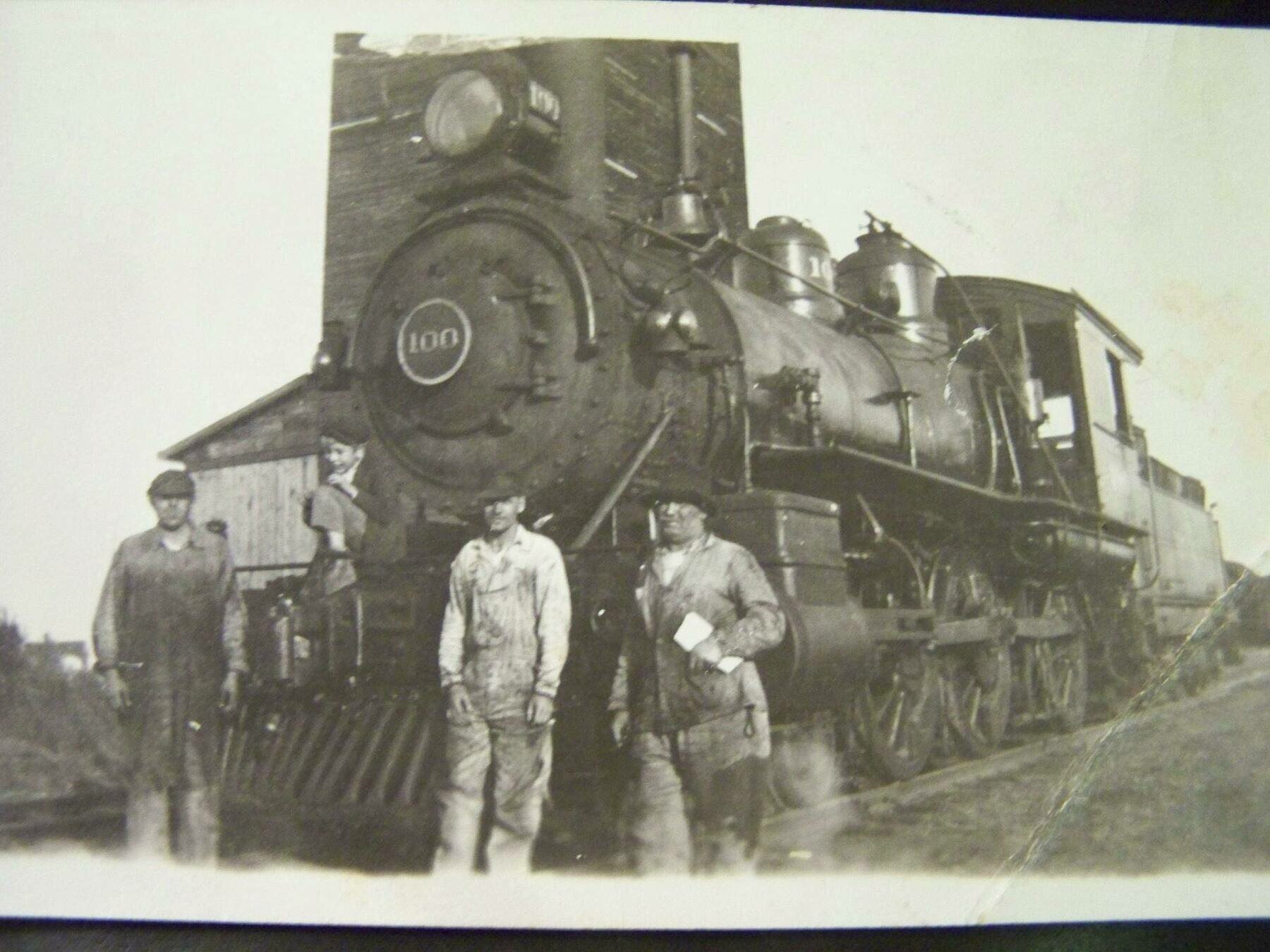
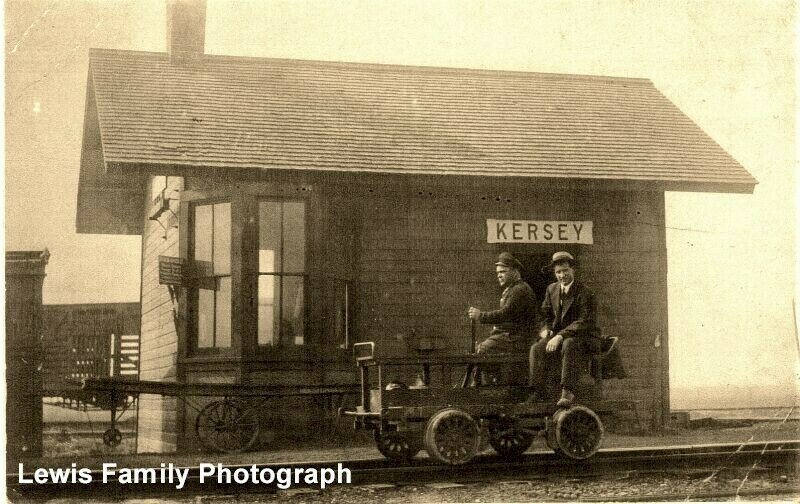
Built the Chicago and Wabash Valley RR in Jasper Co.
-
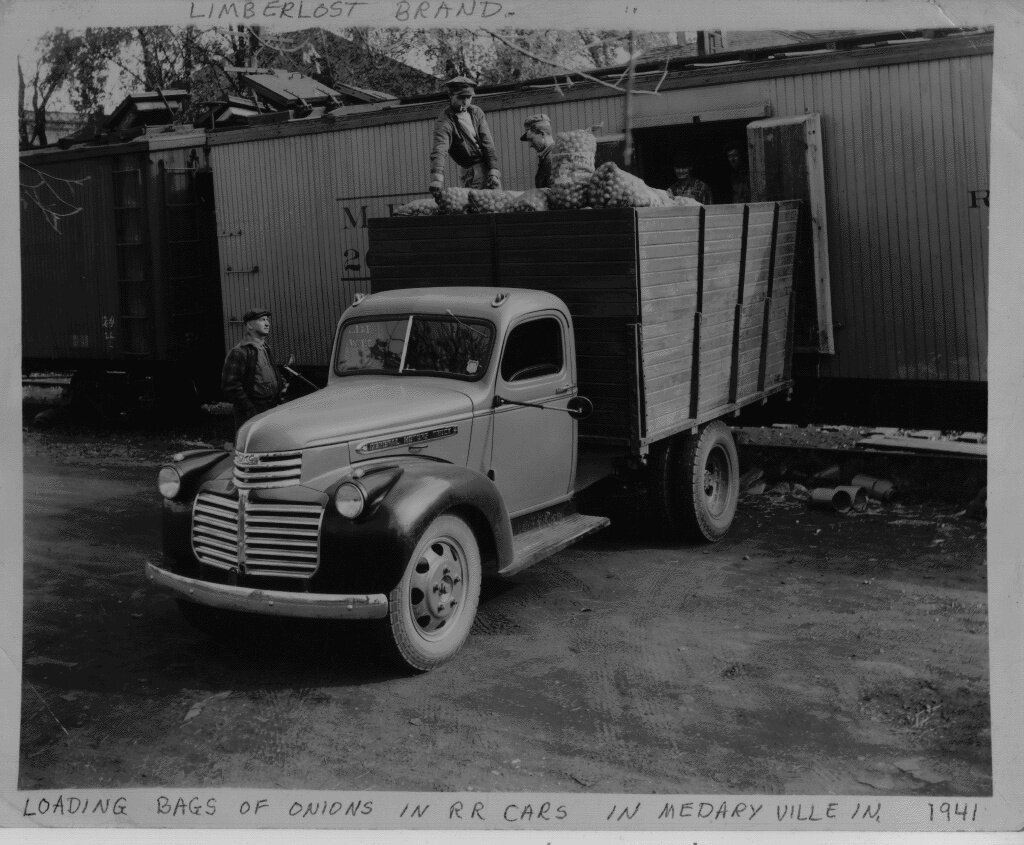
Nickname, "The Onion Line"
-
Built entirely with his own money
-
Passenger and Freight service
-
His (unrealized) dream: haul produce to Chicago
-
-
-
Died in Rensselaer in 1913
3. The Gehring Farm
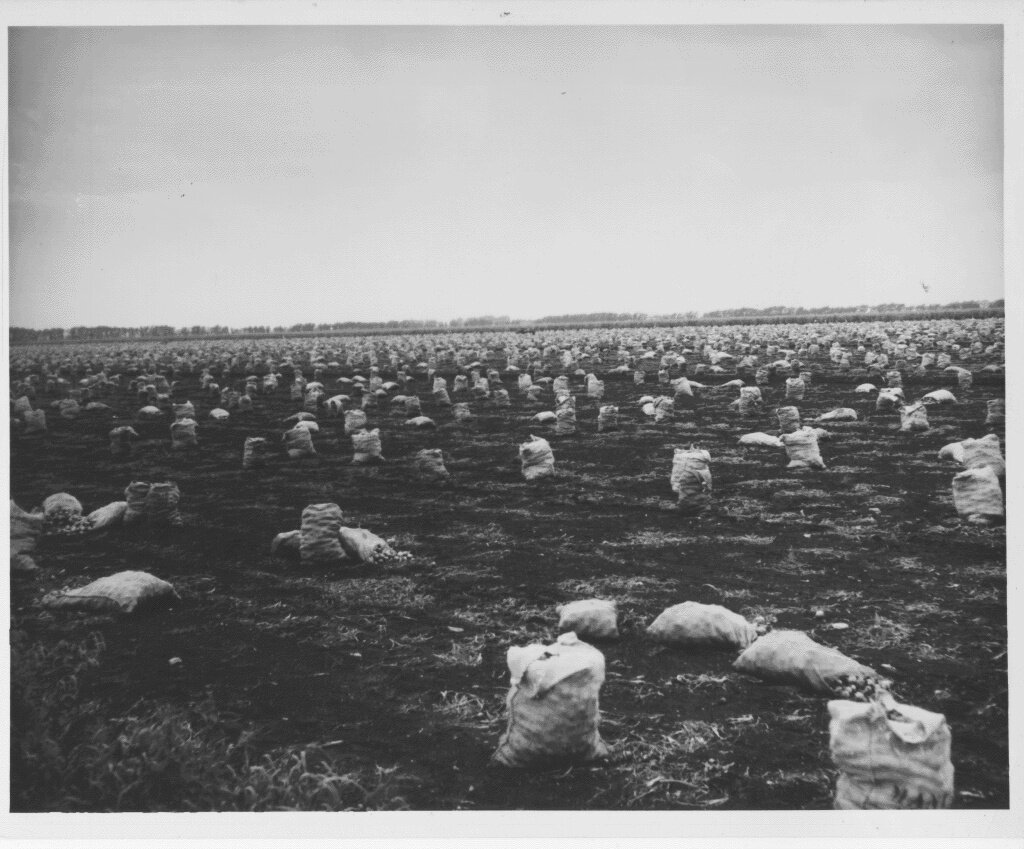
The marshlands in Cass and Rich Grove Townships, along with similar lands in southern Starke County, were drained in the early 1930s, and Fred Gumz's sons Victor, Richard, Elmer, Arthur and Marcus were growing mint, onions, and potatoes there.
Many of you likely knew Fred Gumz's sister Helen's children, the Pingle family from east of town.
In the late 1930s, eyeing the marshlands of Jasper County, a number of North Judson area farmers began operations on the old Gifford Marsh.
Fred Gumz's son Art, Lou Jachim, Carl Benson, and Bill Gehring saw the potential of the Gifford Marsh, and began farming there in the late 1930s.
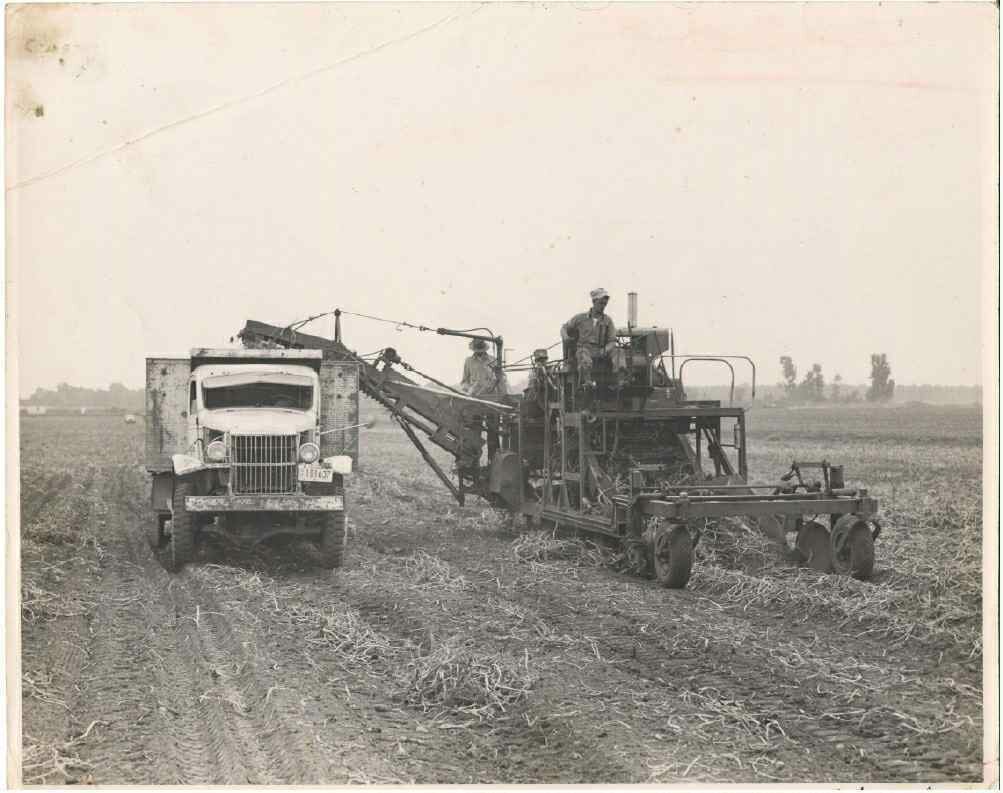
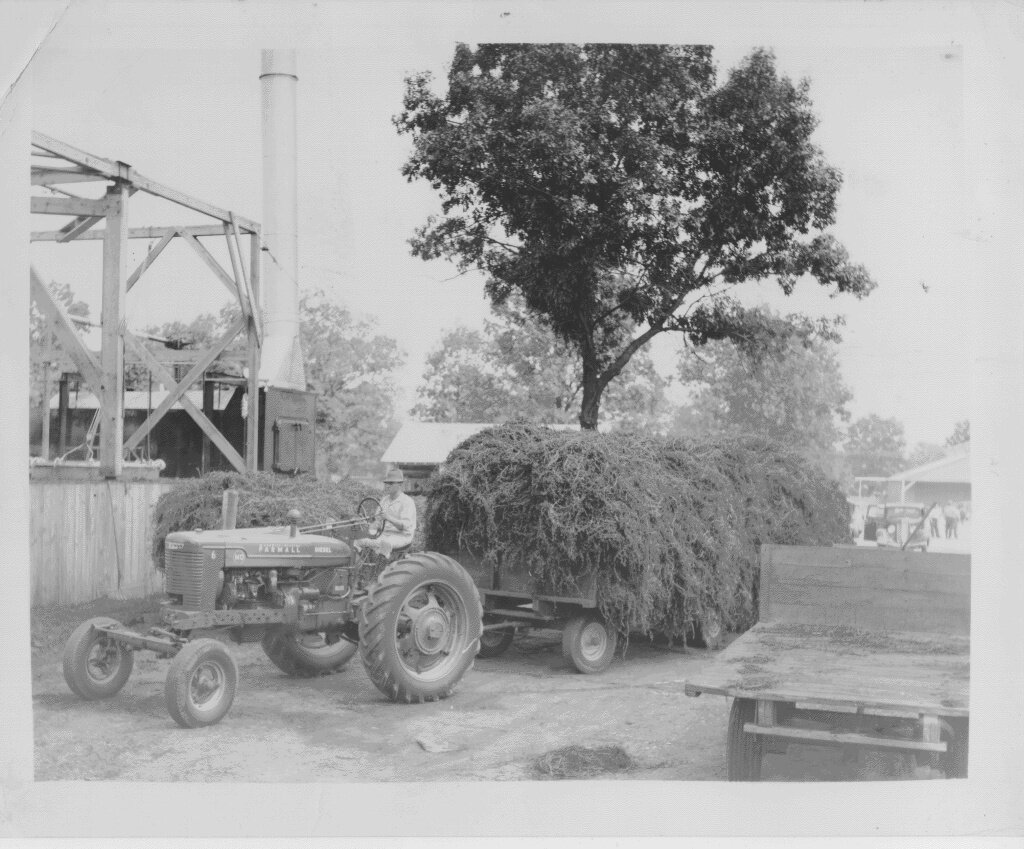
Bill Gehring's operation became the largest of the lot of them.
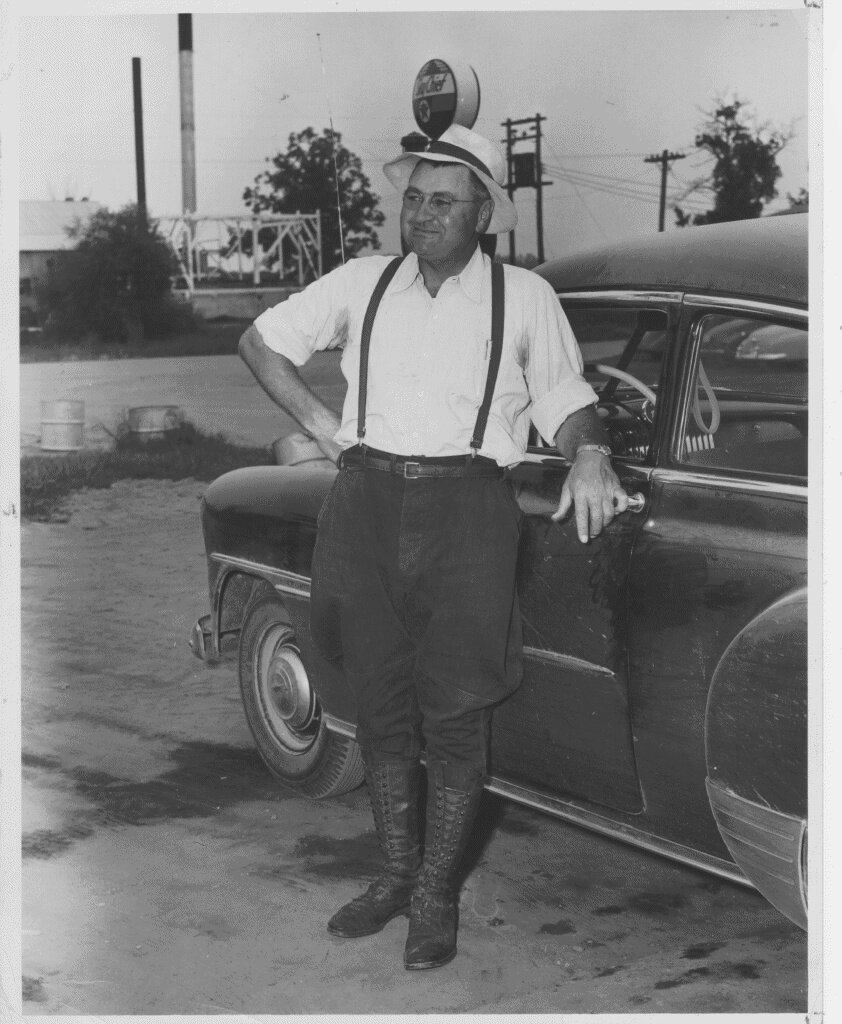
Short bio of Bill Gehring
- Grew up in Southern Wisconsin
- Met Lillian Dolezal on a trip to North Judson
- Married her in 1929, moved to NJ and established a farm there
- Came to the Gifford Marsh in the late 1930s
- Farm eventually grew to nearly 10,000 acres
The farm was diverse and innovative
- Primary products were potatoes, onions, mint, and grains
- He had a full-time agronomist and agricultural engineer
- He employed vast numbers of workers
- I was a timekeeper in 1968; over 500 employees
- He had a regular crew who came from mid-Texas
- Purdue carried out many experiments on his farm
- He was a devout Catholic
- He never lived on the farm, but commuted from North Judson
4. Other notable stories
The Oil Rushes
Where: Gillam and Barkley townships
When: late 1890s through about 1910
Who: Various parties, including B.J. Gifford and Richmond L. Levering
What: OIL!!
In 1904 The Indian Asphalt Refining Corporation began operations at Asphaltum, now a ghost town, about 5 miles west of the highway on the old Airport Road
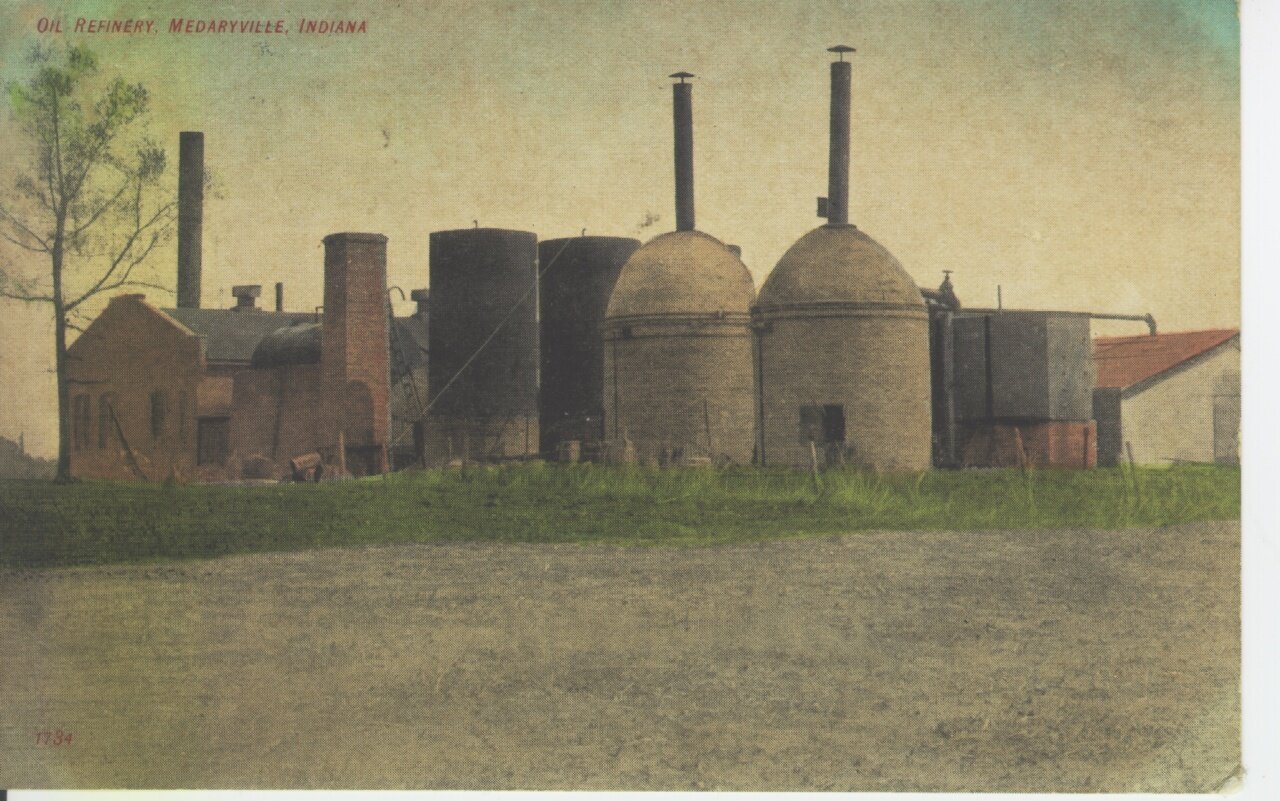
Refinery at Asphaltum
In 1906, they changed their name to "The Indian Refining Company." In 1909 they relocated their offices to New York City, and purchased the Havemeyer Company, whose signature product, Havoline, still exists today.
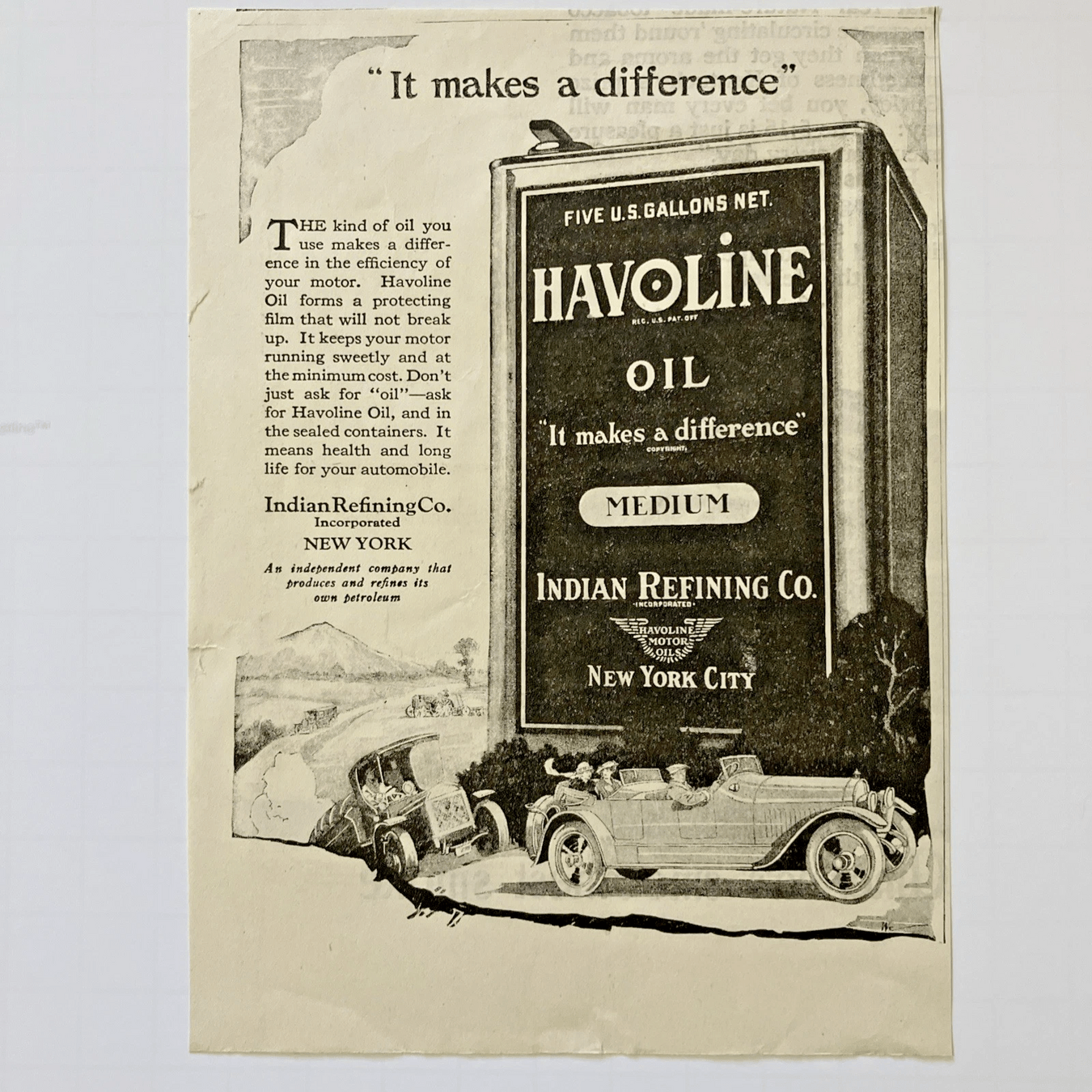
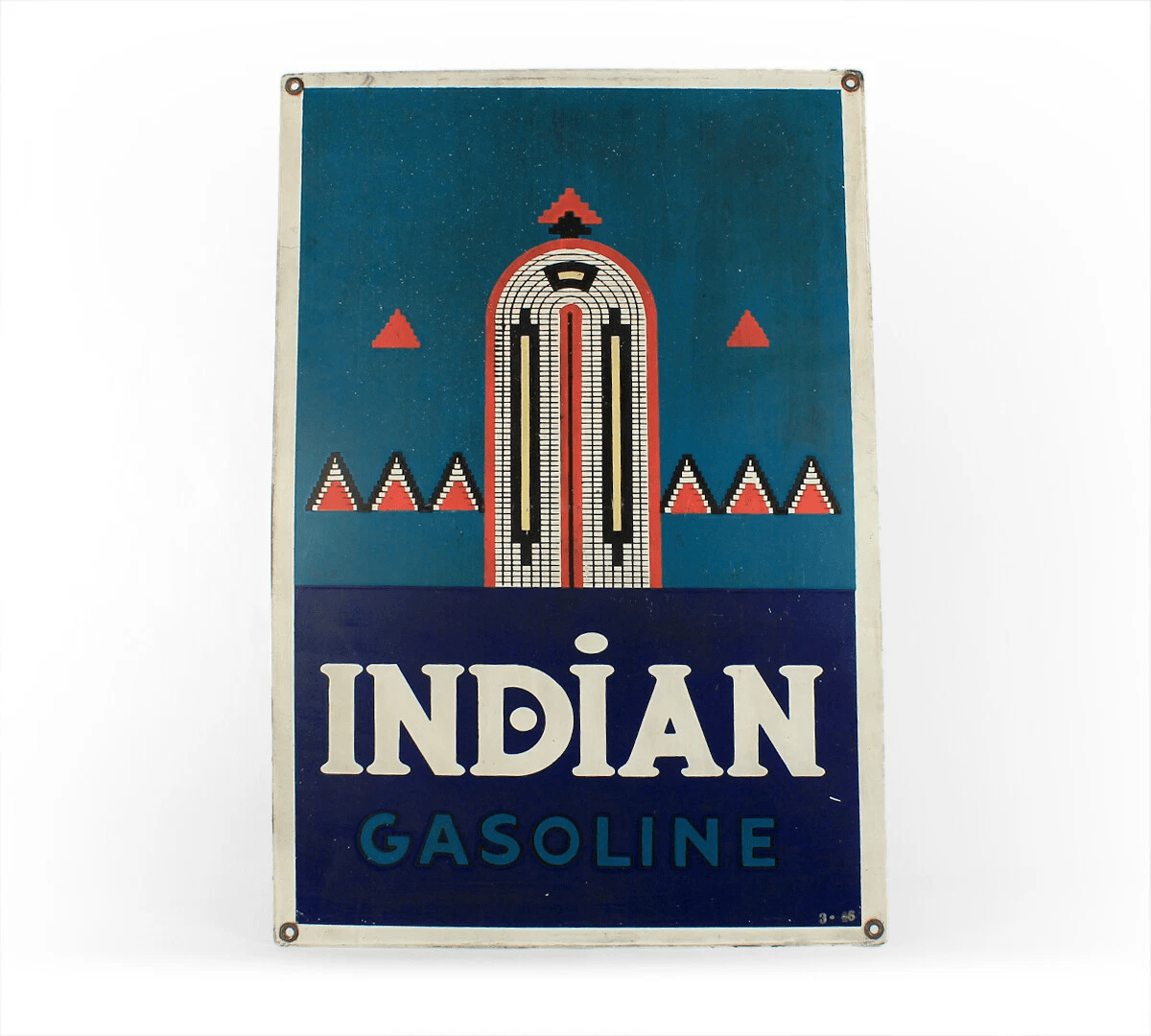
Medaryville real estate entrepreneur Charles Horatio Guild offered "Oil Lands" for sale in Medaryville
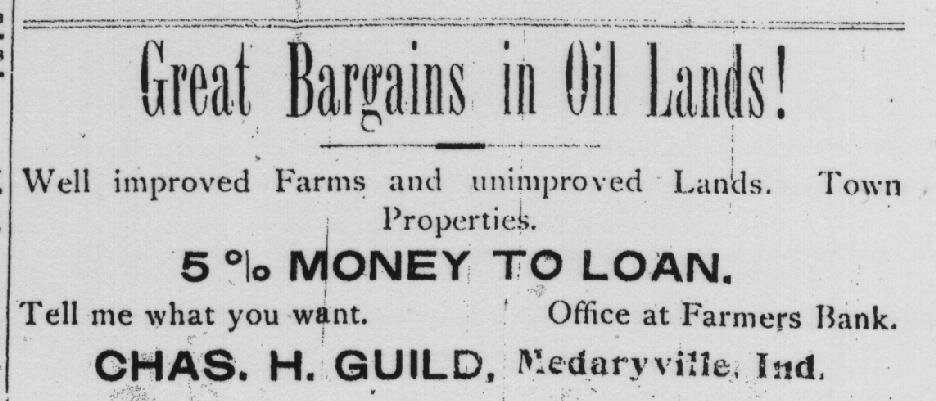
Before 1910 the oil fields west of town were depleted, and essentially abandoned until a resurgence of interest occurred in the 1980s. The revival got nowhere, but a few wells were drilled in and around Asphaltum.
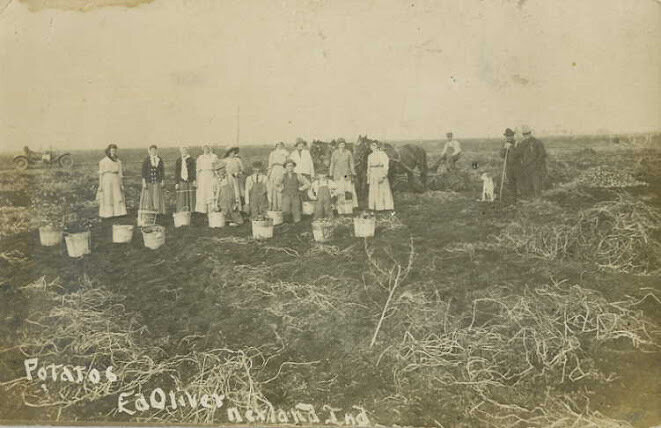
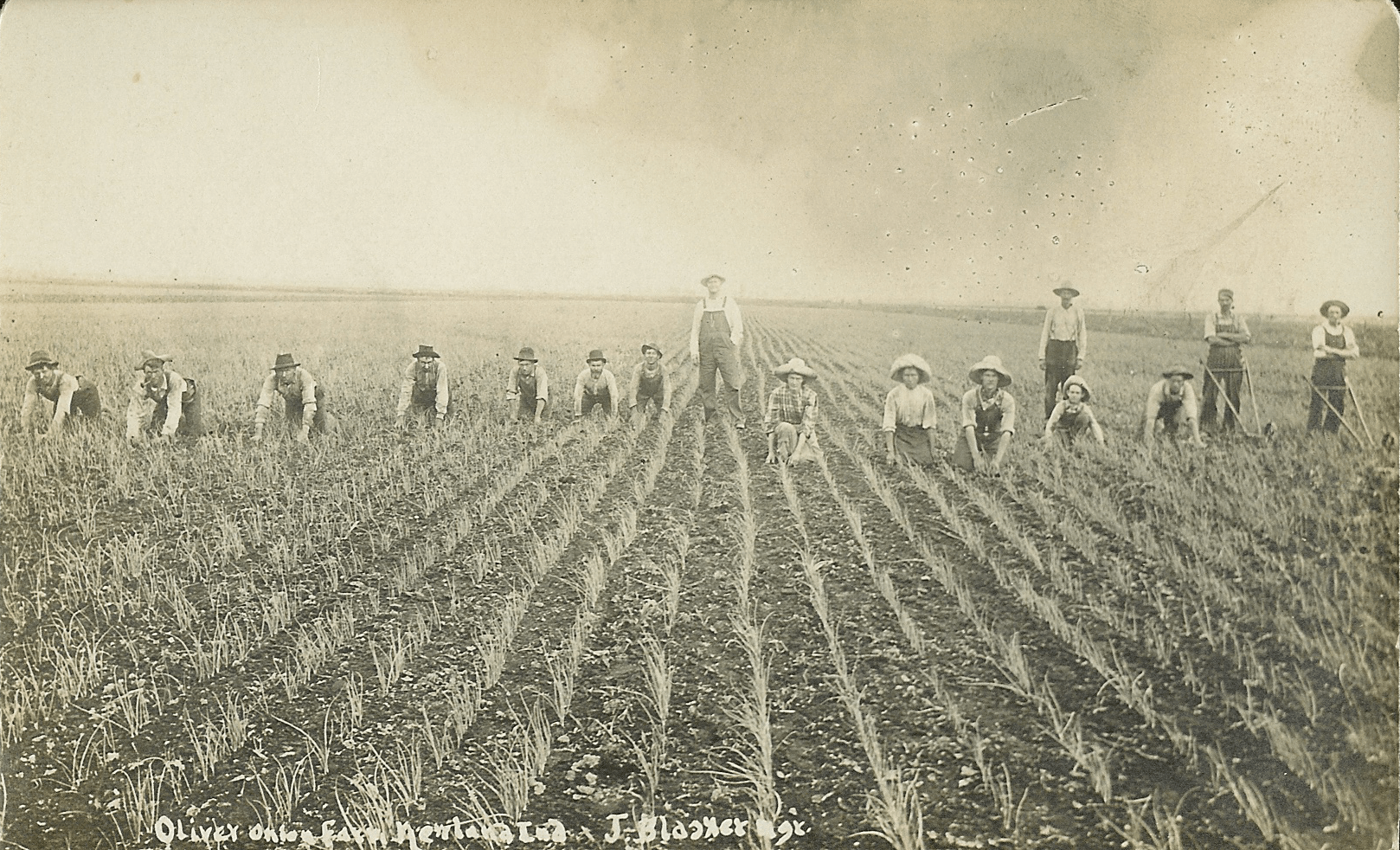
Ed Oliver, the Onion King
Oliver was an enigma
- Came to Jasper County in the early 1900s
- Moved onto the marsh in 1906
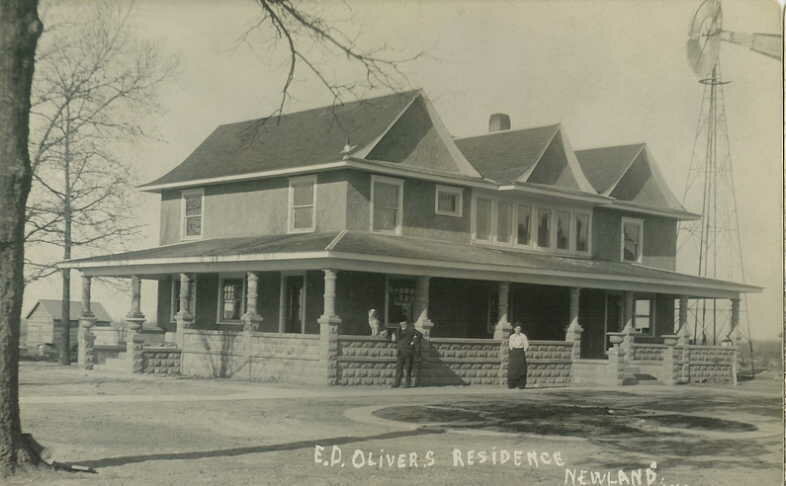
- He bought a farm west of Newland
- He built a massive elaborate home
- He kept high grade hogs and cattle
- He became known as "The Onion King."
- He had a business relationship with B. J. Gifford
- He was a pallbearer at Gifford's funeral
Oliver was larger than life
- Came to Jasper County in the early 1900s
- Moved onto the marsh in 1906
- He bought a farm west of Newland
- He built a massive, elaborate home
- He kept high grade hogs and cattle
- He became known as "The Onion King."
- He had a business relationship with B. J. Gifford
- He was a pallbearer at Gifford's funeral
Oliver was an enigma
- He was in court as often as in the field
- He was sued repeatedly
- He promoted himself ceaselessly
- The schtick: get rich quick growing onions
- He marketed intensively in Chicagoland
- Newland became a boom town
- After his wife passed, he married up
- Just over a yeare after his marriage, he disappeared
- Within that same year, his wife was bankrupt
Ed Oliver didn't exist
- The man who used that name was John Oliver Morrison, Jr.
- Speculation: he thought he killed a man in a bar fight
- His escapades had the strong scent of a con-man
- Yet he was inarguably an expert on onion culture
- His descendants don't know for sure what became of him
- Their consensus: He changed names again and went to Texas
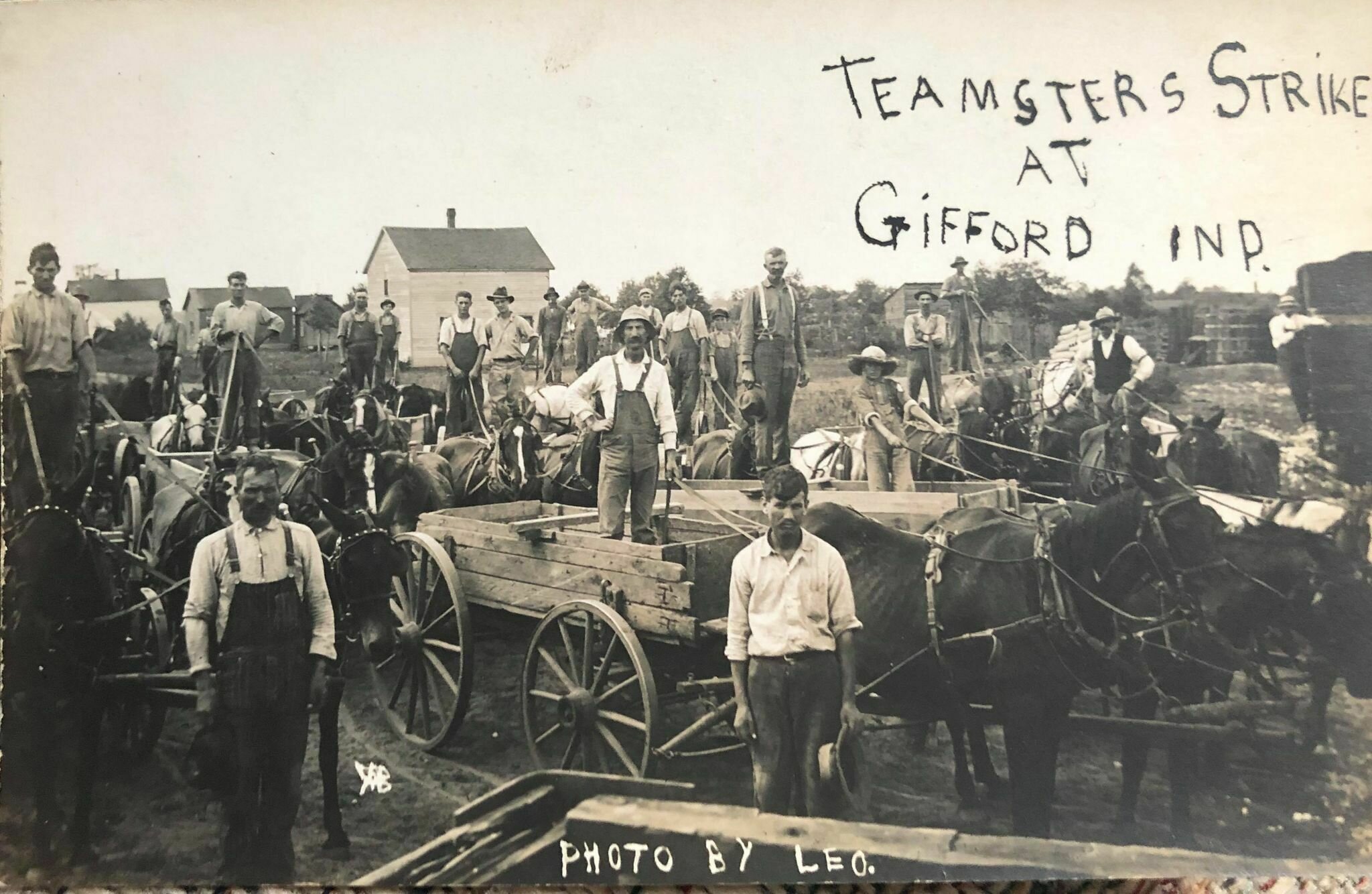
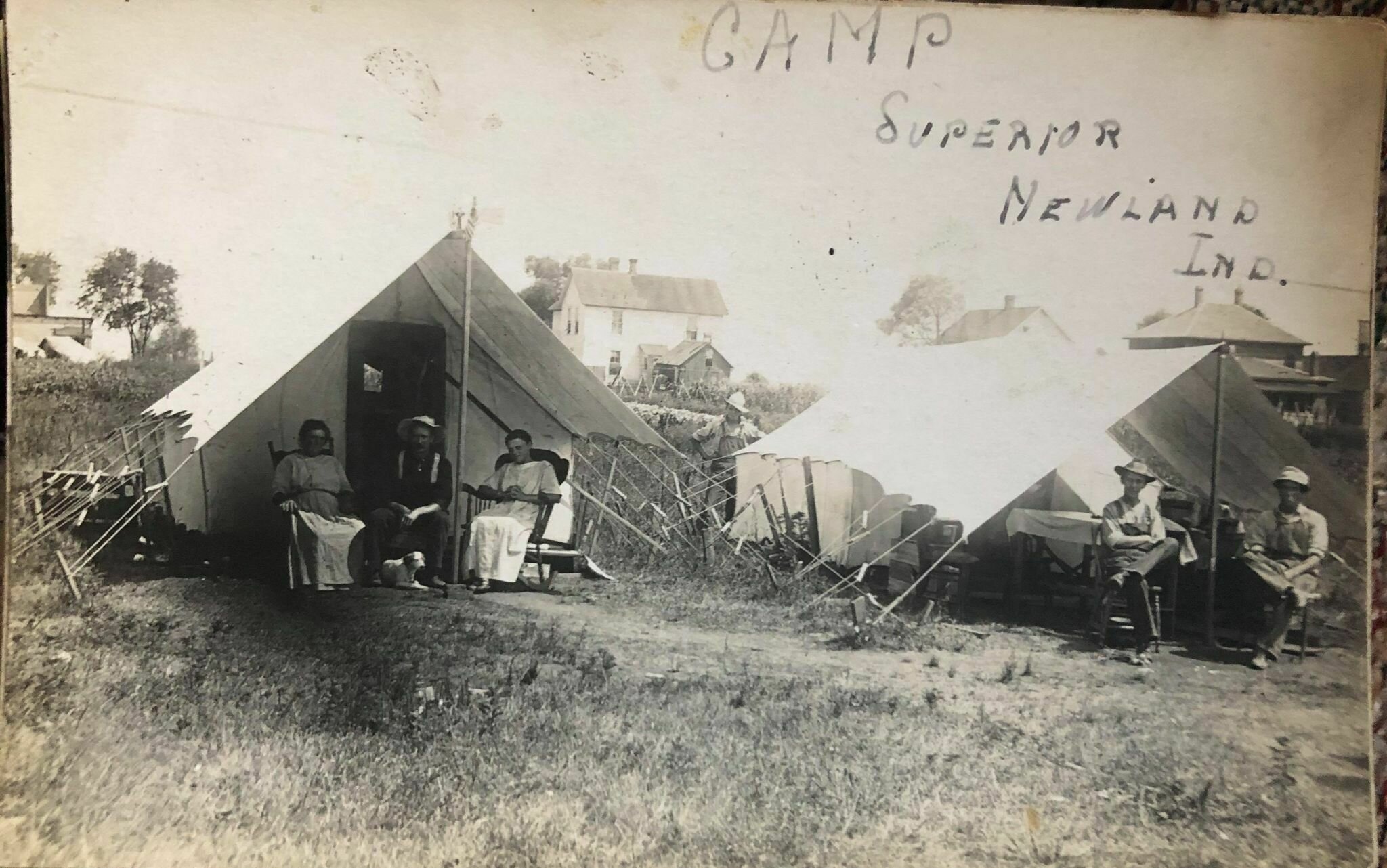
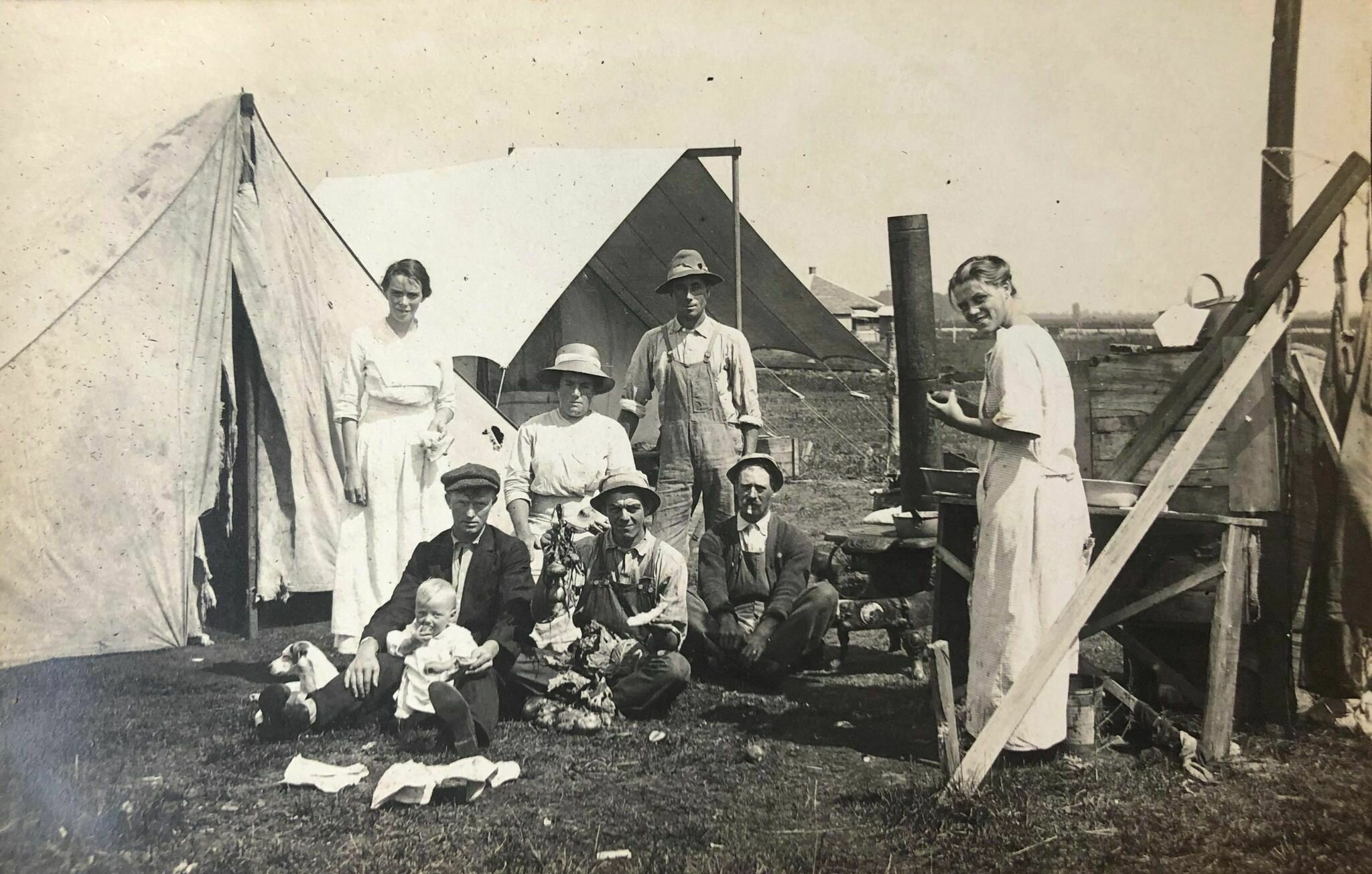
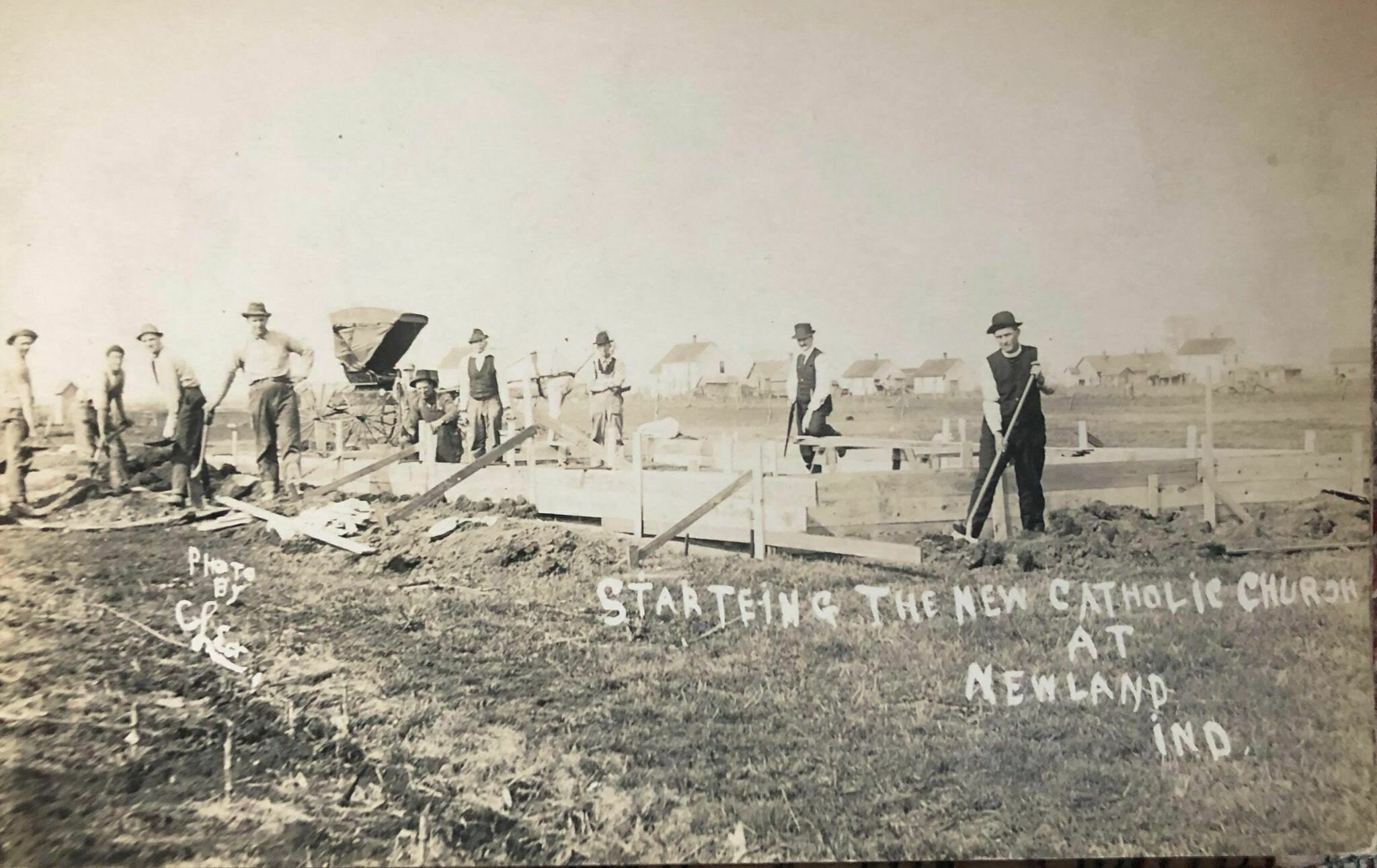
Photographer Leo Sharapata documented life on the marsh just after the turn of the century.
Images from the collections of Mary Yeoman Sholey and Bill Willmon