Laws Beyond
Spacetime
Carmiella Salzberg Zorzi
Vincent Lam
and
Christian Wüthrich
18 August 2022
Additional information gathered from conversations with ChatGPT, Claude, and Grok as well as from YouTube (Arvin Ash, Ai Labs: Exploratory Science and Paradoxes, Quantum Magazine)
All visuals are original,
created either with
Midjourney AI Image Generator or by me.
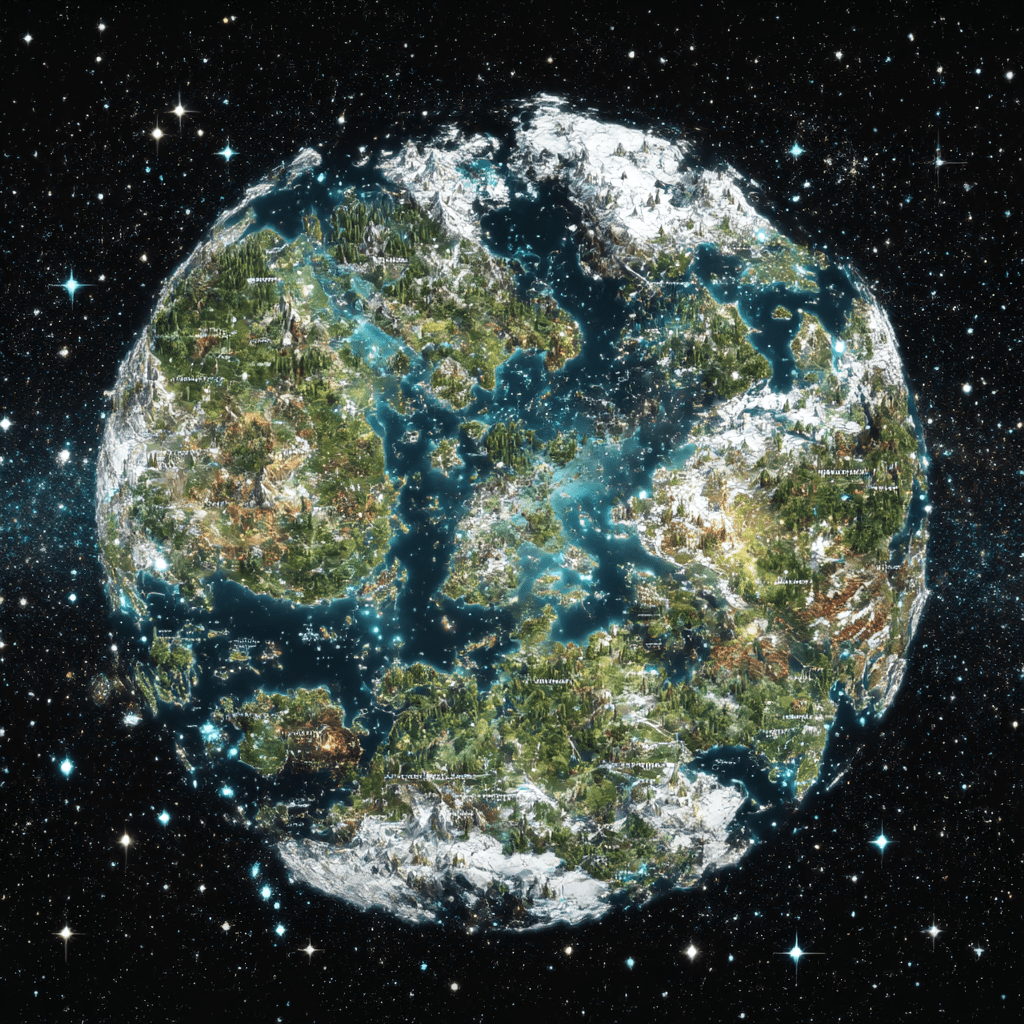
General Relativity
- Smooth space-time continuum
- Deterministic, predictable
- Object permanence
- Time is relative based on position and perspective, but distance and duration exist
- Gravity is not a force, it is a warping of space-time
- There is no wave-function
- everything is infinitely divisible
- Large objects / entities
Quantum Mechanics
- Discreet quanta
- Random, cannot be predicted
- Probabilistic, where a particle will or won't appear
- Superposition, entanglement, non-locality
- Smallest space / entities
General Relativity
Quantum Mechanics
Quantum Gravity
A photon / electron exists as a wave prior to interaction, then as a particle when it collapses to one point of interaction. Thus, it can be anywhere until it's measured.
So, where is the gravity located for subatomic entities?
Anything with mass / energy affects the curvature of space-time.
Falls apart when trying to describe the singularity of the Big Bang: doesn't describe the gravity where the infinitely large is at an infinitely small scale.
The attempt to bridge Relativity and Quantum Mechanics:
Currently there are multiple competing theories, no ONE accepted version. In this paper, Lam & Wüthrich address two theories:
Causal Set Theory
Loop Quantum Gravity
Neither is fundamental because neither is universal.
General Relativity
Quantum Mechanics
Quantum Gravity
Theories differ in their principles, methods, and results, but what they share in common is:
(a) none of them enjoy empirical support beyond the 'old physics' they incorporate.
(b) There is near consensus that that the fundamental structure is non spatiotemporal. Spacetime is emergent.
Result: An analysis of the laws of nature cannot depend on spacetime.
There are deep ramifications for:
(a) Humean Best Systems, (b) Primitivism, (c) Dispositionalism.
Doesn't work in blackholes / early universe
Where is the gravity, the dynamical geometry of spacetime?
Prompt:
1) Double slit experiment
-> 2)
Anything with mass / energy affects the curvature of space-time.
Prompt:
1) Double slit experiment
-> 2) A photon / electron exists as a wave prior to interaction, then as a particle when it collapses to one point of interaction. Thus, it can be anywhere until it's measured.
Humeans want a disconnected mosaic with "no necessary connections" which can be rearranged to form other possible worlds, and quantum mechanics almost proves that; reality is 'quantized', pixelated, 'glued' by relations.
HOWEVER
Humeans think "laws" are just descriptions of patterns we observe, but quantum gravity shows that laws are built into the base itself.
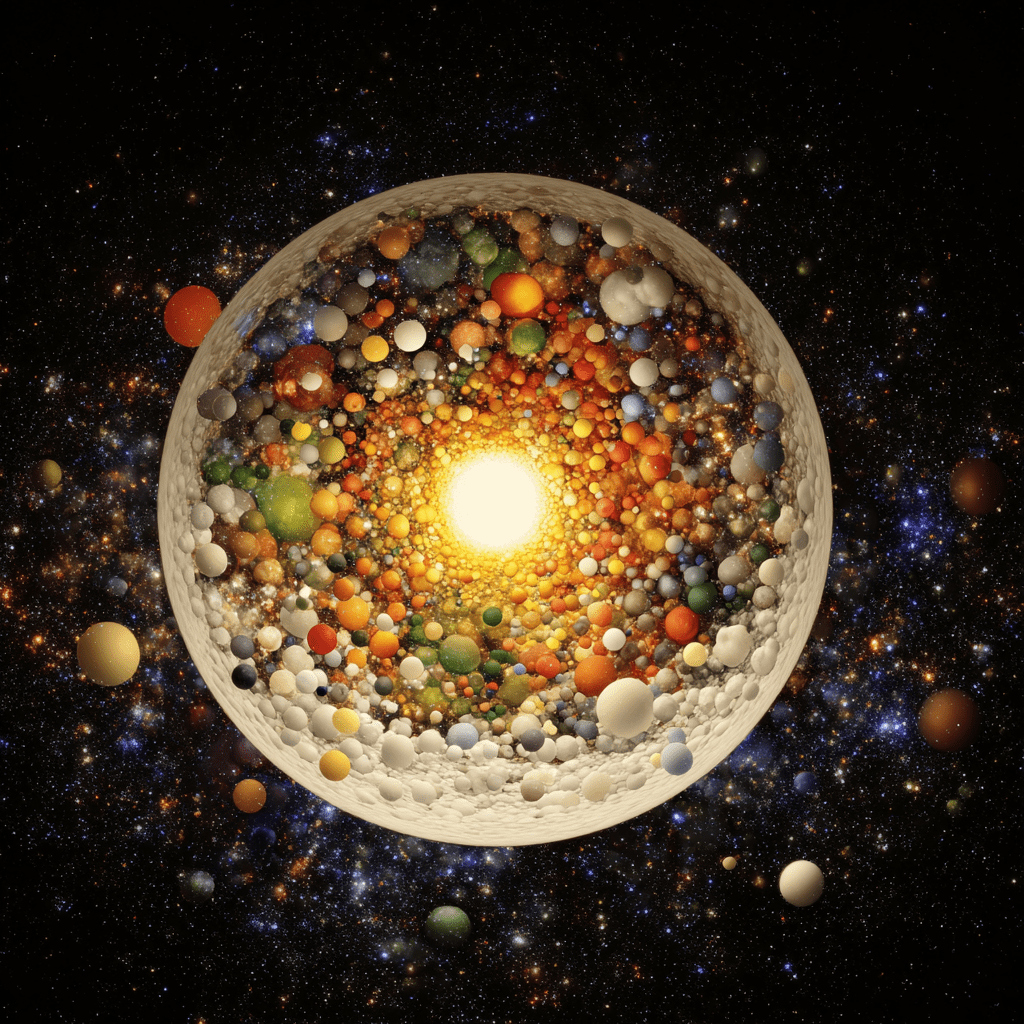
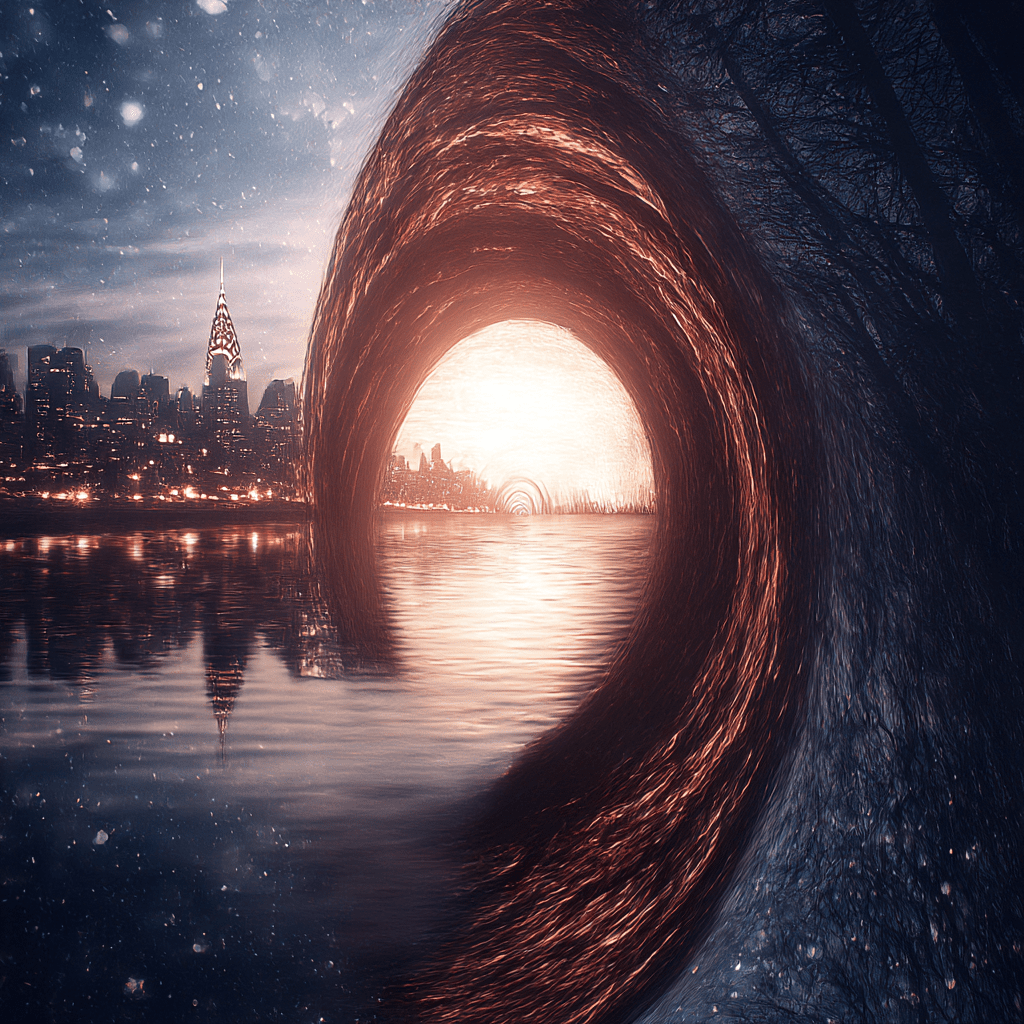
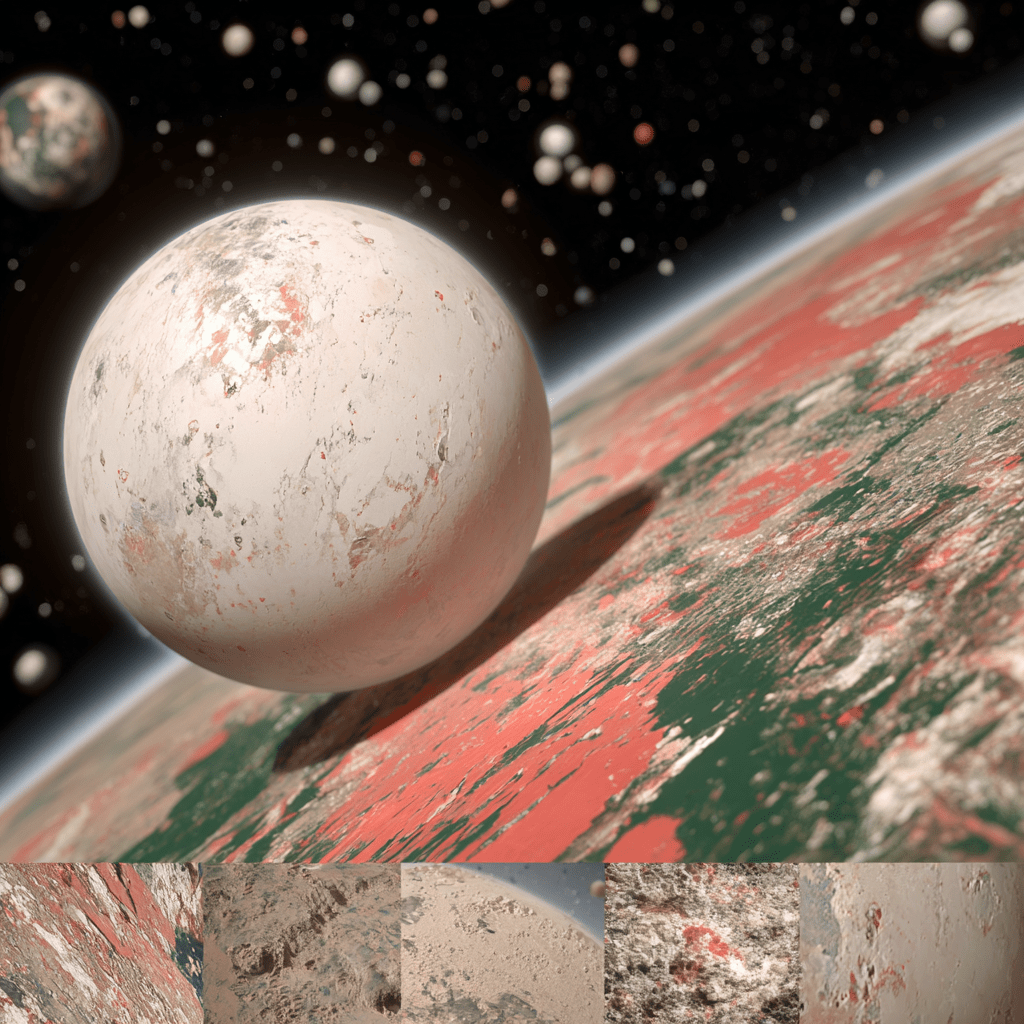
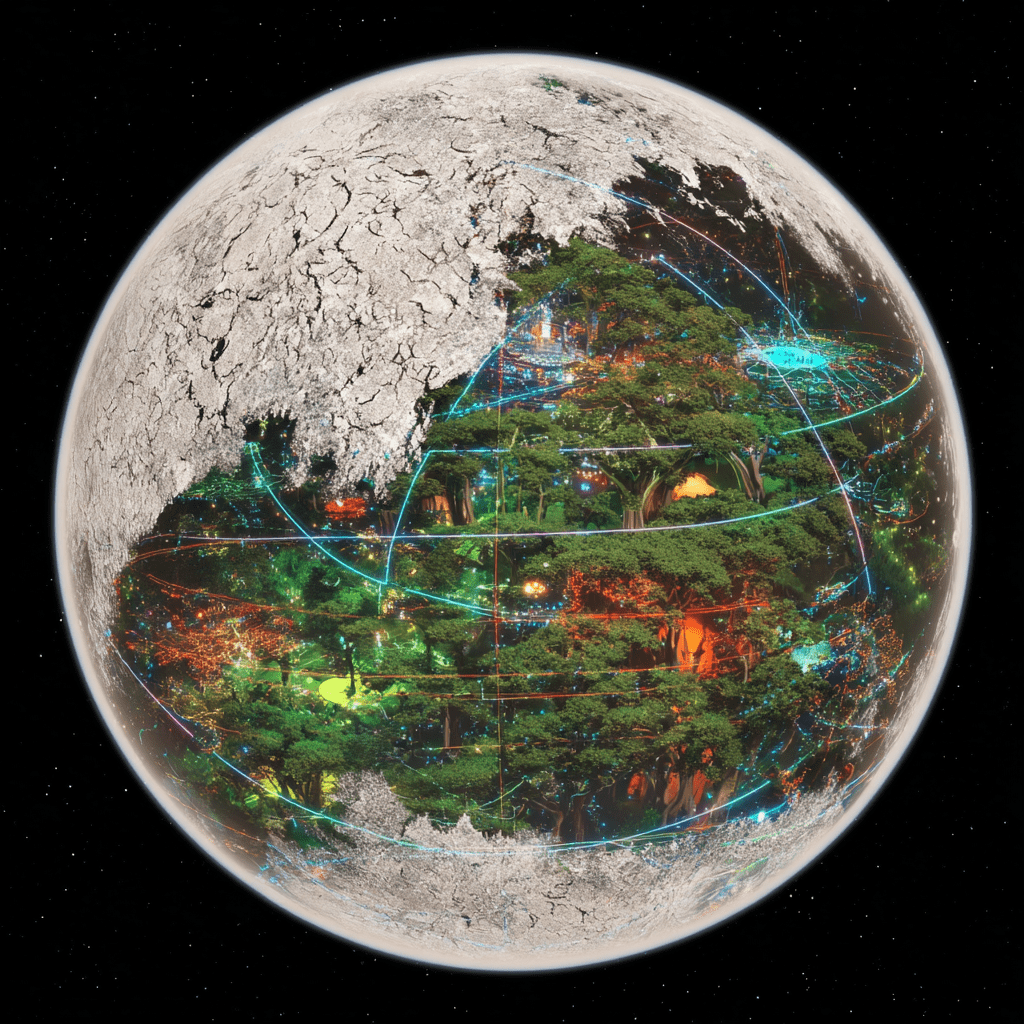
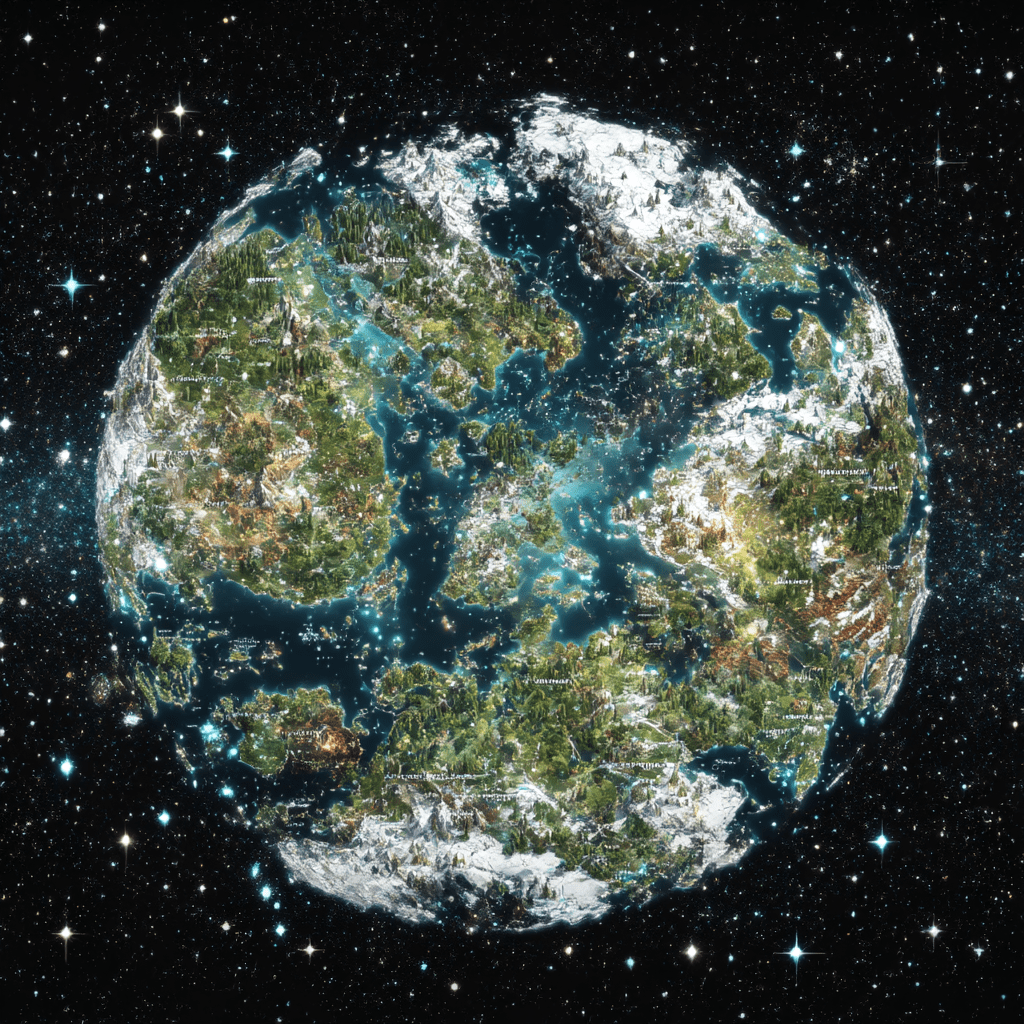
Prompt: multiverse as a mosaic
Text Prompt to Midjourney: The universe is a mosaic within which the functions of pieces are connected and conducted by either regularities or laws.



(Section 2.1) Lewis: A metaphysically possible world consists in a spatiotemporal arrangement of local qualities, i.e. "perfectly natural properties which need nothing more than a point at which to be instantiated"... "point-sized bits of matter or aether or fields."... with spatiotemporal distance between points... "all else" including laws of nature, supervenes on the local qualities at a world... Lewis's reduction takes worlds as fundamental. Laws of nature supervene on the local qualities at a world.
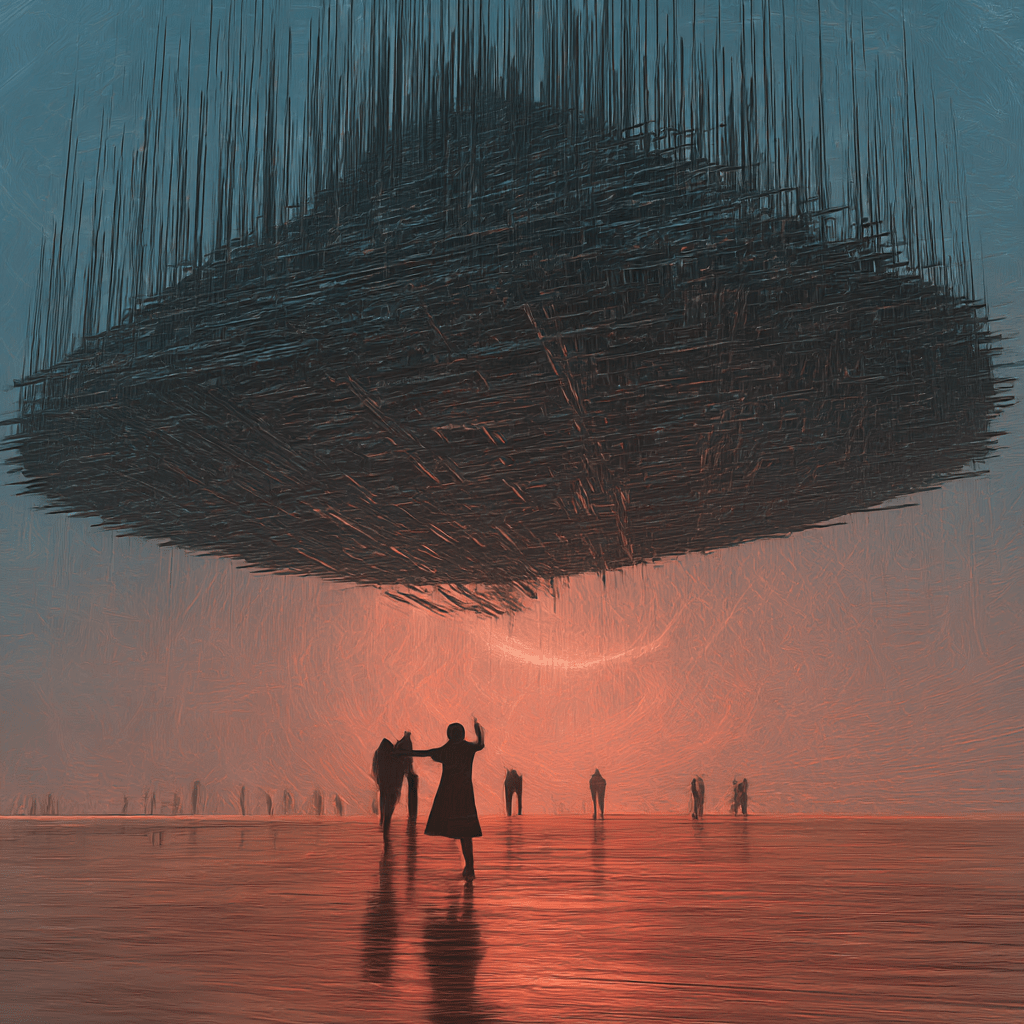
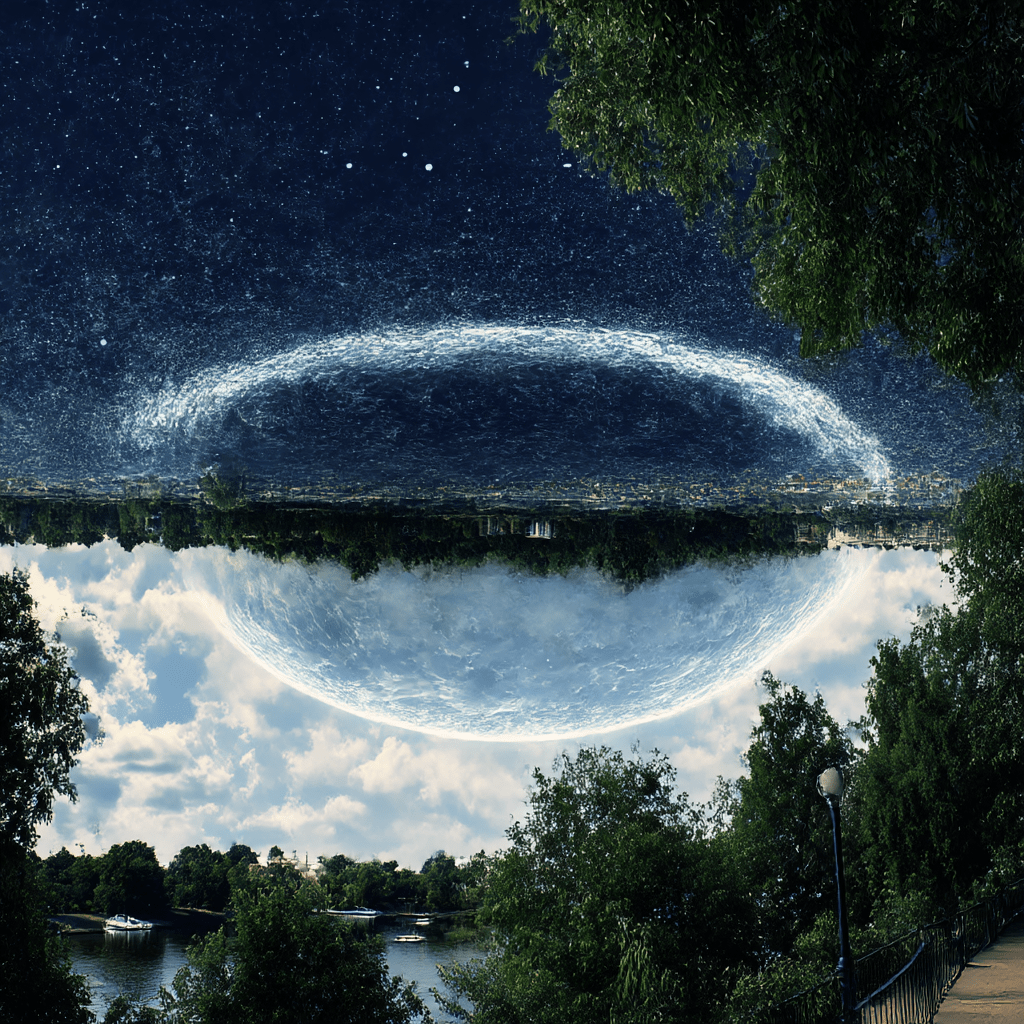
Prompt: metaphysically impossible worlds
Prompt: A nomically possible alternative world in the pluriverse.
Prompt: A metaphysically possible alternative world in the pluriverse.
Prompt: A metaphysically impossible alternative world in the pluriverse.
Prompt: A comically possible alternative world in the pluriverse.
The complete physical state supervenes on each spacetime point and spatio-temporal relations between them.
Local states can be recombined to create new possible worlds (the Pluriverse).
The state of affairs at any particular point in spacetime does not affect affairs elsewhere.
In each possible world, the 'best possible system' of laws is applied.
Contains spatiotemporal relations.
Total state of the system does not supervene on the local parts (particles/waves)
A law does not summarise patterns, it has modal force; it limits how entities can behave as they evolve. In other words, the laws are 'baked in' to the elements.
Total state of the system does not supervene on the local parts (particles/waves)
Nomological constraints on the base, i.e. laws are built into the base structures
Necessity and law hood are derivative of occurrent facts; no primitive necessity.
Darby: Include non-local physical relations between point-sized entities into the supervenient base.
Now the base includes global matters of fact, so locality is lost but supervenience is saved.
Seperability must be reformulated in ways to make it independent of spacetime or be abandoned altogether.
Replace Separability with a more flexible supervenience base of total physical states of the world.
Locality is not essential to Humeanism, but free-recombination (no necessary connections) is.
Loewer: Save locality and separability by replacing fundamental physical space with Configuration Space.
3n dimensions for n fundamental particles moving in 3 dimensions
Total states of all n particles are captured in a point. Wave function of quantum mechanics are functions in configuration spaces (+ time, the 4th dimension)
The supervenience base consists of point-like matters of fact in configuration space.
Time and space still exist here, but we will see it offers a clue to how to deal with the disappearance of spacetime...
What is the relationship between configuration space and fundamental physical space?
Quantum mechanics break the Humean mosaic metaphor.
Time and space MUST work differently 'underneath' / 'behind' the physical world we experience.
Quantum gravity demands new metaphors.
Prompt:
1) multiverse as a mosaic
-> 2) multiverse as a mosaic breaks apart because quantum non-locality doesn't make sense.
-> 3) Multiverse as a mosaic breaks apart because quantum non-locality doesn't make sense. Particles are entangled across the multiverse and they do not follow the laws of object permanence.
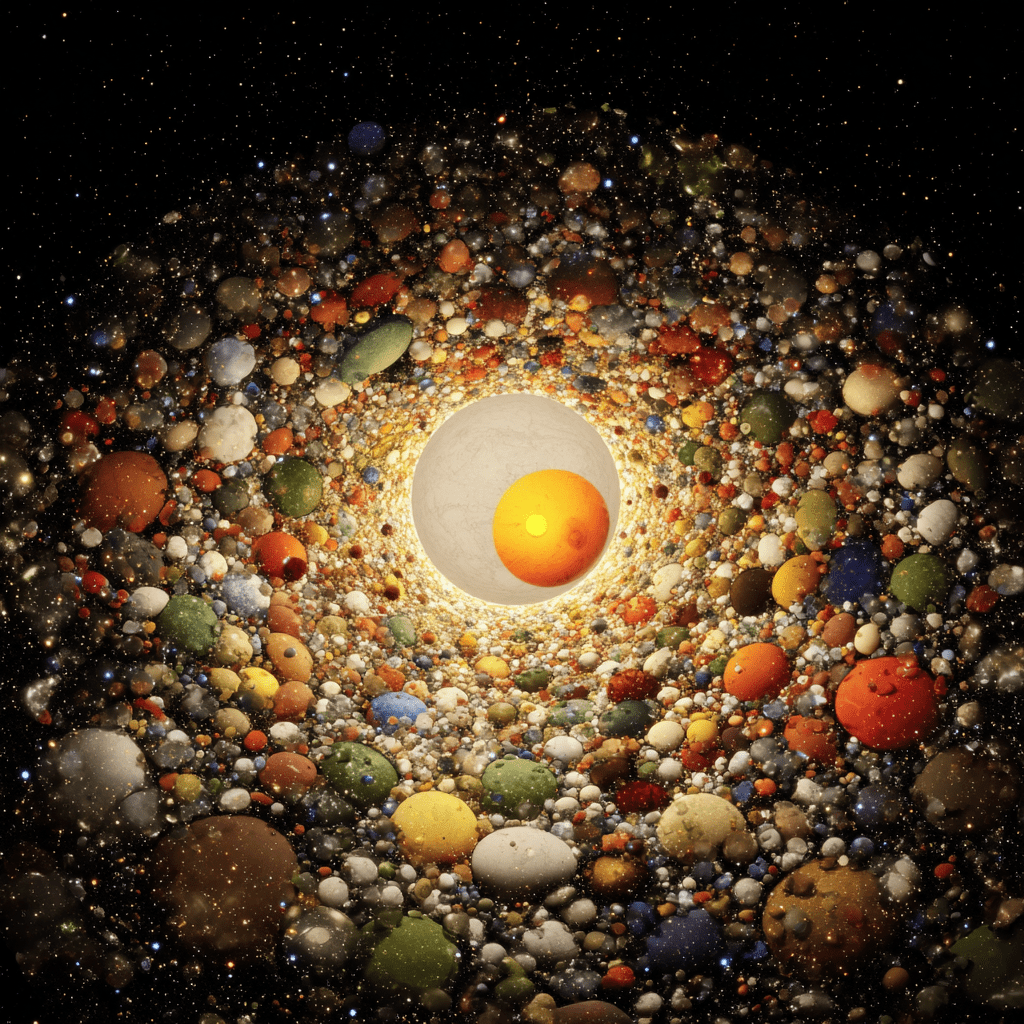
If space-time is emergent, then non-local quantum connections can emerge.
Can we characterise a supervenience base in nonspatiotemporal terms with 'no necessary connnections'?
Can we construct a metaphysical system from the bottom-up that retains a Humean spirit?
If spatiotemporal relations are not the 'world-making' function, what is?
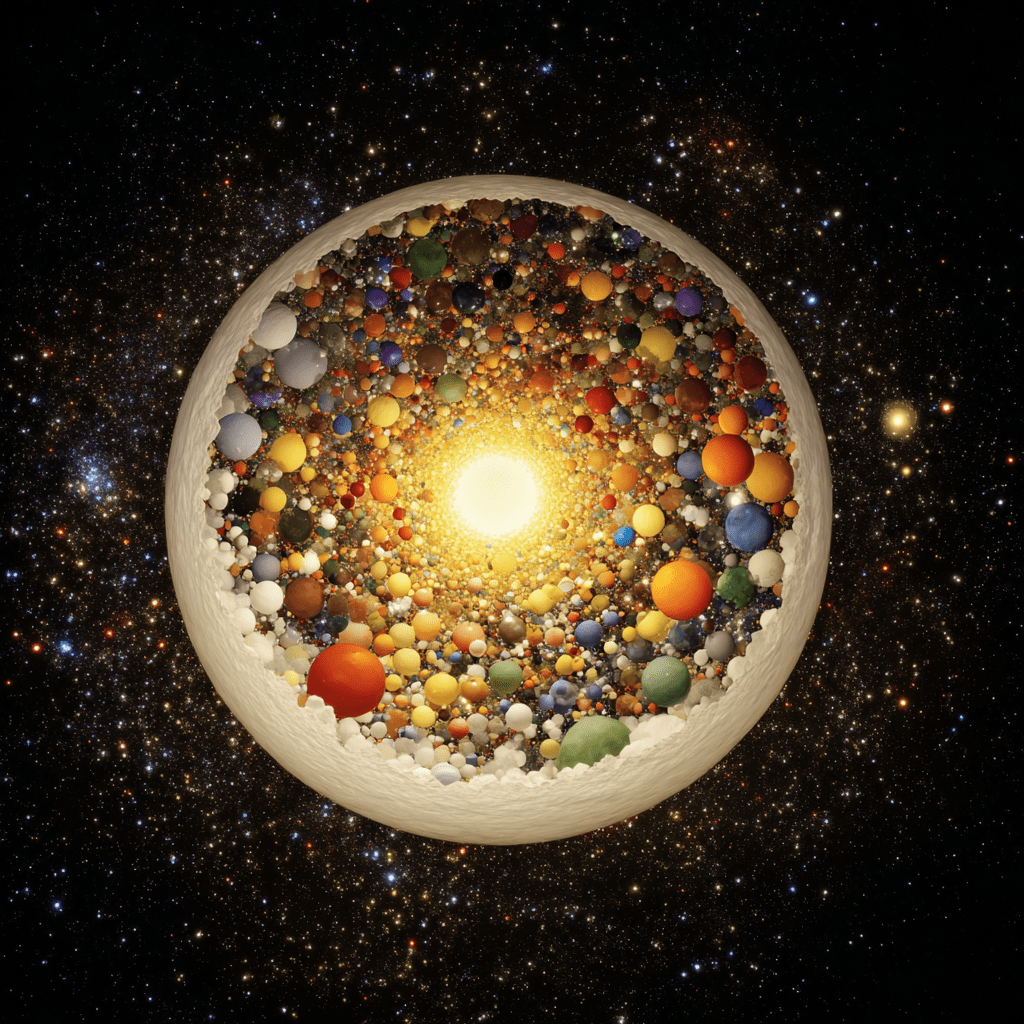
Prompt: Multiverse as a mosaic
Prompt: An intergalactic carpet between possible metaphysical worlds moves in pliable, flexible, dynamical movements. It is a fabric where non-local, non-point-like parts are interwoven with connecting threads to form a whole.
〞
If spacetime is not available at the fundamental level...
First, in order for the worlds to be unified (and perhaps isolated from other worlds) [...] basic entities or states of affairs require some sort of 'weave' or 'glue' in order to form a world. [...] relations should furnish this glue...
Second, there should be no necessary connections between independent facts or states of affairs in the basis, i.e. the basis must be categorical... the gluing connections cannot be modally or nomically 'charged'.
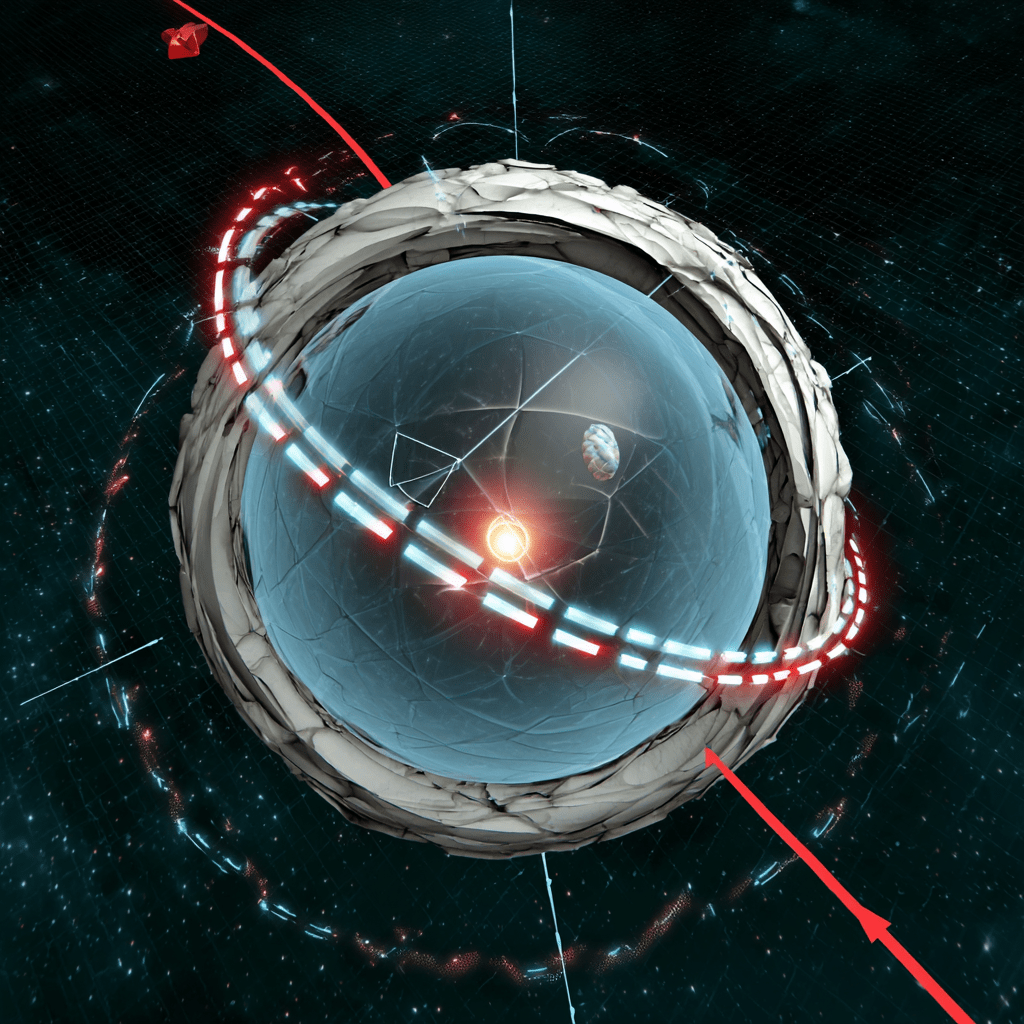
Loop Quantum Gravity
Causal Set Theory
- The most fundamental layer is a causal set. Causal relationships are the 'glue'.
- Discreet events/points are connected by causal relationships, particles (electrons) have discreet energy levels.
- Space-time is like a digital photograph: zoomed out it is smooth, zoomed in it is pixelated. Like a digital clock rather than an analog clock: time is broken into finite base pieces.
- Causality is retained; follows laws like the speed of light. Due to relativity, times might differ slightly, but sequence is consistent
- Causal structure grows while respecting the cause-event structure through a 'birthing process'
- New elements are added to a causal set, leading to possible worlds with cosmological structures like ours
- Dynamical principles; nomic kinematic structure
- Quantum superpositions of spin-networks are kinematic structures with combinatorial structure
- There is no space between quanta, the quanta make up space itself
- There is no space-time 'background', rather it is quantised
- Space-time is made up finite loops with nodes connecting them: spin networks / spin foam
- When mass / energy are added to spin foam, it distorts space and time, and this spacetime distortion is what we perceive of as gravity
- Represented by an abstract graph consisting of labeled edges connected by labeled vertices; edges connected by vertices are interpreted as 'adjacent'
- Adjacency relations are the 'glue'
- The 'glue' is nomic necessary connections
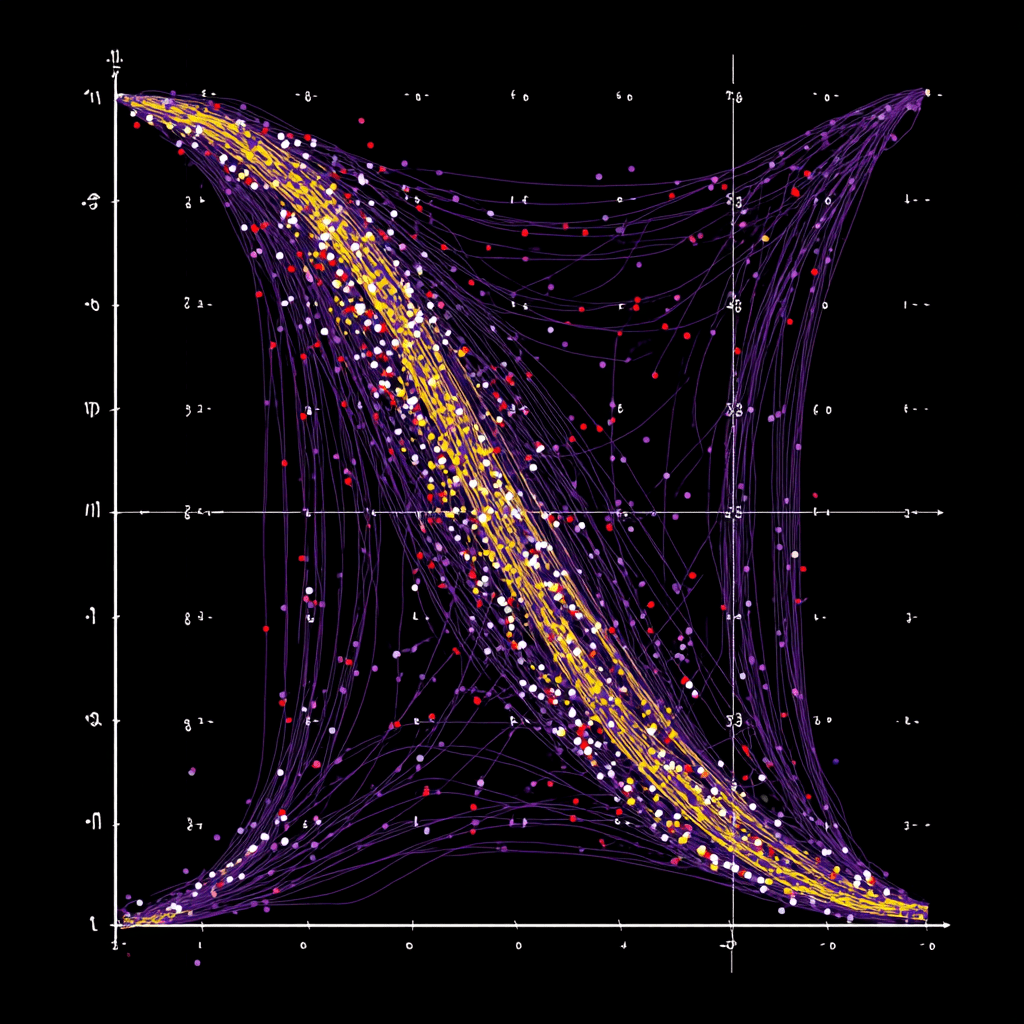
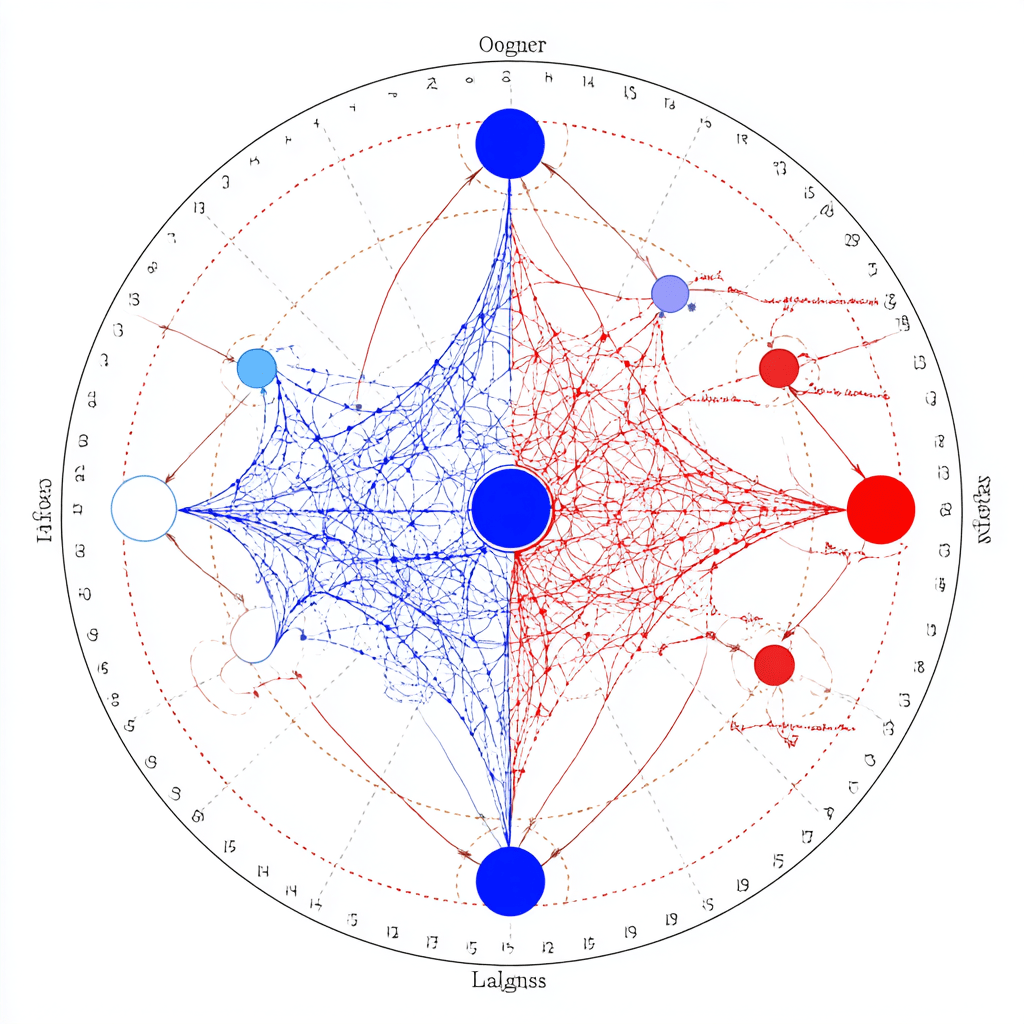
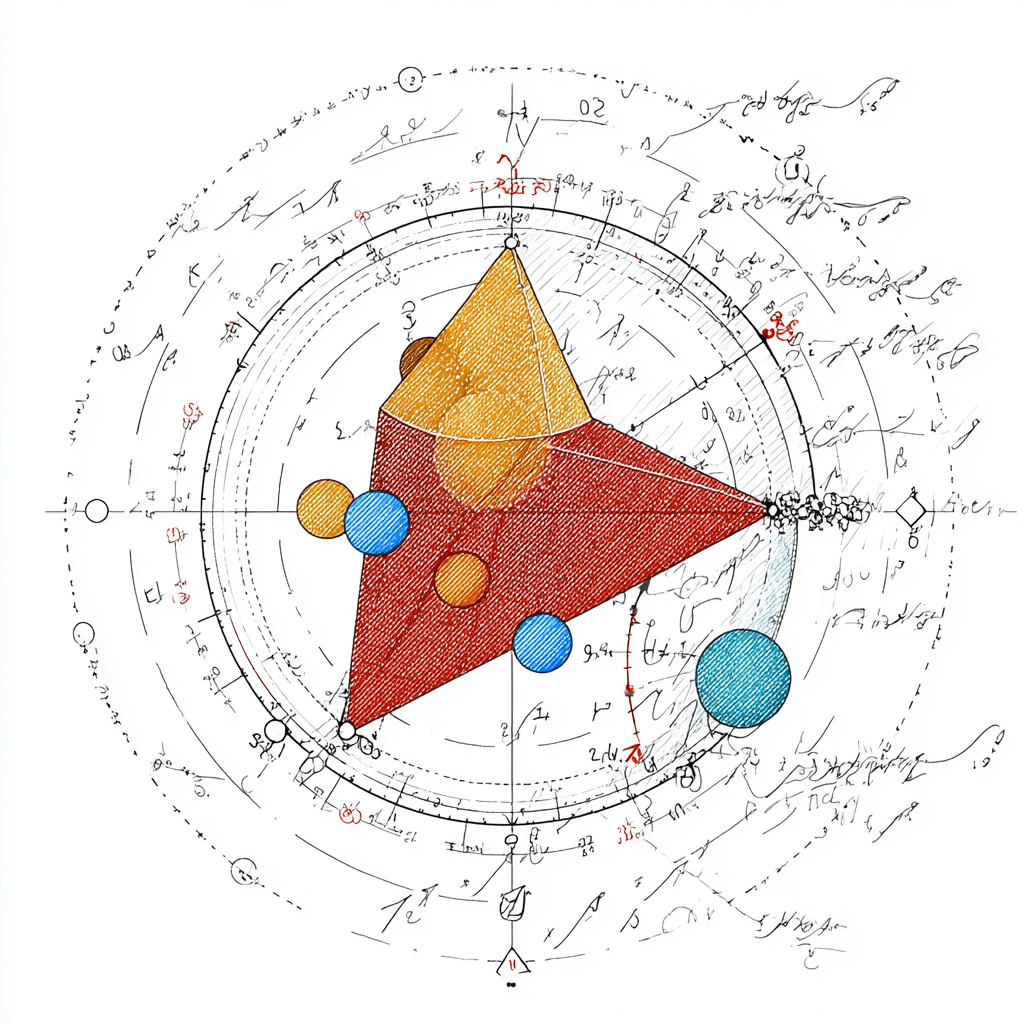
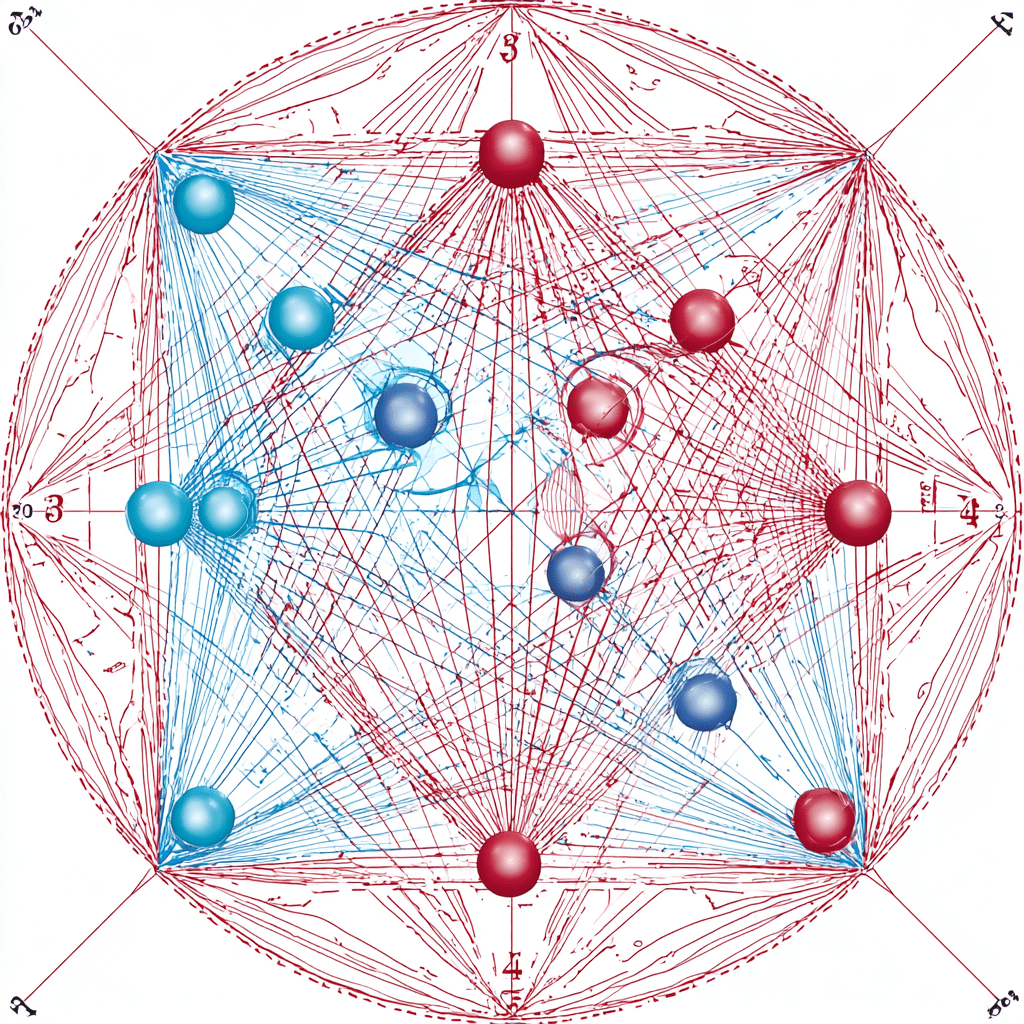
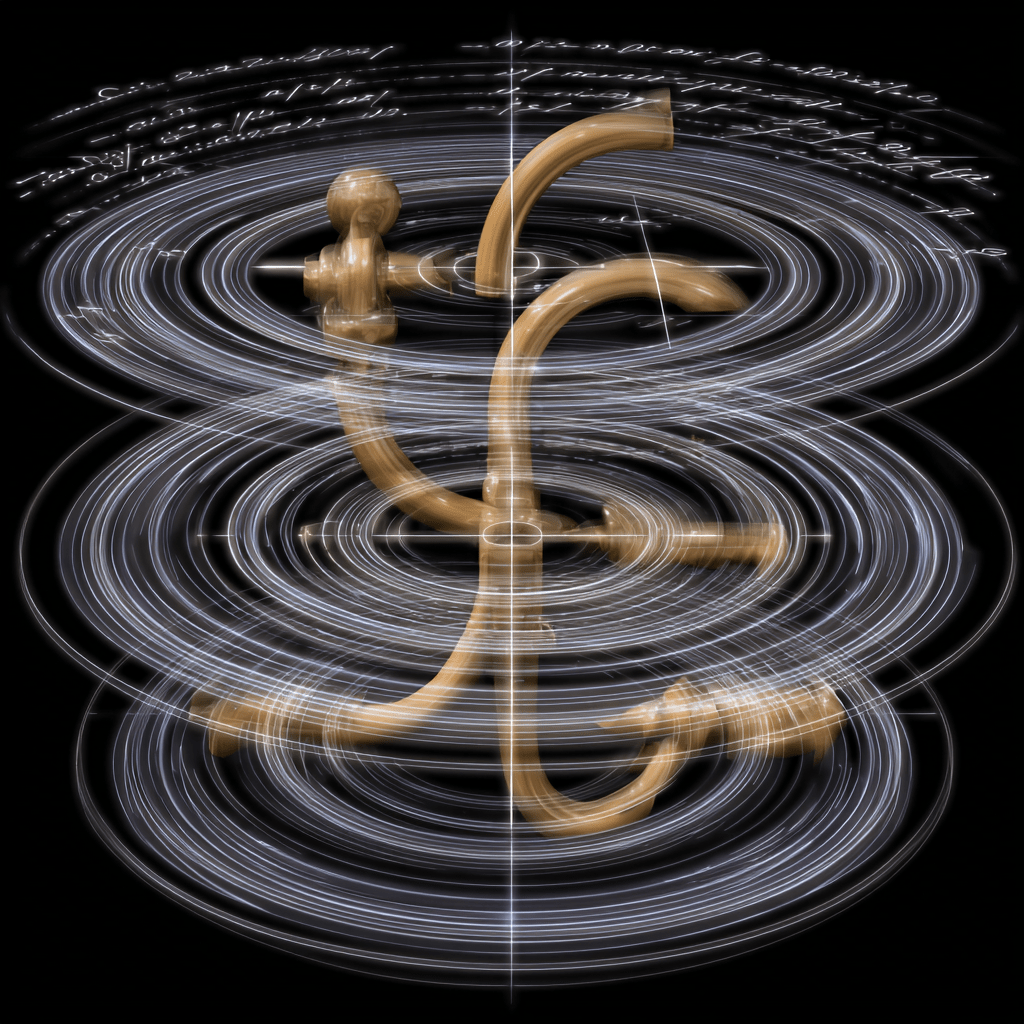
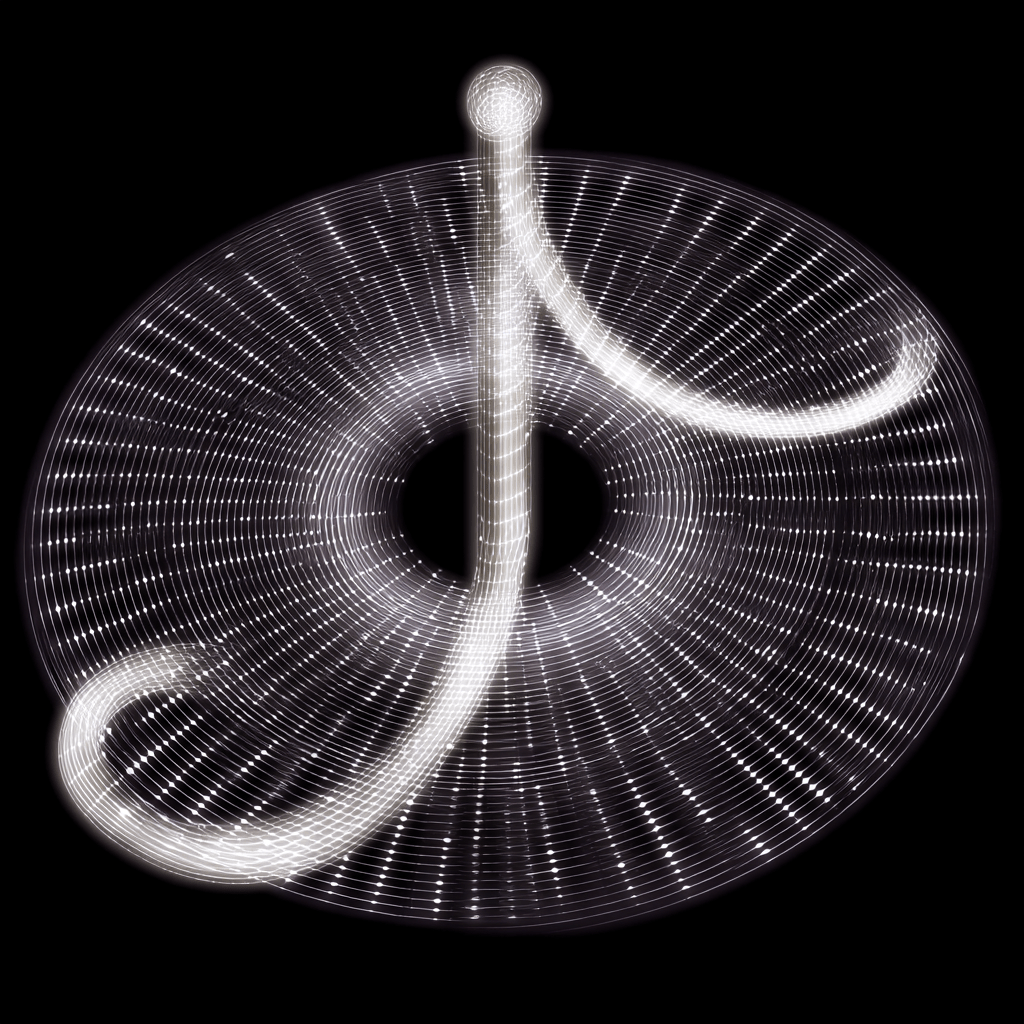
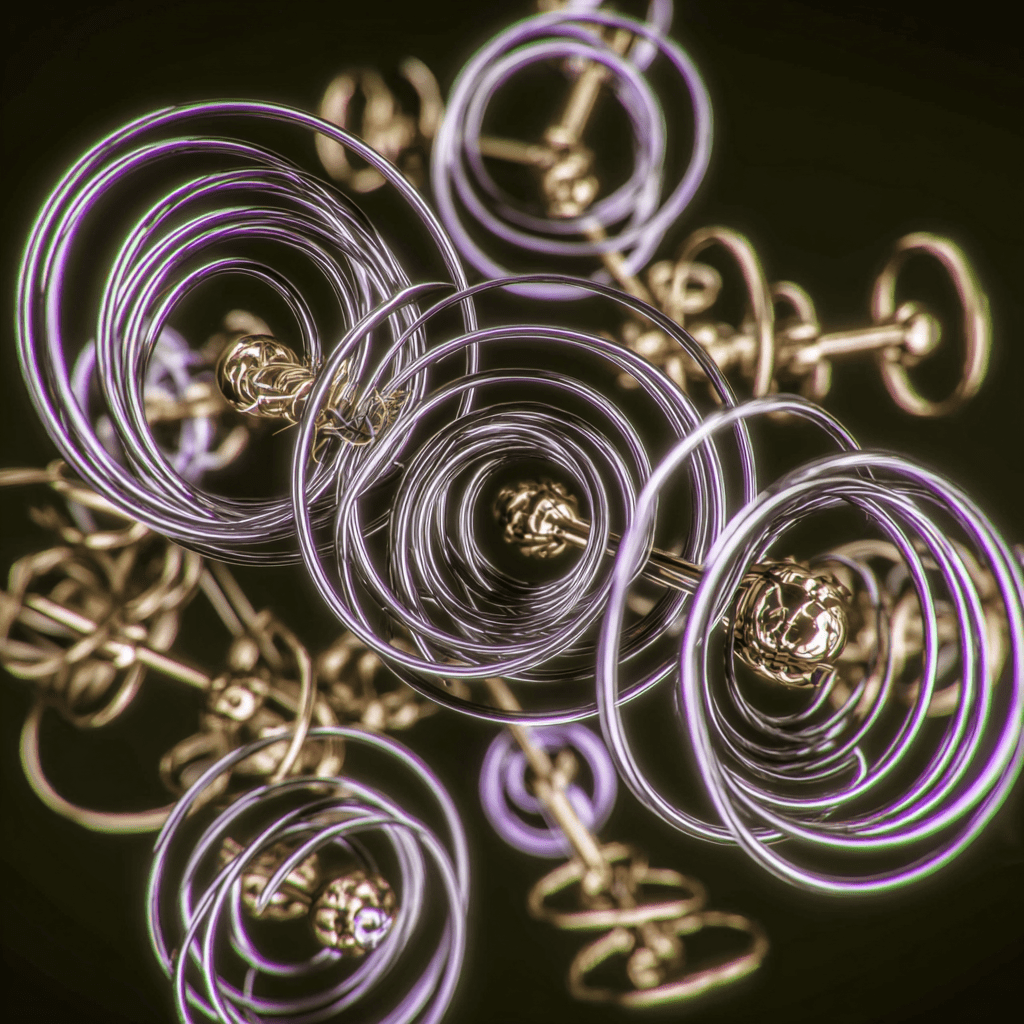
Prompt: Causal Set Theory
Prompt: Quantum Loop Gravity
Both QG theories are steeped in laws and are not freely recombinable.
Laws are imposed on the supervenience base, thus creating necessary connections.
The Humean (no necessary relation-)ship is still sinking!
Prompt: Mosaic/fabric sinking in the sea like a capsized ship
Can we navigate this tension?
Use kinematically possible models of a physical theory as metaphysical possibilities (for recombination and the base), and dynamically possible models as nomological (law-governed) ones.
Replace traditional physical spacetime with an abstract 'state' space of configuration space, e.g. Hilbert space, of fundamental theories.
BUT every system has its own Hilbert space; "unlike spacetime, if we add a single particle, the space changes". Could there not be a particle more or less in the universe?
Space could be a combined range of Hilbert spaces.
Quantum entanglement as the world-making relation
Entanglement replaces distance or cognate glue
For this to be viable, the fundamental entities of quantum gravity need to amount to an ontology of 'systems' which are entangled with one another
Is the base then comically charged?
Maudlin: Fundamental physical laws are ontologically primitive. between point-sized entities into the supervenient base.
Laws govern the temporal evolution of physical states since the initial state of the universe.
Bird, Shoemaker: Laws are grounded in a fundamentally dispositional or causal nature of properties which produce effects.
e.g. an electron's power to repel other electrons
The temporal structure underlying the initial value formation in both is already in tension with aspects of General Relativity, because
a) the background spacetime structure is at odds with the dynamical nature of spacetime in GR.
b) GR spacetimes can allow for 'closed timelike curves' describing spacetime as a rotating charged mass; but circular production implies an item being the ontological ground of its own production, a paradoxical impossibility
Can primitivism and dispositionalism articulate a strategy that is not dependent on spatiotemporal notions?
What could a nontemporal notion of nomic production be?
Currently, there is no way to articulate a productive conception of laws in loop quantum gravity.
?
?
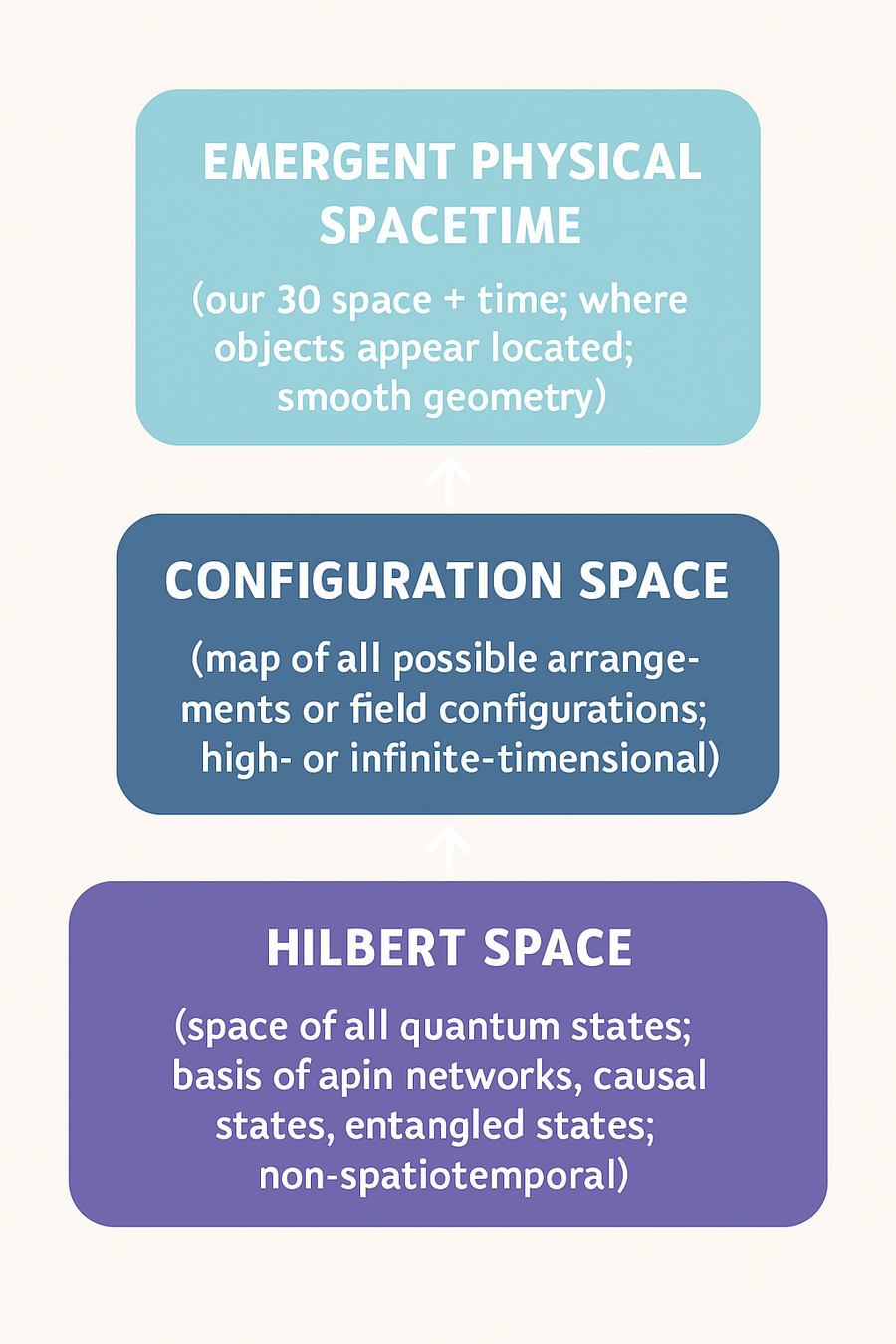
Text and Images created by ChatGPT while discussing what the relationship between these 3 spaces are in the article
🌌 1. Fundamental Physical Space (the thing the paper says might not exist)
What it is (in classical physics):
The familiar, intuitive arena:
-
3D space + time (or 4D spacetime).
-
Objects are located here.
-
The mosaic of Humean metaphysics is built from local qualities in this space.
-
🔷 2. Configuration Space (the space of possible field/matter configurations)
What it is (in quantum field theory and classical mechanics):
-
A highly abstract space.
-
Each point represents an entire configuration of the system.
-
For NN particles, the dimension is 3N3N.
-
For fields, it is infinite-dimensional.
-
A single “point” in configuration space encodes all particle positions at once.
How the paper uses it:
The authors mention configuration space when discussing how theories with fewer spatial dimensions or non-spatial foundations reinterpret what “location” means.
🟣 3. Hilbert Space (the arena of quantum states)
What it is:
-
A vector space where quantum states live.
-
Not physical space.
-
Not configuration space.
-
Contains wavefunctions, spin-network states, causal set states, etc.
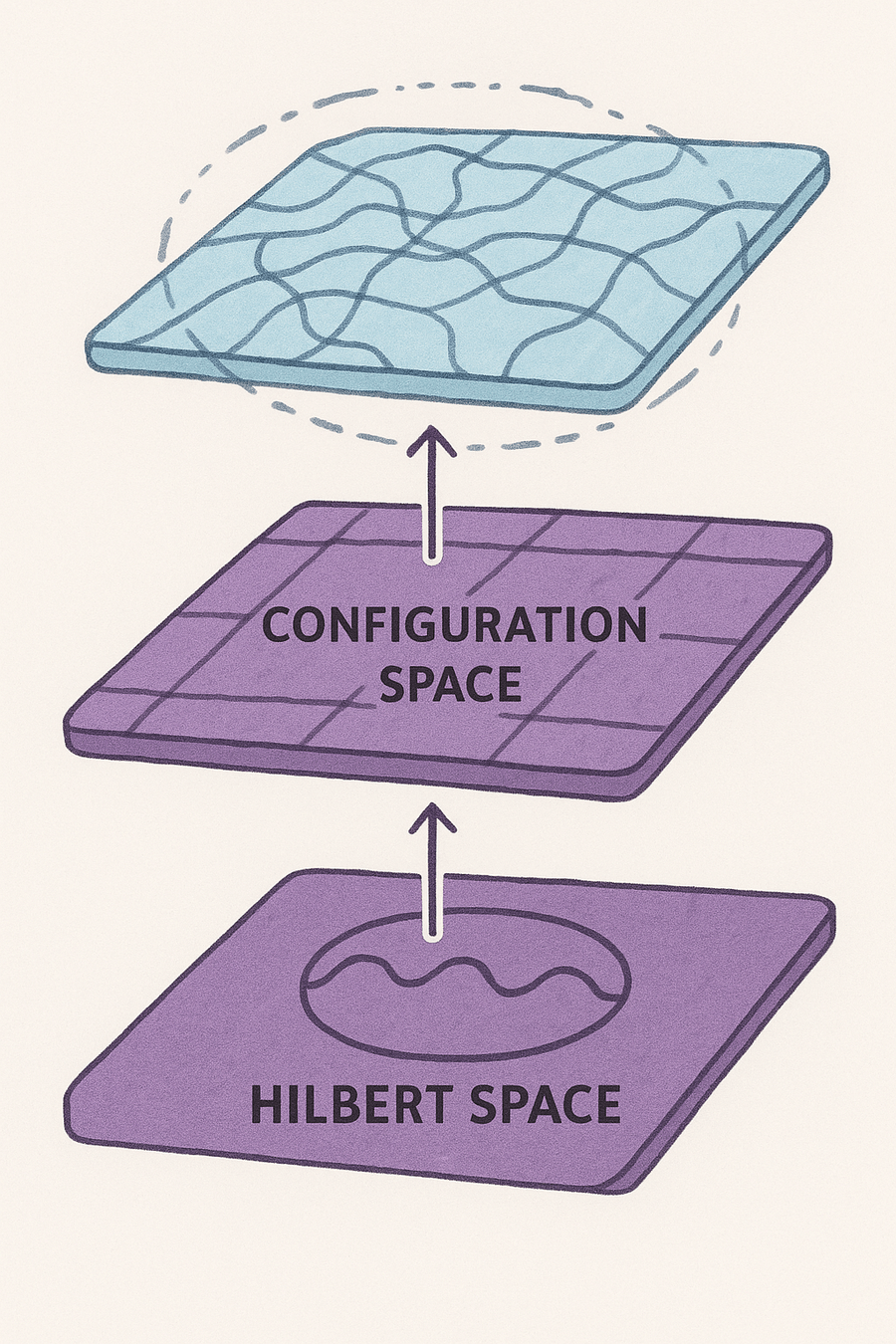
How to read the diagram
-
Hilbert space is the deepest level — the universe’s “possibility space.”
-
Configuration space is a representation: a way of charting possible arrangements.
-
Physical spacetime is what emerges when enough quantum relations cohere into smooth geometry.
This directly reflects Lam & Wüthrich’s claim that spacetime is derivative, while Hilbert spaces or configuration spaces can remain fundamental.
2. How can metaphysics go beyond what physics describes?
1. Why do we want to save Humeanism?
3. Can we visualise the potential non-spatiotemporal base-structures of quantum gravity for Humean compared with non-Humean conceptions?
4. Is it possible that the fundamental degrees of freedom combine such that spacetime does not emerge?
5. Is the lesson from quantum gravity that there are no laws of nature fundamentally?
Final Questions