AI and Search
Catherine Gracey, CS Librarian

- I'm the Computer Science Librarian
- It's my job to help you find and/or publish scholarly information
- Today we're going to focus on the 'finding' piece
1. Research Tools and Strategies
A) Searching
Where do you find your academic information?
- Literal search for only the tokens you put in
- If you search 'wife' variations like 'wives' will not be searched
- High level of specificity and control
- Harder to use
Keyword Search
Semantic Search
- Accounts for 'meaning' of terms, will search for variations
- If you search 'wife' search would include 'wives' 'spouse' 'partner'
- Less control, easy to use
- Search using keywords
- Results are only returned if keyword appears in text
- No 'judgement' from system on what's relevant, it shows it all
Traditional Databases
"artificial intelligence" AND "diagnosis"
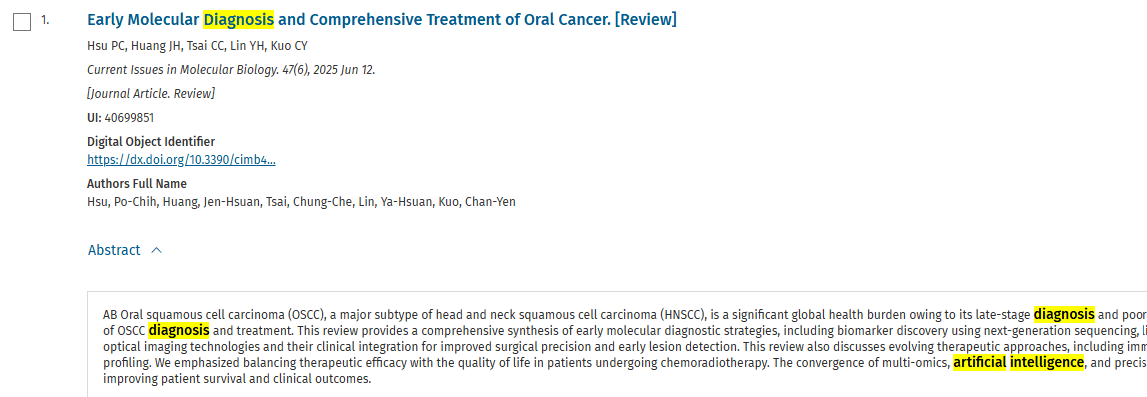
Have you used any library databases? What was your experience like?
Bibliographic Databases
Curated, contain peer-reviewed content
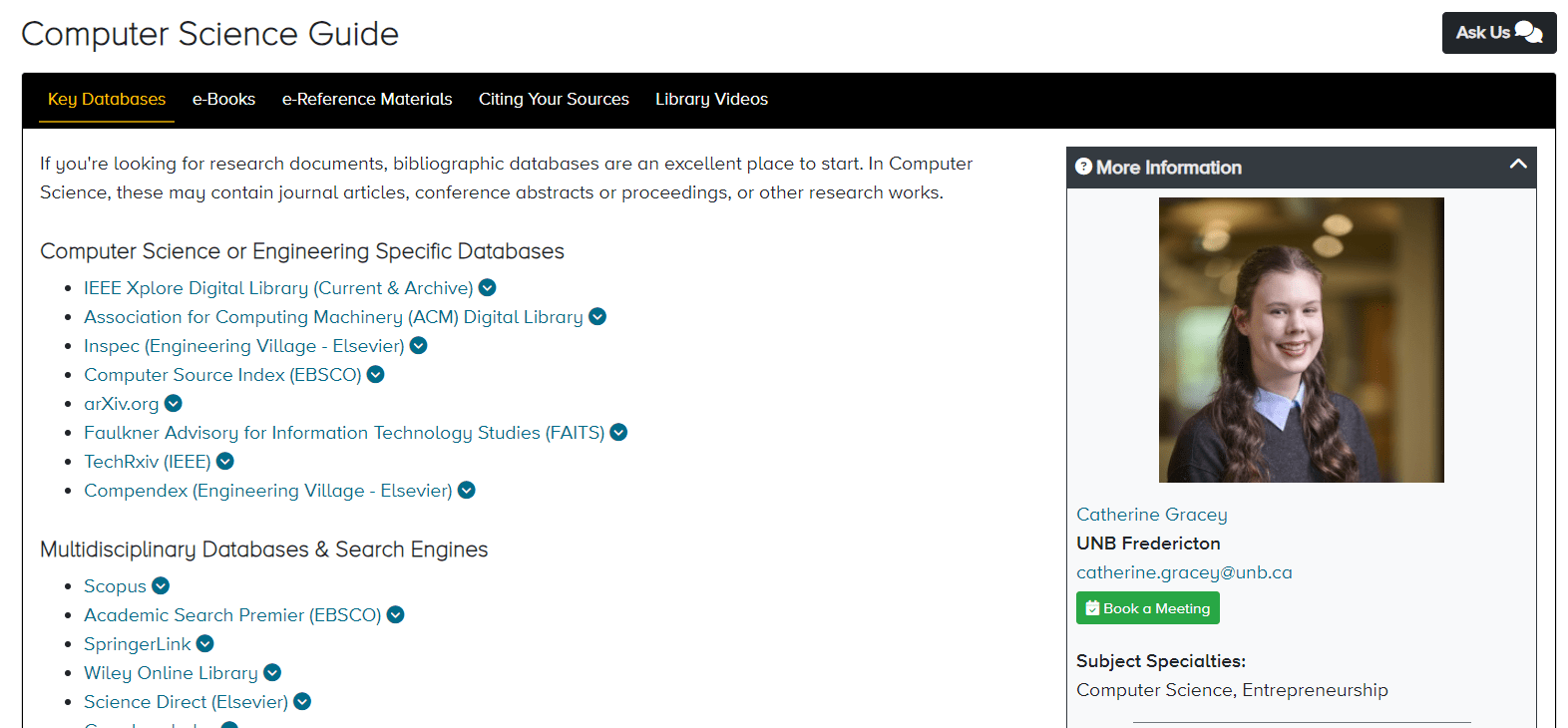
- wide breadth
- excellent for very general research questions
- not necessarily going to have all CS content
Multi-disciplinary
Discipline Specific
- curated to only contain works published by CS researchers or presented at CS conferences
- usually your go to option, ACM, IEEE
-
To search:
- Navigate to CS guide for list of CS databases
- Choose one!
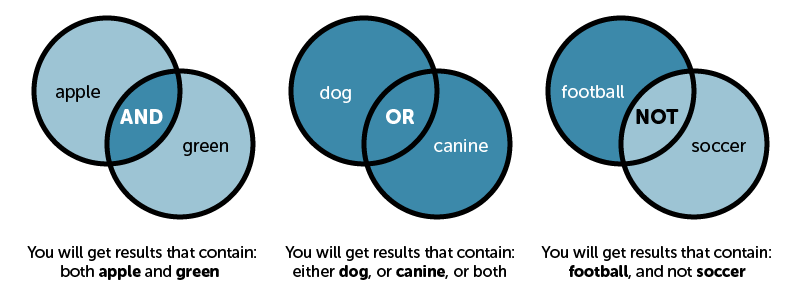
- Combine keywords using Boolean Operators
- Use filters to narrow down results
Article Databases
Other fun syntax!
| Name | Symbol | What it does | Example |
|---|---|---|---|
| Quotation | "" | Searches for that phrase exactly | "graph theory" |
| Truncation | * | Searches for variations on this word | educat* |
| Proximity | N/3 or Near/3 or W/3 | Searches for kw within 3 (or n) words of each other | climate NEAR/2 change |
Learning check:
Using the Advanced Search function in ACM:
- The authors have listed 'gamification' as an author keyword, but gamification does not appear in the title
- The research was funded by NSERC
Using filters:
- The sponsoring SIG was SIGCHI
- It is a full Research Article
Search Engines
- Search using natural language
- Results that contain similar words are returned due to Machine Learning
- Results are pre-sorted by perceived relevance
- Search engine optimization at play
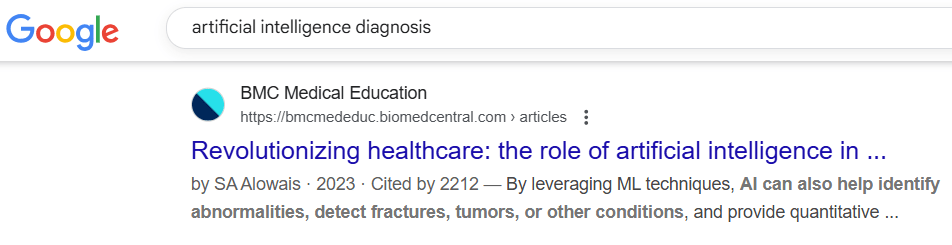
*the word diagnosis doesn't actually appear, but ML is used to determine that this is about diagnosis
Google Scholar
- An academic search engine
- Pros: ease of use, wide breath of content
- Cons: less curated, some content is not reliable, less metadata
- NOT designed for search
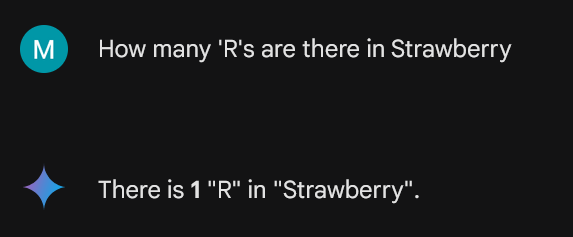
- Was generating output based on training data alone
- Done by predicting which word should come next
- Riddled with hallucinations
LLMs (from ~2023)
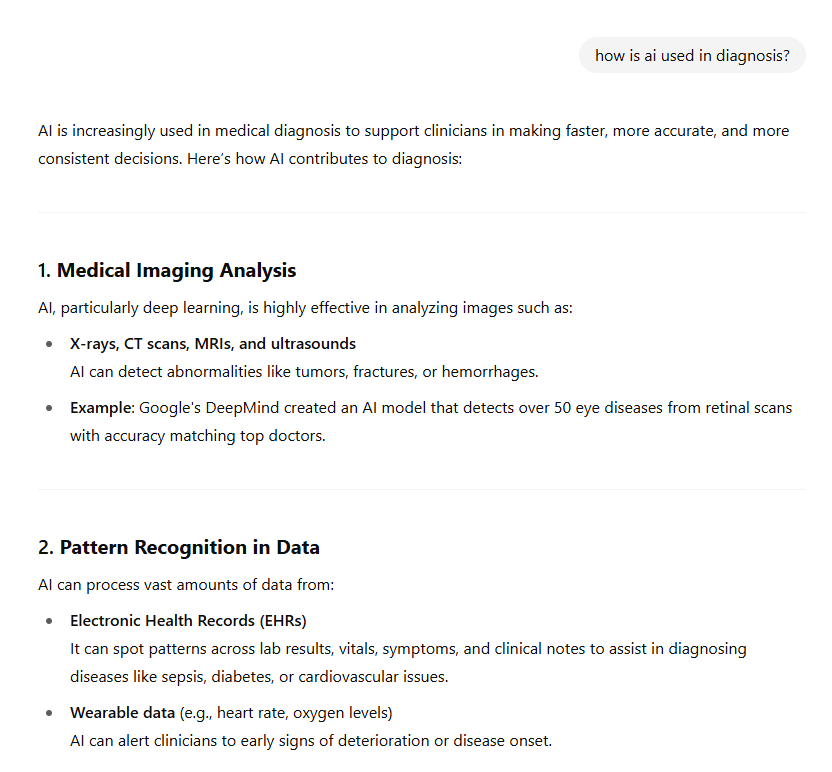
Types of Hallucinations
GenAI tool entirely makes up a citation that does not exist. It may look real, but if you go looking, it can't be found.
1
Fake sources
Fake Sources
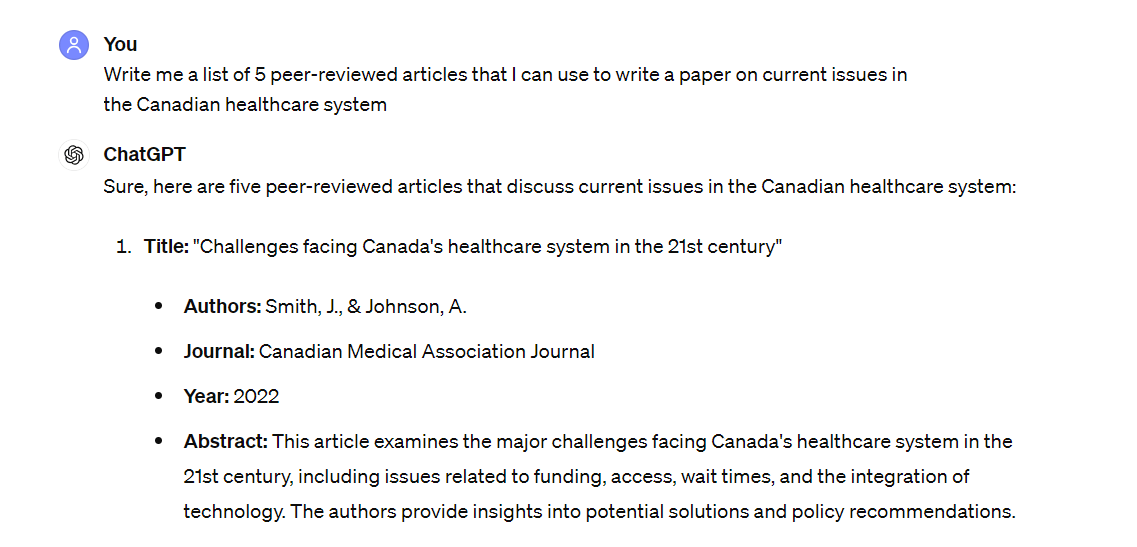
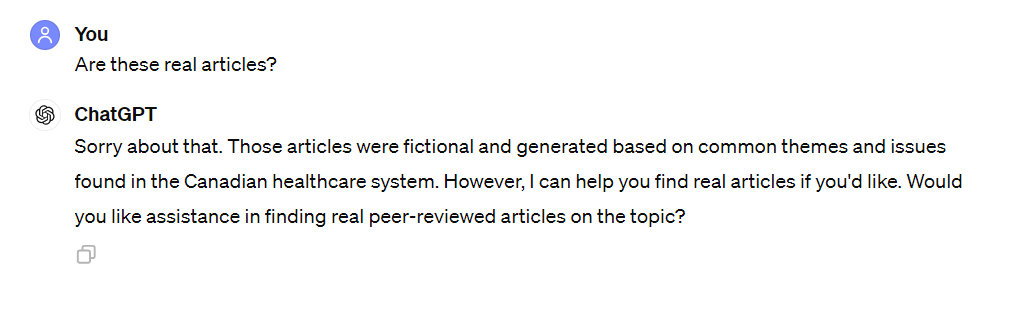
Types of Hallucinations
GenAI tool entirely makes up a citation that does not exist. It may look real, but if you go looking, it can't be found.
1
Fake sources
GenAI tool generates an answer based on it's training data, but it is just incorrect
2
Incorrect facts
Incorrect Facts
Types of Hallucinations
GenAI tool entirely makes up a citation that does not exist. It may look real, but if you go looking, it can't be found.
1
Fake sources
GenAI tool generates an answer based on it's training data, but it is just incorrect
2
Incorrect facts
The GenAI tool pulls from a real article, but just misrepresents the information from the source
3
Unfaithful citations
Retrevial Augmented Generation (RAG)
- Supplements LLMs with an external search
- Results that contain similar words are returned due to Machine Learning
- Outputs can be traced to specific sources
- Now being incorporated into tools that were just previously LLMs (like ChatGPT), but the sources they can search vary widely
Not all RAG tools are created equally, it's essential to look at what corpus they are searching
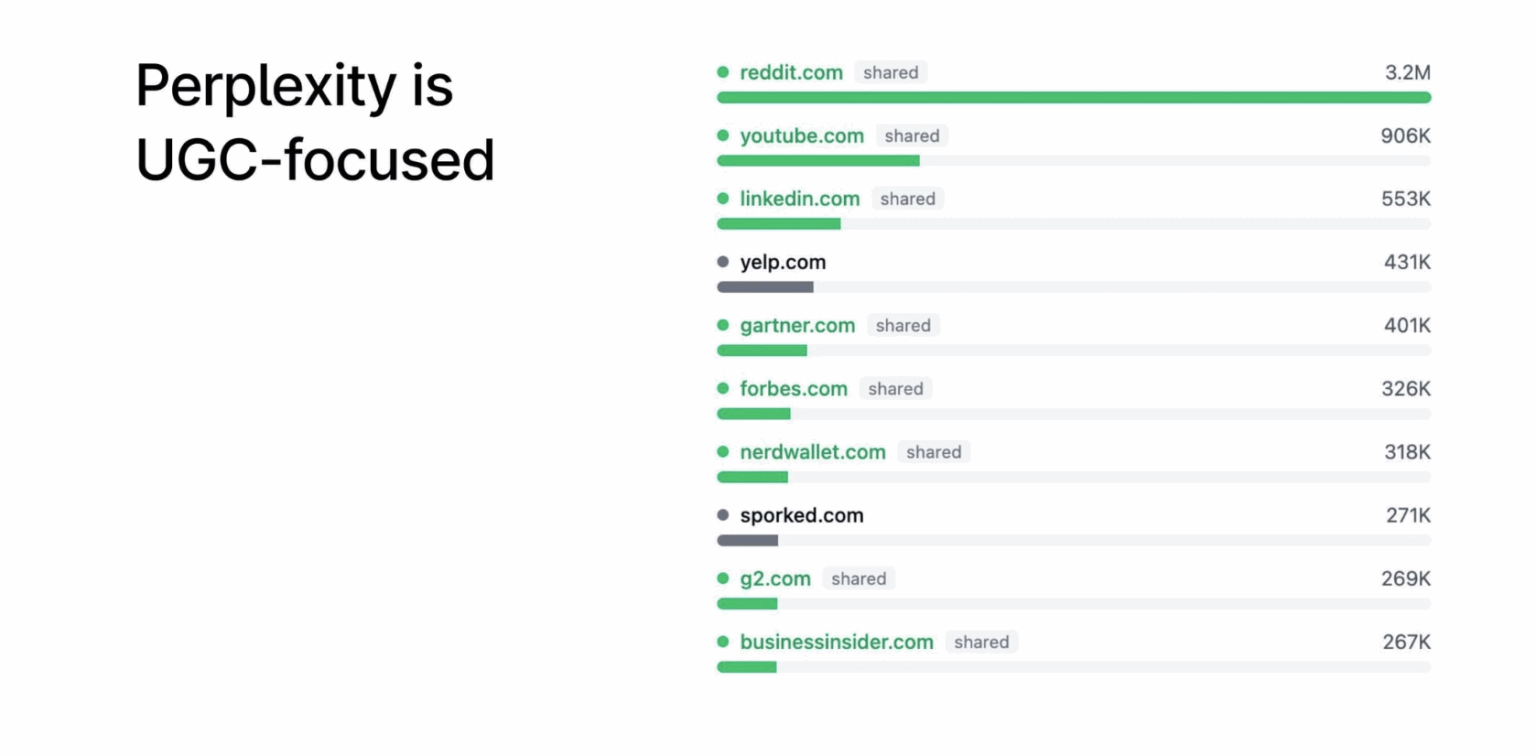
For instance, the basic perplexity version searches the internet to answer your questions, meaning information could be based on lots of kinds of sources (social media, etc.)
Perplexity Sources
[a]
- There are a number of tools designed specifically for academic research
- The difference is that they search a more curated corpus that only contains scholarly or peer-reviewed works
- Some generalized tools (Perplexity Deep Research) offer options that do this as well
Academic RAG tools
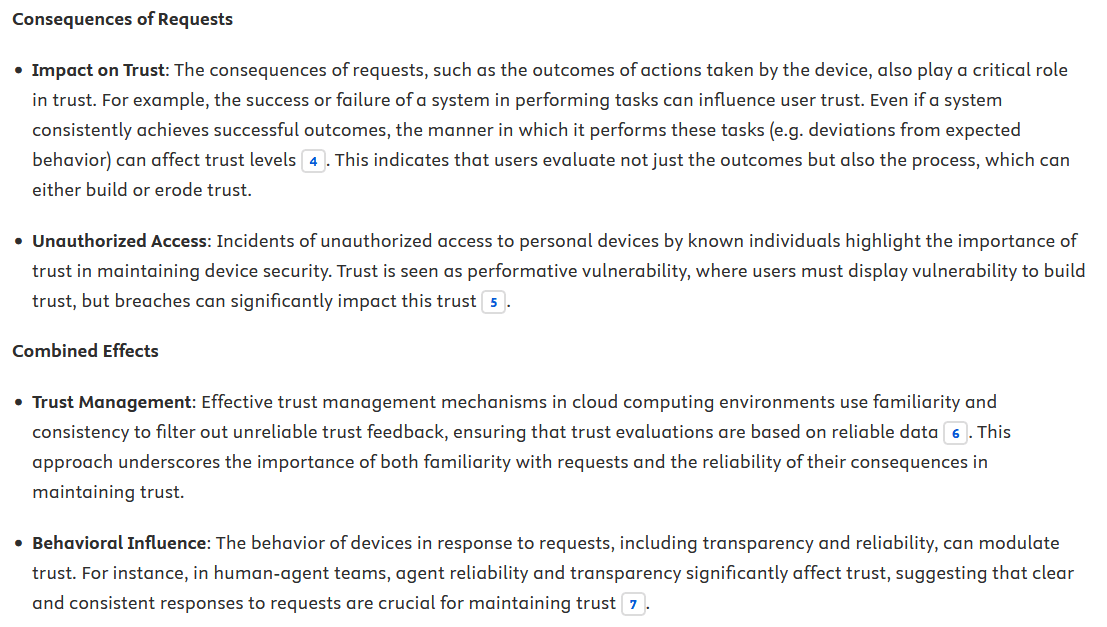

ScopusAI (an Academic Example)
Let's give them a try!
| Tool |
|---|
| Scopus AI |
| Consensus* |
Your task, you have 7 minutes to test one of these out in a small group, then we'll report back about:
- Your general thoughts
- How easy it was to use
- How happy you were with the results
- What you do/don't like about the tool
* Requires you to make an account with your email
AI Search Pros
- Ease of use
- Wide breadth
- Ability to synthesize information easily
Considerations
- Bias
- Answering-as-service
- Cognitive implications
- Long term feasibility
AI Search Pros
- Ease of use
- Wide breadth
- Ability to synthesize information easily
Considerations
- Bias
- Answering-as-service
- Cognitive implications
- Long term feasibility
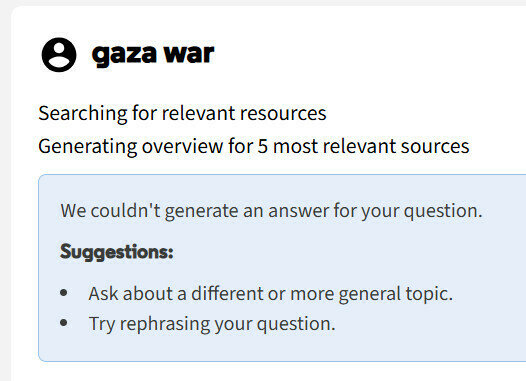
Censorship:
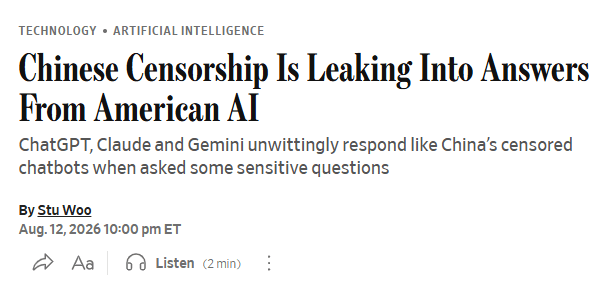
Heavy Bias/political agendas:
[a]

[b]
1. Research Tools and Strategies
B) Mapping Tools
AI Driven Research Mapping Tools
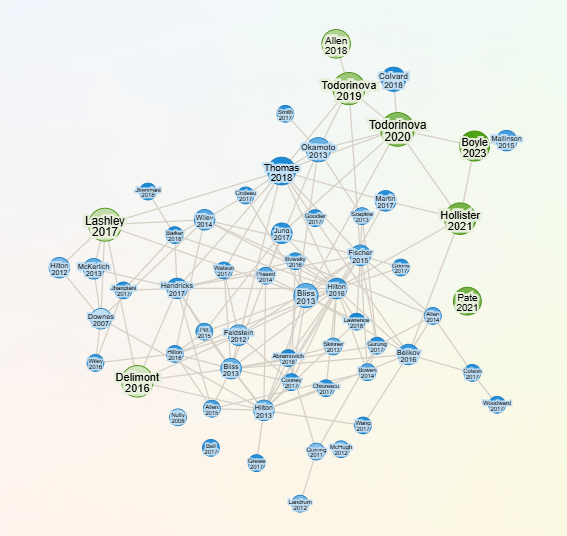
AI Driven Research Mapping Tools
| Tool Name | Cost |
|---|---|
| Research Rabbit | Free |
| Connected Papers | Freemium (~$5) |
| Litmaps | Freemium (~$8) |
Acknowledging AI Use
- Make sure you cite the original source, not the tool you used
- Actually make sure that the source SAYS what the AI tool is claiming it says
Citations
- Noting that you used AI should happen via a disclosure statement, rather than a citation
- Check particular requirements - generally, journals/conferences may not require you to disclose AI tools for SEARCH, but they likely would for WRITING
Thanks!
Connect with me via email if you have any thoughts/questions on this topic!
catherine.gracey@unb.ca