AI Ethics
Catherine Gracey, Open Scholarship and Applied Sciences Librarian
ENGG-1002, April 2025

Hello!
- I'm the Computer Science (and Entrepreneurship) librarian, and I work on a lot of the library's AI projects
- I also research student use of AI, and AI search tools
Today's Talk
1
5 Key Considerations
2
Best Practices
3
Reflection Questions
First: What is AI and how does it work?
1. Not all AI is created equal
-
Searching
- Chatbot VS Retrieval Augmented Generation (RAG)
- What corpus/collection is the tool searching?
- Writing
- Coding
- Art/Media
- Transcription
Different tools have different use cases
Let's talk ChatGPT
While this is BY FAR the most popular tool with students, it has some key issues, and there are alternatives available to UNB students.
- Lack of references/sources, combined with a definitive tone
- Academic sources are presented on equal level as pop sources, like blogs, magazines, etc.
- Huge difference in quality between free/paid versions
ChatGPT VS ScopusAI: The Question
I used a research question from a UNB PhD student's dissertation and tested it in ChatGPT and ScopusAI
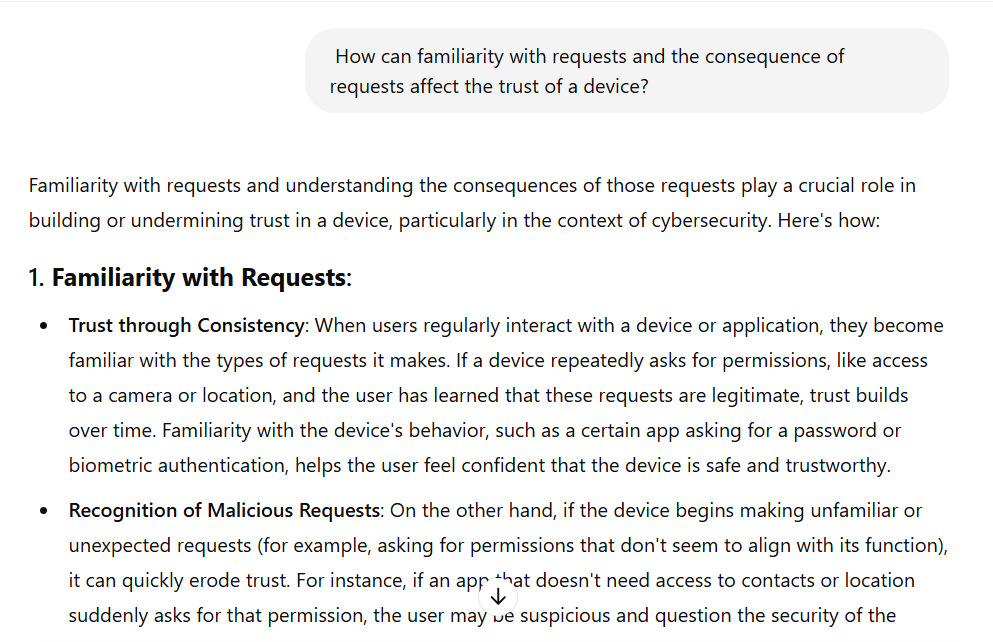
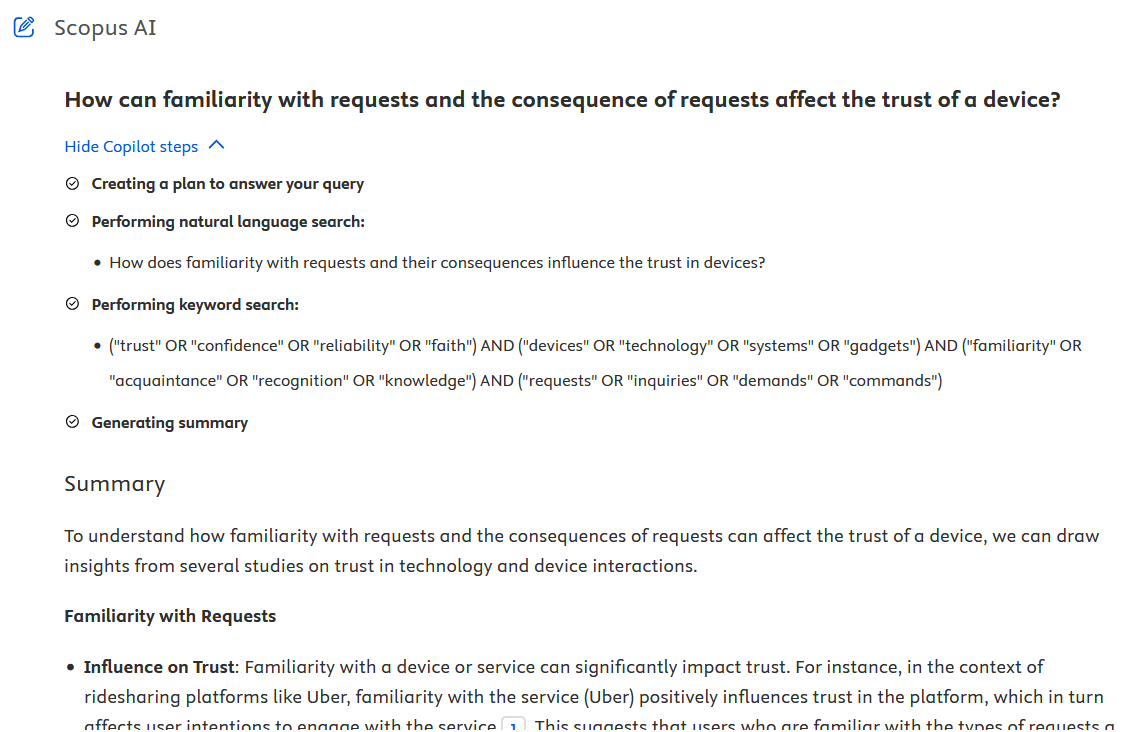
ChatGPT
(free version)
ScopusAI
(via UNB)
ChatGPT VS ScopusAI: The Response
ChatGPT
(free version)
ScopusAI
(via UNB)
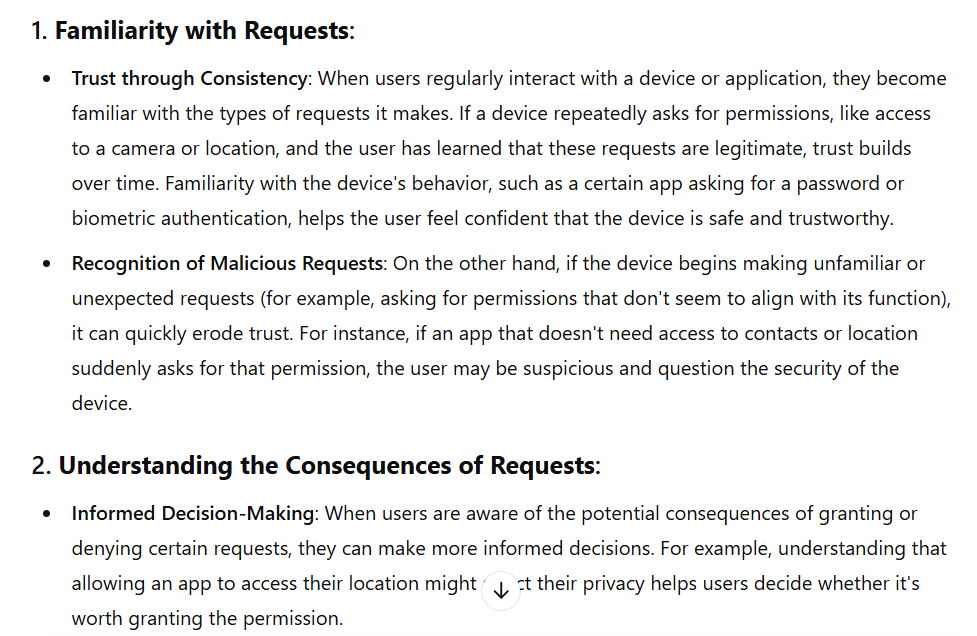
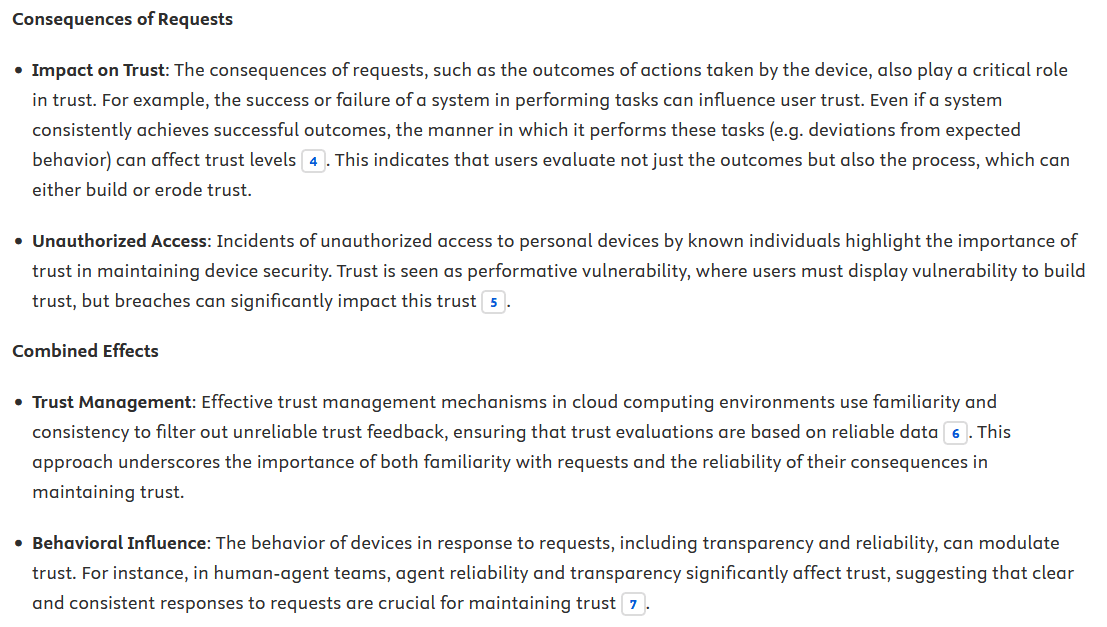
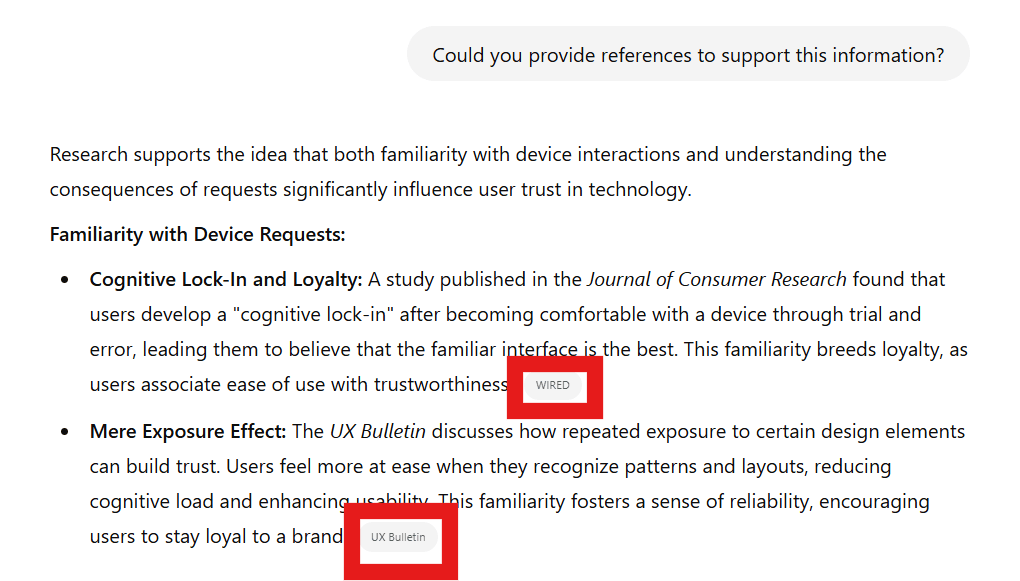
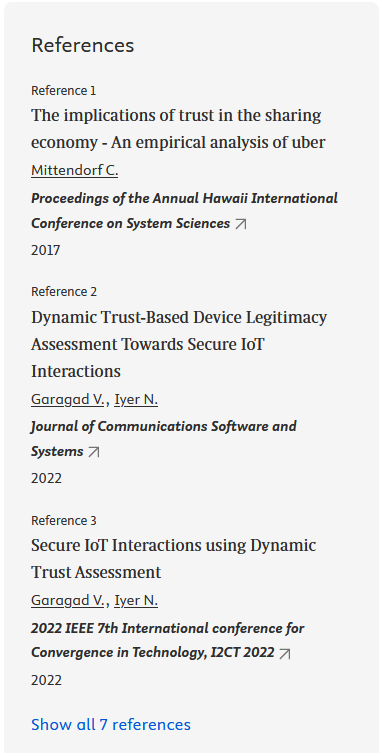
ChatGPT VS ScopusAI: The References
ChatGPT
(free version)
ScopusAI
(via UNB)
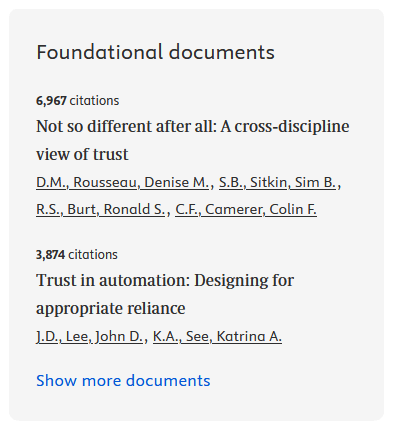
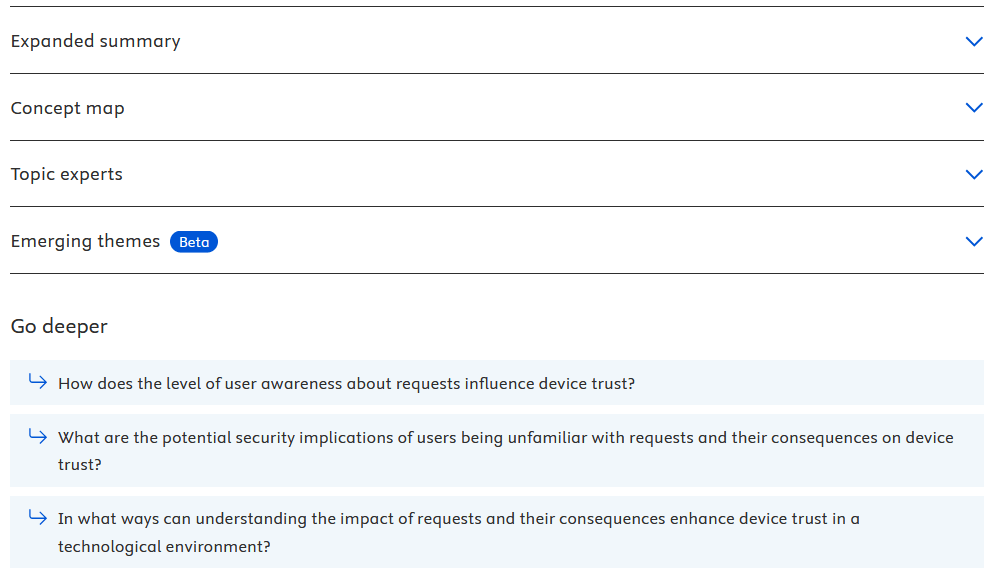
ScopusAI: The Bonuses!
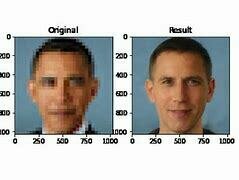
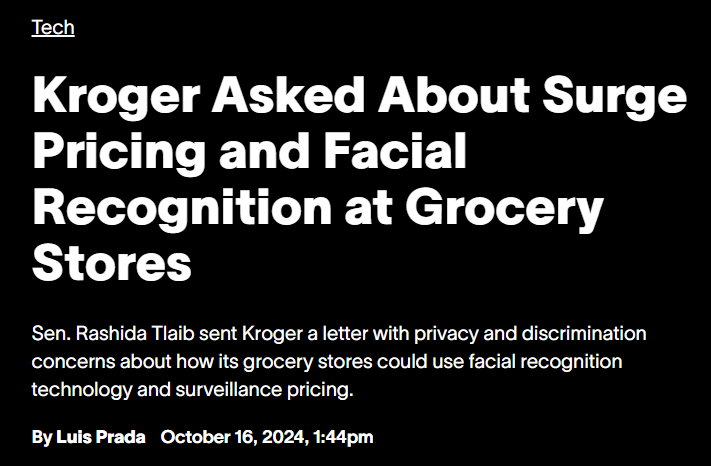
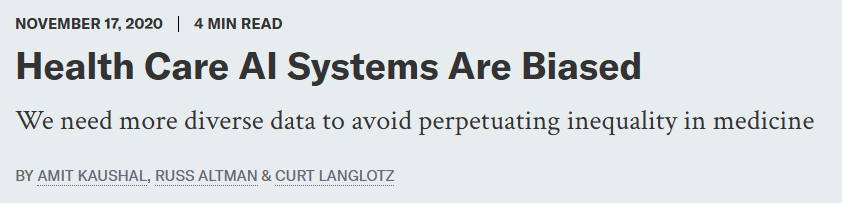
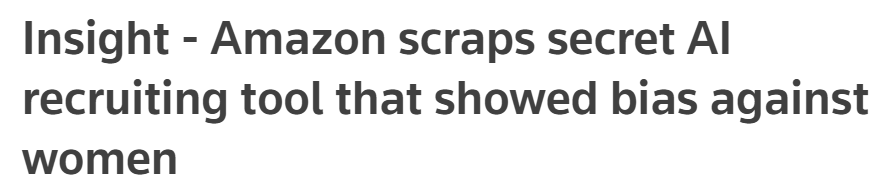
2. AI is not neutral
- GenAI is a product of its training data
- It WILL adopt the biases of the data/people who created it
- This means it can reflect real-world prejudices and biases
- Without constraints, this can harm people

Assessing Bias & Expertise
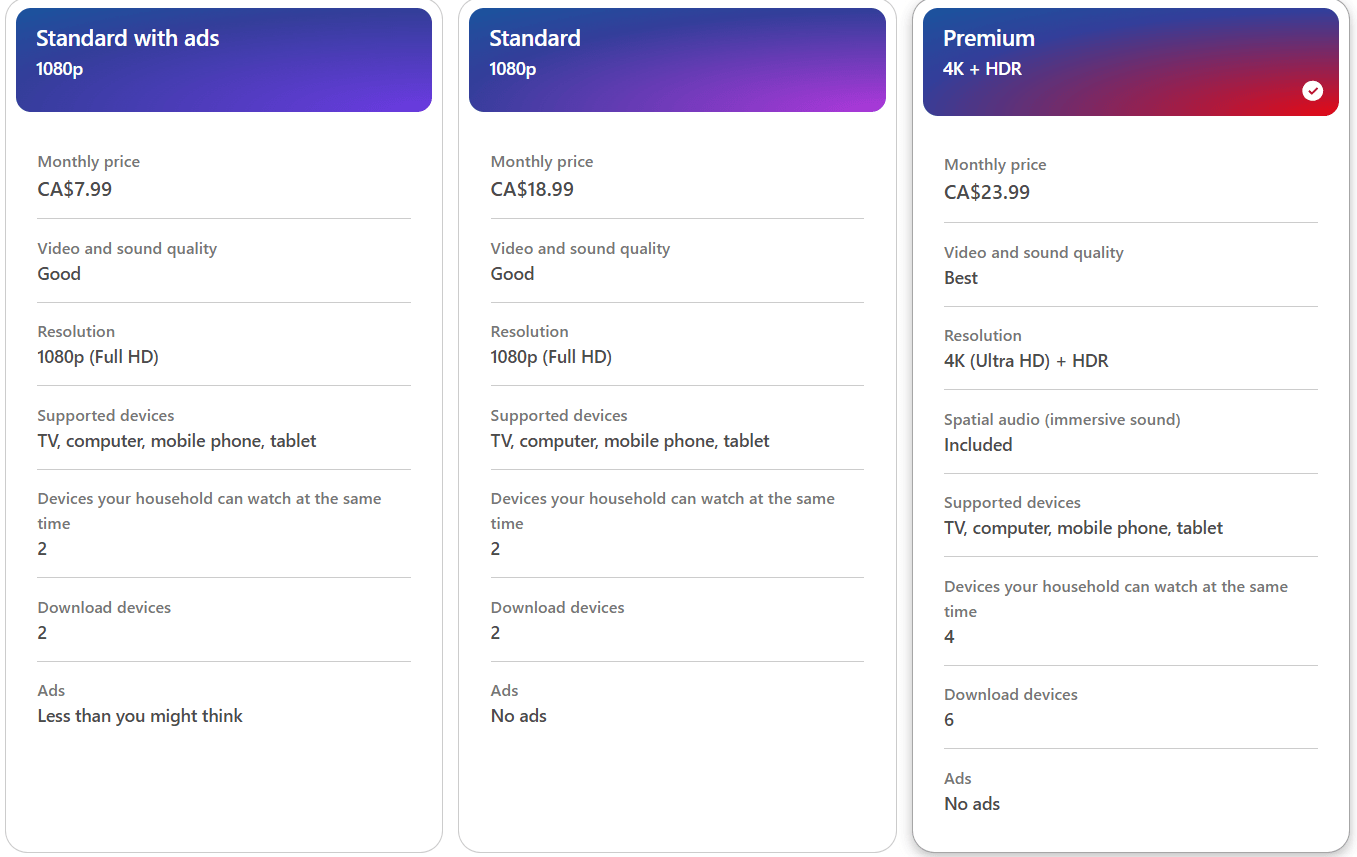
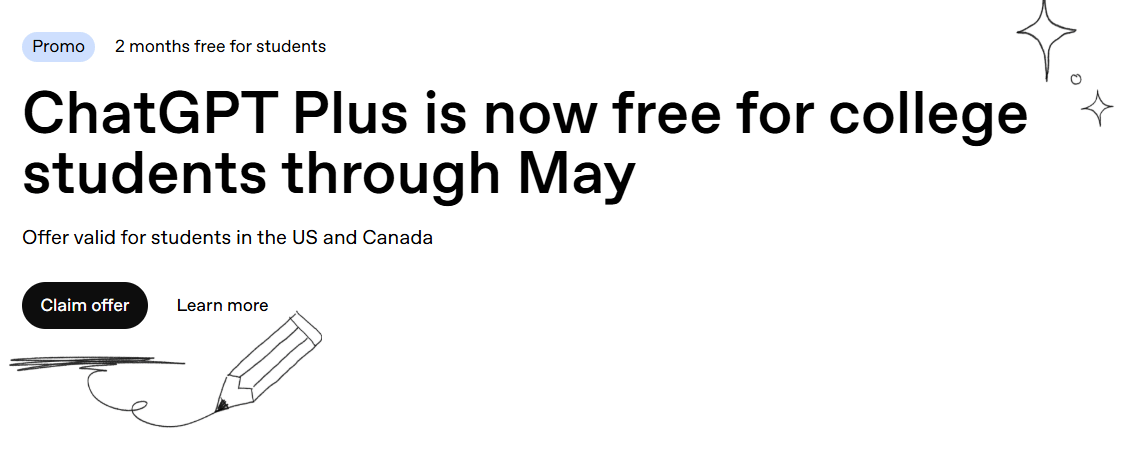
3. AI is not free
(nothing is - let's talk tech)
1
Company is good to their users
3
They successfully become enmeshed in user's lives, or drive out competitors (or both)
5
Companies fully commit to 'enshittification' counting on user's reliance preventing them from leaving
2
They undercut competitors to gain customer loyalty
4
They begin to introduce features that prioritize advertisers over users
We are here!
If you are not paying for it, you’re not the customer; you’re the product being sold.
- Not in use in most AI tools now, but a likely future revenue stream
- Advertisers are the customer, not you, they are paying tools for your time
- Think Tiktok, Instagram
Advertising
User Data
- The 'content' you input to AI can be used to train models (almost always in free models)
- OR, your data could be sold to advertisers, like in the Cambridge Analytica Facebook Scandal
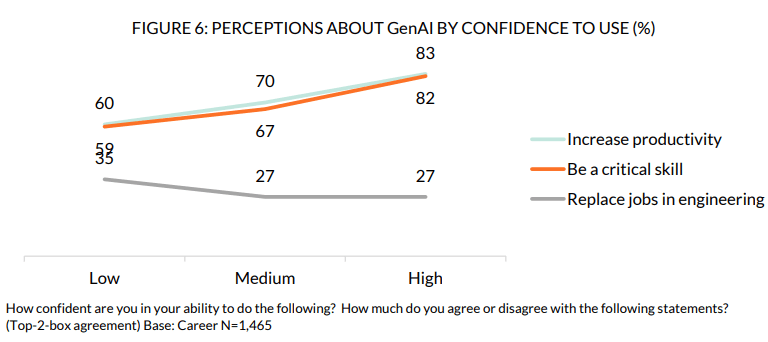
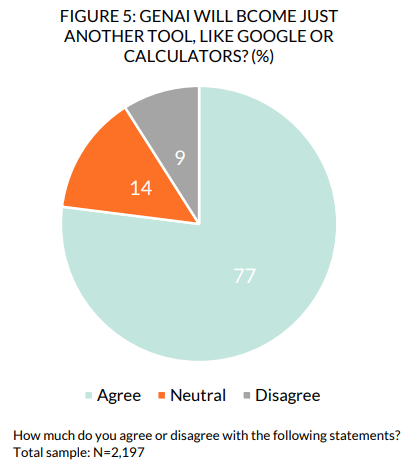
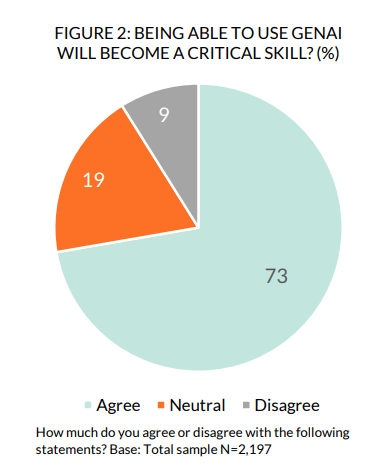
4. AI will replace humans
(If we let it)
- Don't freak out! We still need engineers!
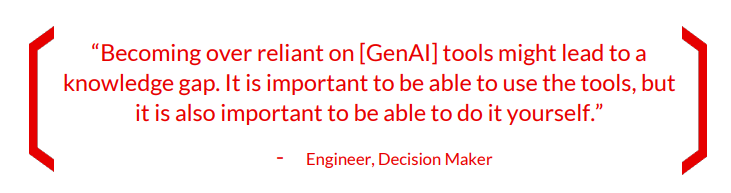
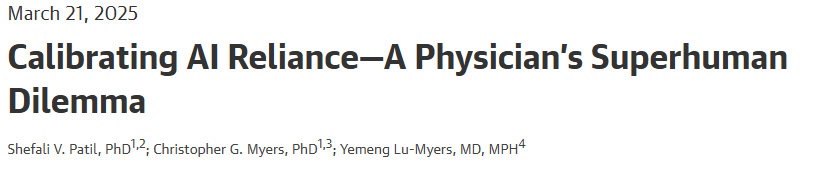
- But! You need to maintain key skills and cognitive functions, while also learning to use AI
Raise your hand if you totally understand UNB's policy on Plagiarism & how AI impacts this
Contact us via email or phone
Plagiarism includes:
(a) quoting verbatim or almost verbatim from a source (such as copyrighted material, notes, letters, business entries, computer materials, etc.) without acknowledgment;
(b) adopting someone else’s line of thought, argument, arrangement, or supporting evidence (such as, for example, statistics, bibliographies, etc.) without indicating such dependence;
(c) submitting someone else’s work, in whatever form (film, workbook, artwork, computer materials, etc.) without acknowledgment;
(d) knowingly representing as one’s own work any idea of another;
(e) contravention of written instructions of the instructor dealing with plagiarism.
Academic Integrity and Artificial Intelligence (AI2)
- Refer to the specific policy for your class/professor
- This means the rules can change from class to class
- This can be confusing, so don't be afraid to ask
- Professors are also doing their best, and trying to help you develop the skills they think are essential
- Never misrepresent AI-generated work as your own
What this means practically:
So which skills matter? What can you outsource to AI?
These are questions you should be asking yourself the rest of your time at UNB. A resource to get you started:
5. AI cannot be held responsible for its outputs
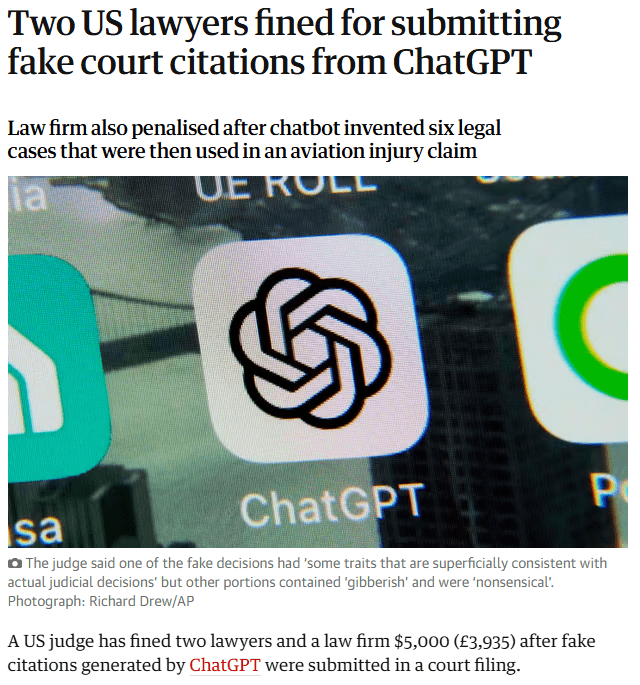
Professionals who utilize AI are ultimately responsible for its impacts
- It can't be held legally responsible for mistakes in the same way humans can
- This is a really complicated area! As tech/AI becomes more integrated this might change
- But for now, you must use due dilligence to ensure key mistakes aren't made (think Iron Ring!)
AI does not have legal personhood
Best Practices
- Remember that AI companies are businesses, and that you have power as a consumer!
- Diversify your AI tool use (go beyond ChatGPT)
- Verify information from AI outputs
- Cite sources directly, not just the AI tools, this is like saying "I got this from books" or "Google"
- Research what professional engineers are saying about AI, and the skills you'll need
- Keep building skills away from AI tools (make sure you can do core skills sans AI)
Do:
- Copyright considerations
- Privacy considerations
- Misinformation
- AI reliance - test yourself!
Watch out for:
Questions to Consider
Reflection Questions:
- What assumptions am I making when using this tool?
- Does this tool present information from the actors I'm interested in learning from?
- Does this tool allow me to outsource processes that help me learn?
- Is information being presented in a way that might be susceptible to bias or unfairness?
- How do the people behind this tool make money? What does this mean for users?
Thank You!
Come say hi!
HIL 116 or catherine.gracey@unb.ca