Using cc licences & cC licenced work
Part 3 of a CC Series, Catherine Gracey
Using CC Licenses & CC Licenced Work © 2025 by Catherine Gracey is licensed under Creative Commons BY 4.0 International License
Agenda
1. What is a collection
〞
A work that "compiles different works together while keeping them organized as distinct separate objects" - Creative Commons

Collections
Think of a collection like a playlist. In creating one, you aren't changing the songs themselves, but you are putting together something new. If making a collection, you can combine CC-licenced material as long as you follow considerations (slide after next)

can collections have licenses?
You can add a license to any collections you make. This license does not pertain to the individual works in your collection, but to your contributions, whether this be the curation/ordering of works, any additions you've made (intros or outros) etc.
-
IF you create an adaptation, you must follow licensing requirements, like ND (no sharing adaptations) and SA (put the same license on your work)
-
However, if you didn't actually make an adaptation, and have instead made a collection, you do not have to:
-
Apply an SA license to your work (even if original work has SA element)
-
Avoid making adaptations (even if original work has ND element)
-
Licensing Considerations for non-adaptations

Making a collection doesn't absolve you of any responsibilities under copyright. It is still essential to
- attribute the creators of the works you used
- share licensing information
- Use the acronym TASL (Title, Author, Source License) to make sure you include all information.
- Comply with the NC restriction if applicable
Collections Considerations
Adaptations
Contrasting thinking of collections like playlists, adaptations can be thought of as remixes
In this presentation, we will be using the terms adaptations, deritives and remixes interchangably
-
For instance, the vocals from Come Inside (pell) CC BY 3.0 were used within the house remix Come Inside (My House) CC BY 3.0
-
This can be thought of as an adaptation or deritive rather than a collection
-
The original work has been integrated with other parts, and has been changed (pitch, speed)
Remixes
Licensing Considerations for remixes
If an adaptation is allowed, it's important to check which license to use, as you must adhere to the licensing specifications from the original works.
As we covered in the last presentation, some licenses prohibit the sharing of adaptations (licenses with ND)
This means that if you are using work with a SA element, you must use the same license
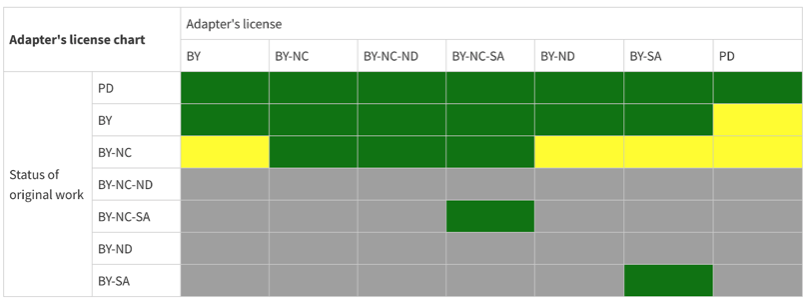
CC Adapters License Chart / CC BY 4.0
choosing an adaptation license
-
It becomes more complicated when you use more than one work in your adaptation
-
You should first confirm that a remix can be made by checking if the licenses are compatable
-
For instance, if you are adapting one work with a CC BY license, if you are also hoping to use something with a CC BY ND, you cannot remix these together into a new adaptation
Adapting Multiple works
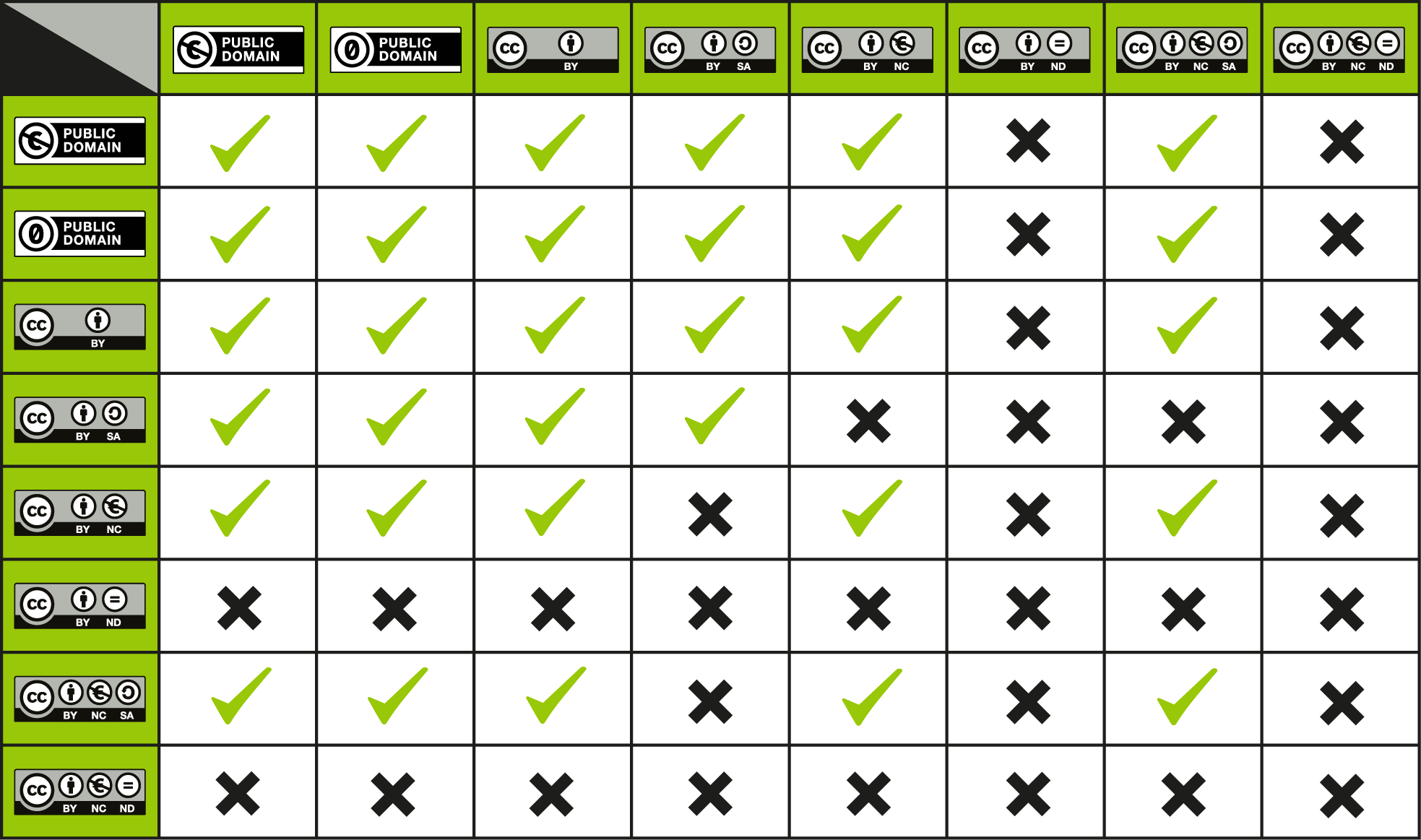
CC License Compatibility Chart / CC BY 4.0
License Compatability
Lets work through AN example
Let's take for instance former President Obama's summer playlists:
Collection Example
What would Obama own the copyright to?
- All songs
- The art in the post
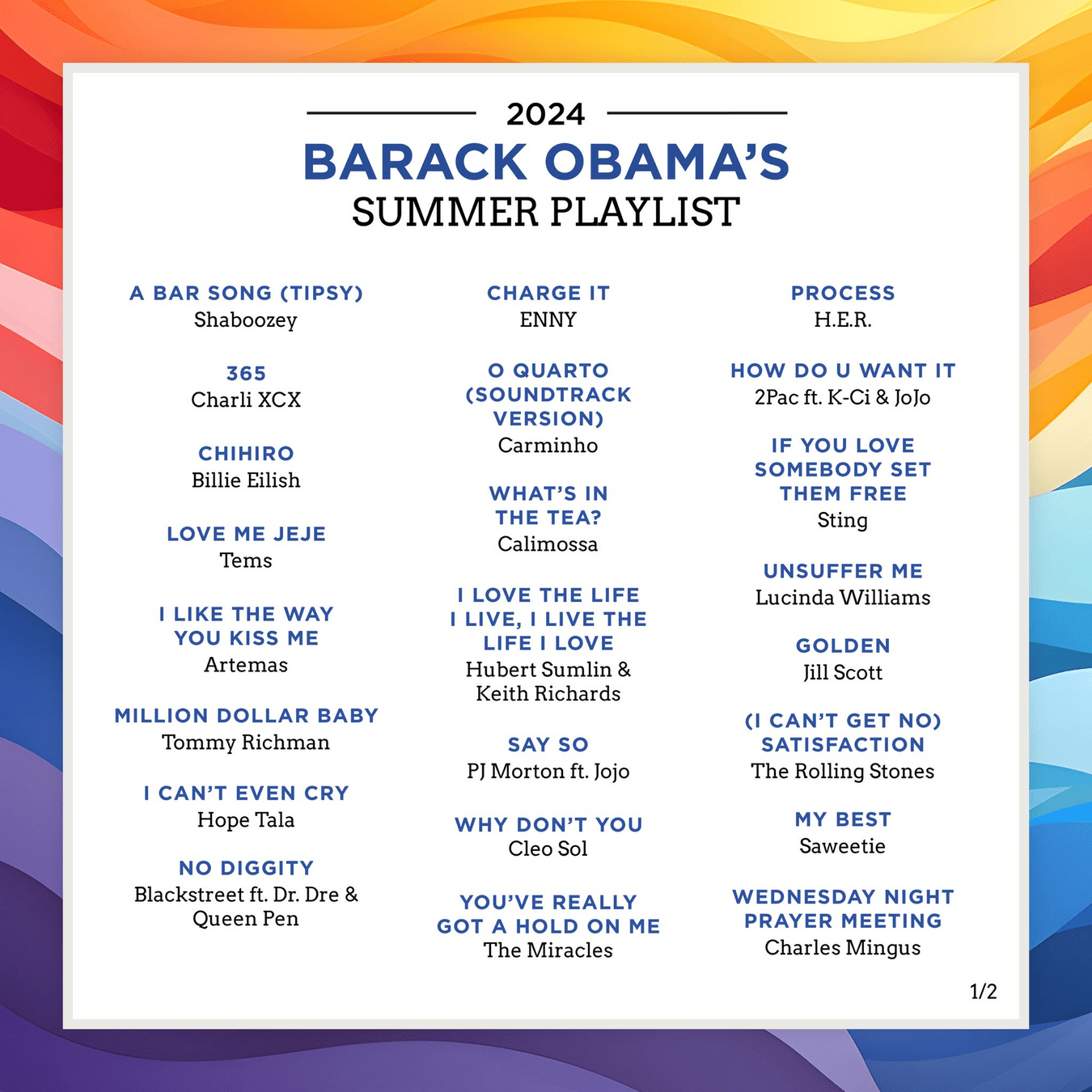
The correct answer is 2
Remixing
Now, let's pretend Obama took on a second career as a DJ. His goal is to create fun club remixes of popular songs. What are some considerations he'd have to take into account?
Considerations for DJ obama
- Remixes count as making adaptations, rather than collections
- He'd have to consider the copyright of the original songs, and either follow their licensing requirements, or contact copyright owners directly
- He might be interested in sites like ccMixtape, where he could find music with CC licenses that generally allow for adaptations.
Thanks so much for listening
I'd like to leave you with an example of a collection I put together. Without further ado!
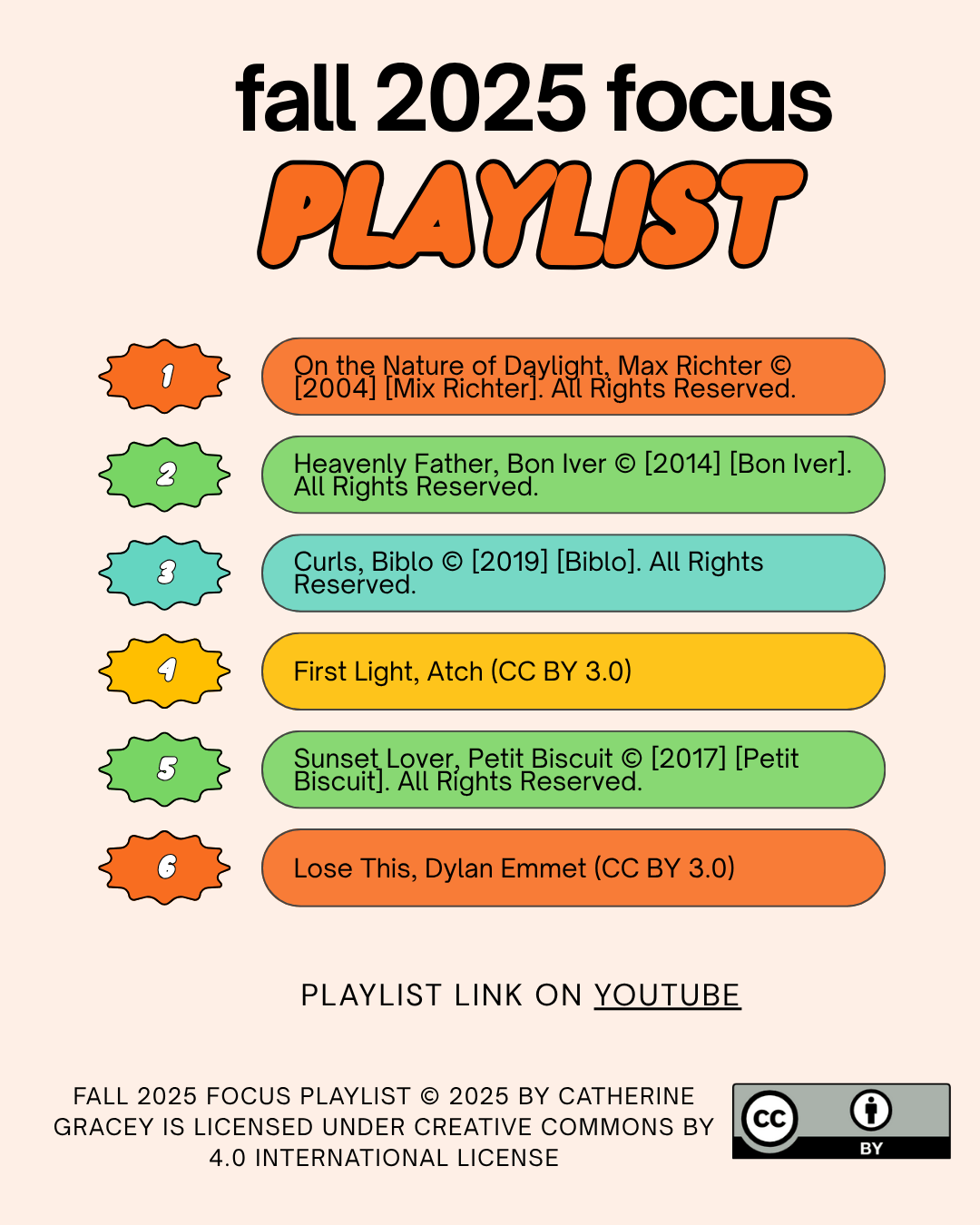
Page 1 of 2
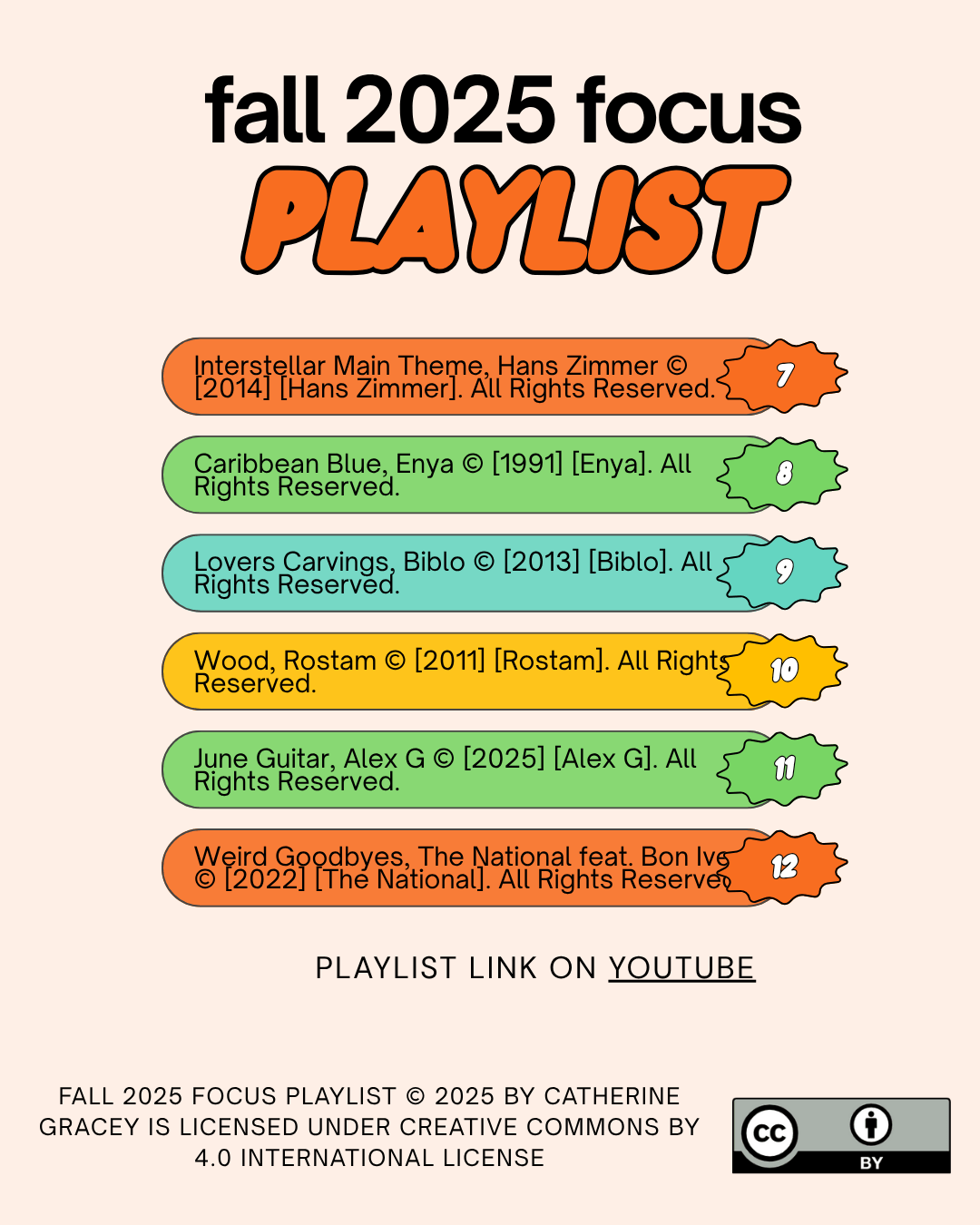
Page 2 of 2
“4.3 Finding and Reusing CC Licensed Work” (https://creativecommons.org/course/cc-cert-edu/unit-4-using-cc-licenses-and-cc-licensed-works/4-3-finding-and-reusing-cc-licensed-work/) by Creative Commons. CC BY 4.0.
“4.4 Remixing CC Licensed Work” (https://creativecommons.org/course/cc-cert-edu/unit-4-using-cc-licenses-and-cc-licensed-works/4-4-remixing-cc-licensed-work/) by Creative Commons. CC BY 4.0.
Tori Misrok, How Playlists Broke the Internet: An Analysis of Copyright in Playlist Ownership, 40 Cardozo L. Rev. 1411 (2019).
Available at: https://larc.cardozo.yu.edu/clr/vol40/iss3/12