
*chto@uchicago.edu
Weak Lensing Cosmology
and Roman HLIS-PIT
Chun-Hao To*, and the HLIS PIT
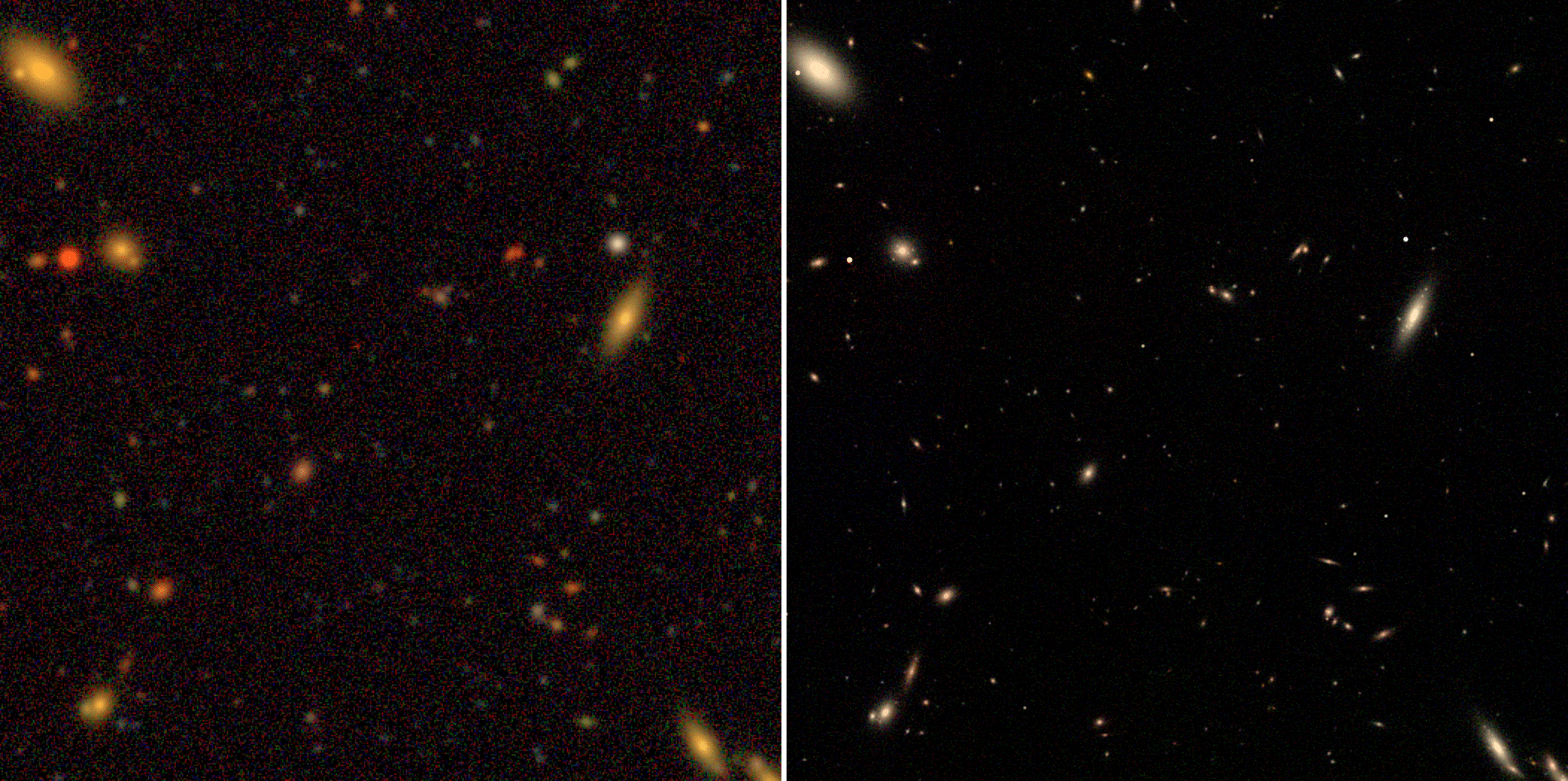

Roman
Survey Year
09
09
12
19
19
20
24
25
26
Galaxy Density
Survey Area
18000
154
2
20
1500
5000
1400
15000
154
5100
41
End Date
Start Date
CFHTLS
11
COSMOS
65
DLS
17
KIDS
11
DES
9
HSC
26
Euclid
30
Rubin
30
Weak lensing surveys
Weak lensing cosmology probes
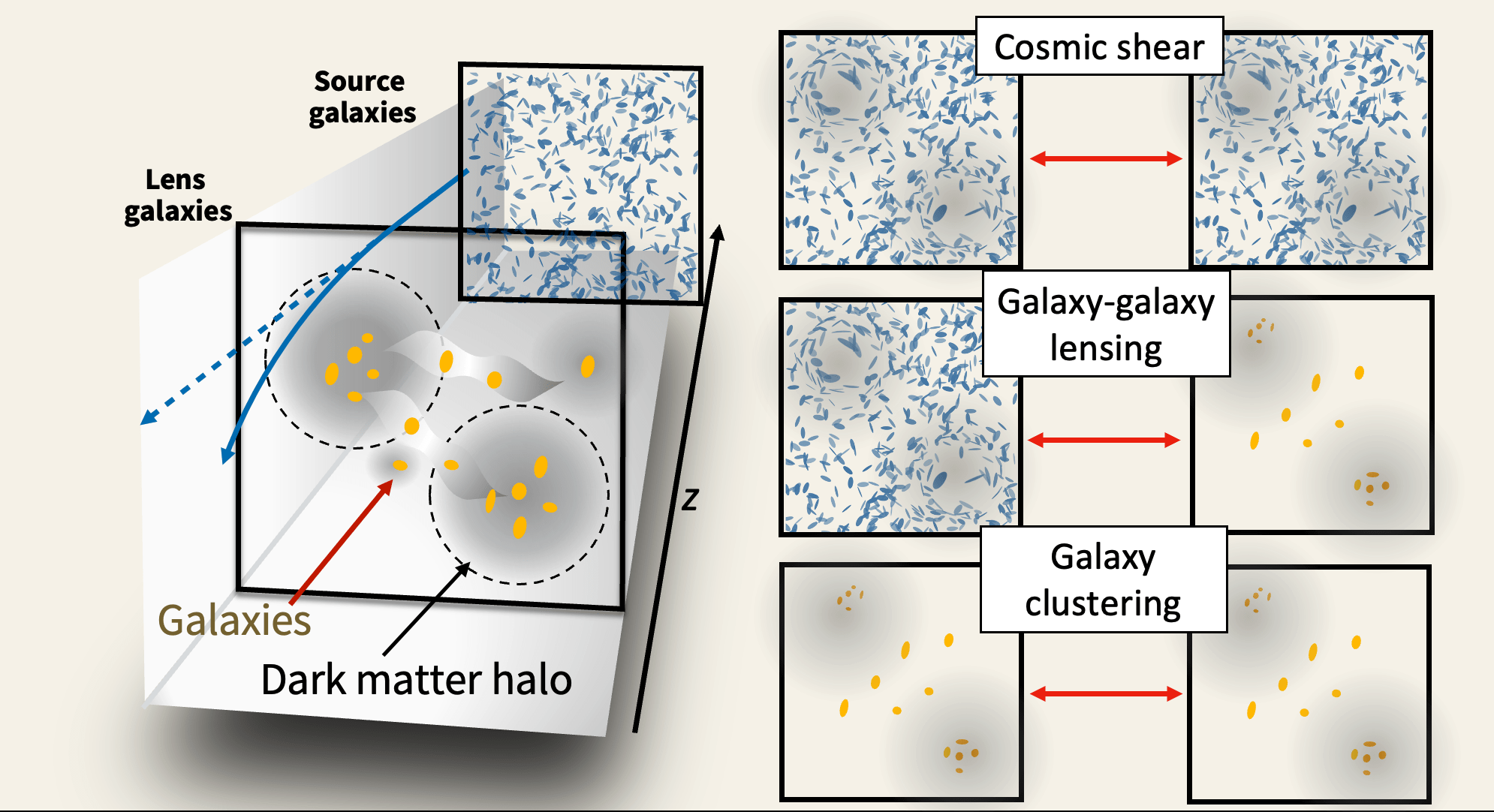
Weak lensing cosmology today
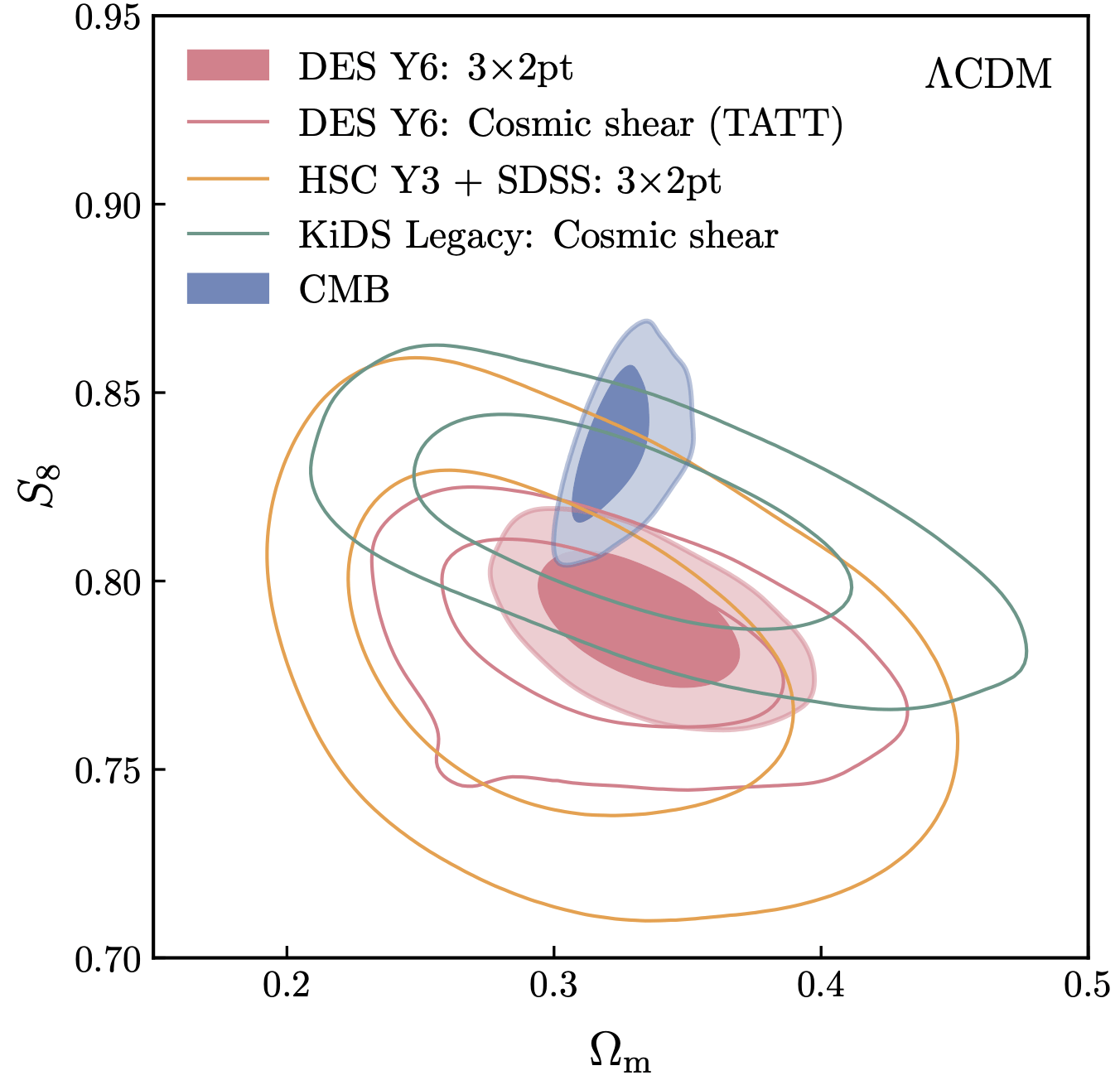
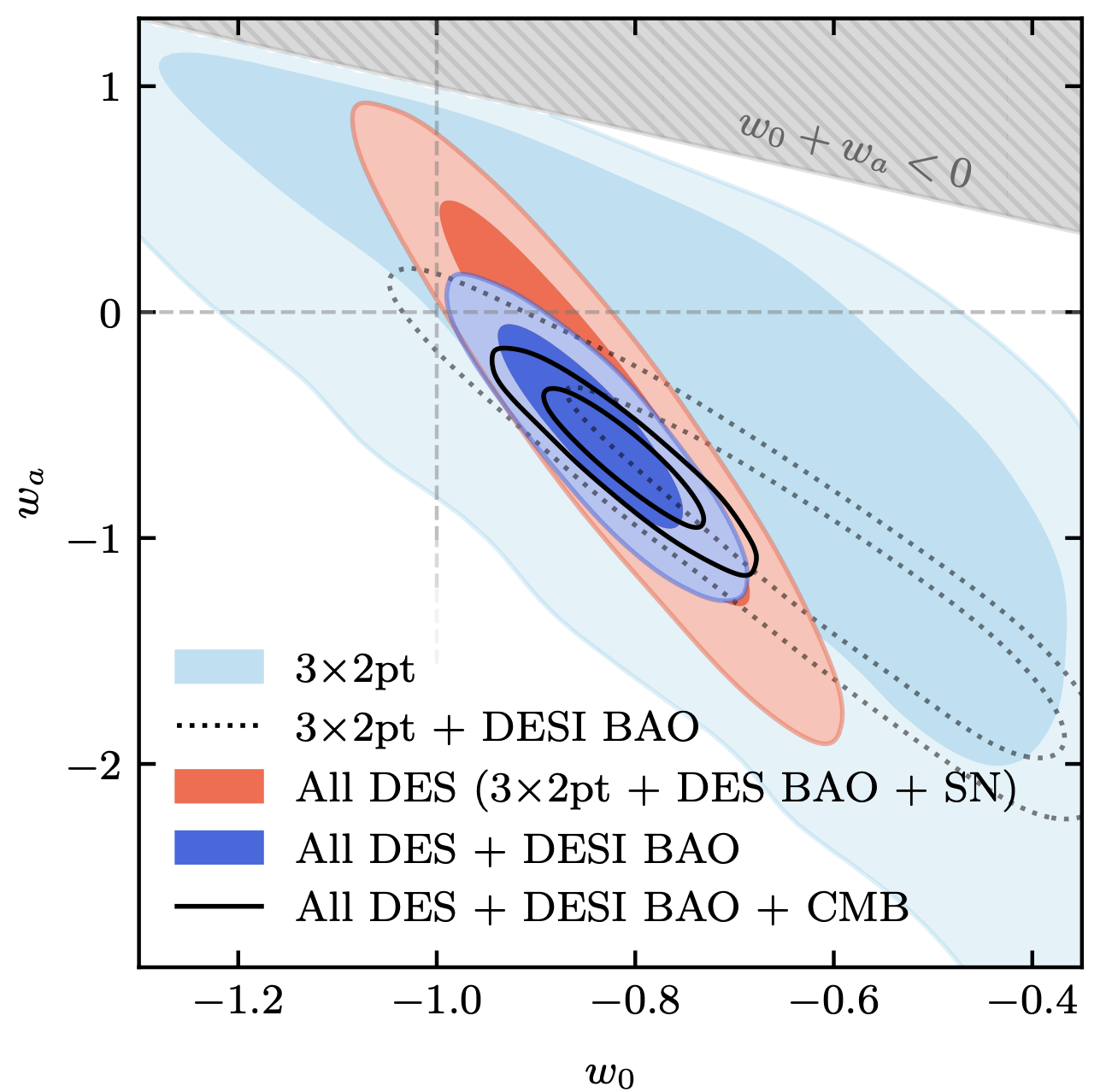
What will Roman do for WL cosmology
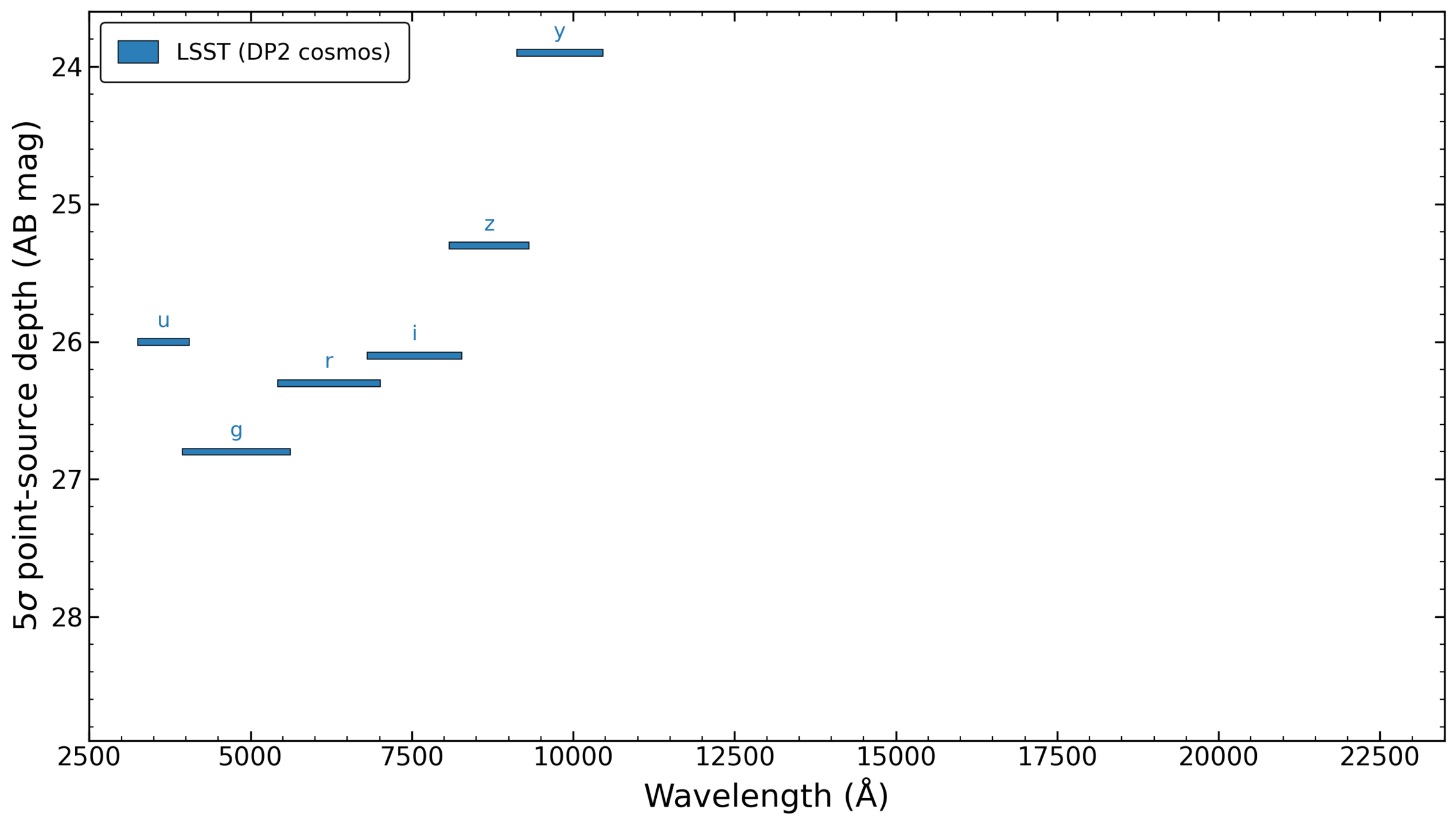
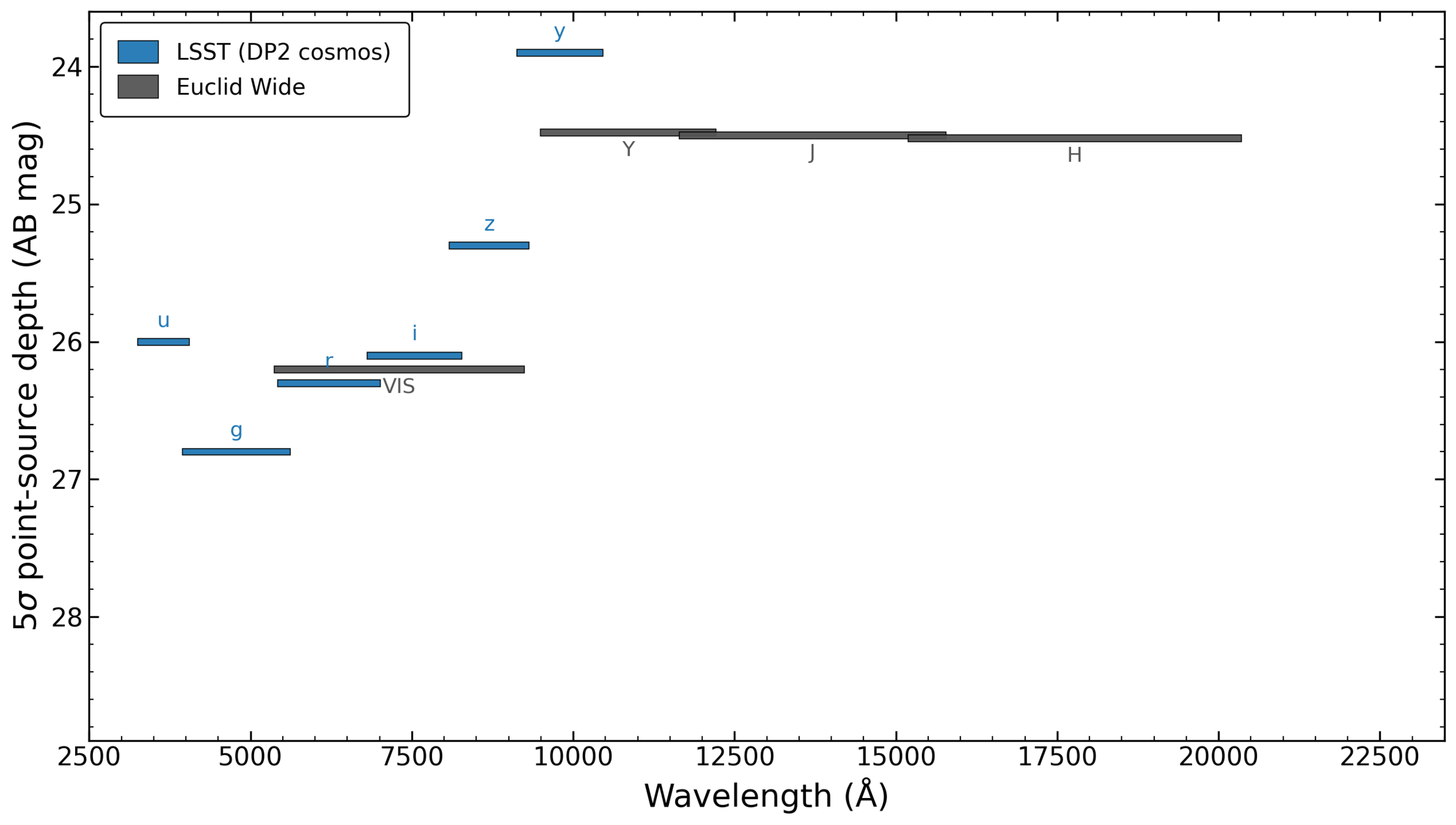
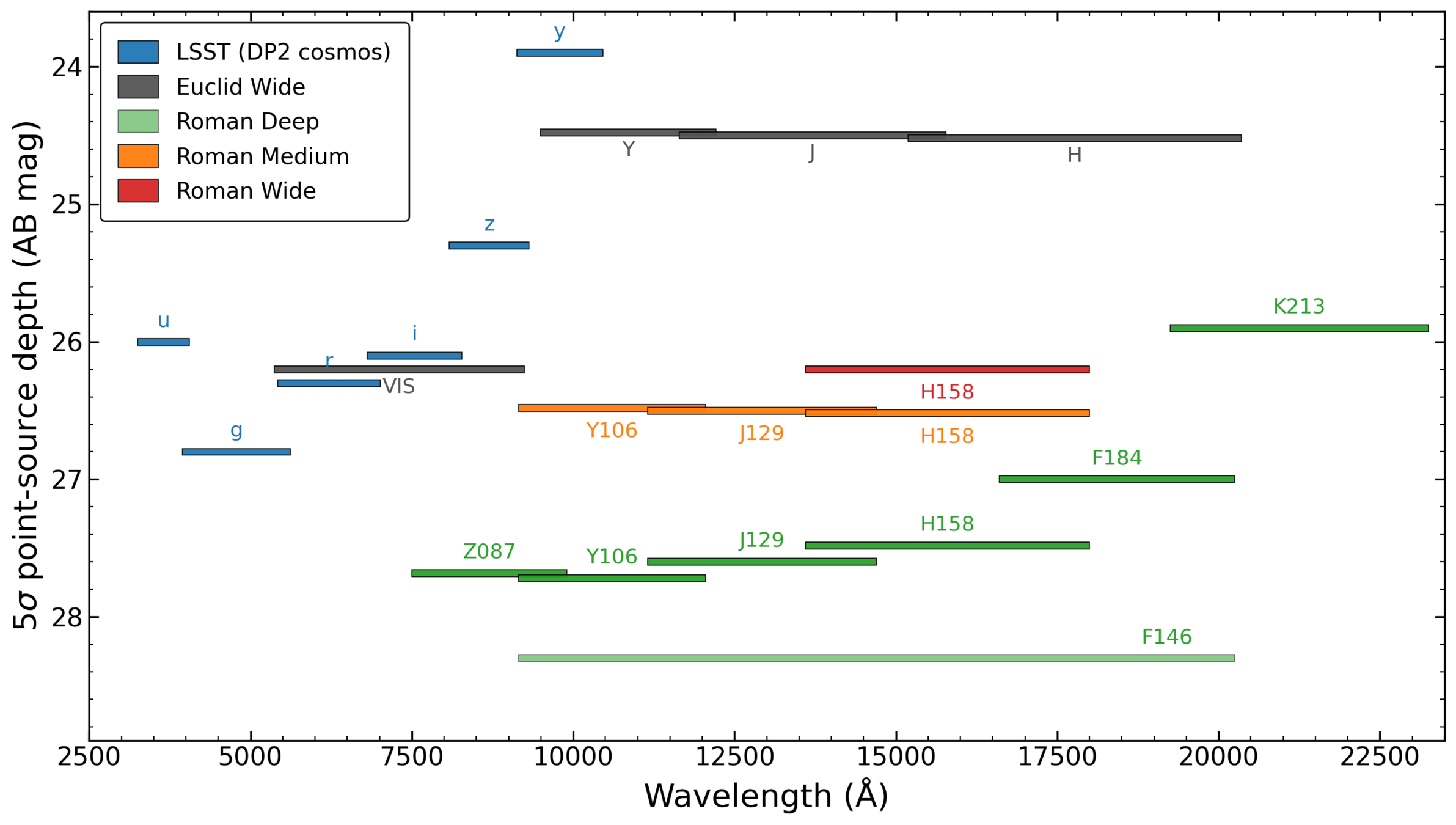
A deep catalog of galaxies with exquisite PSF (~0.2") and multiband coverage (0.9-2.0 ).
Many galaxies low noise
Less blending/star-galaxy separation
Great photo-z when combined with Rubin LSST
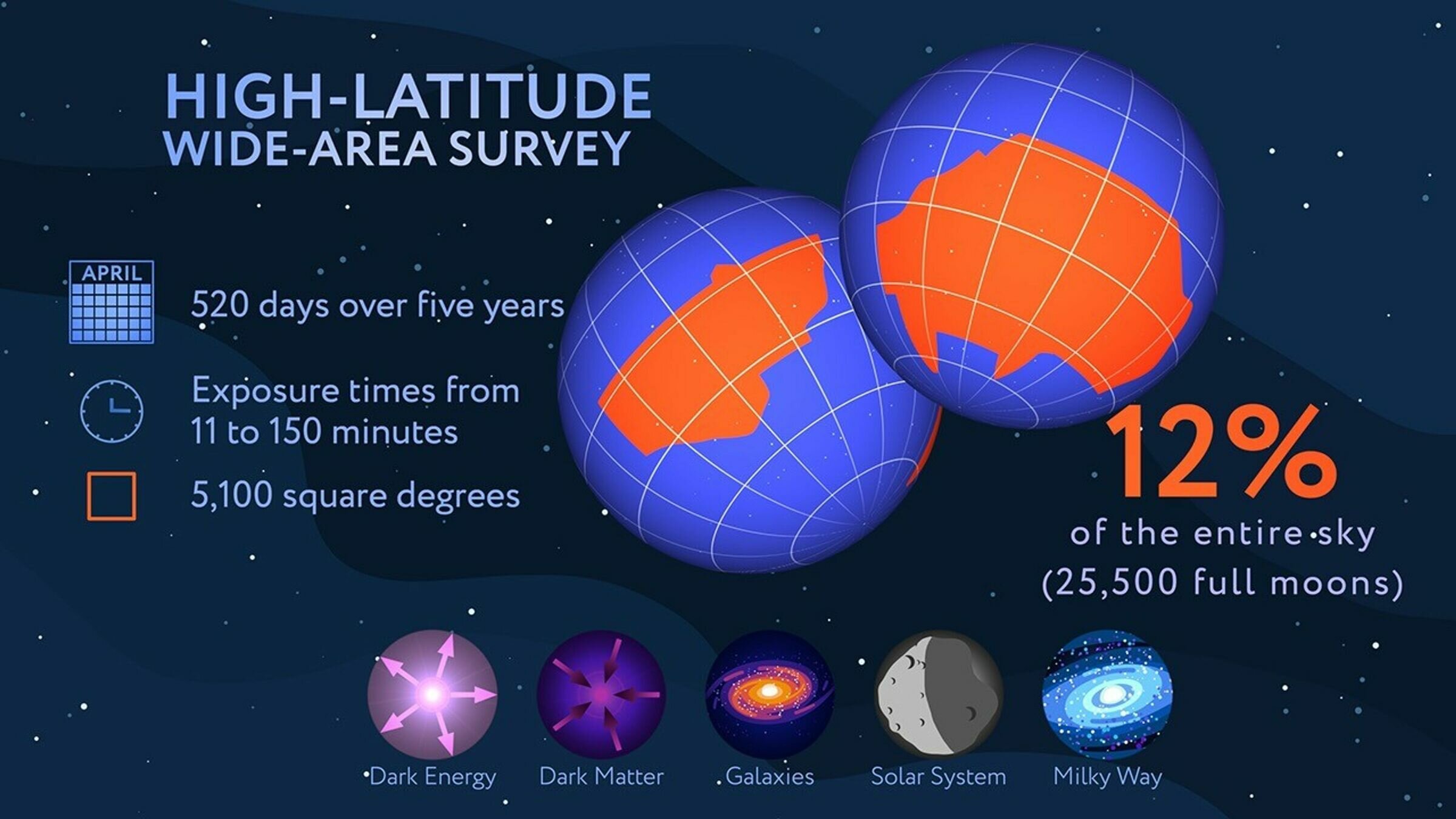
NASA GFSC
Roman High Latitude Wide Area Survey
Roman
Survey Year
24
25
26
Galaxy Density
Survey Area
18000
15000
5100
41
Start Date
Euclid
30
Rubin
30
Roman High Latitude Imaging Survey Project Infrastructure Team (HLIS-PIT)
- We build pipelines to enable Roman's 3x2pt + cluster science.
- Shear catalogs and calibrations (such as m, photo-z, ...).
- Lens and cluster catalogs and calibrations (such as weights, photo-z, ...).
- Associated products for the above, such as coadd images, PSF, theory pipeline...
- See https://roman-hlis-cosmology.caltech.edu/ for details.
- Shear and Color measurement.
- Internal and external individual-exposure calibration and point-spread function modeling.
- Image Coaddition.
- Shear measurement, photometry, and forced photometry on Rubin.
- Image simulations and synthetic source injections.
- Catalog and Statistics.
- Photometric redshift estimation and characterization.
- Lens sample selection and characterization.
- Galaxy cluster selection and characterization.
- 2pt measurement and uncertainty quantification.
- Cosmological Parameter inference.
- Covariance matrix.
- Baryon and nonlinear power spectra modeling.
- Intrinsic alignment models.
- Galaxy bias models.
- Cluster systematic models.
- 3x2pt likelihood inference.
- Mass mapping and higher-order statistics.
Pixel-to-cosmology pipeline (more complete)






- Shear and color measurement.
- Individual exposure calibration.
- Image Coaddition.
- Shear measurement.
- Photometry and forced photometry on Rubin.
- Catalog and statistics.
- Photometric redshift estimation and characterization.
- Galaxy sample selection.
- Galaxy cluster sample selection.
- Cosmological Parameter Inference.
Pixel-to-cosmology pipeline (less complete)
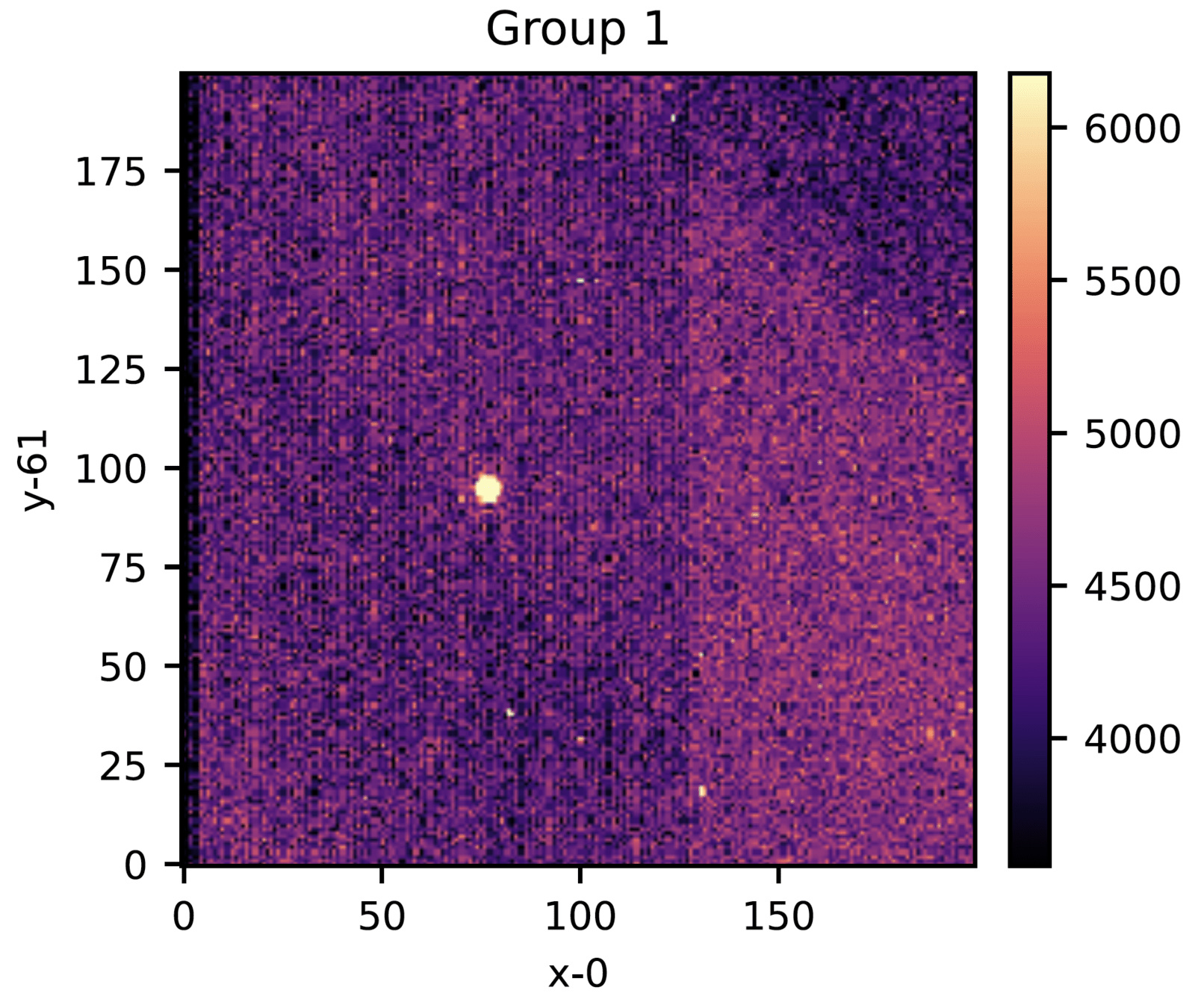
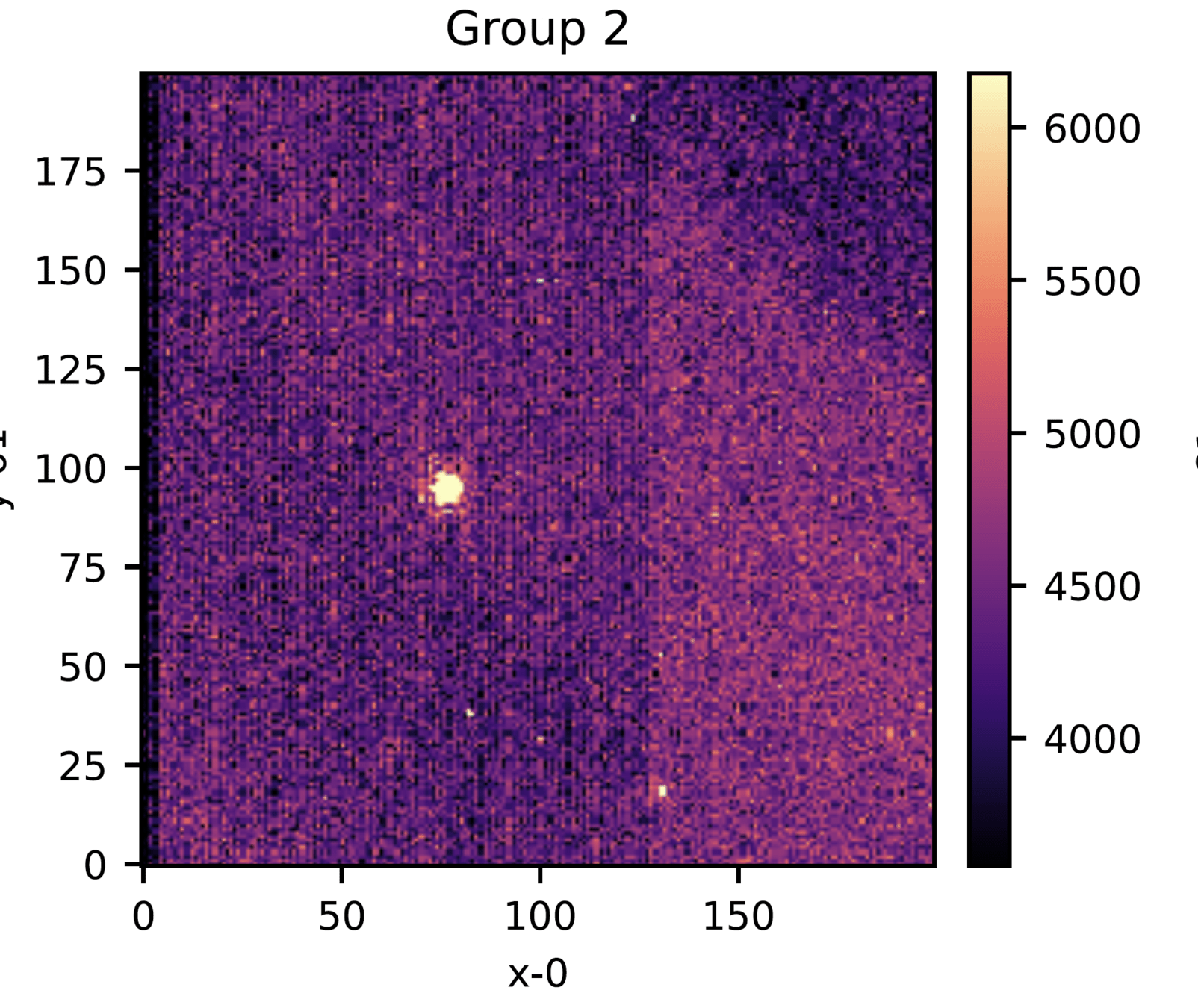
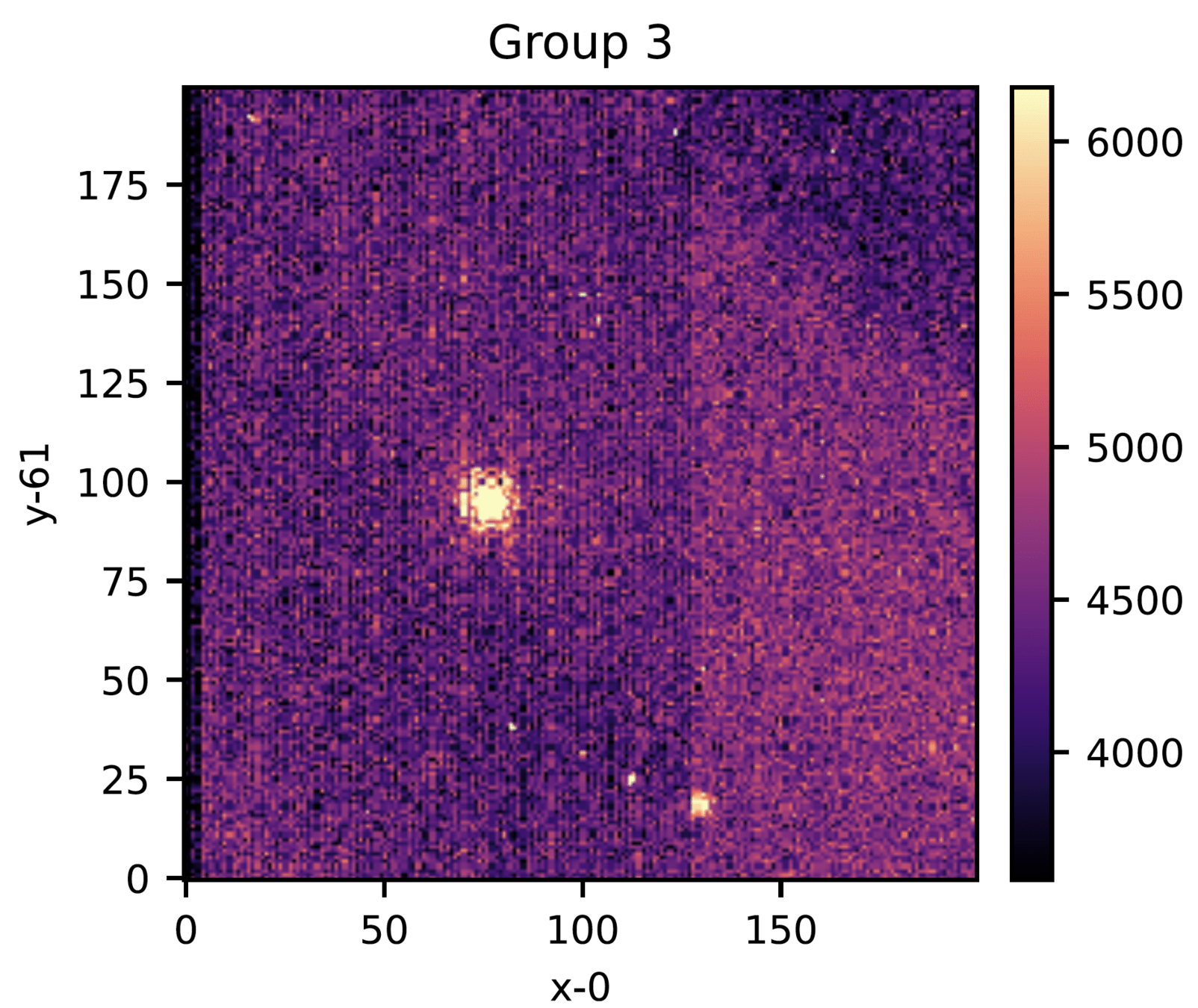
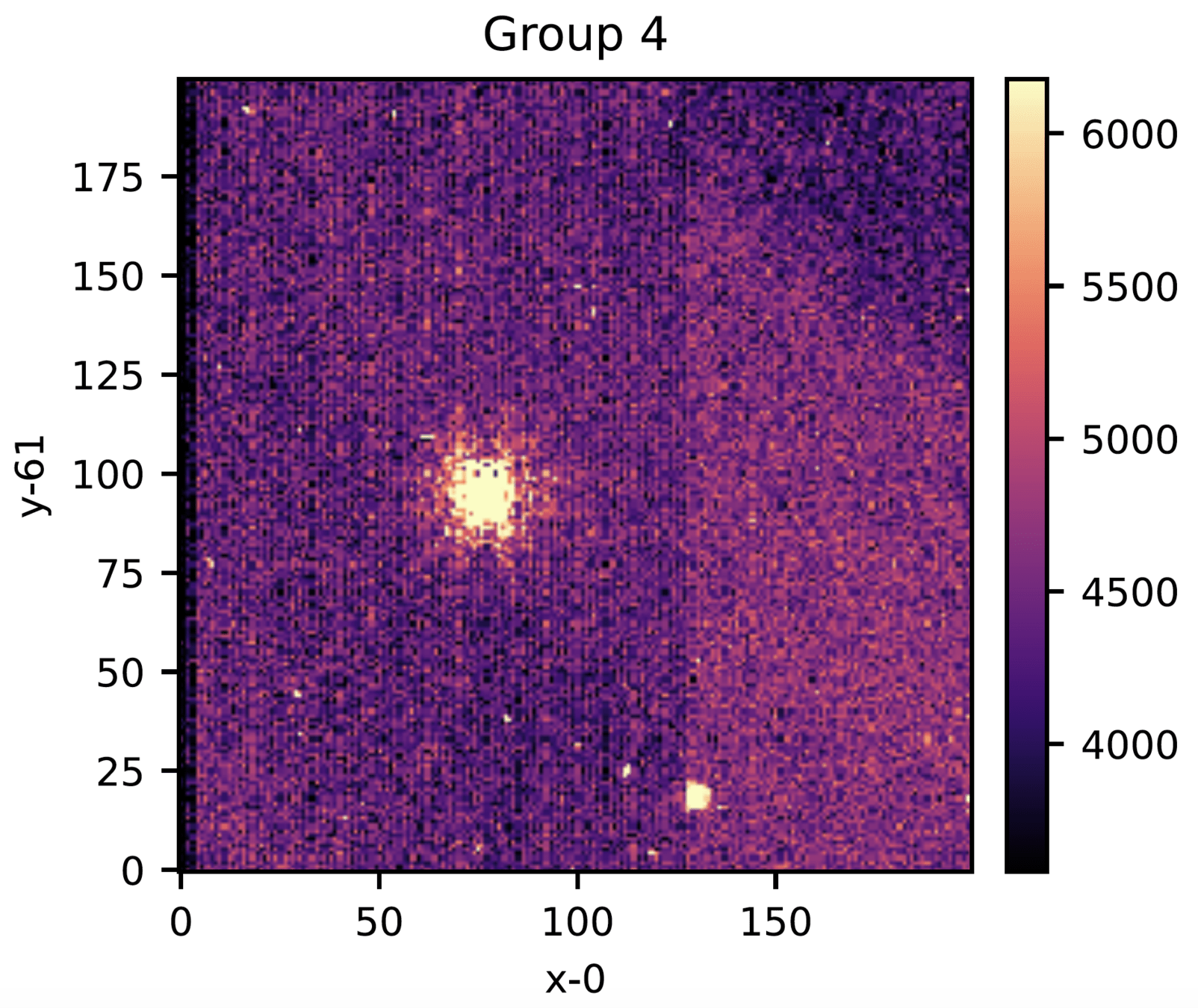
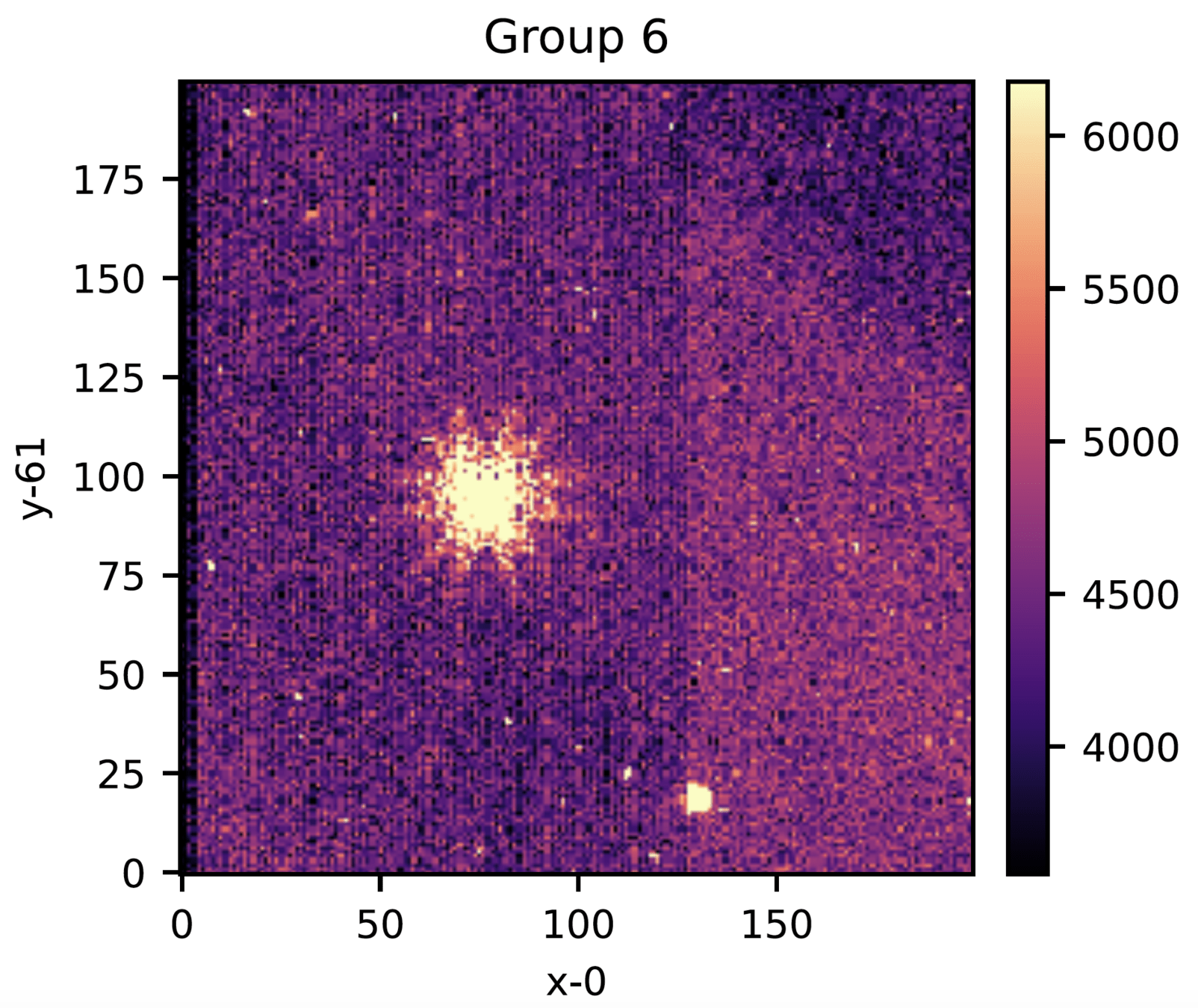
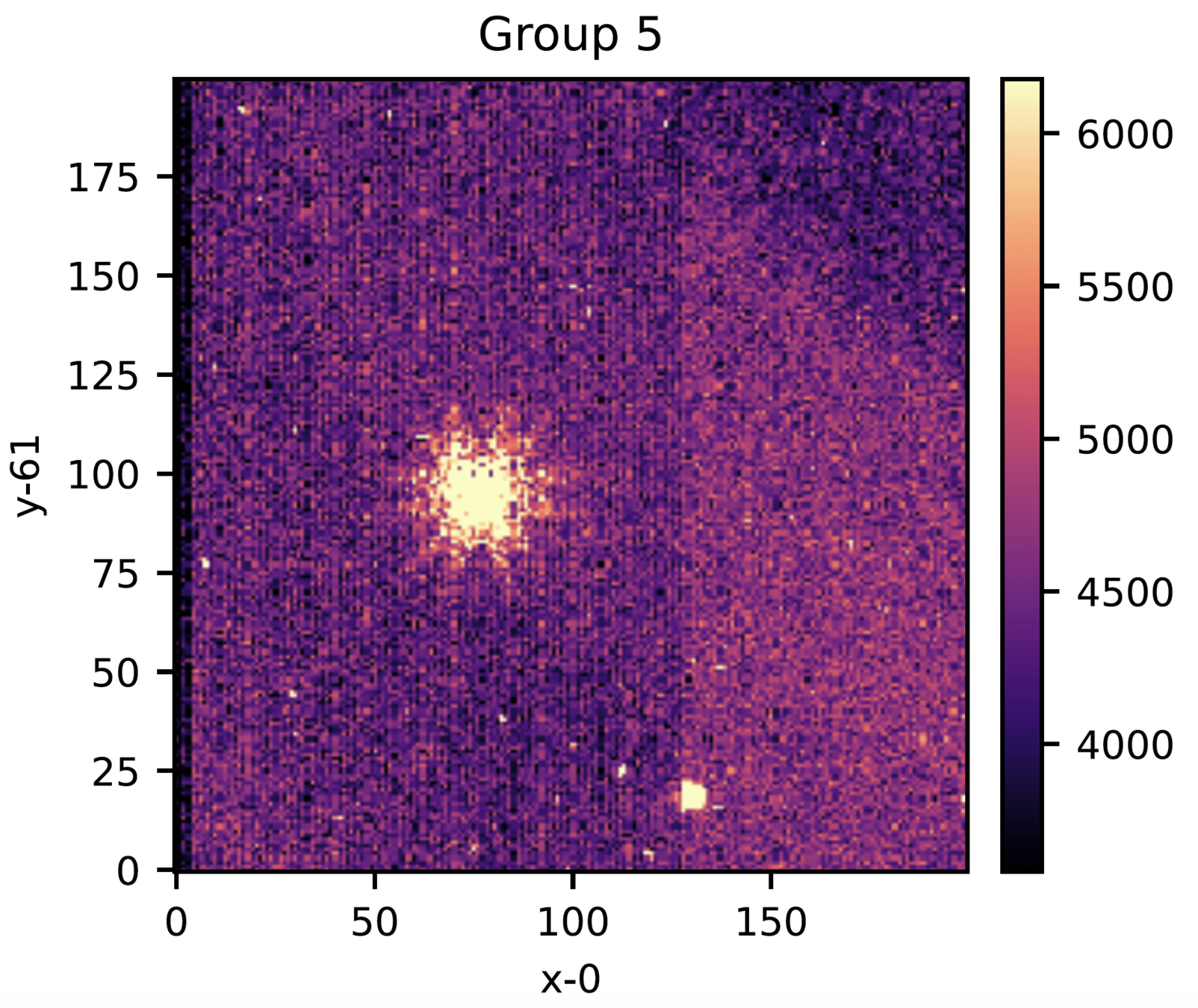
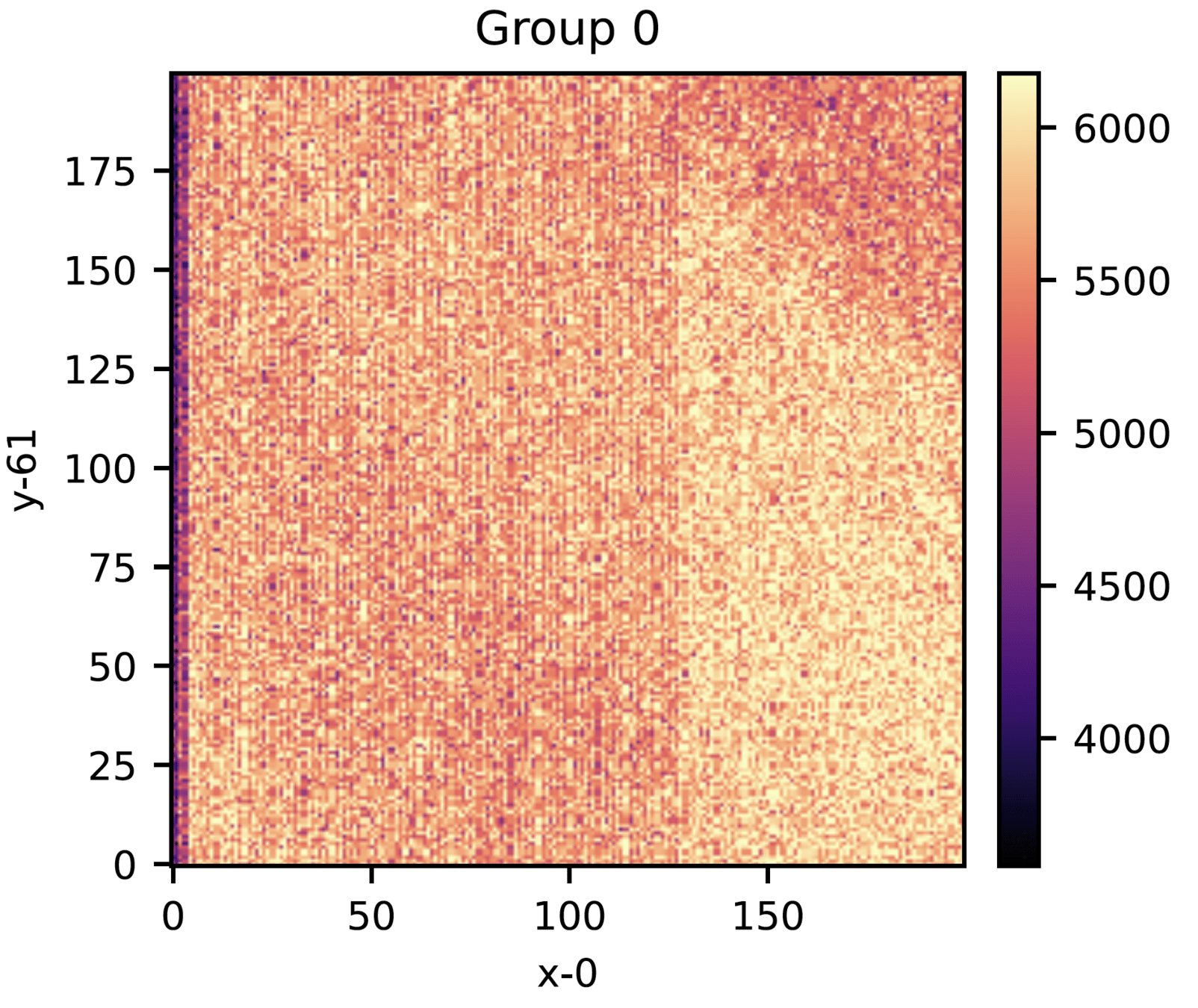
Level 1: Uncalibrated Images
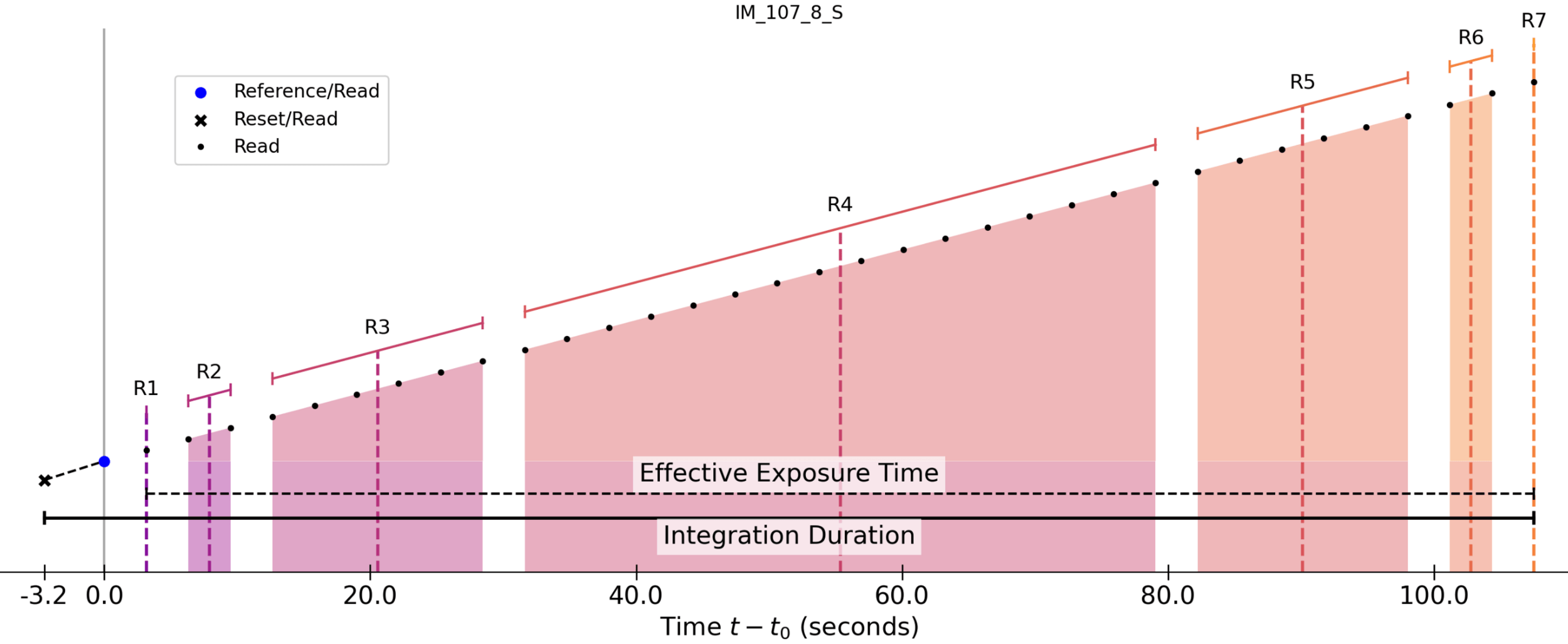
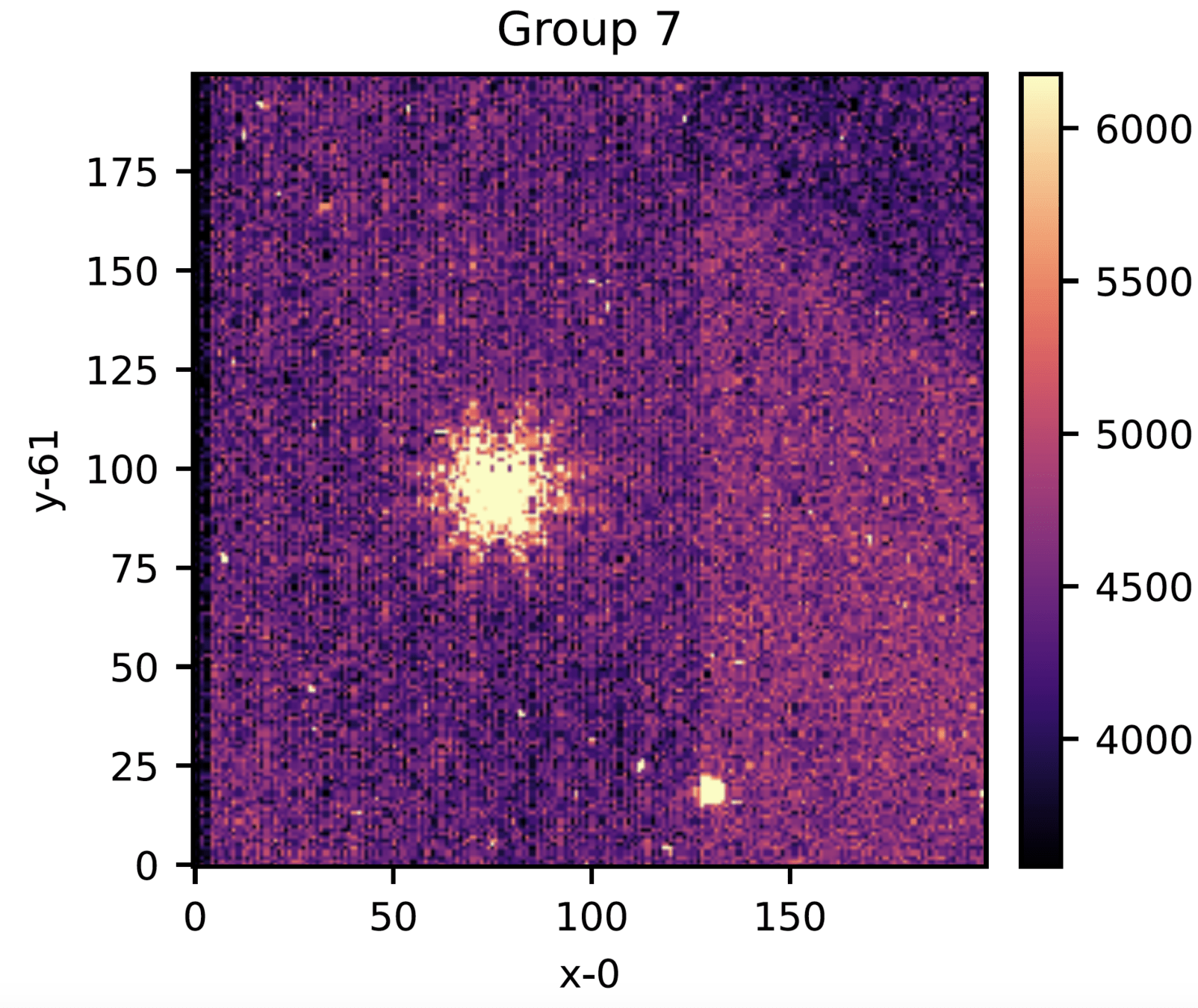
1a. Individual exposure calibration
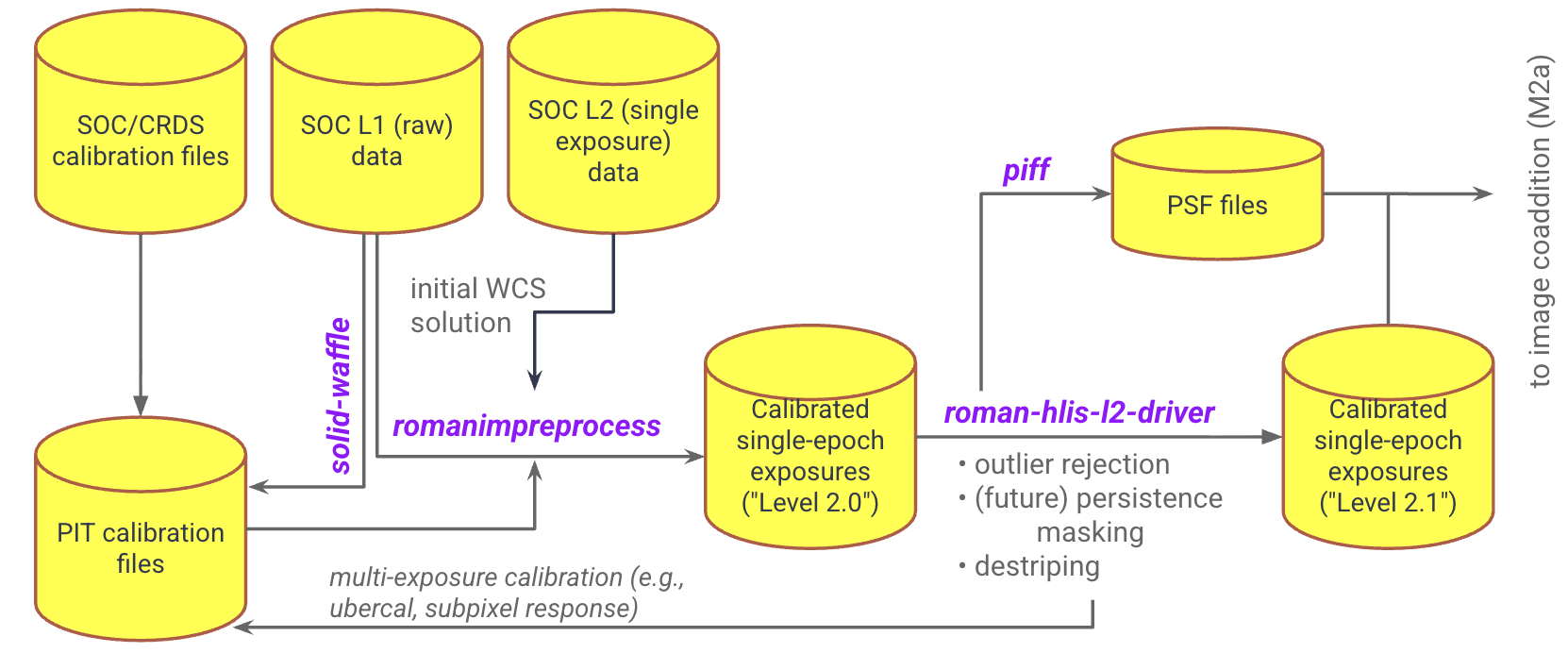
Amy Albert, Ami Choi, Nihar Dalal, Chris Hirata, Mike Jarvis, Katherine Laliotis...
1a. Individual exposure calibration
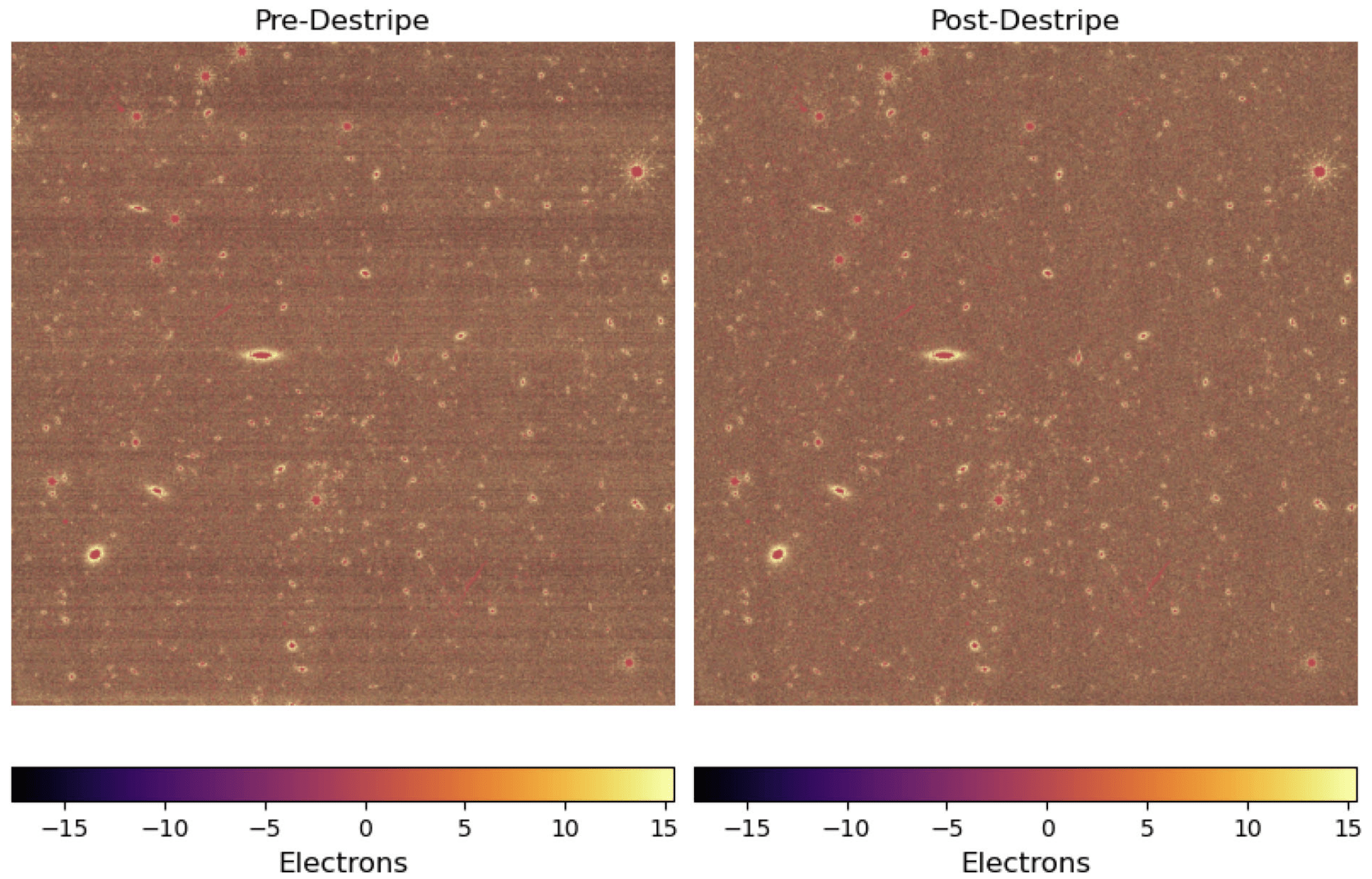
Katherine Laliotis, Chris Hirata
imDestripe
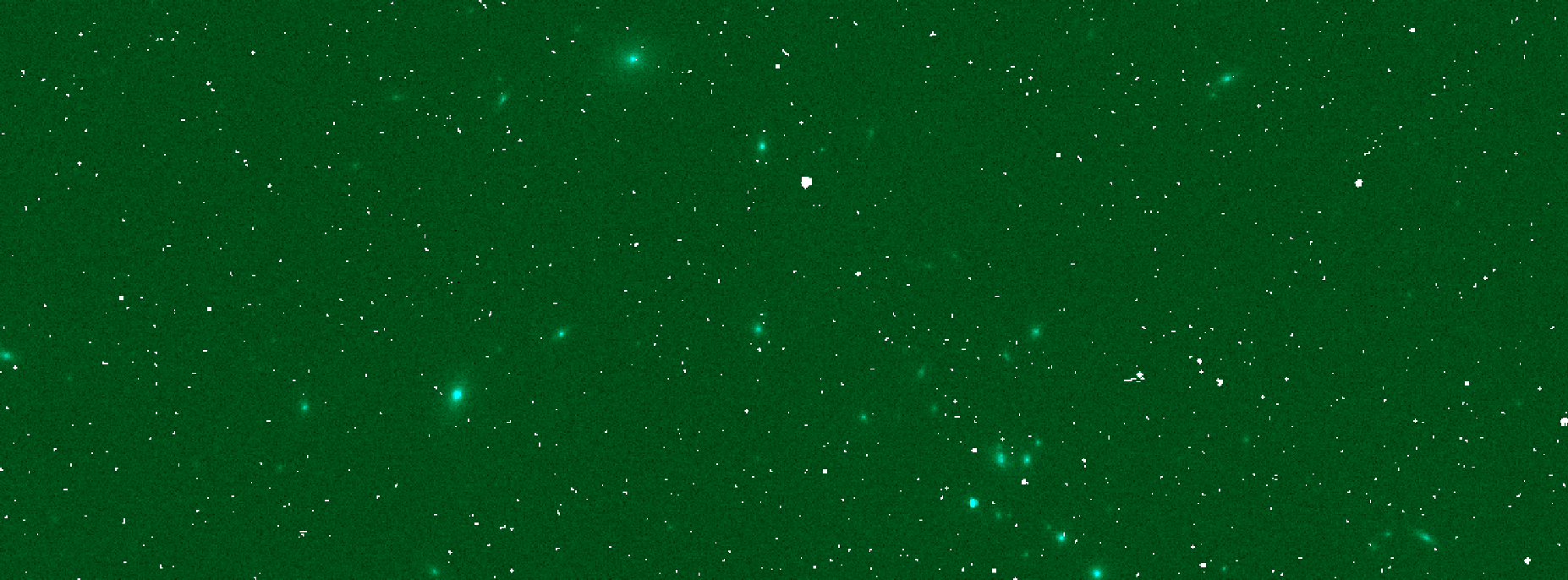
Level 2: Calibrated Images
1b. Image Coaddition
Kali Cao, Chris Hirata, Emily Macbeth, Masaya Yamamoto
- The point spread function is undersampled: Pixel size ~= PSF size.
- Solution: a specialized image co-addition algorithm (IMCOM) to ensure that the output PSF is exactly Gaussian and uniform across the footprint.
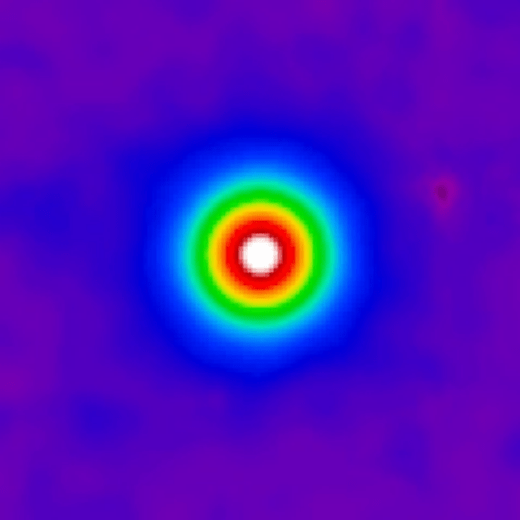
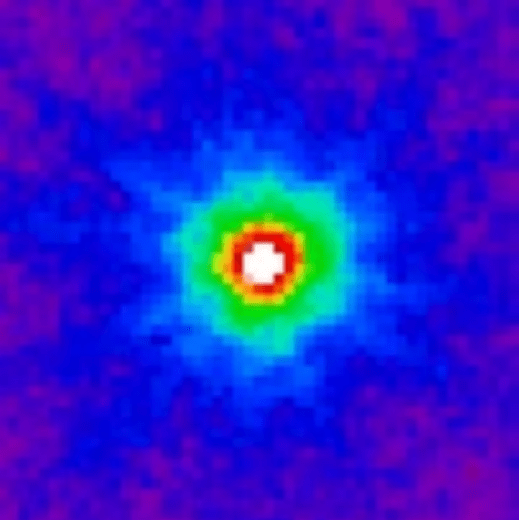
Imcom PSF
Drizzle PSF


See also: Rowe+11, Hirata+24, Yamamoto+24, Cao+25
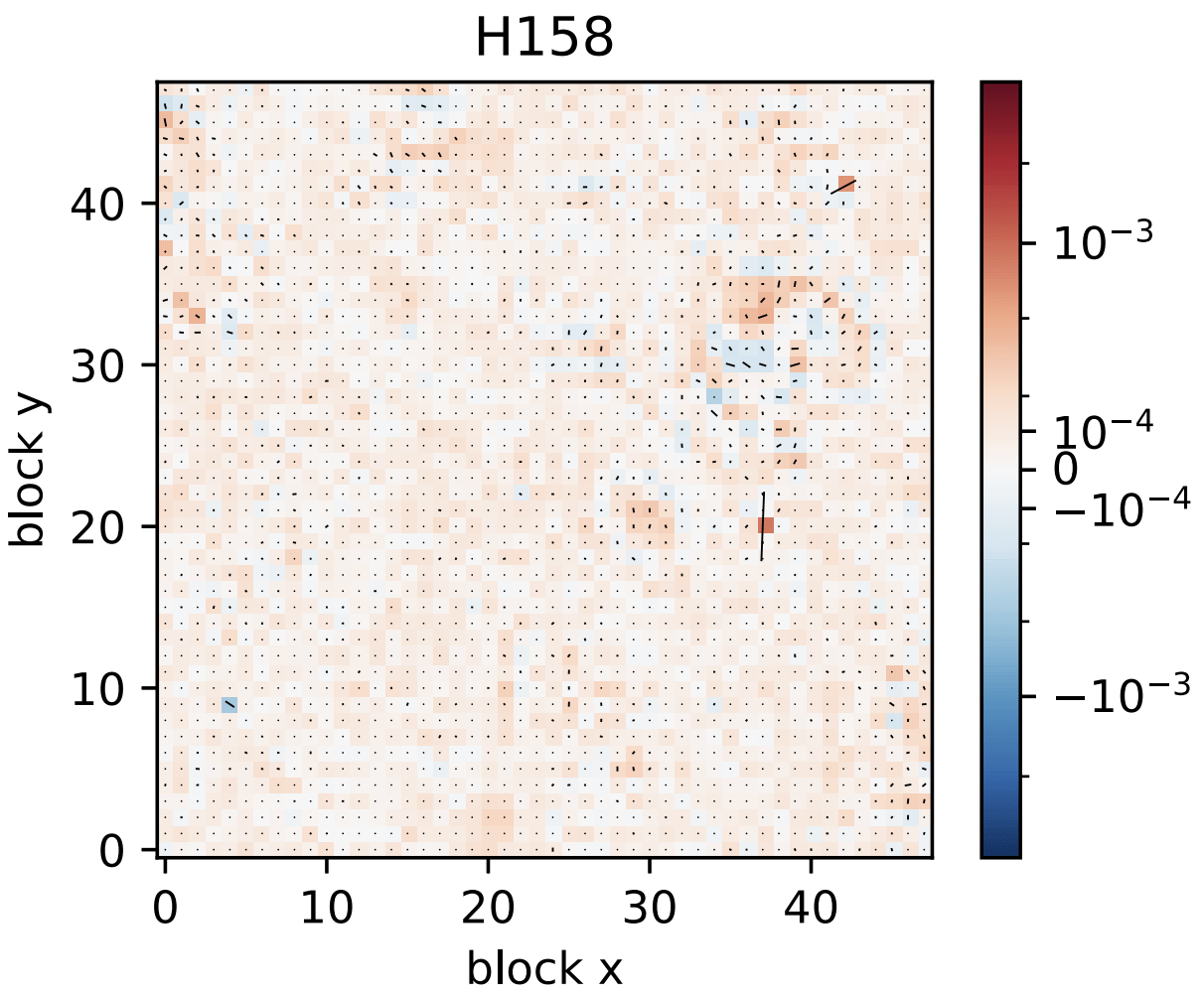
PSF Size Error
Level 3: Mosaics
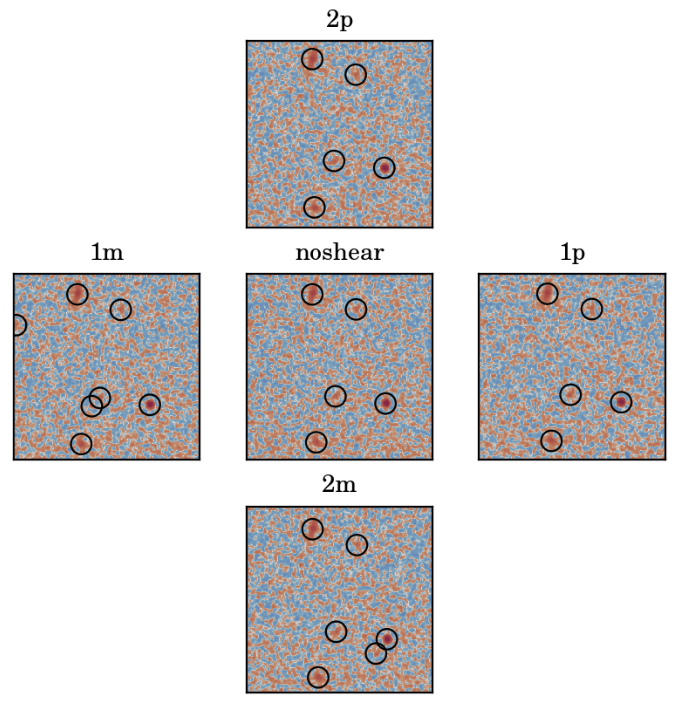
1c. Shear Measurement
Metadetection: was used for DES Y6 cosmology.
Axel Guinot, Sidney Mau, Rachel Mandelbaum

Shape: we measured
Shear: we want

1d. Photometry and forced photometry on Rubin
Chun-Hao To, Tae-Hyeon Hsin
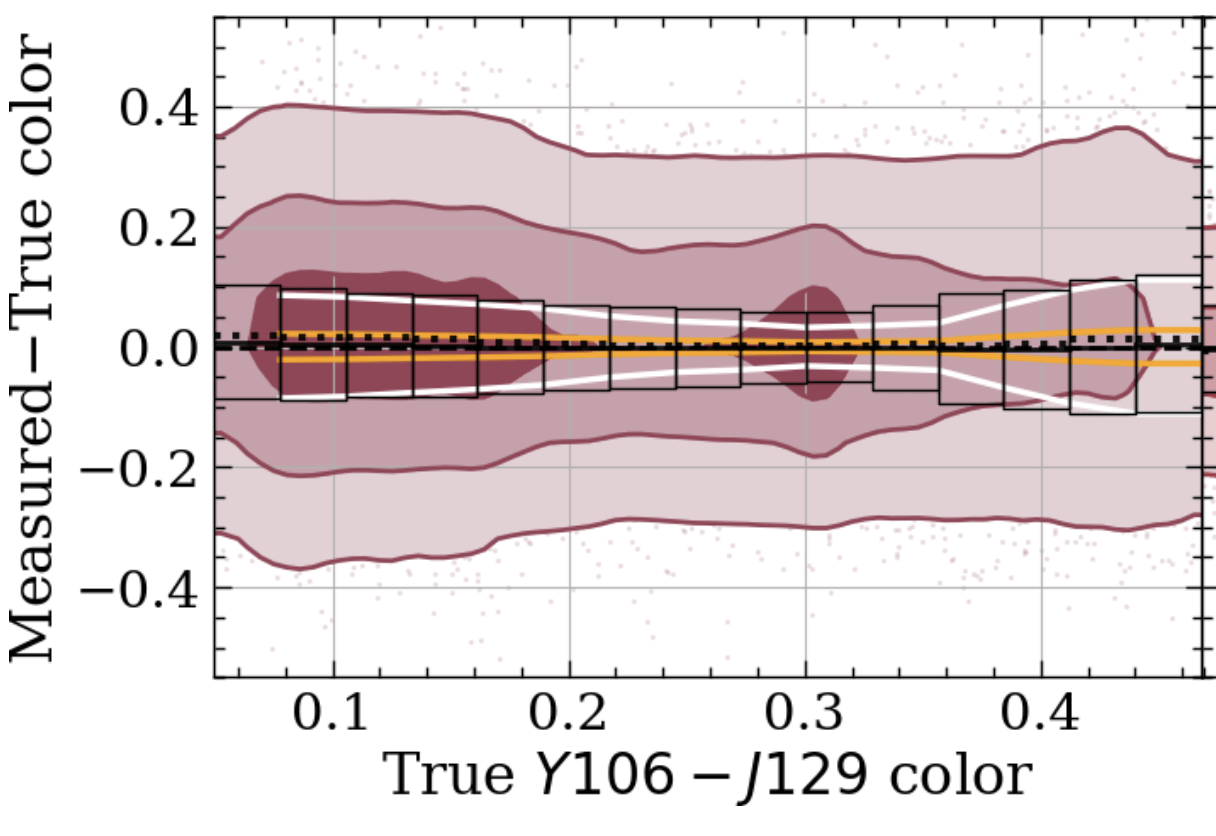
- Slimfarmer: a multi-band, multi-object fitting pipeline.
- LSST-DM: a software package for Rubin data processing.
Out of the box uncertainty
Slimfarmer uncertainty

Products: Shear and galaxy catalogs
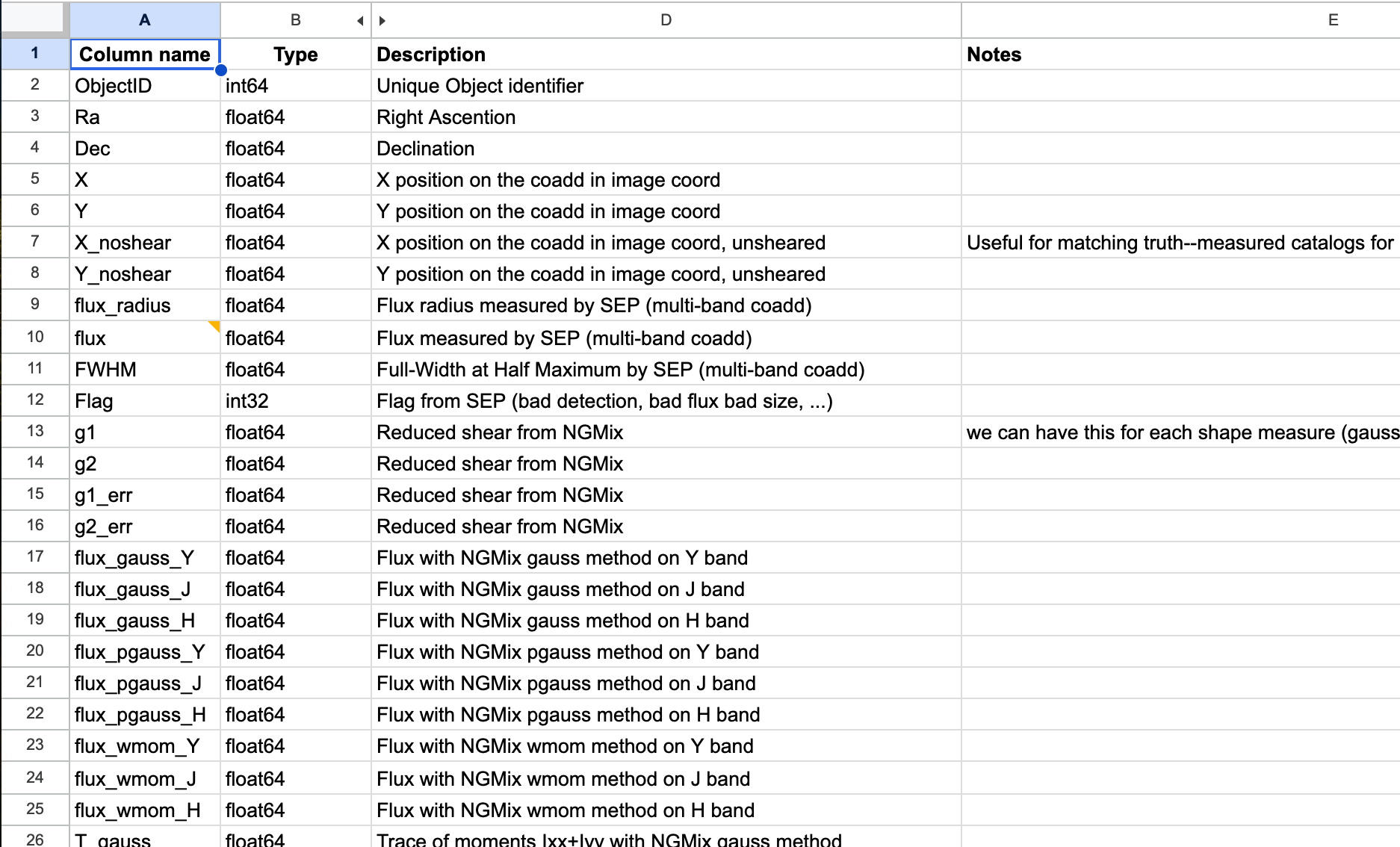
Position
Shear
Photometry
2a. Photometric redshift estimation and characterization.
- Individual photo-z: For galaxy and galaxy cluster selections (Rail-Lephare).
- Ensemble photo-z: For n(z) characterization (Roman-SOMPZ).
Brett Andrews, Dan Masters, Jeff Newman, Diogo Souza, Chun-Hao To, Boyan Yin, YuFei Zhen
19% wide and 18% deep galaxies are in cells with no spec-z samples
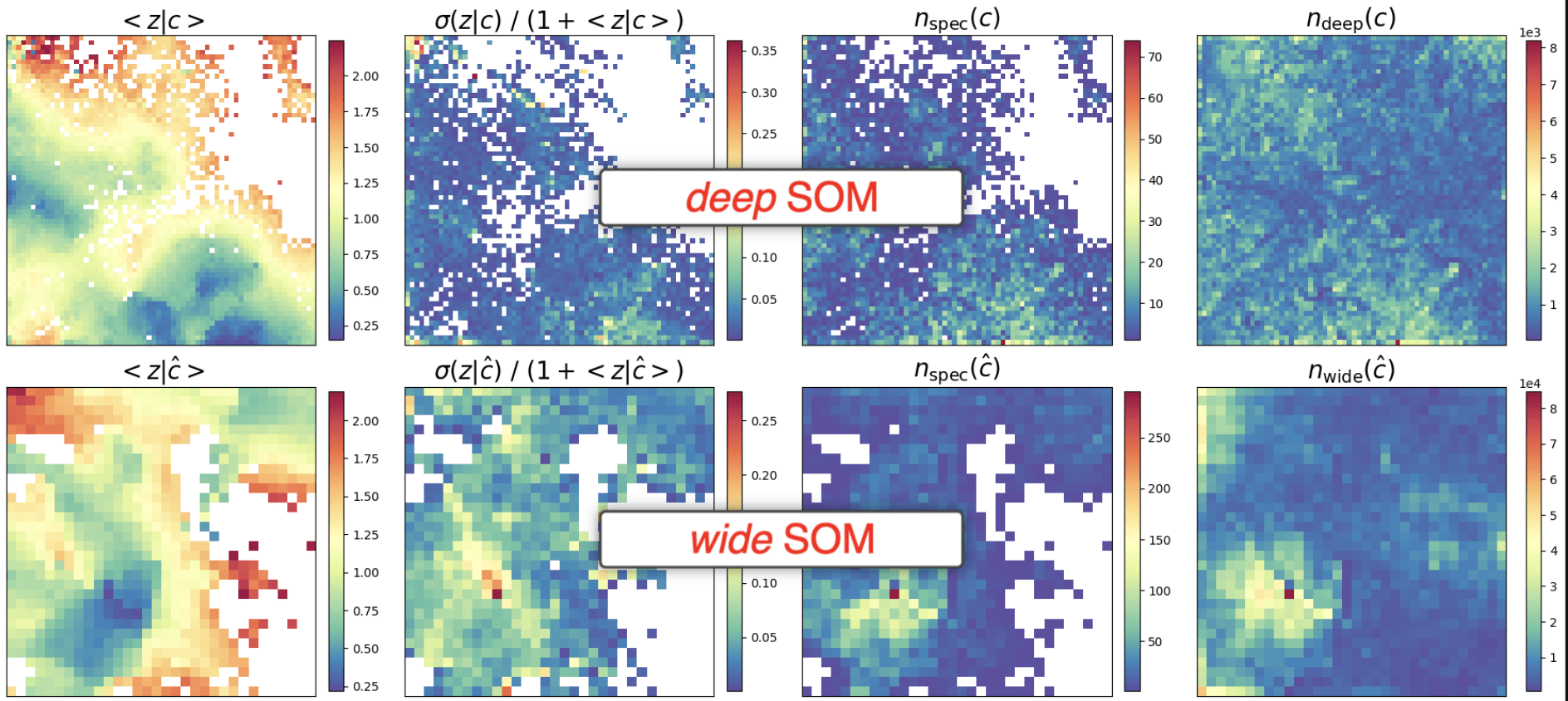
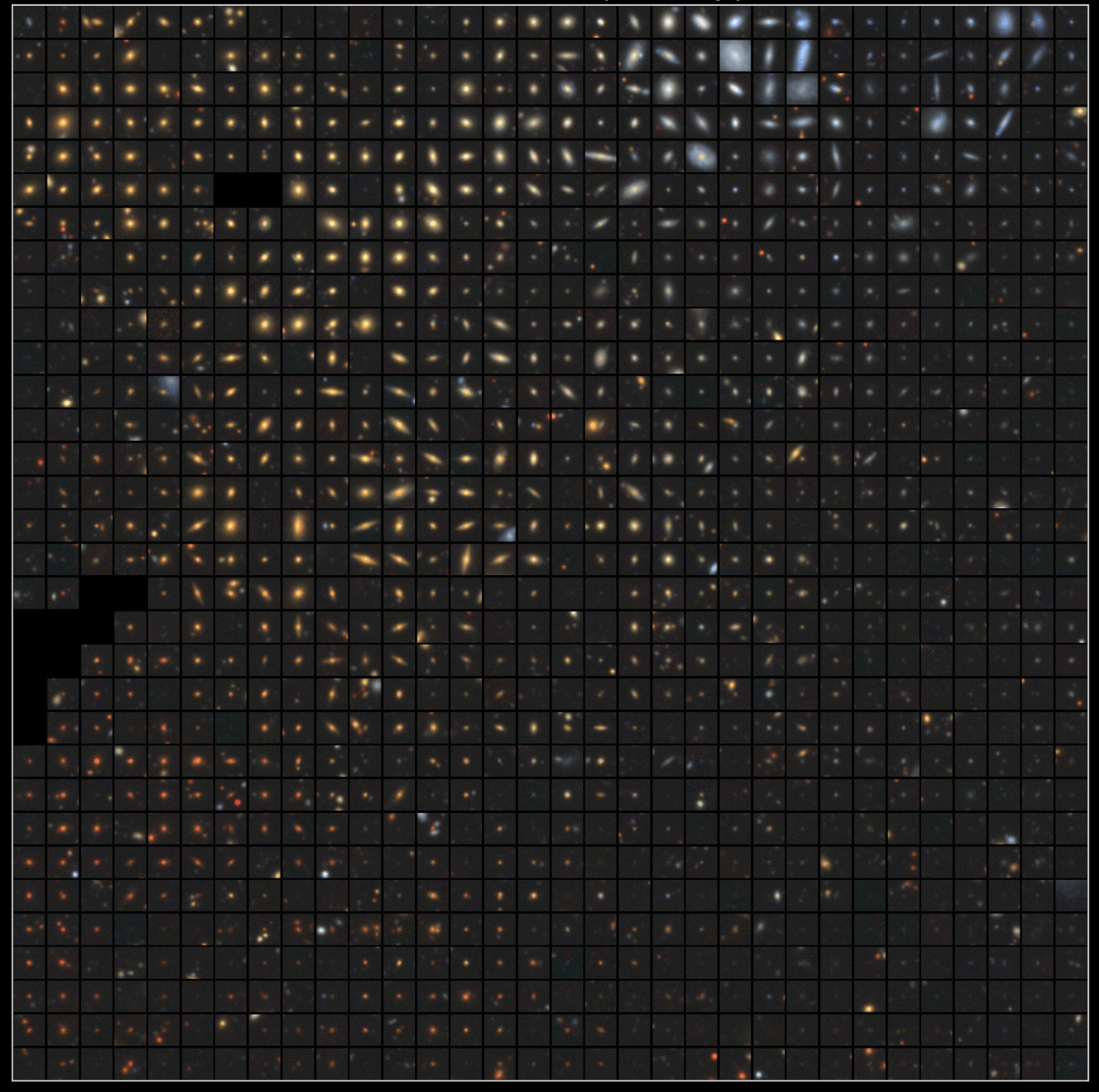
Self-Organizing Map (SOM)
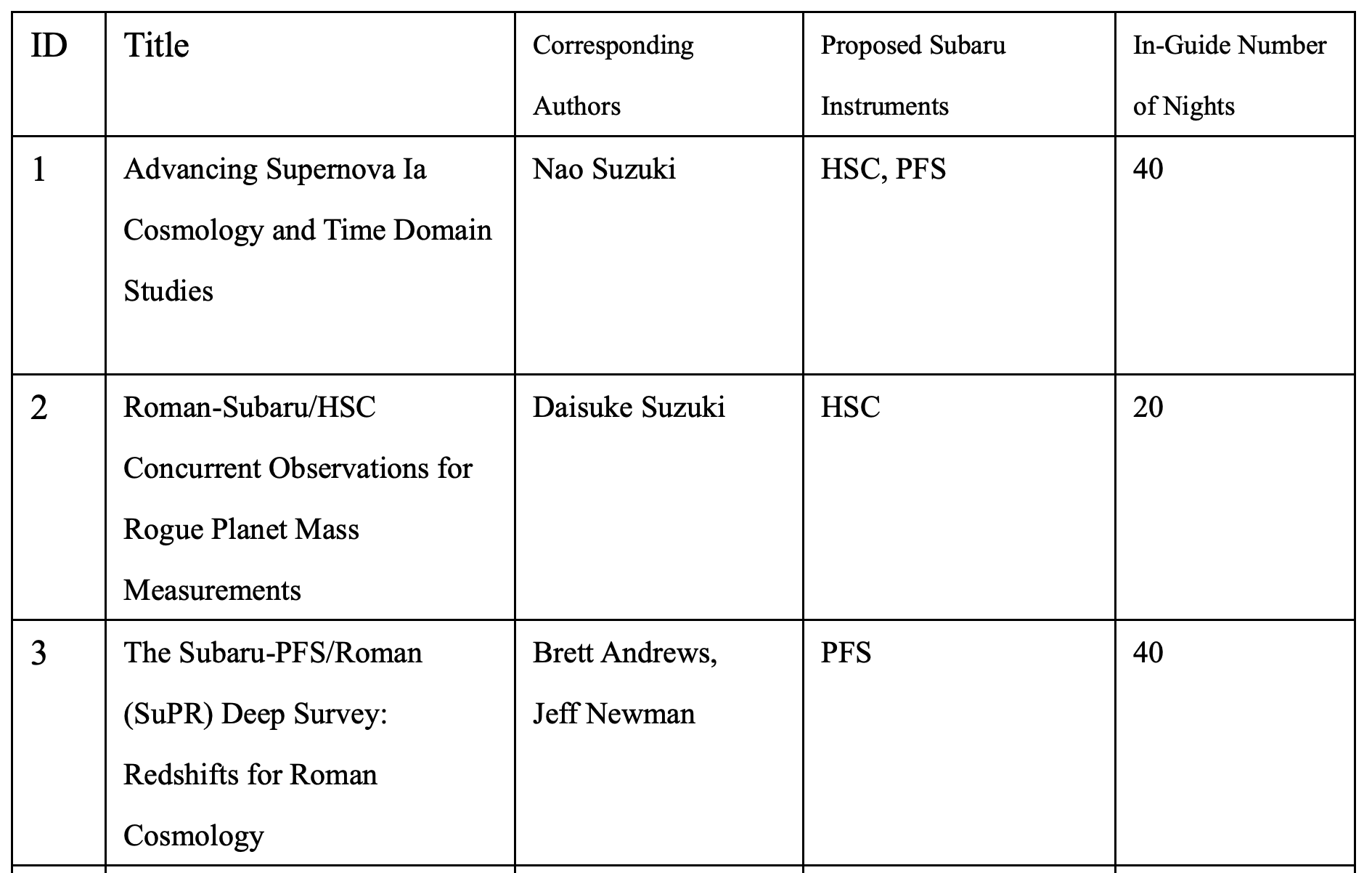
2a. Solution 1: more spectroscopic galaxies.
Brett Andrews, Jeff Newman, Dan Masters
Cosmos DDF
XMM DDF
20k-30k spectra with H depth of ~24.5 (AB), subsampled to have flatter mag distribution.
Looking for collaborators for the proposal!
email Jeff Newman (janewman@pitt.edu)

2a. Interim Approach: Augmenting spec-z training sets for SOMPZ
YuFei Zhen, Boyan Yin, Chun-Hao To
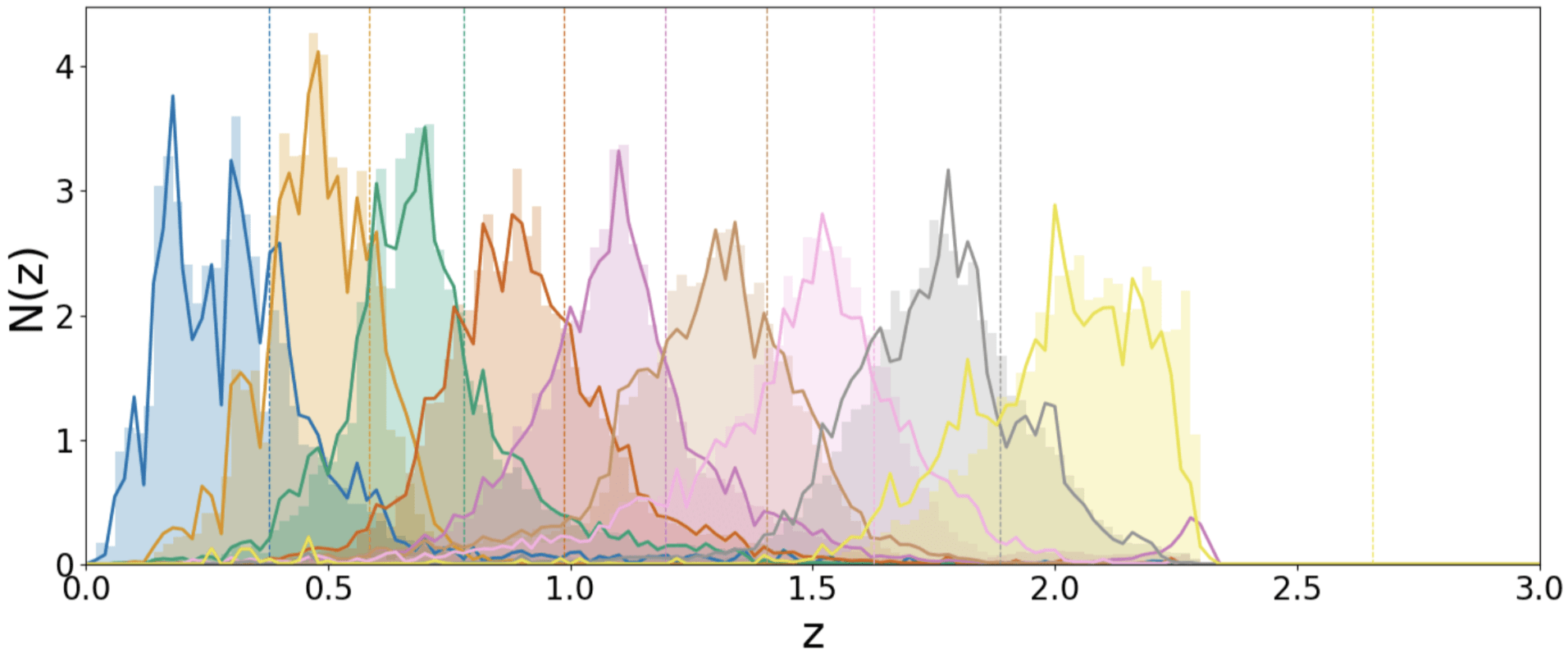
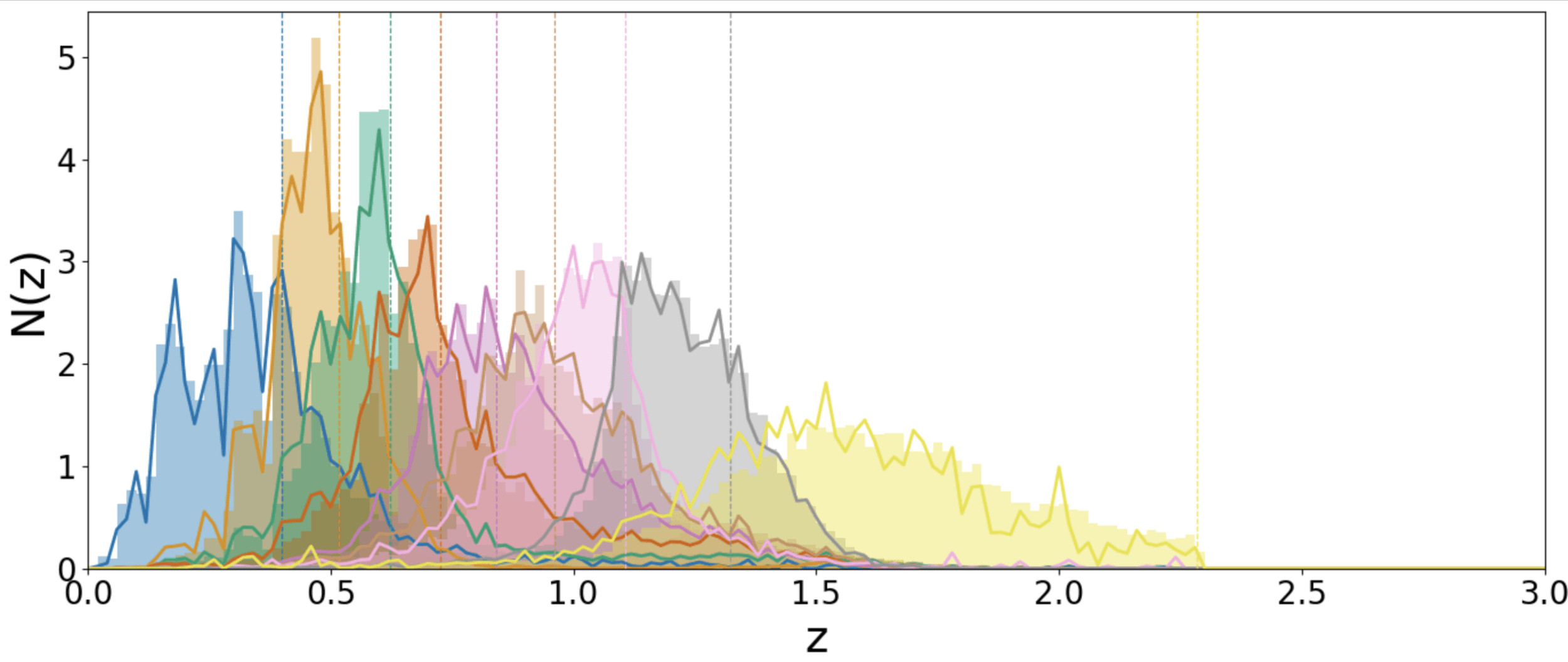

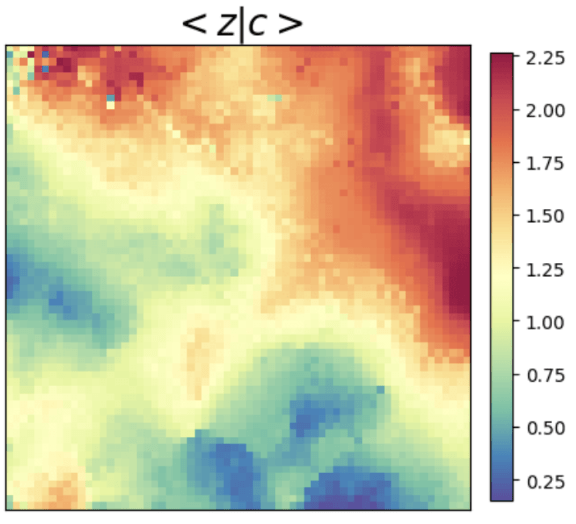
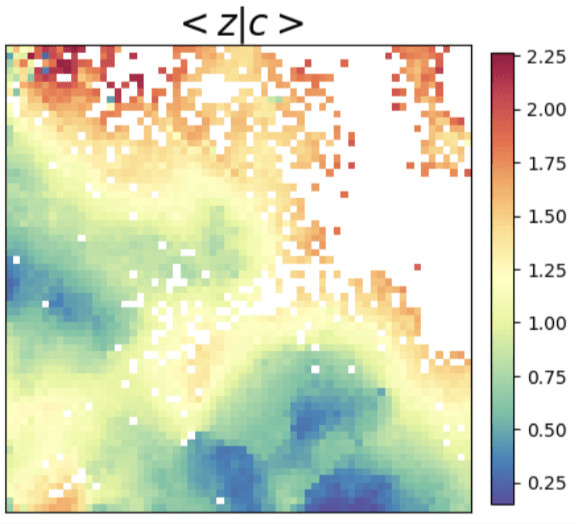
Out-of-the-box DES SOMPZ
Roman-SOMPZ
See also Souza+26 on modeling uncertainties.

True n(z)
Estimated n(z)
Zhen+ in prep.
Products: n(z) and redshift
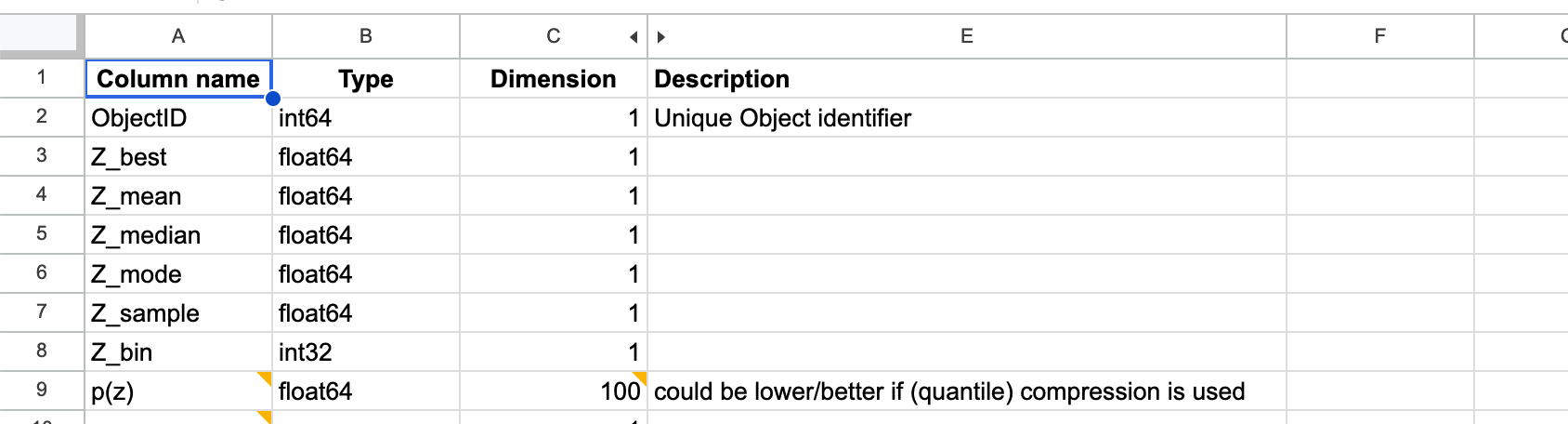
redshift of each object
n(z) and redshift bins
2b. Galaxy sample selections.
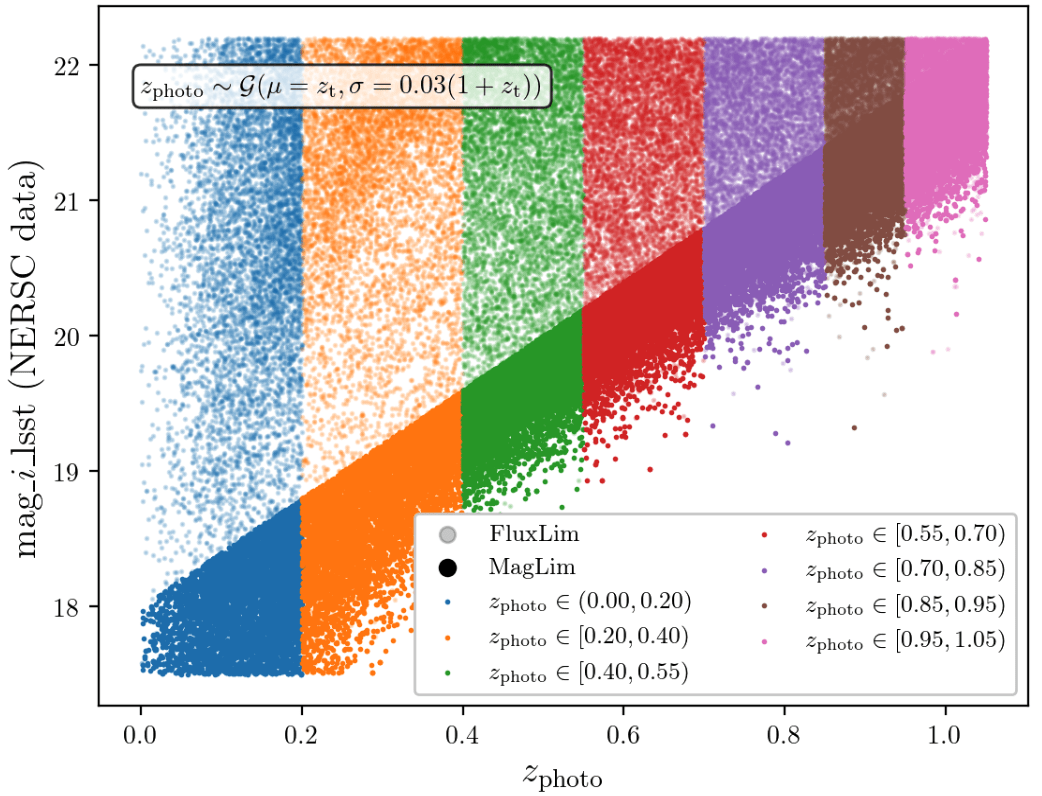
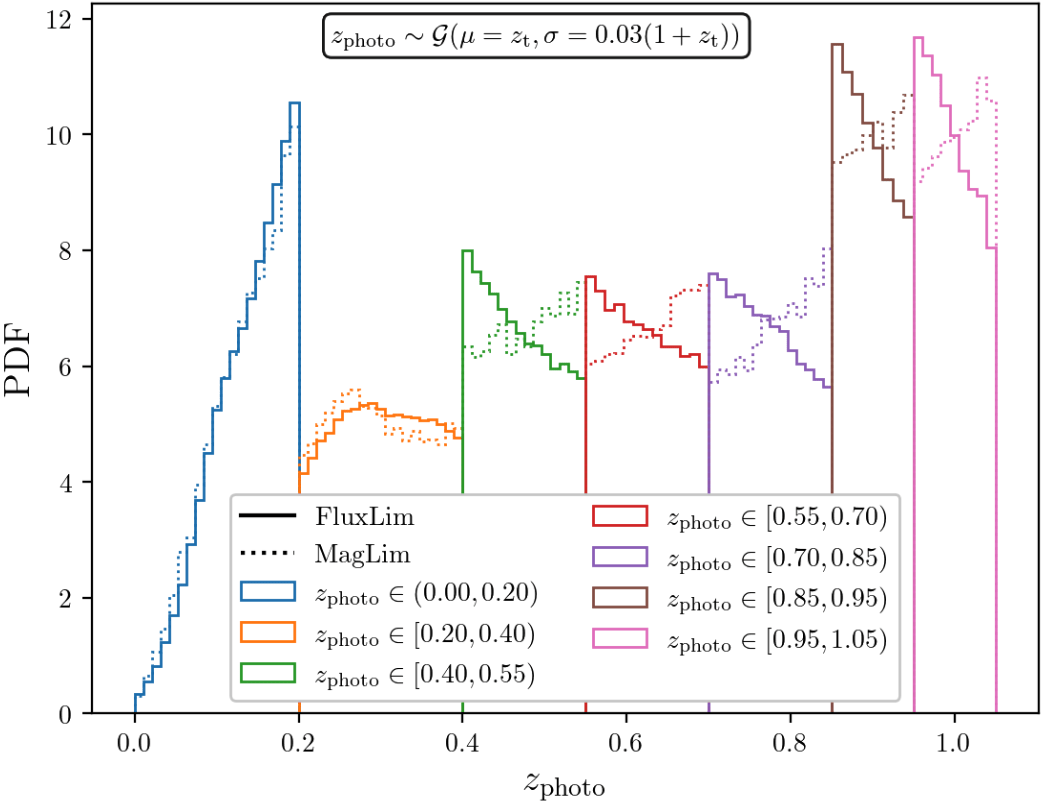
Navin Chaurasiya, Michael Troxel
We are exploring two types of samples:
Magnitude-limit / Flux limit samples


2c. Galaxy cluster sample selections.
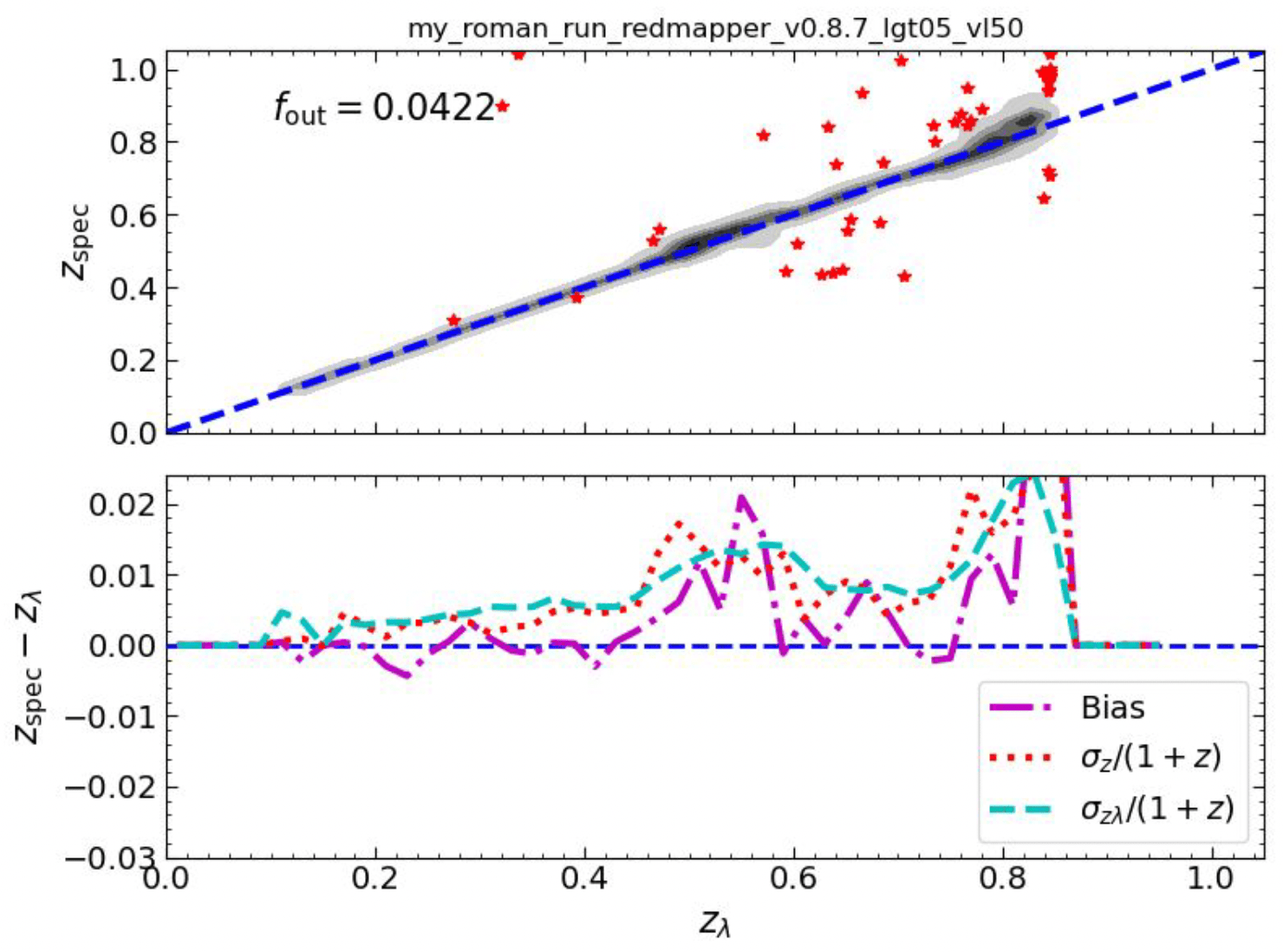
Dhayaa Anbajagane, Chihway Chang, Kevin Hong, HyeongHan Kim, Charlie Mpetha, Pranjal R.S., Chun-Hao To
We are exploring three types of samples:
- red-sequence-based clusters (redMaPPer).
- photo-z-based clusters (WaZP).
- external catalogs.



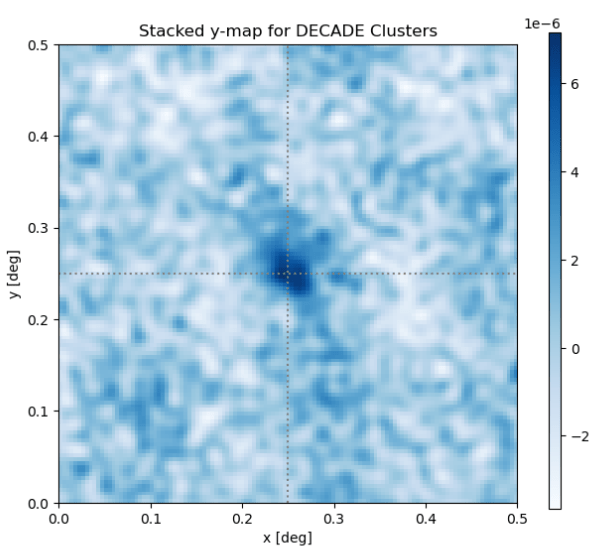
Products: lens galaxies and cluster samples
3. Cosmological Parameter Inference (CPIP)
2pt measurements
External correlated and uncorrelated measurements.
CPIP
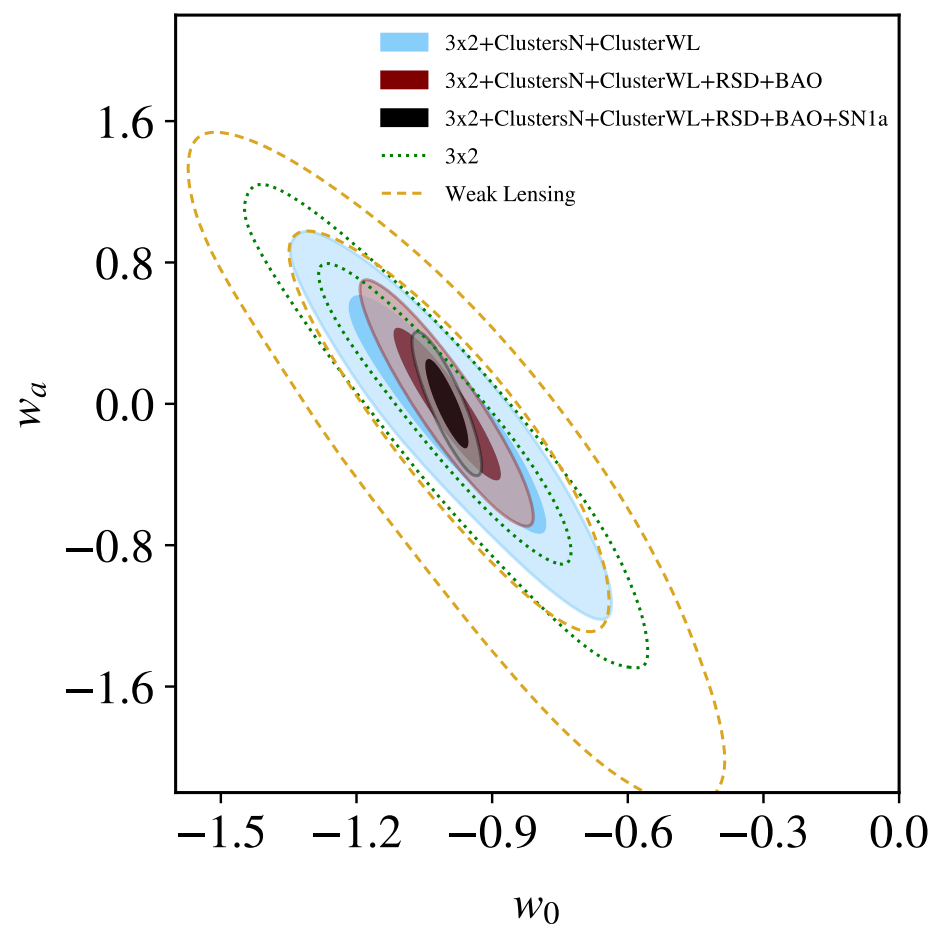

ML-based likelihood inference framework:
- Extremely fast.
- Detailed code comparison with CCL.
- Lots of developments in intrinsic alignment, baryon, and observational systematic models.
3. Cosmological Parameter Inference (CPIP)
Summary data vectors
External correlated and uncorrelated measurements
CPIP
ML-based likelihood inference framework:
- Extremely fast.
- Lots of developments of IA, baryon, and observational systematic models
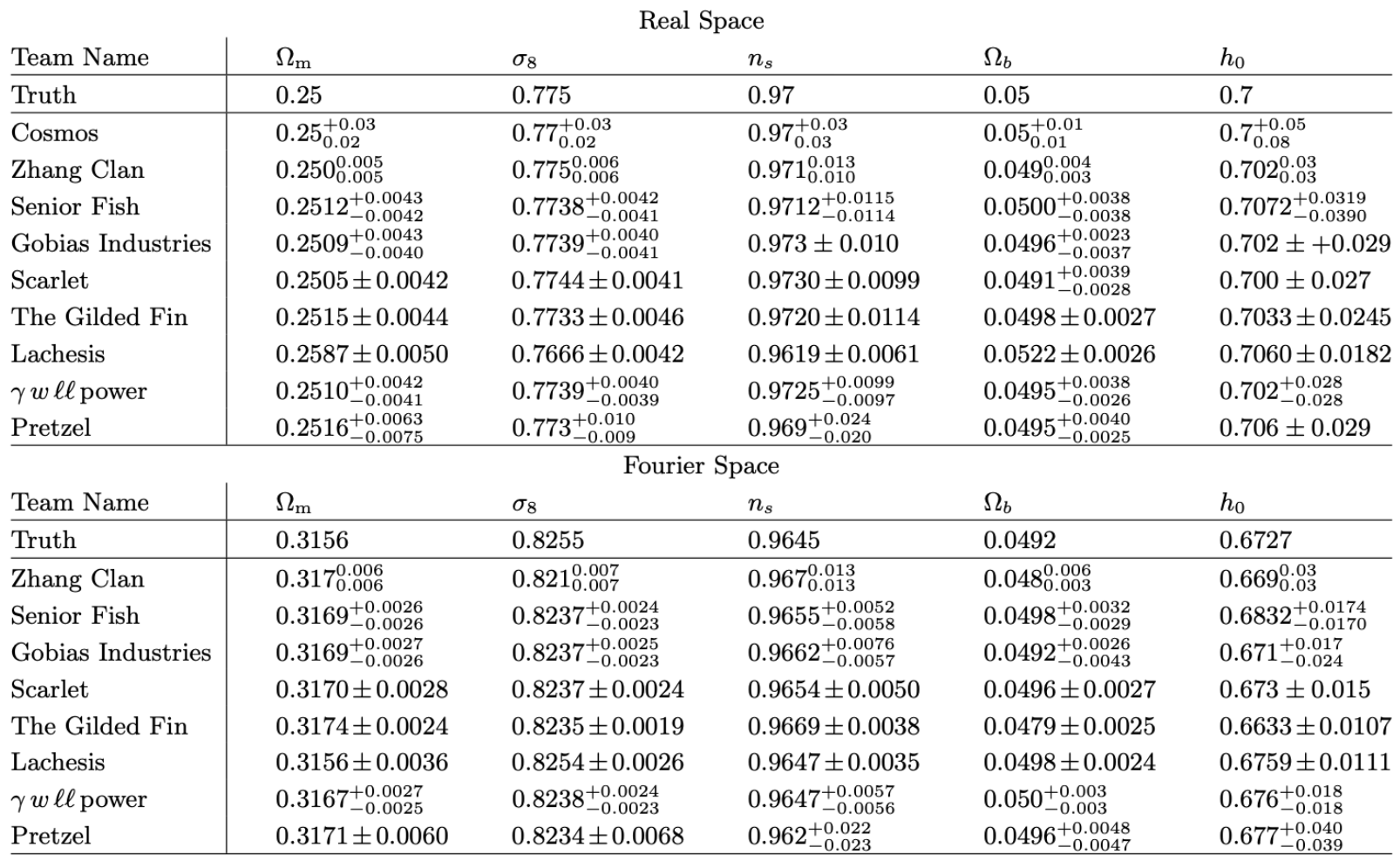
CPIP: Data Challenge 1
Haley Bowden, Jiachuan Xu

CPIP: Impacts of various modeling assumptions on cosmology
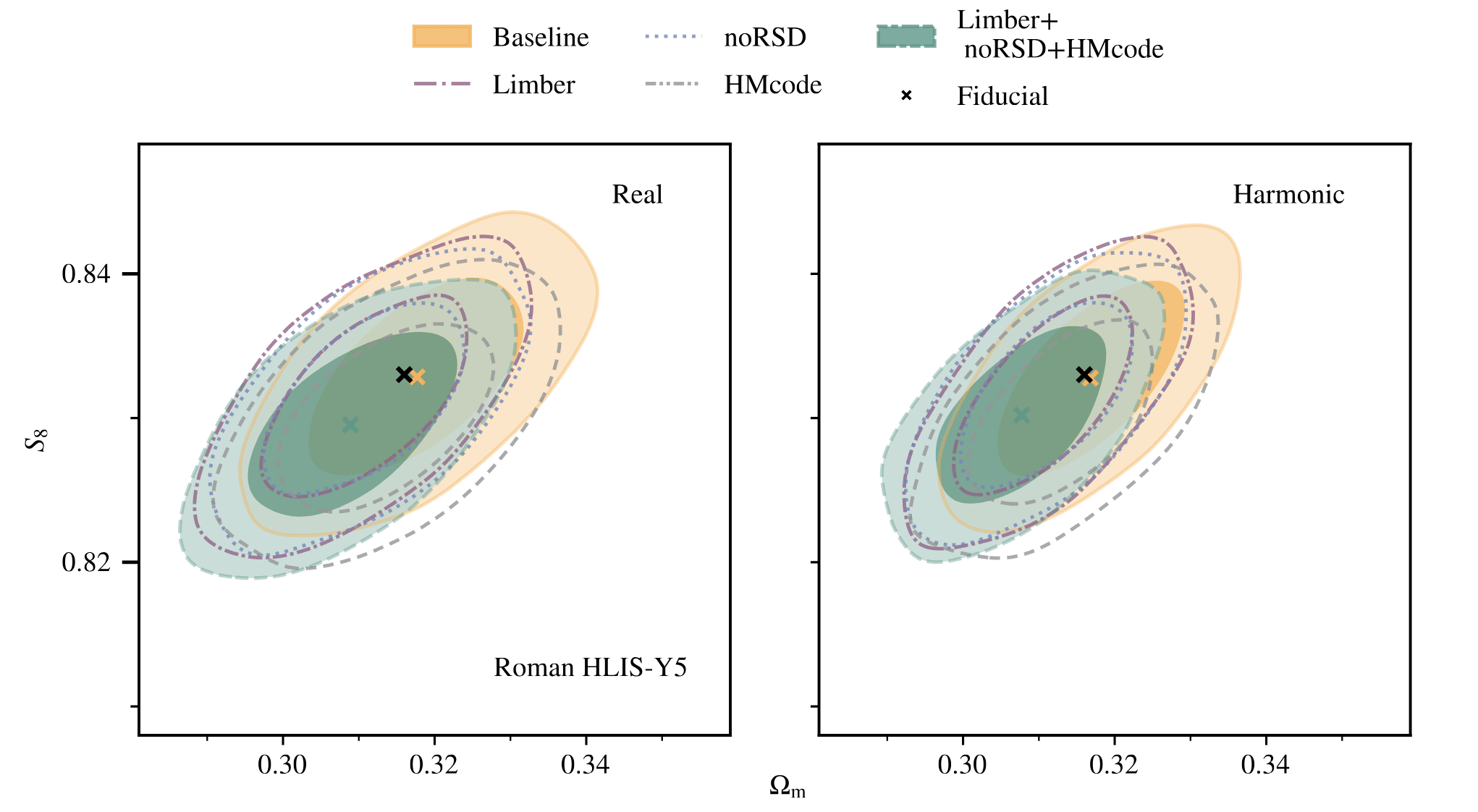
Zhang et al. in prep.
Junzhou Zhang, Chihway Chang
- Shear and color measurement.
- Individual exposure calibration.
- Image Coaddition.
- Shear measurement.
- Photometry and forced photometry.
- Catalog and statistics.
- Photometric redshift estimation and characterization.
- Galaxy sample selection.
- Galaxy cluster sample selection.
- Cosmological Parameter Inference.
Pixel-to-cosmology pipeline (recap)
Level 1: Uncalibrated Images
Level 2: Calibrated Images
Level 3: Mosaics
Products: Shear and photometry
Products: n(z) and redshift
Lens and cluster samples
- Shear and color measurement.
- Individual exposure calibration.
- Image Coaddition.
- Shear measurement.
- Photometry and forced photometry.
- Catalog and statistics.
- Photometric redshift estimation and characterization.
- Galaxy sample selection.
- Galaxy cluster sample selection.
- Cosmological Parameter Inference.
- Shear and color measurement.
- Individual exposure calibration.
- Image Coaddition.
- Shear measurement.
- Photometry and forced photometry.
- Catalog and statistics.
- Photometric redshift estimation and characterization.
- Galaxy sample selection.
- Galaxy cluster sample selection.
- Cosmological Parameter Inference.
- Shear and color measurement.
- Individual exposure calibration.
- Image Coaddition.
- Shear measurement.
- Photometry and forced photometry.
- Catalog and statistics.
- Photometric redshift estimation and characterization.
- Galaxy sample selection.
- Galaxy cluster sample selection.
- Cosmological Parameter Inference.
Cosmology constraints
Pipeline
Data
Data release
- We strive to make the best weak lensing products and analysis tools for the community. For more details, see: Link.
- Early data release (~early 2028):
- HLWAS observations through July 2027, most likely to be the COSMOS deep field in Y106, J129, and H158 bands.
- Subset of data, prioritizing for pipeline validation and early science explorations.
- First data release (~mid 2028):
Full COSMOS and XMM deep fields.
Early Science
Cosmic shear detection in few tomographic bins
- Expect a S/N ~ 14.5.
- Wide redshift coverage.
- Example paper: https://arxiv.org/pdf/astro-ph/0411324
Lensing around known objects
- Spectroscopically selected galaxies & clusters
(eROSITA / ACT / DECADE). - Example paper:
https://arxiv.org/pdf/1104.0928
High resolution dark matter mass map
- Enabling subsequent higher-order statistics analyses.
- Example paper:
https://arxiv.org/abs/2601.17239
Based on early data release. Expected late 2028.
LET'S CONNECT
We want to enable the community to use Roman HLWAS lensing data for studies in cosmology and astrophysics.
Webpage
roman-hlis-cosmology.caltech.eduGitHub
Roman-HLIS-Cosmology-PIT