BEEGroup
Building Energy and Environment
Innovation Unit of CIMNE






- BEEGroup is an innovation unit of the International Center for Numerical Methods in Engineering (CIMNE) involving over 25 researchers.
-
It was founded in 2001 and has two main offices, one in the GAIA building of the UPC Campus in Terrassa and the other one in the Agrobiotech Park in Lleida.
About
Building Energy and Environment - BEE Group
Data driven intelligence


BEE Group leads innovative research for decarbonizing buildings and enhancing the climate resilience of cities through data-driven solutions
Team, vision & mission
Mission
Our solutions provide agile responses to critical challenges: climate adaptation, urban decarbonization, community energy empowerment, grid stability and energy soberainity at community level
BEE Group delivers AI-powered analytics to build a low carbon and resilient future. We specialise in:
- Decarbonizing building portfolios: Optimizing energy use and building operation to reduce carbon emissions
- Climate-adapting cities: Enhancing urban resilience against climate threats
- Empowering energy communities: Enabling citizen-led energy sharing and management.
- Scaling Renewable energy bio sources: Making biodigester technology more accessible and effective
Background with DIBA
Submitted proposals
2 proposals were developed along 2025:
- HEATSAFE [HORIZON-MISS-2025-01-CLIMA-04]: enhance the resilience of European cities and regions to extreme heat. Harmonised indicators and definitions will produce a multi-level Heat Vulnerability Index and well-being impact framework to pinpoint where protection is most urgent. These drive a shared information system that combines real-time mapping of hot-spots and access to cooling with AI-assisted decision tools to assemble building- and neighbourhood-scale adaptation portfolios that avoid maladaptation. In parallel, the Emergency Response Protocol Orchestrator links civil protection, health, water and energy actors.
- VERONICA-T [INTERREG POCTEFA]: develop innovative tools for data collection, processing and visualisation to enhance the knowledge and decision-making of administrations. It will structure and harmonise energy, climate, socio-economic and cadastral data, and will use artificial intelligence and simulation tools to model energy transition and climate change adaptation scenarios. VERONICA-T will produce a federated semantic architecture, vulnerability maps (GIS platforms) , a guide of recommendations and digital tools accessible to administrations and citizens.
BEE Group Technologies
Innovative tools for efficient building's operation and urbant climate adaptation
Applied Research
Smarter distributed energy resources and flexibility
-
Enhance energy flexibility with model predictive control and optimized storage in smart buildings and grids
Big data analytics for energy efficiency and buildings' operation
-
Developing data-driven processing and models to improve the management and decarbonization of large building portfolios
Energy transition and climate adaptation in cities
- Geospatial artificial intelligence (GeoAI) to build a more resilient future for cities with accelerated spatial problem-solving






Research lines
Low-cost biodigester technology
-
Development of low-cost digesters as a widespread biogas technology for various climates.
-
BlueBird (2024–2027) Flexibility market design and trading for smart buildings. Involves TSO/DSO coordination.
-
CELINE (2024–2027) Digital ecosystem for energy communities, with AI assistant for collective actions.
-
Climate‑Ready Barcelona (2023–2025) Climate Vulnerability Index (CVI) for 61,000+ buildings and public-facing energy advice services.
-
CLIMRES (2024–2027) Tools to assess and improve climate resilience of buildings and cities.
-
POWERUP (2024–2027) Enable renewable adoption across sectors using open-source tools and context-aware strategies.
Vanguard Innovation
-
EKATE+ (2024–2026) Cross-border renewable energy communities (Spain–France) with digital twins and electromobility.
-
AGROPURITECH (2023–2026) Valorization of pig slurry via low-cost anaerobic digestion.
-
COSMIC (2024–2027) Large-scale pilots to demonstrate how big data and AI can optimize energy resources
-
DEDALUS (2023–2026) Participatory demand response from households to districts using AI and social sciences.
-
LEADnet (2026–2029) Empower local and regional authorities to plan and implement CET policies efficiently.






Ongoing european projects
Current research projects


BEE Group is currently involved in 11 European research projects and coordinates 3. The most significant ones are:

1. Big data analytics for energy efficiency and buildings' operation
1.1. Ontology based big data architecture
- Orchestrates massive energy and urban data in real time.
- AI-powered analytics, and semantic harmonization to drive energy efficiency and actionable decisions for real-time saving

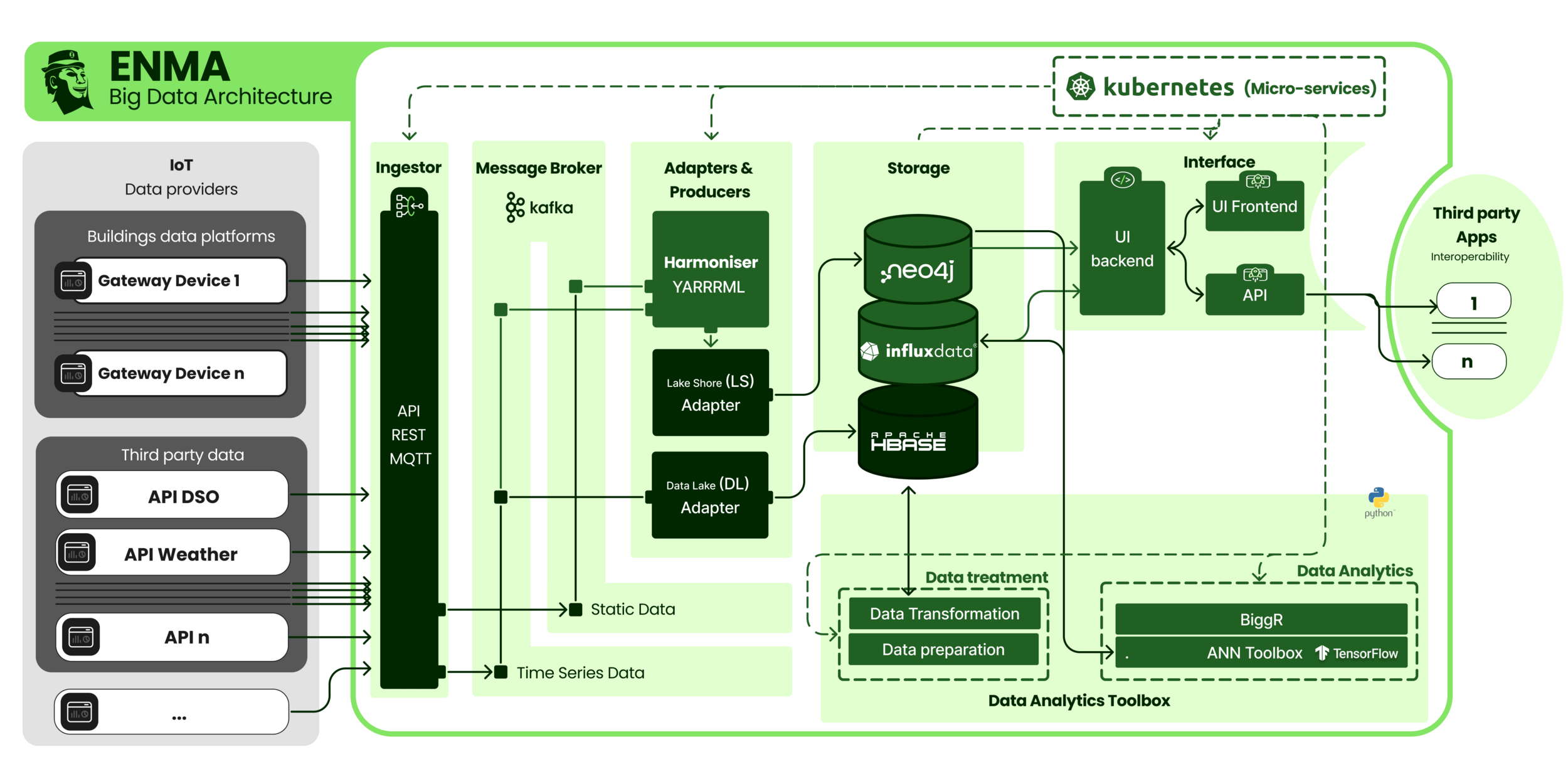
ENMA
open-source big data architecture developed by BEE Group
G. Mor; J. Vilaplana; S. Danov; J. Cipriano; F. Solsona; D. Chemisana. EMPOWERING, a Smart Big Data Framework for Sustainable Electricity Suppliers. (2018) IEEE Access. vol. 6, pp. 71132 - 71142.
Reference paper
1.1. ENMA
Technology: architecture and frameworks
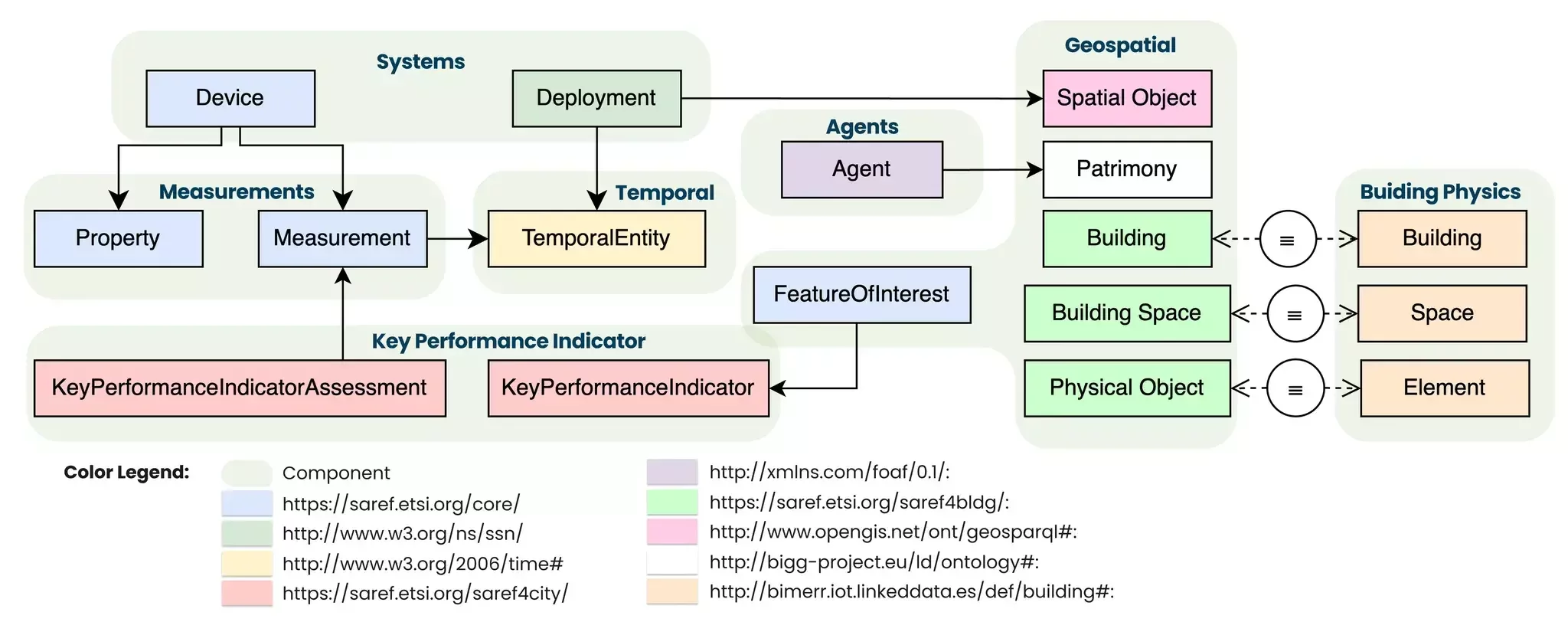
- Standardized schema (OWL/RDF Turtle) and shared vocabulary for describing IoT devices, buildings and urban areas, enabling interoperability.
- Supports planning, operations, and sustainability with harmonized data and KPI framework for measurement and benchmarking.
BIGGONTOLOGY:
Semantic reference ontology
- J. M. Broto, J. Cipriano, G. Mor, O. Gavaldà, S. M.-Verki, U. Eicker (2025). An interoperable ontology-based information model for better integration of building physics and IoT data analytics models. IEEE/ACM 7th International Workshop on Software Engineering Research & Practices for the IoT (SERP4IoT).
- E. Martínez-Sarmiento; J. M. Broto; E. Gabaldon; J. Cipriano, R. García; S. Danov (2024).Linked Data Generation Methodology and the Geospatial Cross-Sectional Buildings Energy Benchmarking Use Case. Energies 2024, 17(12), 3006
Reference papers
1.2. Interoperable web semantic frameworks
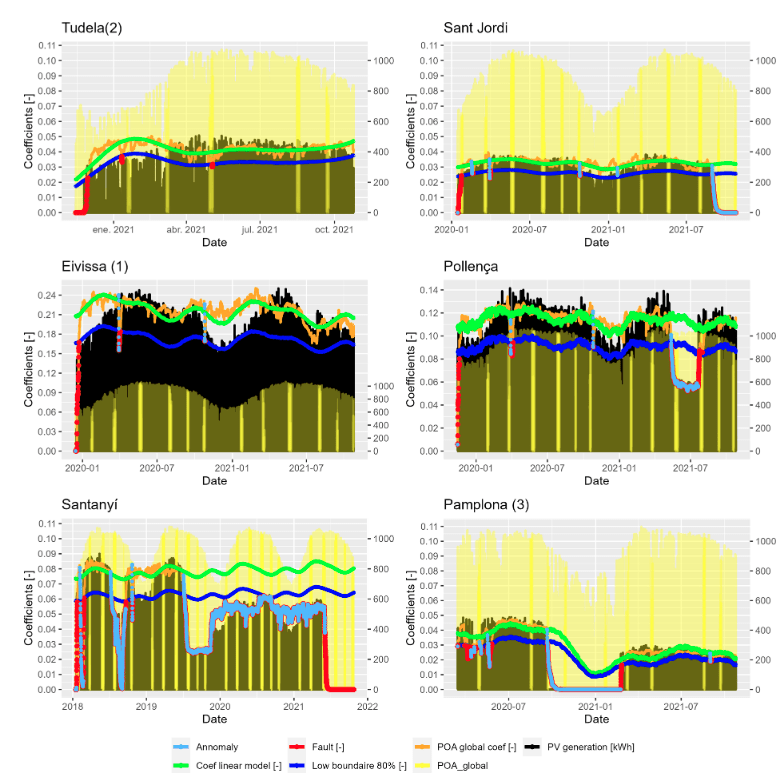
USE CASE 1: Fault detection of PV inverters
What does it do?
Detects anomalies in the energy produced by PV installations in near real-time
Data used:
-
PV generation from monitoring systems
-
Historical climate data
Objectives:
-
To identify energy performance anomalies
-
To assess the possible root of the anomaly
1.3 Artificial Intelligence for fault detection
USE CASE 2: Longitudinal benchmarking
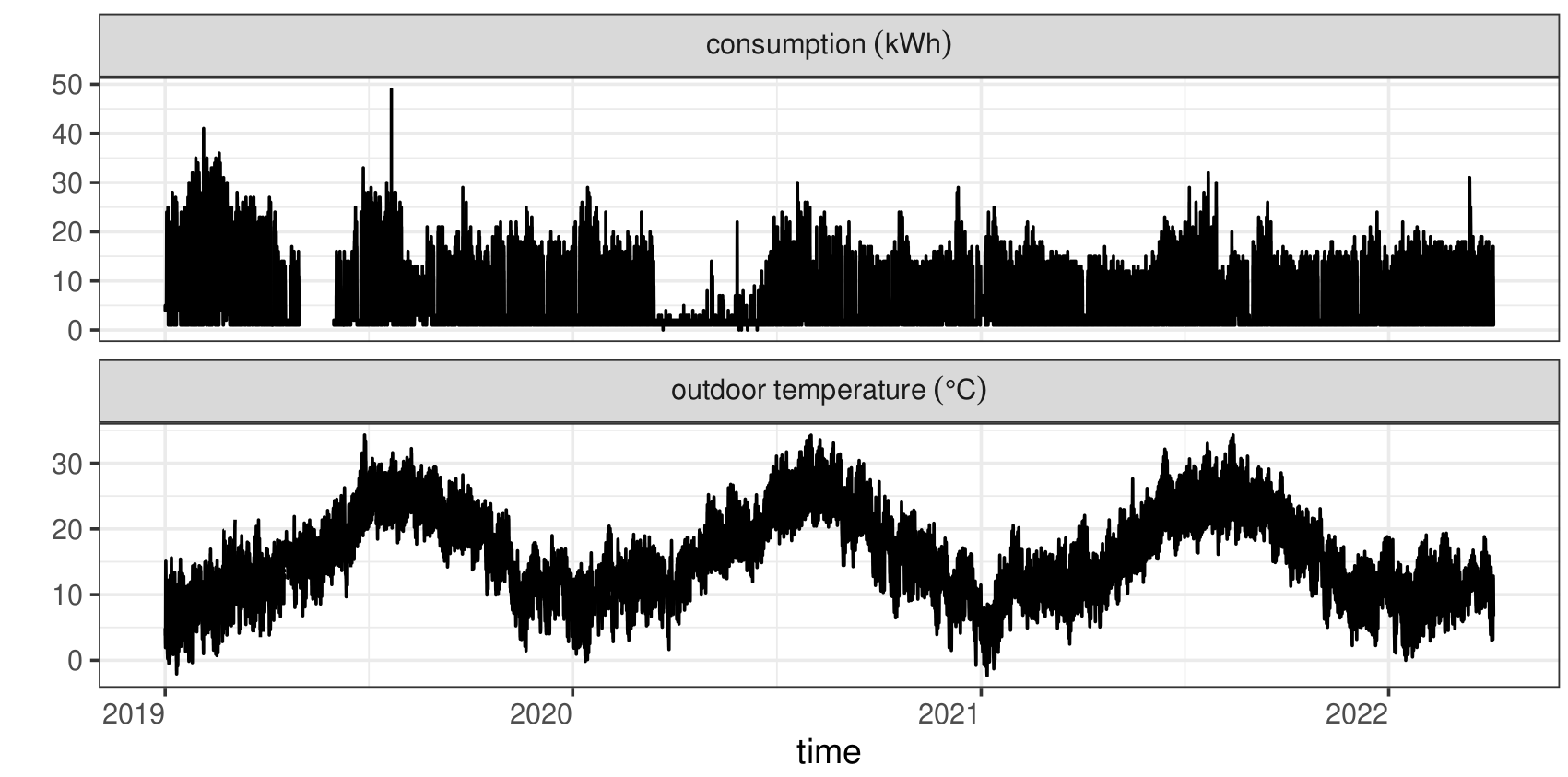
What does it do?
Analyzes a building’s energy performance over time to detect trends and assess potential energy faults.
Data used:
-
Time series of energy consumption
-
Historical climate data
-
Calendar data
Objectives:
-
Detect changes in energy indicators of individual buildings over time
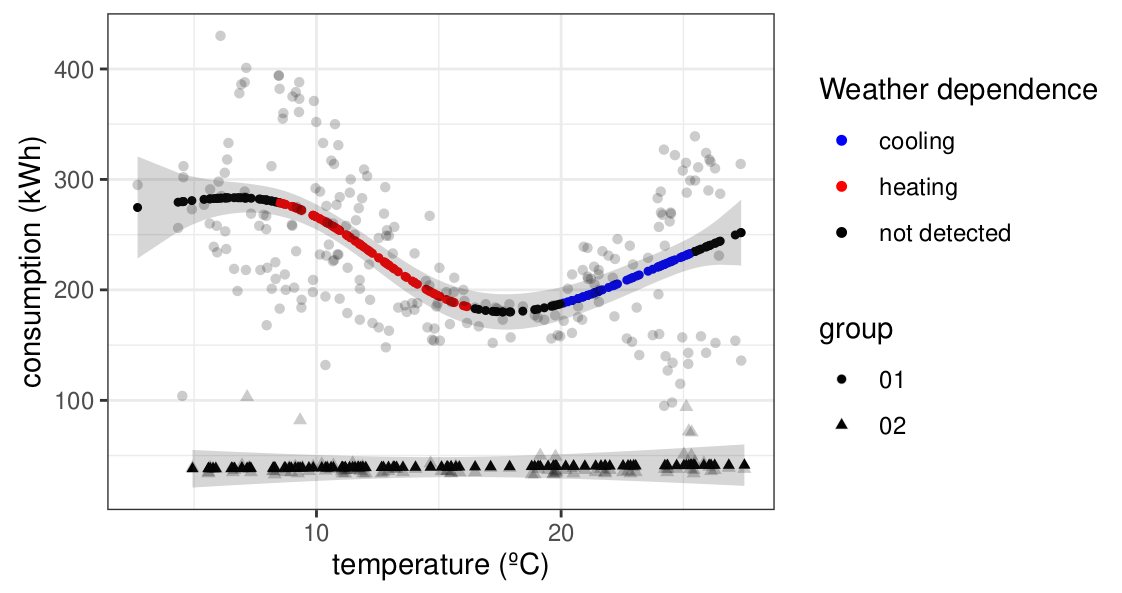
Estimation of the balance point temperature for heating and cooling periods
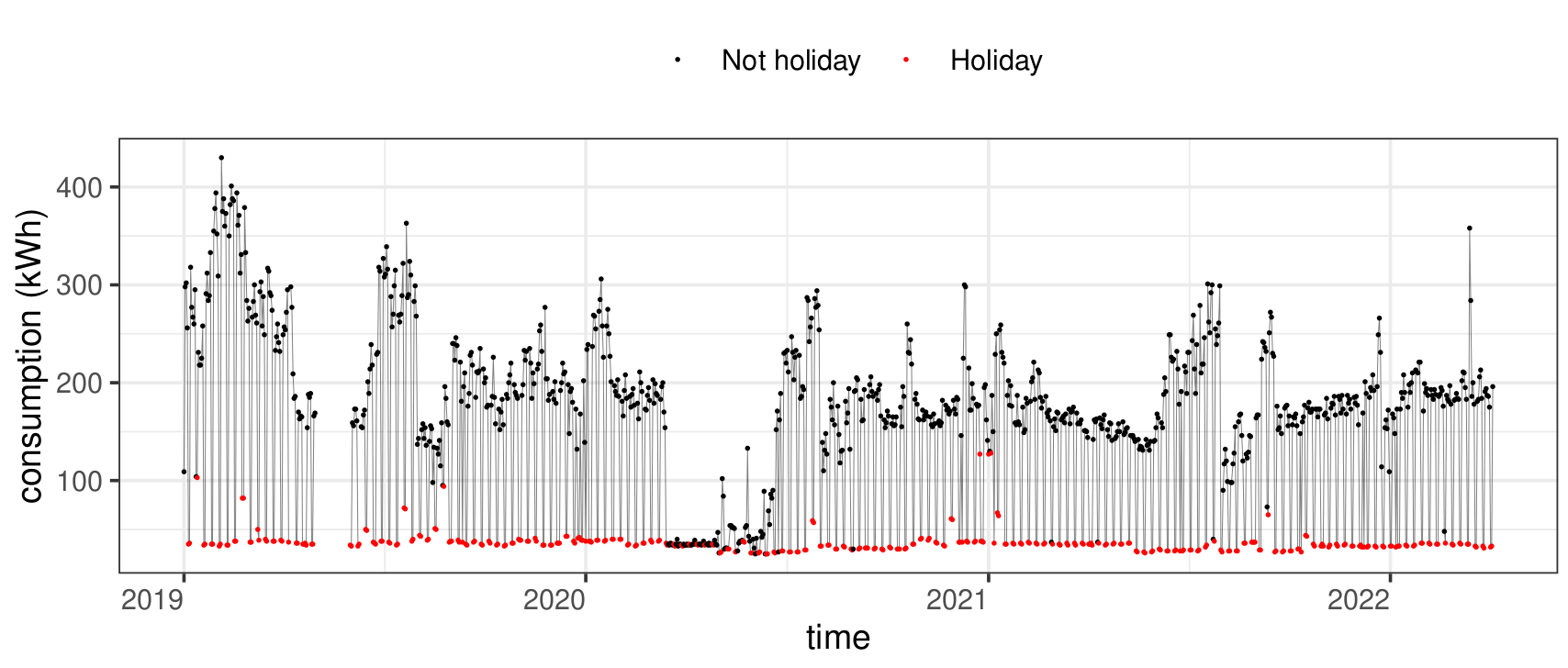
Detection of holiday periods
1.3 Artificial Intelligence for fault detection
What does it do?
Compares the energy performance of multiple buildings at a specific moment to identify inefficient or exemplary performance.
Data used:
-
Harmonized KPIs per building
-
Static data: use, surface area, climate
-
Typological classification of buildings
Objectives:
-
Identify best practices and critical buildings
-
Prioritize actions based on comparative performance
-
Generate benchmarks for new projects
USE CASE 1: Cross-sectional benchmarking
Identification and quantification of discrepancies between actual and historical energy consumption

Estimation of the balance temperature for heating and cooling periods
1.4 Artificial Intelligence for energy assessment
What does it do?
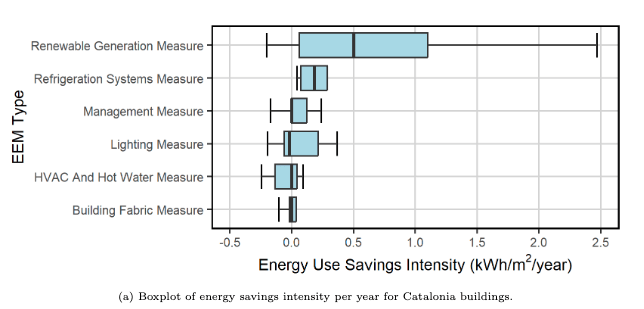
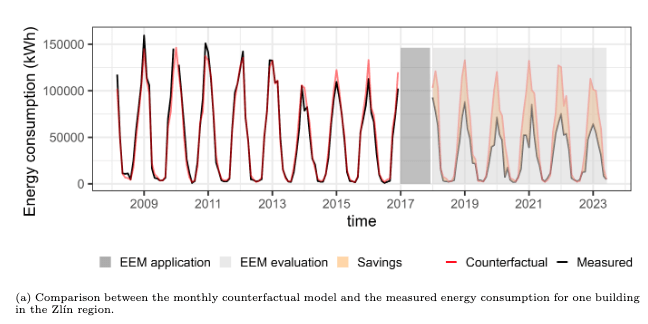
Evaluates the effectiveness of EEM and energy retrofitting actions
Assessed over 400 public buildings in the Zlin Region (Czech republic) and 4,000 public buildings of Generalitat de Catalunya
Data used
-
Harmonized time series of energy consumption
-
Technical information from systems (SCADA, CMMS, IoT sensors)
-
Hourly climate data
-
Data base of applied EEMs with their application date
1.4 Artificial Intelligence for energy assessment
USE CASE 2: Assessment of Energy Efficiency Measures
BEE Group solutions: BEEMind tools
Solutions in big data analytics:





MindOpera
-
Integration of heterogeneous operational data (consumption and temperature, maintenance orders, energy efficiency measures, RES generation, cadastre, BIM, and SCADA data)
-
Automatic harmonization of records from multiple sources (Modbus, Bacnet, DEXMA, etc.)
-
Generation of operational indicators (self-consumption, PR, Compliance, etc.)
-
Adaptable visualizations for each infrastructure
-
AI modules focused on predictive maintenance, control, and energy optimization
Functionalitalities
Benefits
-
Orchestration and harmonization of large volumes of operational data from buildings
-
Improves overall management of equipment and commercial buildings
-
Reduces supervision time and generates smart alerts
-
High interoperability and communication with management and maintenance systems
-
Suitable for managers of public and commercial building portfolios
Buildings 4.0: Global Operation of Buildings 4.0
MindOpera
Some KPI
Infraestructures.cat
Use case Mind Opera: L'Orquestrador

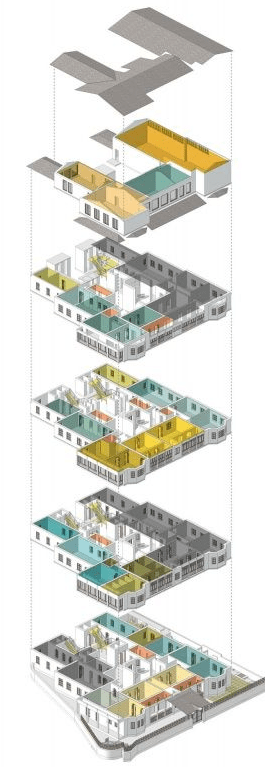
63.258 zones
1.526
Equipments

129.205 assets
1.302.786
workOrders


12.400 BMS device

8.526 Monitoring device
Monitoring: Tracking KPIs
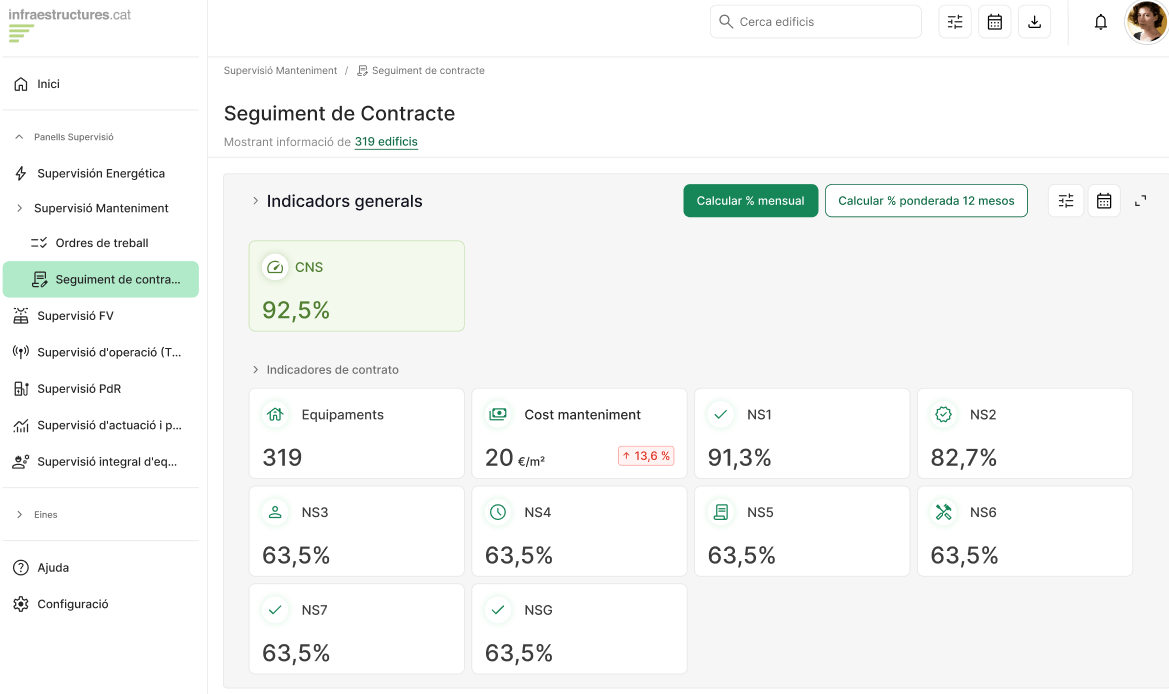
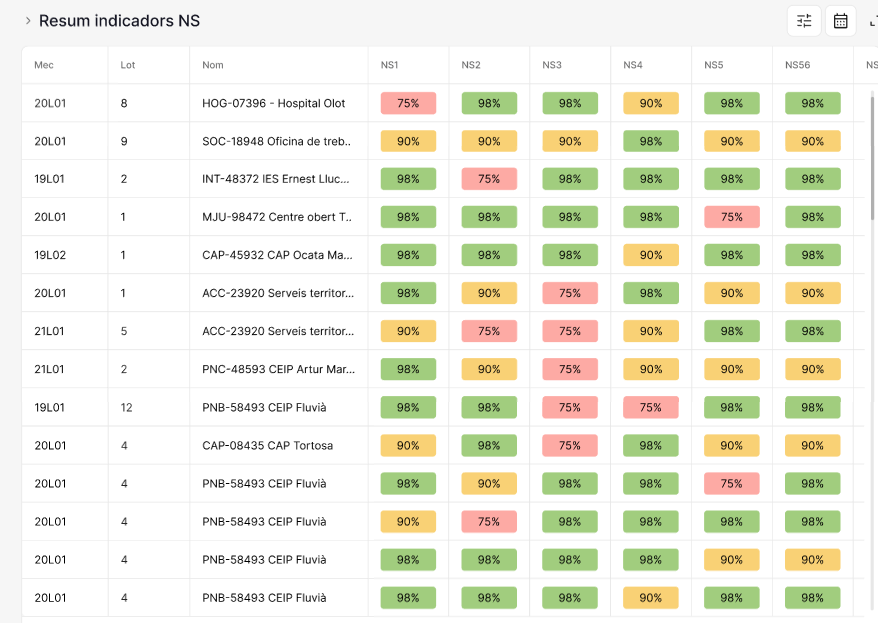
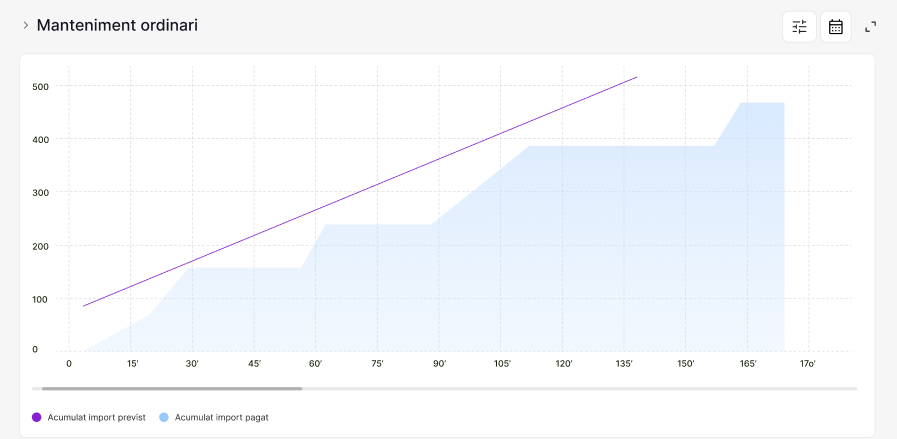
Control and Maintenance
MindOpera: L'Orquestrador
Integrate and visualize the energy data of all Generalitat facilities (10,000) and support energy savings through data intelligence:
-
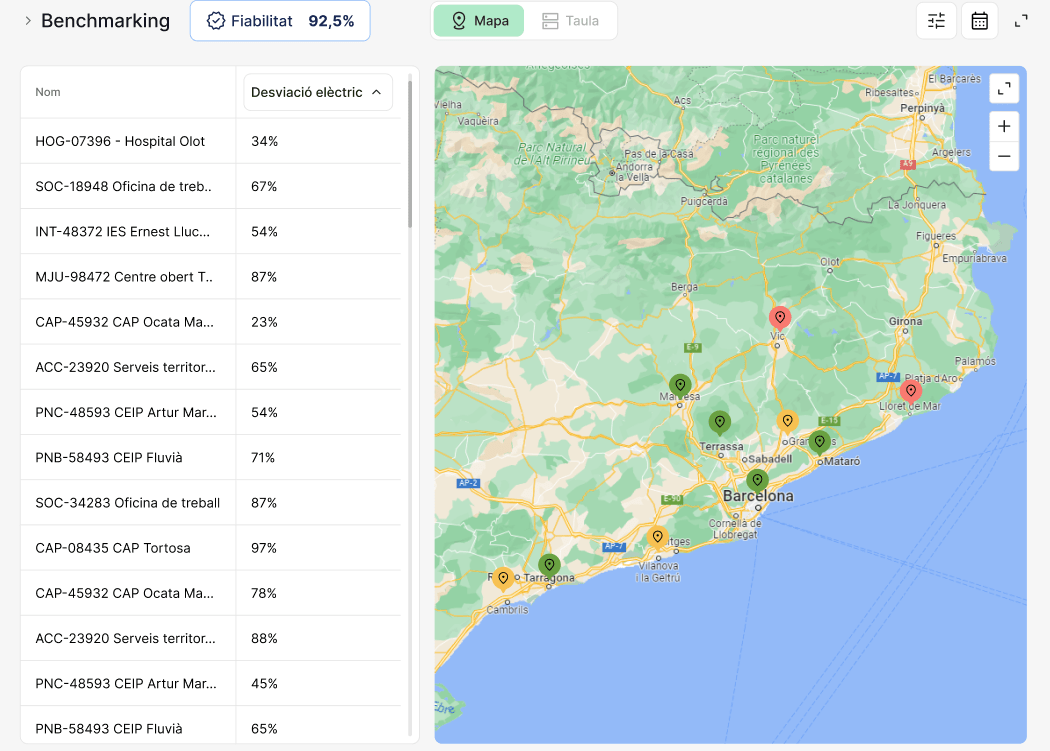
Comparison of energy indicators
-
Evaluation of the energy performance of each facility
-
Verification of savings from Energy Efficiency Measures
-
Planning of energy efficiency actions
The project
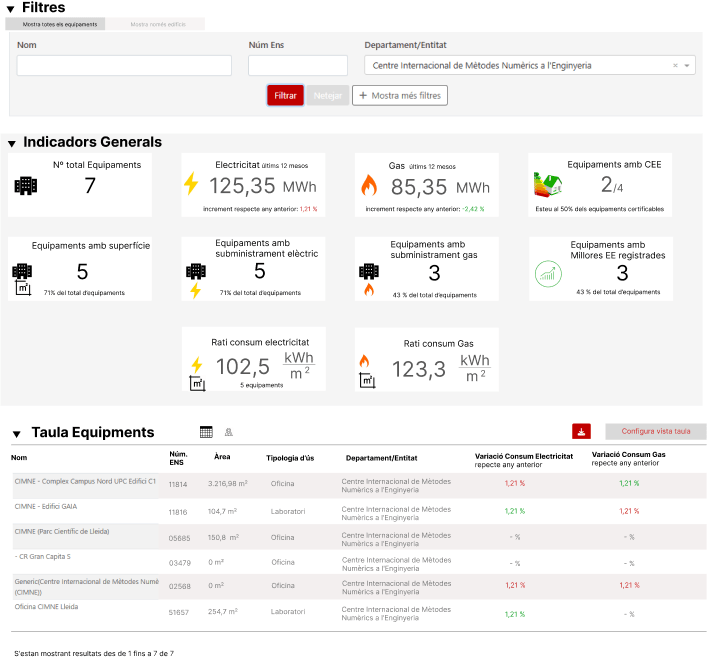
Use case MindOpera: Sistema Monitorització Energètica – SIME-ICAEN
Seguiment i avaluació del Pla d’Estalvi Energètic dels edificis de la Generalitat de Catalunya.
Goals
Equipment supervision
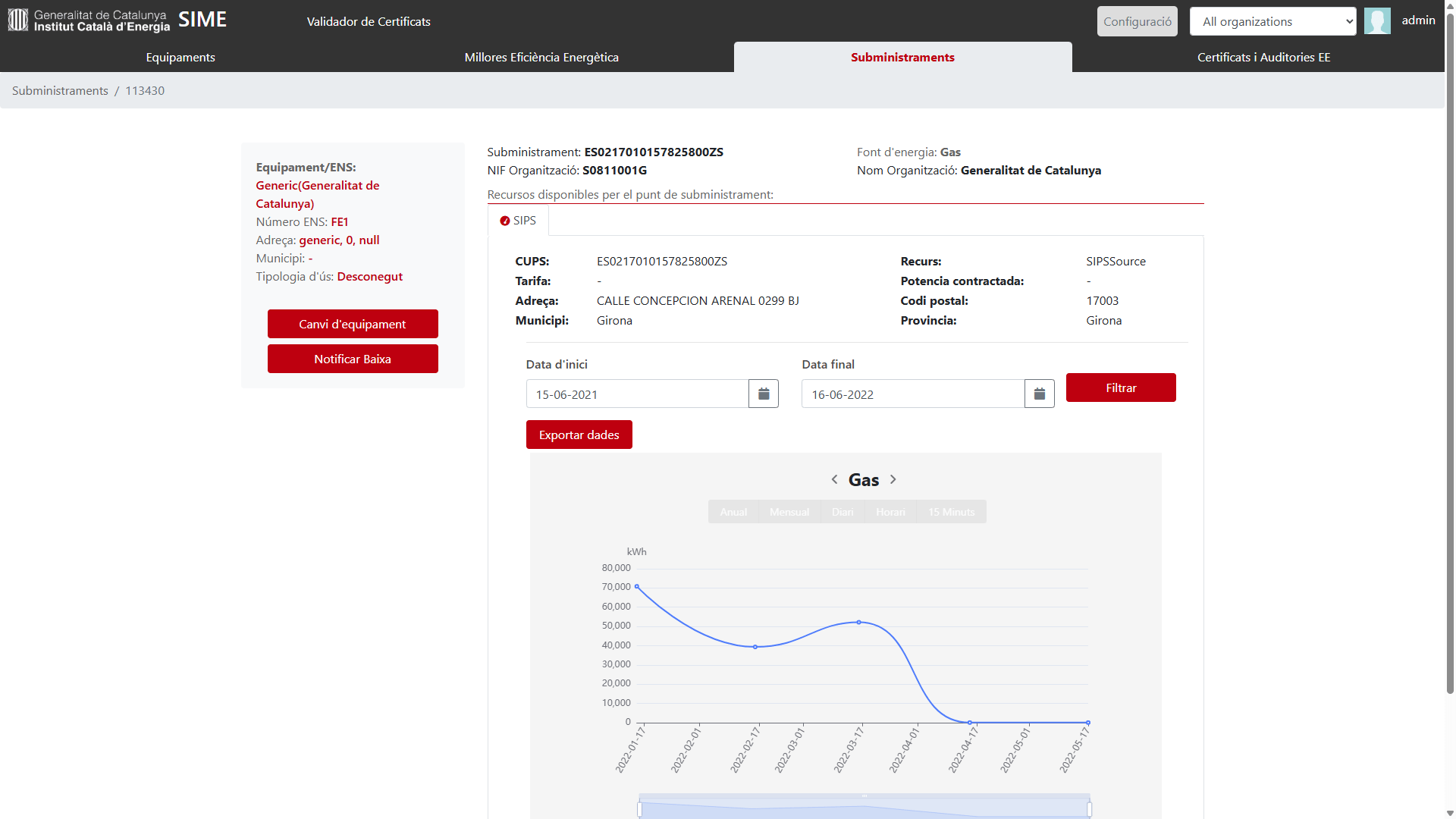
Monitoring and control of supplies
Monitoring and
control of certificates and audits
Global energy supervision
Monitoring of energy efficiency measures
Monitoring of projects and actions
Data provision to external services
Data verification from different sources
Data provision to external services
Massive comparison: Energy benchmarking
Institut Català d'Energia
MindOpera: SIME
Centralized management
Energy Analytics
Energy Efficiency Measures
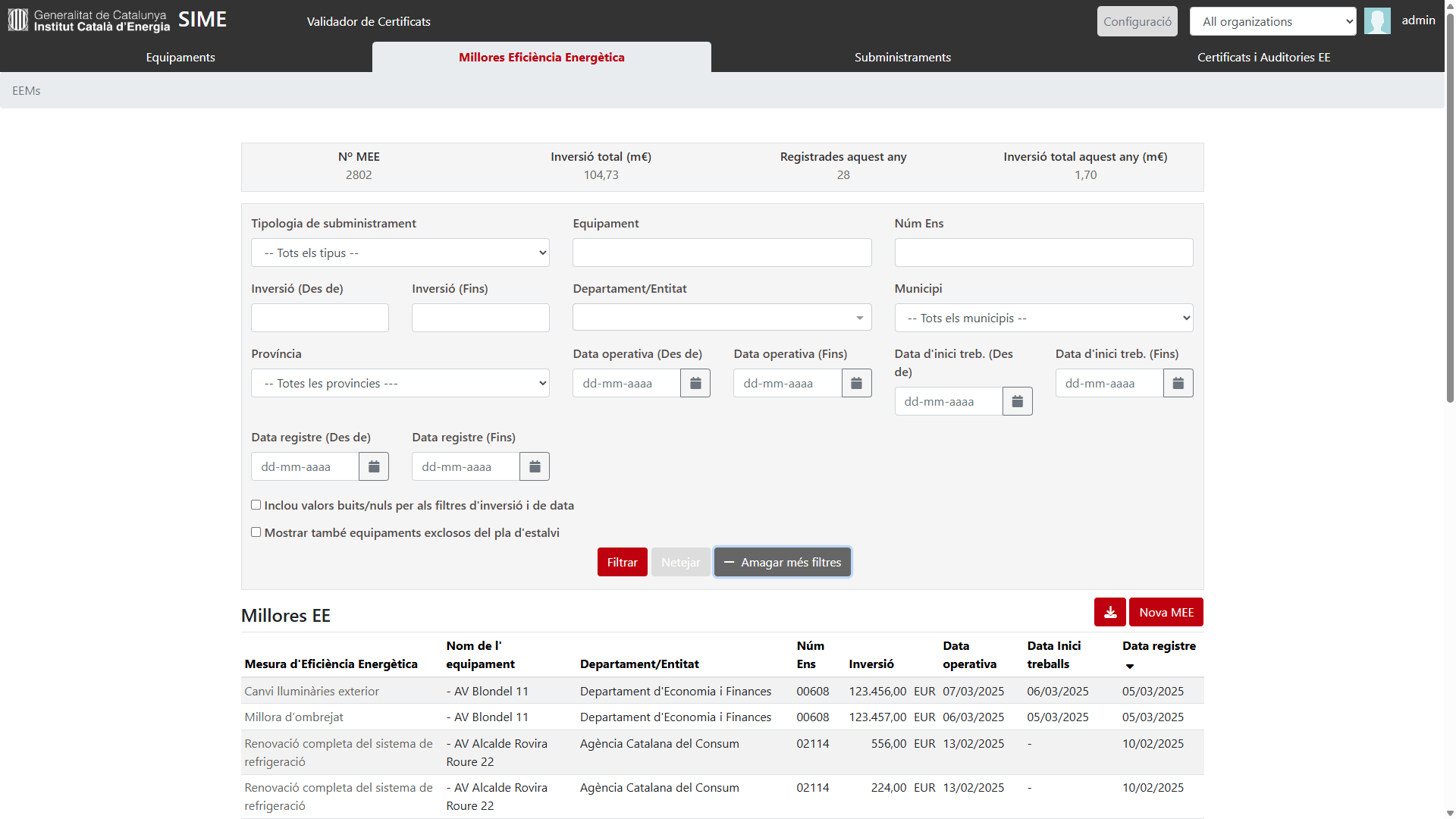
Institut Català d'Energia
MindOpera: SIME

2. Energy transition and climate adaptation in cities /geosp
Objective: From Territorial Data to Intelligent Decision Support
CIMNE BEE Group develops advanced methodologies that combine geospatial analytics, data-driven modelling, and Generative AI to transform heterogeneous territorial data into actionable knowledge.
By bridging geospatial science with modern AI architectures, we enable scalable analysis pipelines that support urban planning, energy transition, and climate resilience strategies.
2.1 Research lines in Energy Transition and climate adaptation
- Data acquisition, harmonization, and semantic interoperability pipelines
- hypercadaster_ES: Automatic gathering, advanced inference, and interoperability of cadastral data
- social_ES: Automated geospatial data integration on socio-demographics, households characteristics and economic indicators.
- greenshadow: Solar exposure, PV potential estimator and shadow modelling for urban environments.
- AI-driven modeling:
- Air temperature and humidity downscaling at 100m grid
- Thermal energy demand of buildings
- Electricity and gas energy consumption of buildings
- Use cases:
- Heat Vulnerability Index at building level
2.1.1 geosp / Data acquisition / hypercadaster_ES
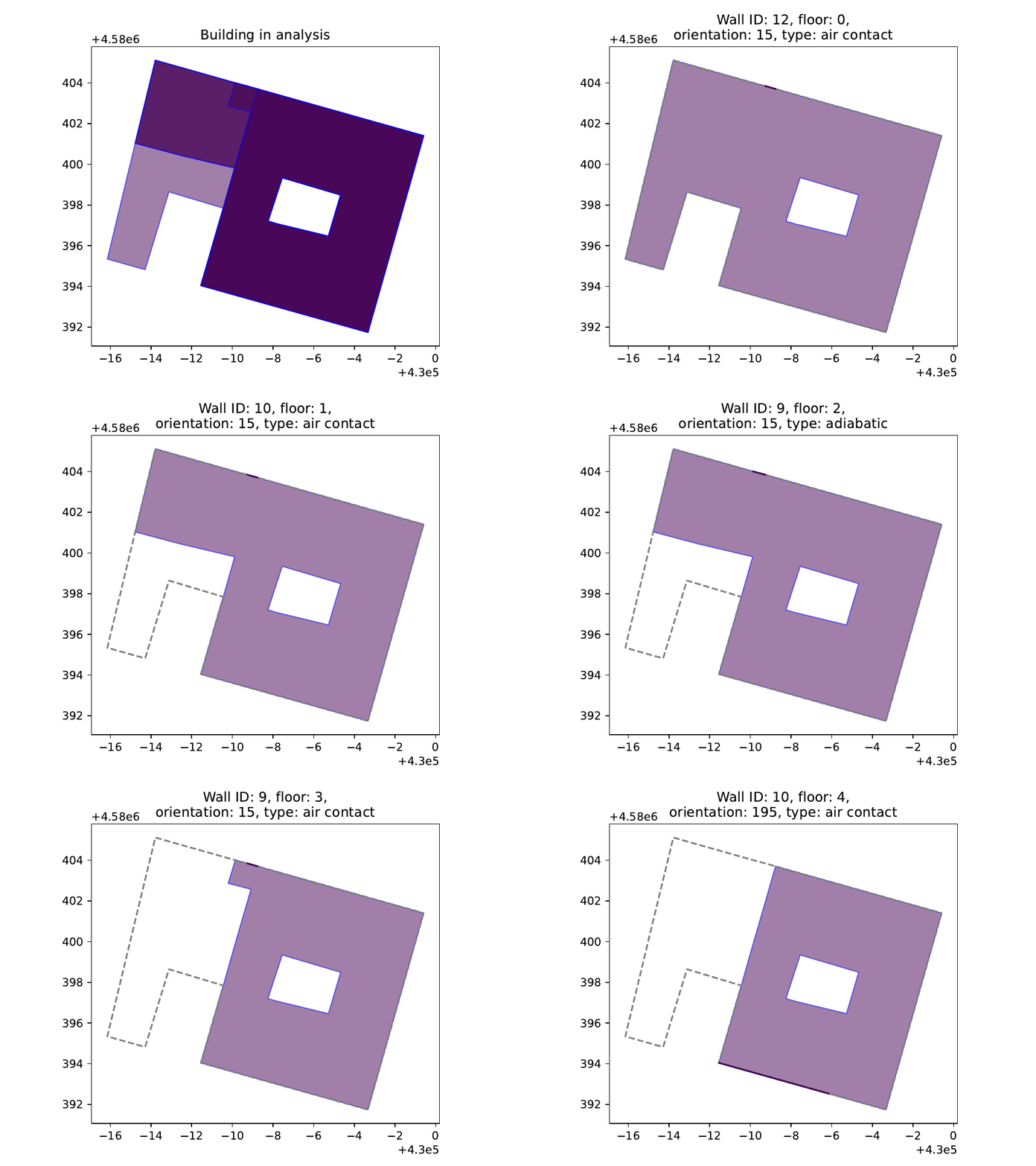
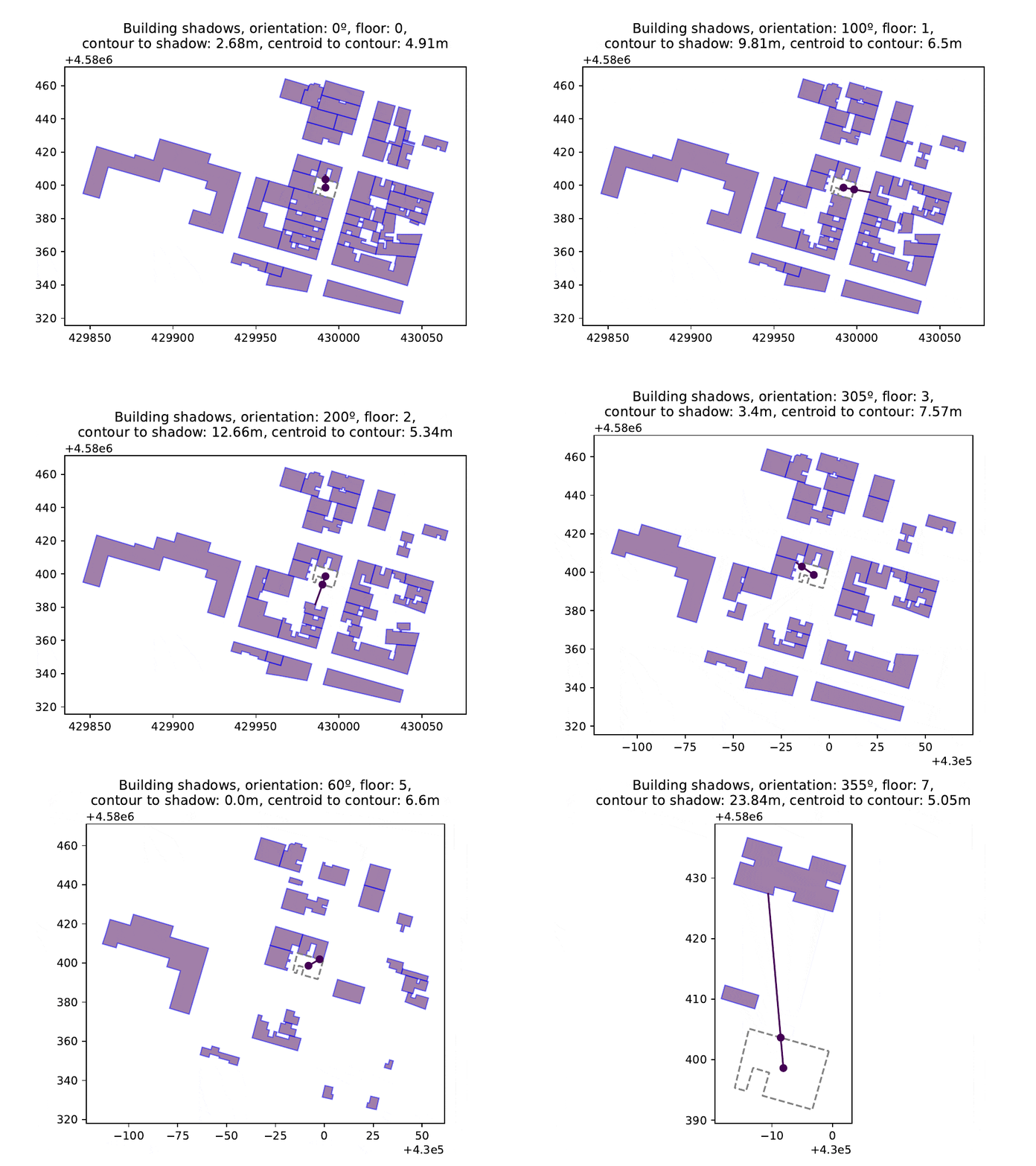
Python library designed for comprehensive analysis of Spanish official cadastral data. It provides tools for downloading addresses, parcels and buildings cadastral information, integrating attributes of external geographic datasets (administrative levels, DEM, OSM...), and performing advanced building geometry inference, shading analysis, and energy simulation data preparation.
Public repository: https://github.com/BeeGroup-cimne/hypercadaster_ES
2.1.1 geosp / Data acquisition / social_ES
Python library to ingest, clean and harmonise most updated Spanish demographics, socioeconomic and other social-related datasets from National Statistics Institute.
Example datasets:
- Annual Household Income Distribution dataset
- Population Education and Employment Status Census
- Estimated Essential Characteristics of Population and Households by building (hypercadaster_ES is being used in this estimation)
Public repository: https://github.com/BeeGroup-cimne/social_ES
2.1.1 geosp / Data acquisition / greenshadow
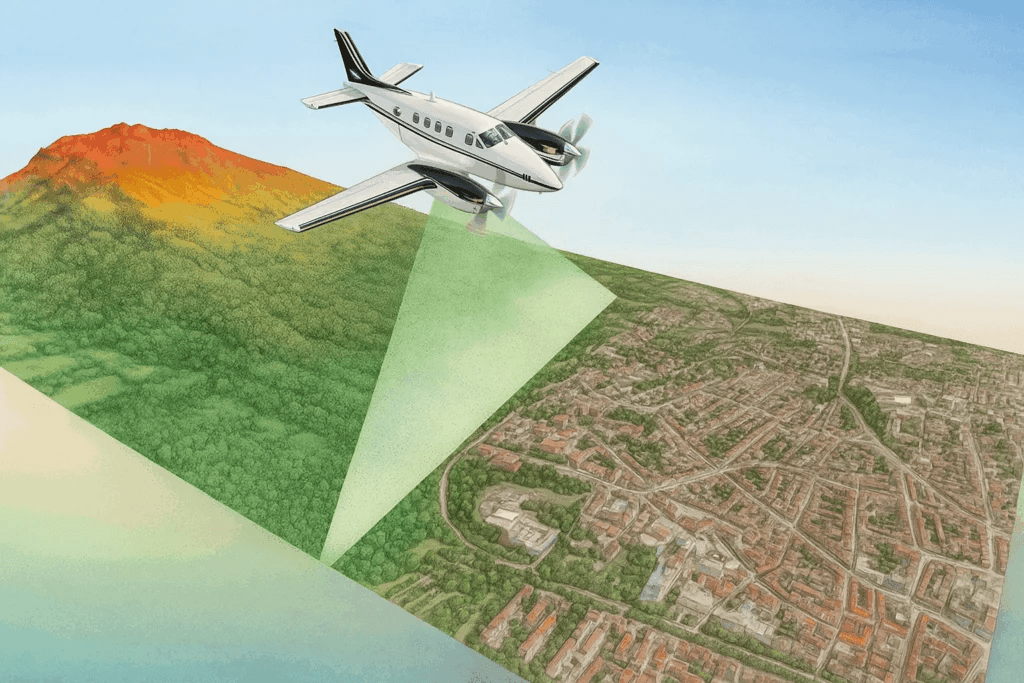
Python library for environmental shading analysis using LiDAR data and custom algorithms to simulate the solar shading of rural and urban areas in maximum detail. It uses hillshade techniques combined with cast shadow calculations to provide accurate solar radiation analysis.
Public repository: https://github.com/BeeGroup-cimne/greenshadow

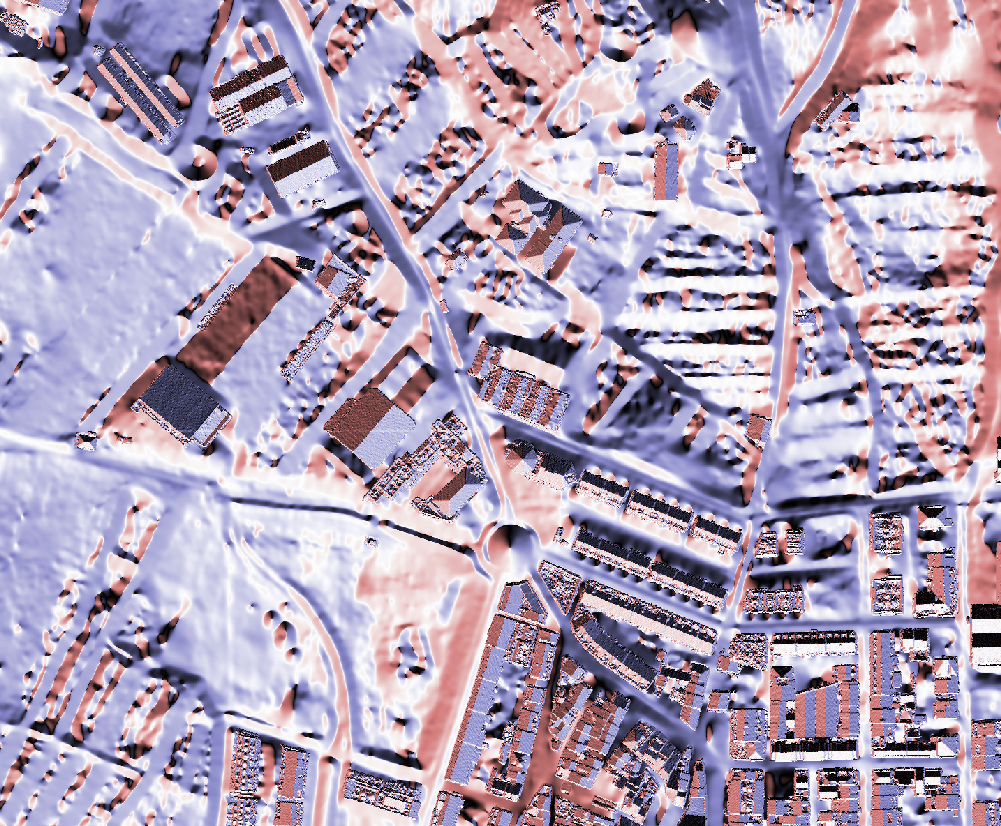
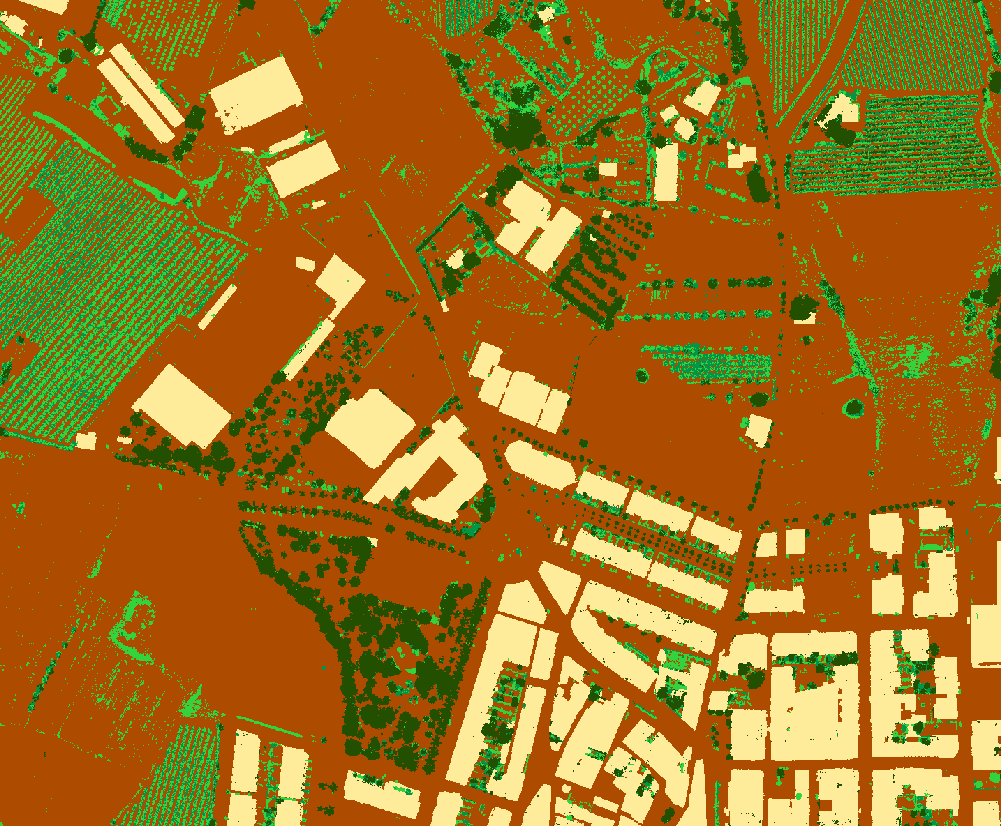
Slope estimation
Aspect estimation
Class
2.1.1 geosp / Data acquisition / greenshadow
Hillshade during December 12th 2023
2.1.2 geosp / Modelling / Air temperature and humidity downscaling
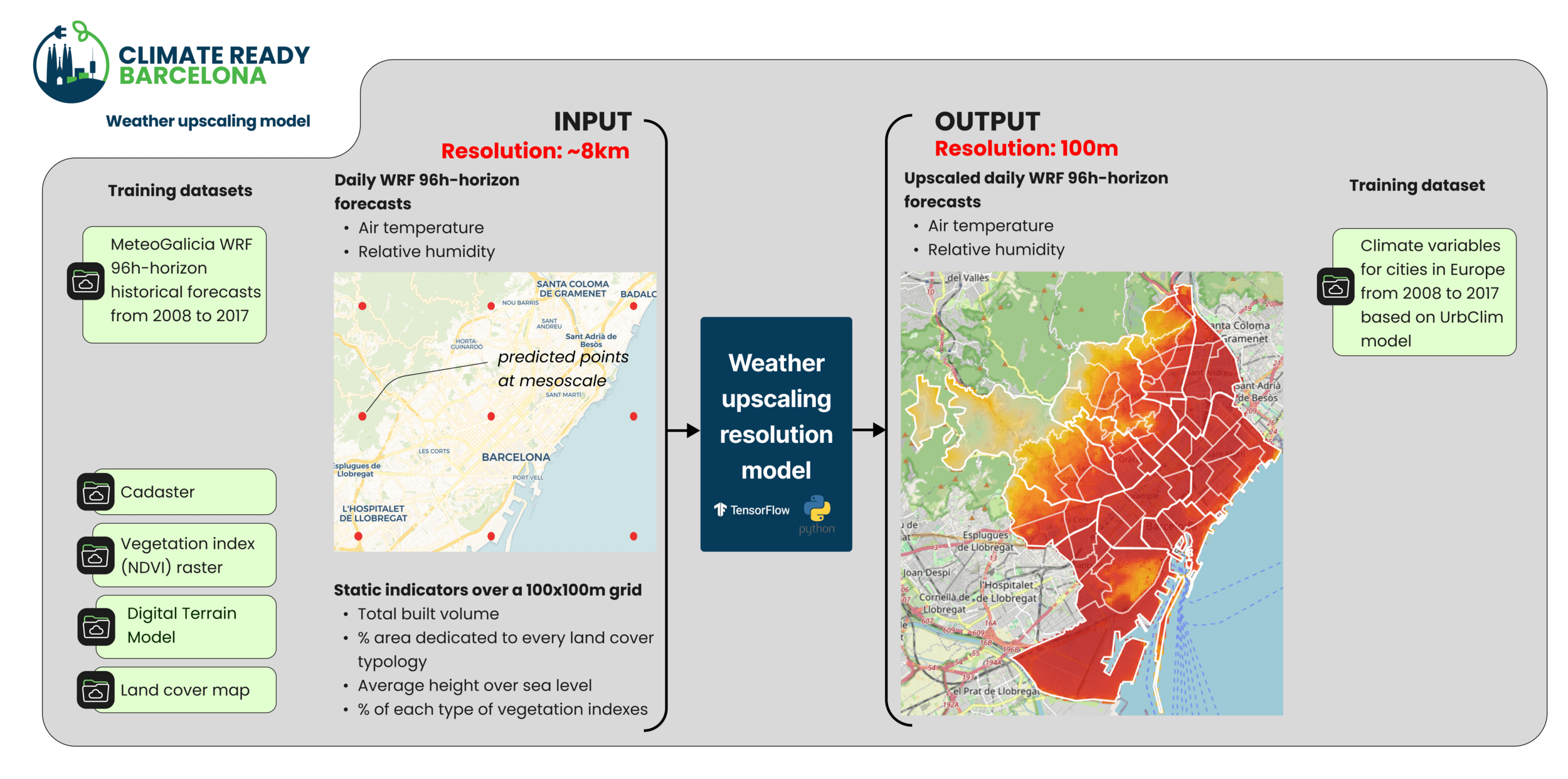
Public repository: https://github.com/BeeGroup-cimne/CR_BCN_meteo
2.1.2 geosp / Modelling / Thermal energy demand of buildings
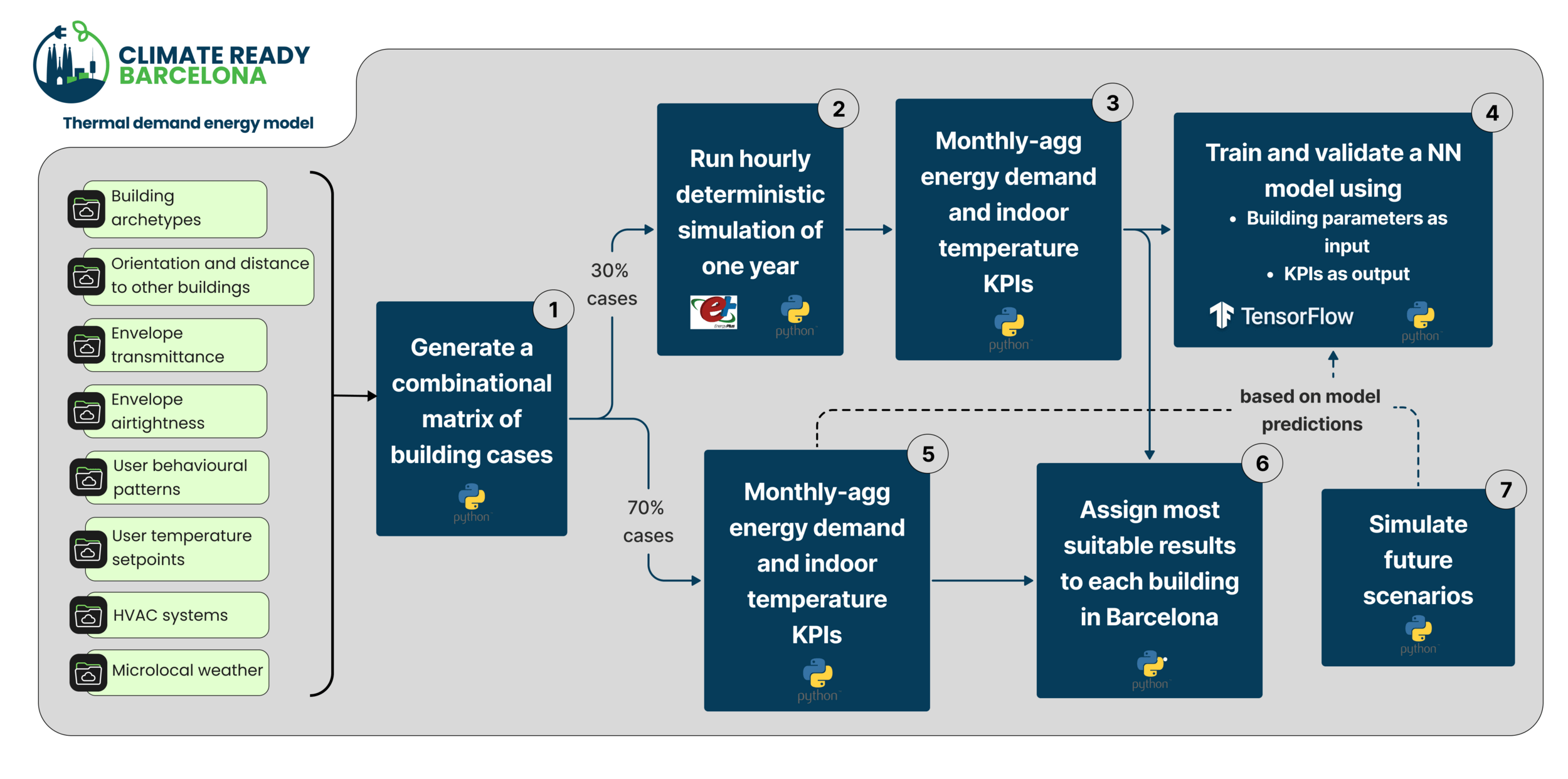
1 - Select a subset of real buildings and their context
2 - Define building envelopes archetypes according to building code
3 - Define user behaviour patterns according to demographics and socioeconomic profiles
4 - Define building systems archetypes according to EPC and cadastral data
5 - Define microlocal weather input files
2.1.2 geosp / Modelling / Electricity and gas energy consumption
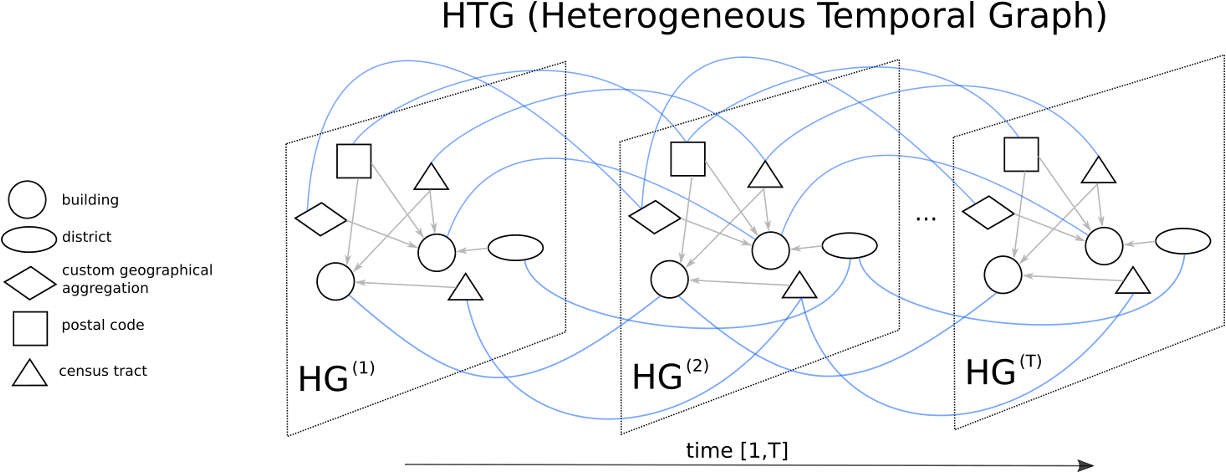
Predict electricity and gas consumption at building level, based on a Graph Neural Network
Input data is socio-economic, demographics, energy demand, city graph (buildings, districts, postal codes, census tract...), building characteristics, and weather conditions.
2.1.2 Use cases: Heat Vulnerability Index at building level
The Heat Vulnerability Map of Barcelona is a geospatial analysis tool that identifies buildings most at risk buildings during extreme heat events considering:
- Building characteristics
- Climate Variability and Extreme Events
- Demographic Indicators
- Infrastructure Indicators
- Energy indicators
- Socio-economic Indicators
The framework is based on the dimensions defined in the IPCC’s Third Assessment Report: Exposure, Sensitivity, and Adaptive Capacity.
It provides an assessment of all residential buildings in Barcelona(61,000)
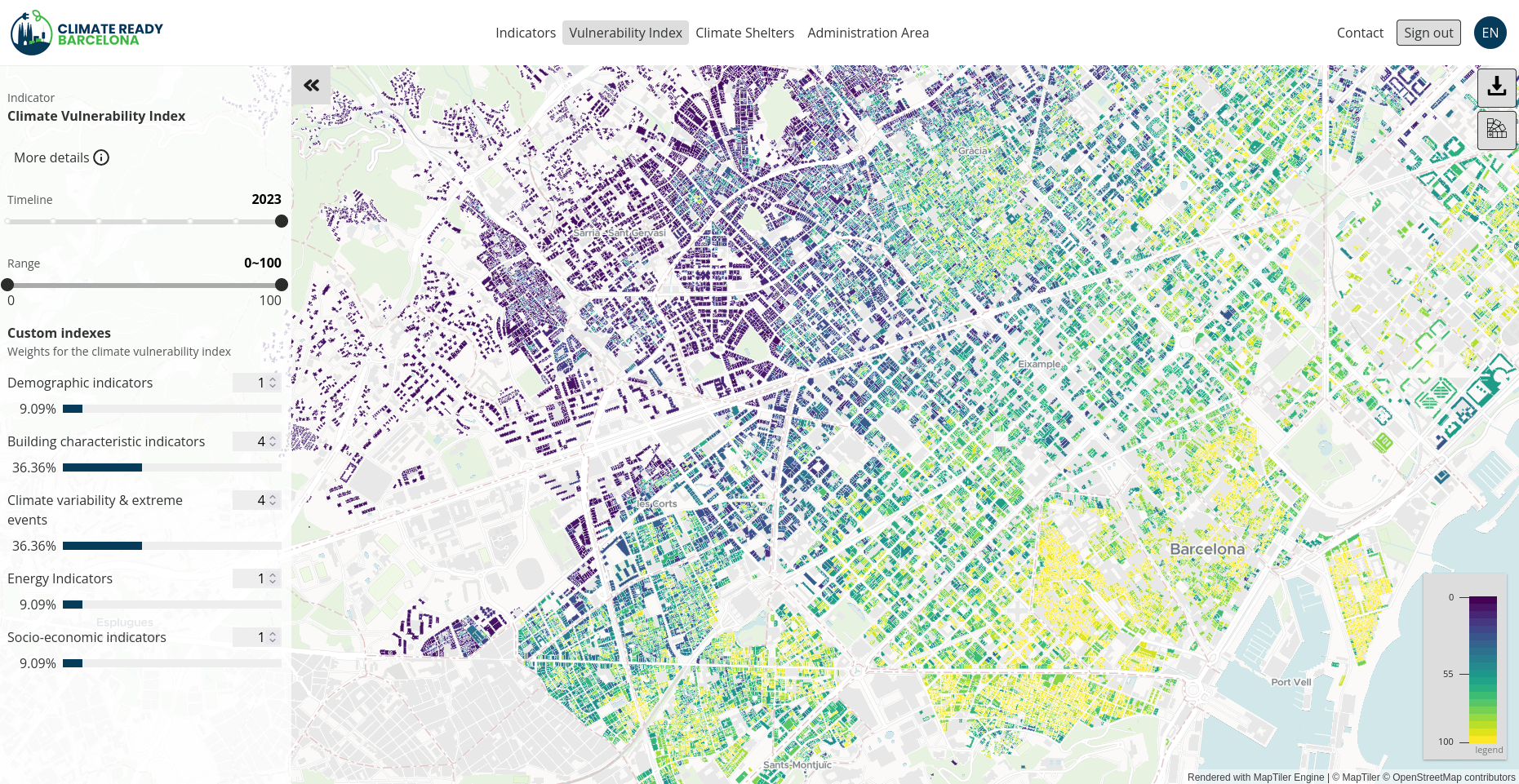
2.1.3 geosp / Use cases / Heat Vulnerability Index at building level
2.2.1 genai / RAG Use Cases / beechat
RAG-based conversational interface built on OpenWebUI, enabling semantic search and dialogue over internal project documentation.
-
Knowledge Sources (Nextcloud, GitHub)
- Technical documentation
- Project deliverables, concept notes and research papers
- Functionalities
- Connects to GitHub, Nextcloud, DBs
- Context-aware chat over institutional knowledge
- Semantic retrieval from large document collections
- Continuous knowledge enrichment
- Benefits
- Reduces information silos
- Accelerates onboarding and research workflows
- Centralizes access to historical project knowledge
2.2.2 genai / Agent use cases / Openclaw
OpenClaw is an autonomous agent framework designed to execute complex research and analytical workflows by combining LLM reasoning, tool execution, and iterative planning. Some potential applications in Geospatial Analysis include:
Public repository: https://github.com/openclaw/openclaw
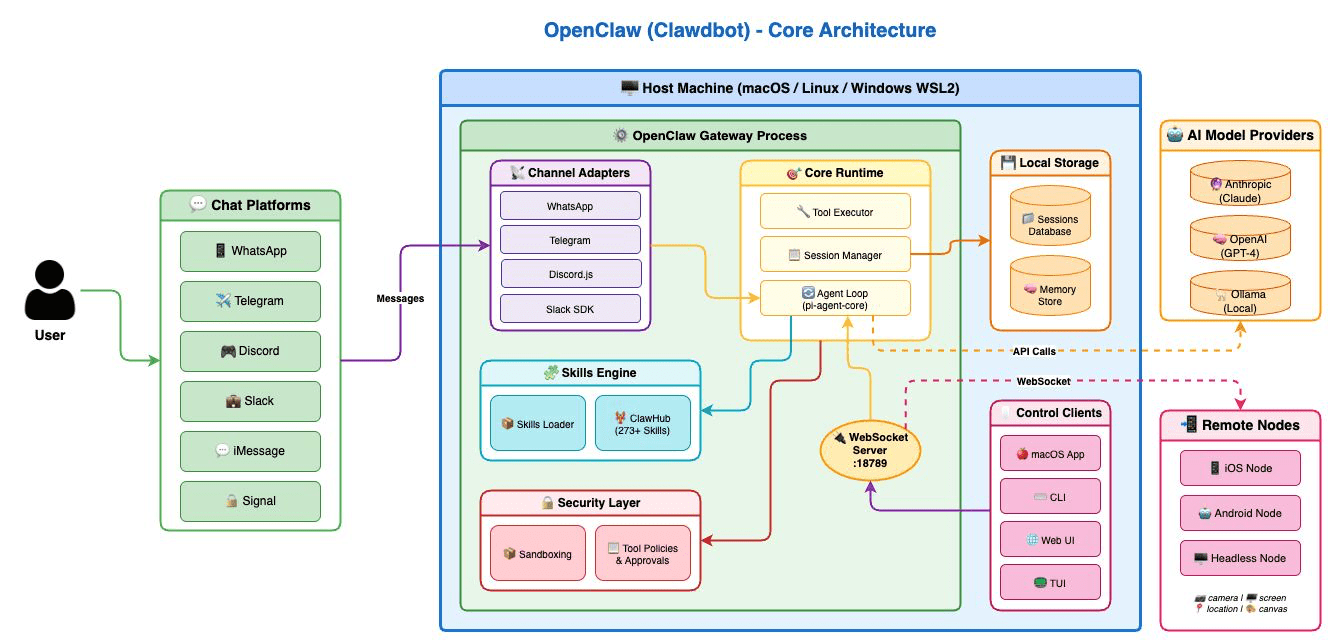
- Automated exploration of spatial datasets and metadata
- Generation of preprocessing scripts for GIS workflow
- Literature review and synthesis of urban climate research
- Autonomous creation of spatial indicators and analytical reports
- Assistance in ontology-driven geospatial modelling
3. Smarter distributed energy resources and flexibility
3.1. Optimization of Energy Communities - Energy flexibility
- Platform for the energy management of Energy Communitites

Initial Service Levels
- AI for optimized management of centralised/decentralized batteries
- Optimisation of electricity sharing coefficients
.
Advanced services
Additional Services
- Nudging services
Cross-sectorial integrated digital services enabling energy and community Empowerment
Use case: Valencia - SAPIENS Energía
To assess energy flexibility
- Maximise self-consumption: PV and battery
- Support the electricity network balance
User empowerment:
- To facilitate data-driven decisions
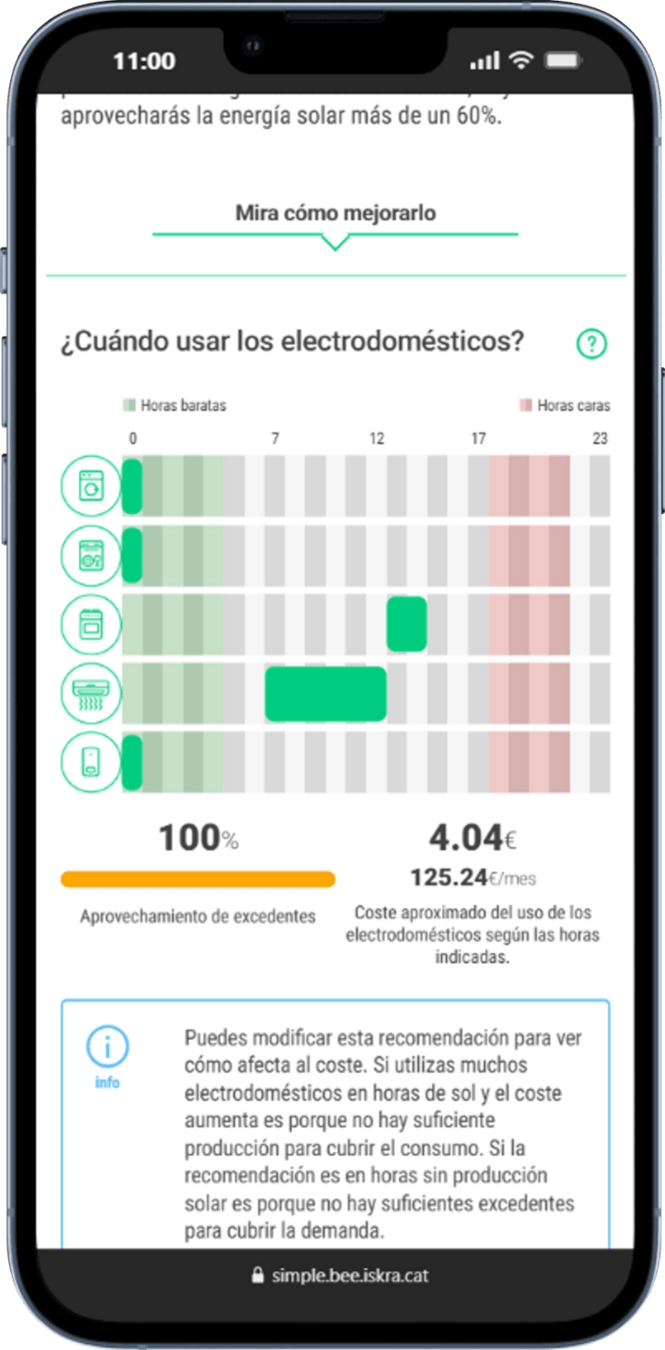
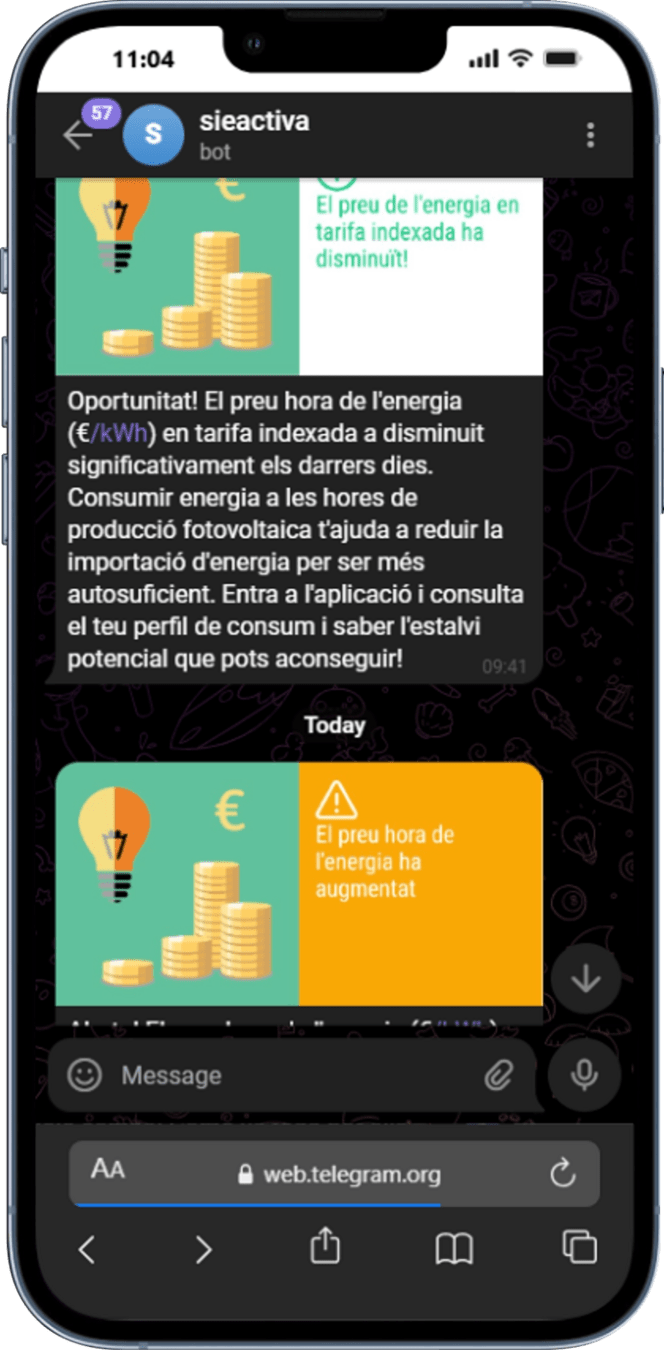
Energy Communities:
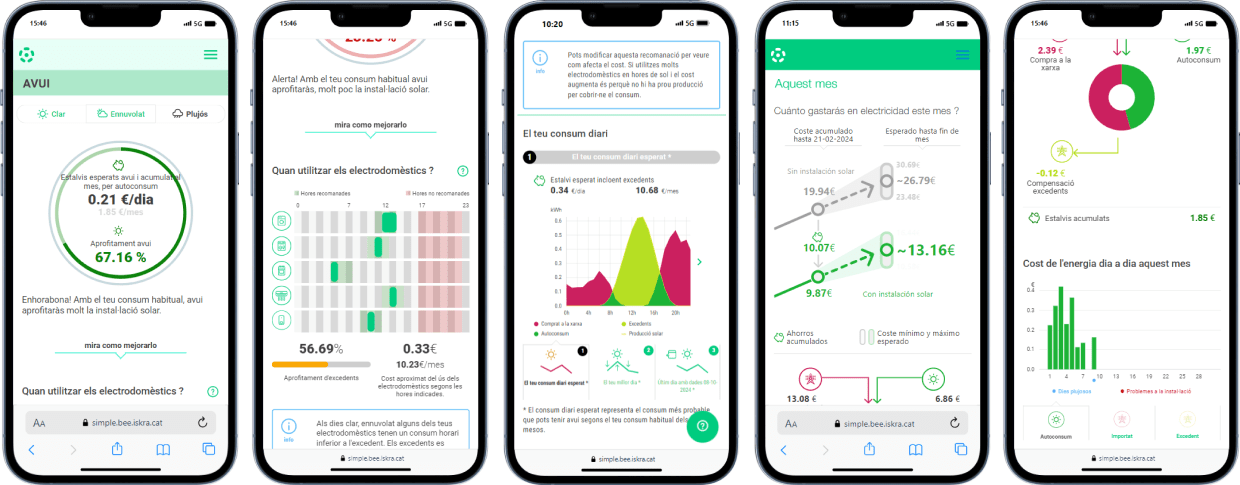
3.1. Optimisation of Energy communities:Nudging tool for notifications
1. Optimizing Renewable Energy Communities
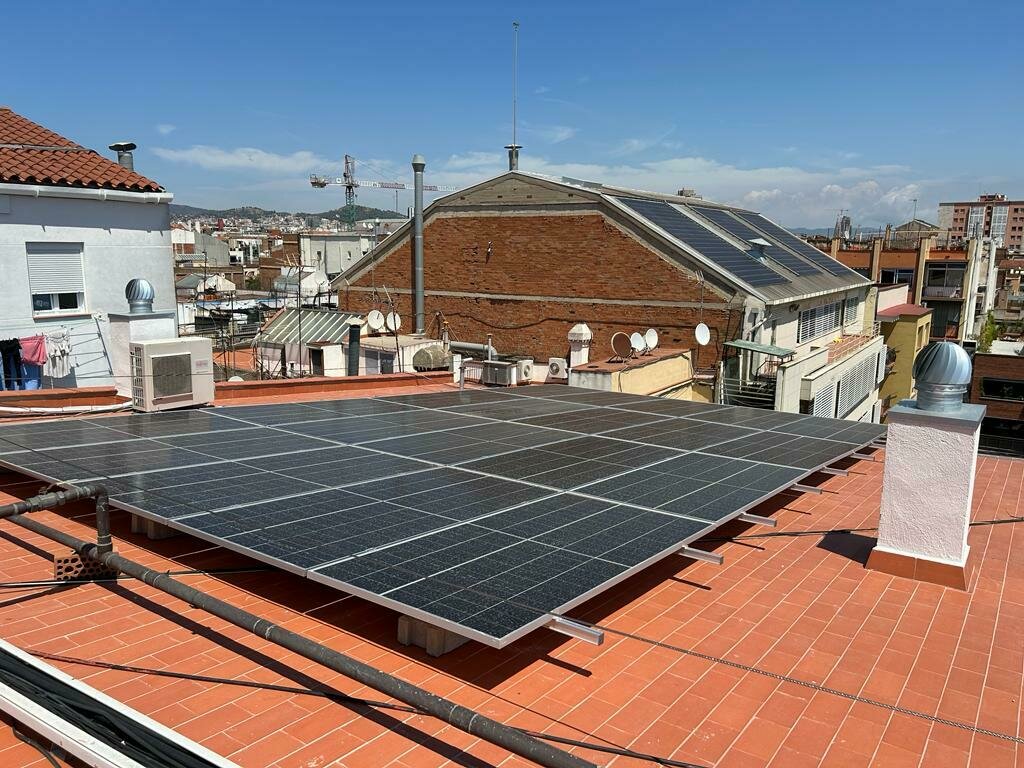
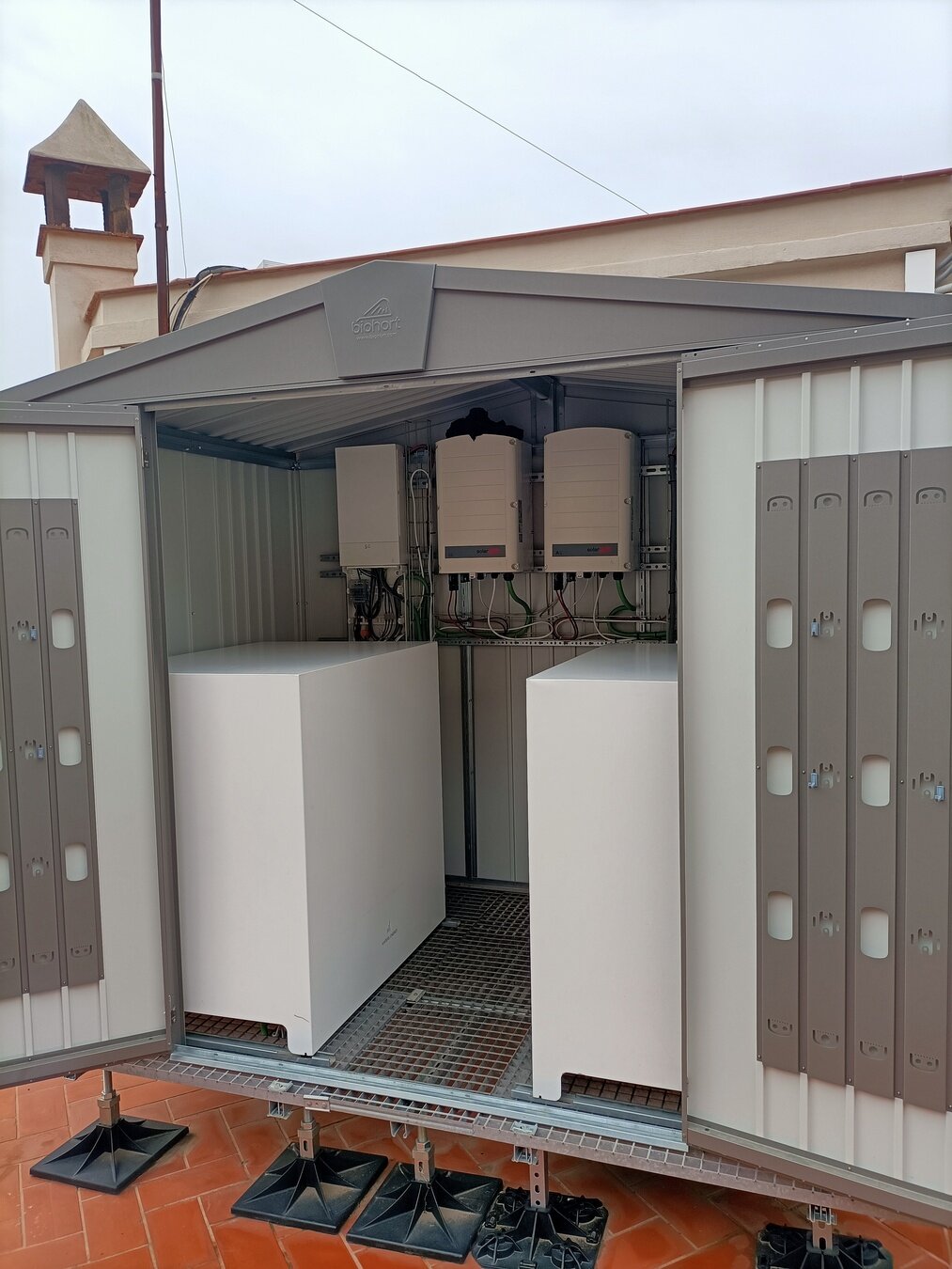
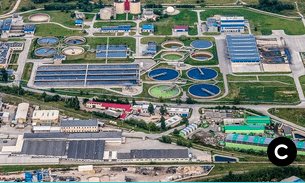
- Illa Eficient (EKATE+): REC in the eixample of Barcelona (2 building blocks) (55 users) + 2 centralized batteries + 2 PV installations
- PEUSA (La Seu d'Urgell): 15 users with remote controlled HVAC + 1 centralized battery + 4 PV installations in public buildings
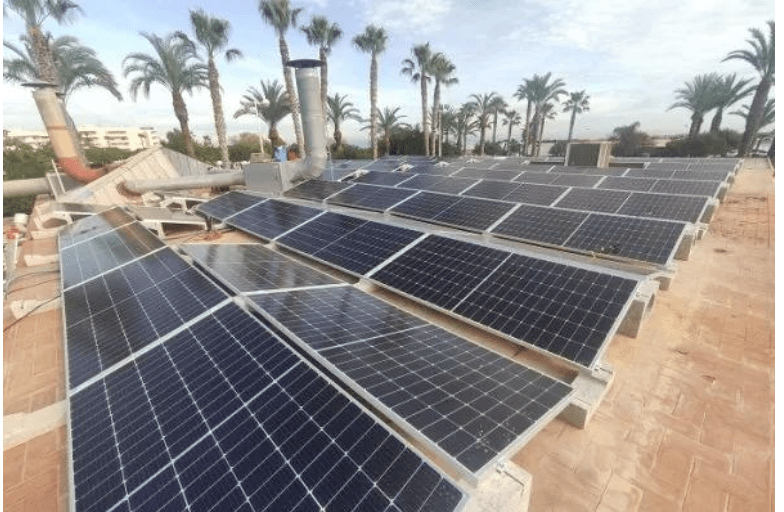
- SAPIENS (València): 15 REC with centralized batteries + PV installations + remote controlled HVAC
- Industrial REC: 15 industries in Granollers Mercat
- SIE-Comunitats (Inergy+Beedata): 40 RECS already using ECTOR
USE CASES:
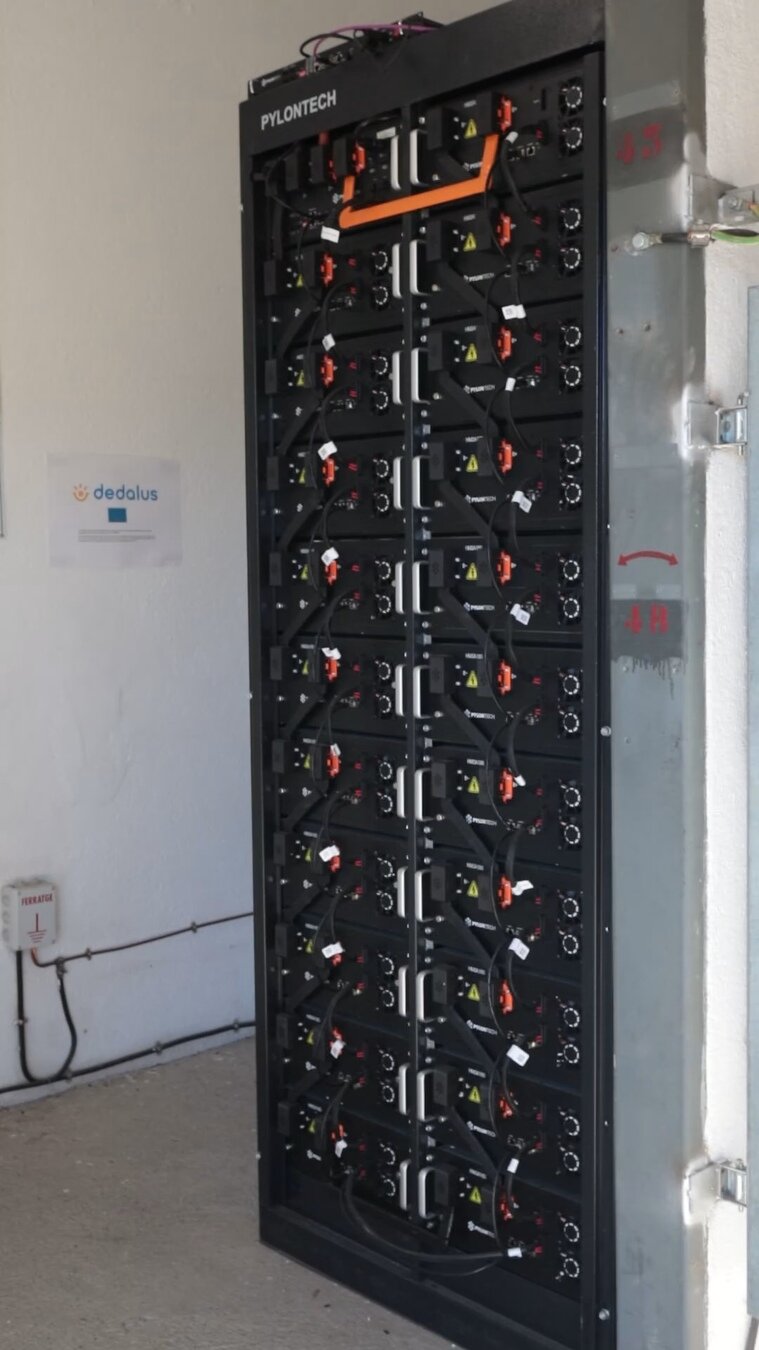
3.1. Optimisation of Energy communities
3.2. Model predictive control for energy flexibility
What does it do?
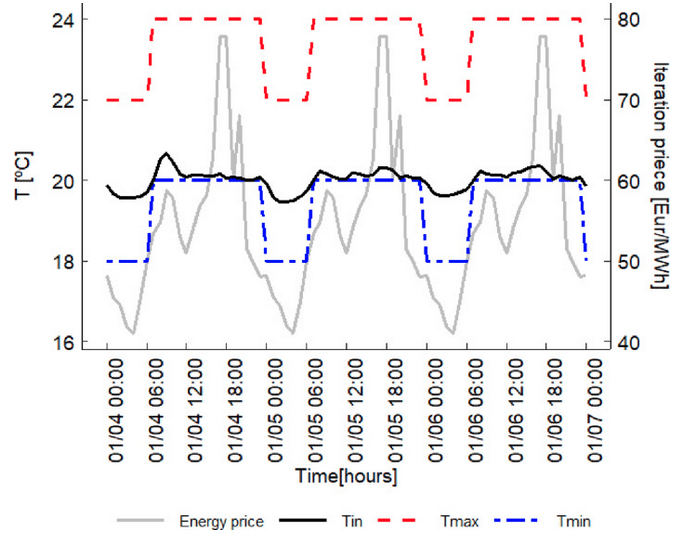
Optimizes the energy costs based on electricity market price and PV self-consumption generation
-
Remotely controls the flexible loads (HVAC) while respecting the comfort boundaries
-
Improves the interaction between buildings and the electricity network
3.2. Model predictive control for energy flexibility
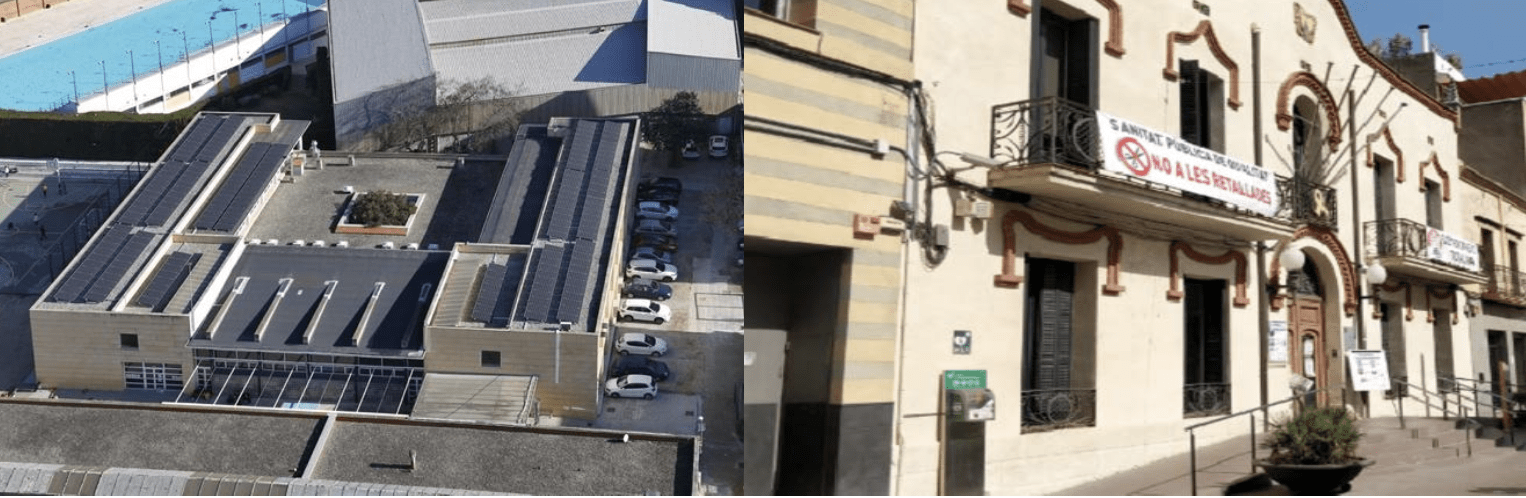
1. Optimizing Energy Flexibility in Public Buildings (AMB)
- Casa de la Vil·la (Montcada i Reixach): Optimizing the HVAC system with day-ahead market price + collective self consumption escola Reixach
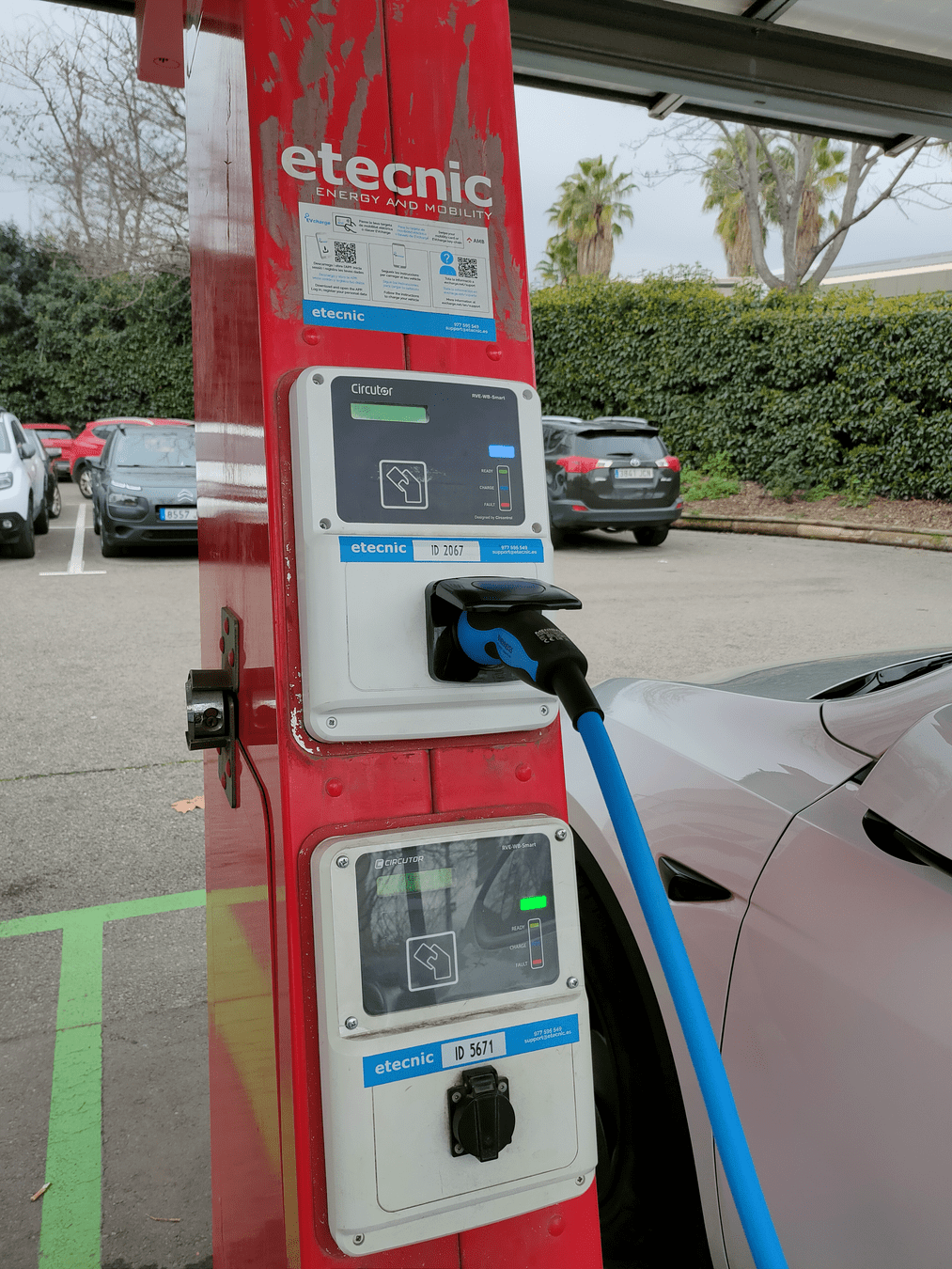
- La Illa esportiva (Castellbisbal): Optimizing the swimming pool water climatisation + EV chargers optimization
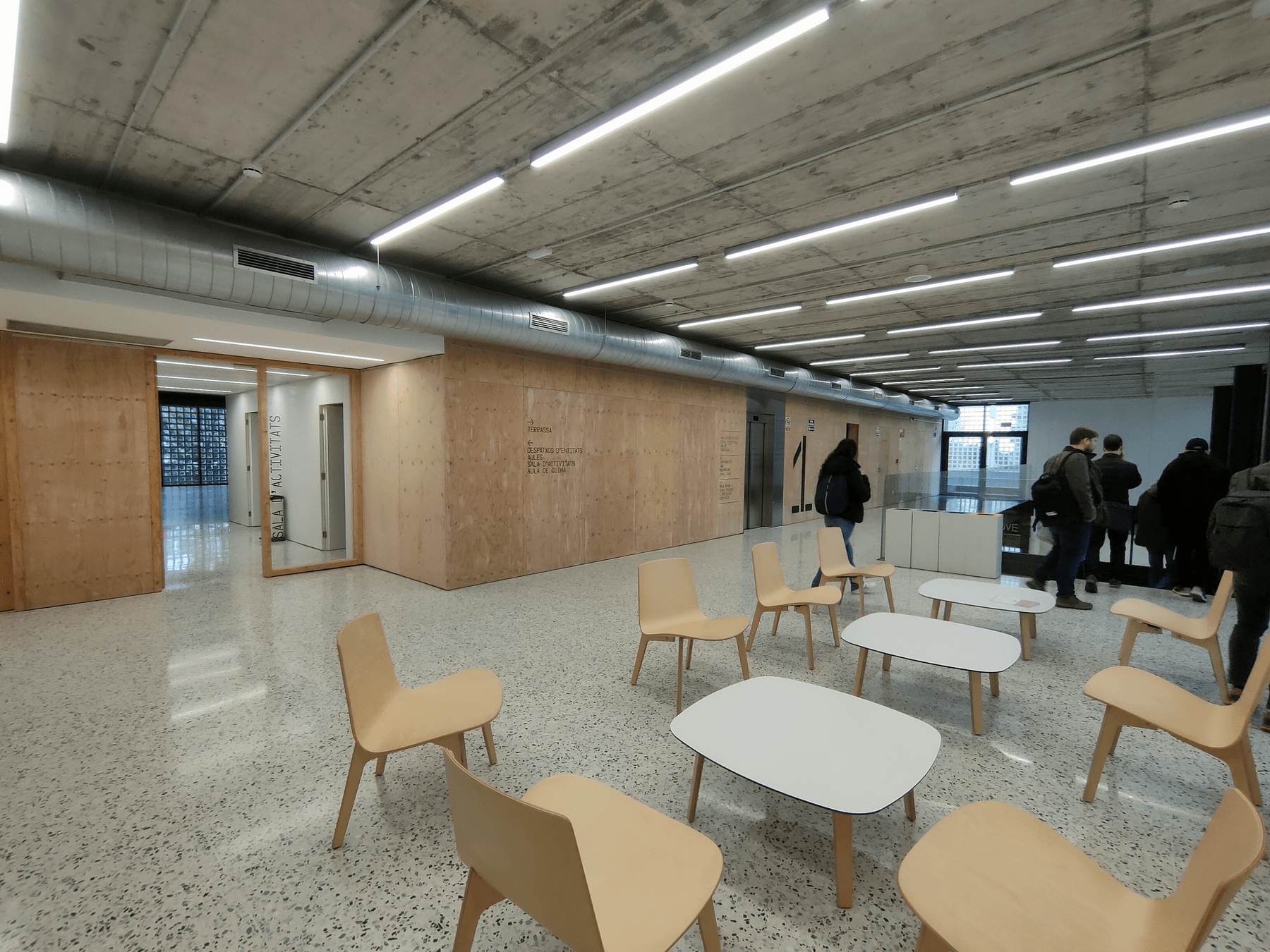
- Centre Cívic Virgínia Amposta (St. Vicenç dels Horts): Optimizing the HVAC system of the building
USE CASES:





Thank you
Maite Sellart
Researcher of Innovation Unit BEE Group
tsellart@cimne.upc.edu