Cloud and Advanced Web Security


API Security in Cloud Environments: Storage, Data Exposure & Misuse


Learning Outcome
4
Apply API security best practices to reduce security risks in cloud environments.
3
Identify common causes of API data exposure and misuse.
2
Understand authentication and authorization mechanisms used to secure APIs.
1
Explain the role of APIs in cloud environments and why API security is important.
Let's Recall
Web application hosting means running a website or web app on a server accessible over the internet.

Cloud architecture defines how cloud resources and services are organized.

Three-tier architecture includes the presentation, application, and database layers.

Load balancers distribute user requests across multiple servers to improve availability and performance.

Scalability allows applications to handle increasing user traffic by adding resources.

Imagine walking into a bank and approaching the customer service desk to check your account balance.

The staff member first checks your identity before giving you any information. If the staff member accidentally shows you another customer's account details, that would be a data exposure problem.
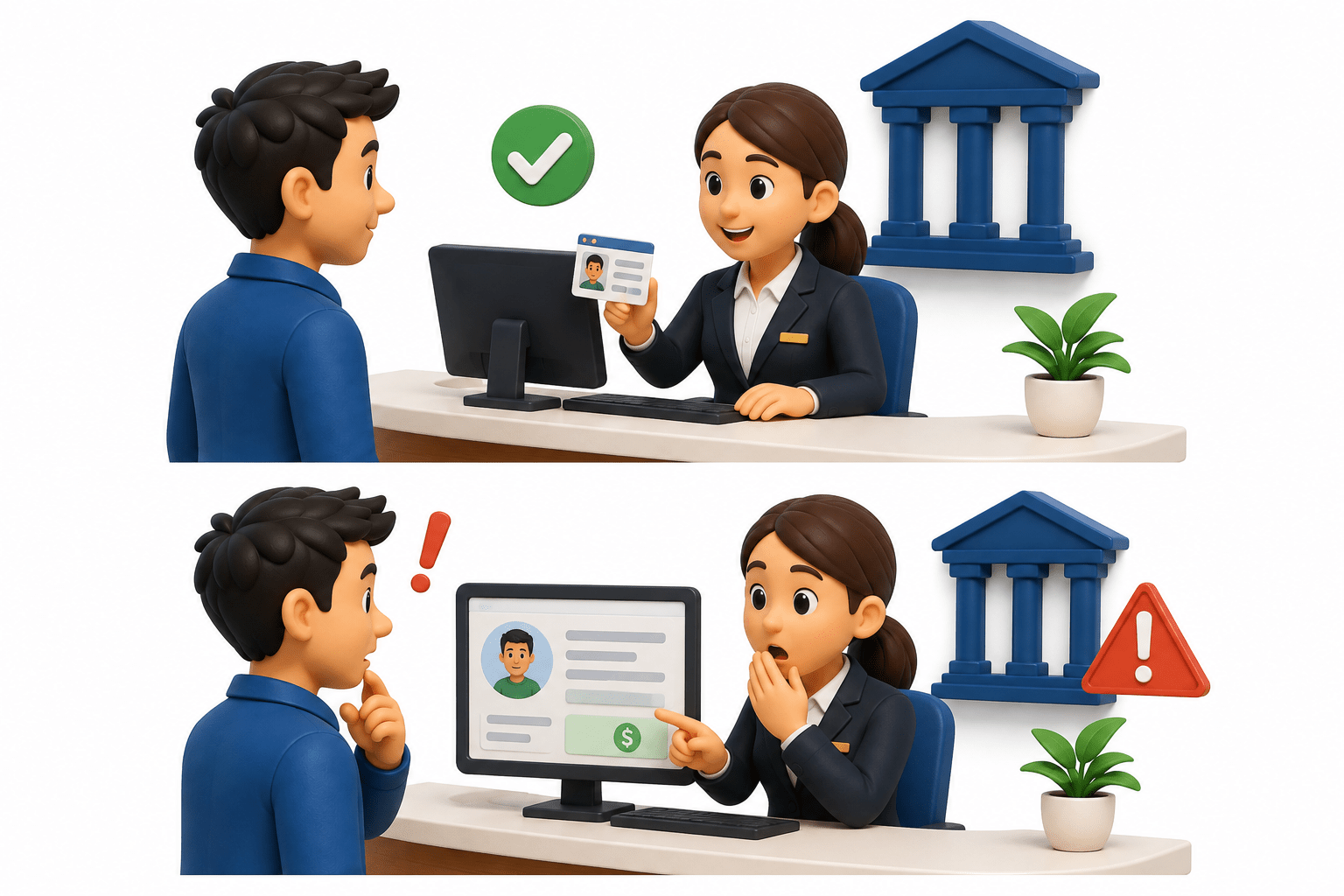
If someone steals your identity card and uses it to access your account, it would be similar to weak authentication.
And if the staff member lets you enter a restricted employee area simply because you asked, that would be an authorization problem.
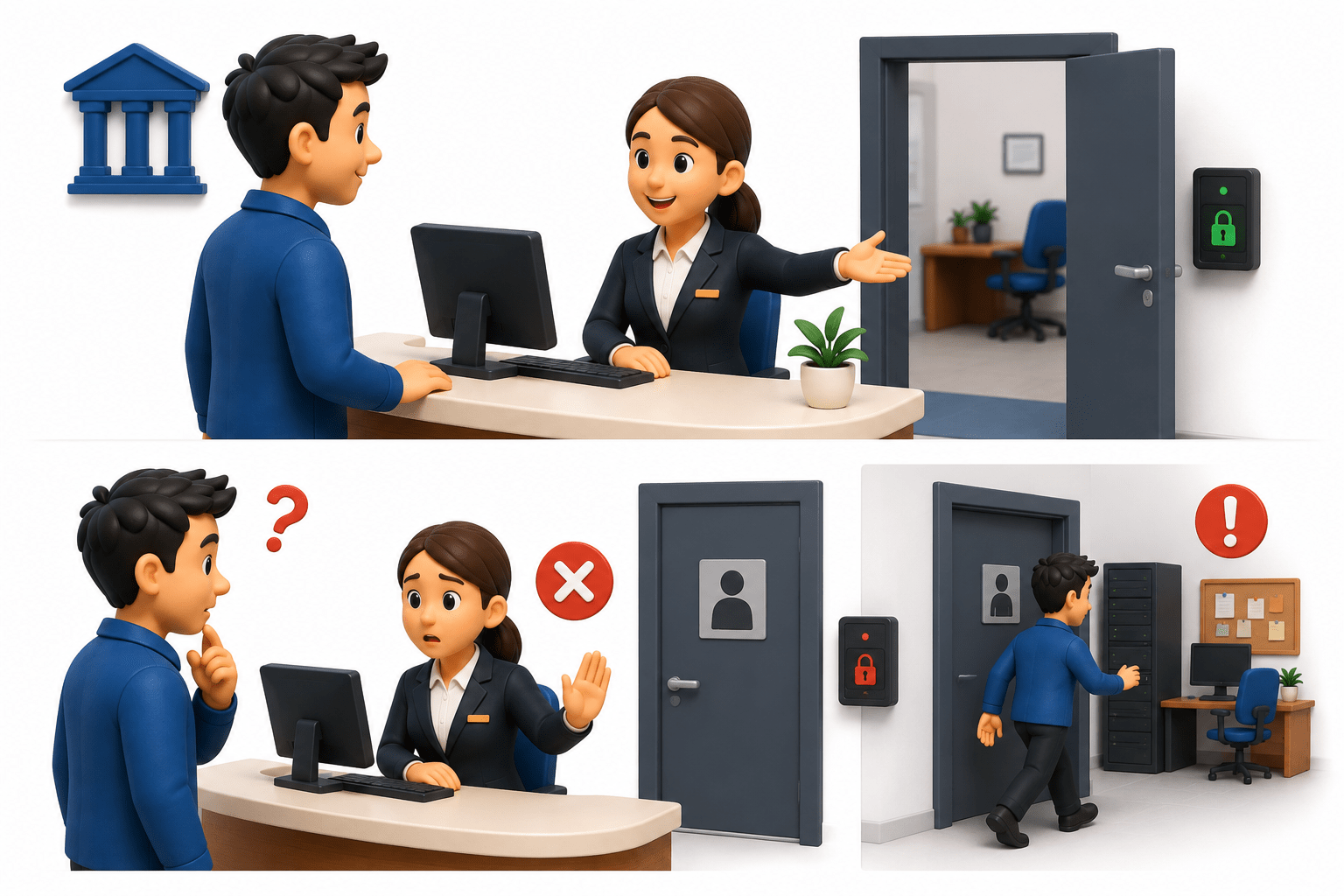
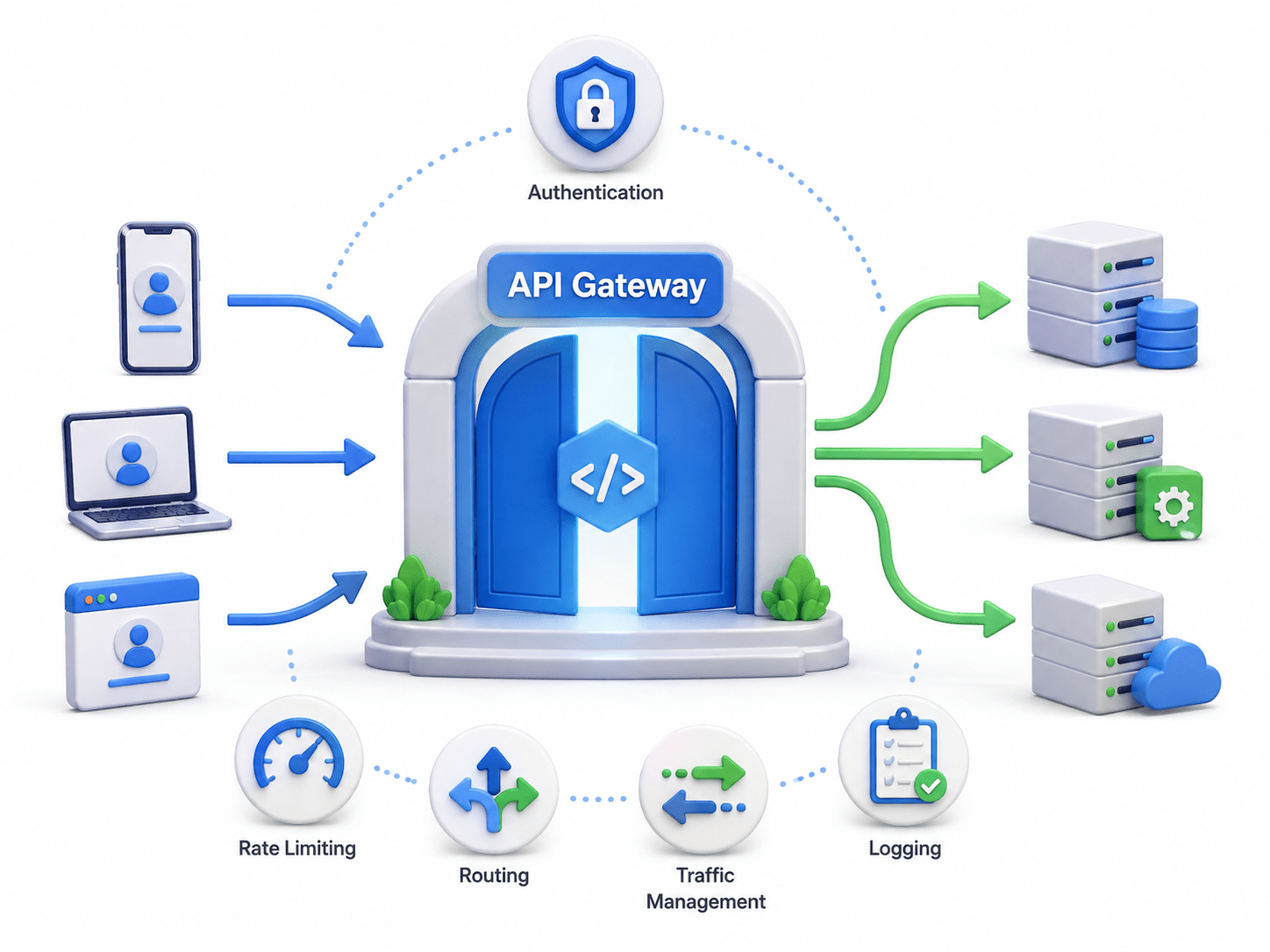
APIs work in a similar way. They act like the customer service desk between users and cloud services.
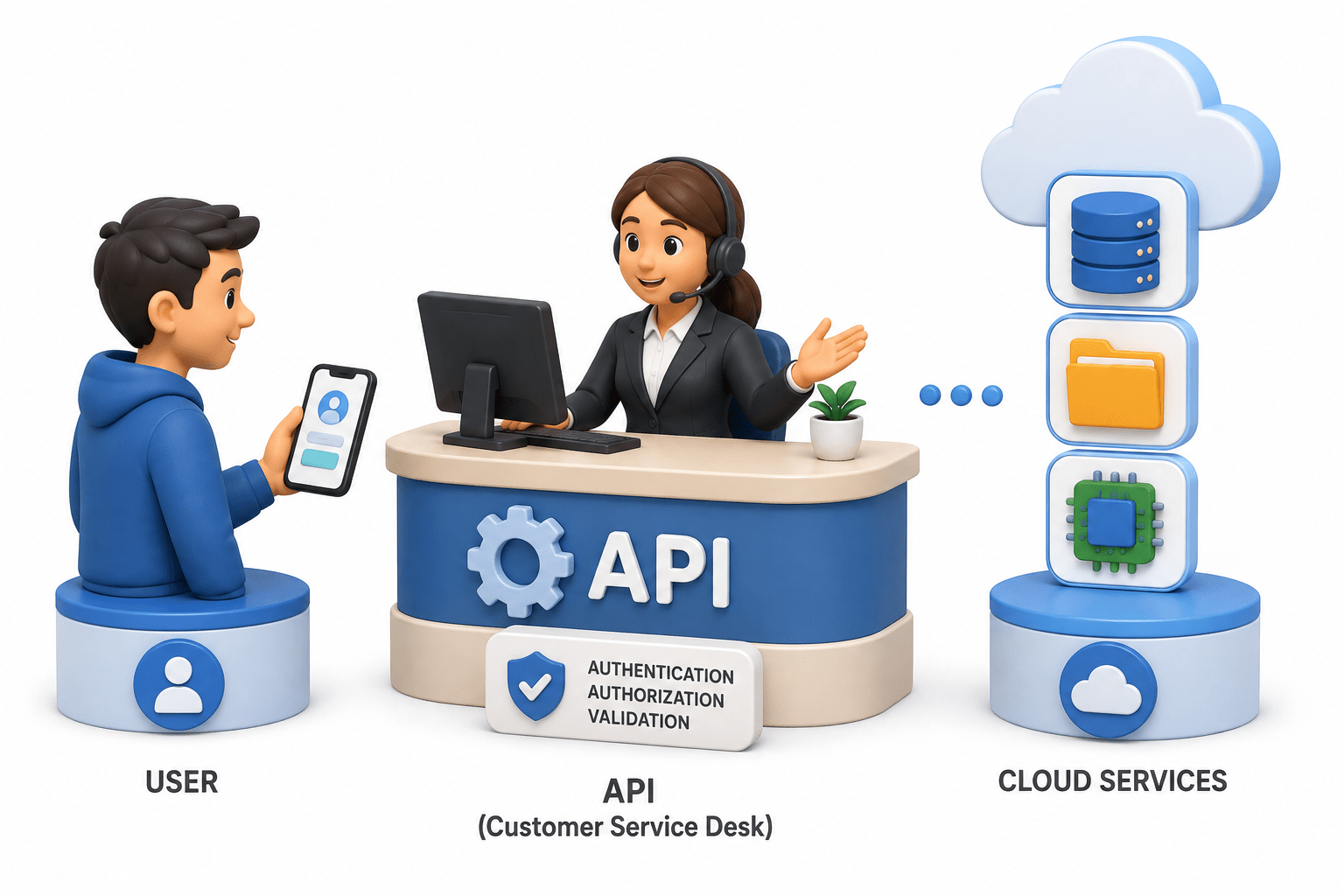
User
Cloud Services
Just as the bank must verify your identity,
-
control what information you can access,
-
and restrict unauthorized areas,
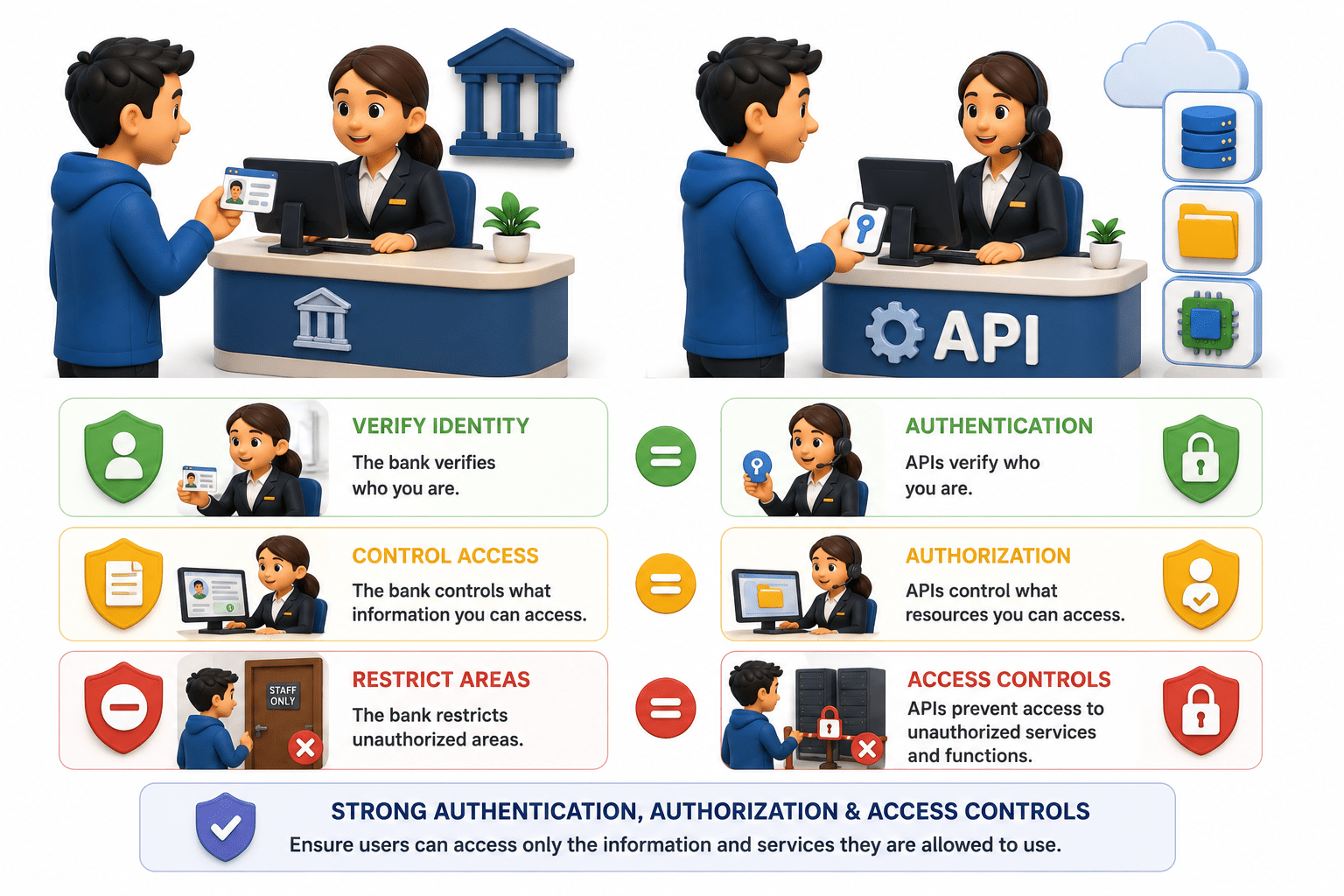
and access controls to ensure that users can access only the information and services they are allowed to use.
-
APIs must use proper authentication authorization,
Introduction to API Security in Cloud Environments
An Application Programming Interface (API) is a set of rules and protocols that allows different software applications to communicate and exchange data with each other. APIs act as intermediaries between clients and servers, enabling applications to request services or information.
APIs in Cloud Computing
-
APIs allow users and applications to access cloud storage, computing, networking, authentication, and monitoring.
-
They provide a way to interact with cloud resources without directly accessing the infrastructure.

Importance of API Security
-
APIs expose business functions and sensitive data, making them attractive targets.
-
Poor API security can cause unauthorized access, data breaches, and service disruption.

Understanding Cloud-Based APIs
Public APIs
-
Available to external users and developers.
-
Provide services to customers.
Public, Private, and Partner APIs
Private APIs
-
Used within an organization.
-
Not exposed to external users.
Partner APIs
-
Shared with trusted third parties.
-
Use controlled access and agreements.


REST, SOAP, and GraphQL
REST
-
Common API architecture using HTTP methods like GET, POST, PUT, and DELETE.
SOAP
-
Uses XML-based communication with strict standards and security features.
GraphQL
-
Lets clients request only the data they need.
-
Helps reduce unnecessary data transfer.




API Communication Flow

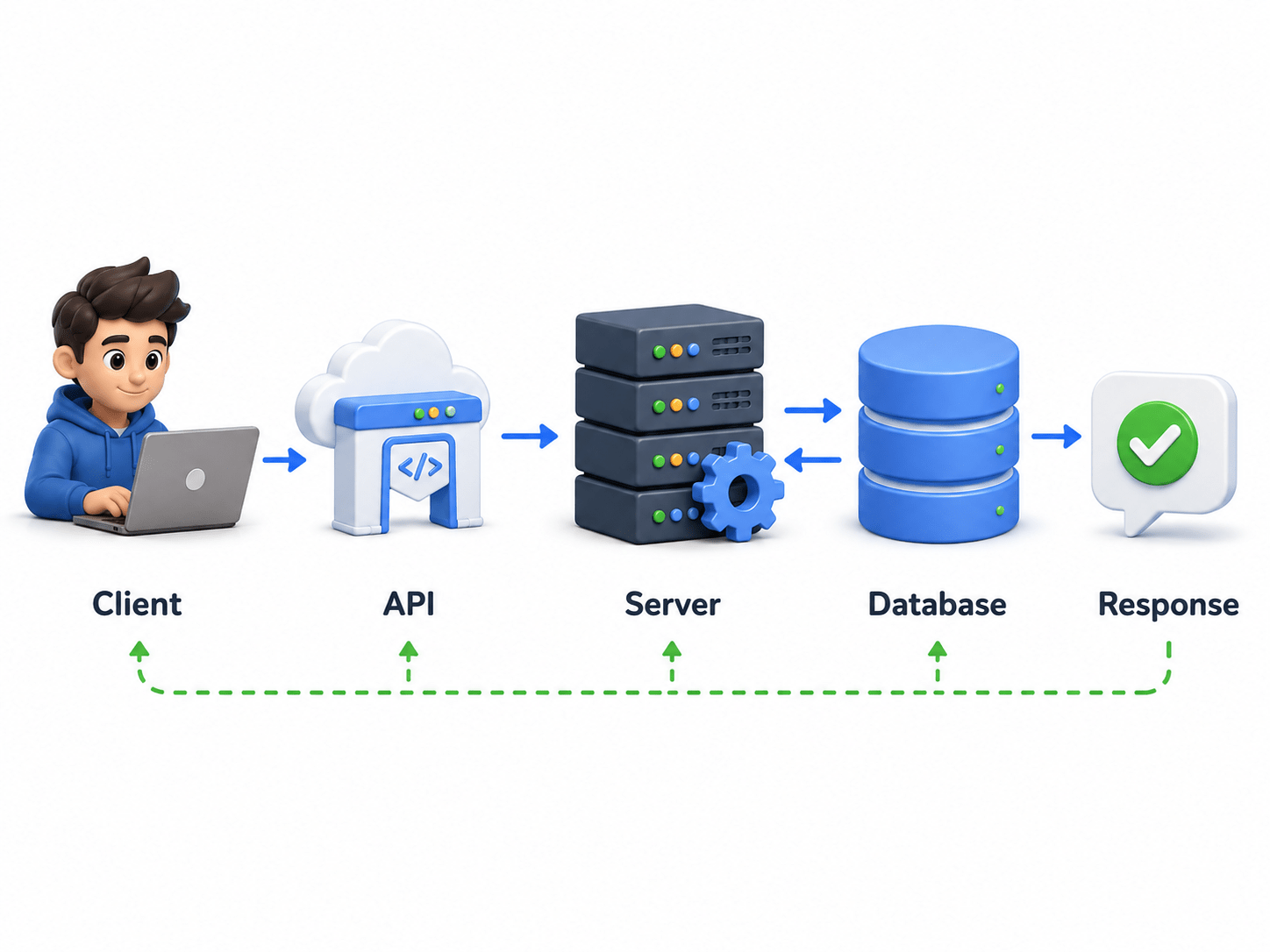
API Gateway

API Data Storage in Cloud Environments
APIs retrieve, update, delete, and store information in cloud storage services and databases.
- Personal information
-
Customer records
-
Financial data
-
Medical records
-
Application configuration data
Types of Data Stored Through APIs

Data Classification and Sensitivity
-
Public Data :- Freely available information.
-
Internal Data :- Used within the organization.
-
Confidential Data :- Sensitive business information.
-
Restricted Data :- Highly sensitive information requiring strict protection.
-
Encrypt stored data.
-
Limit access permissions.
-
Implement backup procedures.
-
Monitor storage access.
-
Apply least privilege access.
Secure Data Storage Principles
Data Exposure Risks in APIs
What is Sensitive Data Exposure?
Sensitive data exposure occurs when APIs unintentionally reveal confidential information to unauthorized users.
Common Causes of Data Leakage
-
Weak access controls
-
Misconfigured APIs
-
Insecure coding practices
-
Lack of encryption
-
Improper authorization checks
Excessive Data Exposure
-
APIs may return more information than required.
-
Example: A profile API exposes email, password hash, and internal ID when only the username is needed.
Improper Data Filtering and Serialization
APIs may accidentally include hidden fields during data conversion and transmission.
Insecure API Responses
Error messages may expose:
-
Database details
-
Server information
-
Internal application logic
API Misuse and Abuse
Understanding API Abuse
-
API abuse occurs when APIs are misused to perform unauthorized or harmful actions.
-
Common examples include excessive requests and business logic abuse.
01
Unauthorized API Access
-
Attackers may use stolen credentials, weak passwords, or misconfigured permissions.
-
This can lead to unauthorized access to API resources.
02
Credential Misuse and Token Theft
-
Attackers may steal API keys, OAuth tokens, or session tokens.
-
Stolen credentials can be used to impersonate legitimate users.
03
Excessive API Consumption
-
Attackers send excessive requests to overload an API.
-
This can cause slowdowns or service disruption.
04
Business Logic Abuse
-
Attackers exploit weaknesses in application workflows.
-
Example: Repeatedly abusing a discount API to obtain unauthorized discounts.
05
API Authentication Fundamentals
API Keys
01
-
Unique identifiers used to identify applications.
-
Easy to implement but must be securely protected.
OAuth 2.0 Concepts
02
-
Allows limited access to resources without sharing passwords.
-
Uses components such as the client, authorization server, and resource server.
JSON Web Tokens (JWT)
03
-
Digitally signed tokens used to carry authentication information.
-
Supports stateless and fast authentication.
Role-Based Access Control (RBAC)
04
-
Assigns permissions based on user roles.
-
Example: Administrator, Manager, and Employee have different access levels.
Common API Security Vulnerabilities
Broken Object Level Authorization (BOLA)
-
Users can access other users’ resources without permission.
-
Example: Changing a user ID in an API request to view another user’s data.
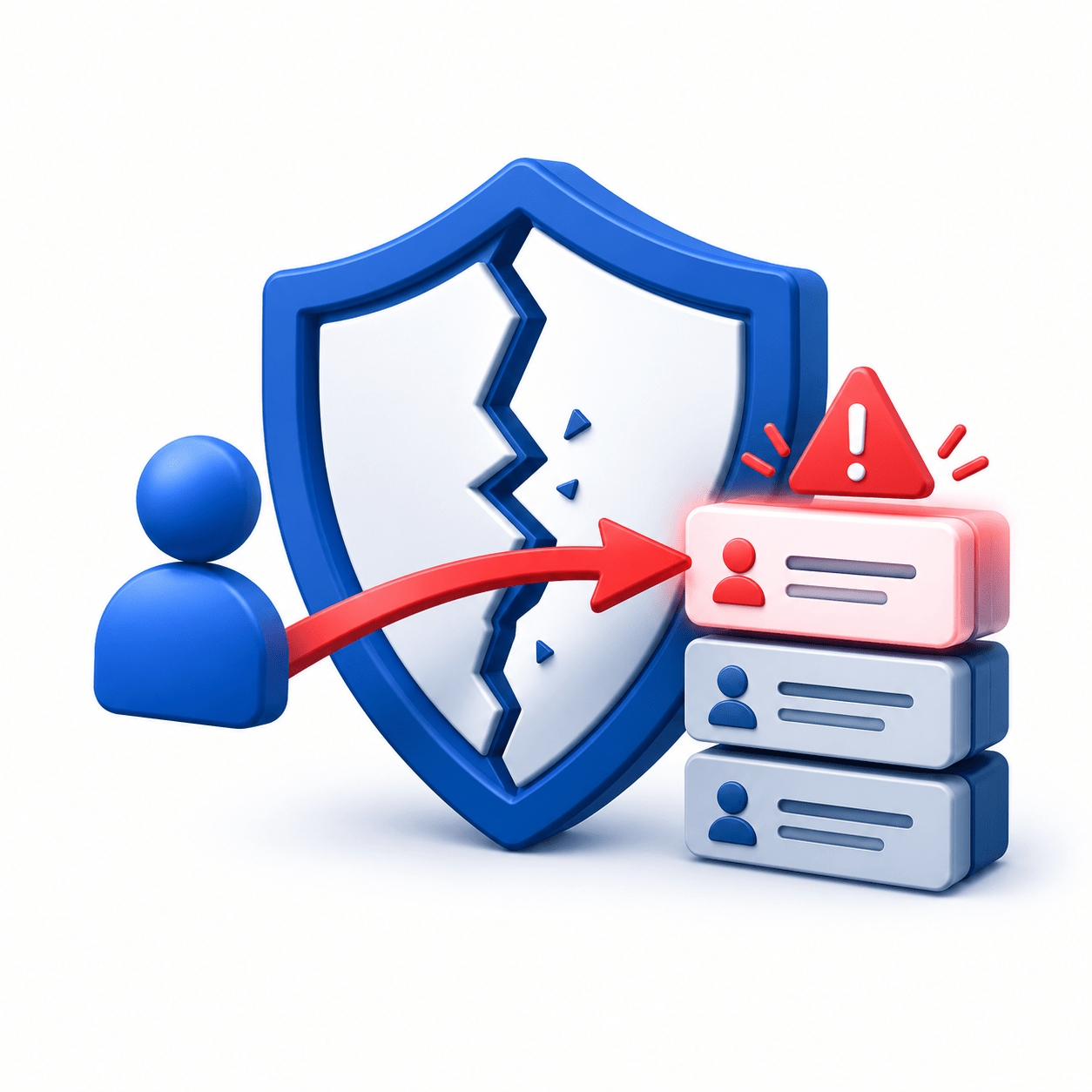
Broken Authentication
-
Weak authentication allows attackers to bypass login protections.
-
Can result in unauthorized account access.

Broken Function Level Authorization
-
Users access functions beyond their assigned permissions.
-
Example: A regular user accessing admin functions.

Security Misconfiguration
-
Insecure settings in servers, databases, API gateways, or access controls create risks.
-
Proper configuration helps prevent vulnerabilities.

Improper Asset Management
-
Old APIs, unused endpoints, and outdated versions may remain exposed.
-
These forgotten assets can become attack targets.

Cloud-Specific API Security Challenges
Multi-Tenancy Risks
-
Multiple customers share the same cloud infrastructure.
-
Poor isolation can expose one tenant’s data to another.
1
Shared Responsibility Model
-
Security responsibilities are shared between the cloud provider and customer.
-
Misunderstanding responsibilities can create security gaps.
2
Misconfigured Cloud Services
-
Examples include public storage, open databases, and excessive permissions.
-
These misconfigurations can expose sensitive resources.
3
Cross-Account Access Risks
-
Incorrect trust relationships may allow unauthorized access between cloud accounts.
-
Proper access controls and permissions are essential.
4
Third-Party API Integrations
-
External APIs can introduce vulnerabilities, data leakage, and supply chain risks.
-
Third-party integrations should be securely reviewed.
5
Protecting Data in Transit and at Rest
HTTPS and TLS
-
HTTPS uses TLS encryption to protect data between clients and servers.
-
Provides confidentiality, integrity, and authentication.
Encryption Fundamentals
-
Encryption converts readable data into unreadable ciphertext.
-
Only authorized users with the correct key can access the data.

Data-at-Rest Encryption
-
Protects data while it is stored.
-
Examples include database, disk, and cloud storage encryption.
Secure Key Management
-
Encryption keys should be securely stored and access-controlled.
-
Keys should be rotated regularly to maintain security.

API Monitoring and Logging
Importance of API Logging
-
Logs record API activities and security events.
-
They help detect and investigate security incidents.
Monitoring API Activity
-
Monitor request frequency, user behavior, login attempts, and errors.
-
Helps identify unusual activity.

Detecting Suspicious Behavior
-
Look for repeated login failures, large data downloads, and unusual access patterns.
-
These may indicate potential attacks.
Audit Trails and Compliance
-
Audit trails help investigate incidents and track user activities.
-
They also support compliance and accountability.


API Security Best Practices
Principle of Least Privilege
-
Give users and applications only the permissions they need.
-
Reduces the impact of unauthorized access.
1
Secure API Design
-
Follow security by design and use secure defaults.
-
Validate inputs and filter sensitive outputs.
2
Input Validation
-
Validate data type, length, format, and allowed characters.
-
Prevents unexpected or malicious input.
3
Rate Limiting and Throttling
-
Limits the number of API requests within a specific time.
-
Helps prevent abuse, reduce DoS risks, and control resources.
4
Regular Security Assessments
-
Perform vulnerability assessments, penetration testing, code reviews, and audits.
-
Helps identify and fix security weaknesses regularly.
5
Industry Standards and Frameworks
OWASP API Security Top 10
01
-
Highlights common API risks such as broken authorization, authentication failures, and misconfiguration.
-
Also covers risks like unrestricted resource consumption.
NIST API Security Guidance
02
-
Provides guidance on risk management, identity, access control, and data protection.
-
Helps organizations strengthen API security practices.
Cloud Security Alliance (CSA)
03
-
Provides cloud-specific security guidance and best practices.
-
Helps organizations secure cloud-based APIs and services.
Compliance Considerations
04
-
GDPR: Protects personal data.
-
PCI-DSS: Protects payment card information.
-
HIPAA: Protects healthcare information.
Real-World API Data Exposure Incidents
Common incidents involve:
-
Customer information exposure
-
Unauthorized account access
-
Publicly accessible cloud storage
01

Root Causes of API Security Failures
-
Misconfigurations
-
Weak authentication
-
Poor authorization controls
-
Inadequate monitoring
02

Lessons Learned from Public Breaches
-
Implement strong access controls.
-
Encrypt sensitive data.
-
Continuously monitor API activity.
-
Conduct regular security reviews.
-
Follow secure development practices.
03

Summary
5
Common risks include BOLA and misconfiguration.
4
Authentication and authorization control access.
3
Weak security can cause data exposure and misuse.
2
API security protects sensitive data and resources.
1
APIs connect cloud applications and services.
Quiz
What does API stand for?
A. Application Program Interface
B. Application Programming Interface
C. Automated Program Integration
D. Access Program Interface

What does API stand for?
A. Application Program Interface
B. Application Programming Interface
C. Automated Program Integration
D. Access Program Interface
Quiz-Answer