Swaps & NDF


Interest rate swaps


Learning Outcome
5
Analyze the risks of swap agreements
4
Identify the benefits of swaps
3
Understand swaps for hedging and cost reduction
2
Differentiate fixed and floating payments
1
Explain Interest Rate Swaps (IRS)
Interest rate swaps
An Interest Rate Swap (IRS) is a contract where two parties exchange fixed and floating interest payments on a notional amount to manage risk or reduce borrowing costs.


Simple Analogy: Loan Switch Between Banks
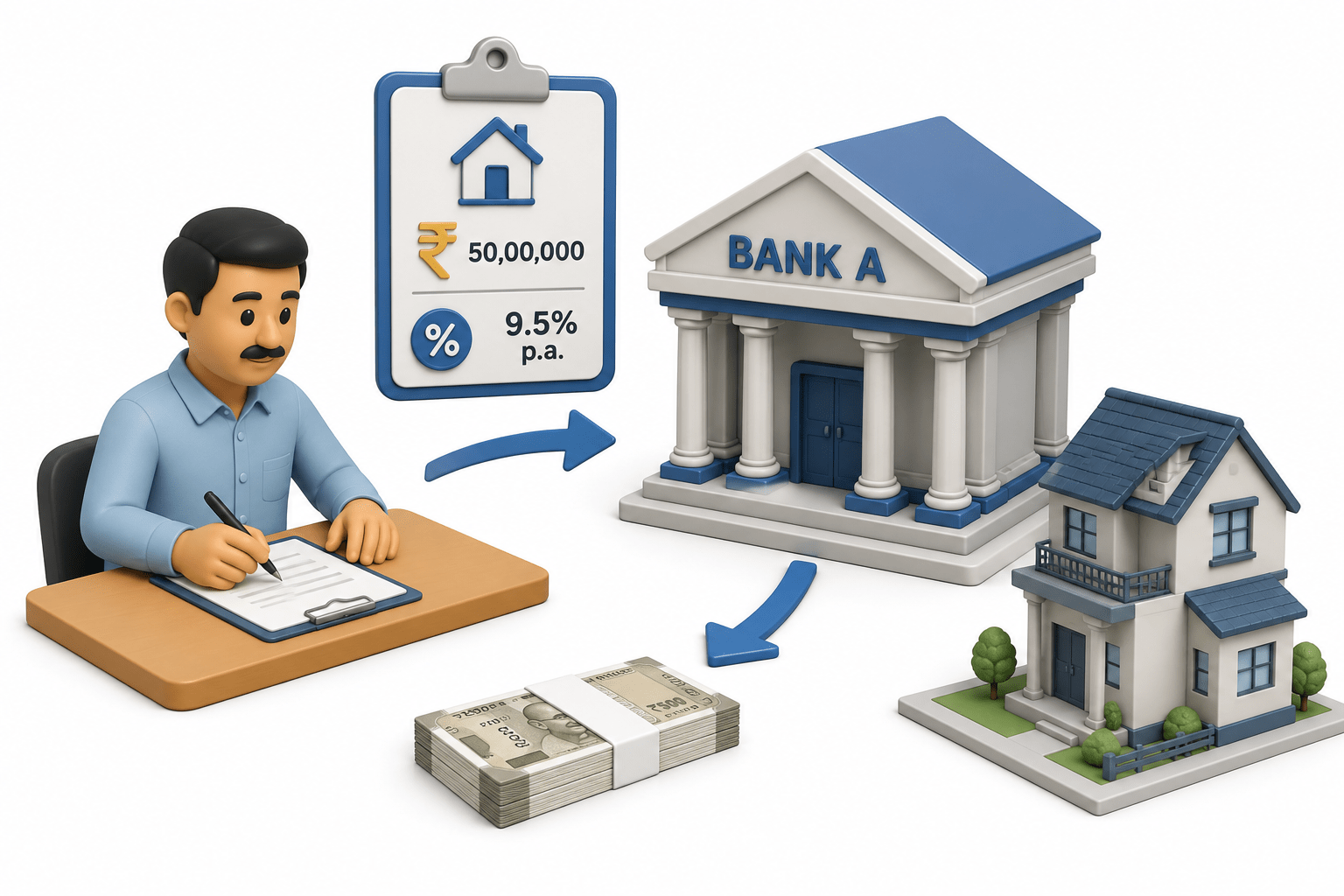
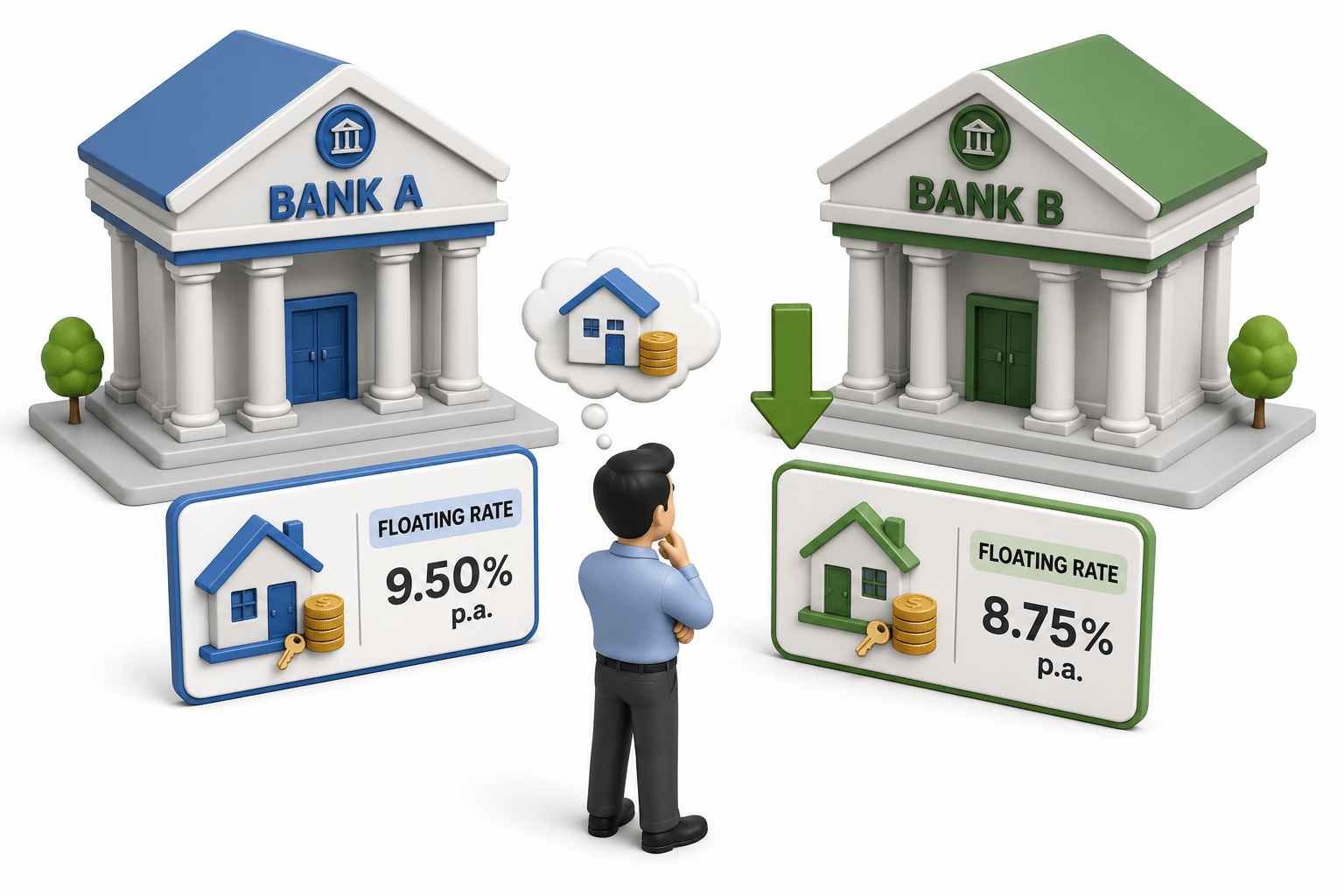
A customer, Ramesh, has taken a home loan of ₹50,00,000 from Bank A at a floating interest rate of 9.5% p.a.
Bank B is currently offering the same type of loan at a lower floating rate of 8.75% p.a.
Ramesh refinances his loan by transferring it from Bank A to Bank B at a lower interest rate.
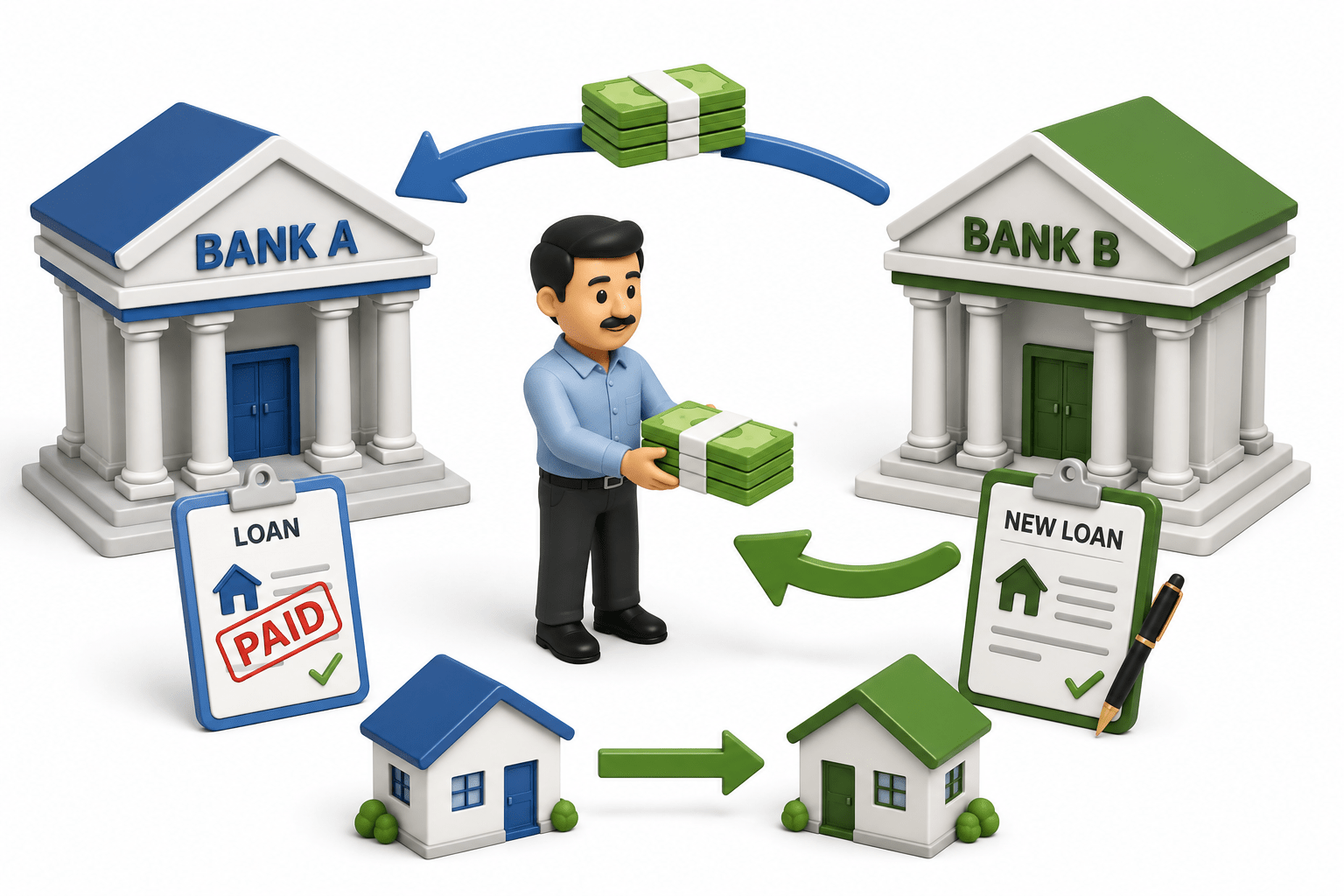
Benefits to Ramesh:
Lower EMI due to the reduced interest rate (9.5% → 8.75%)
Significant interest savings over the remaining loan tenure
Possible better terms (longer tenure, lower processing fees, top-up loan facility)
Improved overall debt servicing ability

Fixed Leg vs Floating Leg
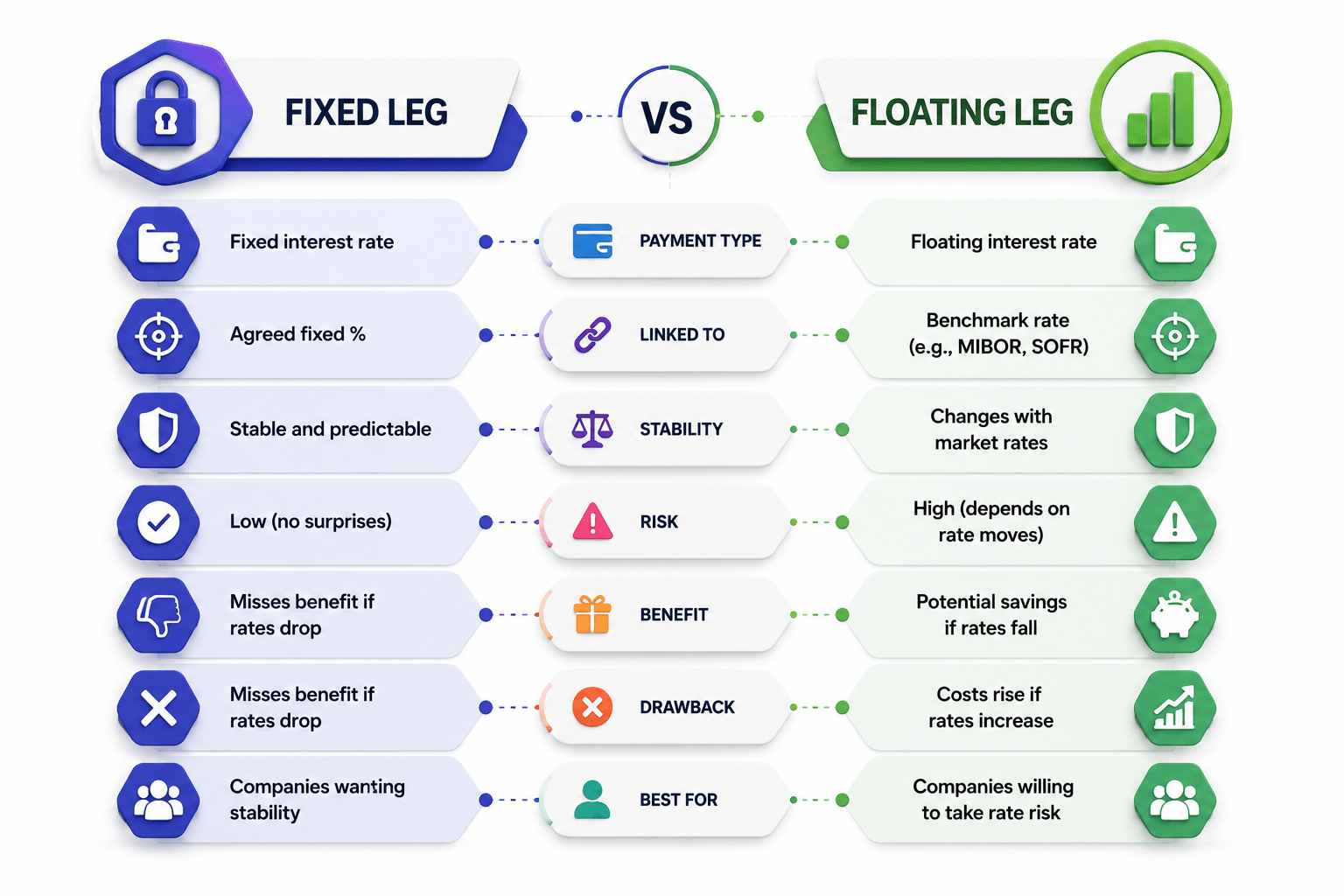
Benefits of Interest rate swap
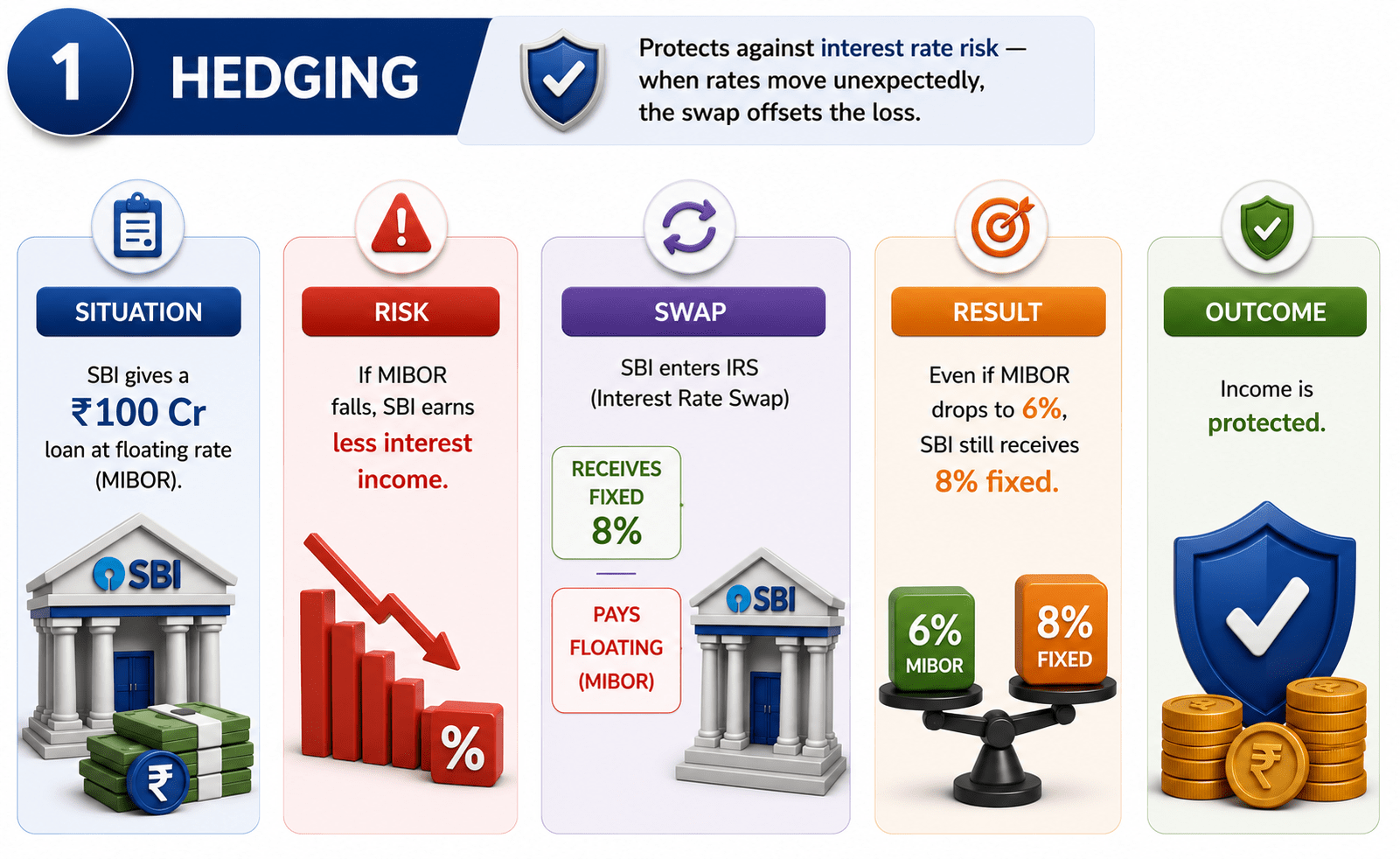
Hedging
Hedging protects against interest rate risk — when rates move unexpectedly, the swap offsets the loss.


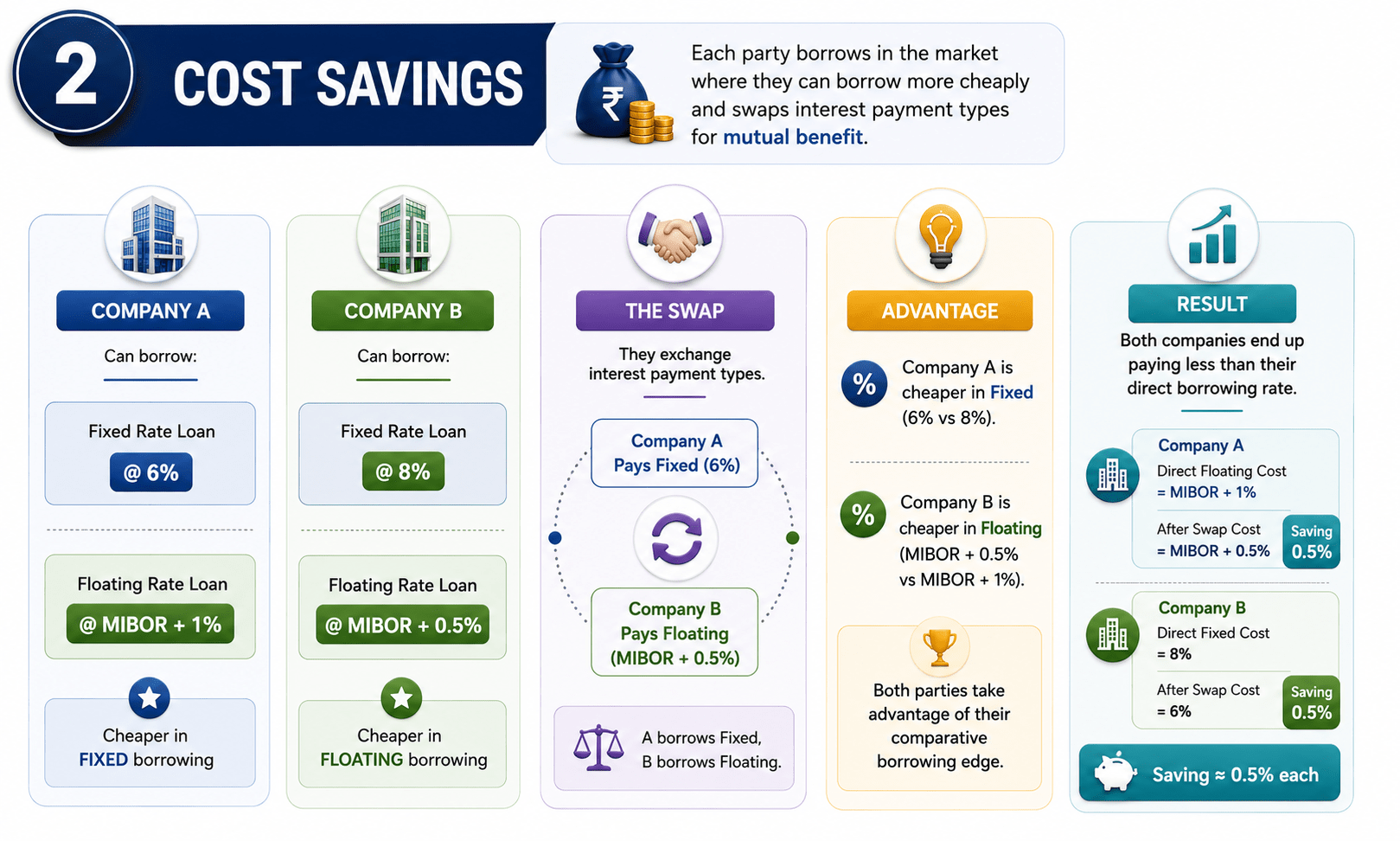
Cost savings
Cost savings arise when each party borrows where it has a cost advantage and then swaps interest payments to reduce overall borrowing costs.

Summary
5
Build strong branding
4
Use different marketing channels
3
Target the right audience
2
Create and communicate value
1
Understand customer needs
Quiz
Which platform is mainly used for professional networking and B2B marketing ?
A. Facebook
B. Instagram
C. LinkedIn
D. Snapchat

Quiz-Answer
Which platform is mainly used for professional networking and B2B marketing ?
A. Facebook
B. Instagram
C. LinkedIn
D. Snapchat