
































Content ITV PRO
This is Itvedant Content department
Learning Outcome
6
Compute skewness using Python
5
Interpret positive and negative skew
4
Define skewness mathematically and conceptually
3
Understand symmetry in distributions
2
Explain the bell-curve concept
1
Define a statistical distribution
Statistical concepts to Recall
Mean, Median, Mode
measure of central tendency
Standard Deviation
measures the spread of data
Variance
Average of squared deviations from the mean
Concept of outliers
Understanding and identifying data points that differ significantly from the rest
Hook/Story/Analogy(Slide 4)
Transition from Analogy to Technical Concept(Slide 5)
What is a Distribution?
A distribution describes how data values are arranged across possible outcomes.
Instead of looking at individual numbers, we look at:
Example:
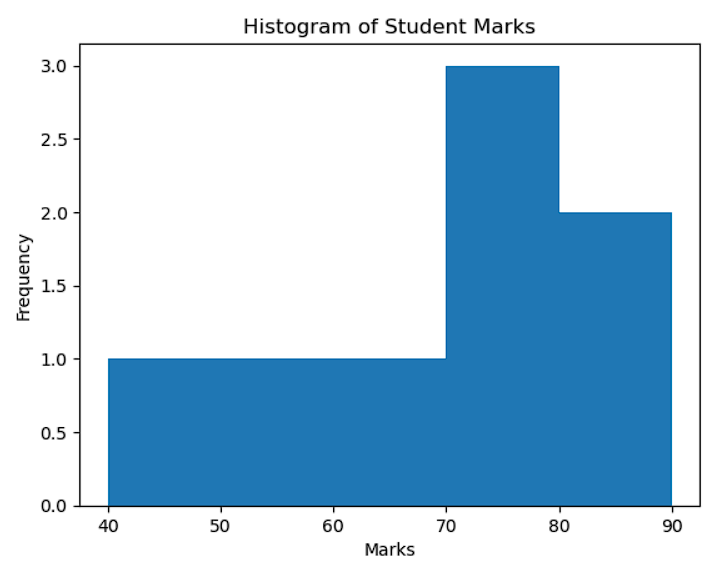
Marks: 40, 55, 60, 70, 70, 75, 80, 90
If we draw these in a histogram (bar graph), we don’t just see numbers — we see a pattern.
📍 Many students scored around 70–80 → values are clustered in the middle
This overall pattern is called the distribution.
📍 Most marks are between 60 and 80
📍 Very few students scored very low (40) or very high (90)
From this, we can understand:
Distribution Helps Us Answer:
The Bell Curve (Normal Distribution as Baseline)
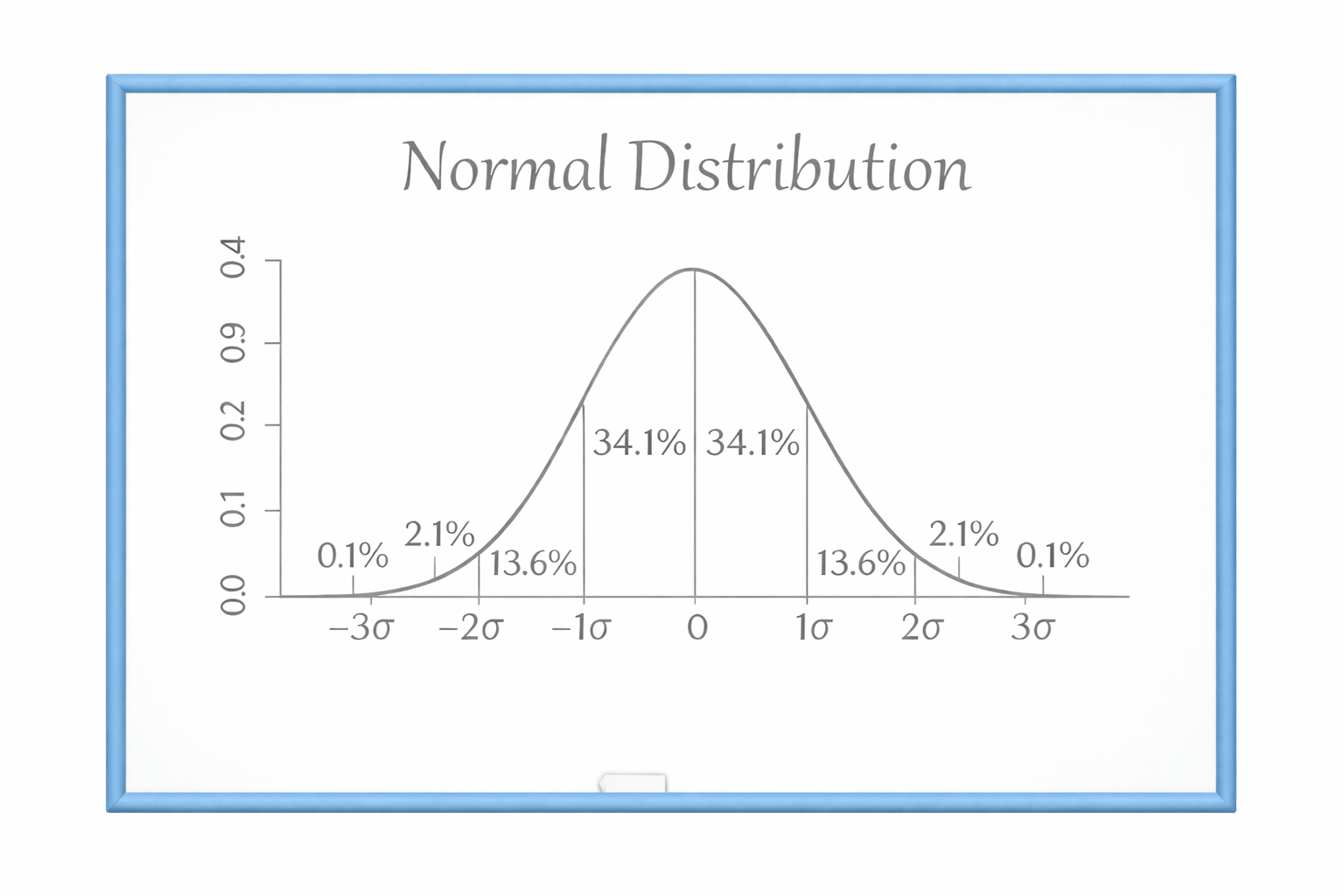
The Normal Distribution is the most common and important distribution in statistics.
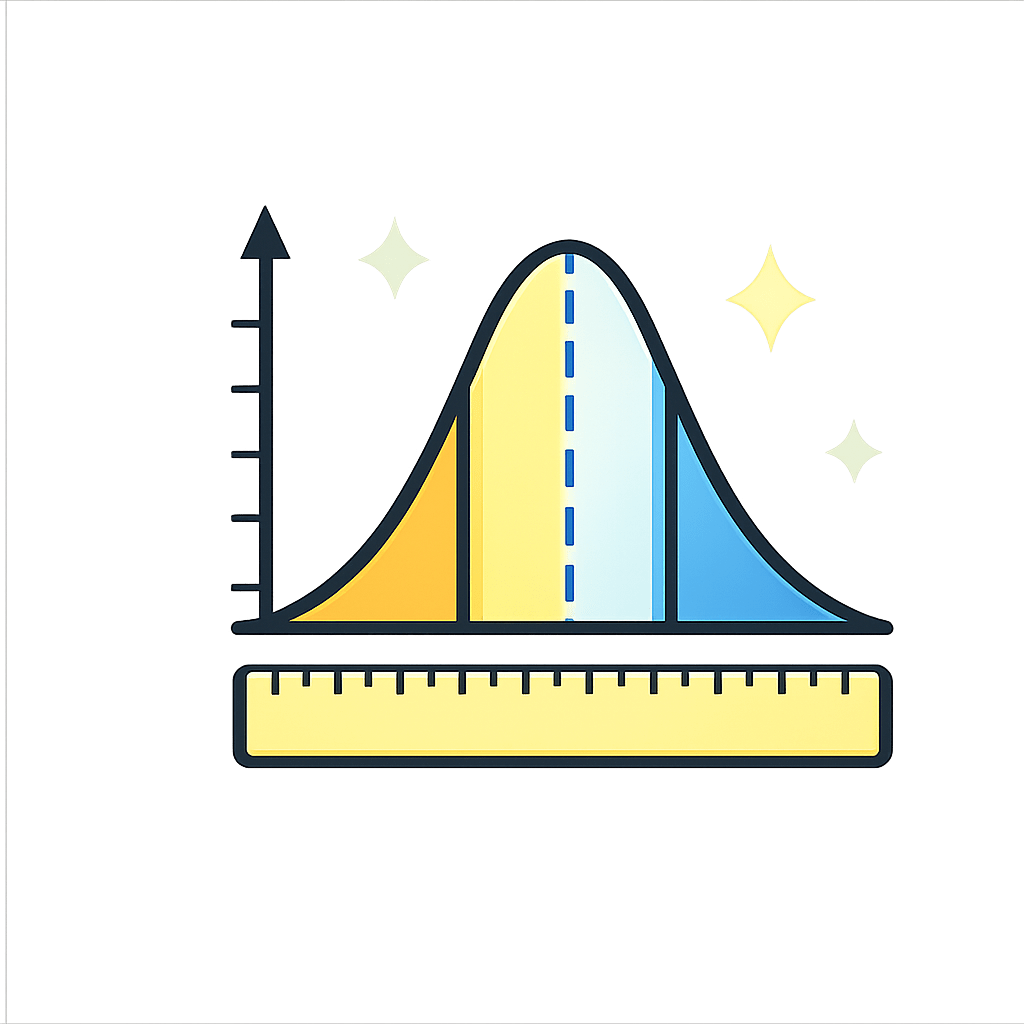
It is often called the Bell Curve because of its shape.
Why is it called a Bell Curve?
It looks like a bell:
High in the middle
Low on both sides
Perfectly balanced
Bell-Shaped
The graph rises in the middle and falls smoothly on both sides.
Perfectly Symmetric
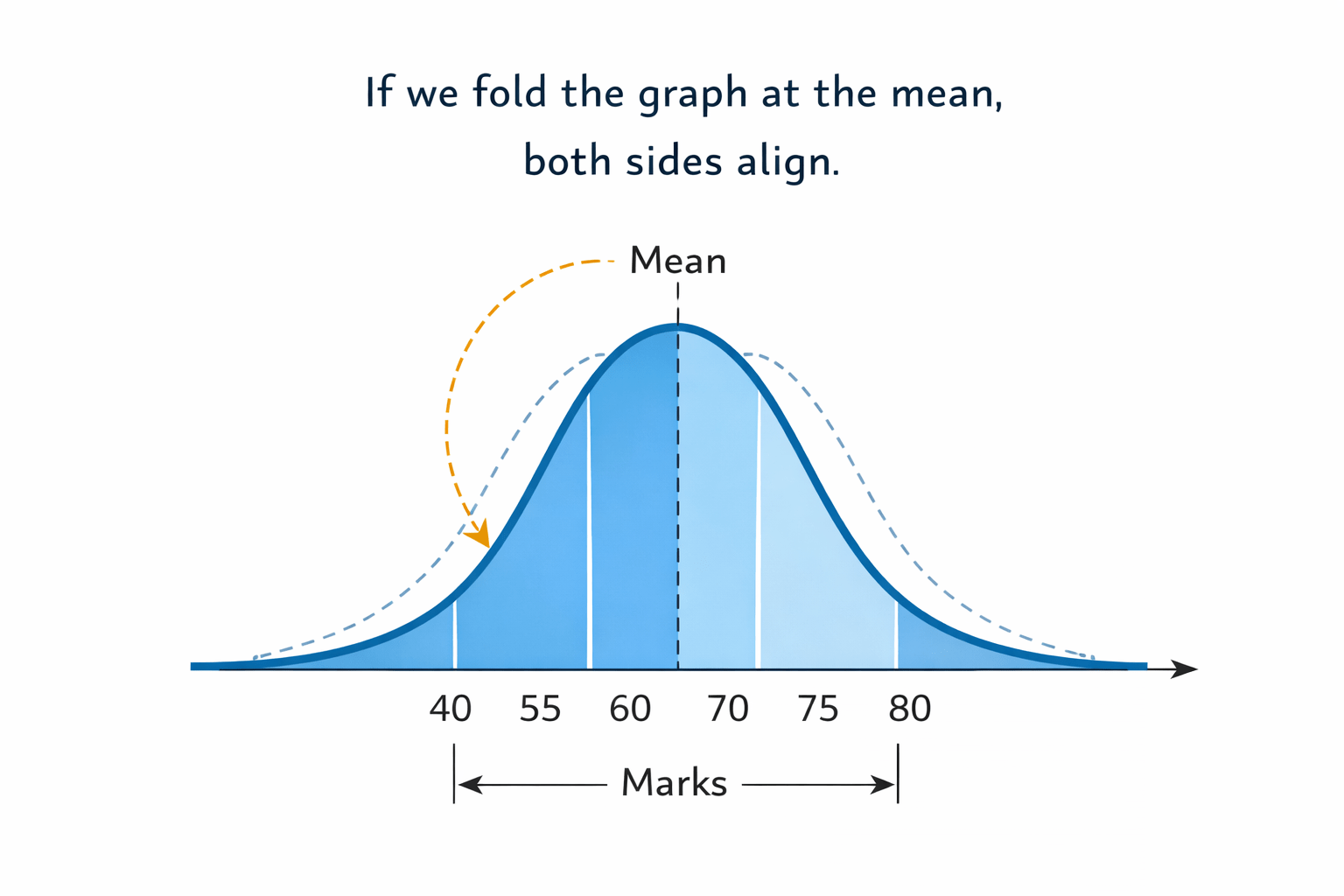
Left side = Right side
If you fold it in half, both sides match.
Mean = Median = Mode
All three are exactly at the center.
Defined by Only Two Things
Mean (μ)
Standard deviation (σ)
Conceptually :
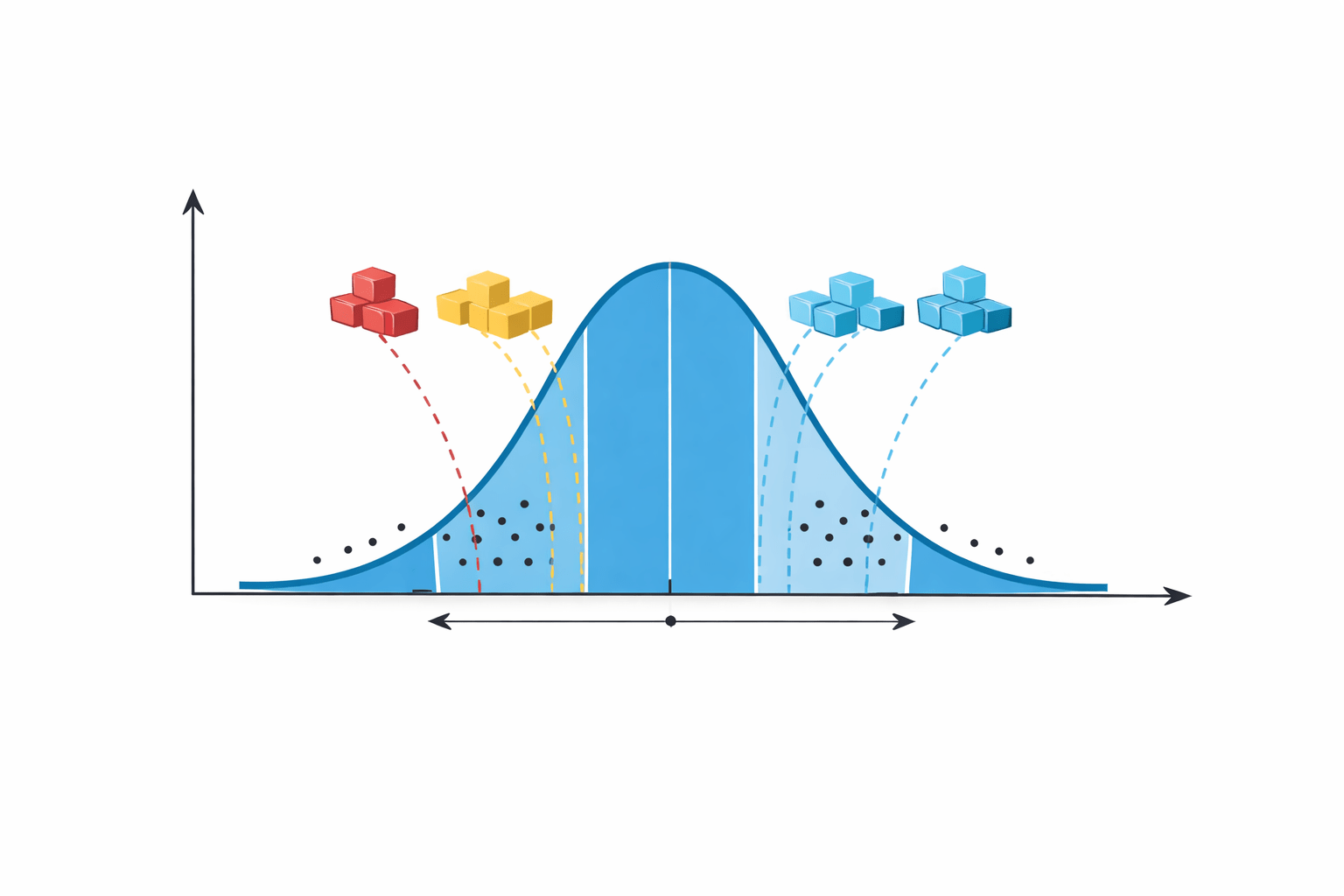
Probability decreases smoothly as we move away
Tails approach zero but never touch it
Mathematically, its probability density function is:
f(x) = (1 / (σ√2π)) e^(-(x-μ)² / (2σ²))
Normal distribution acts as the benchmark for symmetry.
Symmetry in Distribution
A distribution is symmetric if:
Left half mirrors the right half around the mean.
In symmetric distributions:
Mean = Median = Mode
If we fold the graph at the mean, both sides align.
Skewness measures departure from this symmetry.
What is Skewness?
Skewness tells us whether data is tilted to one side.
It measures:
Degree of asymmetry
Mathematical Formula (Population Skewness):
Skewness = E[(X − μ)³] / σ³
Why cube (³)?
Cubing preserves sign
If deviations on one side dominate,
the cube amplifies that direction.
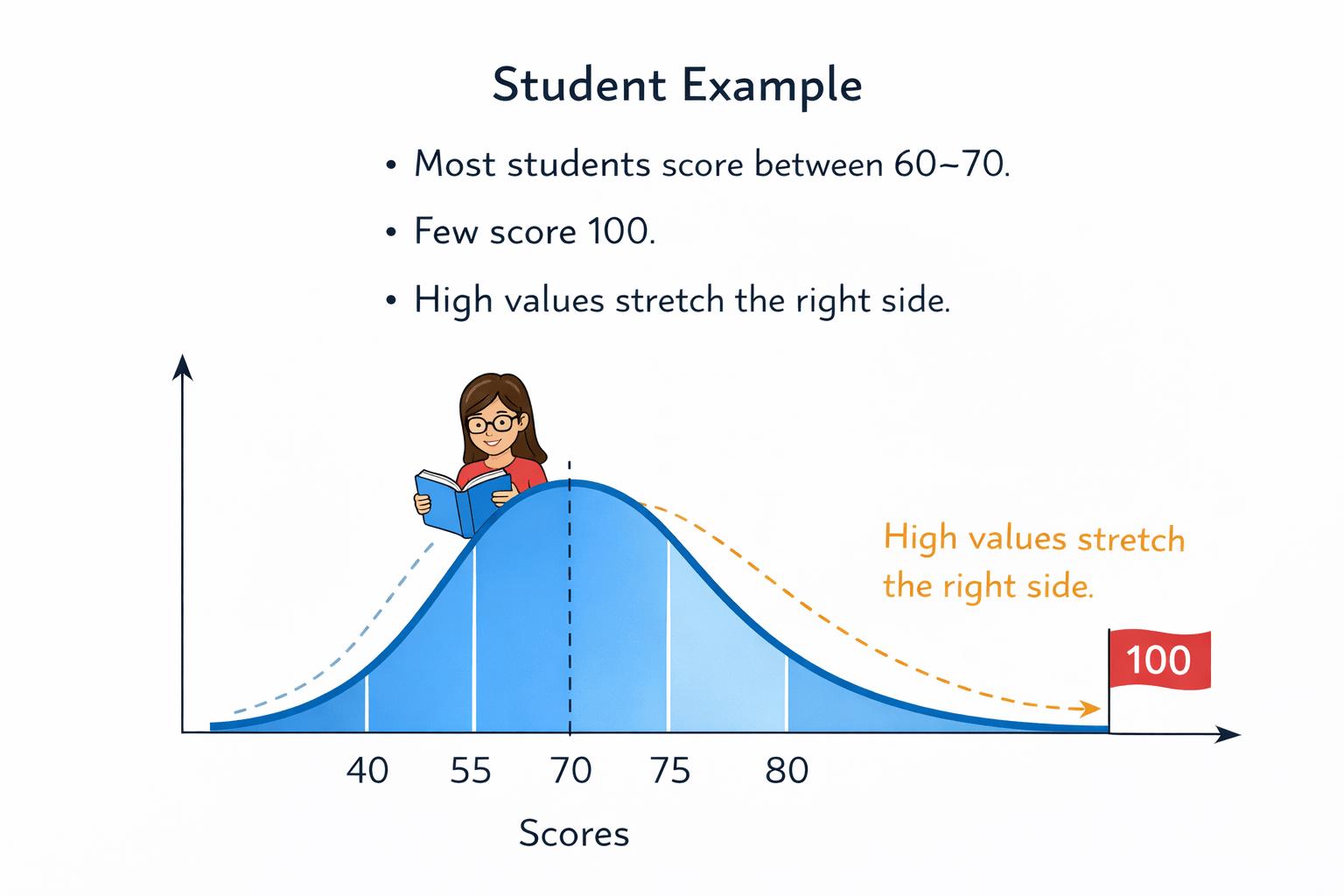
Positive Skewness (Right-Skewed Distribution)
Right tail is longer.
Extreme values exist on the higher side.
Student Example
Most students score between 60–70.
Statistical Property
Mean > Median > Mode
Reason:
Interpretation
Positive skew suggests:
import numpy as np
from scipy.stats import skew

data = np.array([60, 65, 70, 68, 67, 100])

print("Skewness:", skew(data))

# If result > 0 → Positive skew.
Python Example
OUTPUT
Skewness:

1.553857733074746
Negative Skewness (Left-Skewed Distribution)
Left tail is longer.
Extreme low values dominate.
Student Example
Most students score between 70–80.
Statistical Property
Mean < Median < Mode
Reason:
Low values pull mean downward.
Python Example
import numpy as np
from scipy.stats import skew

data = np.array([70, 75, 80, 78, 76, 20])

print("Skewness:", skew(data))

# If result < 0 → Negative skew.
OUTPUT
Skewness:
-1.7052408586537422
Interpreting Skewness Values
Skewness ≈ 0 → Symmetric
Data is balanced.
Left side ≈ Right side.
Mean ≈ Median ≈ Mode.
No tilt.
Mild asymmetry.
0.5 < |skew| < 1 → Moderately Skewed
Data is slightly tilted.
One side is longer than the other.
Not extreme, but noticeable.
|skew| > 1 → Highly Skewed
Strong tilt.
One tail is much longer.
Extreme values are pulling the data heavily to one side.
Strong asymmetry.
What is Kurtosis?
Skewness measures tilt.
Kurtosis measures tail heaviness and extremity.
It tells us:
Mathematical Formula :
Kurtosis = E[(X − μ)⁴] / σ⁴
Why fourth power?
Fourth power exaggerates extreme values strongly.
Large deviations increase kurtosis dramatically.
Types of Kurtosis
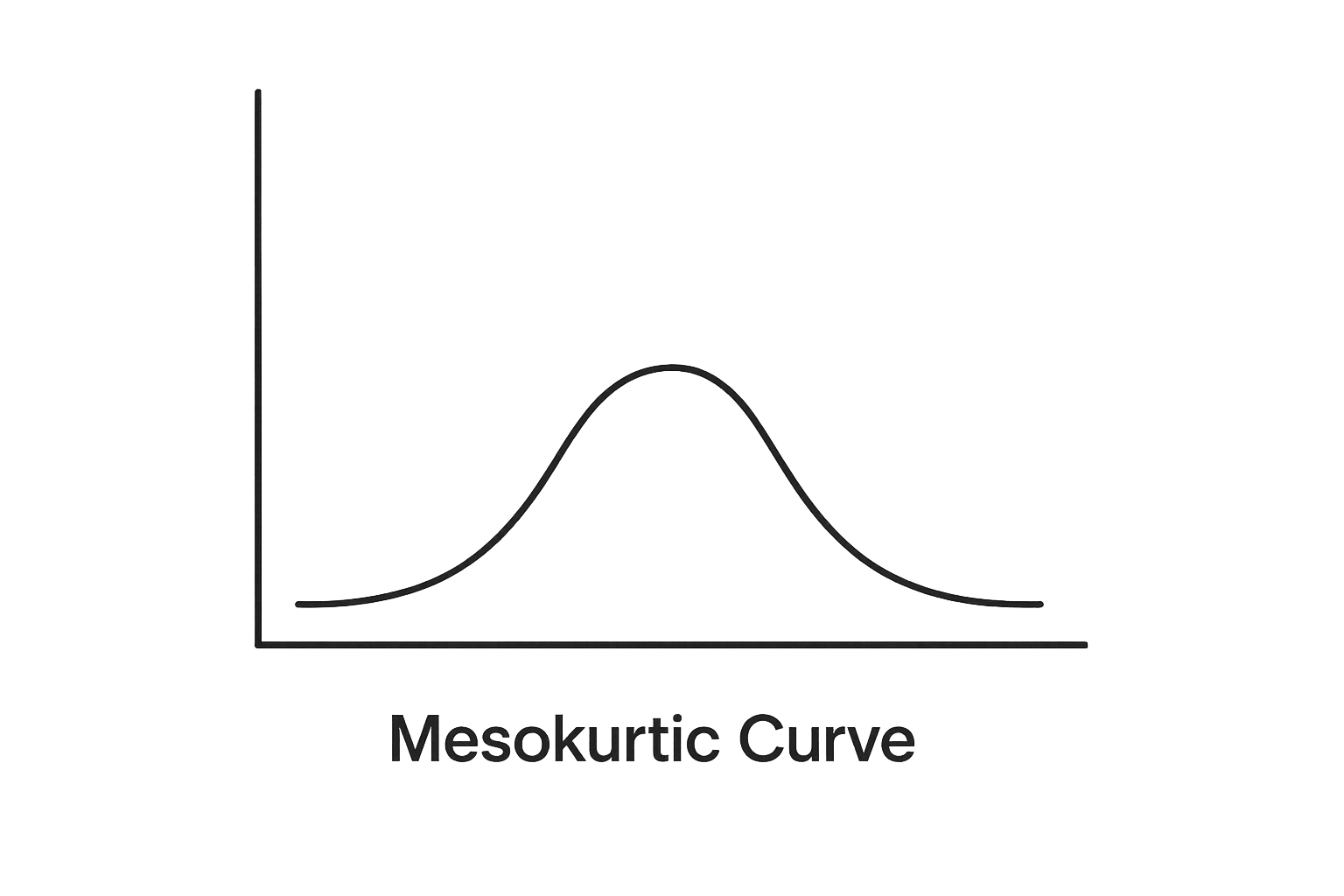
(A) Mesokurtic
Mesokurtic means the distribution has normal (medium) tails.
It is the same kurtosis as a normal distribution.
Key Points
Normal distribution
Moderate tails (not too heavy, not too light)
Extreme values are neither too many nor too few
Excess kurtosis = 0
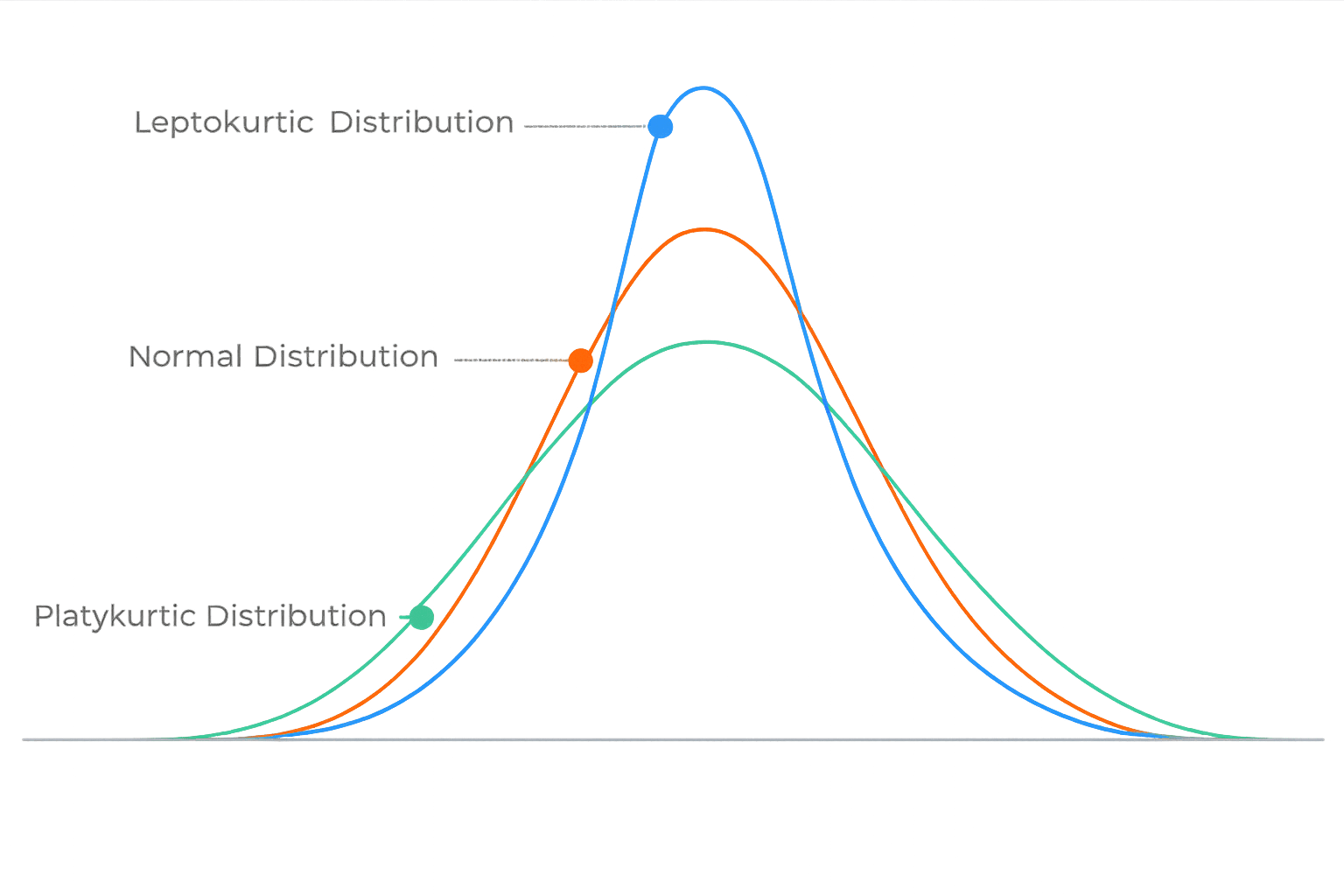
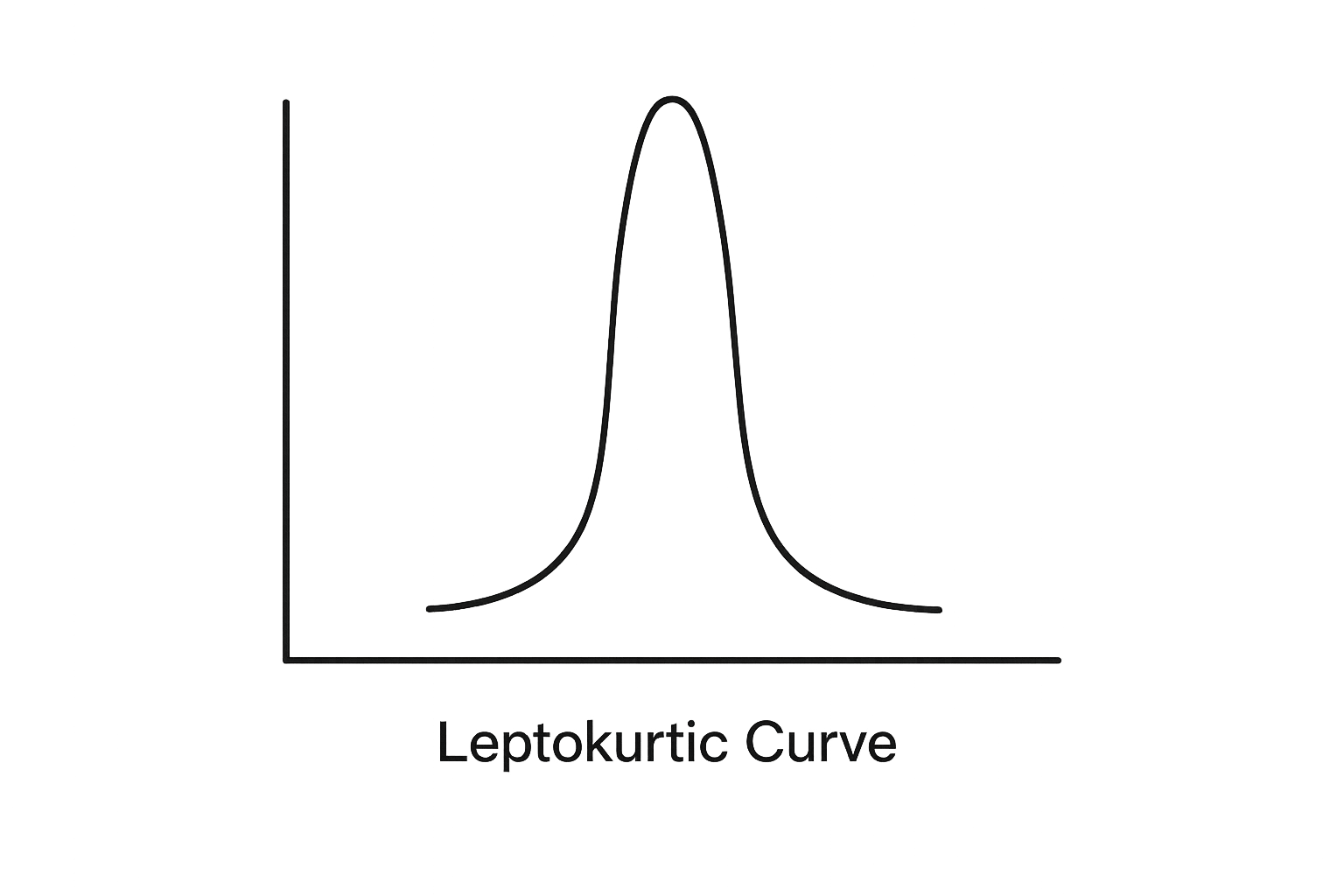
(B) Leptokurtic (High Kurtosis)
Leptokurtic means the distribution has heavy tails.
Key Characteristics :
Heavy tails
More extreme values
Higher peak
Interpretation:
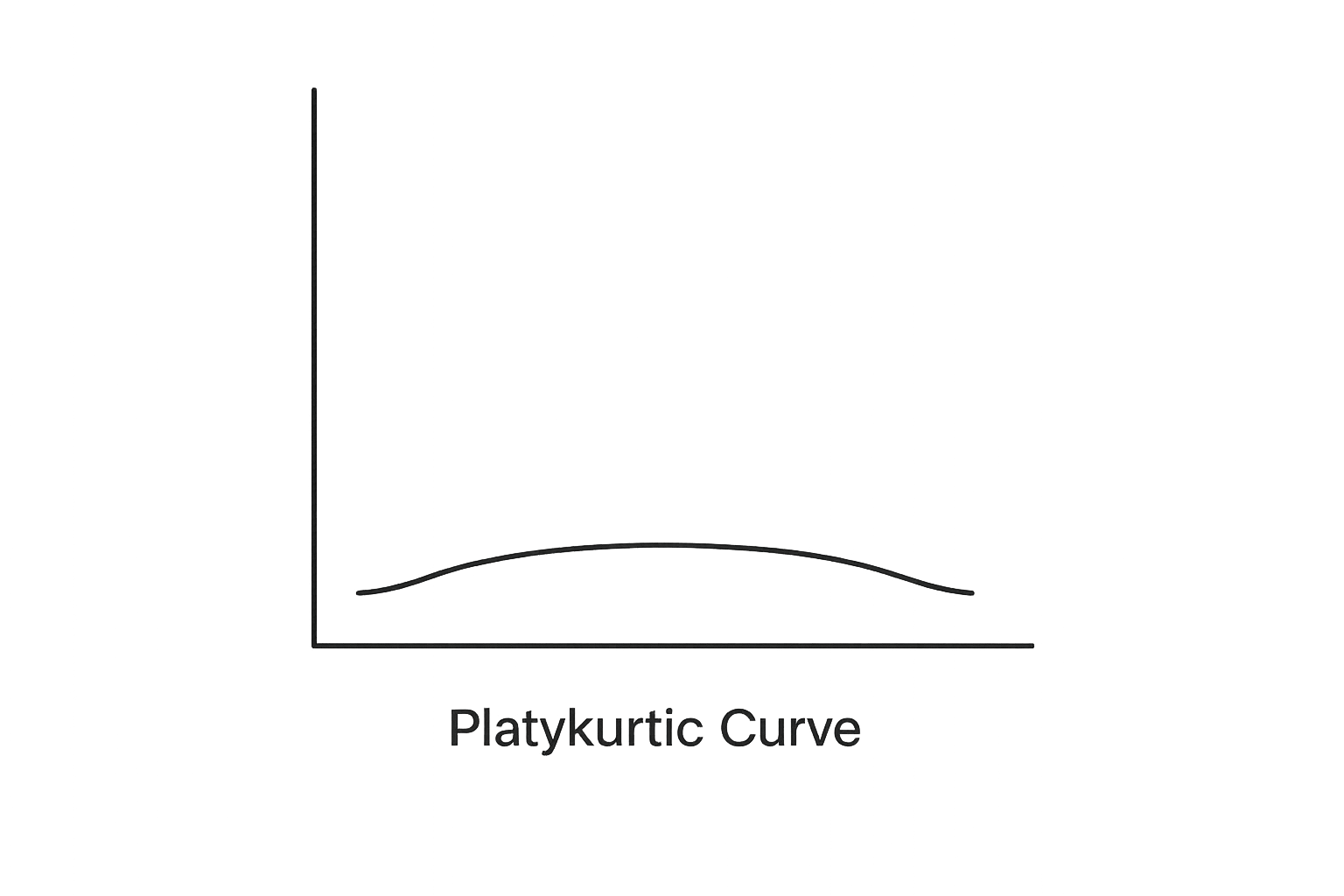
(C) Platykurtic (Low Kurtosis)
Platykurtic means the distribution has thin tails.
Key Characteristics :
Thin tails
Fewer extreme values
Flatter peak
Interpretation:
Excess Kurtosis
Most software reports:
Excess Kurtosis = Kurtosis − 3
Why subtract 3?
Because normal distribution has kurtosis = 3.
So:
Python Example
import numpy as np
from scipy.stats import kurtosis

data = np.array([60, 65, 70, 68, 67, 100])

print("Excess Kurtosis:", kurtosis(data))
OUTPUT
Excess Kurtosis: 0.8286025196163282
Why Shape Matters in Analysis?
Many statistical methods assume normal distribution.
Shape affects:
Reliability of mean
Risk estimation
Confidence intervals
Hypothesis testing
Machine learning models
1
2
3
4
5
If data is skewed or heavy-tailed:
Mean may mislead
Standard deviation may underrepresent risk
Transformations may be required
Why This Integration Matters
When analyzing real-world data, a structured approach improves accuracy:
Find the center → Understand typical behavior
Measure spread → Understand stability
Examine relationships → Understand interactions
Check skewness → Validate symmetry assumption
Check kurtosis → Evaluate risk of extremes
Only after all five steps can we confidently:
Build predictive models
Perform hypothesis testing
Make financial or business decisions
Train machine learning models
Ignoring any of these layers can lead to:
Summary
5
Build strong branding
4
Use different marketing channels
3
Target the right audience
2
Create and communicate value
1
Understand customer needs
Choose cool, soft colors instead of vibrant colors
Max 5 Points for Summary & Min 2
Quiz
Which platform is mainly used for professional networking and B2B marketing ?
A. Facebook
B. Instagram
C. LinkedIn
D. Snapchat
Quiz-Answer
Which platform is mainly used for professional networking and B2B marketing ?
A. Facebook
B. Instagram
C. LinkedIn
D. Snapchat
By Content ITV