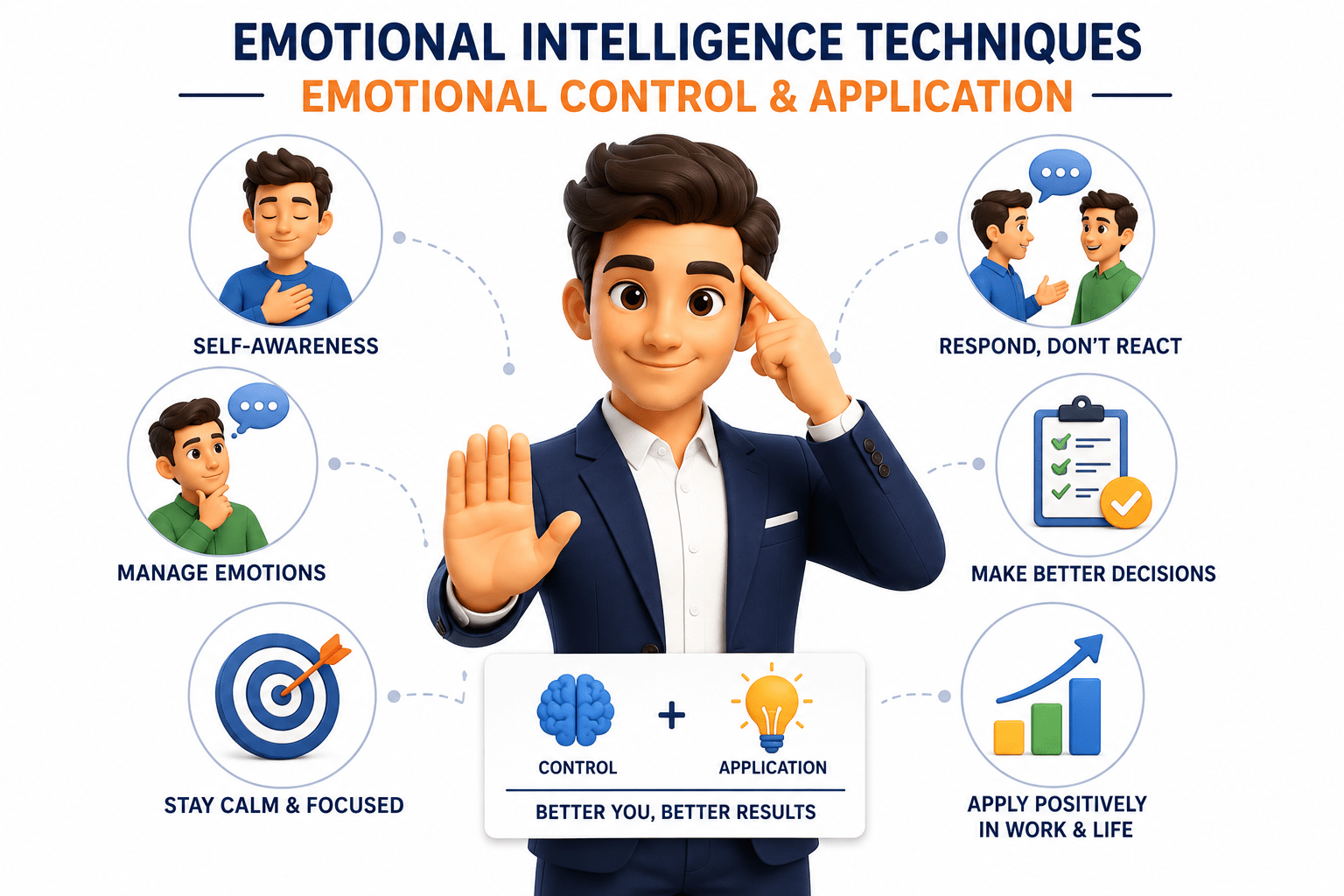
Emotional Intelligence Techiques


Emotional Control & Application


Learning Outcome
5
Apply emotional control in interviews and workplaces
4
Respond positively during conflicts or criticism
3
Stay calm under pressure
2
Practice self-control in stressful situations
1
Understand emotional regulation techniques
In the last session, we understood the importance of Emotional Intelligence.
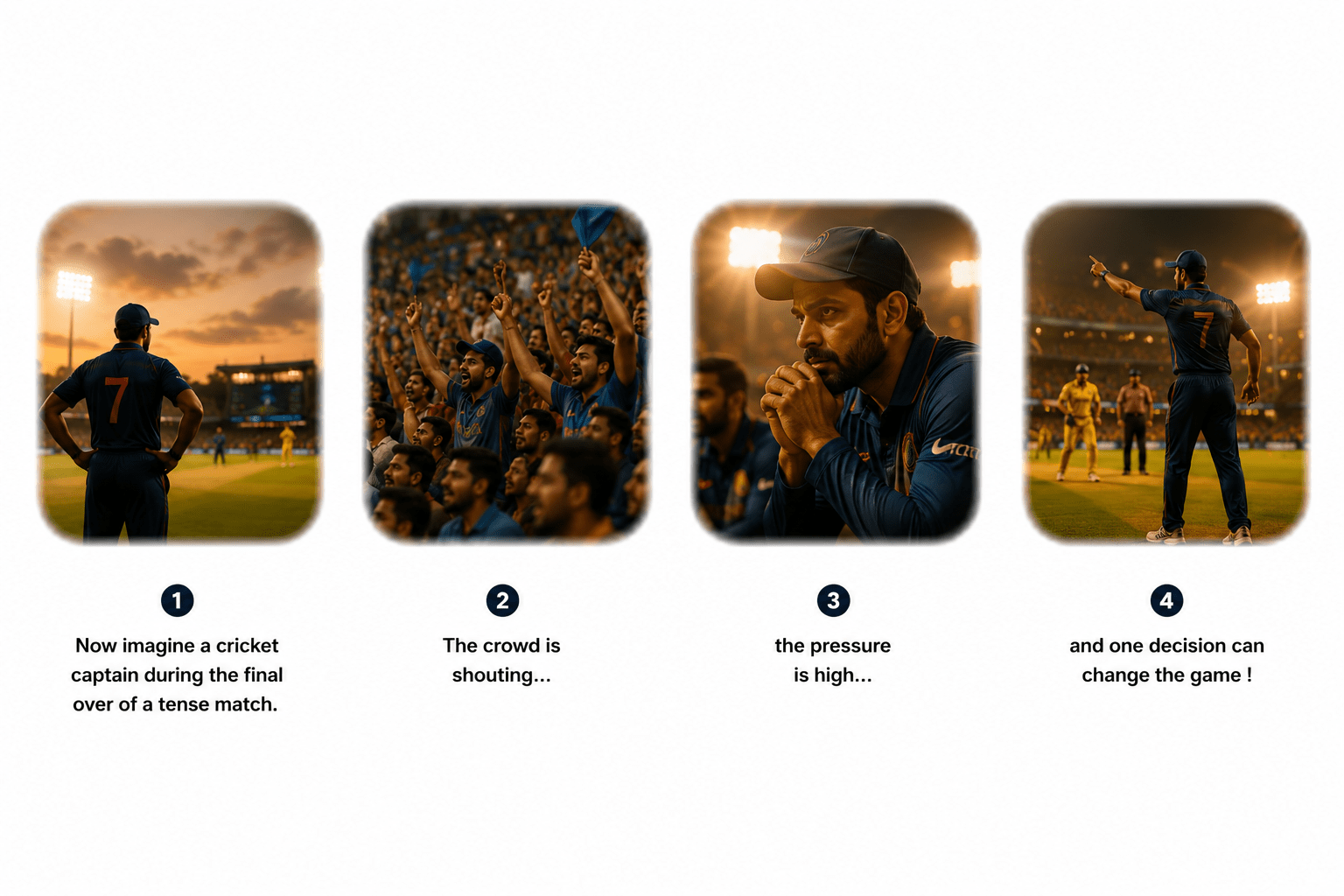
The crowd is shouting…
Now imagine a cricket captain during the final over of a tense match.
the pressure is high…
and one decision can change the game !
And that is where Emotional Control & Application becomes important
The biggest challenge is not the opponent outside…

but controlling emotions inside
Why Emotional Control Matters ?
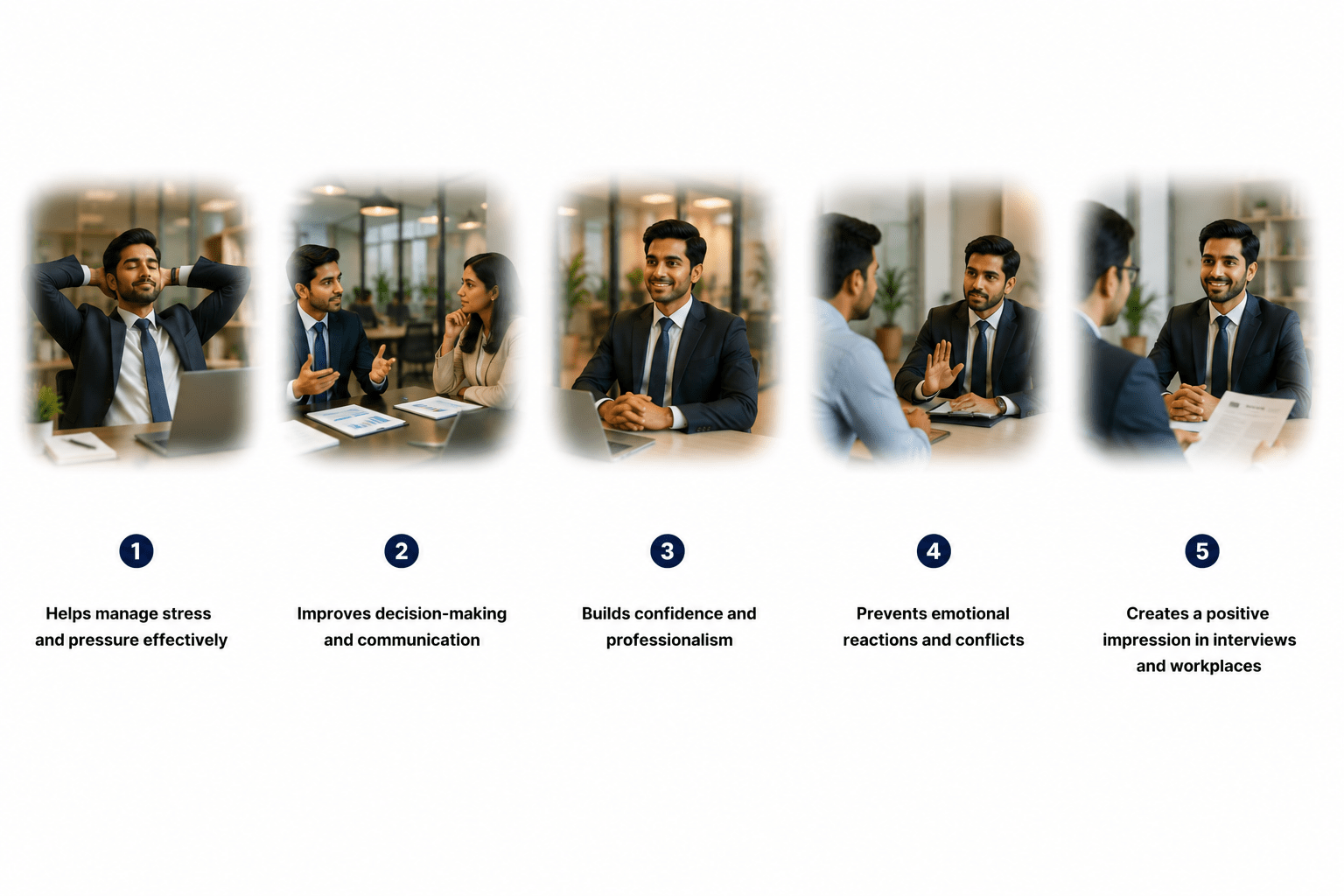
1.Helps manage stress and pressure effectively
2.Improves decision-making and communication
3.Builds confidence and professionalism
4.Prevents emotional reactions and conflicts
5.Creates a positive impression in interviews and workplaces
What is Emotional Regulation?
Emotional Regulation means controlling and managing emotions in a calm and positive way, especially during difficult situations.
Example:

Staying calm after receiving negative feedback instead of reacting emotionally.
What is Self-Control in Difficult Situations
Self-control is the ability to stay calm, think clearly, and respond wisely under pressure.
Difficult Situations Can Include:

1.Interviews
2.Criticism or feedback
3.Workplace conflicts
4.Stressful deadlines
5.Communication misunderstandings
How to Manage Emotions
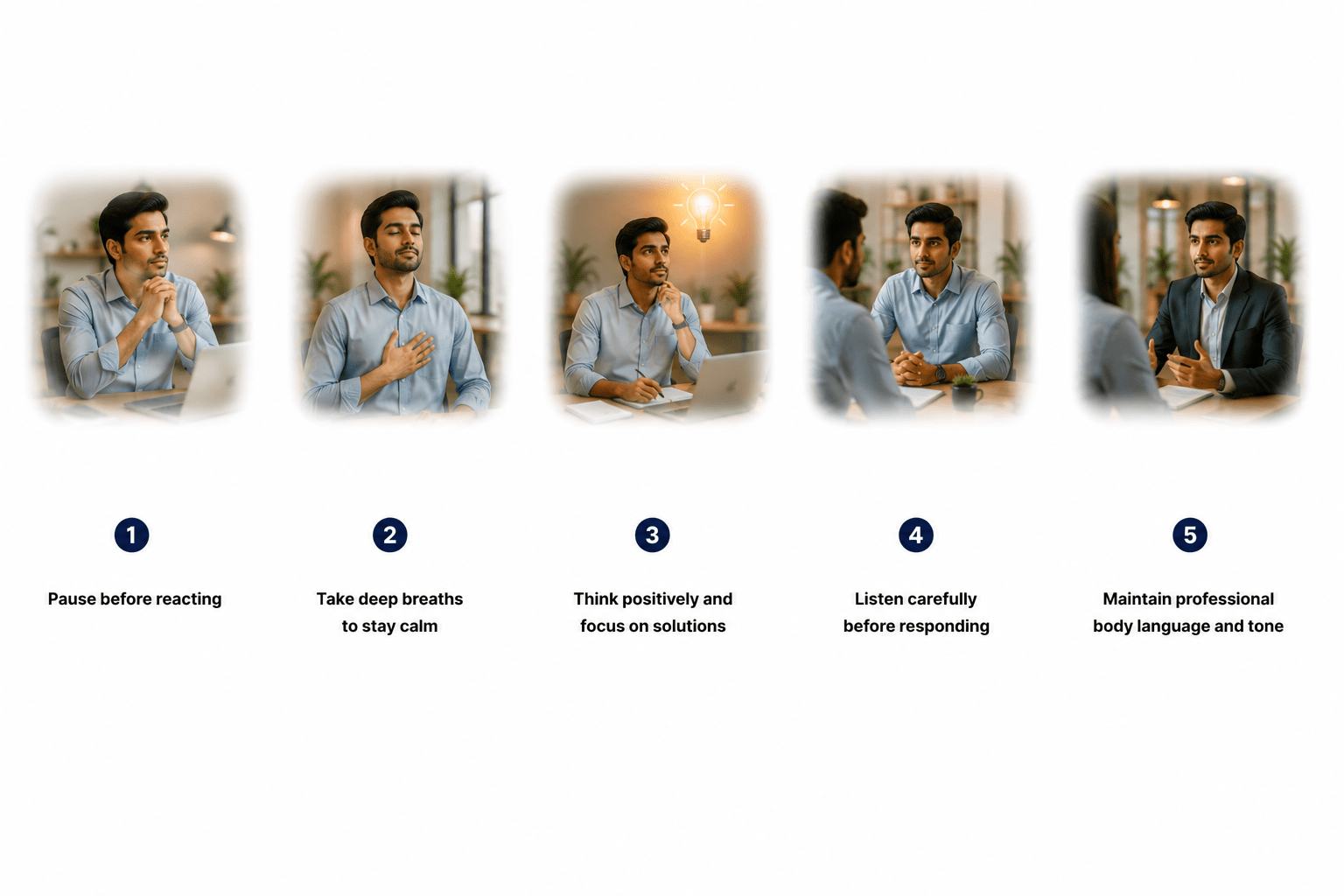
1.Pause before reacting
2.Take deep breaths to stay calm
3.Think positively and focus on solutions
4.Listen carefully before responding
5.Maintain professional body language and tone
How to Practice Emotional Control
Practice These Habits Daily:
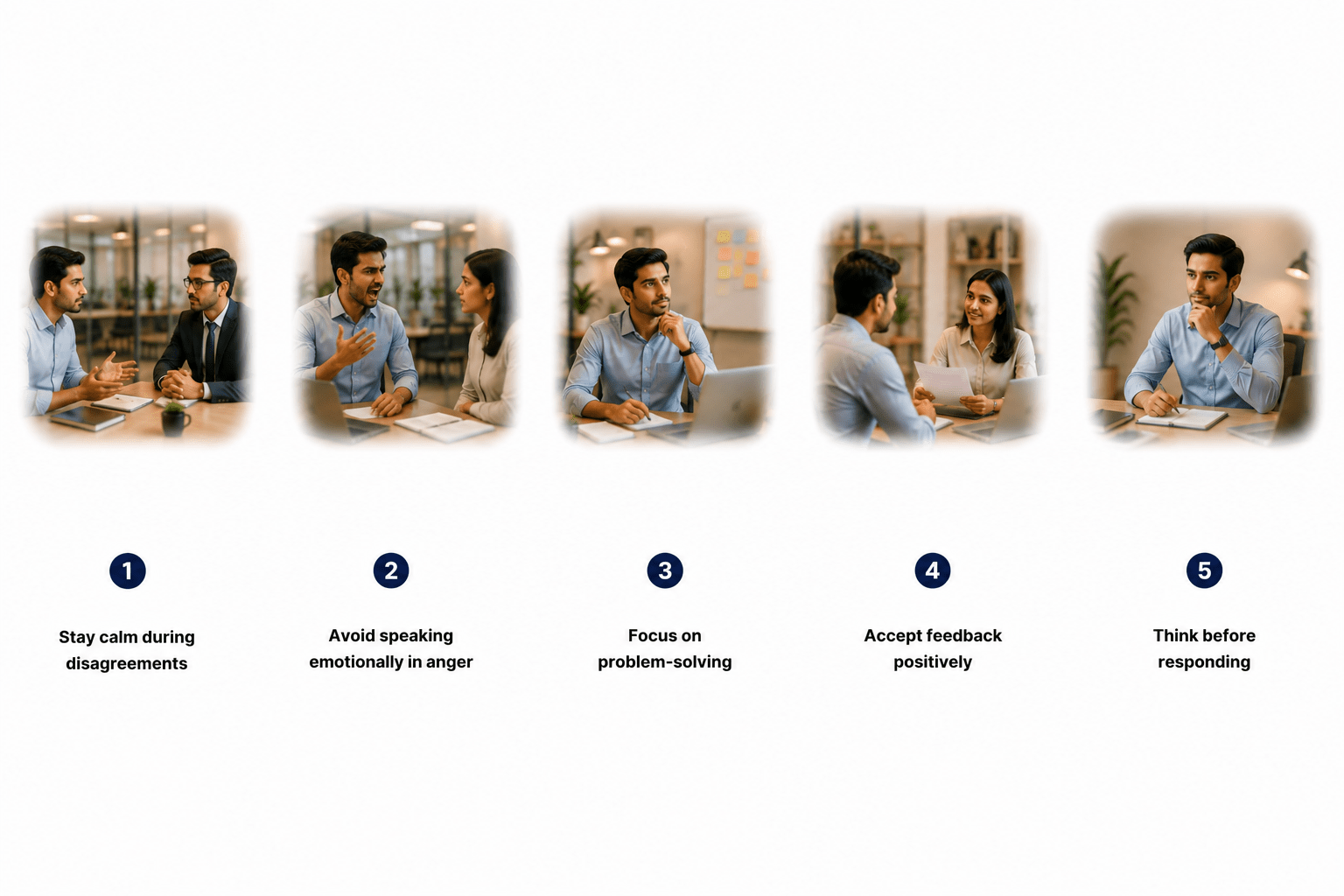
1.Stay calm during disagreements
2.Avoid speaking emotionally in anger
3.Focus on problem-solving
4.Accept feedback positively
5.Think before responding
Question for learners - Situation Challenge
How would you react if an interviewer criticized your answer?
Inclass Activities
Scenario Discussion Activity using padlet board
Link - https://padlet.com/
Worksheet Time - Emotional Intelligence – Role Play Scenarios
Guidelines -
-
Students analyze emotional workplace/interview situations
-
Share responses using Padlet response board
-
Discuss emotional reactions vs calm responses
-
Trainer guides learners toward professional handling techniques

Summary
5
Managing emotions is a key workplace skill
4
Emotional regulation supports professional success
3
Calm responses create better outcomes
2
Self-control improves confidence and communication
1
Emotional control helps handle pressure effectively
Quiz
How should criticism and feedback be handled?
A. Defensively
B. Emotionally
C. Positively and professionally
D. By ignoring it

Quiz-Answer
How should criticism and feedback be handled?
A. Defensively
B. Emotionally
C. Positively and professionally
D. By ignoring it