CICD on AWS


CICD using AWS

Learning Outcome
5
Differentiate Agile from traditional models
4
Understand the 12 Agile Principles
3
Describe the 4 values of the Agile Manifesto
2
Explain why Agile was introduced
1
Understand the concept of Agile methodology
The Nature of JavaScript Execution
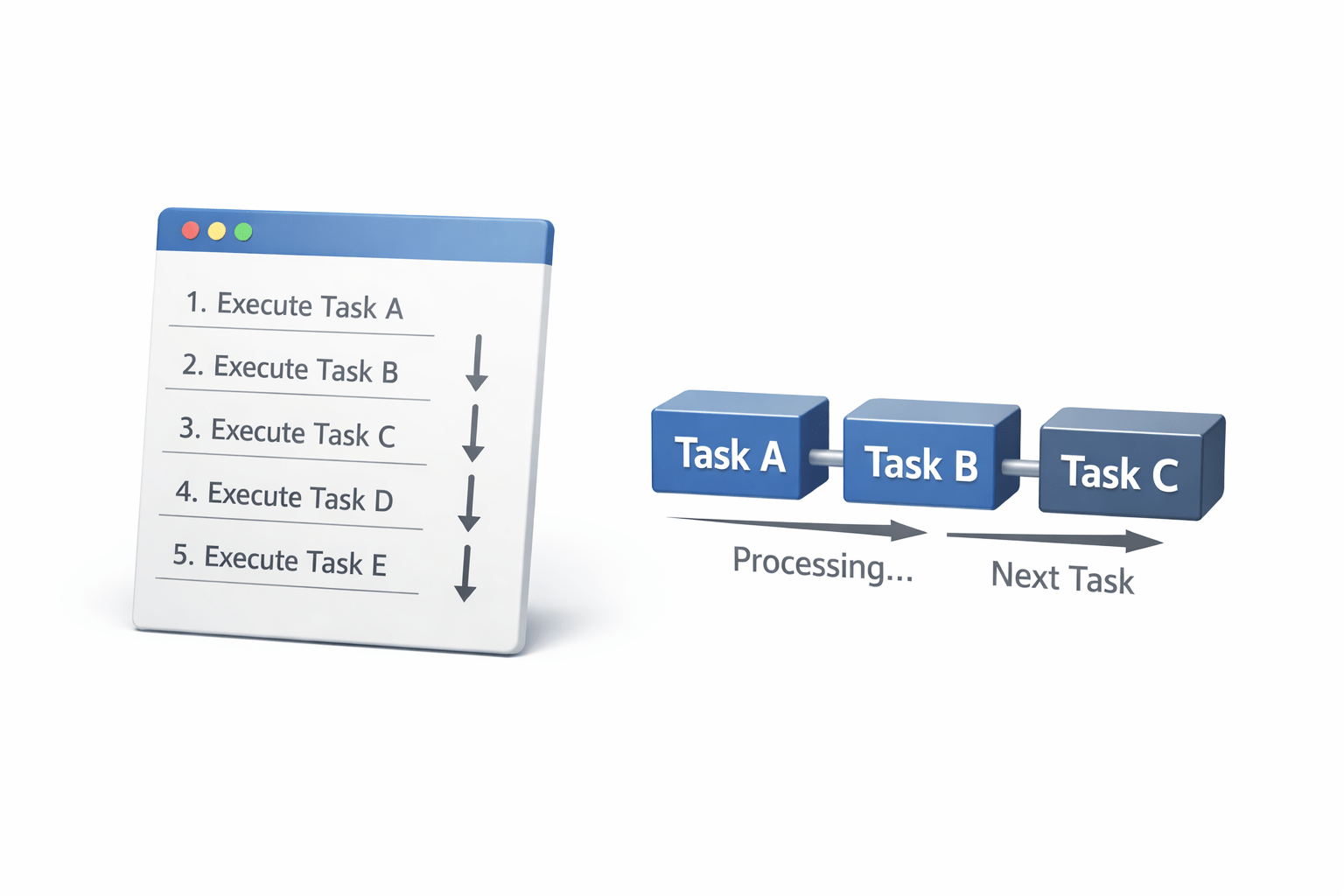
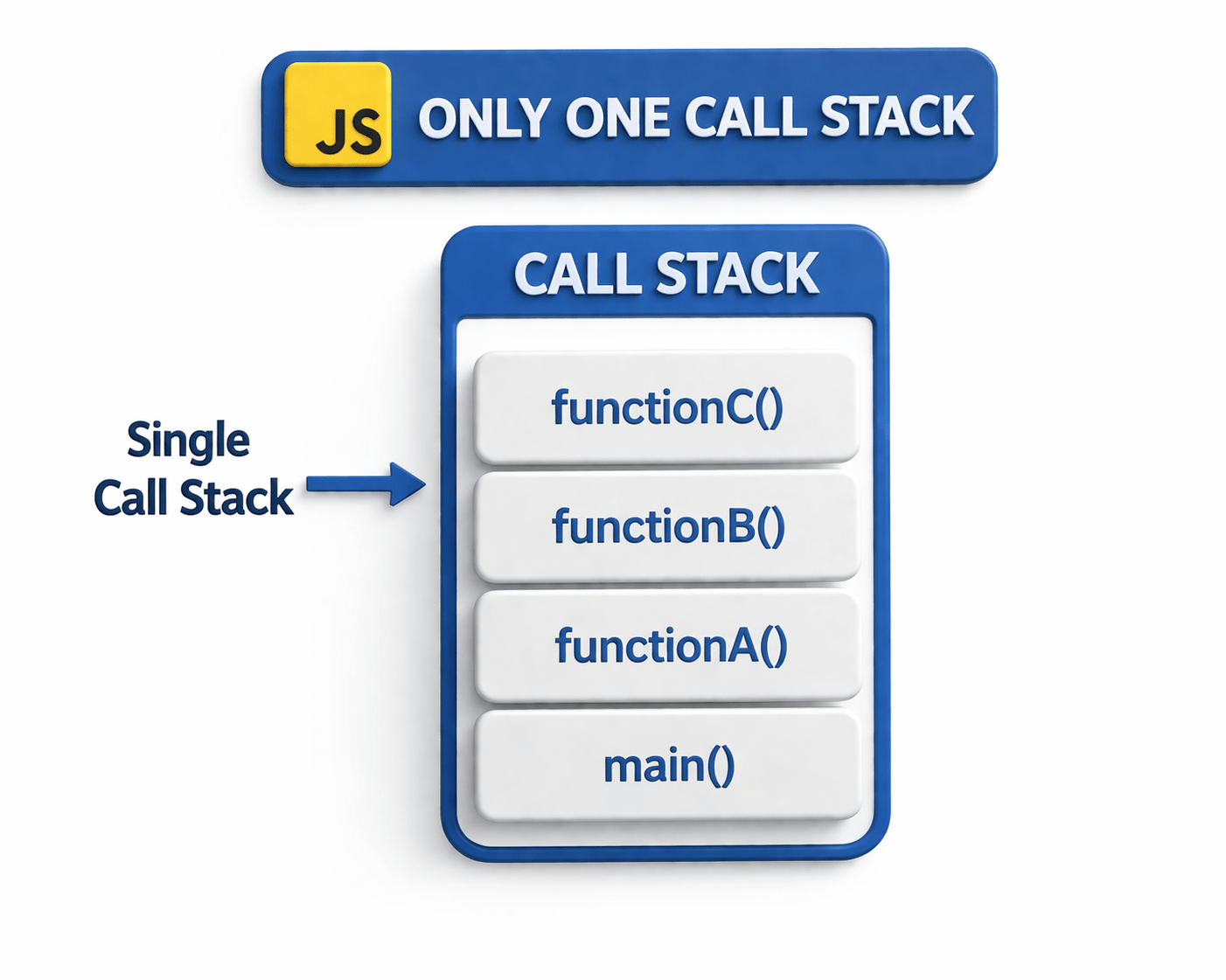

It has only one call stack
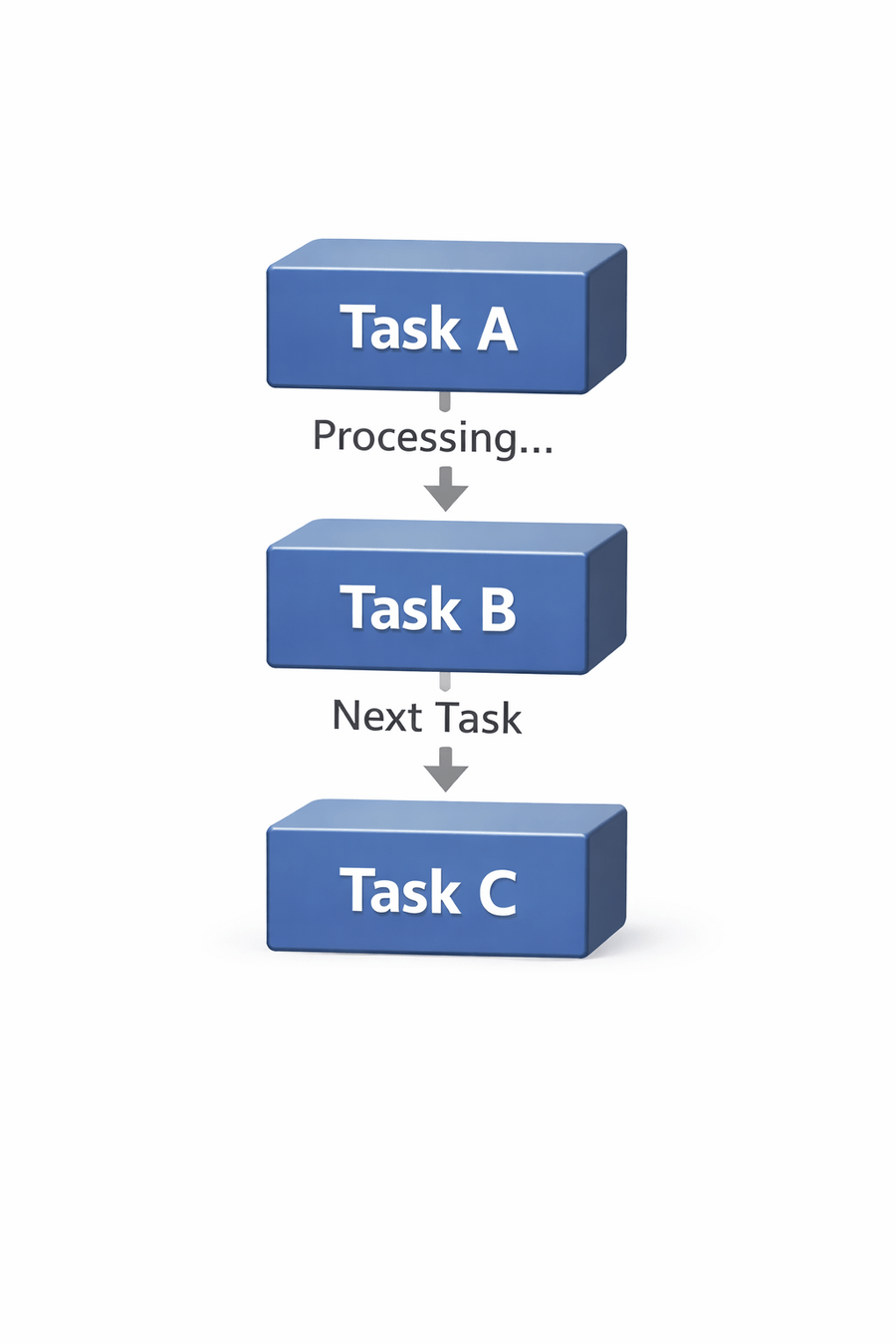
It executes code line by line
One task must complete before the next begins
console.log("Start");
console.log("Processing...");
console.log("End");
JavaScript is a single-threaded, synchronous language by default
This means:
Input:
Output:
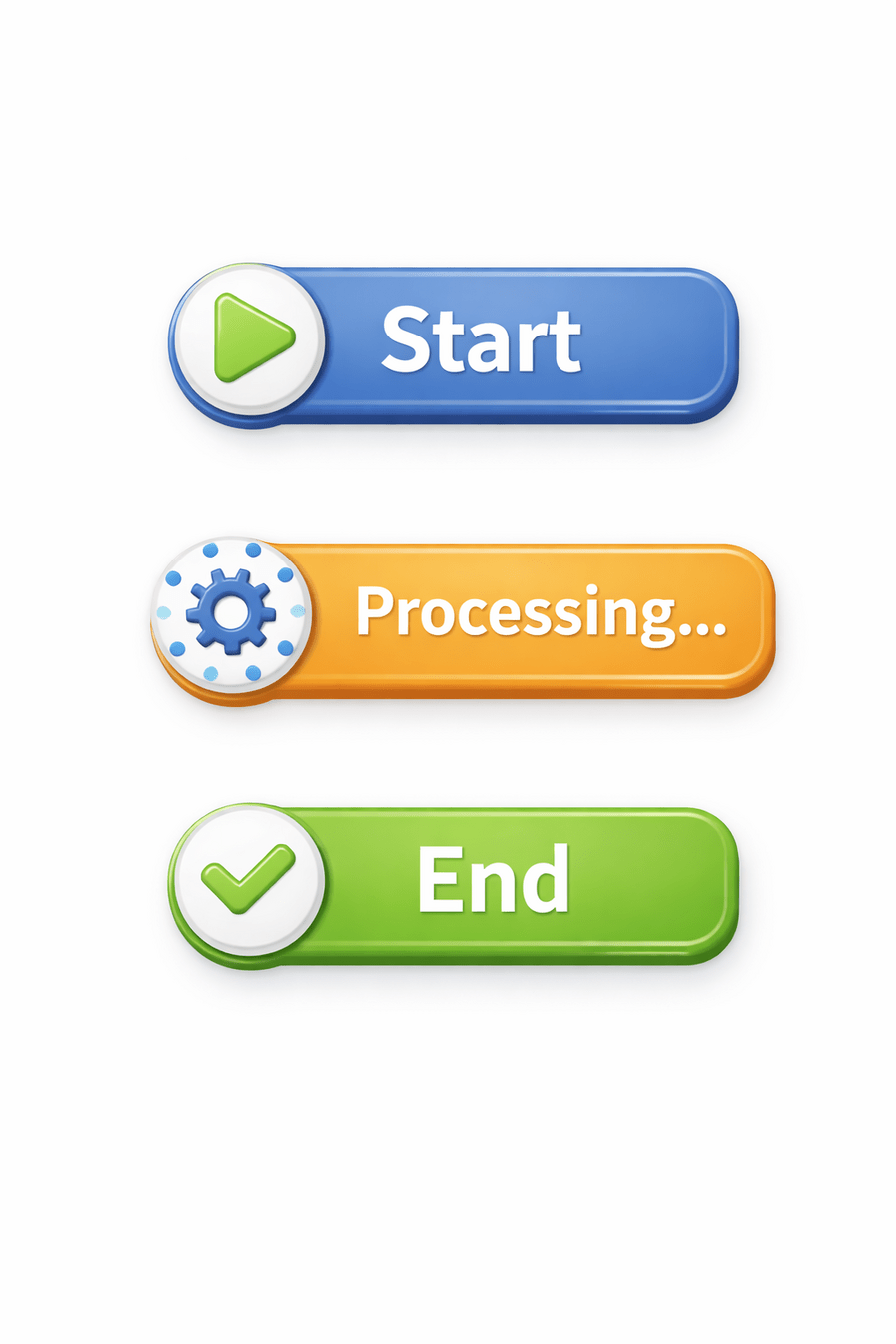
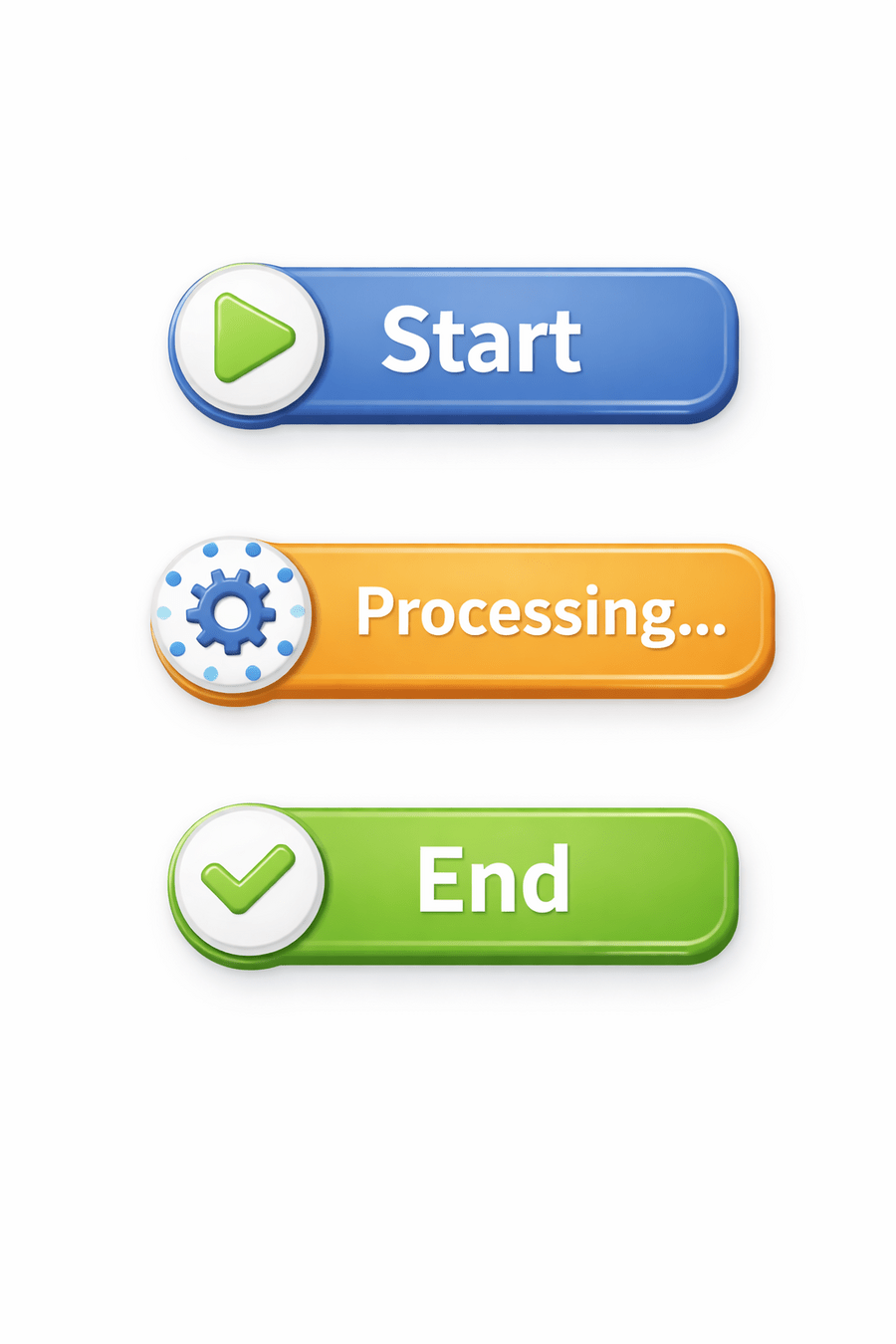
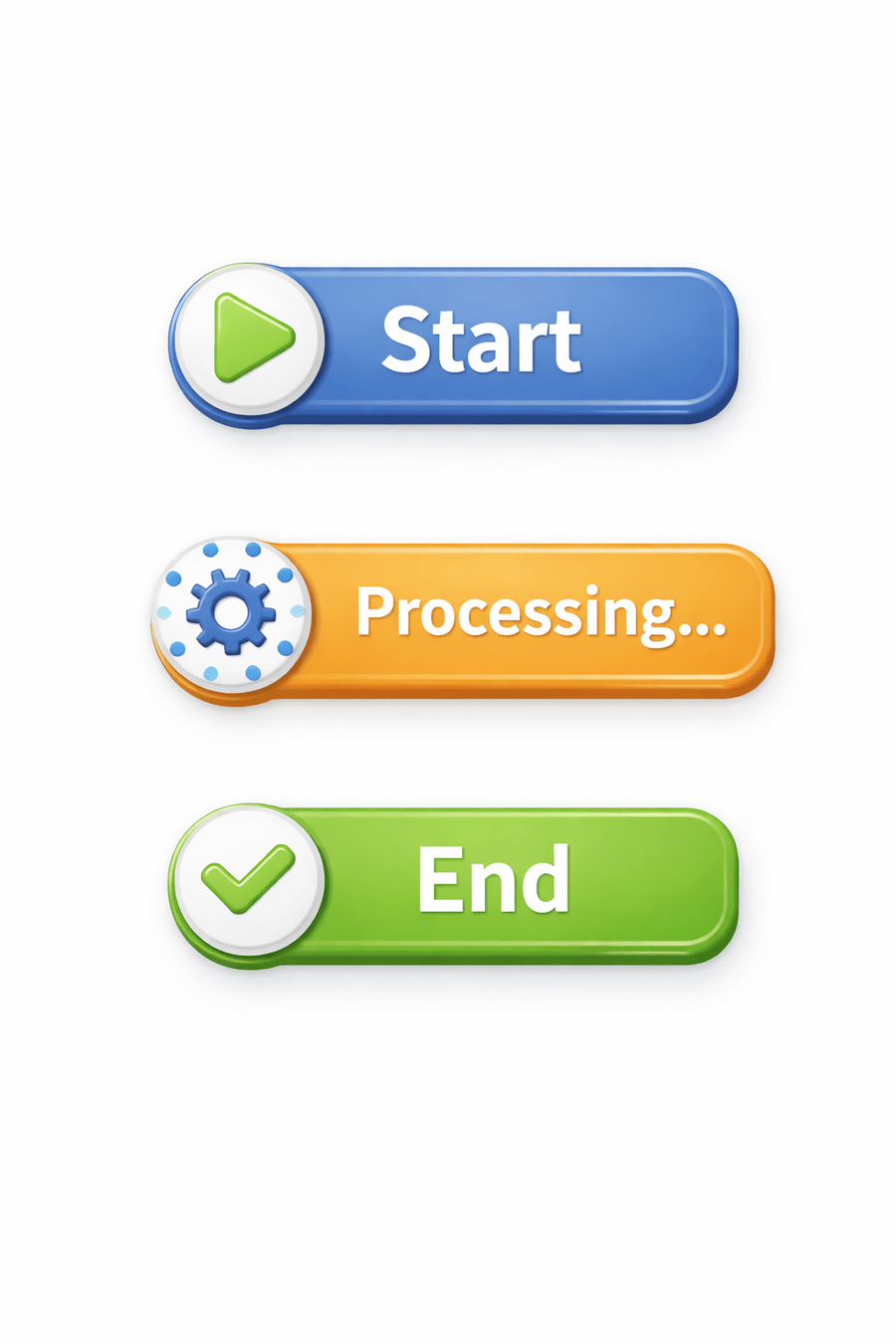

This behavior is predictable and simple. However, it becomes problematic when dealing with time-consuming
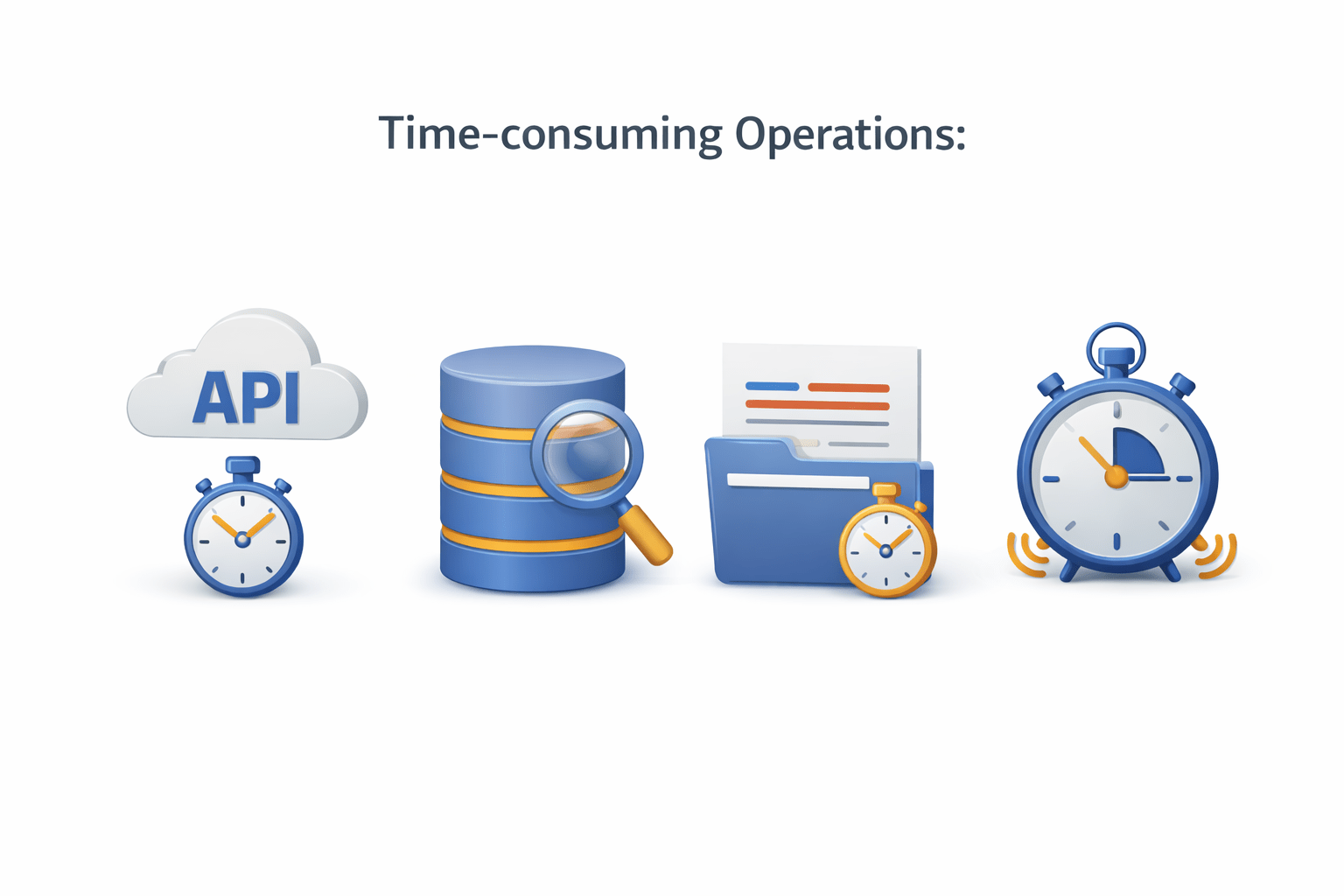
Operations such as:
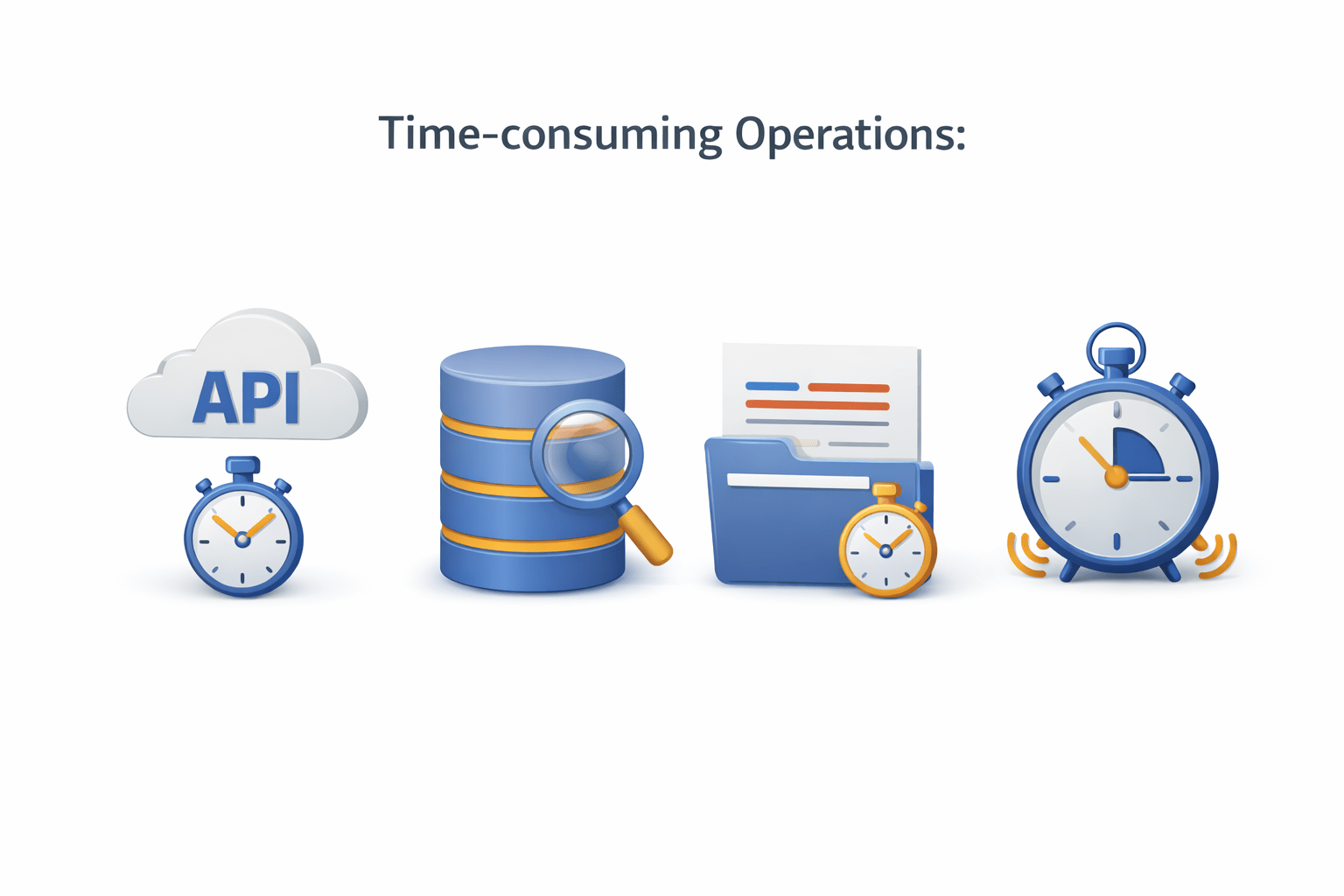
API calls
Timers
File reading
Database queries
The Problem with Synchronous Execution
Consider the following code:
console.log("Start");

setTimeout(() => {
    console.log("Data fetched");
}, 3000);

console.log("End");
Output:
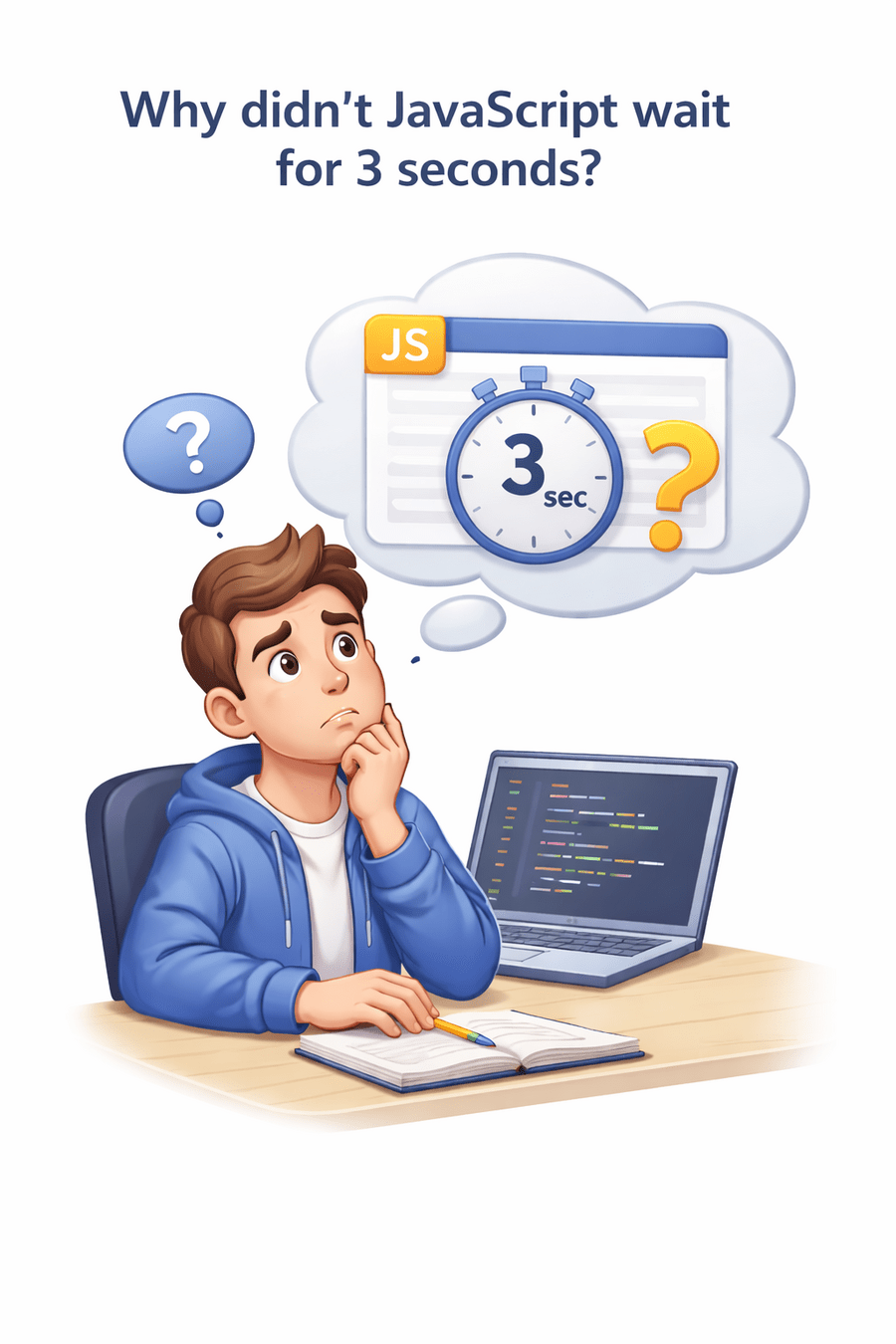
At first glance, this seems counterintuitive
Explanation
JavaScript does not handle asynchronous operations directly.
Instead:
It delegates such tasks to the browser's Web APIs
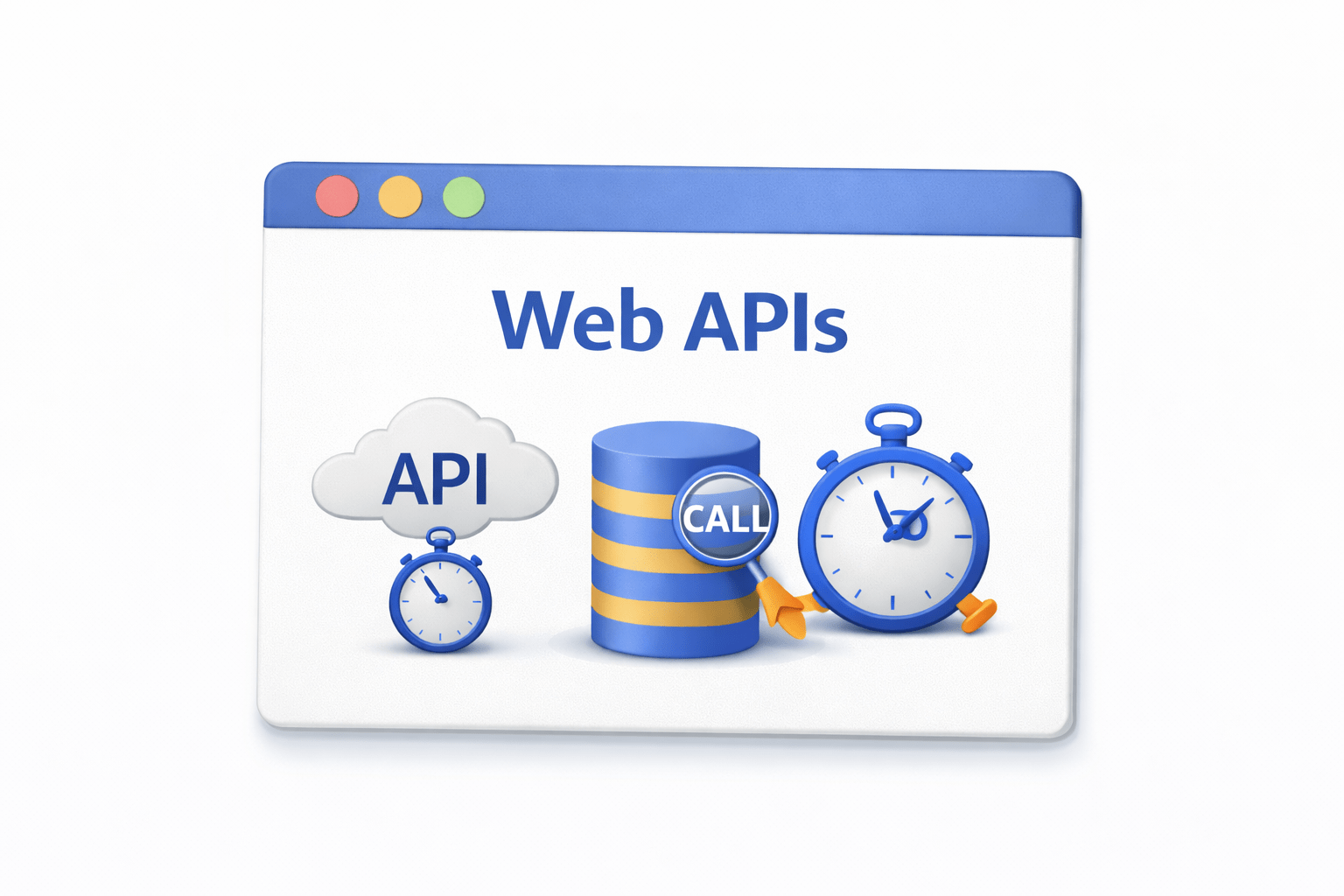
Once completed, results are placed in a callback queue
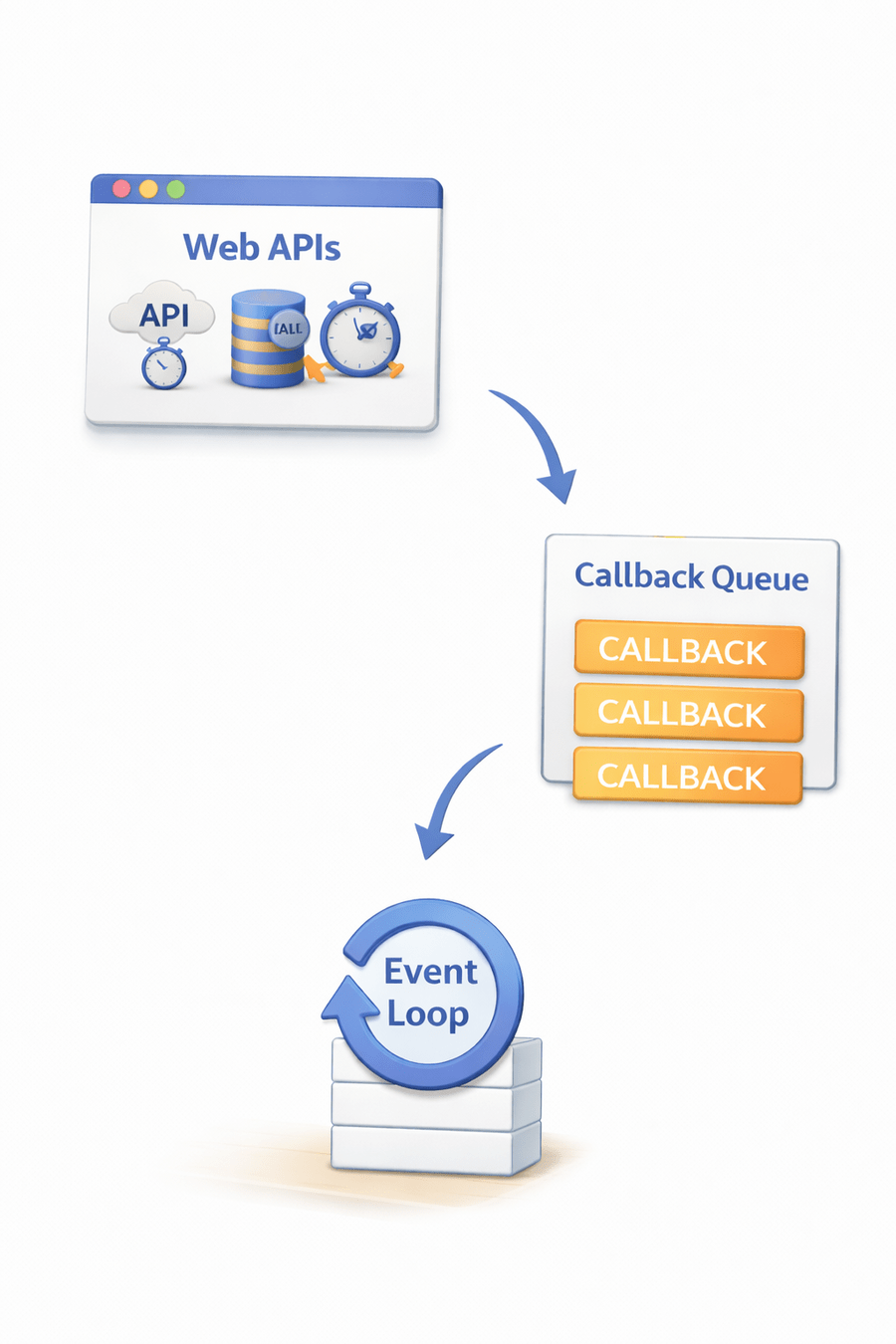
The event loop moves them to the call stack when it is free
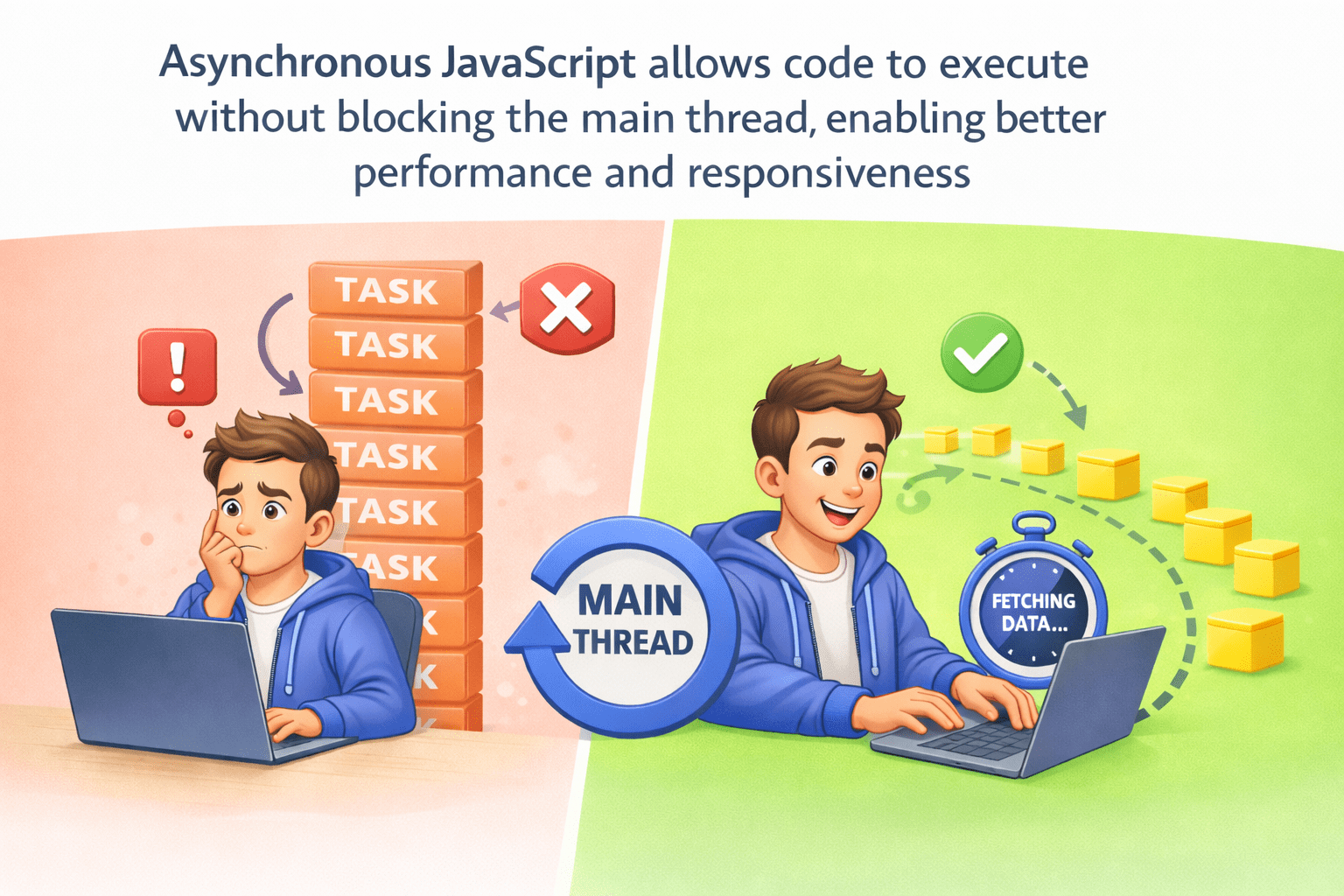
This behavior introduces asynchronous execution, where tasks can run in the background without blocking the main thread
Asynchronous JavaScript
Asynchronous JavaScript allows code to execute without blocking the main thread, enabling better performance and responsiveness
When you order food at a restaurant:
You place the order
You continue your conversation
You do not wait at the counter



You are notified when the order is ready

When you order food at a restaurant:
The notification mechanism is conceptually similar to a callback

Callbacks — The First Approach
A callback is a function passed as an argument to another function, to be executed after a task completes
function fetchData(callback) {
    setTimeout(() => {
        callback("Data received");
    }, 2000);
}
fetchData(function(result) {
    console.log(result);
});
The callback function is executed after the asynchronous operation completes
Limitations of Callbacks
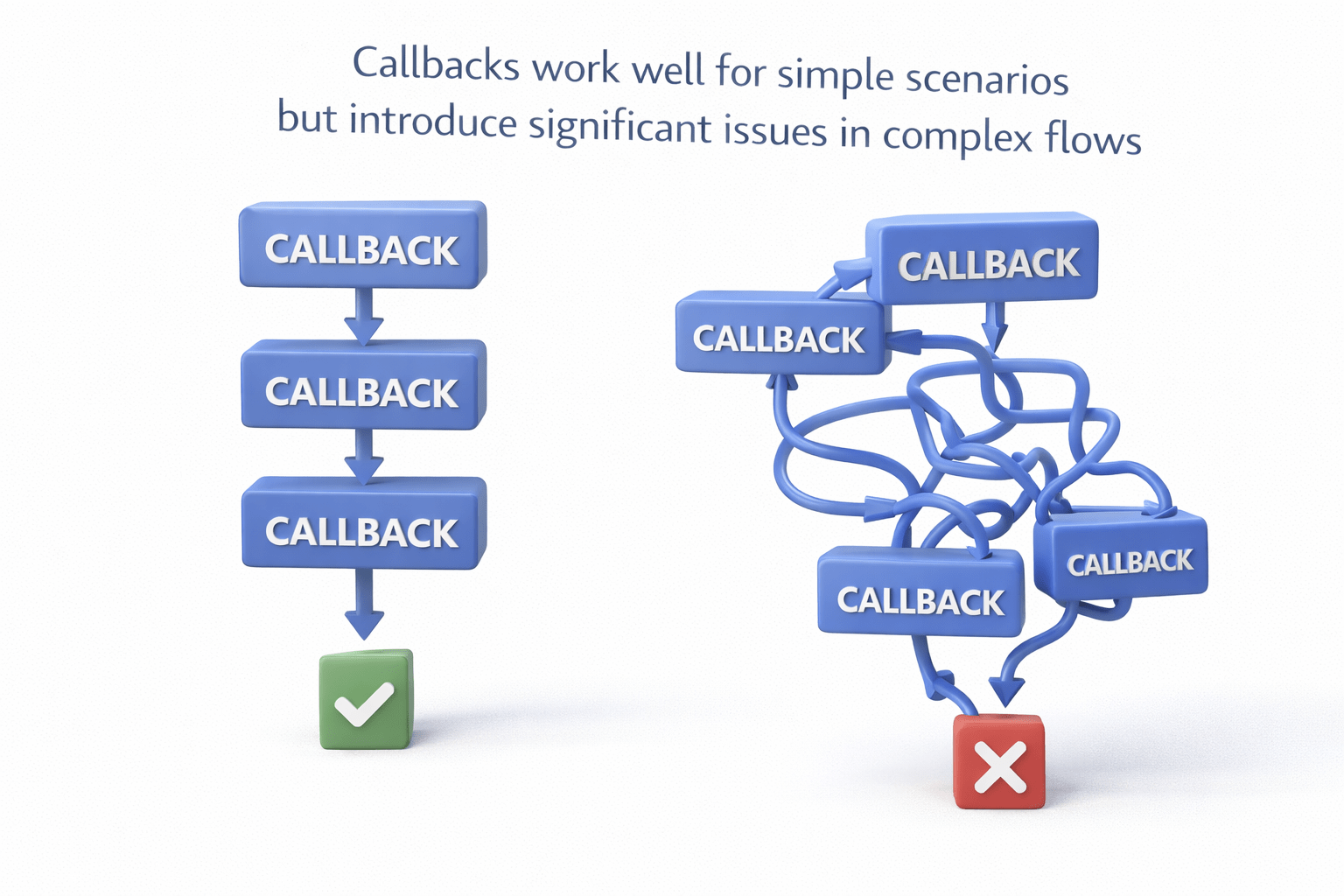
Callbacks work well for simple scenarios but introduce significant issues in complex flows
Callback Hell (Pyramid of Doom)
When multiple dependent asynchronous operations are chained:
login(user, function() {
    getProfile(function() {
        getPosts(function() {
            display();
        });
    });
});
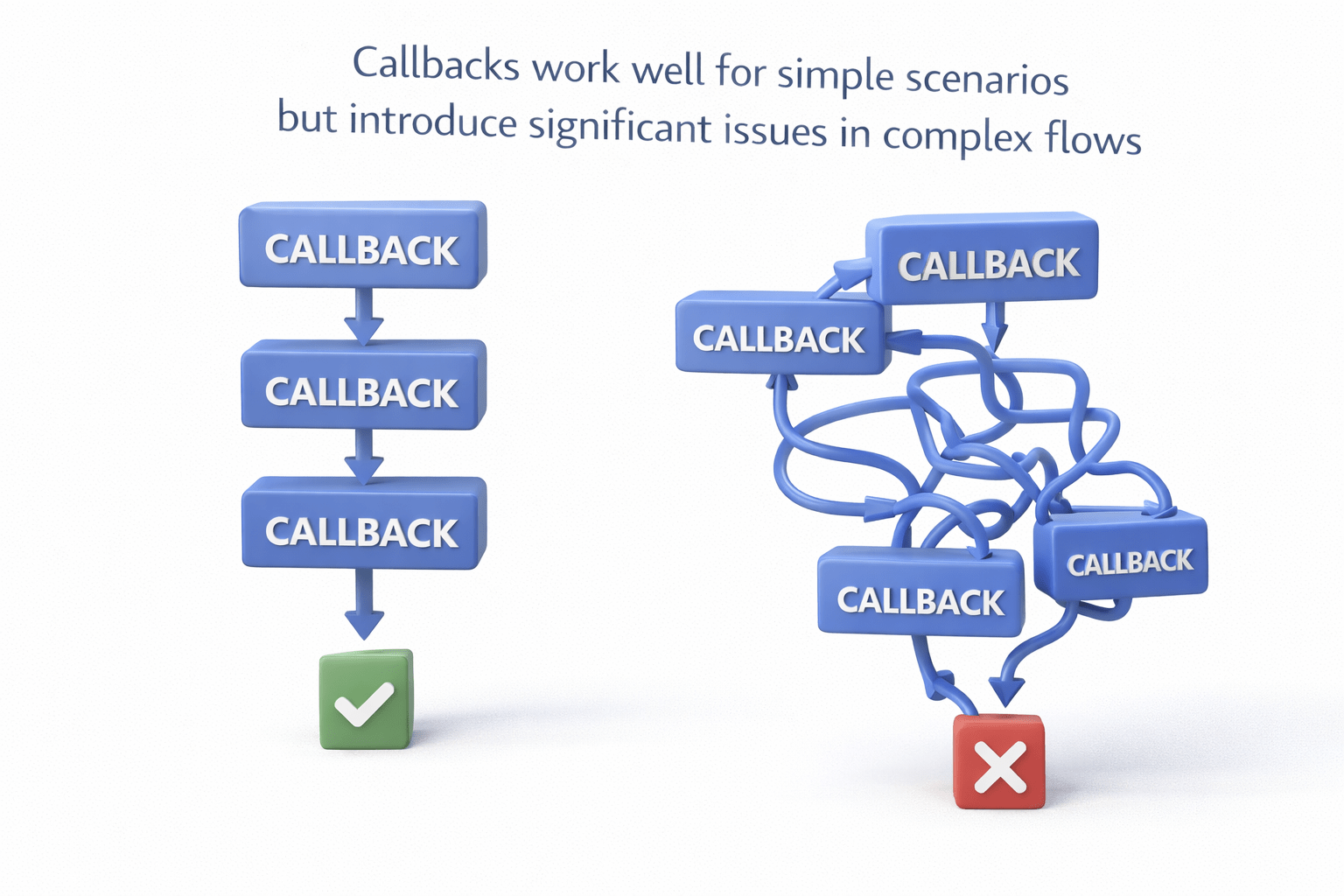

Limitations of Callbacks
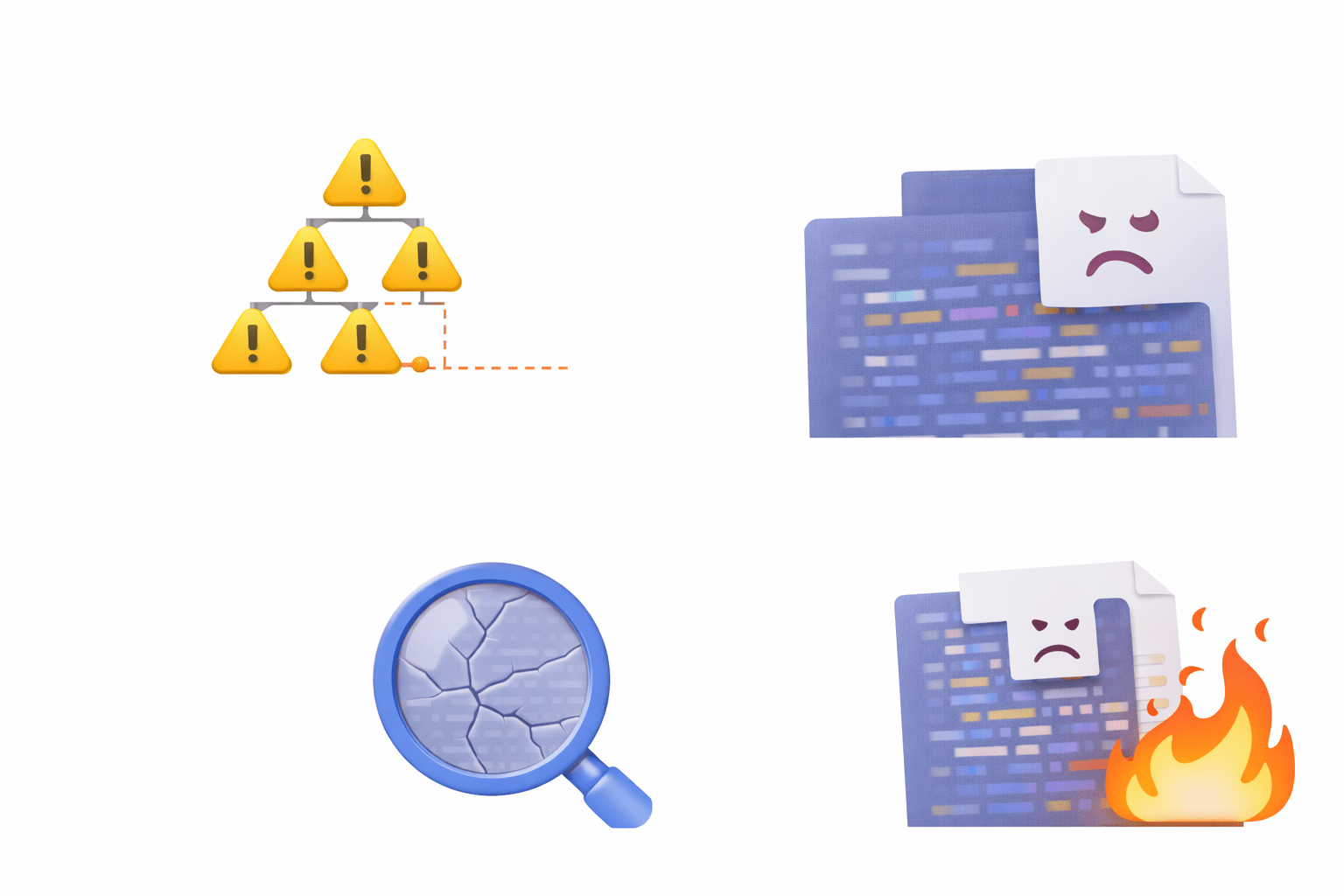
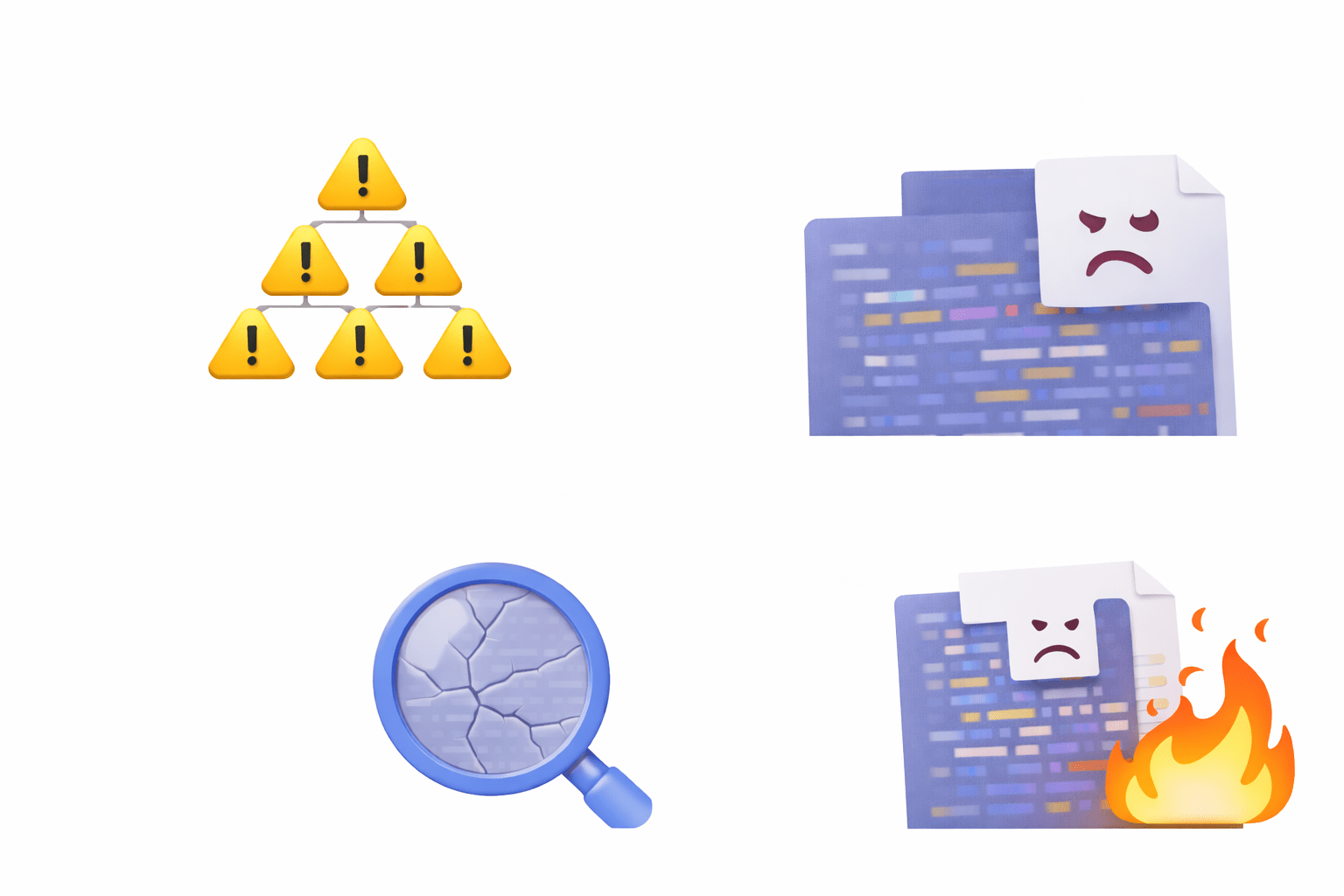
1. Deep nesting(vertical code growth)
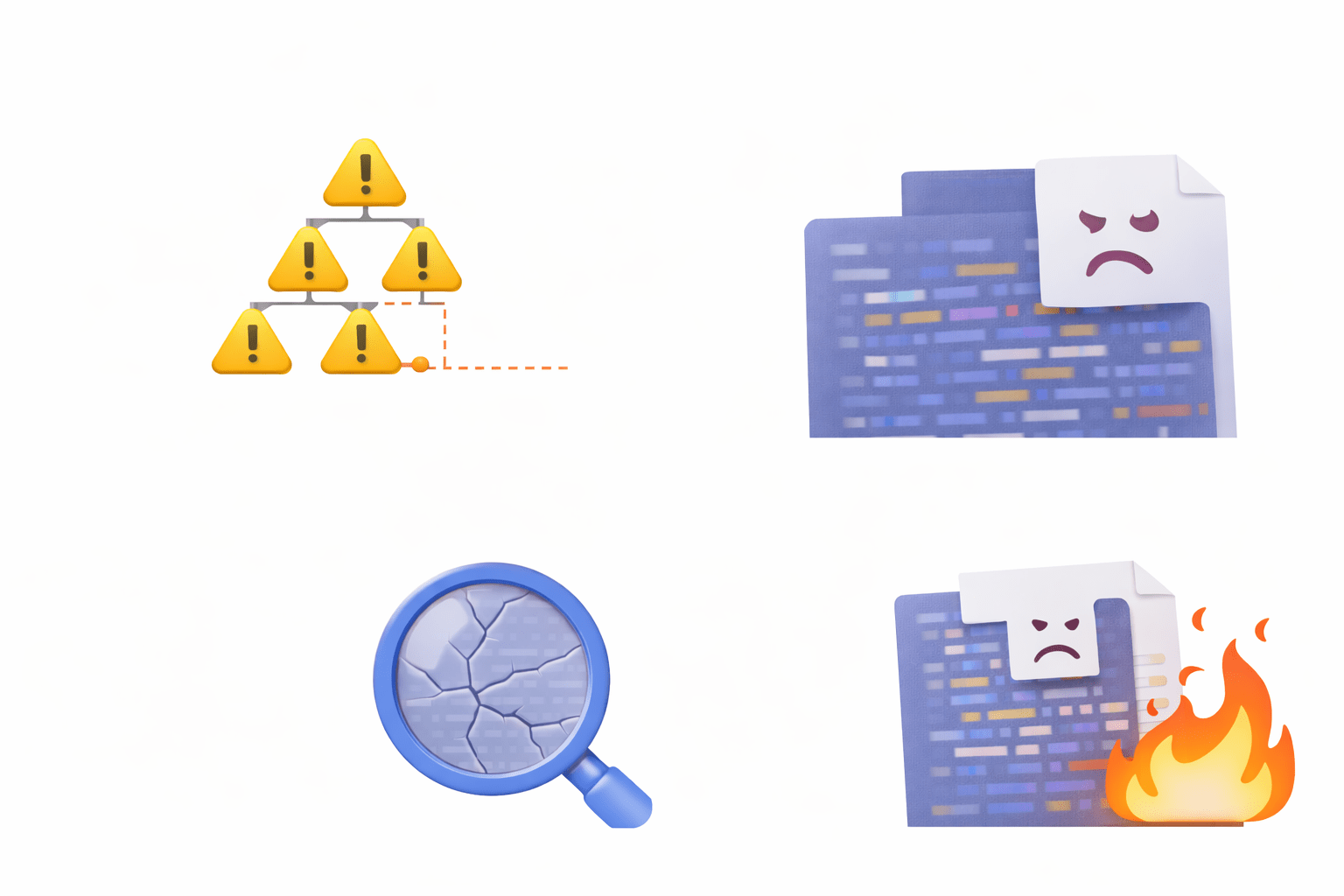
4. Hard to maintain
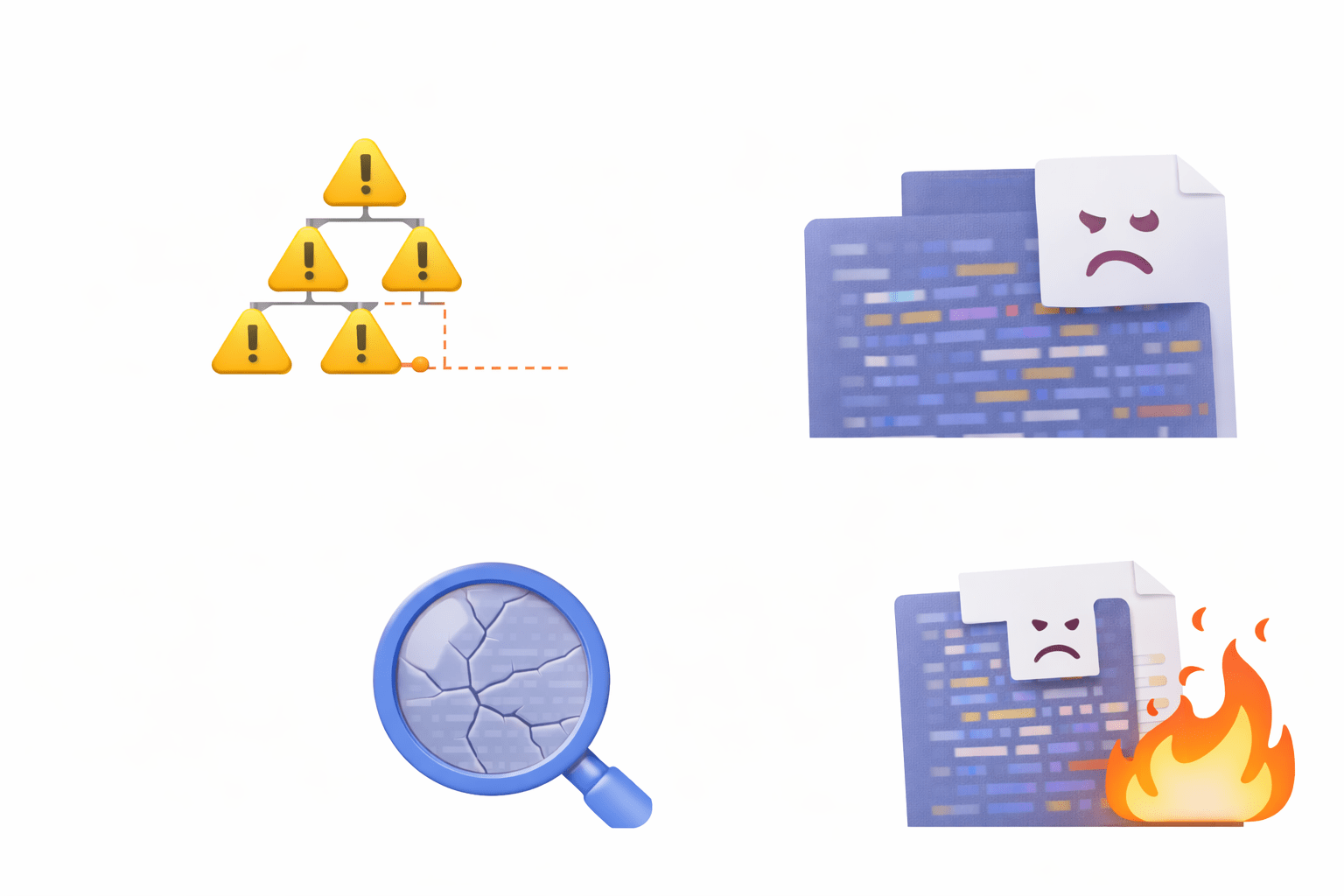
2. Poor readability
3. Difficult debugging
Inversion of Control
When you pass a callback:
apiCall(callback);When the callback executes
How many times it executes
Whether it executes
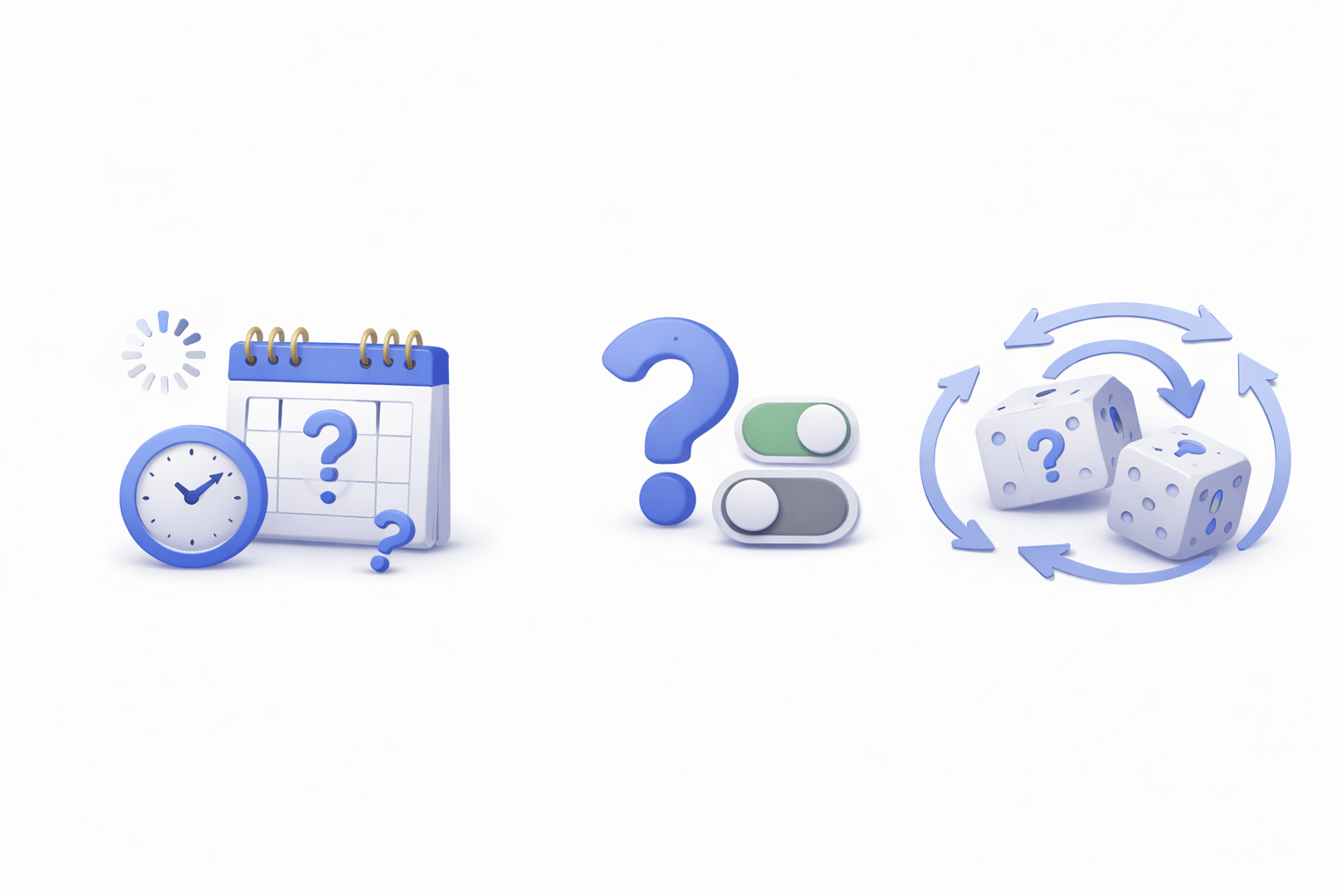
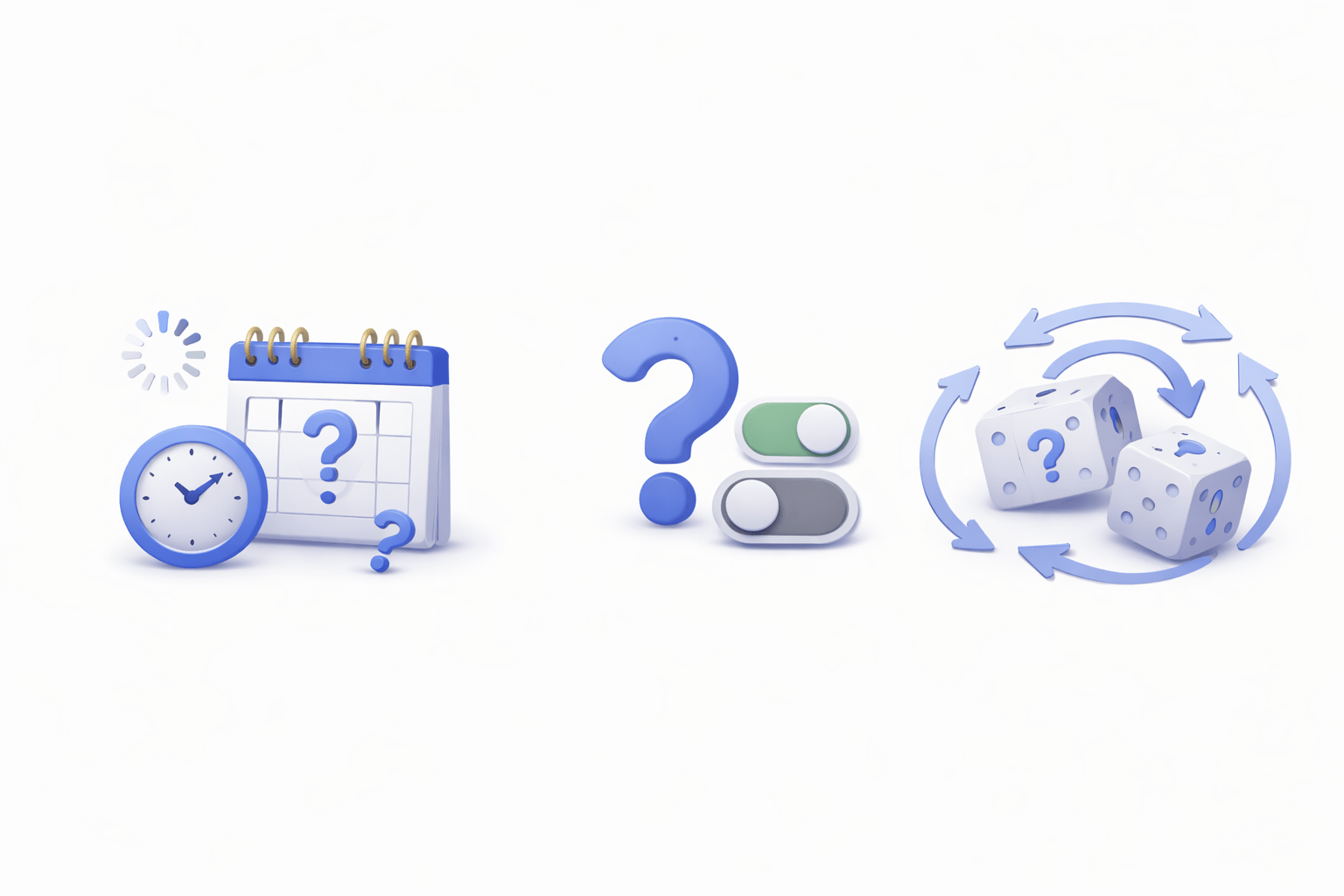
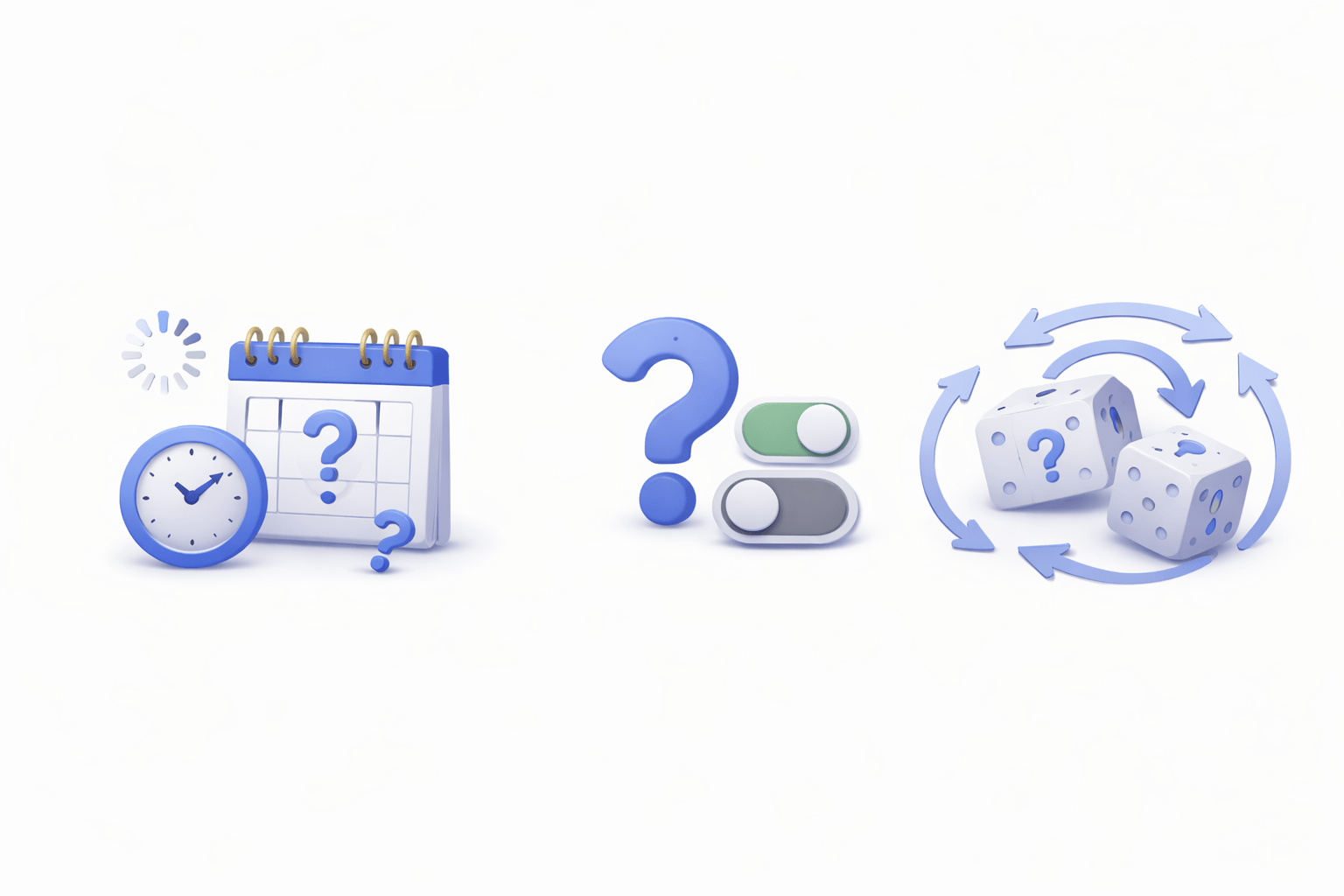
This creates trust issues and unpredictability
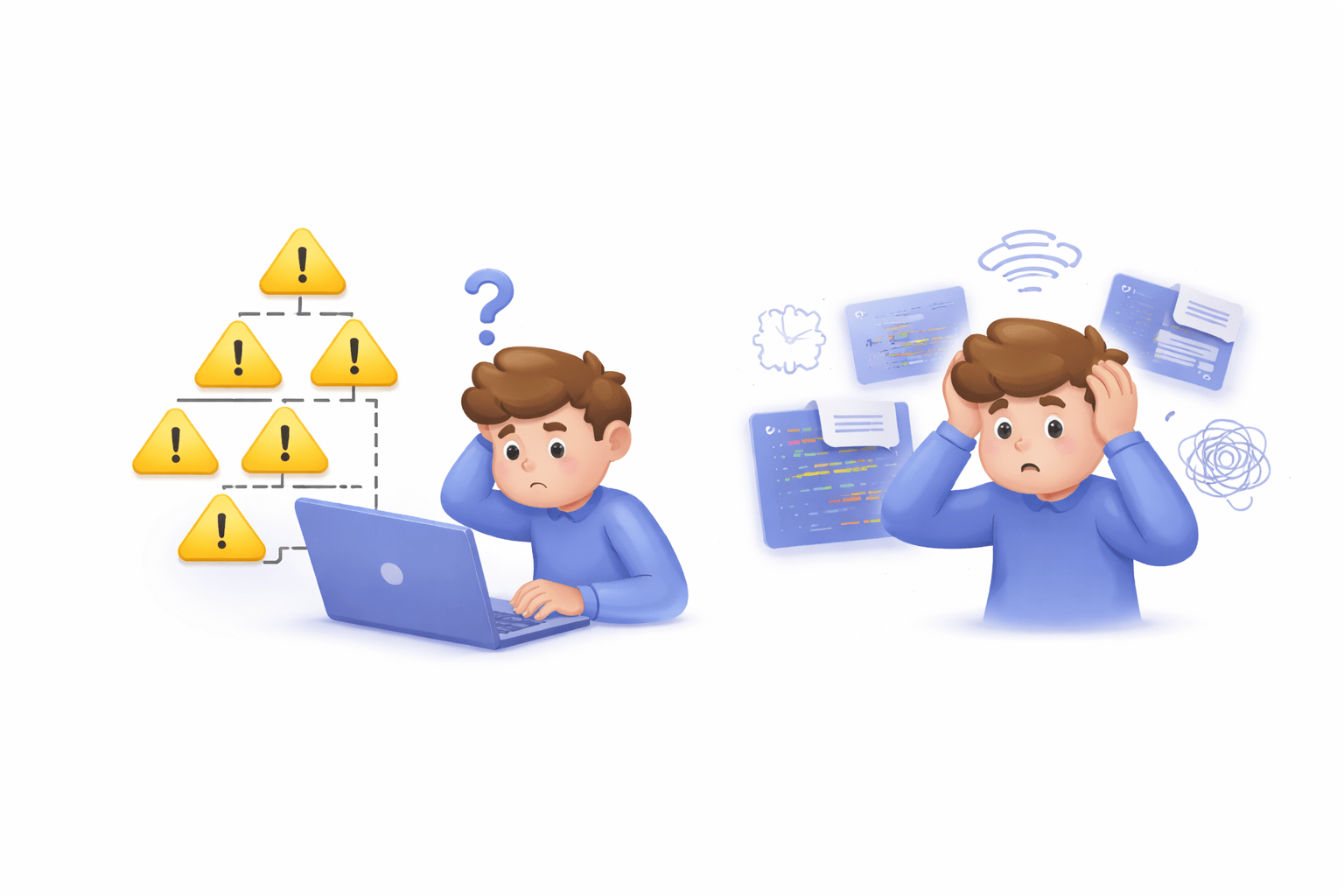
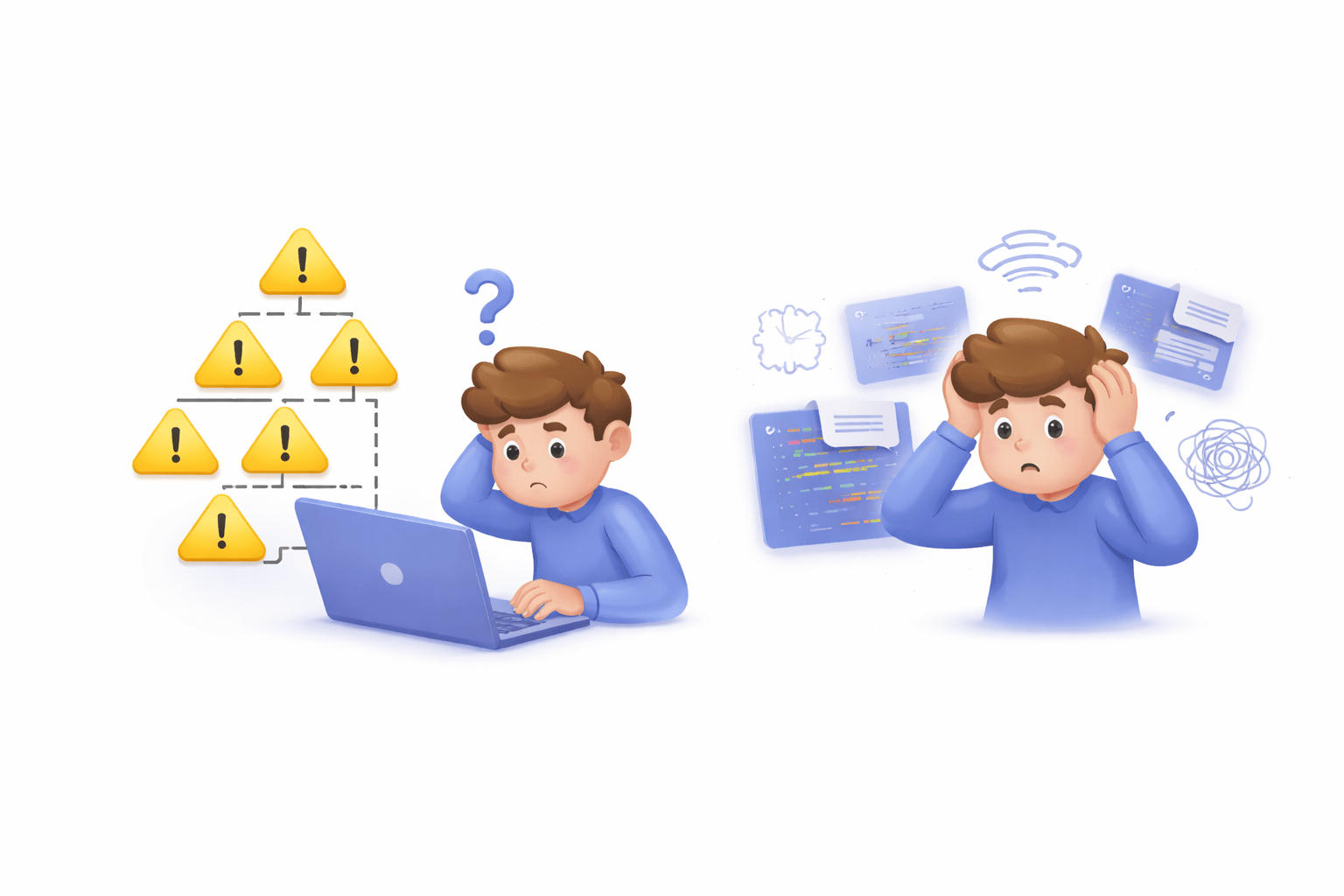
Code Structure Issue
Callbacks lead to vertical growth of code:
Hard to follow logic
Increased cognitive load
Promises — The Structured Solution
To overcome callback limitations, JavaScript introduced Promises
A Promise is an object representing the eventual completion or failure of an asynchronous operation
Promise States
A Promise has three states:



Pending
Rejected
Fulfilled
initial state
operation successful
operation failed
Once resolved or rejected, the state is immutable
Creating a Promise
const promise = new Promise((resolve, reject) => {
    let success = true;

    if (success) {
        resolve("Data fetched");
    } else {
        reject("Error occurred");
    }
});
Key Functions
resolve(value) → marks success
reject(error) → marks failure


Consuming a Promise
promise
  .then(res => console.log(res))
  .catch(err => console.log(err))
  .finally(() => console.log("Completed"));
Methods
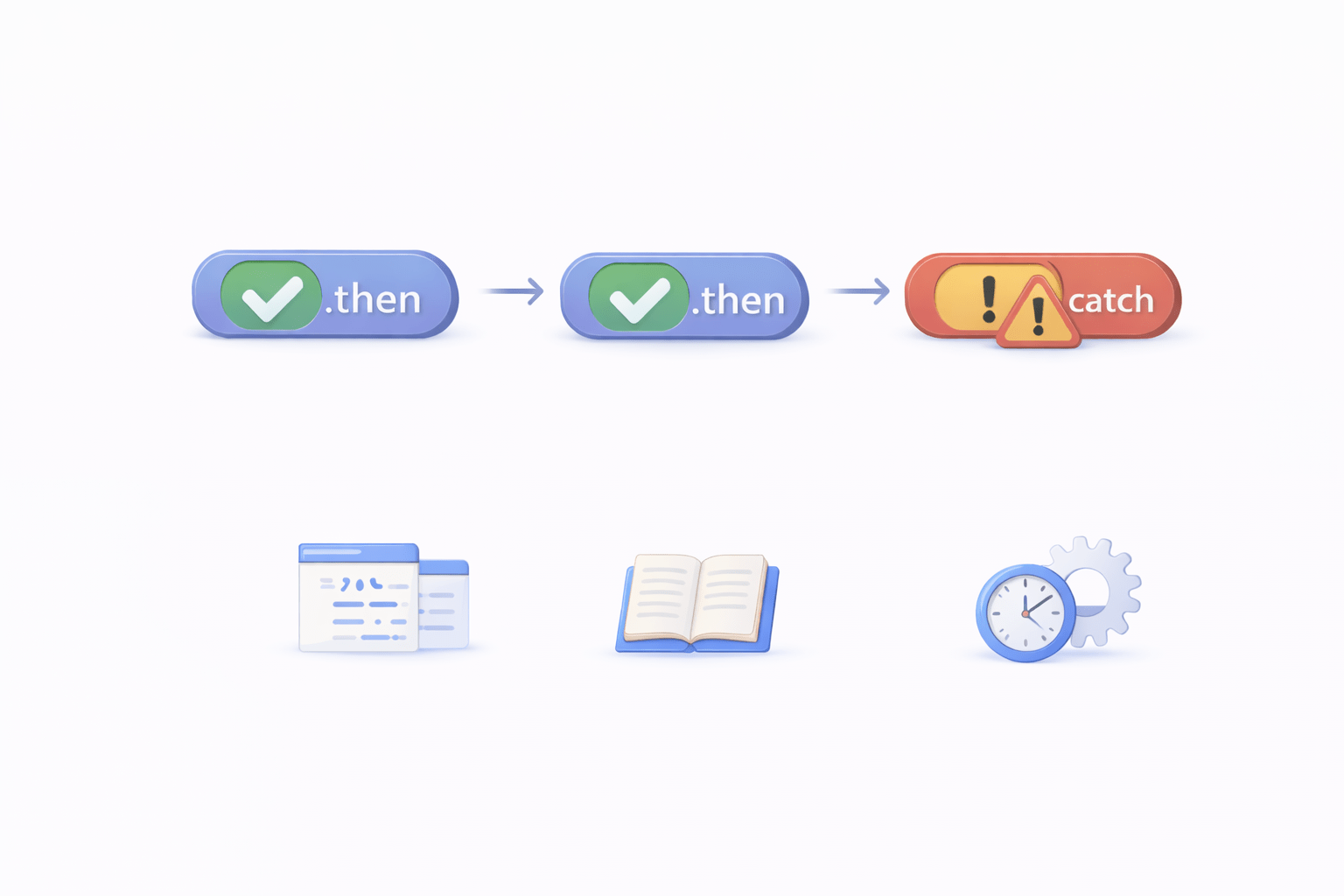
.then() → handles success
.finally() → executes regardless of outcome
.catch() → handles failure

Code Structure Issue
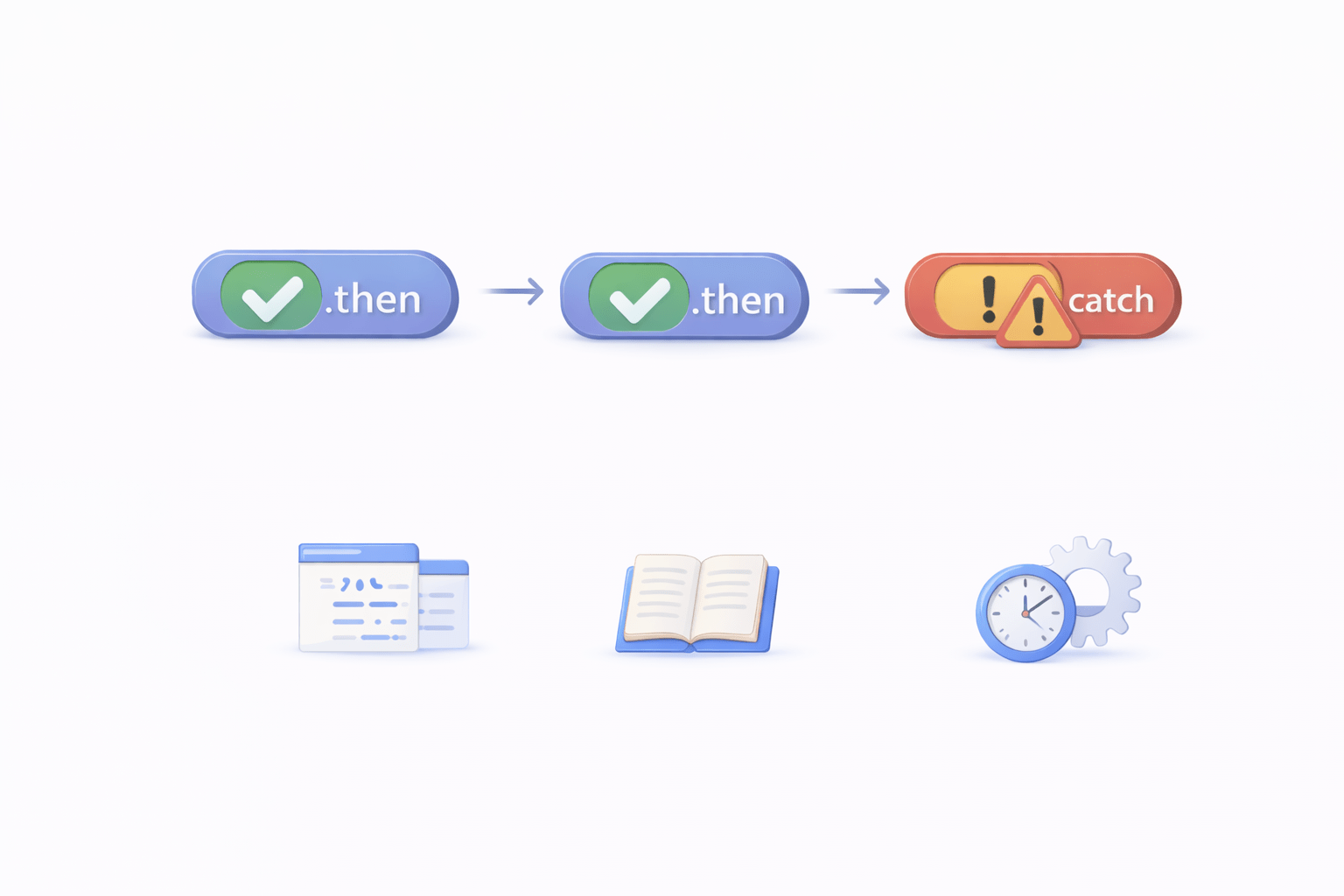
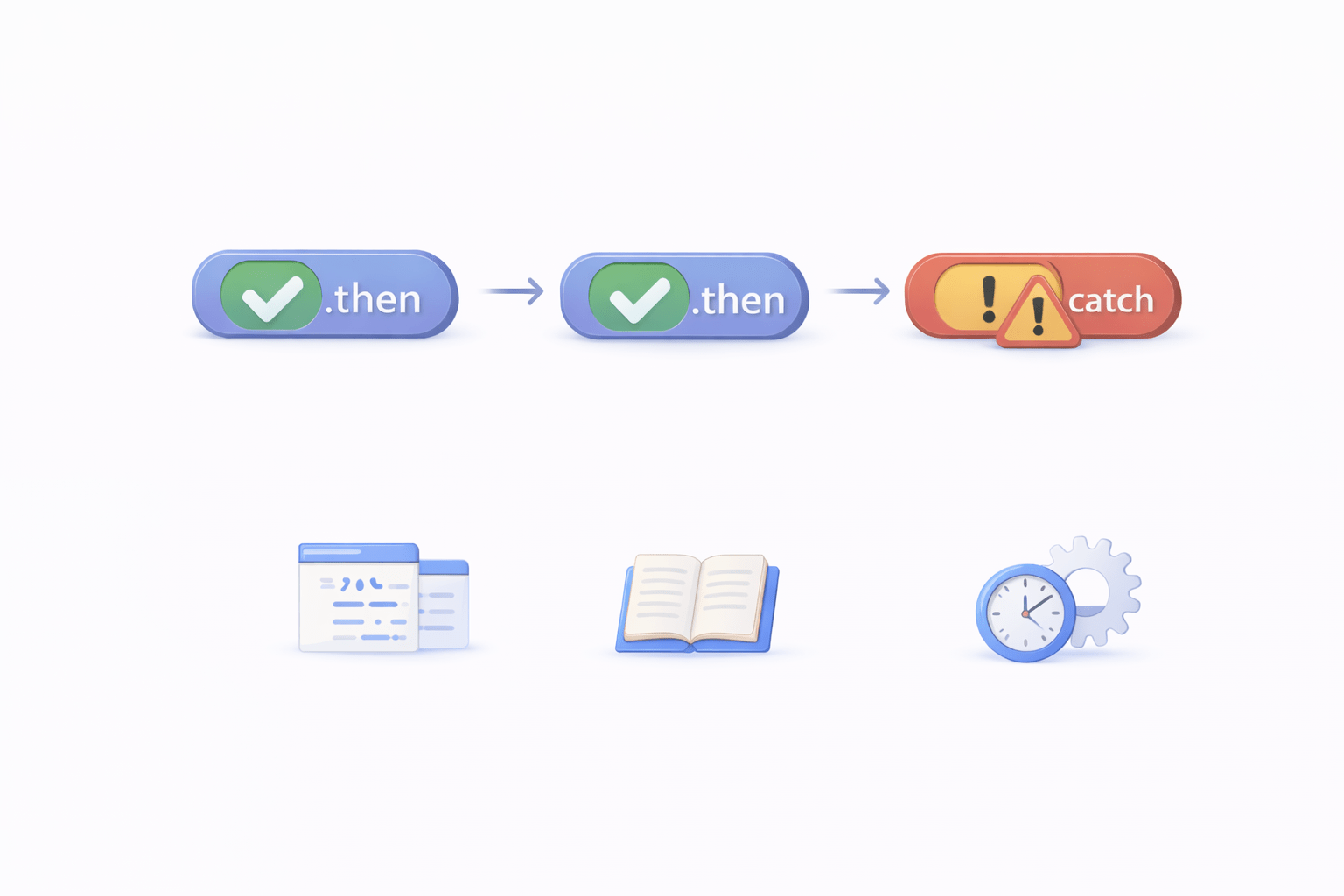
Method Chaining
Promises allow chaining, eliminating nesting:
fetchData()
  .then(data => process(data))
  .then(result => display(result))
  .catch(err => console.log(err));
Advantages:
Flat structure (horizontal code)
Better control over execution
Improved readability
Promise Utility Methods
Promise.all()
Executes multiple promises in parallel
Fails if any one fails
Promise.allSettled()
Waits for all promises
Returns results regardless of success/failure
Promise.race()
Returns the first completed promise (success or failure)
Promise.any()
Returns the first successful promise
Ignores failures






Limitations of Promises
Although better than callbacks, Promises still have limitations:
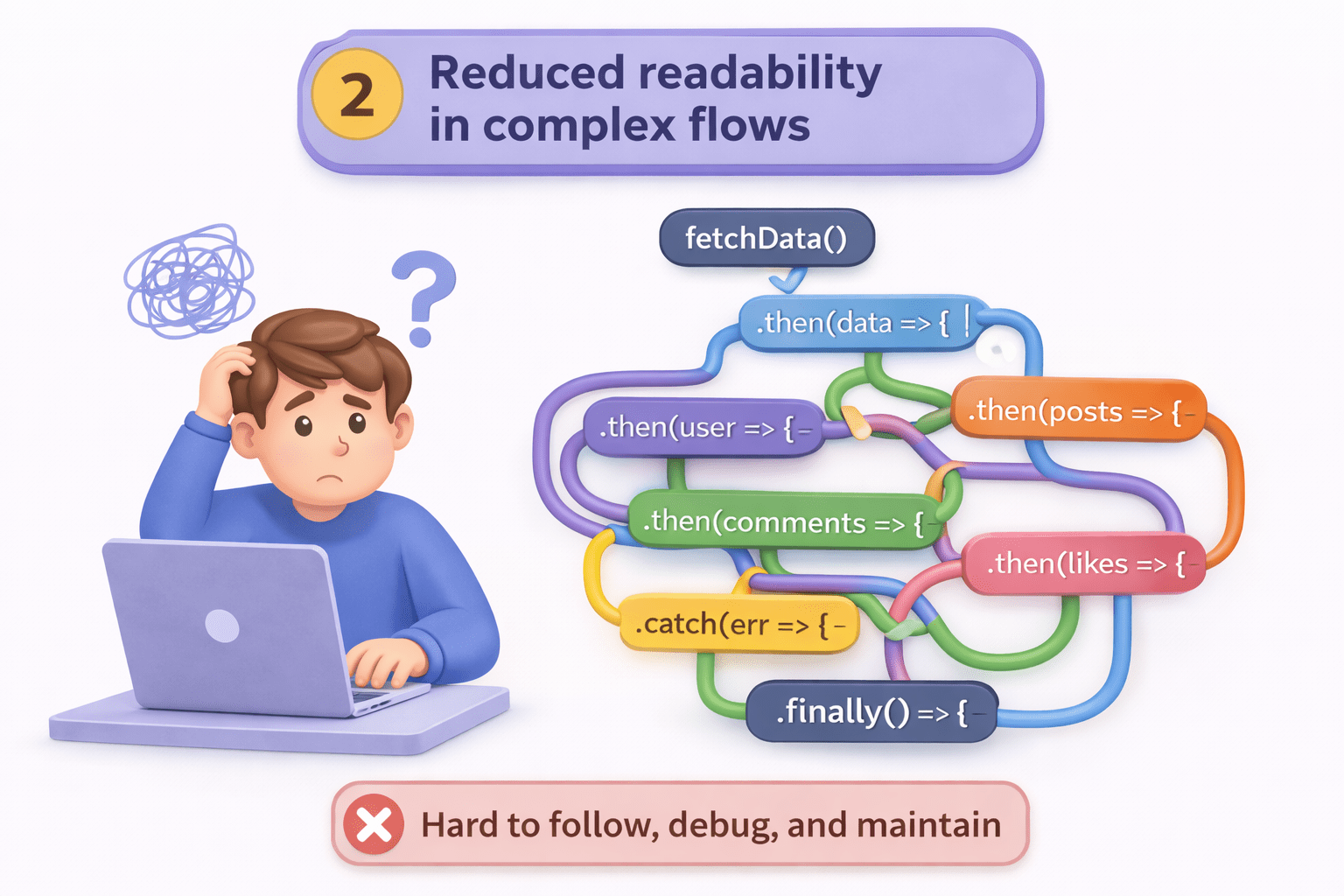
Chain-heavy syntax (.then().then().then())
Reduced readability in complex flows
Async/Await — Cleaner Abstraction
Async/Await is syntactic sugar over Promises, making code appear synchronous
async function fetchData() {
    let data = await getData();
    console.log(data);
}
.then()
.then()
.then()
.then()
async → function always returns a promise
await → pauses execution until promise resolves
Key Concepts
Error Handling in Async/Await
async function fetchData() {
    try {
        let data = await getData();
        console.log(data);
    } catch (err) {
        console.log(err);
    }
}
This approach is cleaner and closer to traditional synchronous error handling

Example using Promises:
fetch("https://api.example.com/data")
  .then(res => res.json())
  .then(data => console.log(data));
Example using Async/Await:
async function getData() {
    let response = await fetch("https://api.example.com/data");
    let data = await response.json();
    console.log(data);
}
Limitations of Fetch API
Despite being powerful, Fetch has practical drawbacks:
Manual JSON Parsing
res.json()
No Automatic Error Handling
Fetch does not reject on HTTP errors (e.g., 404, 500)
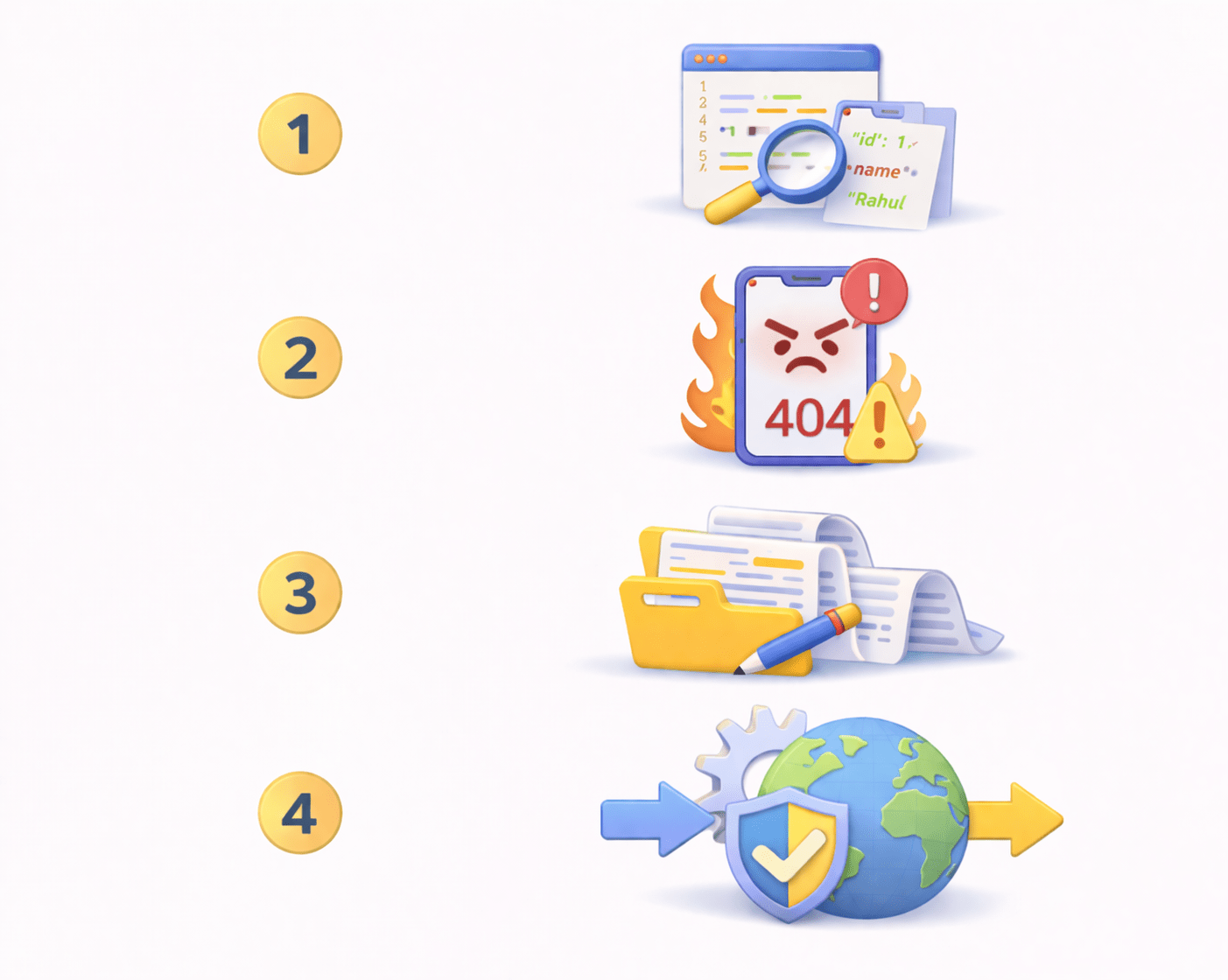
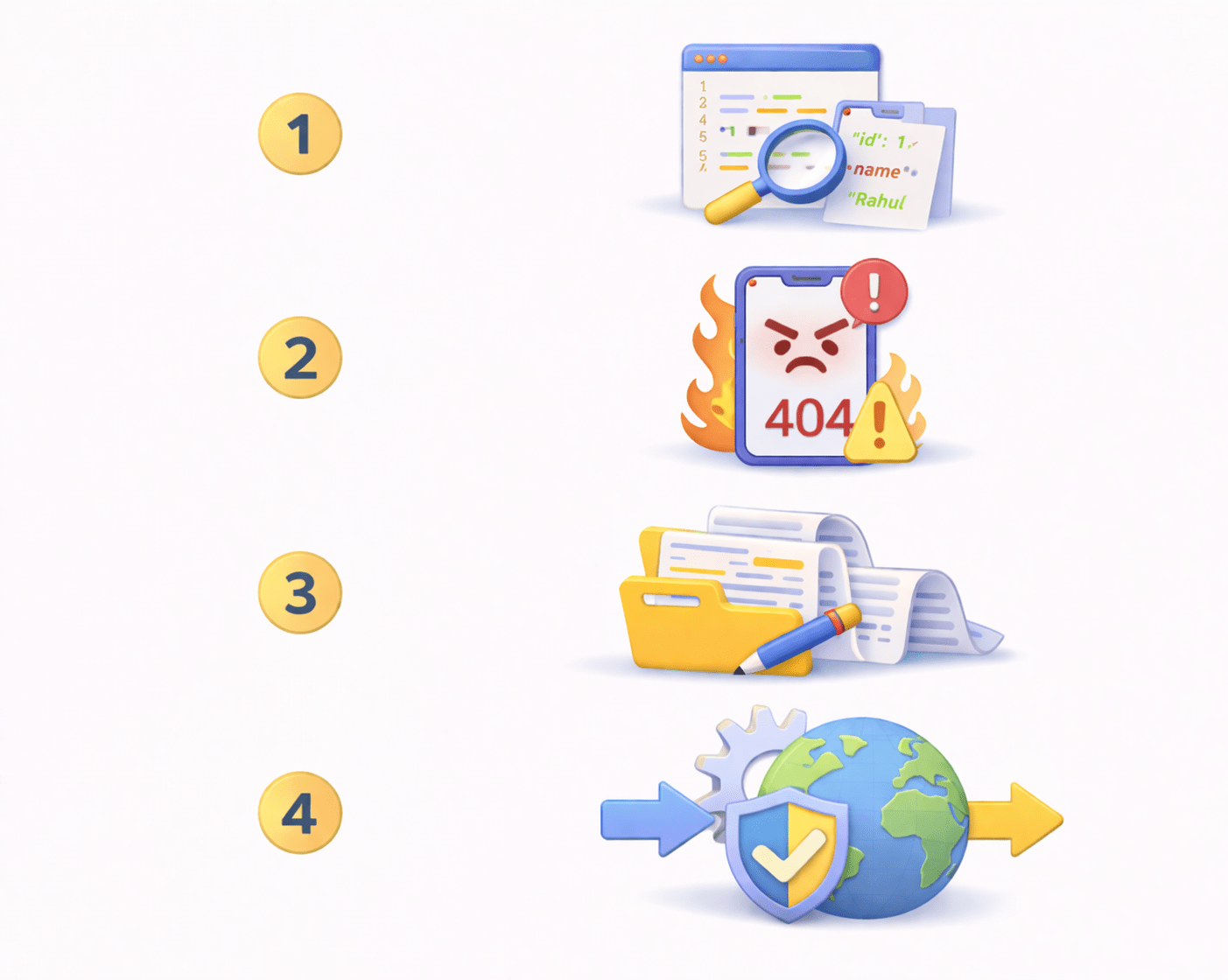
Verbose Syntax
No Built-in Interceptors
More boilerplate code is required
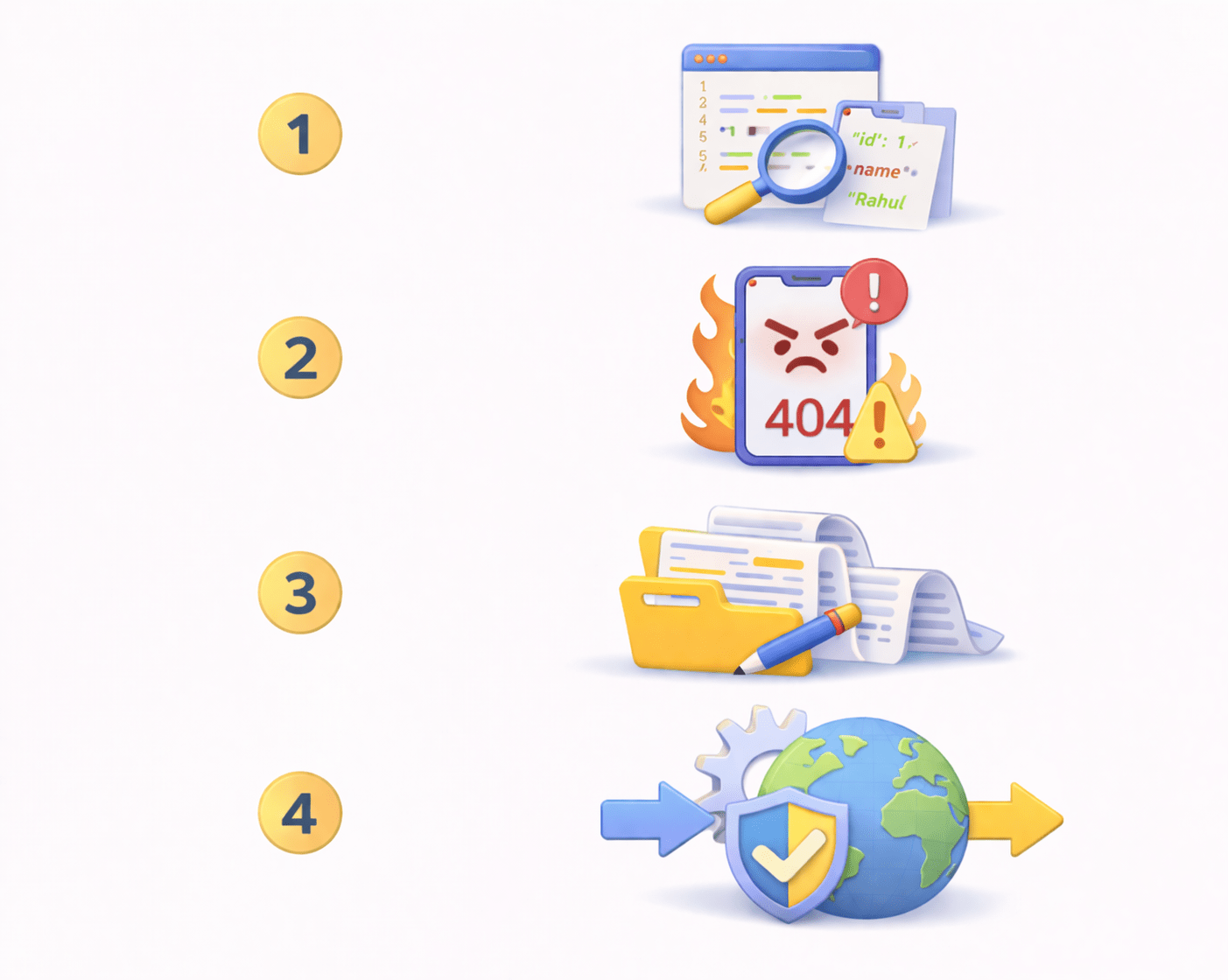
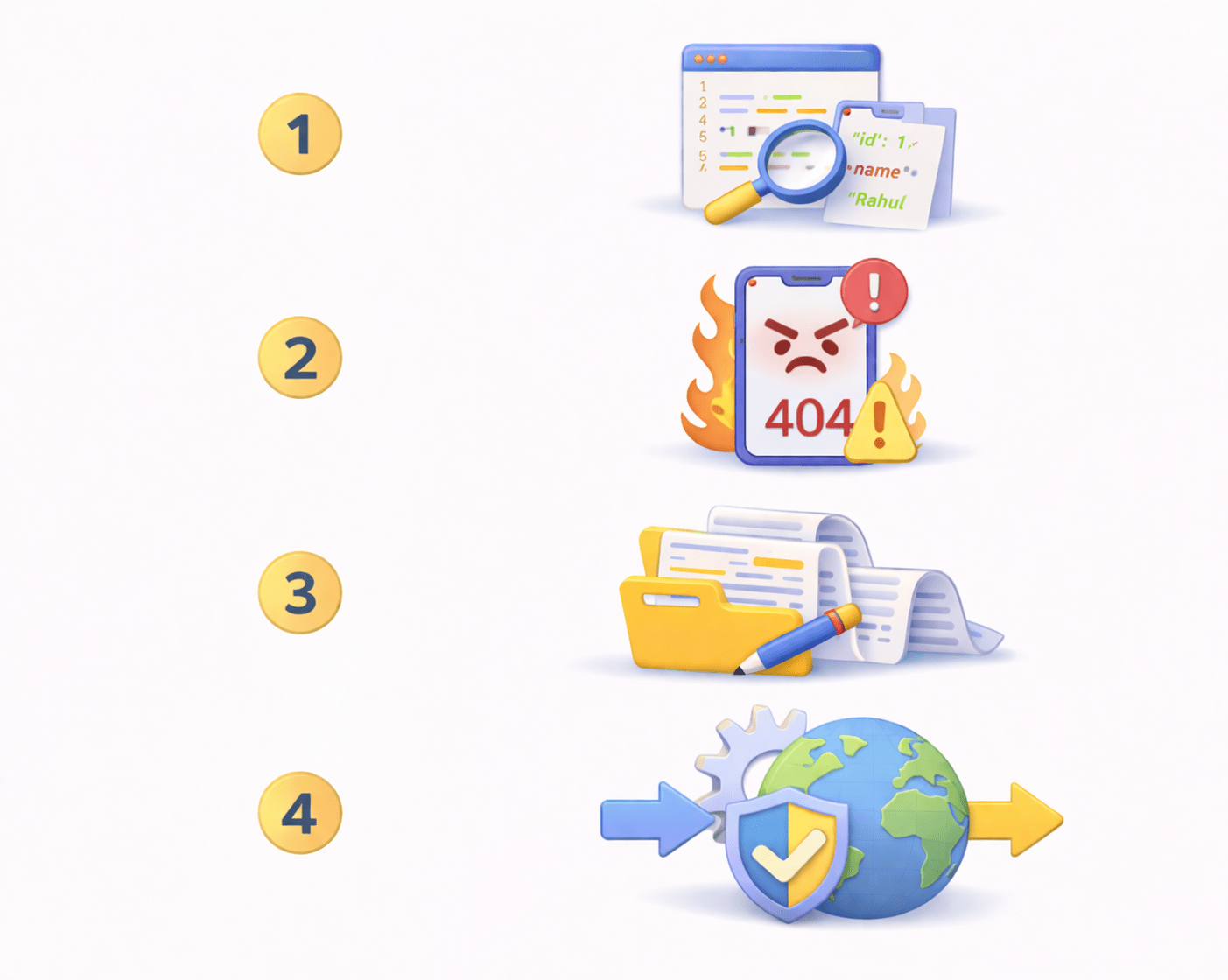
Cannot globally modify requests/responses easily
Axios — Improved HTTP Client
Axios is a popular HTTP client library built on top of Promises, offering a better developer experience
Installing Axios:
npm install axios
Axios GET Request
import axios from "axios";

axios.get("https://api.example.com/data")
  .then(res => console.log(res.data))
  .catch(err => console.log(err));
Key Advantage
Automatically parses JSON
Response data available as res.data
Axios with Async/Await
Axios — Improved HTTP Client
Axios — Improved HTTP Client
Summary
5
Build strong branding
4
Use different marketing channels
3
Target the right audience
2
Create and communicate value
1
Understand customer needs
Quiz
Which platform is mainly used for professional networking and B2B marketing ?
A. Facebook
B. Instagram
C. LinkedIn
D. Snapchat

Quiz-Answer
Which platform is mainly used for professional networking and B2B marketing ?
A. Facebook
B. Instagram
C. LinkedIn
D. Snapchat