Social Media Marketing


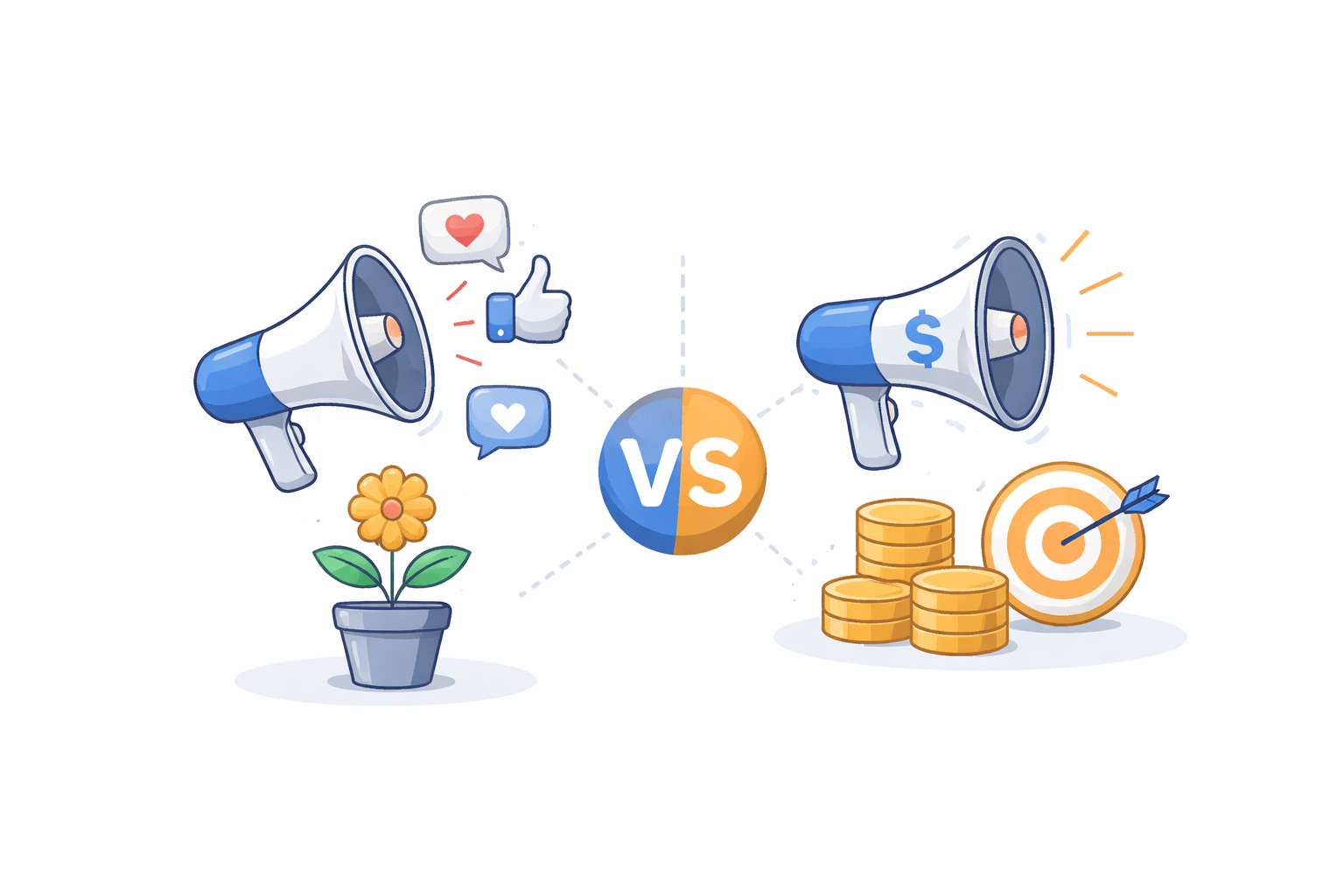
Organic vs Paid Marketing

Learning Outcome
4
Recognize how paid marketing helps achieve quick reach, conversions
3
Identify common platforms and activities used in organic marketing
2
Explain the key differences between organic and paid strategies
1
Define organic marketing and paid marketing in social media
Understanding Marketing Through a Lemonade Stand
Imagine two friends, Alex and Sam, both open lemonade stands on the same street

Alex
Sam
Understanding Marketing Through a Lemonade Stand
Alex decides to grow his stand organically
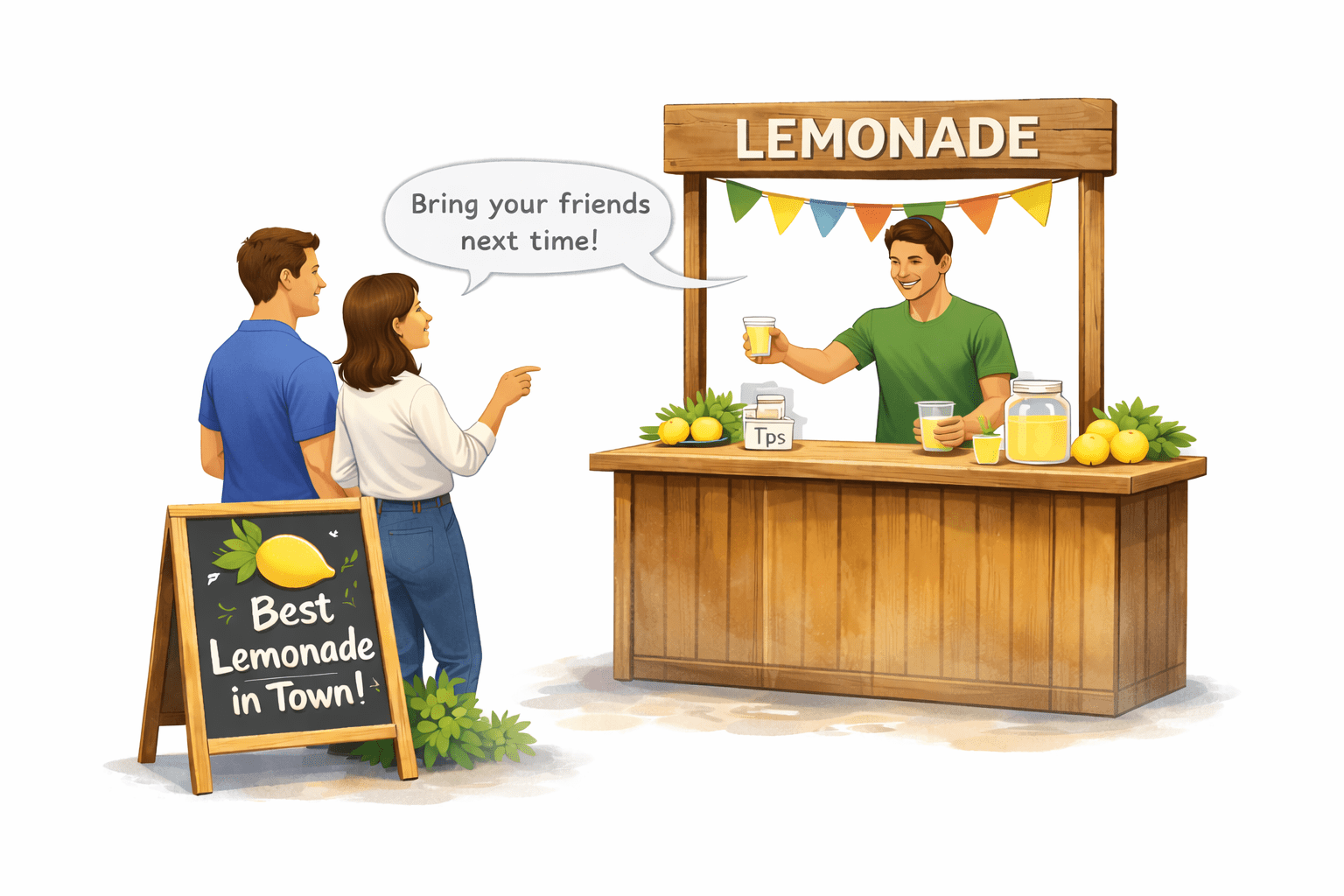
Alex grows his stand by giving free samples, smiling at customers, and encouraging them to bring friends

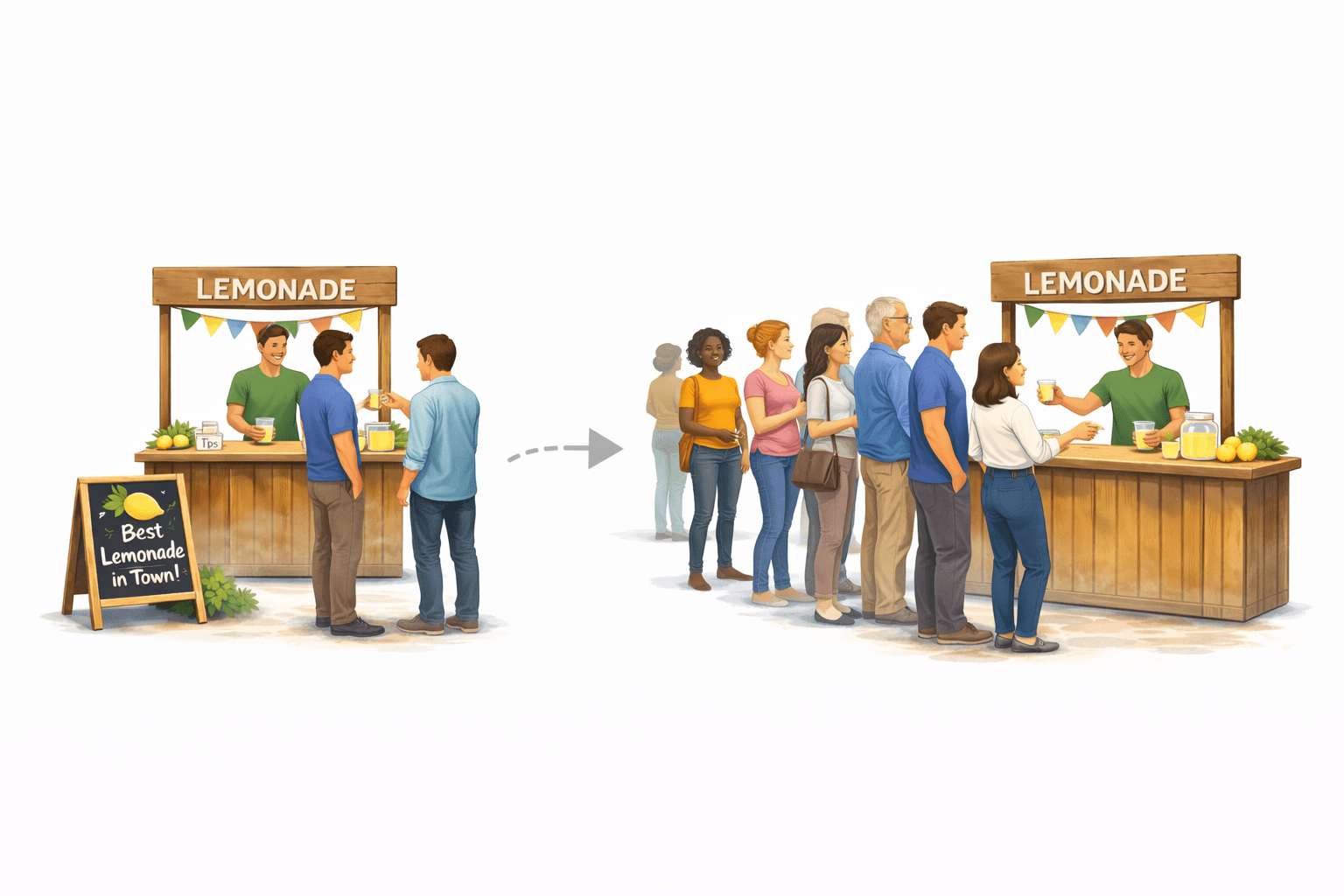
At first, only a few customers come. Over time, more people hear good things and become loyal customers
No money spent on ads—just content, trust, and consistency
That’s Organic Marketing
Understanding Marketing Through a Lemonade Stand
That’s Paid Marketing
You pay for attention, and results are fast—but they stop when the money stops
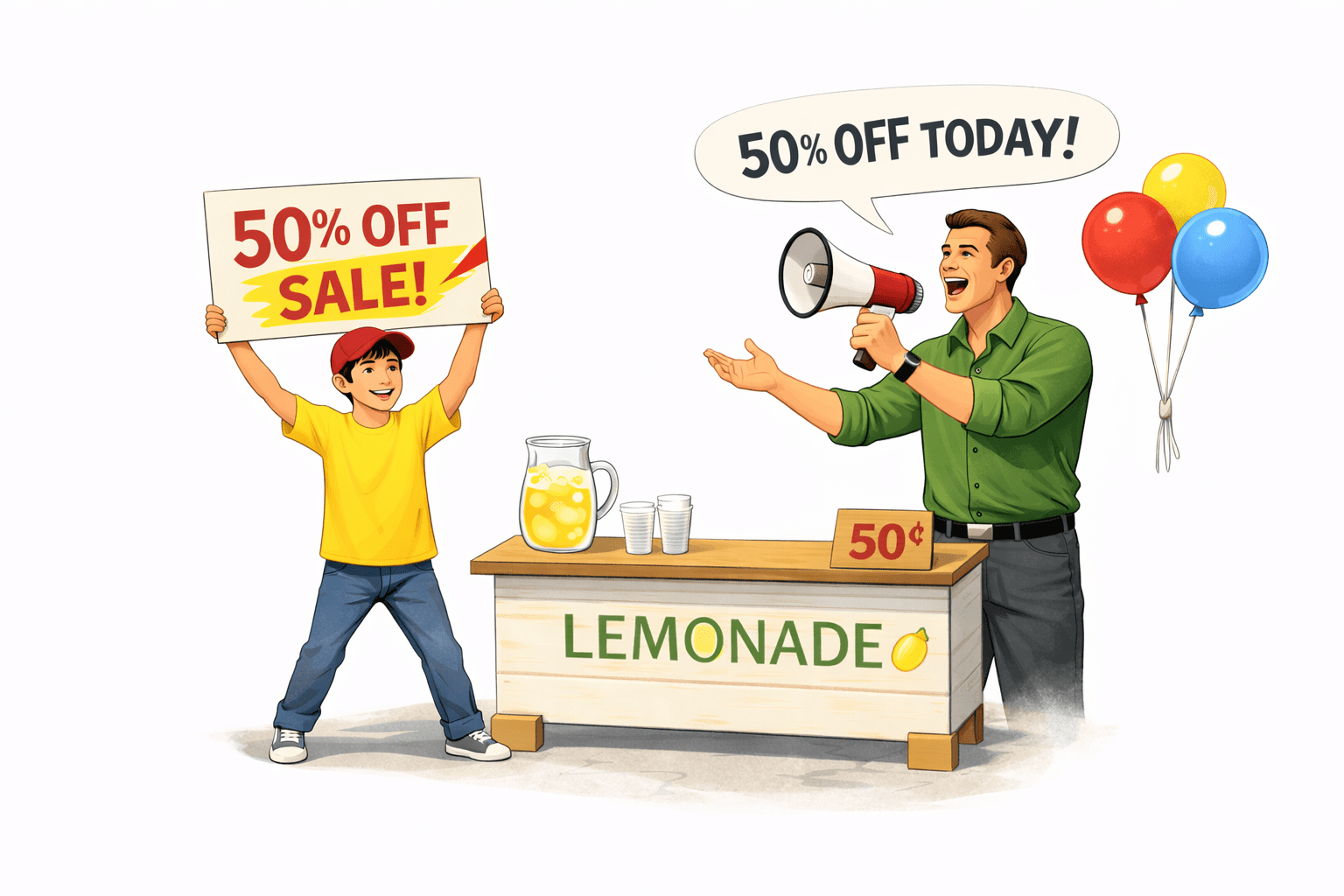
Sam wants quick customers, so he promotes “50% OFF TODAY!” with signs and balloons
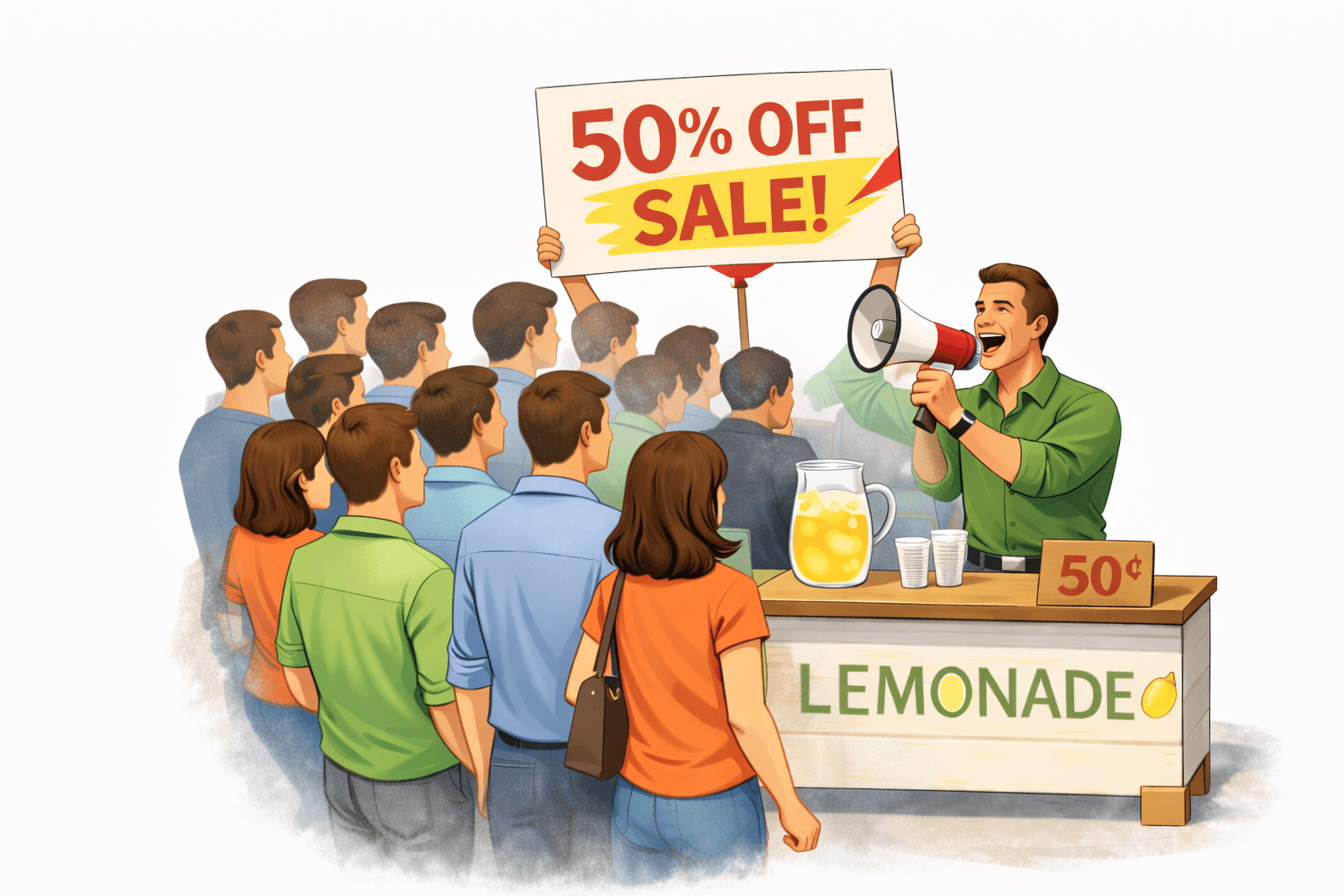
People rush in and sales rise quickly.
But when the promotions stop, the crowd disappears
From Lemonade Stand to Social Media Marketing
In the lemonade story:
-
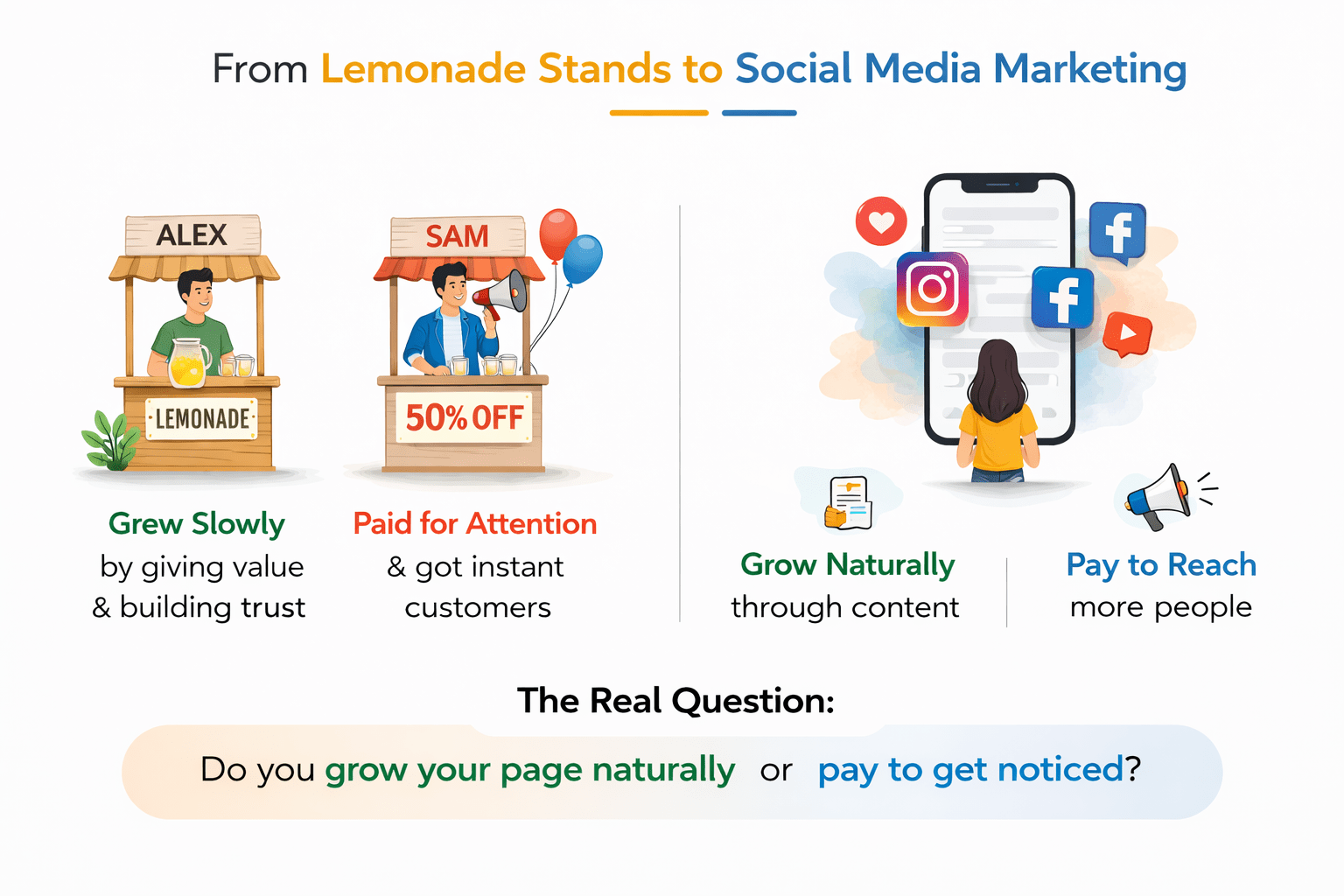
Alex grew slowly by giving value and building trust.
-
Sam paid for attention and got instant customers.
From Lemonade Stand to Social Media Marketing
Now think of this same situation on social media
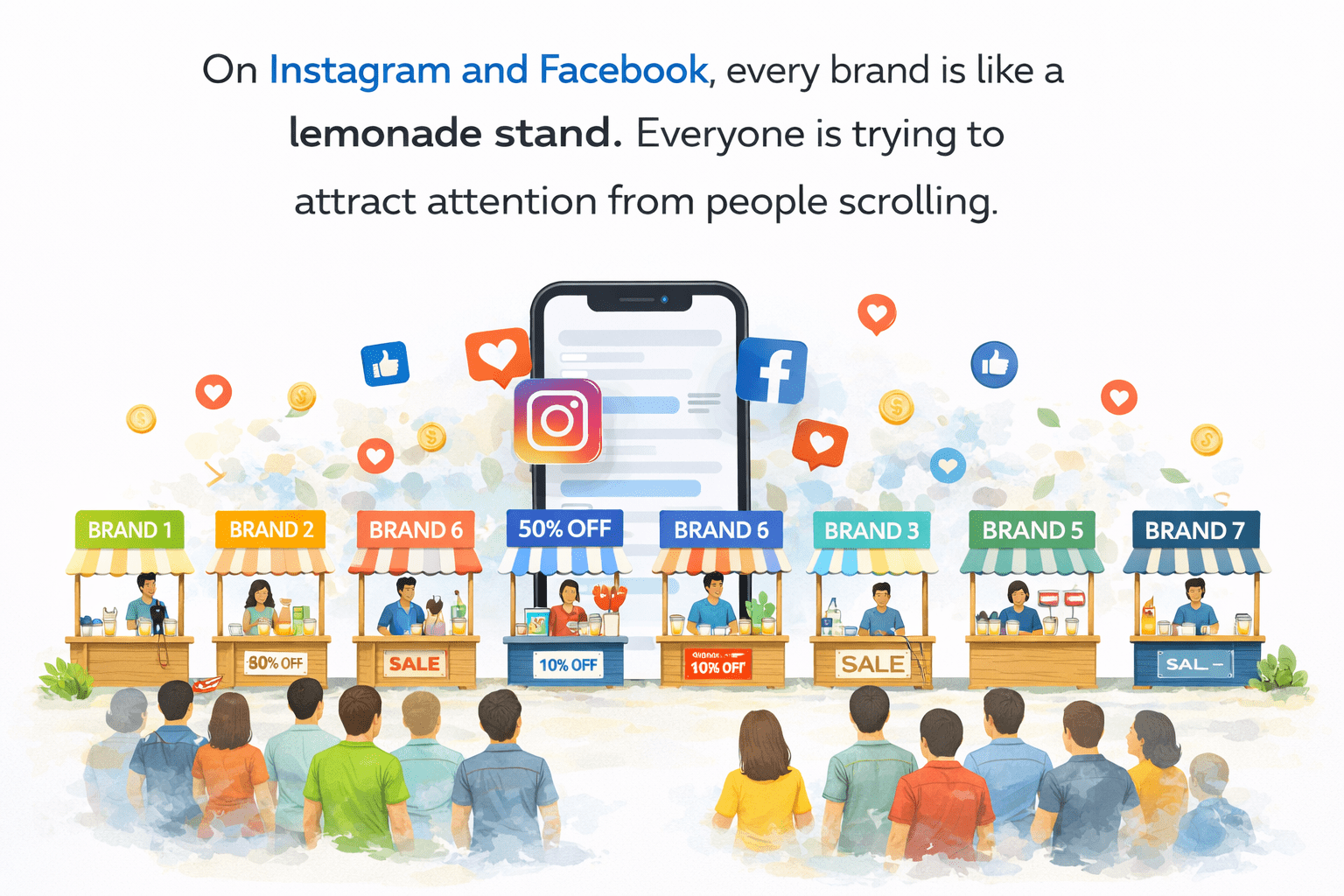
On Instagram or Facebook, every brand is like a lemonade stand trying to grab attention
The real question becomes:
Do you grow your page naturally through content,
OR
Do you pay Instagram to show your content to more people?
From Lemonade Stand to Social Media Marketing
Alex = Organic Social Media Marketing
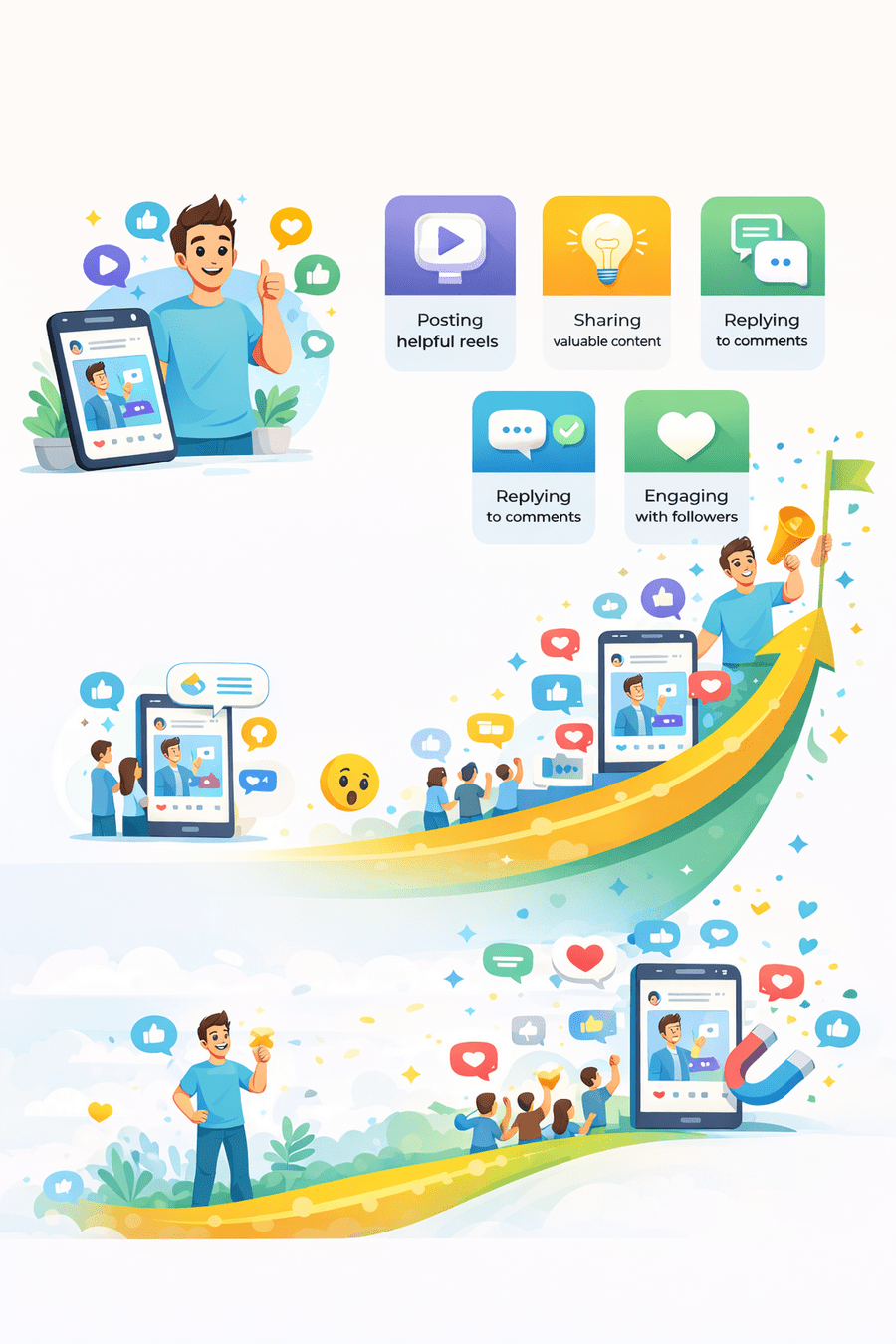
Engaging with followers
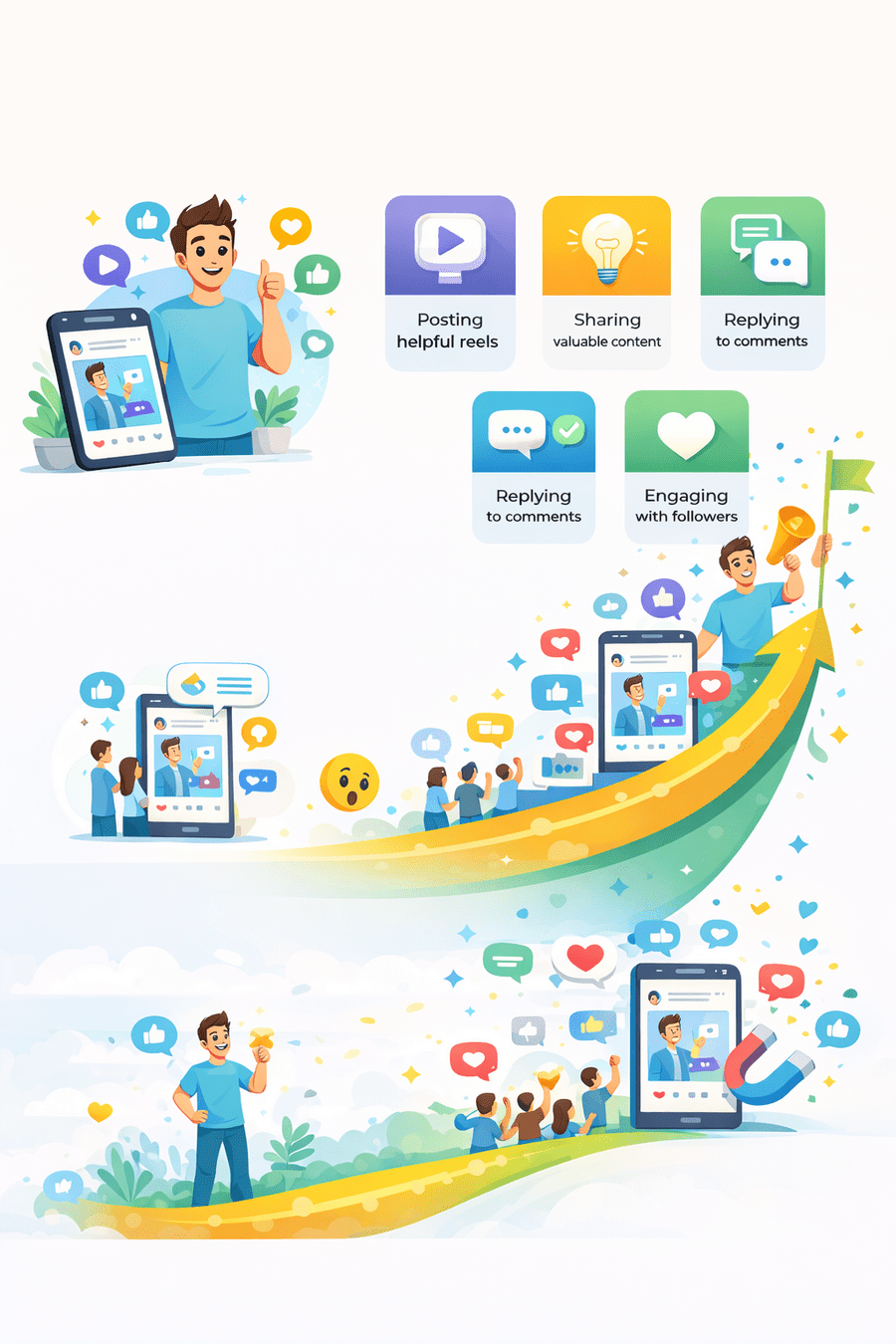
Sharing valuable content
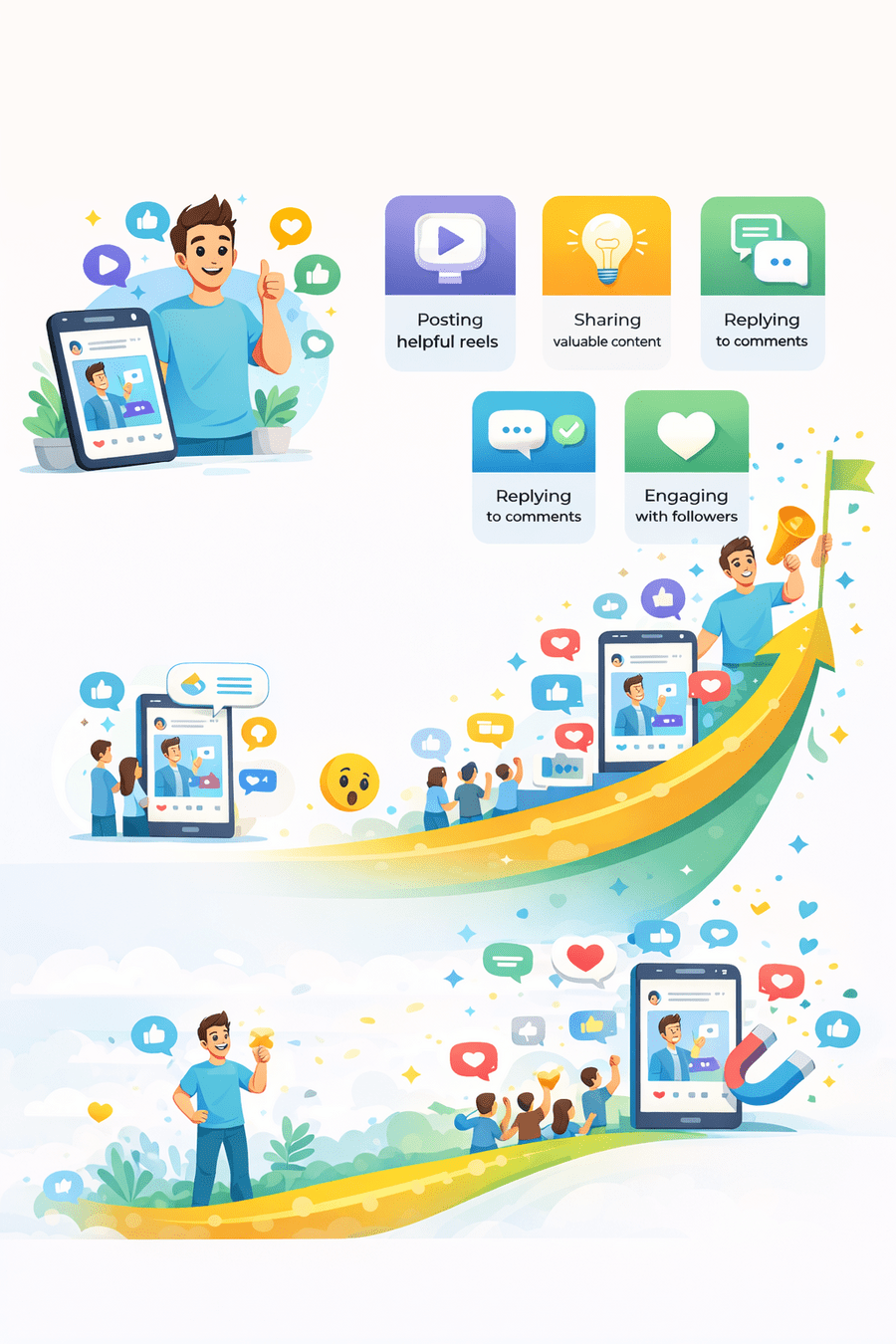
Replying to comments
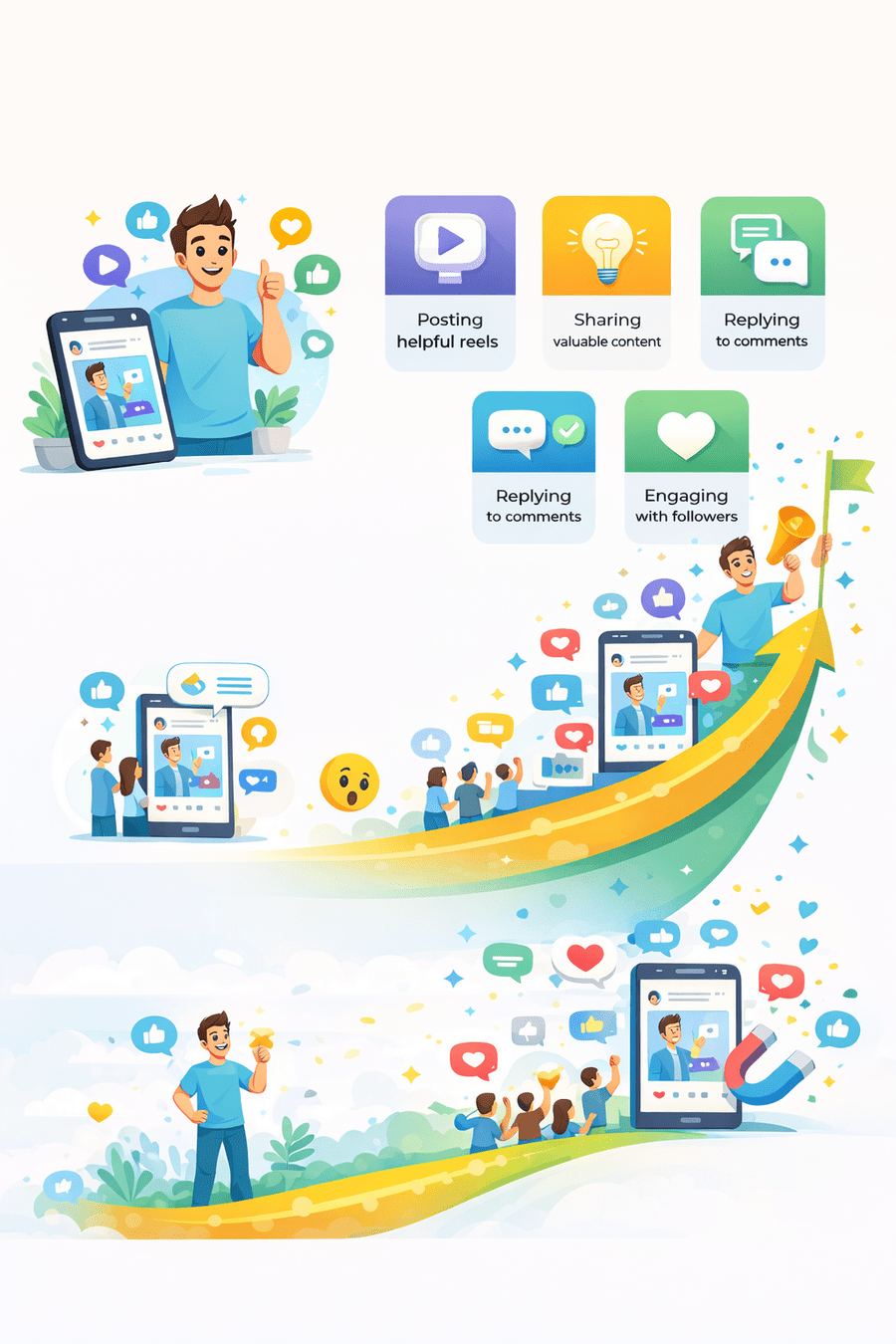
Posting helpful reels
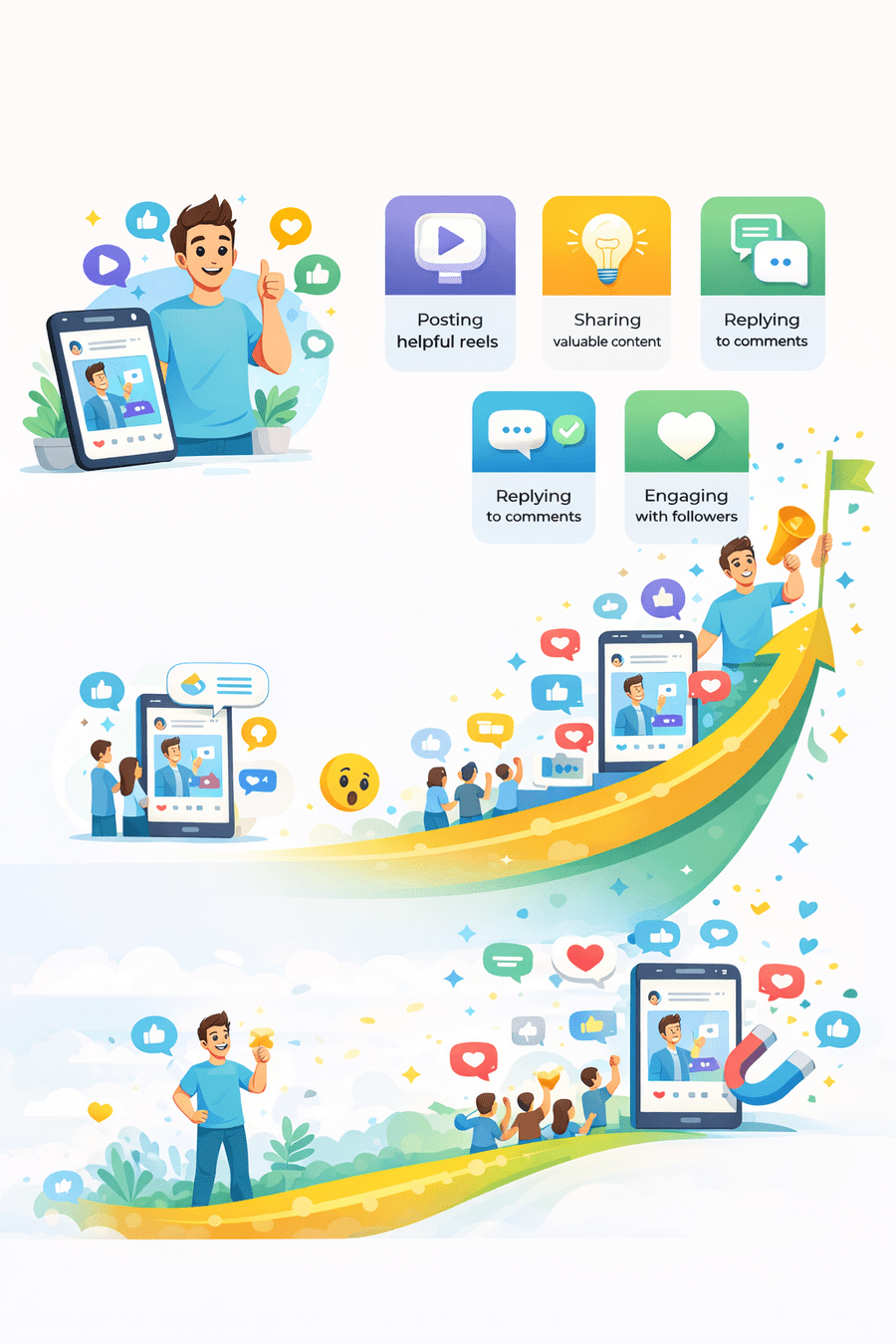
Instead of free samples, imagine :
From Lemonade Stand to Social Media Marketing
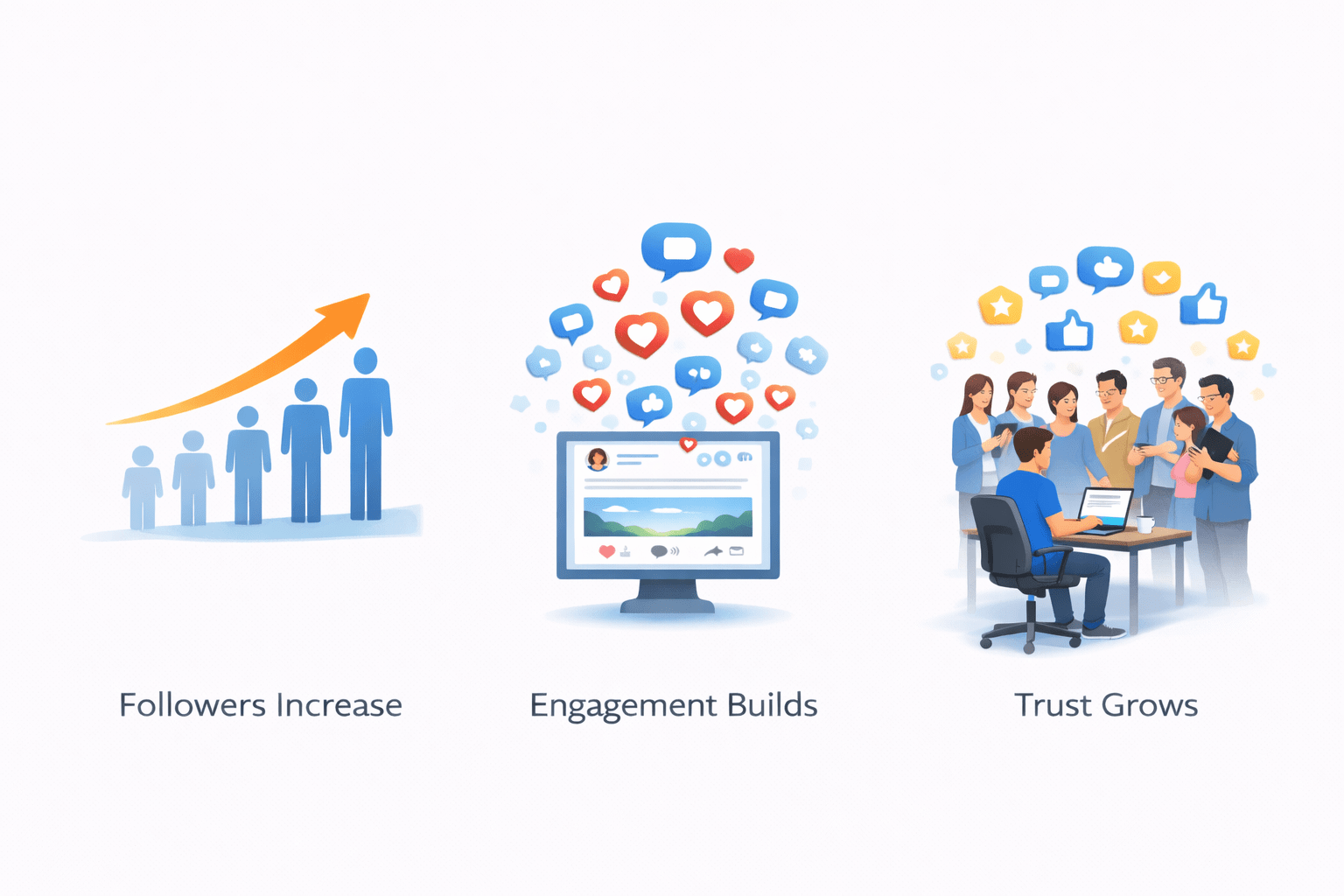
At first, only a few people see the posts
This is organic social media growth
But slowly, followers increase
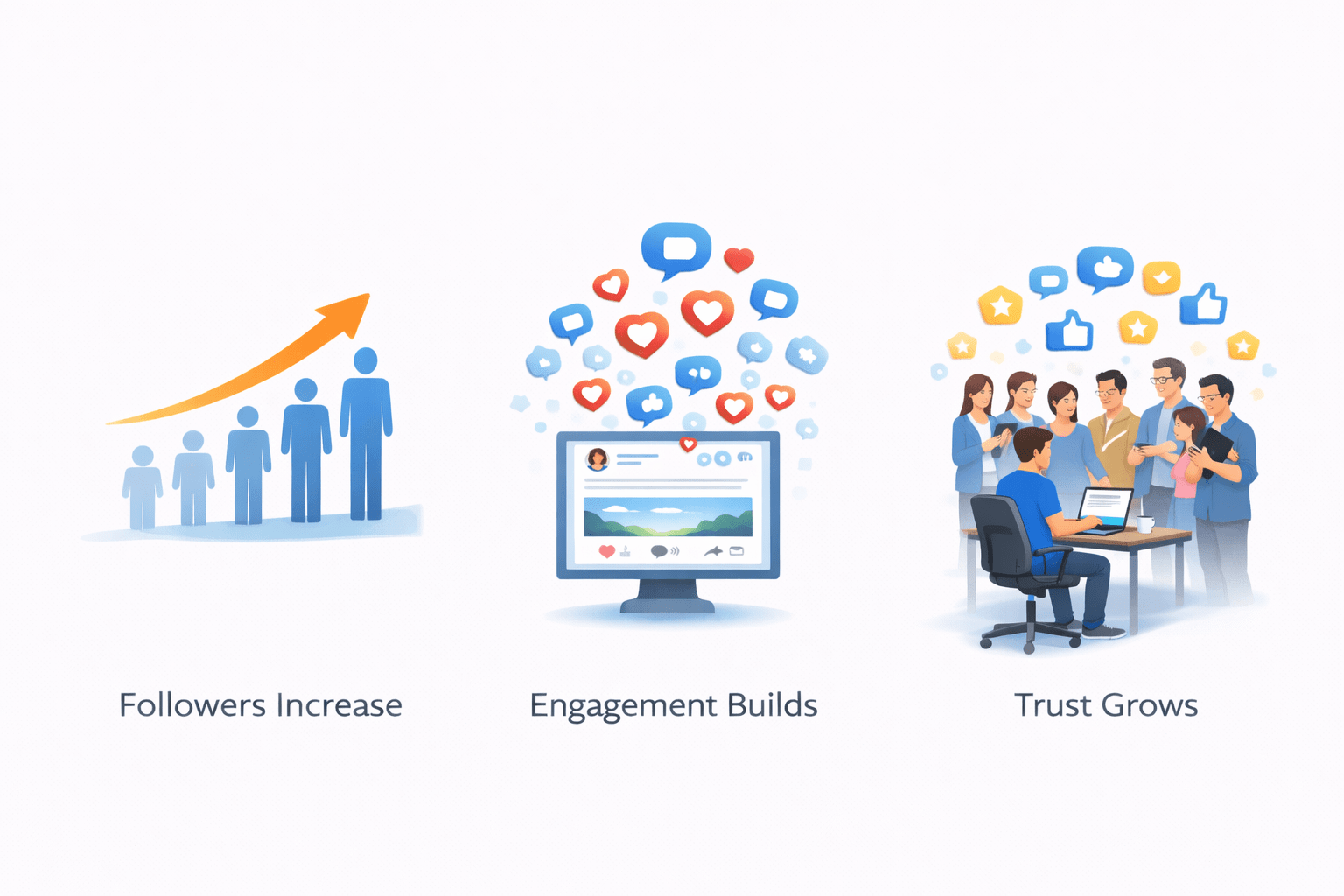
Engagement builds
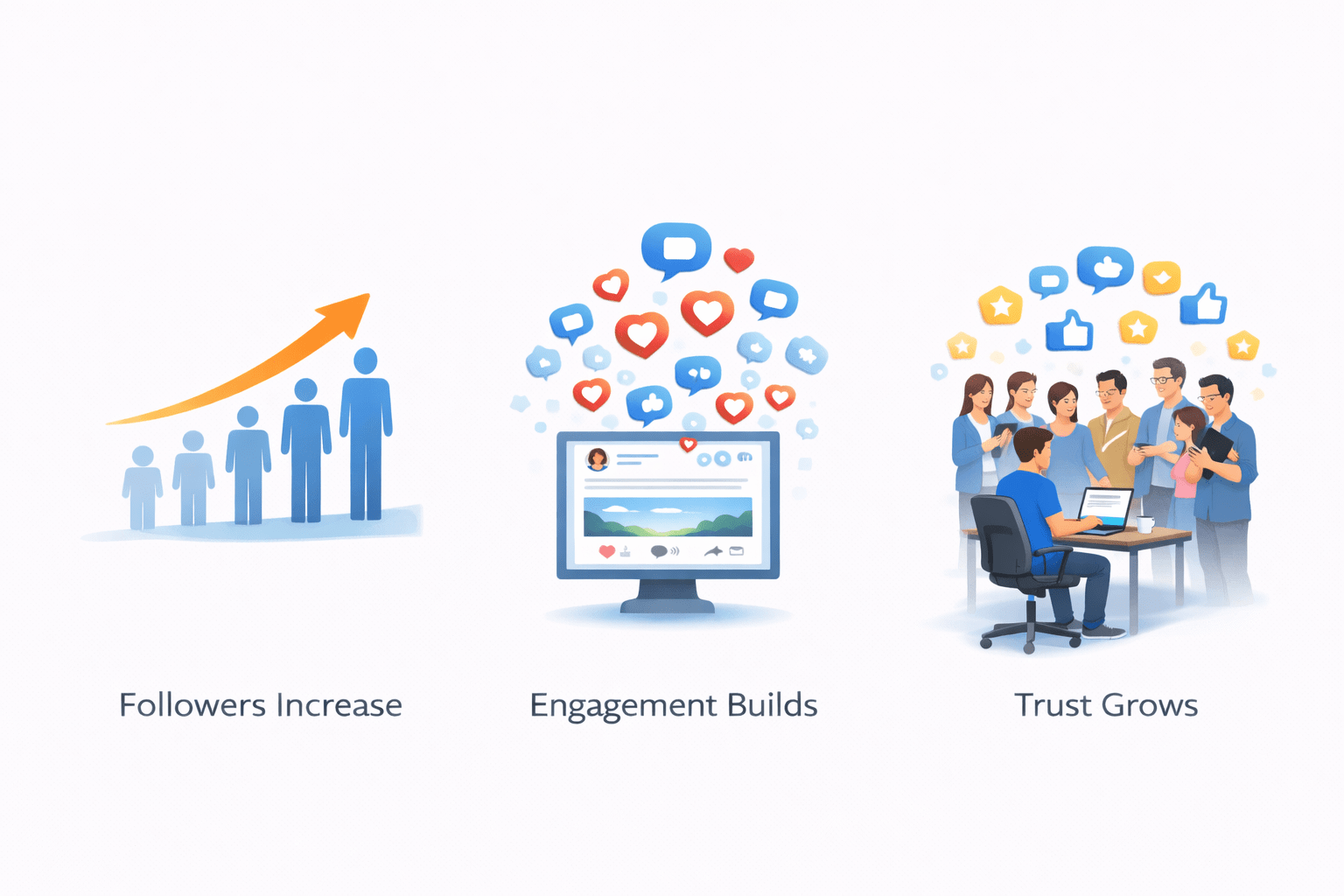

Trust grows
From Lemonade Stand to Social Media Marketing
Sam = Paid Social Media Marketing
Instead of balloons and signboards, imagine:
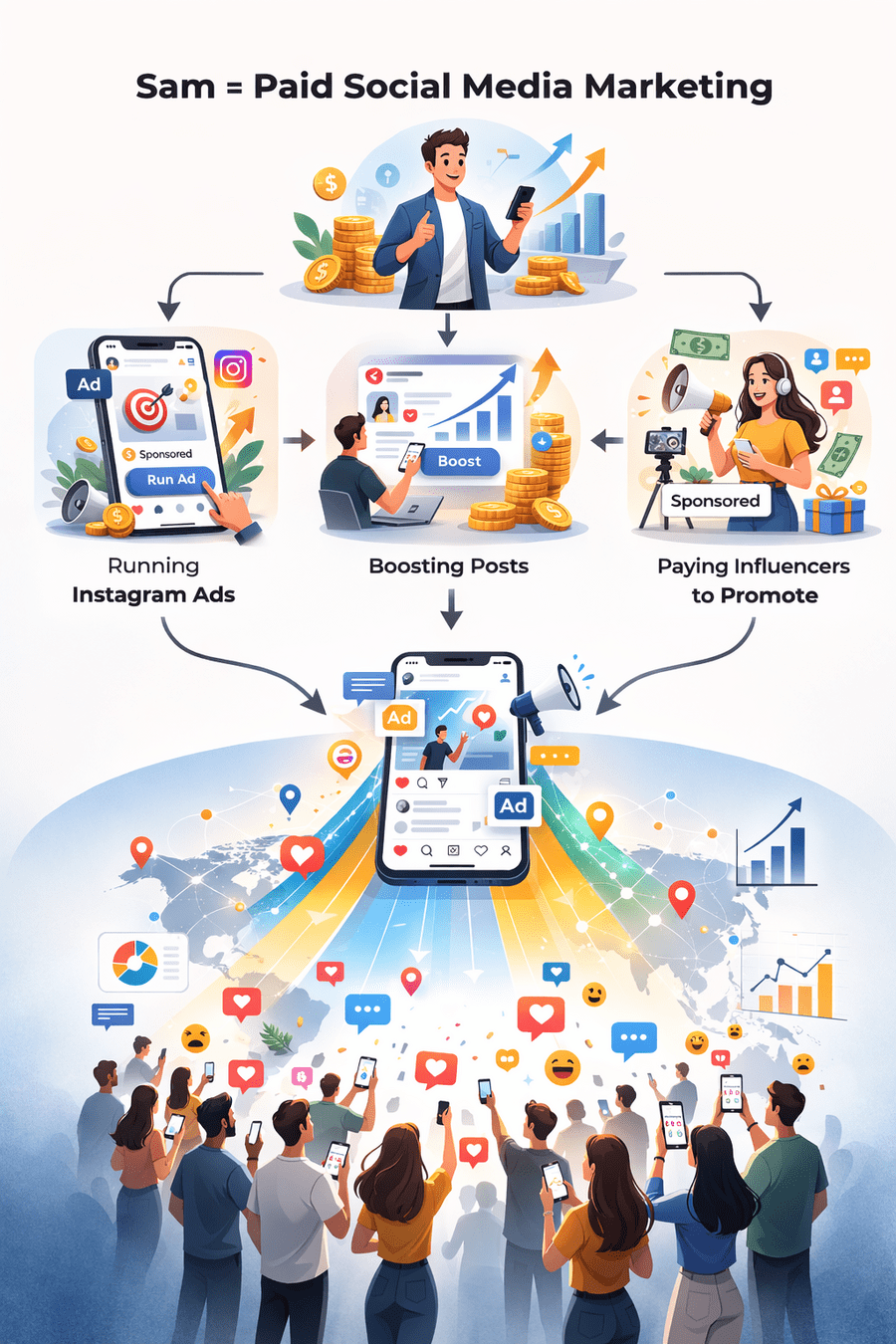
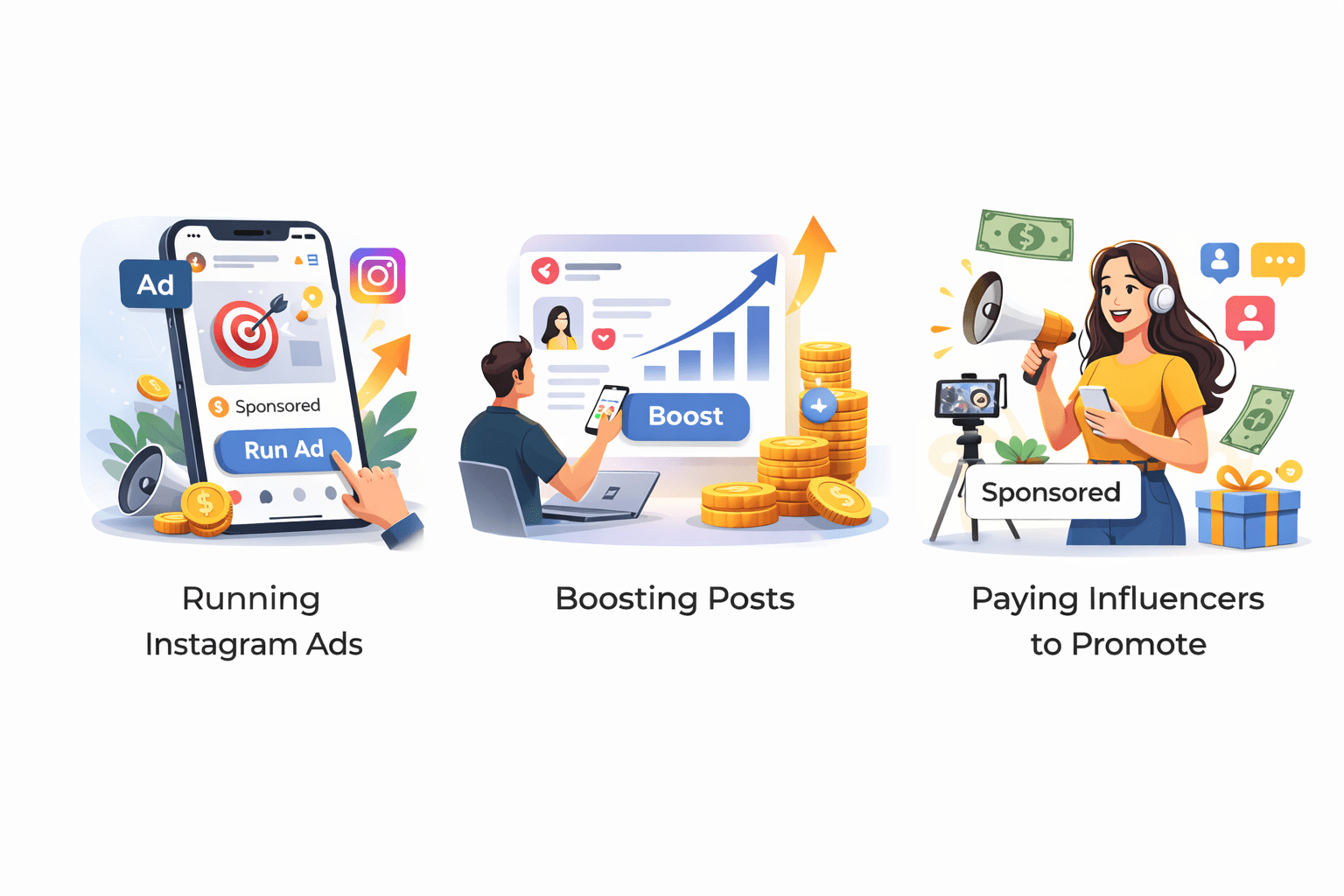
Running Instagram ads
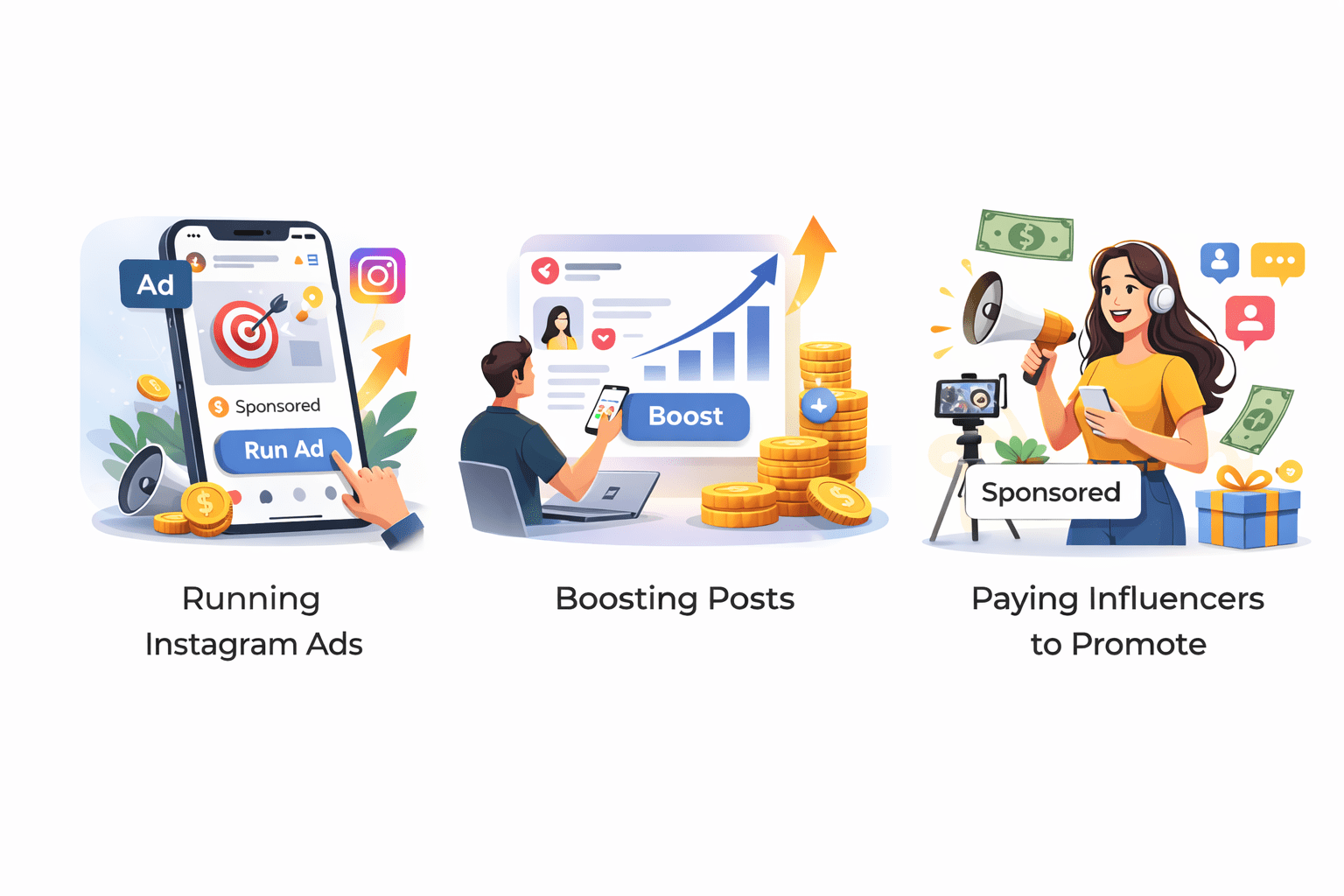
Boosting posts
Paying influencers to promote
From Lemonade Stand to Social Media Marketing
This is paid social media marketing
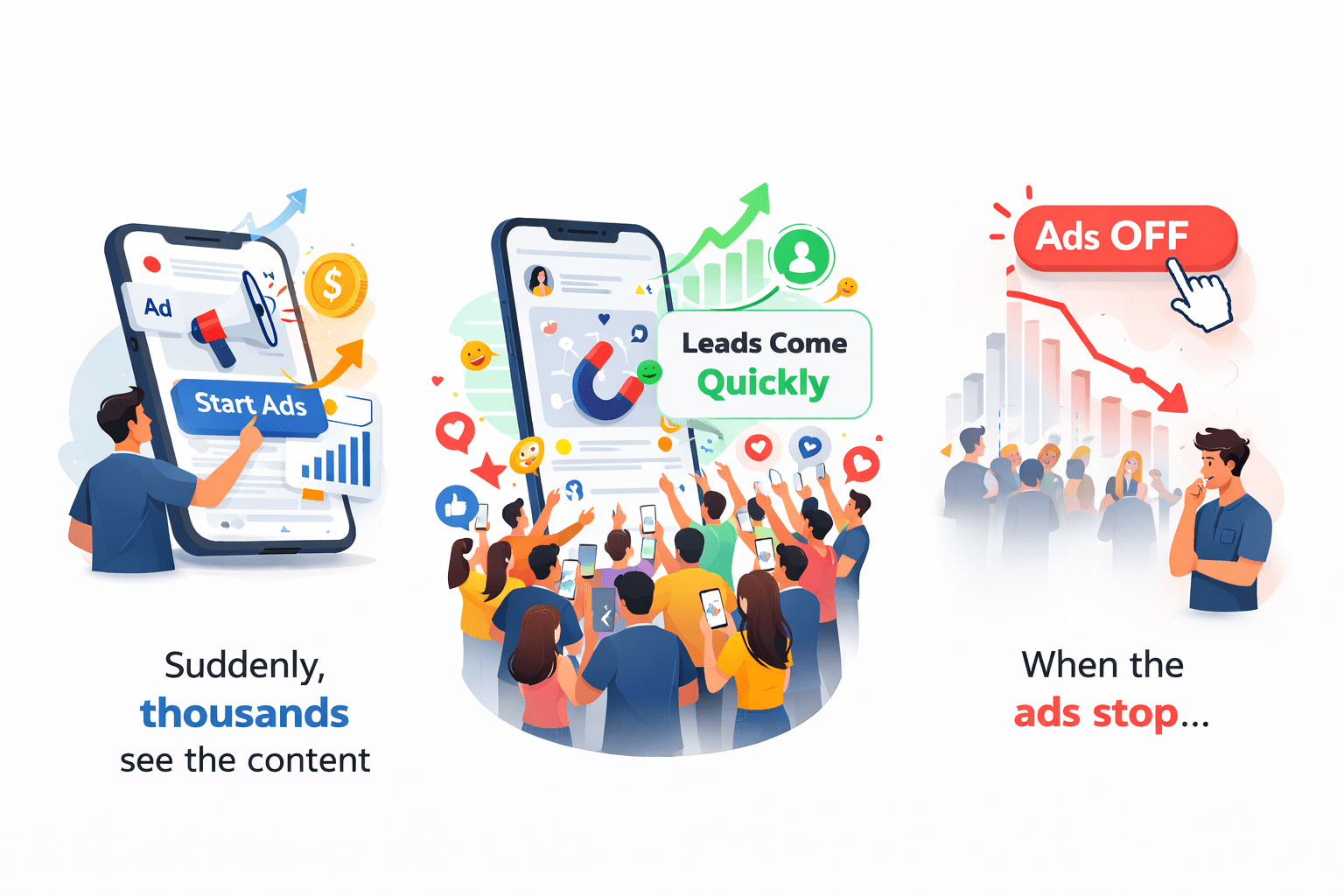
Suddenly, thousands of people see the content
Leads come quickly
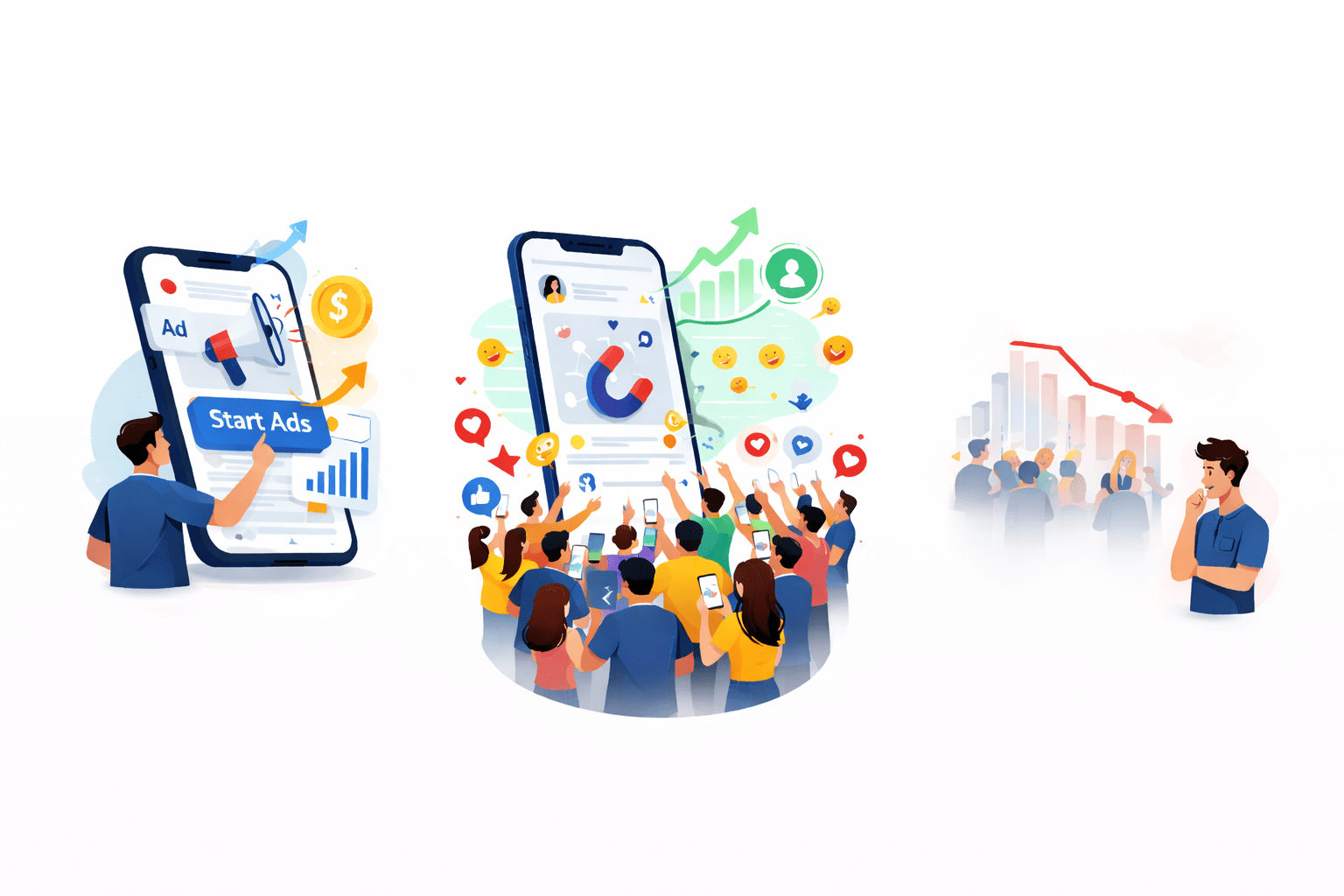
But when the ads stop, extra reach stops
From Lemonade Stand to Social Media Marketing
Just like the lemonade stand:
On social media, you can either
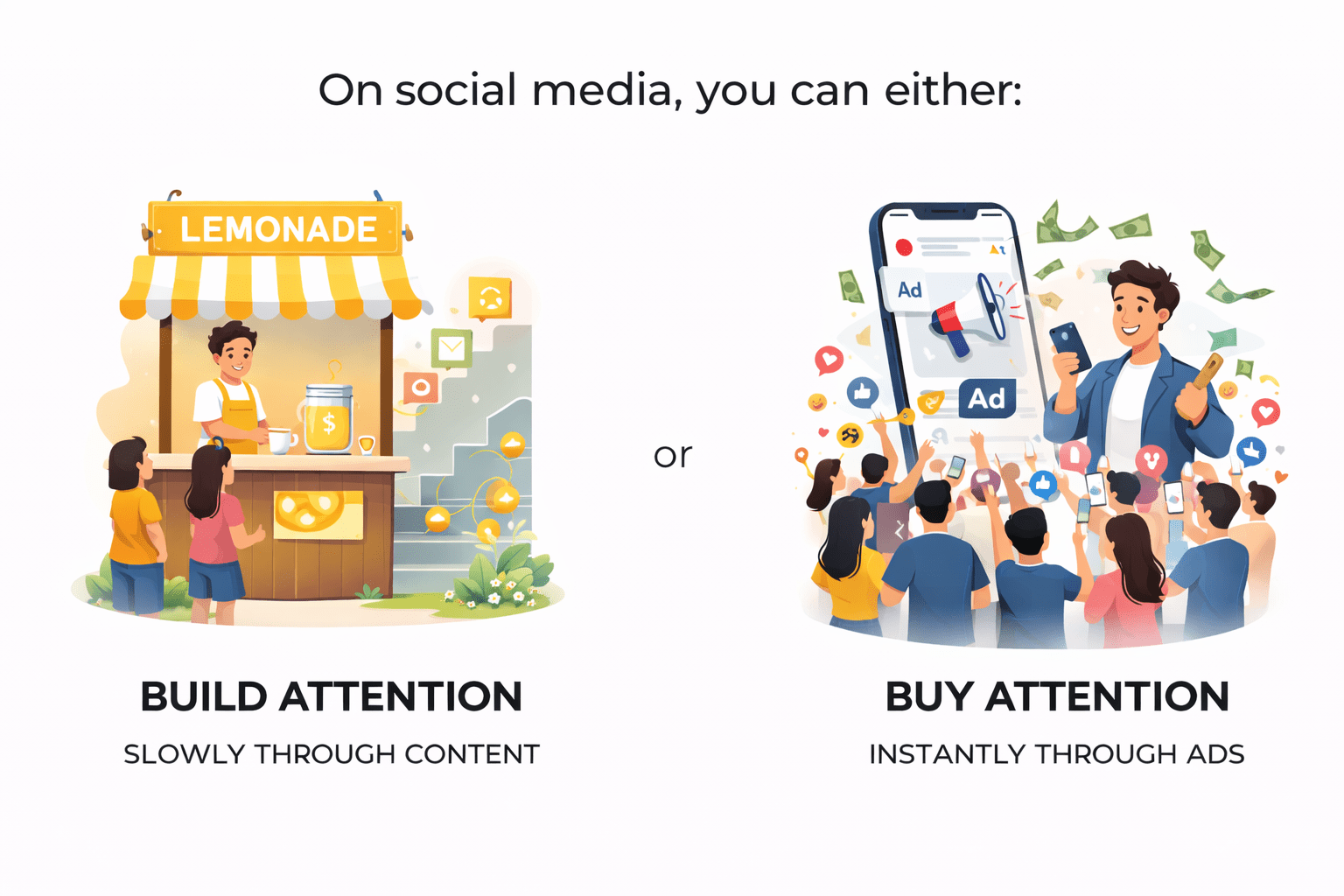
Build Attention
Slowly through content
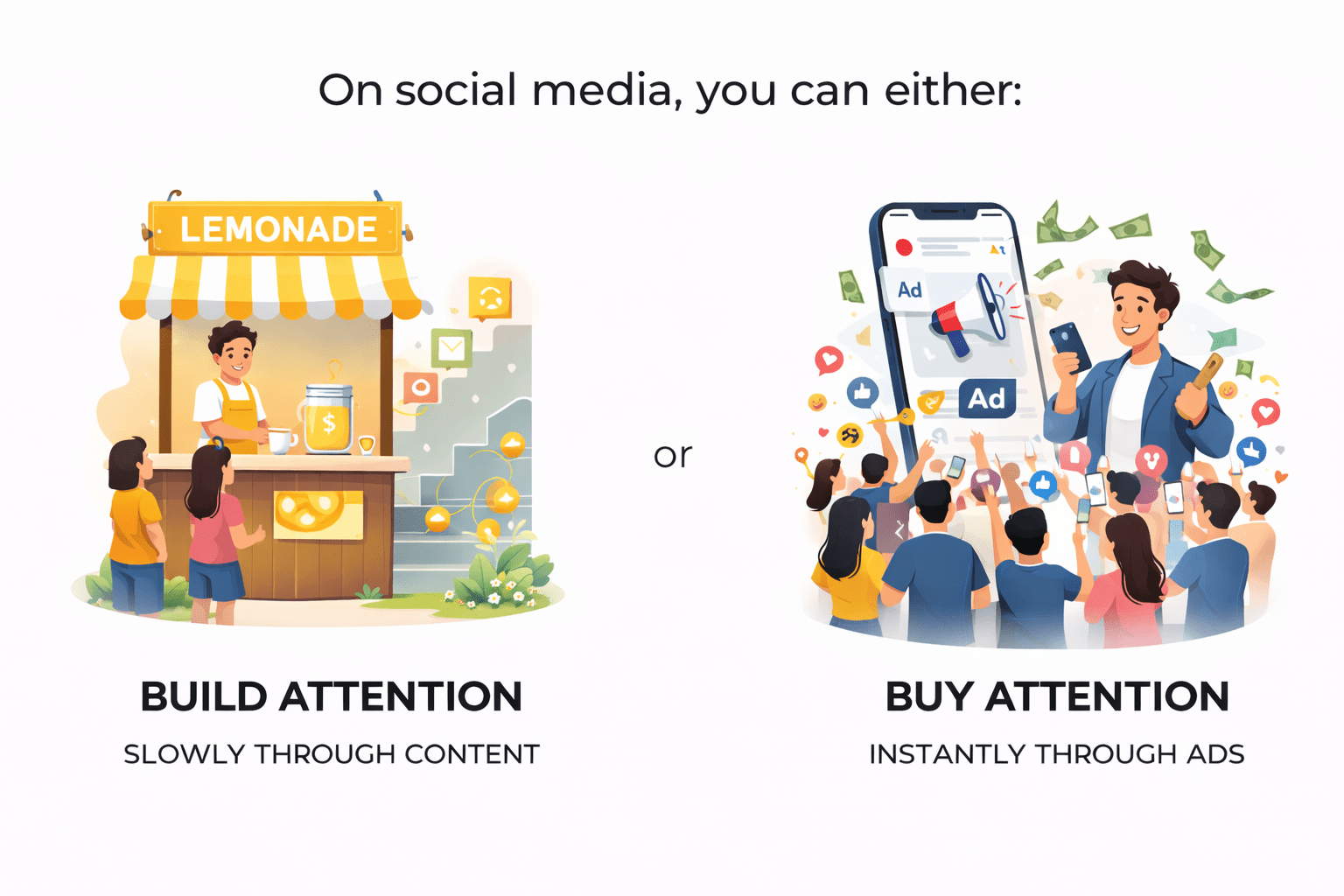
Buy Attention
Instantly through ads
OR
What is Organic Marketing?
Organic marketing is the process of attracting users naturally without paying for advertisements
It focuses on :
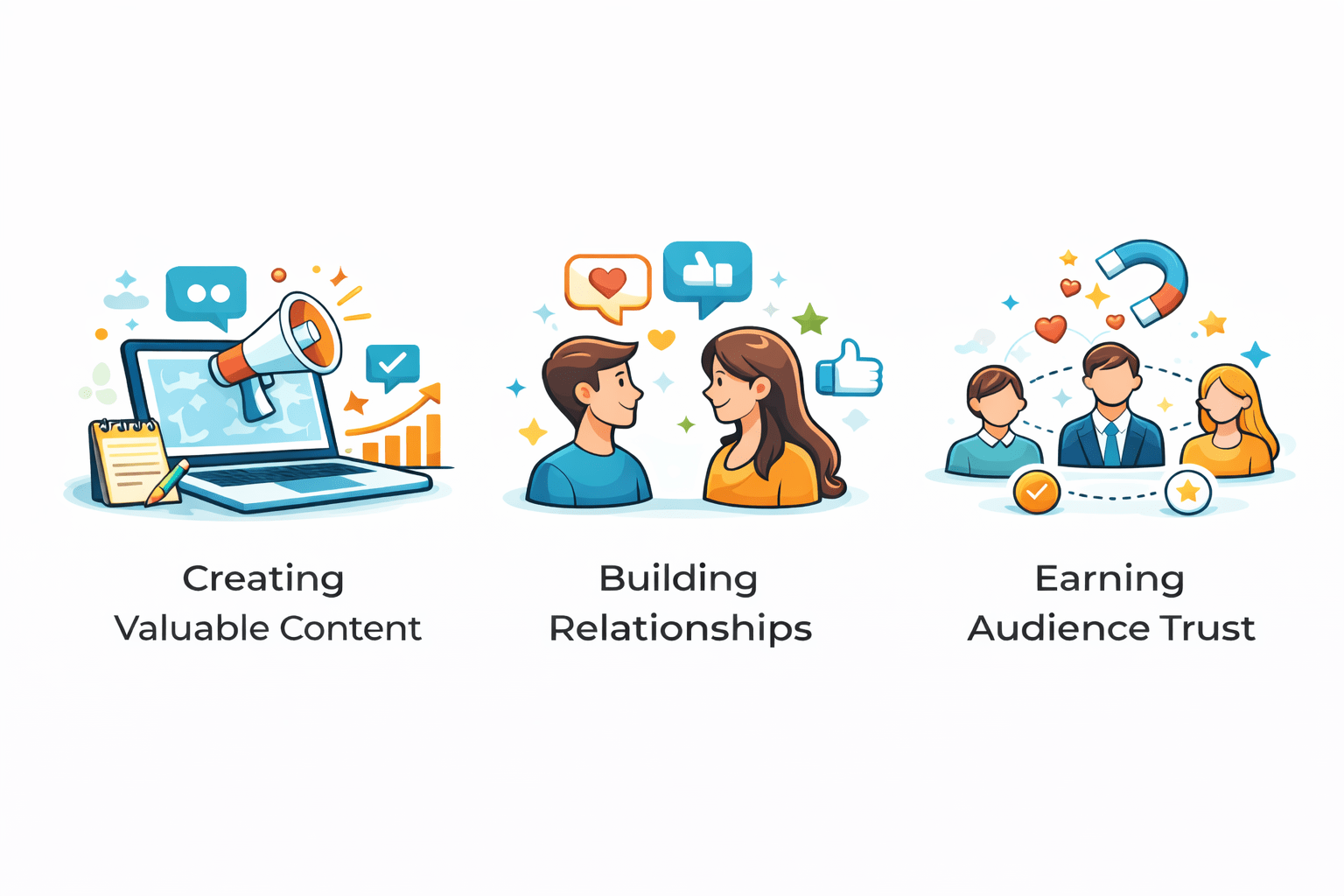
Creating Valuable Content
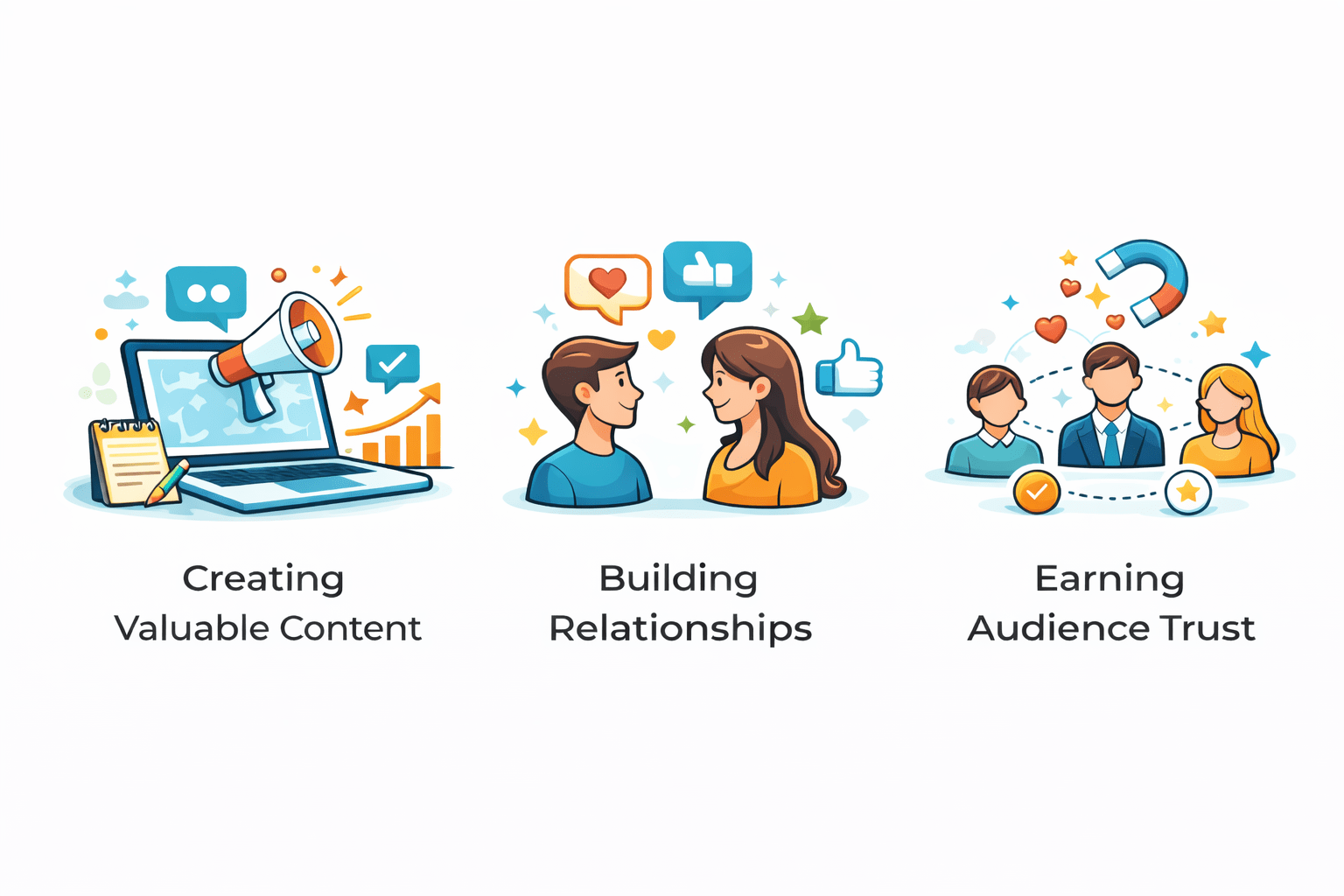
Building Relationships
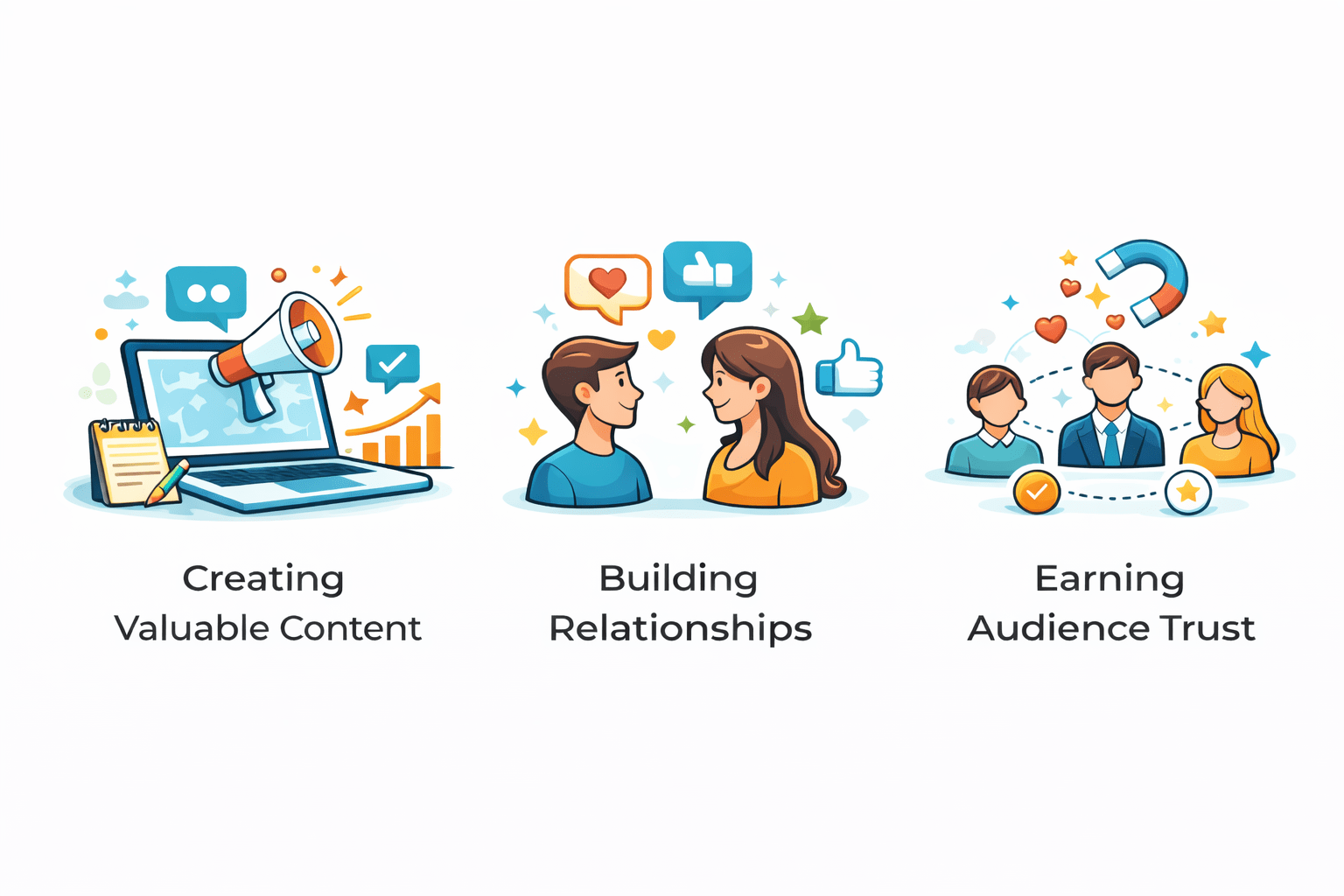
Earning Audience Trust
Importance of Organic Marketing
Organic marketing
Is essential for building credibility and trust among users
When people discover a brand through search results or social media content, they are more likely to trust it
Organic strategies also help reduce dependency on paid advertising and improve overall marketing efficiency
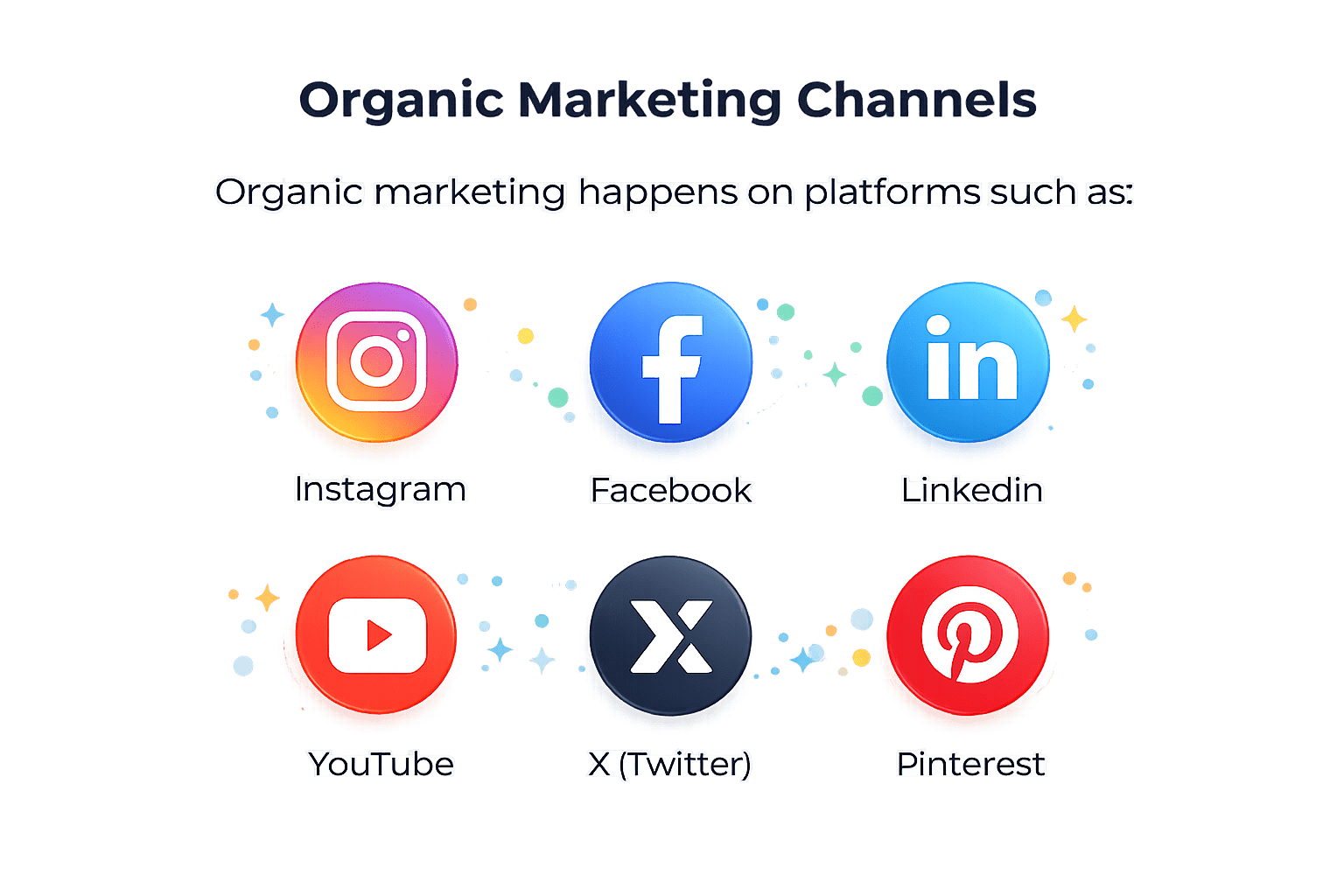
Organic Marketing Channels
YouTube
Organic Marketing Channels
These efforts help nurture long-term engagement
Activities include:
Posting reels, carousels, and stories
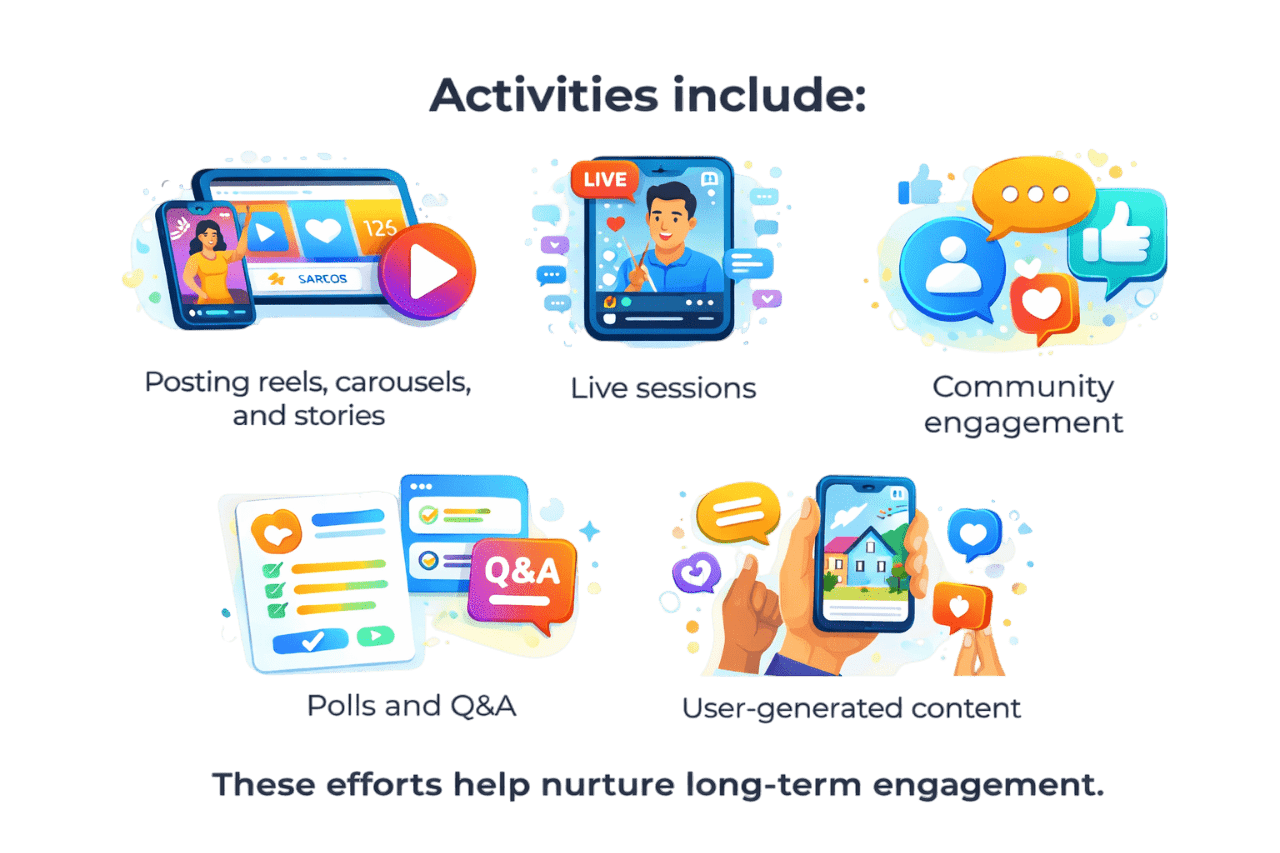
Live Sessions
Community Engagement
Polls and Q&A
User-generated content
What is Paid Marketing?
Paid marketing involves promoting products or services by paying advertising platforms to show ads to a targeted audience. It delivers immediate visibility and traffic
Lead Generation
Product Launches
Quick Sales

PAID MARKETING
Importance of Paid Marketing
Paid marketing allows businesses to reach specific audiences based on demographics, interests, and behavior
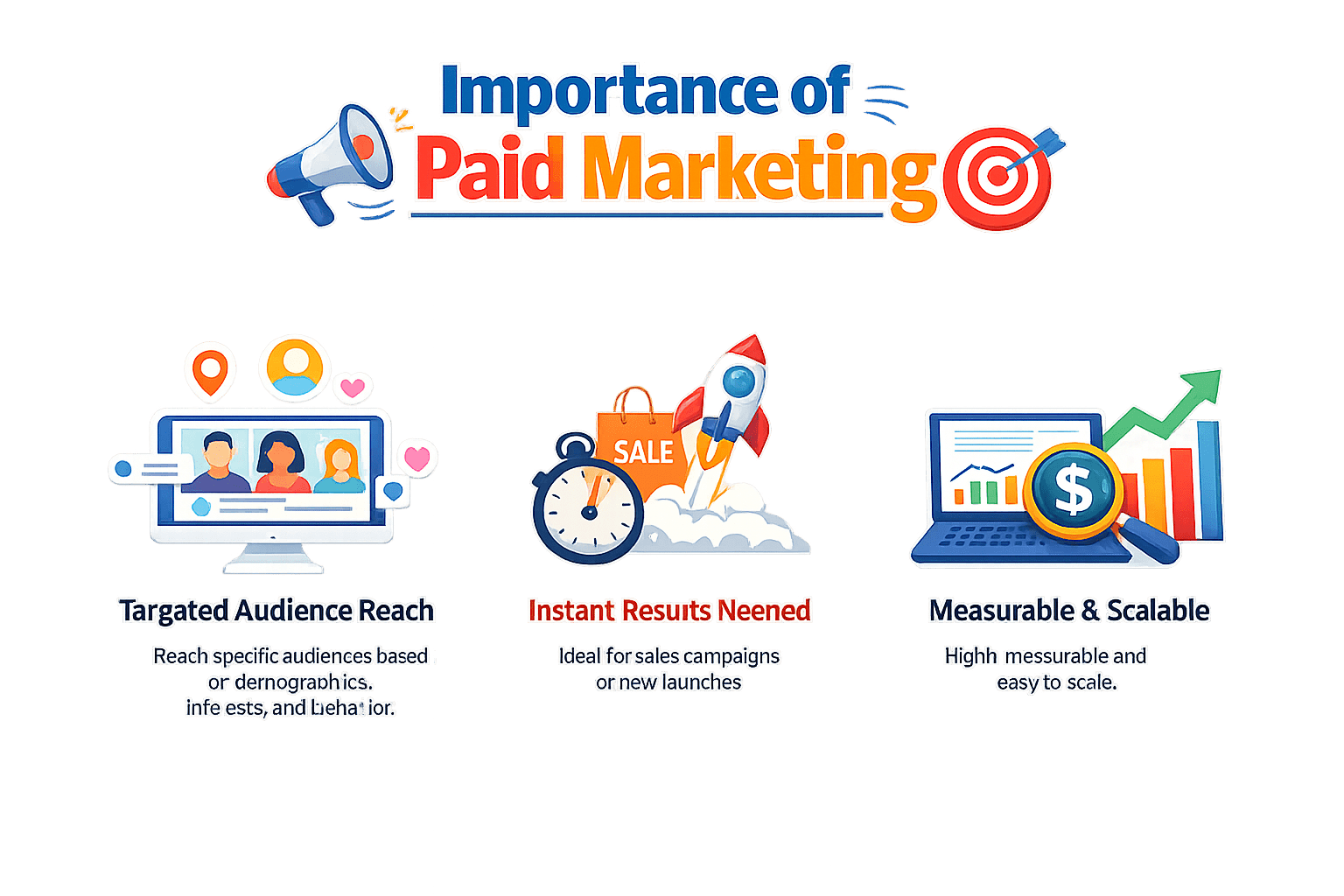
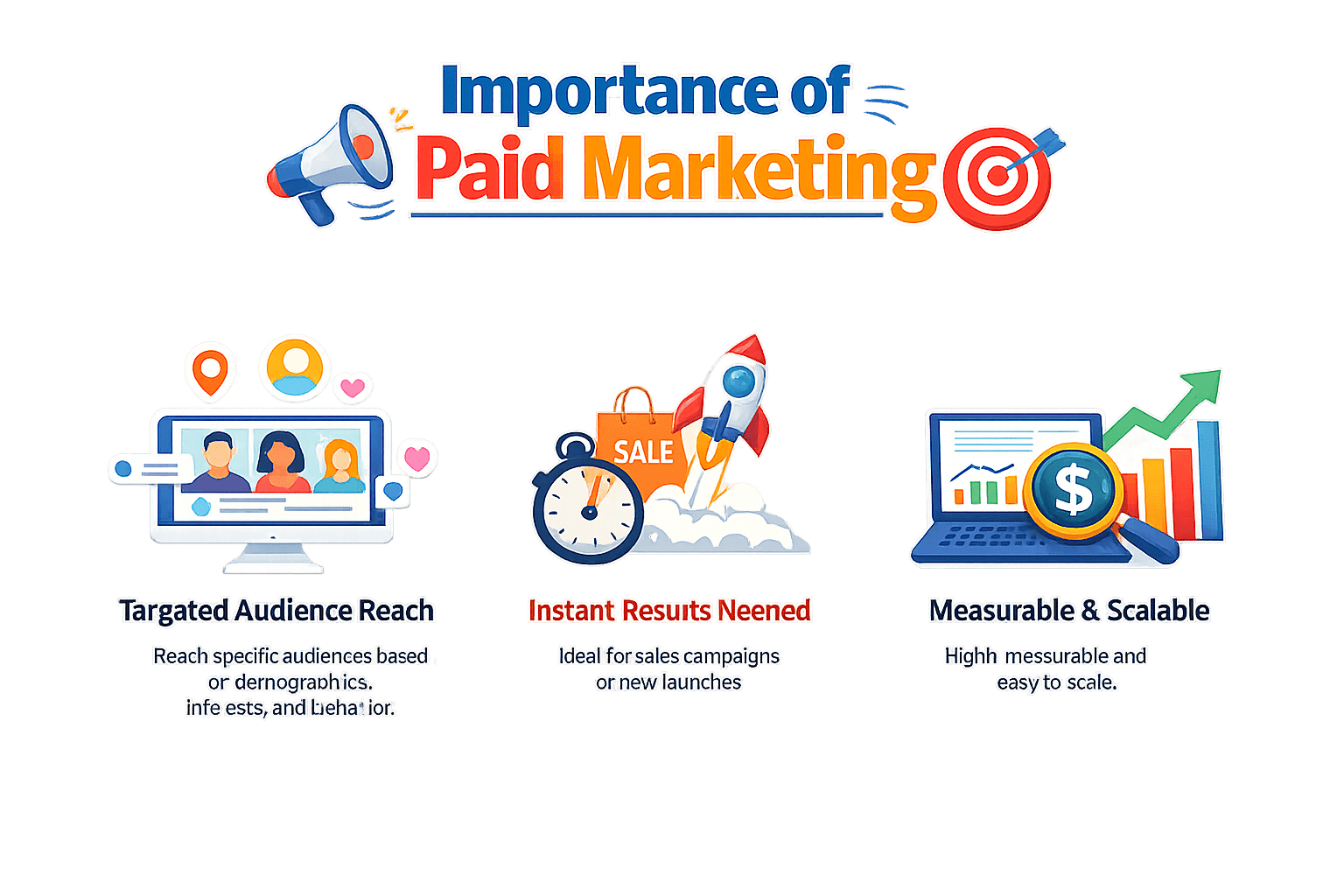
It is useful when immediate results are required, such as during sales campaigns or new launches
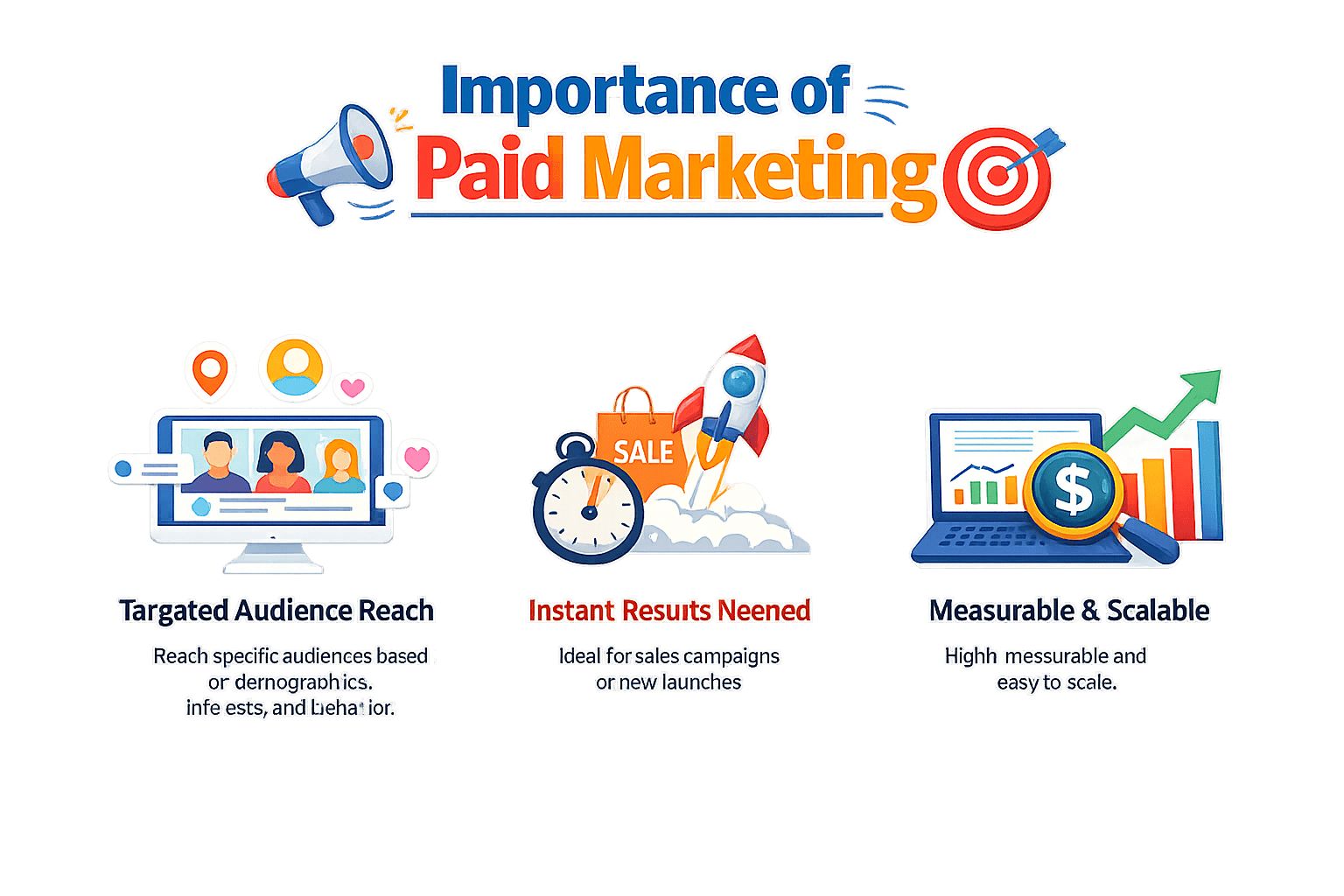
Paid marketing is also highly measurable and scalable
Paid Marketing Platforms
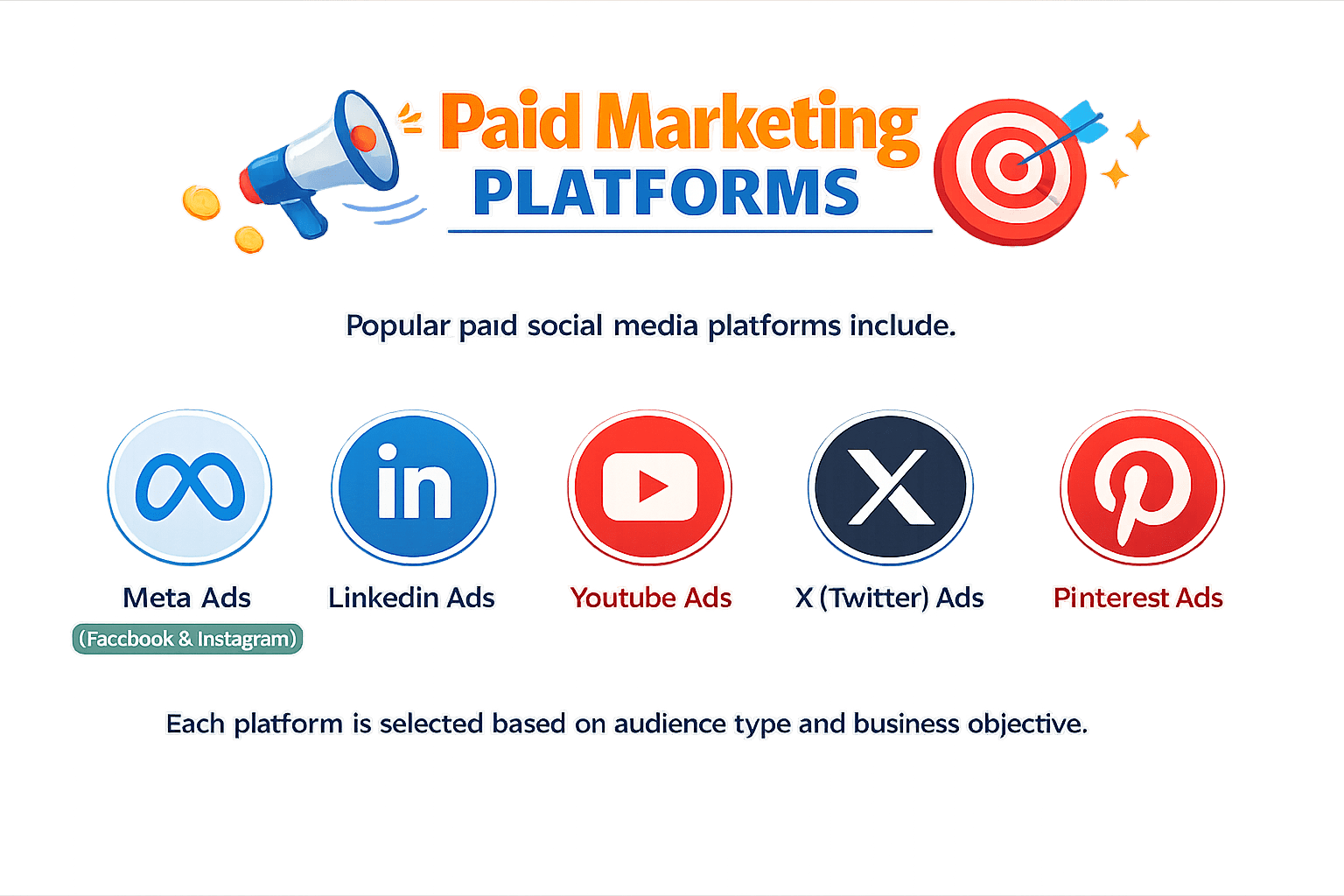
Popular paid social media platforms include:
Meta Ads
LinkedIn Ads
YouTube Ads
X (Twitter) Ads
Pinterest Ads
Each platform is selected based on audience type and business objective
Key differences between organic and paid marketing
Cost
Free (no ad spend)
Requires advertising budget
Result Speed
Slow, long-term results
Fast, immediate results
Sustainability
Long-lasting growth
Stops when ads stop
Trust
Higher audience trust
Lower compared to organic
Purpose
Brand building
Leads & sales generation
Point
Organic Marketing
Paid Marketing
Strategies in Organic and Paid Marketing:
Organic marketing focuses on building long-term engagement and authority through consistent activity
Organic strategies take time but build a strong digital presence and loyal audience
Content Creation: Posting reels, carousels, stories, and educational content
Consistency: Maintaining a regular posting schedule
Community Engagement: Replying to comments, DMs, and participating in discussions
User-Generated Content: Encouraging customers to share reviews and testimonials.
Strategies in Organic and Paid Marketing:
1
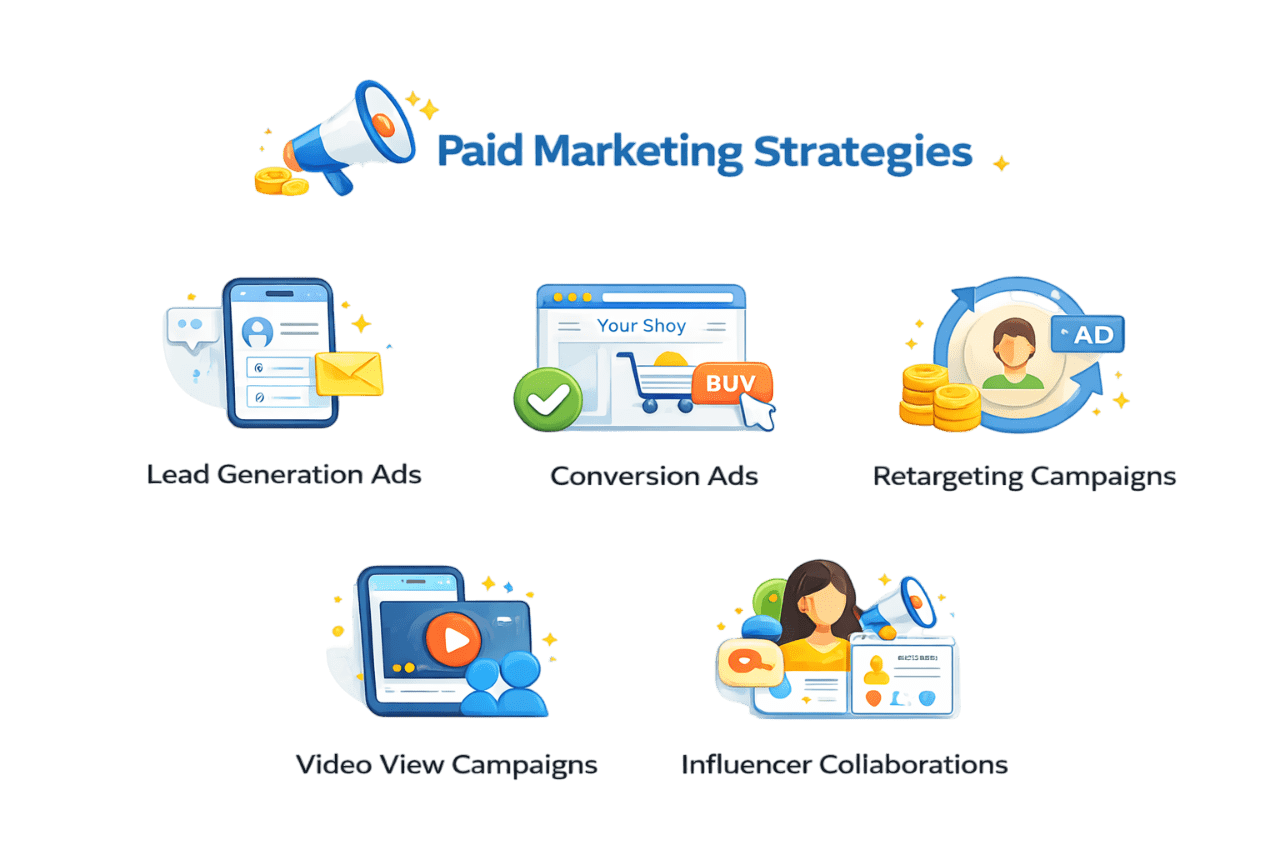
Lead Generation Ads:
Collecting contact details through social media forms
2
Conversion Ads:
Driving website purchases or registrations
3
Retargeting Campaigns:
Showing ads to users who engaged with content or visited the page
Paid marketing focuses on reaching targeted audiences quickly through advertising
Strategies in Organic and Paid Marketing:
4.
Video View Campaigns:
Increasing awareness through paid video promotions
5.
Influencer Paid Collaborations:
Expanding reach through sponsored promotions
Paid strategies provide faster reach and measurable outcomes but require continuous investment
Summary
5
Best results come from using both strategies together
4
Paid delivers fast visibility and leads
3
Organic builds long-term trust and community
2
Paid marketing uses ads to reach audiences quickly
1
Organic marketing: Natural audience growth through content
Quiz
Which of the following is a disadvantage of digital marketing?
A. Global reach
B. Real-time optimization
C. High competition
D. Cost-effectiveness

Quiz-Answer
Which of the following is a disadvantage of digital marketing?
A. Global reach
B. Real-time optimization
C. High competition
D. Cost-effectiveness
