BIOSC 1540: L0.0 (Introduction)
This is a live streamed presentation. You will automatically follow the presenter and see the slide they're currently on.
This is a live streamed presentation. You will automatically follow the presenter and see the slide they're currently on.
Computational Biology
Lecture 0.0
(BIOSC 1540)
Aug 26, 2025
Course Overview
Alex Maldonado, PhD
he/him
Acceptable ways to address me:
Alex (preferred)
Dr. Maldonado
Dr. M
Office hours: TBD
Email: alex.maldonado@pitt.edu
Ph.D. in Chemical Engineering, 2023
University of Pittsburgh
B.S.E in Chemical Engineering, 2018
Western Michigan University
Position: Assistant Teaching Professor
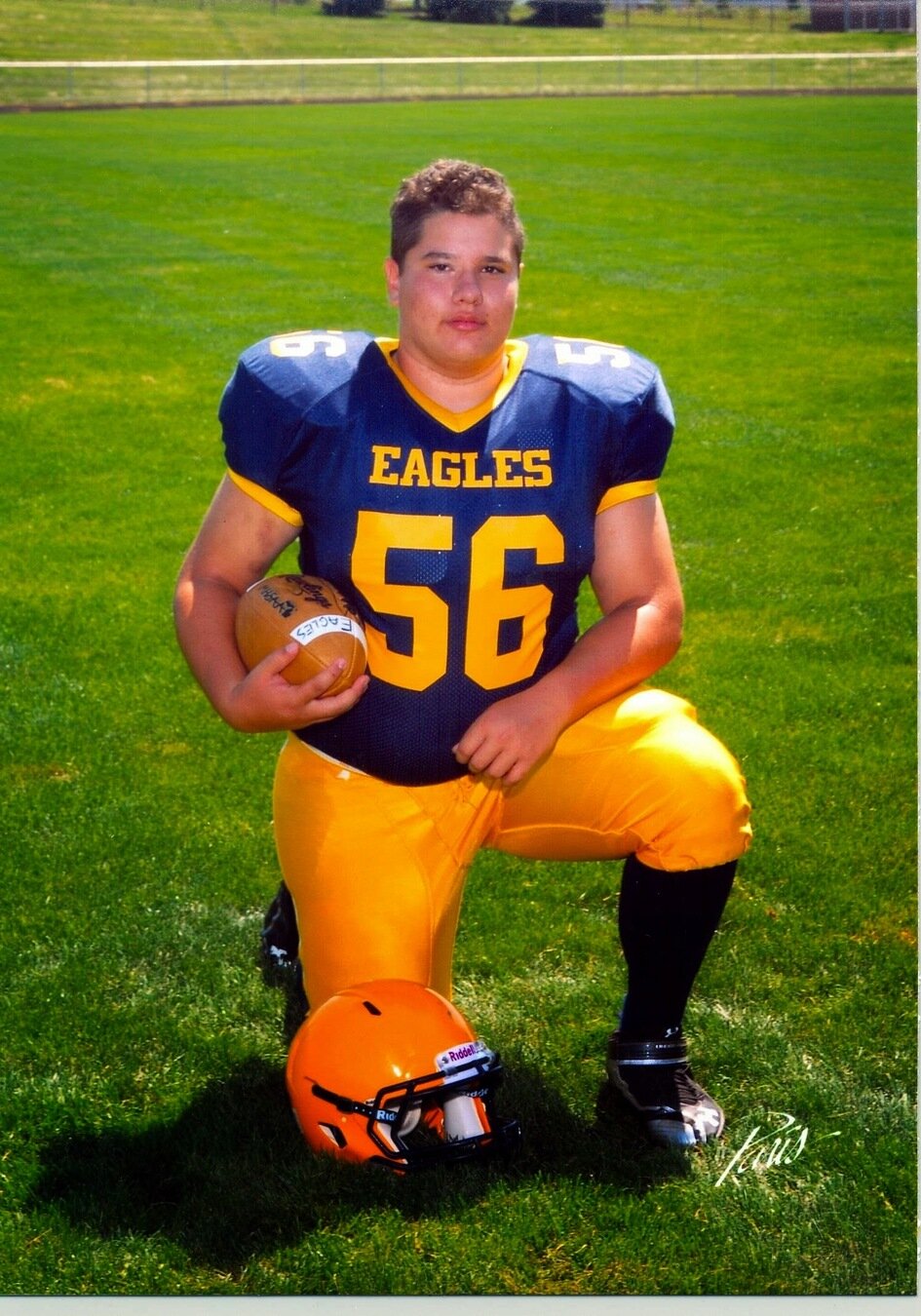
Every male in my (maternal) family played football
—I rebelled
Part-time jobs during college
Thursdays
3:00 - 4:00 pm in L10 Clapp
Caelyn Peppler (Any)
Mariska Goswami (she/her)
Mondays
Justine Denby (she/her)
Rushali Patel (she/her)
11:00 am to 12:00 pm in 102 Clapp
Wednesdays
1:00 to 2:00 pm in L1 Clapp
Priyam Chauhan (she/her)
Jay Grimsdall (he/they)
César Guerra-Solano (he/him)
CByte UTA
All course materials will be posted on this website: pitt-biosc1540-25f.oasci.org/
Why?
There are few comprehensive resources for this rapidly changing field
Things that contain student information will be only on Canvas to be FERPA compliant
Assignments will be submitted on Gradescope
We will have ...
Rationale:
(1) Hands-on projects are key for mastering material.
(2) Quizzes prove your comprehension without outside help.
Minimum quiz average:
To pass the course with a C or higher, your quiz average must be at least 73%. If your quiz average is below 73%, your overall course grade will be capped at a C–, regardless of your project grades.
Rationale:
This reduces the impact of quizzes on your grade while still requiring that you understand the material
| Hours late | Penalty |
|---|---|
| 6 | 1.6% |
| 12 | 6.2% |
| 24 | 25.0% |
| 36 | 56.2% |
| 48 | 100.0% |
We have a forgiving late penalty for a few hours but it rapidly increases after 12 hours
Typically, it is in your best interests to take a few more hours to do your best work
2. Transcriptomics
1. Genomics
3. Computer-aided drug design
4. Molecular simulations
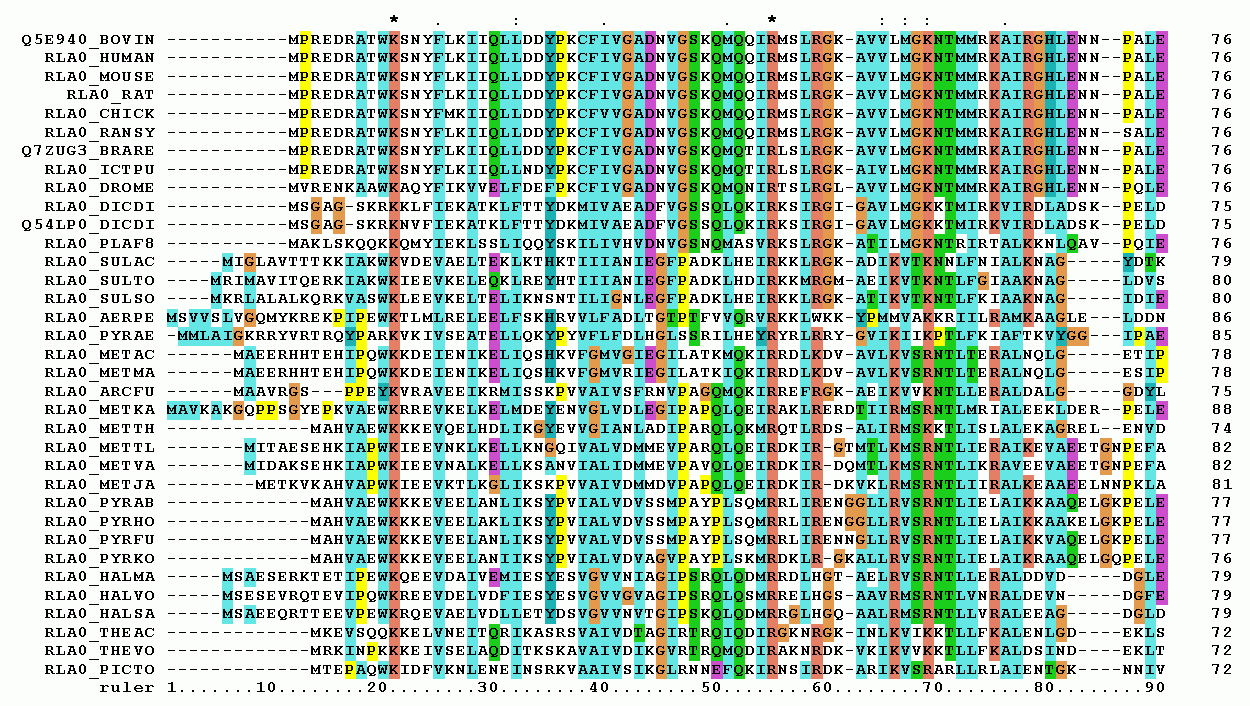
Bioinformatics
Modules
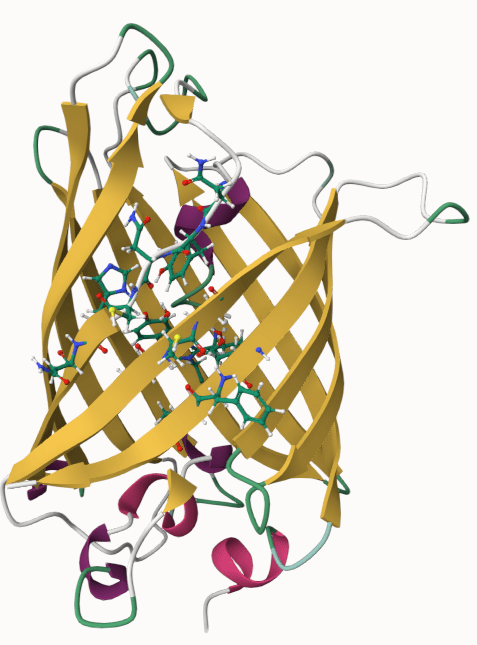
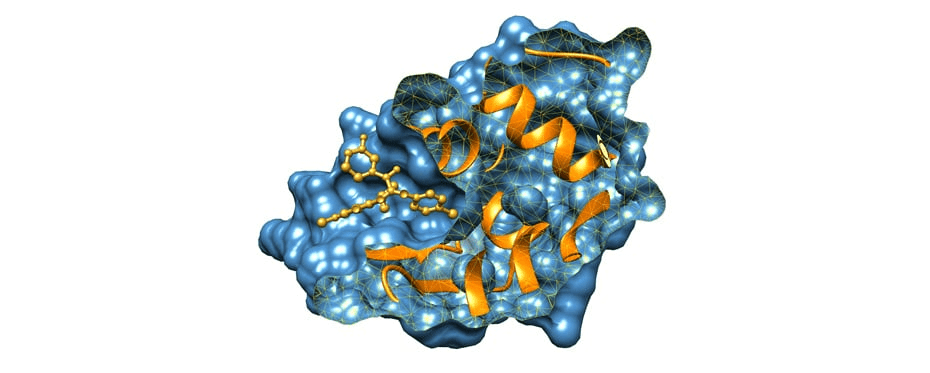
Computational Structural Biology
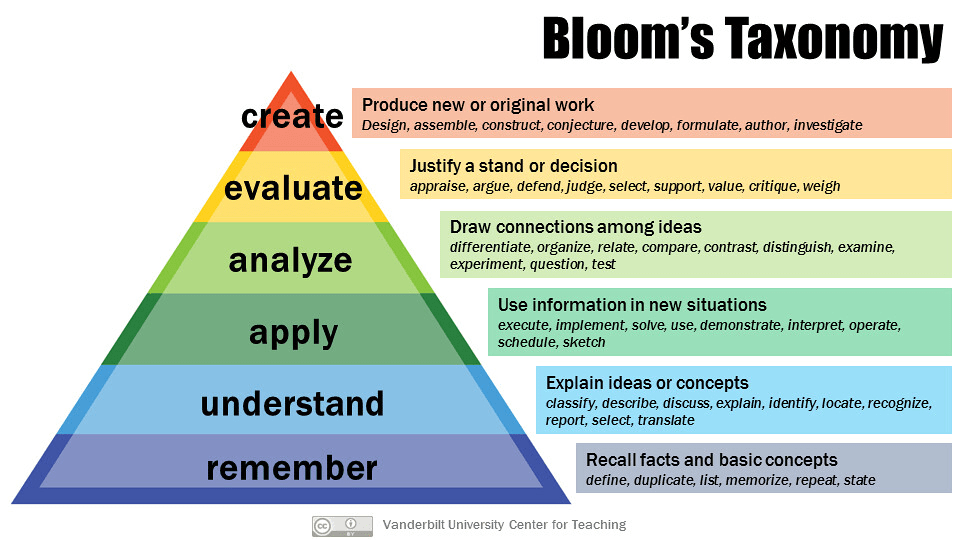
Where do we get our insight from?
How does this influence my teaching?
I primarily focus on the top of Bloom's taxonomy, more akin to computer science and engineering courses
Few points
Many points
Challenging problems are worth fewer points to encourage creative problem solving
Objective: Encourage you to interact more deeply with the course material without a direct impact on your grade
Gamification and incentives: Gradescope autograder will be used to award "Advanced Training Points" (ATP) to students who participate within two weeks of a CByte's release
Rewards: Cumulative ATP can be used to redeem class-wide rewards.
For example, everyone can drop an assignment or quiz or extend a deadline.
First one will be released Jan 17th
César Guerra-Solano was awarded the Chancellor's Undergraduate Teaching Fellowship to develop these CBytes
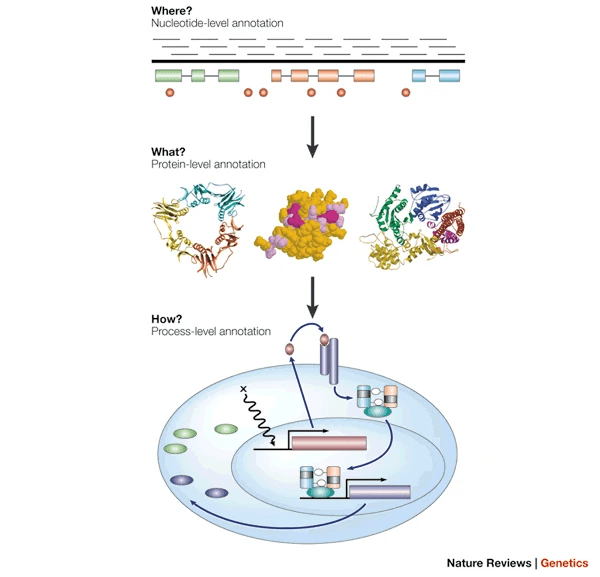
Any application of computational methods to obtain insight into biological phenomena.
My definition . . .
My main categories . . .
Bioinformatics
Computational structural biology
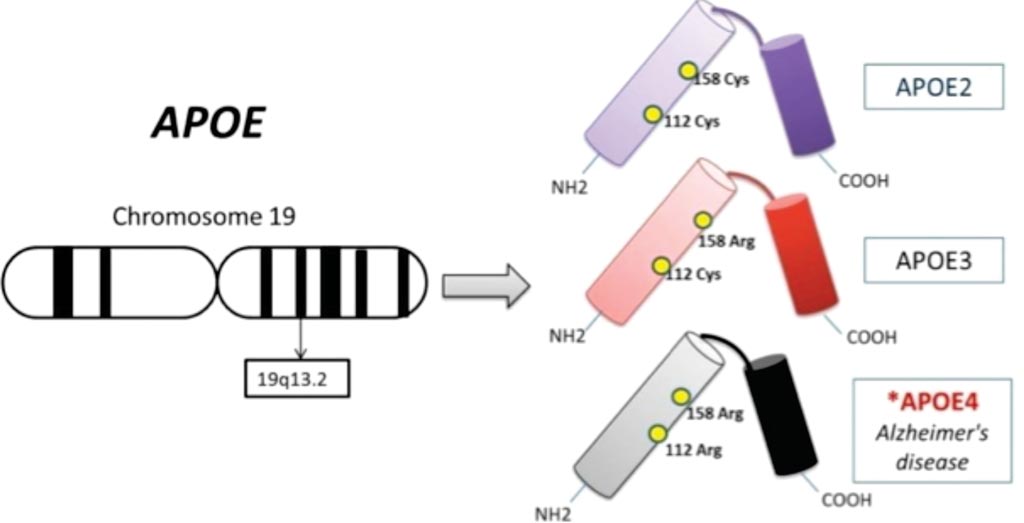
Genetic sequences of healthy and Alzheimer patients
Find genetic risk factors
Data
Information
Data
Information
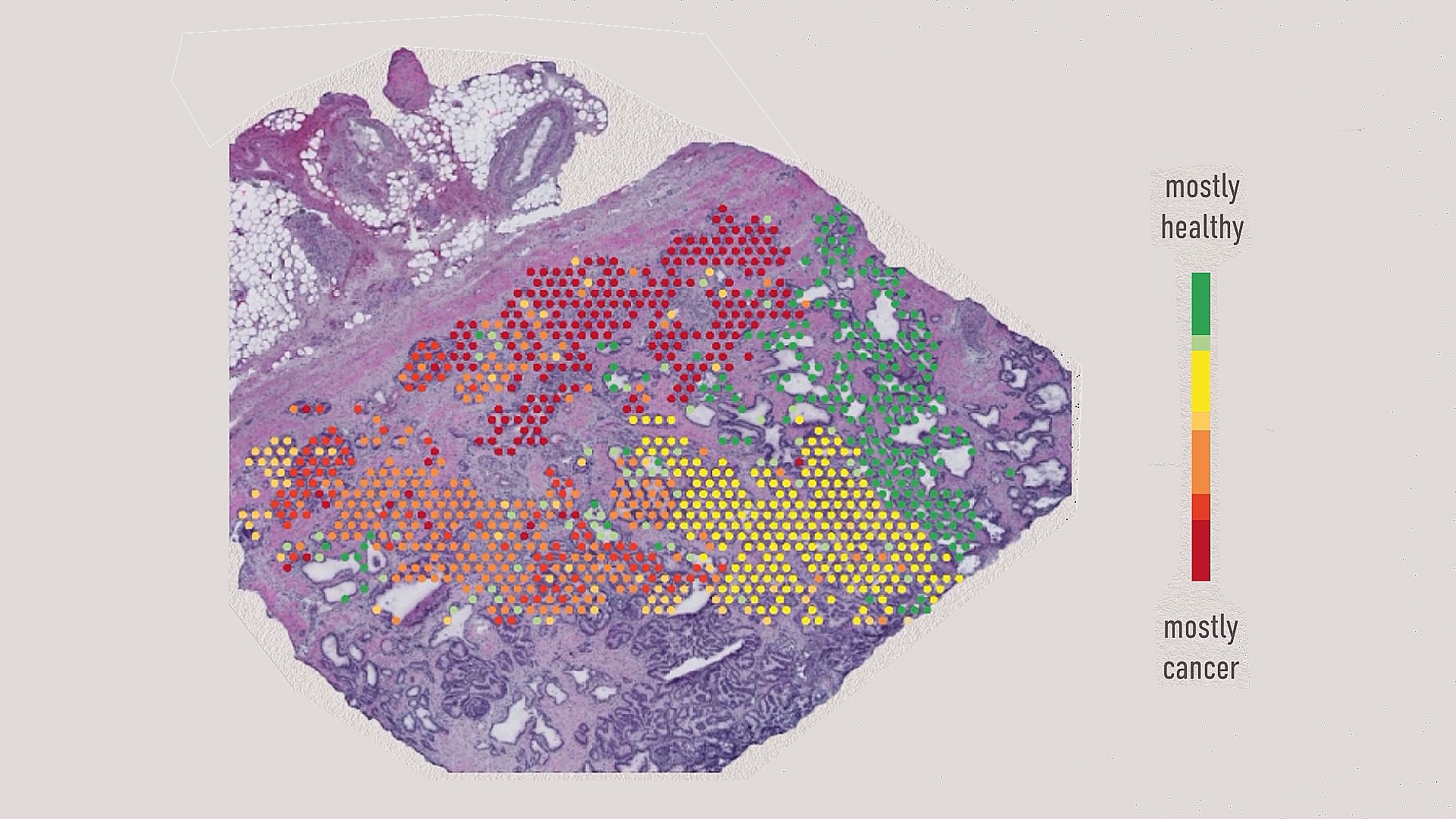
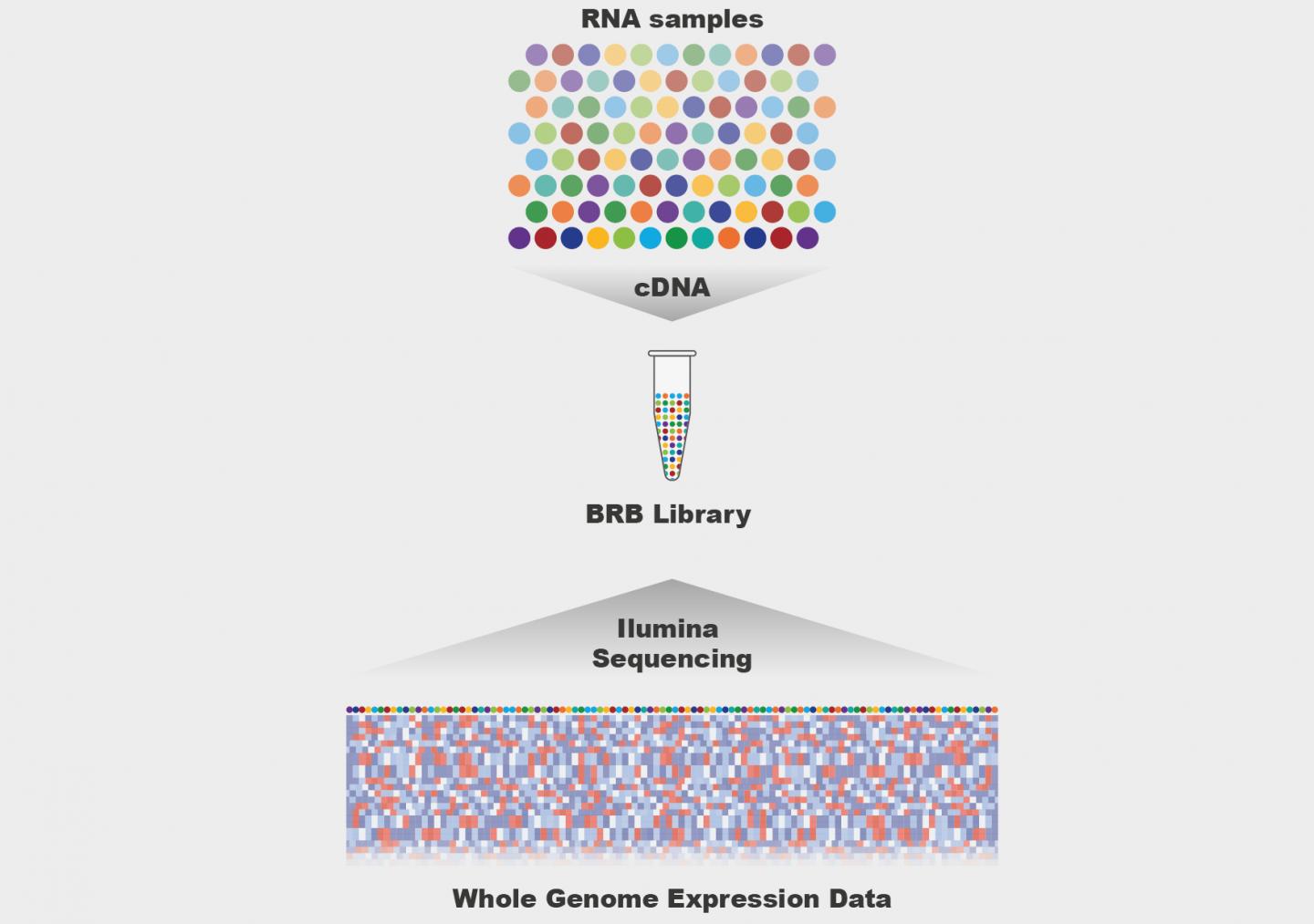
mRNA of cancer cells in a tumor
Early detection of benign to cancerous cell transition
Phenomena
Representation
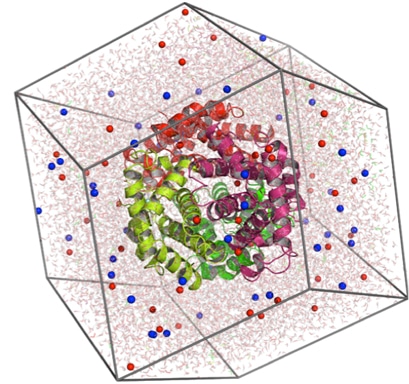
Protein-protein binding
Classical force fields
Data science
Computer science
Biology
Physics/
Engineering
Chemistry/
Biochemistry
Mathematics
You can tailor your career to these interests
We will touch on all of these topics in this course
Computer science
Biology
Developing
Applying
Typically, it is harder to pick up after the fact (a different way of thinking)
Many, many, many specalities
Both separately are pretty saturated
Lecture 02A:
DNA sequencing - Foundations
Lecture 01:
Computational biology overview
Today
Tuesday
Compiled
Interpreted
E.g., Mojo, Rust, Zig, Go, C, C++
E.g., Python and R
There are some exceptions: Java, Julia
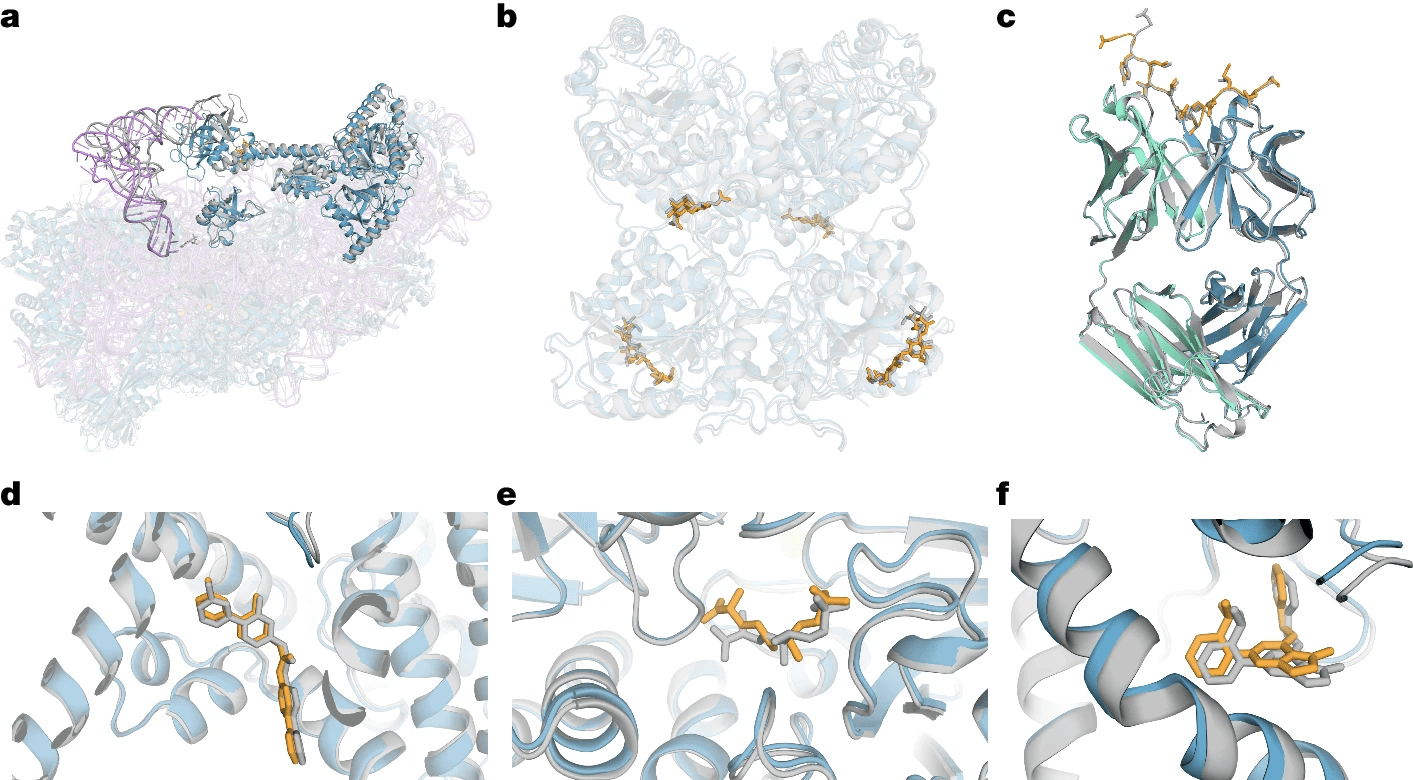
"AlphaFold 3 can predict the joint structure of complexes including proteins, nucleic acids, small molecules, ions, and modified residues."
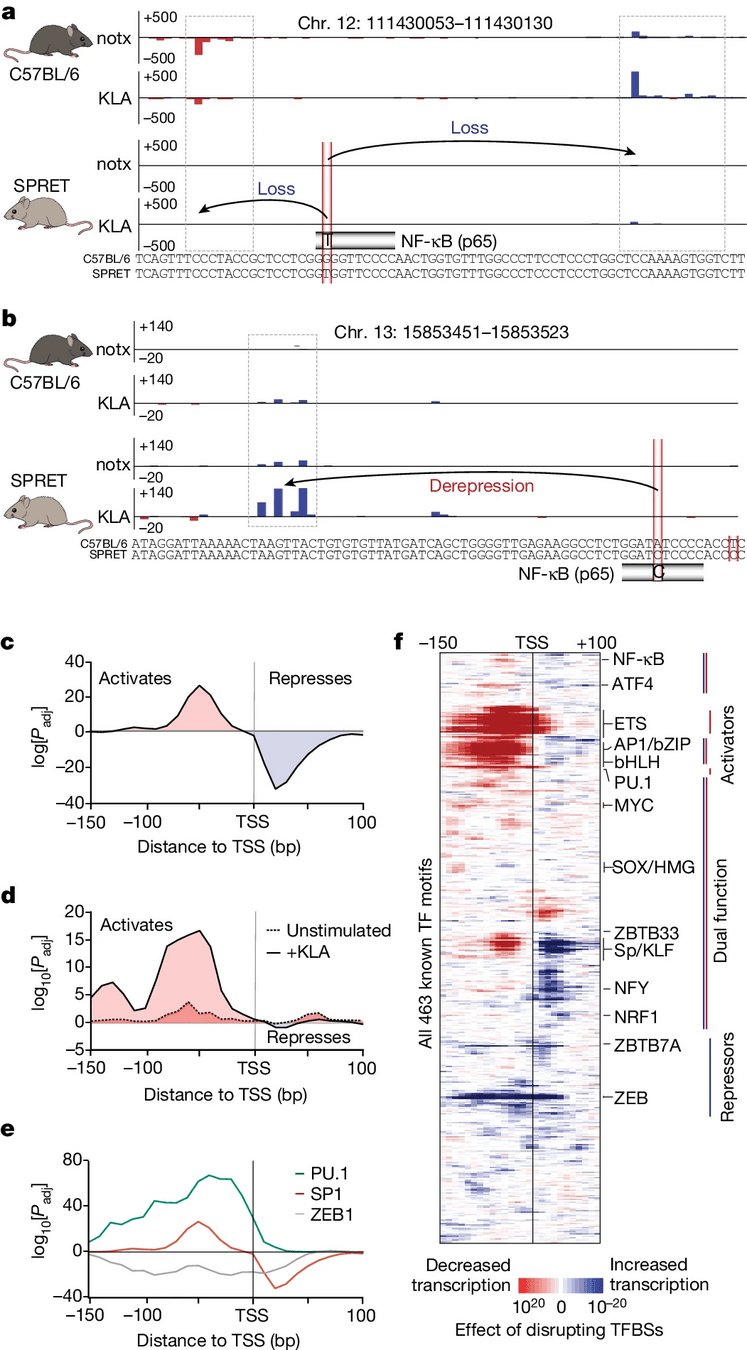
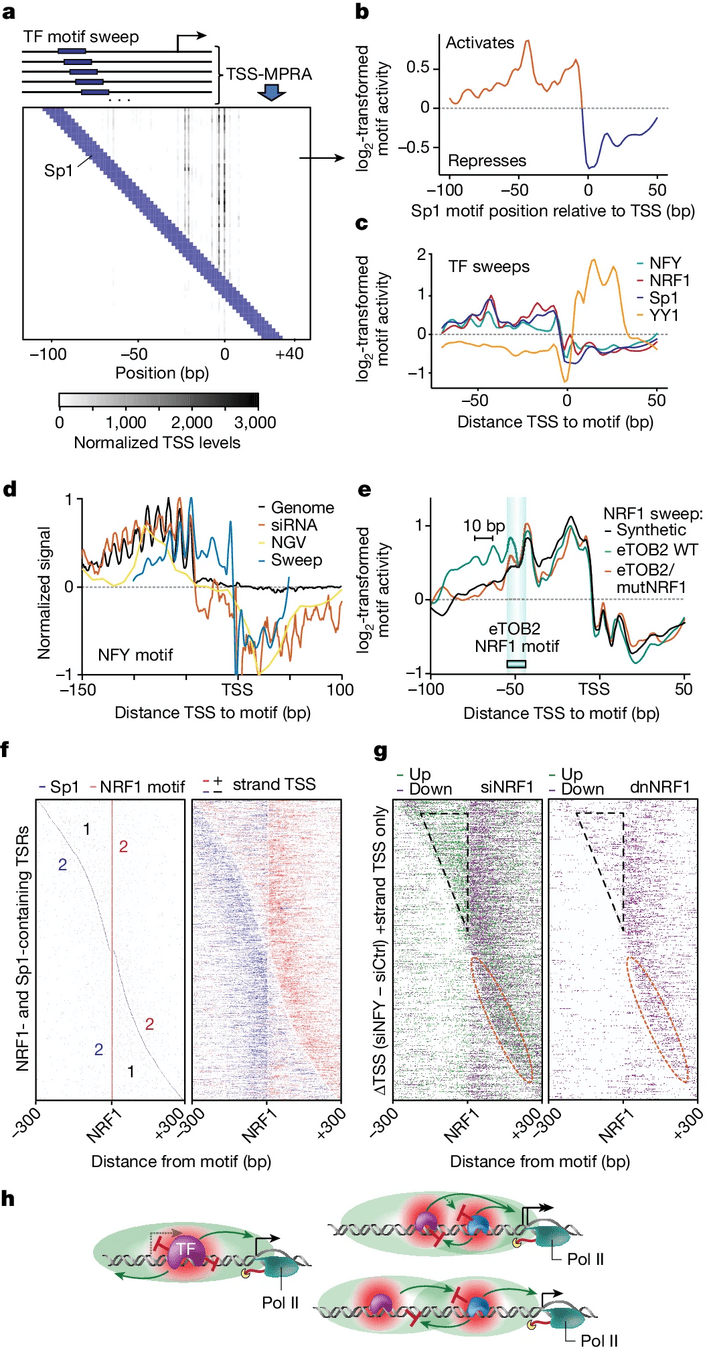
"We show that the effect of transcription factor binding on transcription initiation is position dependent."
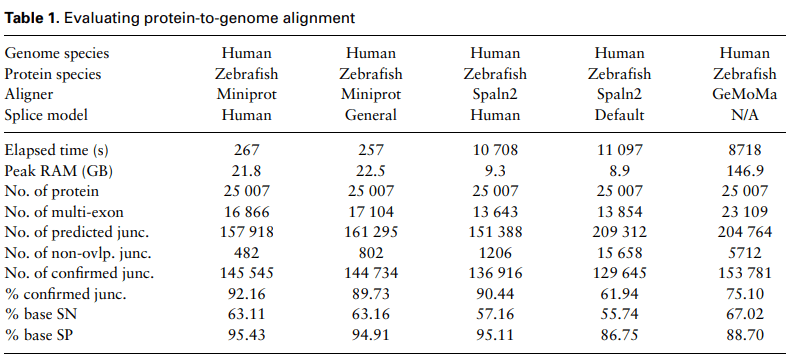
"Miniprot [...] is tens of times faster than existing tools while achieving comparable accuracy on real data."
TopHat: 983999
A. Protein-genome mapping is more sensitive for detecting distant homologs
B. Genome-genome mapping is too slow for large-scale comparisons
C. Protein–genome mapping can detect all forms of RNA editing events automatically
D. Genome-genome mapping cannot handle intron-exon structures
(Not for points)
(If time permits)
Description: Develops software tools and approaches for analyzing biological data, particularly genomic and proteomic data.
Expected Salary: $80,000 - $130,000
Qualifications:
Example companies: UPMC, Illumina, 23andMe, Genentech, Regeneron Pharmaceuticals, Broad Institute
Description: Applies computational methods to study biological systems, often focusing on modeling complex biological processes.
Expected Salary: $75,000 - $135,000
Qualifications:
Example companies: Moderna, Vertex Pharmaceuticals, Biogen, Allen Institute for Brain Science, Flatiron Health
Description: Applies statistical methods to analyze biological and health-related data, often in clinical trials or epidemiological studies.
Expected Salary: $72,000 - $119,000
Qualifications:
Example companies: Pfizer, Merck, Johnson & Johnson, IQVIA, Fred Hutchinson Cancer Research Center
Description: Uses computational methods to model and simulate molecular structures and interactions, often in drug discovery.
Expected Salary: $85,000 - $140,000
Qualifications:
Example companies: Schrödinger, Novartis, GlaxoSmithKline (GSK), Atomwise, Dassault Systèmes BIOVIA
Note: There tend to be more jobs in bioinformatics than simulation and modeling
Focus on one-half of your major
I'm unfamiliar with options here (your advisors are well-versed)
Computer Science
Biology
Software engineer, data science, machine learning, web development
Distinguish yourself with extracirriculars
Employers and graduate schools do not care about the classes you took, they care about what you can do
How to do this?
Show and tell
Computer science: Python, GitHub, machine learning, Rust
Graphic design: Illustrator/Inkscape, Photoshop/Gimp, Blender
Communication: Writing and presenting
Computational biology: You will get a small taste of this in classes; you need some research or project experience













.gif)