DevOps
For Democracy
OS//OS 2016
August 22-23, Wellington NZ

Why Wellington?
- Emerging Startup Scene
- Access to Government
- Enspiral!


Why Me?
- Bsc Computer Science, TESC, 2013 with Undergraduate Research in Sofware Engineering for Deliberative Systems
- Member of National Coalition for Dialogue and Deliberation
- Speaking, Publishing, and Engineering Democracy since 2012
- devopracy - infrastructure code for virtual democracies
DevOps for Electronic Democracy


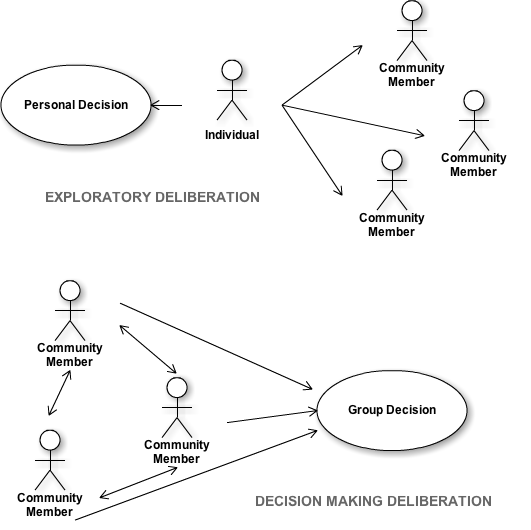
Kinds of Deliberation
Deliberative Applications
- Pol.is
- Loomio
- NarraFirma
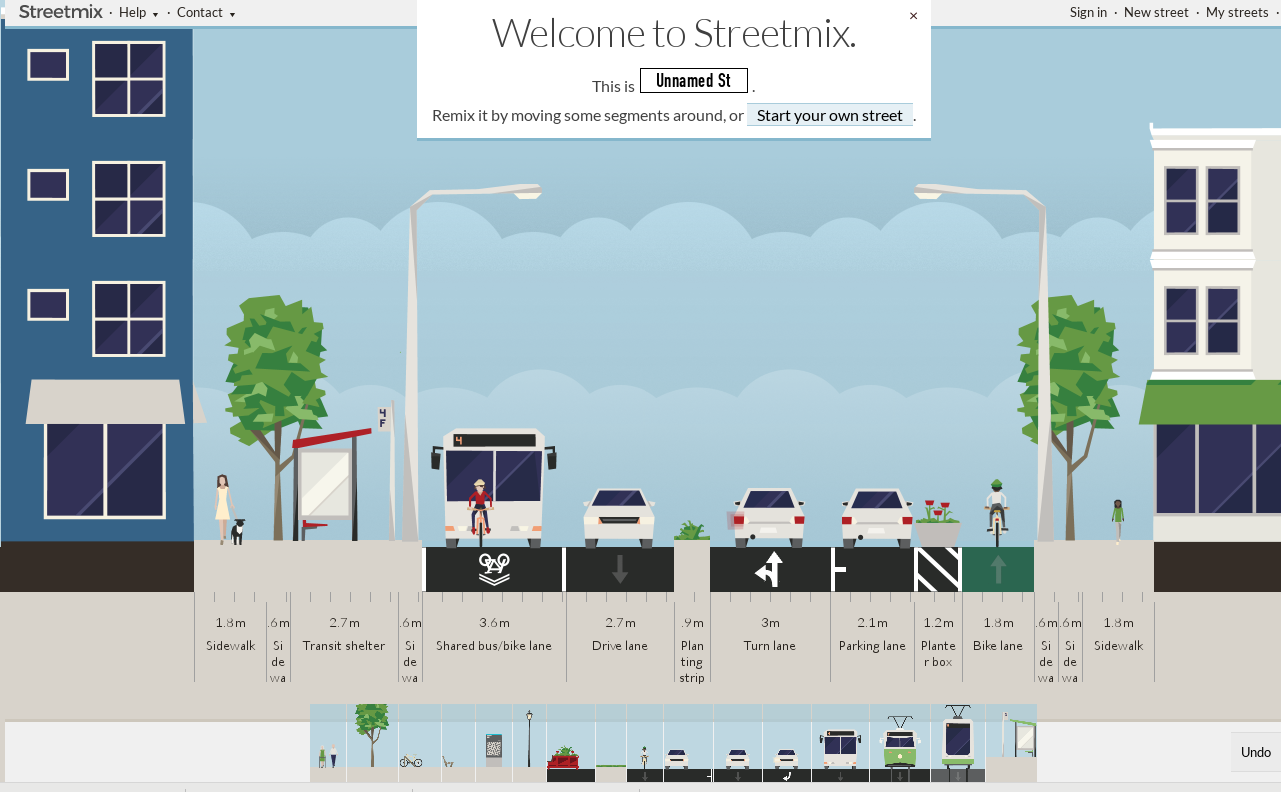
- StreetMix



Infrastructure
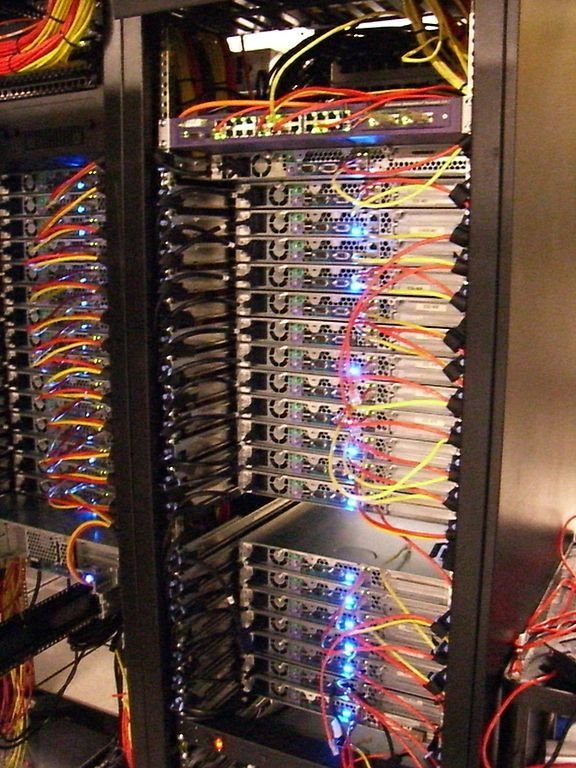
There's a some funding available through nonprofits for the development of civic tech applications, but infrastructure has been largely overlooked.
Applications are often not reusable because of the cost of bespoke infrastructure and implementations. Government security constraints complicate the issue.
Speakers

Audrey Tang, gov0
Scalability and Authentication
Pol.is can be self-hosted or you can use their SAAS.
Users can authenticate within channels of their choice.
Agile deployments would allow citizens to explore more applications.

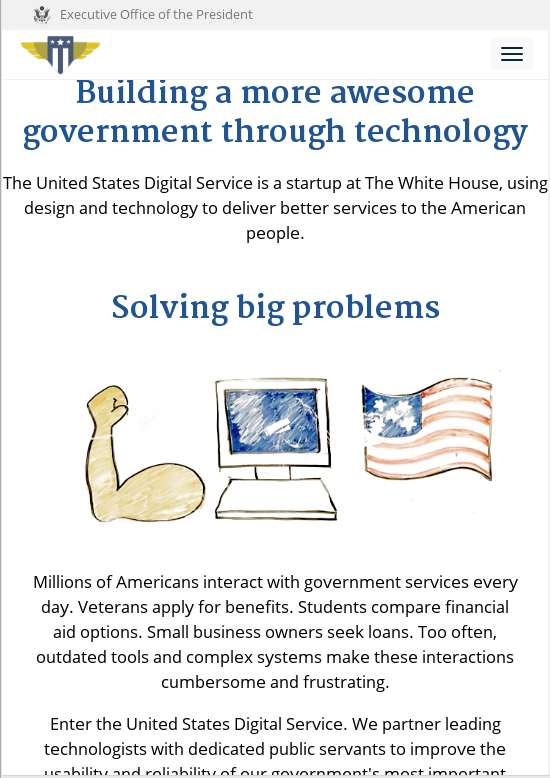
Eric Hysen, USDS
Modernizing and Opening
They've actually moved legacy applications to Linux.
The move to modern technologies is going to open the door for new and different contractors.
You can do a tour!
Sir Jeffery Palmer
Massive Online Collaborative Documents
How do you authenticate?
Staging the deliberation can help, but could take more than one application.
Offline initiatives need to be integrated somehow.

Evan Henshaw-Plath
Code as Constitution
Can you really run a democracy with a centralized server?
Citizens vs. Users
Systems engineering is now about political, not just technological systems. You have to understand the implications of your code.

Joshua Vial, Enspiral
Don't Wait
There's already a crisis in federal IT. Poor digital defense is compromising our most basic citizen privileges.
Political arguments about the safety or security of cloud based systems are delaying necessary innovations.

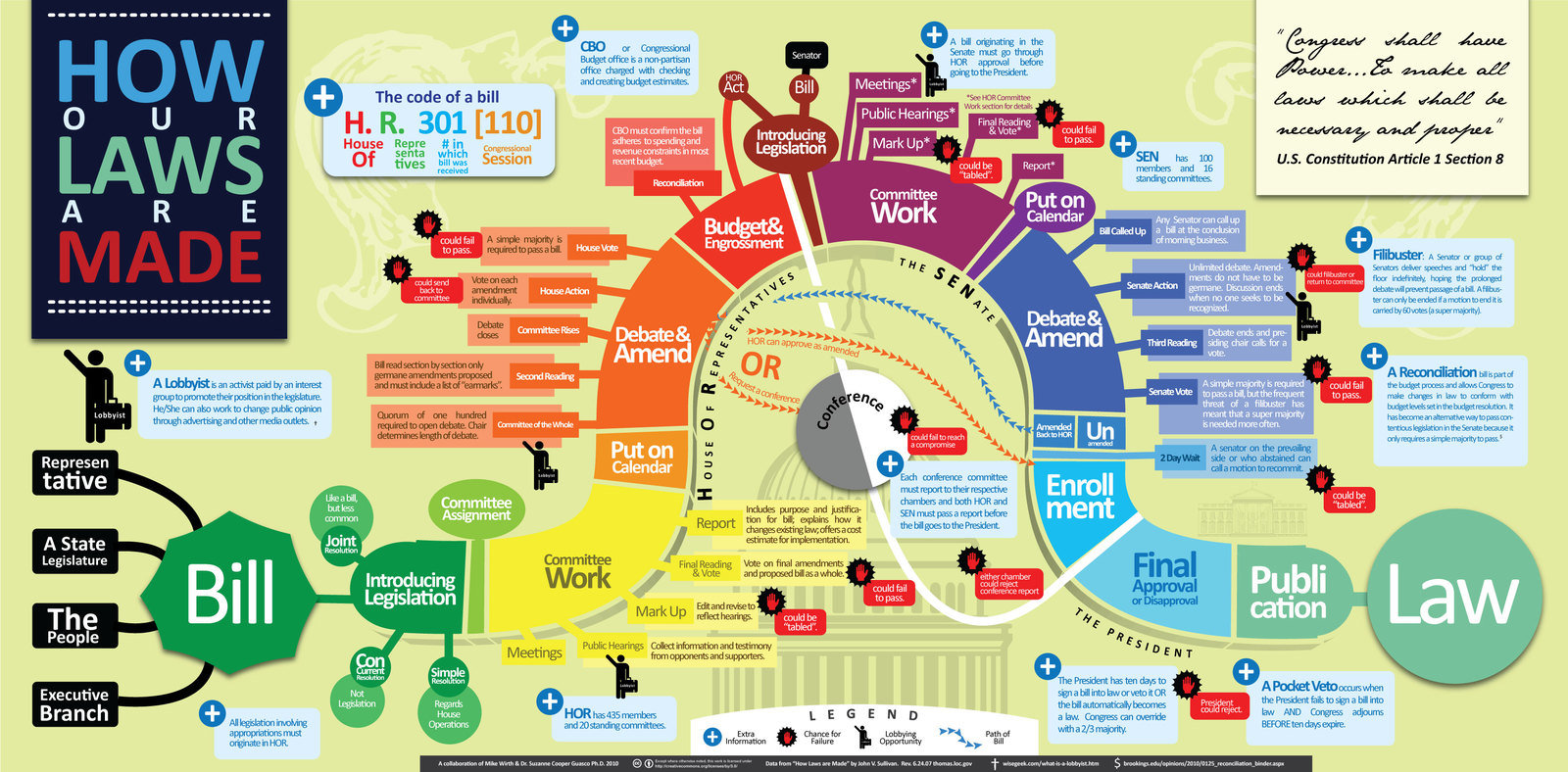
Legislative Processes
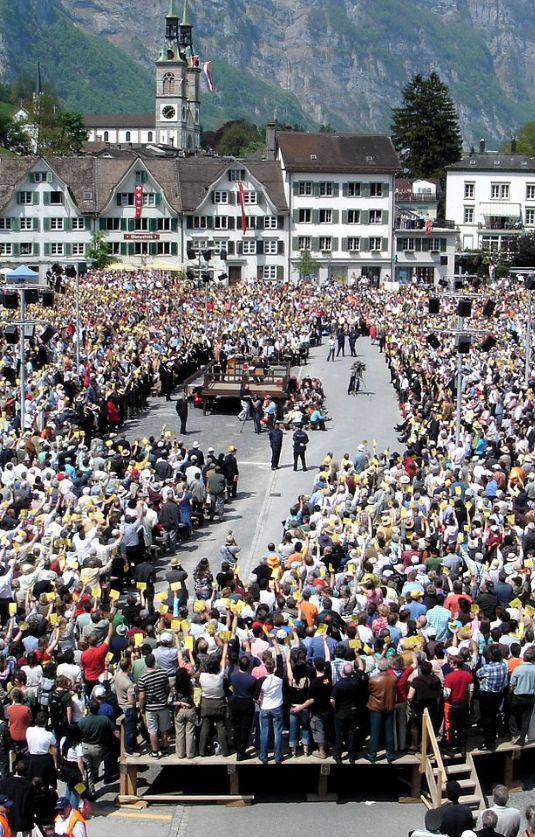
Deliberative Democracy
It's not a luxury or a trend. We need citizen participation for more efficient government, and technology can do it.
We need requirements for security and authentication in exploratory deliberations.
It's About DevOps
In a democracy, every problem is a problem of the citizen.
We have the talent and skills to build a better government - maybe the most important skills.
Improving government infrastructure can help with the government talent problem.

Open Source
It's a matter of global leadership.
Citizens pay for the code, they should be able to reuse it.
Trust in government is at an all time low. We need transparency.
Defaulting to open can help purge entrenched interests.

Pay Attention and Participate
- Friend and follow leaders in electronic government; consider using and improving their open source projects or writing one of your own.
- Observe political conflict with an eye for where digital services or online deliberation could help.
- Use your experience as a Systems Engineer to monitor government and politics: think about where existing systems fail and how to fix them. It may not be a social issue.
- Learn and practice deliberation.
What would it take to build an open source platform for online voting by 2020?
Ele Munjeli @ LinkedIn, munjeli @ Github
https://github.com/devopracy, @elemunjeli on twitter