Preserving the Structure of Motion
Erik Jansson, DAMTP
Who am I?
I am mathematician, postdoc at the Department of Applied Mathematics and Theoretical Physics
I work with telling computers how to solve equations approximately
And, more importantly, proving that these approximations are correct
Equations??
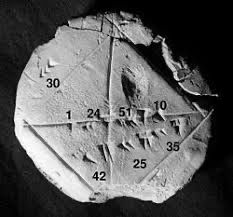
- Equations appear early in a mathematical curriculum.
- Each year: harder equations and advanced techniques to write down a solution with pen and paper.
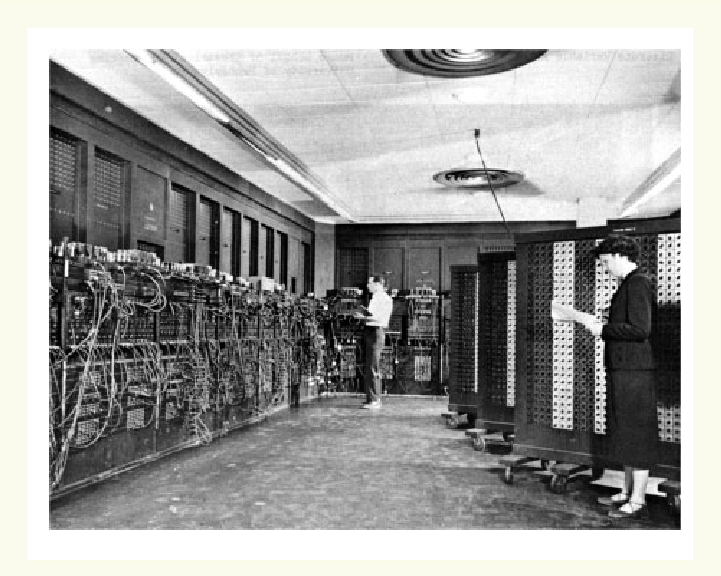
However, most equations cannot be solved with pen and paper!
Let's explain what I mean by some examples....
Equations??
Intro to approximation
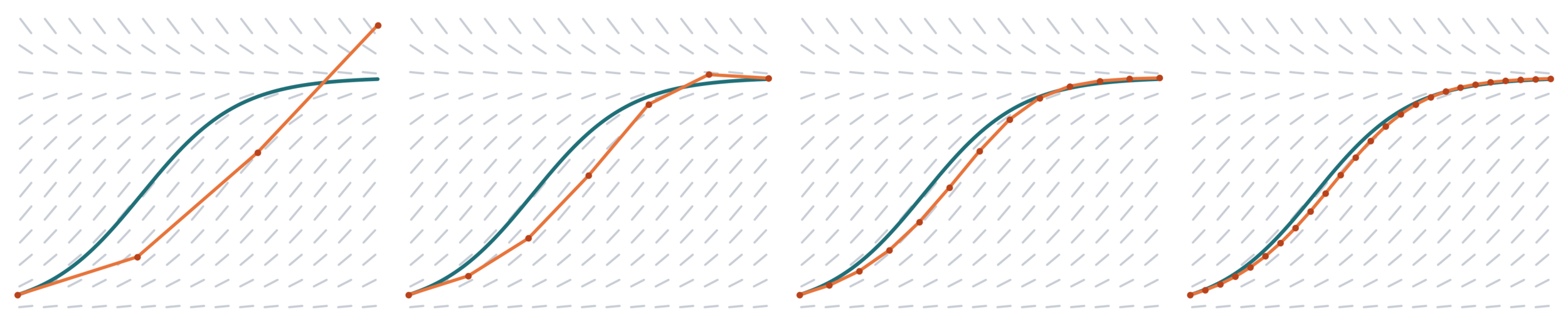
Coarse
Fine
Smaller steps seems better! Are we done?
Let's look at an example.
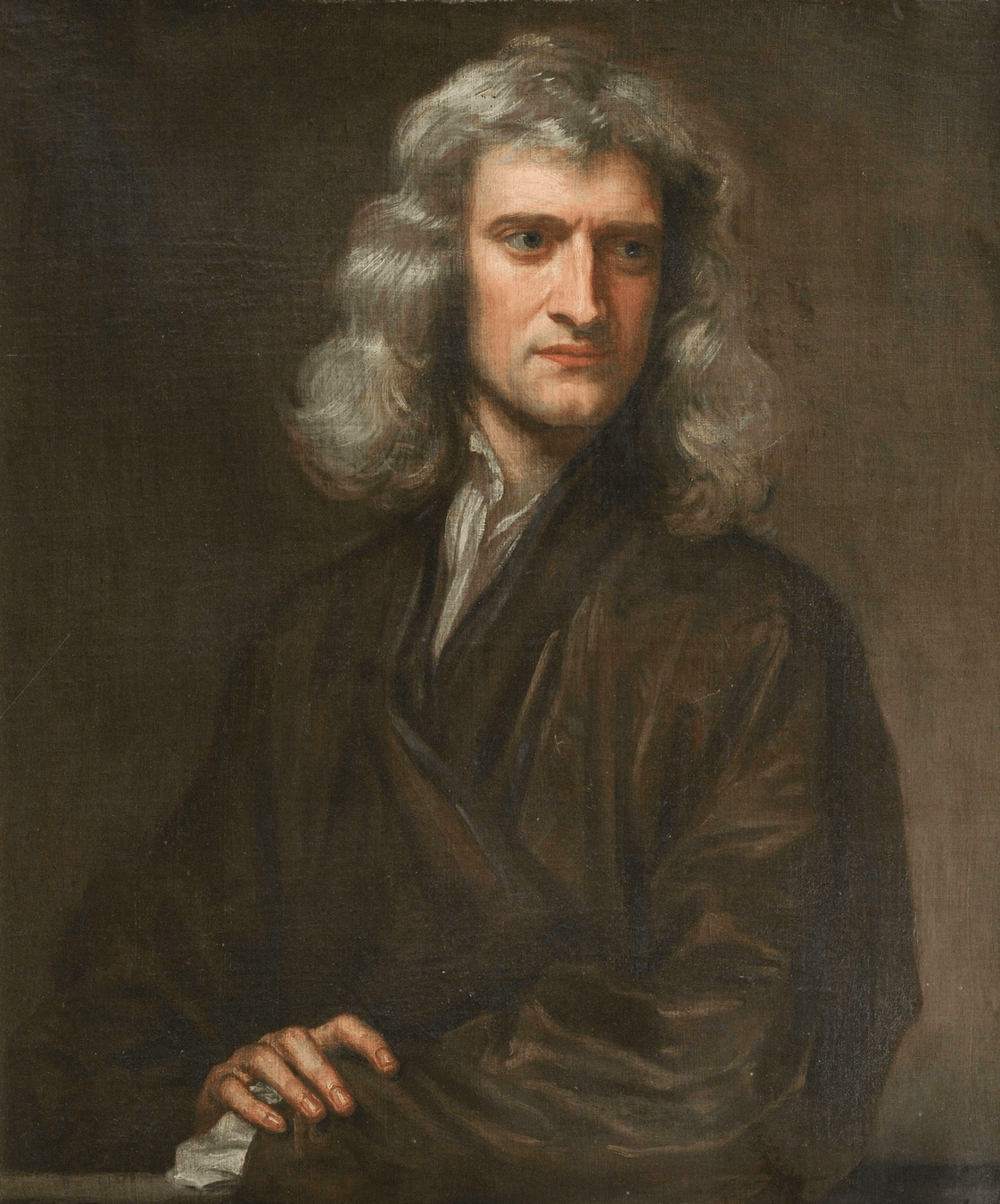
Equations for our solar system
Classical mechanics problem.
Dates back to Newton
Physics demands: energy is conserved; planets stay on their orbits.
Which simulations of the N-body problem can we trust?
Two ways of simulating our solar system
Which one is the best? Both are accurate and good methods and the steps are small!
Why does the left Mercury crash into the sun?
Violation of physics!
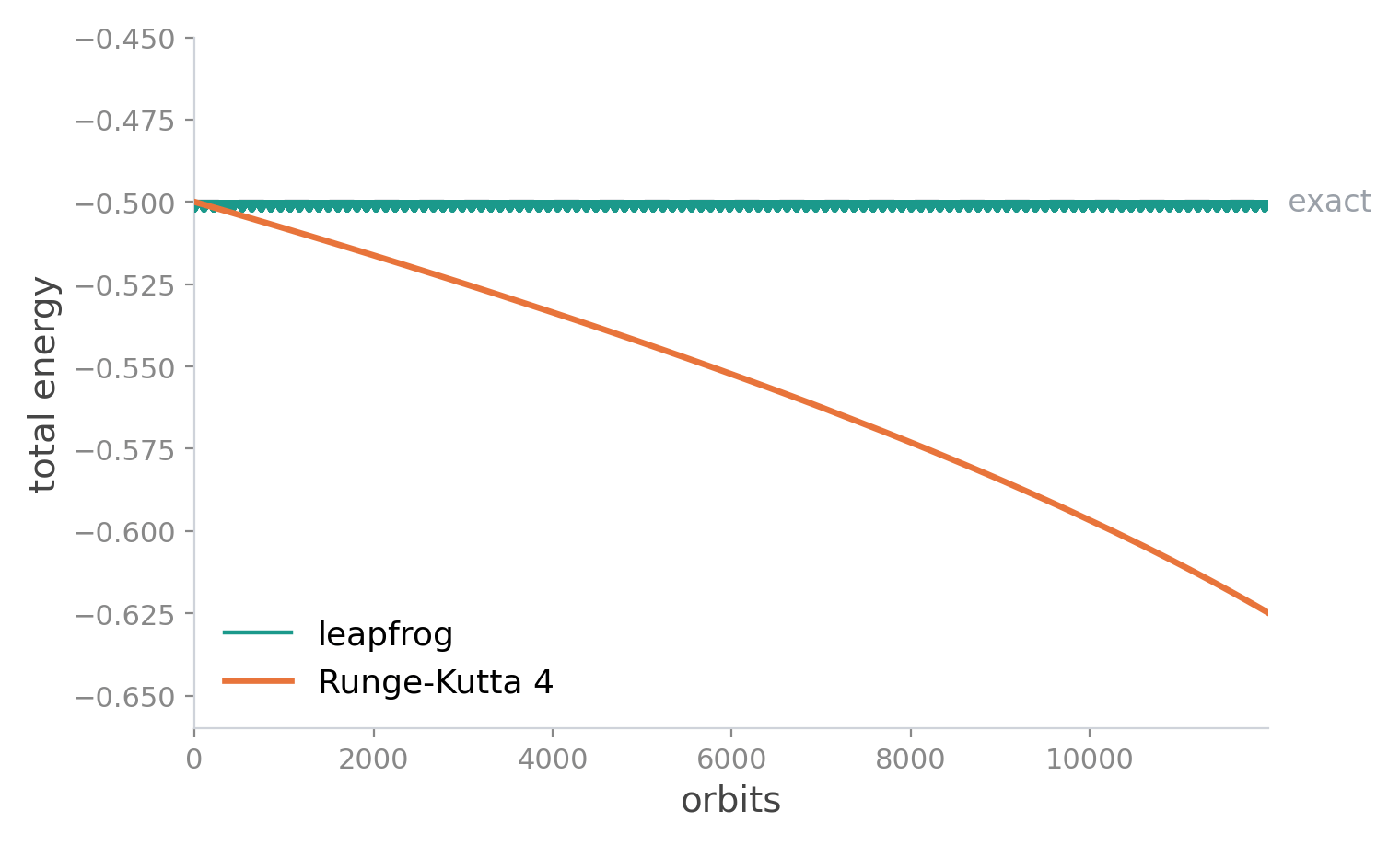
The non-geometric algorithm loses energy, leading to the crash and non-physical behavior
The fix is to build physics into the method: this is geometric integration, or, methods that
preserve the structure of motion
This goes way back...
...and is still an important tool for scientific discovery
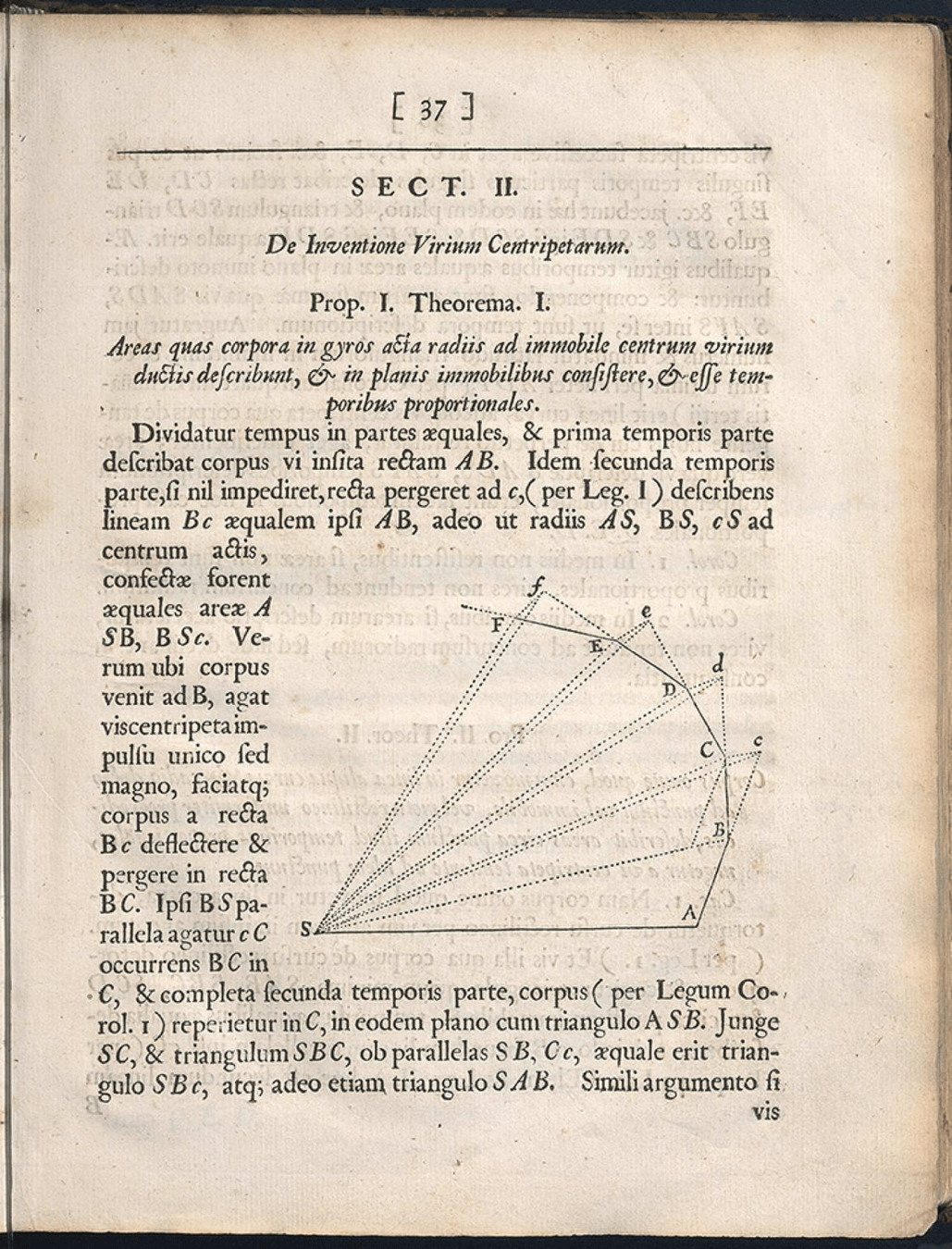
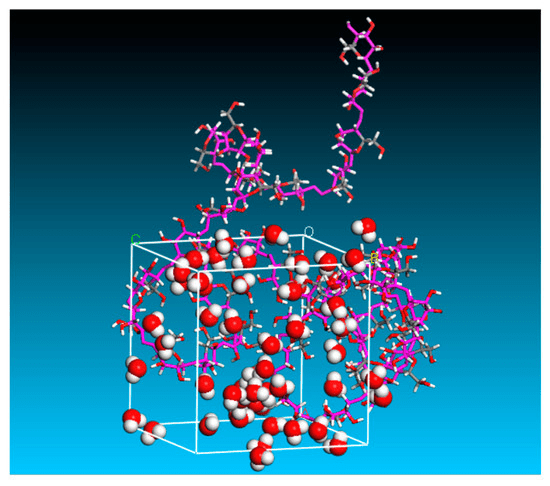
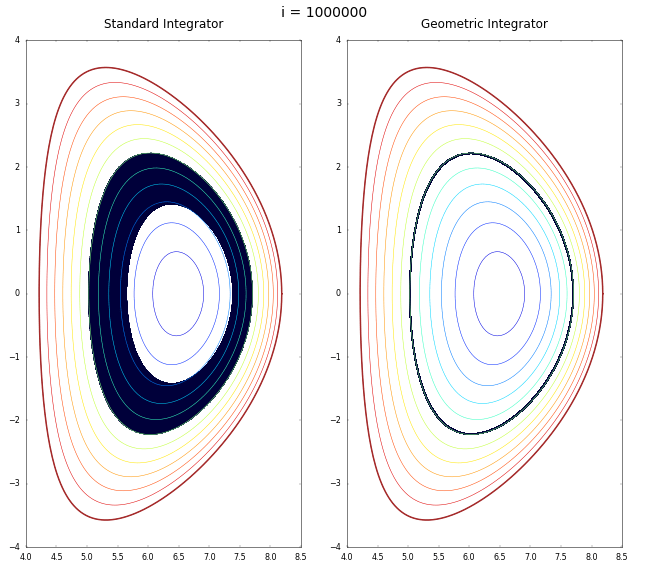
Uses of structure-preserving numerics
Used every day in for instance materials science, plasma physics, and fluid simulations
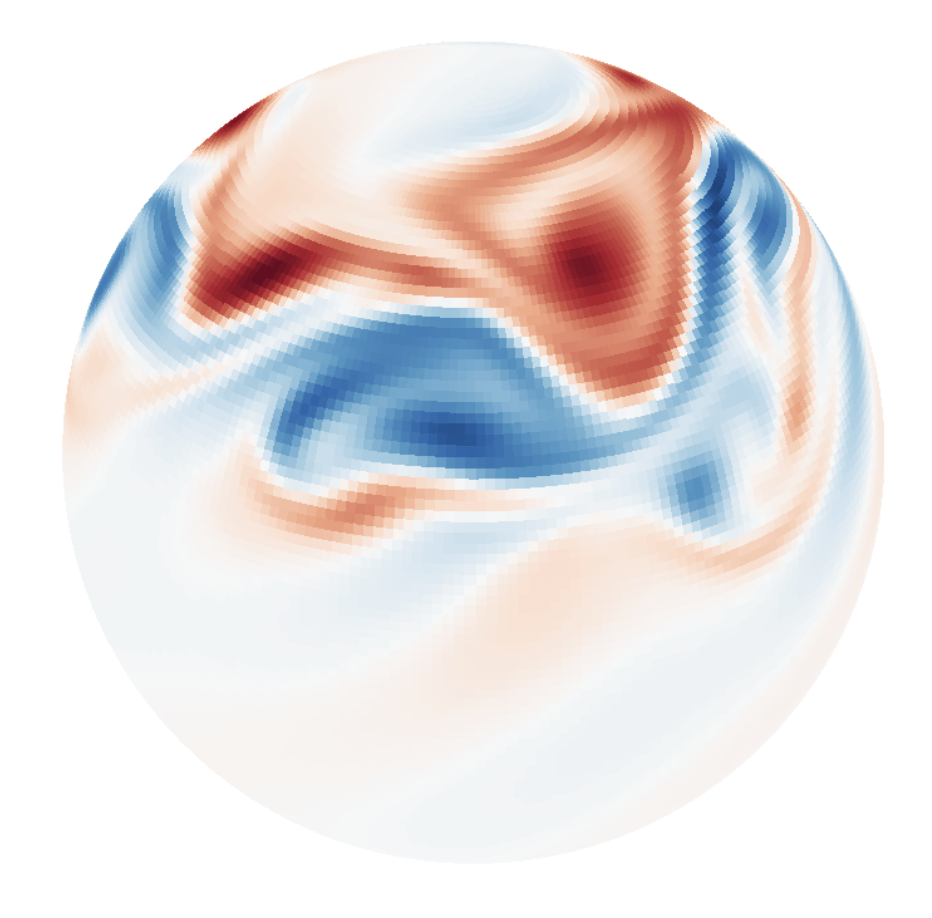
Additional maths work: derive which structures from geometry and physics we want to
preserve, construct methods that provably does this.
My research
Personally, I have derived geometric methods for topics such as:
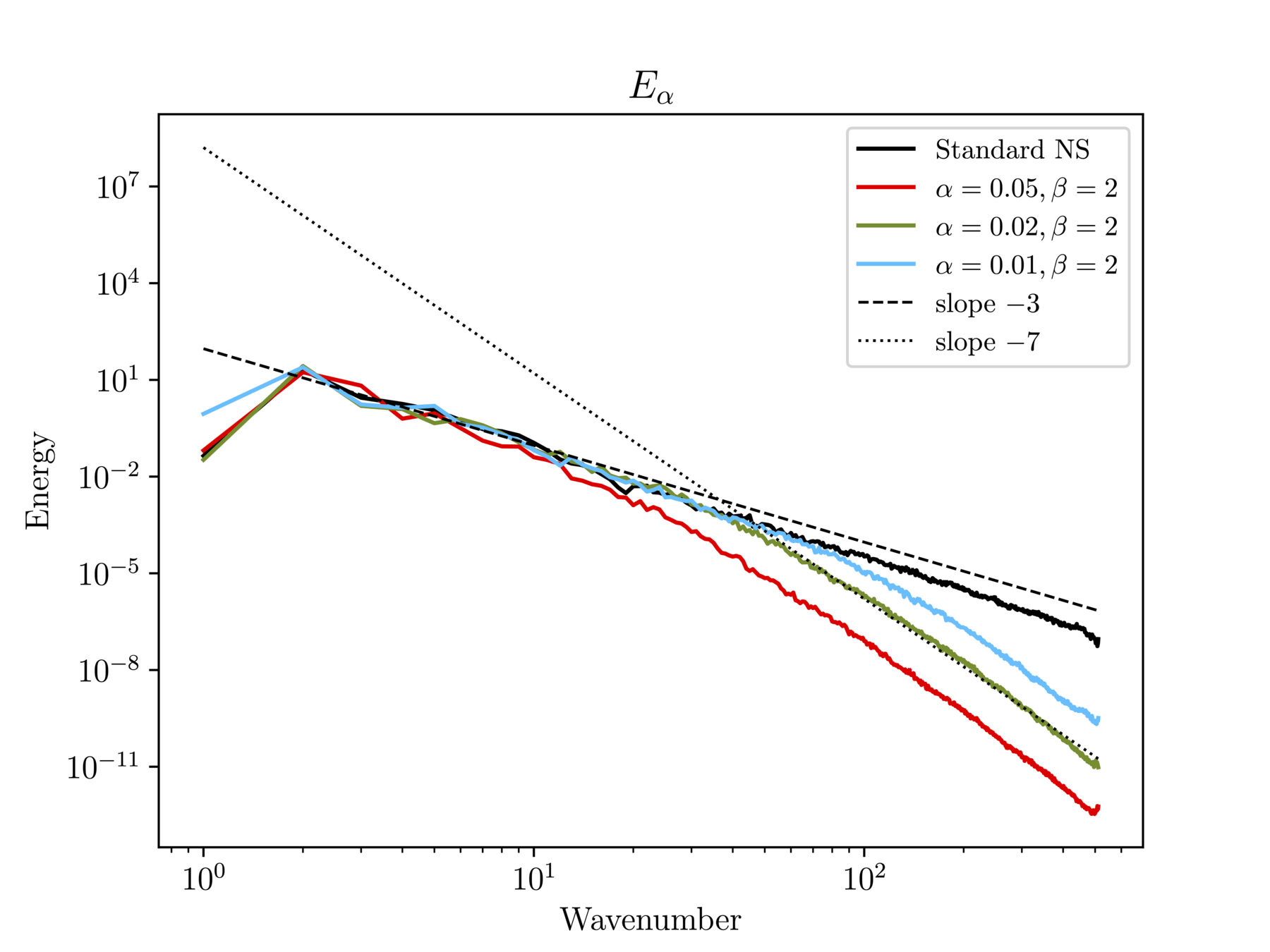
Turbulence modelling
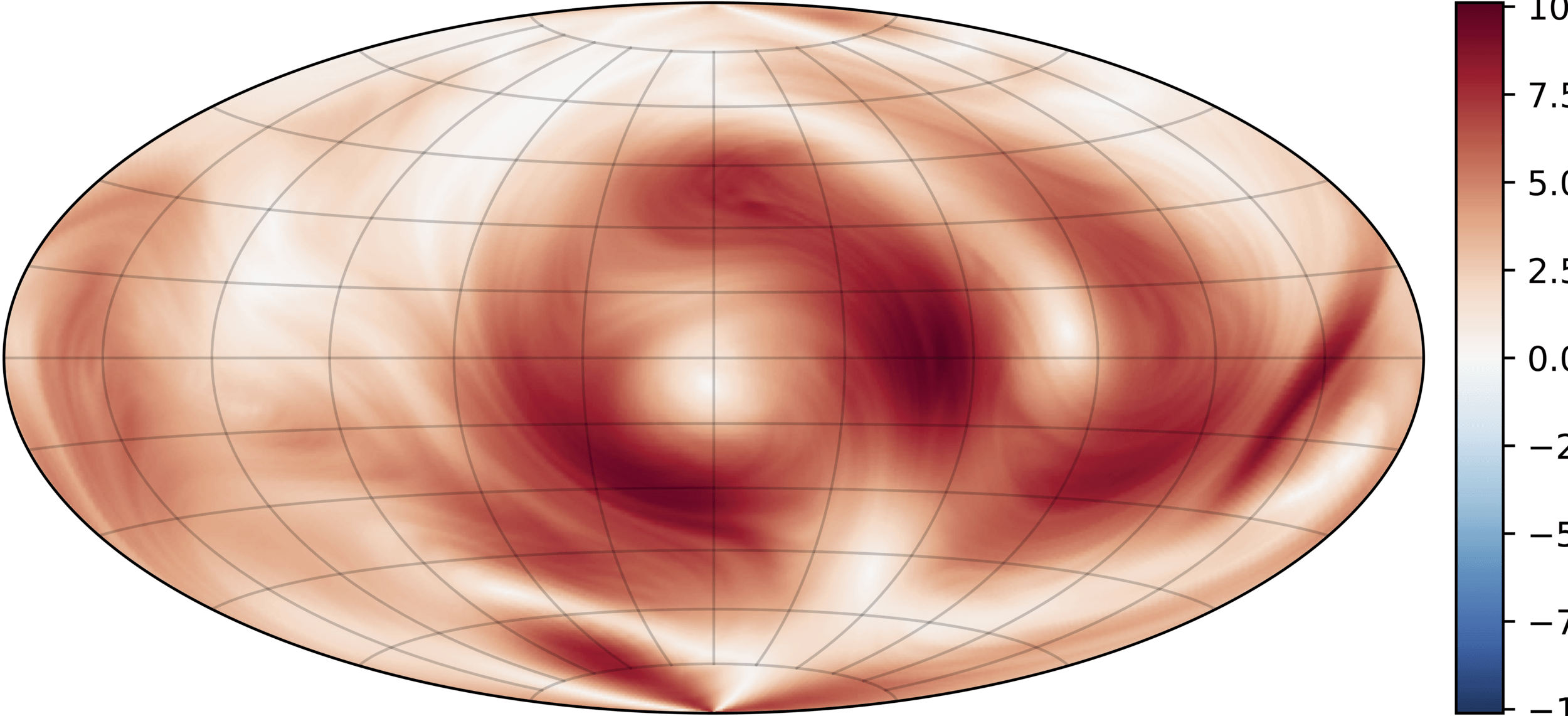
Stochastic fluid dynamics
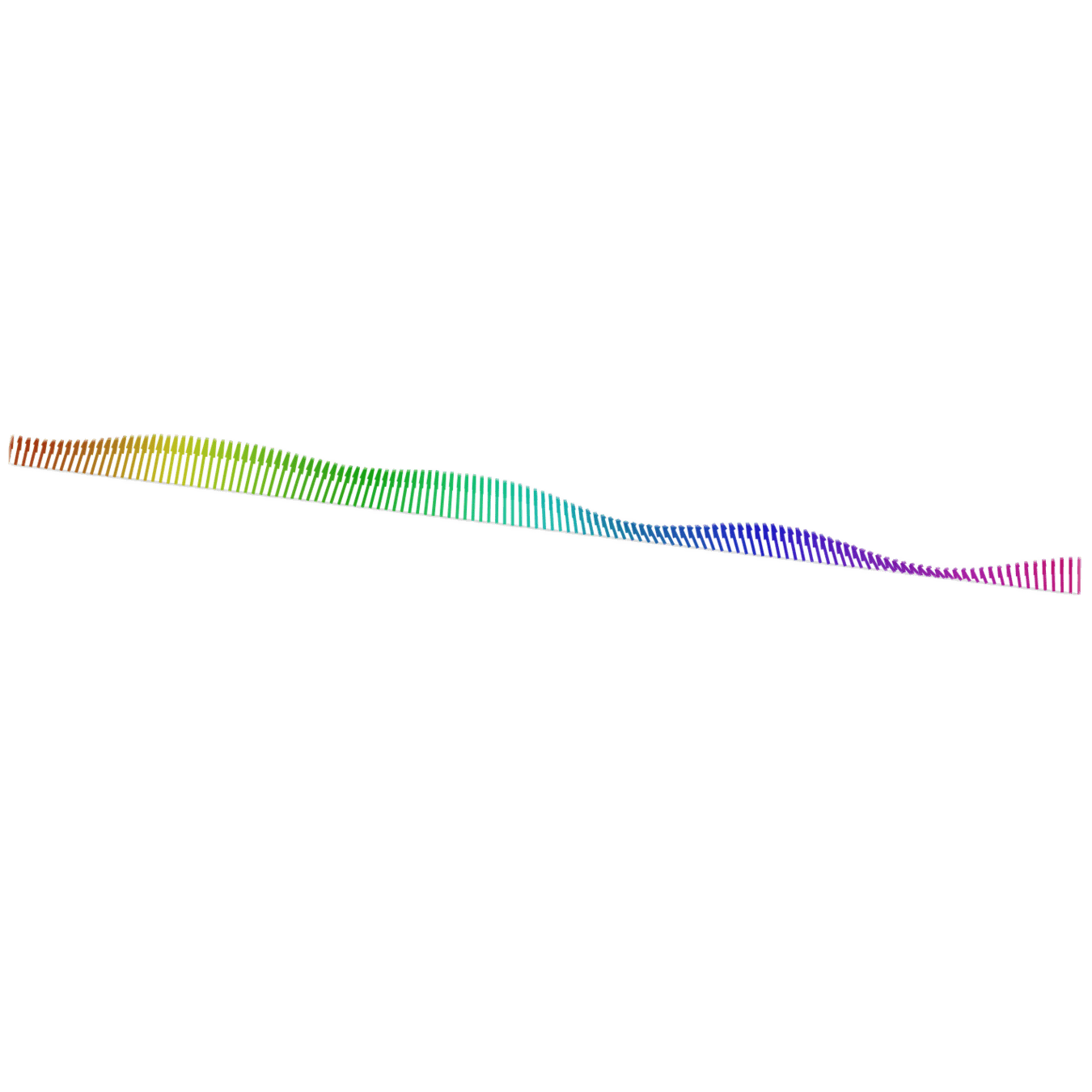
Spin chains