Rubin LSST:
It's About (space and) Time
University of Delaware
Department of Physics and Astronomy
Biden School of Public Policy and Administration
Data Science Institute
Rubin Legacy Survey of Space and Time
Deputy Project Scientist for Construction
LSST Survey Scientist
federica b. bianco
she/her







Grad student
Since 2019 we study the sky (and more!) mostly with AI
Postdoc



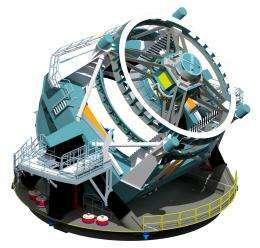
LSST:The Vera C. Rubin Observatory Legacy Survey of Space and Time
20Tb of data every night. That is equivalent to |
8,000 high definition movies
4,000 hours of tiktok videos
every night for 10 years

what's in a name?
what's in a name?
The first ground-based national US observatory named after a woman, Dr. Vera C. Rubin
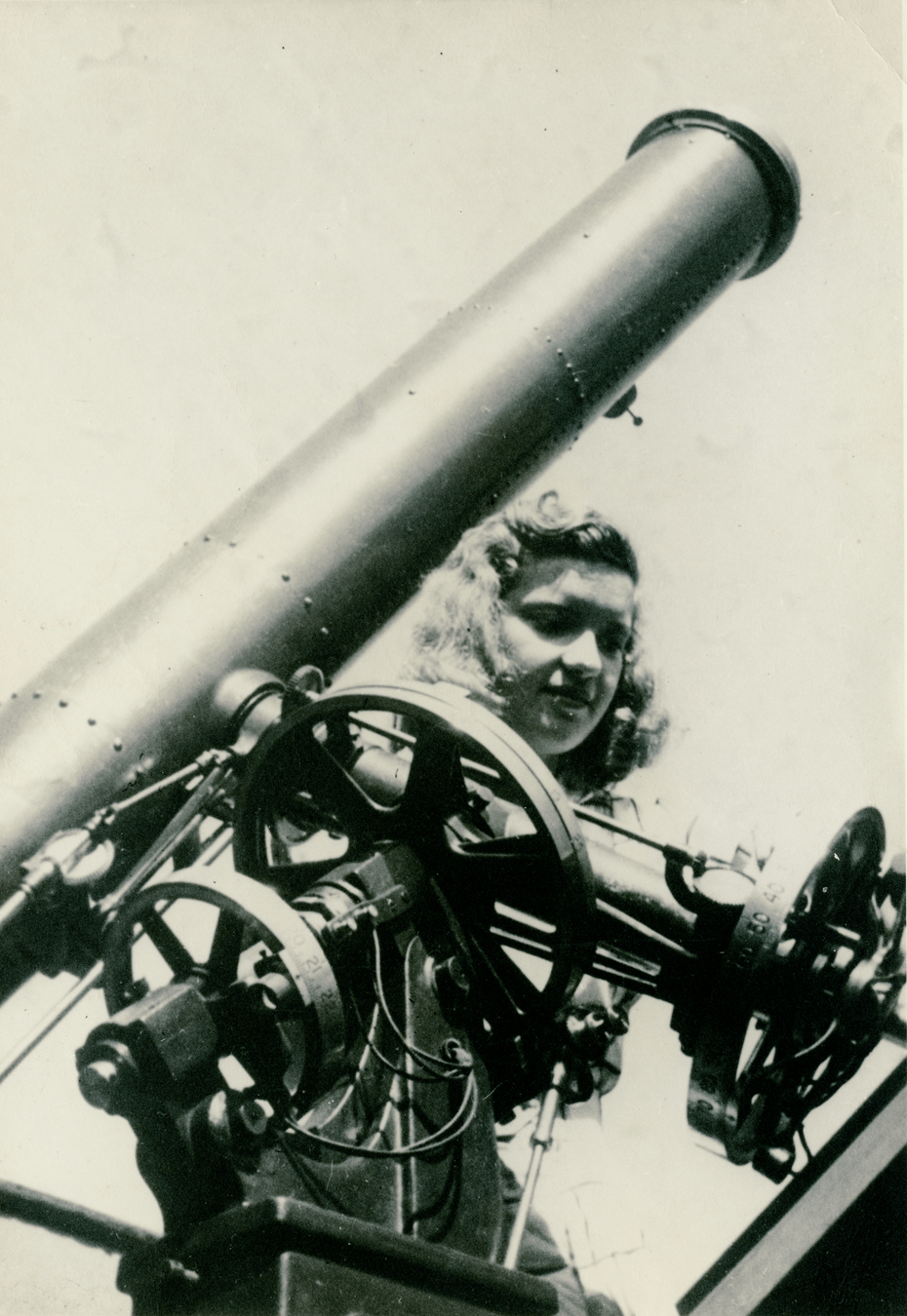

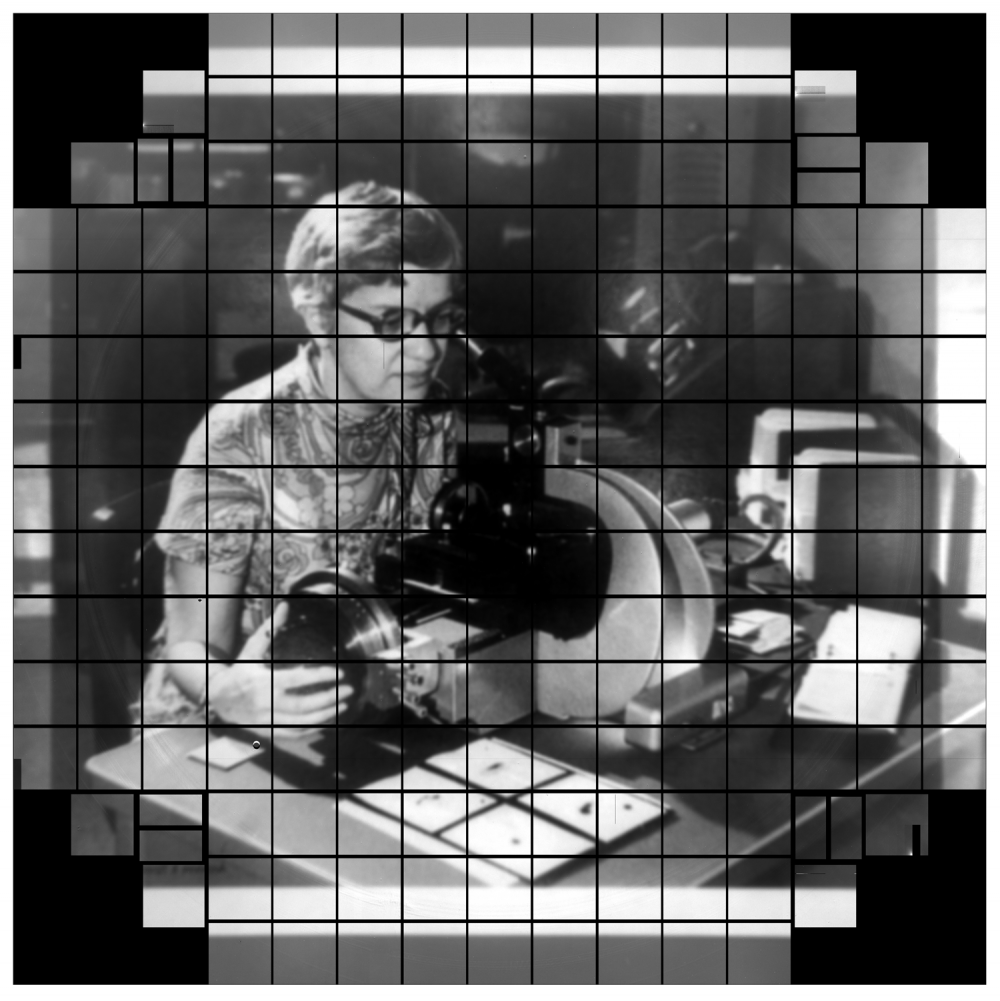
what's in a name?
The first ground-based national US observatory named after a woman, Dr. Vera C. Rubin
“The most important feature of any telescope is the imagination with which it is used.”
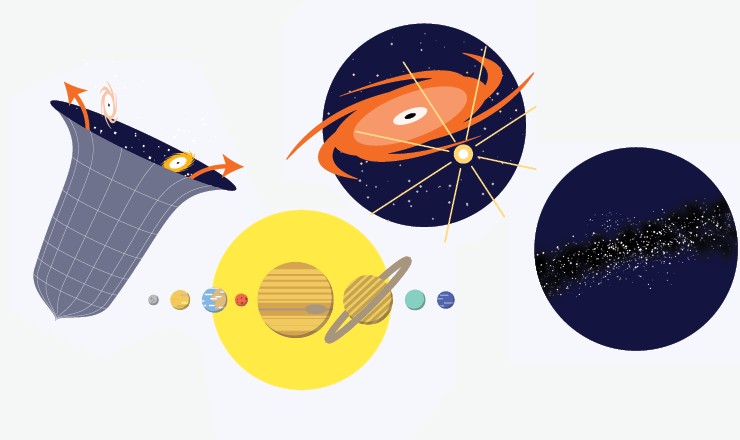
Building an unprecedented catalog of Solar System Objects
LSST Science Drivers
Mapping the Milky Way and Local Volume
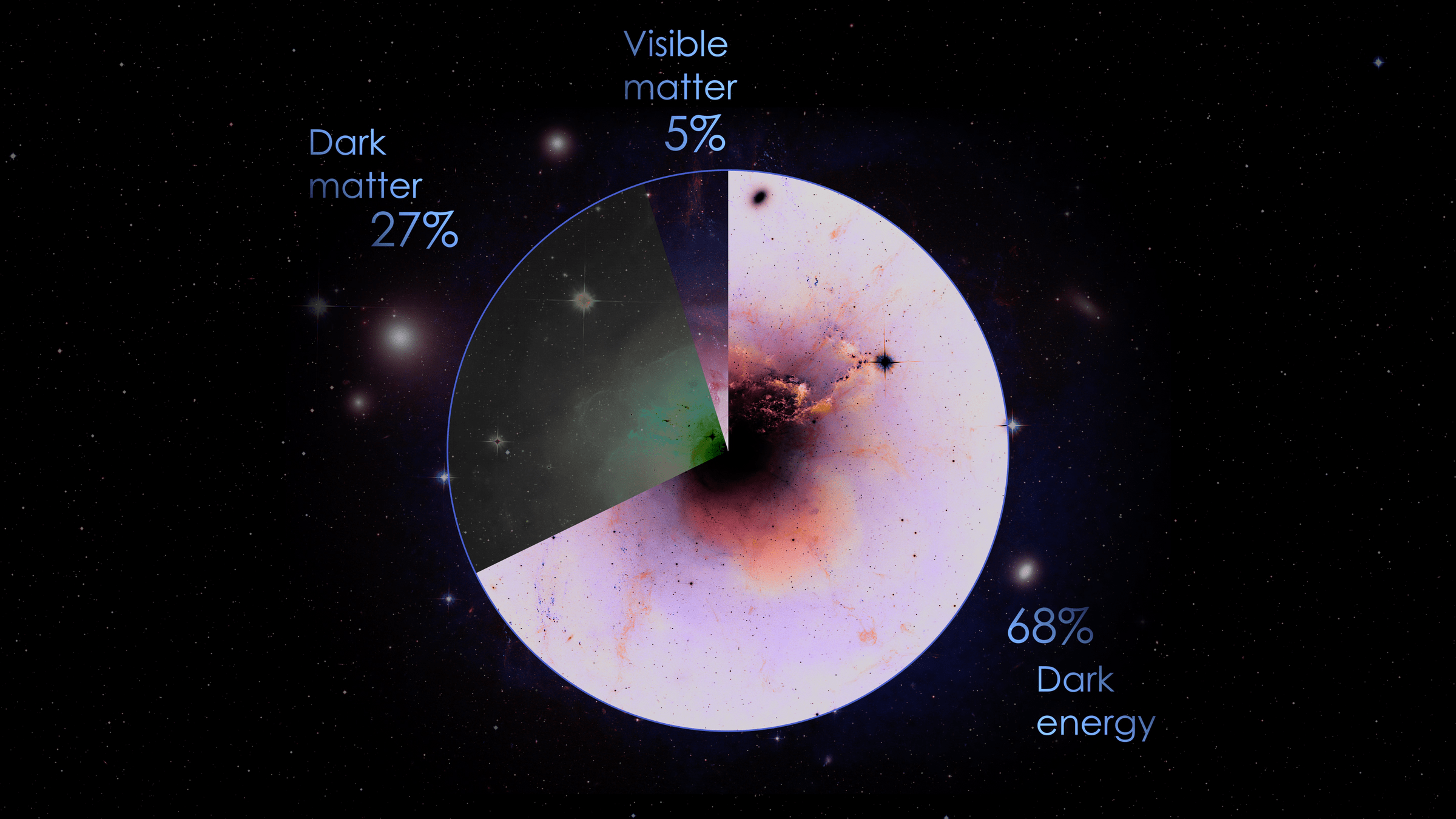
Probing Dark Energy and Dark Matter
Exploring the Transient Optical Sky
To accomplish this, we need:
Objective: to provide a science-ready dataset to transform the 4 key science area
To accomplish this, we need:
1) Dark skies - Cerro Pachon Chile
Objective: to provide a science-ready dataset to transform the 4 key science area
To accomplish this, we need:
1) Dark skies - Cerro Pachon Chile
2) a large telescope mirror to be sensitive - 8m (6.7m)
Objective: to provide a science-ready dataset to transform the 4 key science area
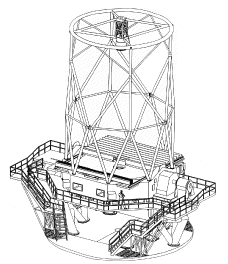
May 2022 - Telescope Mount Assembly
3.2 Gigapixels:
We built the largest (declassified) camera ever built
to look farther and wider into the sky than ever before
In 2026 we will begin observing the sky with 1000 images every night for 10 years
0.2'' / pixel, 6 filgers (ugrizy)
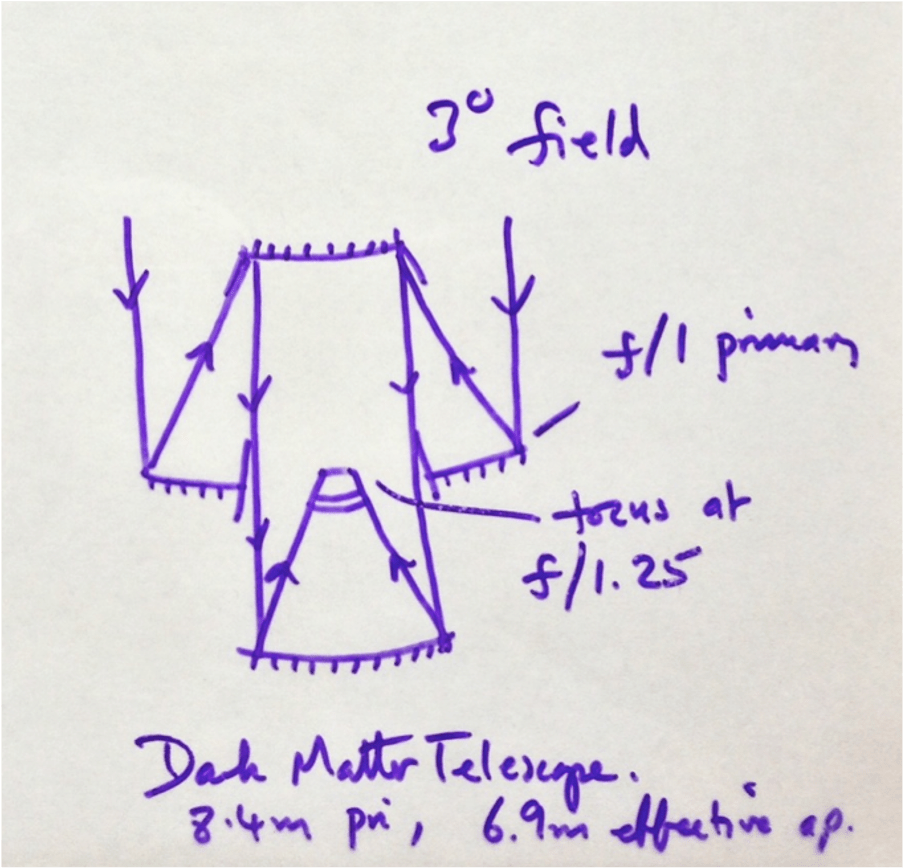
1996-1998 Tony Tyson, Roger Angel
How it started
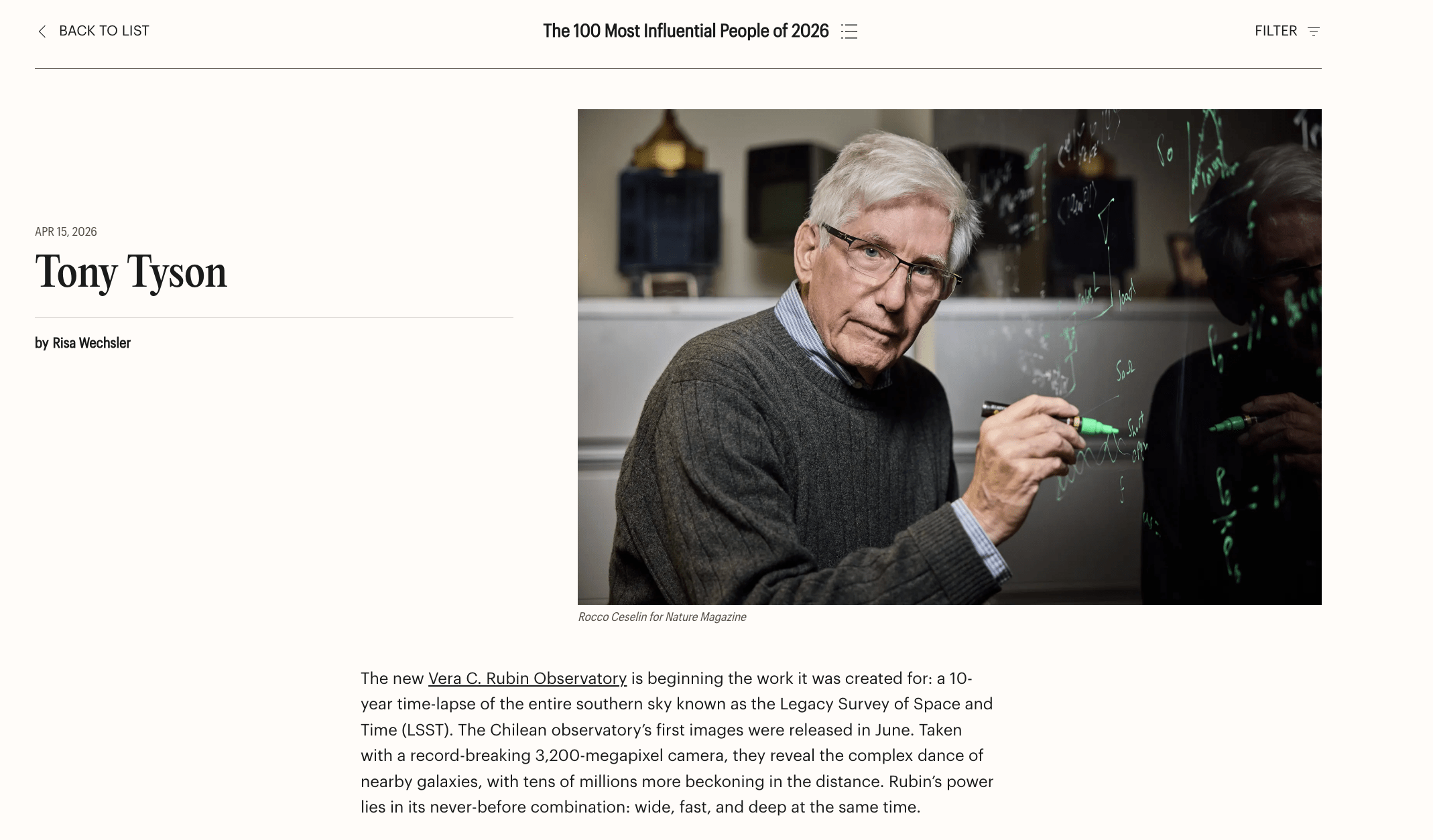
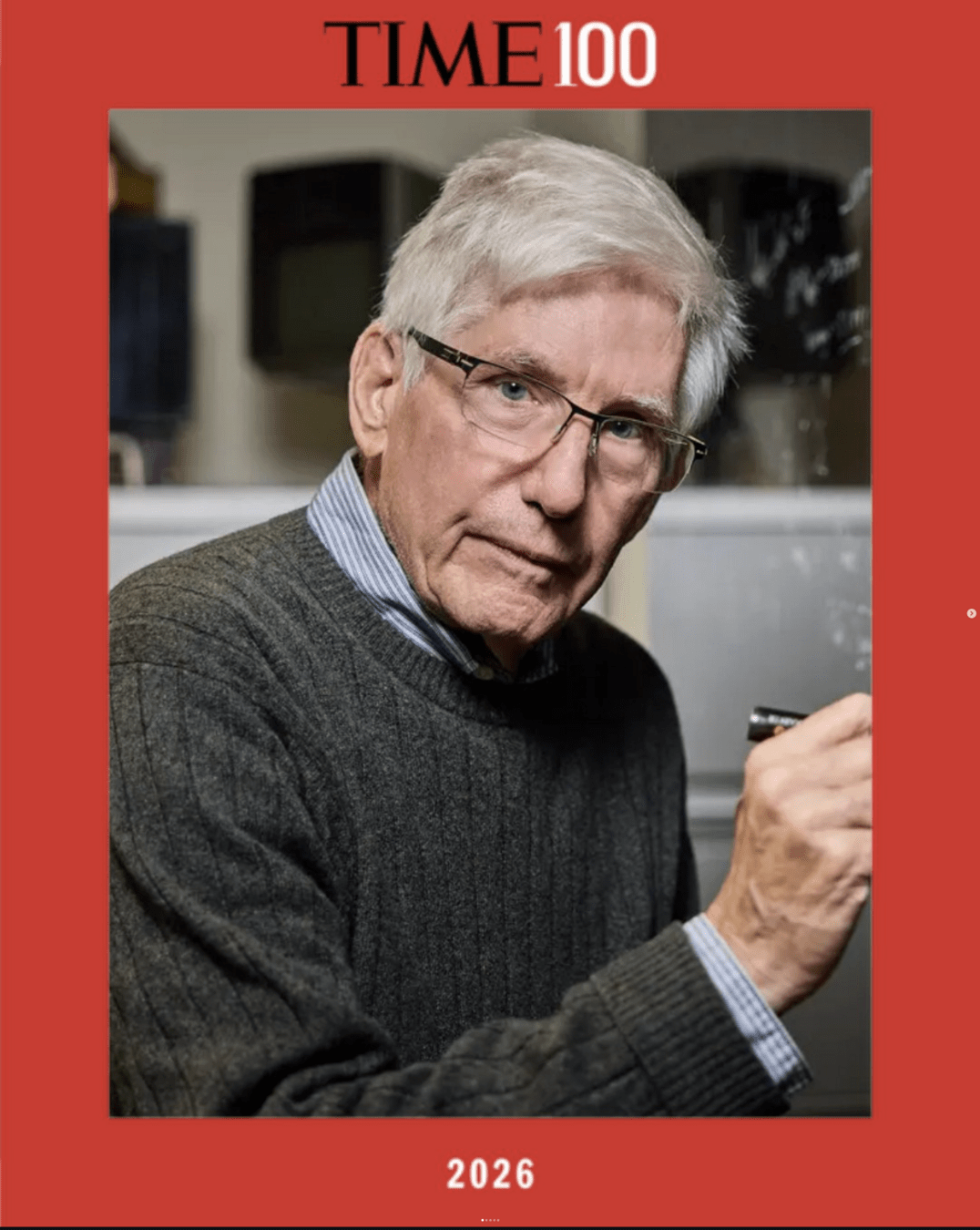
with Zhoran Mandami,
Astronaut Reid Wiseman,
Activist Zabib Musa Loro,
Pope Leo XIV,
Olympic medalist Alysa Liu,
Benicio Del Toro.......
2008
2017
Are We There YET????!!!!
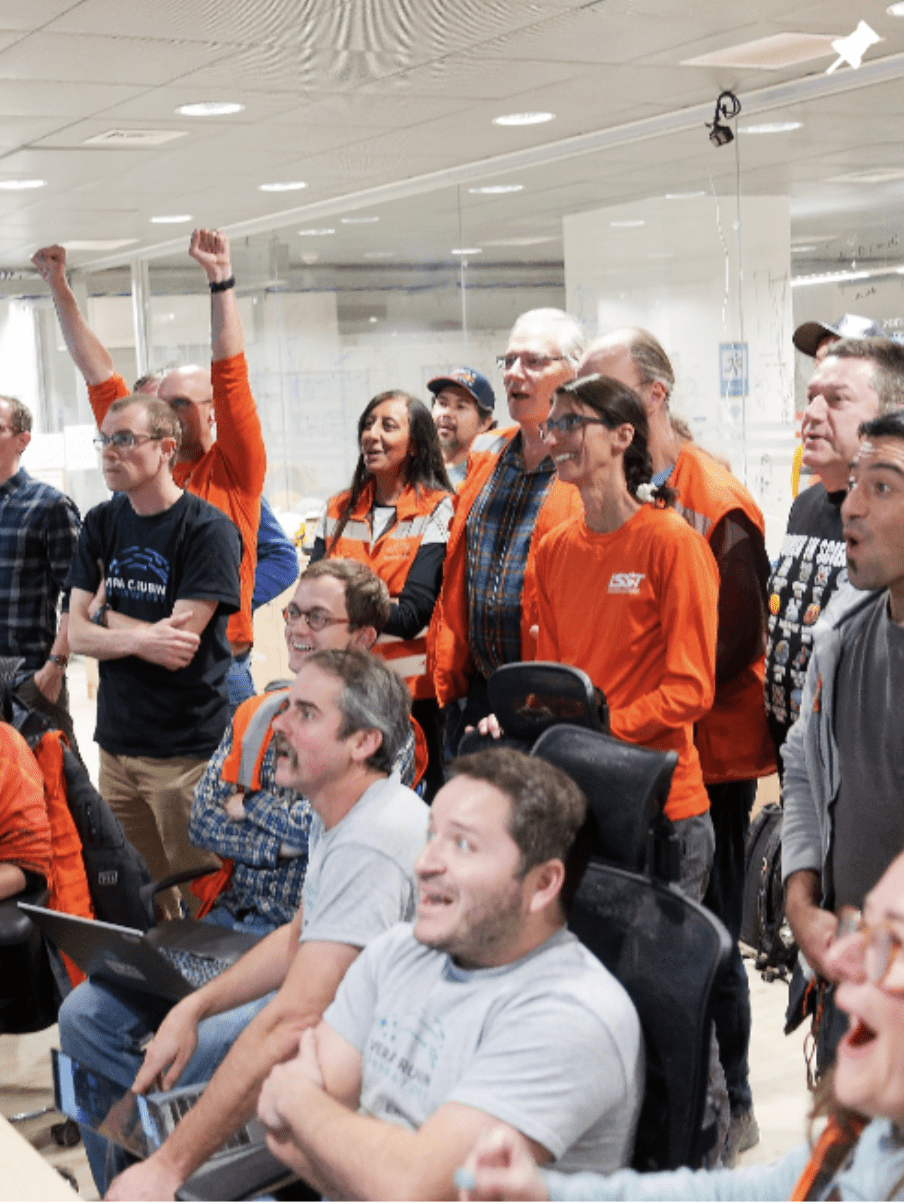
Eye to the sky…on-sky engineering tests have begun at
Rubin Observatory using the world’s largest digital camera!
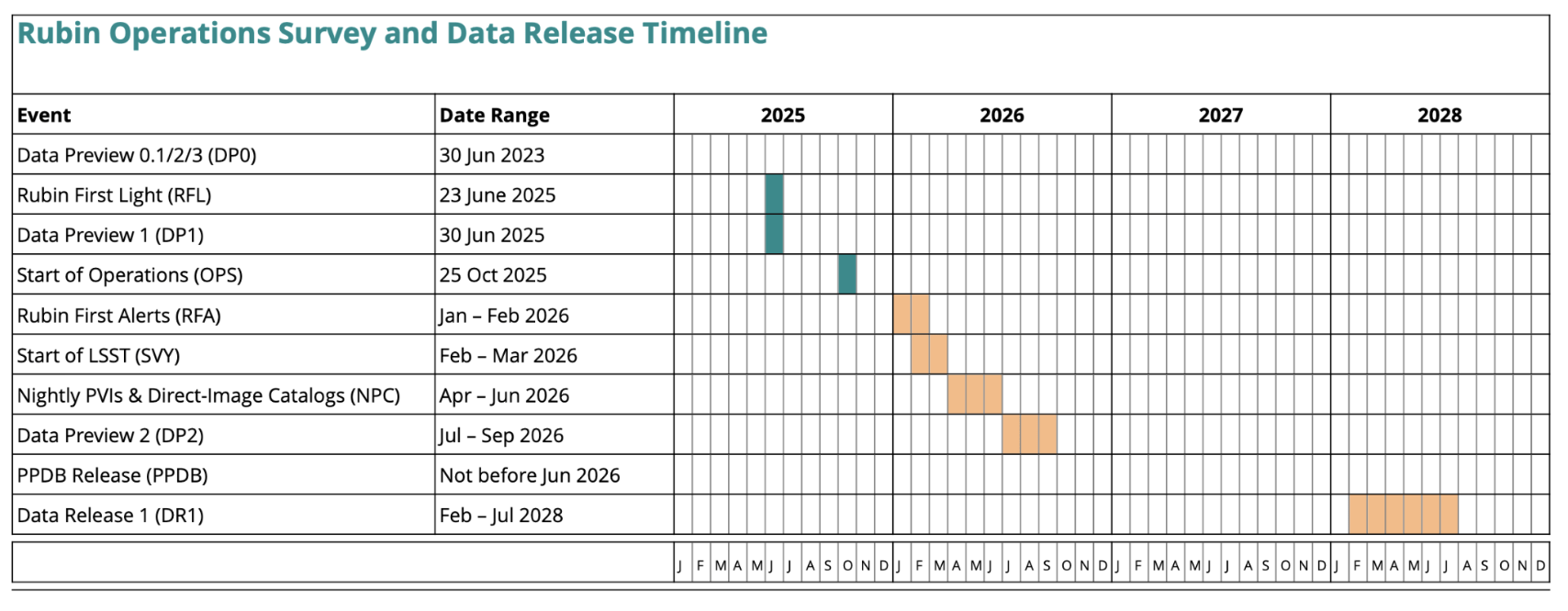
June 23 2025

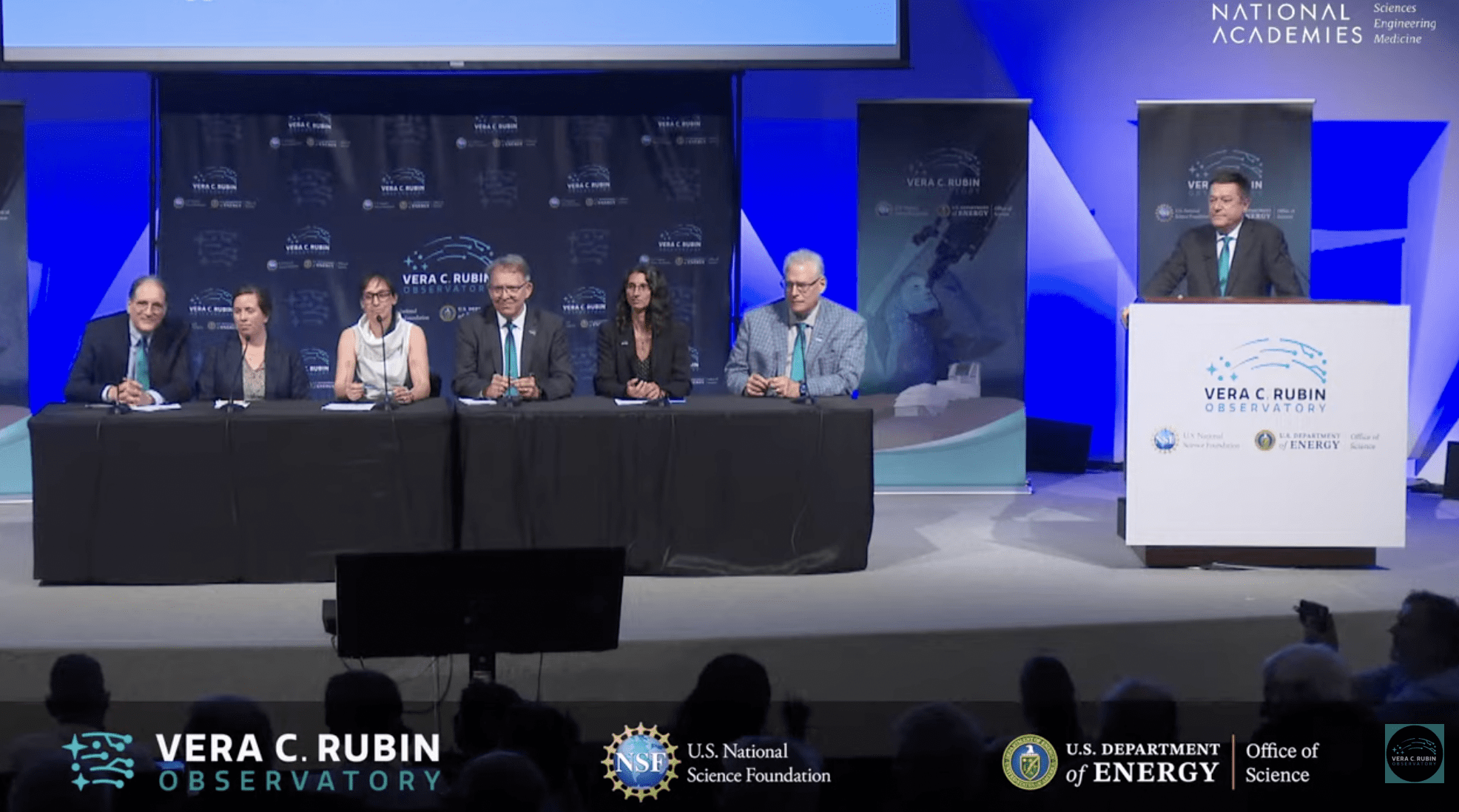
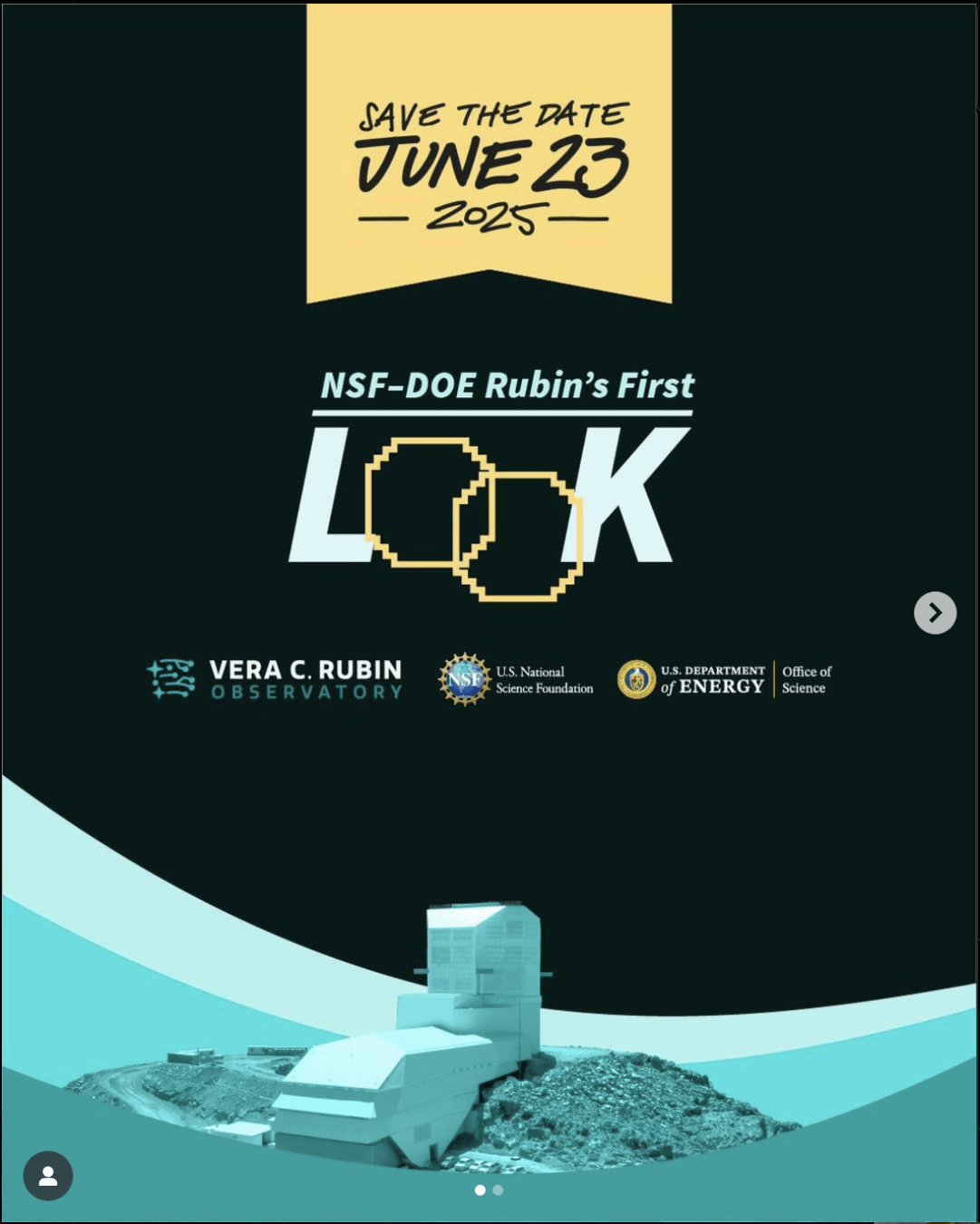
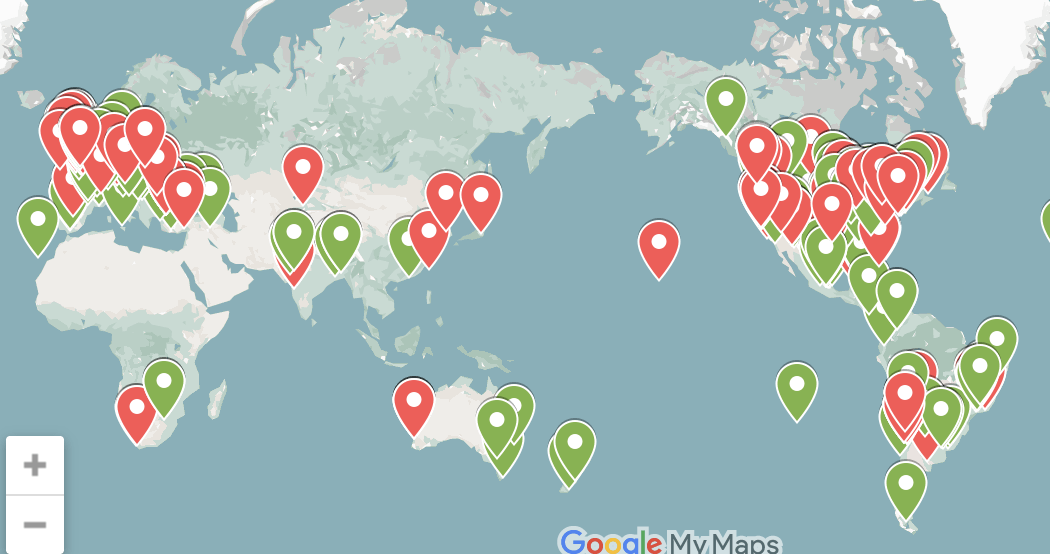
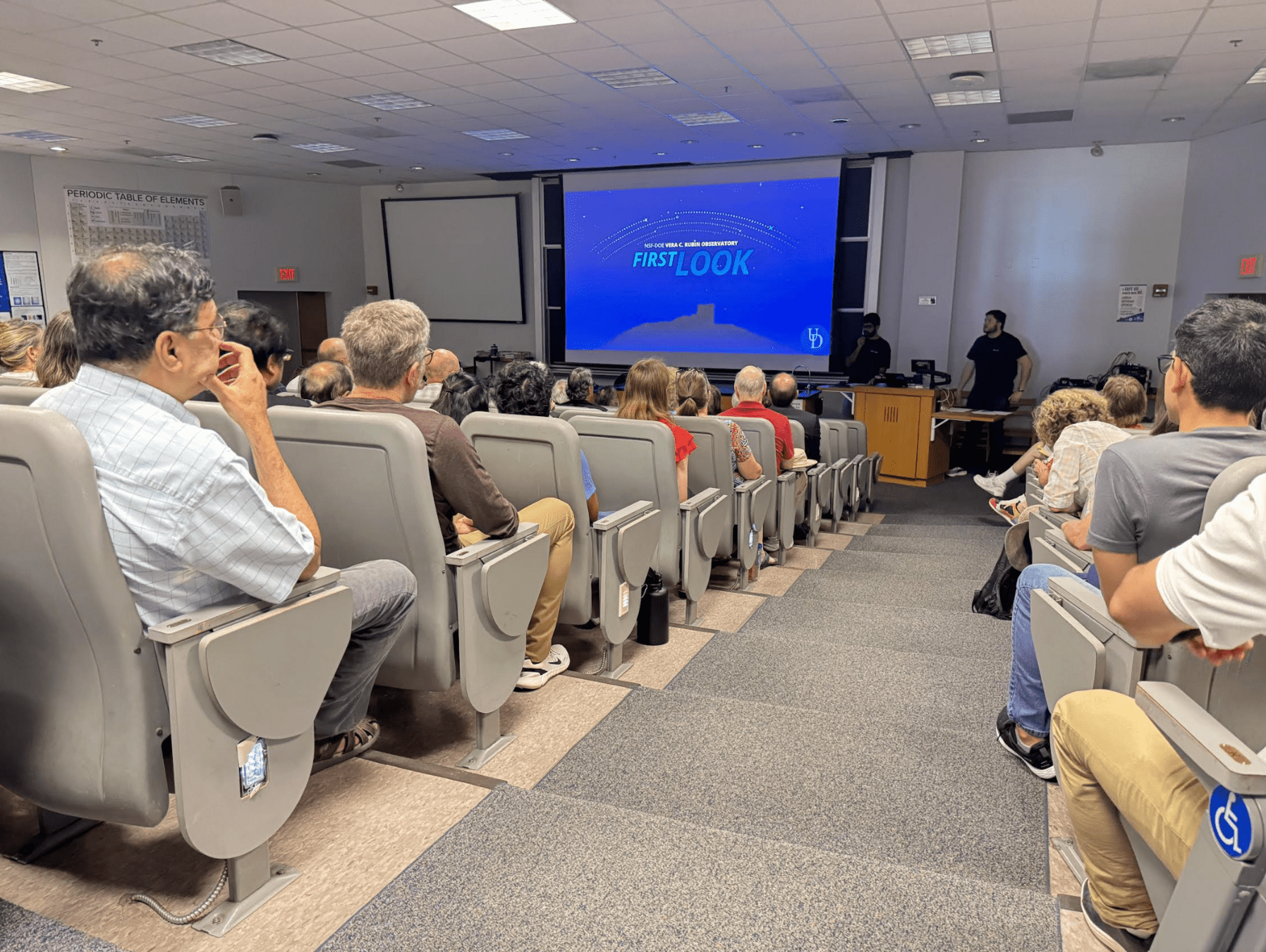
First Look party here at UD with 213 people signed up!
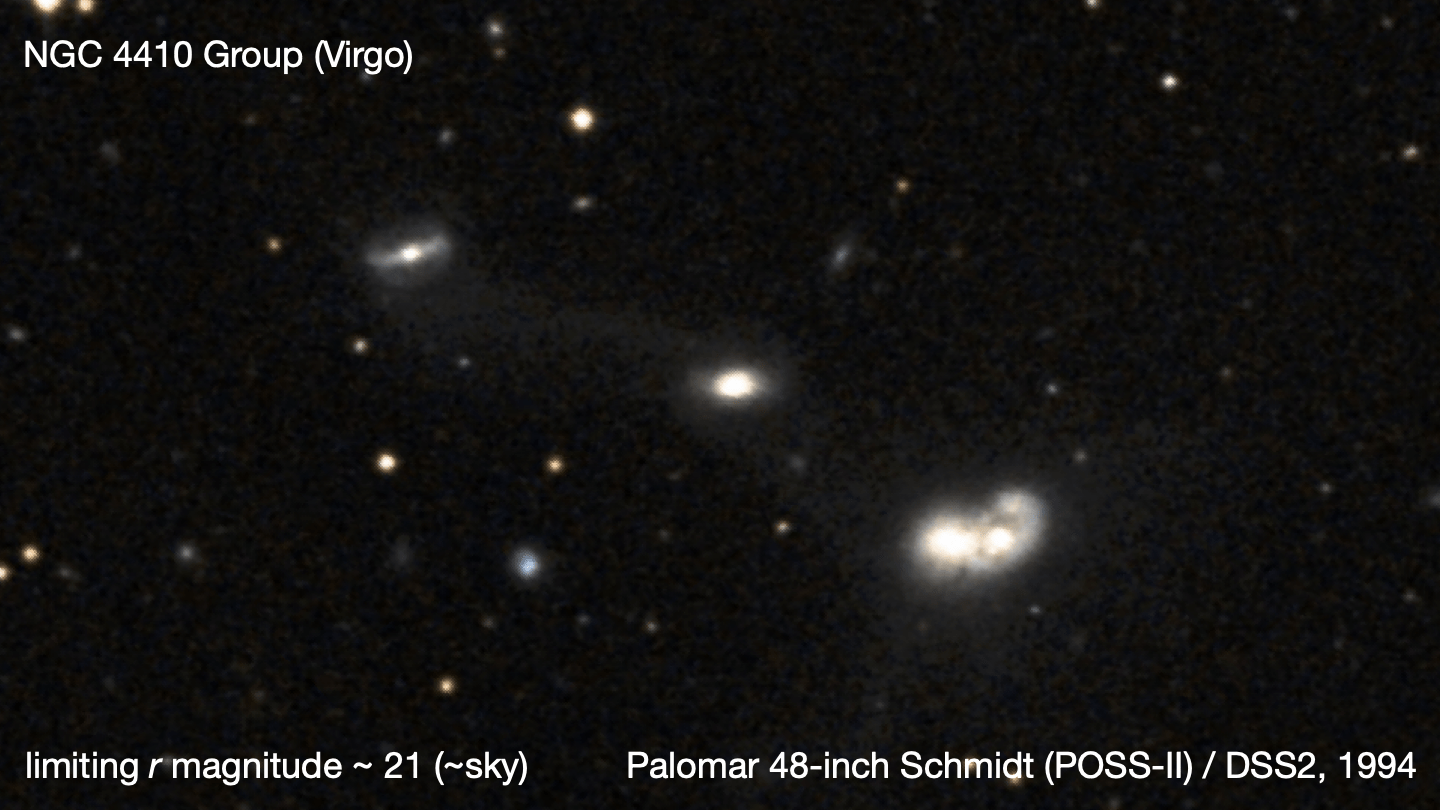
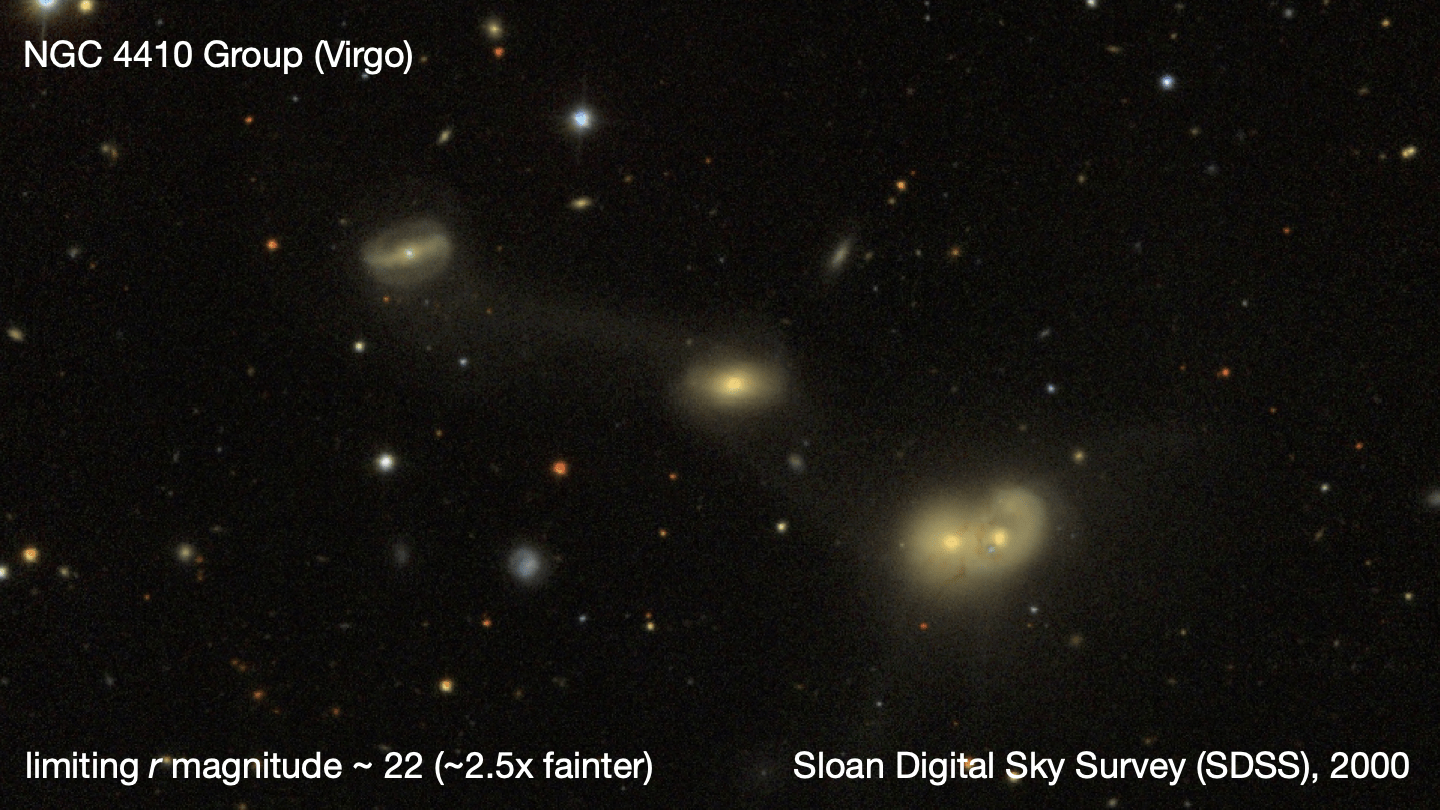
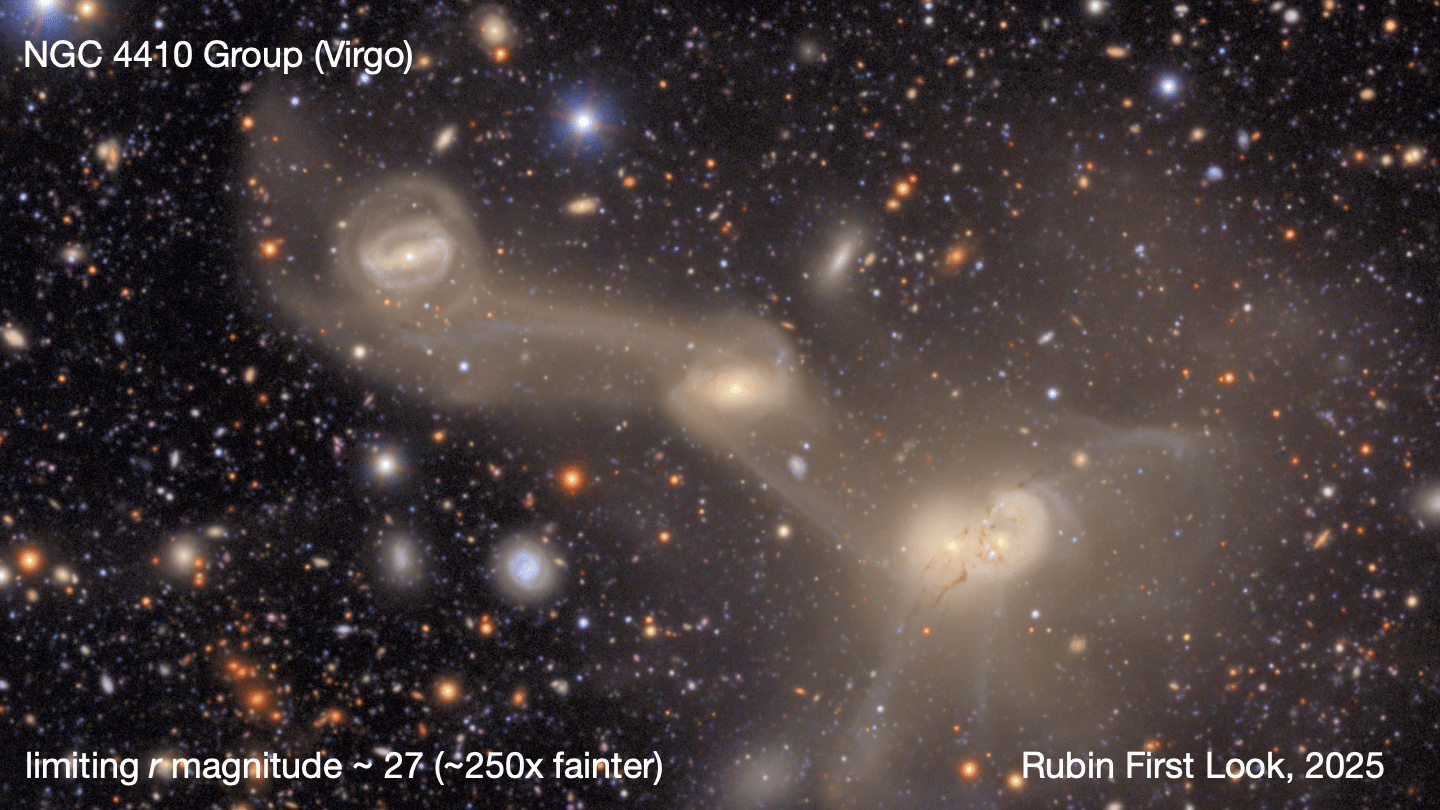
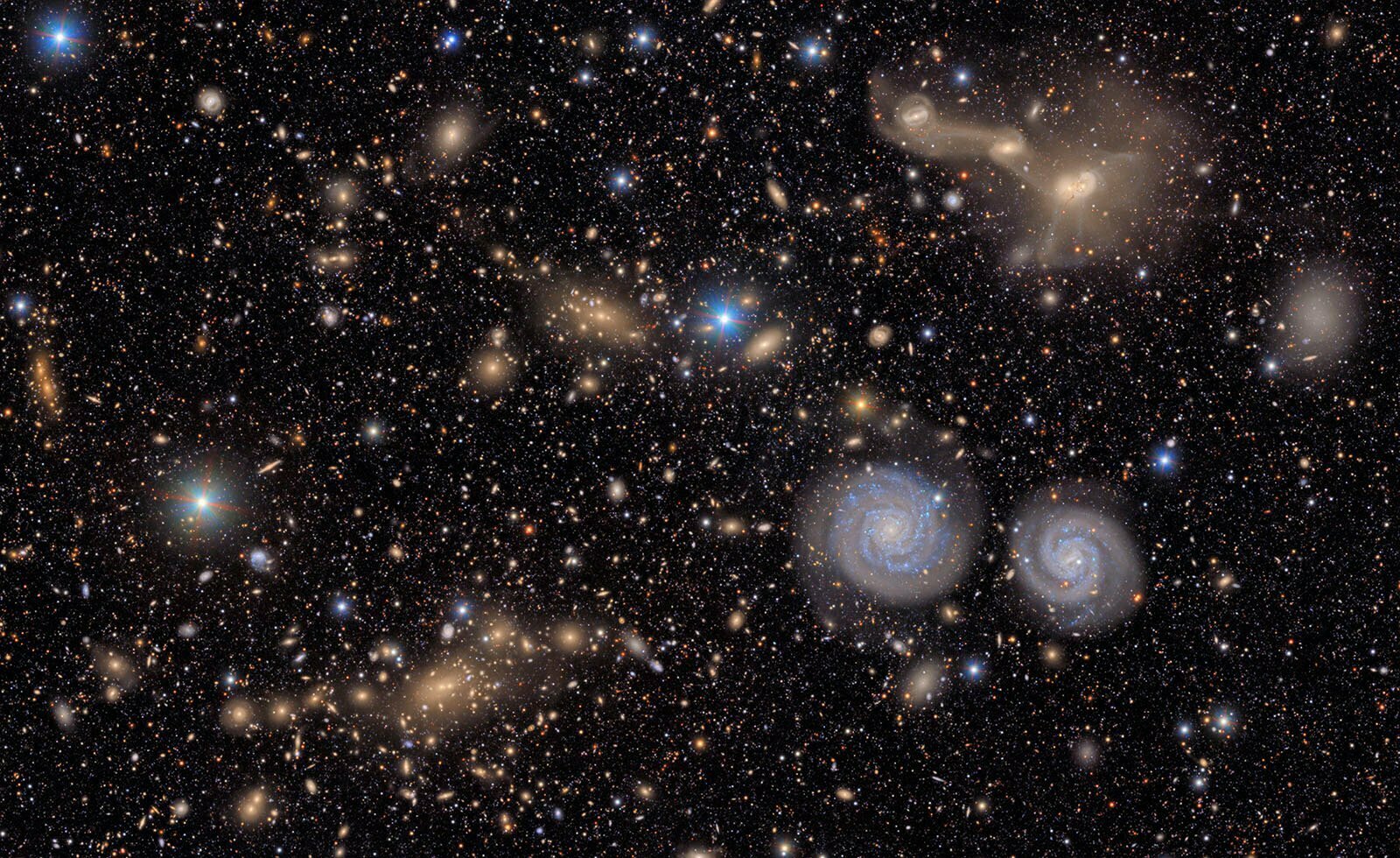

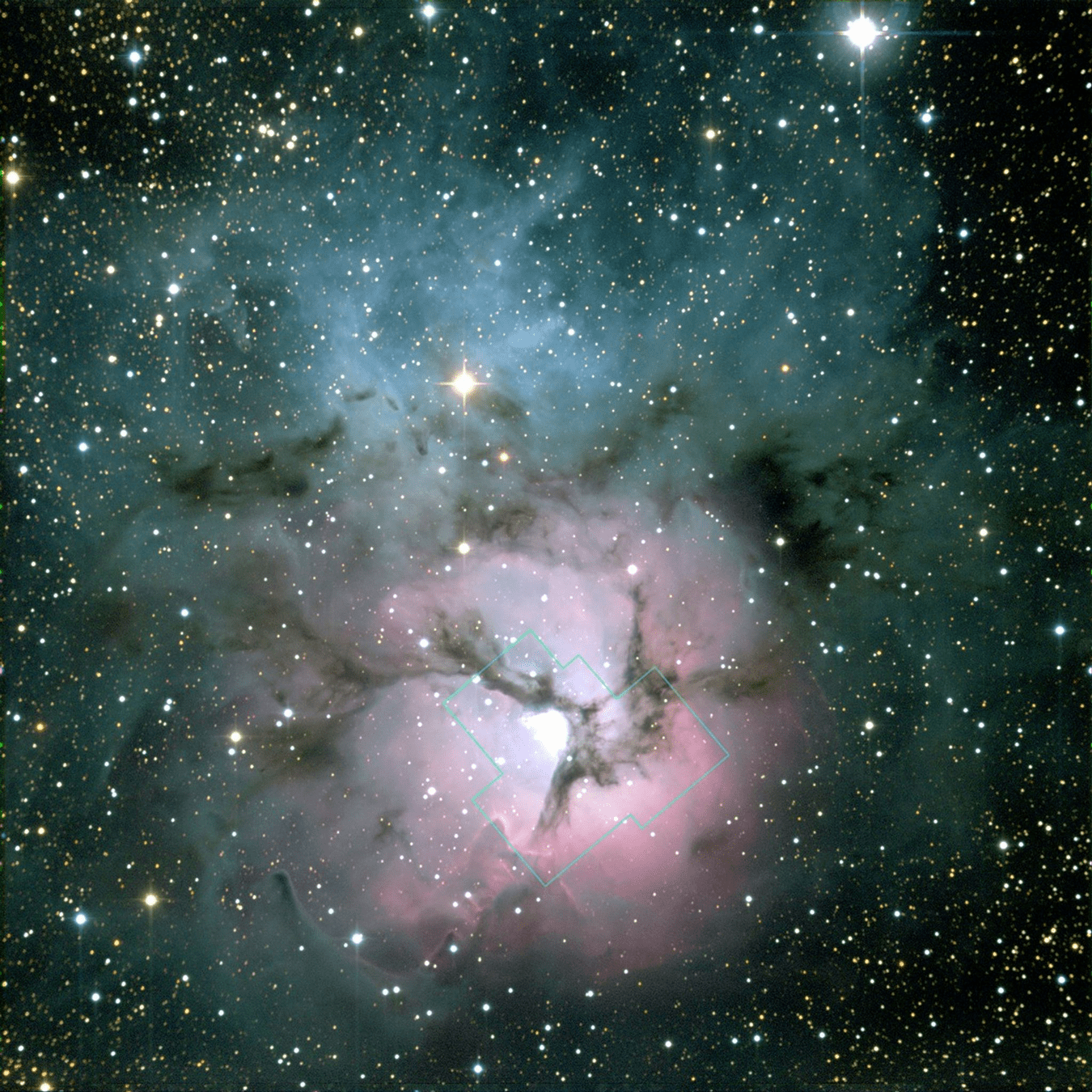
678 separate images taken in just over seven hours of observing time. Trifid nebula (top right) and the Lagoon nebula, which are several thousand light-years away from Earth. | NSF-DOE Vera C. Rubin Observatory
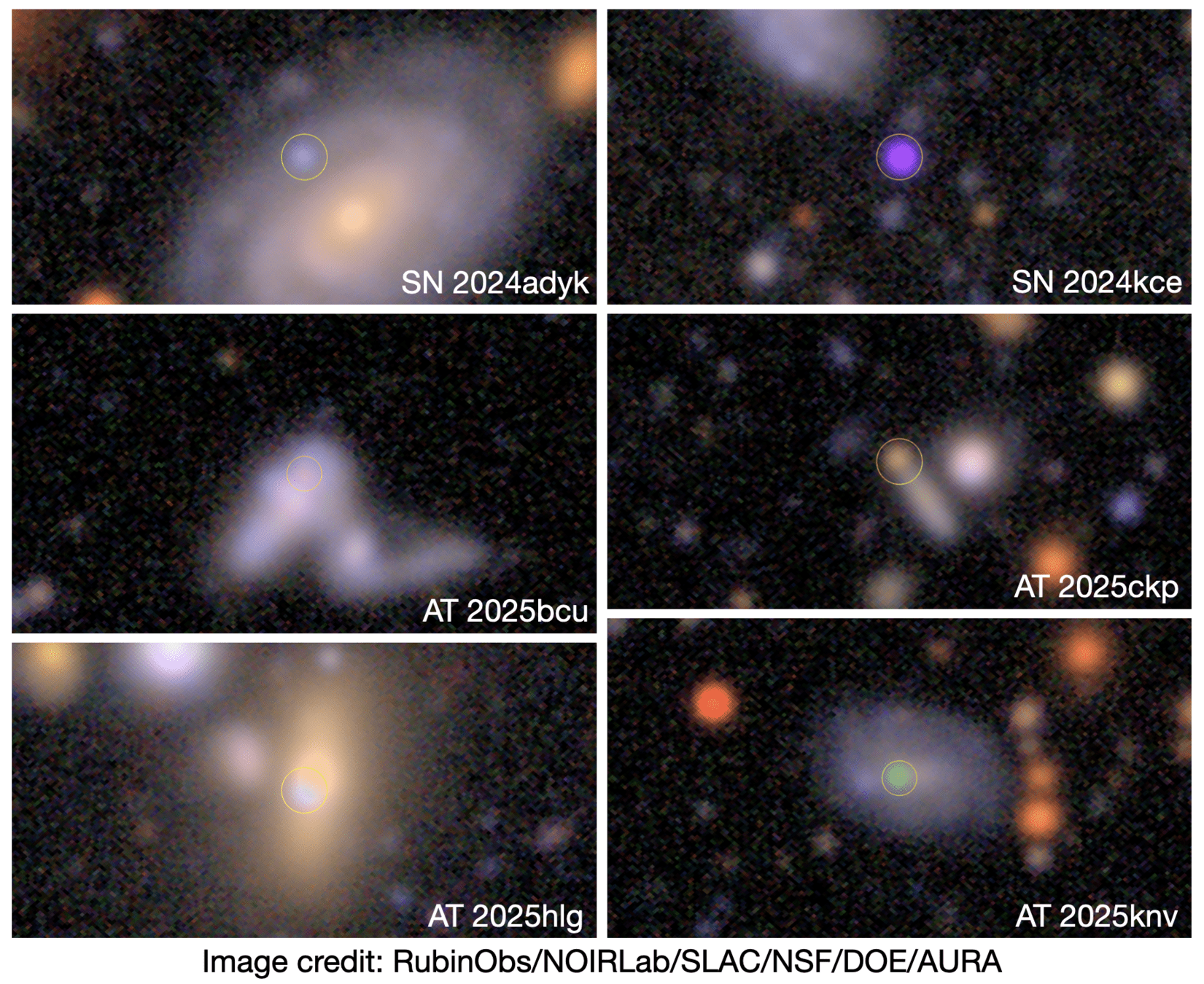
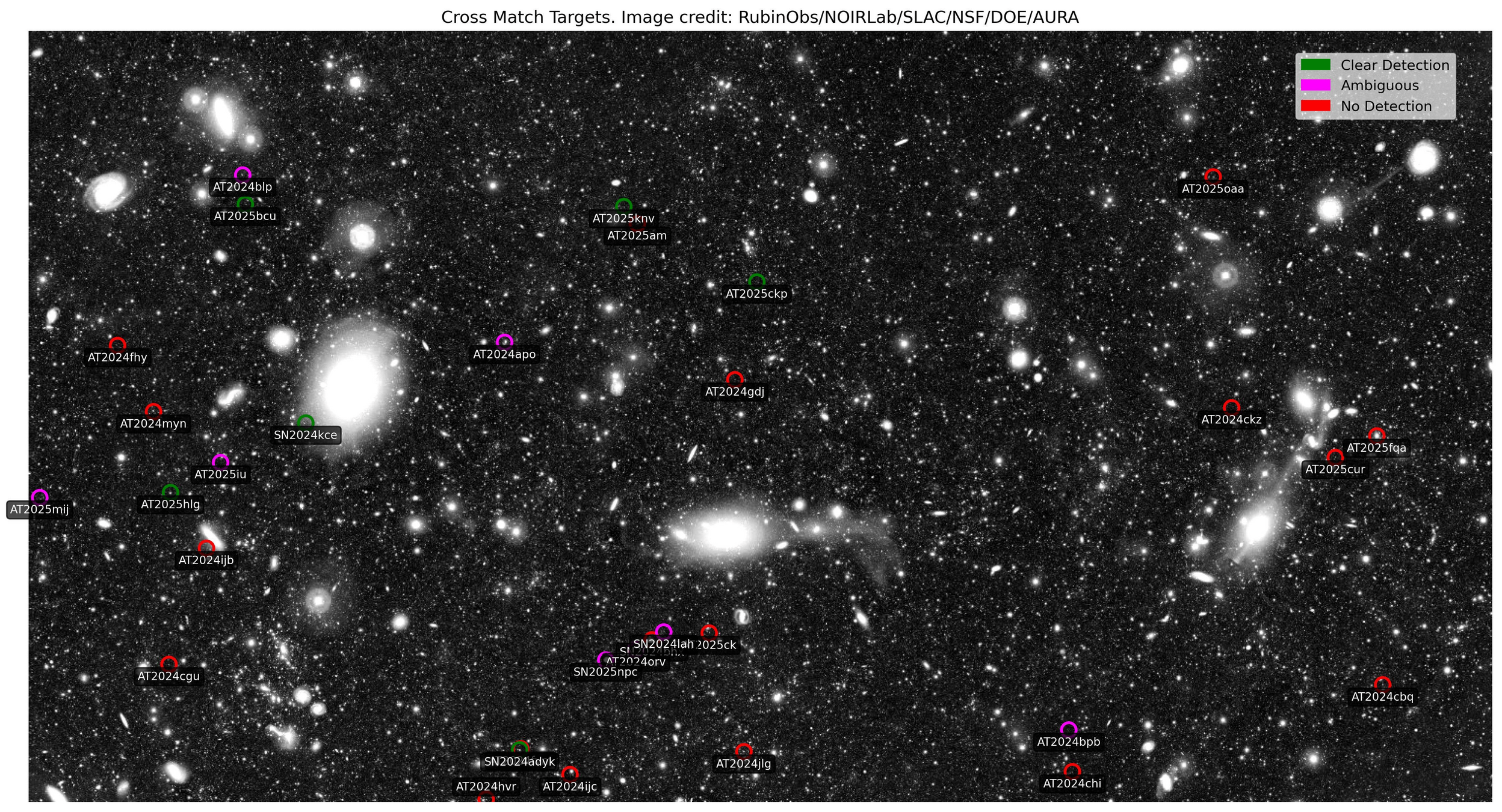
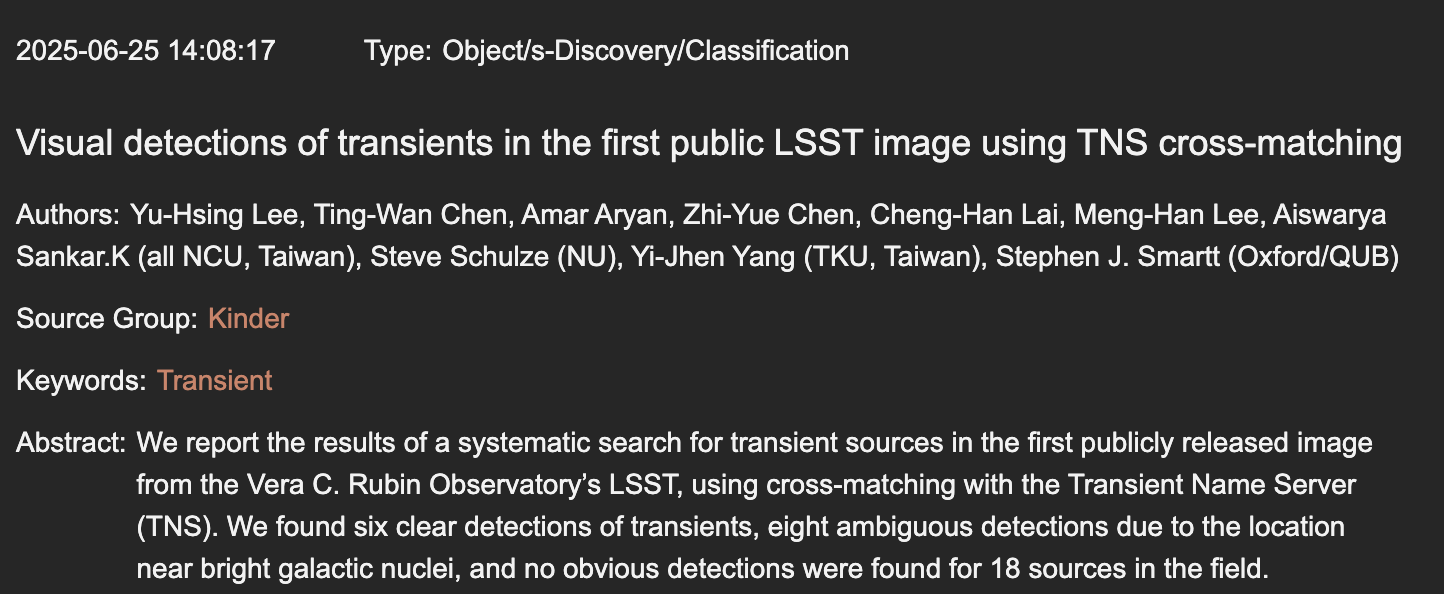
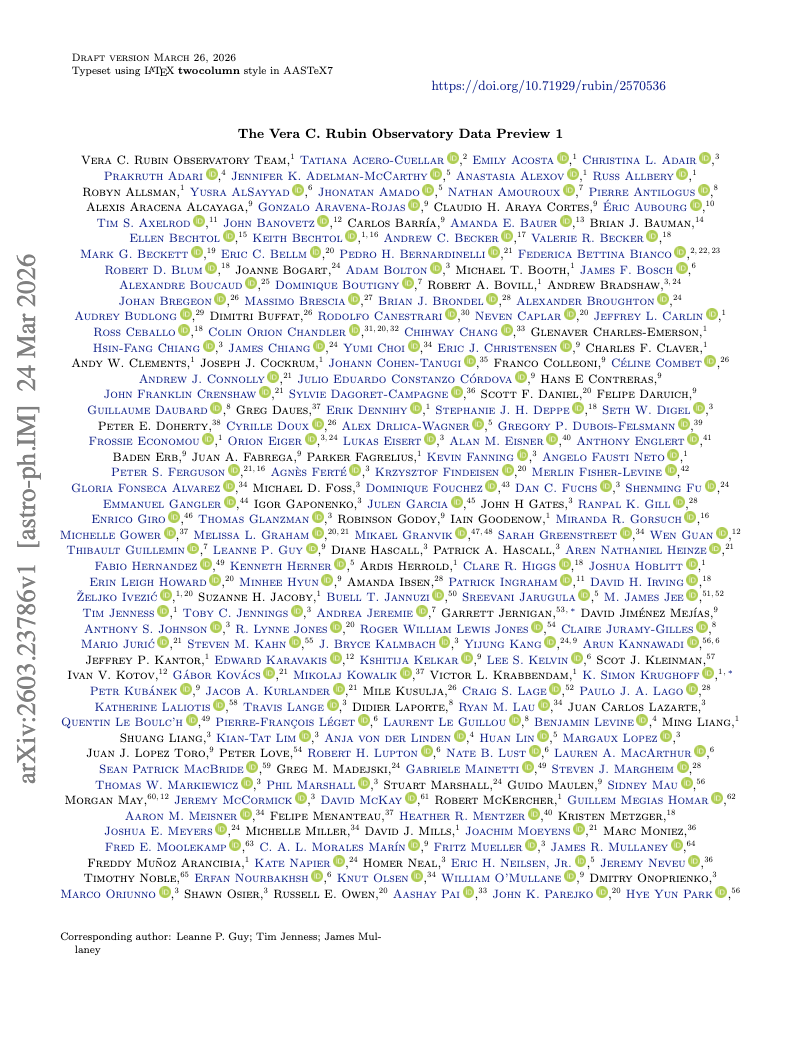
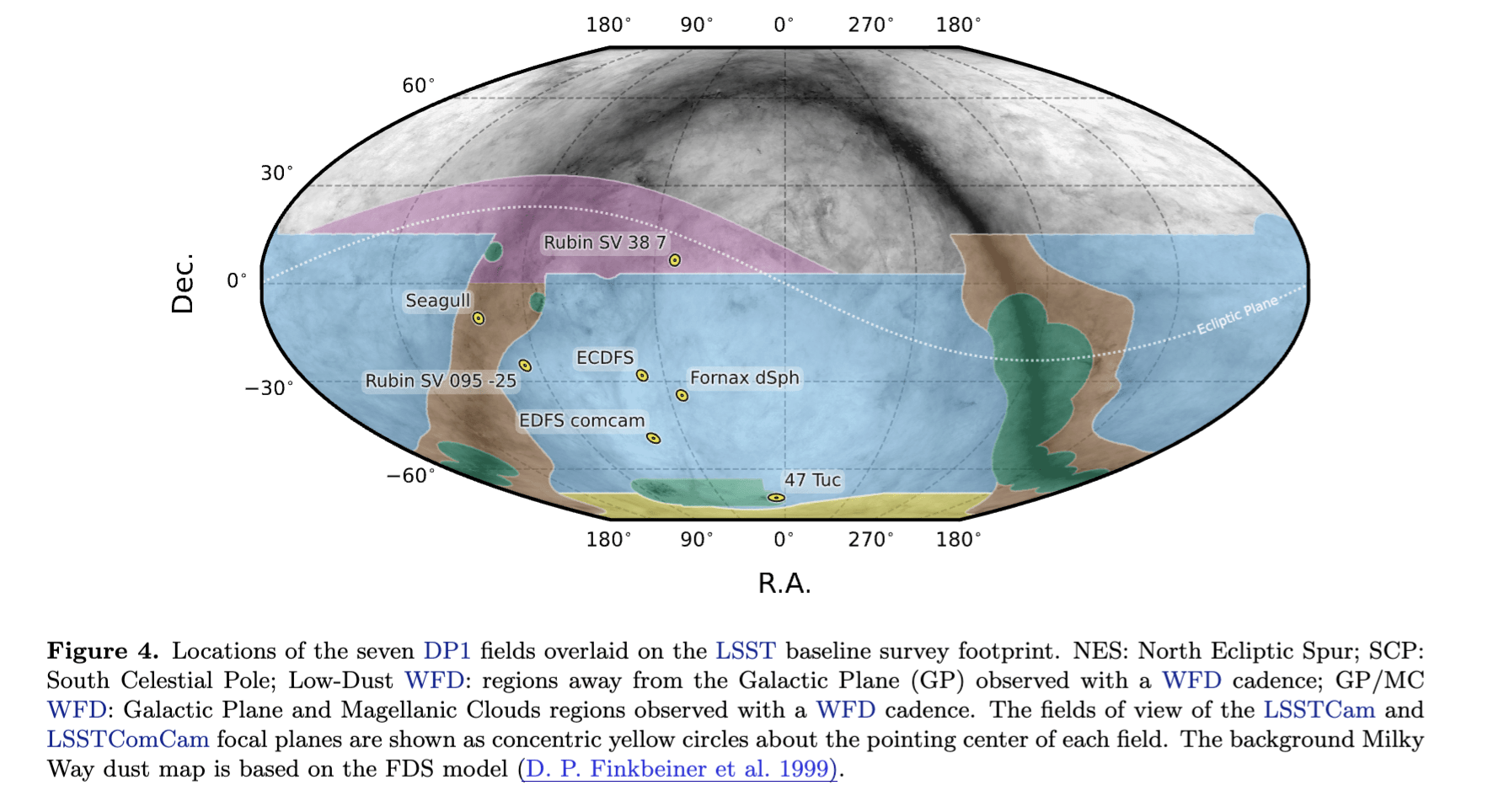
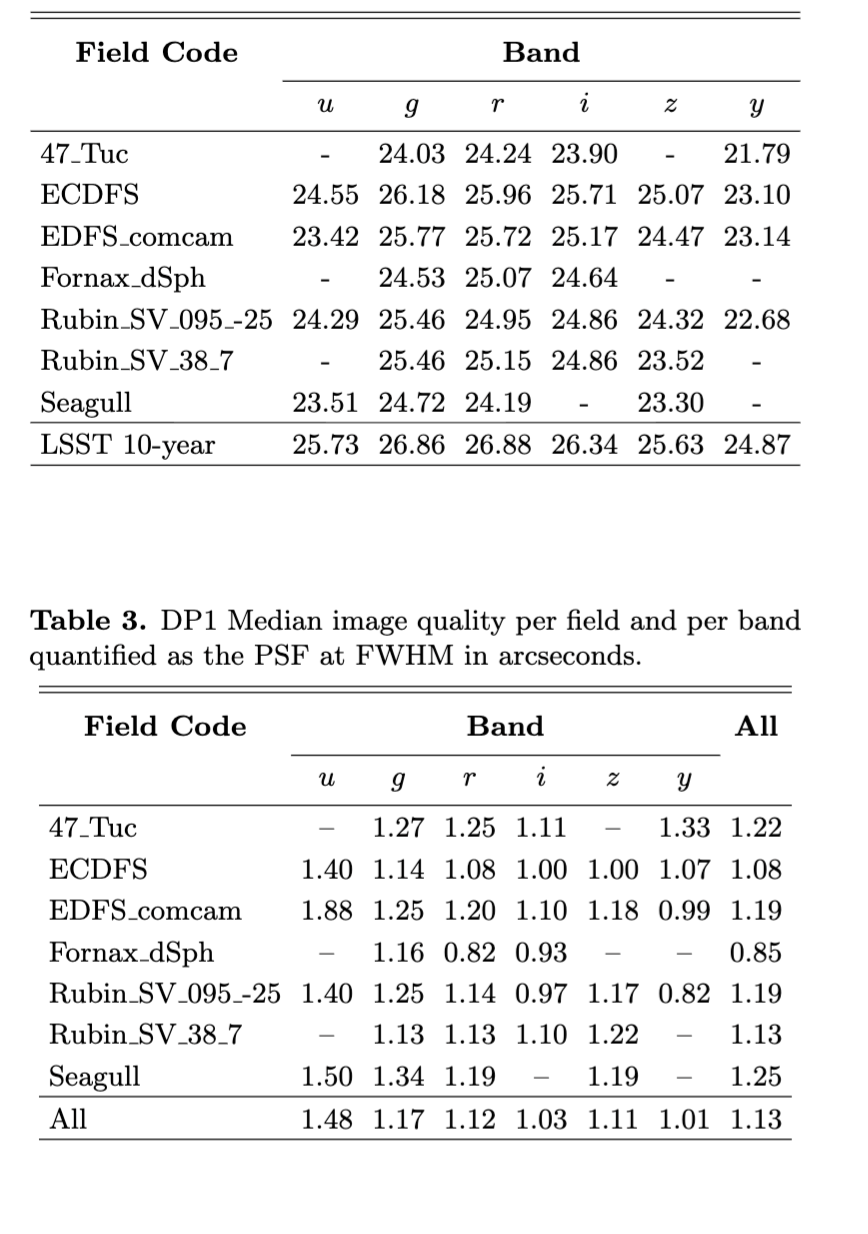
The Vera C. Rubin Observatory Data Preview 1
June 30, 2025
DP1 release!
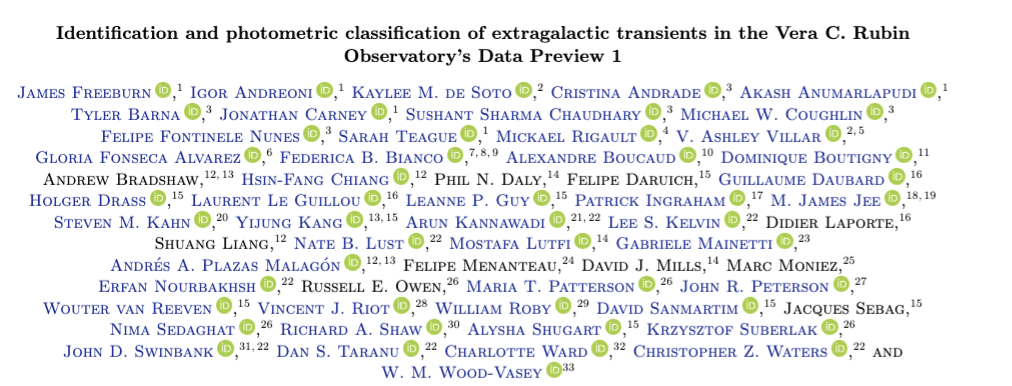
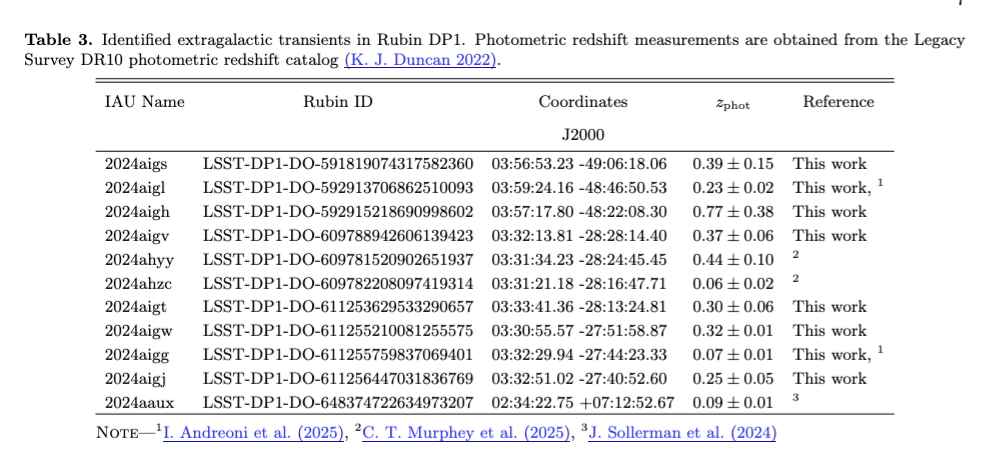
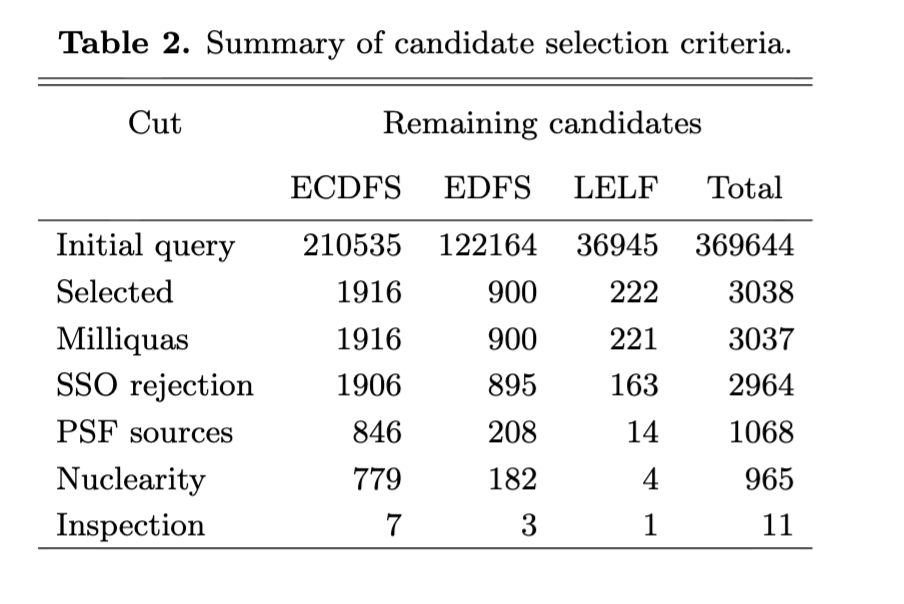
>25% DIA detections
>25% DIA detections
1 AGN
>25% DIA detections
1 AGN
Galactic variables
>25% DIA detections
new AGNs/TDEs
1 AGN
Galactic variables
10 stars explode in the universe every second
Until the 1900s we would see 1 in a century
Until the 1980s we would see 1 in a decade
Until the 2010s we would see 1 in a month
With the Vera C. Rubin Observatory we will see 1000 every night !
2025
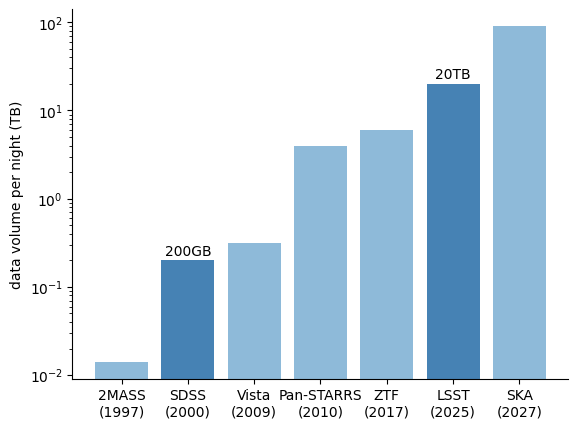
edge computing
more data
but also
information-rich data
SKA
(2025)
edge computing
Rubin LSST Transients by the numbers
17B stars (x10) Ivezic+19
~10 million QSO (x10) Mary Loli+21
~50k Tidal Disruption Events (from ~150) Brickman+ 2020
~10k SuperLuminous Supernovae (from ~200)Villar+ 2018
~400 strongly lensed SN Ia (from 10) Ardense+24
~50 kilonovae (from 2) Setzer+19, Andreoni+19 (+ ToO)
> 10 Interstellar Objects fom 2.... ?)
edge computing
Rubin LSST Transients by the numbers
17B stars (x10) Ivezic+19
~10 million QSO (x10) Mary Loli+21
~50k Tidal Disruption Events (from ~150) Brickman+ 2020
~10k SuperLuminous Supernovae (from ~200)
~400 strongly lensed SN Ia (from 10) Ardense+24
~50 kilonovae (from 2) Setzer+19, Andreoni+19 (+ ToO)
> 10 Interstellar Objects fom 2.... ?)
edge computing
Rubin LSST Transients by the numbers
17B stars (x10) Ivezic+19
~10 million QSO (x10) Mary Loli+21
~50k Tidal Disruption Events (from ~150) Brickman+ 2020
~10k SuperLuminous Supernovae (from ~200)
~400 strongly lensed SN Ia (from 10) Ardense+24
~50 kilonovae (from 2) Setzer+19, Andreoni+19 (+ ToO)
> 10 Interstellar Objects fom 2.... ?)
Rubin LSST Transients by the numbers
17B stars (x10) Ivezic+19
~10 million QSO (x10) Mary Loli+21
~50k Tidal Disruption Events (from ~150) Brickman+ 2020
~10k SuperLuminous Supernovae (from ~200) Villar+ 2018
~400 strongly lensed SN Ia (from 10) Ardense+24
~50 kilonovae (from 2) Setzer+19, Andreoni+19 (+ ToO)
> 10 Interstellar Objects fom 2.... ?)
Rubin LSST Transients by the numbers
17B stars (x10) Ivezic+19
~10 million QSO (x10) Mary Loli+21
~50k Tidal Disruption Events (from ~150) Brickman+ 2020
~10k SuperLuminous Supernovae (from ~200) Villar+ 2018
~400 strongly lensed SN Ia (from 10) Ardense+24
~50 kilonovae (from 2) Setzer+19, Andreoni+19 (+ ToO)
> 10 Interstellar Objects fom 2.... ?)
Rubin LSST Transients by the numbers
17B stars (x10) Ivezic+19
~10 million QSO (x10) Mary Loli+21
~50k Tidal Disruption Events (from ~150) Brickman+ 2020
~10k SuperLuminous Supernovae (from ~200) Villar+ 2018
~400 strongly lensed SN Ia (from 10) Ardense+24
~50 kilonovae (from 2) Setzer+19, Andreoni+19 (+ ToO)
> 10 Interstellar Objects fom 2.... ?)
SKA
(2025)
17B stars (x10) Ivezic+19
~10 million QSO (x10) Mary Loli+21
~50k Tidal Disruption Events (from ~150) Brickman+ 2020
~10k SuperLuminous Supernovae (from ~200) Villar+ 2018
~400 strongly lensed SN Ia (from 10) Ardense+24
~50 kilonovae (from 2) Setzer+19, Andreoni+19 (+ ToO)
> 10 Interstellar Objects fom 2.... ?)

True Novelties!
Rubin LSST Transients by the numbers
2025
edge computing
Other surveys will be even larger!
"BUT BIG DATA DOES NOT MEAN BIG SCIENCE"
Yang Huang,
University of Chinese Academy of Sciences
SpecCLIP talk @UNIVERSAI
IAU workshop Greece June 2025
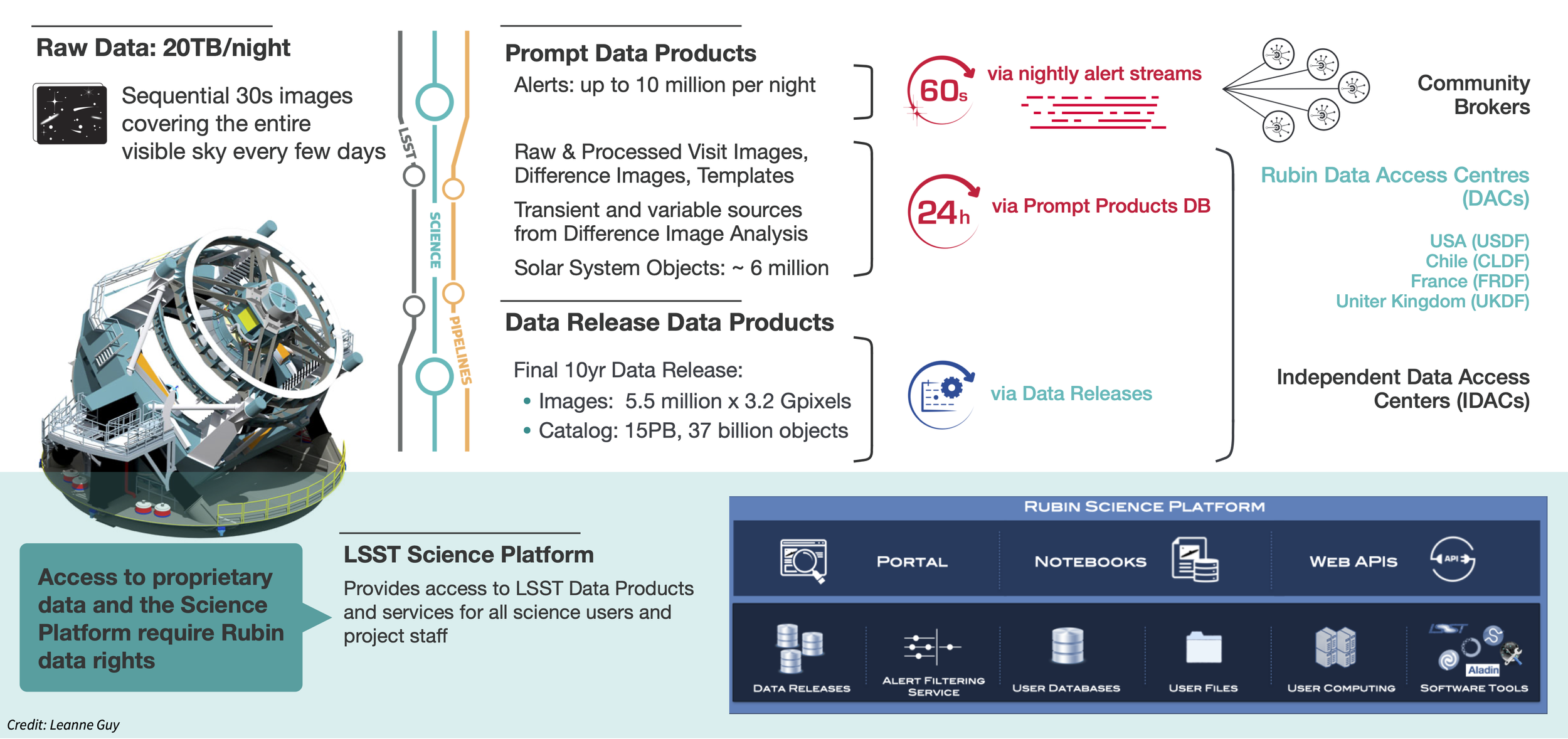
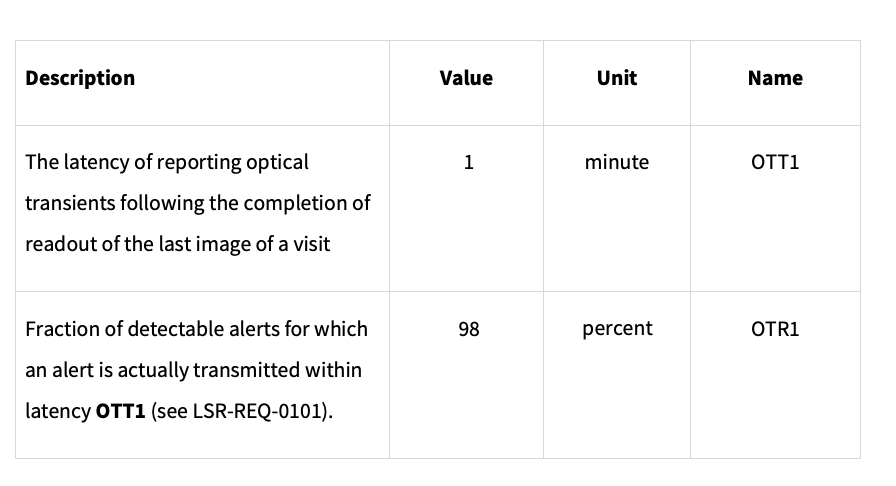
rapid accutare alert release
Data Products
federica bianco - fbianco@udel.edu
data right holders only
federica bianco - fbianco@udel.edu
federica bianco - fbianco@udel.edu
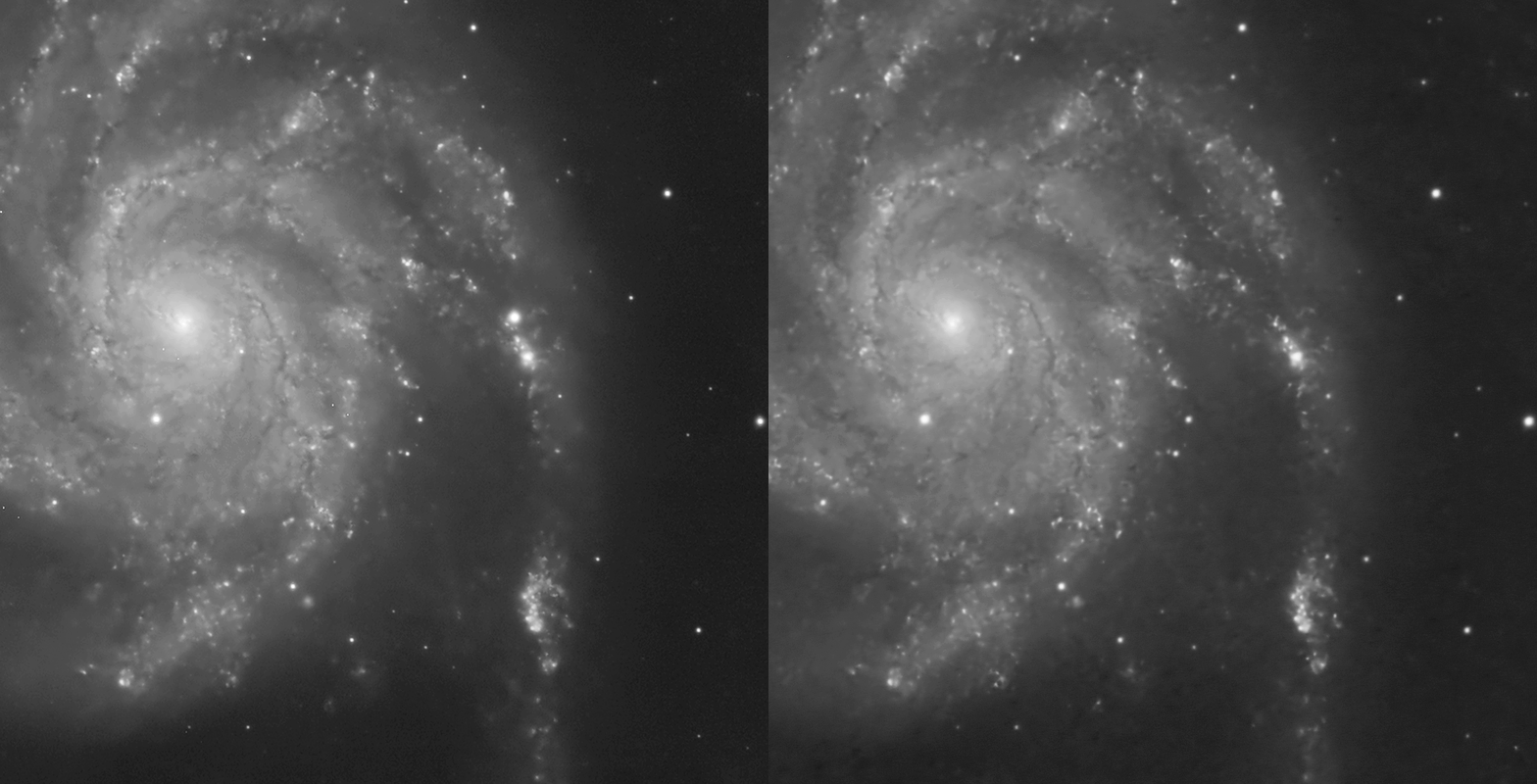
world public!
10Million alerts per night!
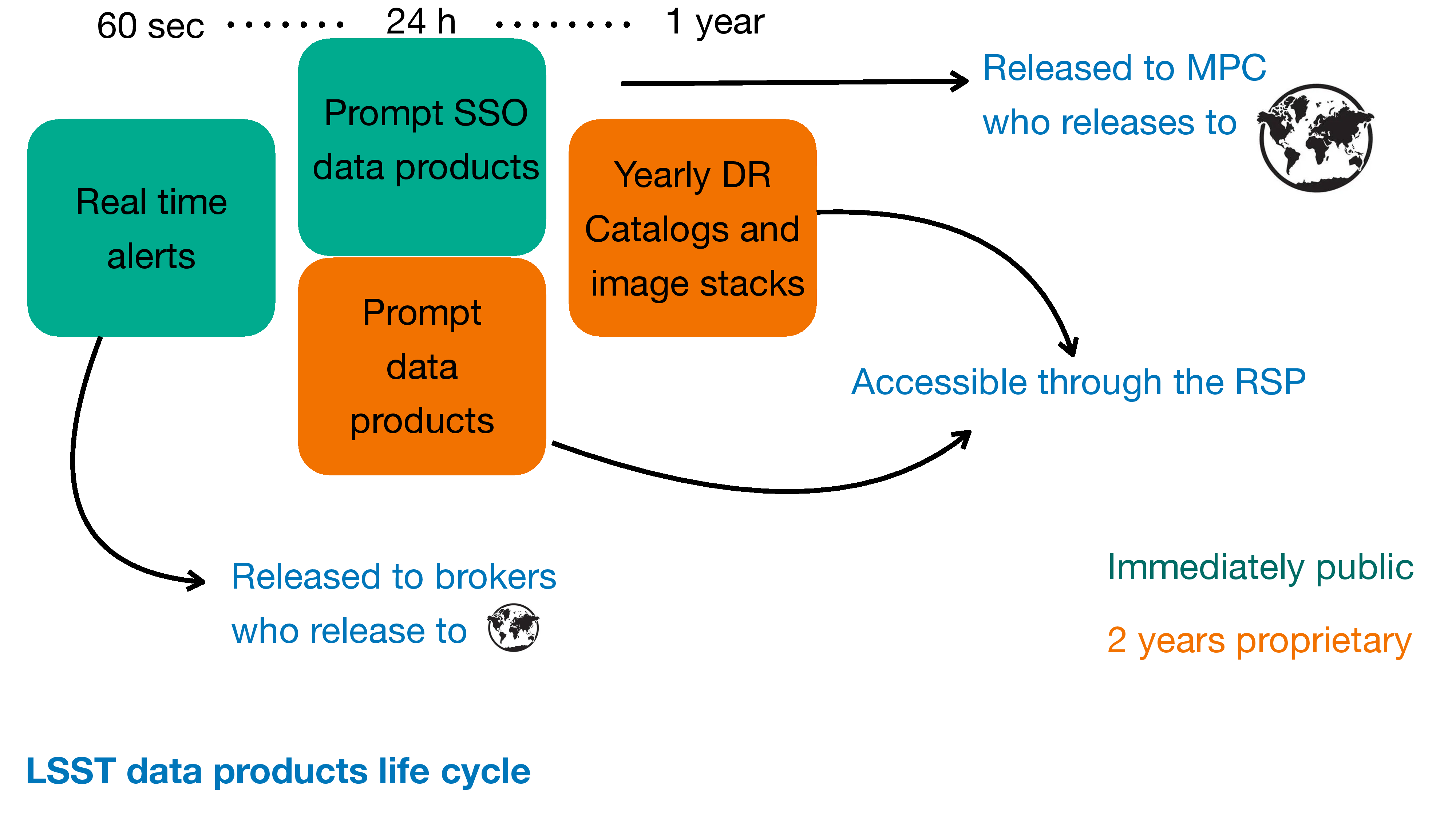
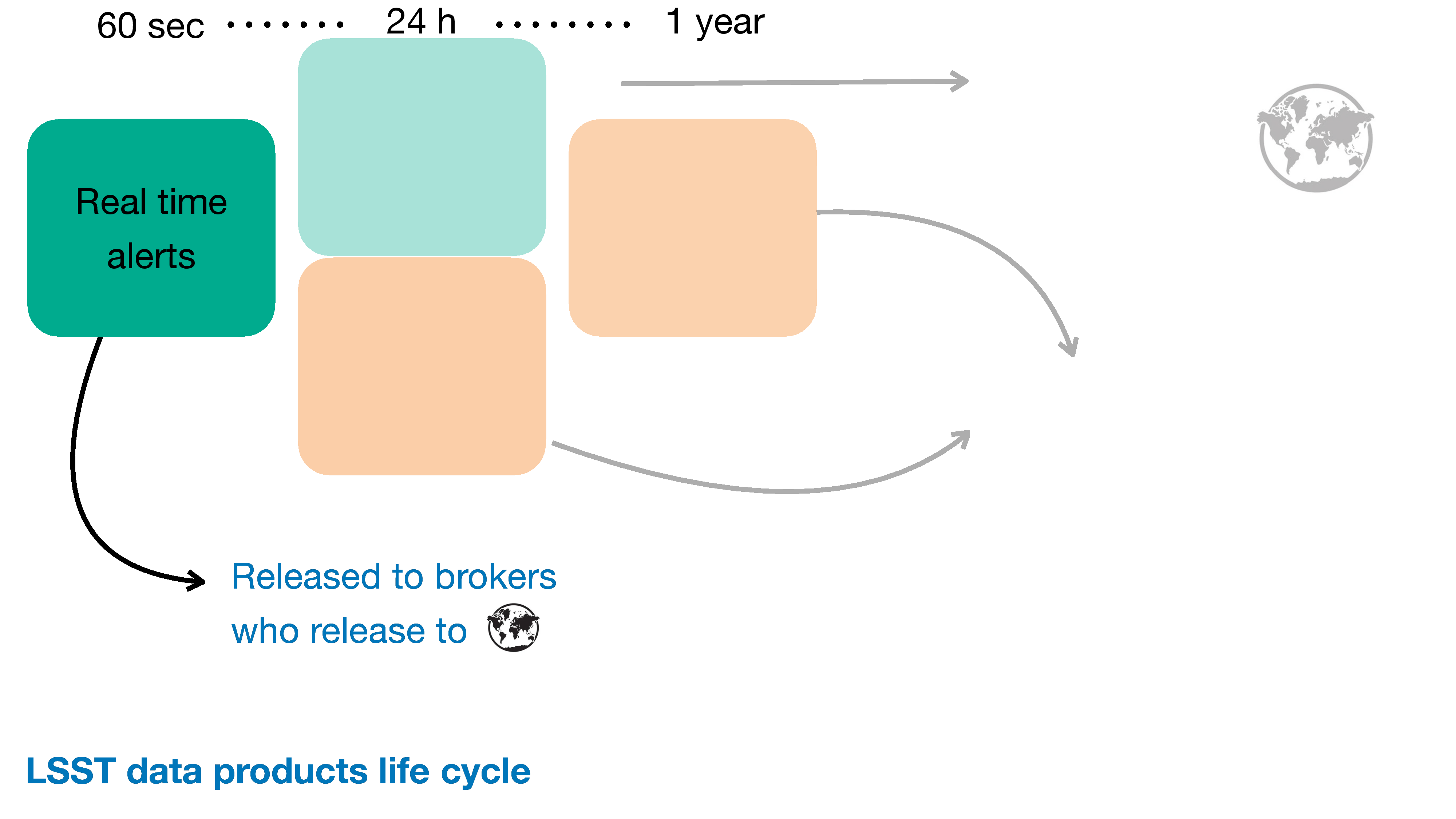
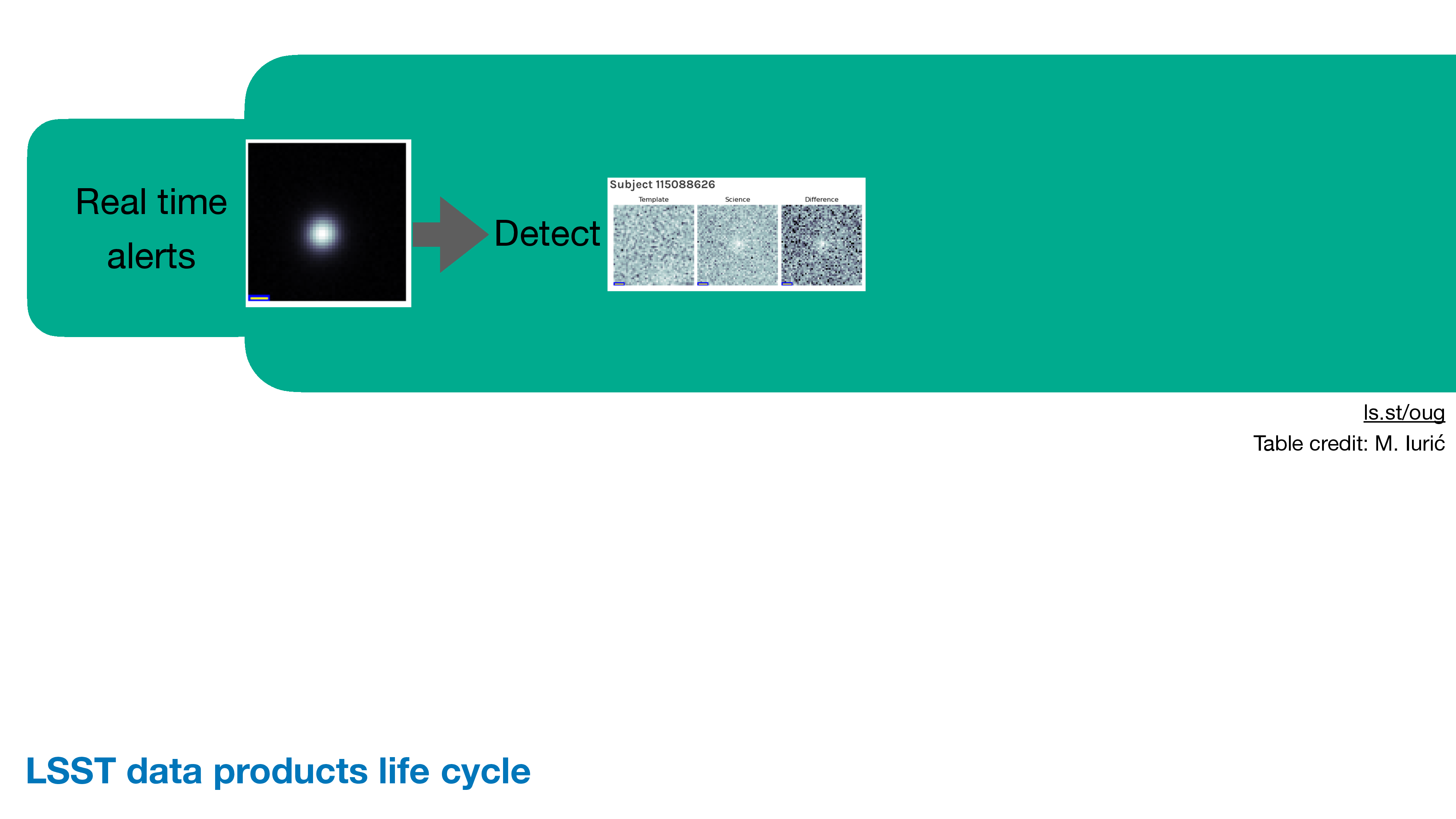
in 60 seconds:
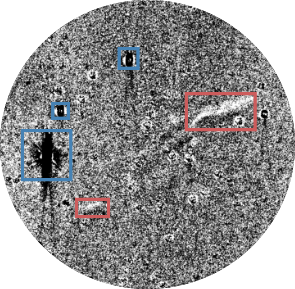
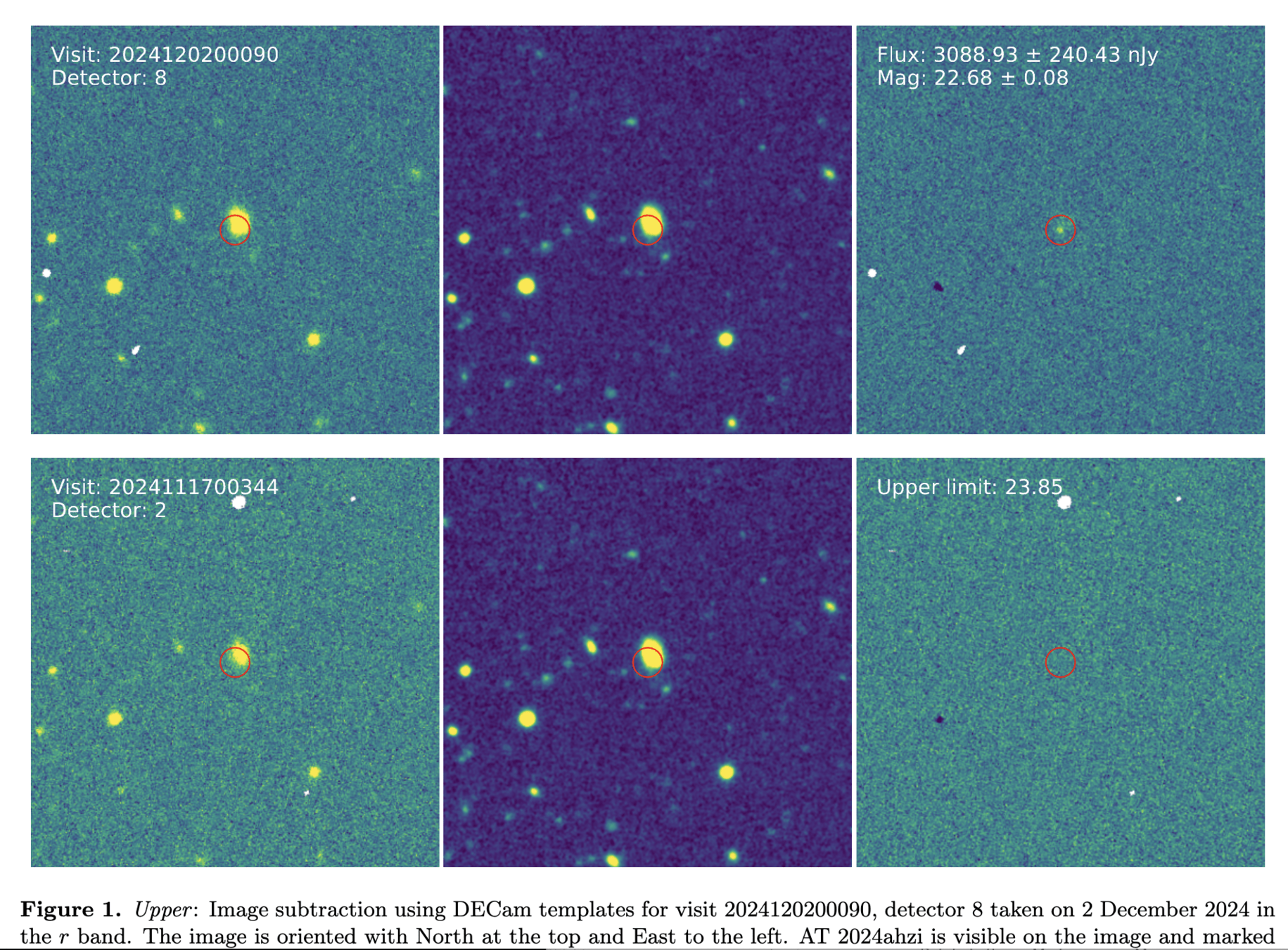
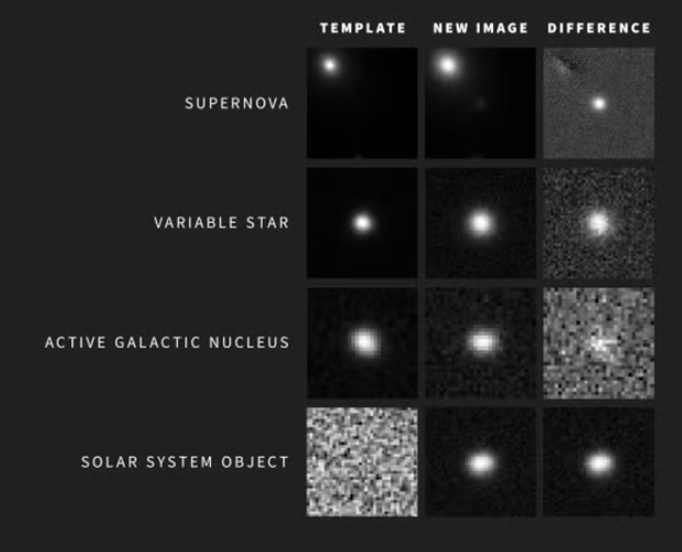
Difference Image Analysis
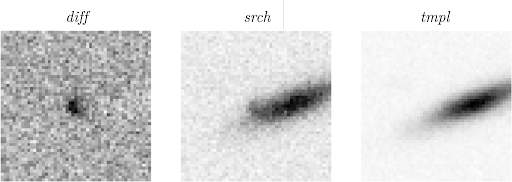


template
in 60 seconds:
Difference Image Analysis
template
difference image
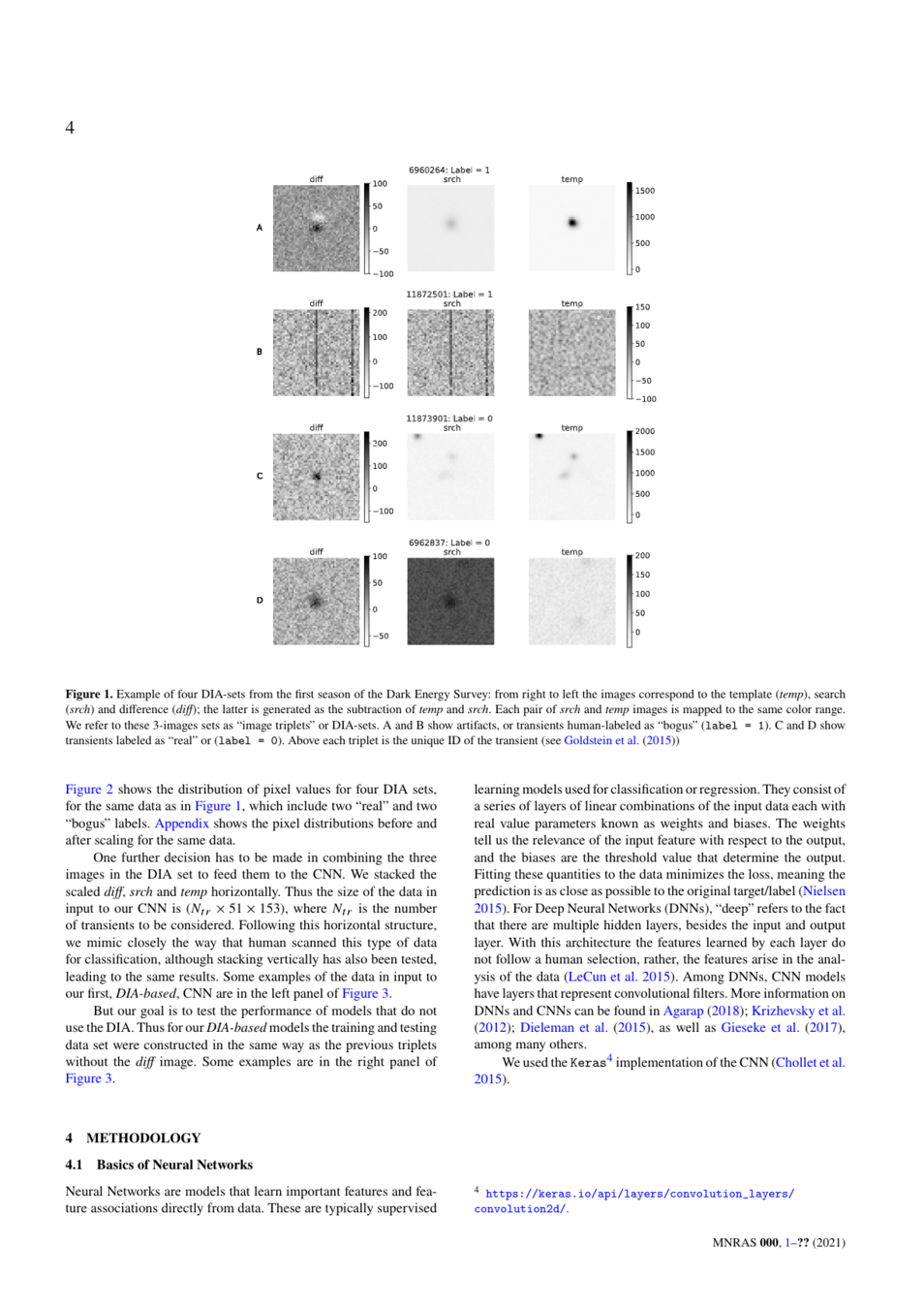
in 60 seconds:
Difference Image Analysis
template
difference image
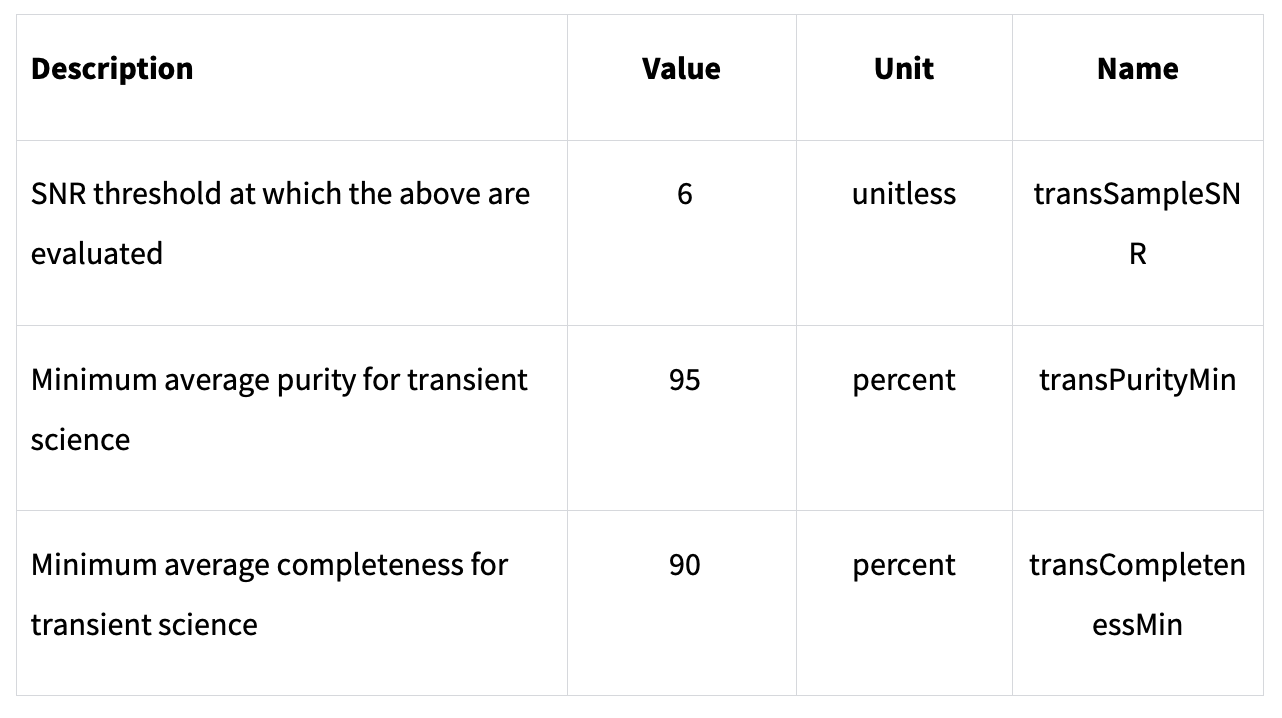
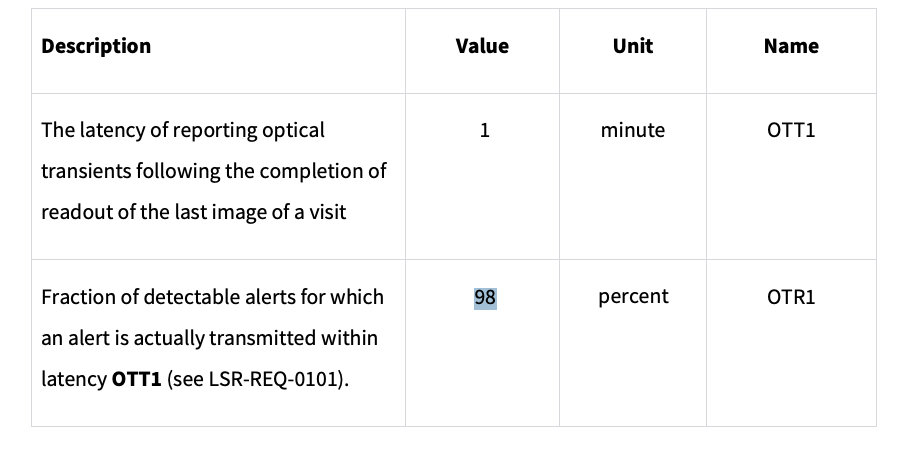
INFRASTRUCTURE FOR DM IS CPU BASED
Rubin Observatory Data Management Team
federica bianco - fbianco@udel.edu
search
template
difference
-
=
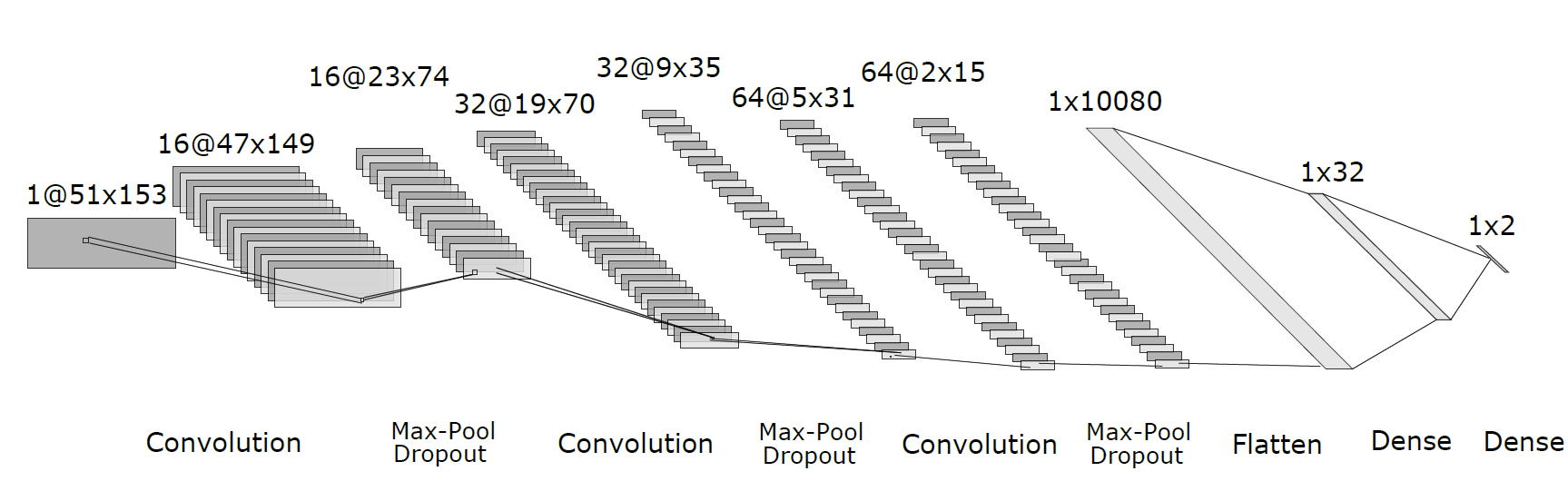
96% accurate

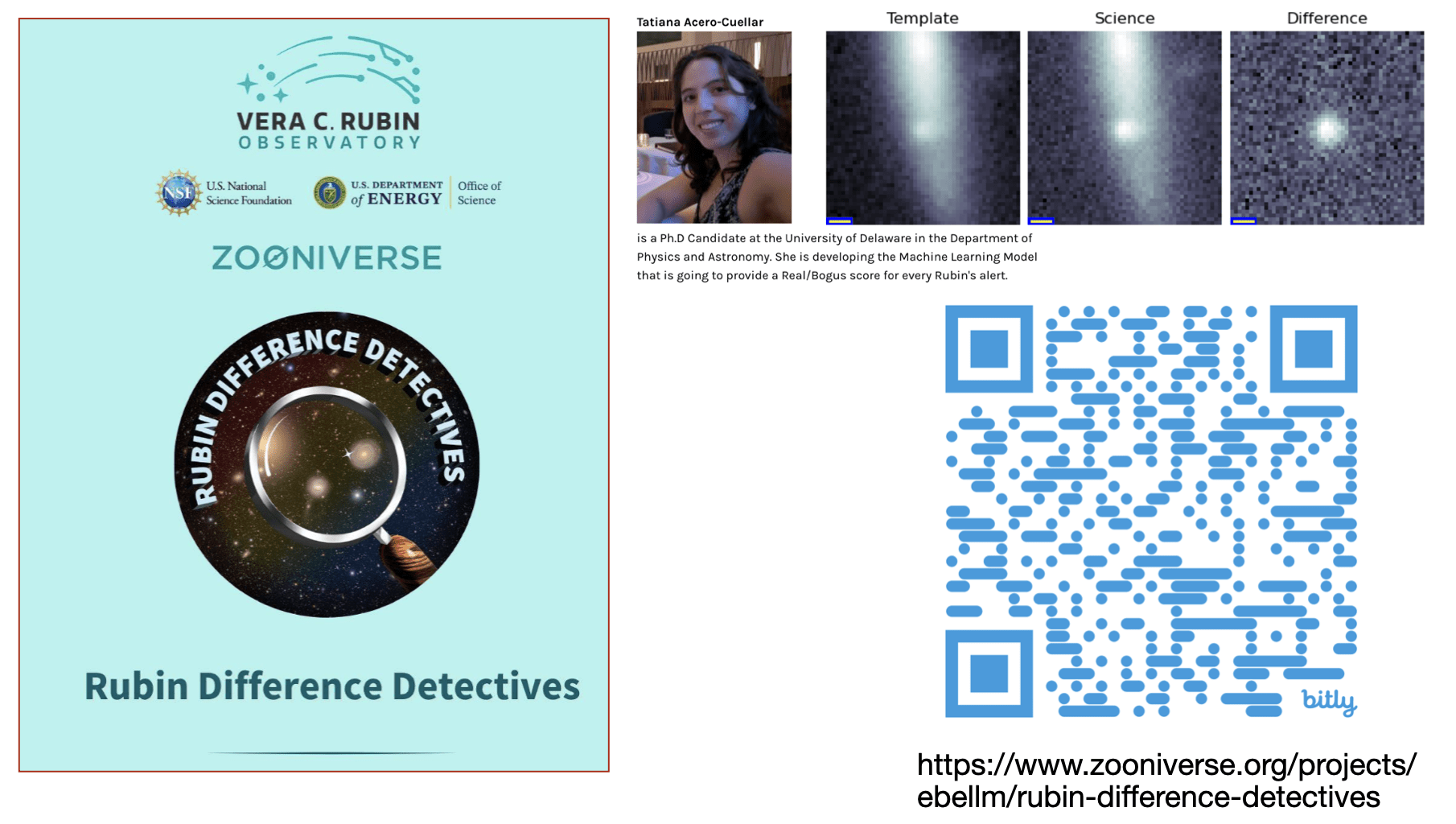
Tatiana Acero-Cuellar, UNIDEL fellow, LSSTC data science fellow

search
template
difference
-
=
92% accurate
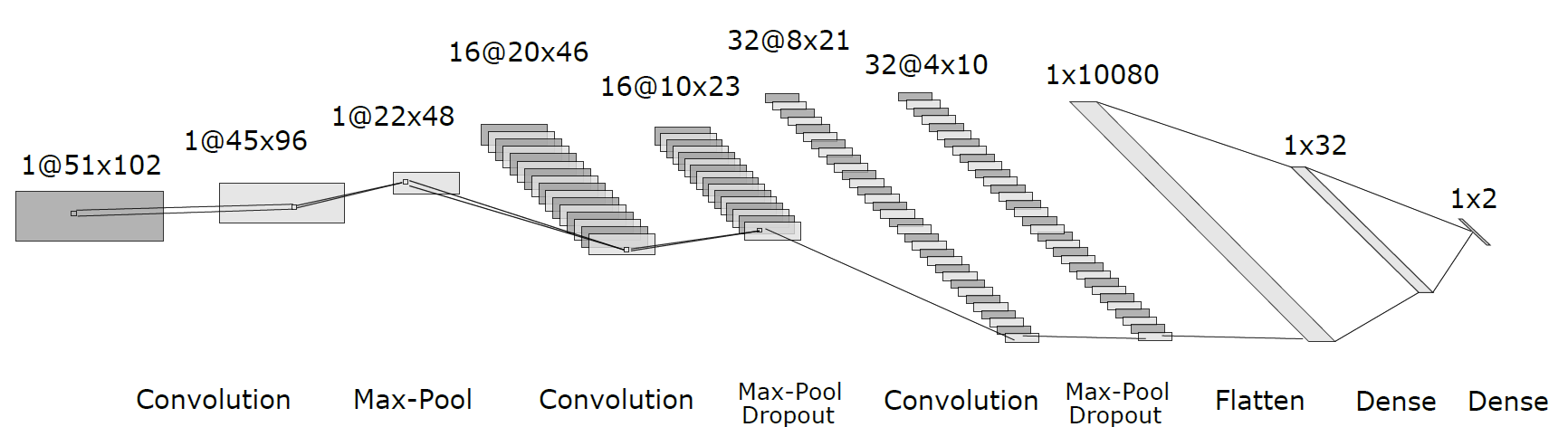
Tatiana Acero-Cuellar, UNIDEL fellow, LSSTC data science fellow
search
template
difference
-
=
Improving the efficiency of transient detections with Neural Networks
search
template
difference
-
=
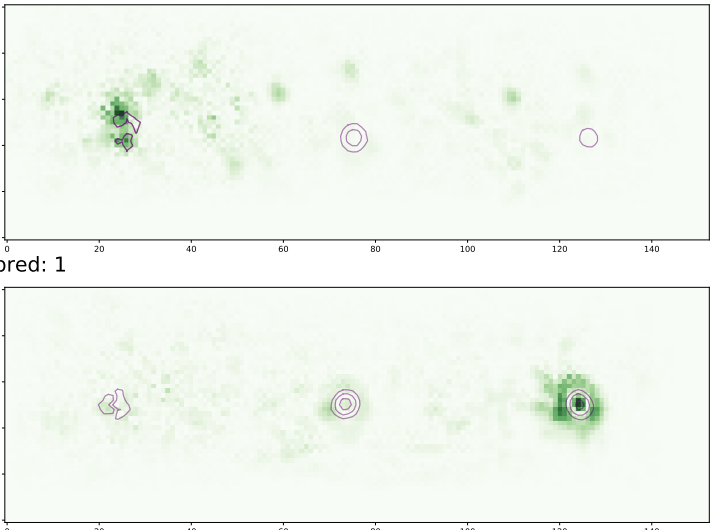
Saliency maps: what pixels matter?
search
template
difference
95% accurate
Acero-Cuellar et al. DESC submitted
Tatiana Acero-Cuellar
UNIDEL fellow,
LSST Data Science Fellow
FASTlab Flash highlight
What is the network learning?
What can we learn from the AI?
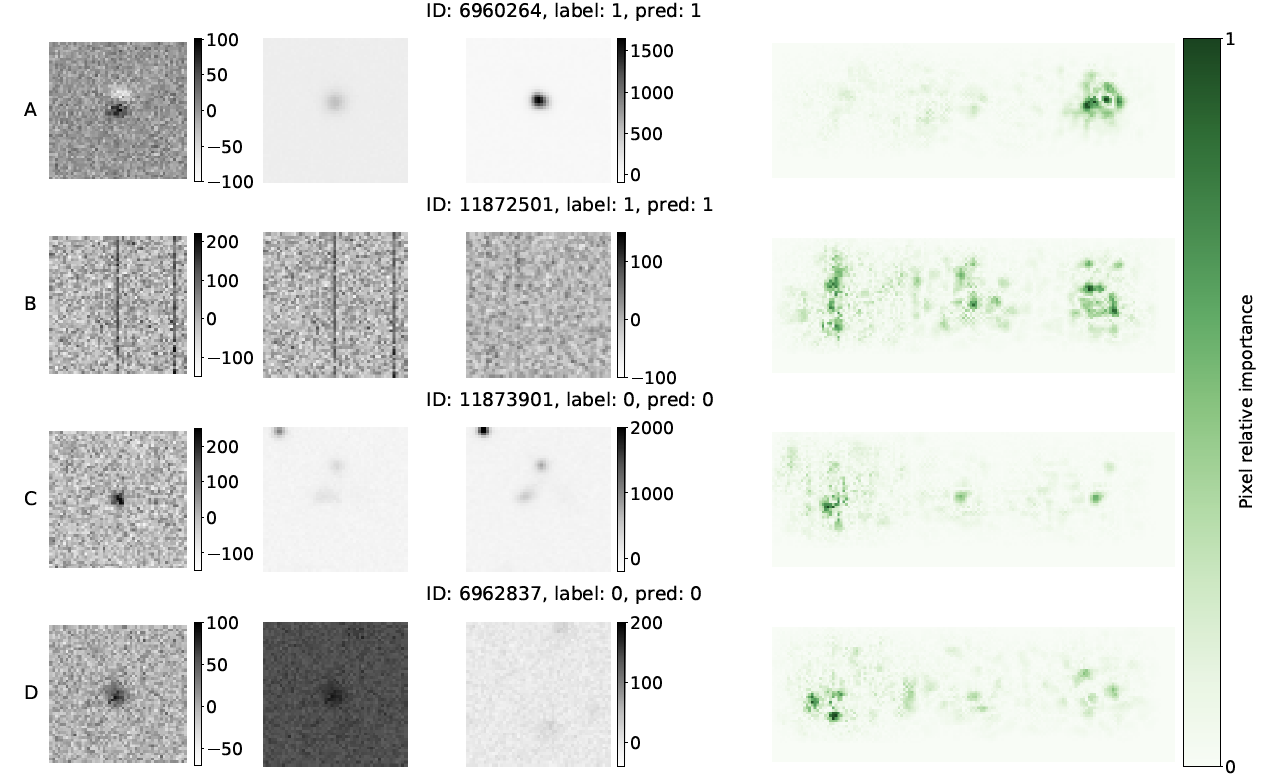
search
template
difference
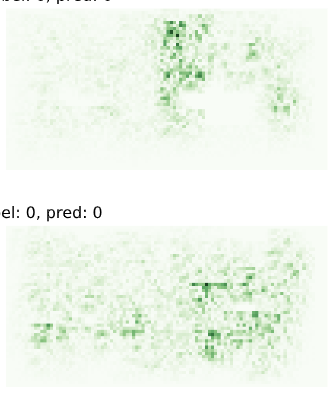
template
search
Tatiana Acero-Cuellar, UNIDEL fellow, LSSTC data science fellow
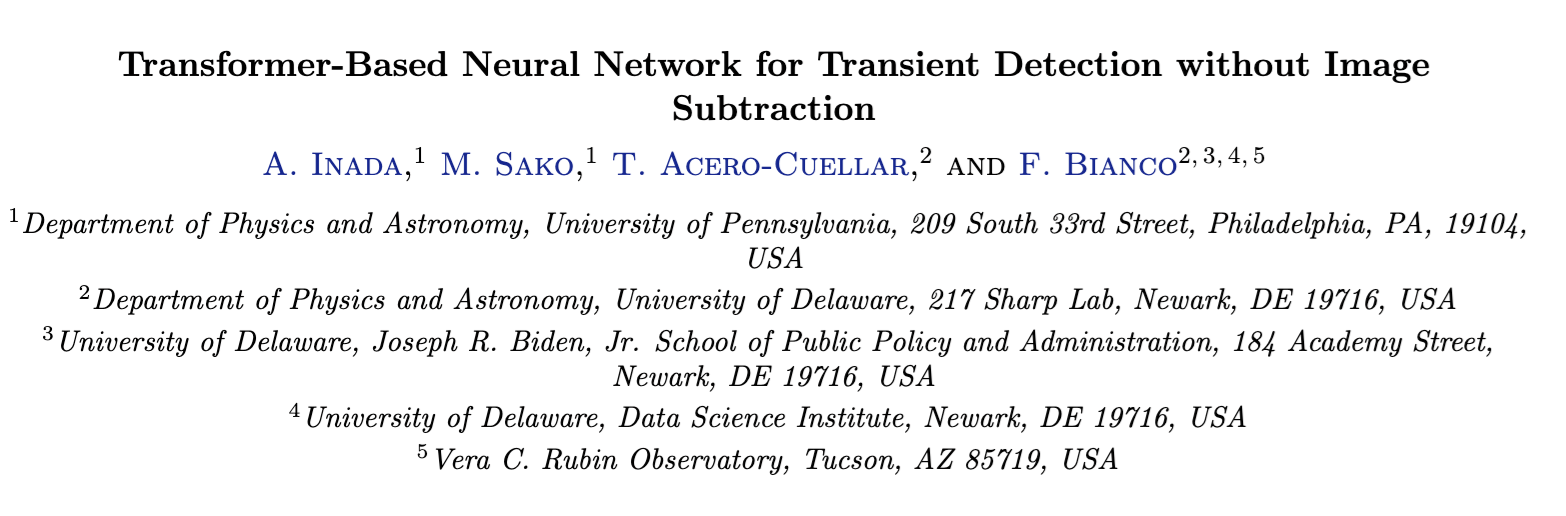
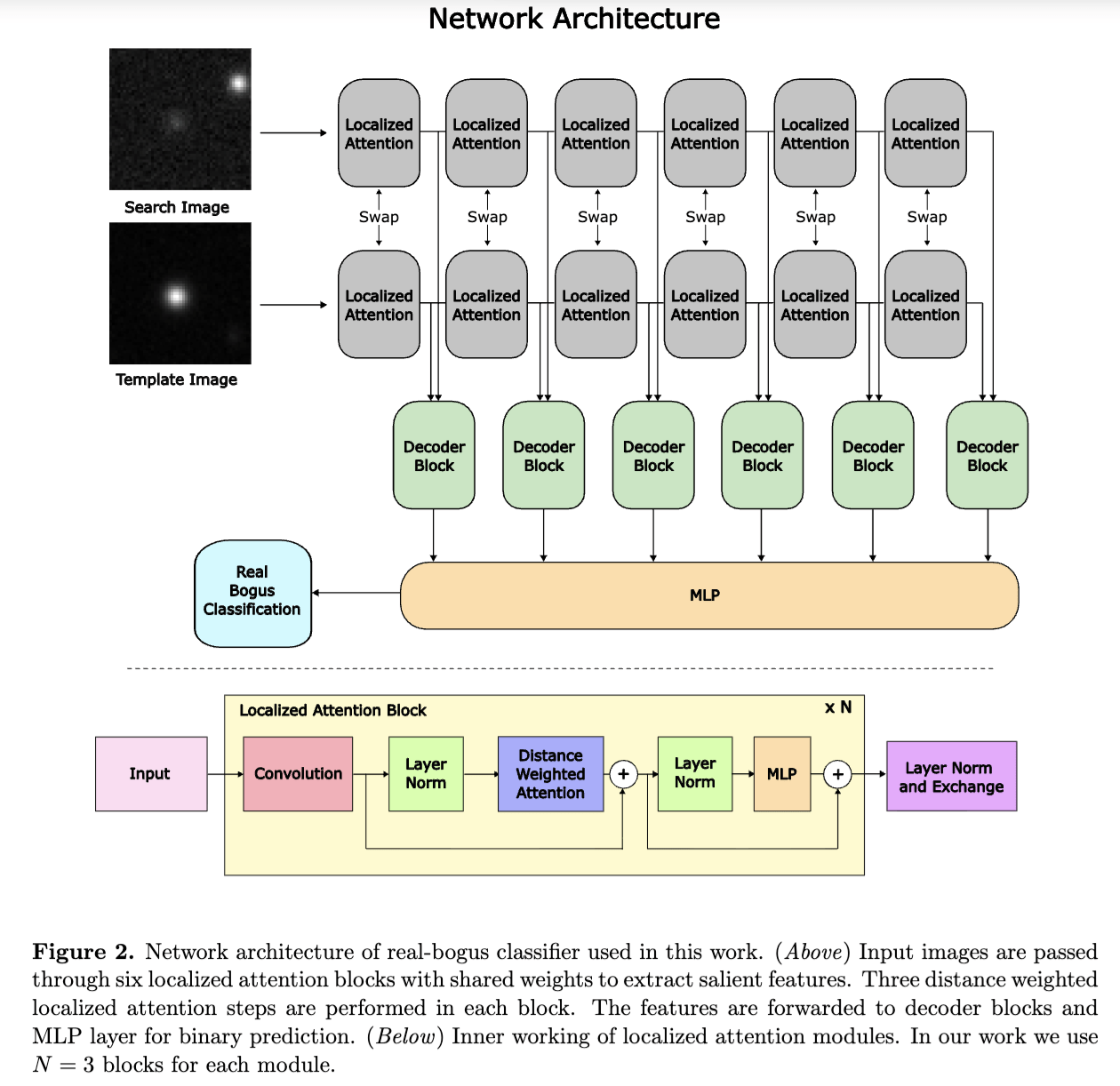

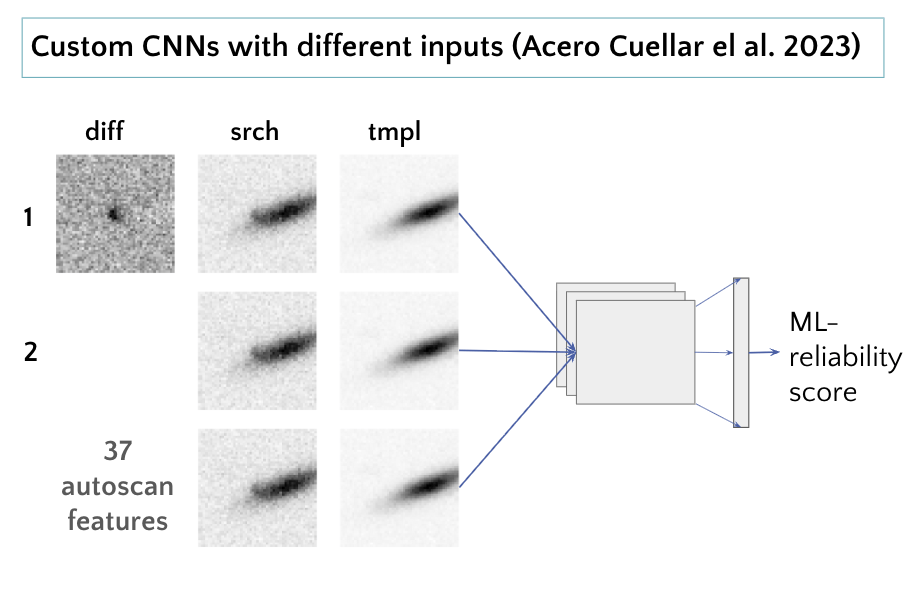

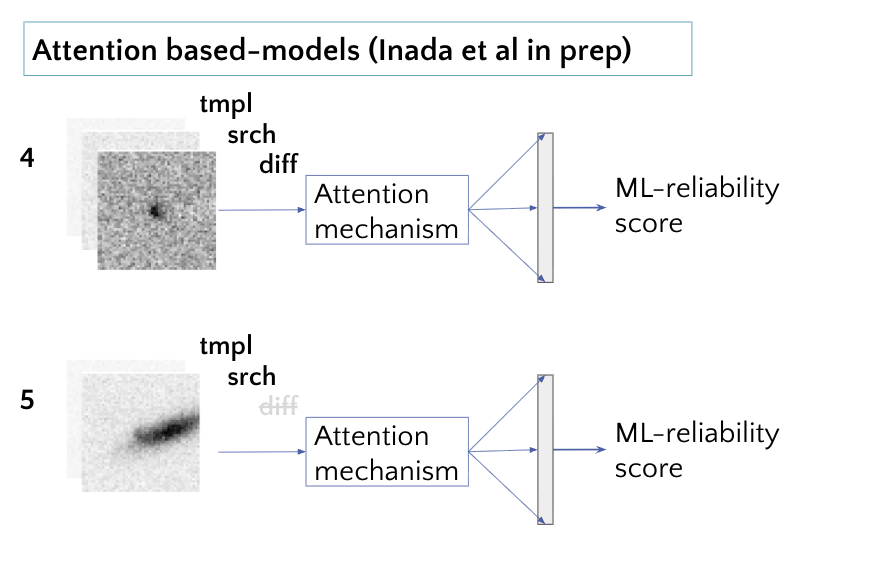
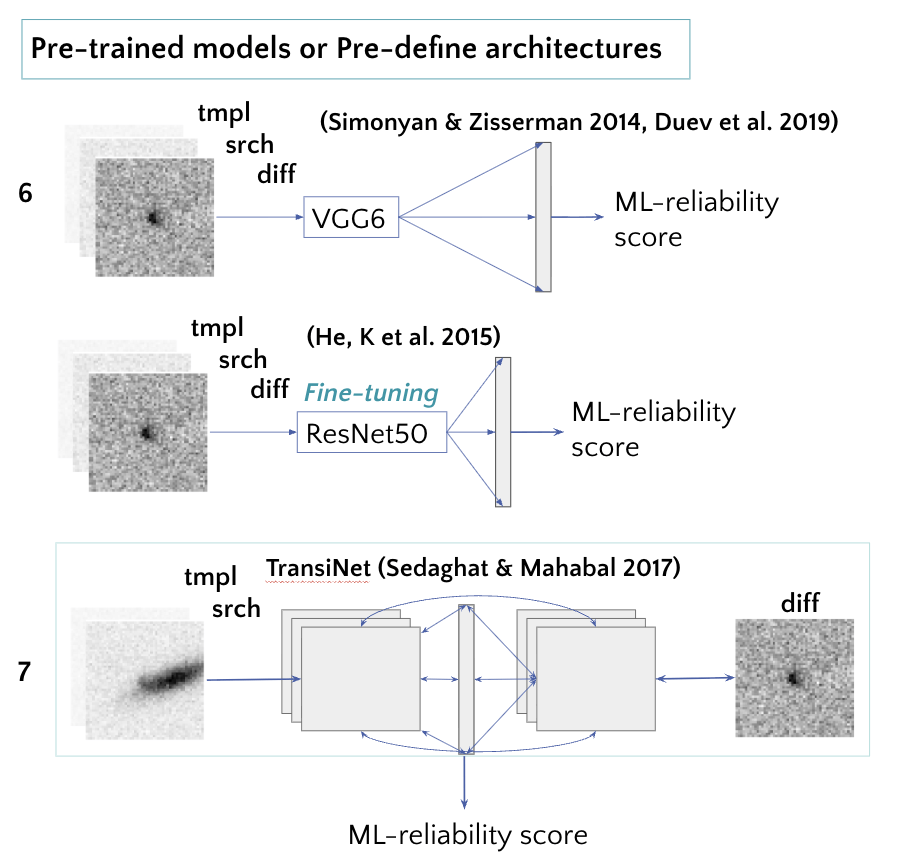
Saliency maps: what pixels matter?
search
template
difference
Acero-Cuellar et al. DESC submitted
Tatiana Acero-Cuellar
UNIDEL fellow
LSST Data Science Fellow
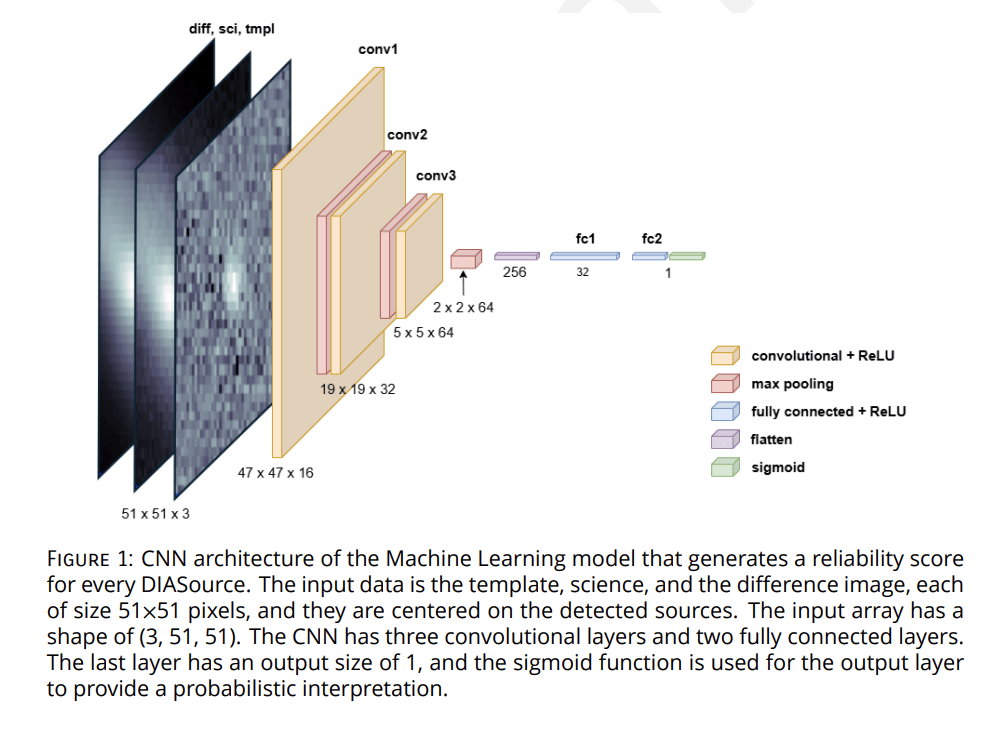
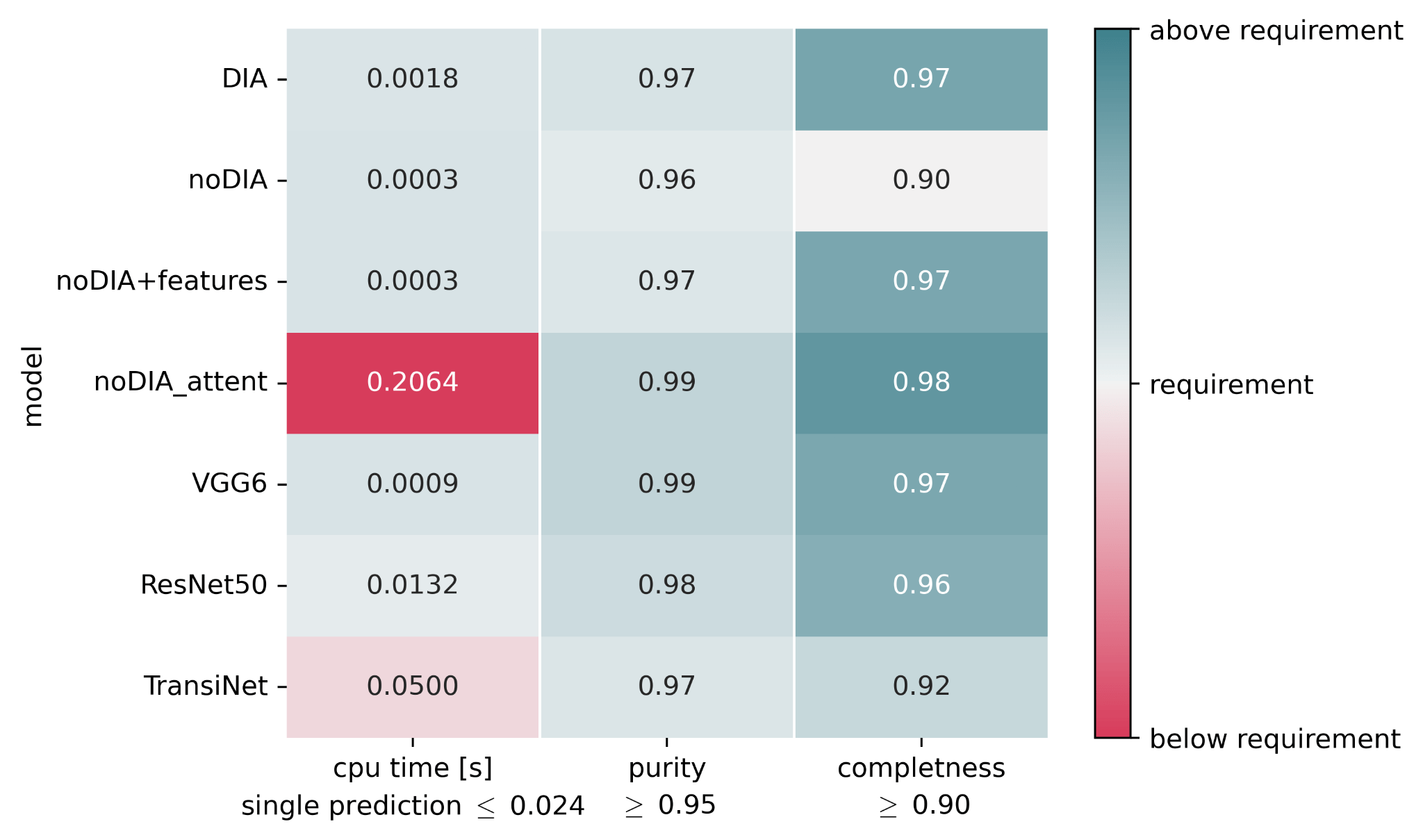
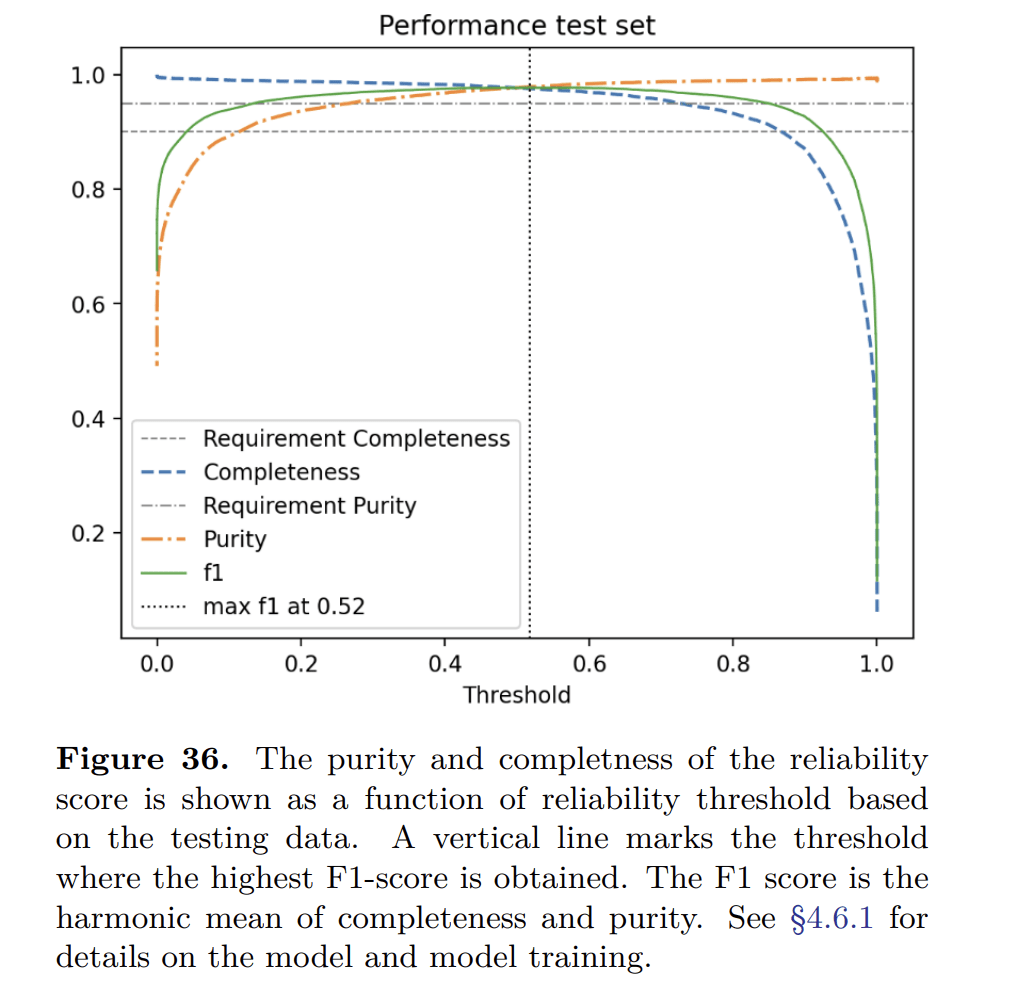
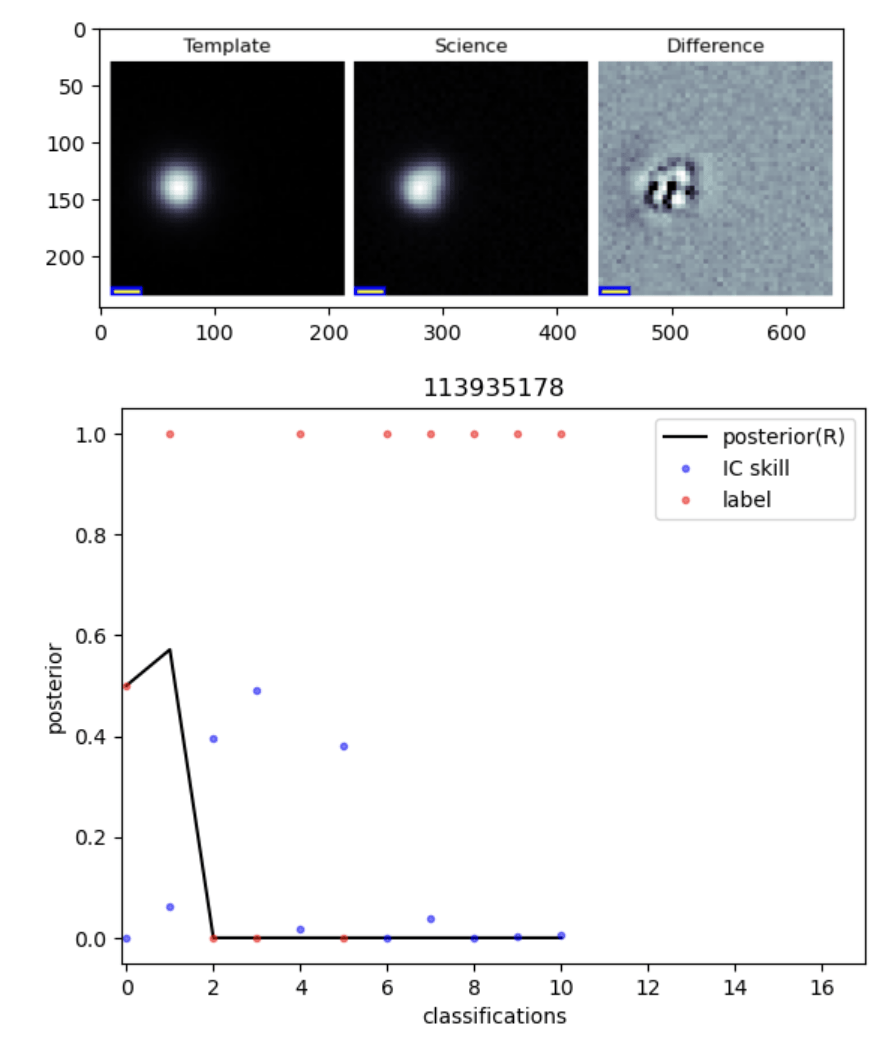
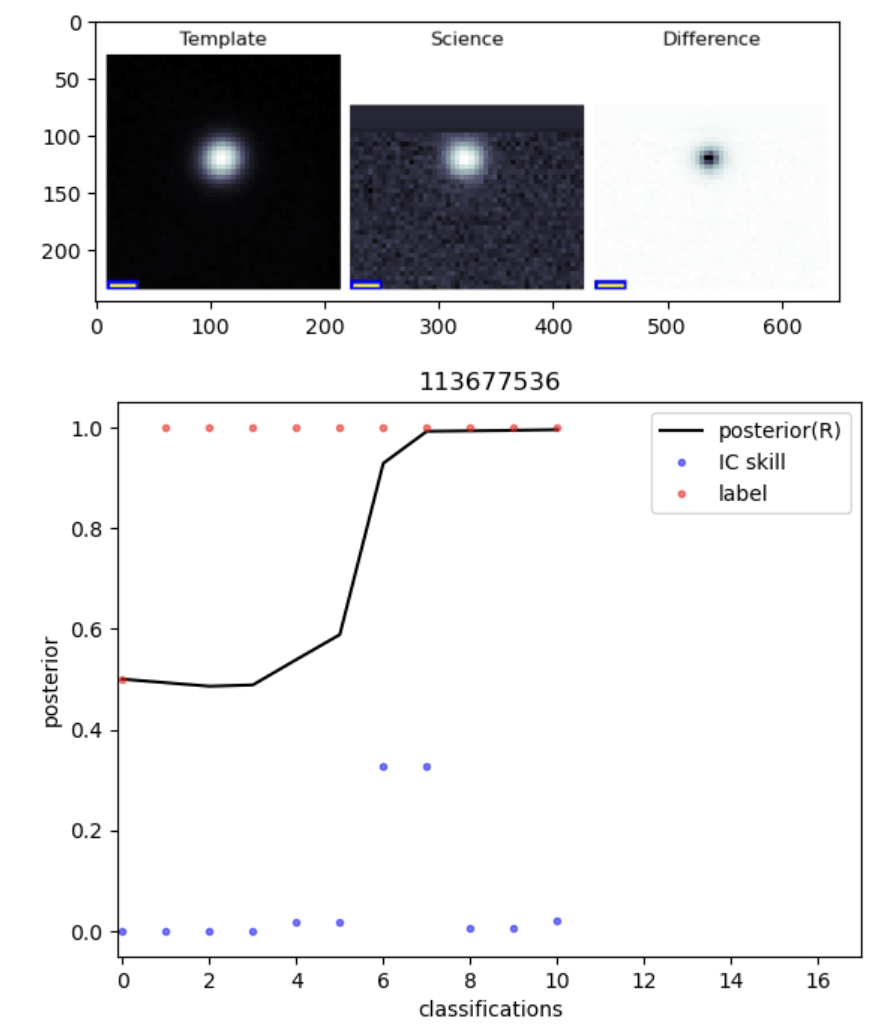
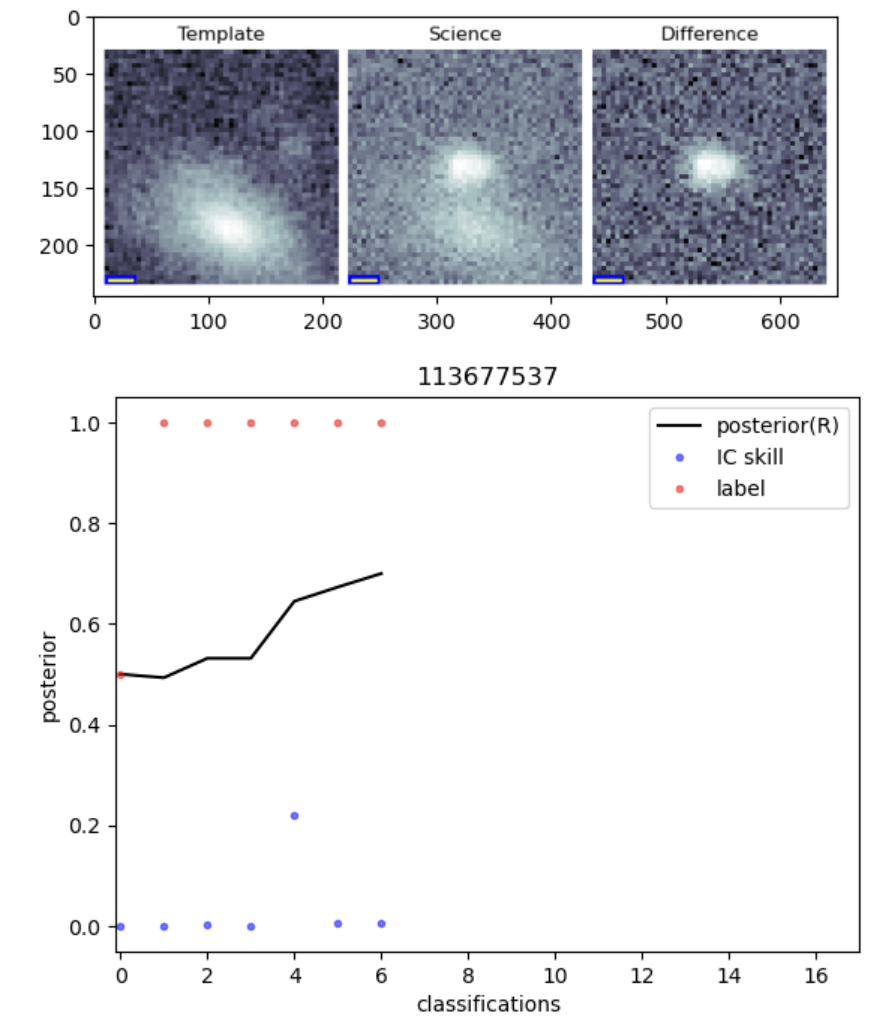
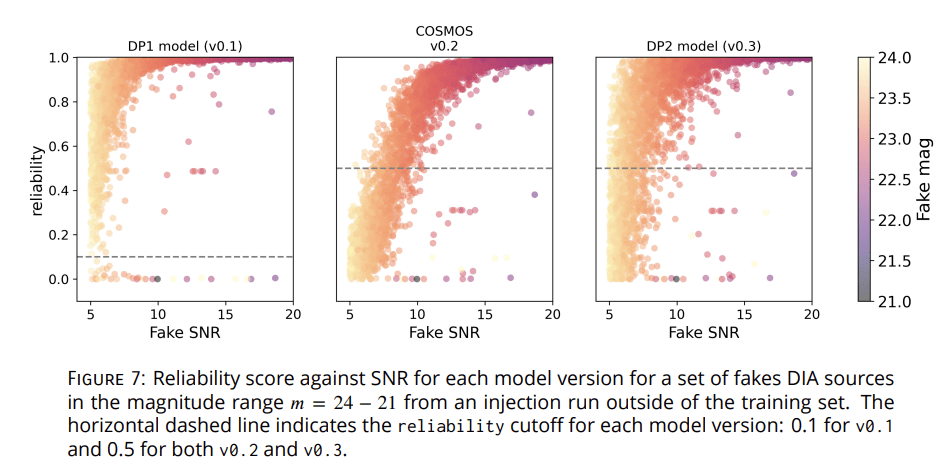
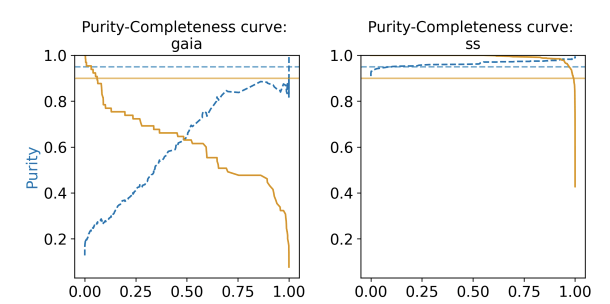
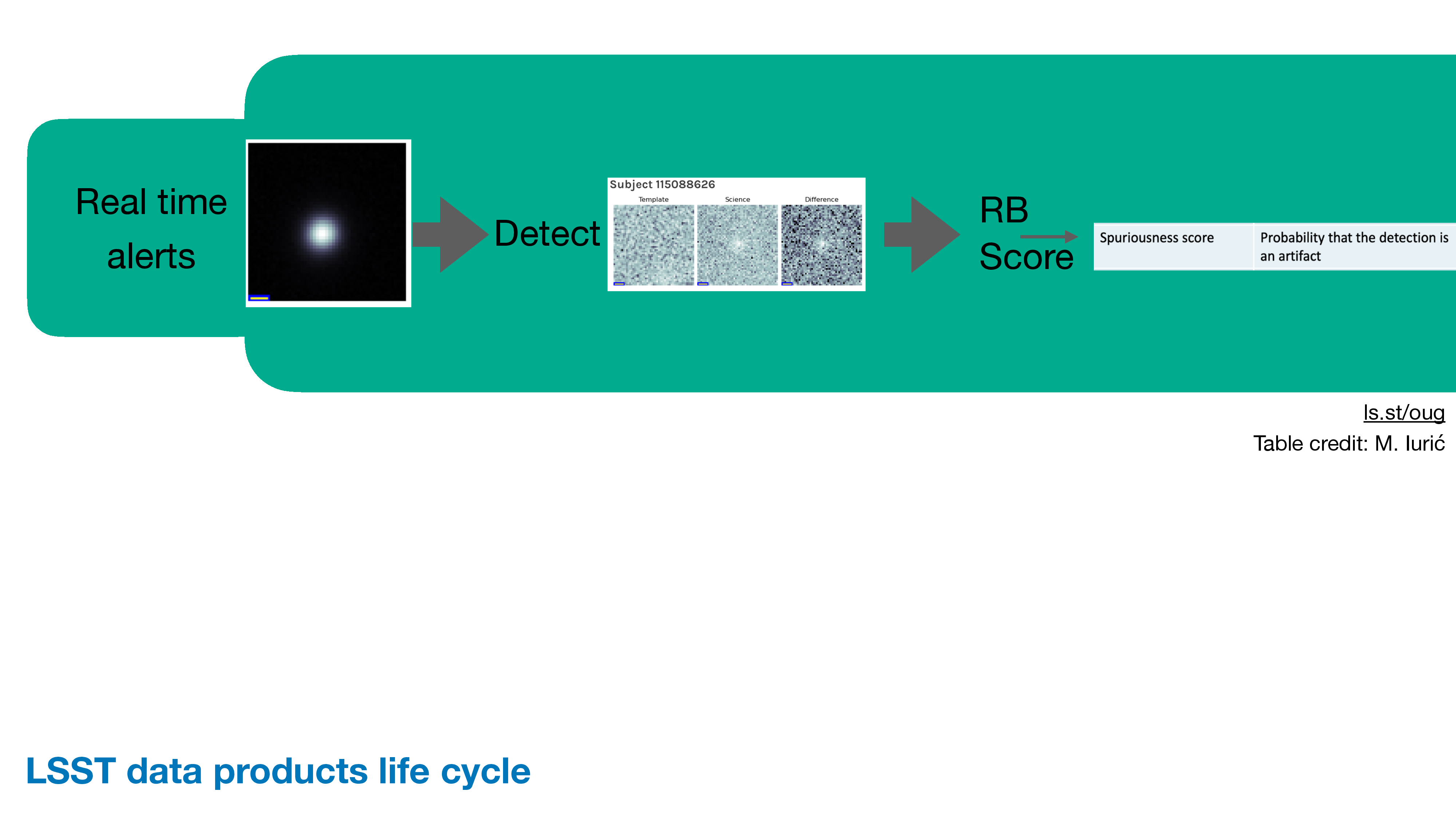
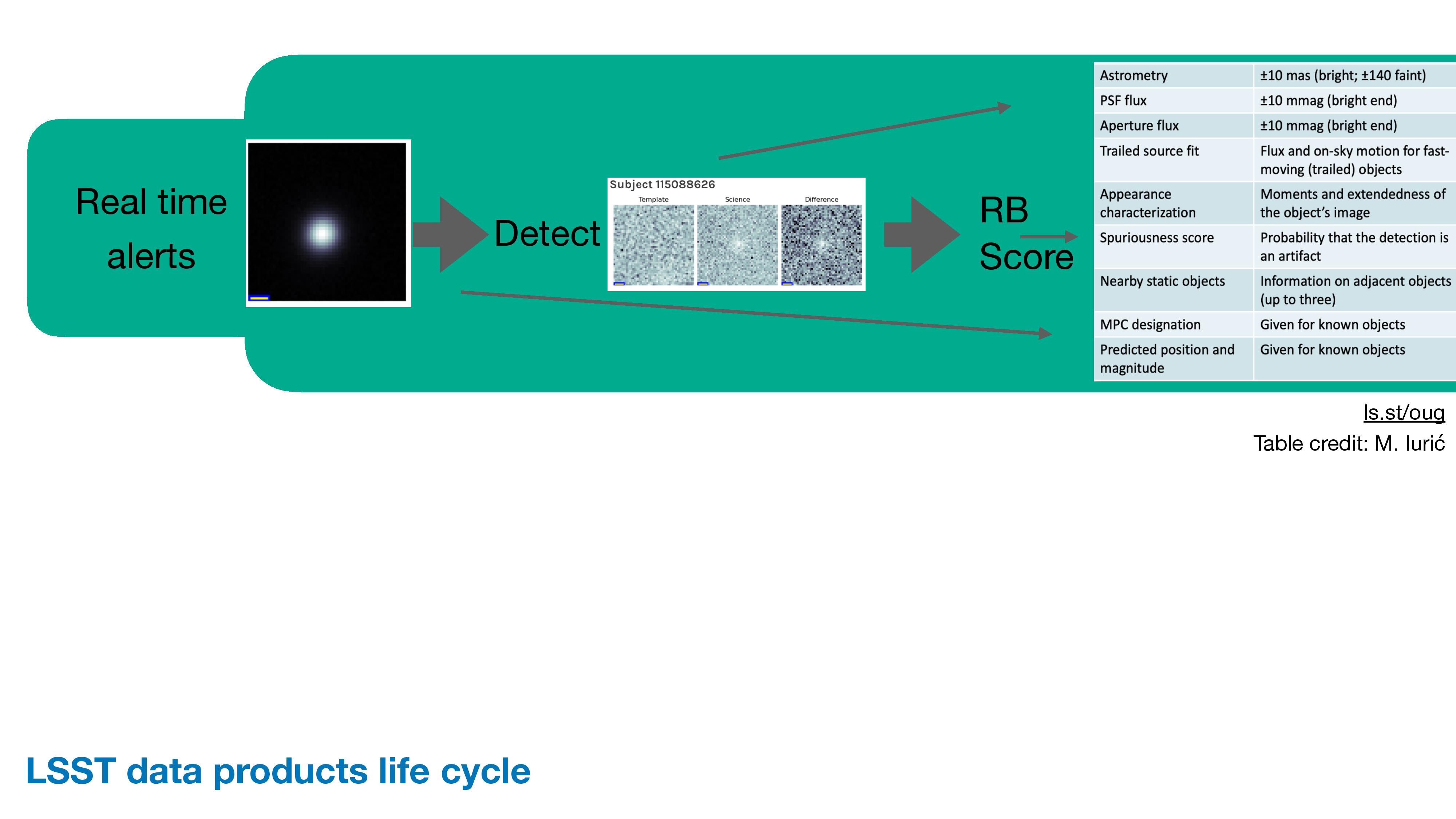
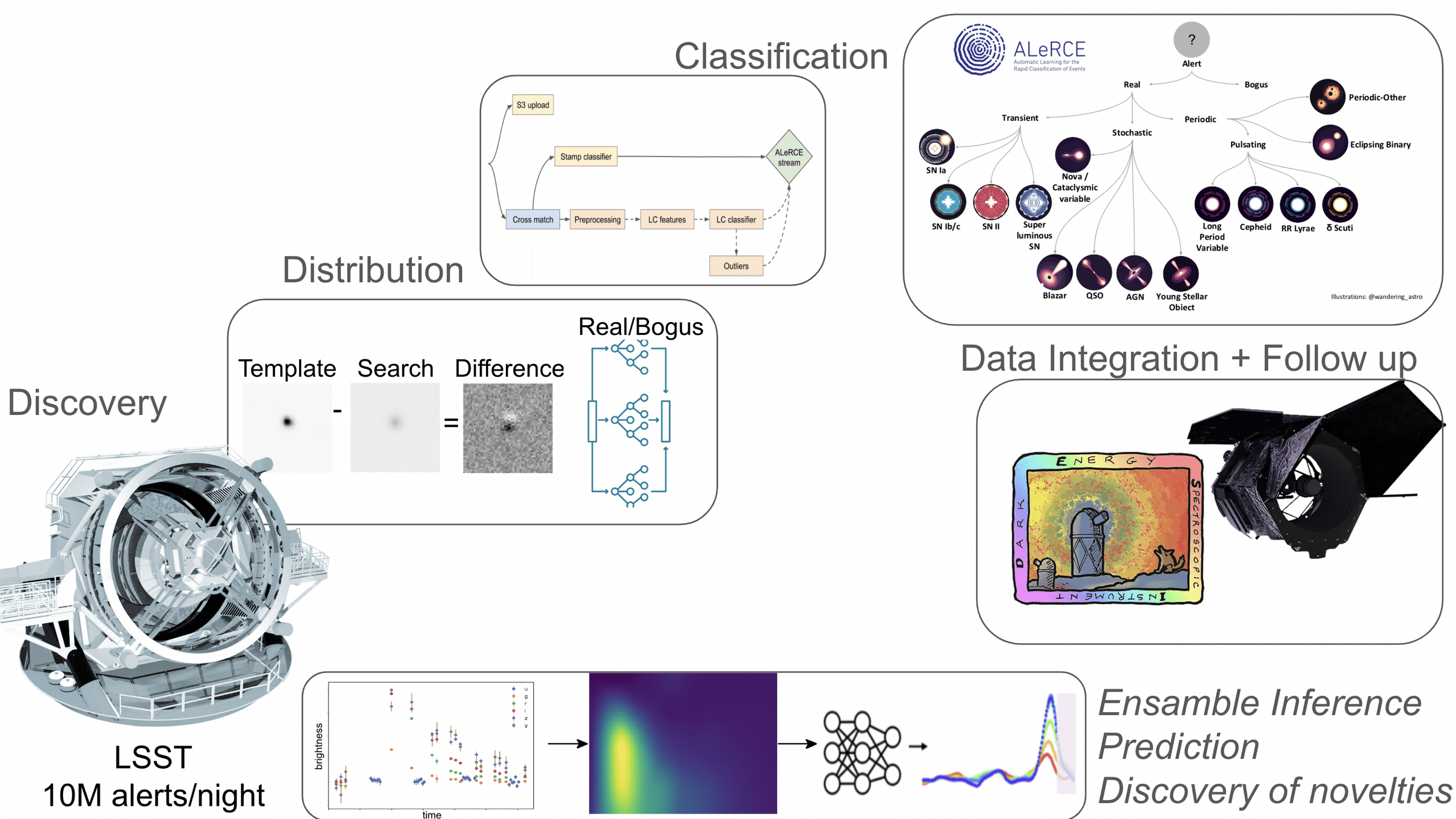
The Rubin LSST ML-Reliability Score (aka real-bogus)
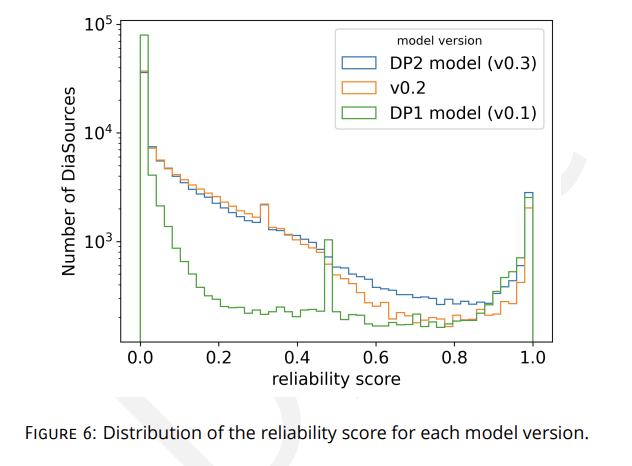
accuracy 98.06%, purity 97.87%, completeness of 98.27%... on simulated data
- requires instantaneous inference
- limited computational resources (CPU)
- evolving data quality
- limited ground truth data (e.g. no variable stars in training)
Saliency maps: what pixels matter?
search
template
difference
Acero-Cuellar et al. DESC submitted
Tatiana Acero-Cuellar
UNIDEL fellow
LSST Data Science Fellow
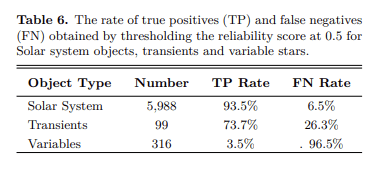
The Rubin LSST ML-Reliability Score (aka real-bogus)
accuracy 98.06%, purity 97.87%, completeness of 98.27%... on simulated data
- requires instantaneous inference
- limited computational resources (CPU)
- evolving data quality
- limited ground truth data (e.g. no variable stars in training)
DP1
Saliency maps: what pixels matter?
search
template
difference
Acero-Cuellar et al. DESC submitted
Tatiana Acero-Cuellar
UNIDEL fellow
LSST Data Science Fellow
The Rubin LSST ML-Reliability Score (aka real-bogus)
accuracy 98.06%, purity 97.87%, completeness of 98.27%... on simulated data
- requires instantaneous inference
- limited computational resources (CPU)
- evolving data quality
- limited ground truth data (e.g. no variable stars in training)
DP1
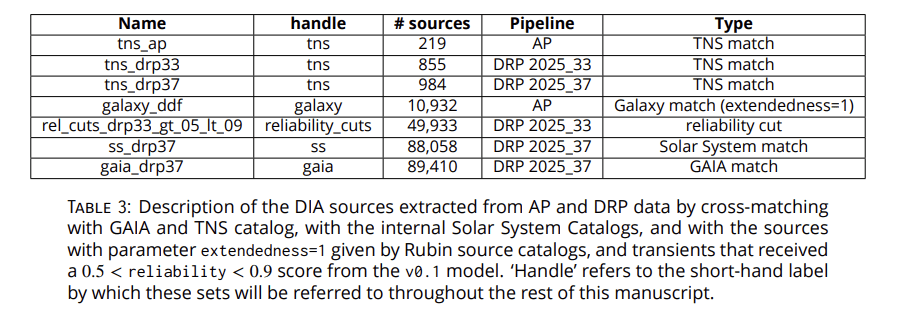
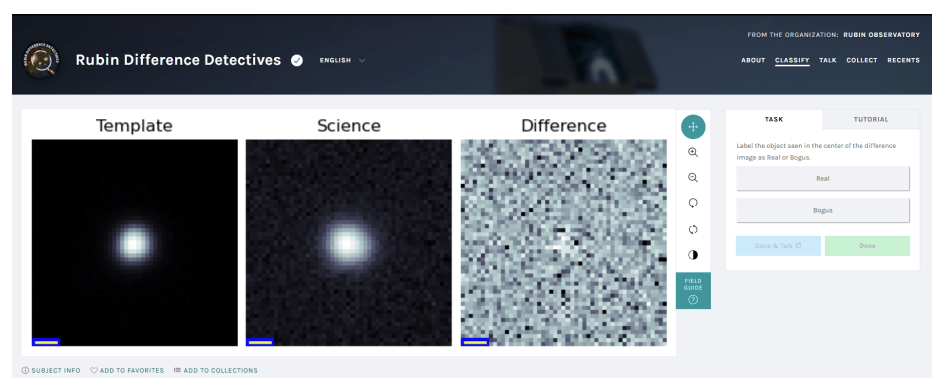
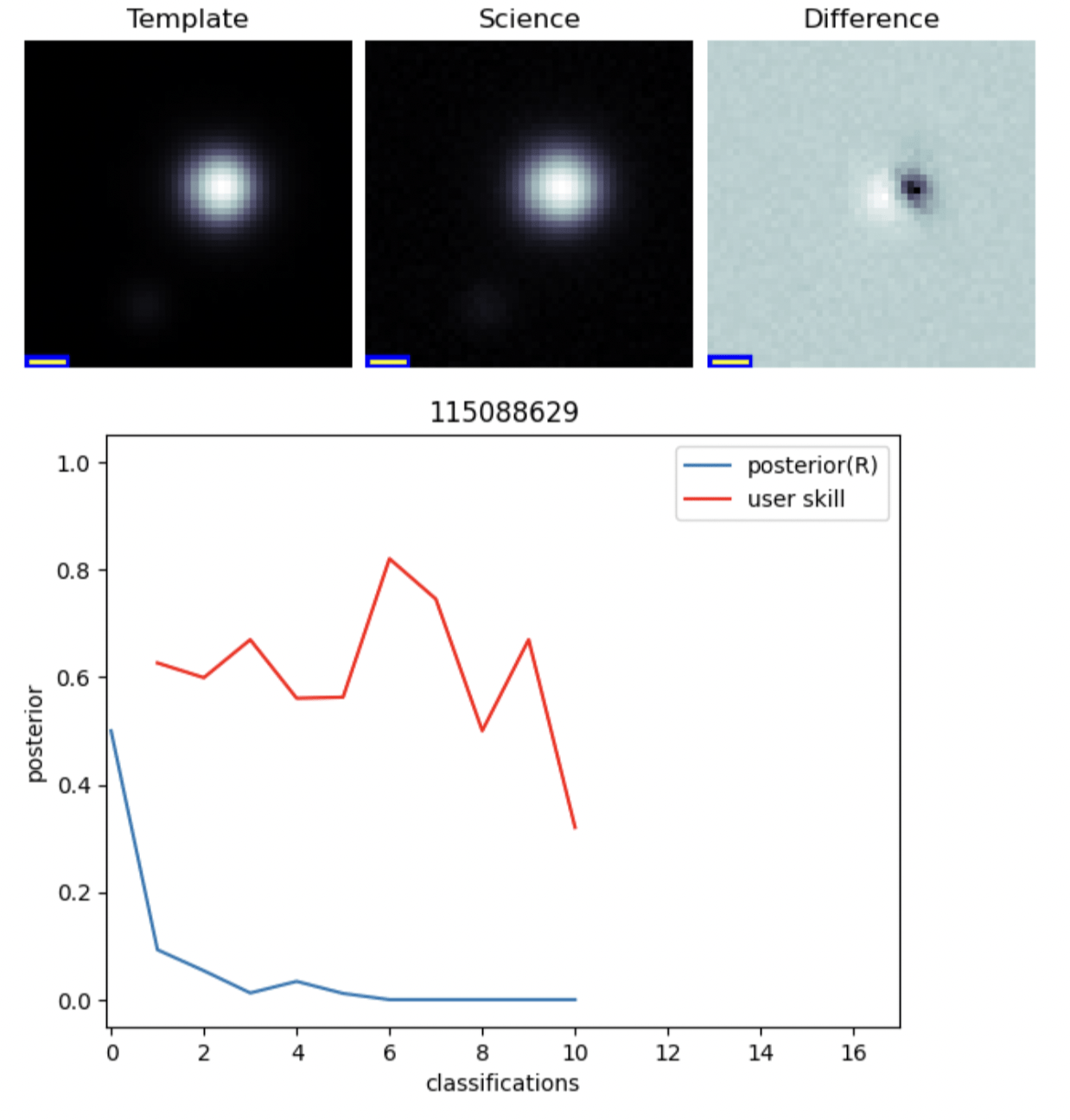
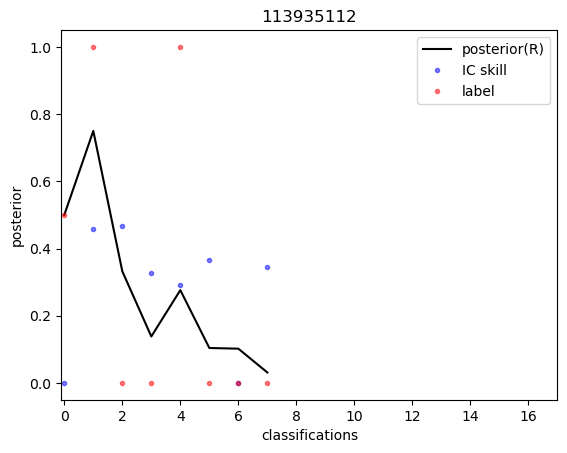
Text
tests on injection in cosmos fiels
alerts
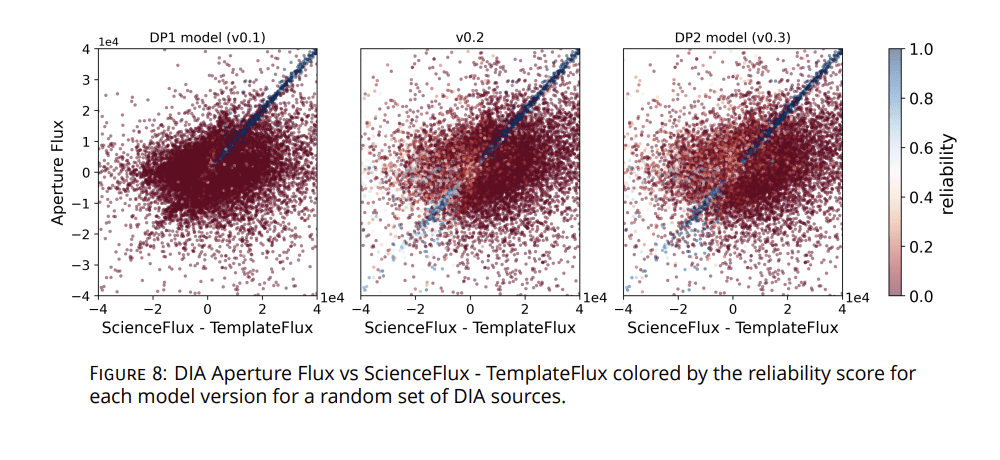
tests on injection in cosmos fiels
alerts
tests on injection in cosmos fiels
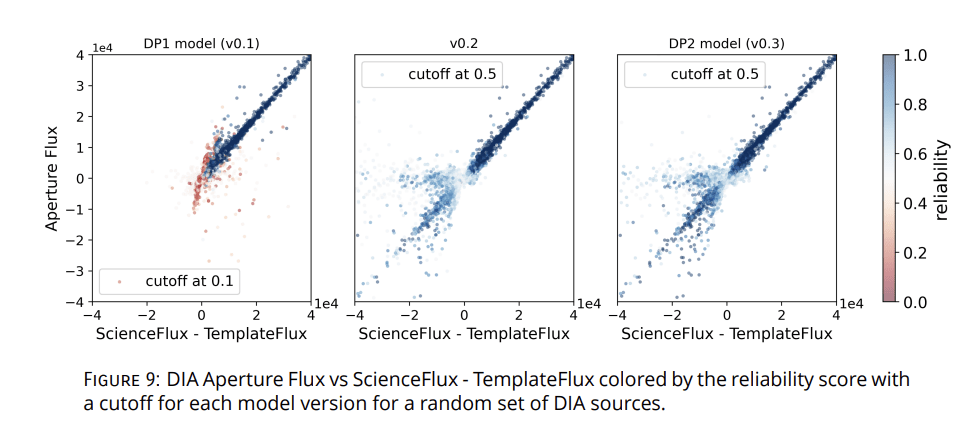
alerts
Saliency maps: what pixels matter?
search
template
difference
Acero-Cuellar et al. DESC submitted
Tatiana Acero-Cuellar
UNIDEL fellow
LSST Data Science Fellow
The Rubin LSST ML-Reliability Score (aka real-bogus)
accuracy 98.06%, purity 97.87%, completeness of 98.27%... on simulated data
- requires instantaneous inference
- limited computational resources (CPU)
- evolving data quality
- limited ground truth data (e.g. no variable stars in training)
DP1
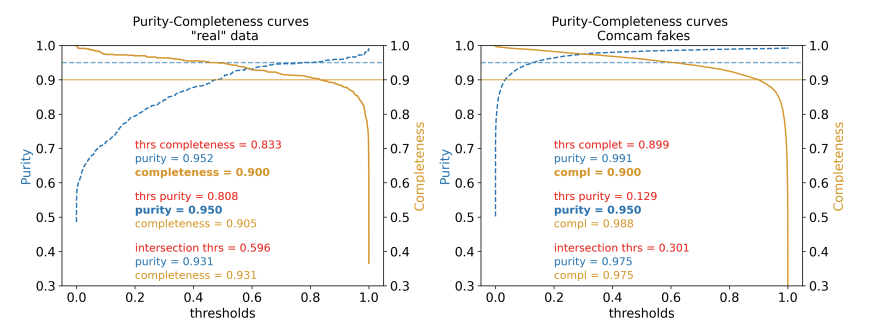
Saliency maps: what pixels matter?
search
template
difference
Acero-Cuellar et al. DESC submitted
Tatiana Acero-Cuellar
UNIDEL fellow
LSST Data Science Fellow
The Rubin LSST ML-Reliability Score (aka real-bogus)
accuracy 98.06%, purity 97.87%, completeness of 98.27%... on simulated data
- requires instantaneous inference
- limited computational resources (CPU)
- evolving data quality
- limited ground truth data (e.g. no variable stars in training)
DP1
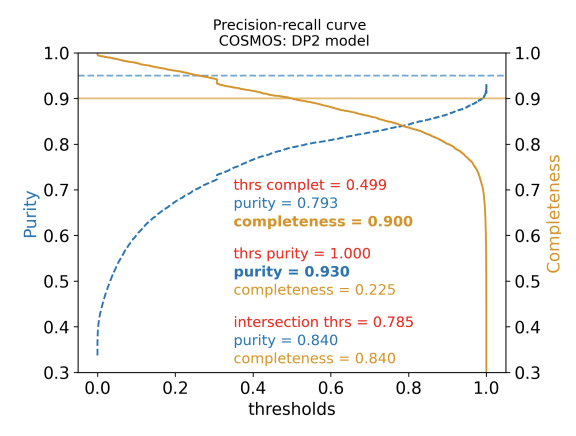
Saliency maps: what pixels matter?
search
template
difference
Acero-Cuellar et al. DESC submitted
Tatiana Acero-Cuellar
UNIDEL fellow
LSST Data Science Fellow
The Rubin LSST ML-Reliability Score (aka real-bogus)
accuracy 98.06%, purity 97.87%, completeness of 98.27%... on simulated data
- requires instantaneous inference
- limited computational resources (CPU)
- evolving data quality
- limited ground truth data (e.g. no variable stars in training)
DP1
Saliency maps: what pixels matter?
search
template
difference
Acero-Cuellar et al. DESC submitted
Tatiana Acero-Cuellar
UNIDEL fellow
LSST Data Science Fellow
The Rubin LSST ML-Reliability Score (aka real-bogus)
accuracy 98.06%, purity 97.87%, completeness of 98.27%... on simulated data
- requires instantaneous inference
- limited computational resources (CPU)
- evolving data quality
- limited ground truth data (e.g. no variable stars in training)
DP1

POI/Variables
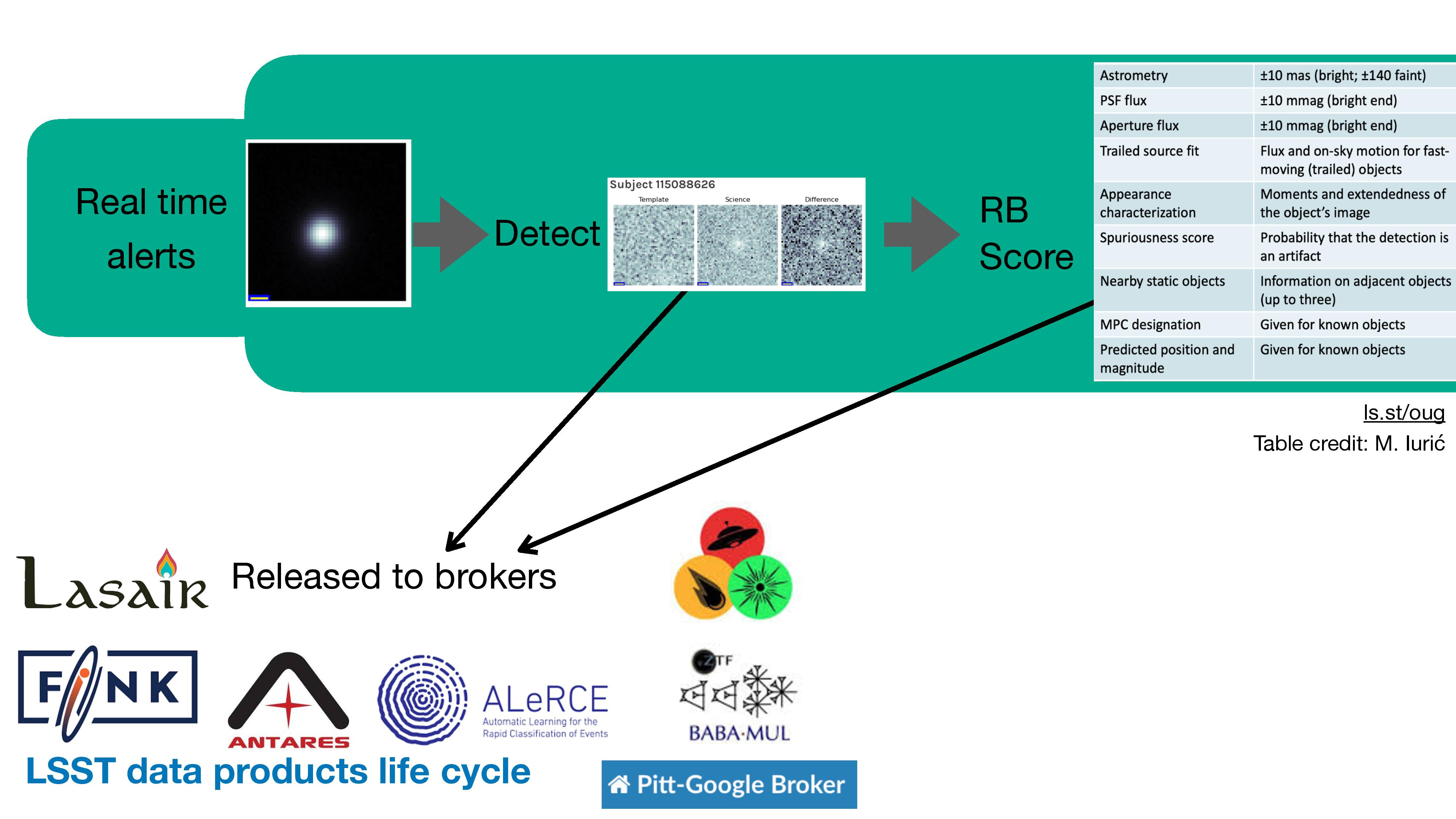
Ampel
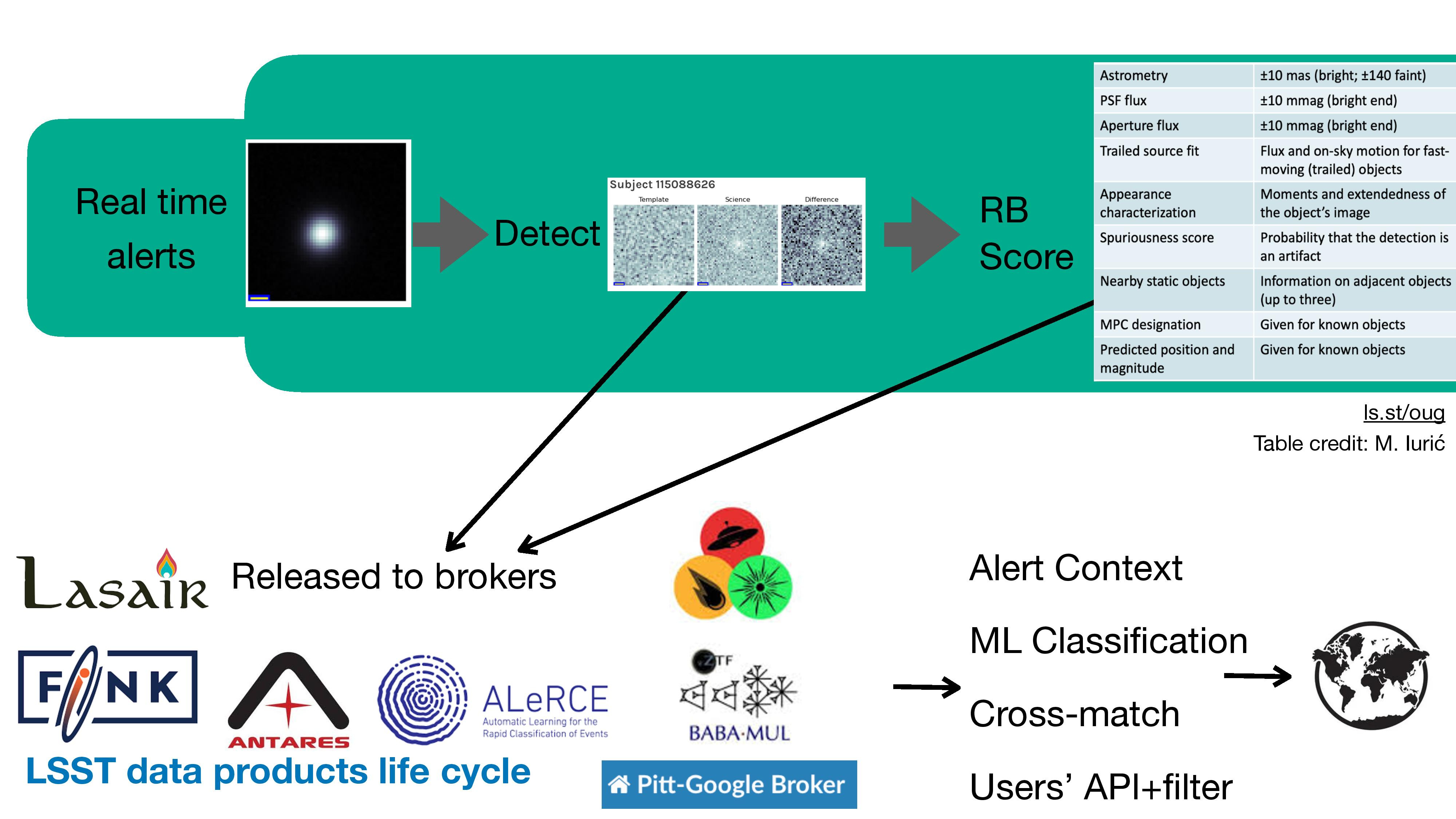
Alerce
Ampel
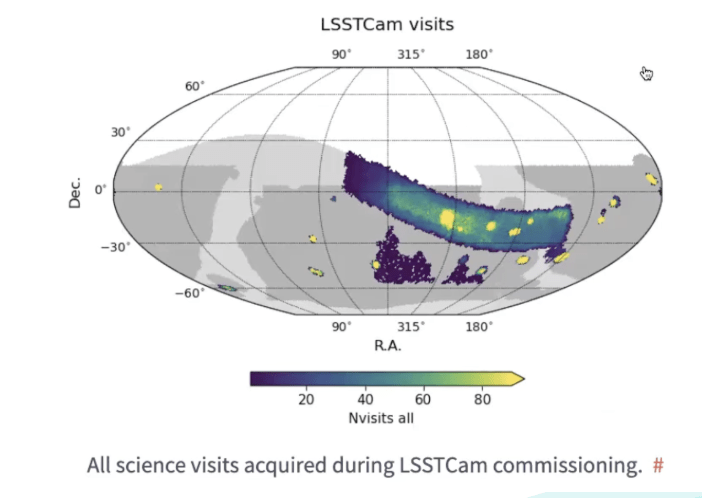
ALERTS HAVE STARTED!
Why not always? We deliver alerts on DDF+Virgo when we run the survey in survey mode (=not engineering tests)
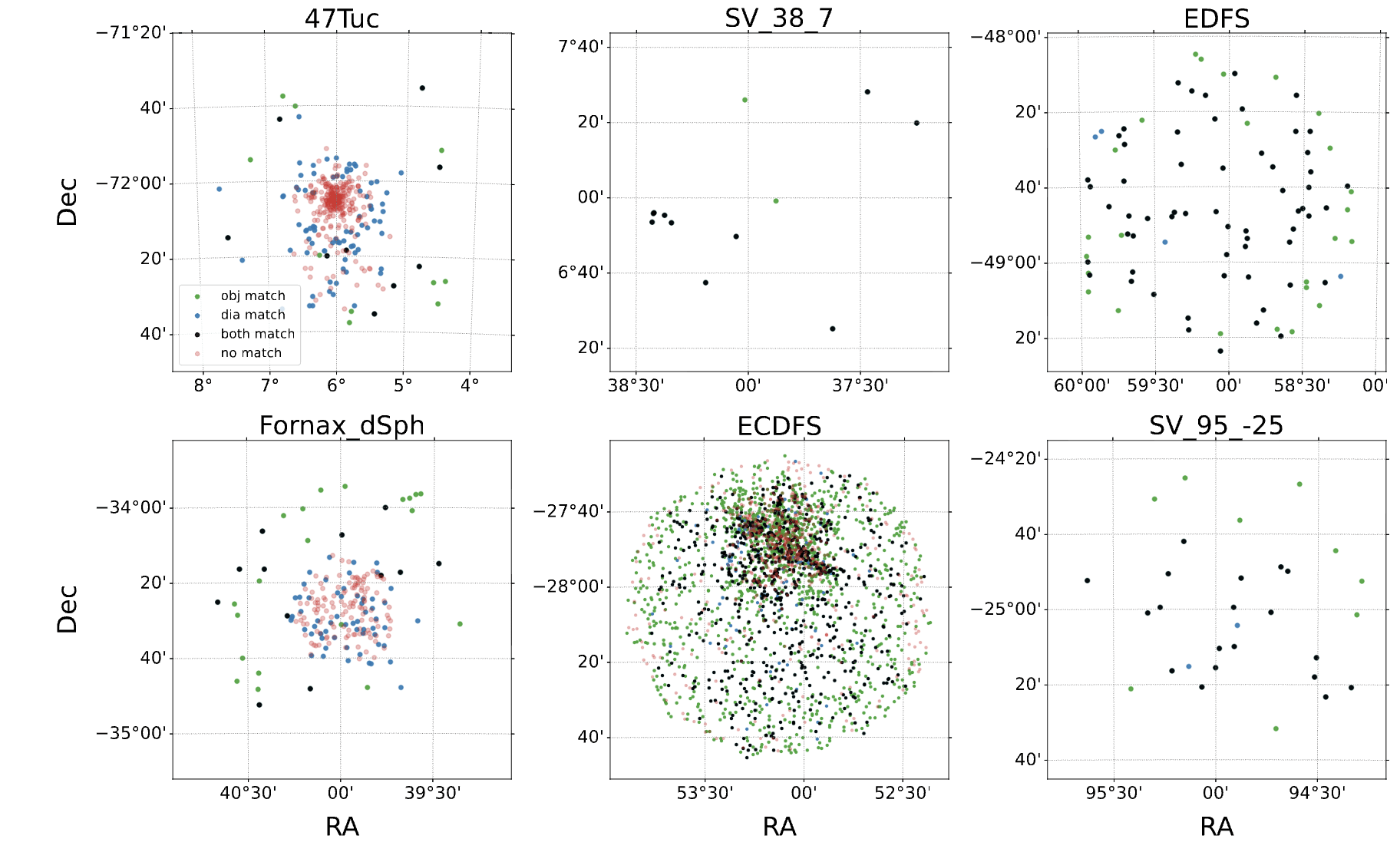
Why not everywhere? Limited templates available - template foorprint increasing
~7M alerts per night
*Conservative ML-reliability scores for now because the infrastructure (Rubin and brokers) is still under development
classifications by ALeRce and Lasair
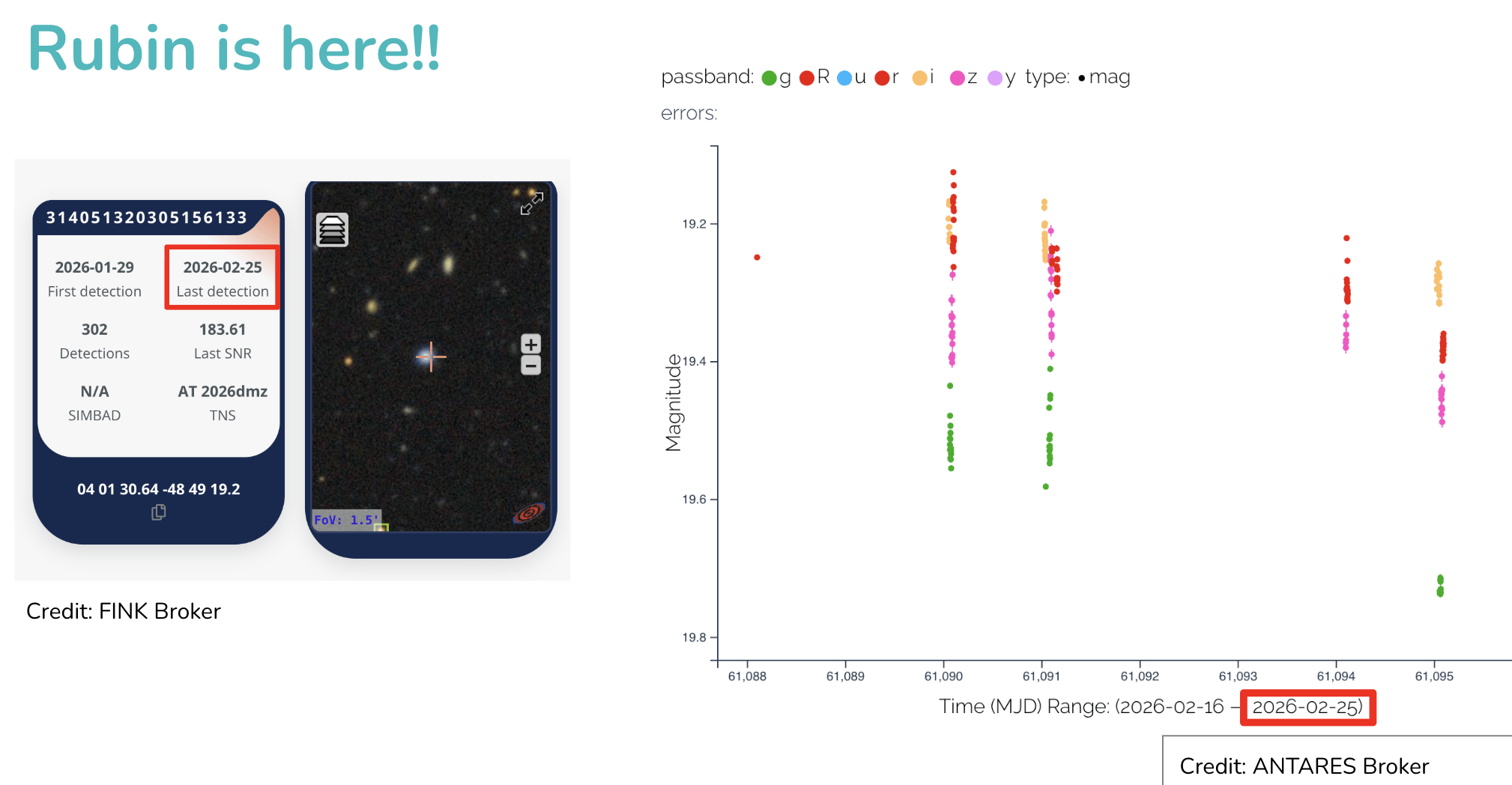
ALERTS HAVE STARTED!
survey optimization
Discovery Engine
10M alerts/night
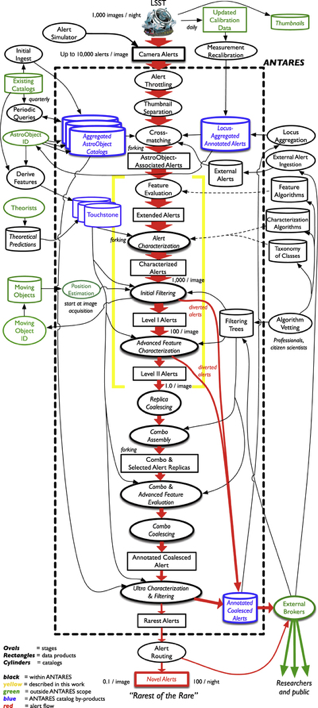
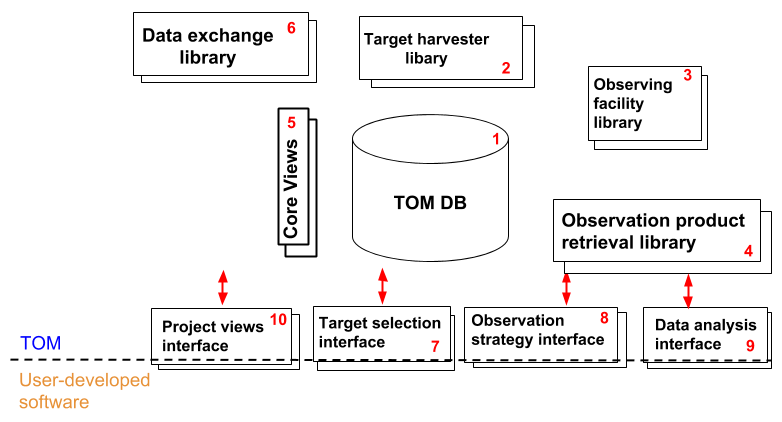
Community Brokers




target observation managers




Pitt-Google
Broker
BABAMUL
federica bianco - fbianco@udel.edu
the new astronomy discovery chain
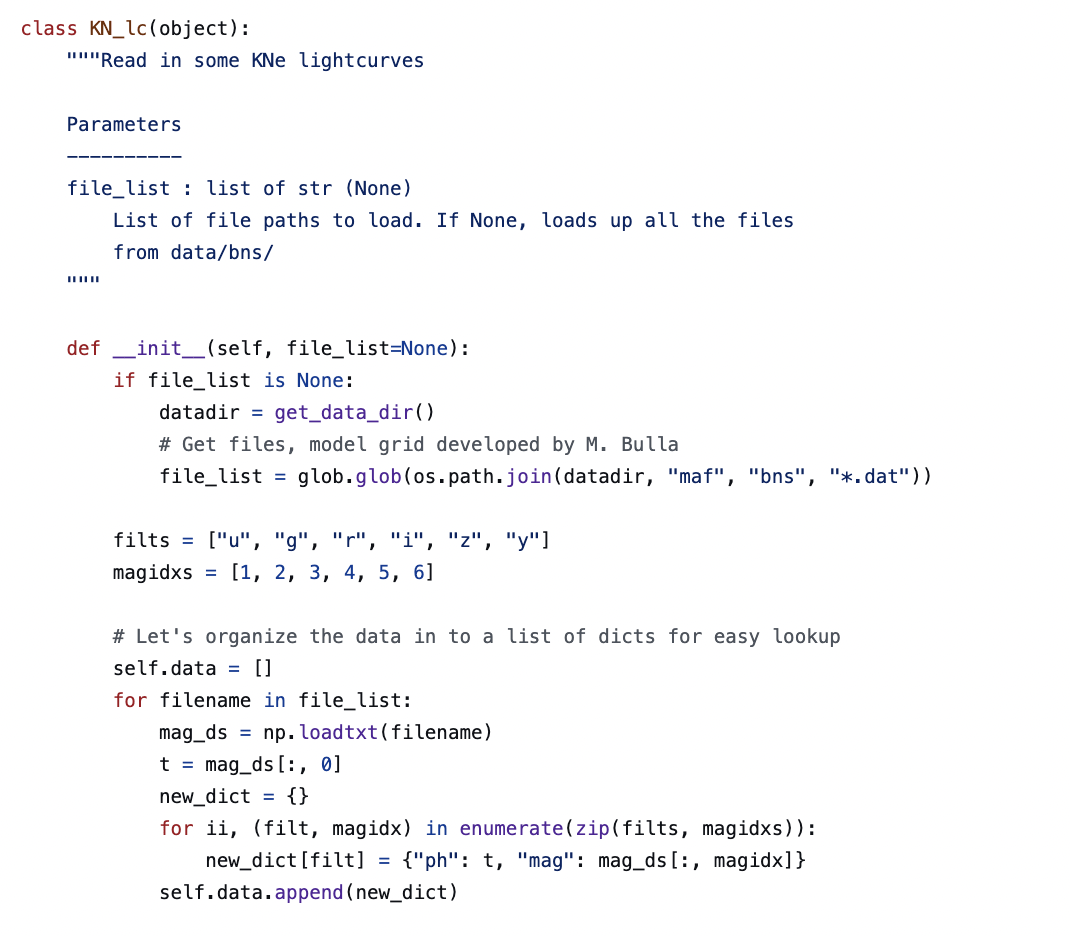
Operation Simulator (OpSim)
simulates the catalog of LSST observations + observation properties
Metric Analysi Framwork (MAF)
Python API to interact with OpSims specifying science performance on a science case with a metric
Lynne Jones
Peter Yoachim
~100s simulations
~1000s MAFs
Rubin LSST survey design
Rubin LSST survey design
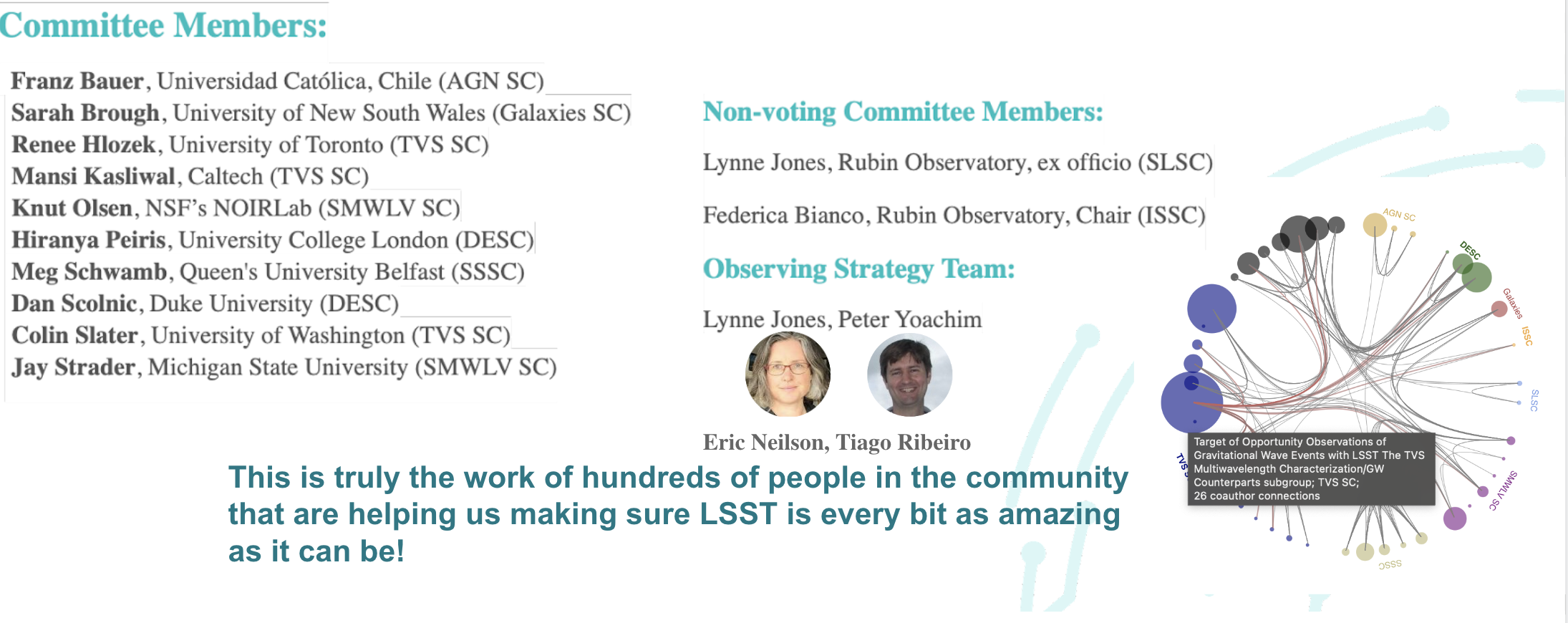
Rubin has involved the community to an unprecedented level in survey design this is a uniquely "democratic" process!
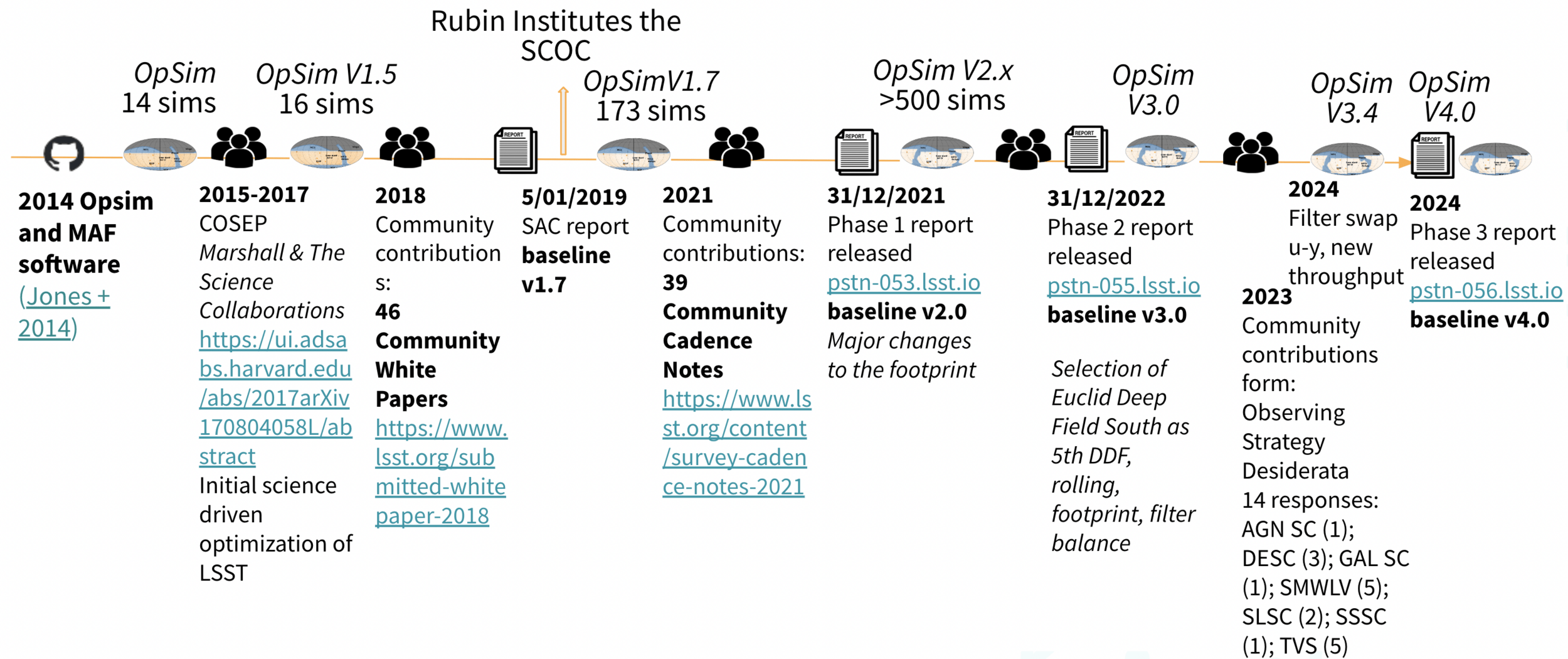
85% submissins led by SC members
Rubin LSST survey design
Rubin has involved the community to an unprecedented level in survey design this is a uniquely "democratic" process!
Survey Cadence Optimization Committee
Rubin LSST survey design
Rubin has involved the community to an unprecedented level in survey design this is a uniquely "democratic" process!
Survey Cadence Optimization Committee
Rubin LSST survey design
Rubin has involved the community to an unprecedented level in survey design this is a uniquely "democratic" process!
Survey Cadence Optimization Committee
Rubin has involved the community to an unprecedented level in survey design this is a uniquely "democratic" process!
Survey Cadence Optimization Committee
Rubin LSST survey design
Rubin LSST survey design
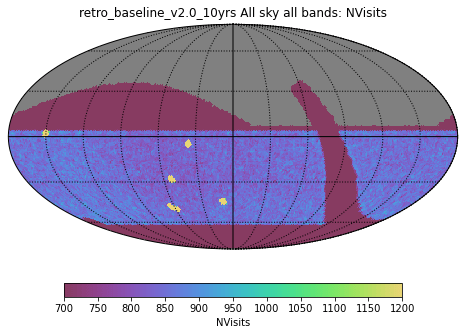
2017
80,000
Rubin LSST survey design
Rubin has involved the community to an unprecedented level in survey design this is a uniquely "democratic" process!
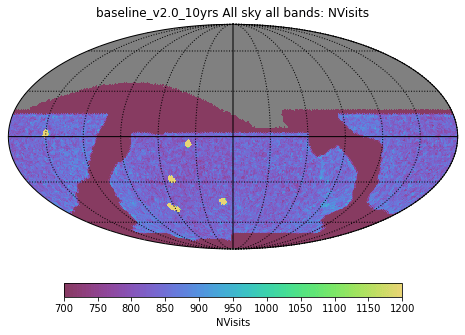
2019
80,000
Rubin LSST survey design
Rubin has involved the community to an unprecedented level in survey design this is a uniquely "democratic" process!
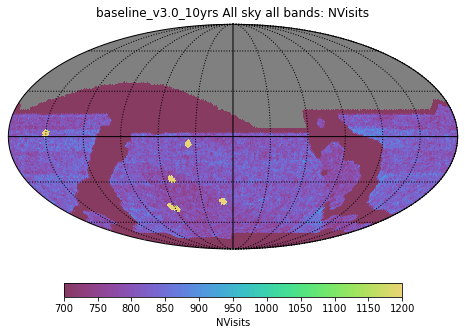
2023
80,000
Rubin LSST survey design
Rubin has involved the community to an unprecedented level in survey design this is a uniquely "democratic" process!
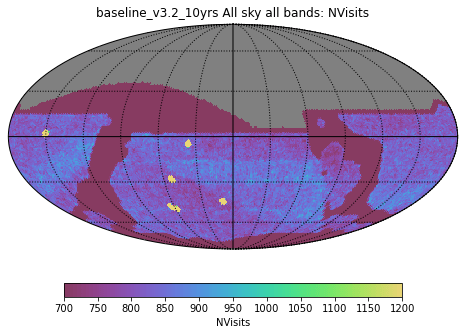
2024
80,000
Rubin LSST survey design
Rubin has involved the community to an unprecedented level in survey design this is a uniquely "democratic" process!
2024

2024
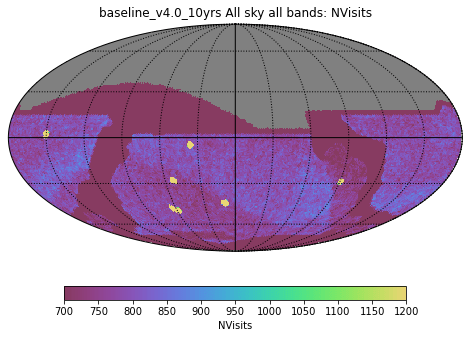
80,000
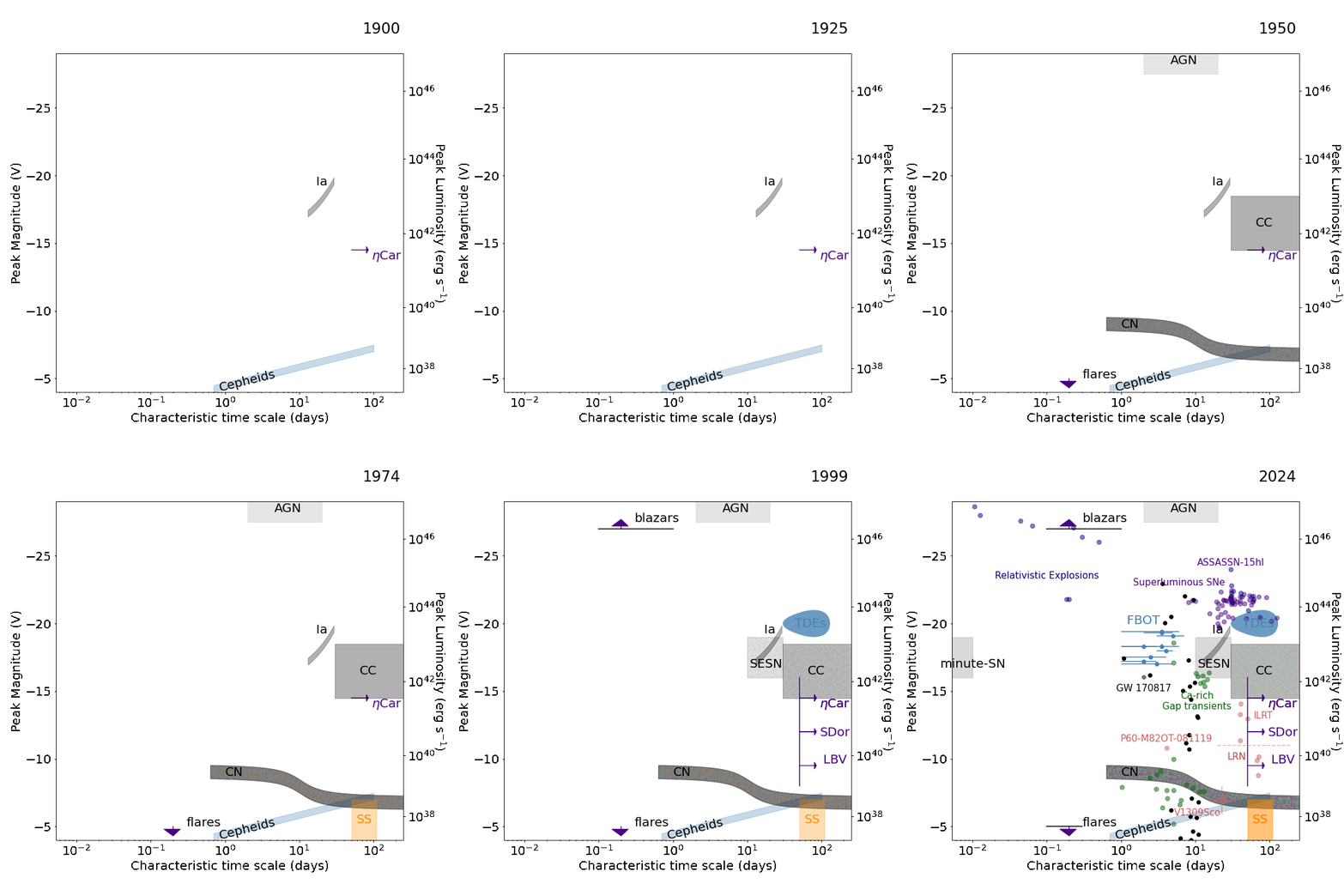
←Dimmer Brighter →
0.01 0.1 1 10 100
Rubin LSST survey design
TDA =>

~800 per field
10 seasons, with each 6 months
2 visits per night (within ~30 min for Solar System Science)
revisit time => 4.5 nights
This will scatter significantly (weather, moon, ...)
The original survey plan didn't lead to good time domain astronomy (TDA) outcomes:
2 intranight obs in same filer +
2 intranight obs in another filter ~5 day later
←Dimmer Brighter →
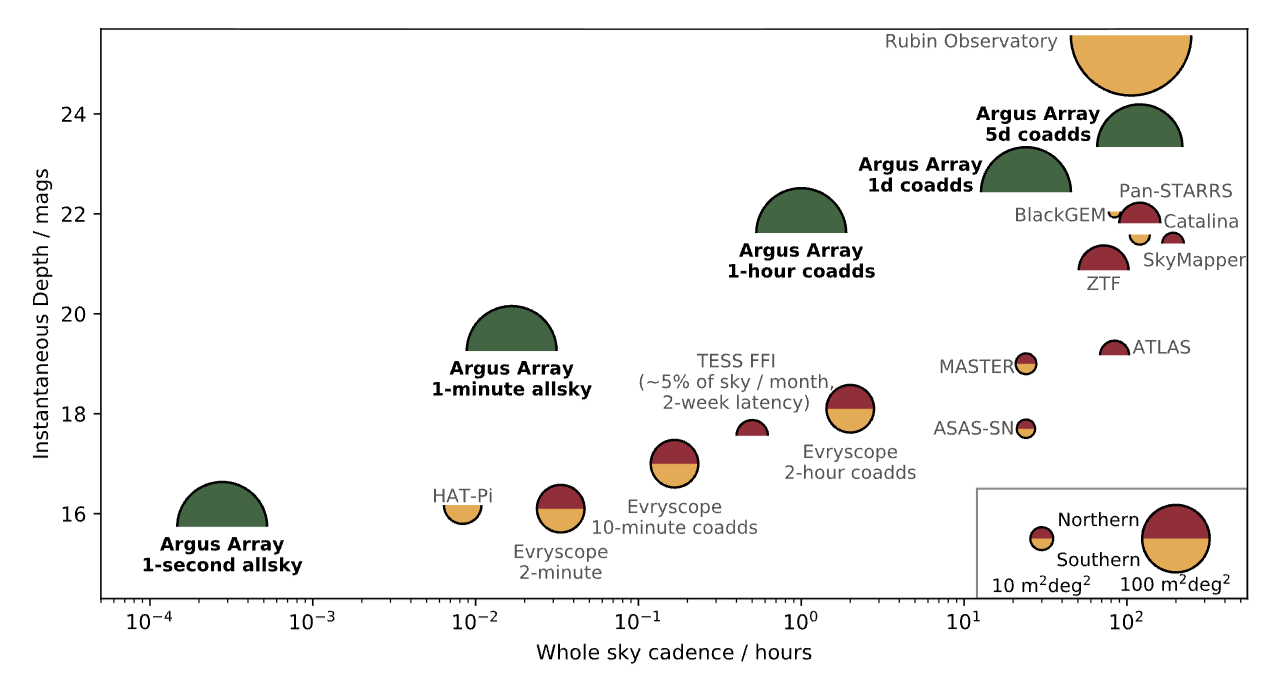
Text
From Law et al. 2021
Rubin LSST survey design up to 2018
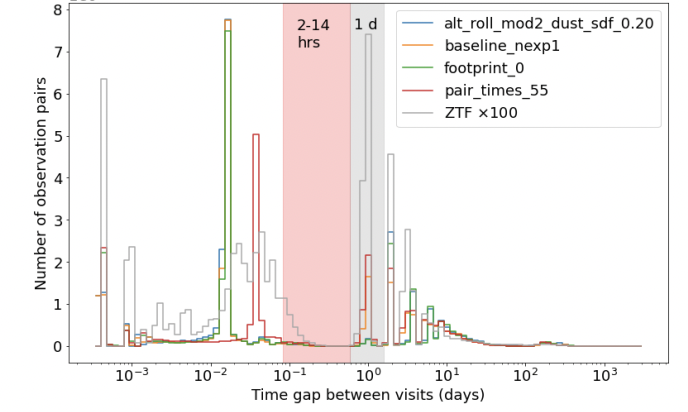
# pairs of observations (1e5)
time gaps (days)
Eric C. Bellm et al 2022 ApJS 258 13
Proposed 3 intranight obs
2 within 1 hour in different filters
1 at 4-8 hours separation w repeat filter
Intranight color (near instantaneous)
Intranight rate of change (~hour time scales)
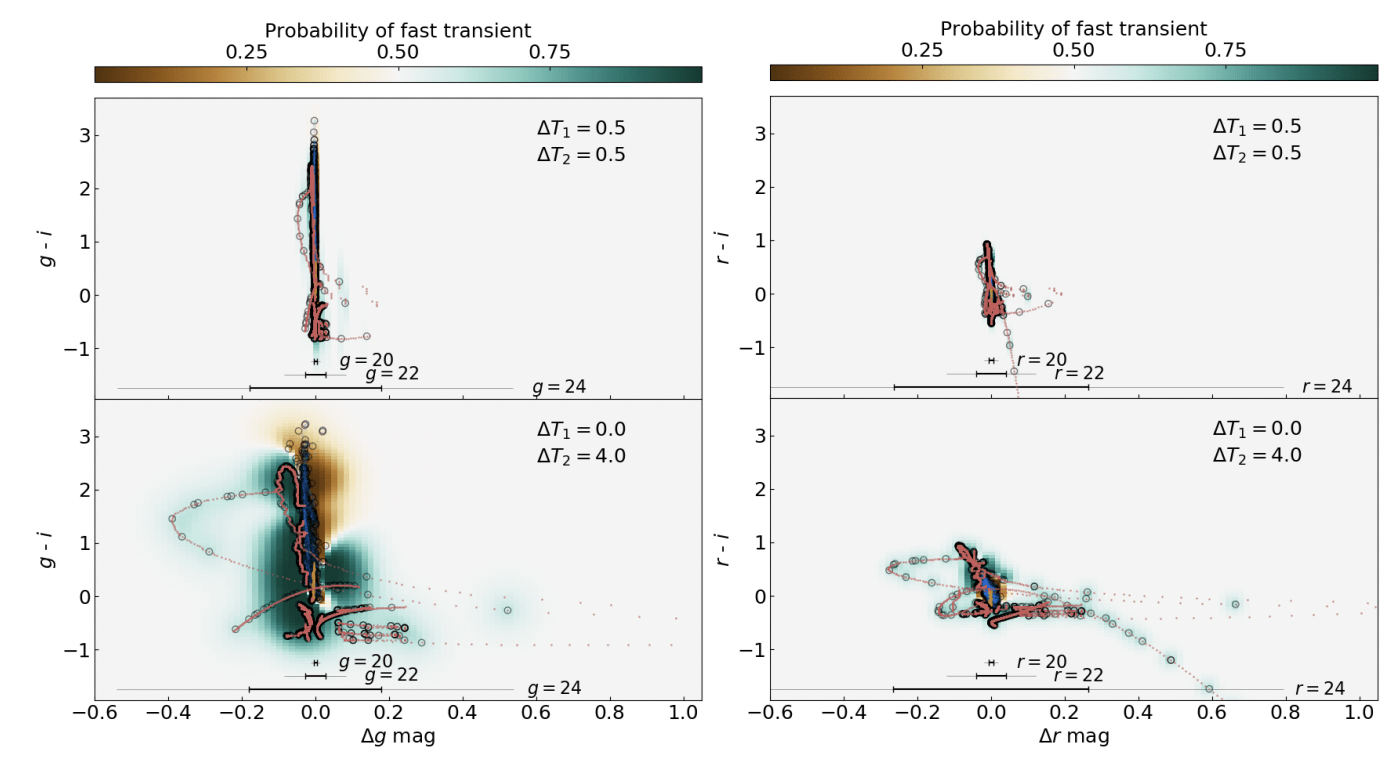
Presto-Color, Bianco+ 2019
Introducing Rolling Cadence
Current plan: rolling 8 out of the 10 years
newer simulations ->
<-bad good ->
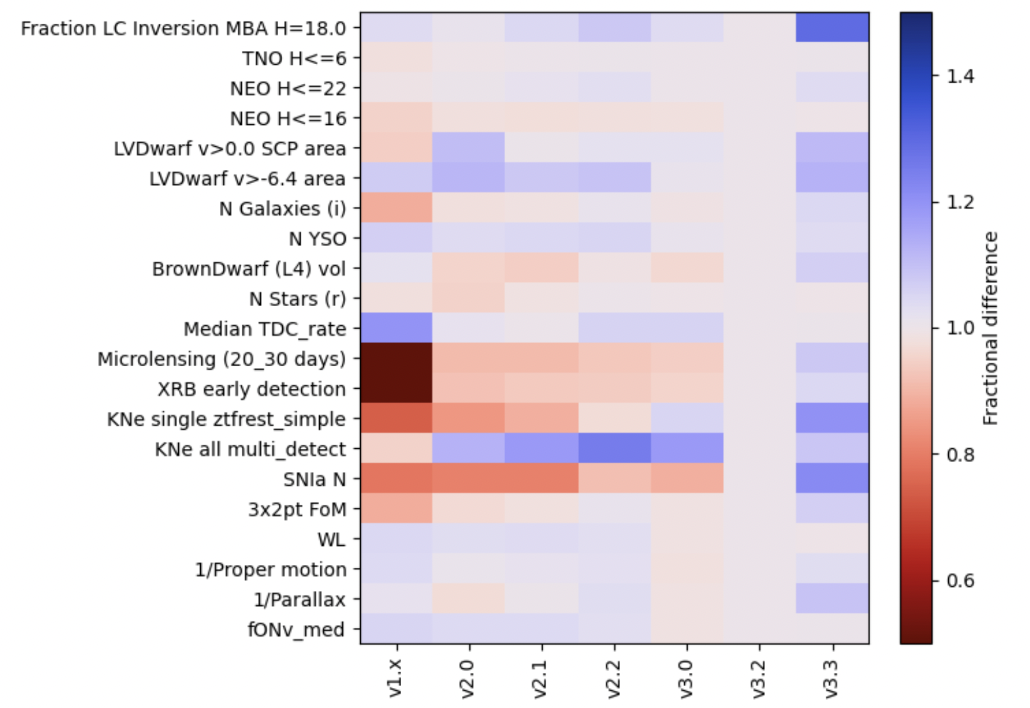
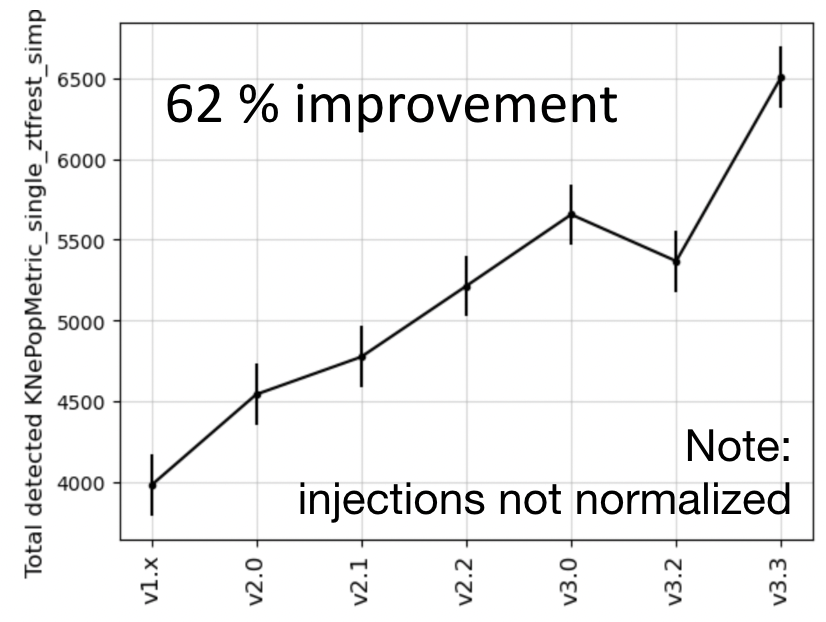
newer simulations ->
4 – 24 hour gaps between epochs will enable kilonova parameter estimation
Kilonovae in LSST Wide Fast Deep
Andreoni+ 2022a
Rubin ToO program
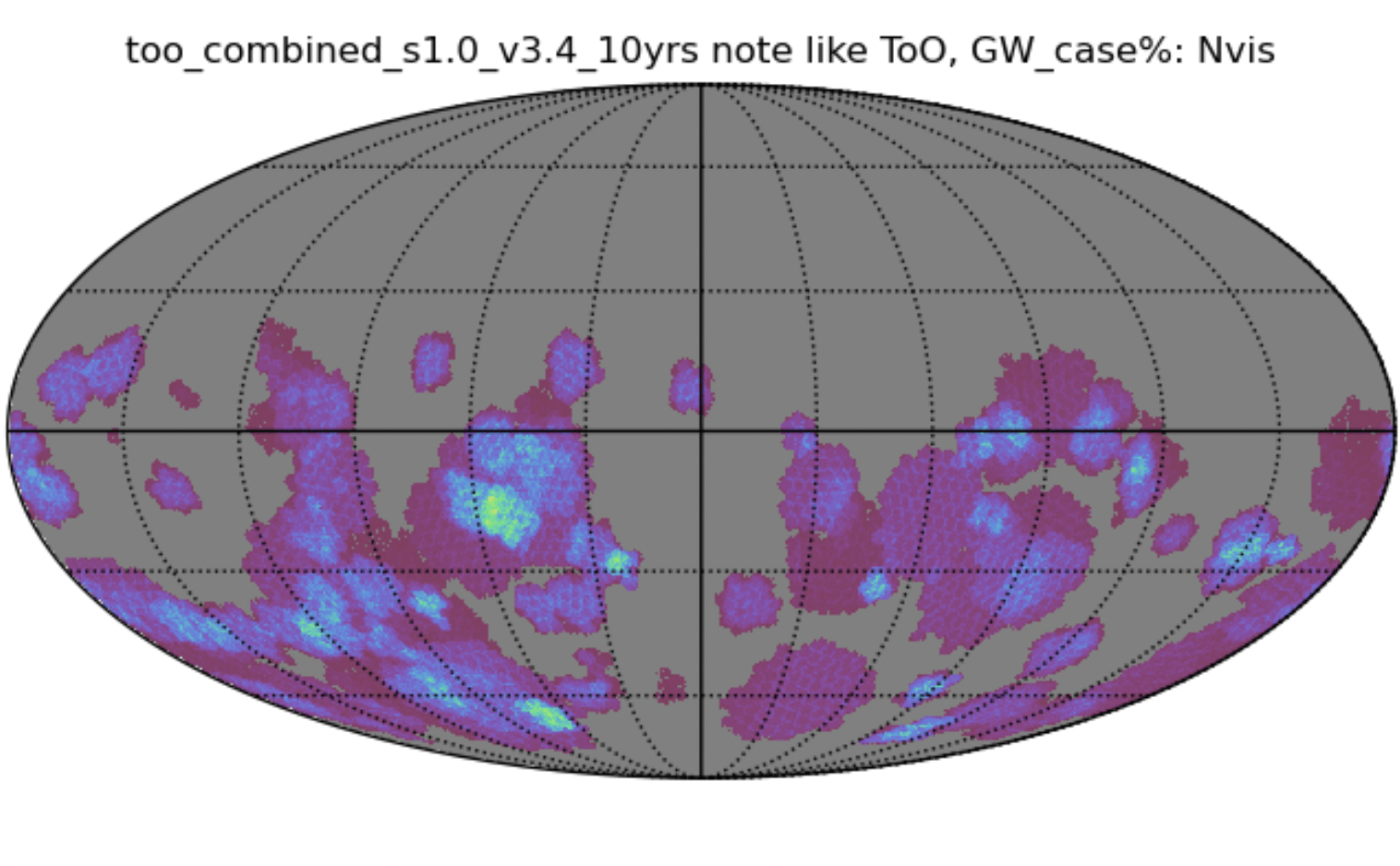
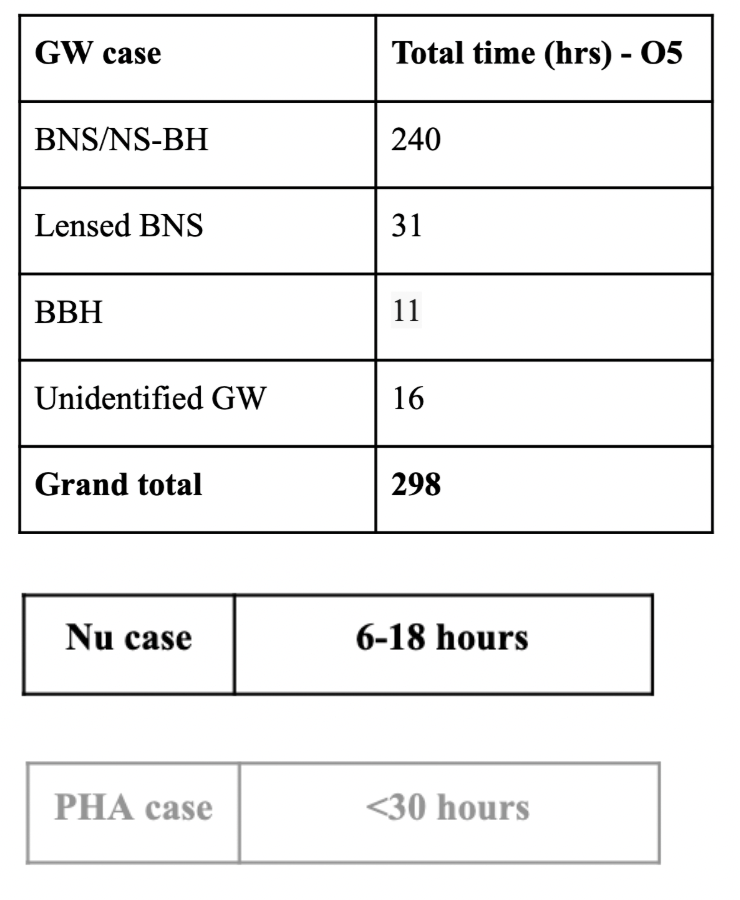
Rubin ToO program
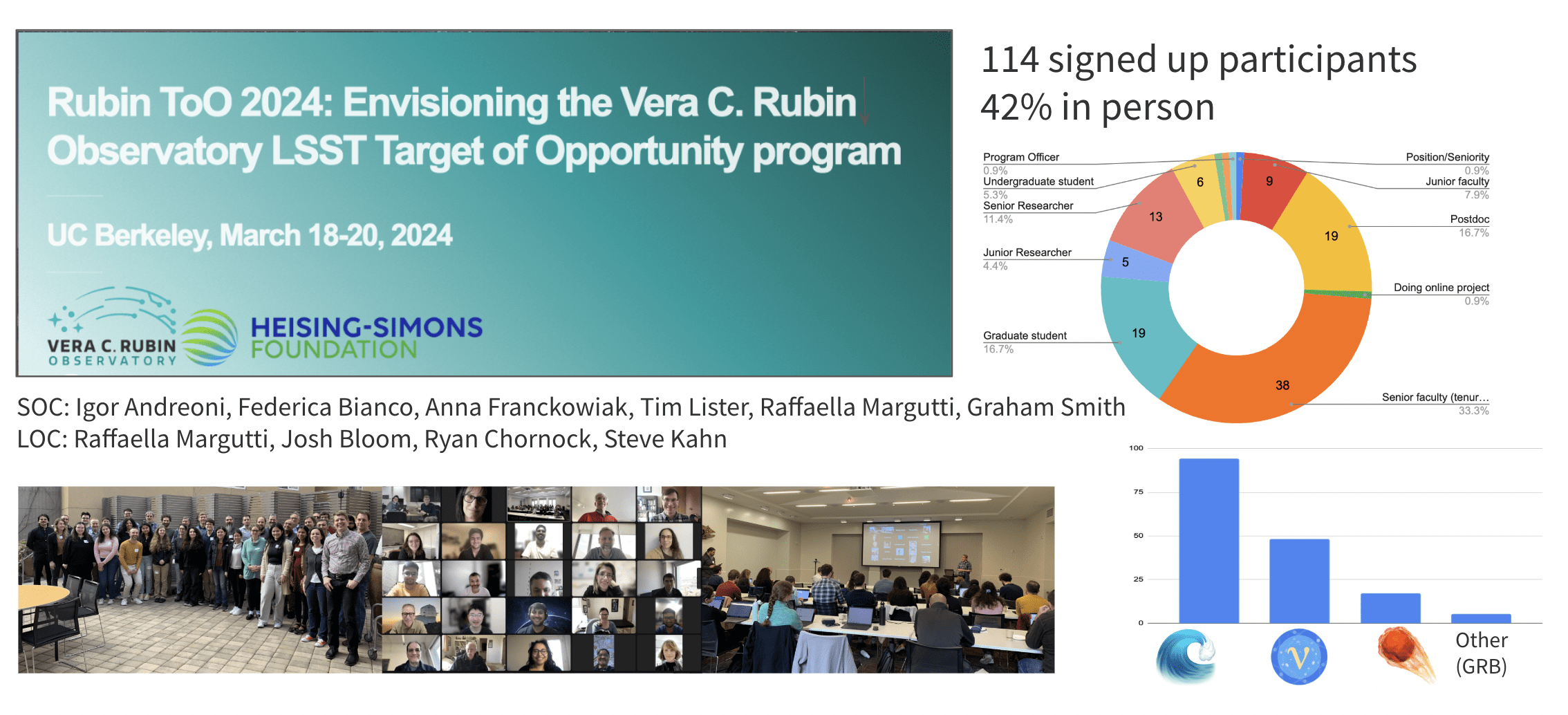
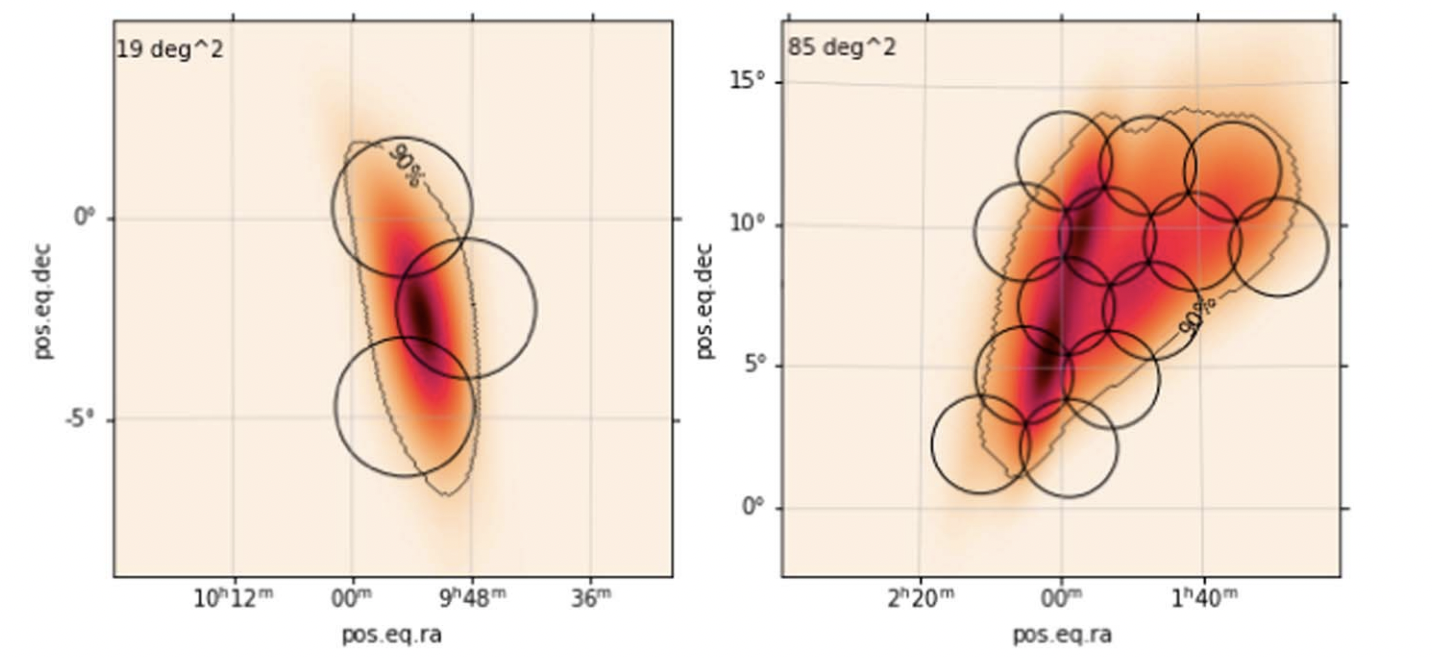
Rubin ToO program
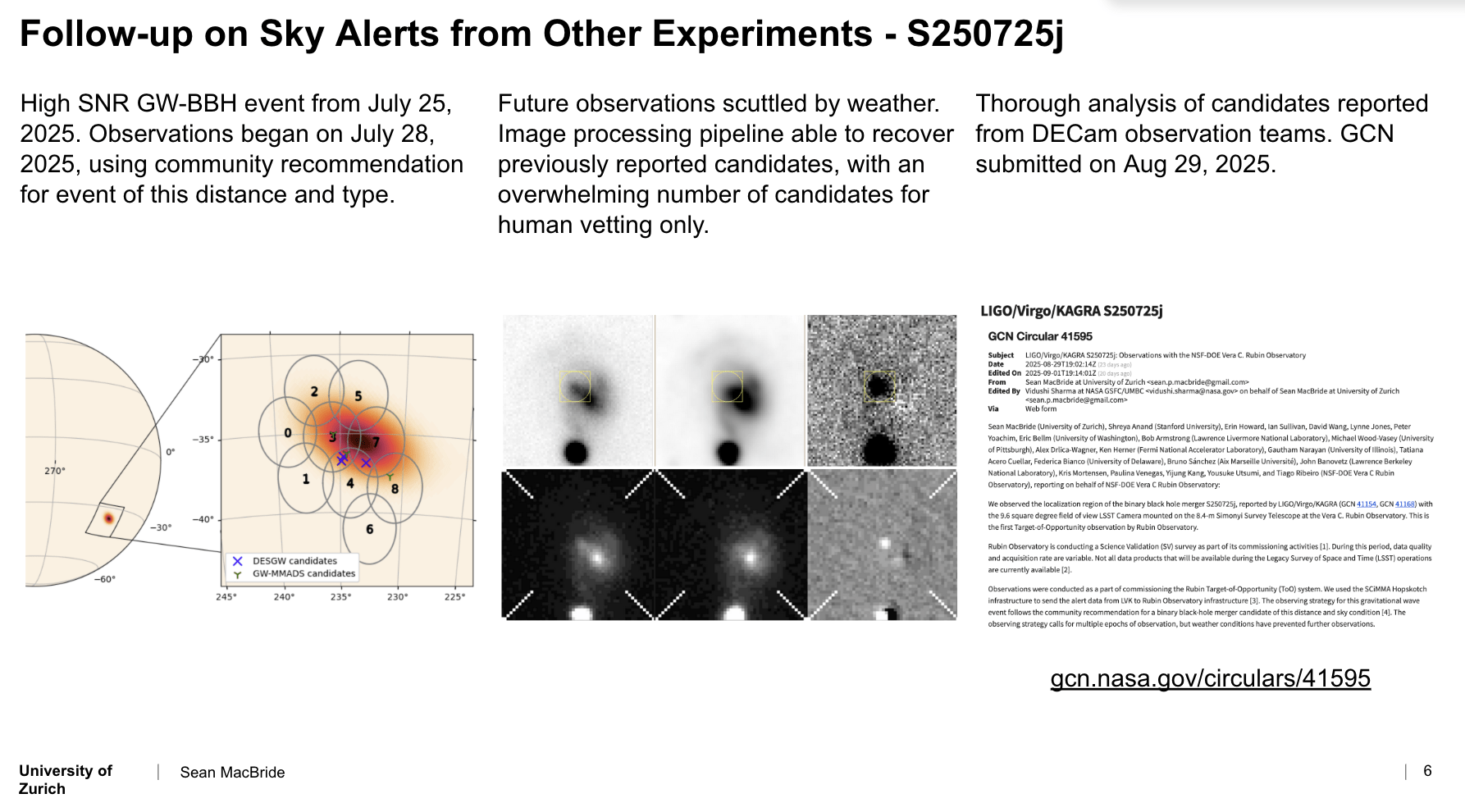
newer simulations ->
<-bad good ->
Real Observatory Performance??
TDA is most sensitive to efficiency and cannot recover by just adding survey time
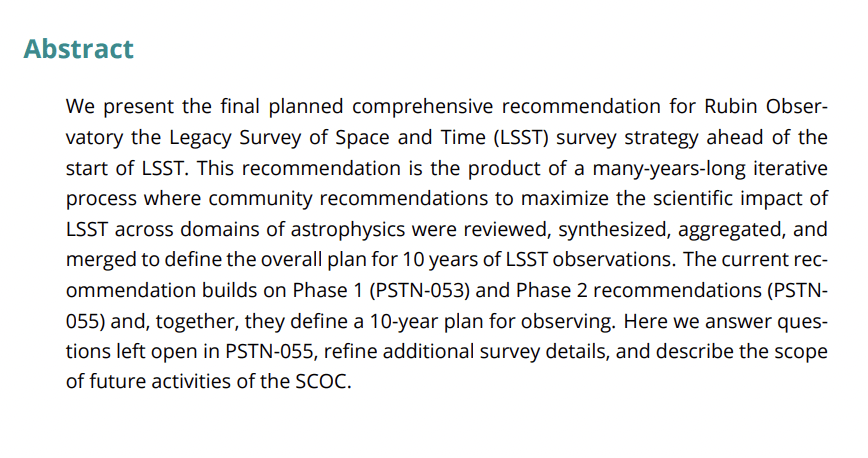
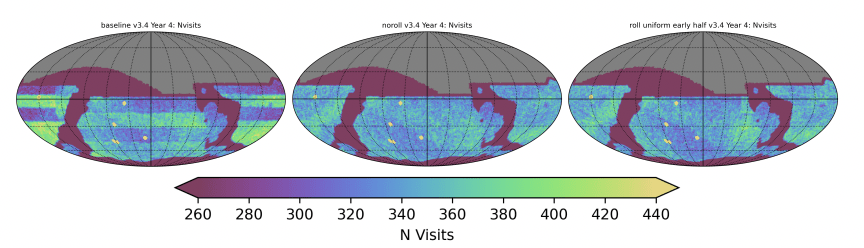
https://pstn-056.lsst.io/
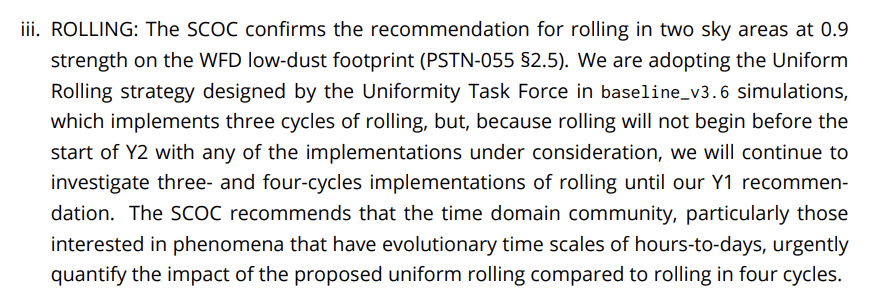
Proposed reduction to 6 rolling years (3 2-year cycles) to improve intrasurvey uniformity
https://pstn-056.lsst.io/
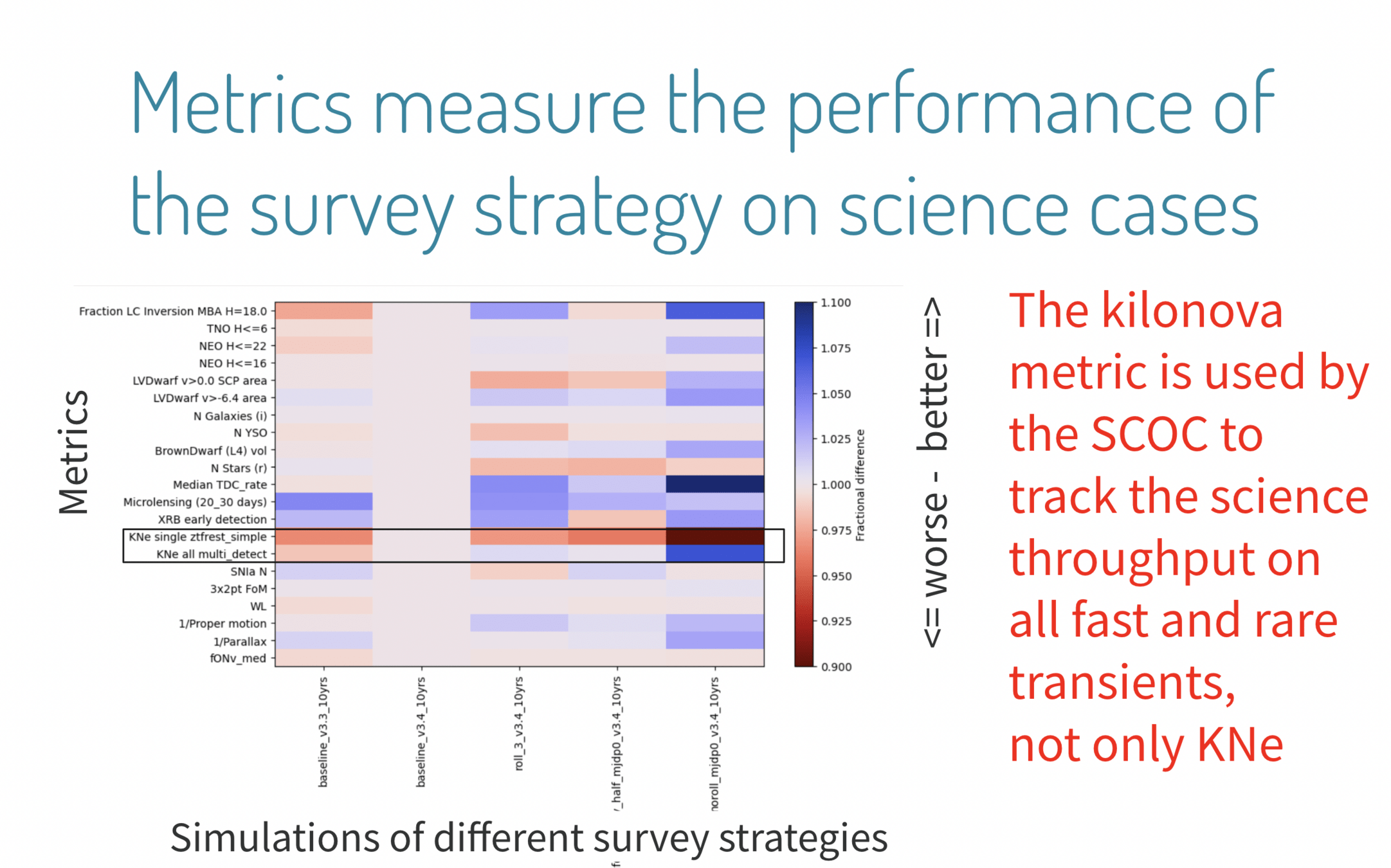
8y rolling
no rolling
6y rolling
~7% loss in KN characterization
Proposed reduction to 6 rolling years (3 2-year cycles) to improve intrasurvey uniformity
Rubin LSST Science Collaborations
Text
Transietsand variabel stars SC
TVS Science Collaboration
join TVS! no fees no minimum req
Chairs: Igor Andreoni,
Sara Bonito
Shar Daniels
NSF Graduate Student Fellow
University of Delaware
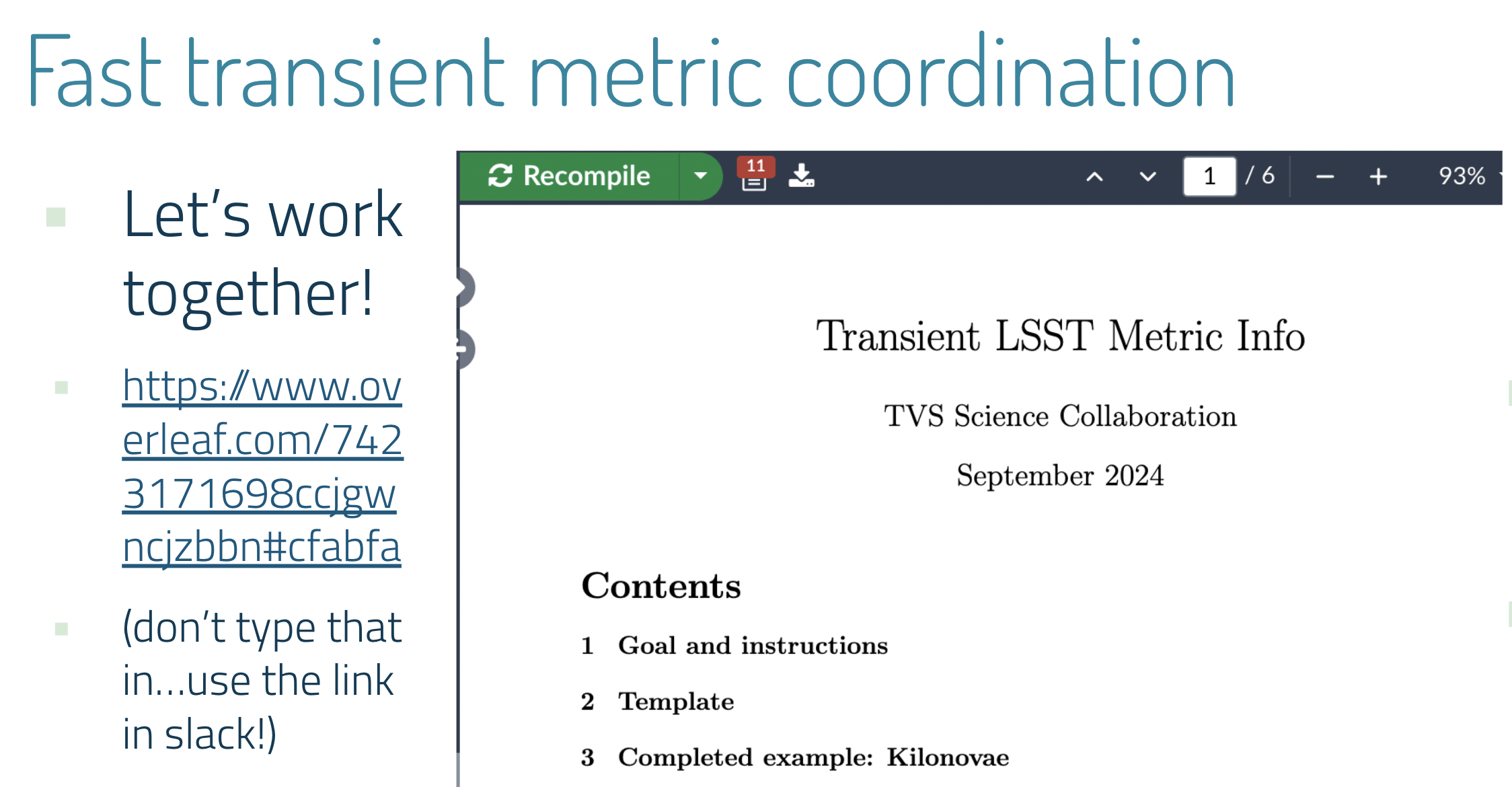
TVS Science Collaboration
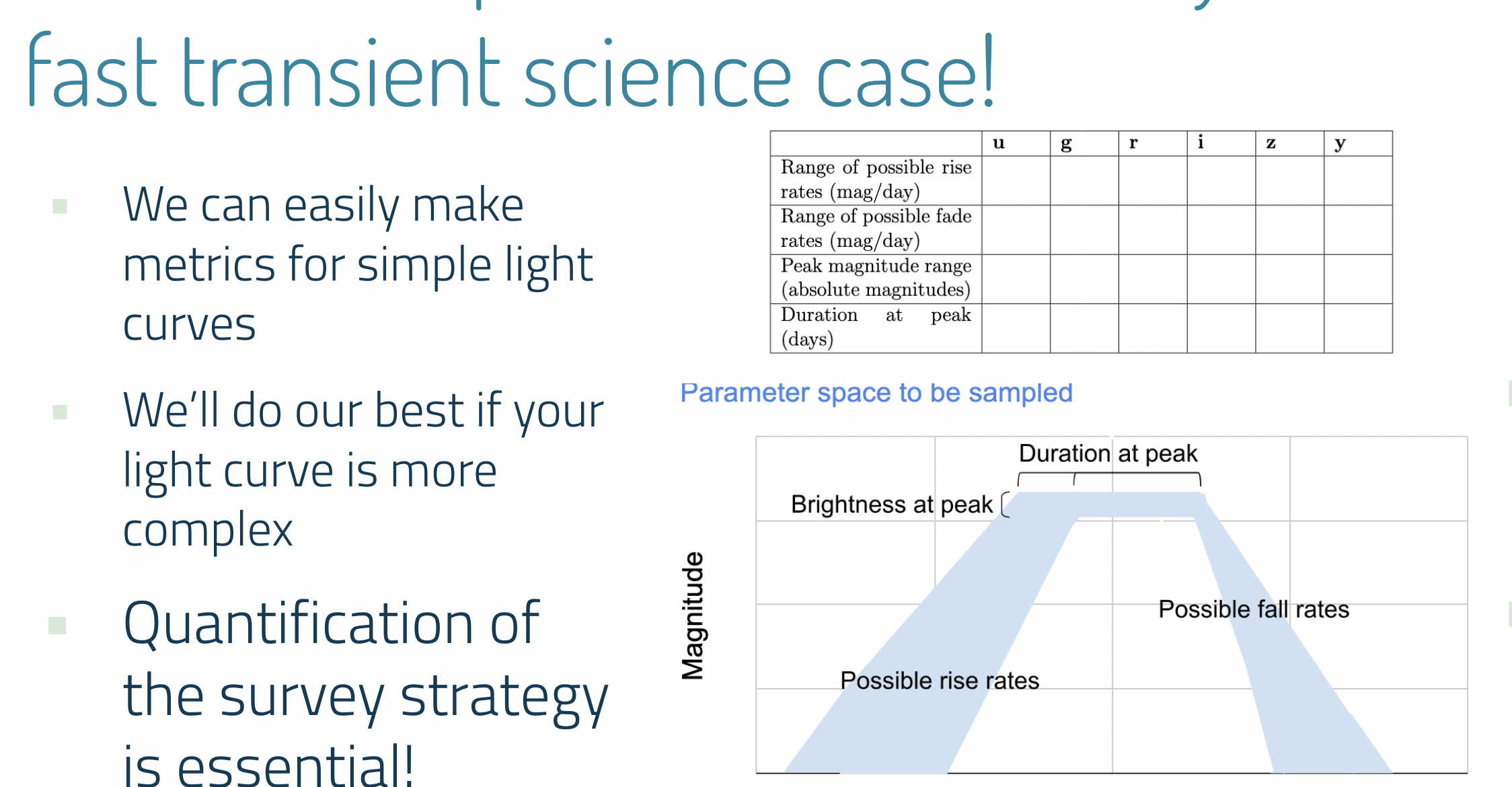
Fast Transient Subgroup
Fast Transients MetricsCOordinations and White Paper
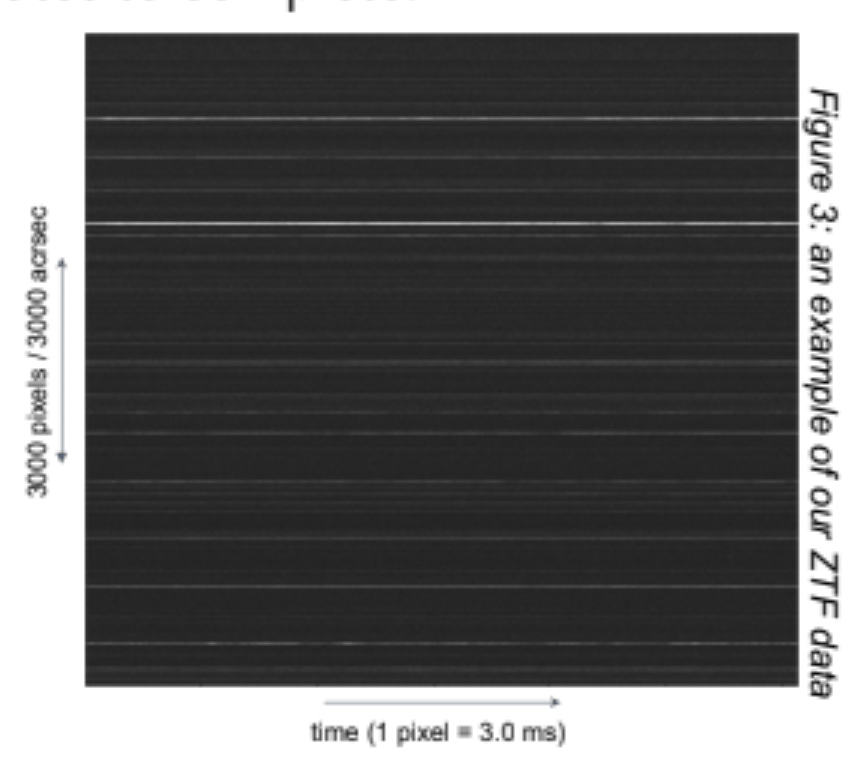
Continuous readout
astronomical images for rapid transients
Shar Daniels
NSF Graduate Fellow
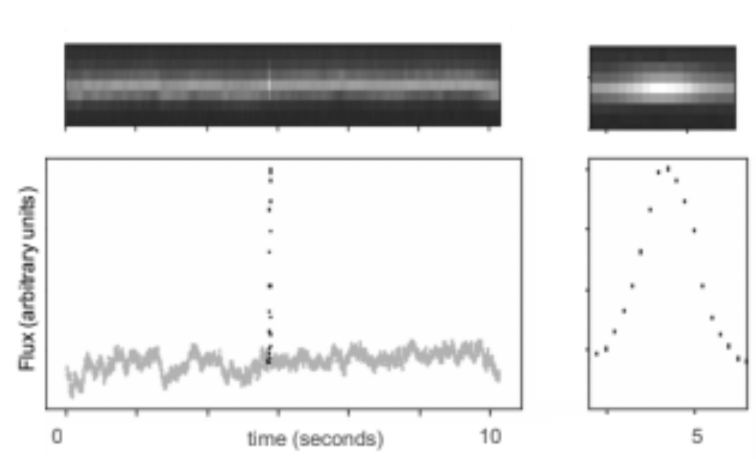
CHECK OUT THE POSTER!
Challange
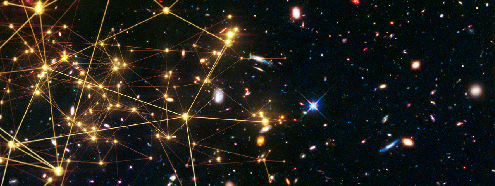
follow up
federica bianco - fbianco@udel.edu
Rubin will see ~1000 SN every night!
Credit: Alex Gagliano IAIFI fellow MIT/CfA
Photometric Classification of transients
Photometric Classification of transients
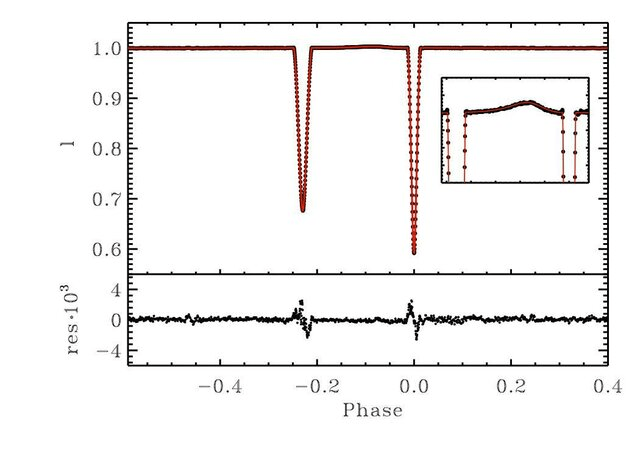
KIC 3858884: A hybrid δ Scuti pulsator in a highly eccentric eclipsing binary Maceroni+2014
Photometric Classification of transients
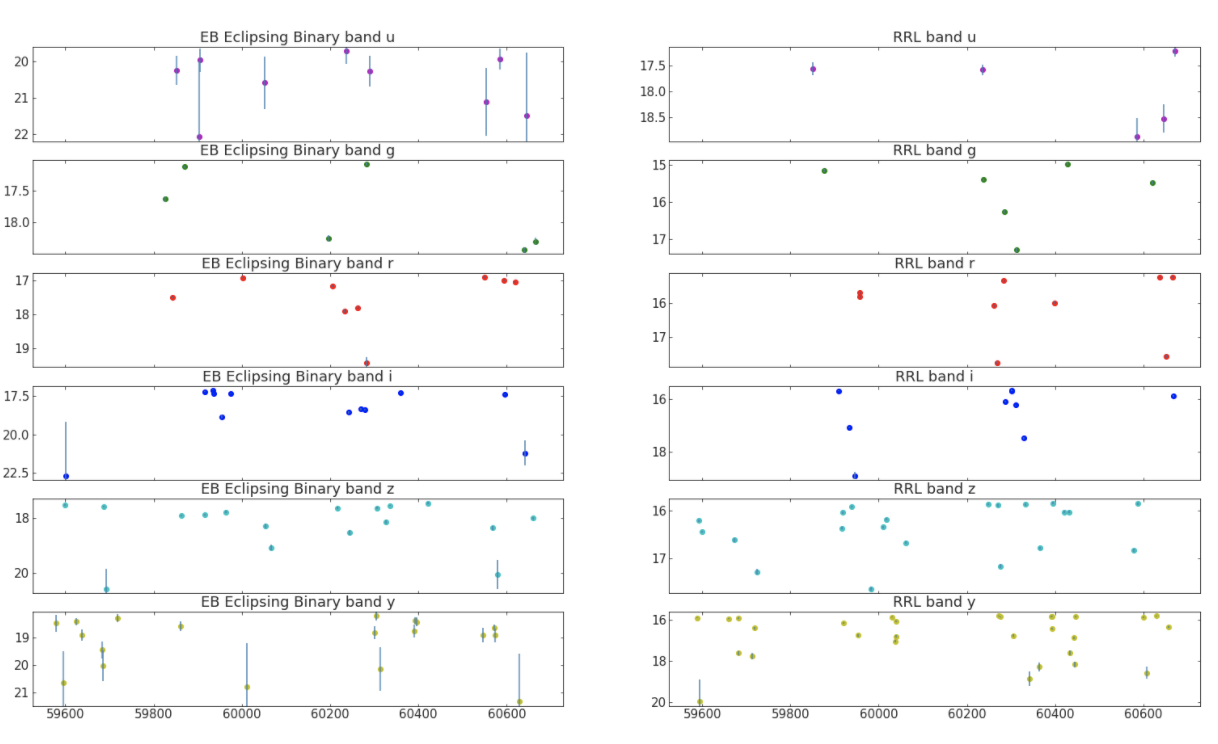
Kepler EB
LSST (simulated) EB
Photometric Classification of transients




Kepler EB
LSST (simulated) EB
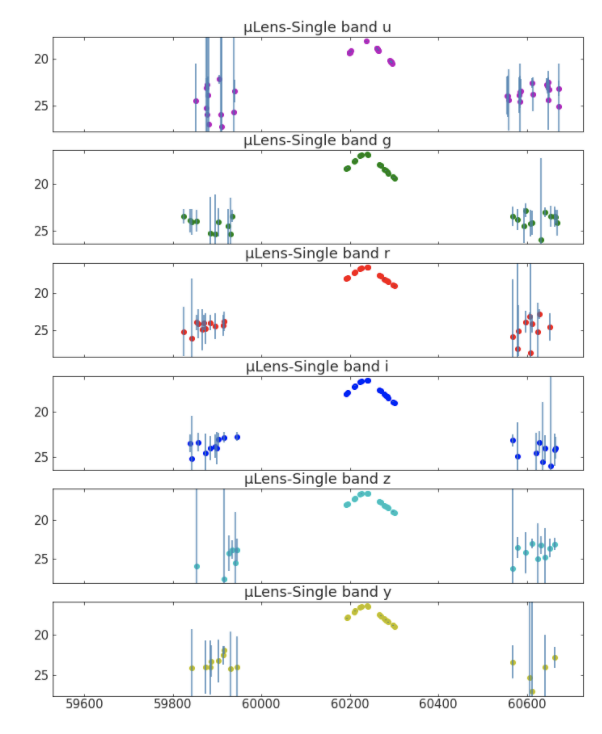
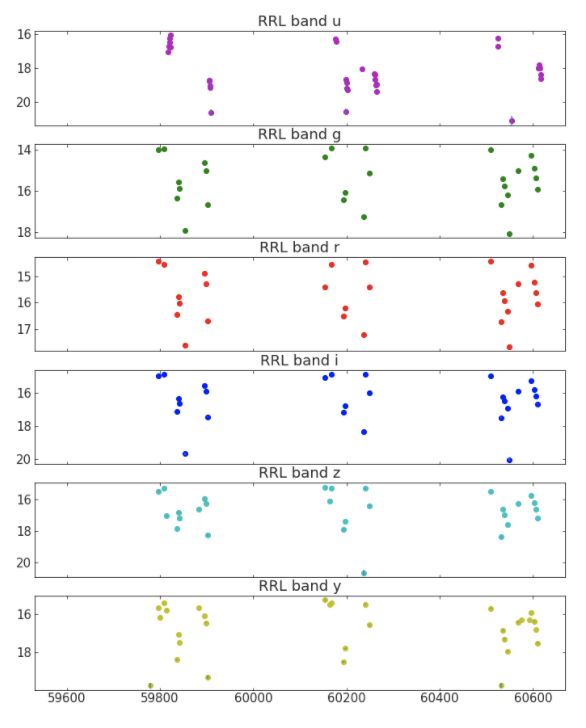
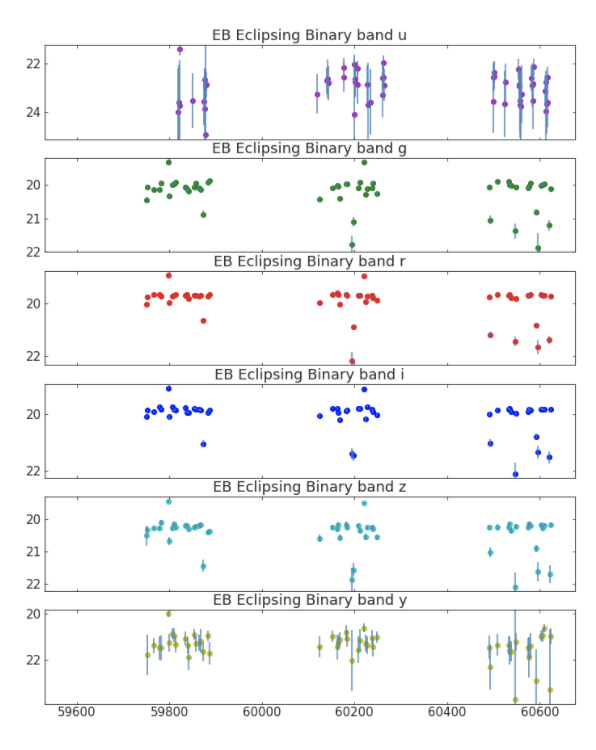
LSST Deep Drilling Fields
LSST Wide Fast Deep (main survey)
Photometric Classification of transients
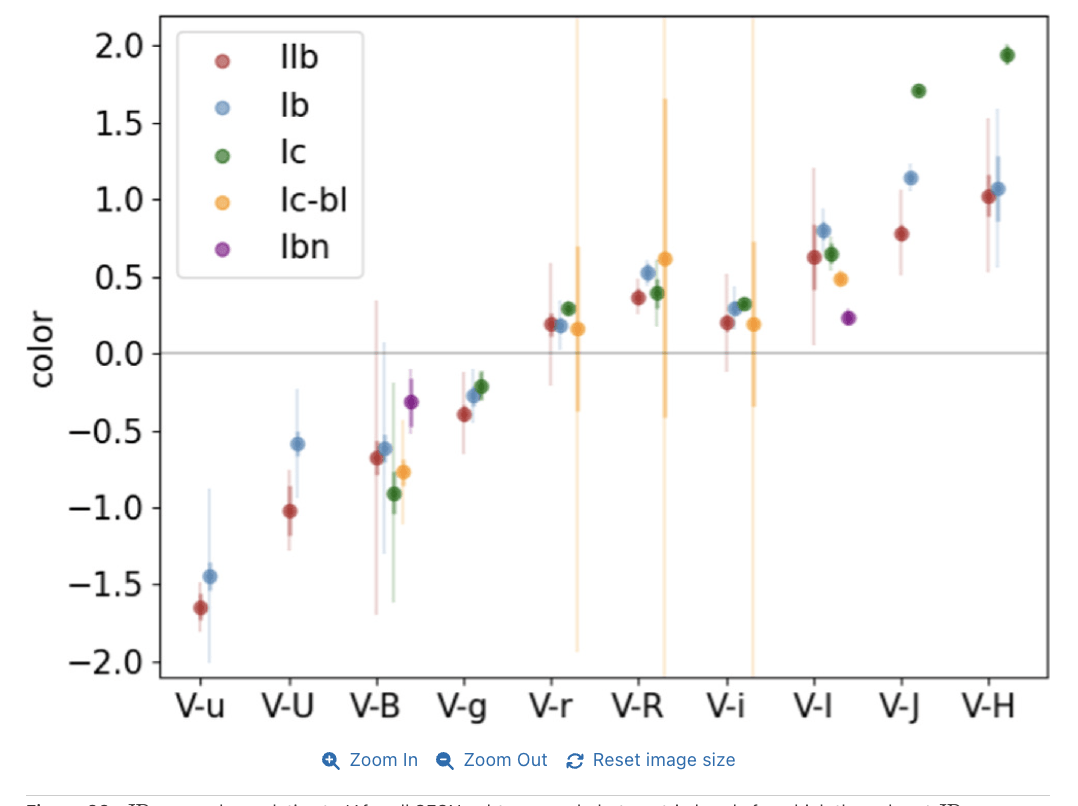
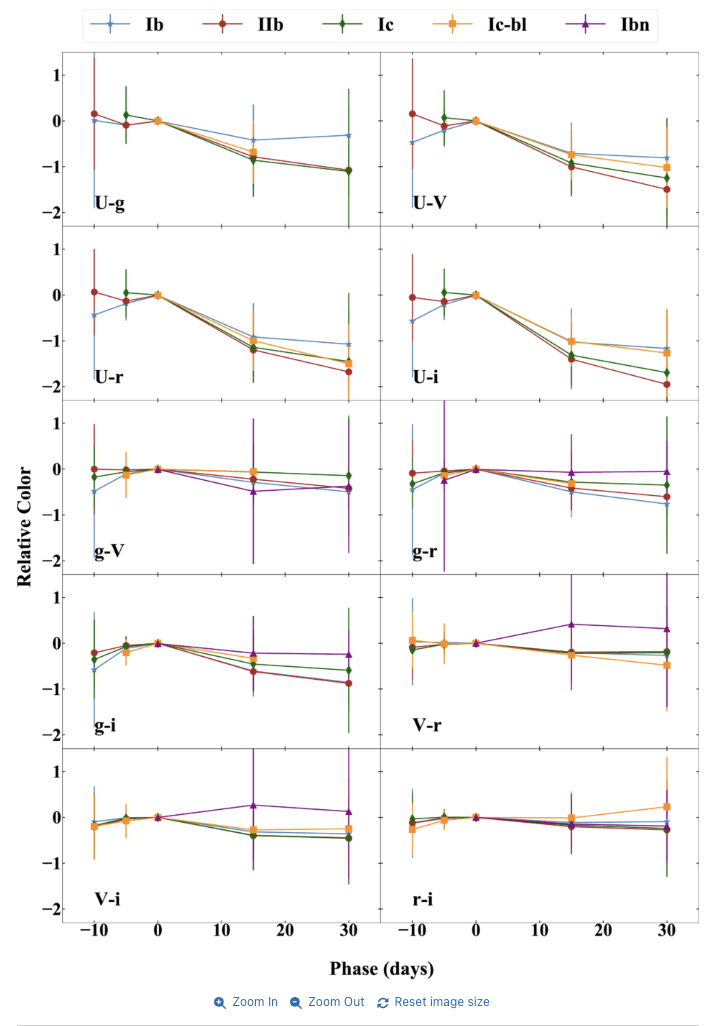
Photometric classification of subtypes may simply not be possible
Spectroscopic classification at scale will not be possible
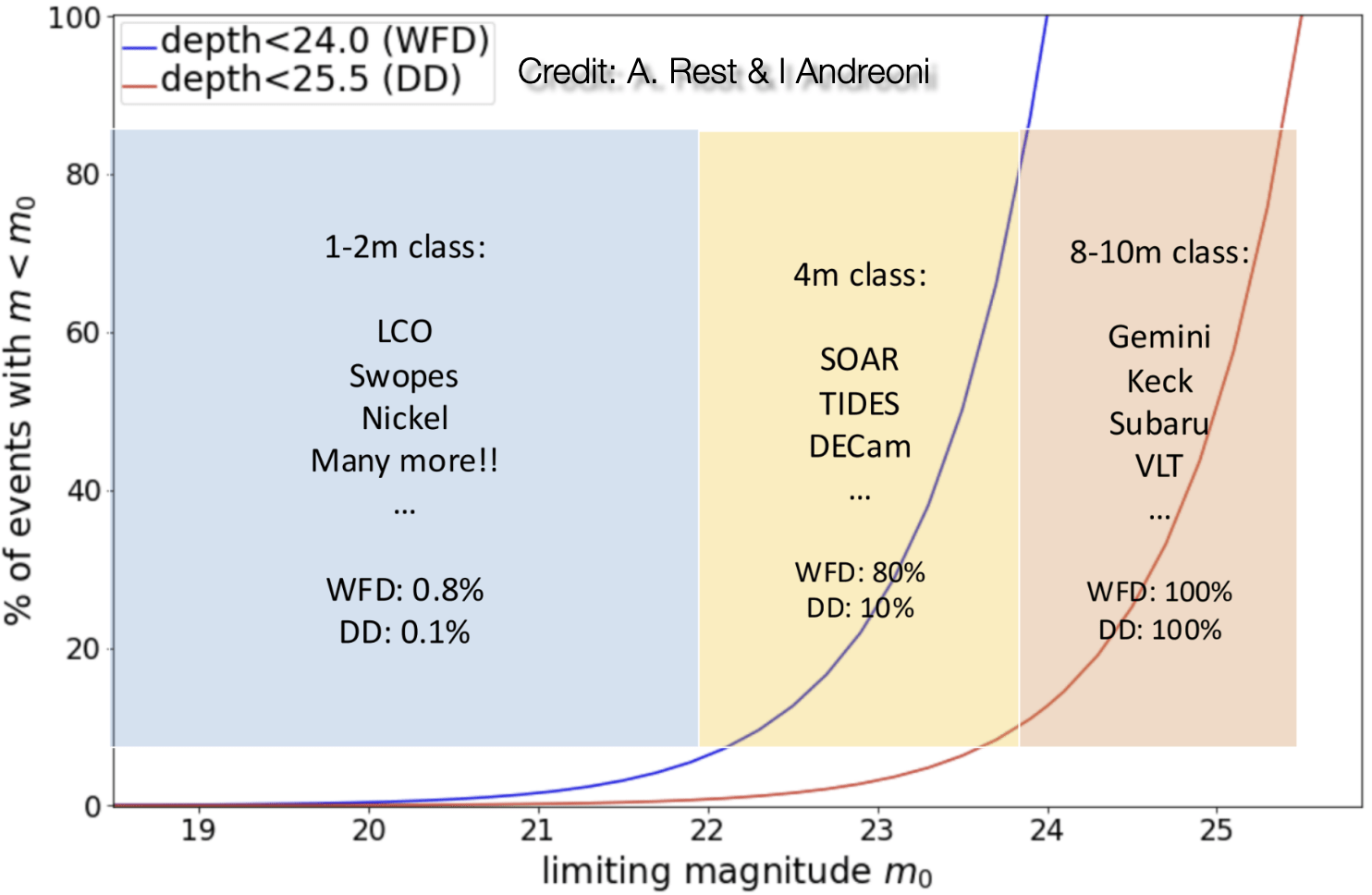
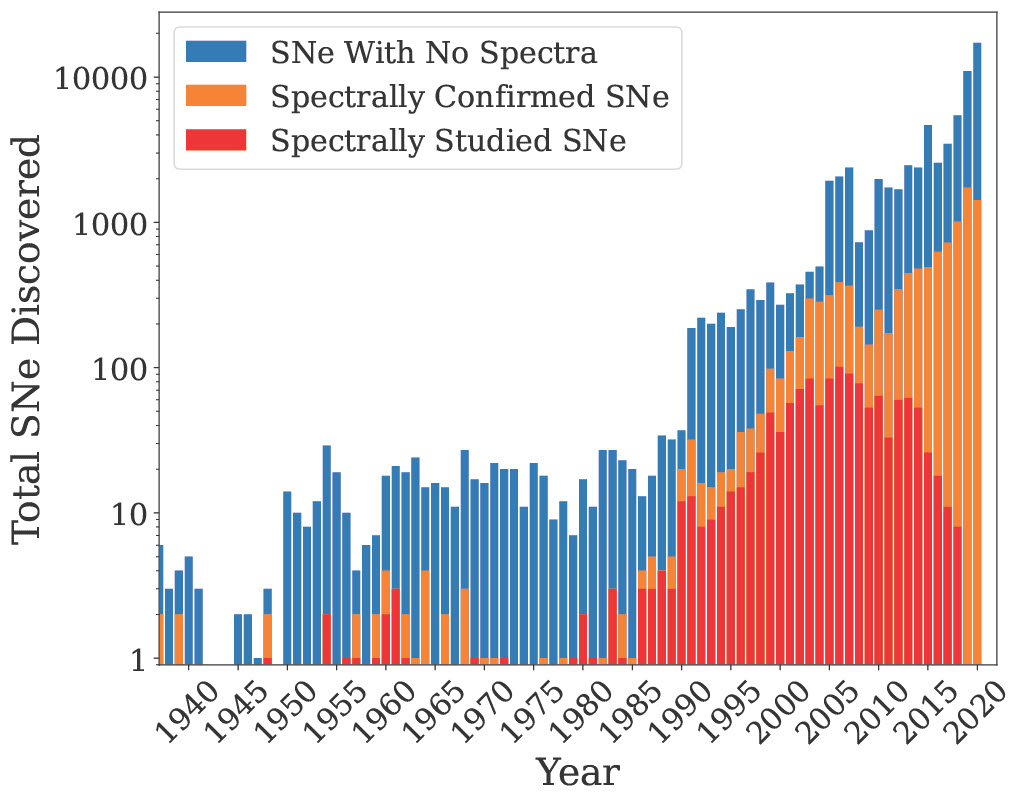
Rest+Andreoni
Fortino
When they go high, we go low... spectra classification at low resolution
Astrophysical spectra require the capture of enough photons at each wavelength:
large telescopes
long exposure times
bright objects
Willow Fox Fortino
UDelaware
When they go high, we go low
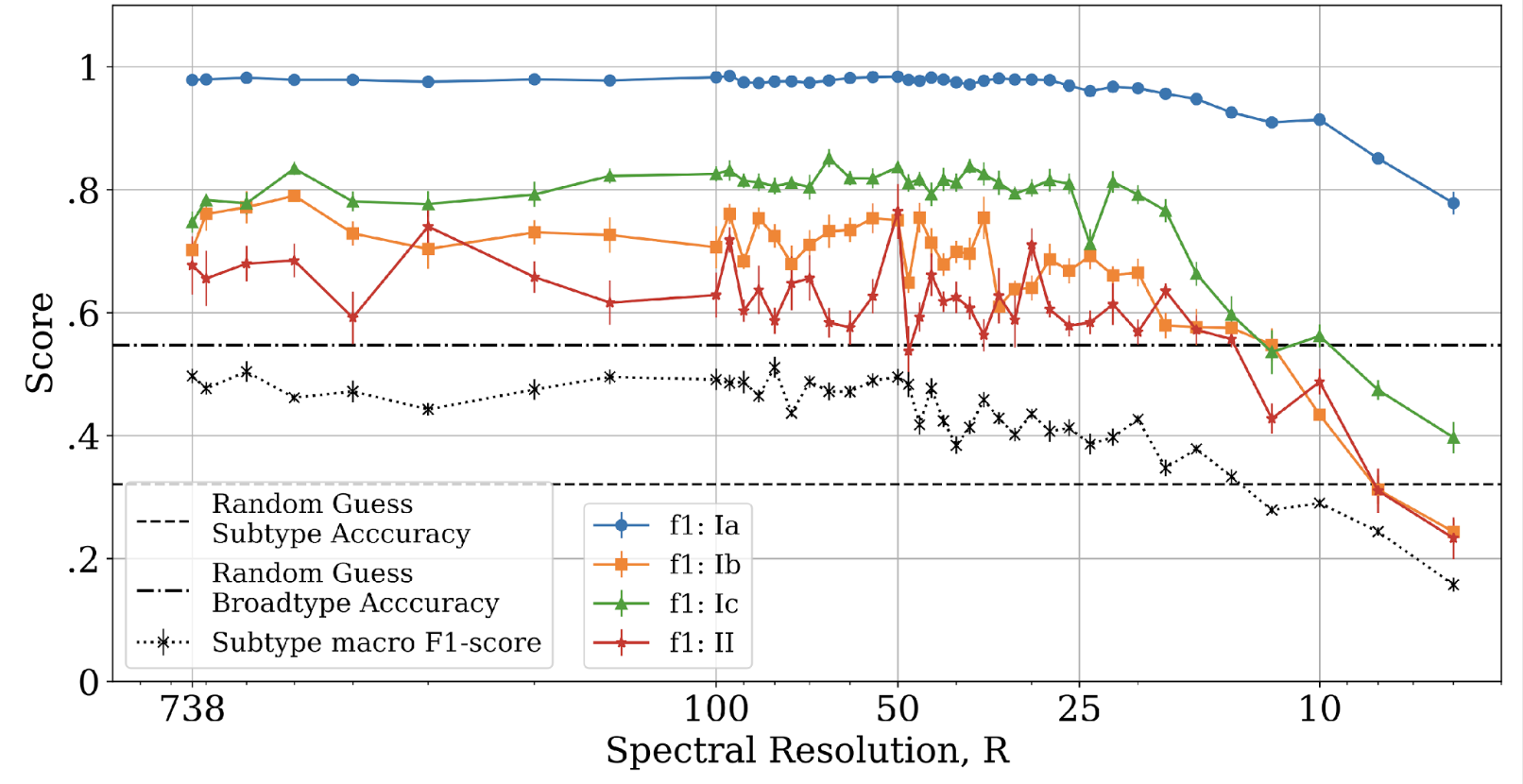
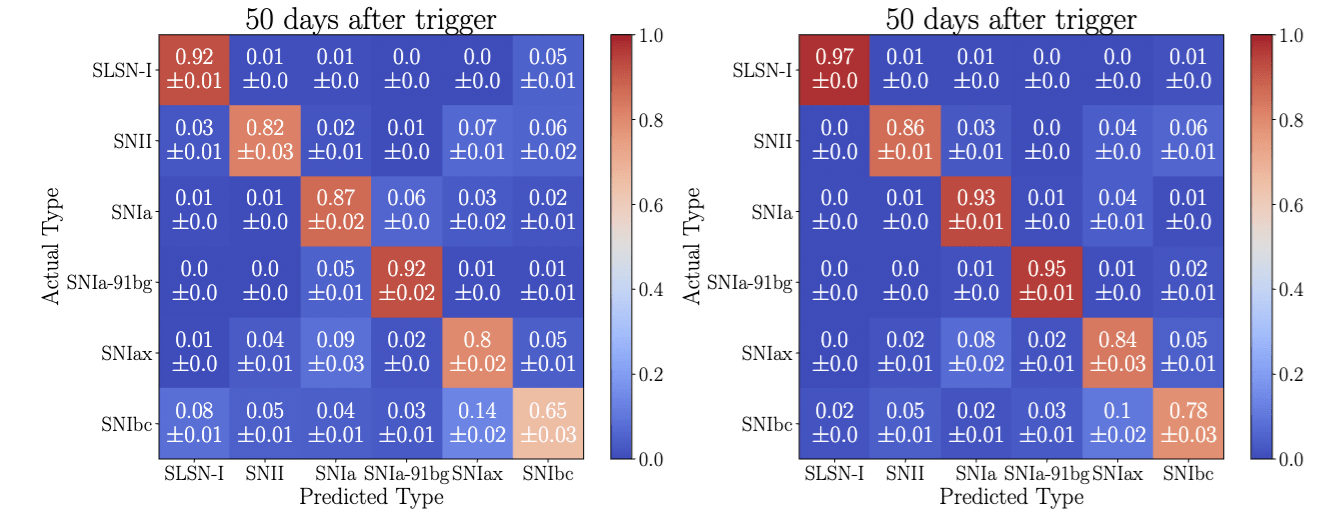
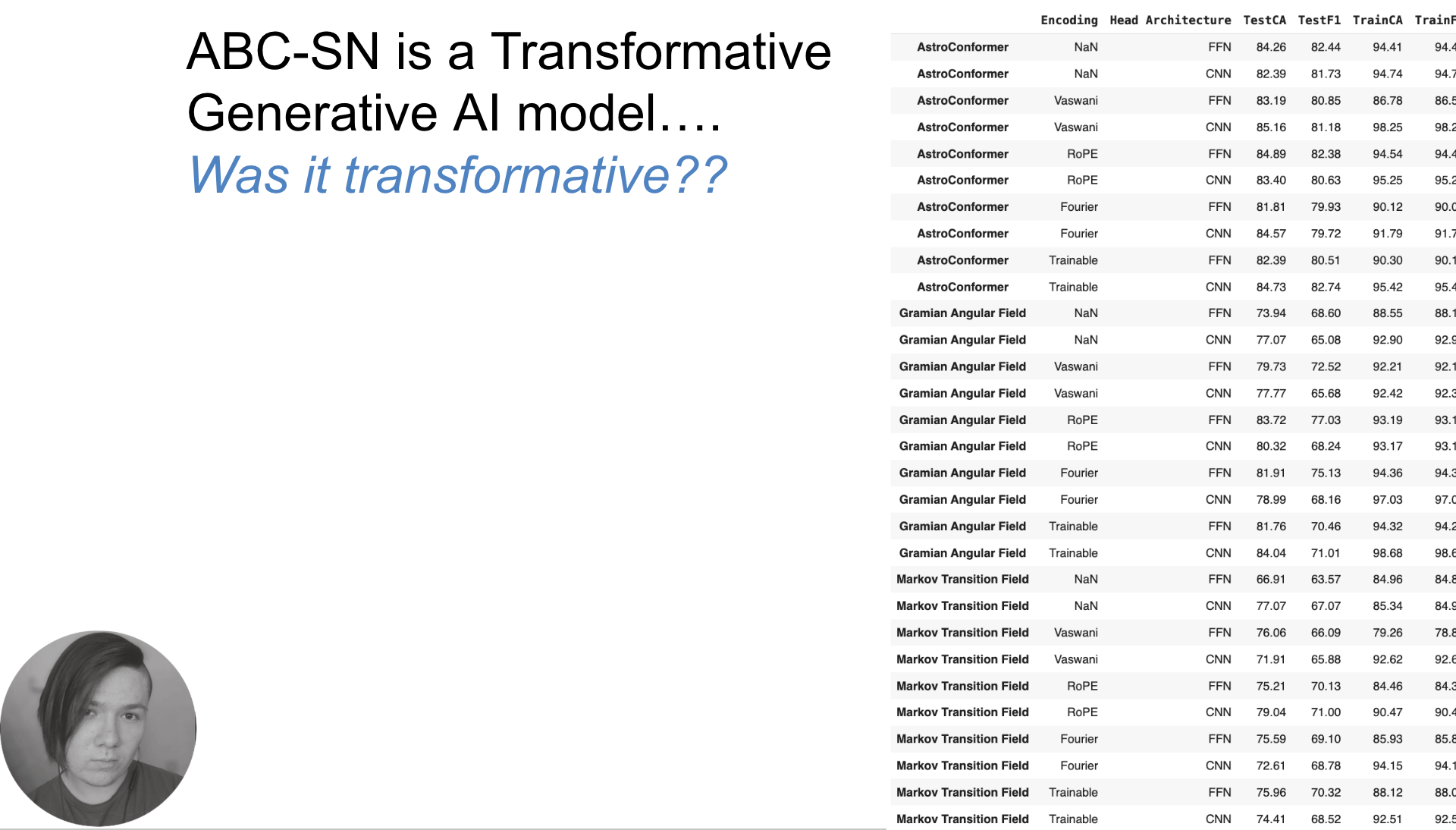
Classification power vs spectral resolution for SNe subtypes
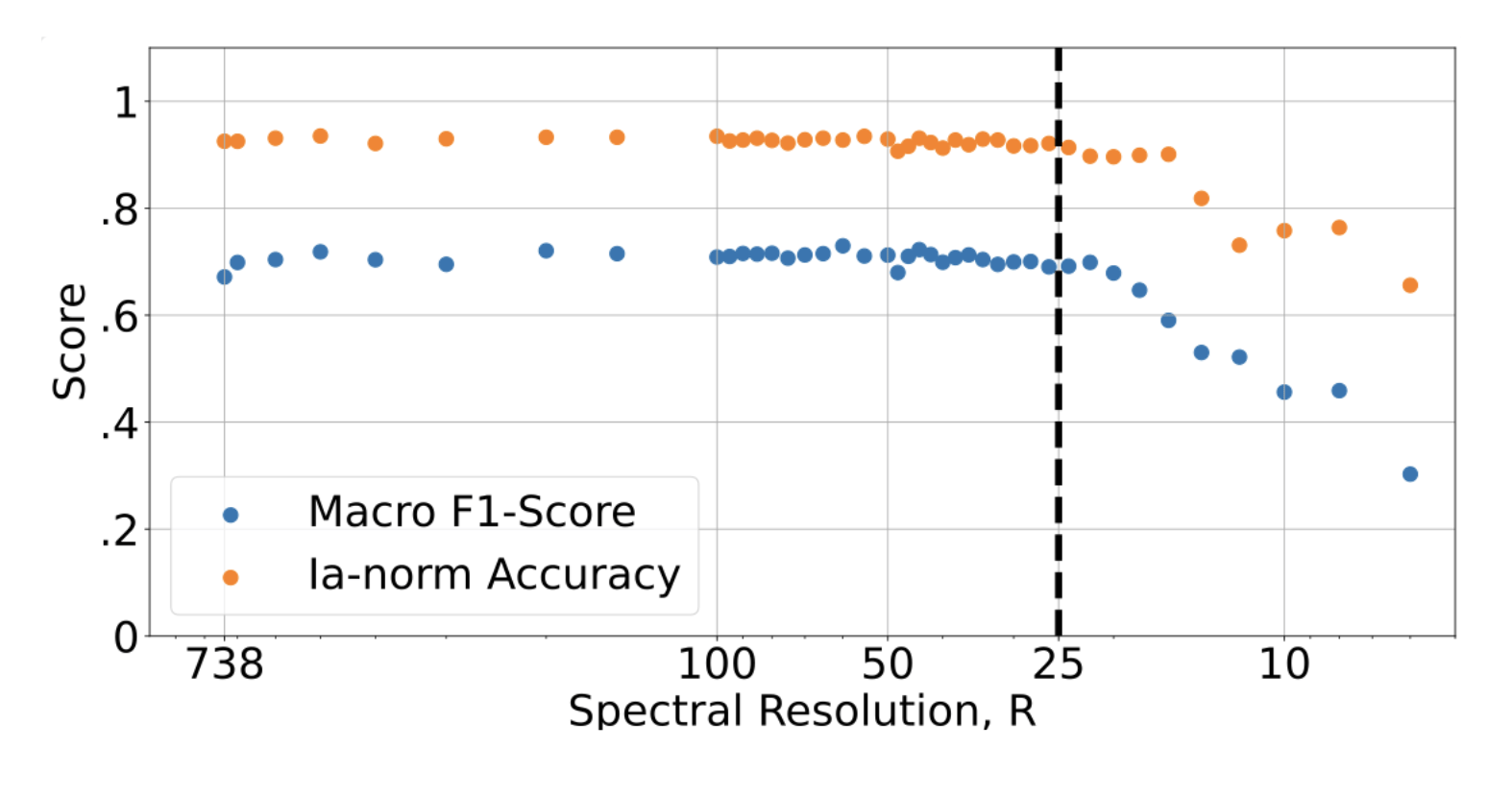
FASTlab Flash highlight
Willow Fox Fortino
UDelaware
When they go high, we go low
Classification power vs spectral resolution for SNe subtypes
Willow Fox Fortino
UDelaware
When they go high, we go low
Classification power vs spectral resolution for SNe subtypes
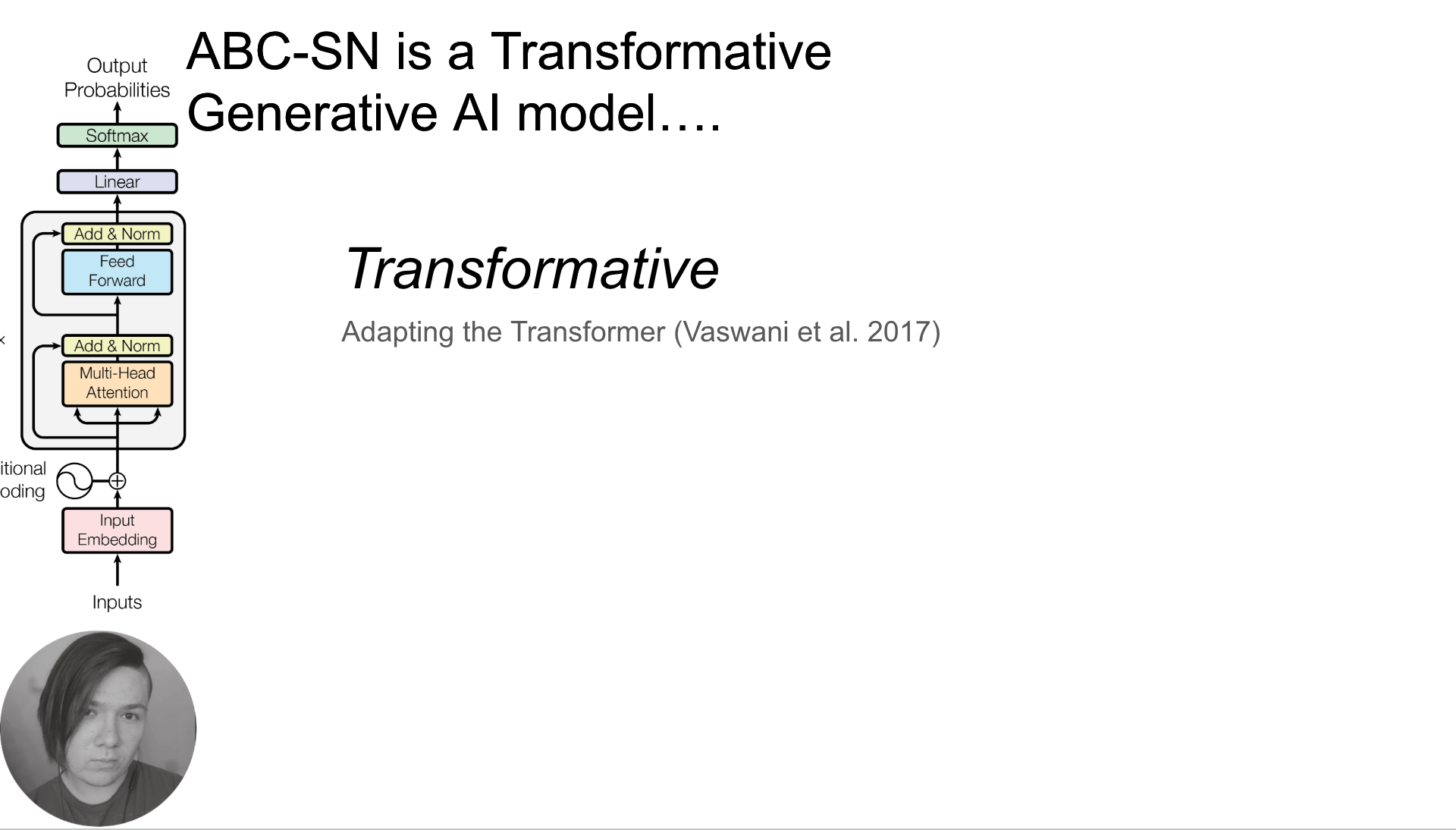
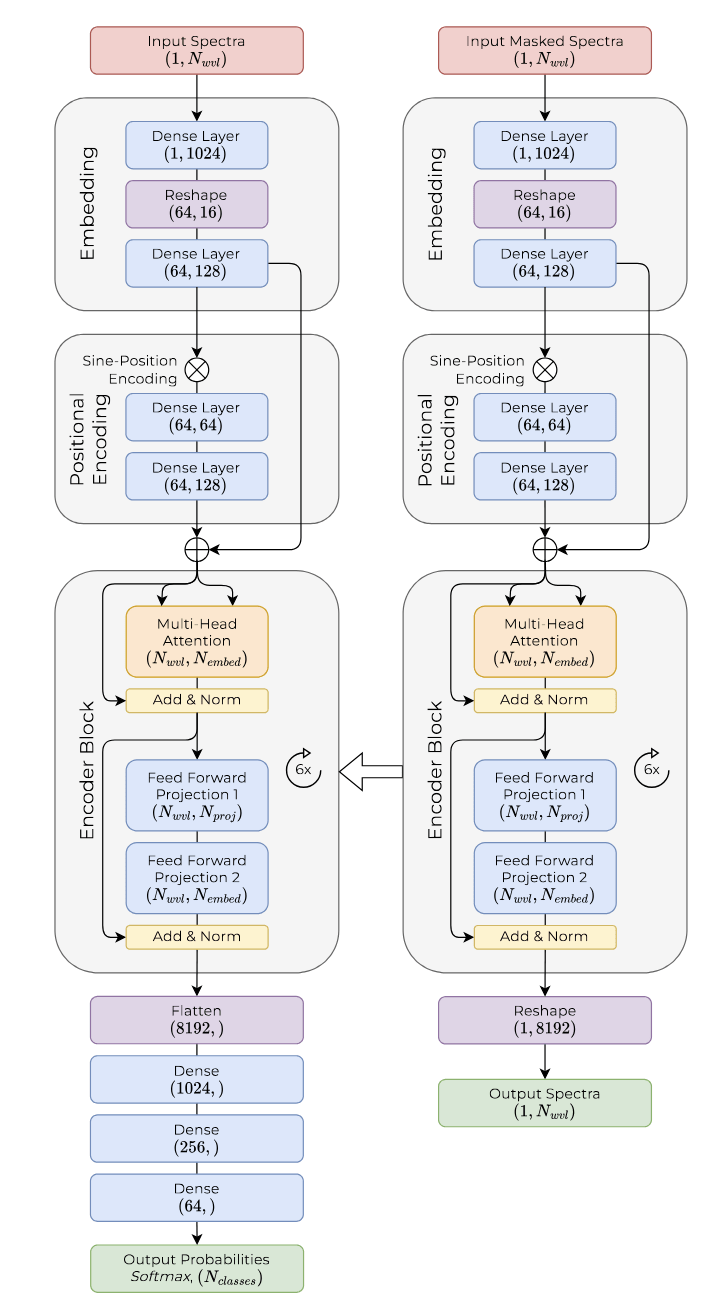
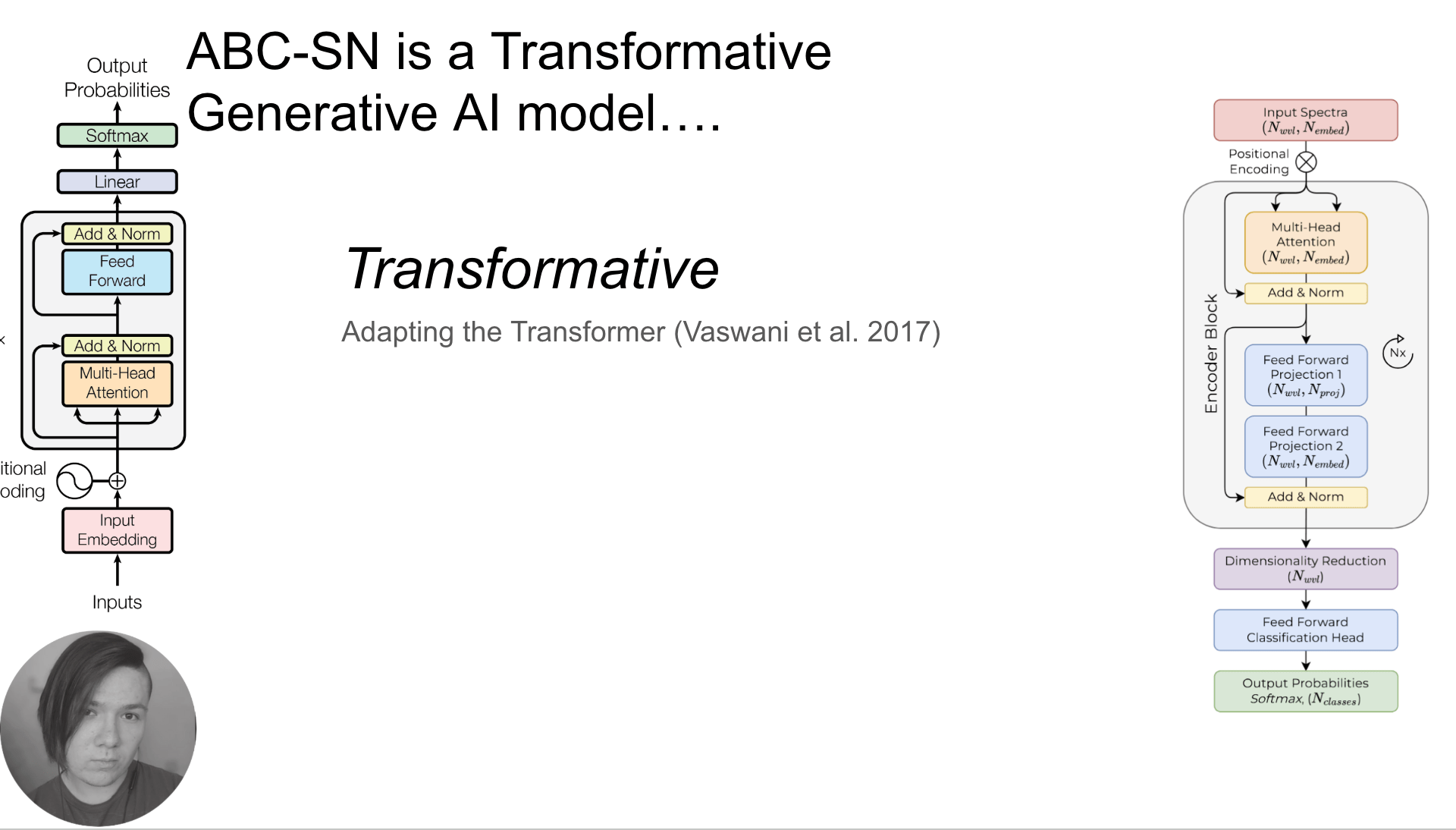
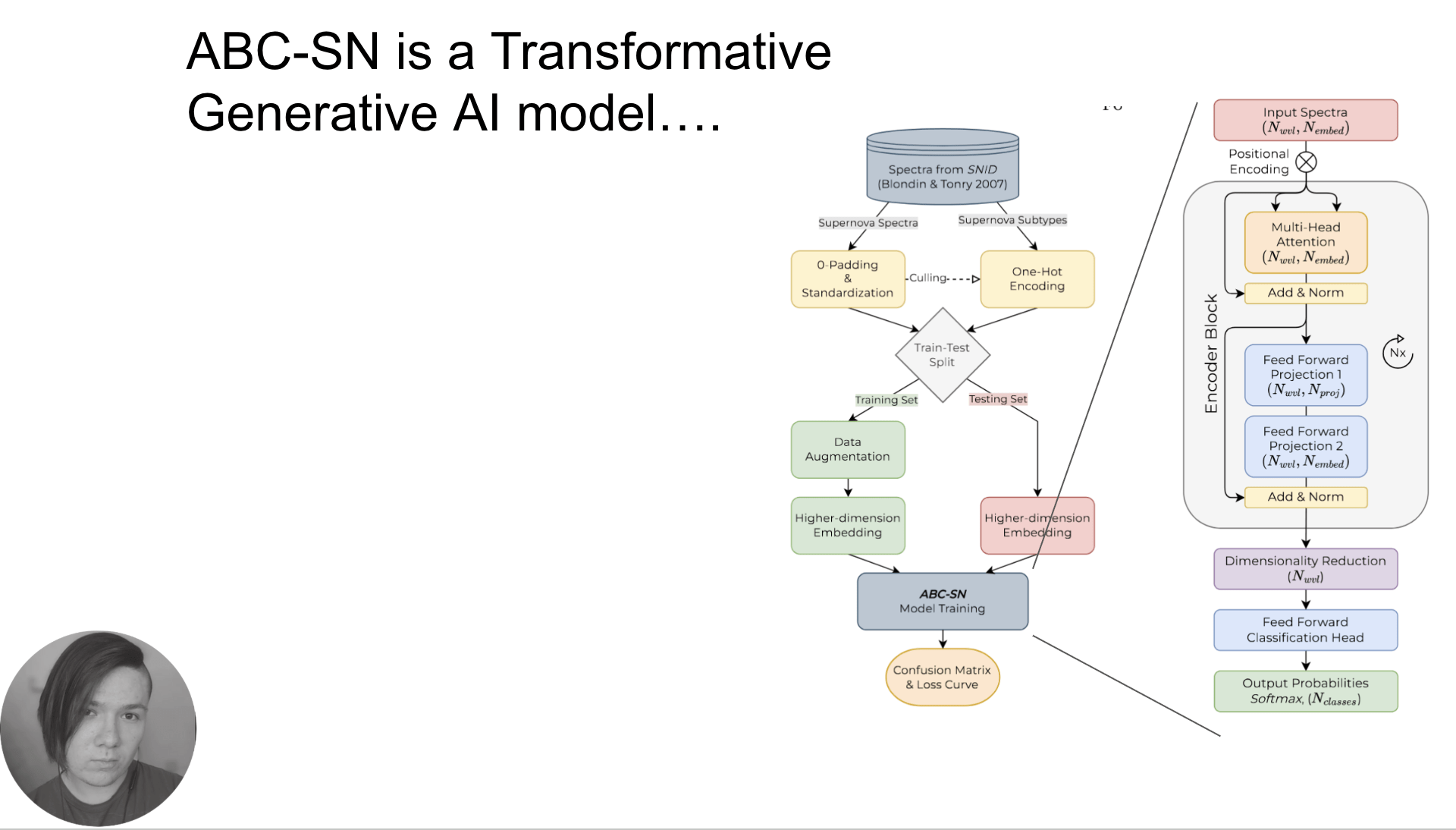
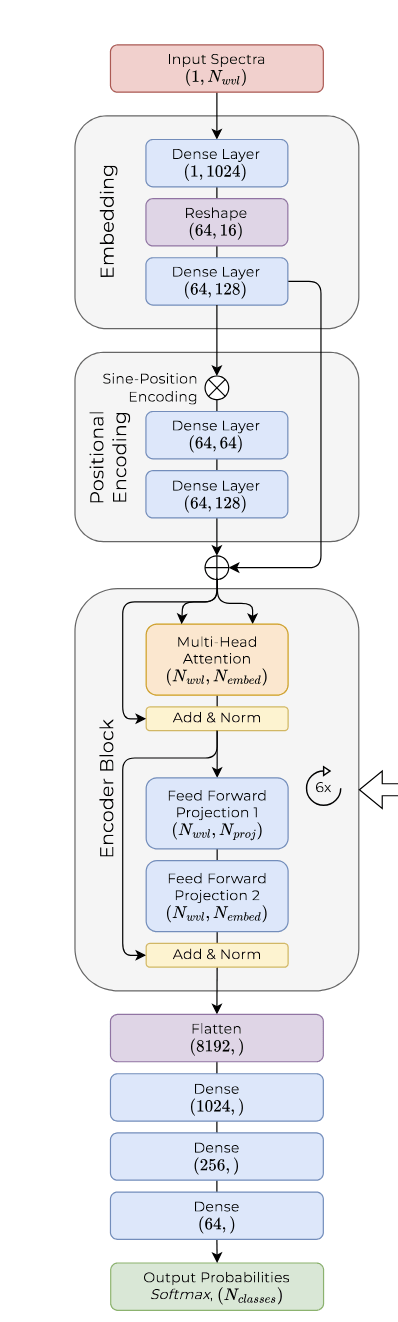
Adapting Transformer architecture (Vaswani et al. 2017)
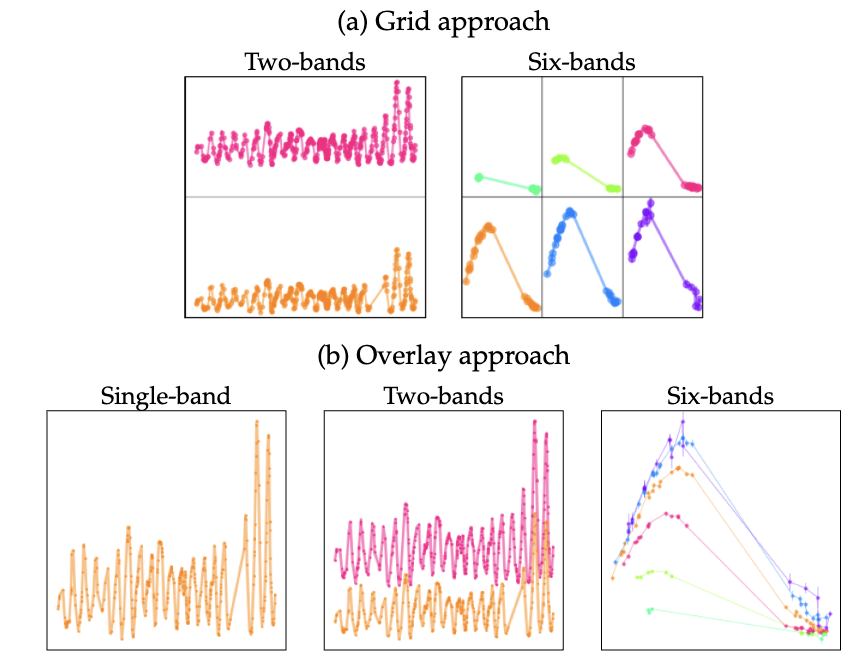
Classification from sparse data: Lightcurves
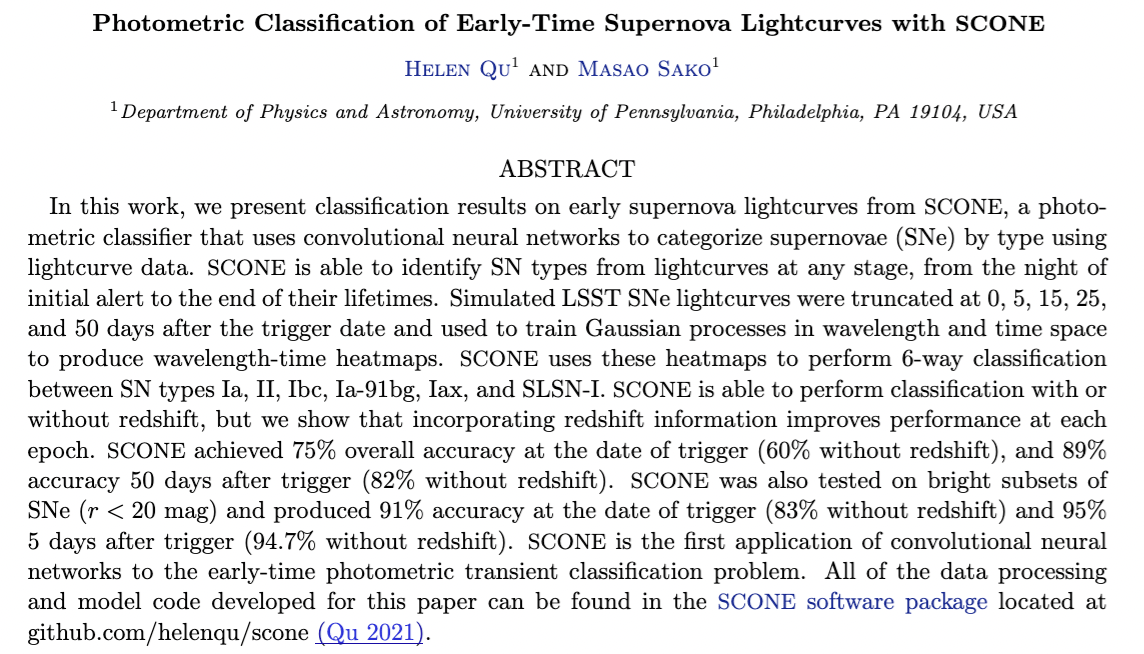
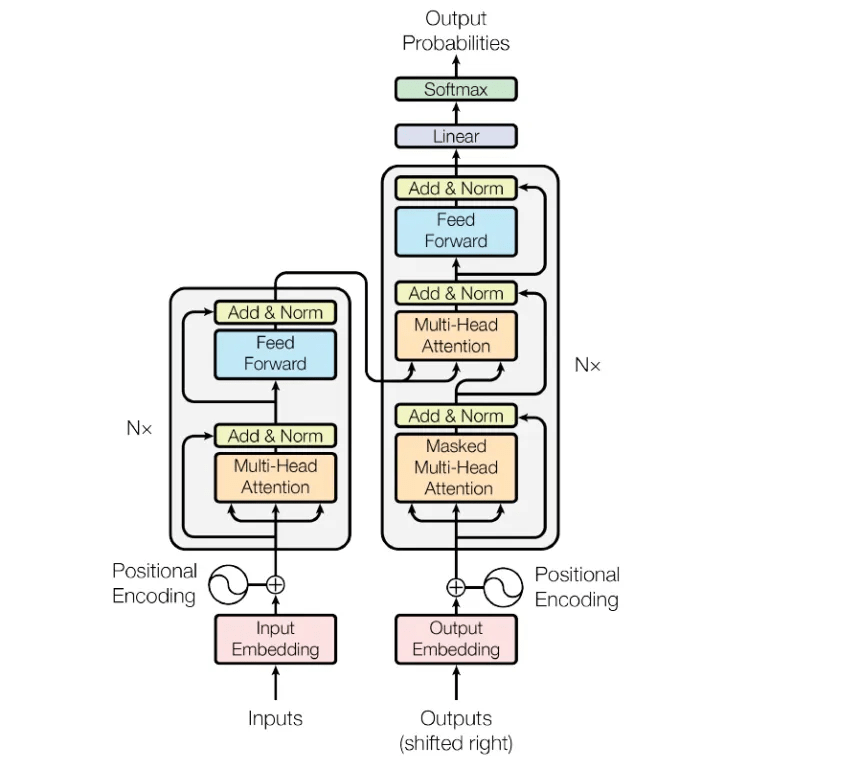
Viswani+ 2017 Attention is all you need
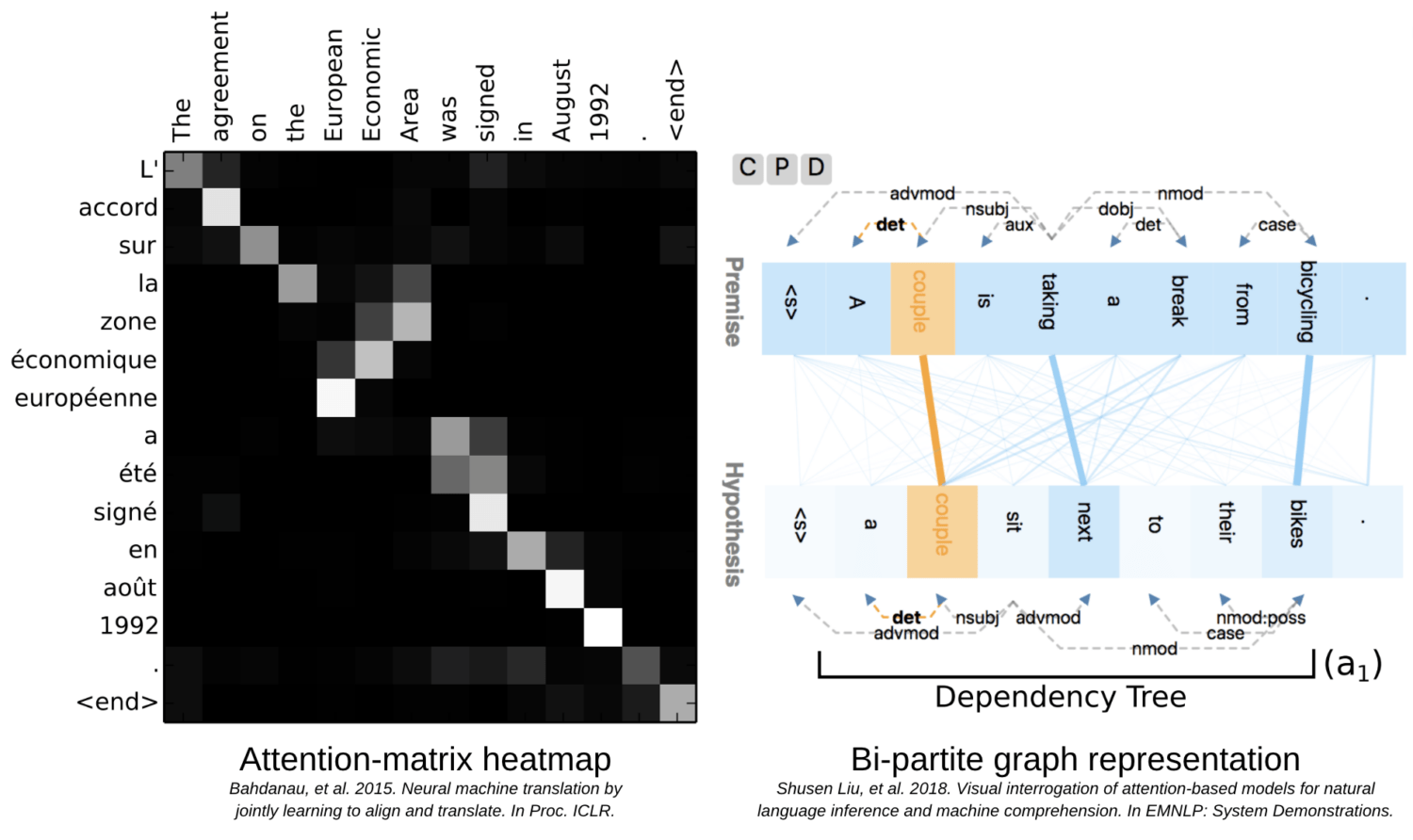
AI was transformed in 2017 by this paper
Willow Fox Fortino
UDelaware
When they go high, we go low
Classification power vs spectral resolution for SNe subtypes
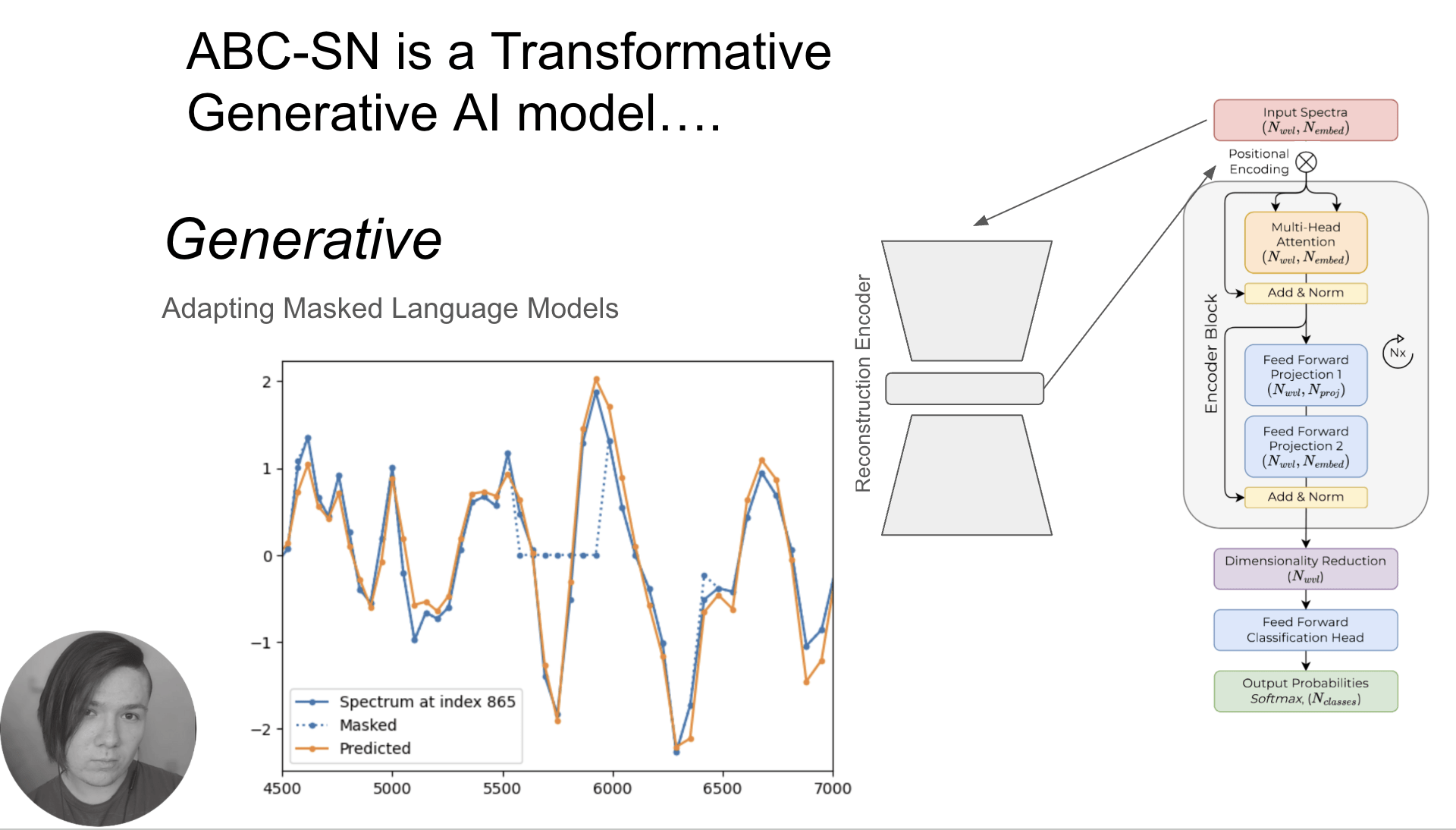
FASTlab Flash highlight
Willow Fox Fortino
UDelaware
When they go high, we go low
Classification power vs spectral resolution for SNe subtypes
FASTlab Flash highlight
Willow Fox Fortino
UDelaware
When they go high, we go low
Classification power vs spectral resolution for SNe subtypes
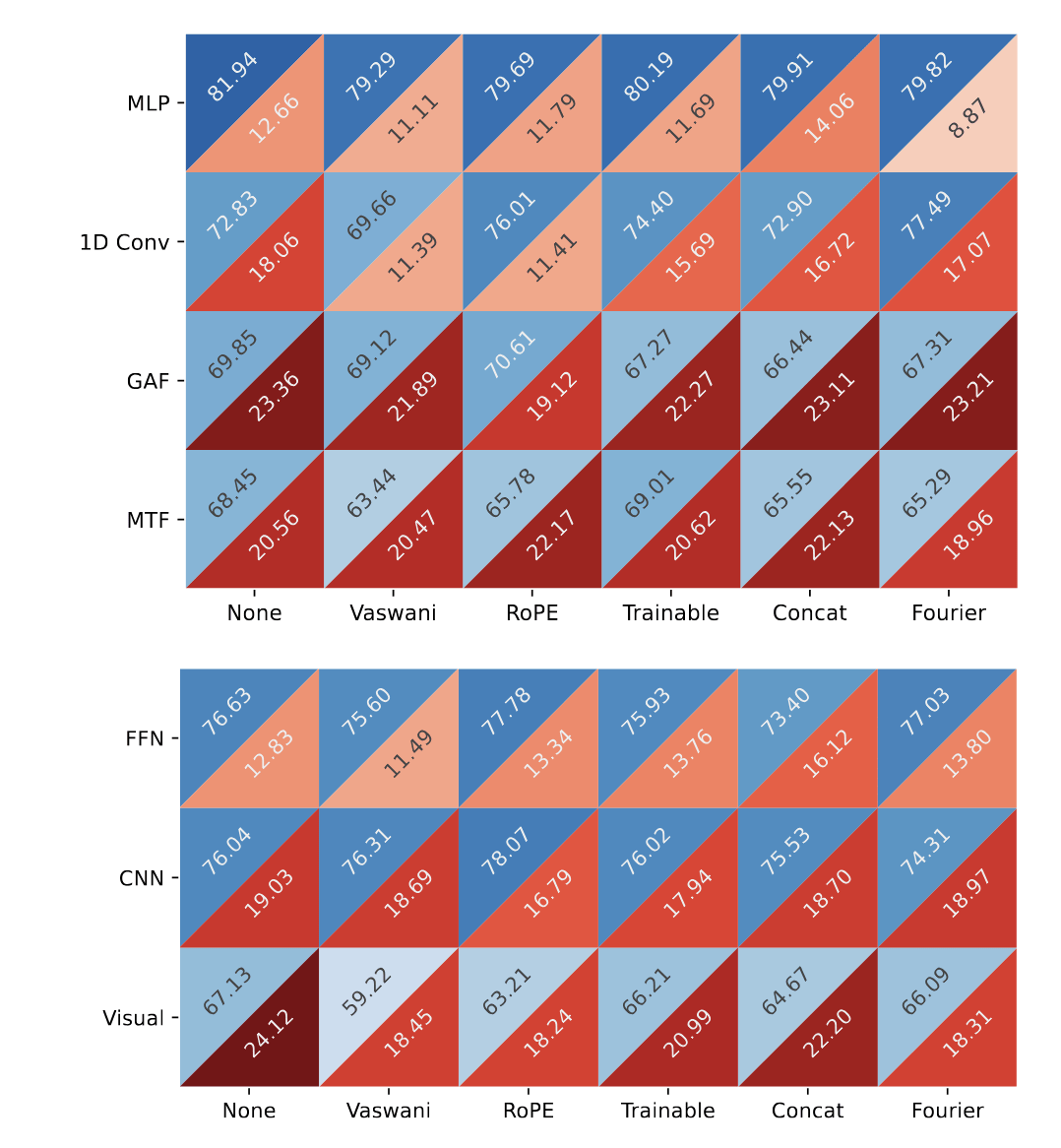
data embedding
classification head
Willow Fox Fortino
UDelaware
Text
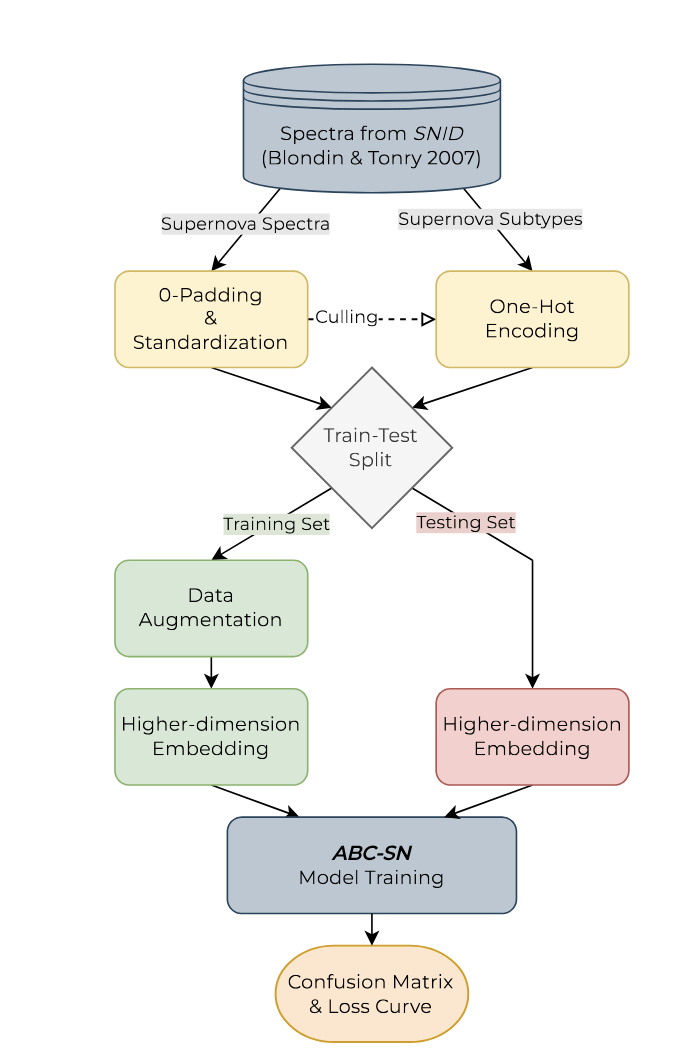
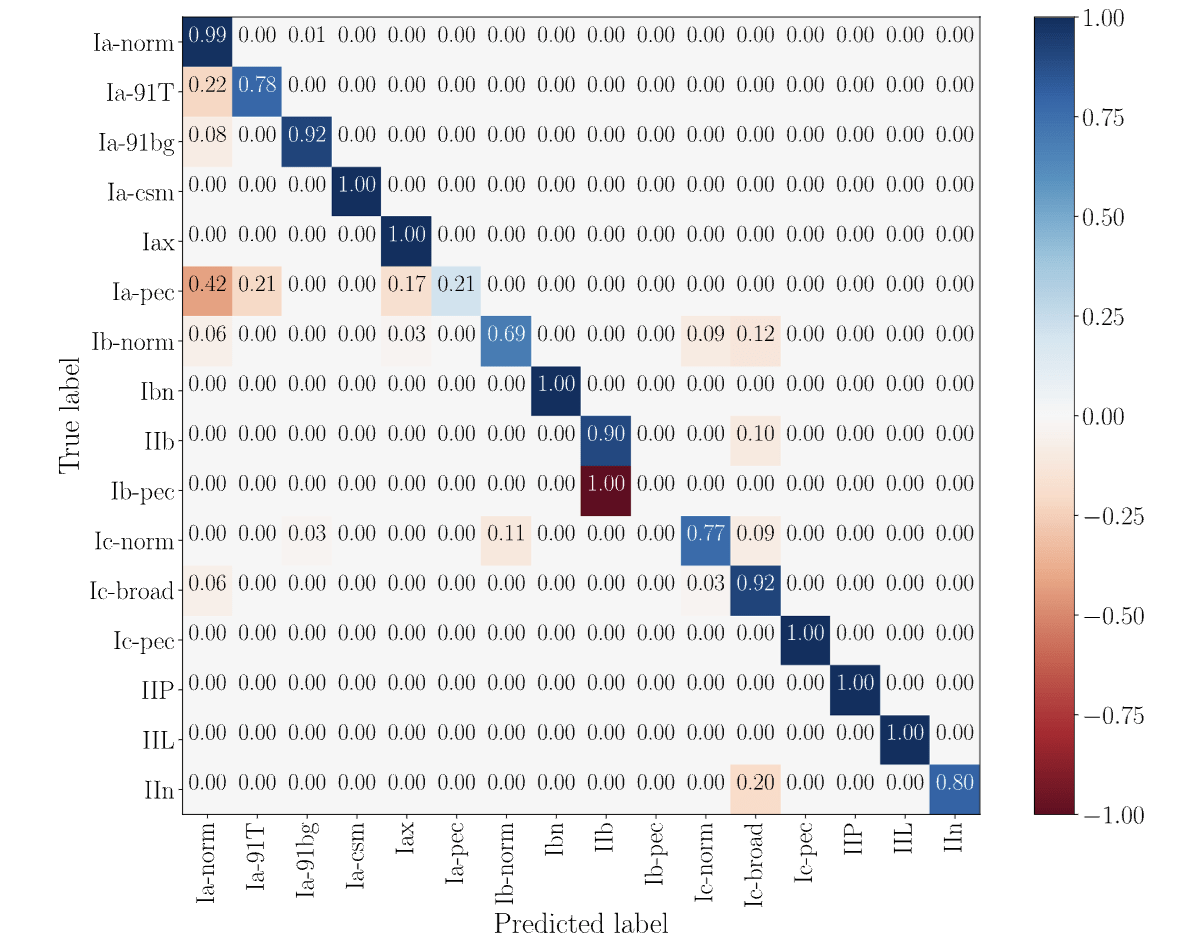
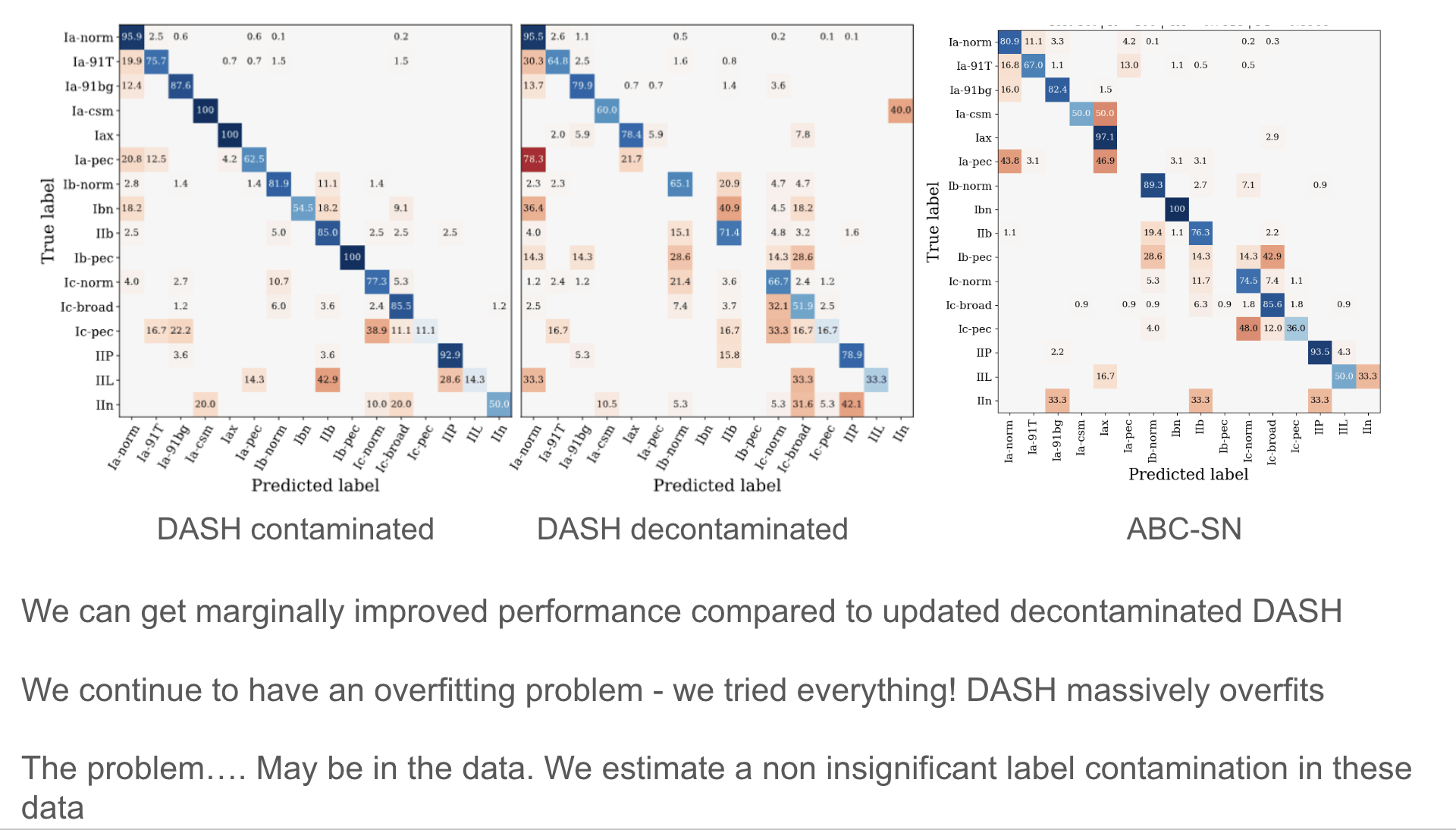
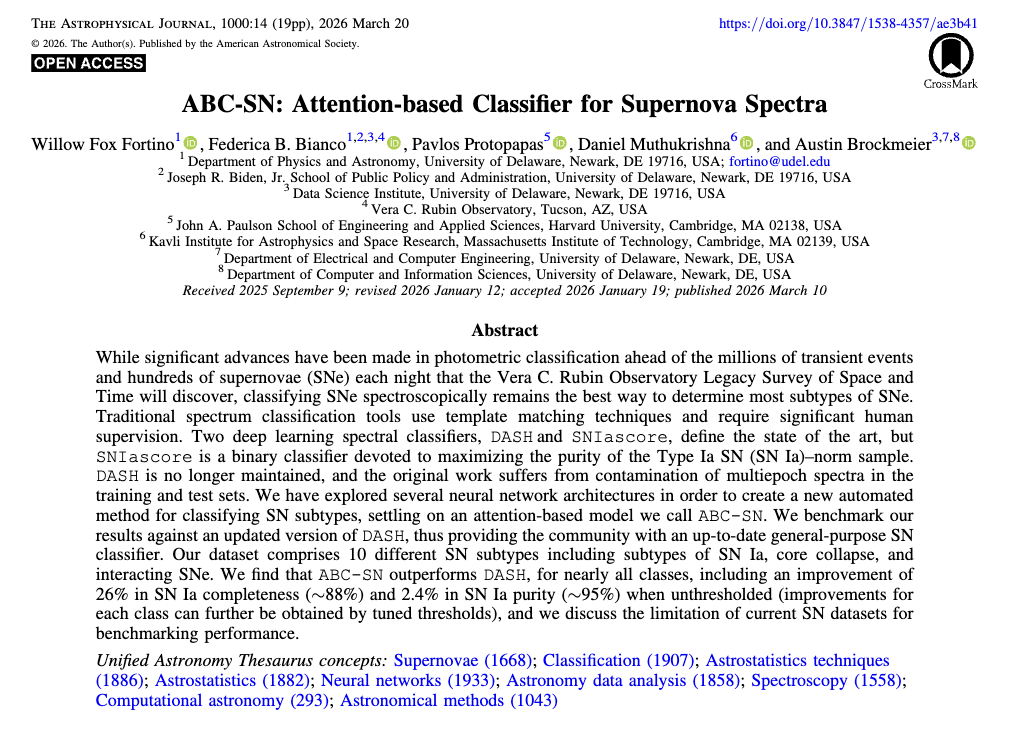
A new AI-based classifier for SN spectra at low resolution
Ally Baldelli
UDelaware
Text
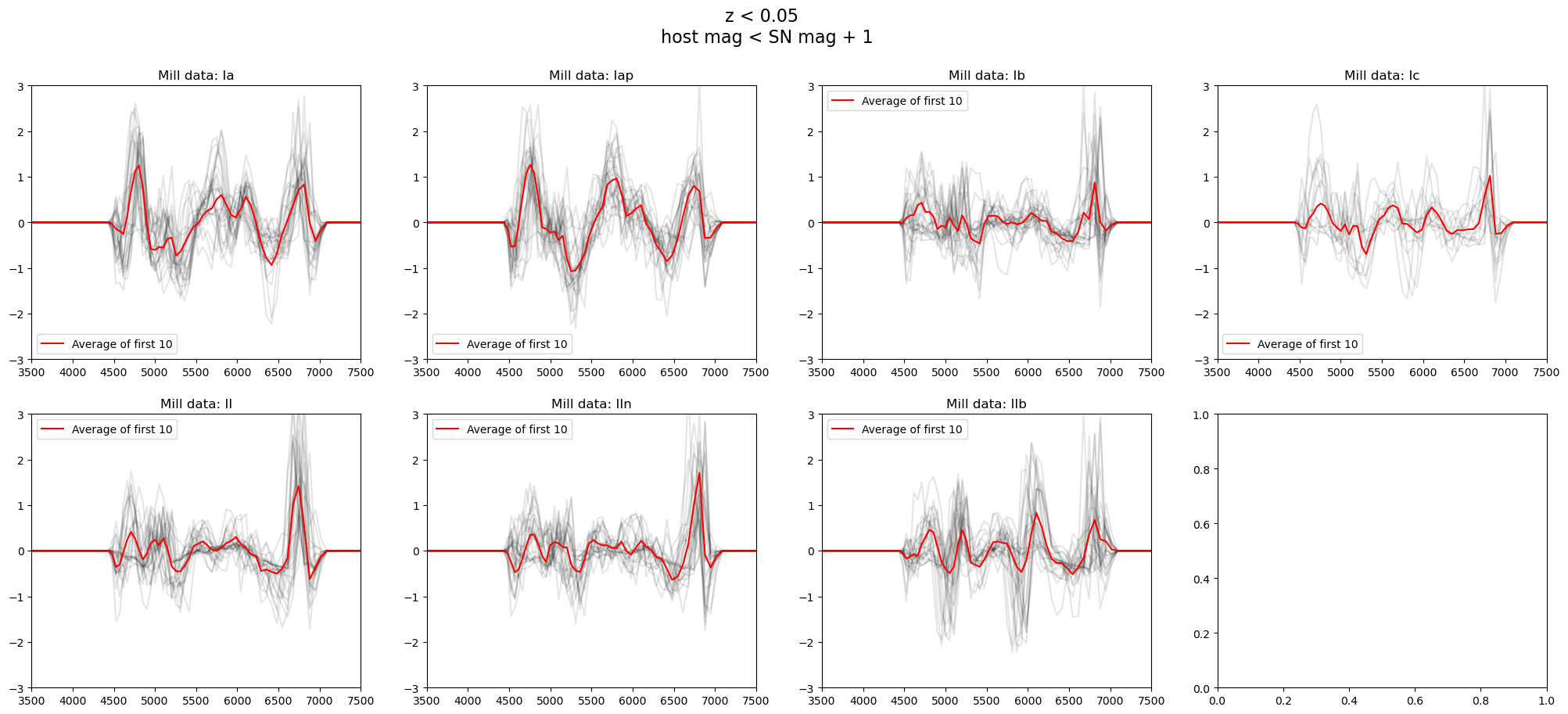
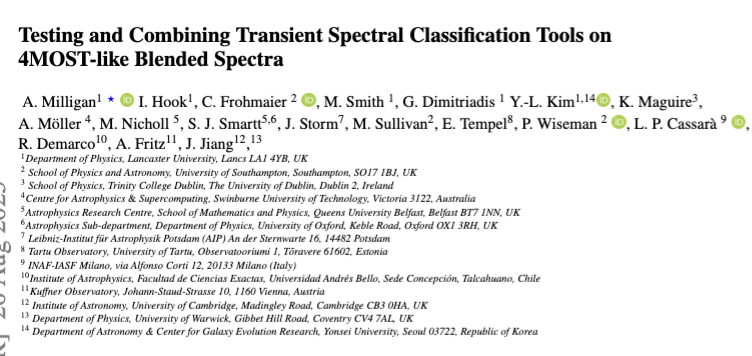
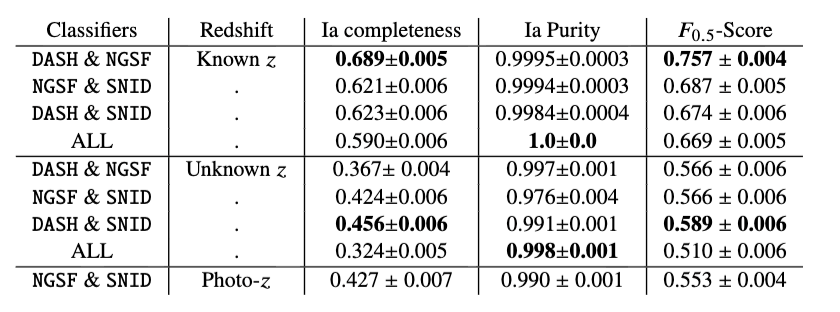
Upgrading ABC-SN
- - building robustness to redshift
- - building robustness to galaxy contamination
- - add non-SN transients
Challange
data encoding
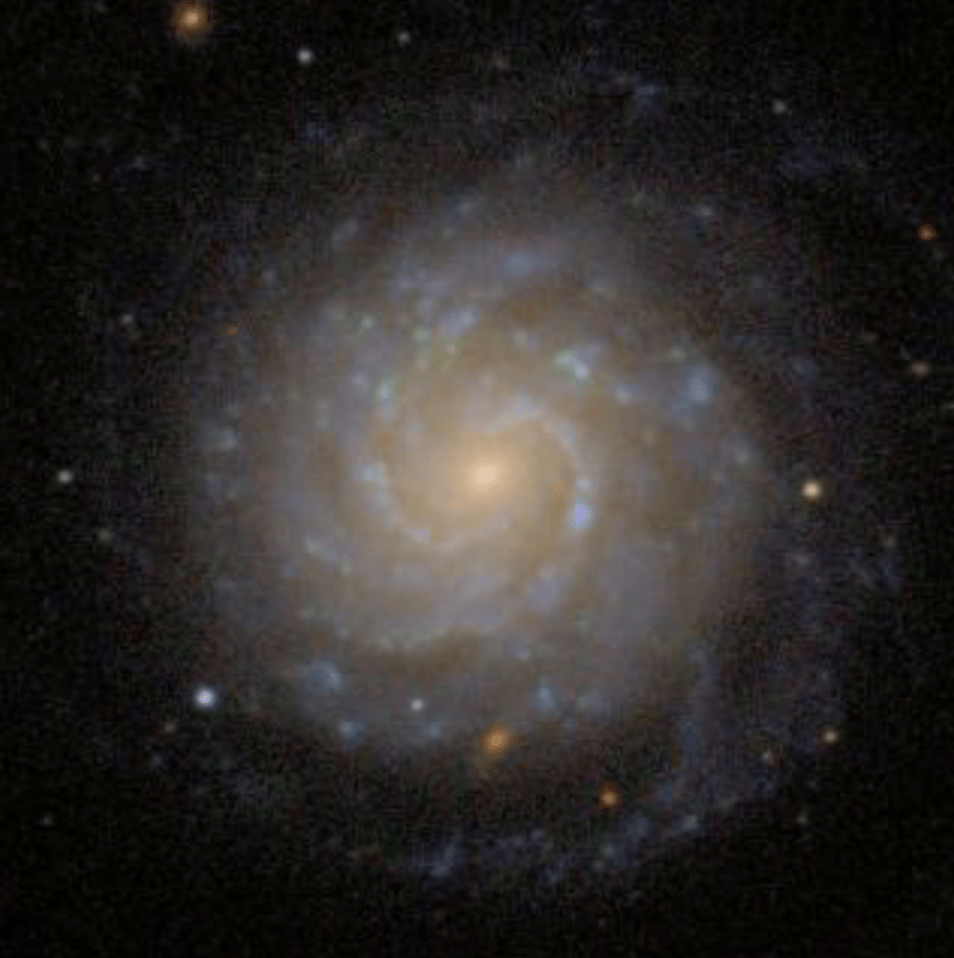
visualizatoin and concept credit: Alex Razim
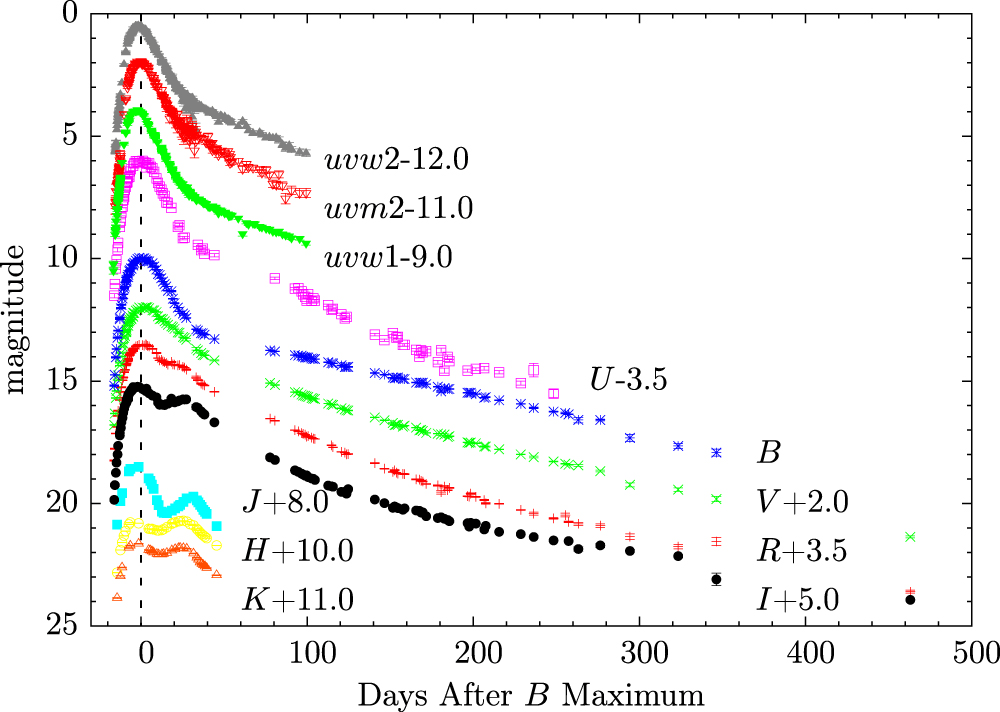
Kaicheng Zhang et al 2016 ApJ 820 67
SN 2011fe
deSoto+2024
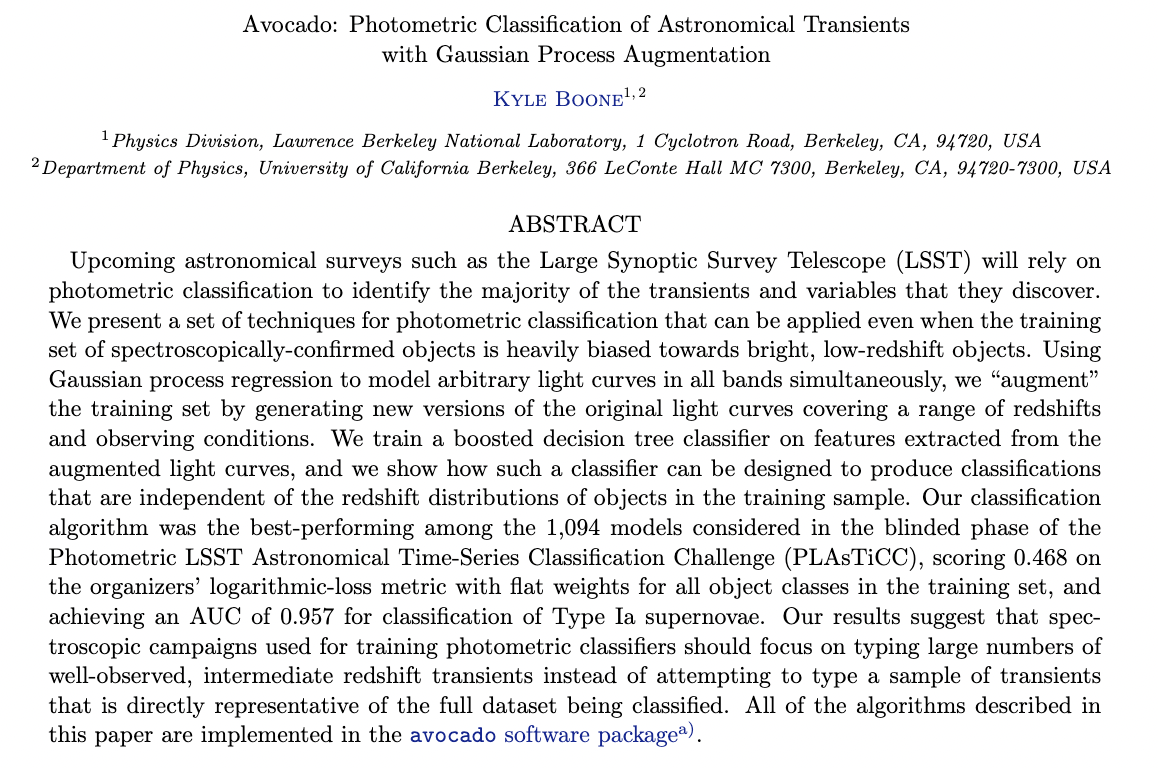
Boone 2017
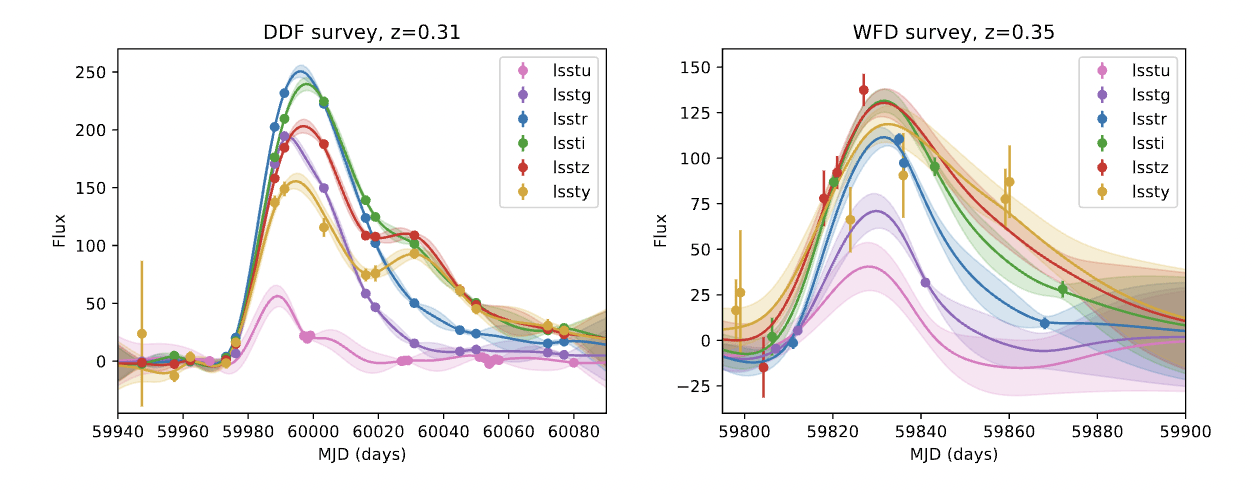
7% of LSST data
Boone 2017
7% of LSST data
The rest
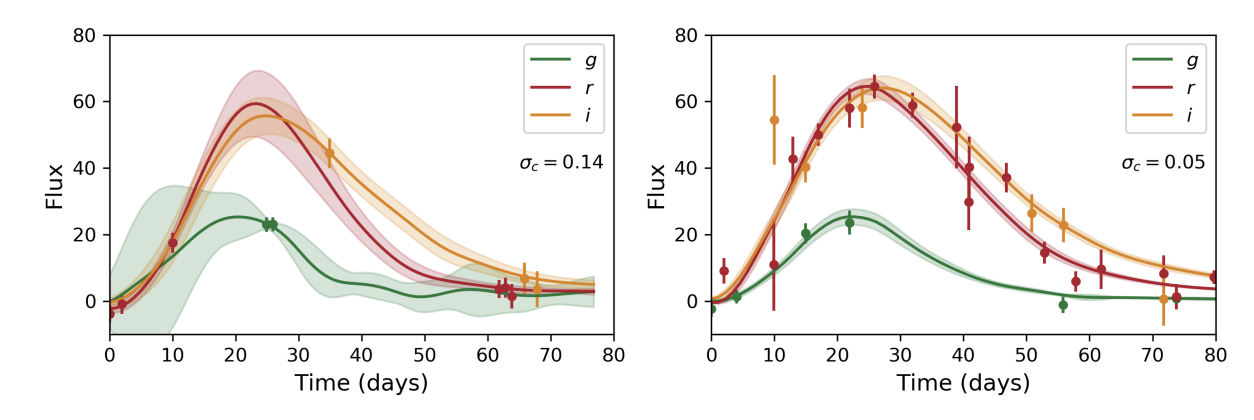
Lochner et al 2018
Lochner et al 2018
Text

Dr. Somayeh HKhakpash
LSST Catalyst Fellow
Lehigh University Visiting Prof.
Text

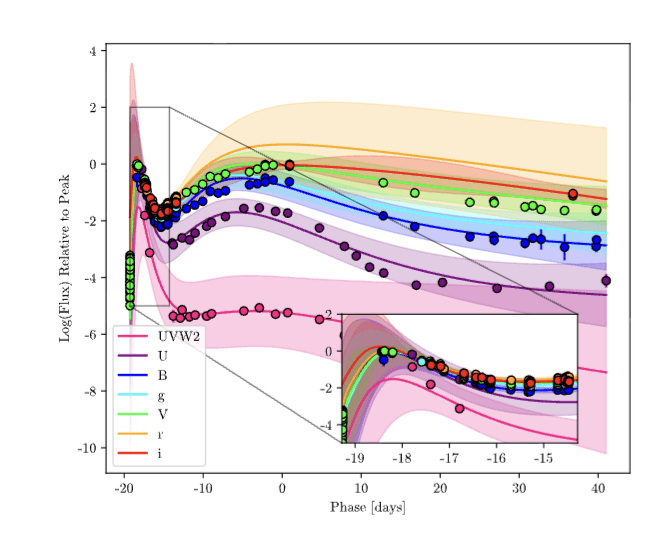
we introduce
Gaussian process Optimized Photometric Regression of Extragalactic Archival Ultraviolet-infrared eXplosions, a.k.a GOPREAUX—
a Python package for Gaussian Process Regression of multi-wavelength transient photometry. [...]
This allows for predictions of light curves [...] at higher redshifts, where the rest-frame UV emission is redshifted into the observer-frame optical or infrared.
Gaussian processes work by imposing a kernel that represents the covariance in the data (how data depend on time or time/wavelength). Imposing the same kernel for different time-domain phenomena is principally incorrect
=> bias toward known classes
Methodological issues with these approaches
Neural processes replace the imposed kernel with a learned one
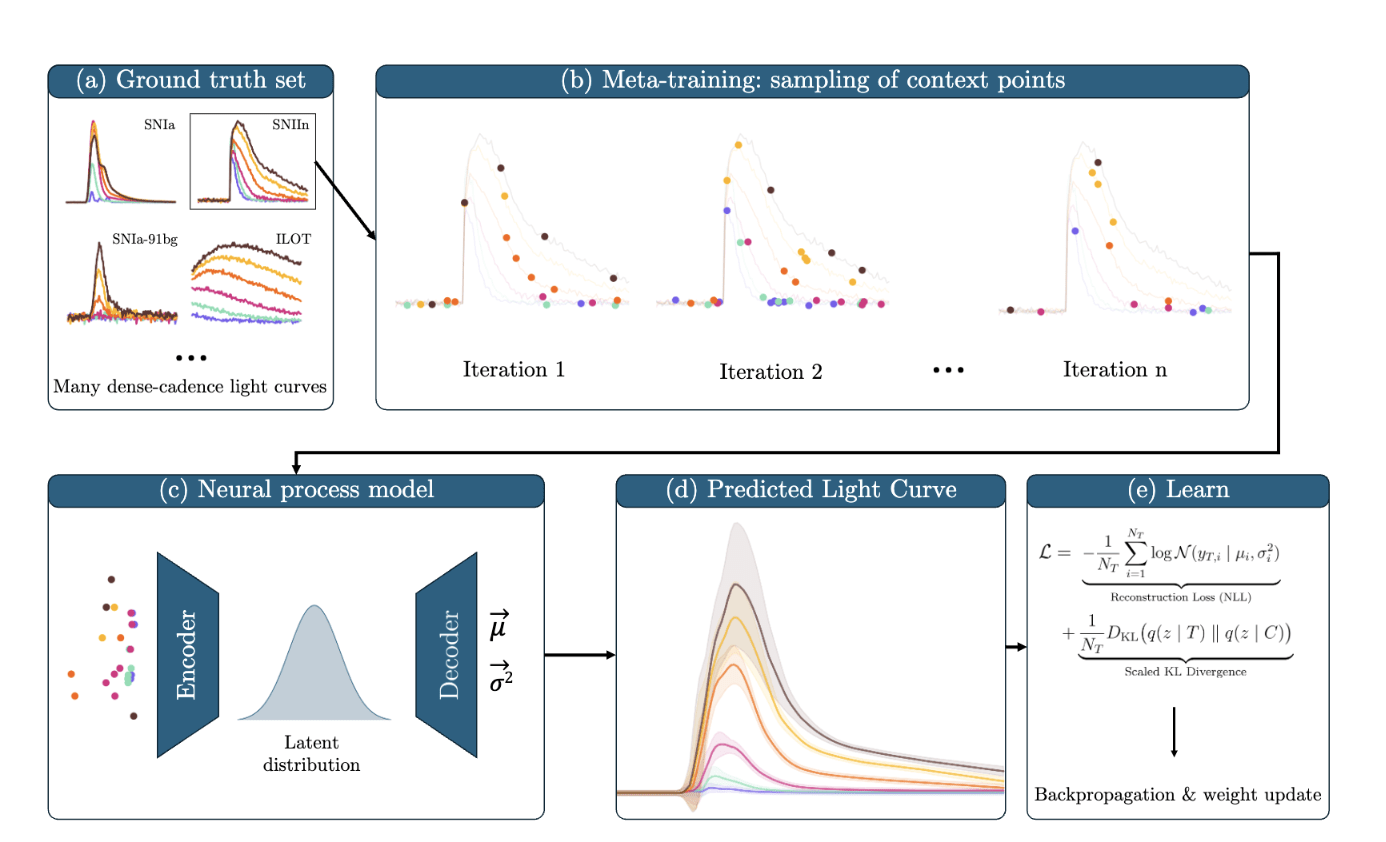

Siddharth Chaini
NASA FINESST Fellow
Siddharth Chaini
NASA FINESST Fellow
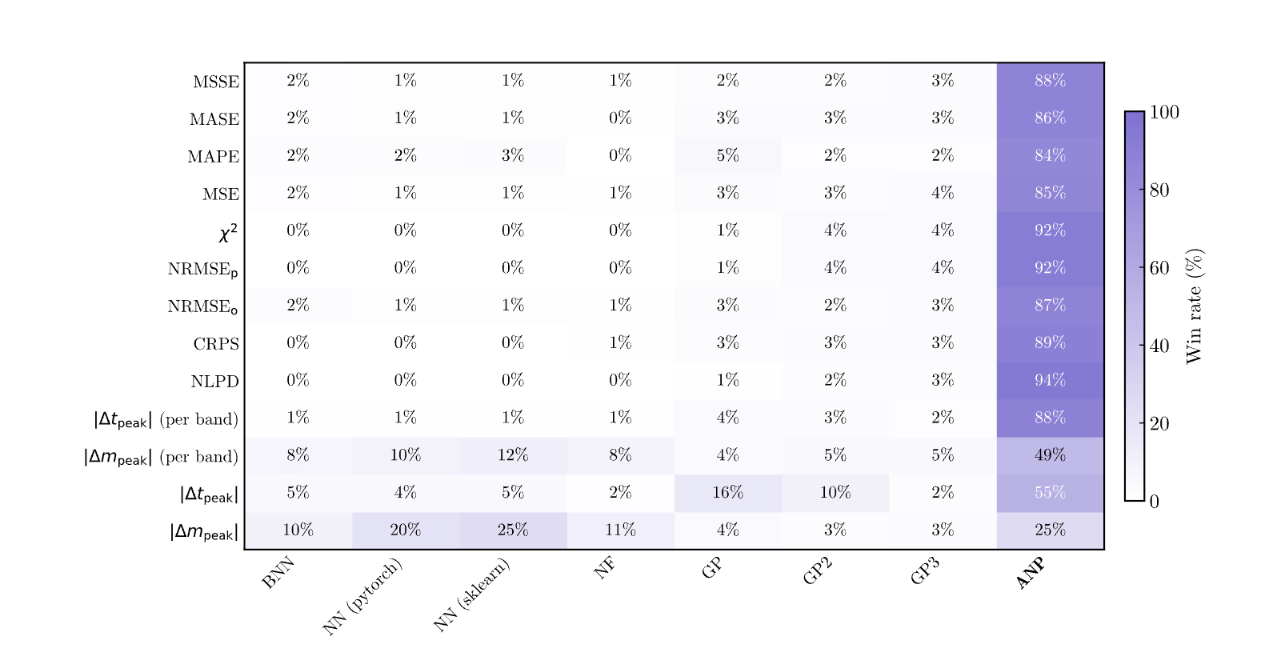
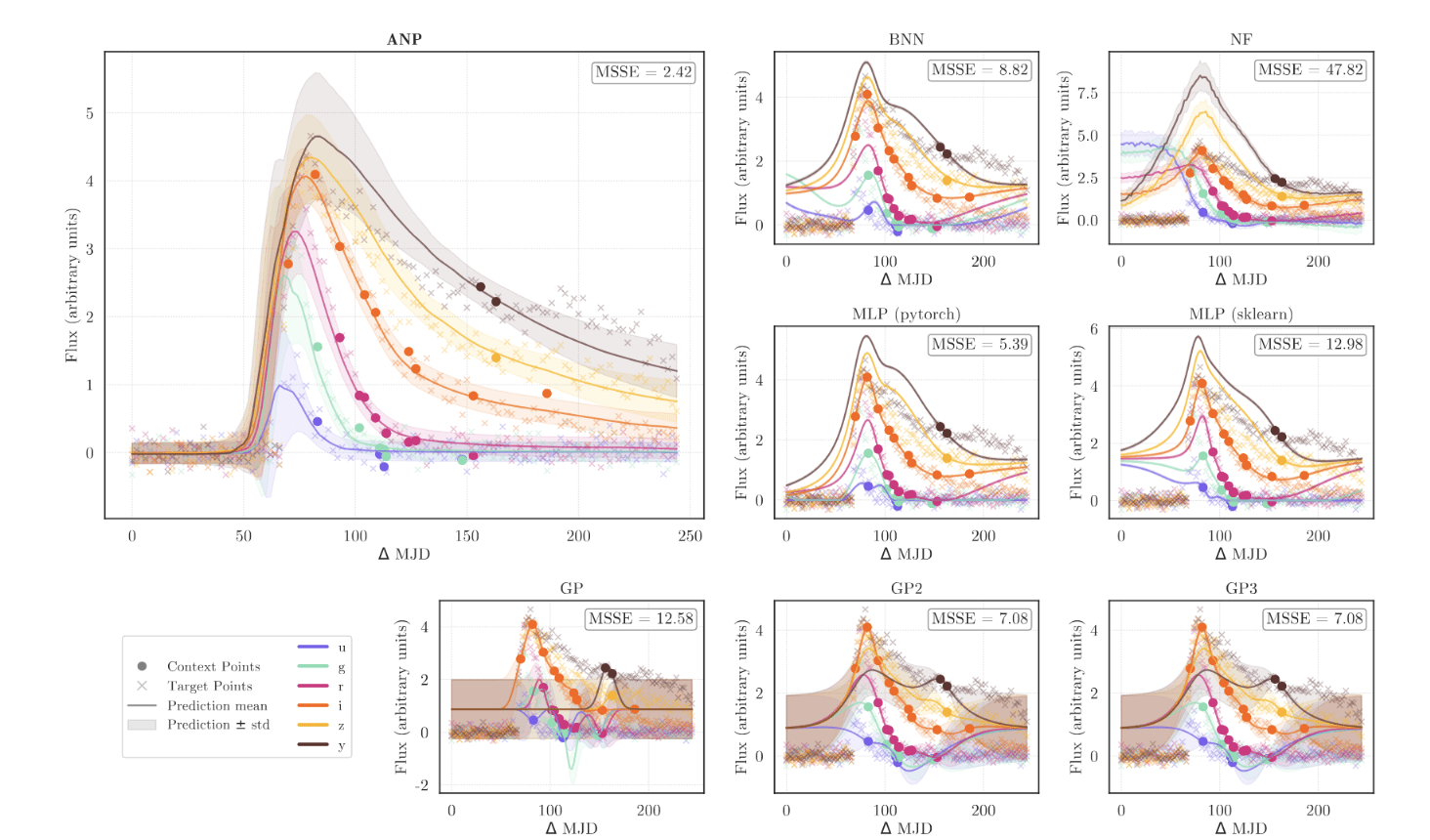
Siddharth Chaini
NASA FINESST Fellow
anomaly detection
Challenge
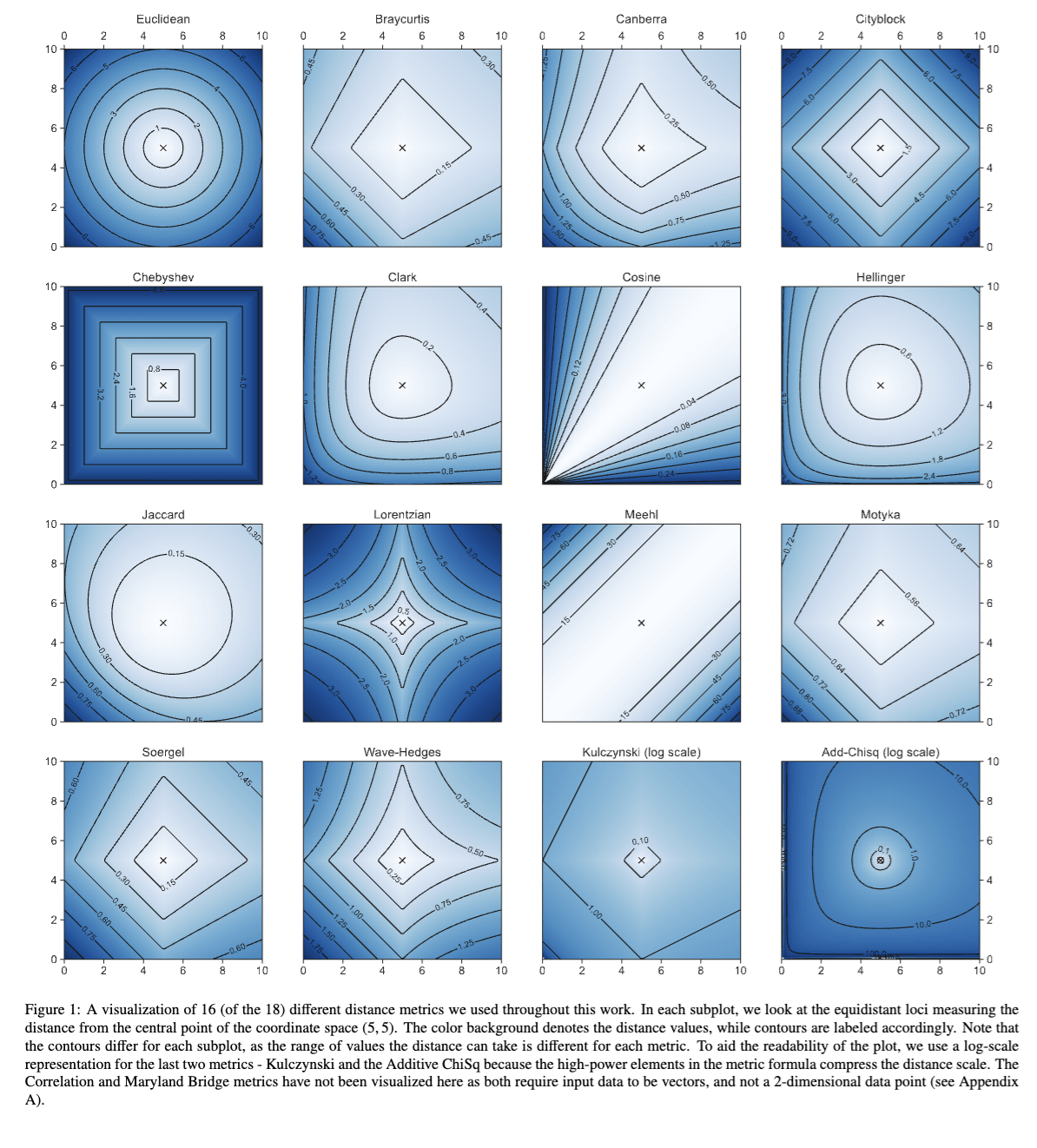
Most classifiers for variable stars use Random Forest (not distance based)
In distance based classification, optimal distances can be found for the class of interest: flexible, customizable, efficient

https://arxiv.org/pdf/2403.12120.pdf
Astronomy and computing
Check out the poster

Siddharth Chaini
NASA FINESST Fellow
Siddarth Chiaini, UDelaware
FASTlab Flash highlight
Siddarth Chiaini, UDelaware
FASTlab Flash highlight
Siddarth Chiaini, UDelaware
FASTlab Flash highlight
Siddarth Chiaini, UDelaware
FASTlab Flash highlight
Siddarth Chiaini, UDelaware
FASTlab Flash highlight
Text
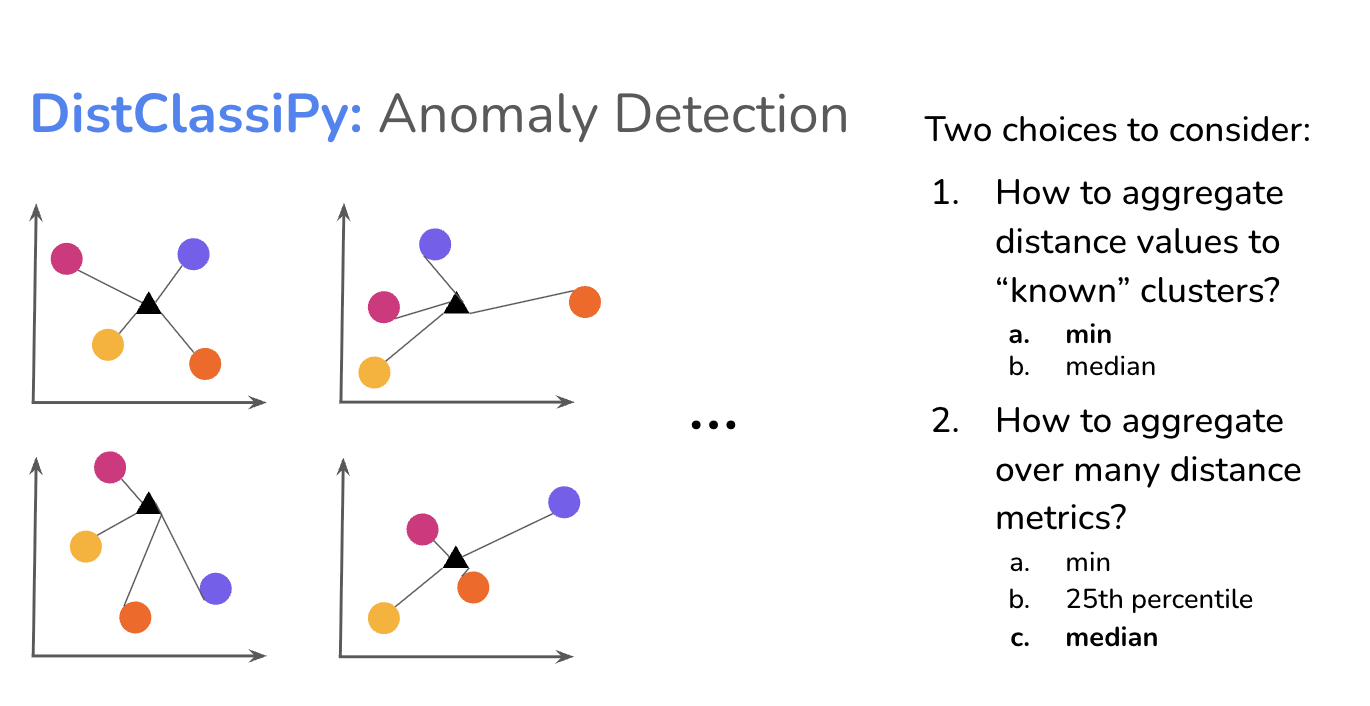
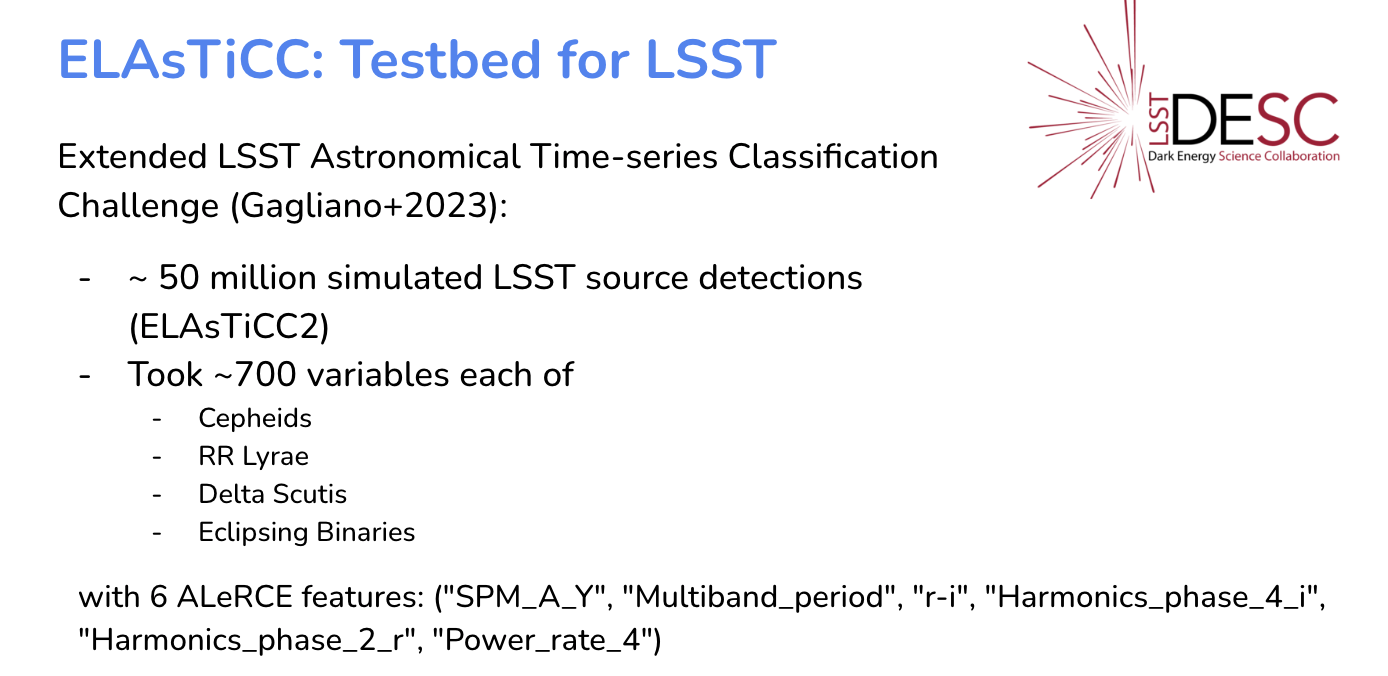
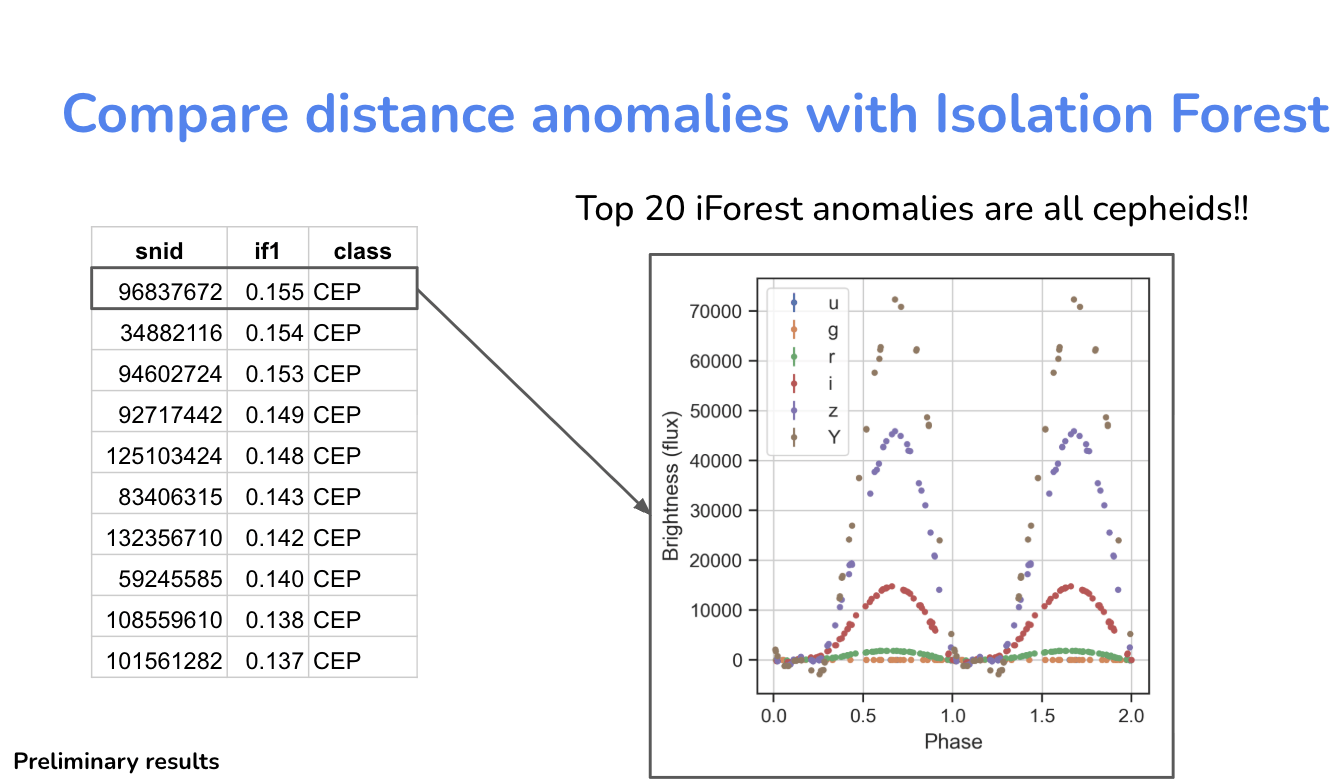
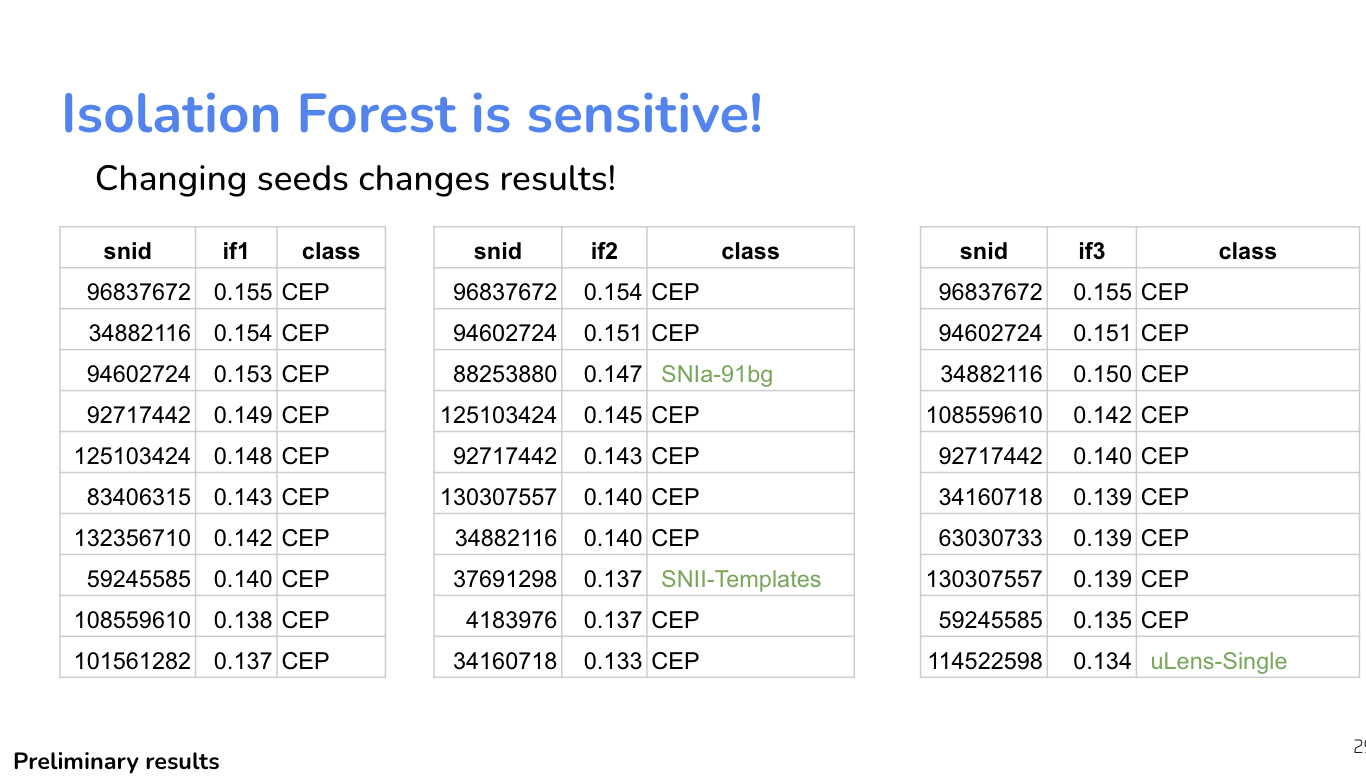
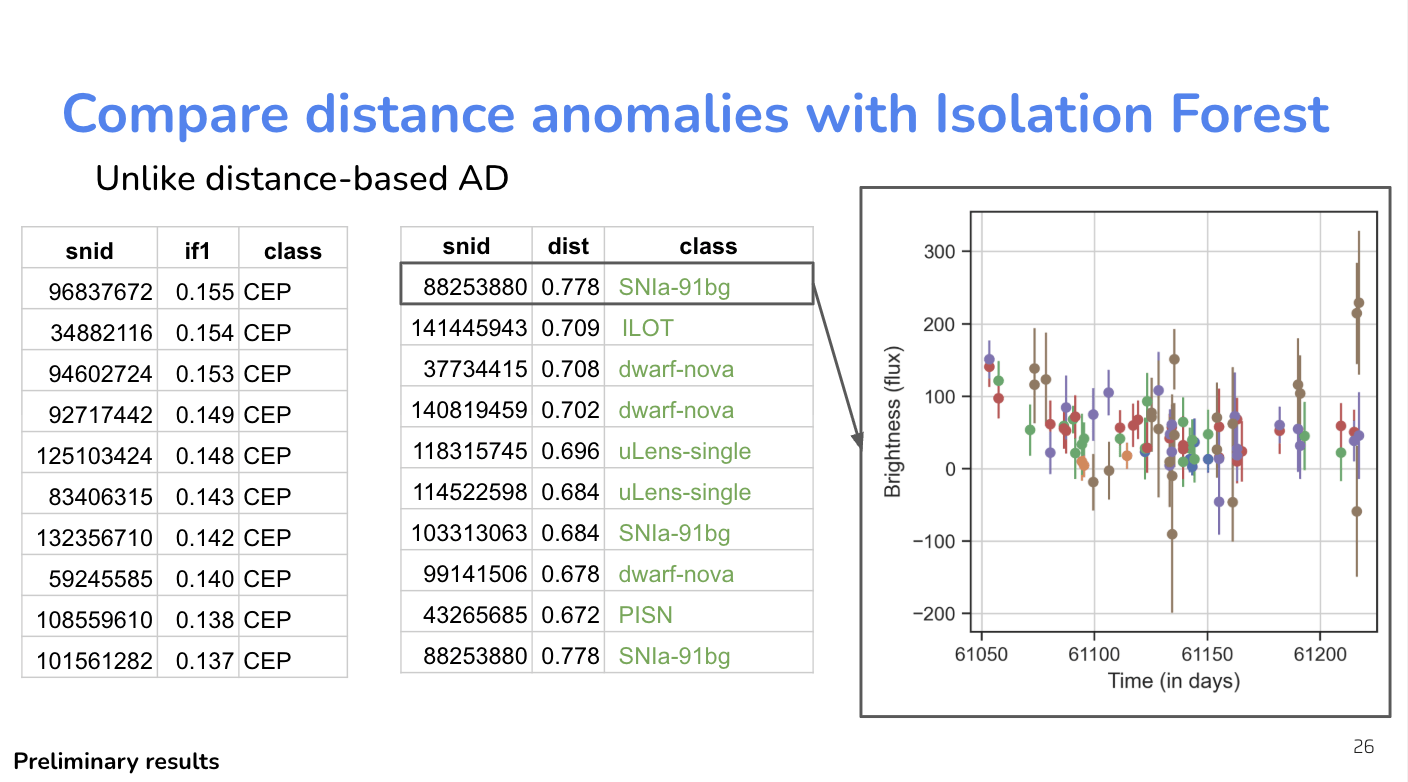
This distance based methods can find true out of set anomalies, not just unusal presentatios of the usual physicis!
And its "explainable"!
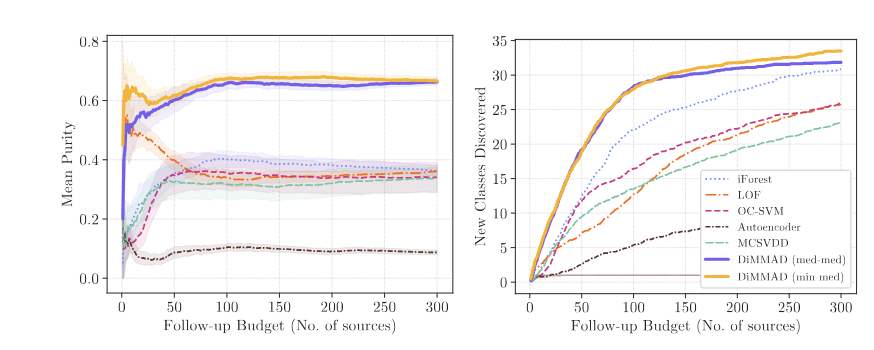
This ensamble distance method excells at identifying out of sample anomalies!

NSF award
2219731
NASA FINESST Fellow
Siddharth Chaini
Check out the poster
Challenge
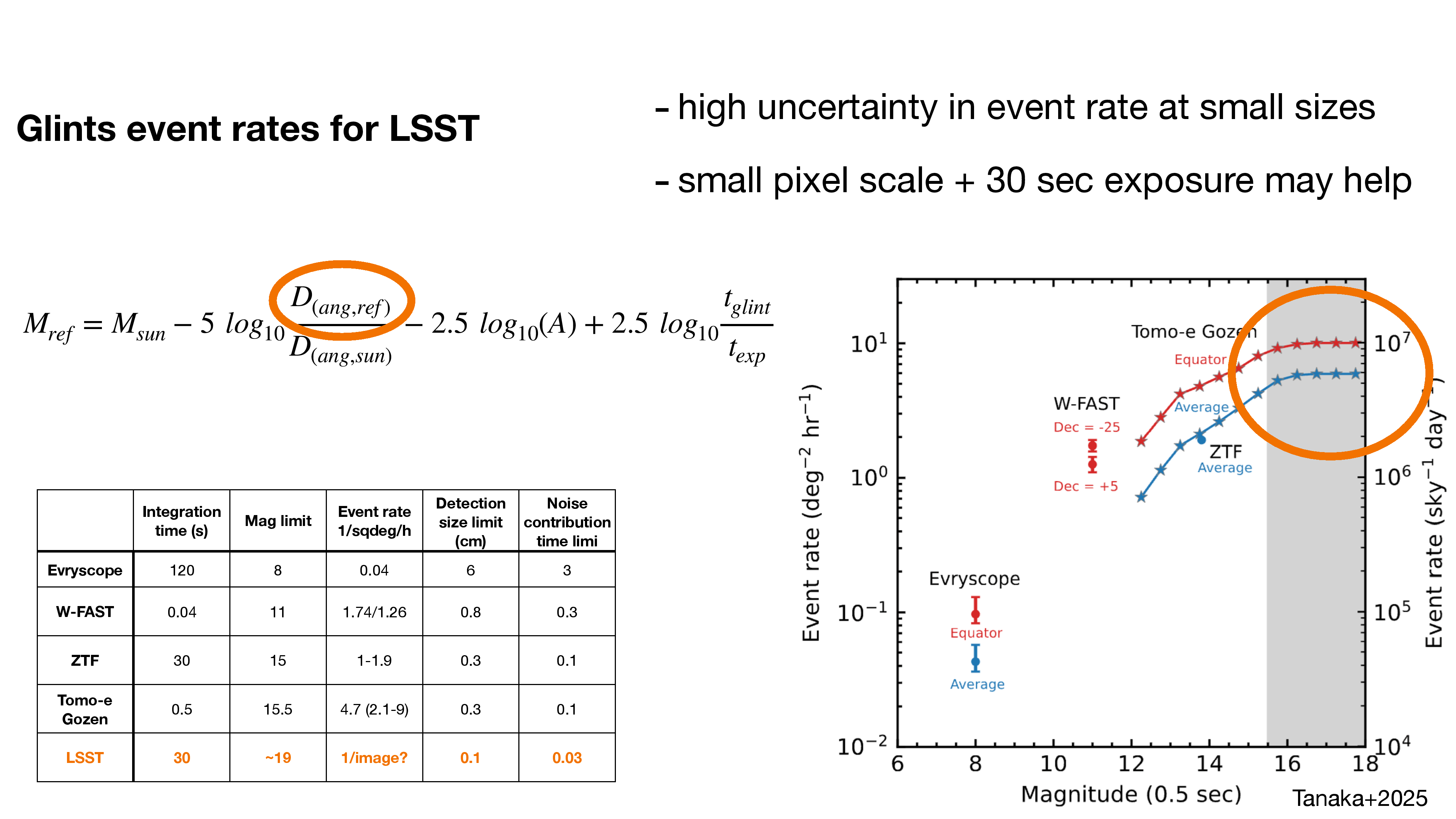
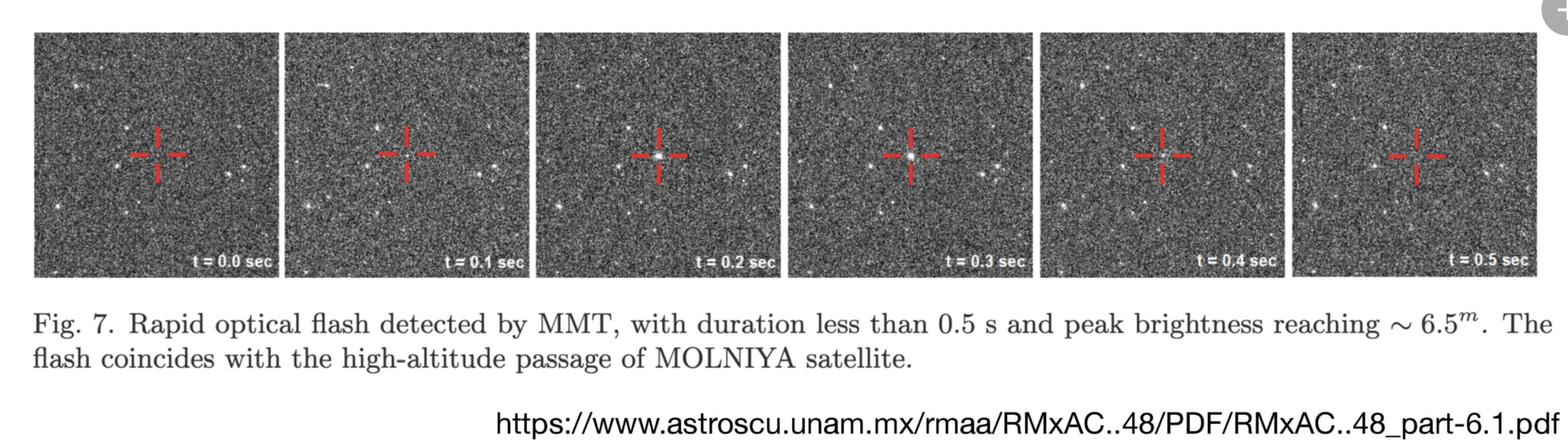
LEO satellites
The LSST
Science Collaborations
A community of practice funded on principles of Equity, Inclusivity, Cooperation

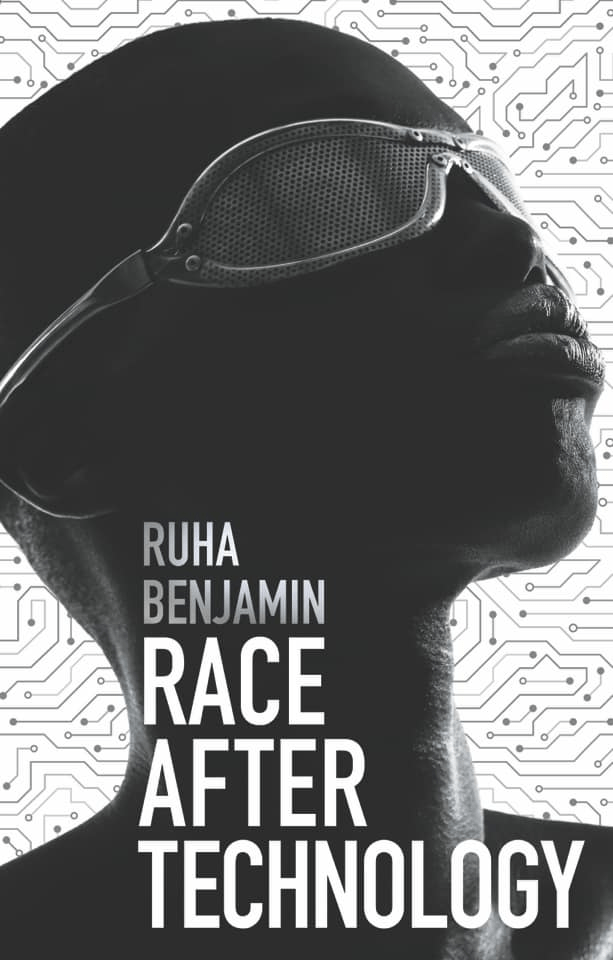
is a word I am borrowing from Margaret Atwood to describe the fact that the future is us.
However loathsome or loving we are, so will we be.
Whereas utopias are the stuff of dream dystopias are the stuff of nightmares, ustopias are what we create together when we are wide awake
US-TOPIA
thank you!
University of Delaware
Department of Physics and Astronomy
Biden School of Public Policy and Administration
Data Science Institute
federica bianco
fbianco@udel.edu
credit: AMNH Dark Universe
AI
ISN'T FREE
ethics of AI
Challange + Opportunity
Knowledge is power
- Astrophysical data is a sandbox. It has no social value, no privacy risk. We can safely learn about how bias builds into algorithm and how to correct it
Knowledge is power

- Astrophysical data is a sandbox. It has no social value, no privacy risk. We can safely learn about how bias builds into algorithm and how to correct it
- Ethics of AI is a critical element of the education of a technologist
With great power comes grteat responsibility
"Sharing is caring"
- Astrophysical data is a sandbox. It has no social value, no privacy risk. We can safely learn about how bias builds into algorithm and how to correct it
- Ethics of AI is a critical element of the education of a technologist
- AI is a transferable skill - use if for good!
the butterfly effect
We use astrophyiscs as a neutral and safe sandbox to learn how to develop and apply powerful tool.
Deploying these tools in the real worlds can do harm.
Ethics of AI is essential training that all data scientists shoudl receive.

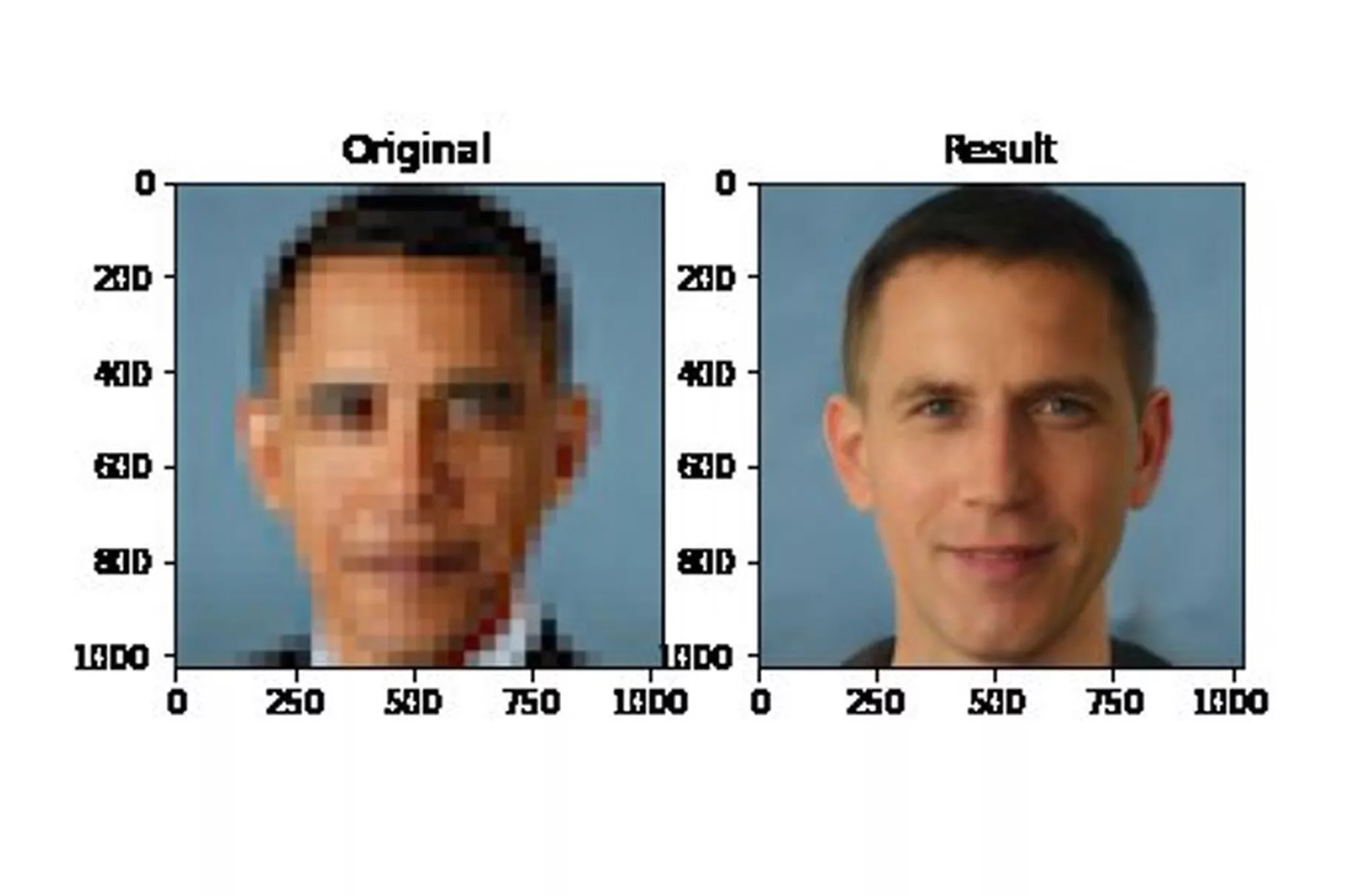
Why does this AI model whitens Obama face?
Simple answer: the data is biased. The algorithm is fed more images of white people
But really, would the opposite have been acceptable? The bias is in society
models are neutral, the bias is in the data (or is it?)
Why does this AI model whitens Obama face?
Simple answer: the data is biased. The algorithm is fed more images of white people
But really, would the opposite have been acceptable? The bias is in society
models are neutral, the bias is in the data (or is it?)
models are neutral, the bias is in the data (or is it?)
Why does this AI model whitens Obama face?
Simple answer: the data is biased. The algorithm is fed more images of white people

Joy Boulamwini
models are neutral, the bias is in the data (or is it?)
Challange
echological AI
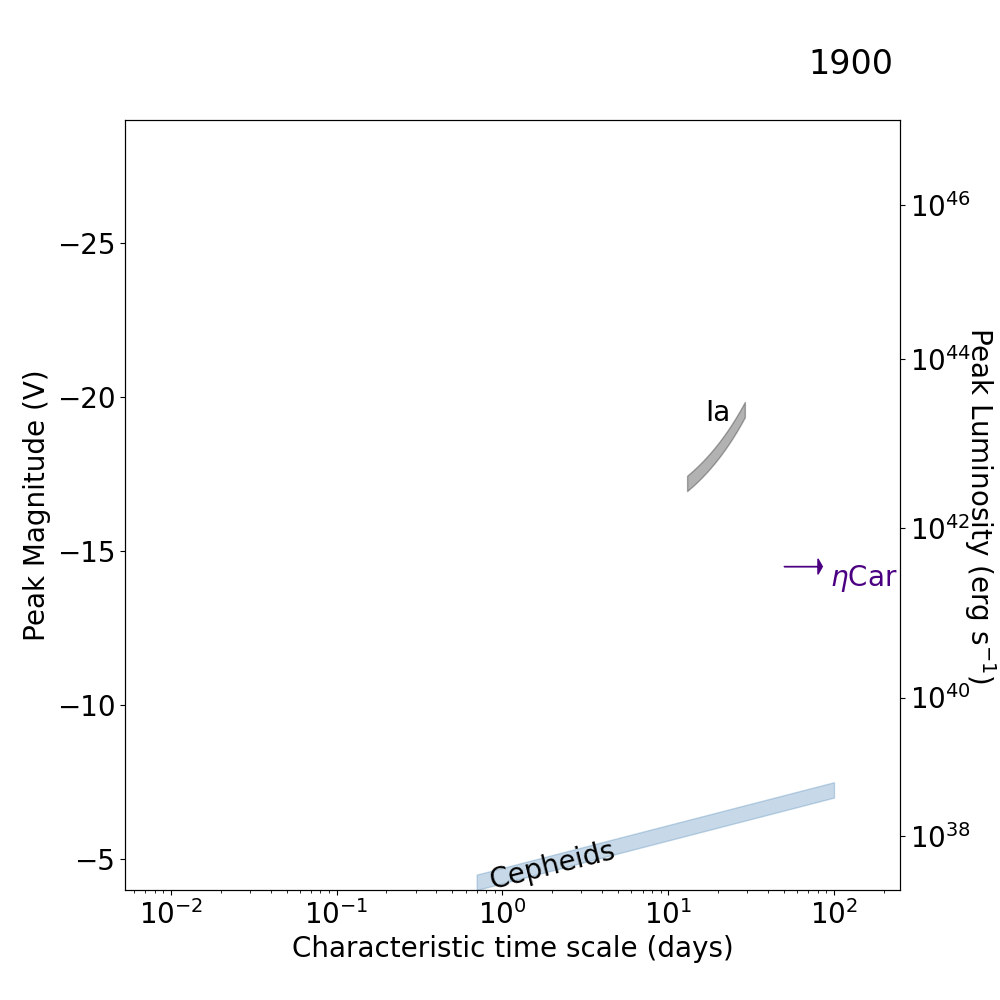
←Dimmer Brighter →
←Dimmer Brighter →
0.01 0.1 1 10 100
stellar sexplosions
stellar eruptions
stellar variability
trained extensively on large amounts of data to solve generic problems
Foundational AI models

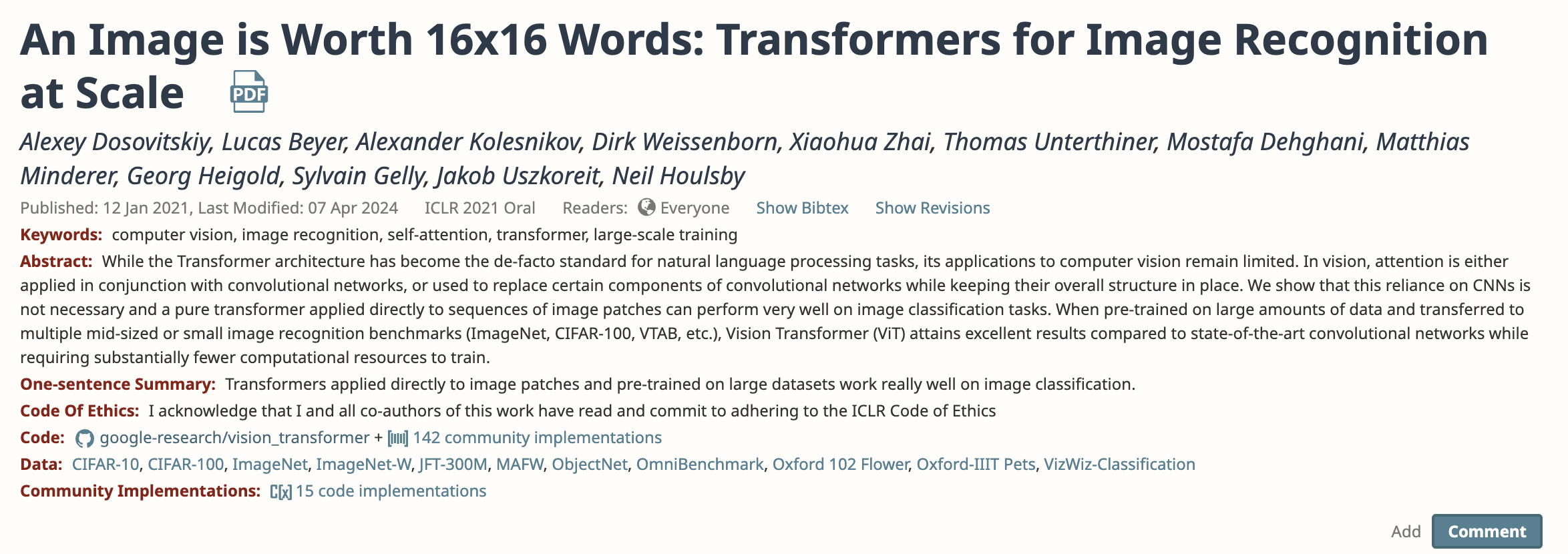
We use the ILSVRC-2012 ImageNet dataset with 1k classes
and 1.3M images, its superset ImageNet-21k with
21k classes and 14M images and JFT with 18k classes and
303M high-resolution images.
Typically, we pre-train ViT on large datasets, and fine-tune to (smaller) downstream tasks. For
this, we remove the pre-trained prediction head and attach a zero-initialized D × K feedforward
layer, where K is the number of downstream classe
Challenges in Space-Based Observations
-
Limited Field of View: Space telescopes often have smaller fields of view compared to ground-based surveys.
-
Data Latency: Delays in data transmission and processing can affect rapid follow-up.
-
Resource Allocation: Competition for telescope time can limit observations of certain transients.... LETS NOT TRIGGER 3 ToOs ON THE SAME TRANSIENT!!
(RacusinRacusin et al., 2008et al., 2008
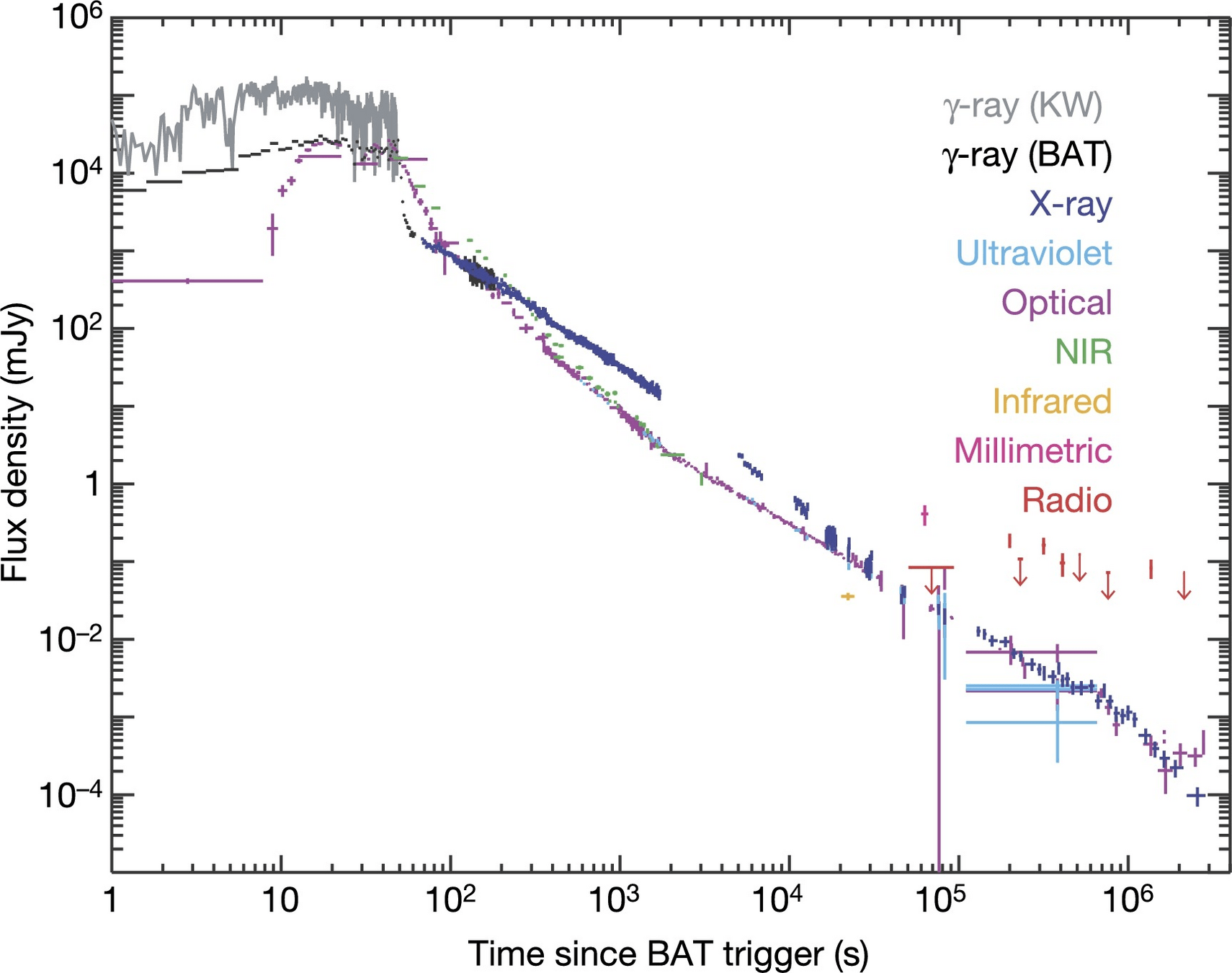
(RacusinRacusin et al., 2008et al., 2008
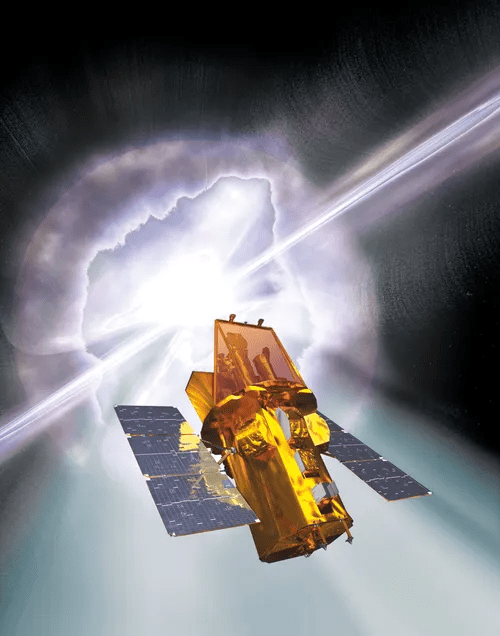
GRB 080319B, the brightest optical burst ever observed
SWIFT
rapid response
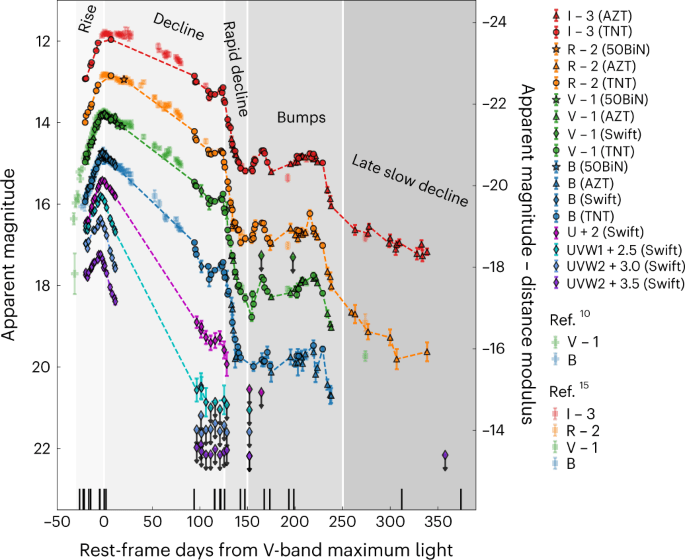
SWIFT
HST, Chandra, SPITZER
...
Kepler, K2, TESS
high precision dense time series
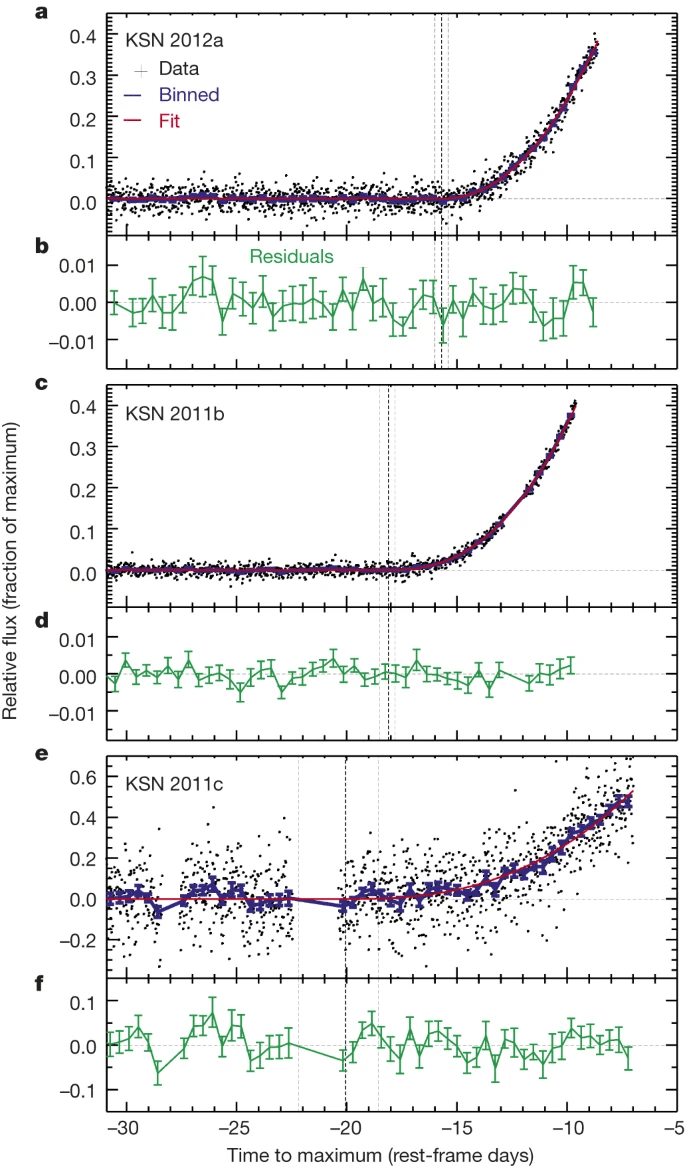
Photometric Classification of transients
Photometric Classification of transients
Kepler satellite EB
LSST (simulated) EB
lightcurves make really bad tensors
is transient data AI ready?
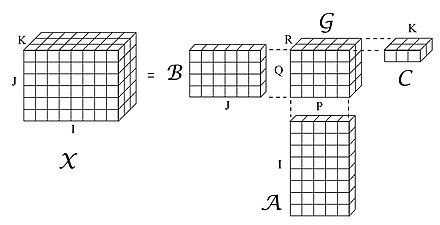
lightcurves make really bad tensors
- Variable sizes of data vectors
is transient data AI ready?
lightcurves make really bad tensors
- Variable sizes of data vectors
is transient data AI ready?
- Variable sizes of data vectors
- Uneven sampling
- Variable sizes of data vectors
- Uneven sampling
lightcurves make really bad tensors
- Variable sizes of data vectors
is transient data AI ready?
- Variable sizes of data vectors
- Uneven sampling
- Variable sizes of data vectors
- Uneven sampling
- Variable sizes of data vectors
- Uneven sampling
- Different sampling at different wavelengths
lightcurves make really bad tensors
is transient data AI ready?
- Variable sizes of data vectors
- Uneven sampling
- Different sampling at different wavelengths
- Phase gaps can be months long over ~1 year
lightcurves make really bad tensors
is transient data AI ready?
- Variable sizes of data vectors
- Uneven sampling
- Different sampling at different wavelengths
- Phase gaps can be months long over ~1 year
- Multiple relevant time scales
lightcurves make really bad tensors
is transient data AI ready?
- Variable sizes of data vectors
- Uneven sampling
- Different sampling at different wavelengths
- Phase gaps can be months long over ~1 year
- Multiple relevant time scales
- Aleatory and Epistemic Heteroscedastic uncertainties
- Variable sizes of data vectors
- Uneven sampling
- Different sampling at different wavelengths
- Phase gaps can be months long over ~1 year
- Multiple relevant time scales
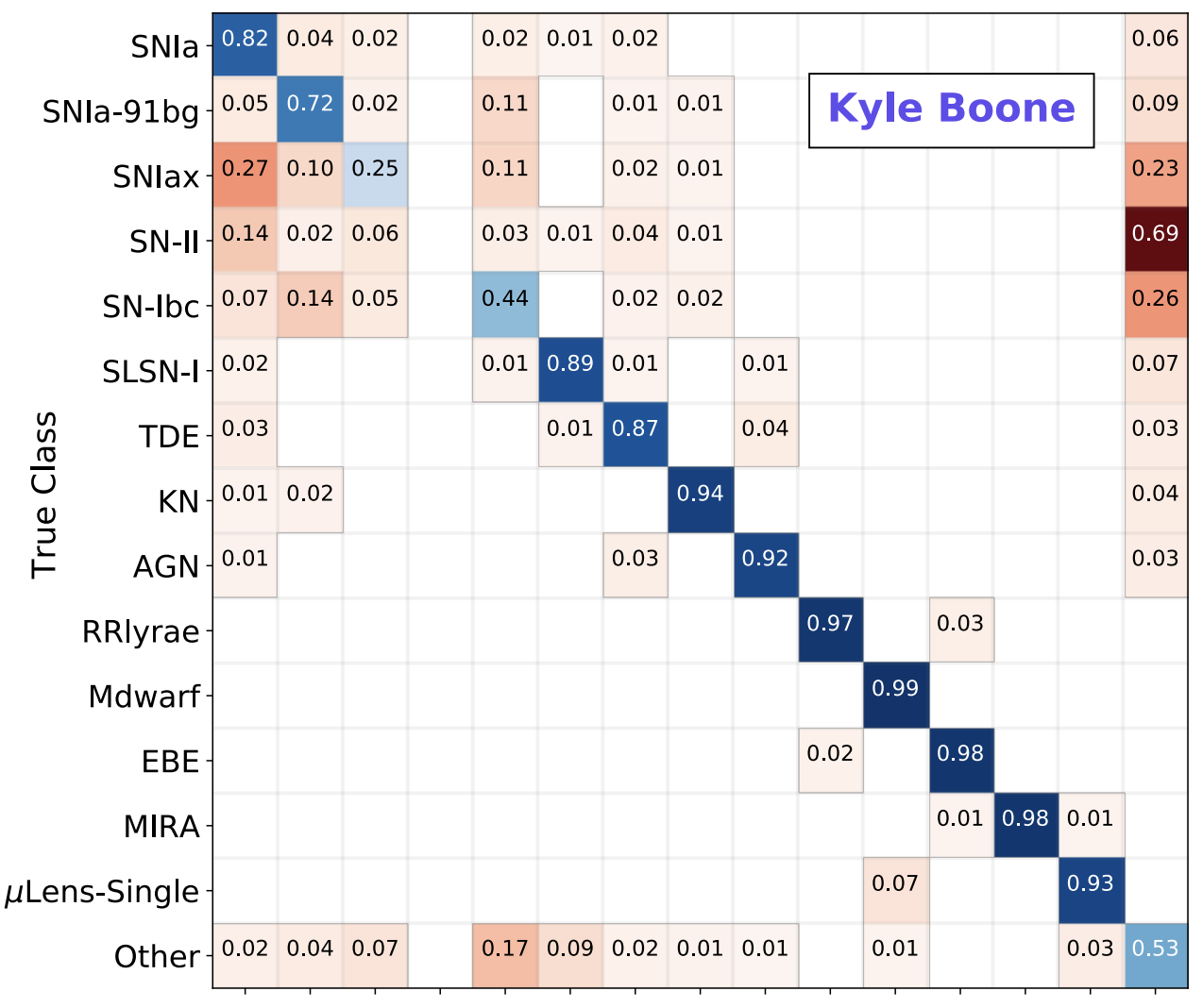
The PLAsTiCC challenge winner, Kyle Boone was a grad student at Berkeley, and did not sue a Neural Network!
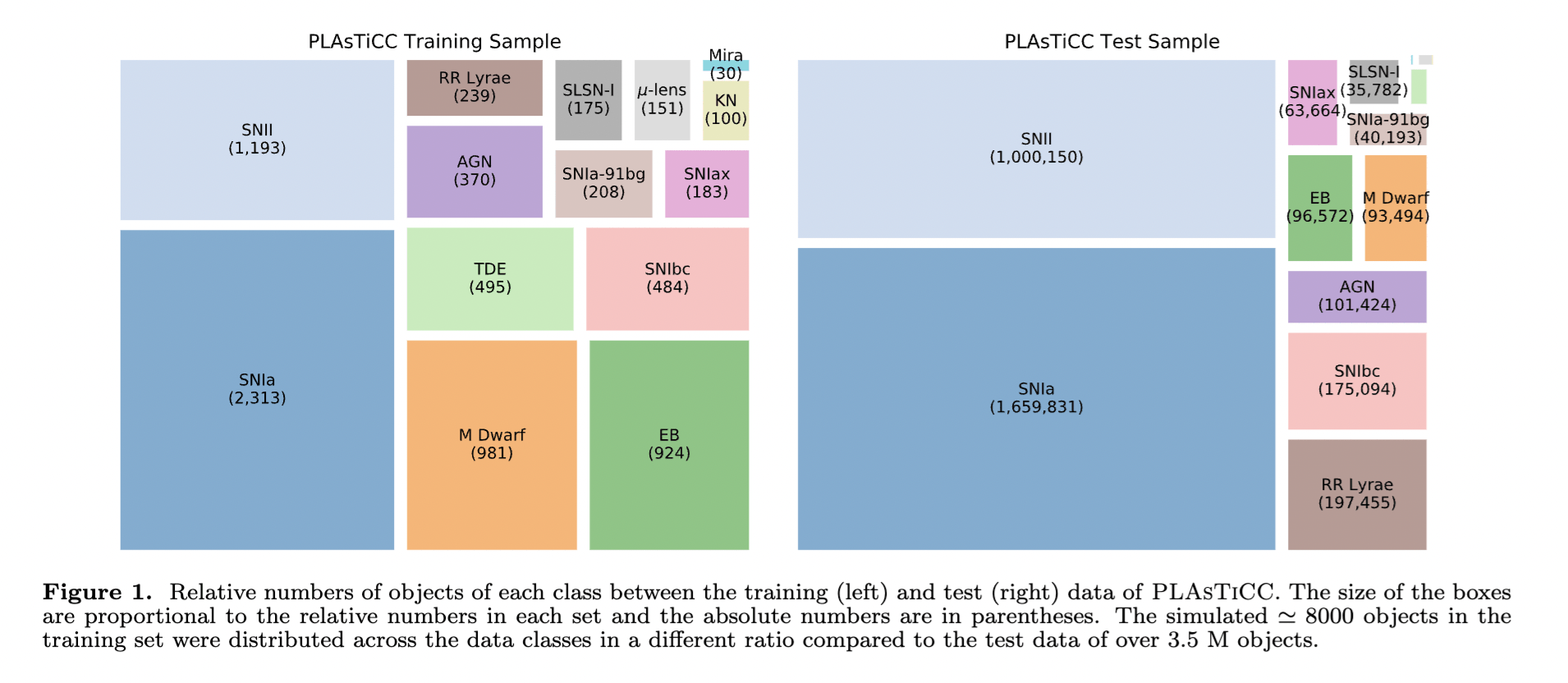
Hlozek et al, 2020
DATA CURATION IS THE BOTTLE NECK
models contributed by the community were in
- different format (spectra, lightcurves, theoretical, data-driven)
- the people that contributed the models were included in 1 paper at best
- incompleteness
- systematics
- imbalance
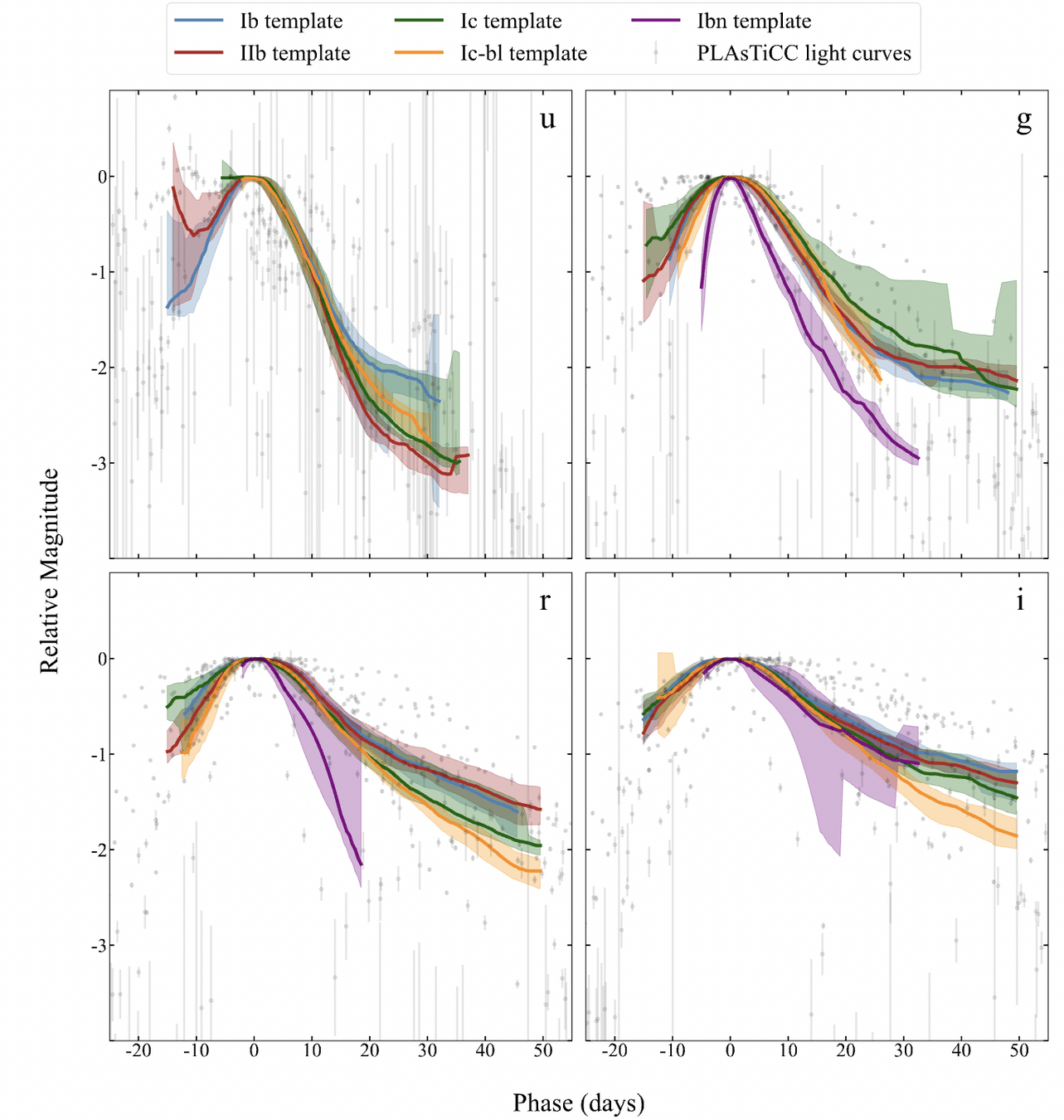
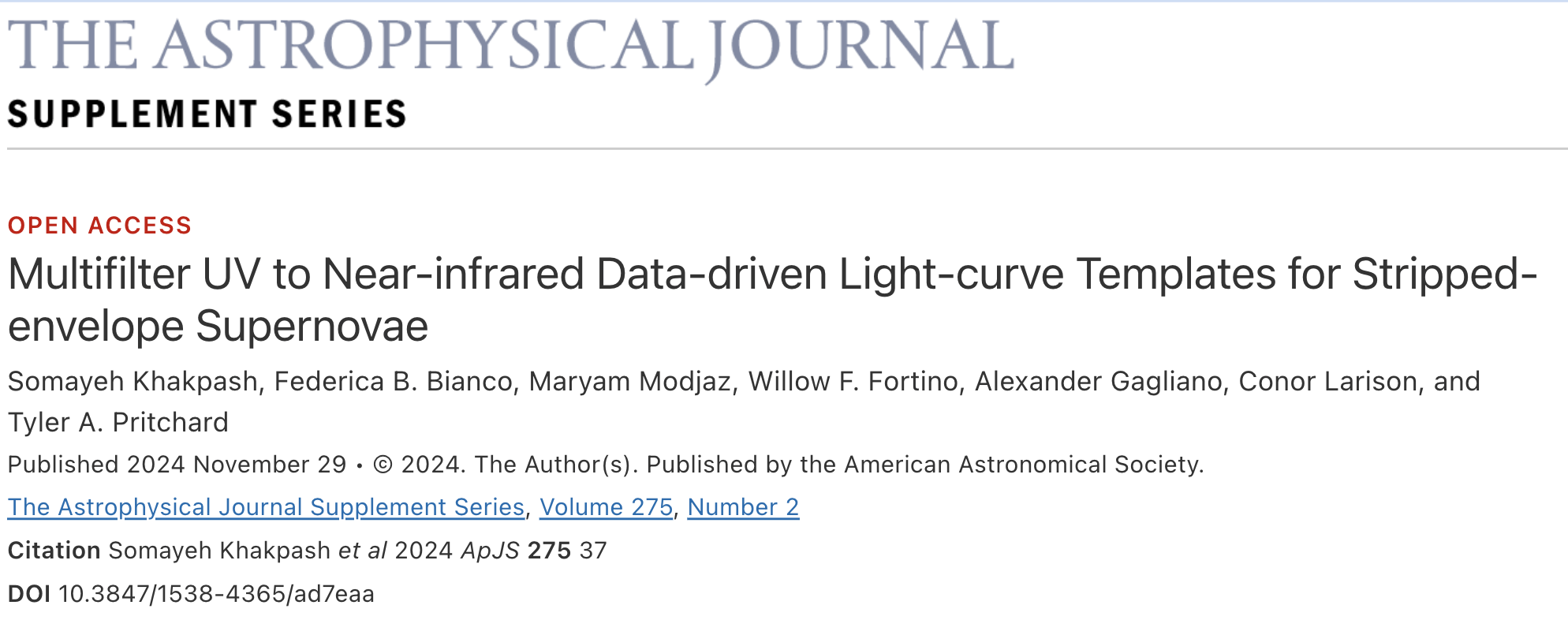
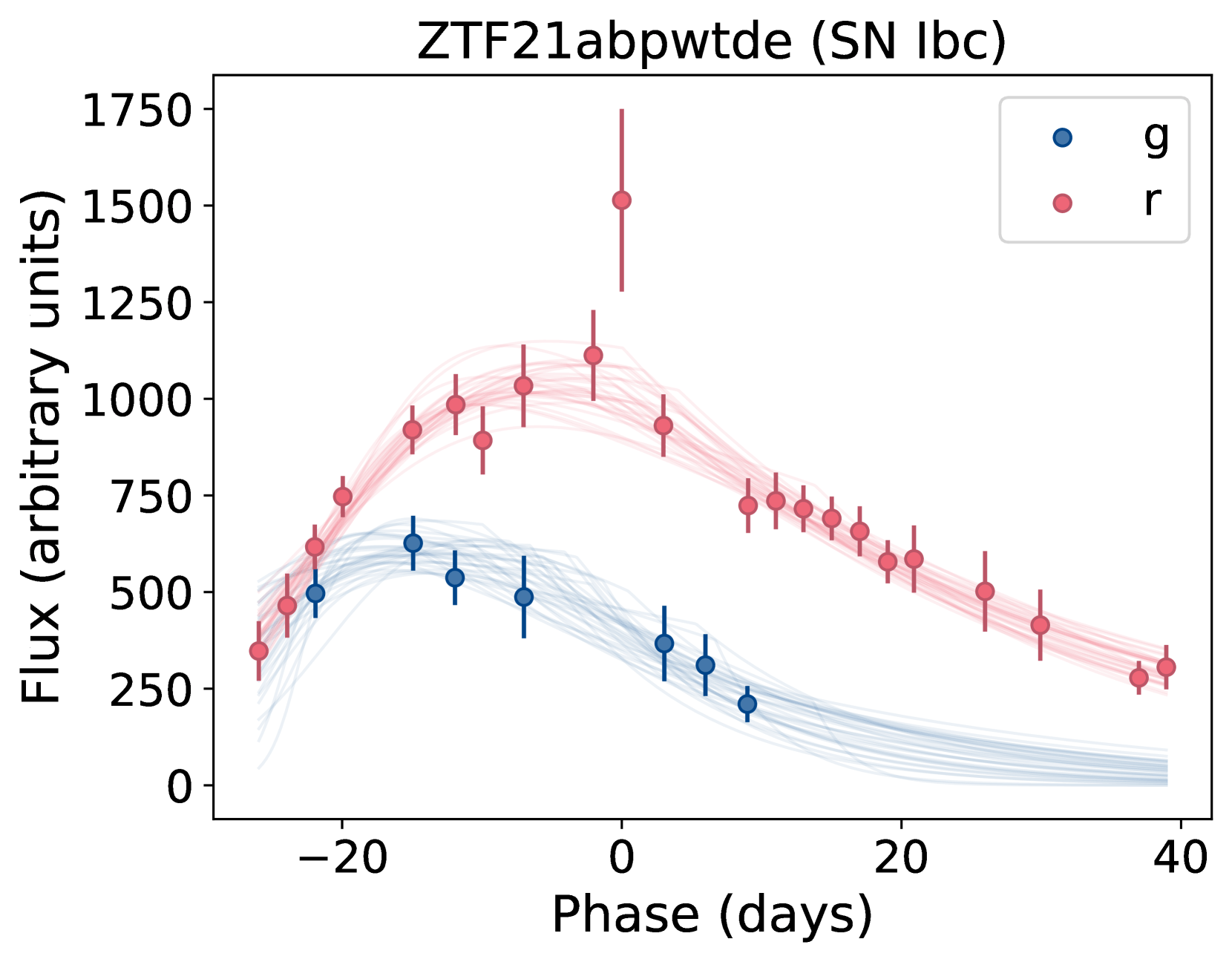
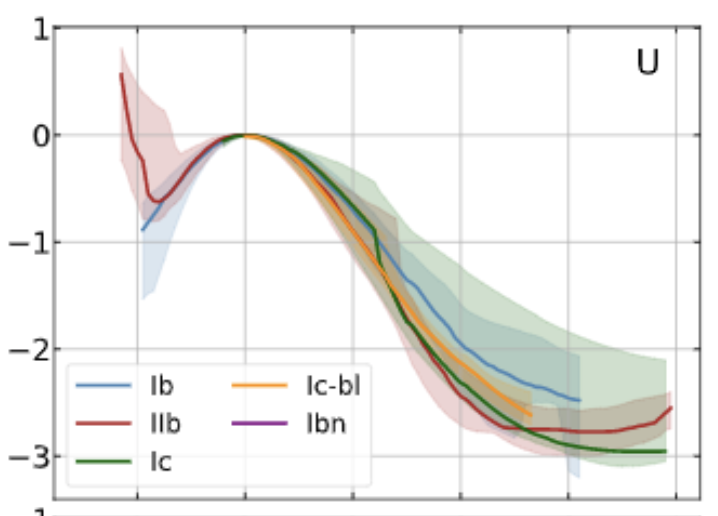
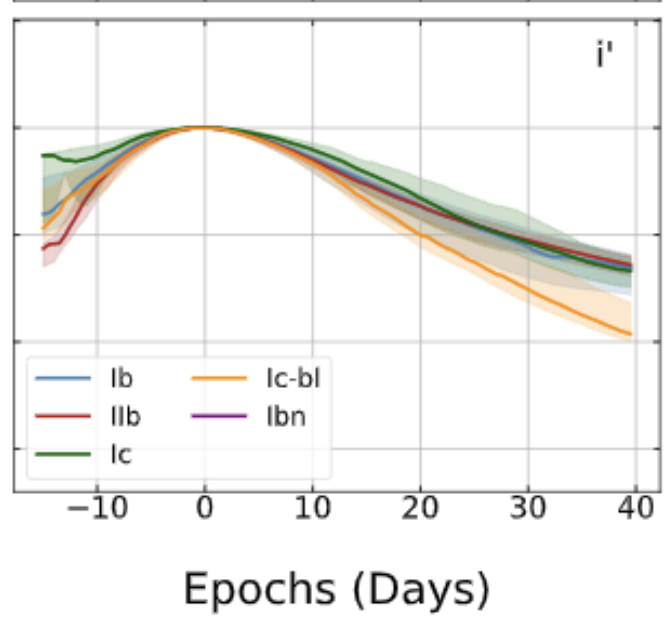
khakpash+ 2024 showed that the models were biased for SN Ibc
AVOCADO, SCONE, all these models are trained on a biased dataset and are being currently used for classification
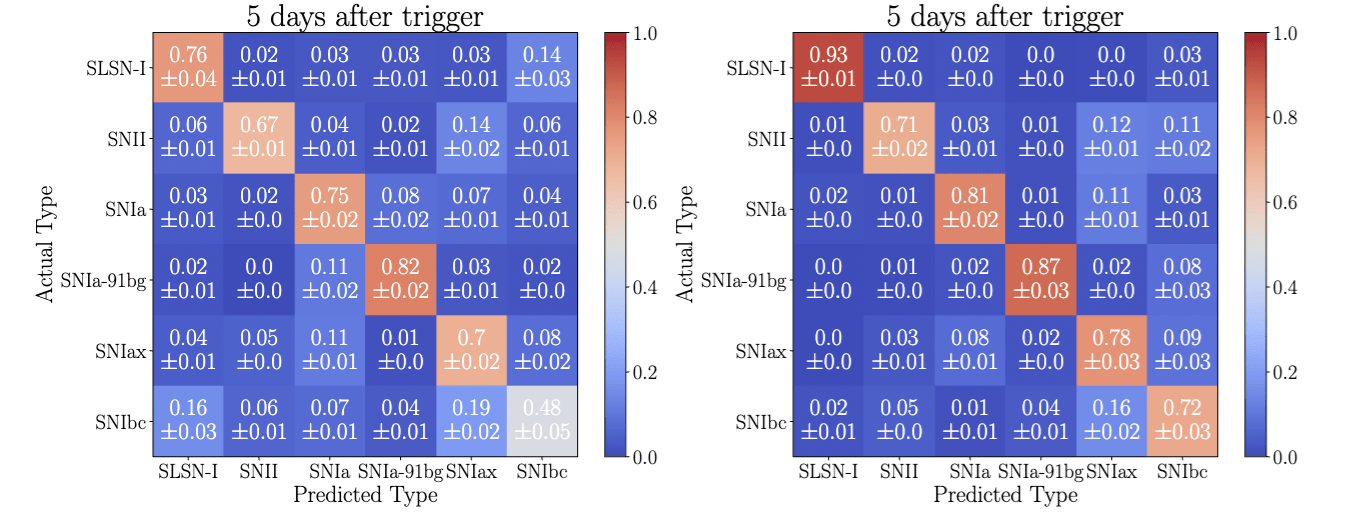
Ibc data-driven templates vs PLAsTiCC
Dr. Somayeh Khakpash
LSSTC Catalyst Fellow, Rutgers
Visiting Faculty, Lehigh