LSST survey strategy, how it has started, how it may evolve
University of Delaware
Department of Physics and Astronomy
Biden School of Public Policy and Administration
Data Science Institute
Rubin Legacy Survey of Space and Time
LSST Survey Scientist
federica b. bianco
she/her
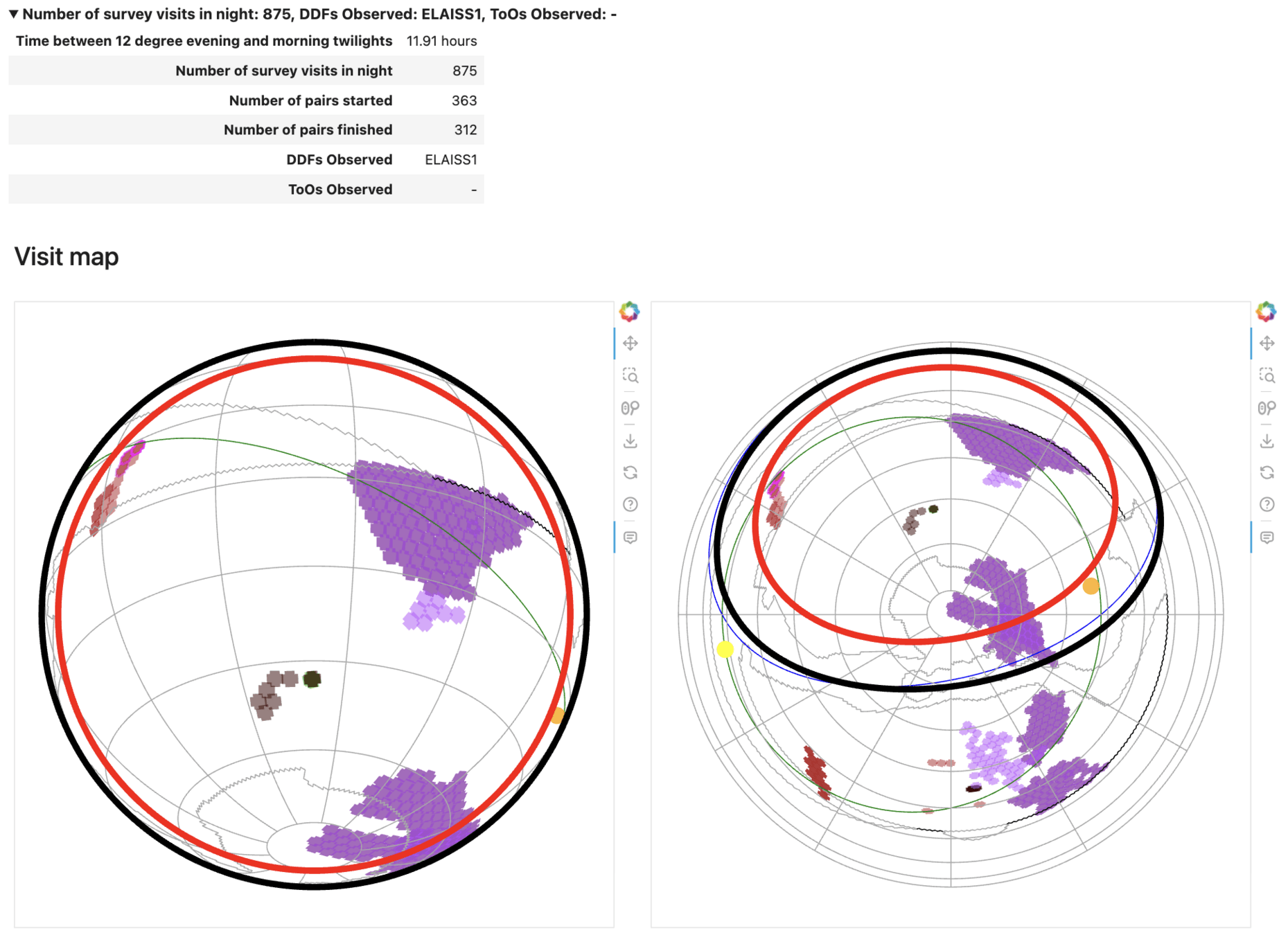
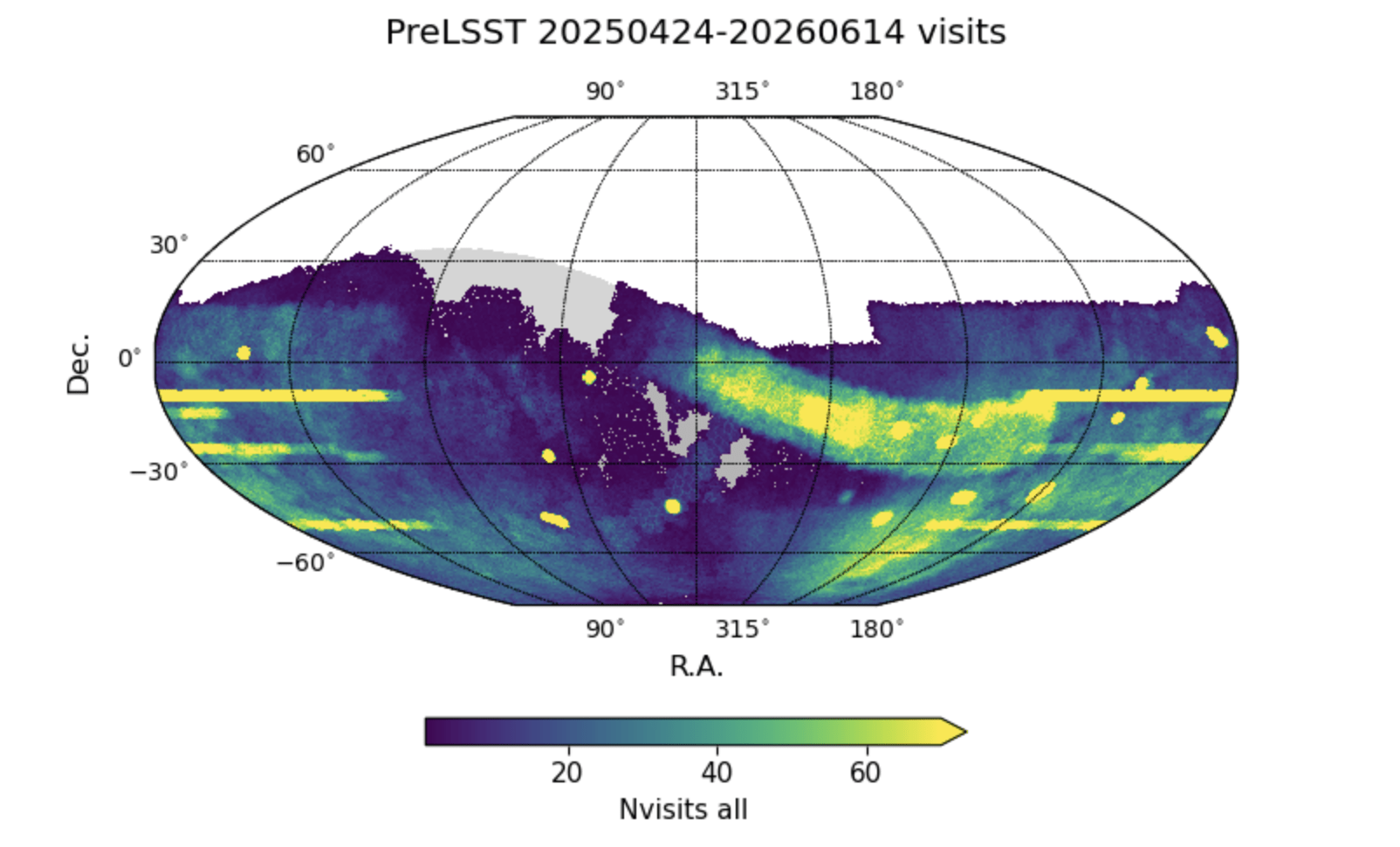
3,362.2 sq deg w > 1 visits
2,859.5 sq deg w > 2 visits
  814.1 sq deg w > 3 visits
  782.2 sq deg w > 4 visits
  105.8 sq deg w > 5 visits
survey optimization
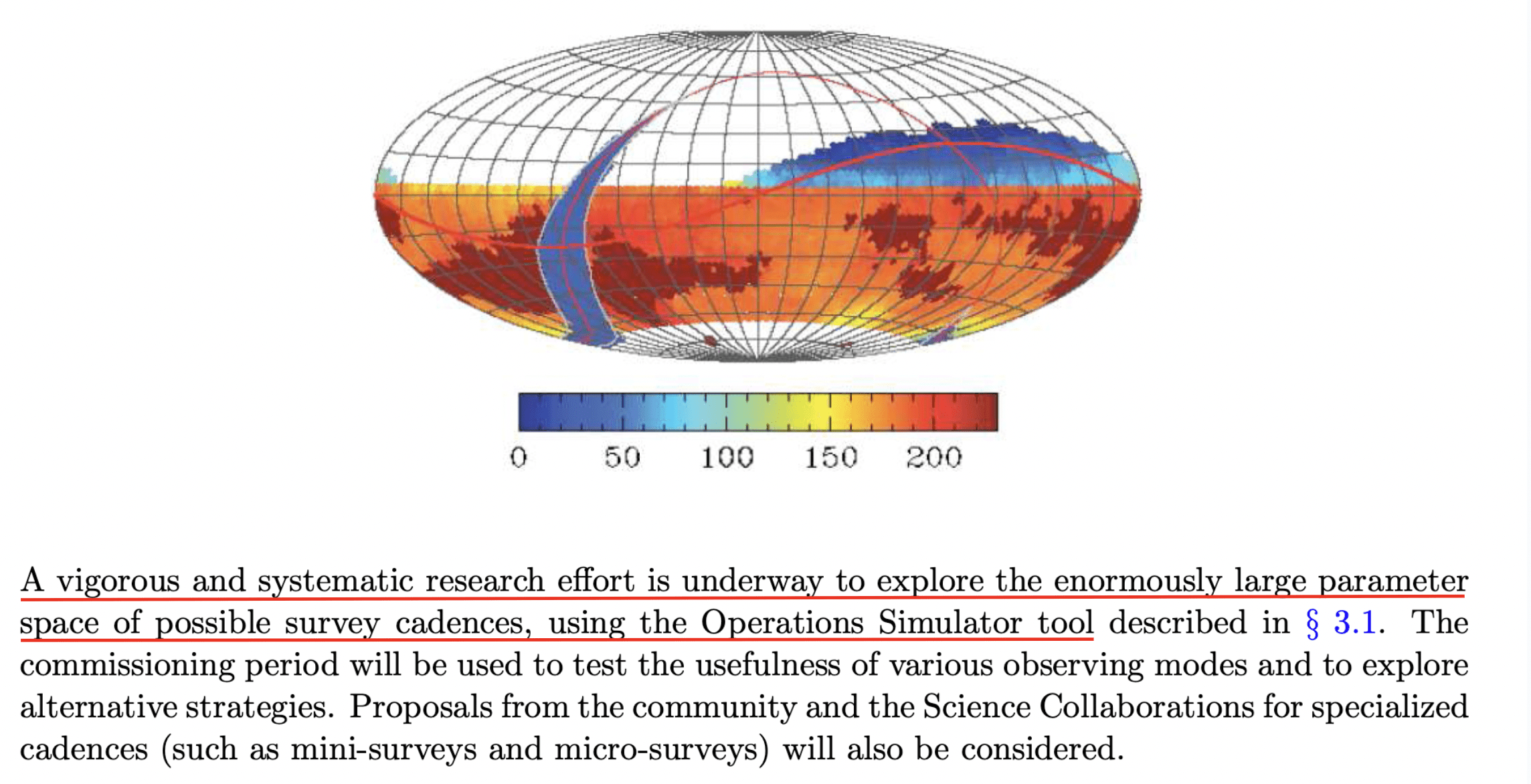
LSST Science Book (2009)
WFD
~18000 sq degrees
~800 visits per field
10 sq deg FoV
2 visits per night (within ~30 min for asteroids)
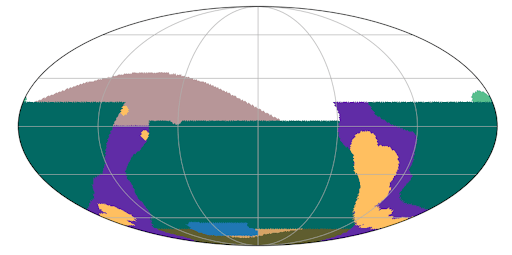
NES
SCP
Euclid Overlay
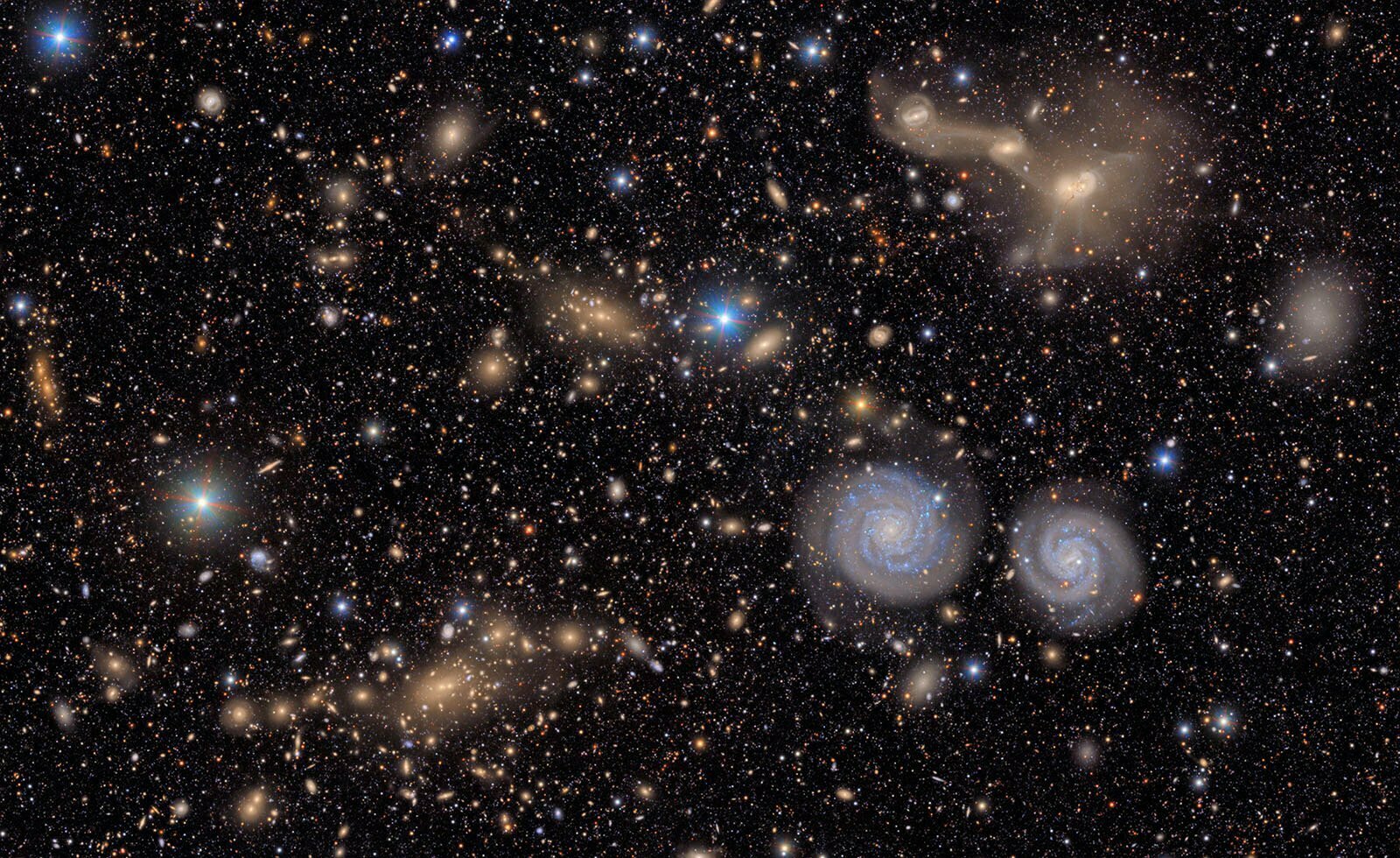
Virgo
dusty plane
Bulge
WFD
Wide Fast Deep
Bulge
Dusty Plane
South Celestial Pole
North Ecliptic Survey
Virgo
Euclid Overlap
5 Deep Drilling Fields
is a word I am borrowing from Margaret Atwood to describe the fact that the future is us.
However loathsome or loving we are, so will we be.
Whereas utopias are the stuff of dream dystopias are the stuff of nightmares, ustopias are what we create together when we are wide awake

US-TOPIA
LSST survey strategy optimization
a pioneering process of community-centric design
Rubin LSST survey design
Rubin has involved the community to an unprecedented level in survey design this is a uniquely "democratic" process!
Survey Cadence Optimization Committee
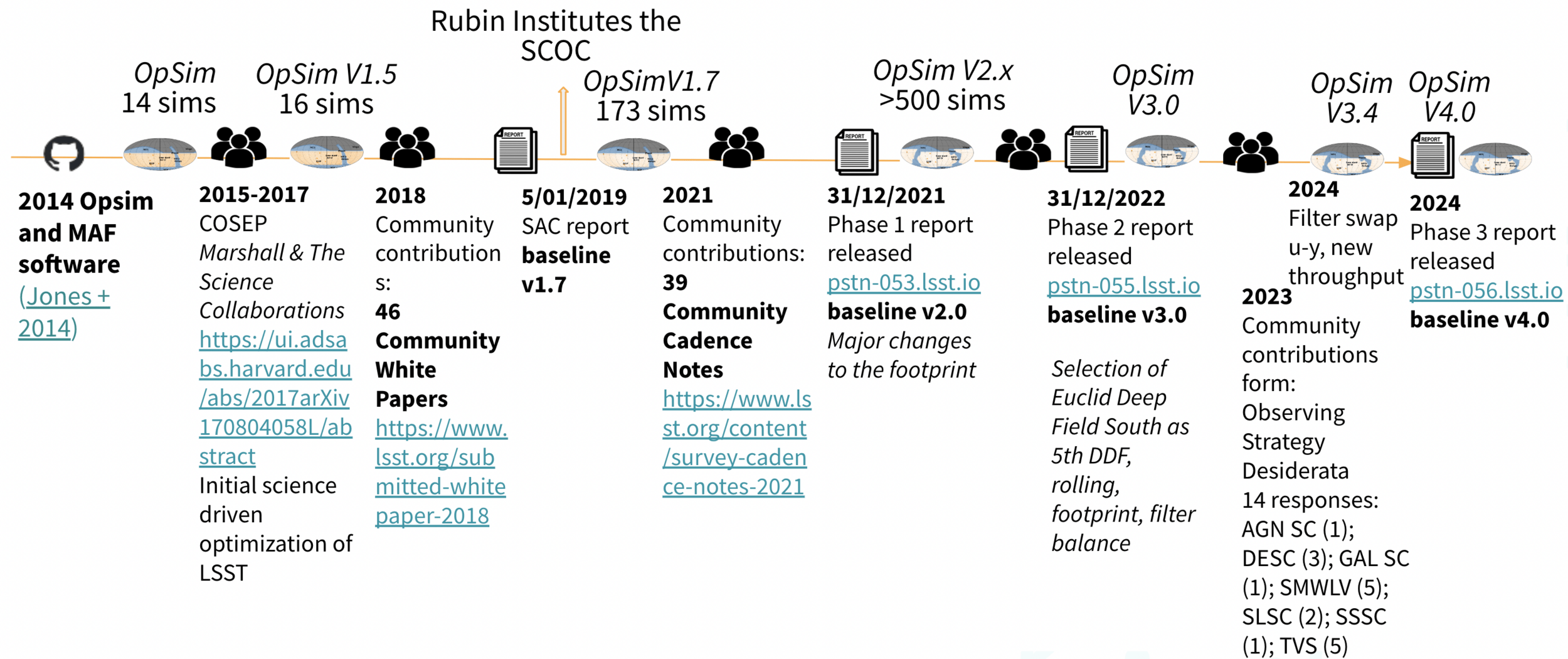
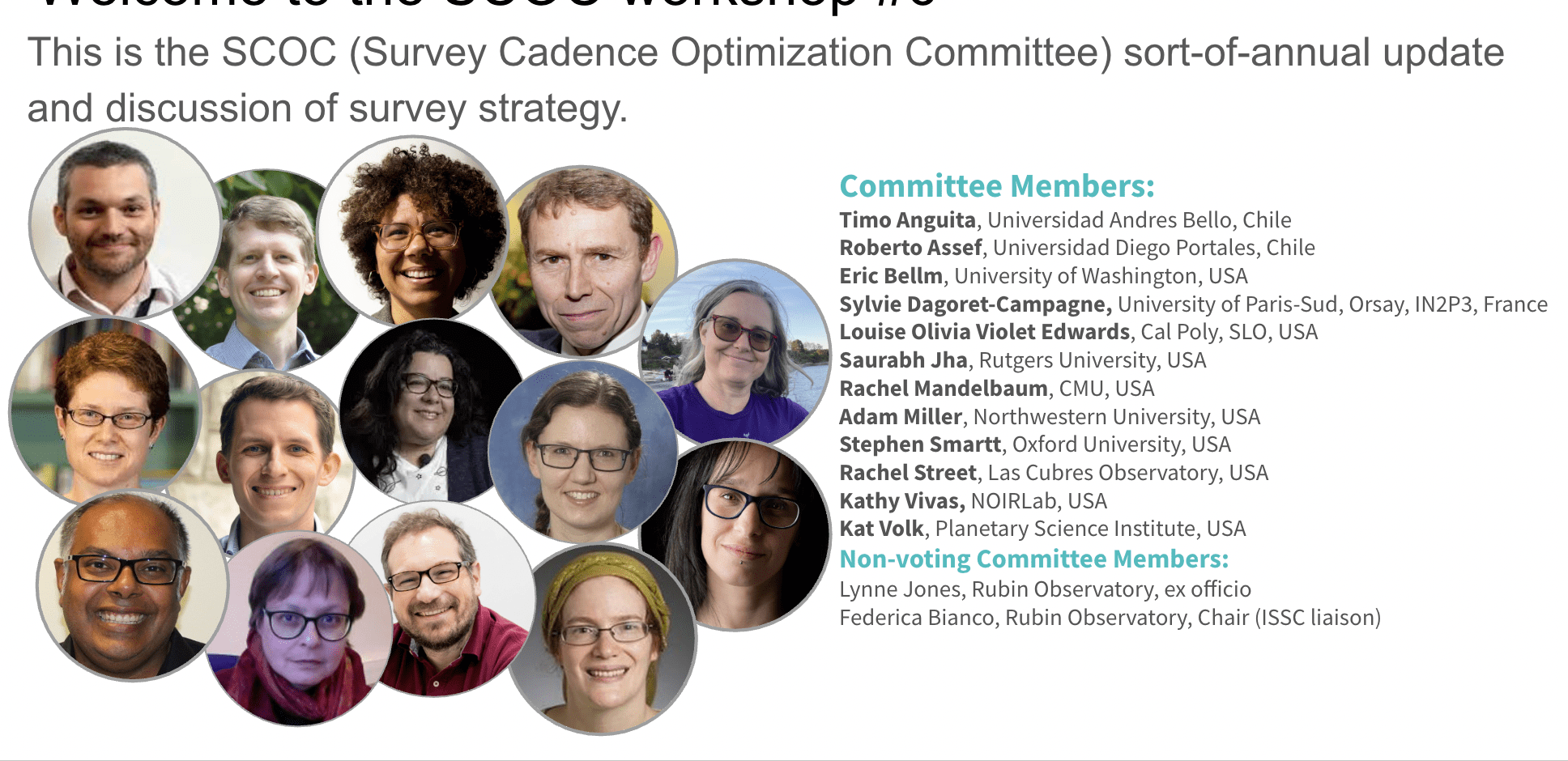
Former members: Franz Bauer, Sarah Brough, Renée Hložek, Željko Ivezić, Mansi Kasliwal, Knut Olsen, Hiranya Peiris, Meg Schwamb, Daniel Scolnic, Colin Slater, Jay Strader
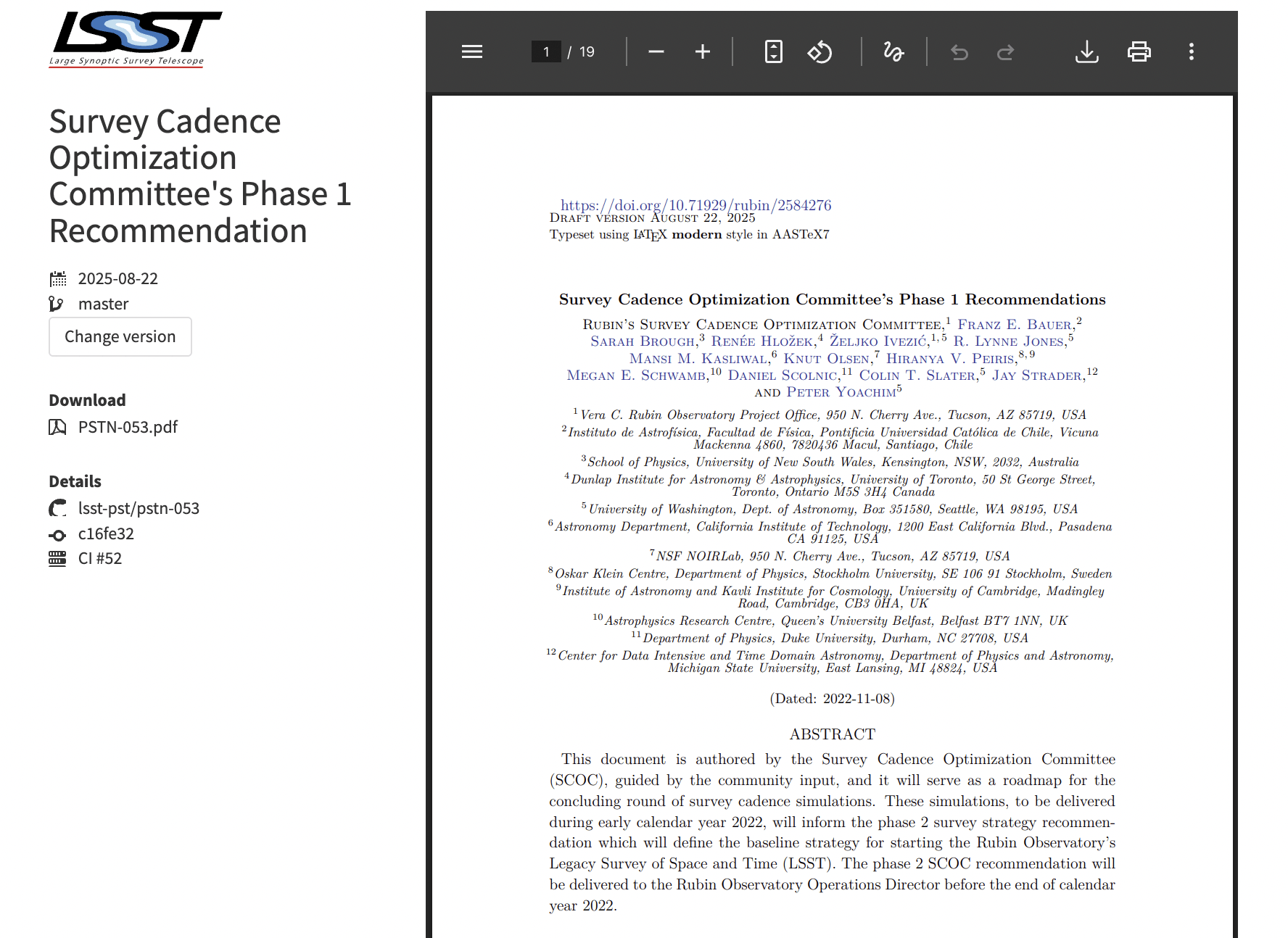
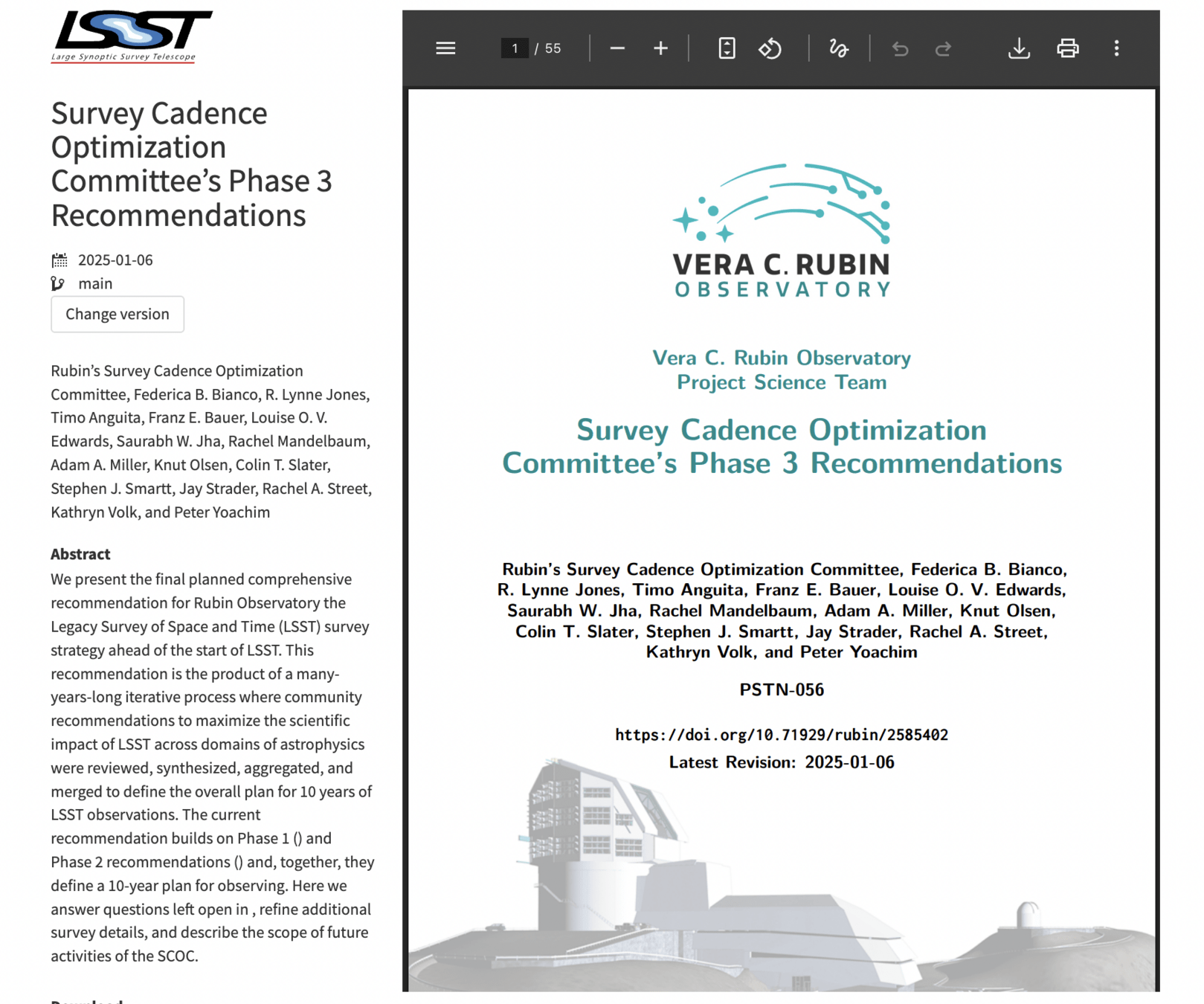
IMPORTANT: This process will contine throughout LSST!
The SCOC is tasked to deliver an annual recommendation for adjustments to the survey during operations
while we have made a recommendation for how to start LSST, we intend to continue to renew recommendations as needed throughout the first year of LSST as we improve our understanding of the evolving system performance and how to adapt to it to preserve our scientific objectives.
The SCOC is tasked to deliver an annual recommendation for adjustments to the survey throughout LSST
In the early survey phases, we expect recommendations may happen much more rapidly.
We are still woring significant details of the early survey strategy
- how hard to push for templates
- modifications of the task force
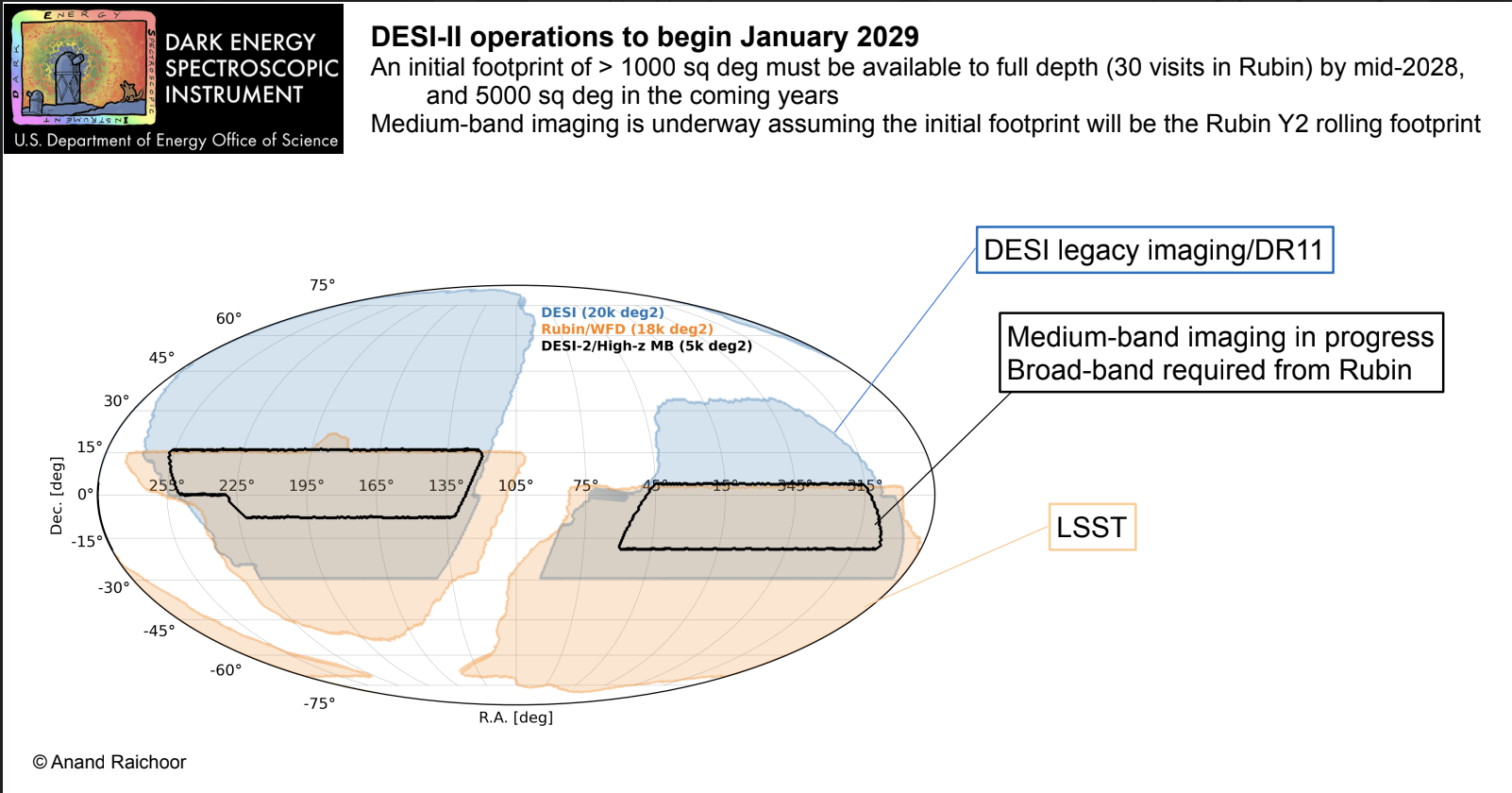
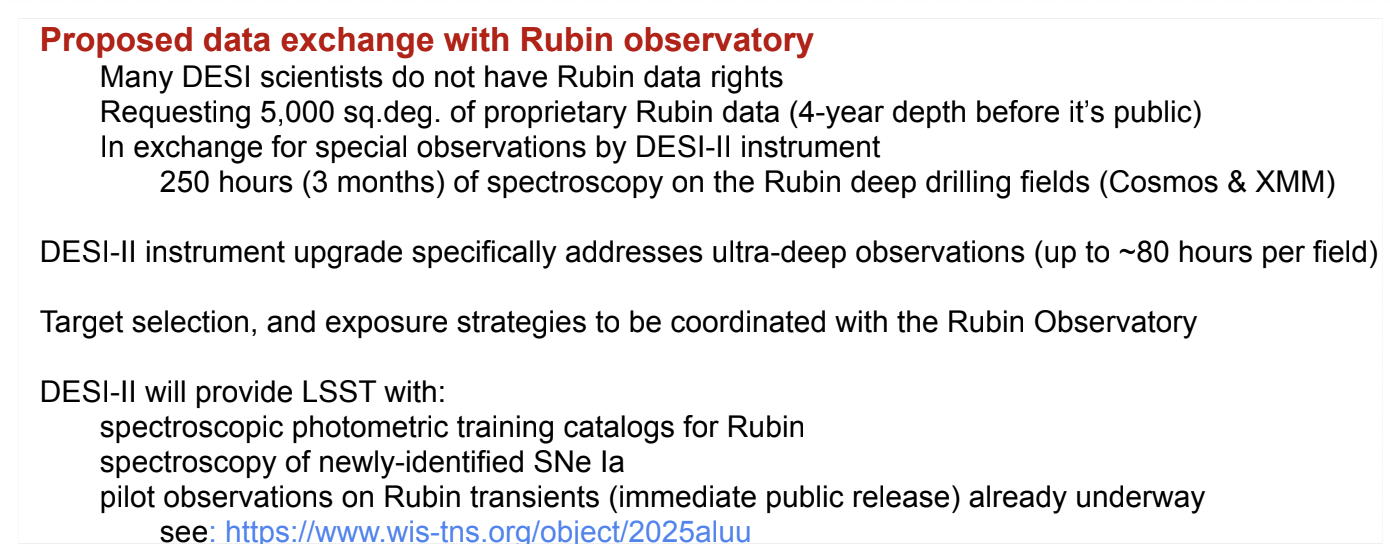
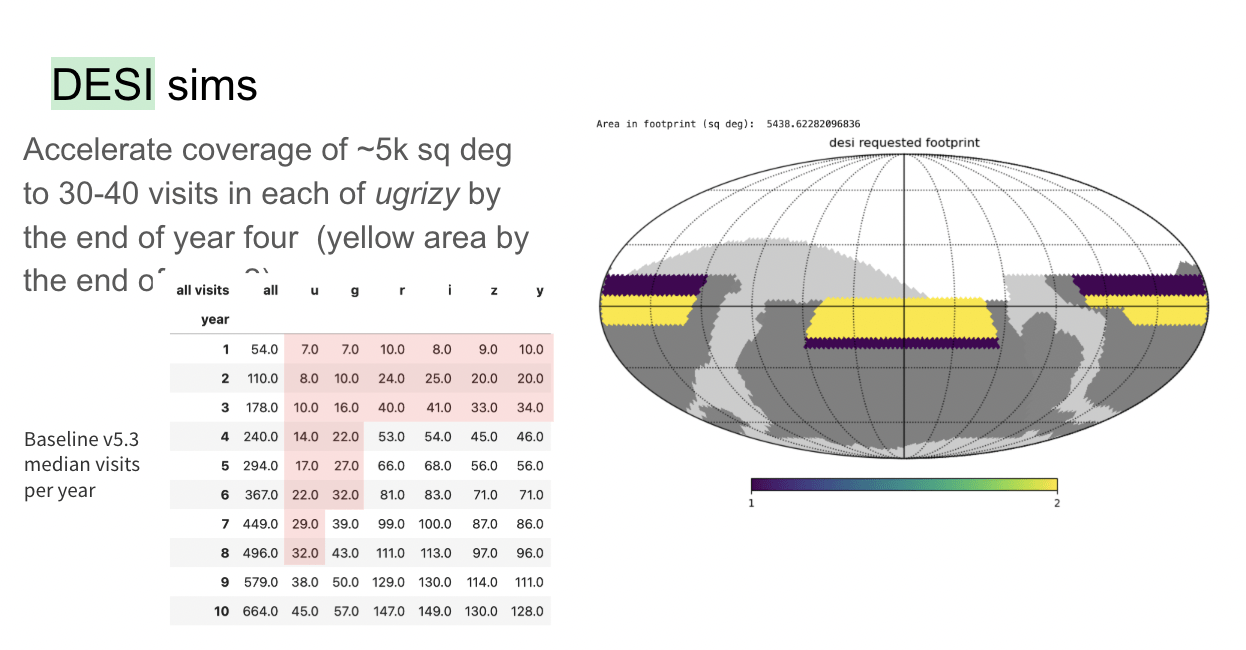
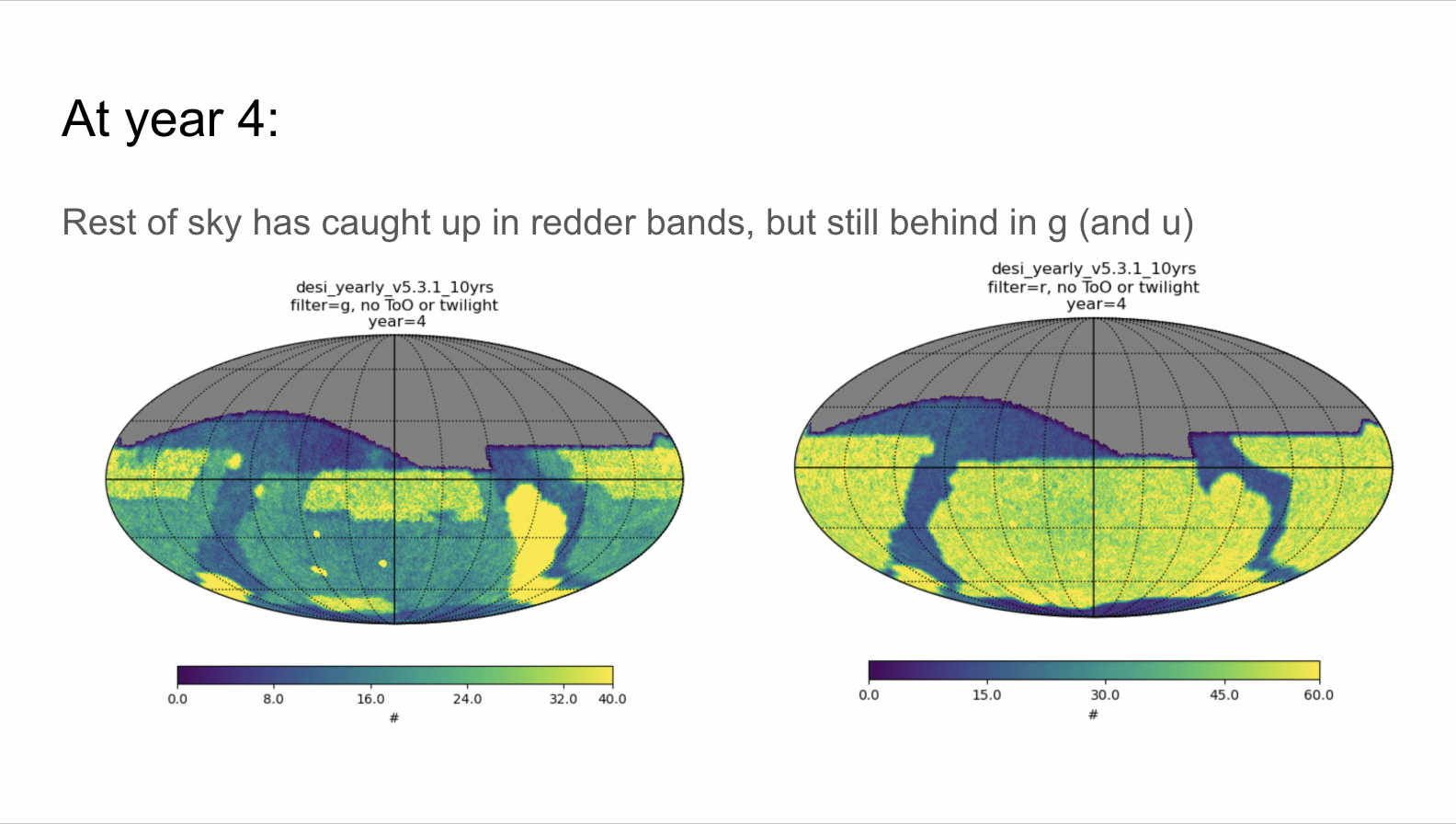
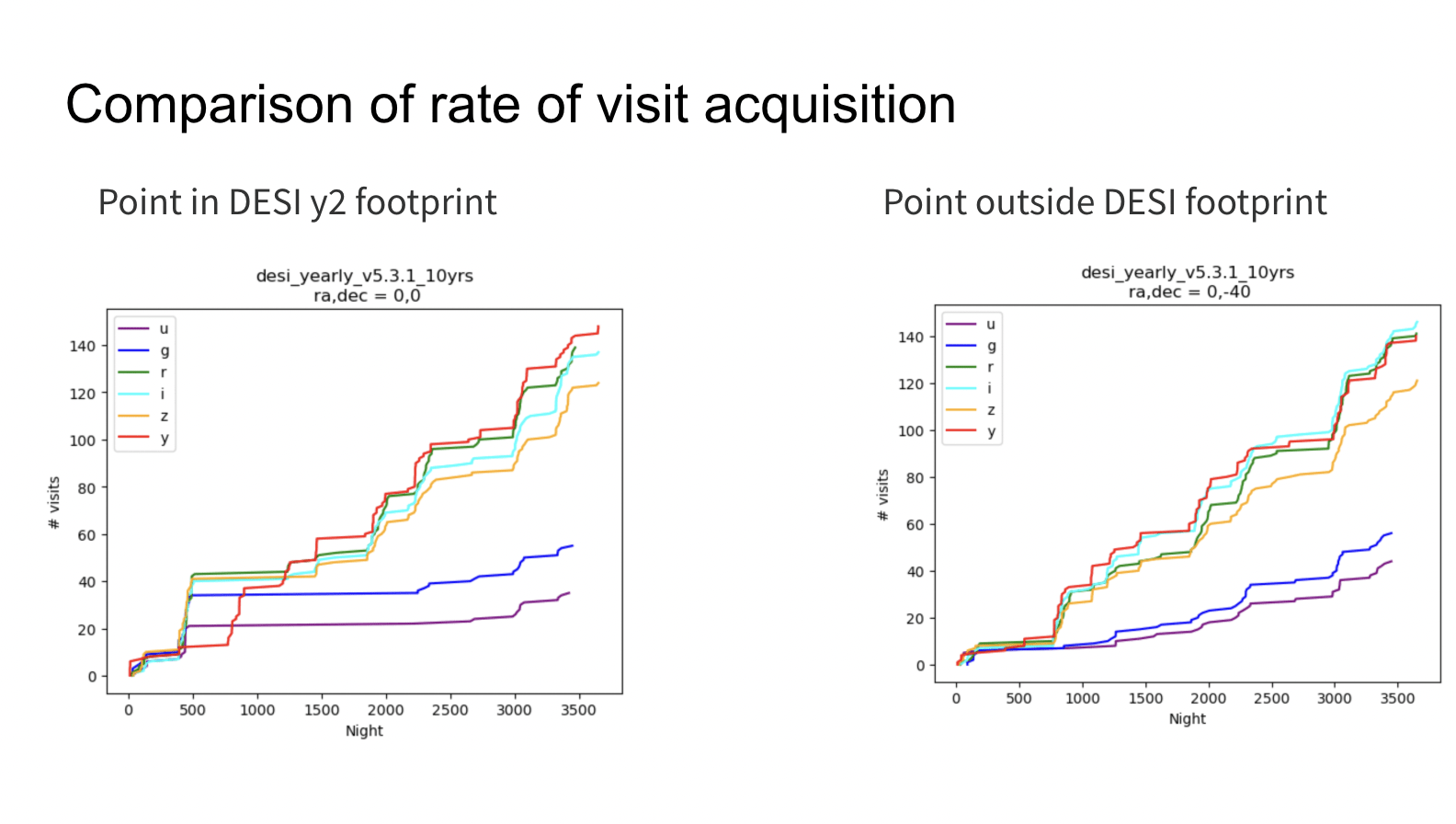
- integration of DESI
- integration of experimental use of early/late twilight time
Rubin LSST survey design
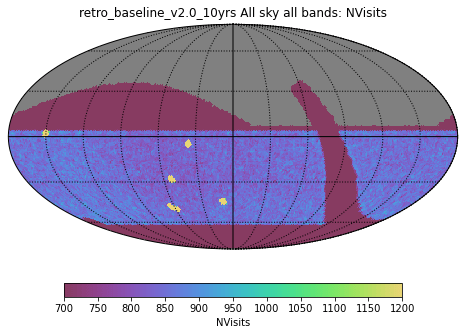
2017
80,000
Rubin LSST survey design
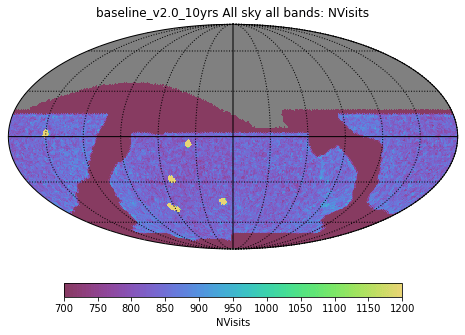
2019
80,000
Rubin LSST survey design
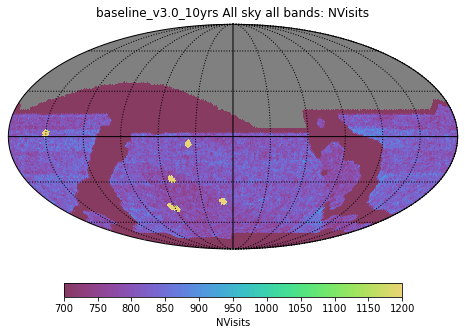
2023
80,000
Rubin LSST survey design
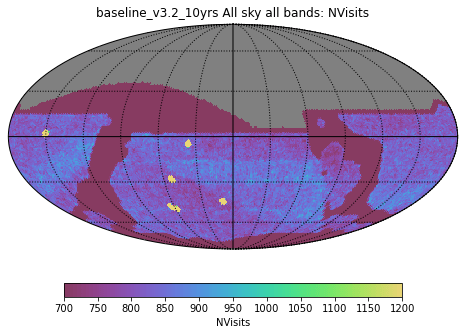
2024
80,000
Rubin LSST survey design
2024

2026
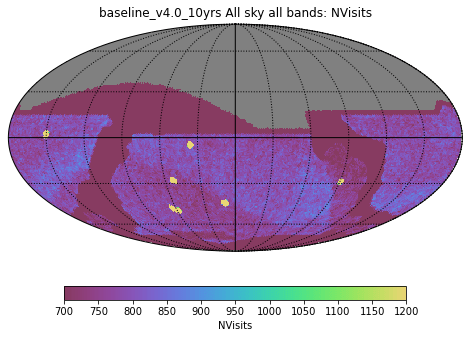
80,000
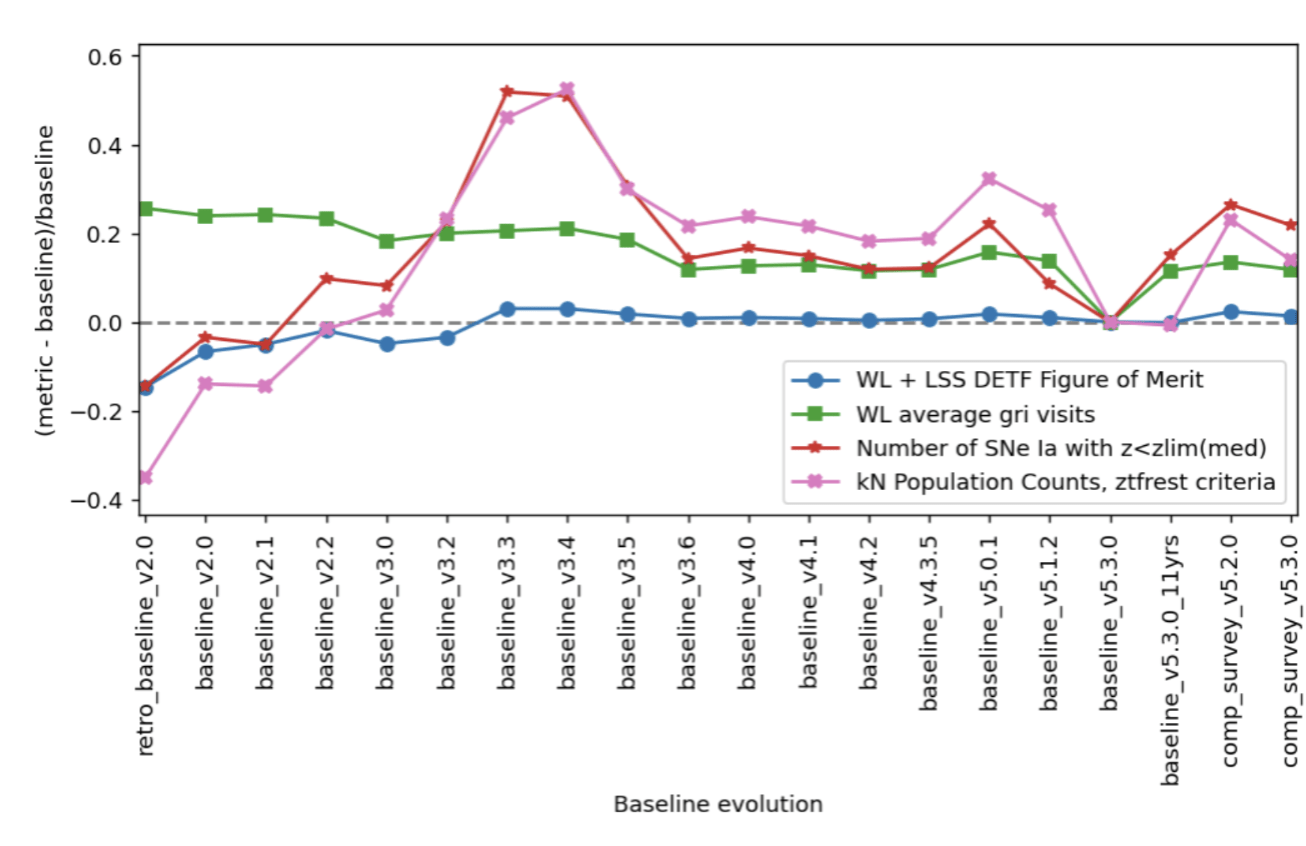
newer simulations ->
<-bad good ->
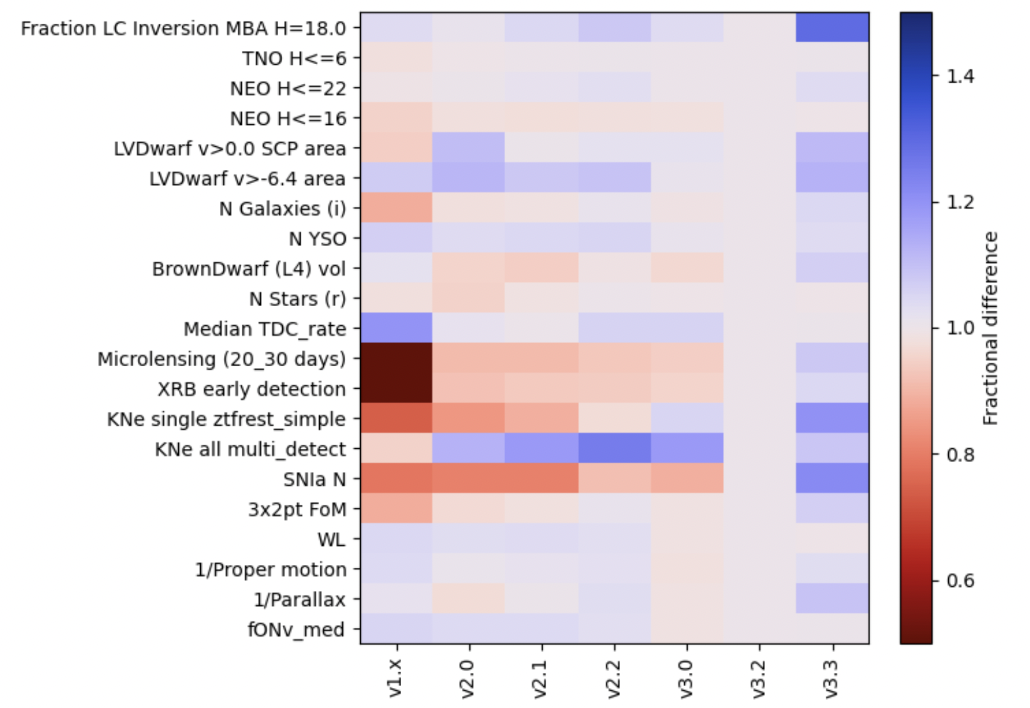
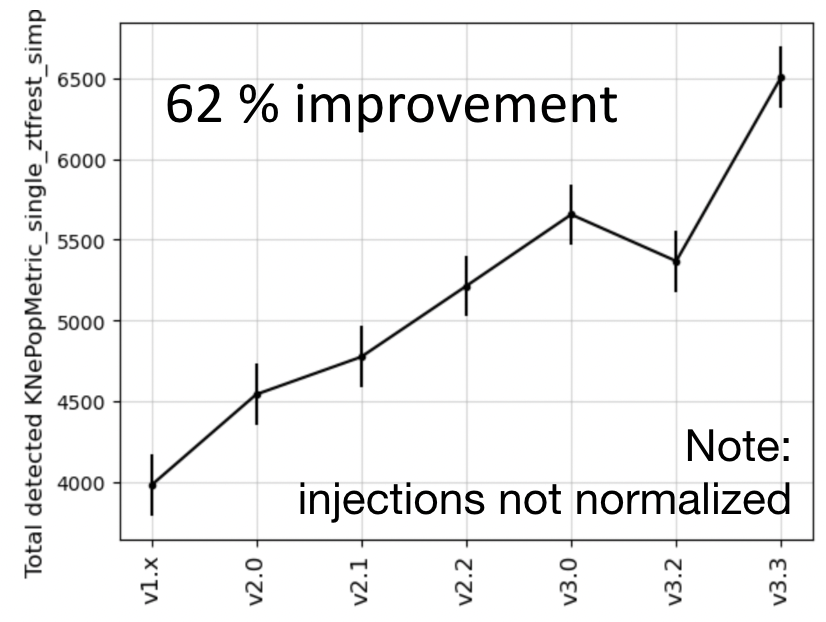
newer simulations ->
Kilonovae in LSST Wide Fast Deep
Andreoni+ 2022a
Introducing Rolling Cadence
Current plan: rolling 8 out of the 10 years
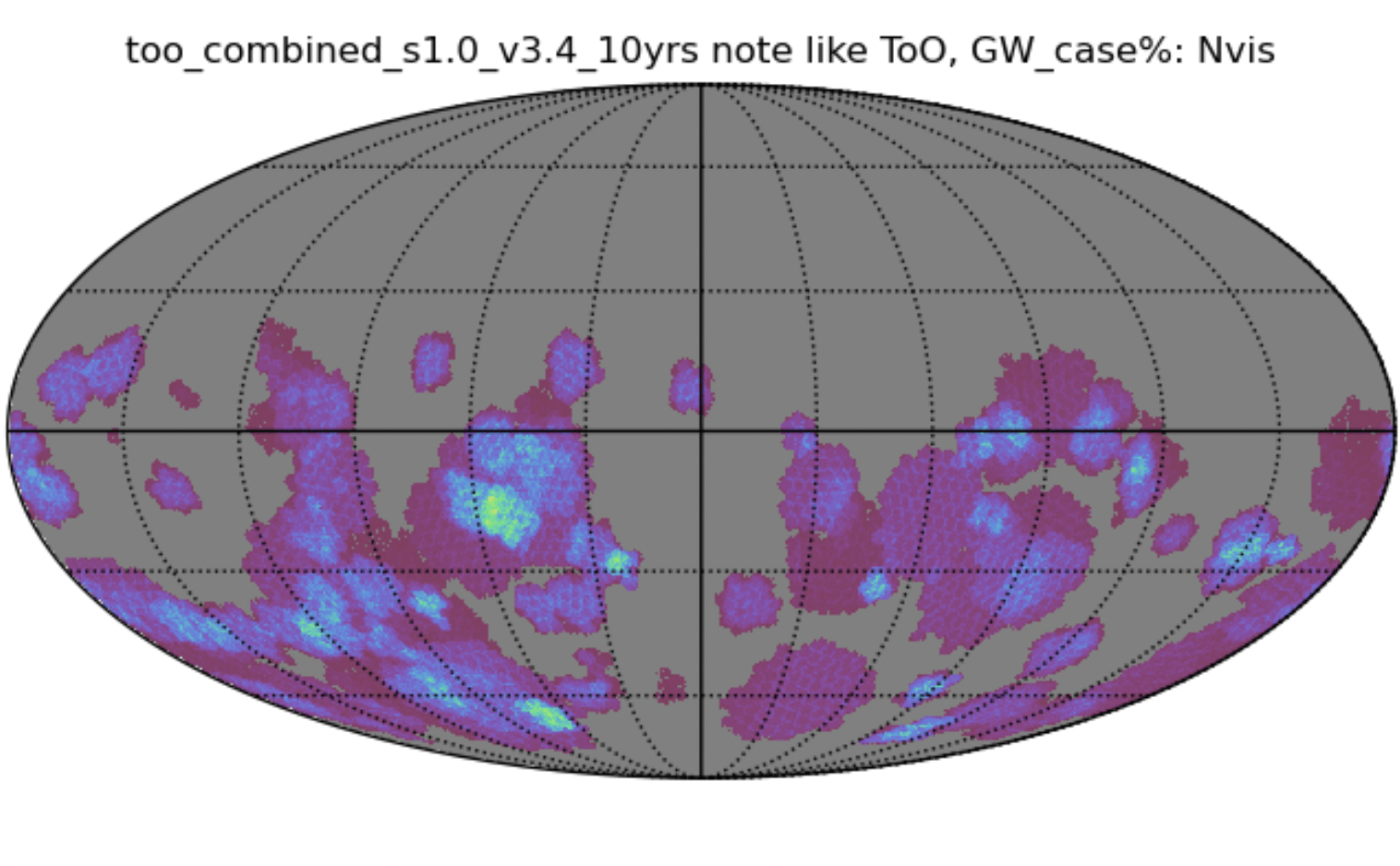
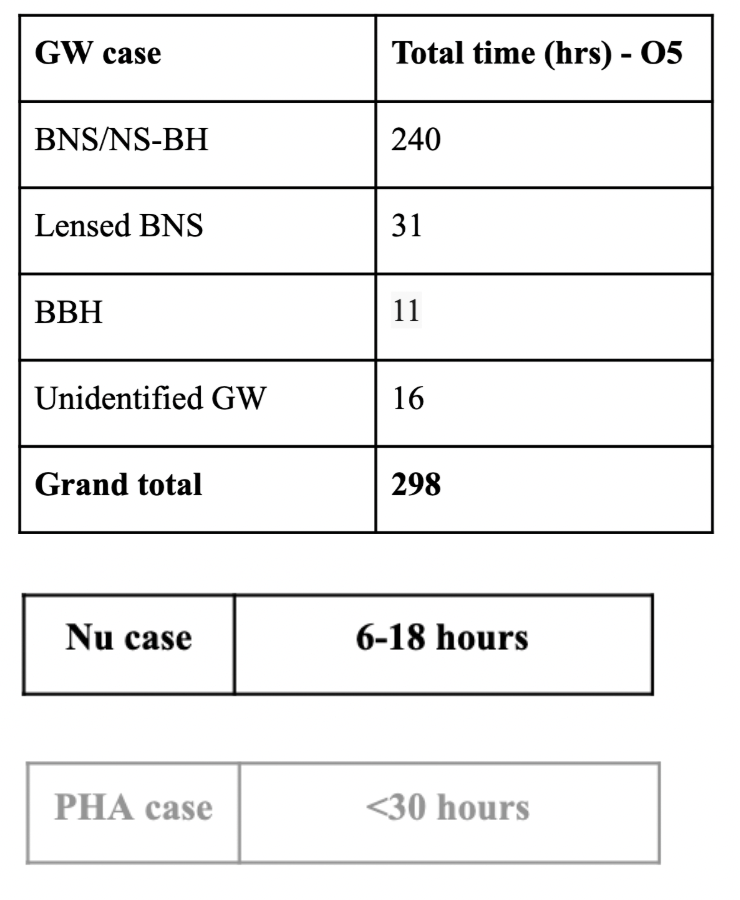
Rubin ToO program
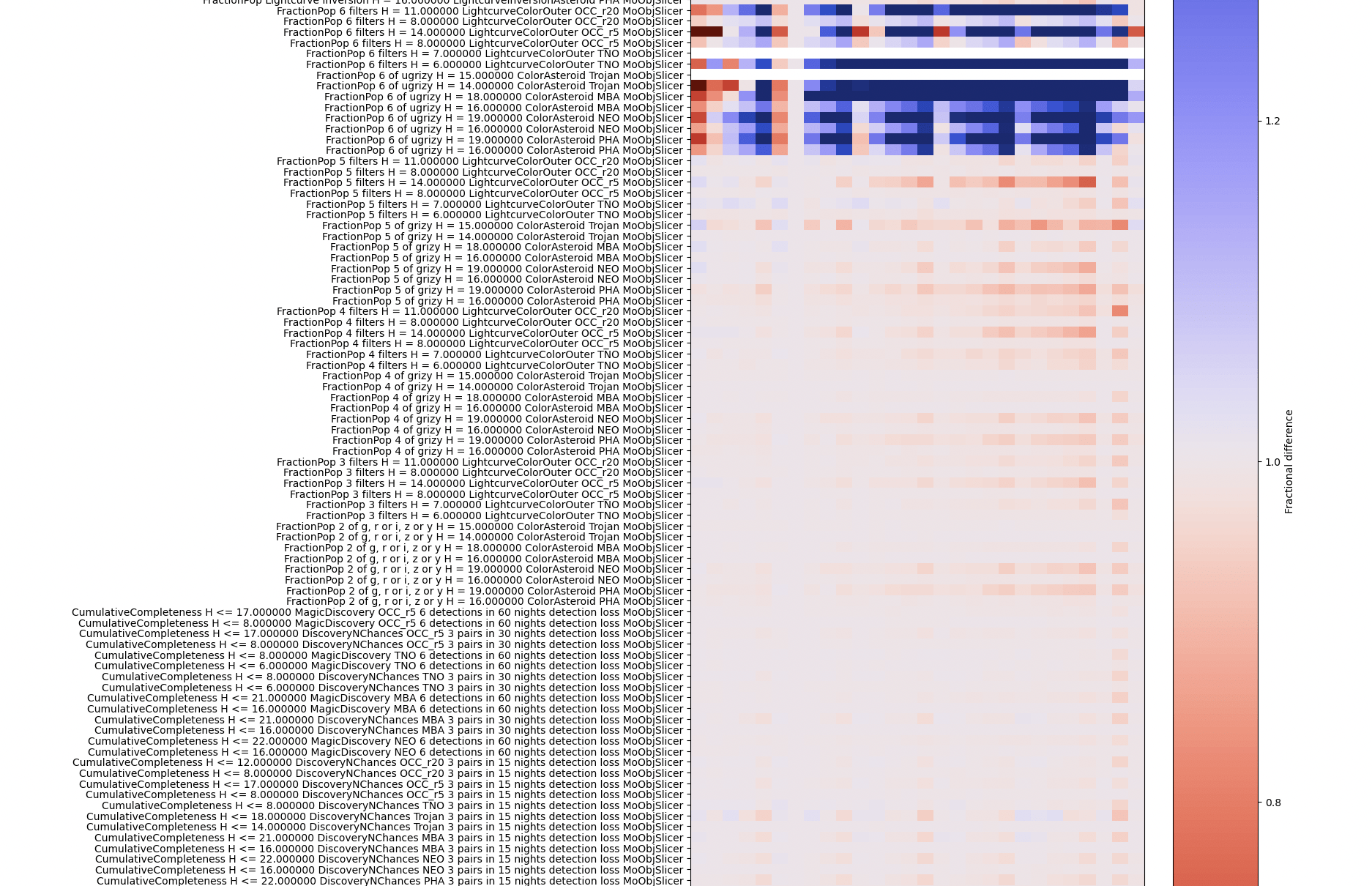
e.g. analysis of
u band exposure time
and filter balance
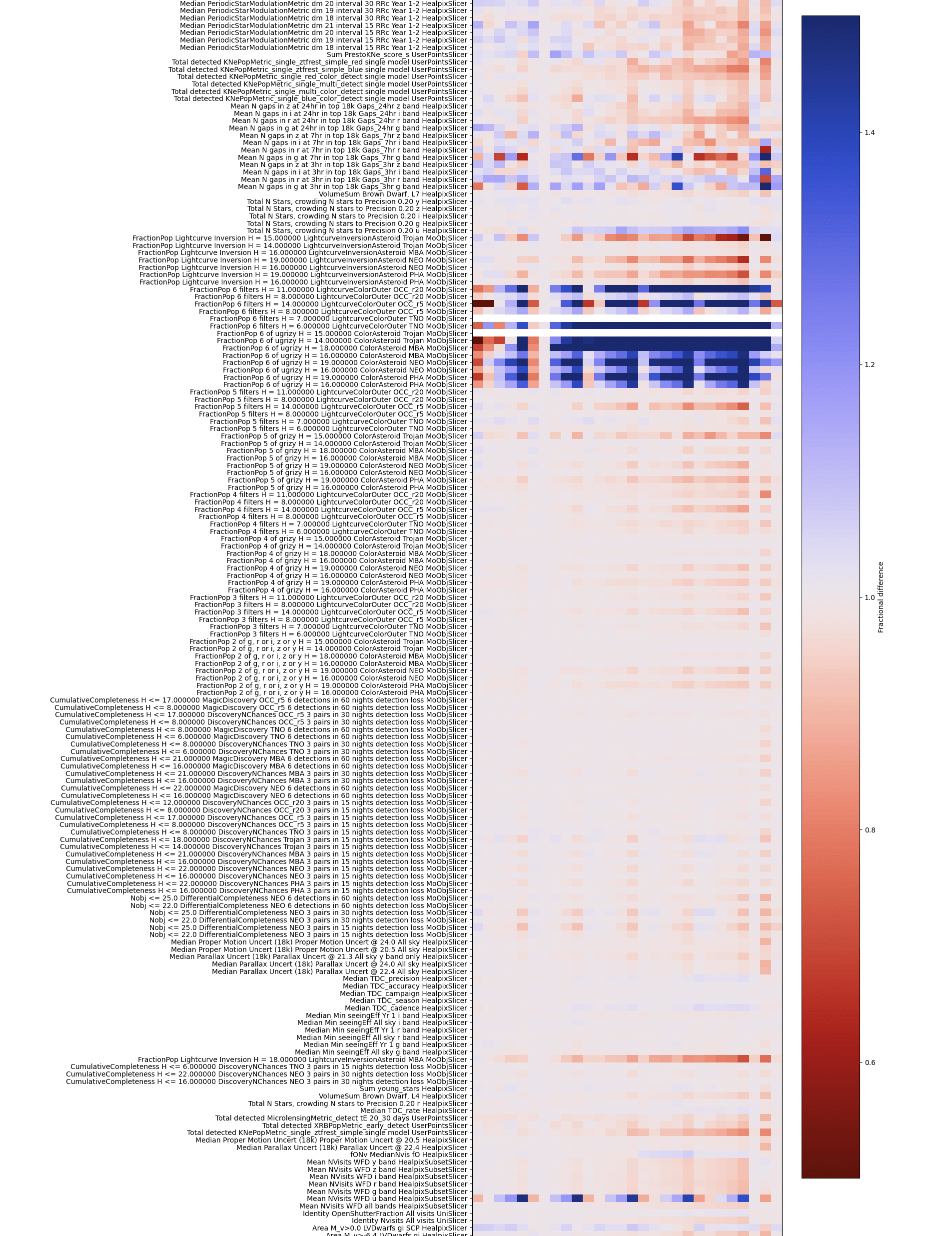
e.g. analysis of
u band exposure time
and filter balance
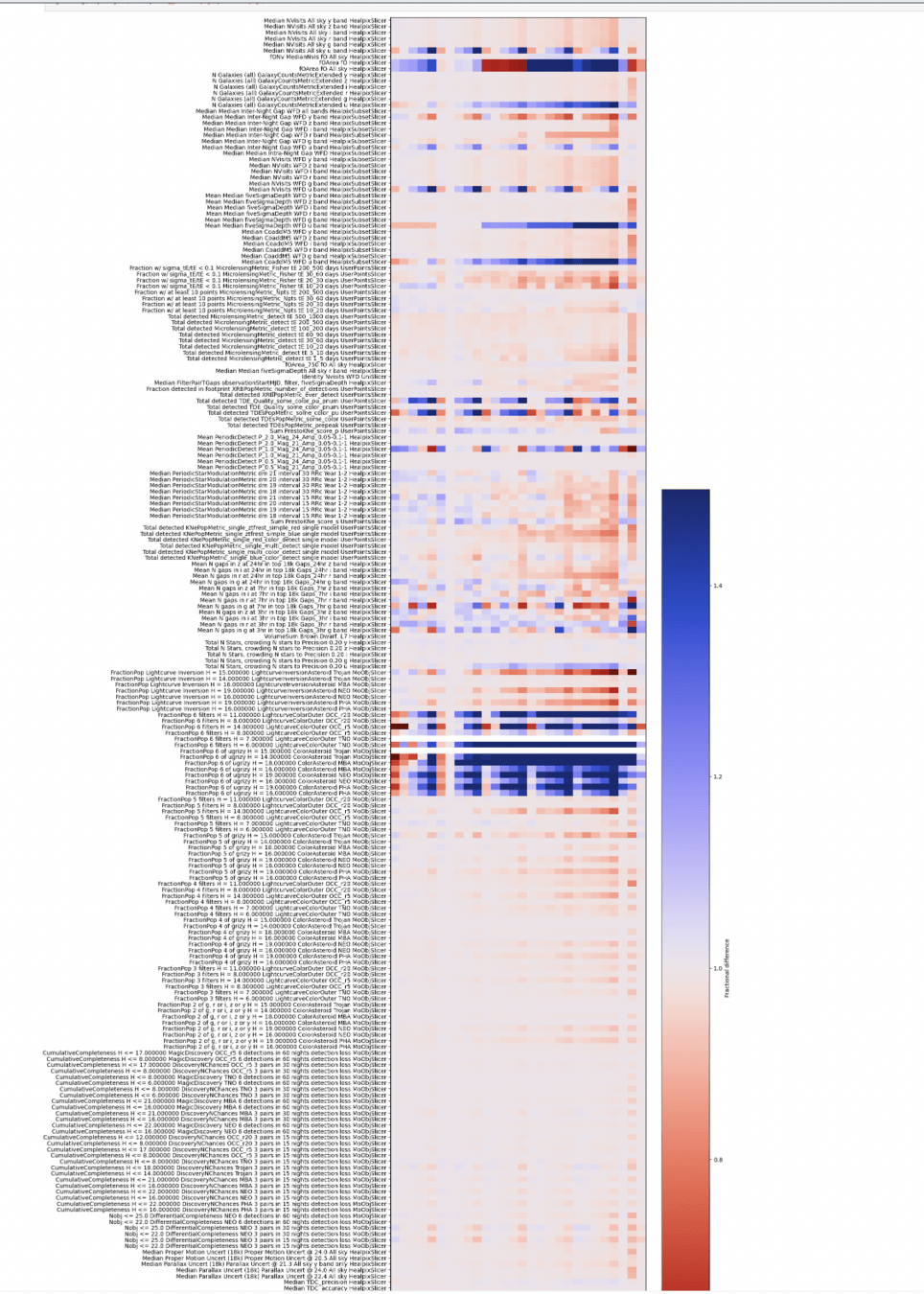
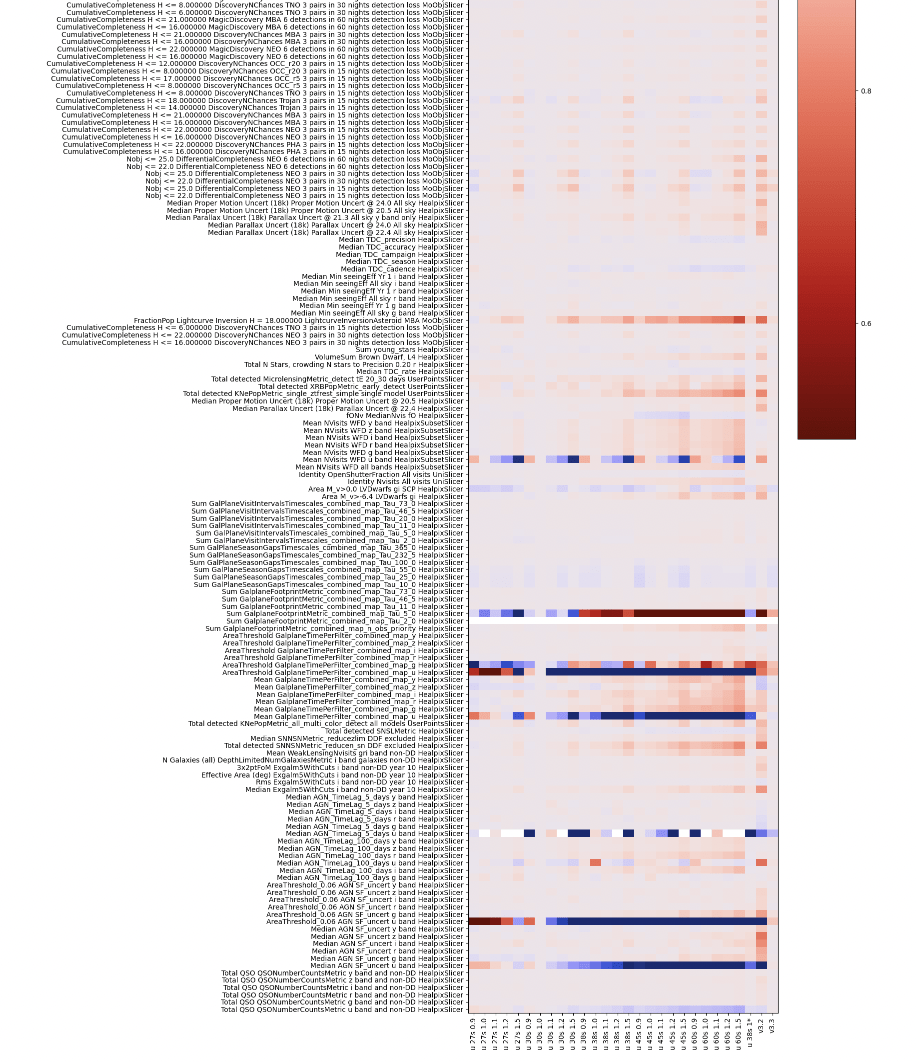
e.g. analysis of
u band exposure time
and filter balance
<-bad good ->
PSTN-056.lsst.io January 2025
2018
2025
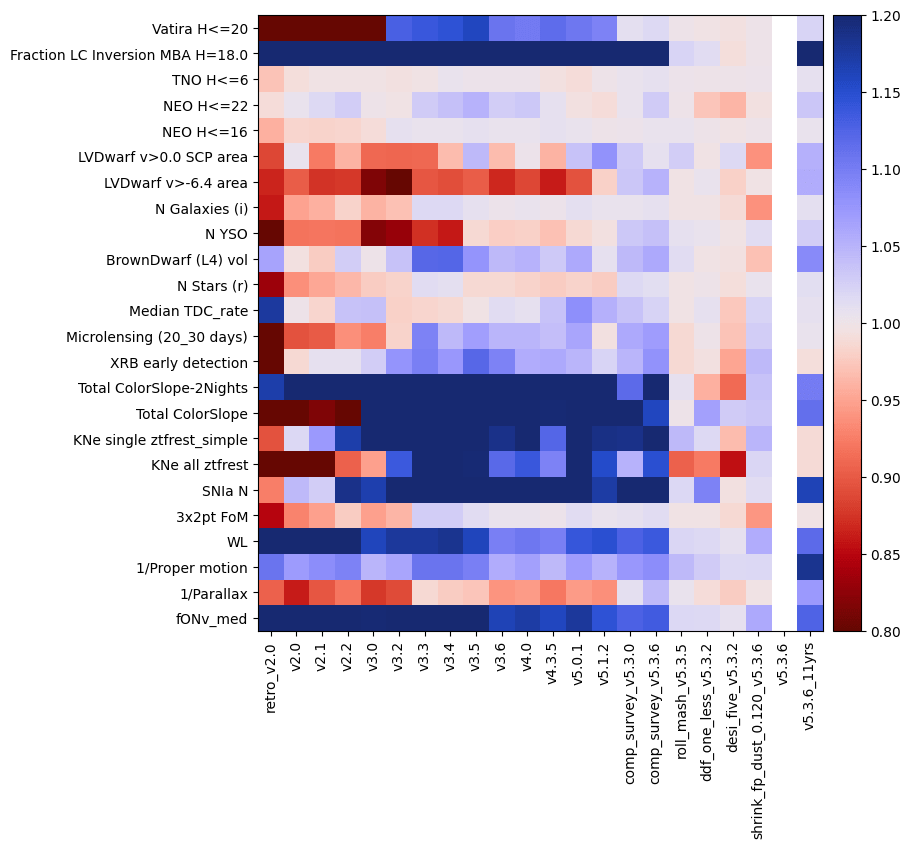
PSTN-056
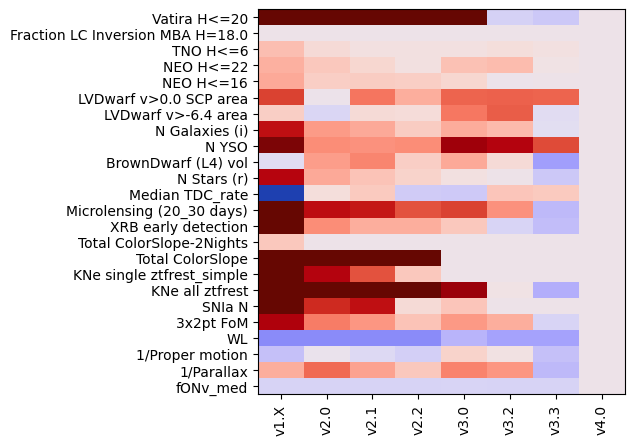
<-bad good ->
PSTN-056.lsst.io January 2025
2018
2025
PSTN-056
PSTN-056.lsst.io January 2025
PSTN-056
2018
2025
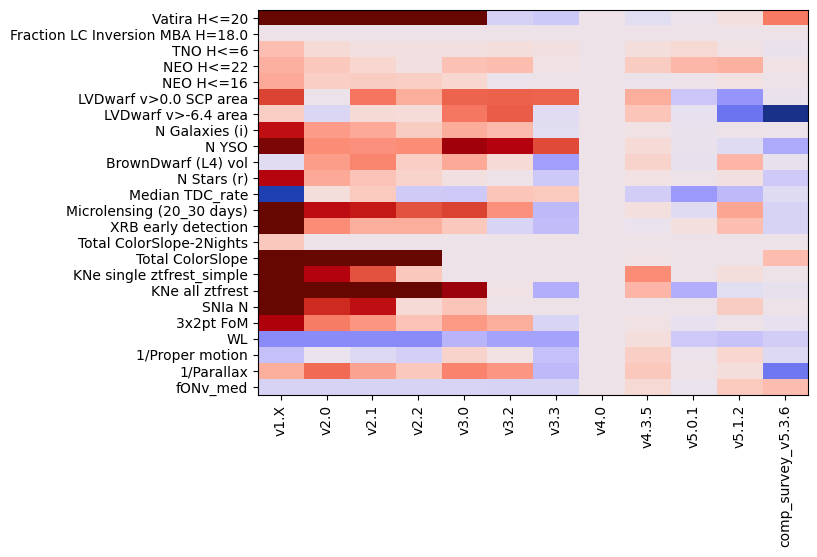
PSTN-056.lsst.io January 2025
PSTN-056
2018
2025
Real Observatory Performance??
Challenges
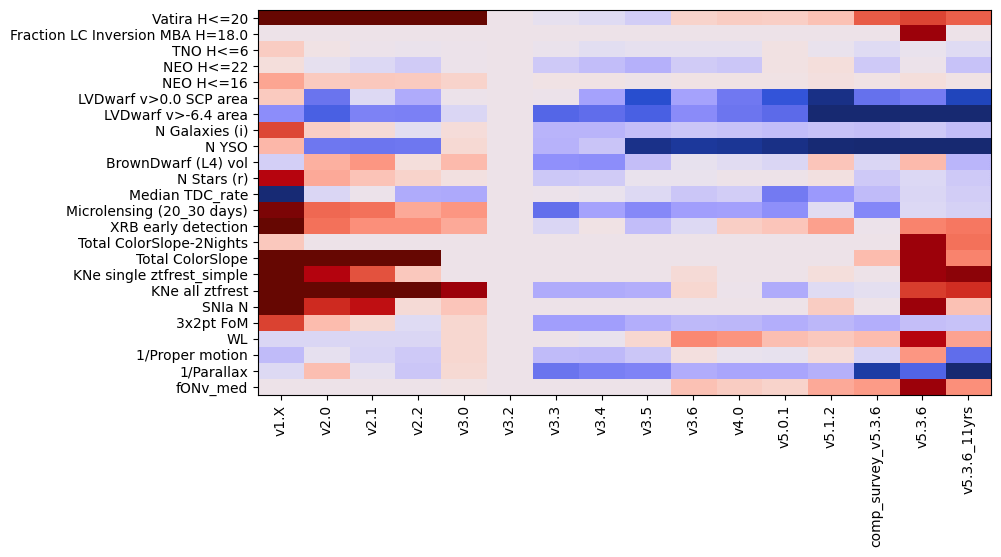
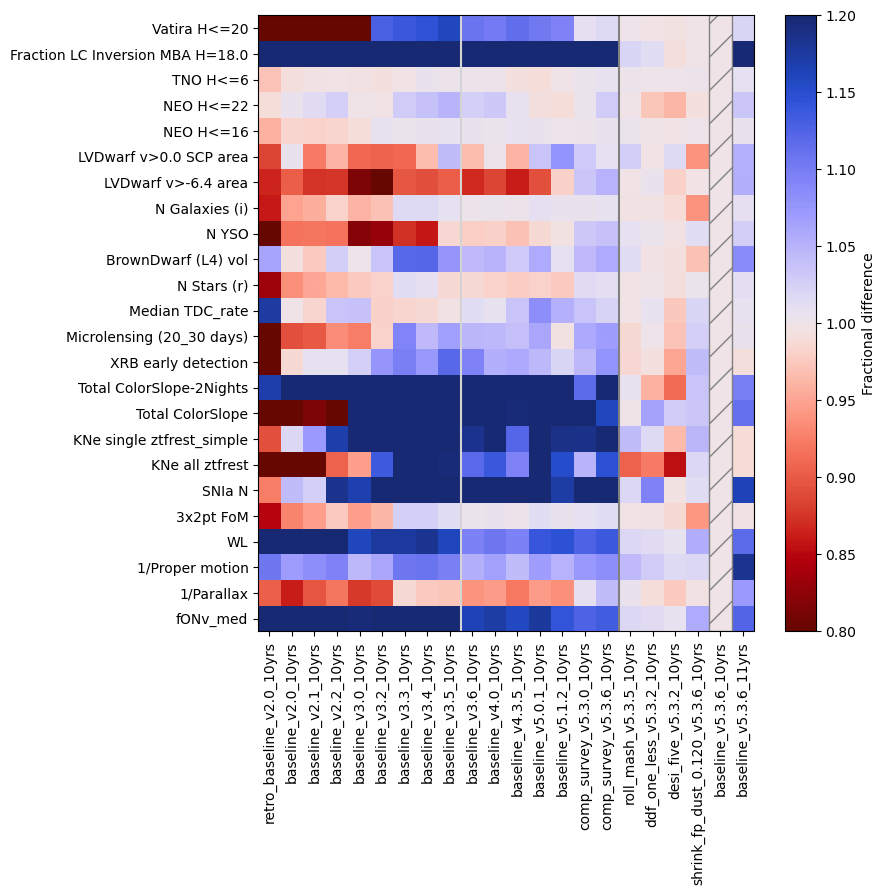
10% fewer visits
TDA and 3.2pf FoM most sensitive to efficiency
TDA cannot recover by just adding survey time
PSTN-057
<-bad good ->
2018
2023
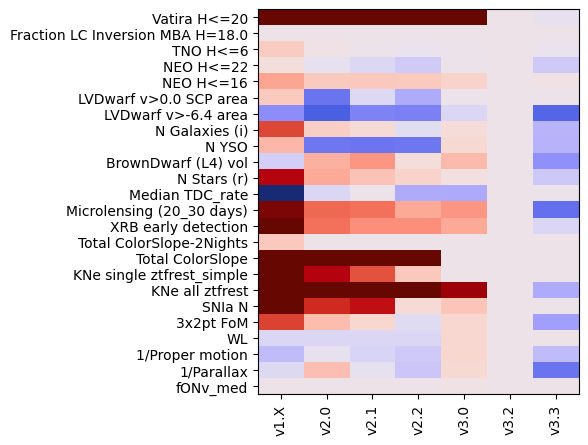
PSTN-056
PSTN-057.lsst.io July 2026
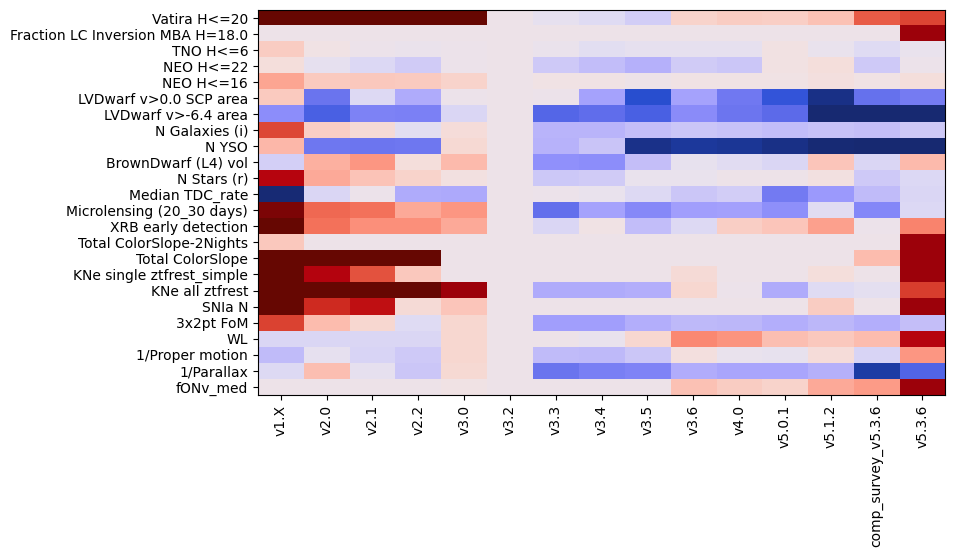
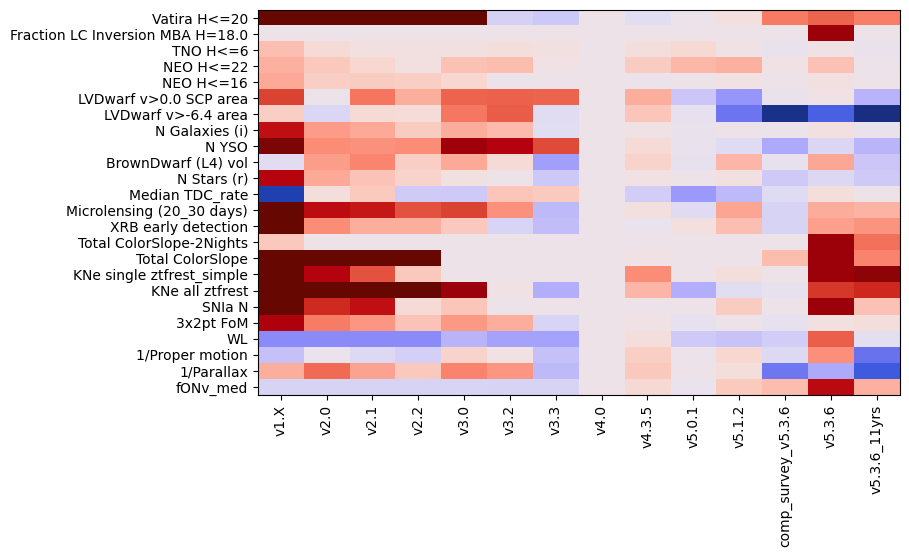
10% fewer visits
TDA and 3.2pf FoM most sensitive to efficiency
TDA cannot recover by just adding survey time
PSTN-057
<-bad good ->
2018
2023
PSTN-056
PSTN-057.lsst.io July 2026

DESC REPORT 2026
What's in v5.3
The SCOC had proposed the survey design for Y1 implemented in baseline_v4.0 and described in PSTN-056 (which itself builds on earlier SCOC recommendations Rubin’s Survey Cadence Optimization Committee et al. PSTN-053 and Rubin’s Survey Cadence Optimization Committee et al. PSTN-055) which includes the following survey strategy details:
- for footprint (PSTN-056 recommendation vi and xxiii),
- filter balance (i, ii, viii, ix, xx),
- rolling (iii, and v), including not starting rolling in Y1 (xxi),
- special surveys (DDF, xvi and xviii; ToO, x-xiv; Twilight microsurvey, xxii),
- observing in single exposures rather than “snaps” (xv), and
- cadence (with no recommended modifications from PSTN-055)
We now recommend the following changes, which have been implemented in baseline_v5.3 [cont'd]
- Translational and rotational dithering between visits within a night in the Deep Drilling Fields (DDFs) is added to translational and rotational dithering between nights following the current recommendations from Data Management (DM), [...]
- Finally, in PSTN-056 and baseline_v5.0 we introduce a specific DDF observing strategy (PSTN-056 recommendation xviii) dubbed “ocean” that observes DDFs in either “deep” or “ultradeep” seasons. Each field receives one ultradeep season (except COSMOS, which receives three), with long sequences of visits within a night. The deep seasons have 3 Survey Cadence Optimization Committee’s Survey Start Recommendations | PSTN-057 | Latest Revision 2026-07-17 shorter sequences (typically two or three visits in each filter). Both the deep and ultradeep seasons have high cadence, with nightly observations in alternating filters (so typically two-night cadence in any given filter), and this strategy is retained in the current recommendation.
NOTE: bug fixes after release of PSTN-057 after DESC report pointed out issues
DDFs: main drivers for observational strategy
Static Science (co-added): faint sources, photo-z calibration, etc.
-
reach at least 10x WFD depth (= u:520, g:630, r:1670, i:1670, z:1500, y:1480 visits)
-
AGN, Galaxies, DESC desire extra u-band depth (e.g., z ~ 3 dropout galaxies)
-
AGN want to hit specific coadded depths: (u:28.3, gri:28.5, z:27.9, y:26.5 AB mag)
Time-Domain Science: SN Ia cosmo, AGN reverb/monitoring, extragalactic transients
-
AGN want every night or every-other-night sampling in griz (and u/y as possible)
-
DESC want high nightly depth (many visits) seasons for high-redshift SN Ia (z >~ 0.7)
7% DDF budget, “best of both worlds” solution: ocean
high-cadence shallow (2 visits) observations (all years) +
individual high-cadence deep seasons (1 per field; 3 for COSMOS)
1
In deep seasons:
On even days: g:2 i:2 On odd days: r:2 z:2 Every few days: u:3 y:2
If visits are missed they are not attempted again (but u/y occasionally double up)
For EDFS same sequences, slower cadence to accommodate the double pointing
The Ocean DDF Strategy (brain child of the DDF task force led by Saurabh Jha)
In deep seasons:
On even days: g:2 i:2 On odd days: r:2 z:2 Every few days: u:3 y:2
If visits are missed they are not attempted again (but u/y occasionally double up)
For EDFS same sequences, slower cadence to accommodate the double pointing
In ultradeep seasons:
On even days: g:2 i:2 On odd days: r:2 z:2 Every few days: u:3 y:2
Every other/few days u:8 g:4 r:18 i:55 z:52 y:20
The Ocean DDF Strategy (brain child of the DDF task force led by Saurabh Jha)
What is under immediate consideration?
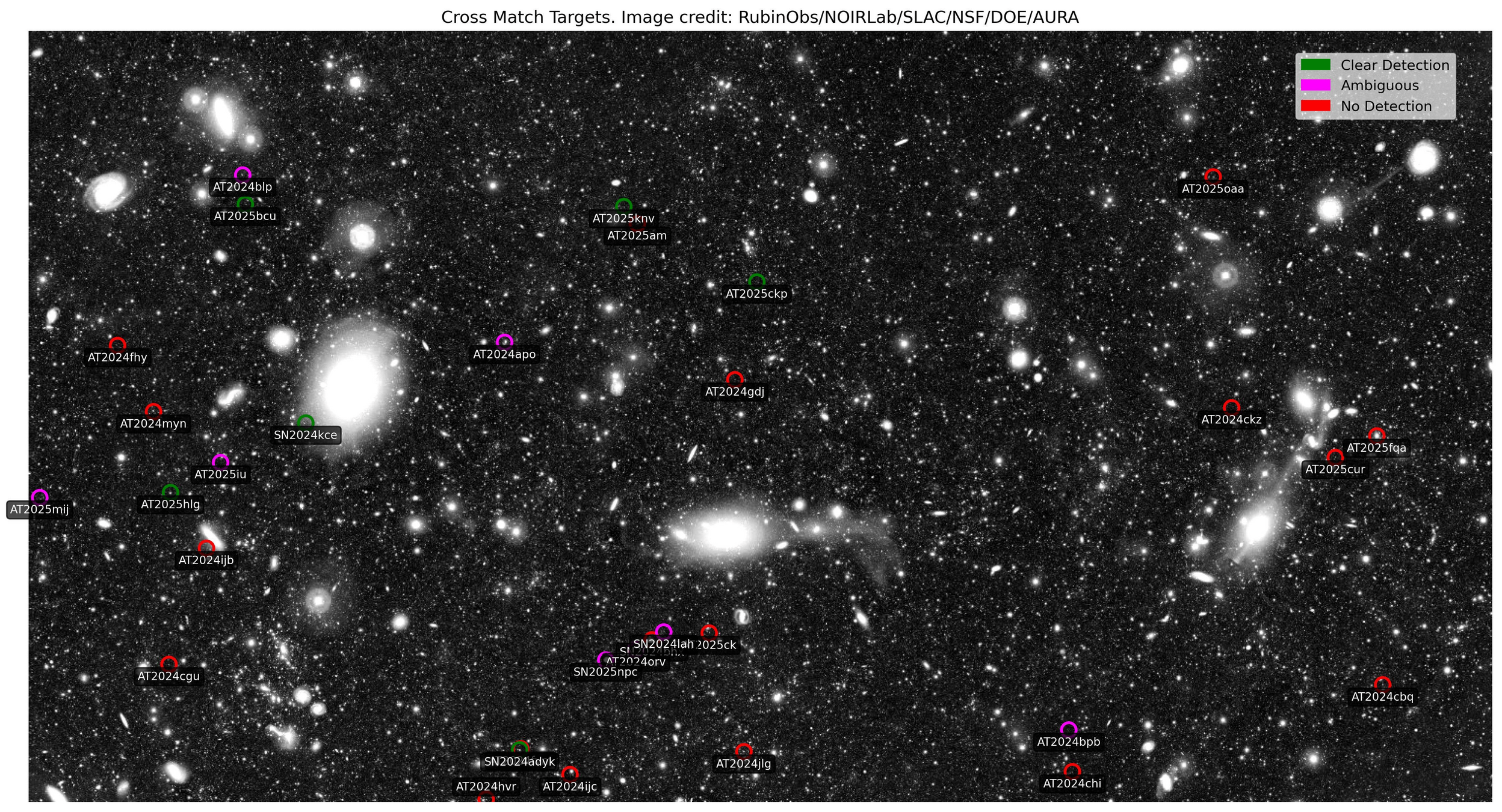
ALERTS HAVE STARTED!
Why not always? We deliver alerts on DDF+Virgo when we run the survey in survey mode (=not engineering tests)
Why not everywhere? Limited templates available - template foorprint increasing
~7M alerts per night
*Conservative ML-reliability scores for now because the infrastructure (Rubin and brokers) is still under development
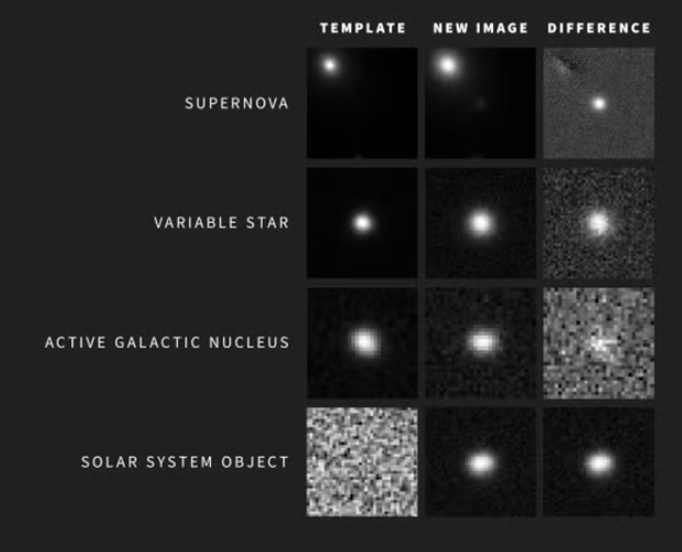
classifications by ALeRce and Lasair
We now recommend the following changes, which have been implemented in baseline_v5.3:
- We introduce a “template-tier” observing mode that is activated when sky conditions (atmospheric seeing) are conducive to the collection of good PSF images that can be used to build sky templates. This observing mode attempts to collect five images in each filter [...]
- The template tier collects images in pairs (primarily in different filters)[...] Observing in pairs enables tracking of solar system objects even in the absence of templates, and provides colors for transients and variables observed in the images, although the color will only be measured retroactively once the templates are available [...]
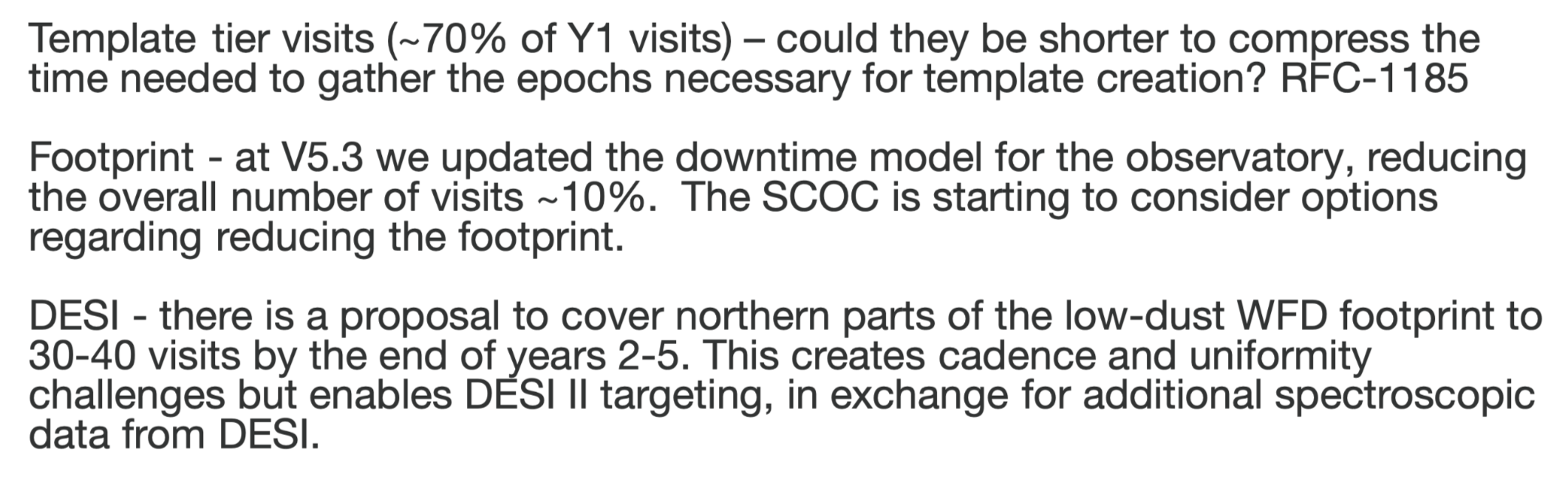
Template tier, how aggressively should we pursuit templates in u and g (and in u and g and y on the GP?
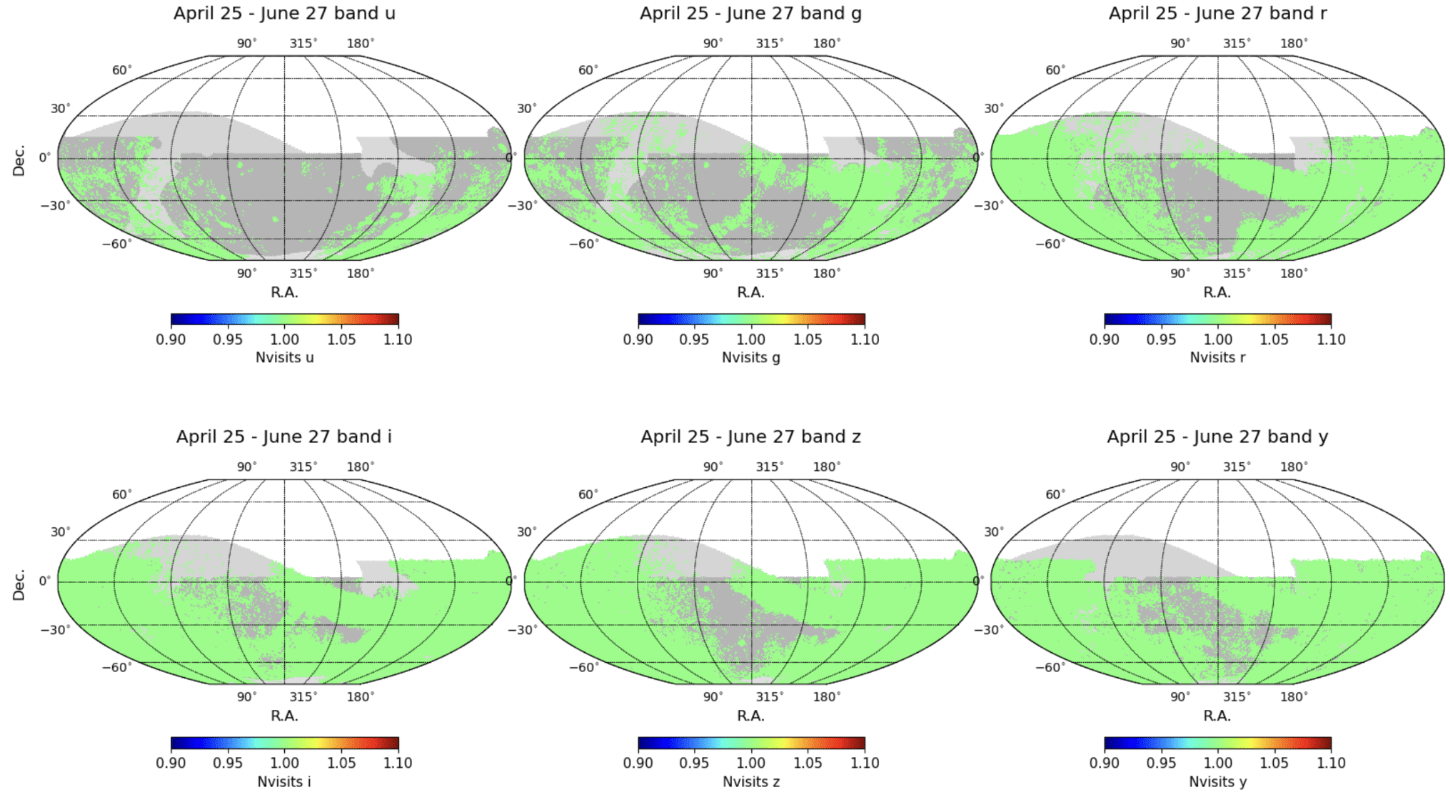
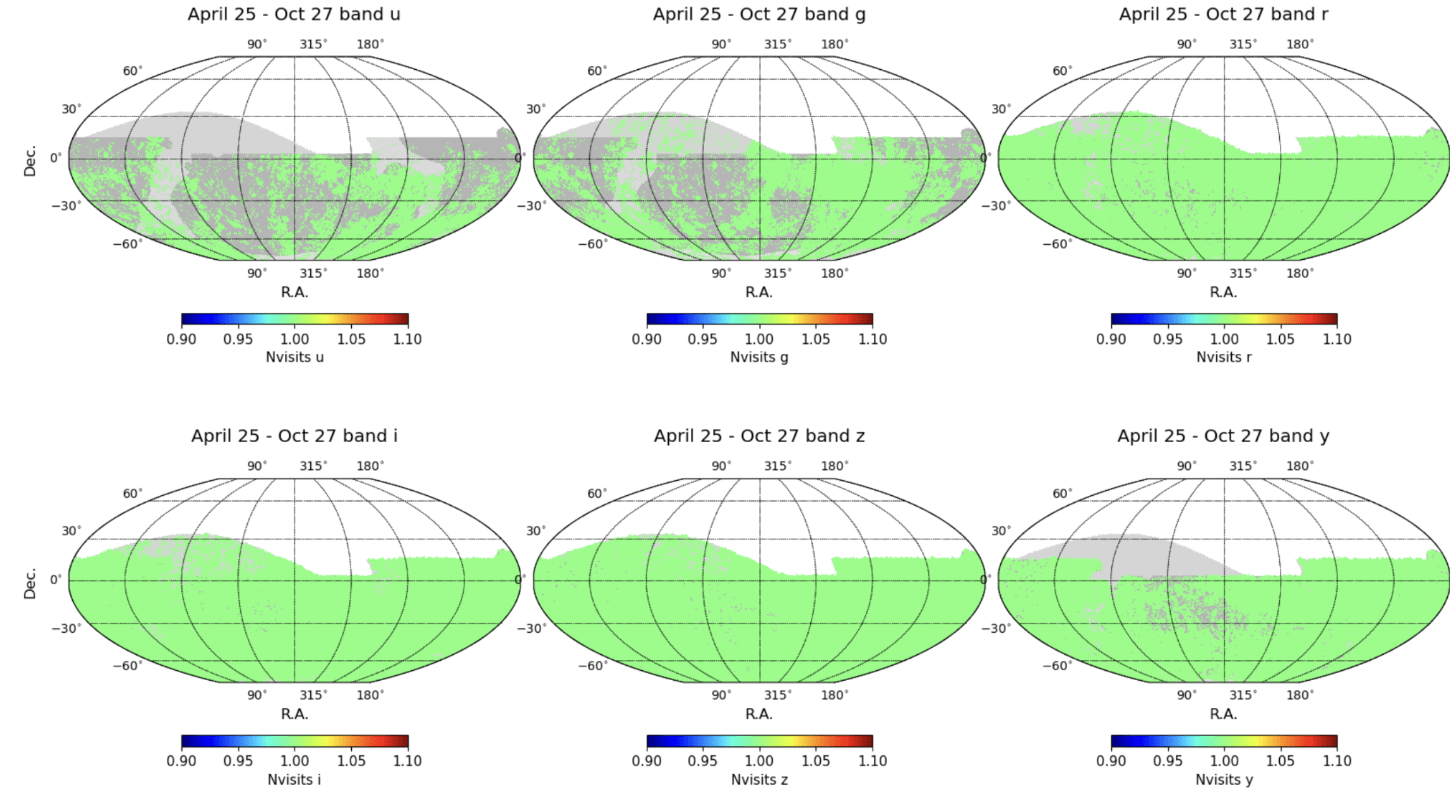
Footprint Task Force
SCOC
Eric Bellm (SCOC)
Kathy Vivas (SCOC)
Rachel Mandelbaum (SCOC)
Rachel Street (SCOC)
S. Dagoret-Campagne (SCOC)
Community
Knut Olsen (SMWLV, Chair)
James Freeburn (TVS)
Mariano Dominguez (DESC)
Peregrine McGehee (SMWLV)
Matthew Knight (SSSC)
Virgo
WFD (650 visits)
bulgy (650)
Euclid overlay
dusty (170)
NEC
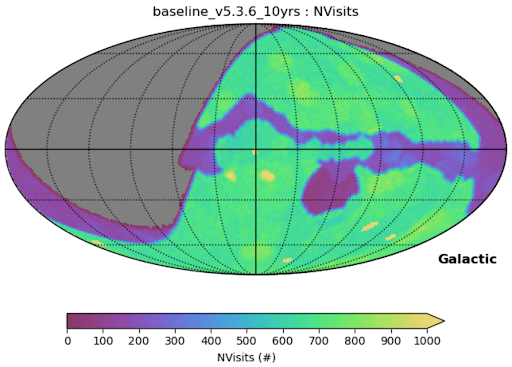
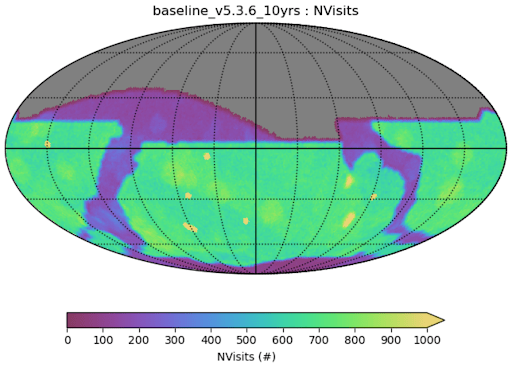
current dust cut
E(B-V) ~ 0.2
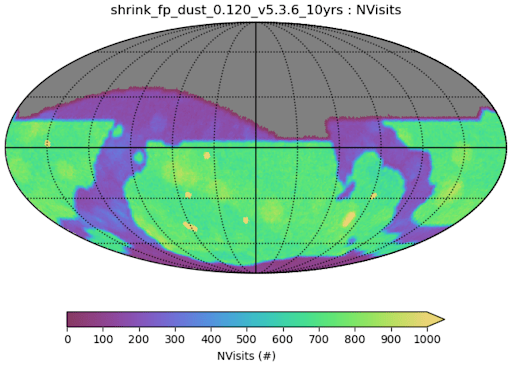
current dust cut
E(B-V)=0.12 cut
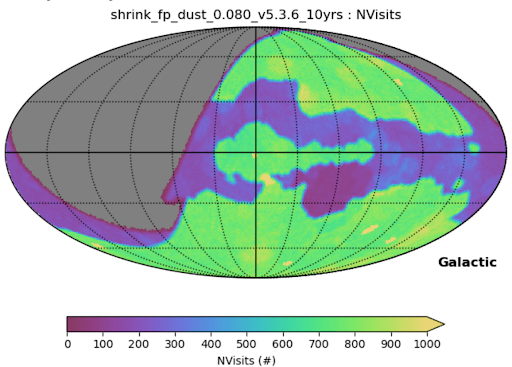
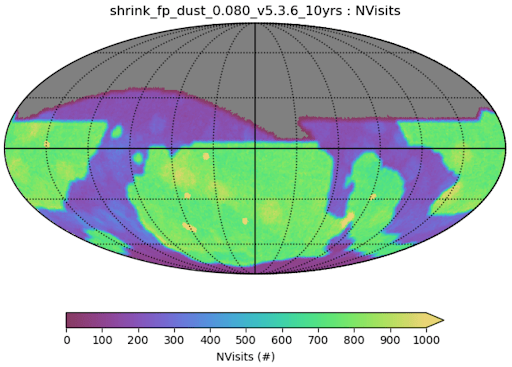
current dust cut
E(B-V)=0.12 cut
E(B-V)=0.08
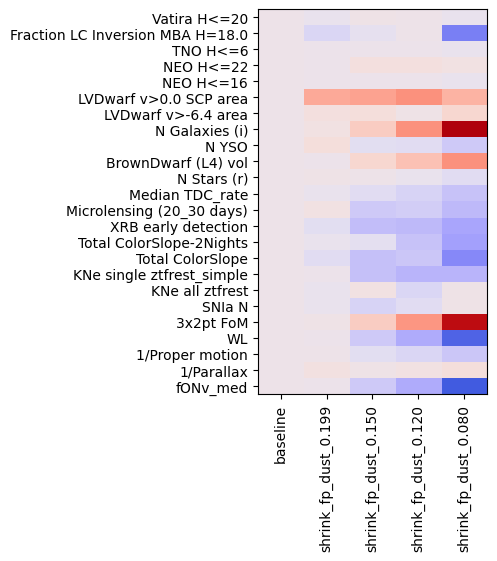
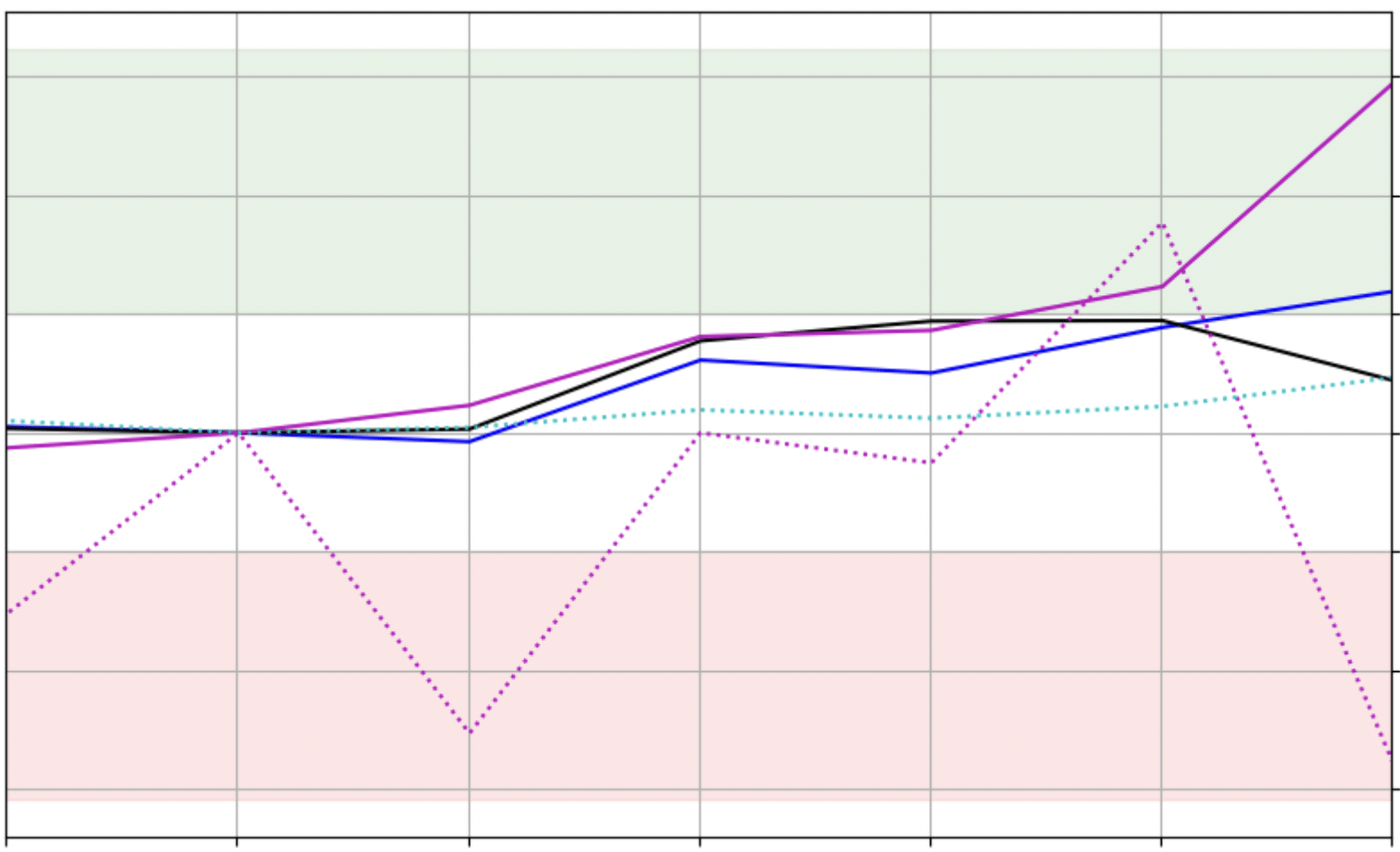
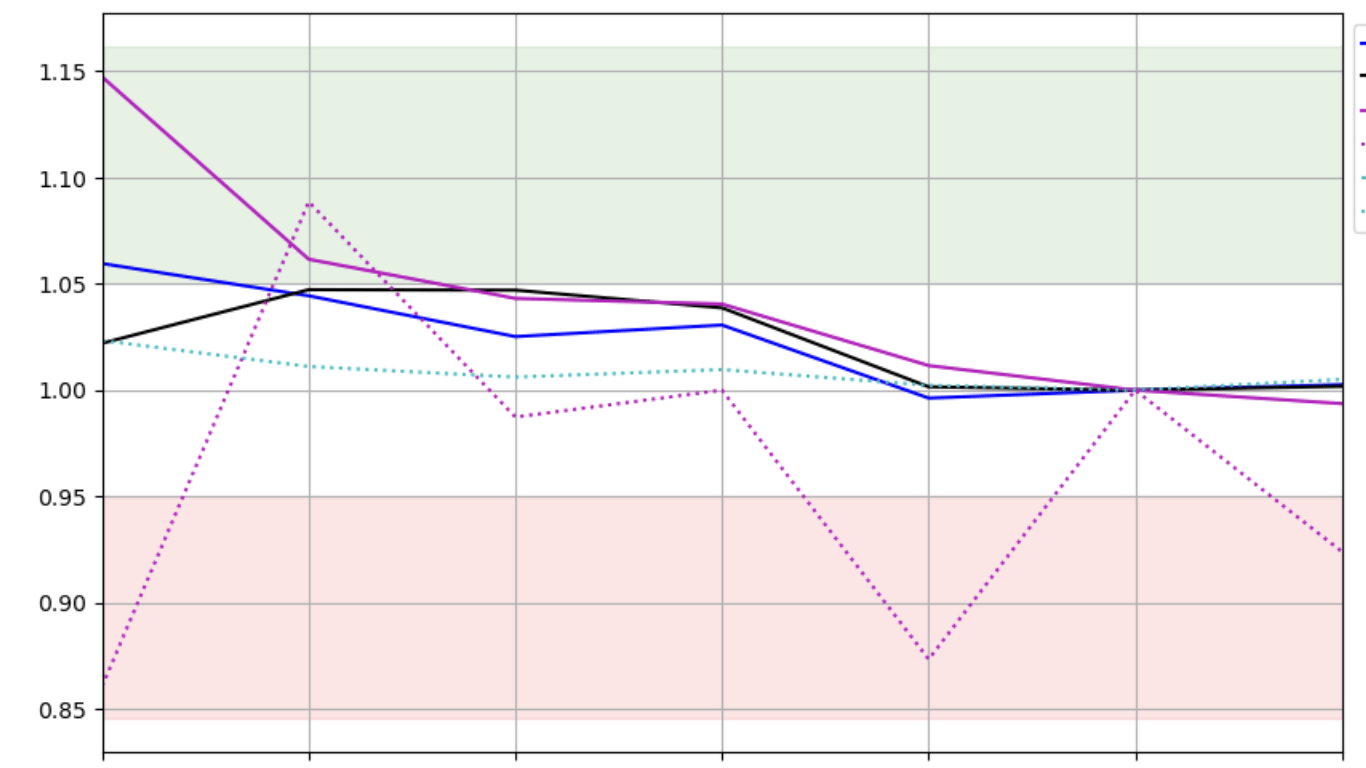
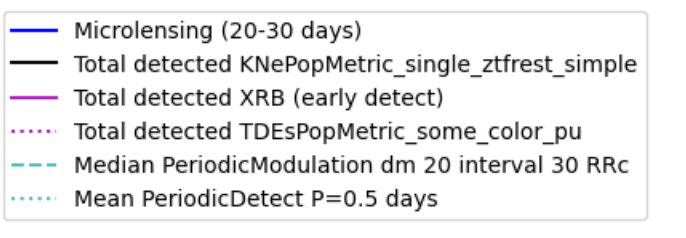
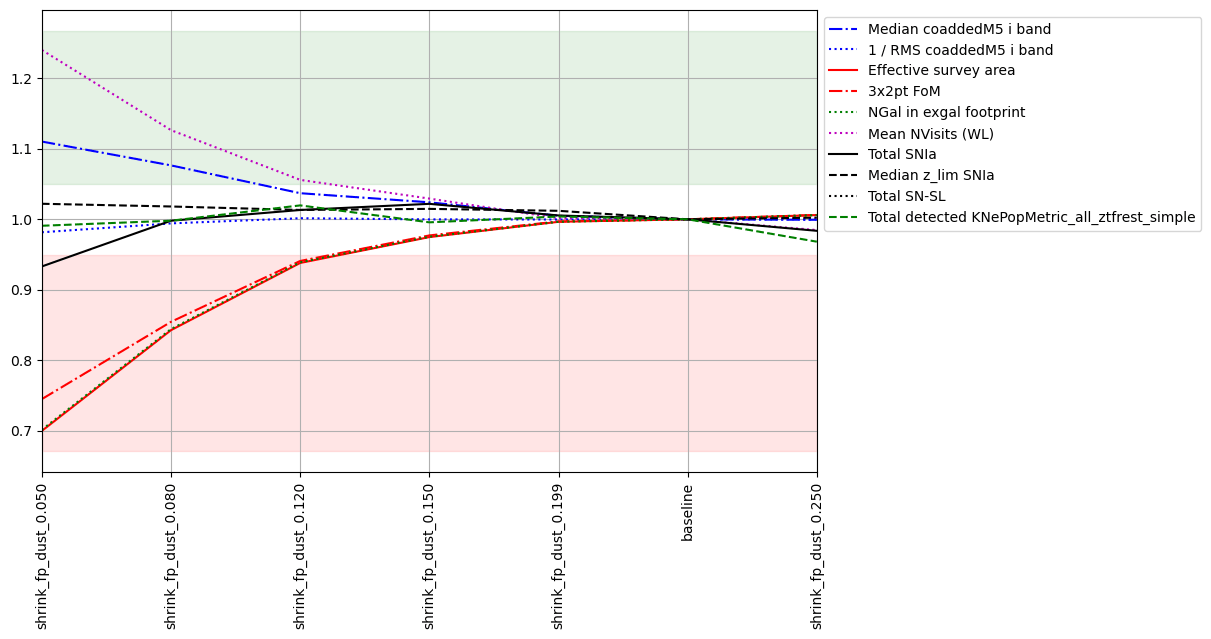
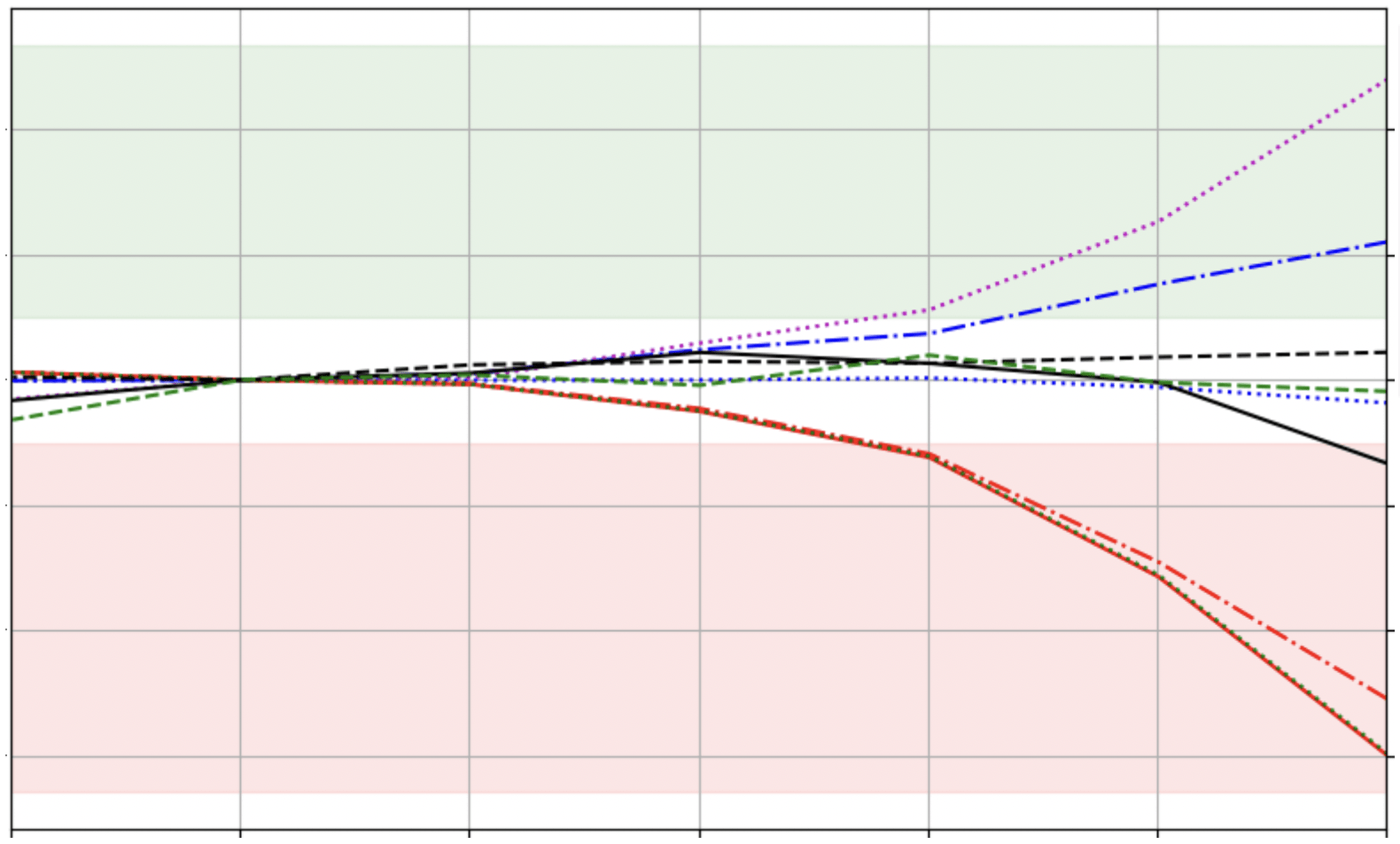
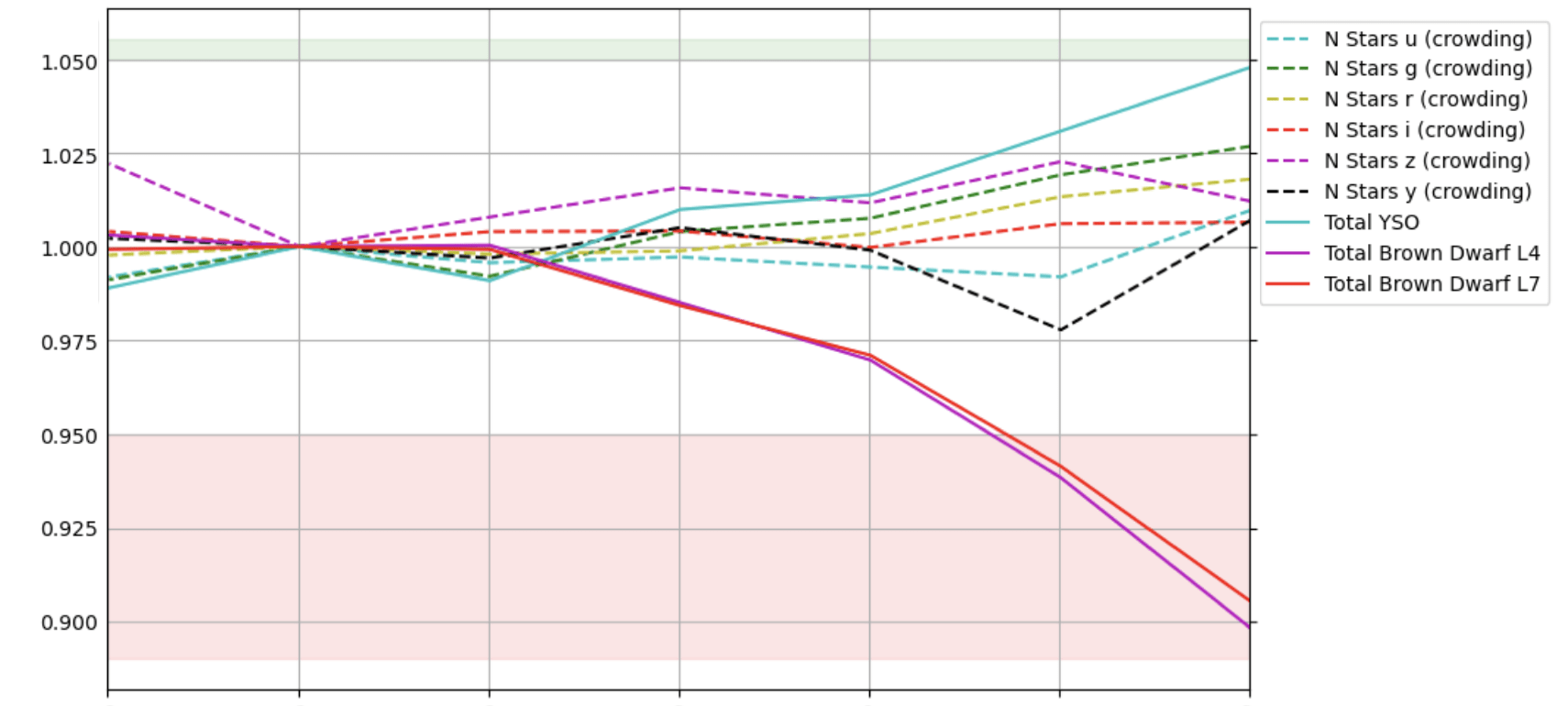
Time domain metrics
DESC
0.25 baseline 0.199 0.15 0.12 0.08 0.05
0.25 baseline 0.199 0.15 0.12 0.08 0.05
E(B-V)
0.25 baseline 0.199 0.15 0.12 0.08 0.05
E(B-V)
E(B-V)
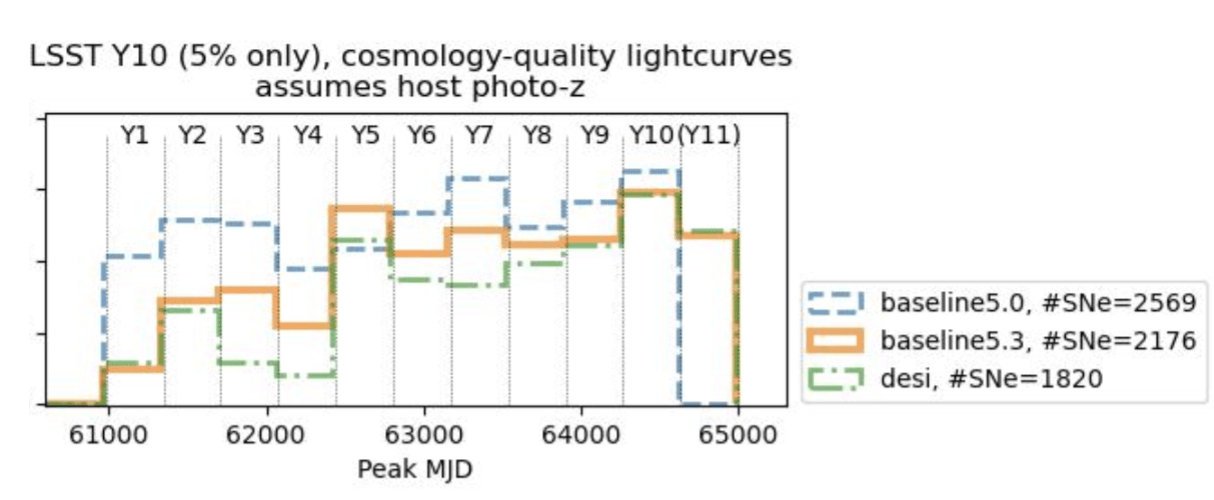
DESC REPORT 2026
A push for transparency
- keep an eye out for a public document from DESI outlining options and assumptions for the survey coverage for different schedule and details on the spectroscopic program
- be active in the SCs to discuss how you would like to use the spectroscopic program!
thank you!
University of Delaware
Department of Physics and Astronomy
Biden School of Public Policy and Administration
Data Science Institute
federica bianco
fbianco@udel.edu
https://ls.st/eu8ss
credit: AMNH Dark Universe

678 separate images taken in just over seven hours of observing time. Trifid nebula (top right) and the Lagoon nebula, which are several thousand light-years away from Earth. | NSF-DOE Vera C. Rubin Observatory