
Spiral - Modeling of Waves in Photonic Crystals
J. Barolak, P. Biagioni, G. Pellegrini

1DPC for Superchiral Sensing/Spectroscopy
Dipartimento di Fisica - Università di Pavia
Spiral Meeting, 21 February 2025, Online
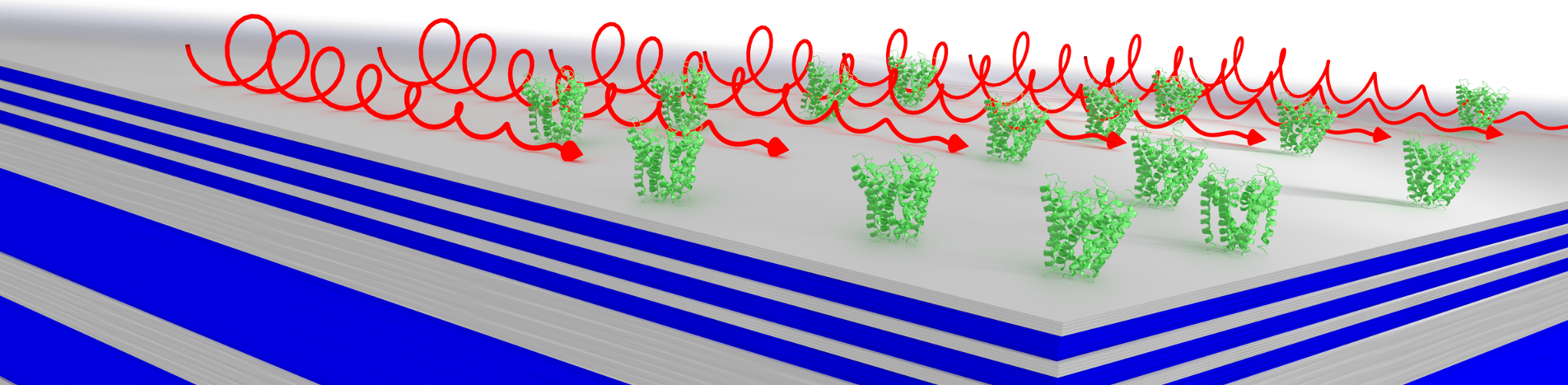
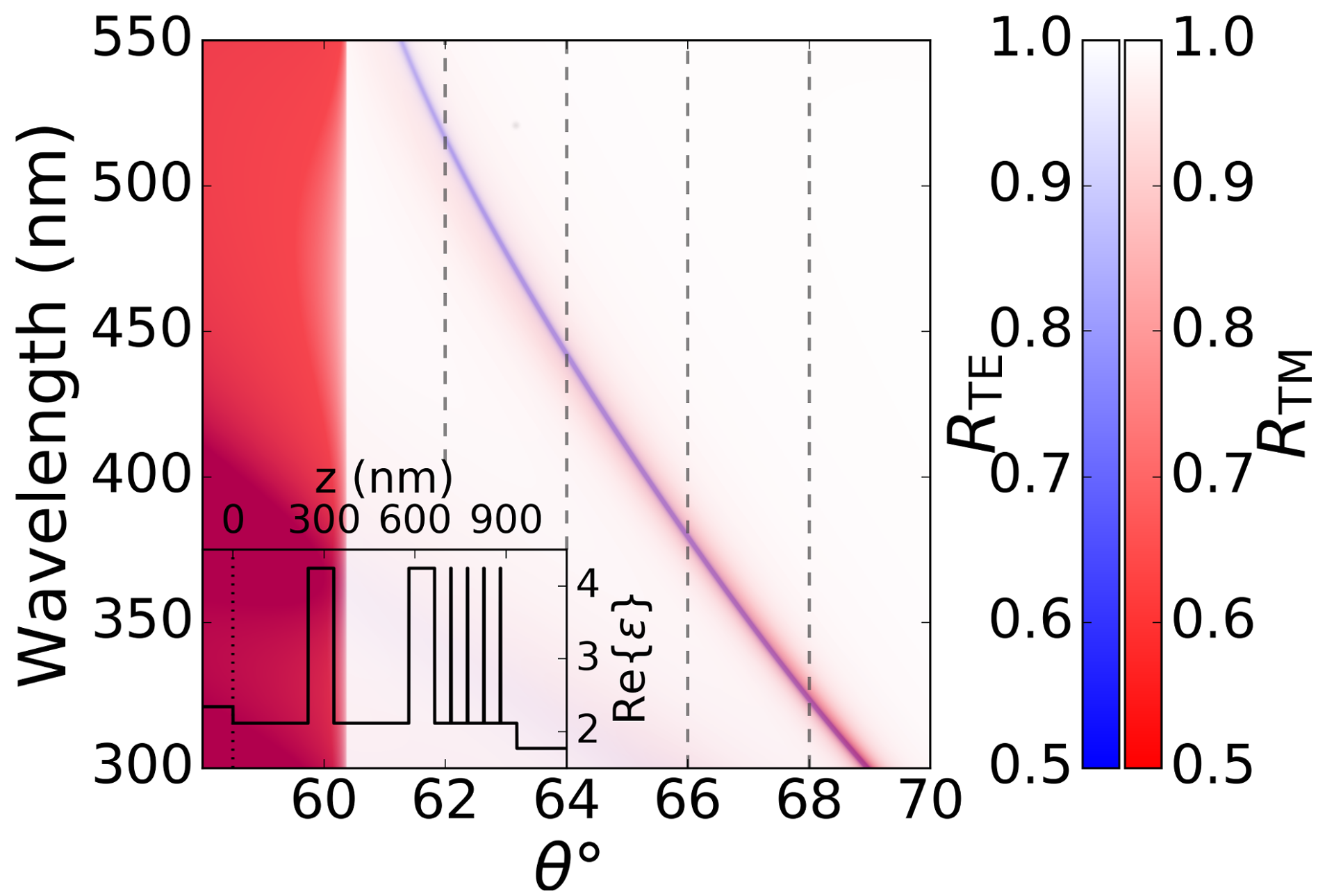
Bloch Surface Waves (BSW)
TE ± i*TM
TE ± i*TM
-
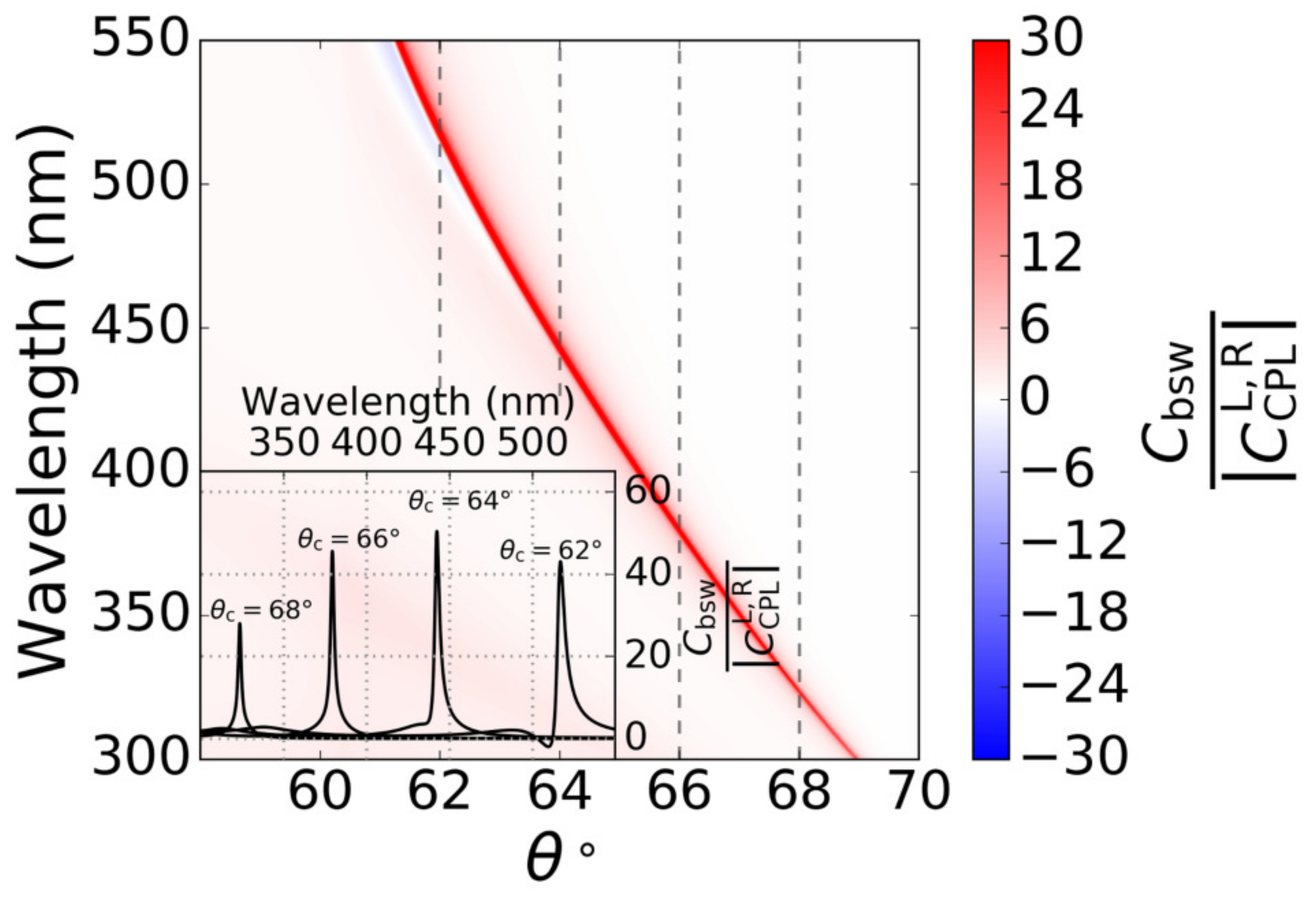
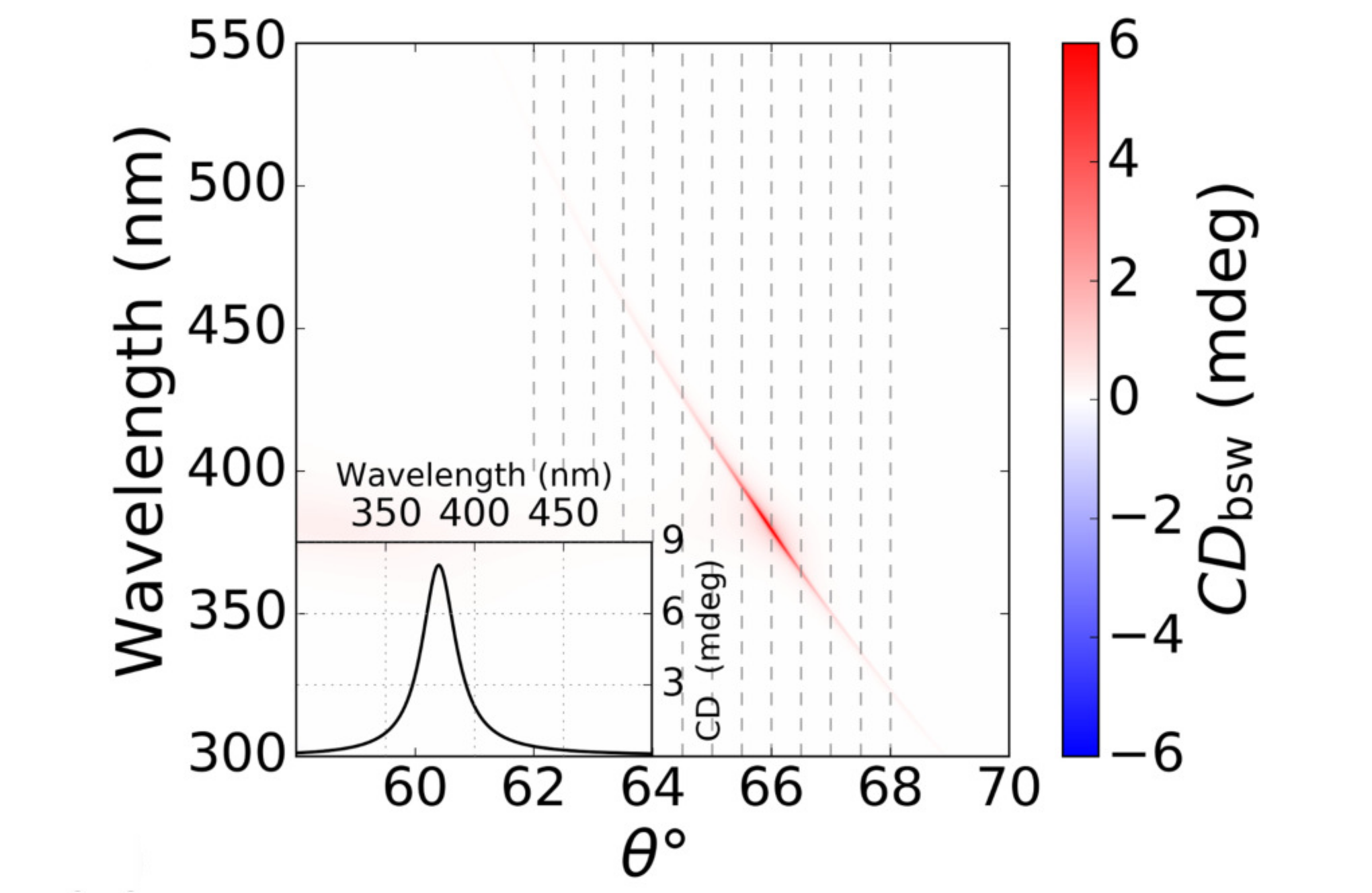
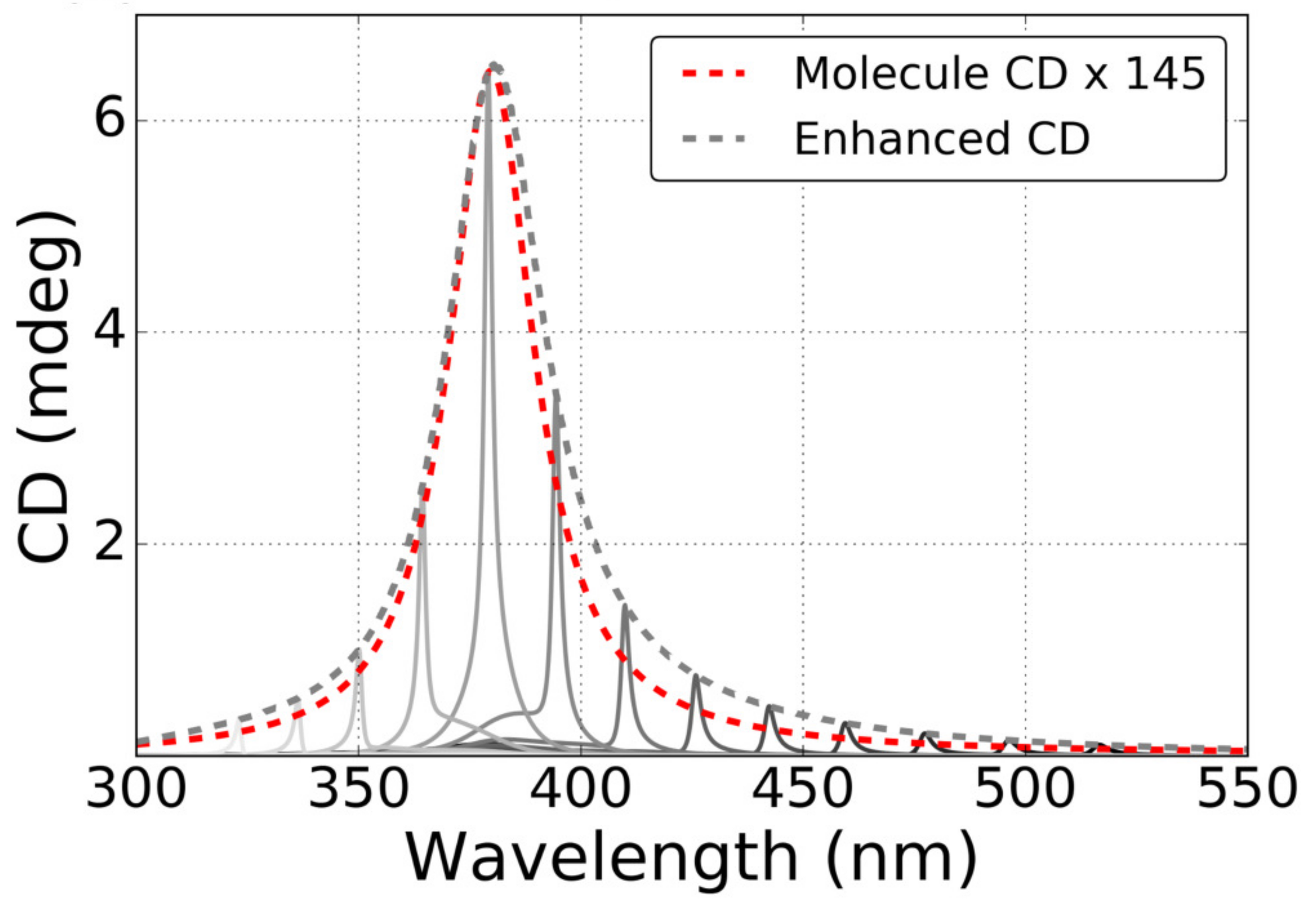
Large optical chirality enhancement
-
Uniformity over large areas
-
Optical chirality switching
-
Broadband operation
-
Flat spectral response
Planar Geometries as an Ideal Candidate
Calculation Methods
Dipartimento di Fisica - Università di Pavia
Spiral Meeting, 21 February 2025, Online
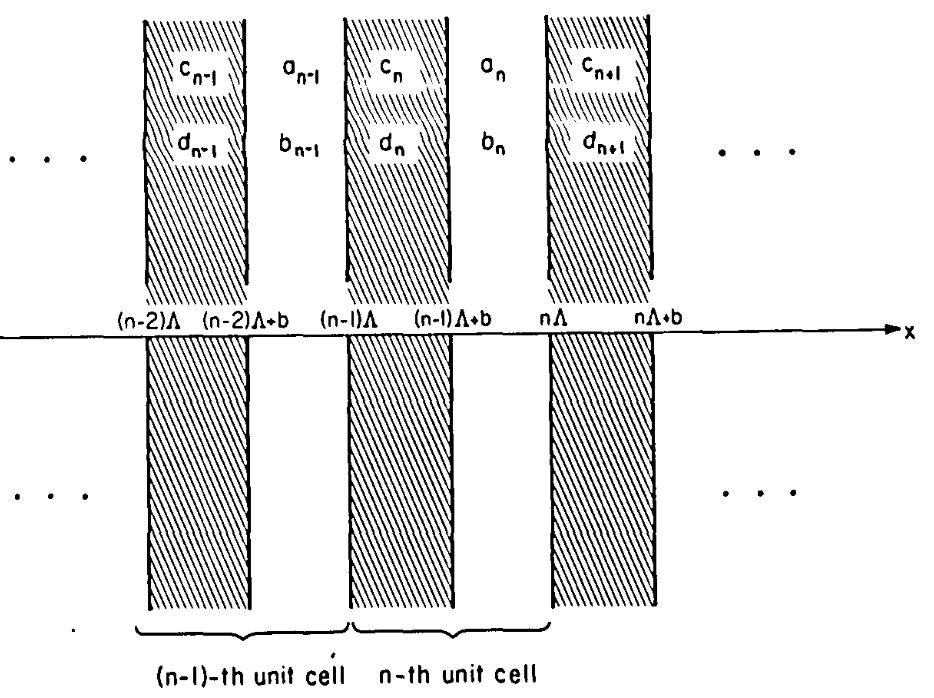
Transfer Matrix Method:

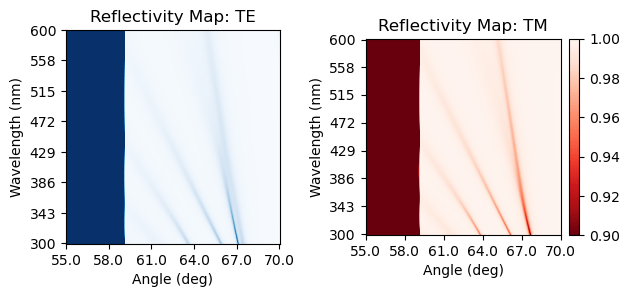
Calculation Methods
Dipartimento di Fisica - Università di Pavia
Spiral Meeting, 21 February 2025, Online
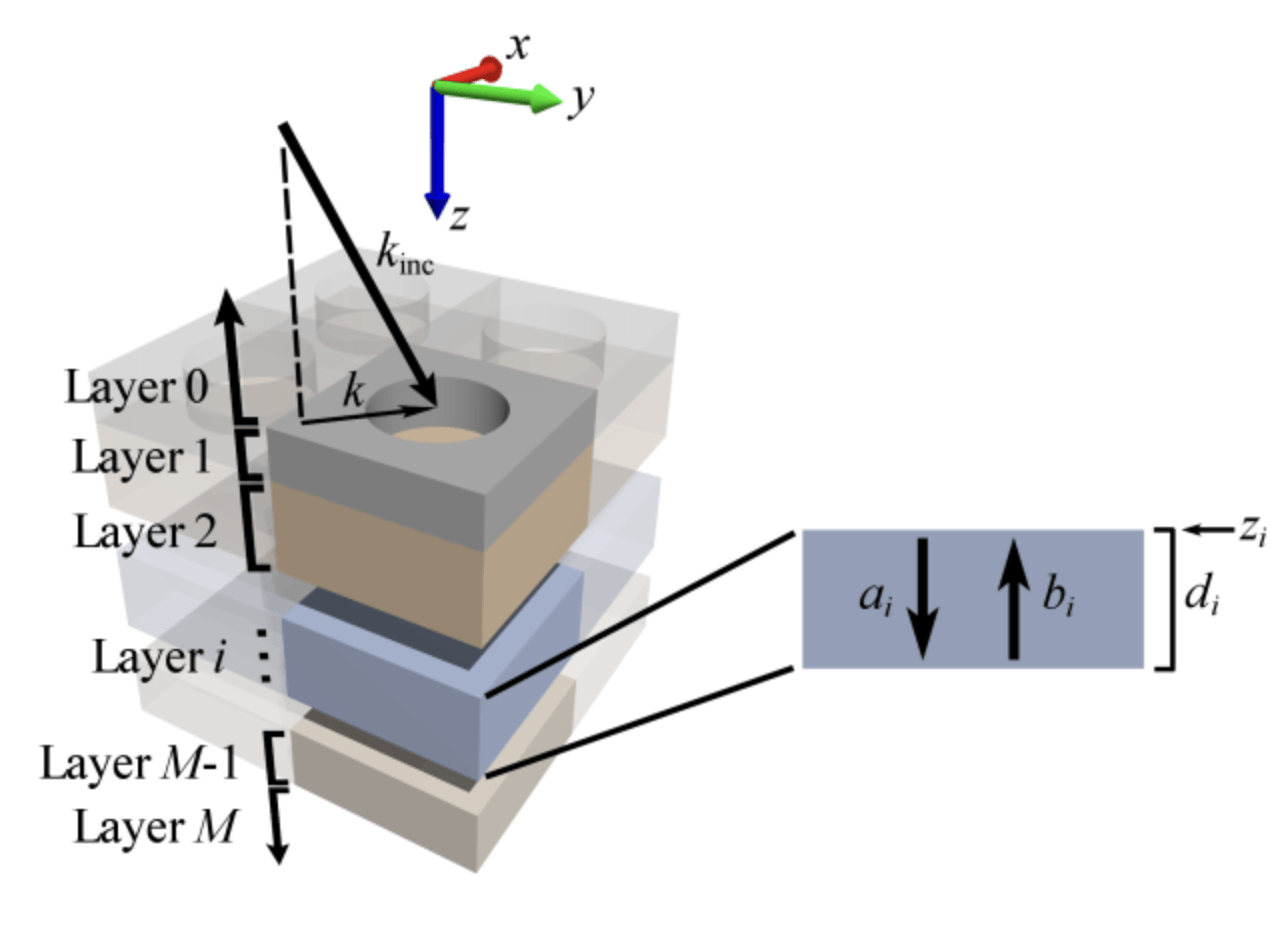
Rigorous Coupled Wave Analysis
(RCWA):
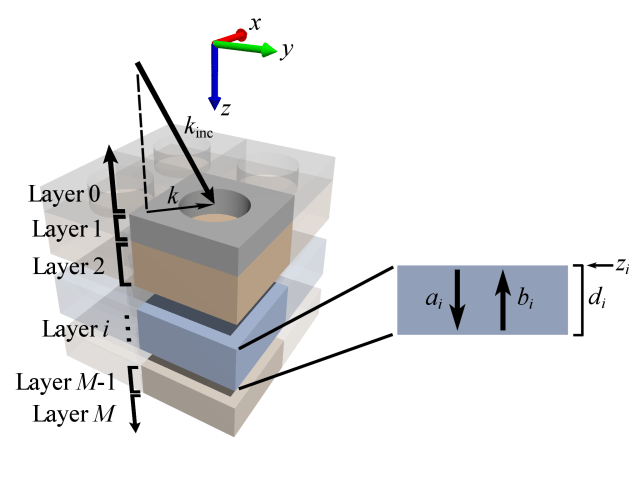
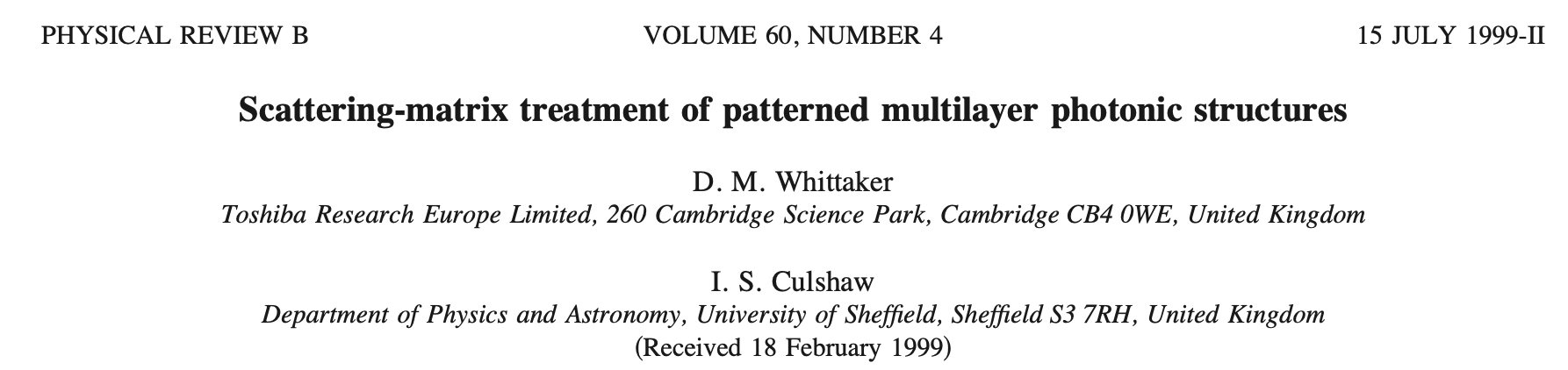
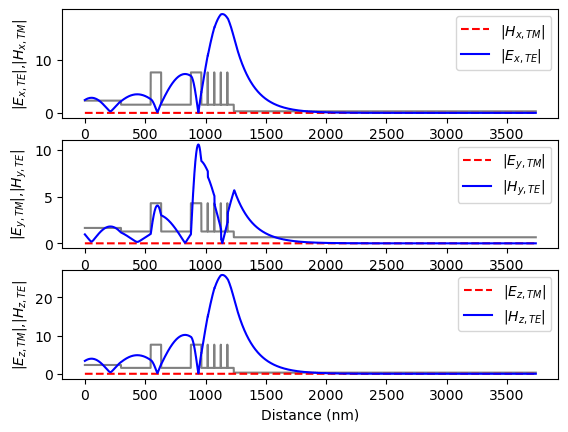
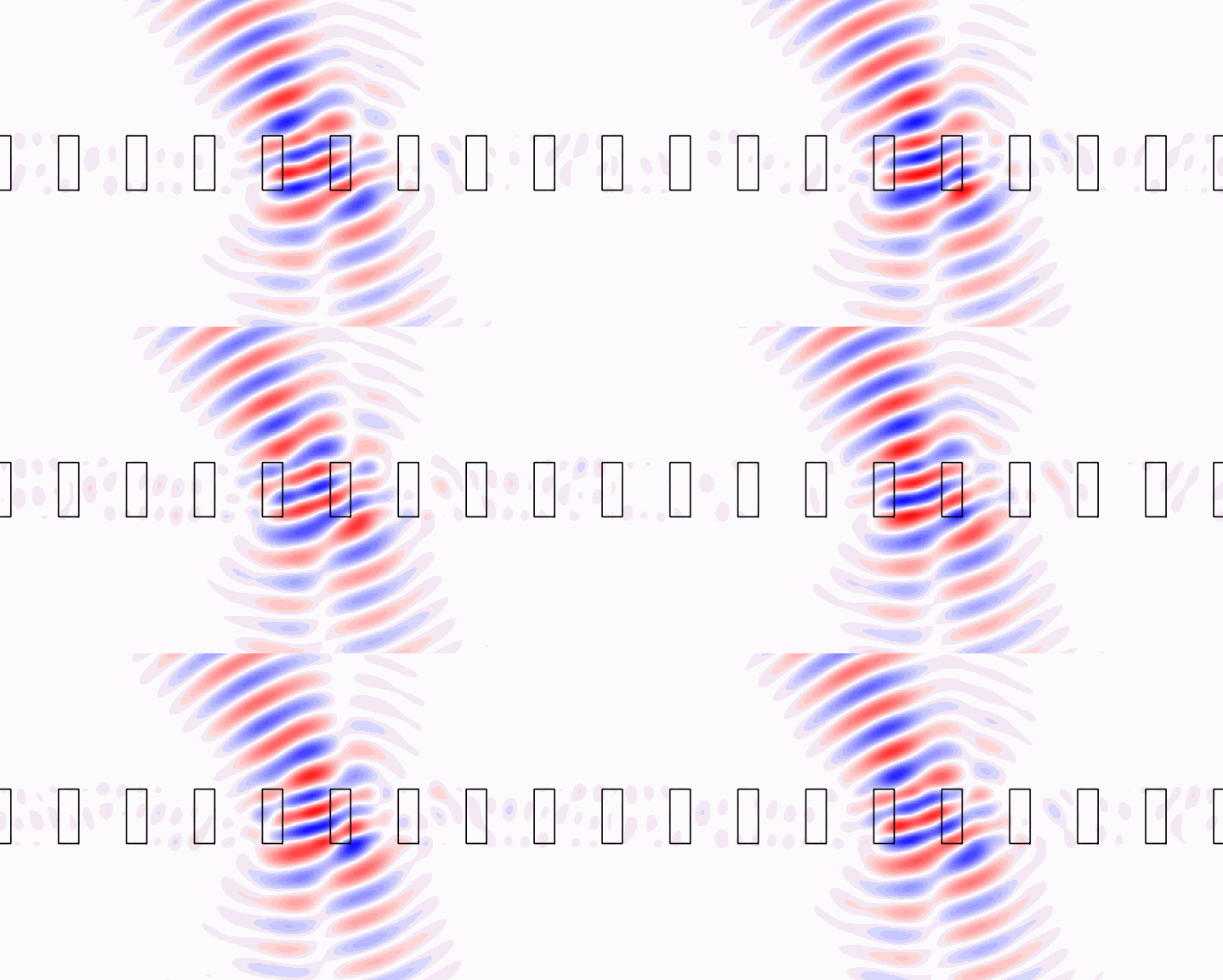
RCWA Solvers
Dipartimento di Fisica - Università di Pavia
Spiral Meeting, 21 February 2025, Online
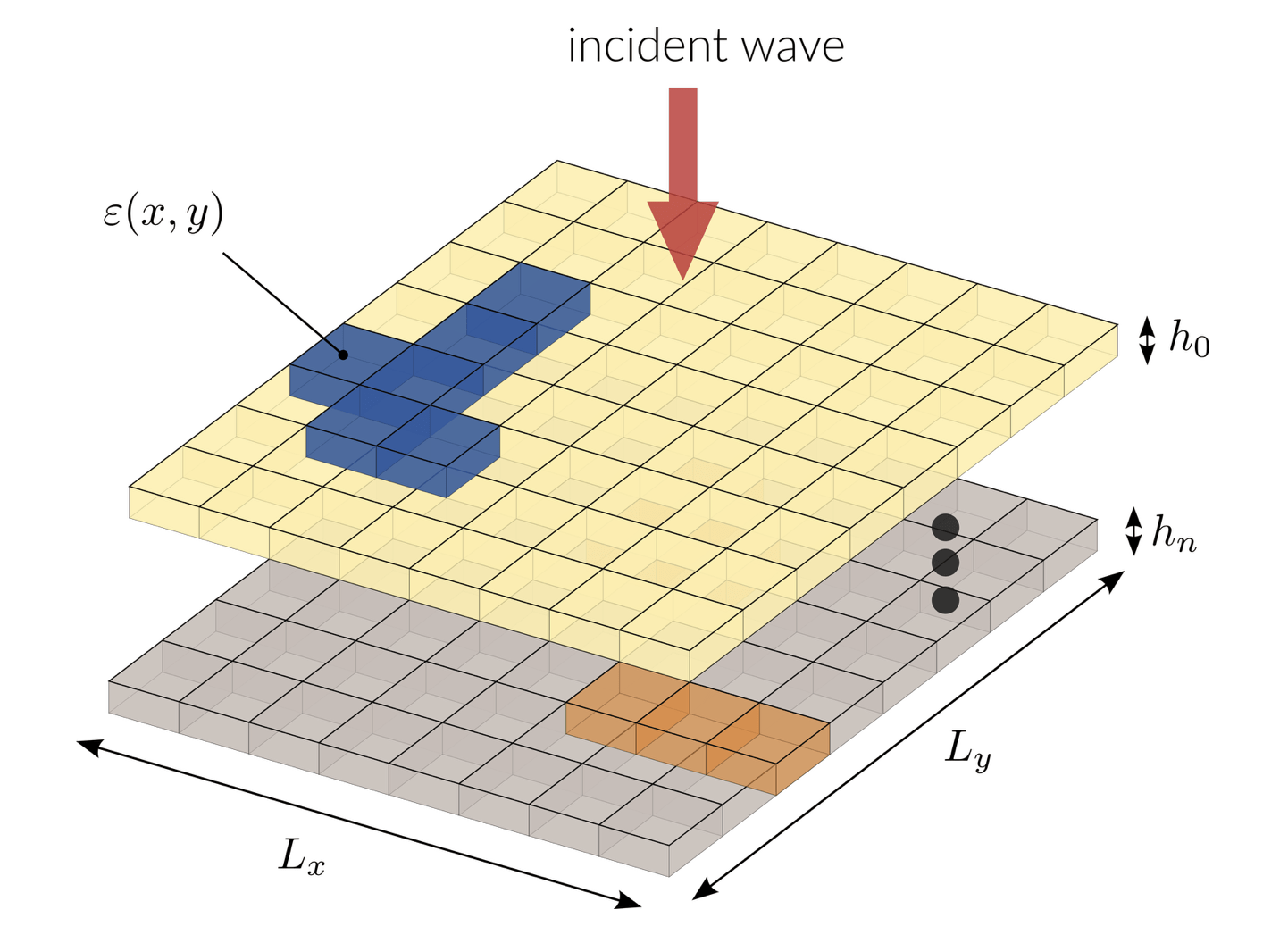
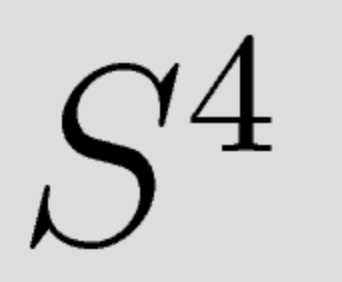



- Released in 2012
- Written in Lua with a Python interface
- Written in python
- Compatible with many backends
- Contains many different FMM formulations
- Written in Python with Jax
- Advanced features like:
- Brillouin zone integration
- Vector FMM formulations
Automated Design of Photonic Crystals
Dipartimento di Fisica - Università di Pavia
Spiral Meeting, 21 February 2025, Online
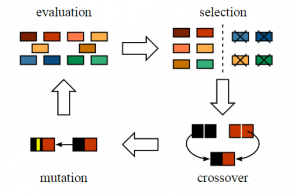
Genetic Optimization for improved photonic crystal designs!
}
Input parameters:
- 1DPC Properties
- Illumination properties
θ
n1
n2
t1
t2
t3
t5
t7
t4
t6
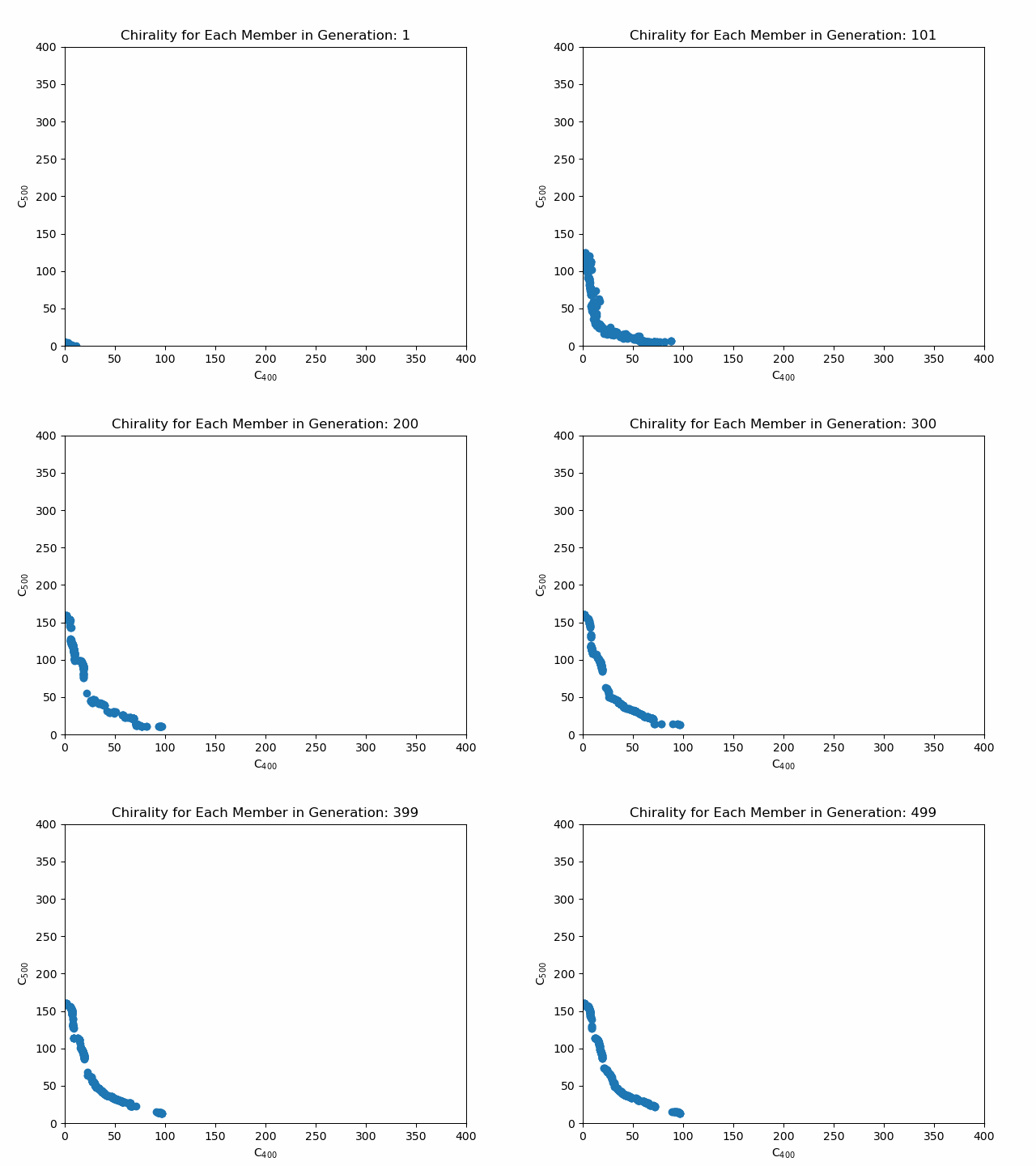
Evalutation Functions for Broadband Sensing
Dipartimento di Fisica - Università di Pavia
Spiral Meeting, 21 February 2025, Online
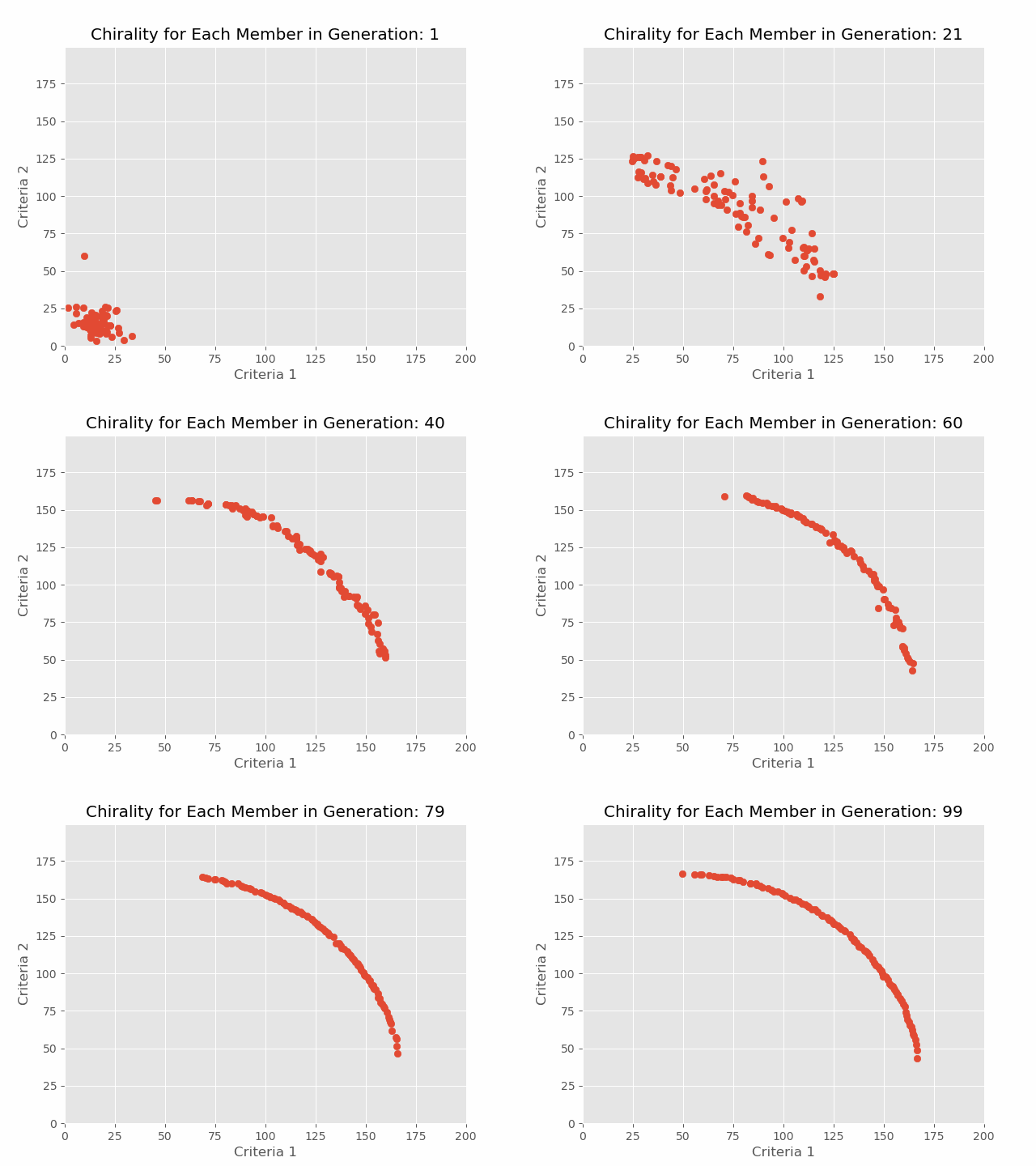
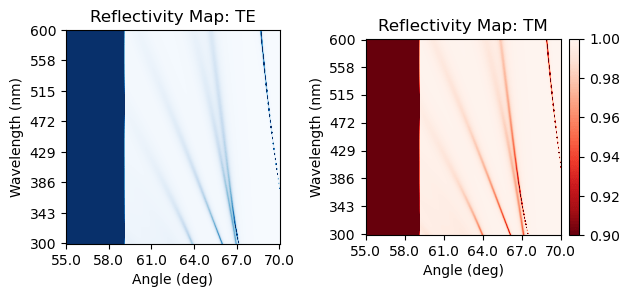
Freedom to choose parameters, constraints and evaluation metrics!
Evaluation 1: Optical Chirality C for 400nm to 450nm
Evaluation 2: Optical Chirality C for 450nm to 500nm
Investigating Parameters from the Optimization
Dipartimento di Fisica - Università di Pavia
Spiral Meeting, 21 February 2025, Online
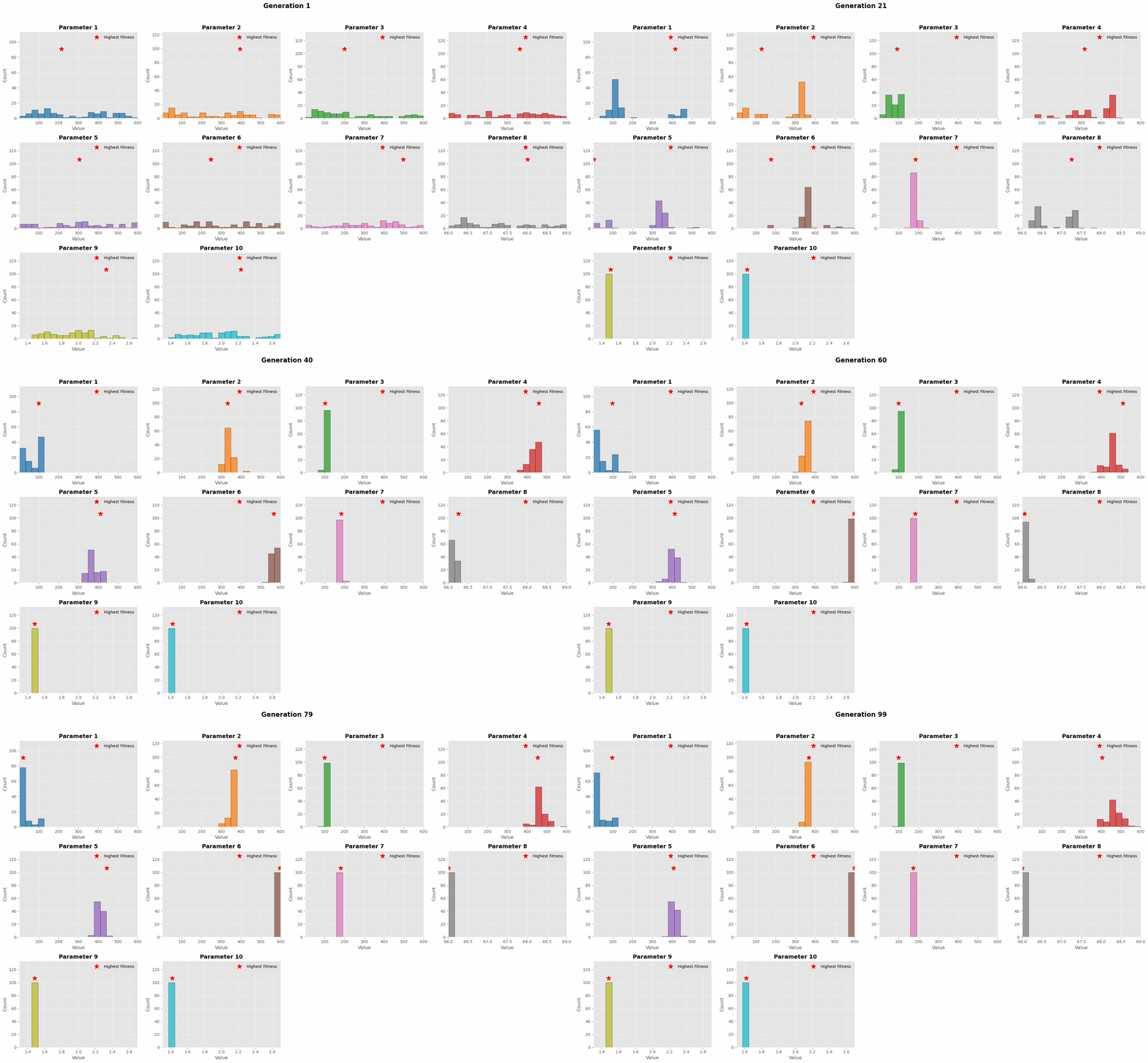
Parameters:
- 1-7: Thicknesses
- 8: Angle of Incidence
- 9-10: Refractive Indicies
θ
n1
n2
t1
t2
t3
t5
t7
t4
t6
High chirality over a range of wavelengths
Low dielectric contrast
Jones Matrix Analysis: Light as Jones Vectors
Dipartimento di Fisica - Università di Pavia
Spiral Meeting, 21 February 2025, Online
S-polarized Light - TE:
P-polarized Light - TM:
Right Circular Pol. - R:
Left Circular Pol. - R:
Diagonal Polarization:
Jones Matrix Analysis: Optical Elements as Jones Matrices
Dipartimento di Fisica - Università di Pavia
Spiral Meeting, 21 February 2025, Online
PEM:
Fresnel R:
S polarizer:
P Polarizer:
45 Polarizer:
Jones Matrix Analysis: Combining Optical Elements and Light
Dipartimento di Fisica - Università di Pavia
Spiral Meeting, 21 February 2025, Online
S polarizer:
P-polarized Light - TM:
P polarizer:
Right Circular Pol. - R:
Jones Matrix Analysis: Combining Optical Elements and Light
Dipartimento di Fisica - Università di Pavia
Spiral Meeting, 21 February 2025, Online
PEM:
S-polarized Light - TE:
R:
S-polarized Light - TE:
A Useful Identity: Jacobi-Anger Identity
Dipartimento di Fisica - Università di Pavia
Spiral Meeting, 21 February 2025, Online
Polimi Original Optical Setup
Dipartimento di Fisica - Università di Pavia
Spiral Meeting, 21 February 2025, Online
Polimi Original Optical Setup
Dipartimento di Fisica - Università di Pavia
Spiral Meeting, 21 February 2025, Online
After a few trival algebraic steps
But our reflection dichroism is:
Alternative Setups
Dipartimento di Fisica - Università di Pavia
Spiral Meeting, 21 February 2025, Online
DNA Sensing with 1DPC - Overview
Dipartimento di Fisica - Università di Pavia
Spiral Meeting, 21 February 2025, Online
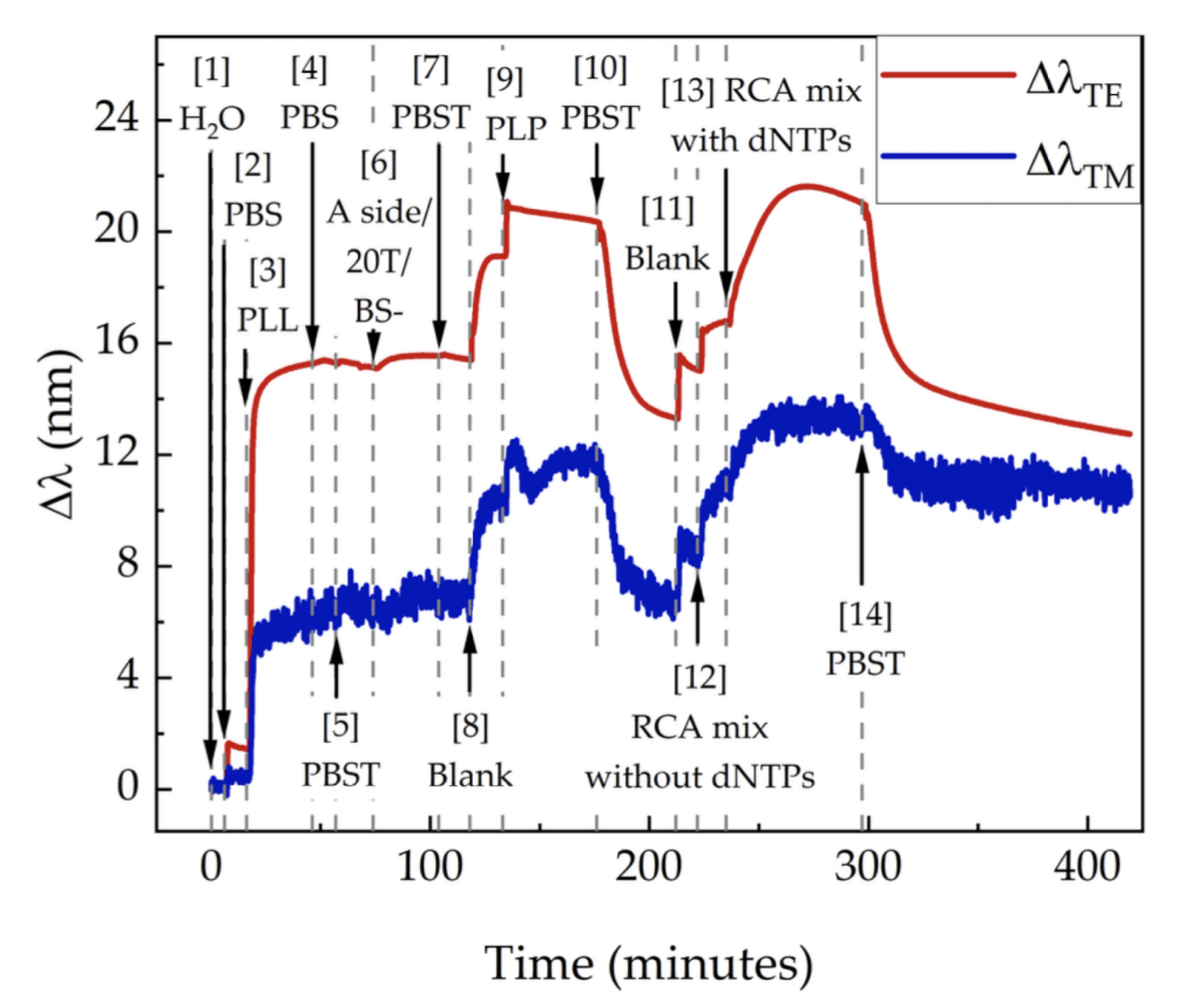
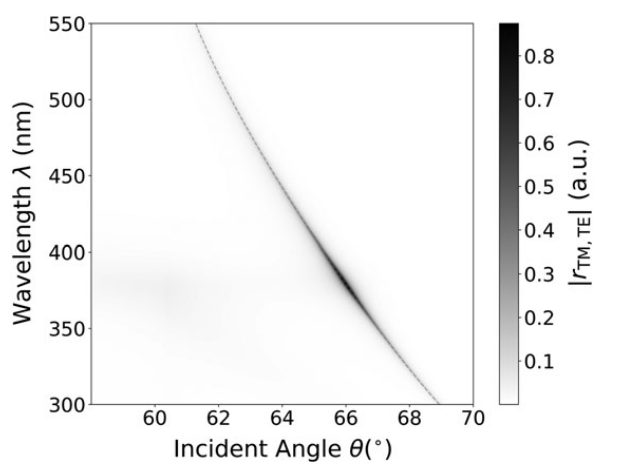
Utilizing the simultaneous existence of TE and TM surface modes, polarization-resolved spectroscopy was performed during the growth of single-stranded DNA via Rolling Surface Amplification
DNA Sensing with 1DPC - Overview
Dipartimento di Fisica - Università di Pavia
Spiral Meeting, 21 February 2025, Online
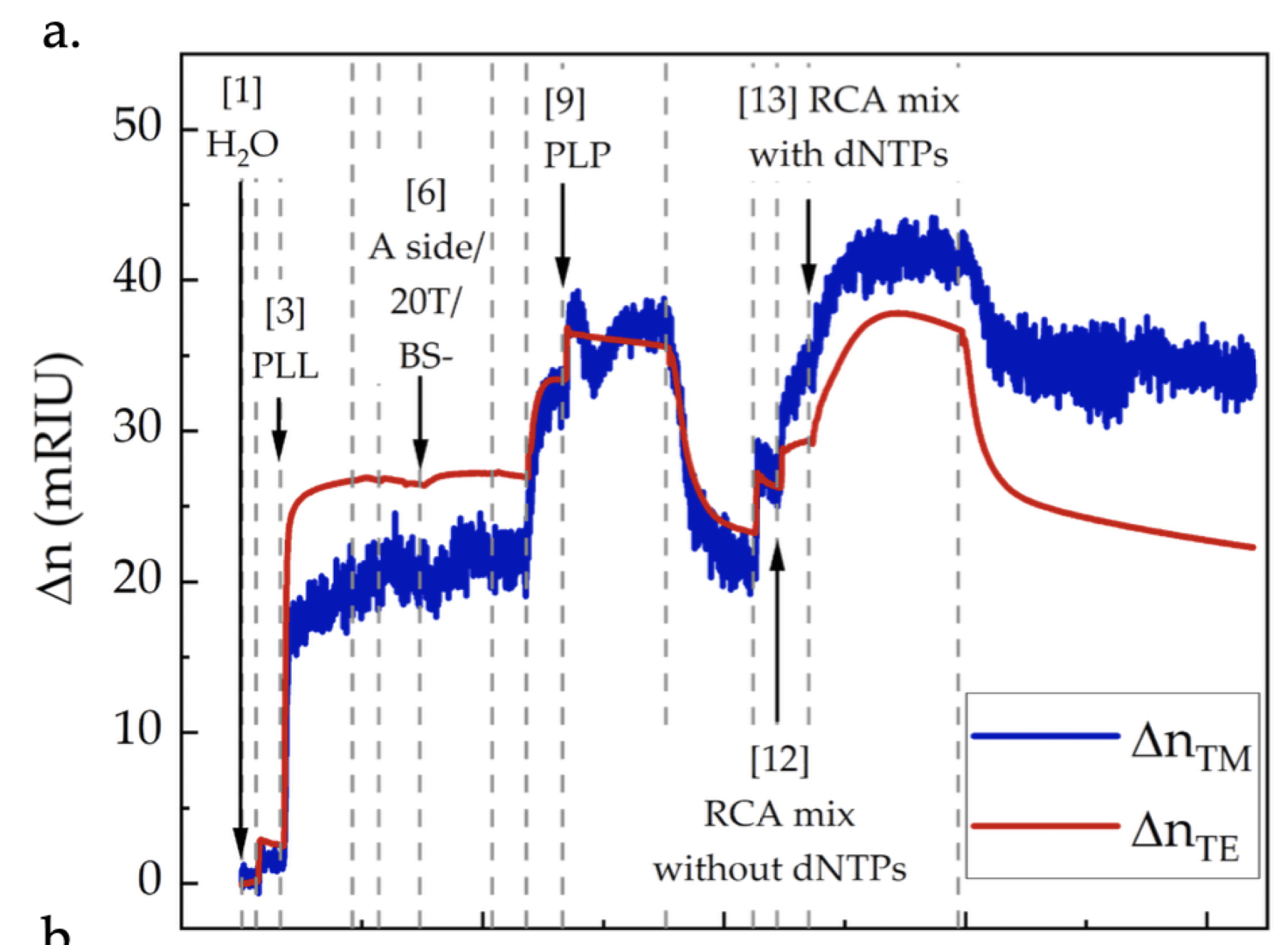
We can improve data processing by calculating a more realistic sensitivity for our specific photonic crystal design
Simulating the Photonic Crystal Design
Dipartimento di Fisica - Università di Pavia
Spiral Meeting, 21 February 2025, Online
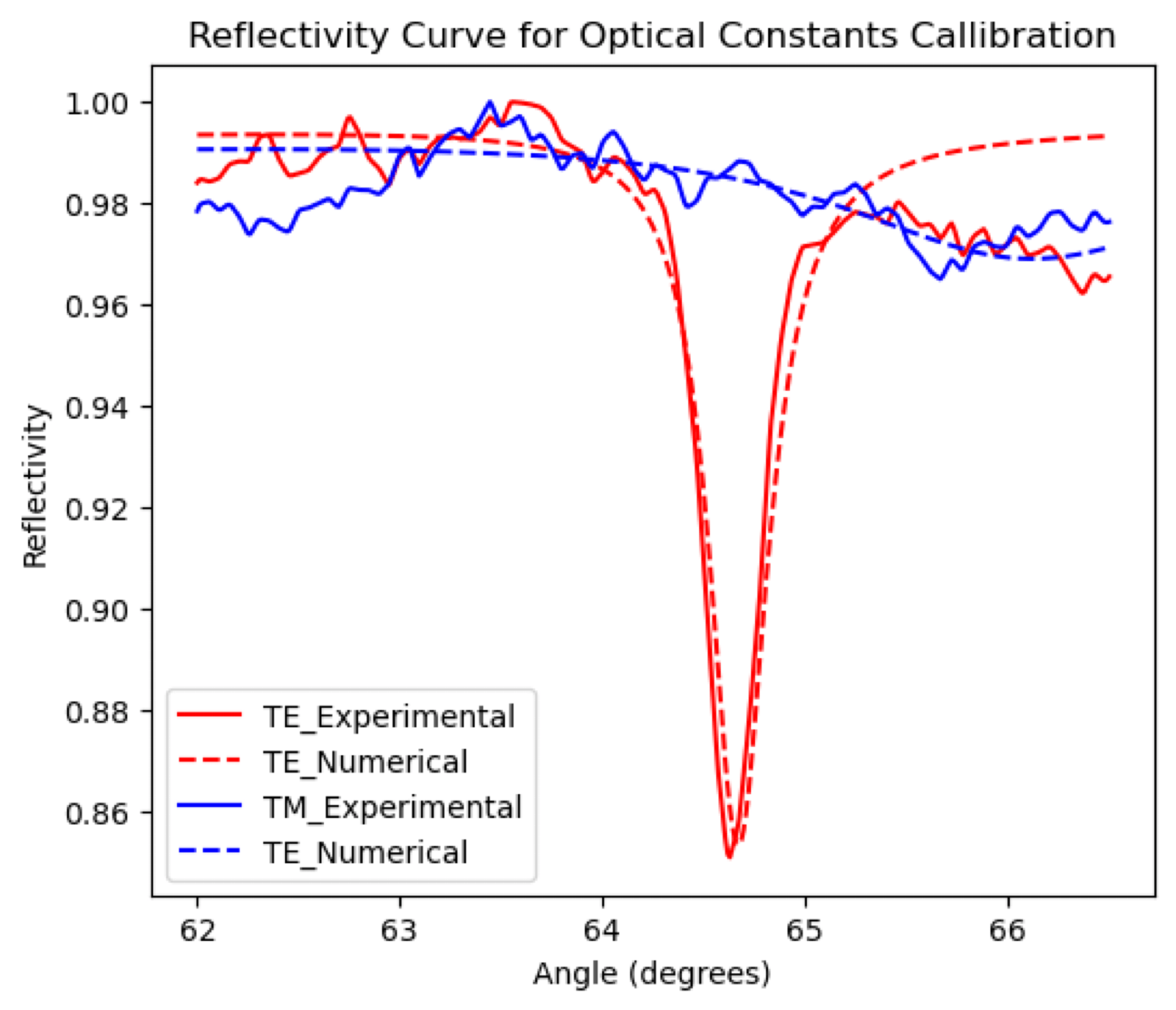
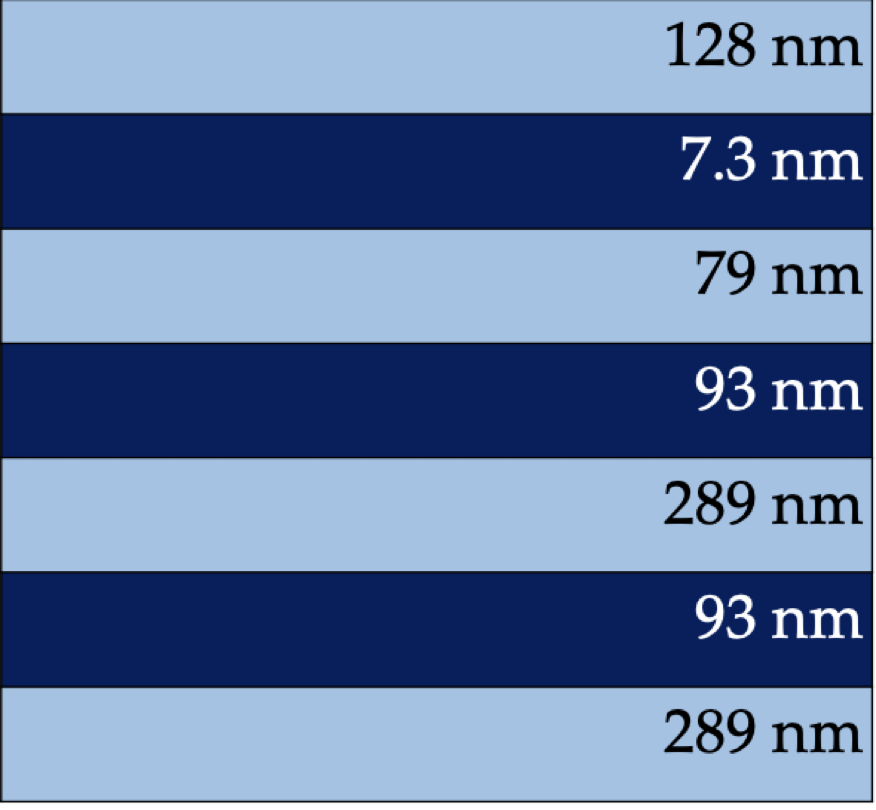
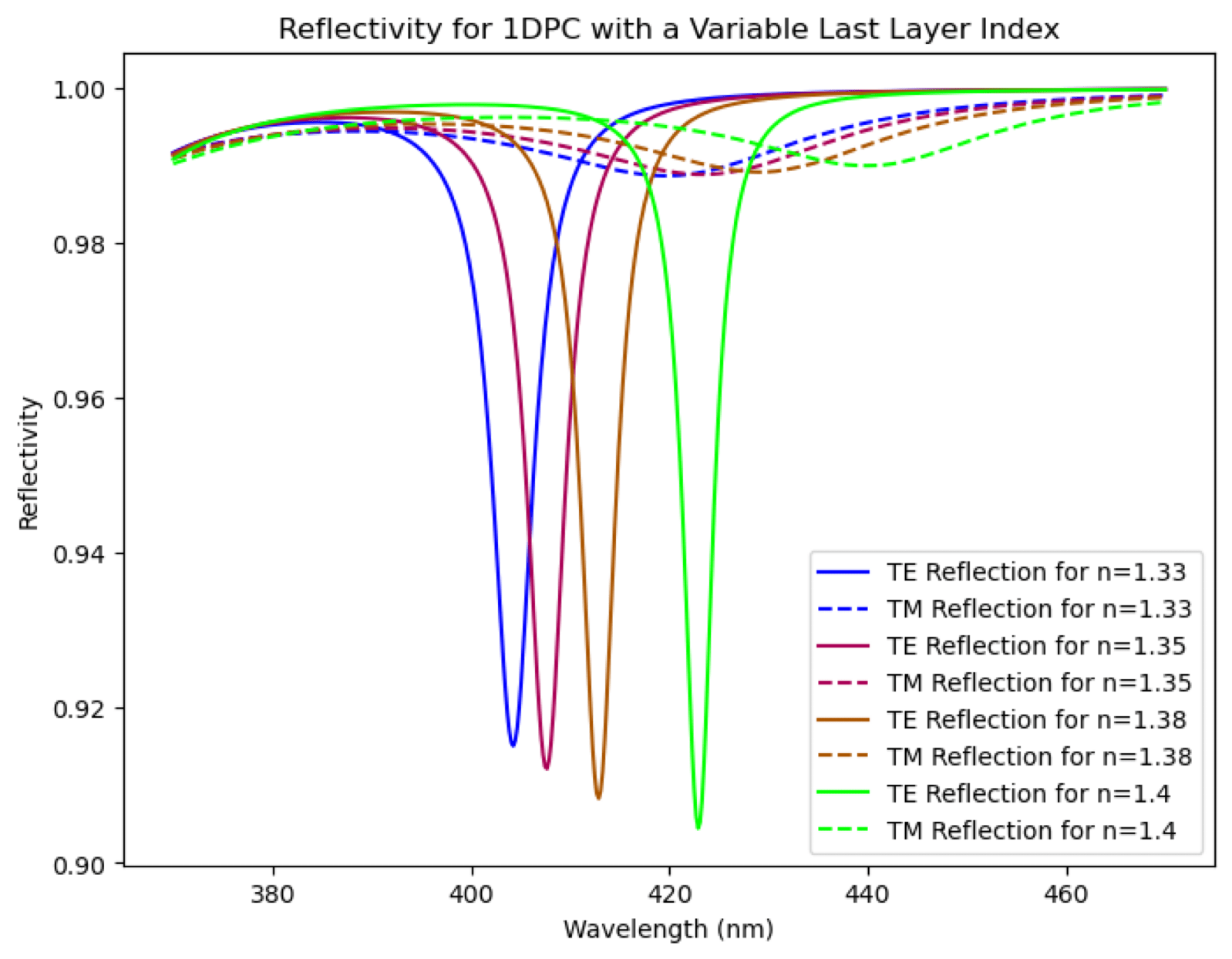
Theoretical sensitivity values depend strongly on the exact photonic crystal structure
Using experimental angular reflectivity spectra and the genetic optimization Giovanni found the experimental values for the photonic crystal's:
- Thickness for each layer
- Absorption values for SIO2 and Ta2O5
Sensitivity as a Function of Wavelength
Dipartimento di Fisica - Università di Pavia
Spiral Meeting, 21 February 2025, Online
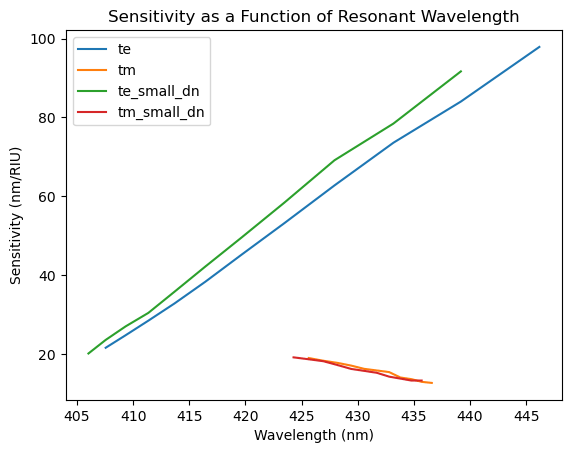
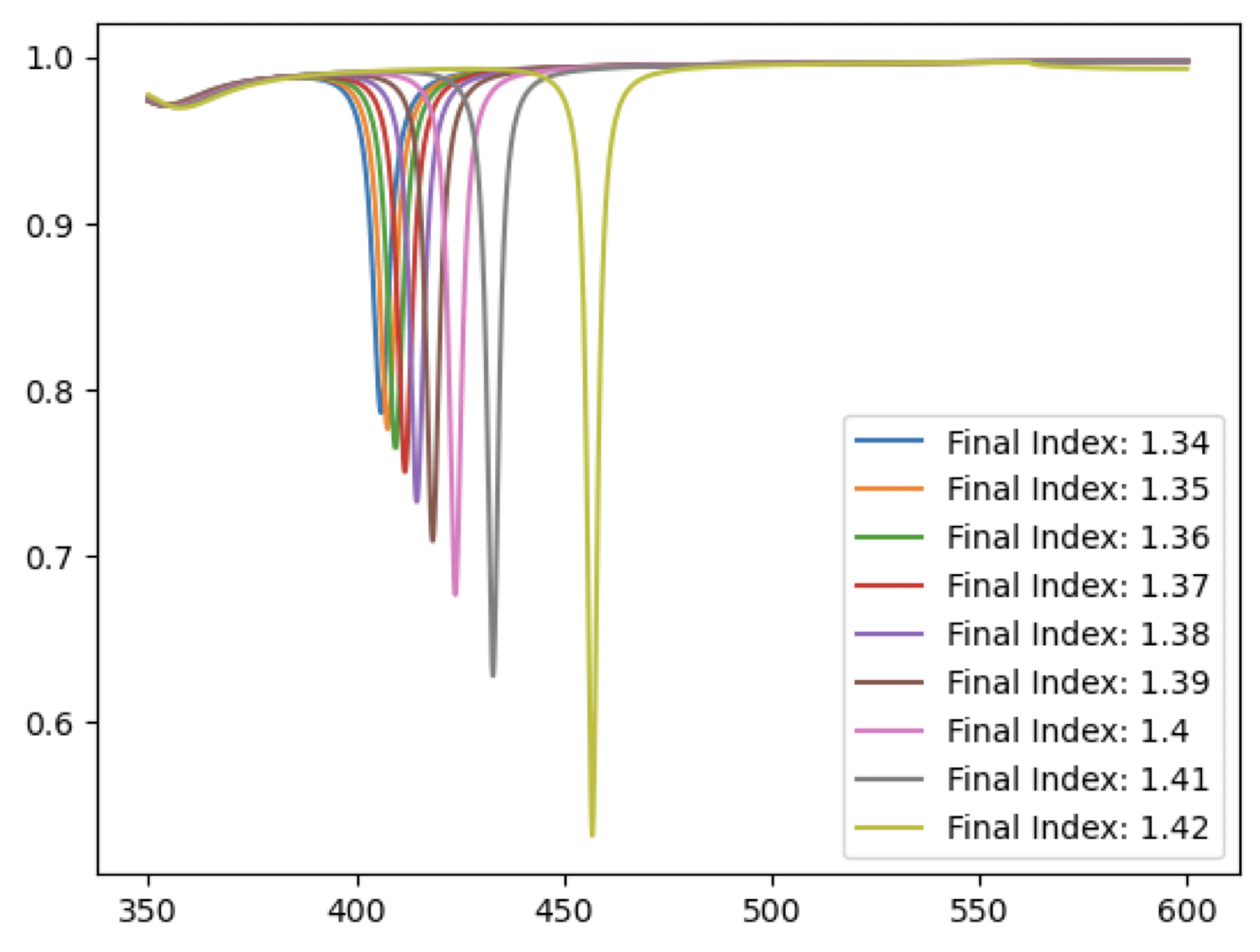
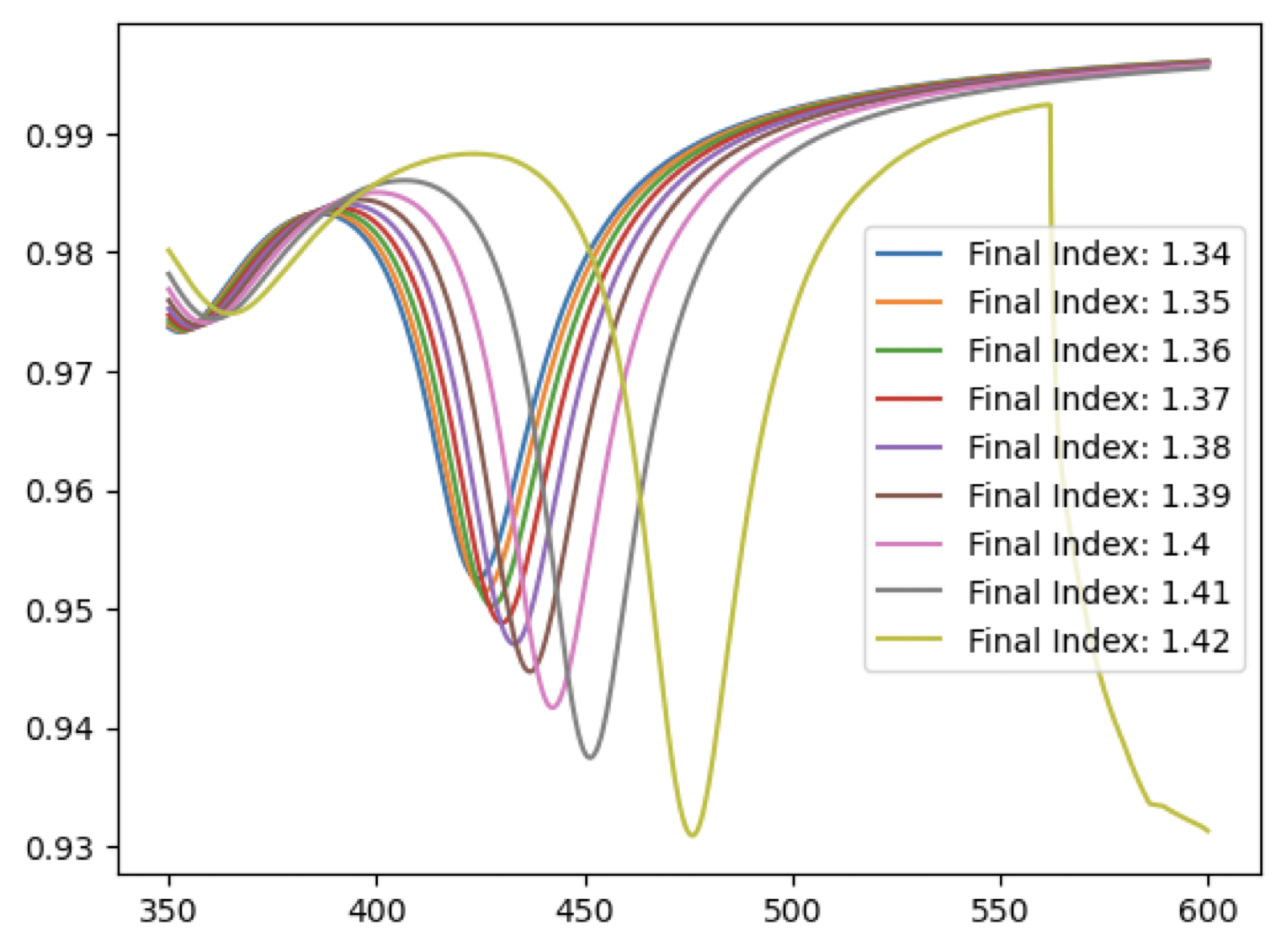
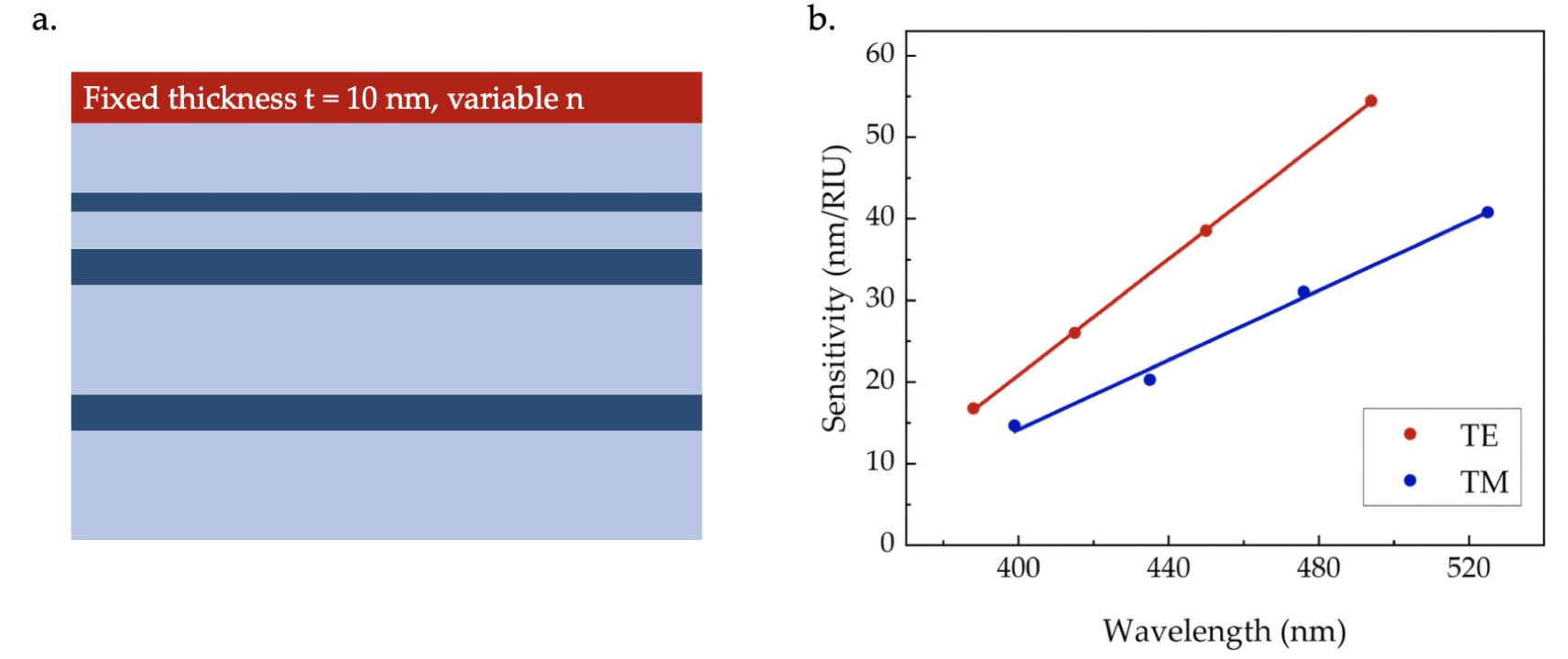
TE Mode:
TM Mode:
Sensitivity depends strongly on the refractive index at the top of the crystal:
Sensitivity as a Function of Wavelength
Dipartimento di Fisica - Università di Pavia
Spiral Meeting, 21 February 2025, Online
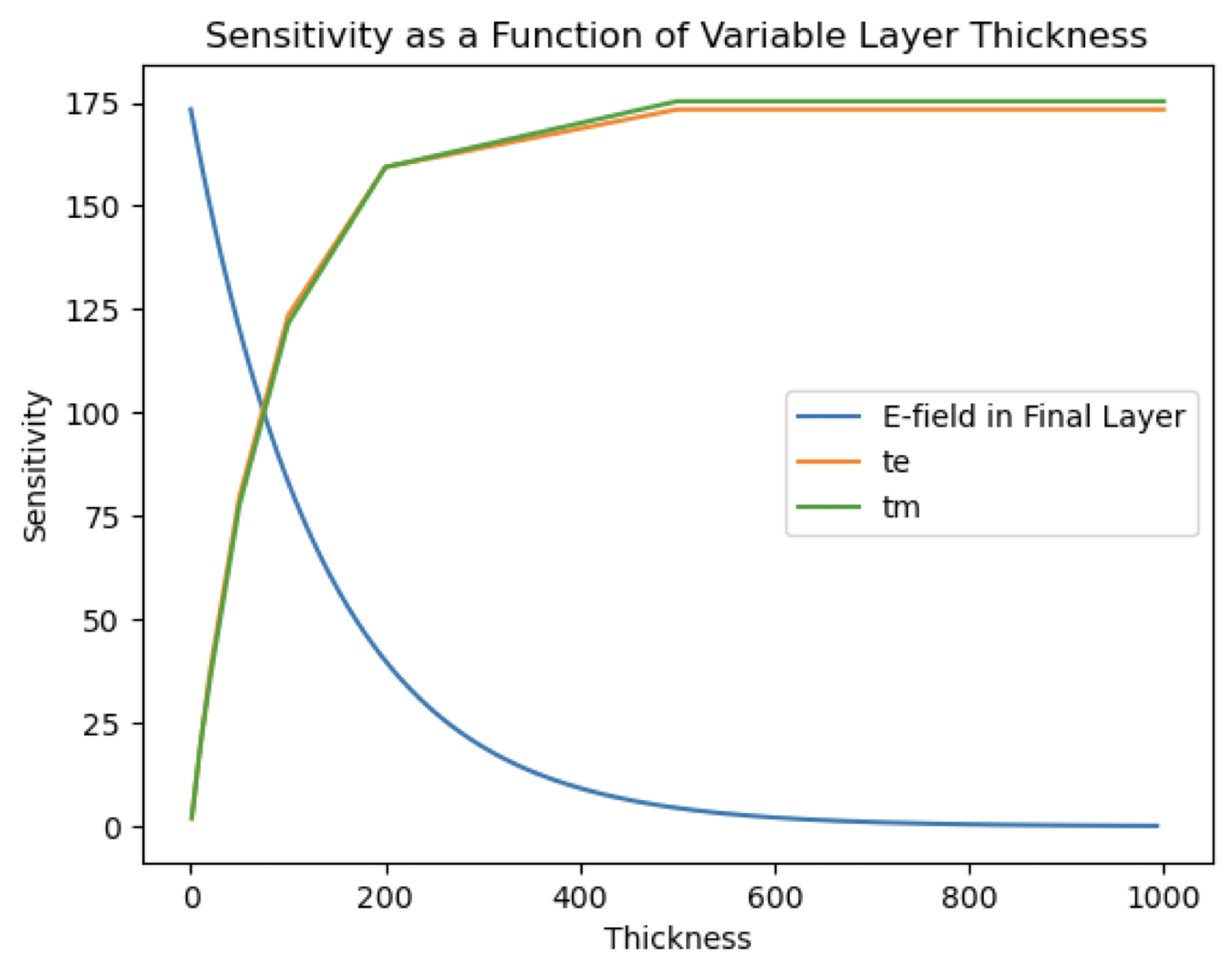
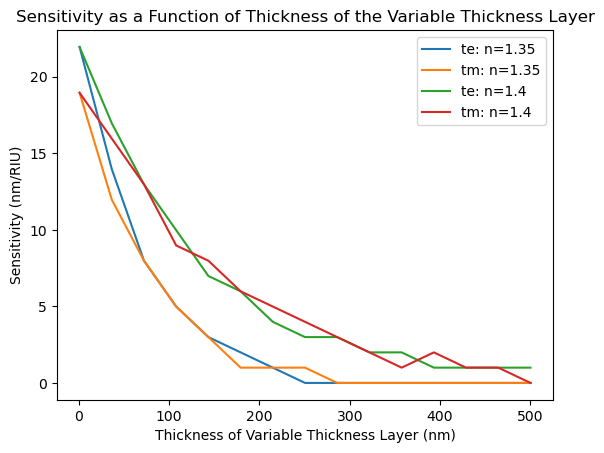
The sensitivity will strongly depend on the thickness of this "fixed thickness" layer
We will focus on performing an analysis with a 10nm "surface" layer
Analysis of Results with Sensitivity
Dipartimento di Fisica - Università di Pavia
Spiral Meeting, 21 February 2025, Online
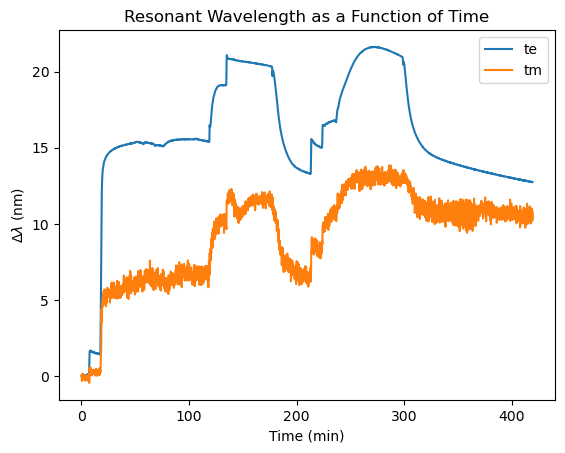
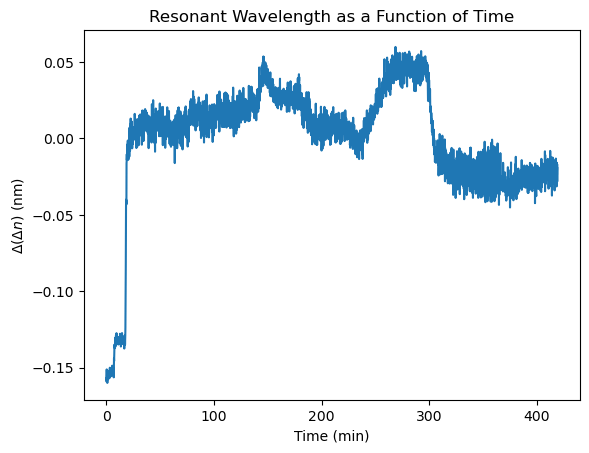
Factoring into account the wavelength dependent sensitivity:
Sensitivity as a Function of DNA Thickness
Dipartimento di Fisica - Università di Pavia
Spiral Meeting, 21 February 2025, Online
Experimental Setup at Polimi
Dipartimento di Fisica - Università di Pavia
Spiral Meeting, 21 February 2025, Online
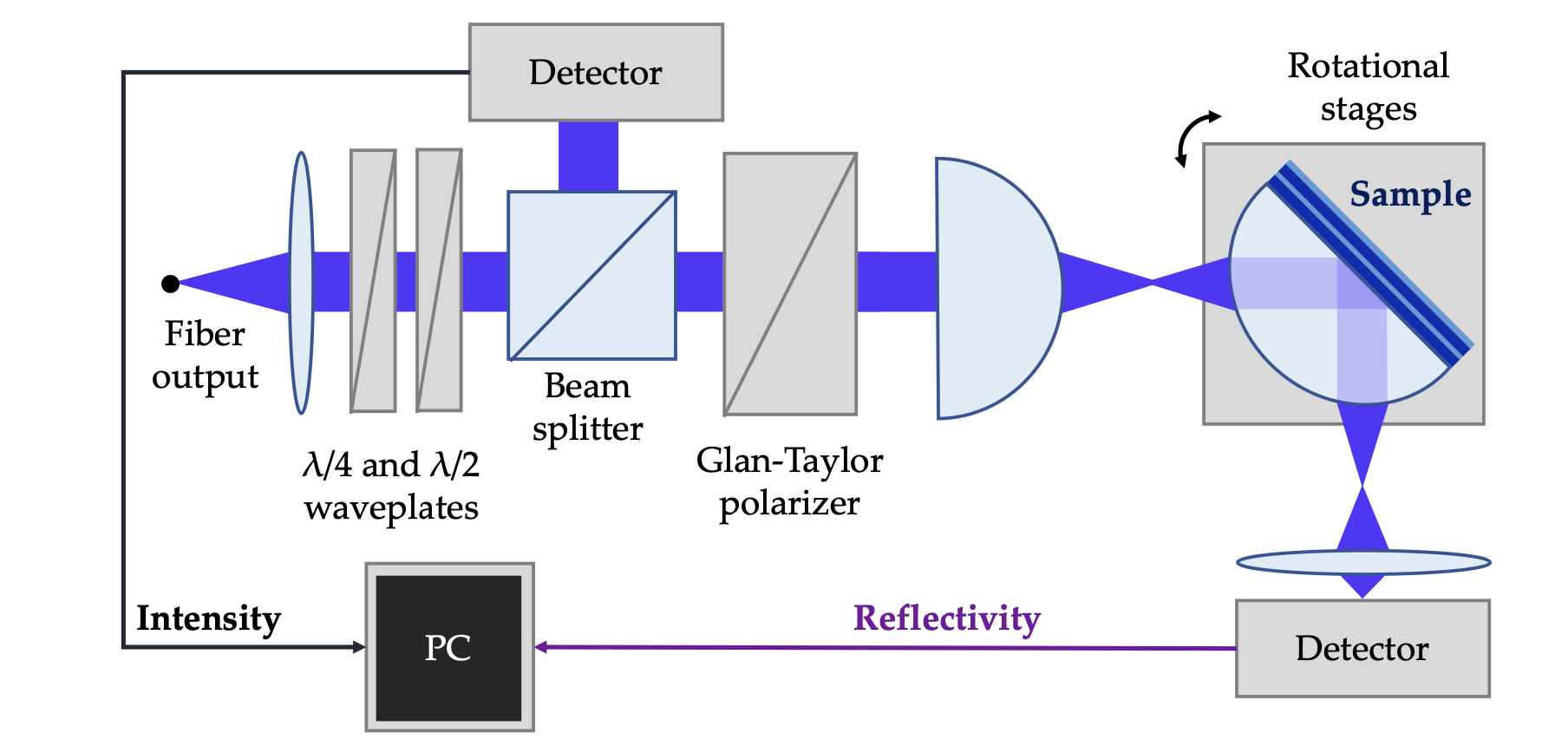
Experimental setup to measure angular reflectivity spectrum and circular dichroism measurements at Polimi:
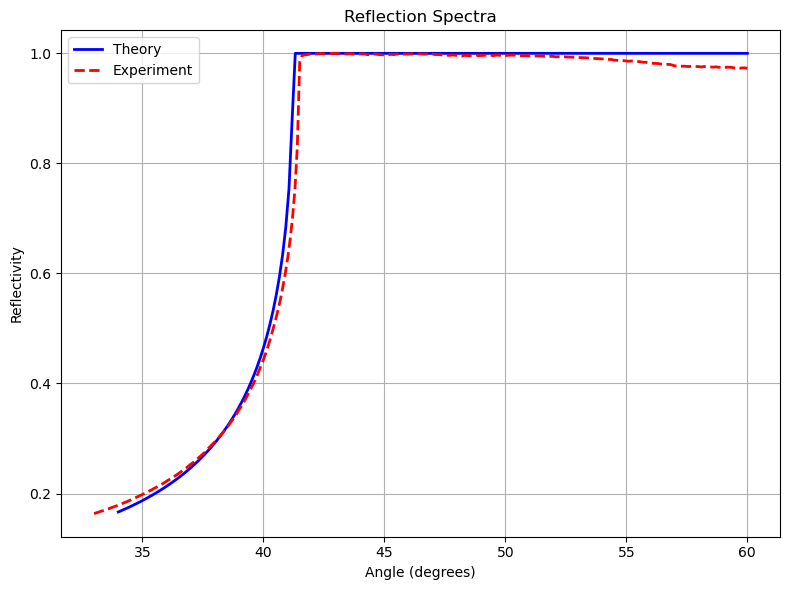
Total Internal Reflection Verification
Dipartimento di Fisica - Università di Pavia
Spiral Meeting, 21 February 2025, Online
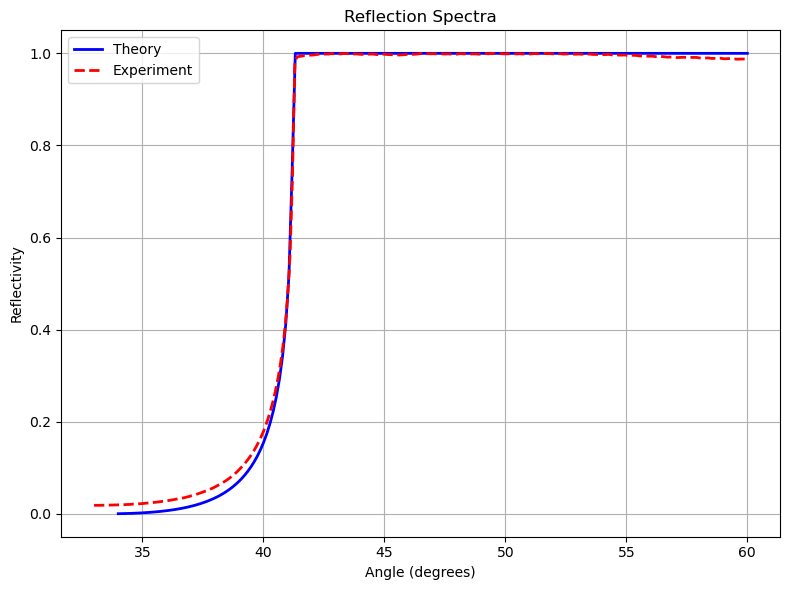
TE-Mode:
TM-Mode: