2023年8月20日, 12:00-12:15
2023 中国物理学会秋季学术会议 | 中国·银川
针对引力波观测数据的智能噪声抑制
王赫
hewang@ucas.ac.cn
中国科学院大学 · 国际理论物理中心(亚太地区)
中国科学院大学 · 引力波宇宙太极实验室(北京/杭州)


Intelligent Noise Suppression for GW Observational Data

-
In 1916, A. Einstein proposed the GR and predicted the existence of GW.
-
Gravitational waves (GW) are a strong field effect in the GR.
-
2015: the first experimental detection of GW from the merger of two black holes was achieved.
-
2017: the first multi-messenger detection of a BNS signal was achieved, marking the beginning of multi-messenger astronomy.
-
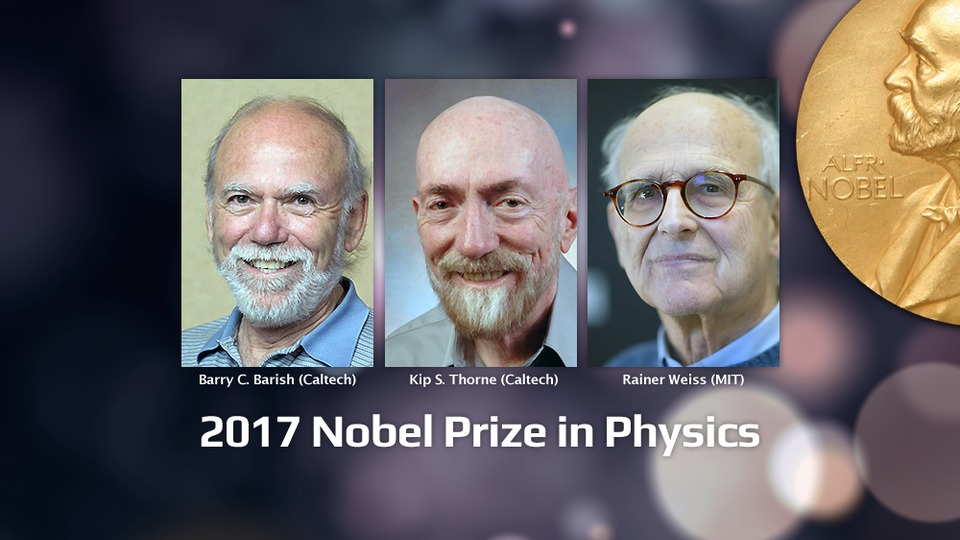
2017: the Nobel Prize in Physics was awarded for the detection of GW.
-
As of now: more than 90 gravitational wave events have been discovered.
-
O4, which began on May 24th 2023, is currently in progress.
-
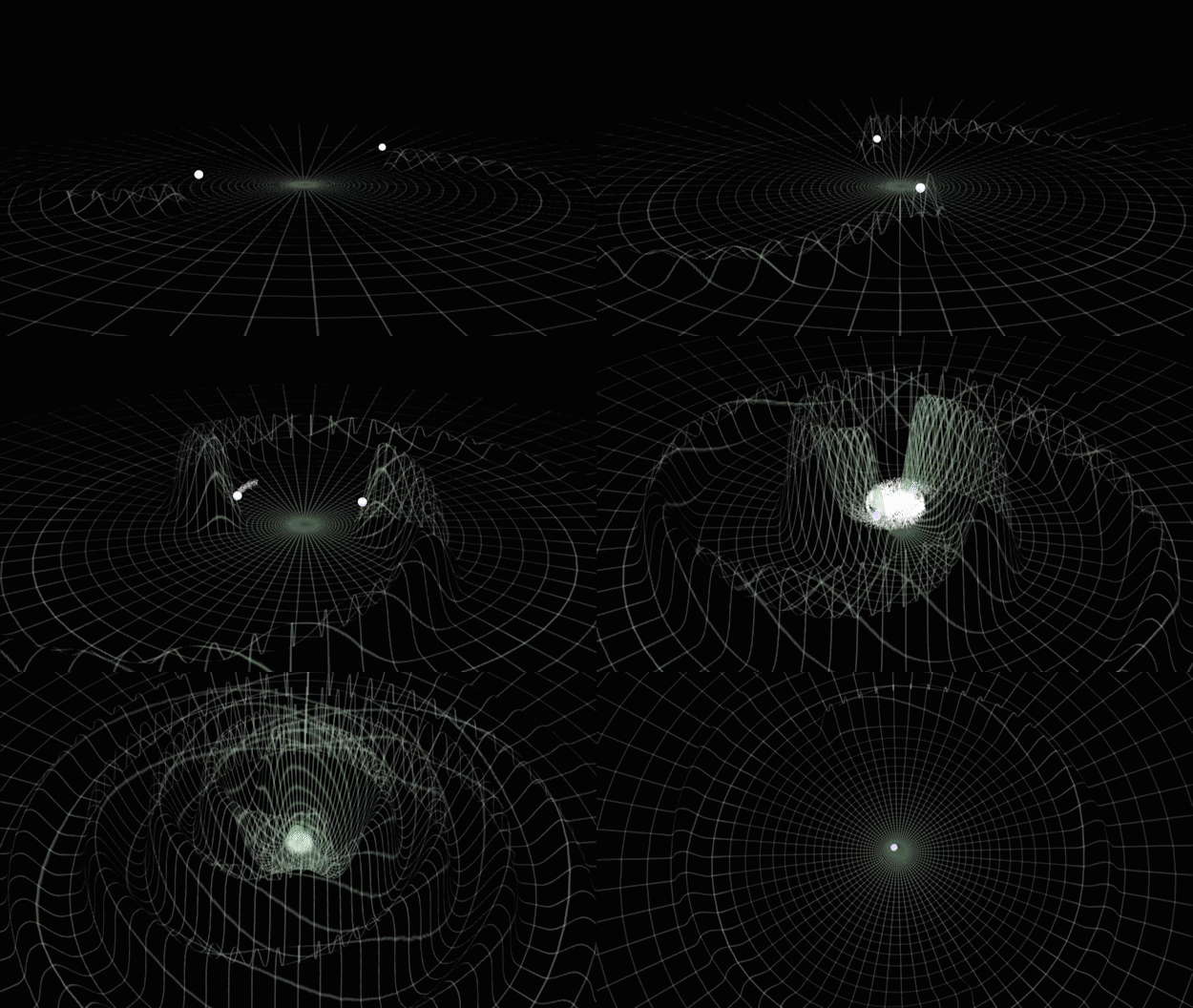

双星并合系统产生的引力波波源
引力波振幅的测量
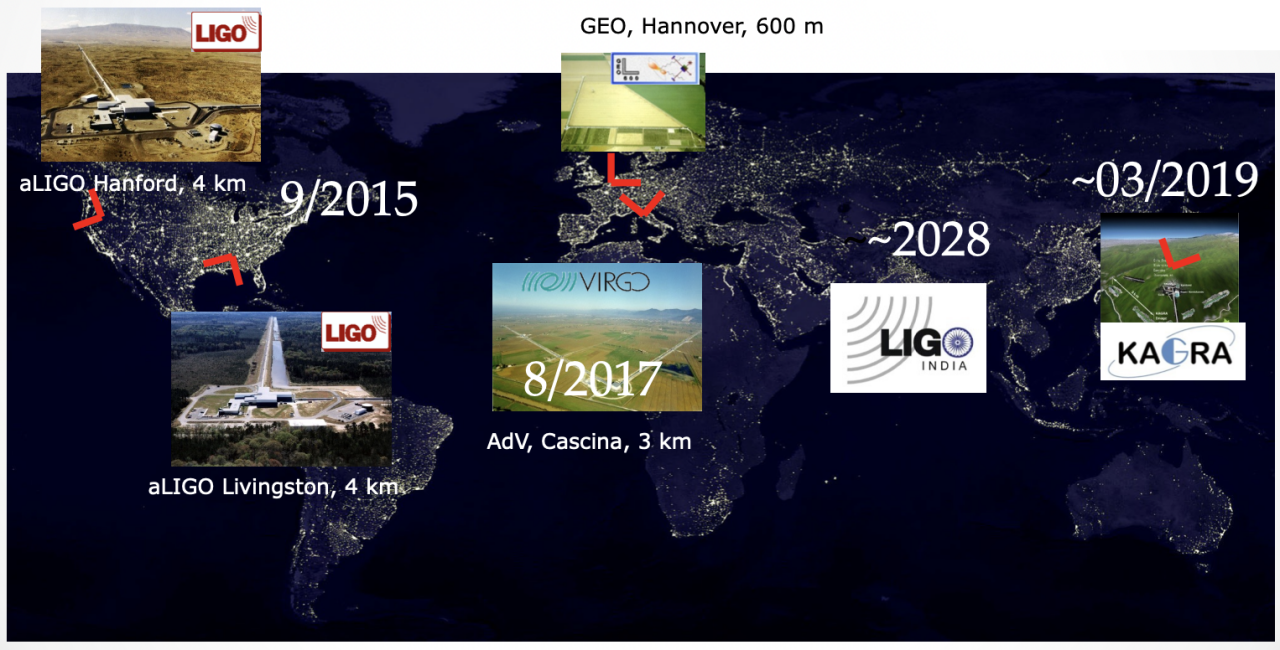
地面引力波探测器网络
2017 年诺贝尔物理学奖
Gravitational Wave Astronomy
Gravitational Wave Astronomy
-
Fundamental Physics
- Existence of gravitational waves
- To put constraints on the properties of gravitons
-
Astrophysics
- Refine our understanding of stellar evolution
- and the behavior of matter under extreme conditions.
-
Cosmology
- The measurement of the Hubble constant
- Dark energy
- Detecting gravitational waves require a mix of FIVE key ingredients:
- good detector technology
- good waveform predictions
- good data analysis methodology and technology
- coincident observations in several independent detectors
- coincident observations in electromagnetic astronomy
—— Bernard F. Schutz
DOI:10.1063/1.1629411
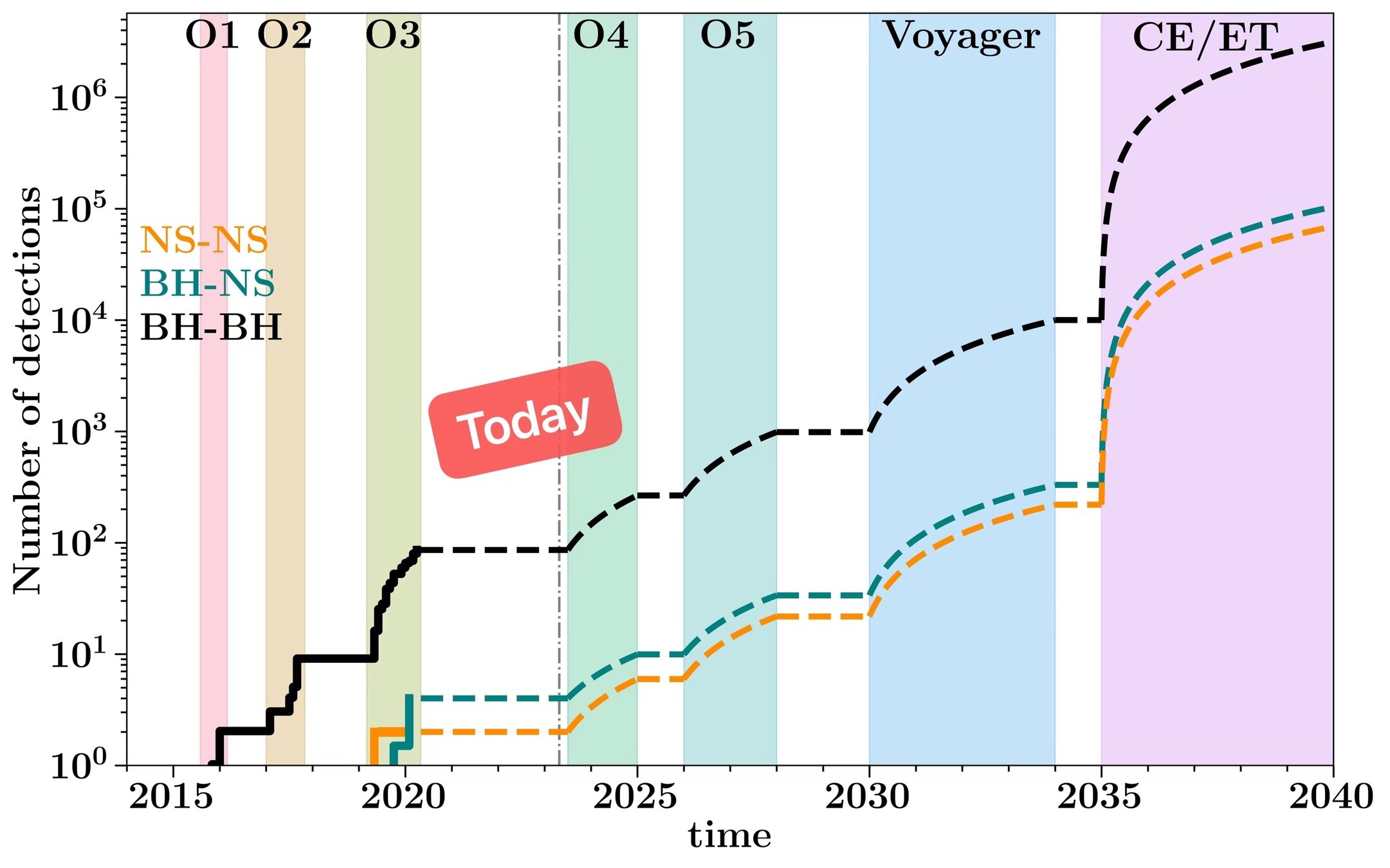
©Floor Broekgaarden (repo)
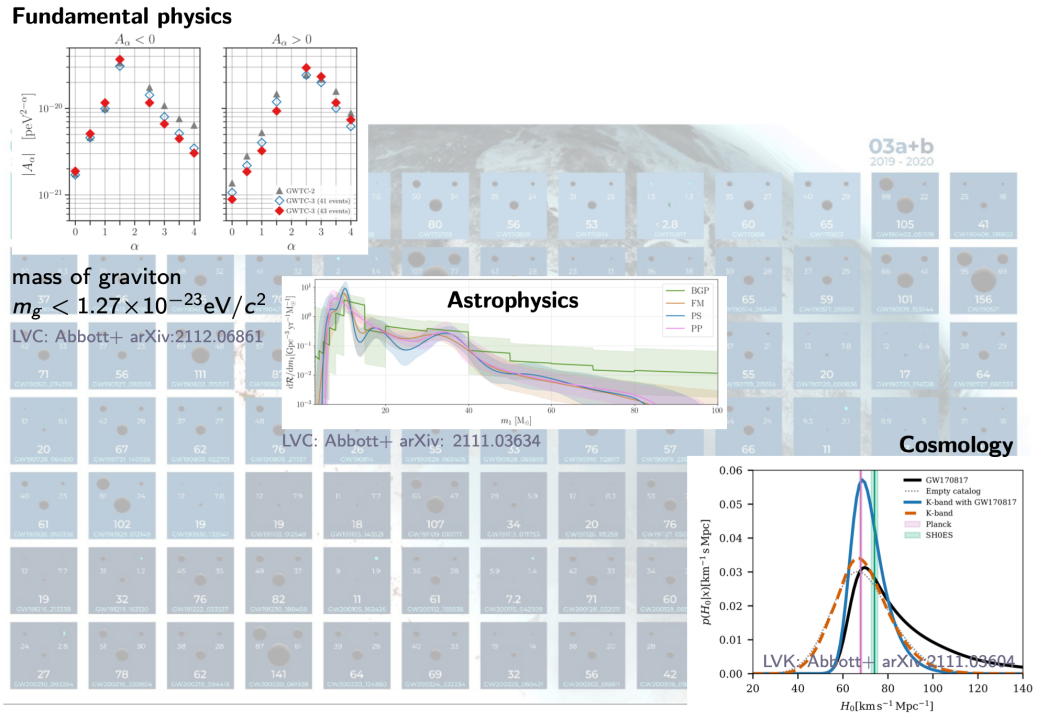
GWTC-3

- AI for Science \(\rightarrow\) AI for GW
- Artificial Intelligence (AI) has great potential to revolutionize gravitational wave astronomy by improving data analysis, modeling, and detector development.
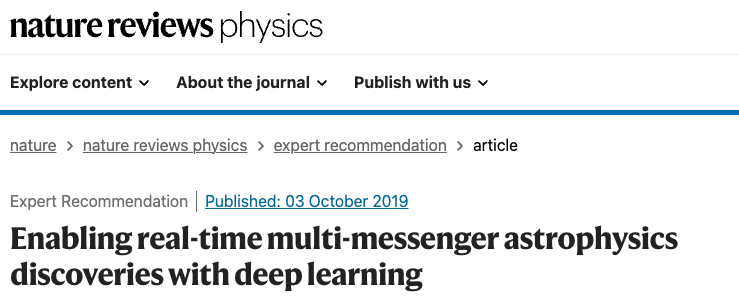
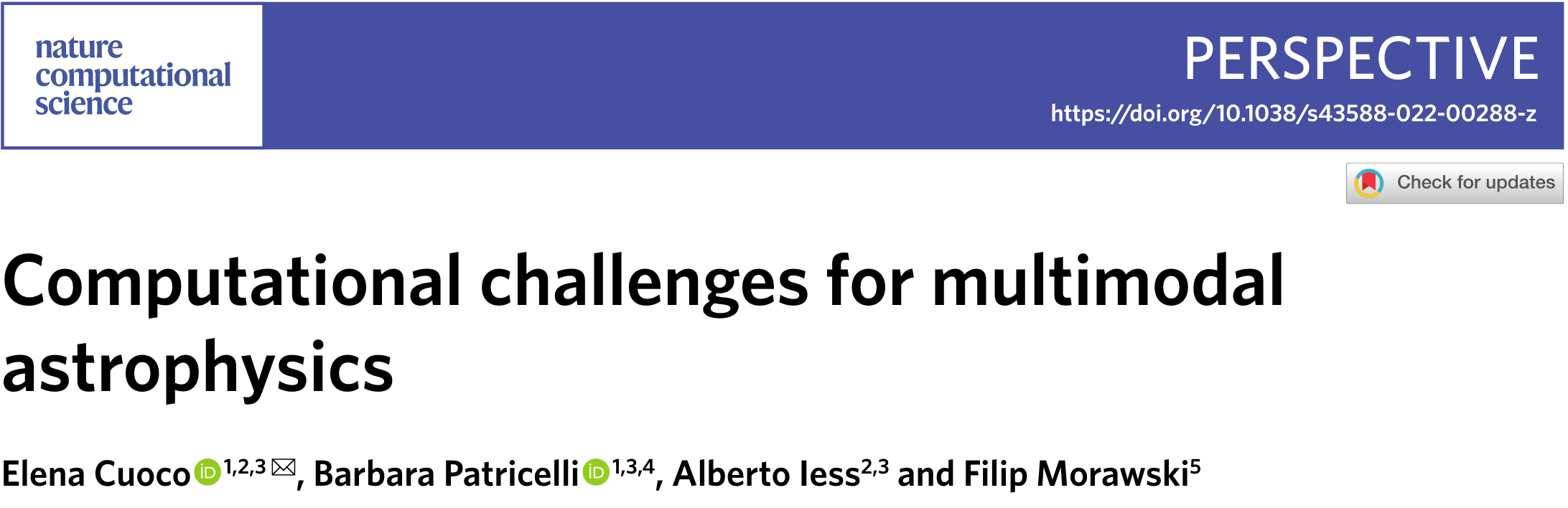
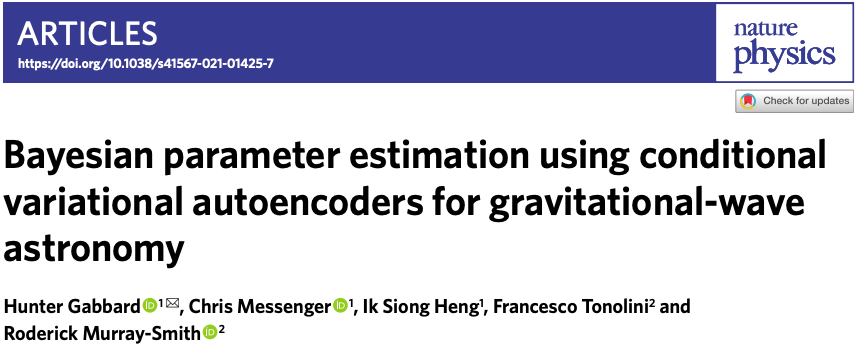
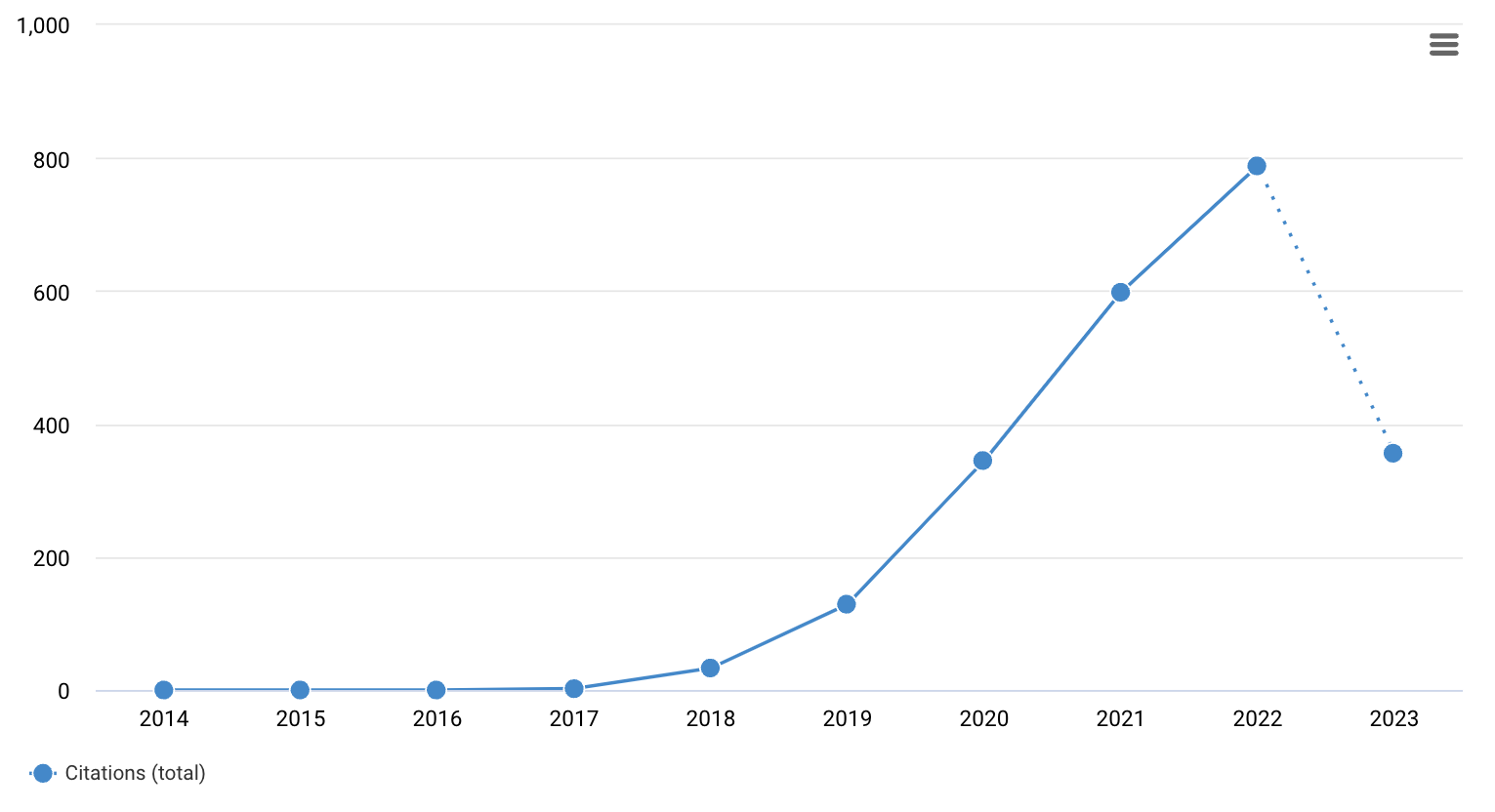
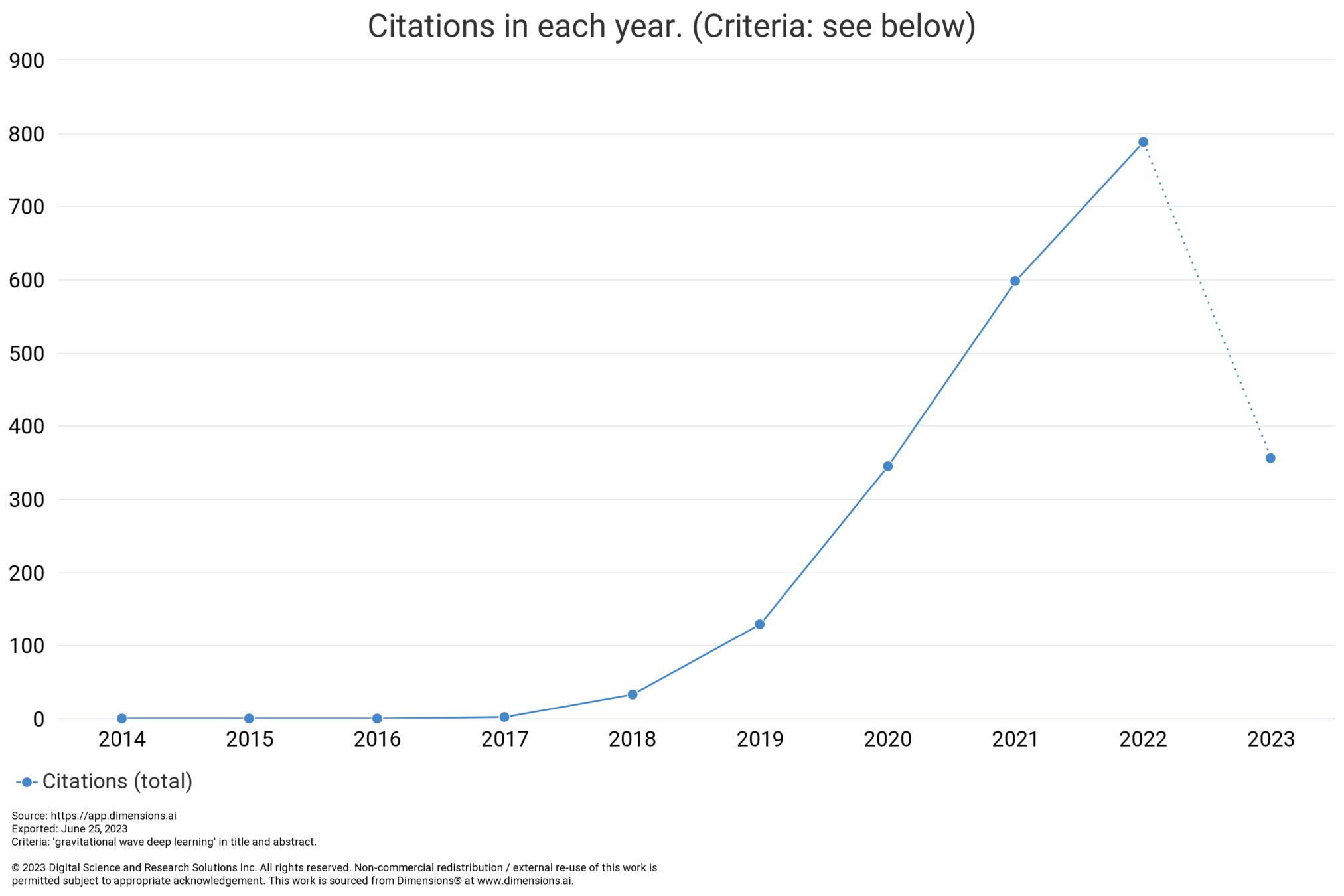
AI for Gravitational Wave
GW Data Challenge
-
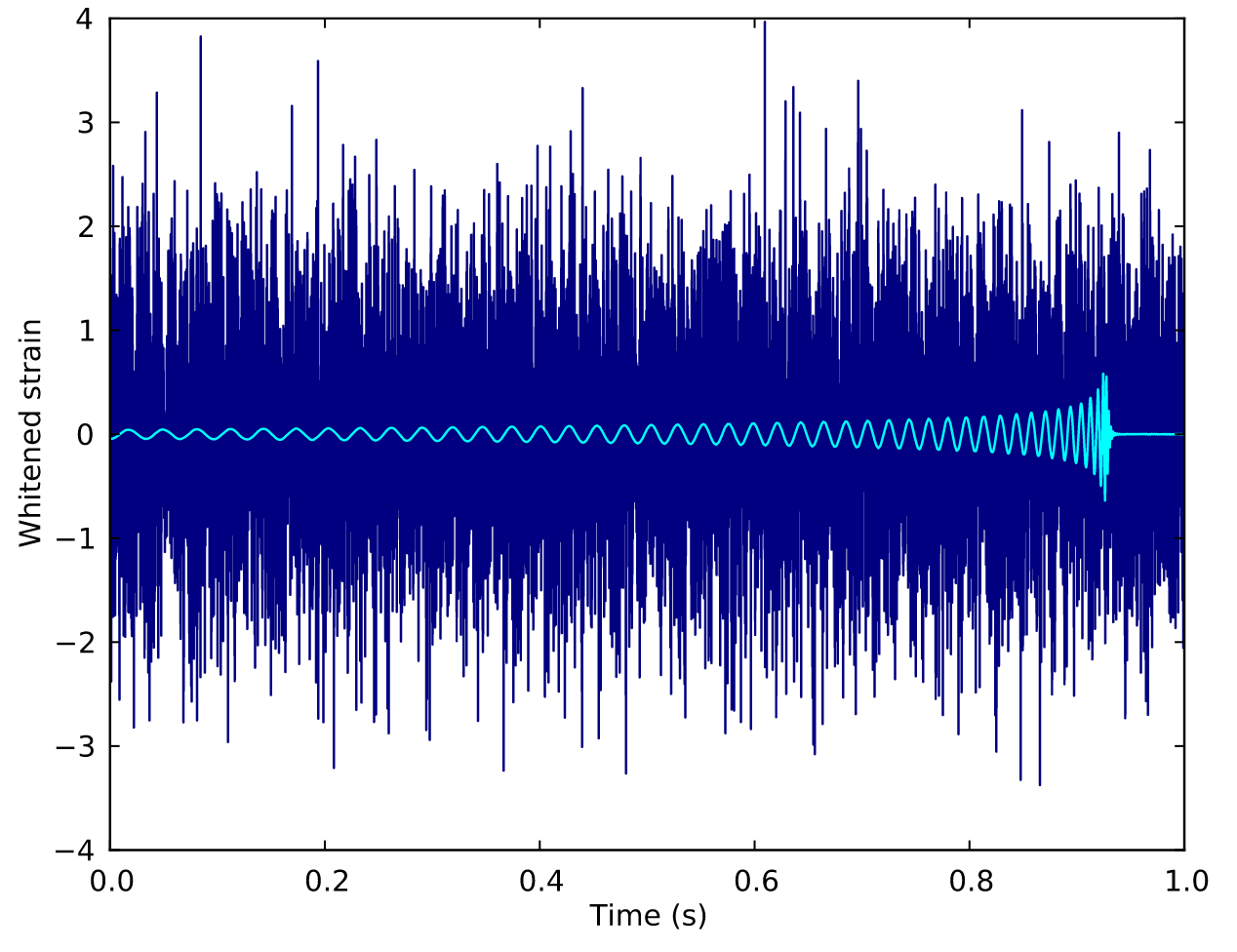
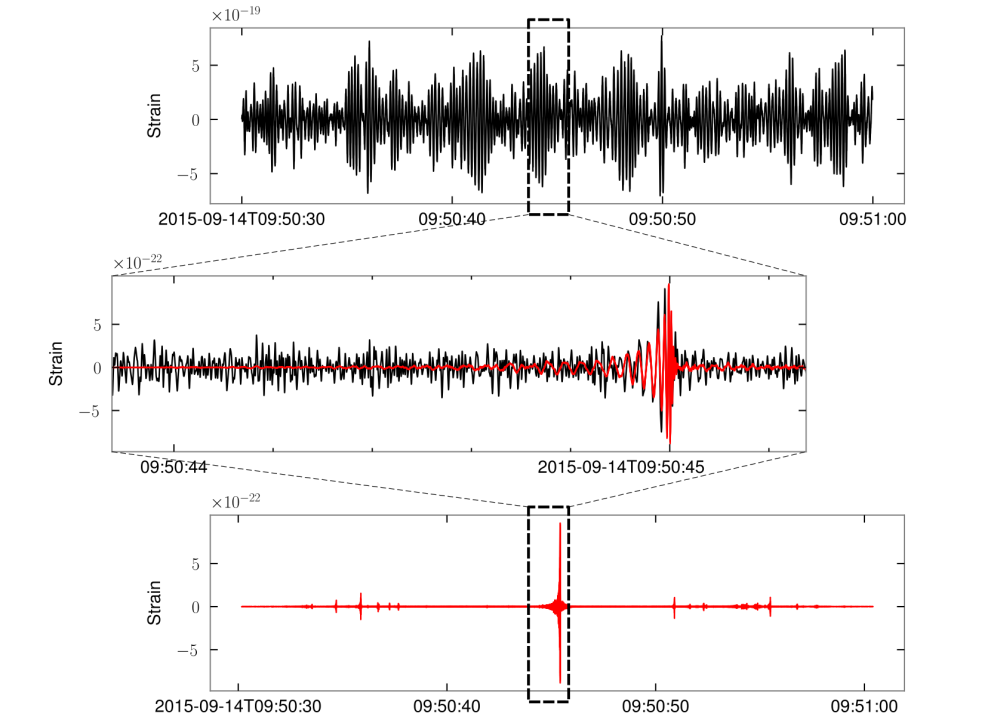
GW Data characteristics:
-
Noise: non-Gaussian and non-stationary
-
Signal: A low signal-to-noise ratio (SNR) which is typically about 1/100 of the noise amplitude (-60 dB)
-
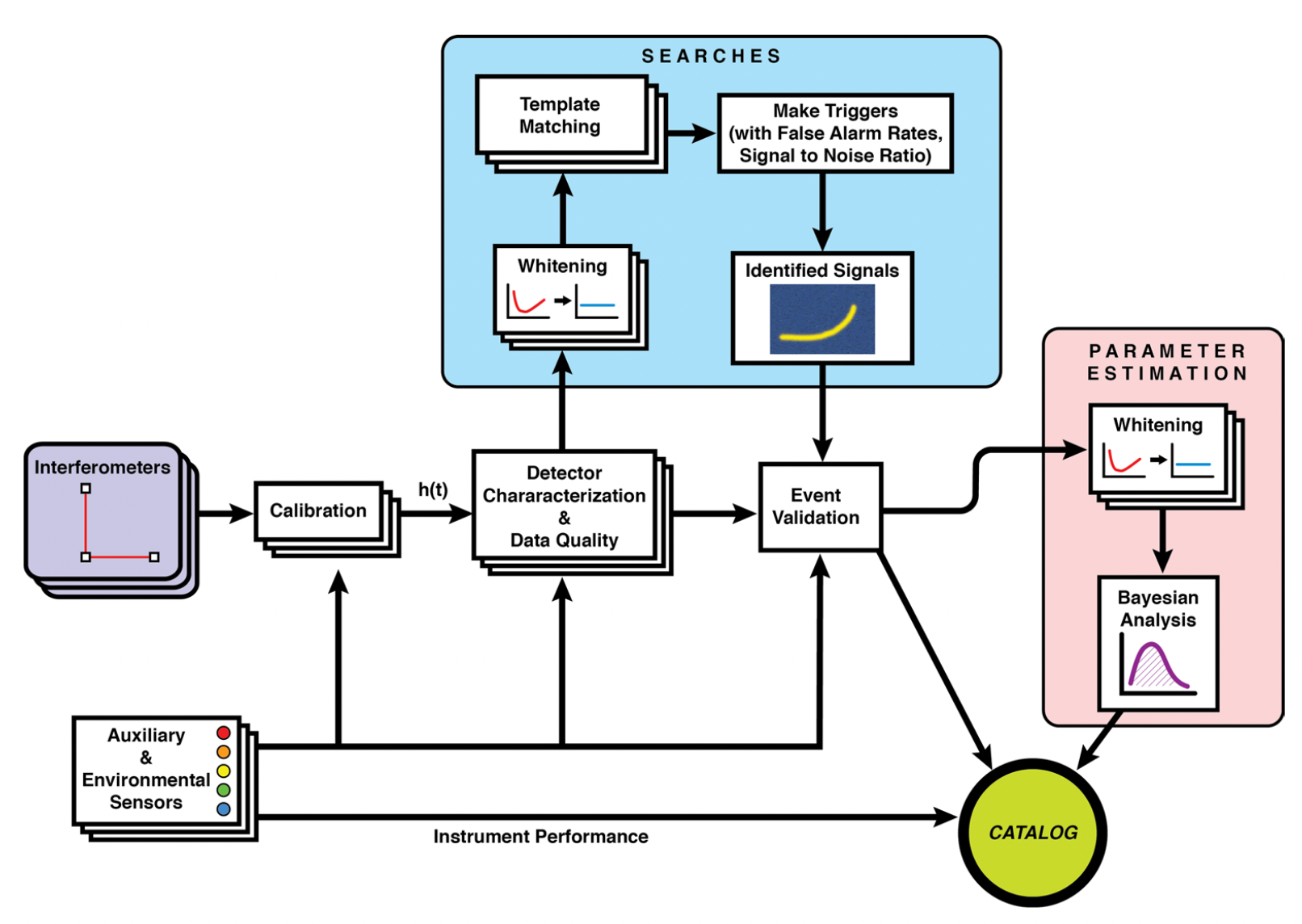
Data quality improvement
Credit: Marco Cavaglià
LIGO-Virgo data processing
GW searches
Astrophsical interpretation of GW sources
-
GW Data characteristics:
-
Noise: non-Gaussian and non-stationary
-
Signal: A low signal-to-noise ratio (SNR) which is typically about 1/100 of the noise amplitude (-60 dB)
-

Data quality improvement
Credit: Marco Cavaglià
LIGO-Virgo data processing
GW searches
Astrophsical interpretation of GW sources
GW Data Challenge
Noise Suppression: Data Quality Improvement
-
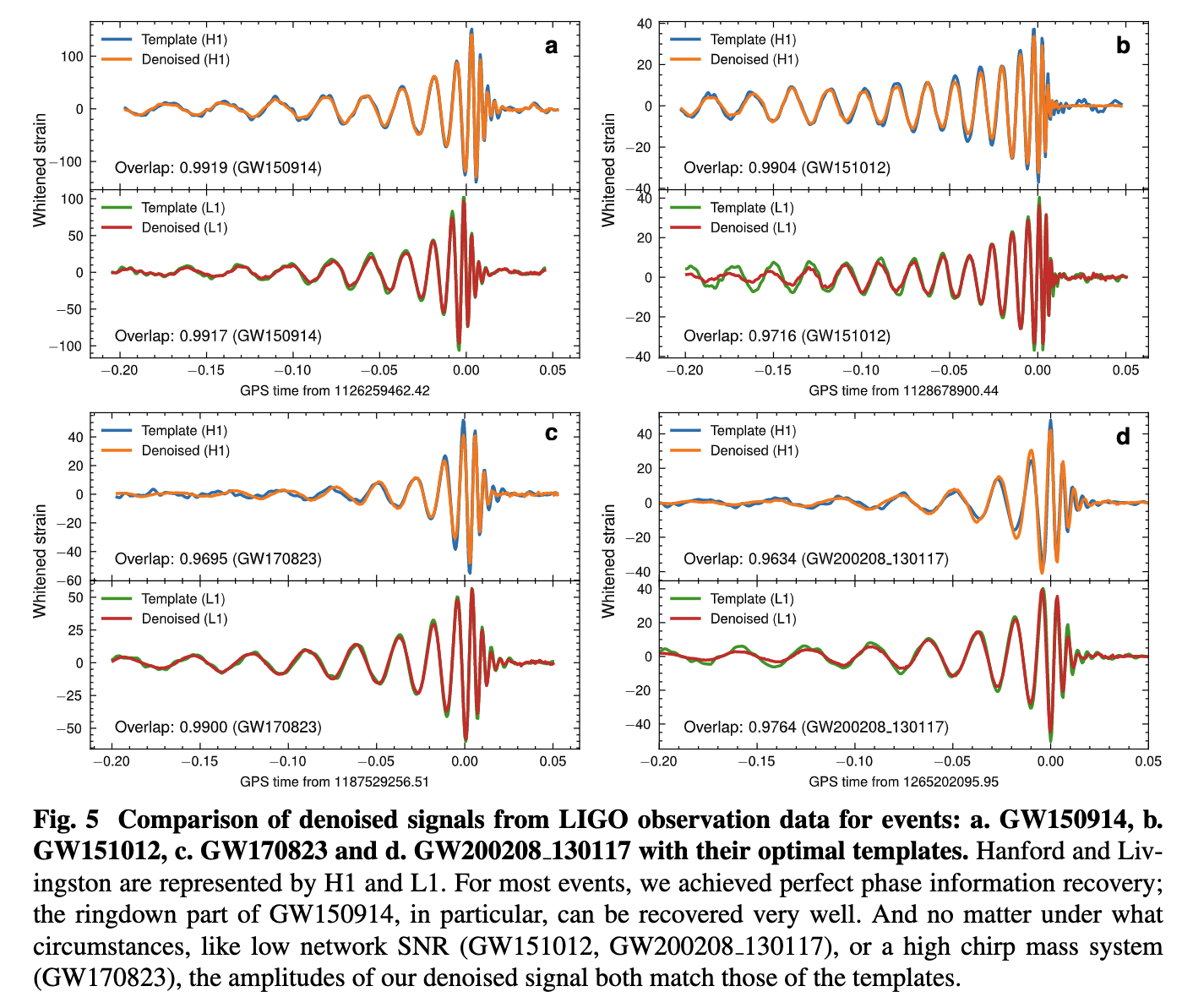
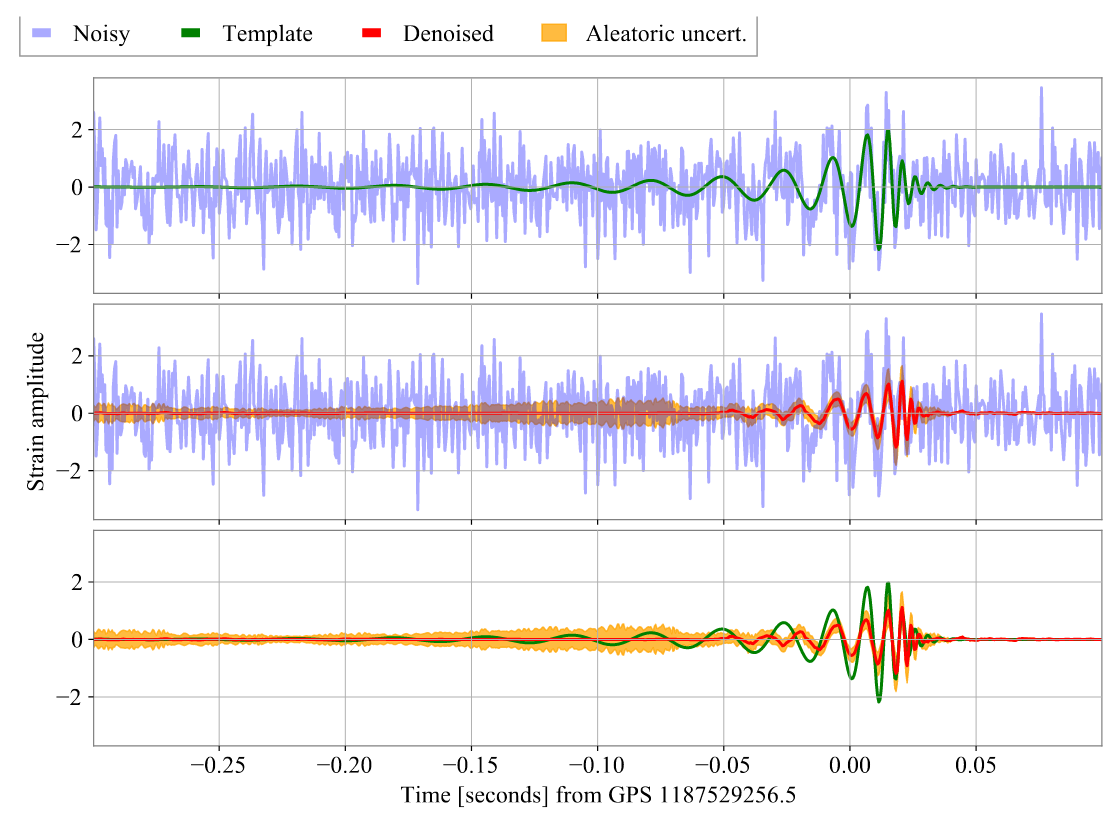
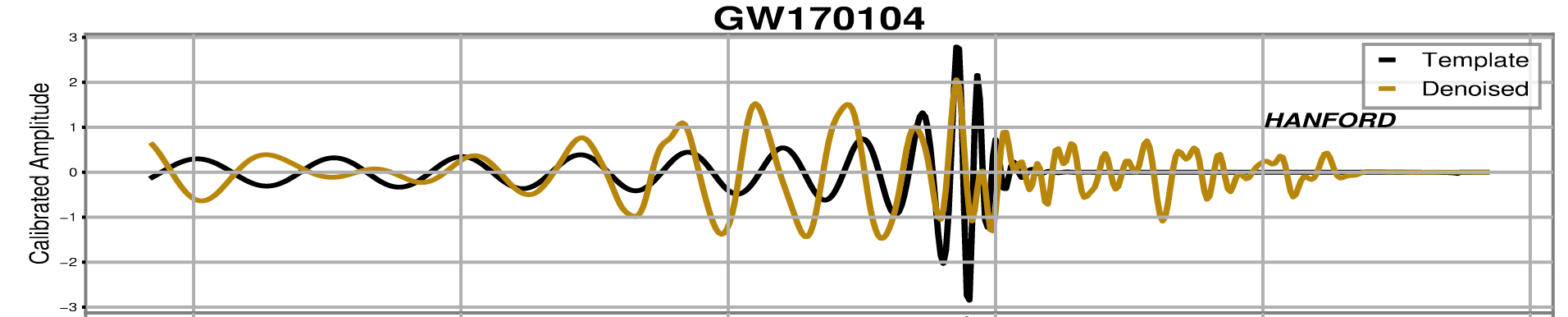
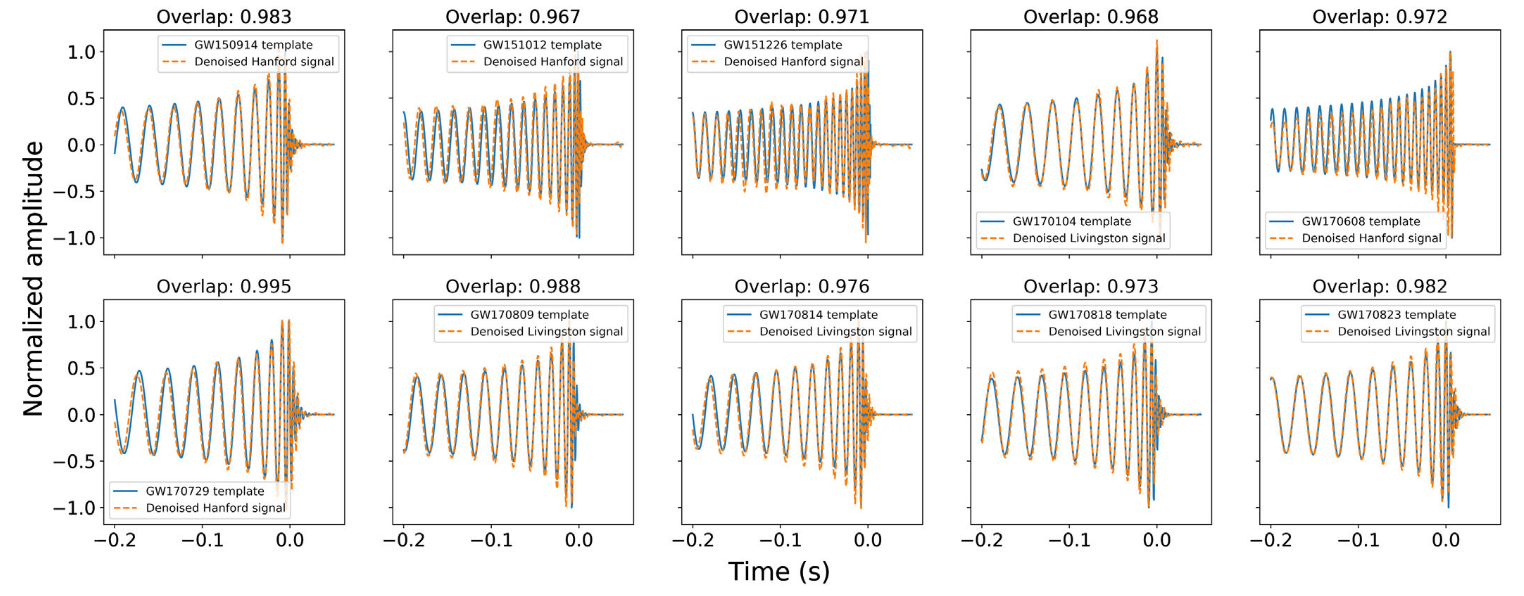
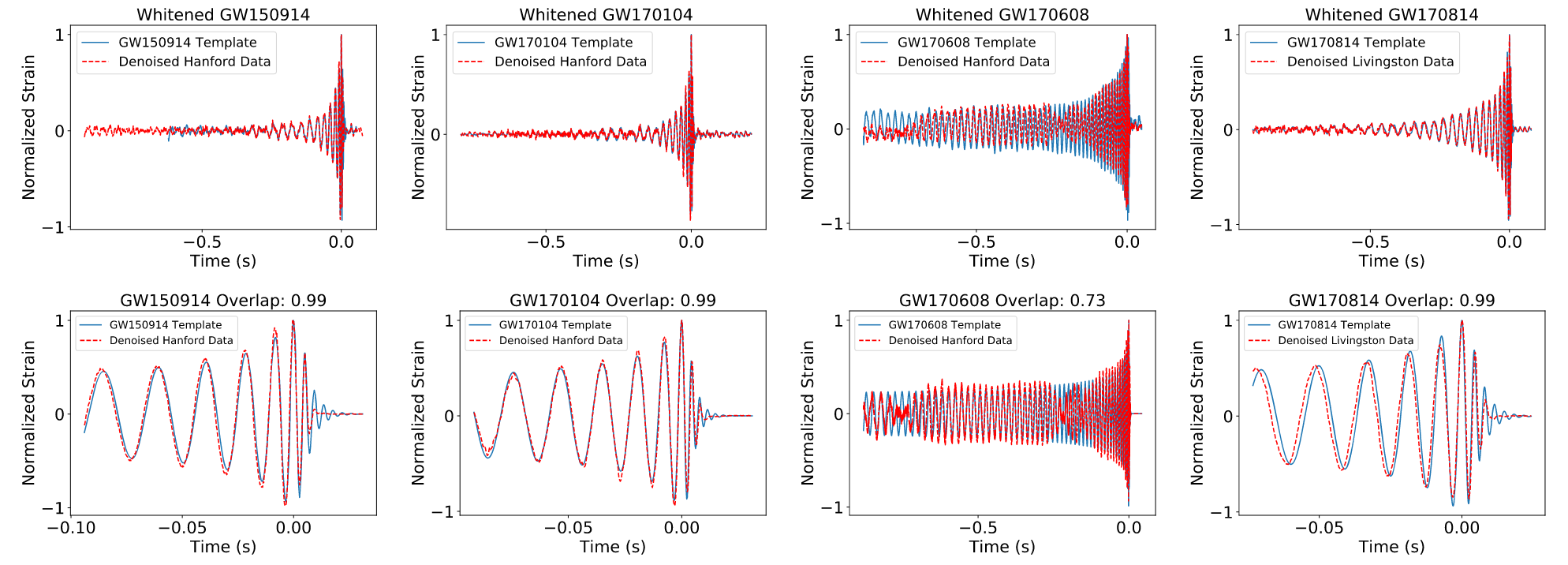
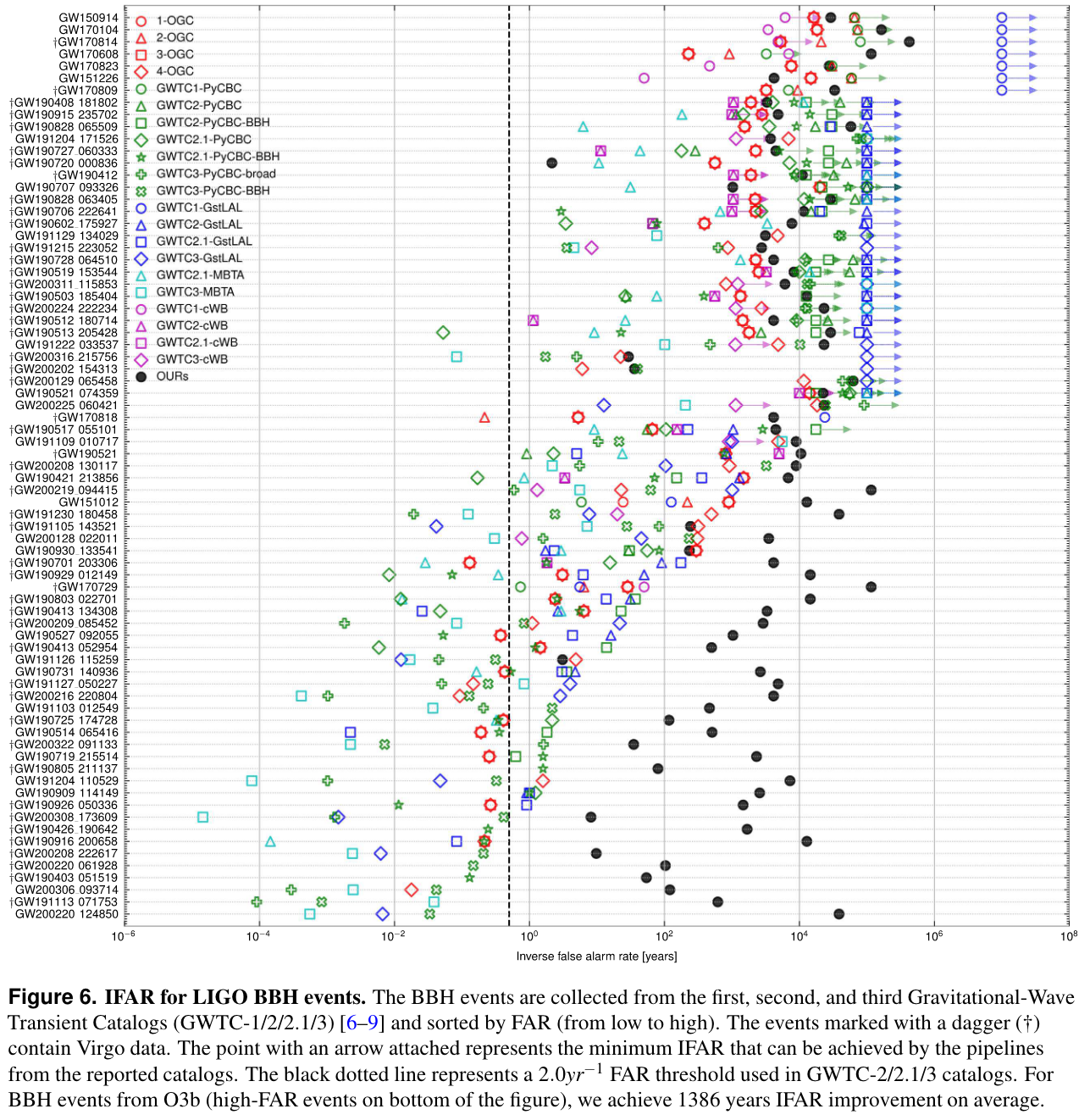
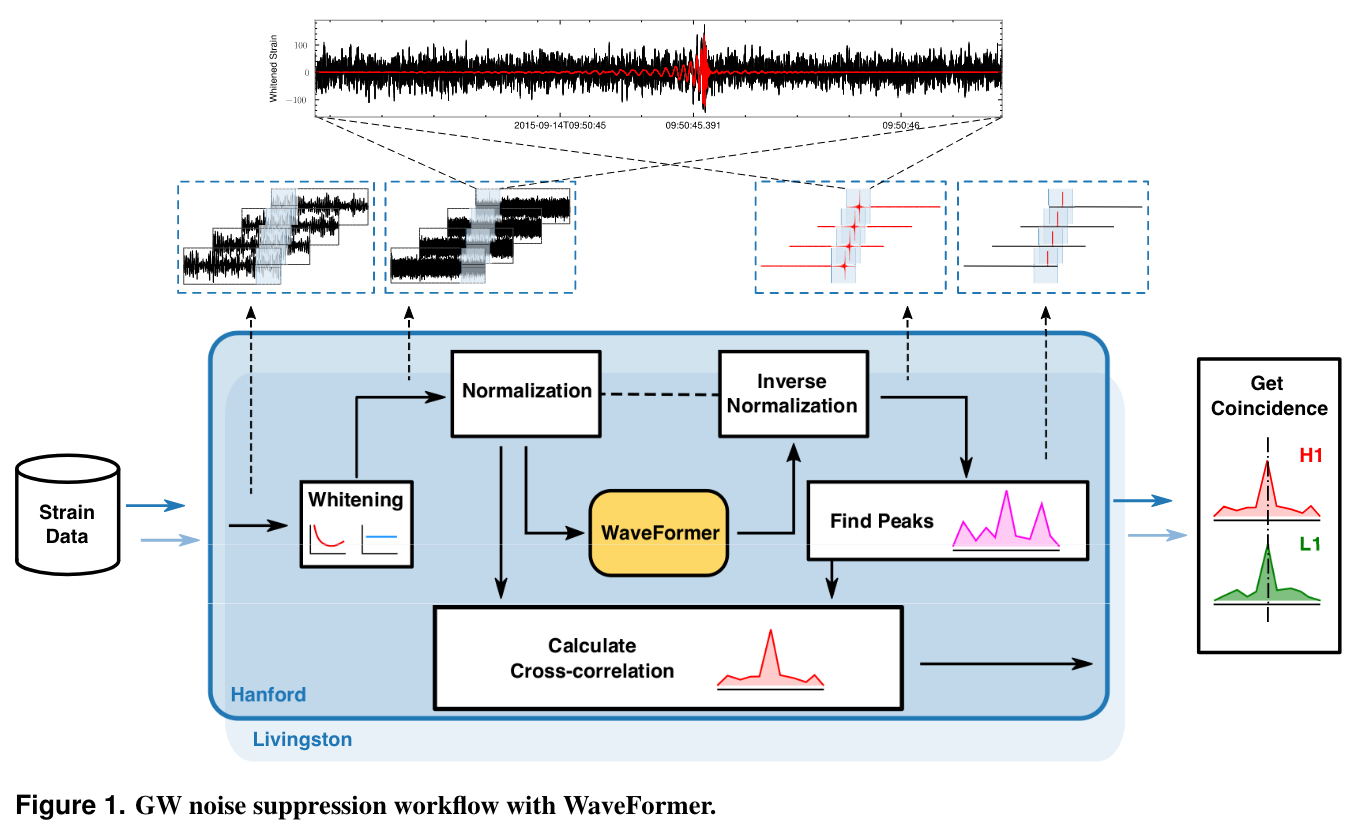
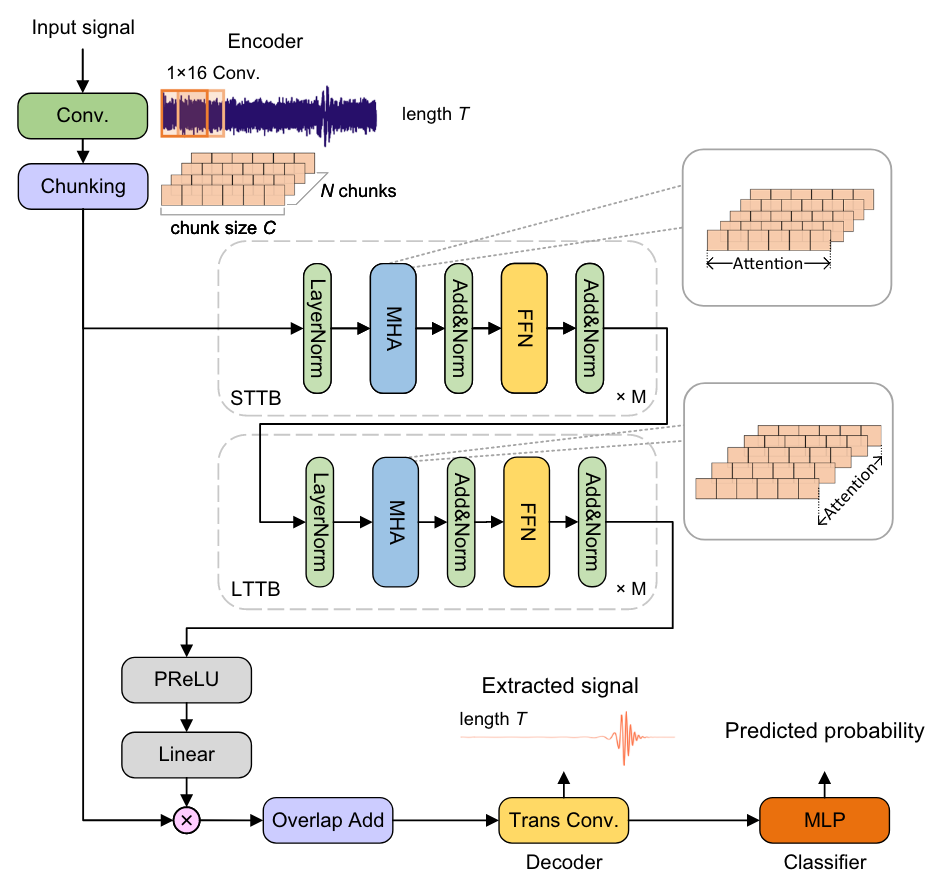
Billion-scale transformer-based model (WaveFormer)
- Suppression on realistic noise, and
- Recovery of injections / GW events
arXiv:2212.14283
BEFORE
AFTER
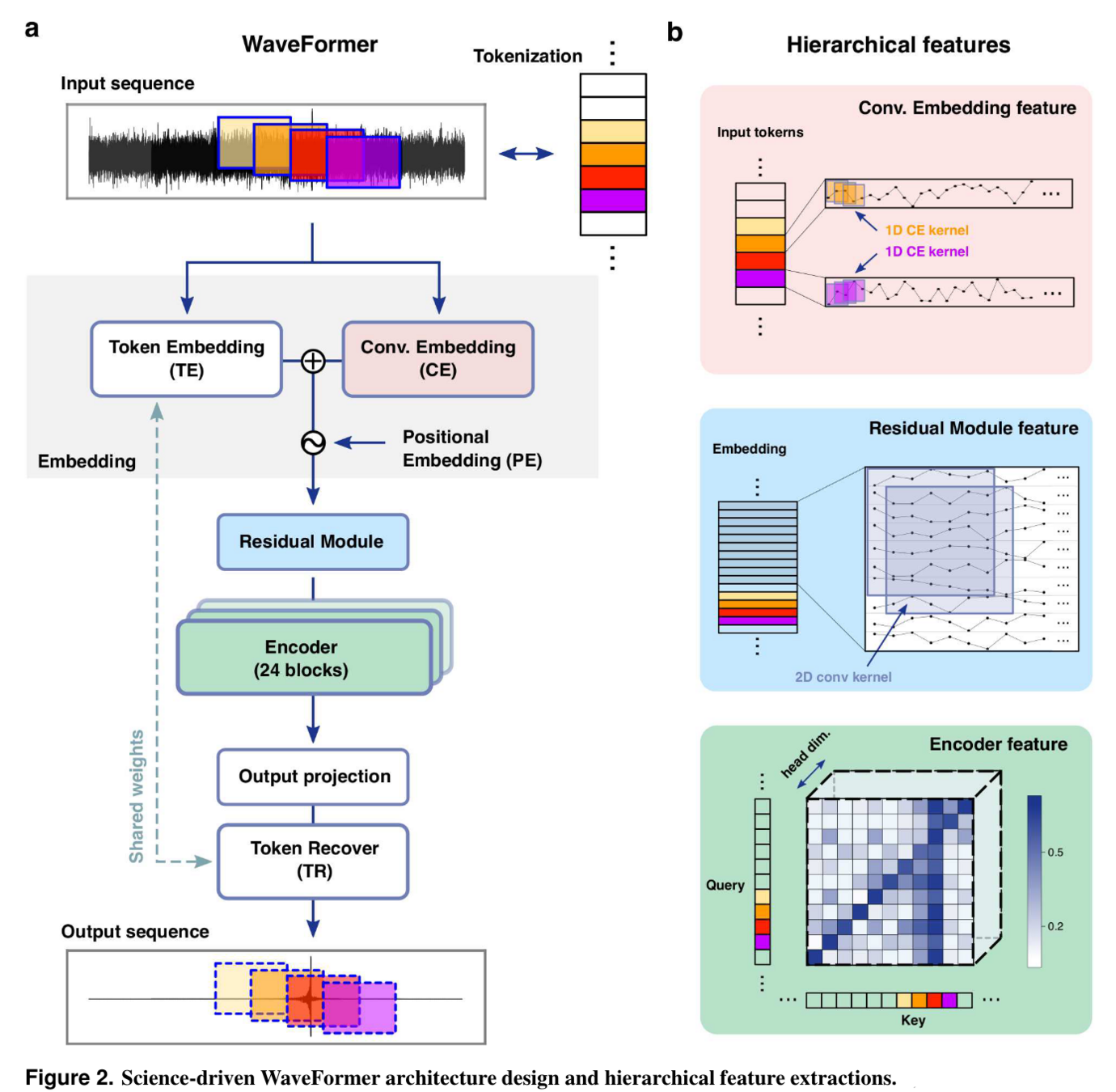
Noise Suppression: Data Quality Improvement
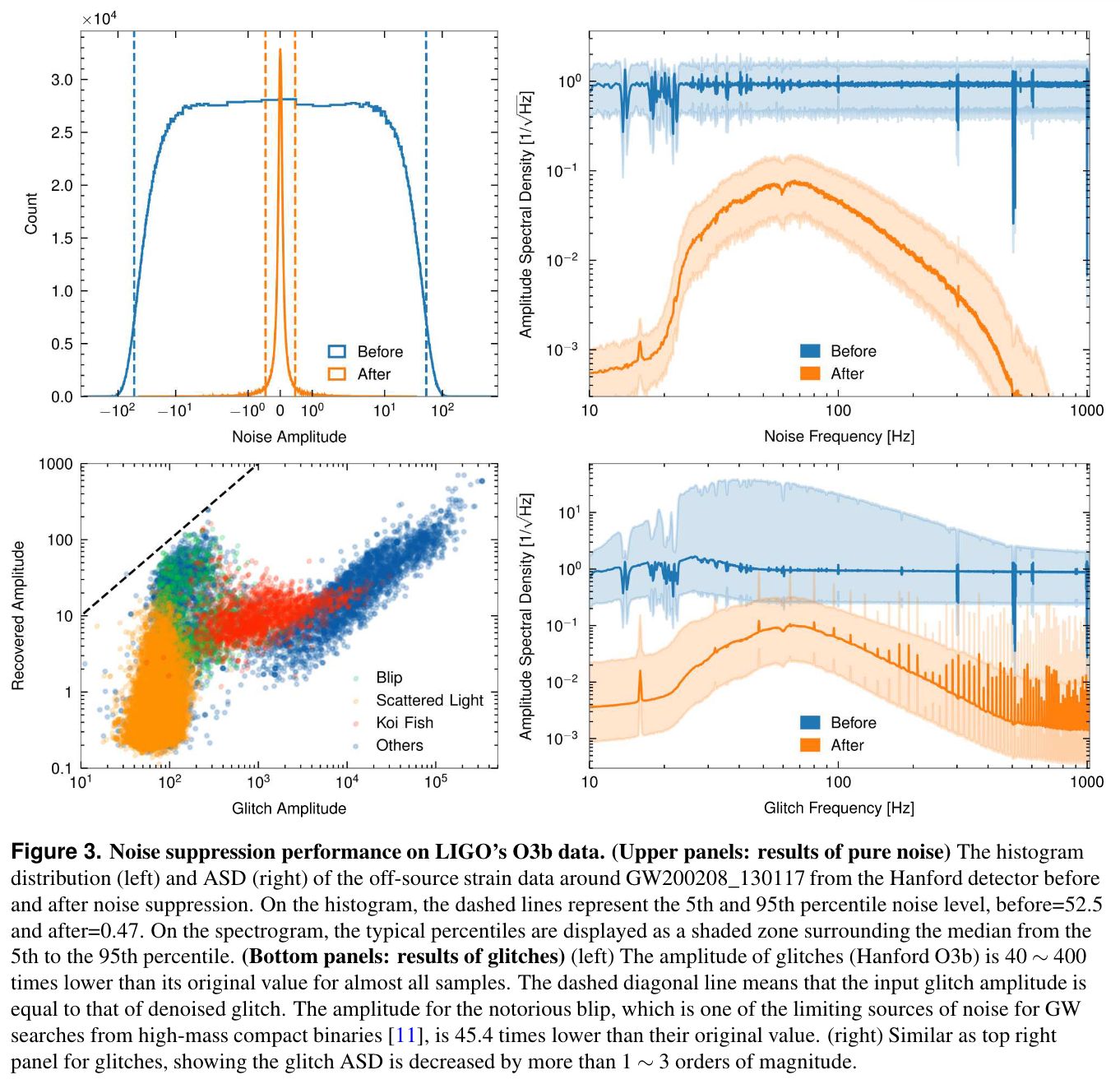
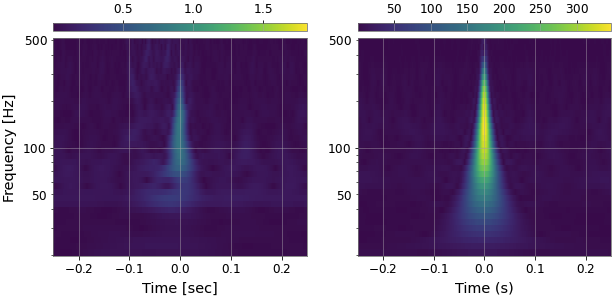
BEFORE
AFTER
- Billion-scale transformer-based model (WaveFormer)
- Suppression on realistic noise, and
- Recovery of injections / GW events
arXiv:2212.14283
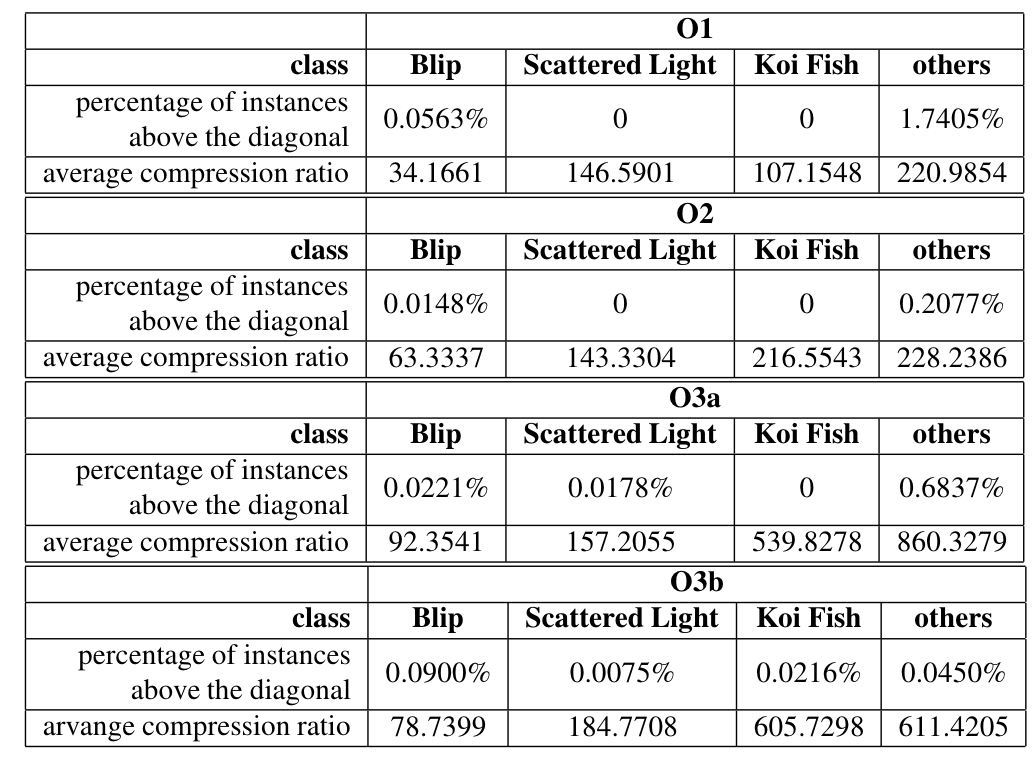
Noise Suppression: Data Quality Improvement
- Billion-scale transformer-based model (WaveFormer)
- Suppression on realistic noise, and
- Recovery of injections / GW events
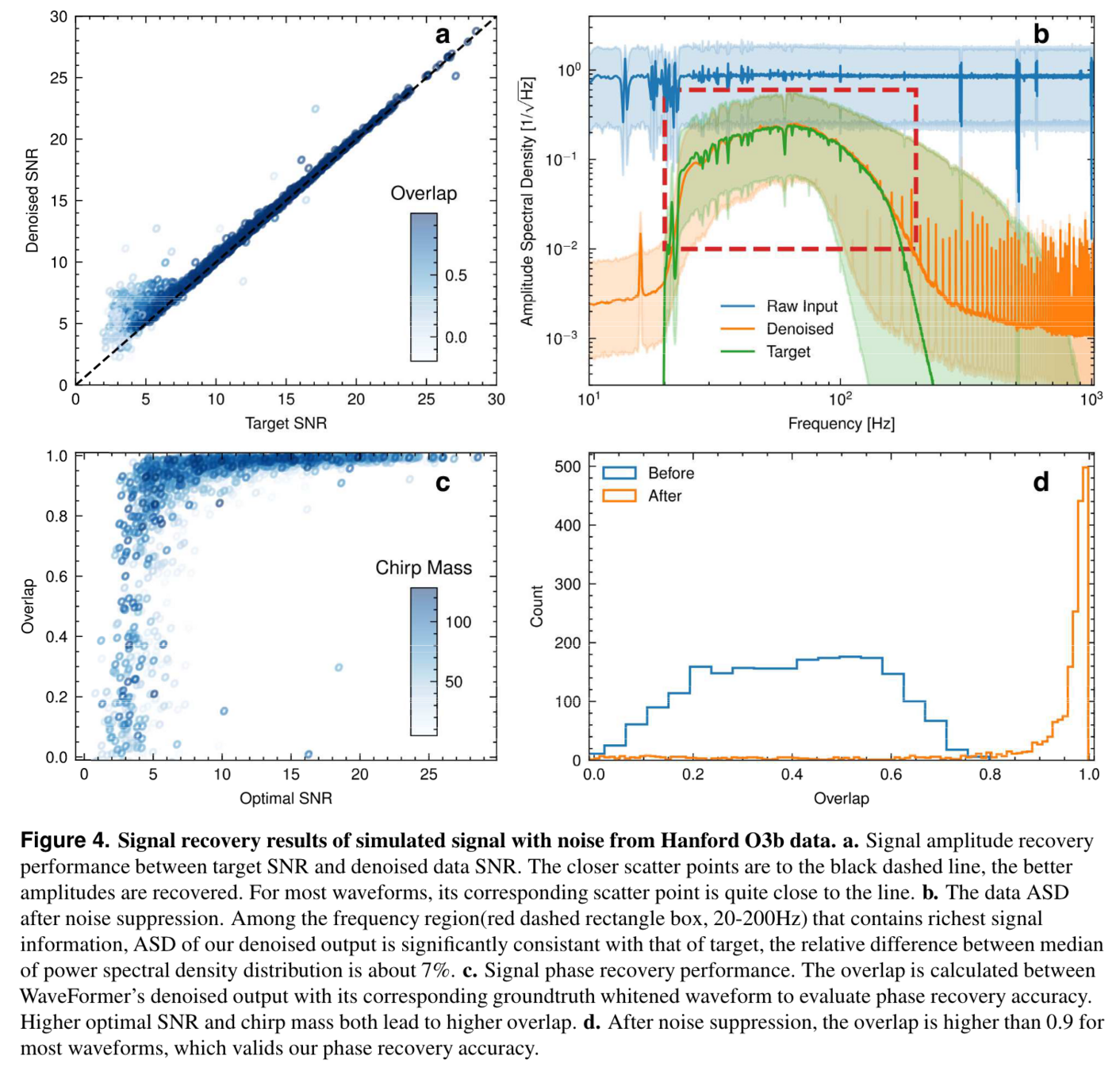
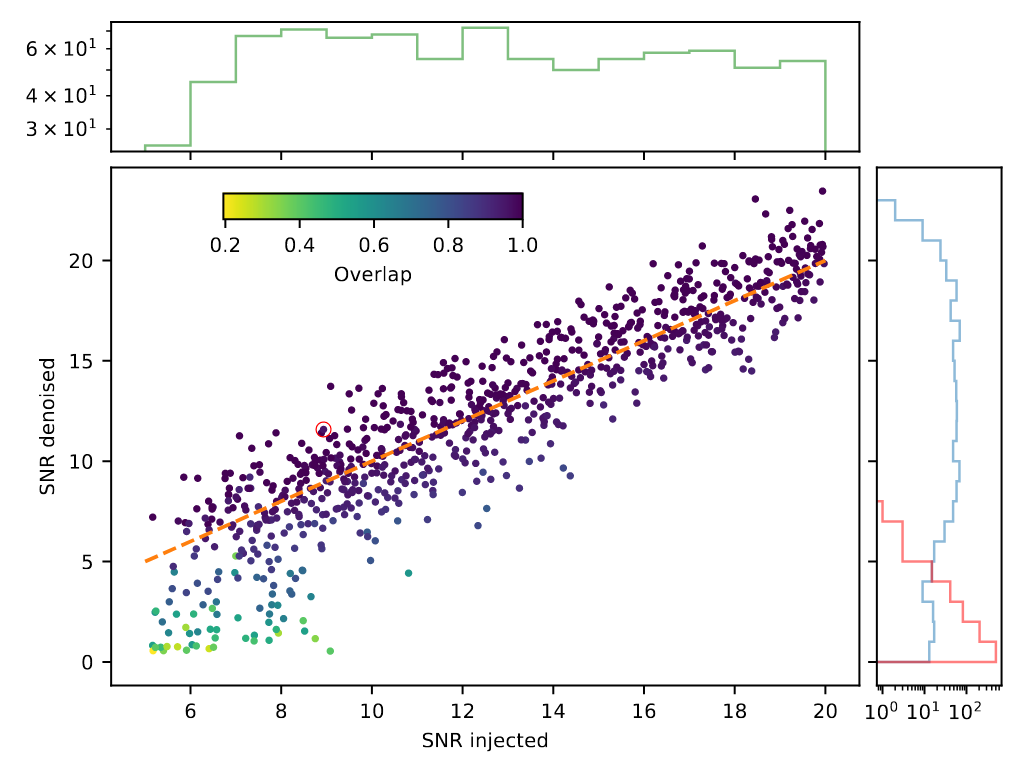
Bacon P. et al. arXiv: 2205.13513
arXiv:2212.14283
Noise Suppression: Data Quality Improvement
- Billion-scale transformer-based model (WaveFormer)
- Suppression on realistic noise, and
- Recovery of injections / GW events
arXiv:2212.14283
Bacon P. et al. arXiv: 2205.13513
Murali C & Lumley D. arXiv: 2210.01718
Wei W and Huerta E A. PLB 2020
Chatterjee C, Wen L, et al. PRD 2021
Noise Suppression: Data Quality Improvement
- Billion-scale transformer-based model (WaveFormer)
- Suppression on realistic noise, and
- Recovery of injections / GW events
arXiv:2212.14283
Noise Suppression: Adaptive Approach for Multimodal Source

- Noise suppression on multimodal sources for space-based scenarios.
- "One Model to Rule Them All".
T.Z, R.L, H.W, et al. "Space-based gravitational wave signal detection and extraction with deep neural network" Communications Physics, (2023)
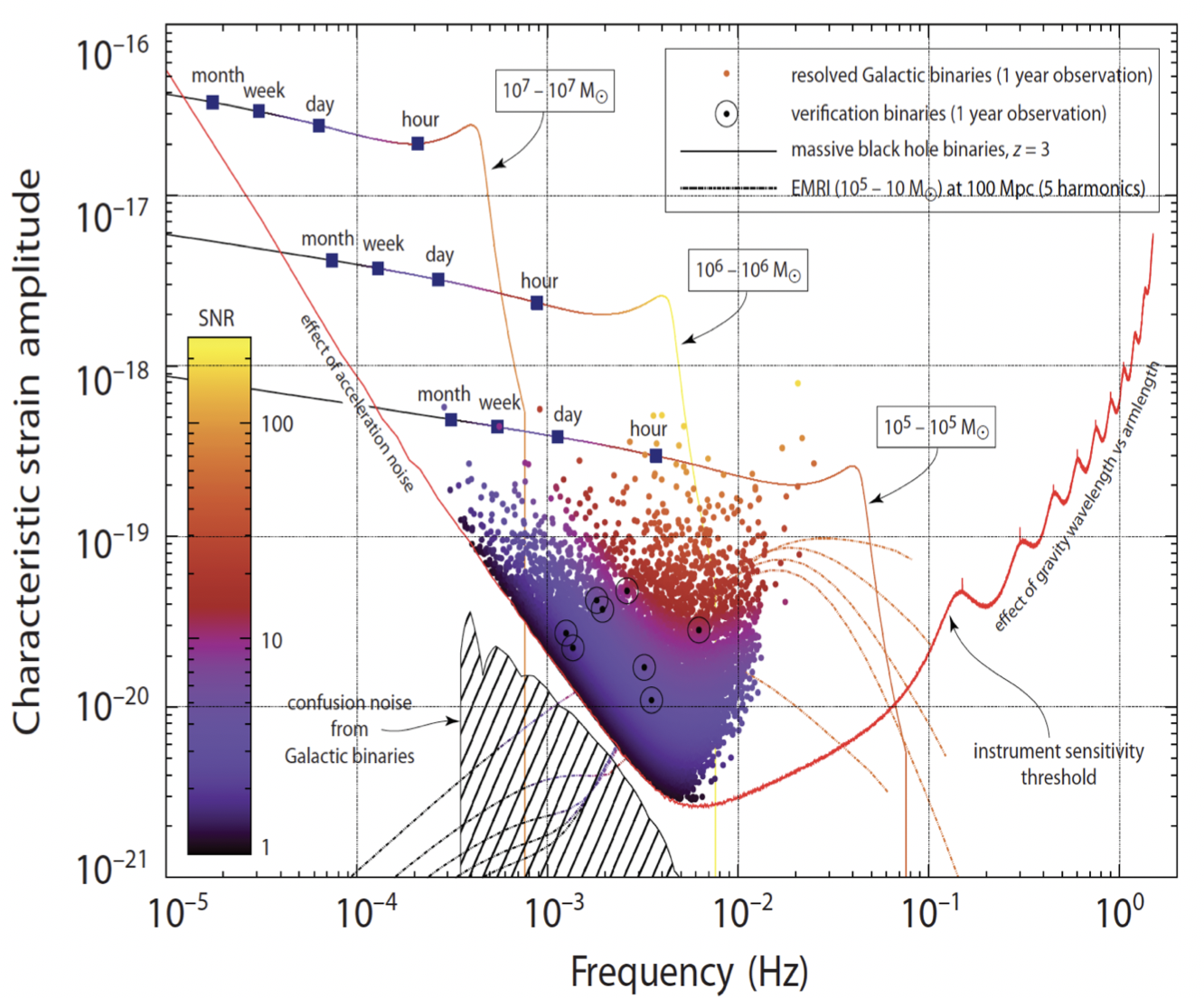
Credit: ESA, K. Holley-Bockelmann
Key Takeaways
-
Gravitational-wave astronomy turns to AI:
- A thriving and highly competitive research field on the international stage.
-
AI as a Revolutionary Pathway for Scientific Discoveries:
- Building noise models using AI as a crucial breakthrough for the future.
-
Future Research Directions:
- Achieving rapid and adaptive noise modeling on complex empirical GW data.
for _ in range(num_of_audiences):
    print('Thank you for your attention! 🙏')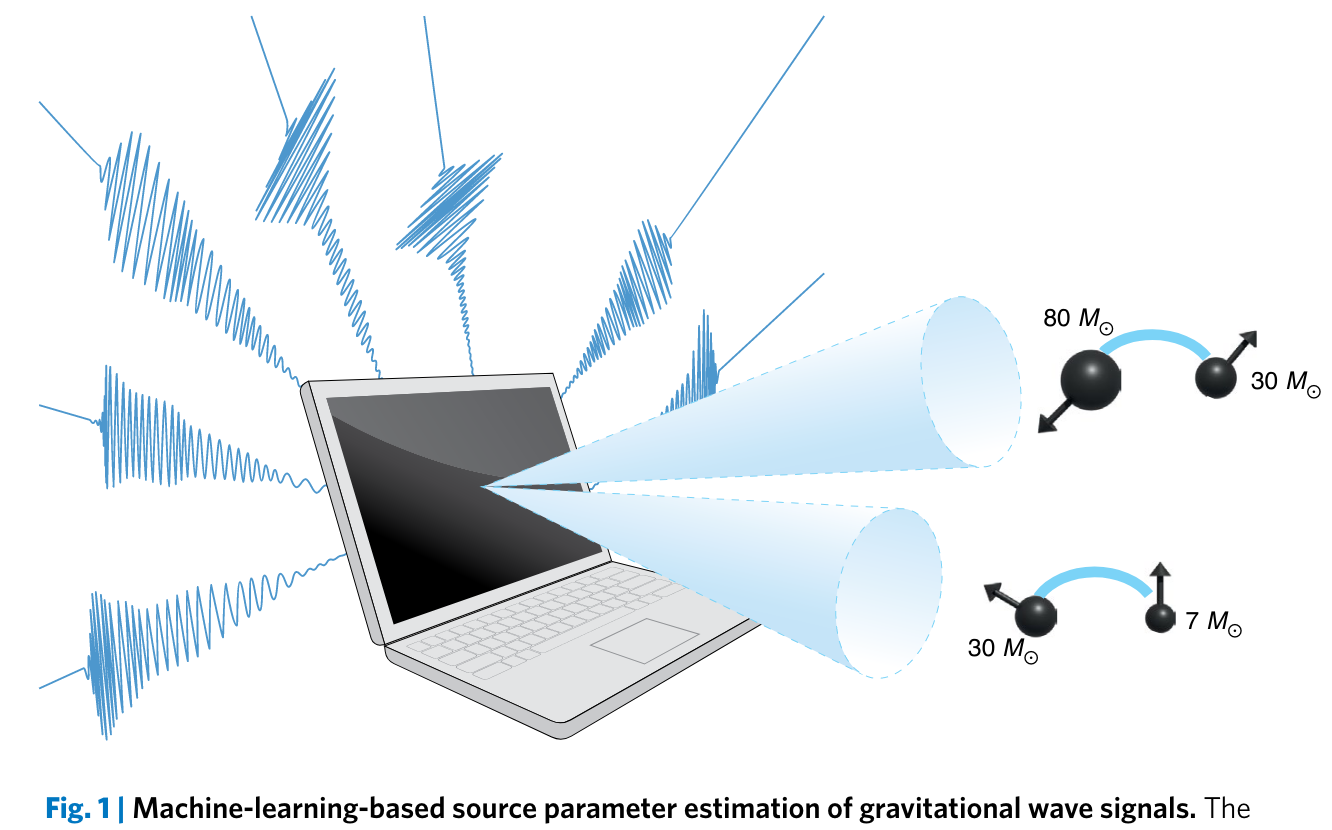
Smith, Rory. Nature Physics 18, 1 (2022): 9–11