2024年4月14日, 14:40-15:00
2024年第二届天文大数据与人工智能研讨会 | 北京 · 雁栖湖
Frontiers of AI in Gravitational Wave Astronomy
王赫 (He Wang)
hewang@ucas.ac.cn
中国科学院大学 · 国际理论物理中心(亚太地区)
中国科学院大学 · 引力波宇宙太极实验室(北京/杭州)
On behalf of the LIGO-VIRGO-KAGRA collaborations



From Data Processing to Scientific Discovery
Content

- GW Astronomy
- GW search · Pipeline
- Parameter estimation · Scientific discovery
- Key Takeaways
-
In 1916, A. Einstein proposed the GR and predicted the existence of GW.
-
Gravitational waves (GW) are a strong field effect in the GR.
-
2015: the first experimental detection of GW from the merger of two black holes was achieved.
-
2017: the first multi-messenger detection of a BNS signal was achieved, marking the beginning of multi-messenger astronomy.
-
2017: the Nobel Prize in Physics was awarded for the detection of GW.
-
As of now: more than 90 gravitational wave events have been discovered.
-
O4, which began on May 24th 2023, is currently in progress.
-

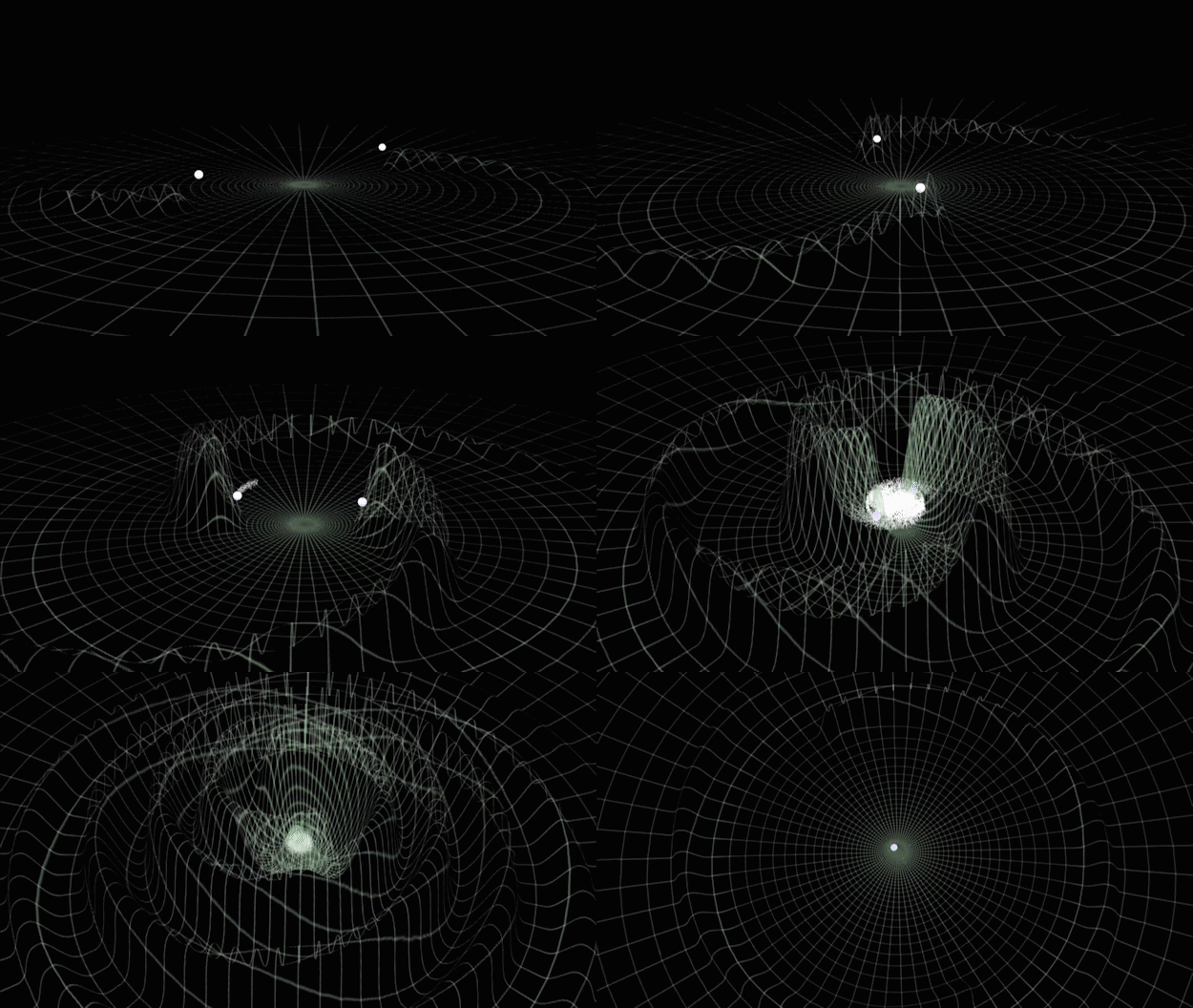

Gravitational waves generated by binary black holes system
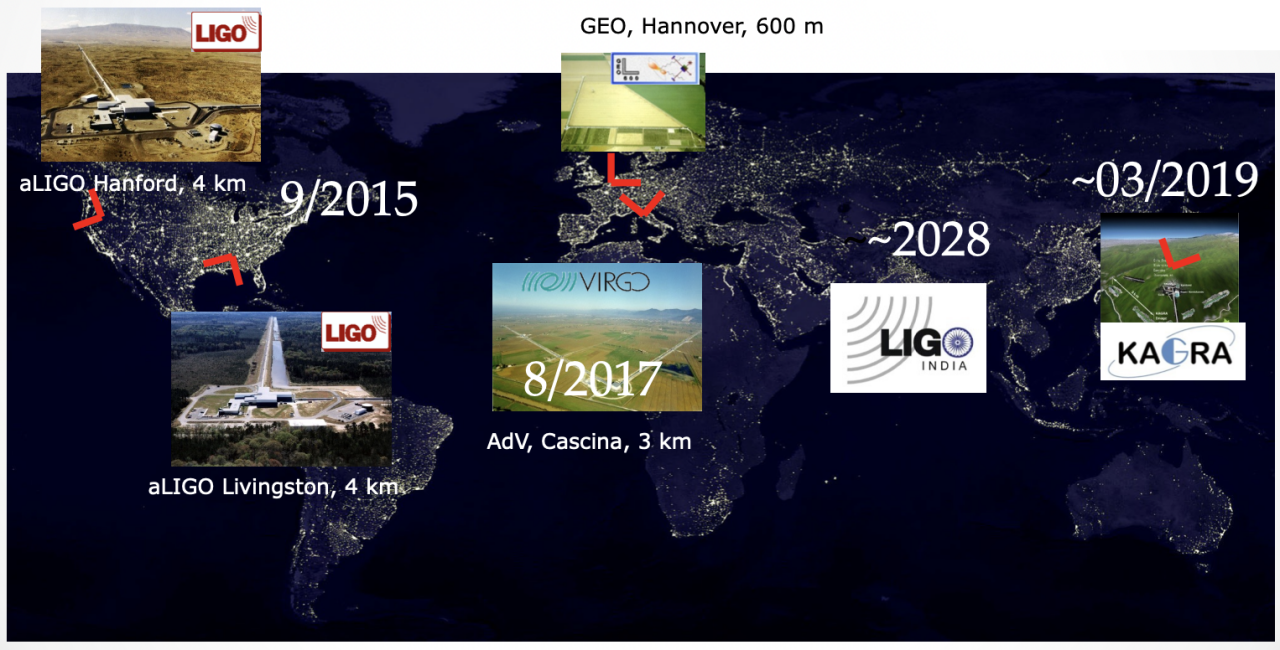
GW detector
LIGO-VIRGO-KAGRA network
2017 Nobel Prize in Physics
Gravitational Wave Astronomy
-
Fundamental Physics
- Existence of gravitational waves
- To put constraints on the properties of gravitons
-
Astrophysics
- Refine our understanding of stellar evolution
- and the behavior of matter under extreme conditions.
-
Cosmology
- The measurement of the Hubble constant
- Dark energy
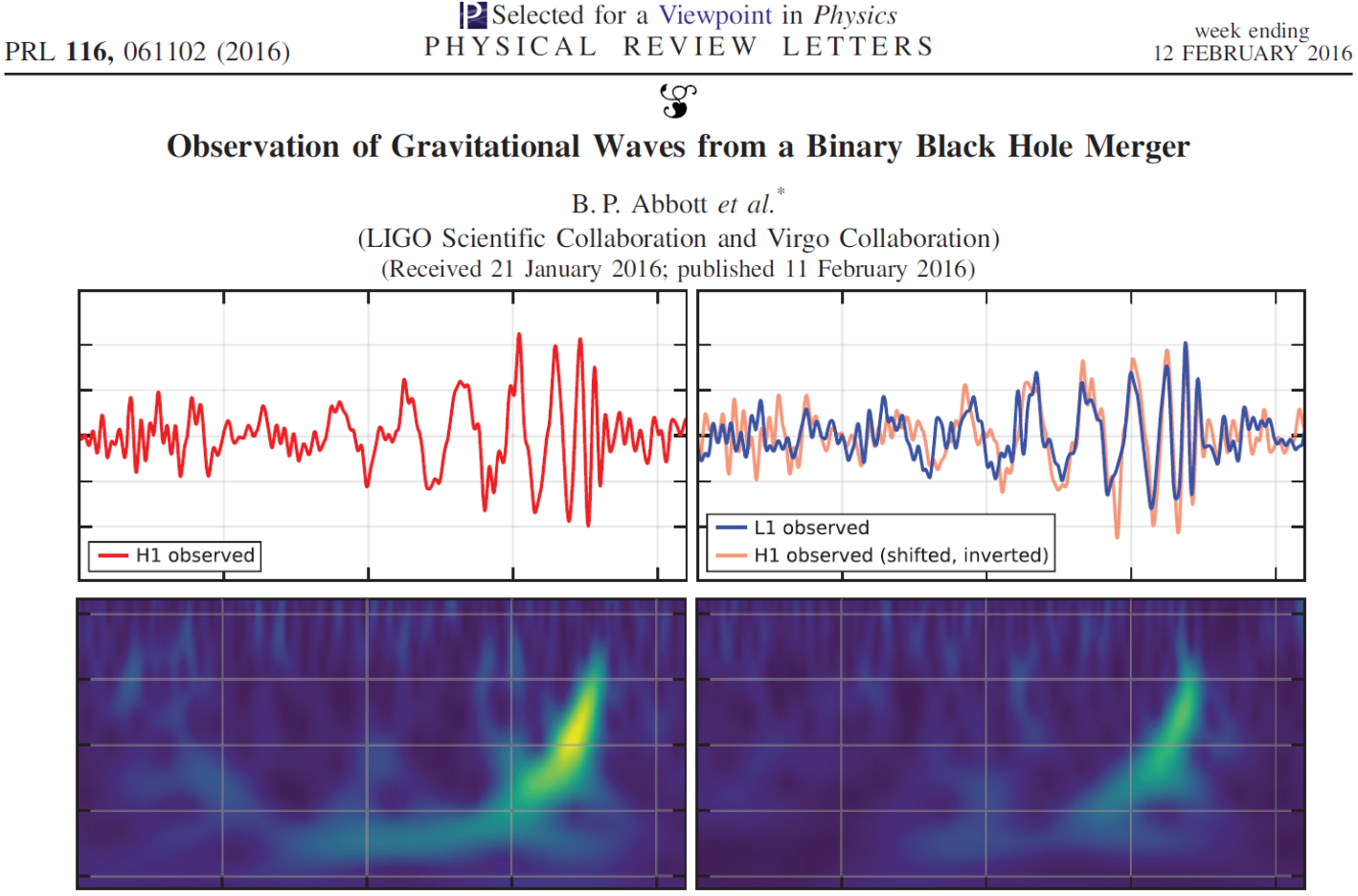
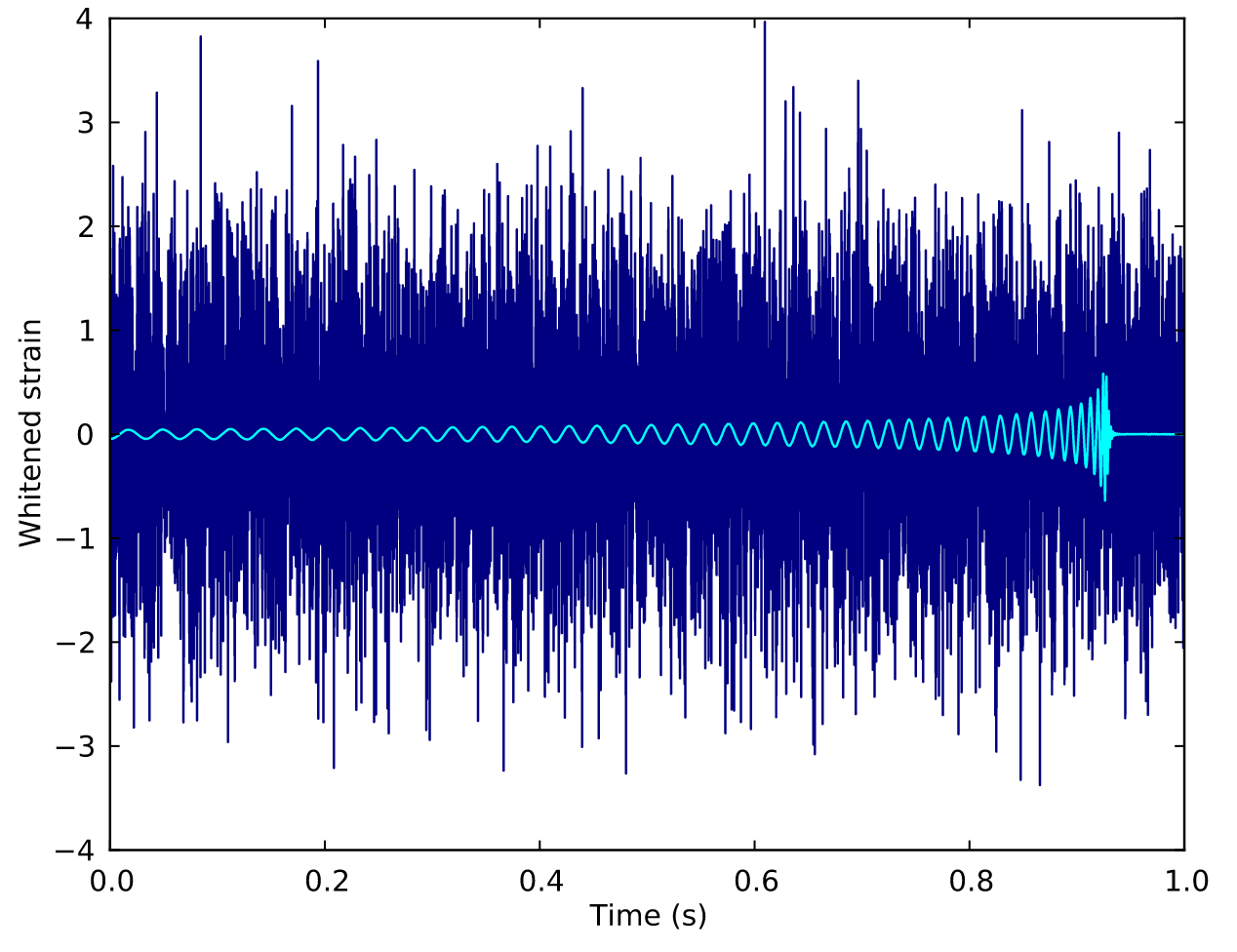
The first GW event of GW150914
- Detecting gravitational waves require a mix of FIVE key ingredients:
- good detector technology
- good waveform predictions
- good data analysis methodology and technology
- coincident observations in several independent detectors
- coincident observations in electromagnetic astronomy
—— Bernard F. Schutz
DOI: 10.1063/1.1629411
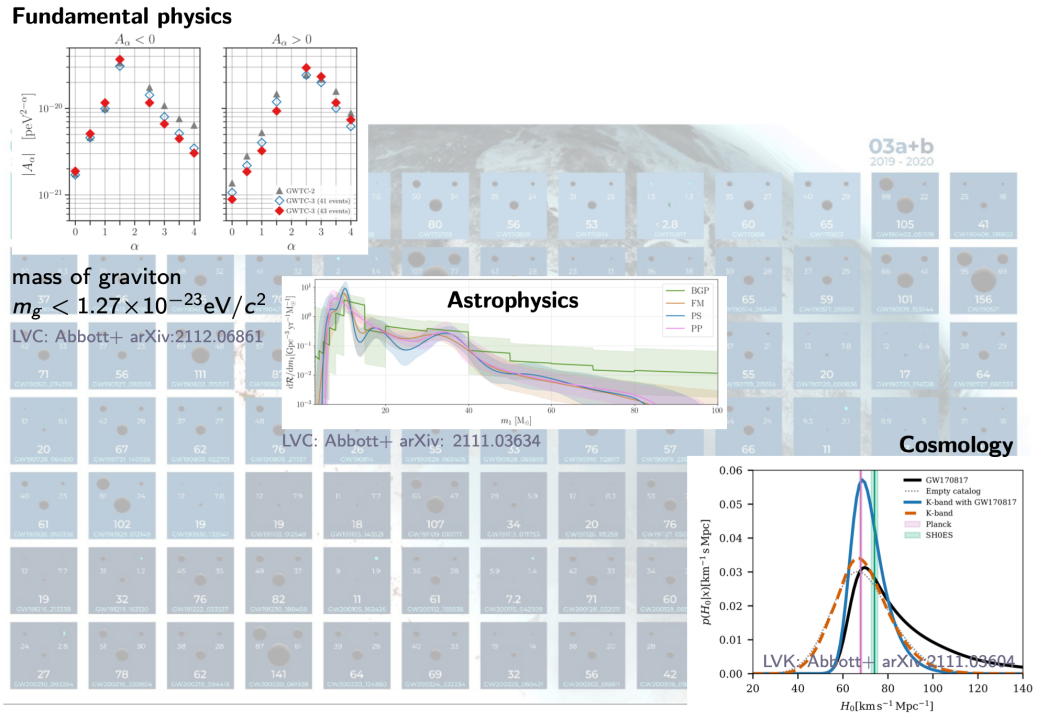
GWTC-3
Gravitational Wave Astronomy
Technical Challenges: Data Processing for GW
GW Data characteristics
-
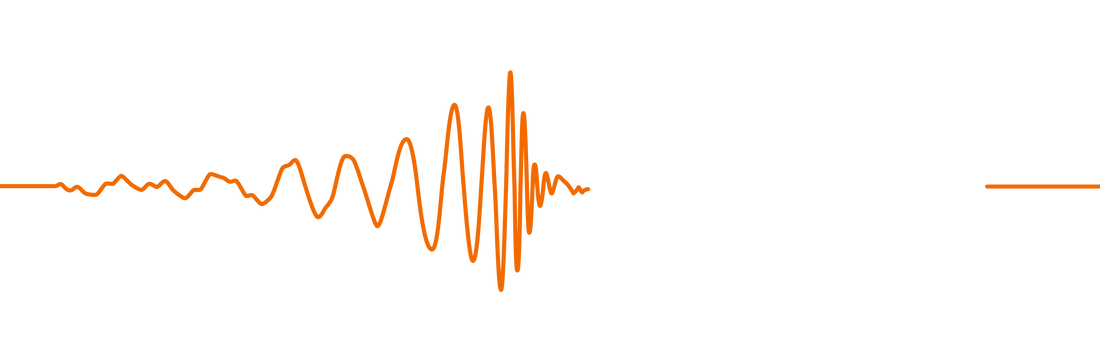
Noise: non-Gaussian and non-stationary
-
Signal:
-
(Earth-based) A low signal-to-noise ratio (SNR) which is typically about 1/100 of the noise amplitude (-60 dB).
-
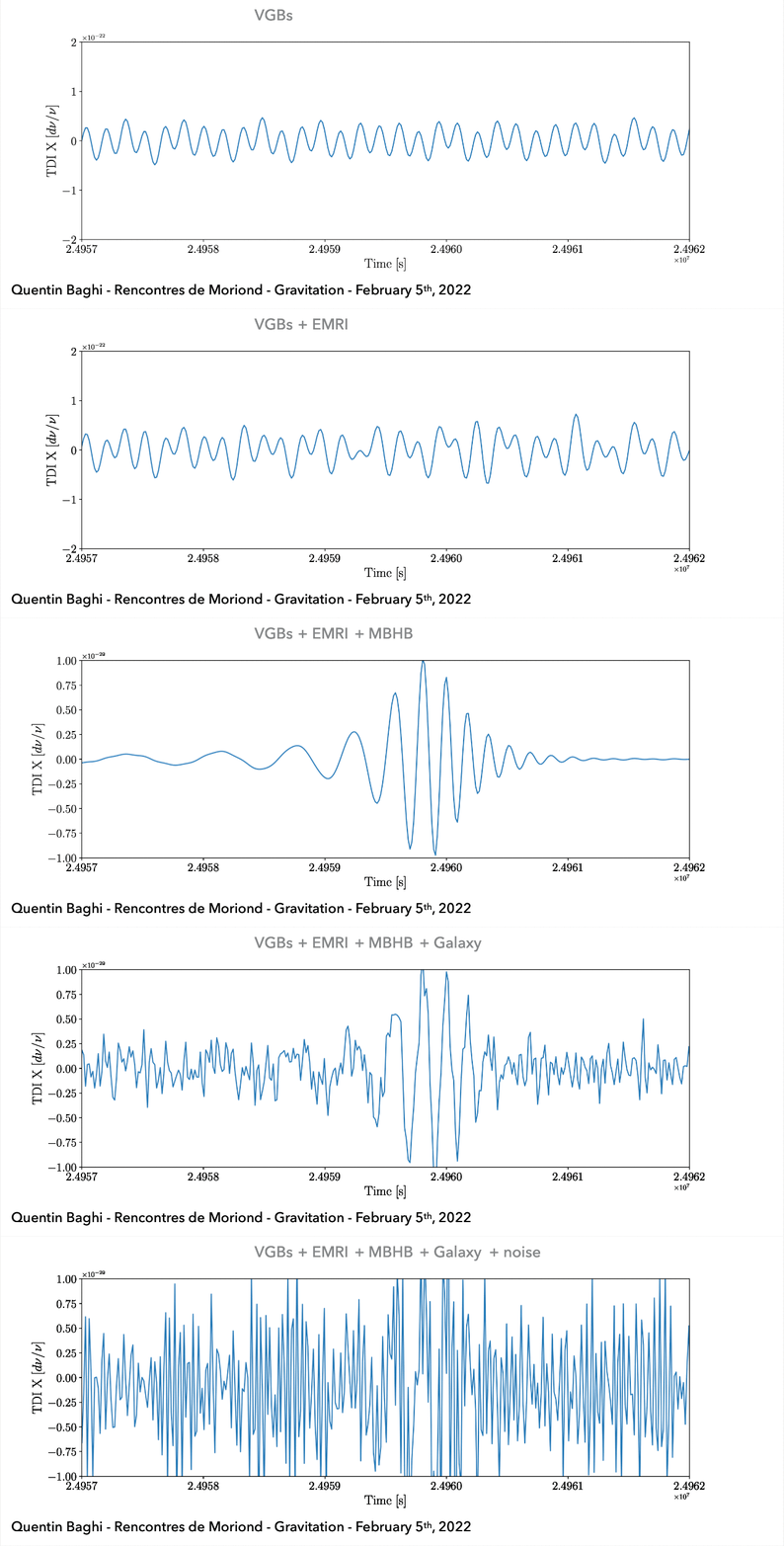
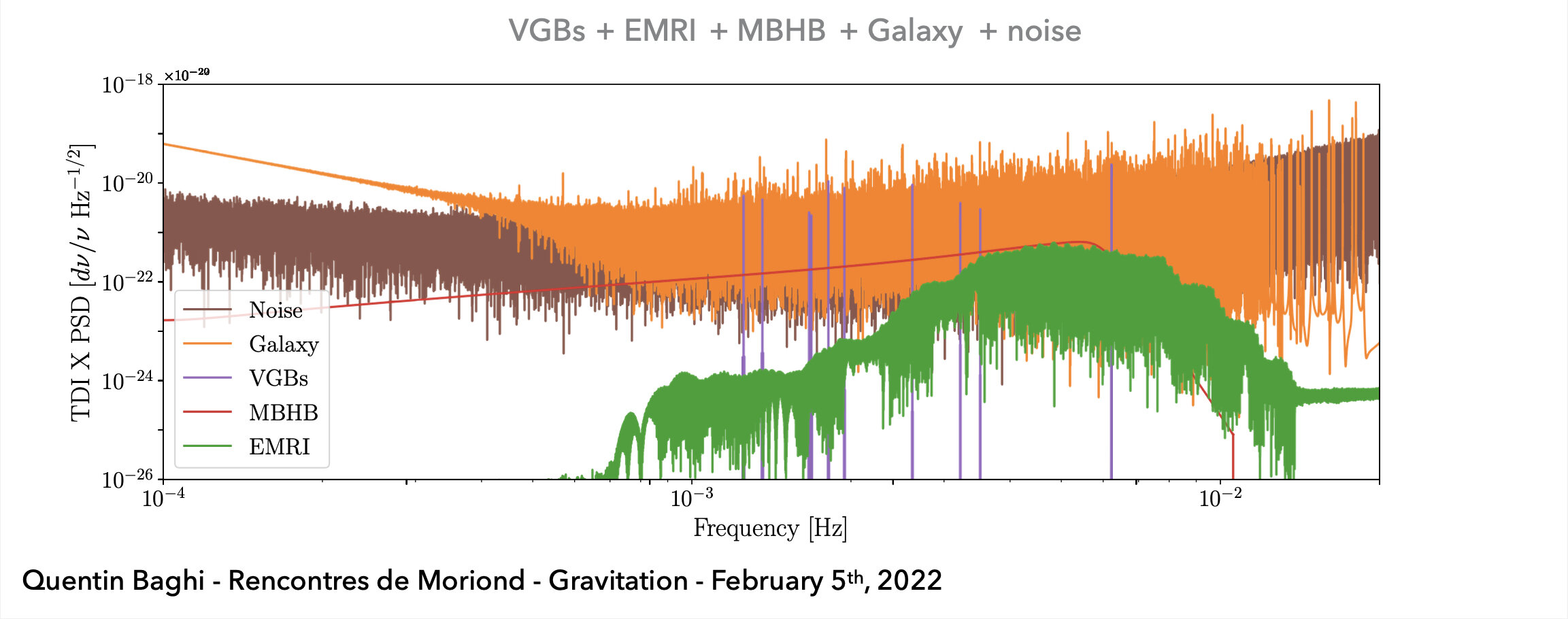
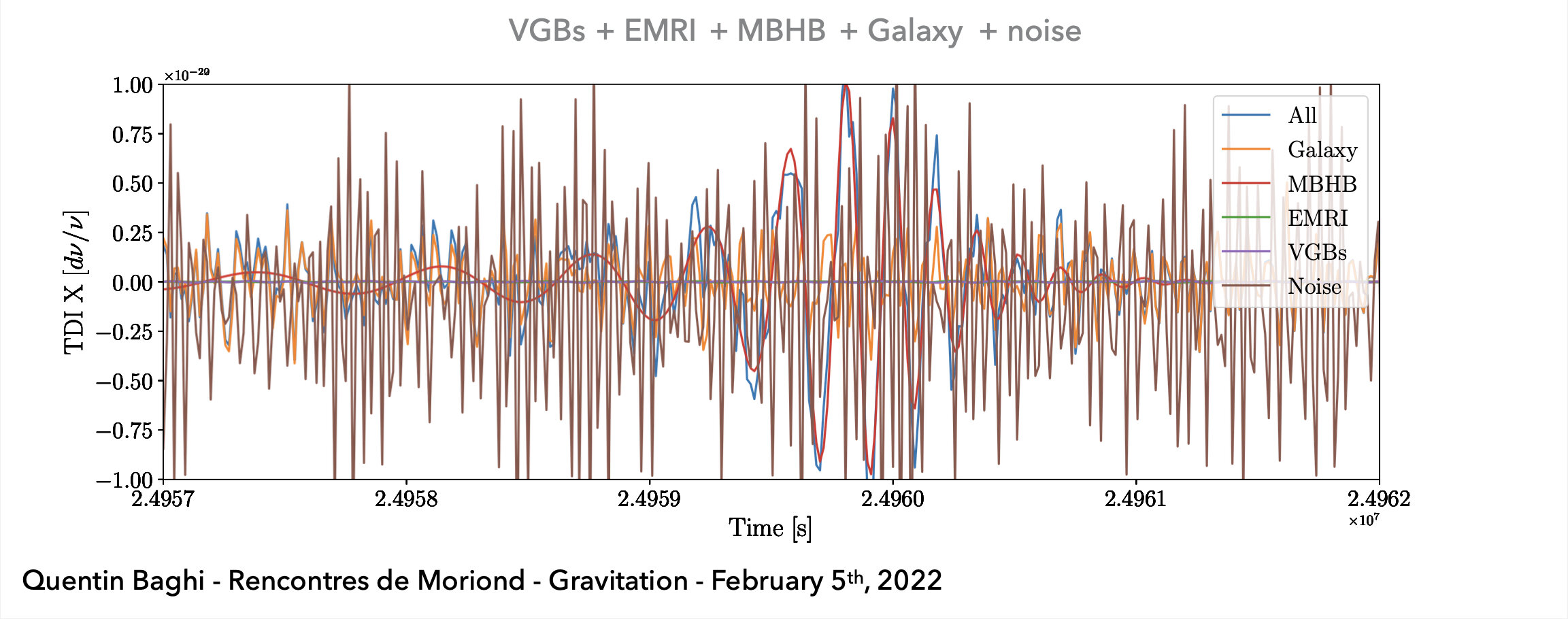
(Space-based) A superposition of all GW signals (e.g.: \(10^4\) of GBs, \(10\sim10^2\) of SMBHs, and \(10\sim10^3\) of EMRIs, etc.) received during the mission's observational run.
-
Matched filtering techniques (匹配滤波方法)
-
In Gaussian and stationary noise environments, the optimal linear algorithm for extracting weak signals
- Works by correlating a known signal model \(h(t)\) (template) with the data.
- Starting with data: \(d(t) = h(t) + n(t)\).
- Defining the matched-filtering SNR \(\rho(t)\):
\(\rho^2(t)\equiv\frac{1}{\langle h|h \rangle}|\langle d|h \rangle(t)|^2 \) , where \(\langle d|h \rangle (t) = 4\int^\infty_0\frac{\tilde{d}(f)\tilde{h}^*(f)}{S_n(f)}e^{2\pi ift}df \) ,
\(\langle h|h \rangle = 4\int^\infty_0\frac{\tilde{h}(f)\tilde{h}^*(f)}{S_n(f)}df \), \(S_n(f)\) is noise power spectral density (one-sided).
Text
LIGO-VIRGO-KAGRA
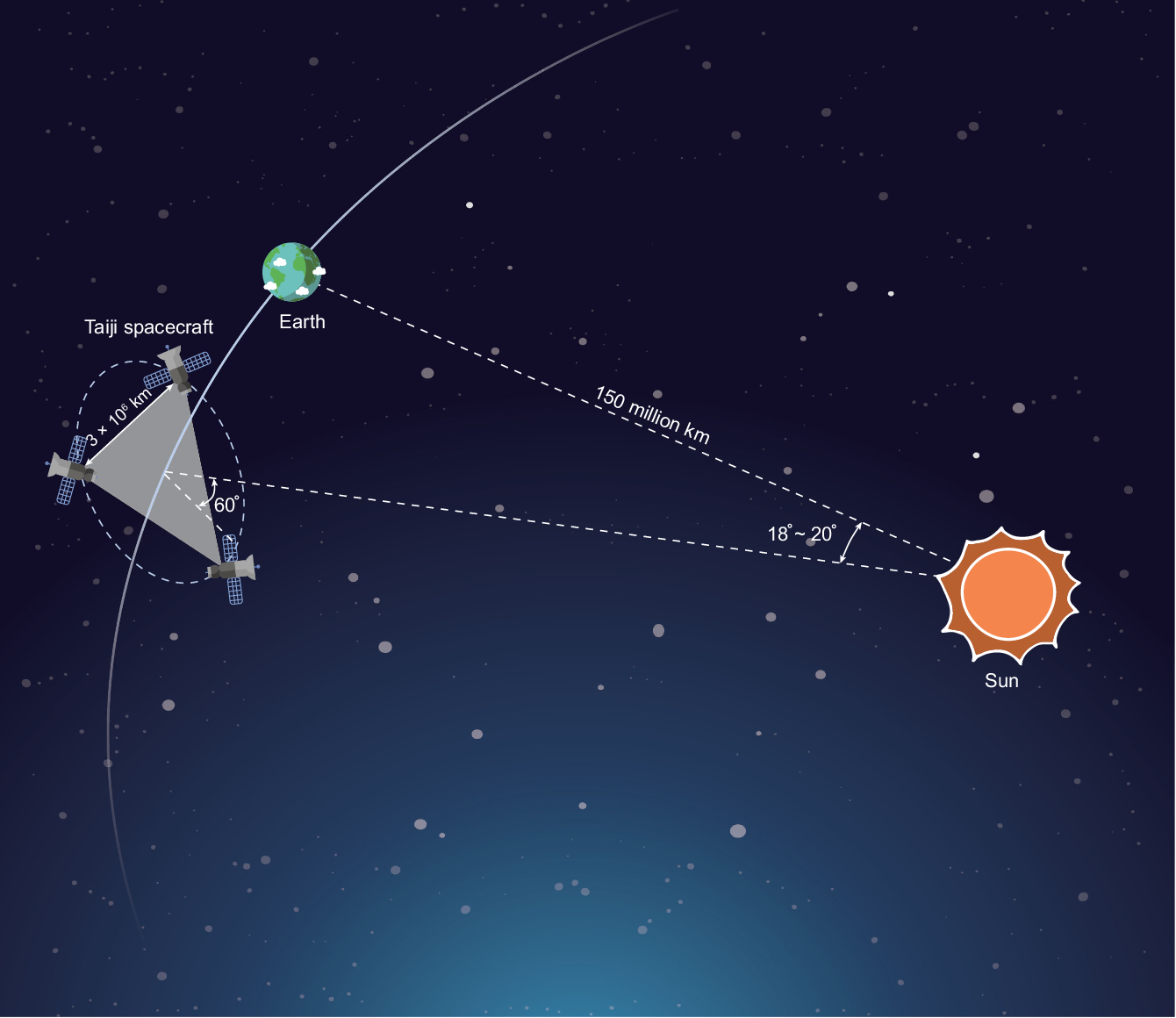
LISA / Taiji project
Text
Content

- GW Astronomy
- GW search · Pipeline
- Parameter estimation · Scientific discovery
- Key Takeaways
GW search · Pipeline
Text
Pioneering works utilizing CNN
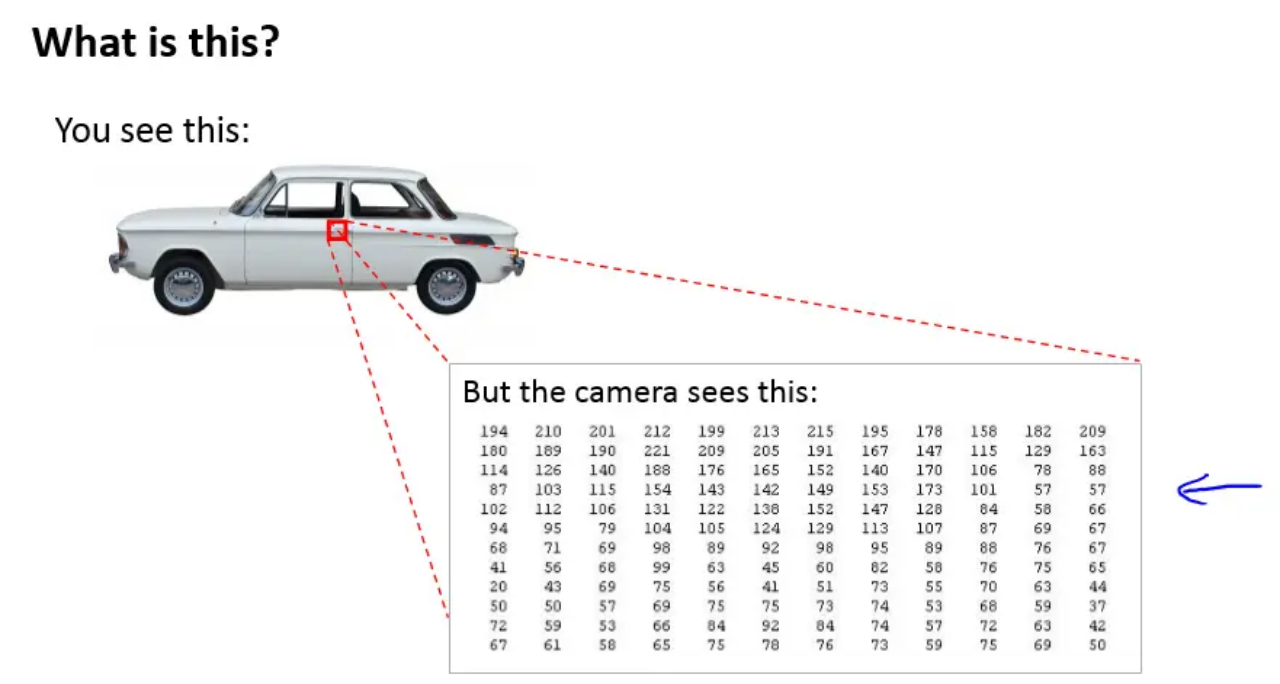
- The most common and direct approach, from Computer Vision (CV) to GW signal processing: pixel point \(\Rightarrow\) sampling point.
- Convolutional neural networks (CNN) can achieve comparable performance to Matched Filtering and surpass them in terms of execution speed (with GPU support) under Gaussian stationary noise.
AI for Science \(\rightarrow\) AI for GW Astronomy
- Artificial Intelligence (AI) has great potential to revolutionize gravitational wave astronomy by improving data analysis, modeling, and detector development.
- Representation and supervised learning crucially extract features from GW signals, autonomously identifying informative features and leveraging labeled data for accuracy.
Text
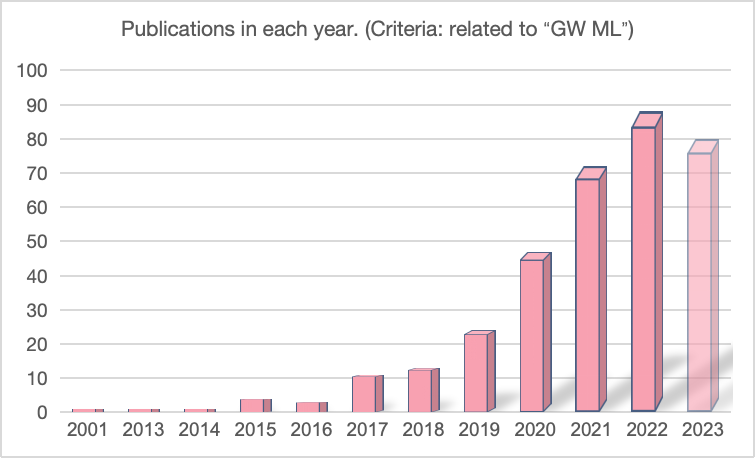
Exported: Oct, 2023 (in preparation)
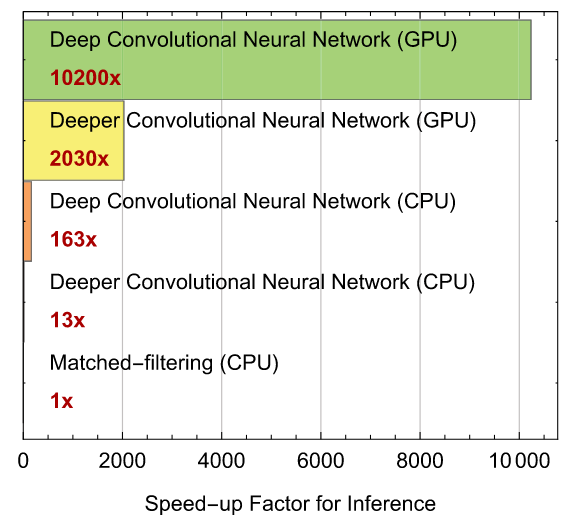
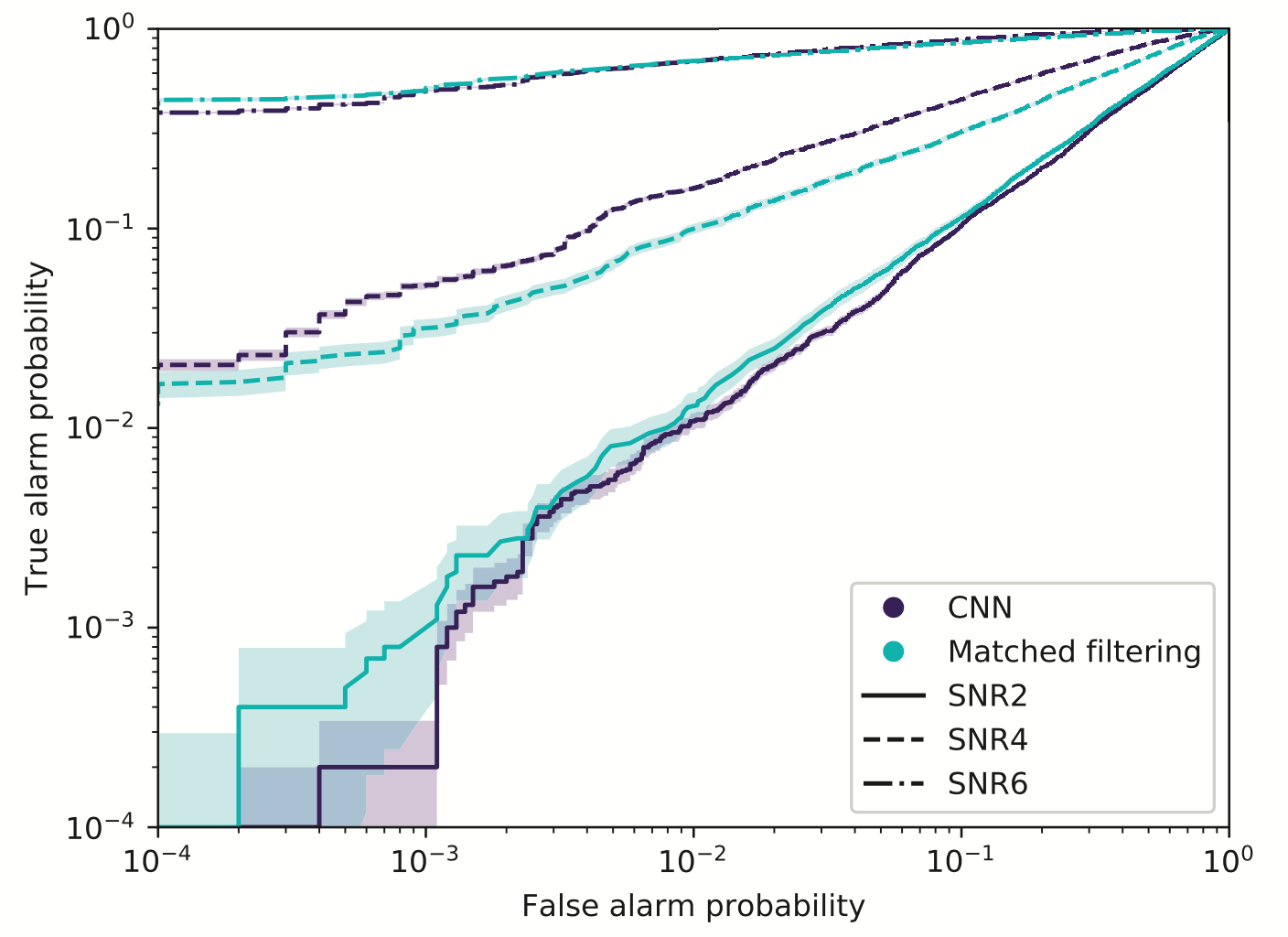
PRL, 2018, 120(14): 141103.
PRD, 2018, 97(4): 044039.
GW search · Pipeline
Text
Introduction to Speed and Efficiency
- Machine Learning (ML) offers unparalleled speed in GW detection.
- The increasing sensitivity to noise and the growing number of GW events demand faster analysis capabilities.
The Need for Integration (an AI pipeline!)
- Numerous AI algorithms exist for signal detection (see more: https://wiki.ligo.org/MLA/ML_at_LIGO_and_VIRGO), highlighting the need for a streamlined pipeline.
- However, none are operational in O4 due to infrastructure challenges and the lack of standardized sensitivity measures against non-stationary noise.
Case study: Pipeline
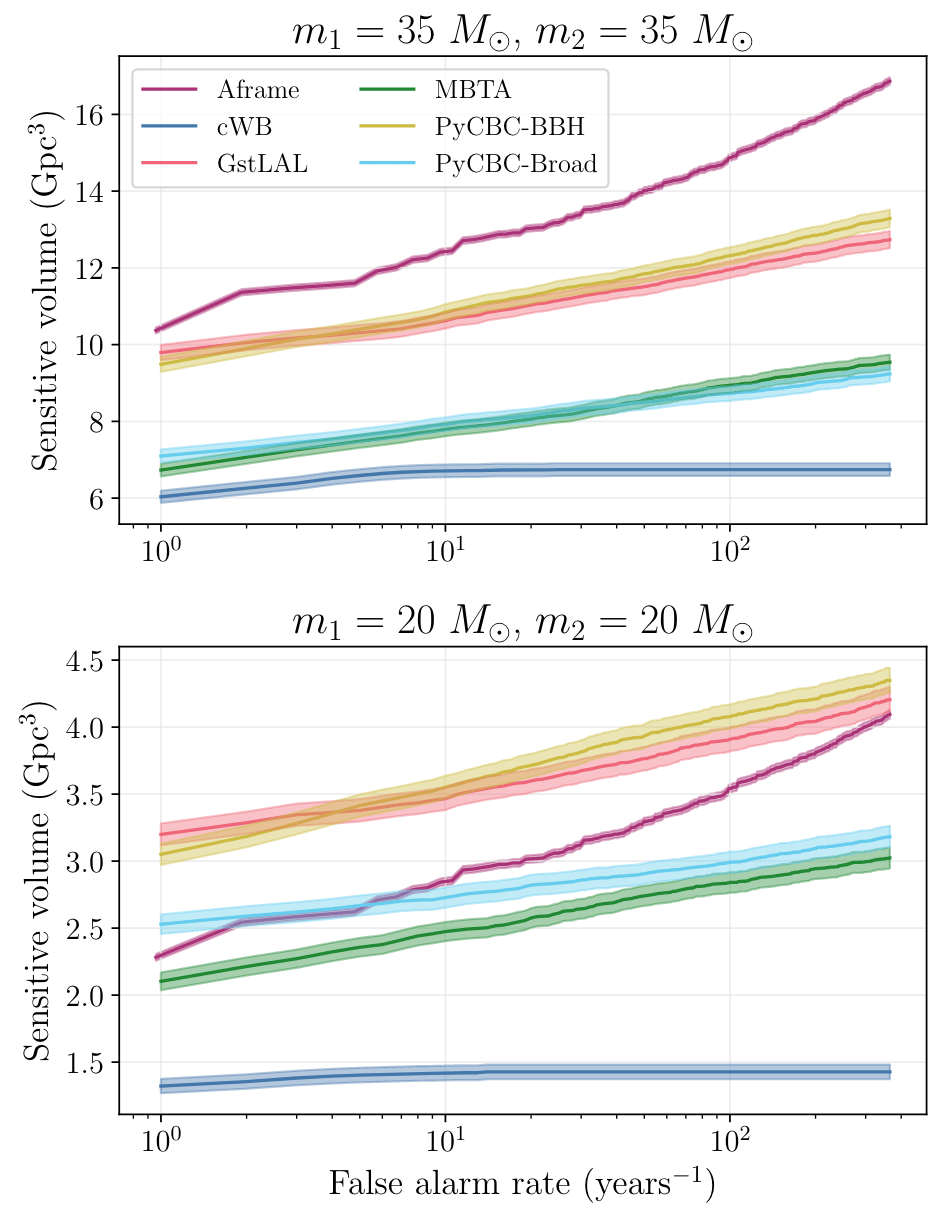
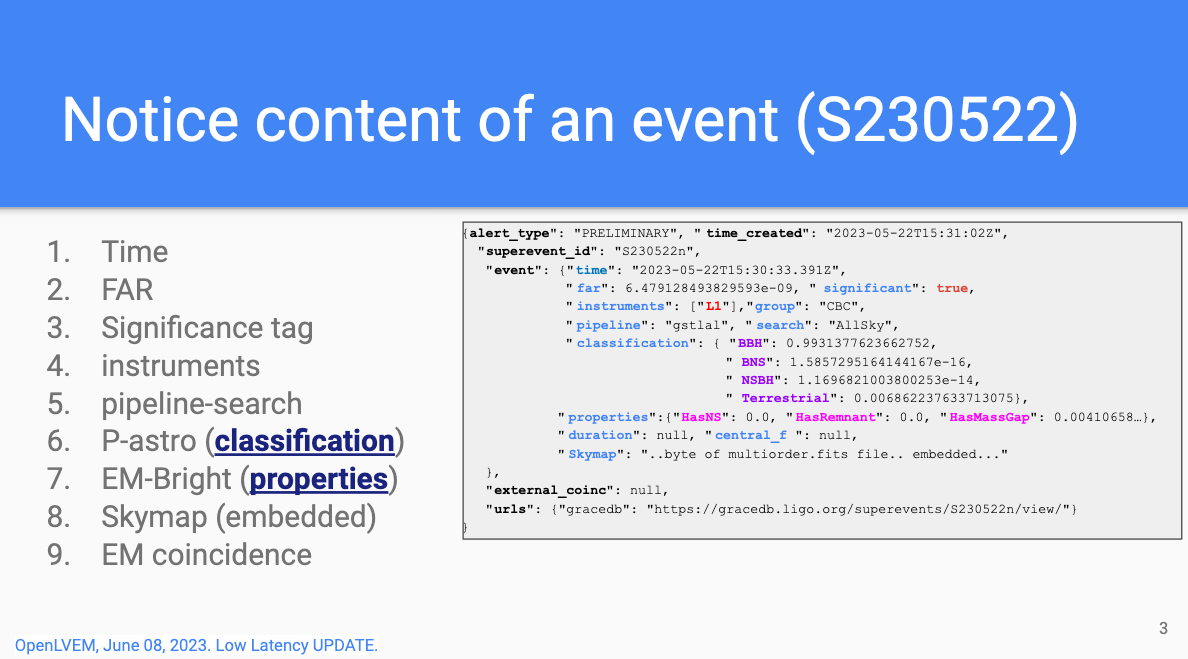
- The Aframe online pipeline (arXiv:2403.18661) represents a significant step forward.
- Utilizes GPU acceleration for signal preprocessing, model inference, and real-time false alarm rate calculation.
Text
Text
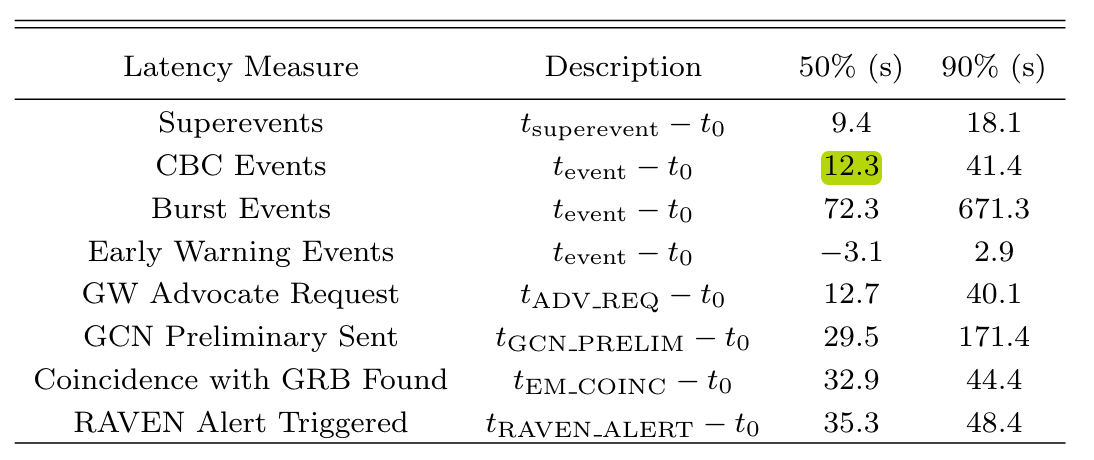
Aframe
S.S. Chaudhary, et al. arXiv:2308.04545
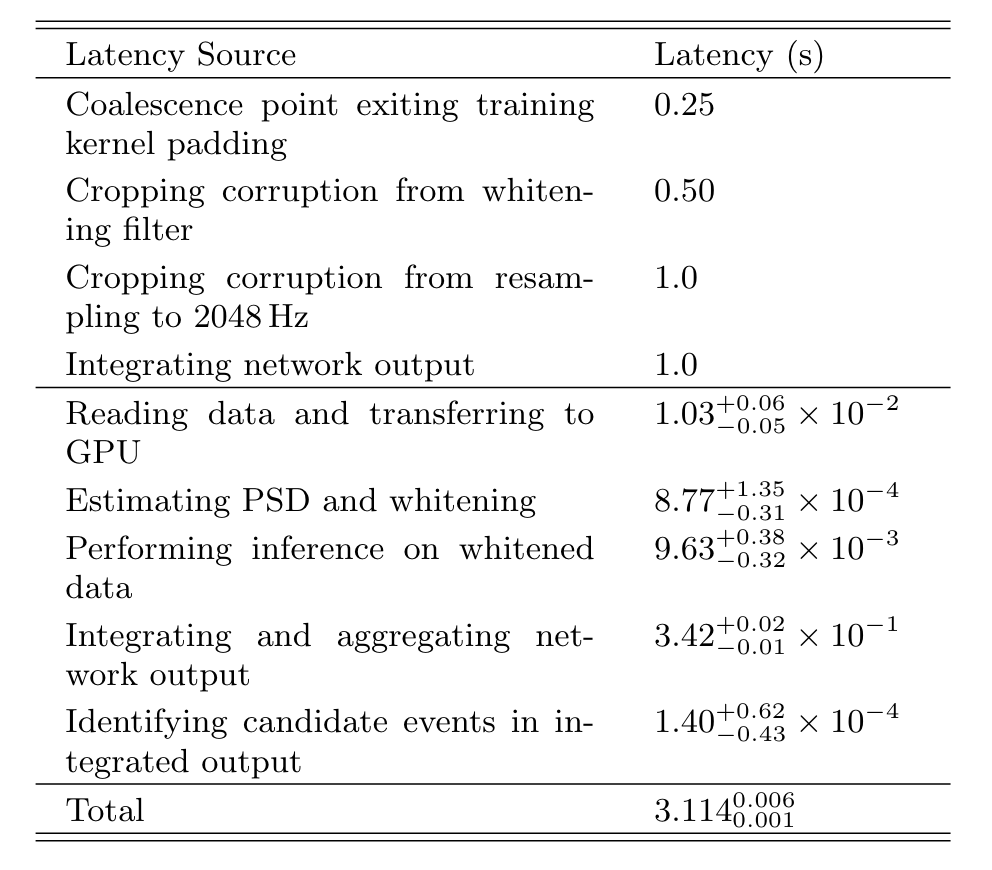
GW search · Pipeline
Text
Challenges and Future Directions
- A comprehensive online pipeline should consider various signal types, including BNS and NSBH, and all detectors, including Virgo and KAGRA.
- Beyond false alarm rates, additional real-time information is crucial for a holistic analysis.
Case study: Pipeline
- The Aframe online pipeline (arXiv:2403.18661) represents a significant step forward.
- Despite its advancements, it primarily focuses on BBH signals, with decreased performance on longer signals like BNS, a point also highlighted in MLGWSC1(PRD, 2209.11146).
Text
Aframe
OpenLVEM, June 08, 2023. Low Latency UPDATE.
GW search · Pipeline
Text
Beyond Speed: Generalization and Discovery in GW Detection
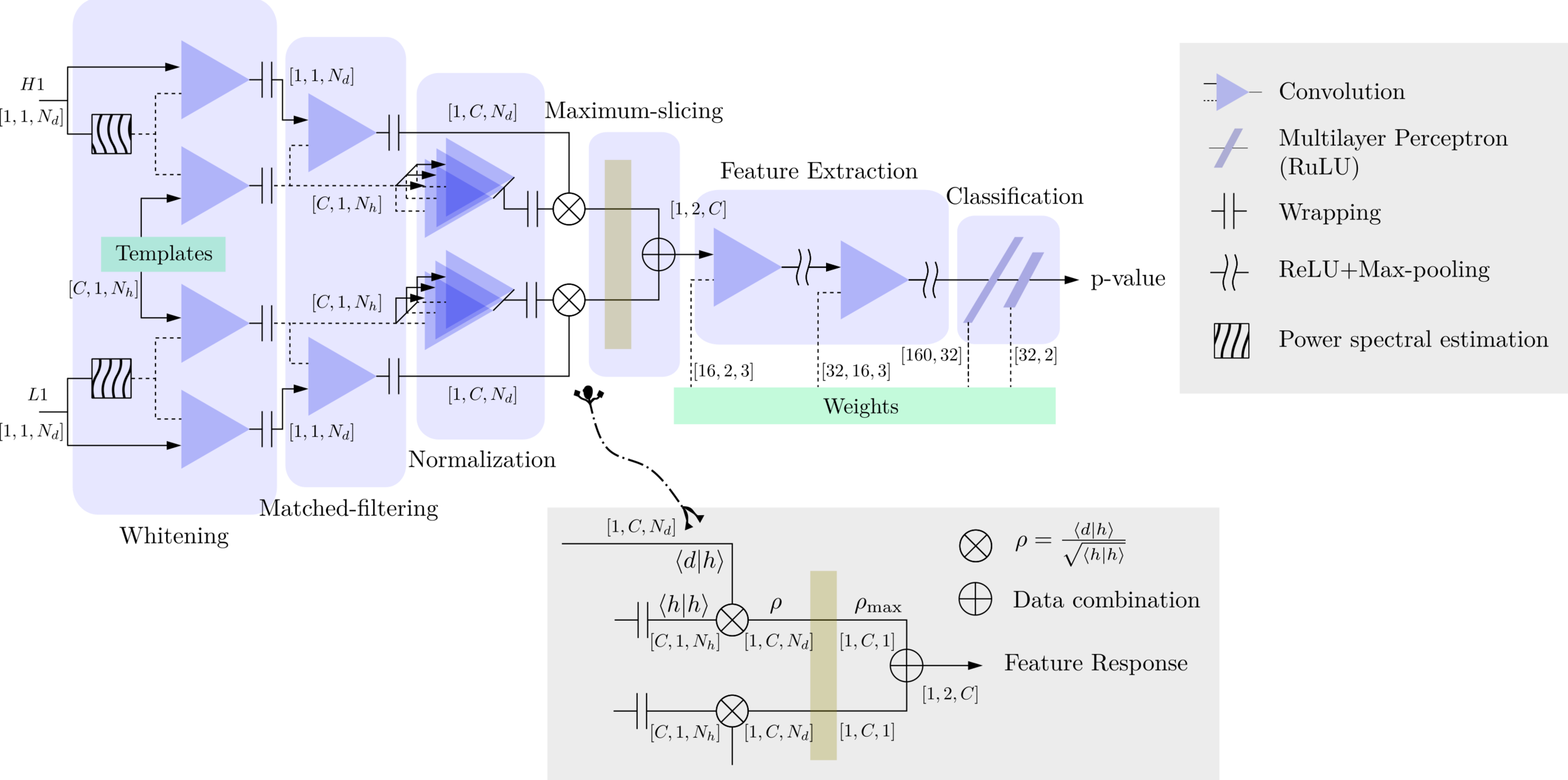
- Our primary goal is not speed but the model's ability to generalize and discover new GW signals, including those beyond the reach of matched filtering techniques and General Relativity (GR).
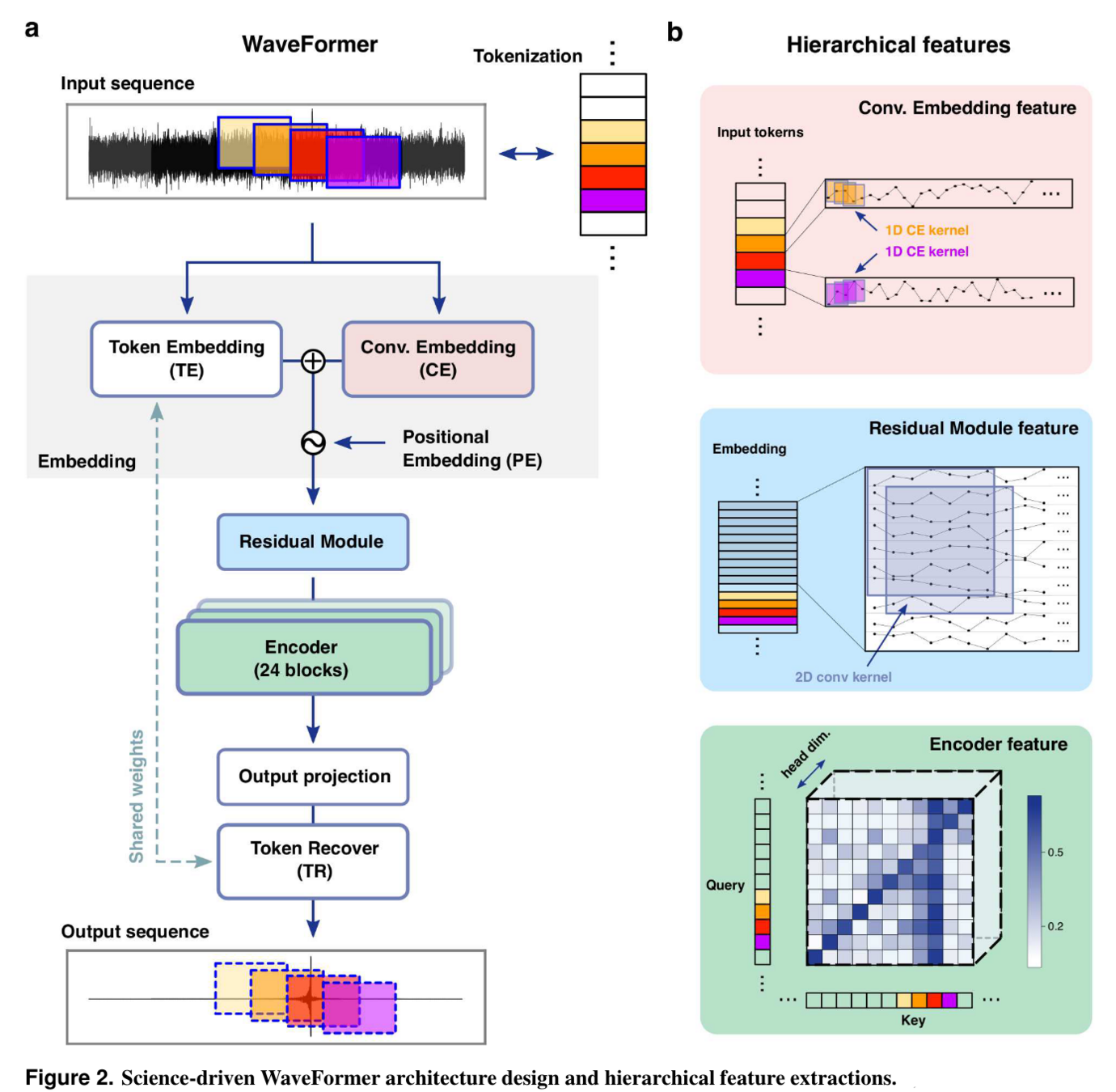
- Leveraging our experience in signal modeling (MFCNN) and noise modeling (WaveFormer), we are gradually building an offline pipeline capable of searching for signals in complete GW observation data and calculating FARs.
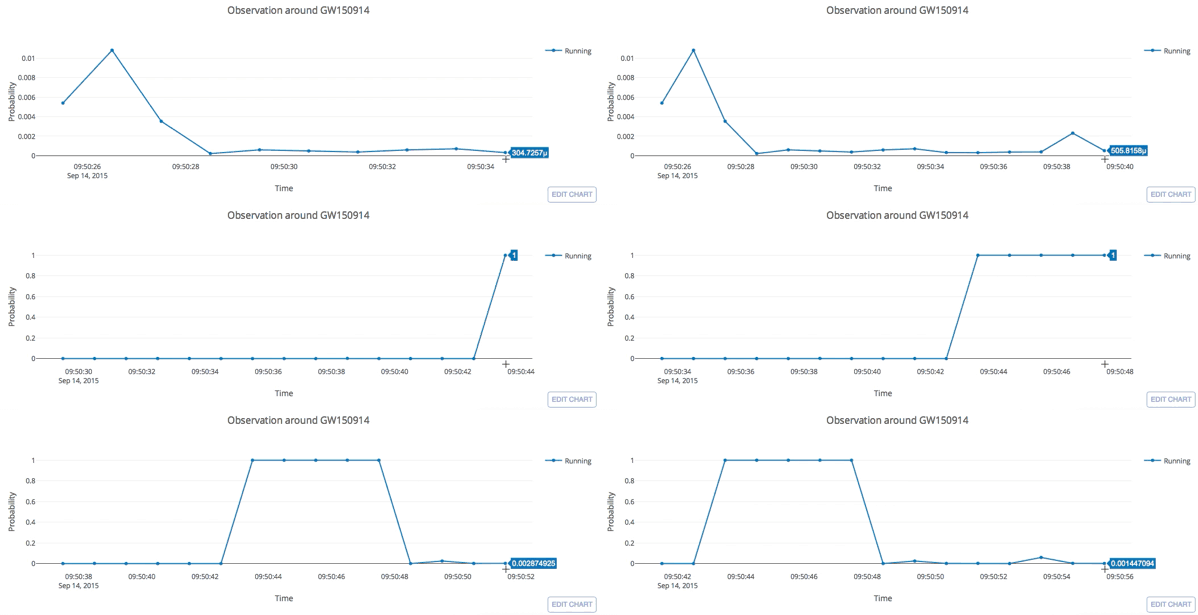
Real-time GW searches for GW150914
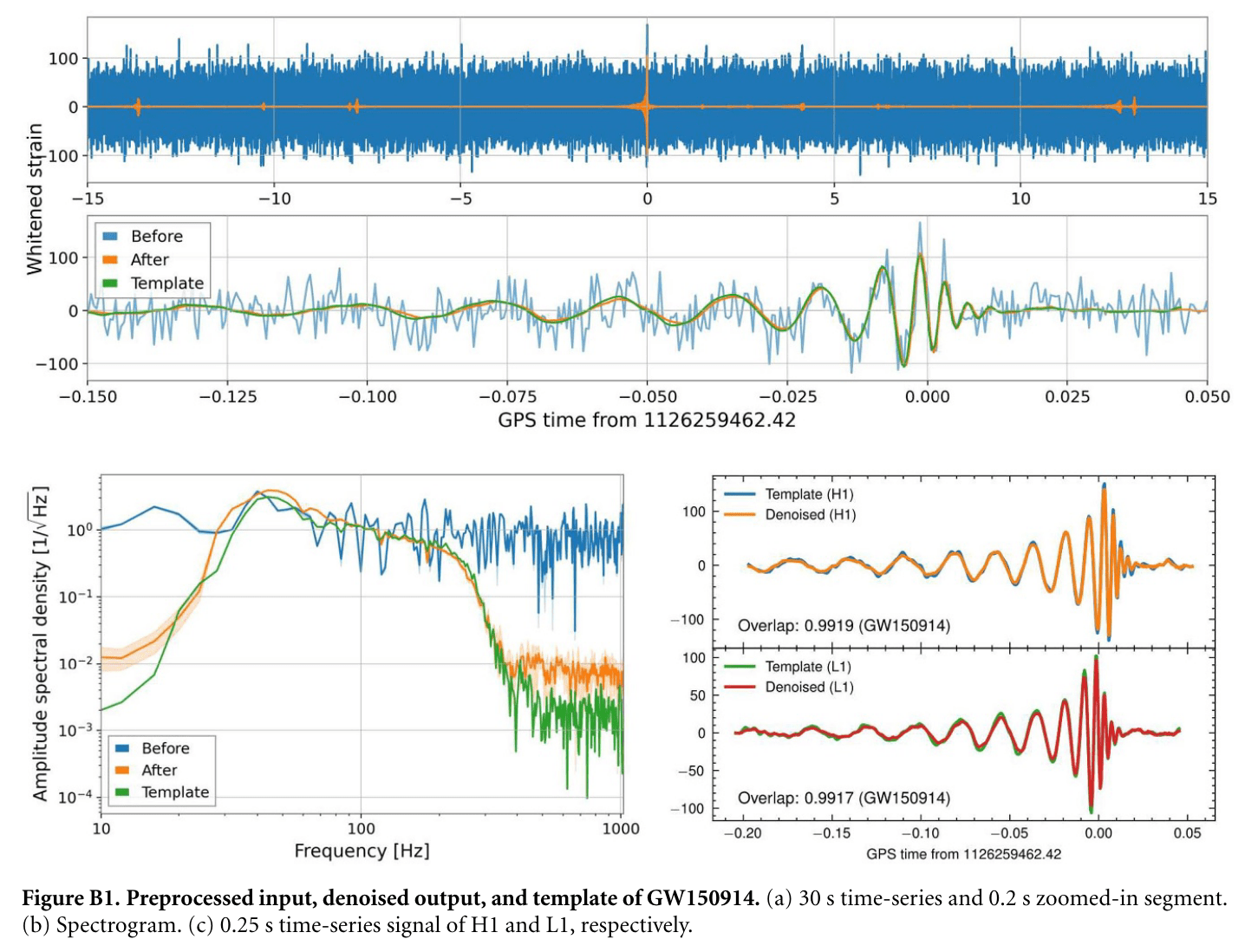
He Wang, et al. PRD 101, 10 (2020): 104003
He Wang, et al. MLST. 5, 1 (2024): 015046.
GW search · Pipeline
Text
Beyond Speed: Generalization and Discovery in GW Detection
- Our primary goal is not speed but the model's ability to generalize and discover new GW signals, including those beyond the reach of matched filtering techniques and General Relativity (GR).
- Leveraging our experience in signal modeling (MFCNN) and noise modeling (WaveFormer), we are gradually building an offline pipeline capable of searching for signals in complete GW observation data and calculating FARs.
He Wang, et al. PRD 101, 10 (2020): 104003
He Wang, et al. MLST. 5, 1 (2024): 015046.
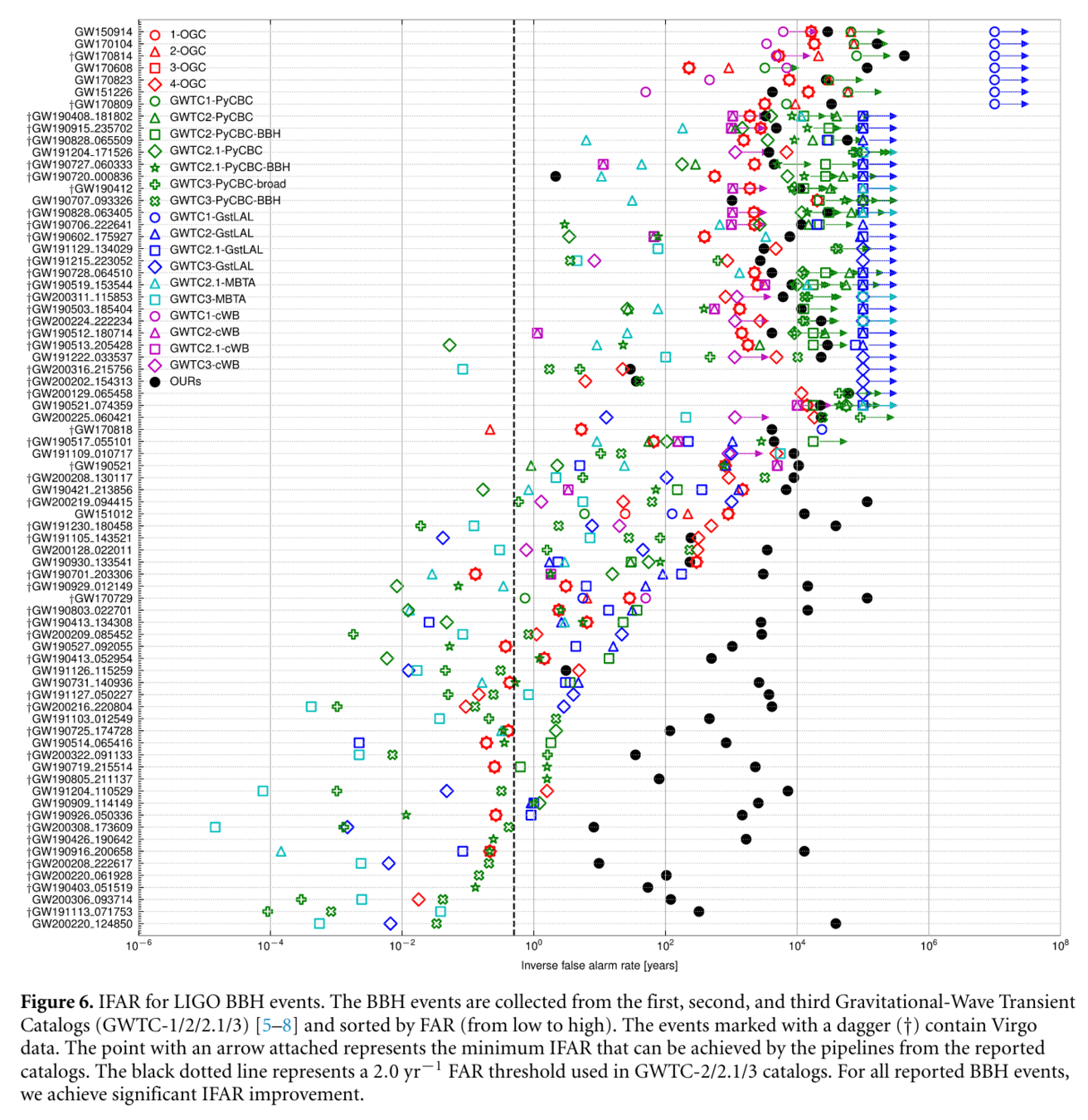
Real-time GW searches for GW150914
GW search · Pipeline
Text
Challenges in Model Interpretability
- The black-box nature of AI models poses significant challenges in interpretability, making it difficult to compare AI-generated detection statistics with those derived from matched filtering chi-square distributions.
- Despite being able to identify potential gravitational wave signals, convincing the scientific community of the pipeline's validity and the statistical significance of new discoveries remains a hurdle.
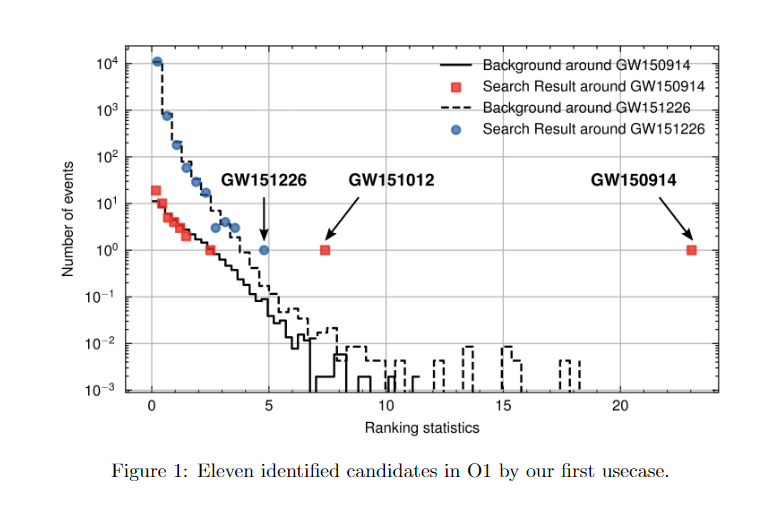
He Wang, et al. MLST. 5, 1 (2024): 015046.
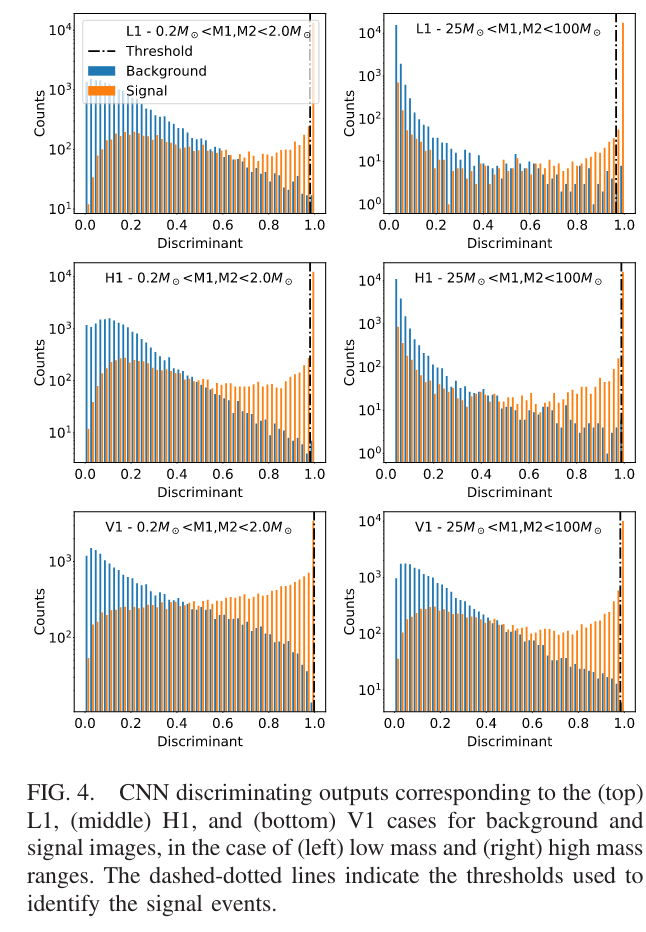
Menéndez-Vázquez A, et al. PRD 2021
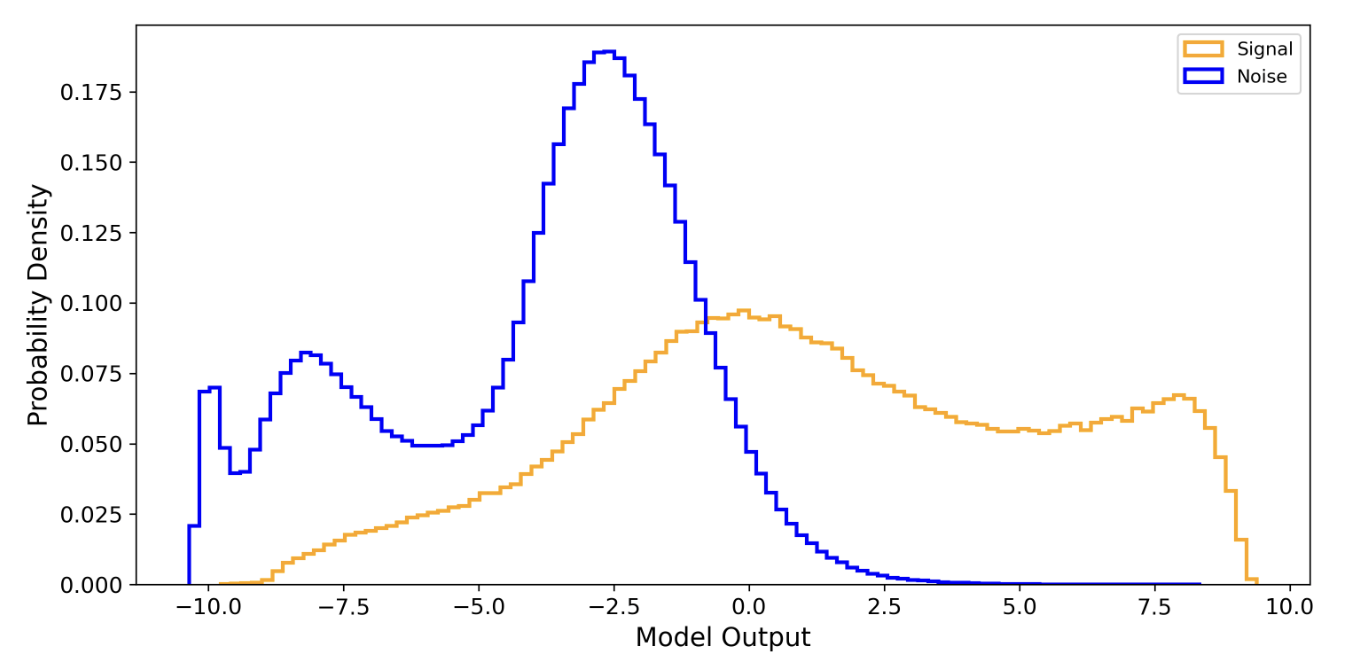
Alfaidi & Messerger. arXiv:2402.04589
The negative log-likelihood cost function always strongly penalizes the most active incorrect prediction. And the correctly classified examples will contribute little to the overall training cost."
—— I. Goodfellow, Y. Bengio, A. Courville. Deep Learning. 2016. (book)

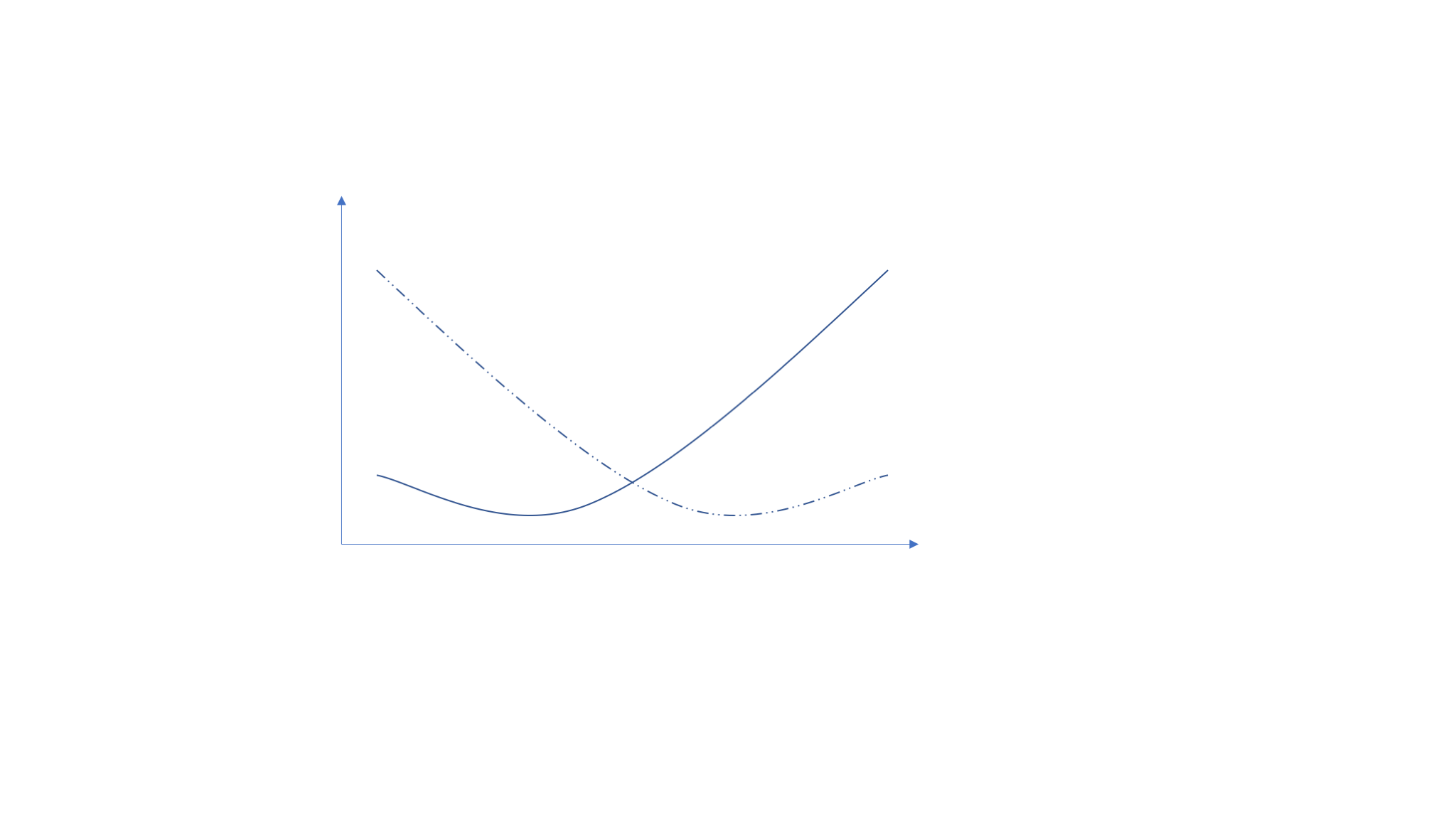
noise
noise + signal
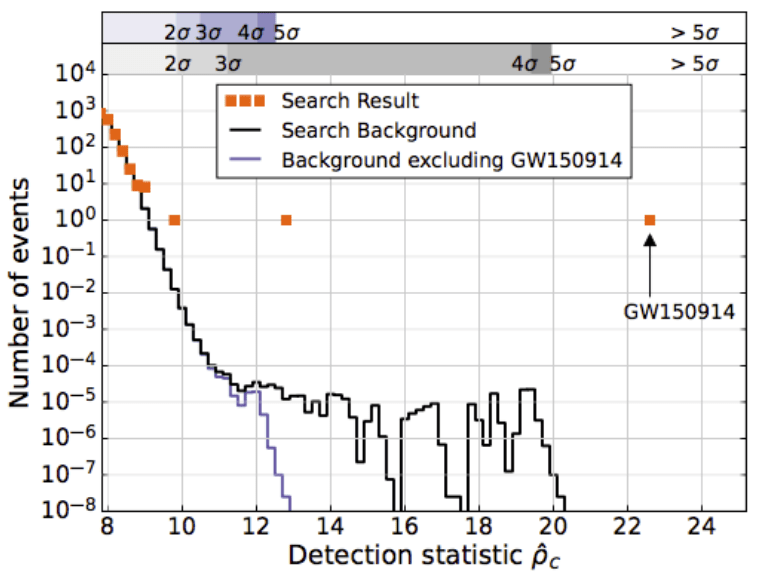
GW151226
GW151012
LVK. arXiv:1602.03839
Content

- GW Astronomy
- GW search · Pipeline
- Parameter estimation · Scientific discovery
- Key Takeaways
Parameter estimation · Scientific discovery
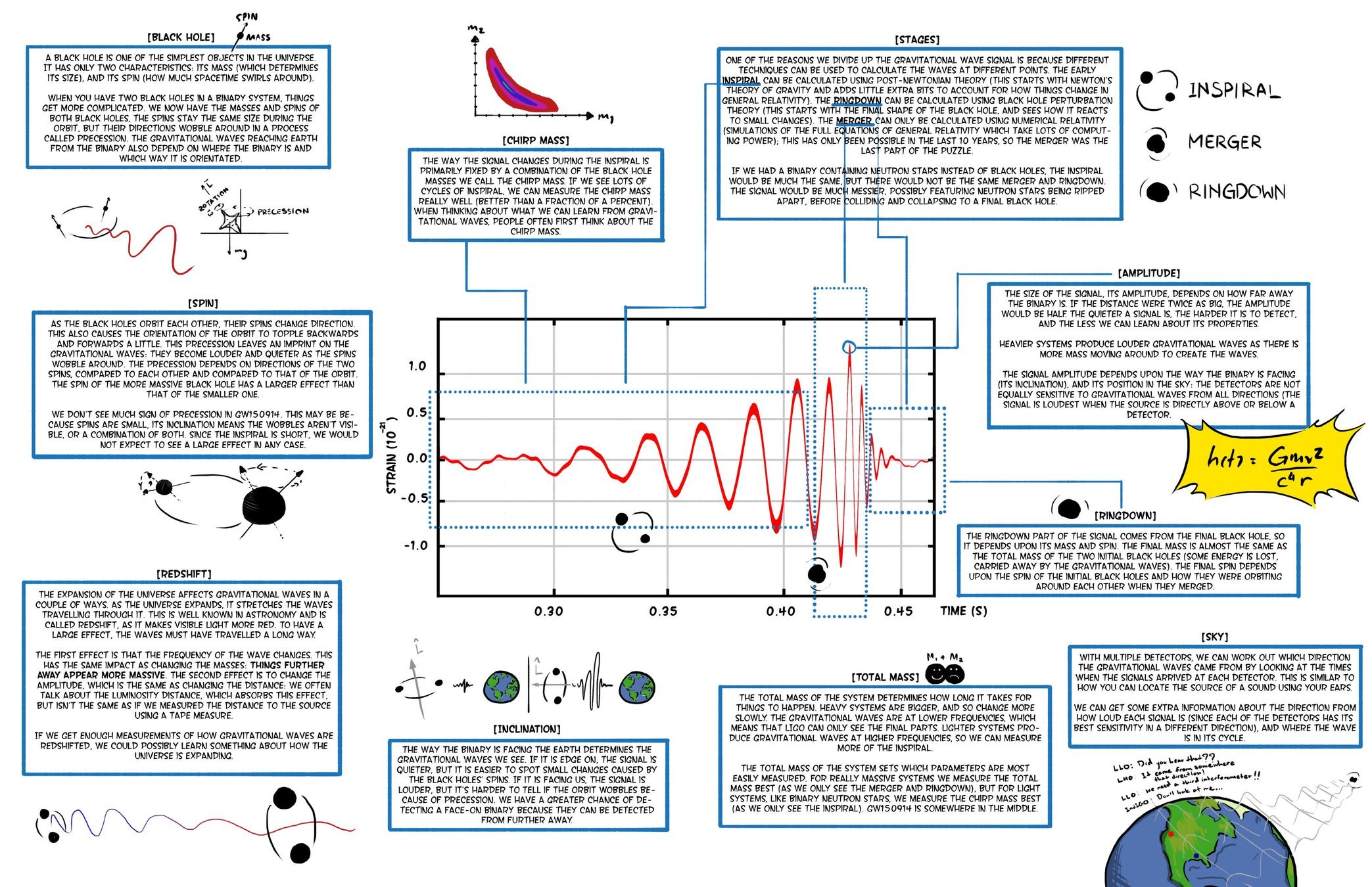
Credit: LIGO Magazine.
-
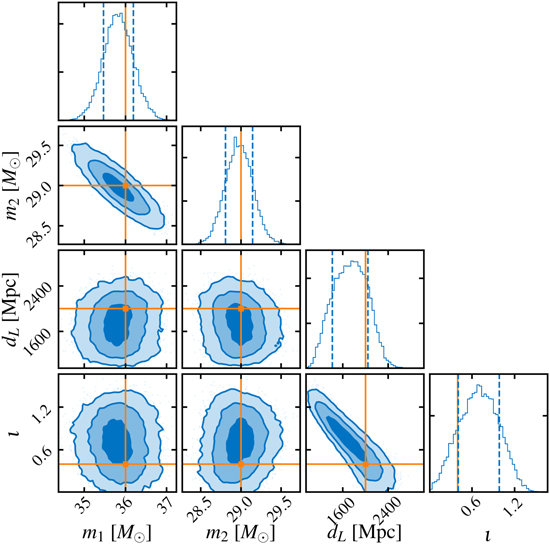
Bayesian inference, the Holy Grail of gravitational-wave data analysis,
enables astrophysical interpretation and scientific discoveries.
Simulation-Based Inference (SBI)
- SBI \(\Rightarrow\) Fast and precise parameter estimation.
- SBI \(\Rightarrow\) Test of General Relativity (TGR) / Cosmology / PTA ...
Text
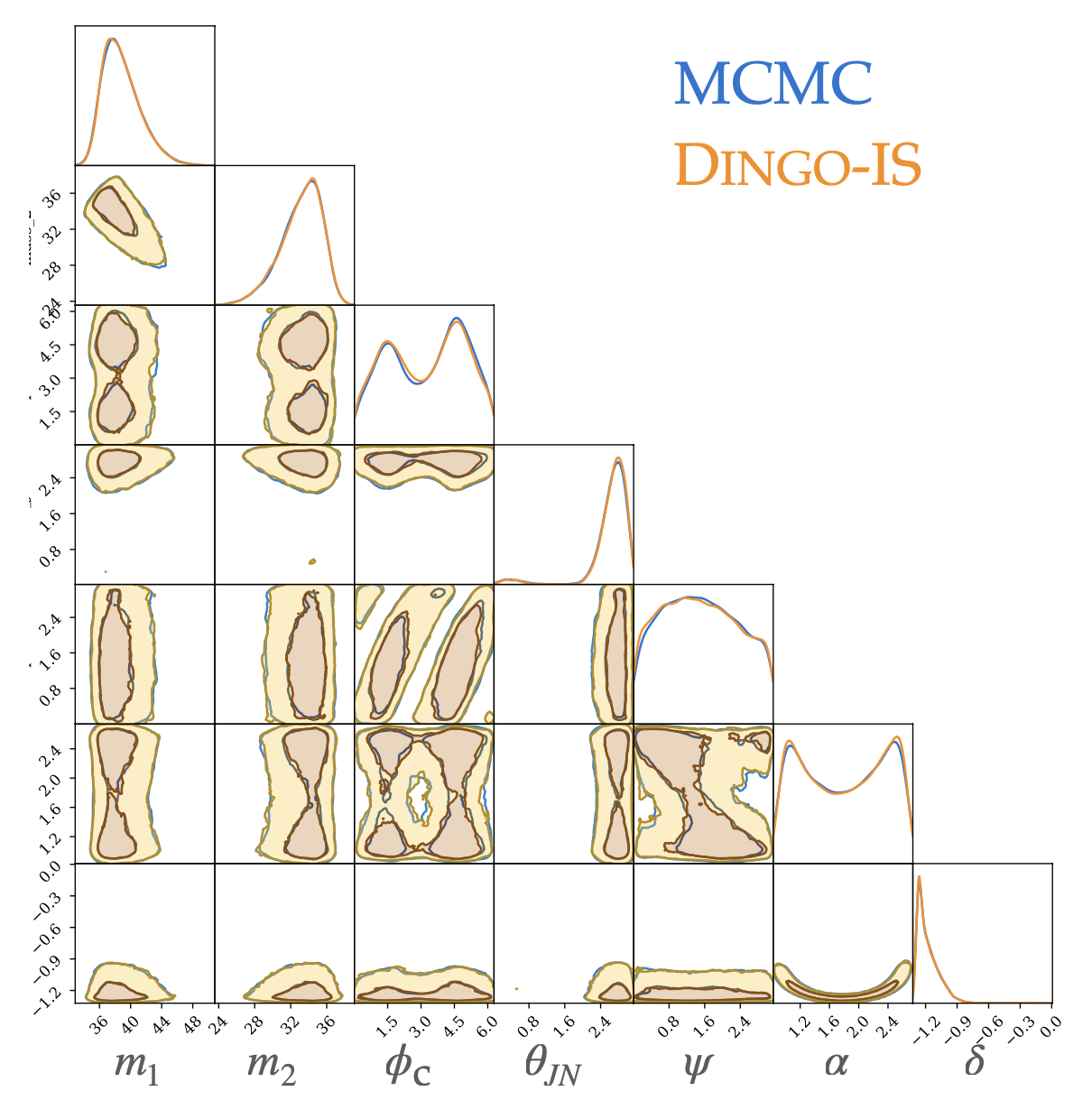
PRL 127, 24 (2021) 241103.
PRL 130, 17 (2023) 171403.
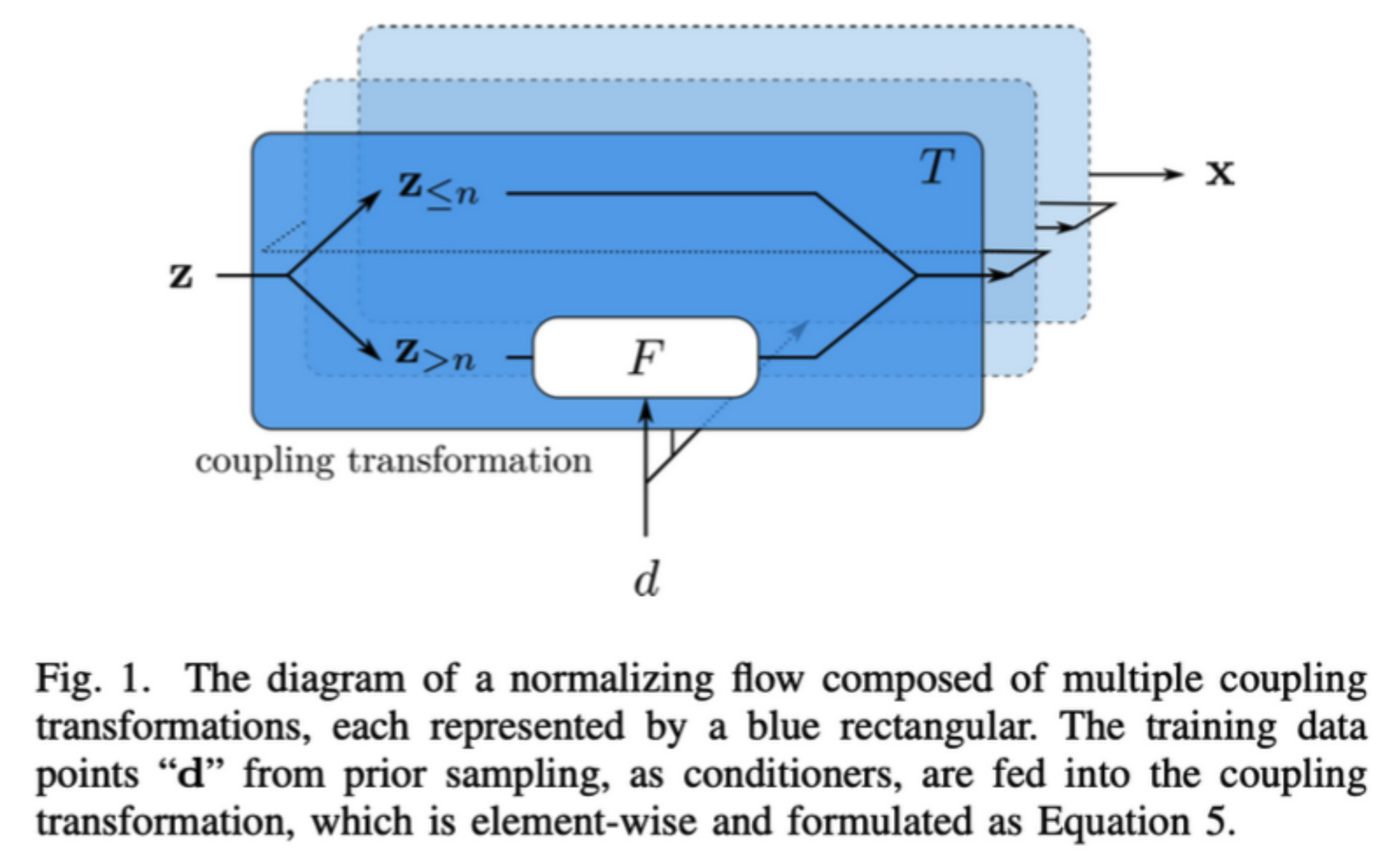
Real-time gravitational wave science with neural posterior estimation
Sampling with prior knowledge for high-dimensional gravitational wave data analysis
He Wang, et al. Big Data Min. Anal. (2021)
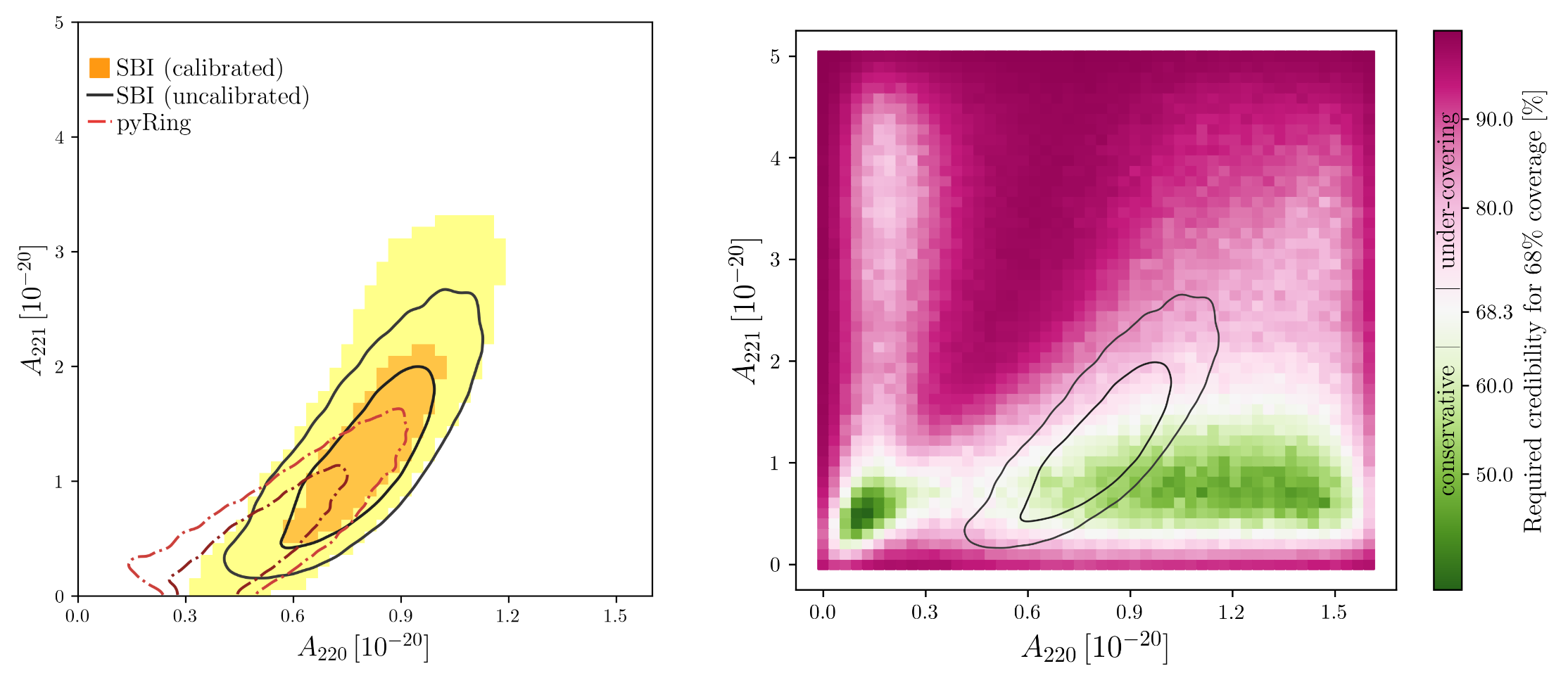
PRD 108, 4 (2023): 044029.
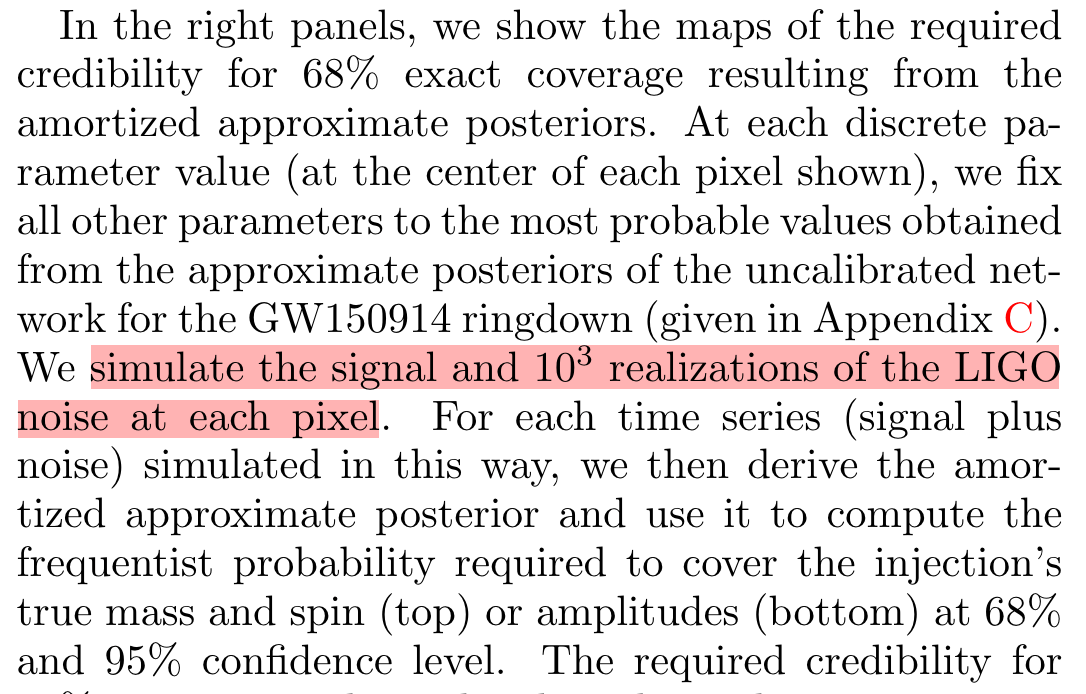
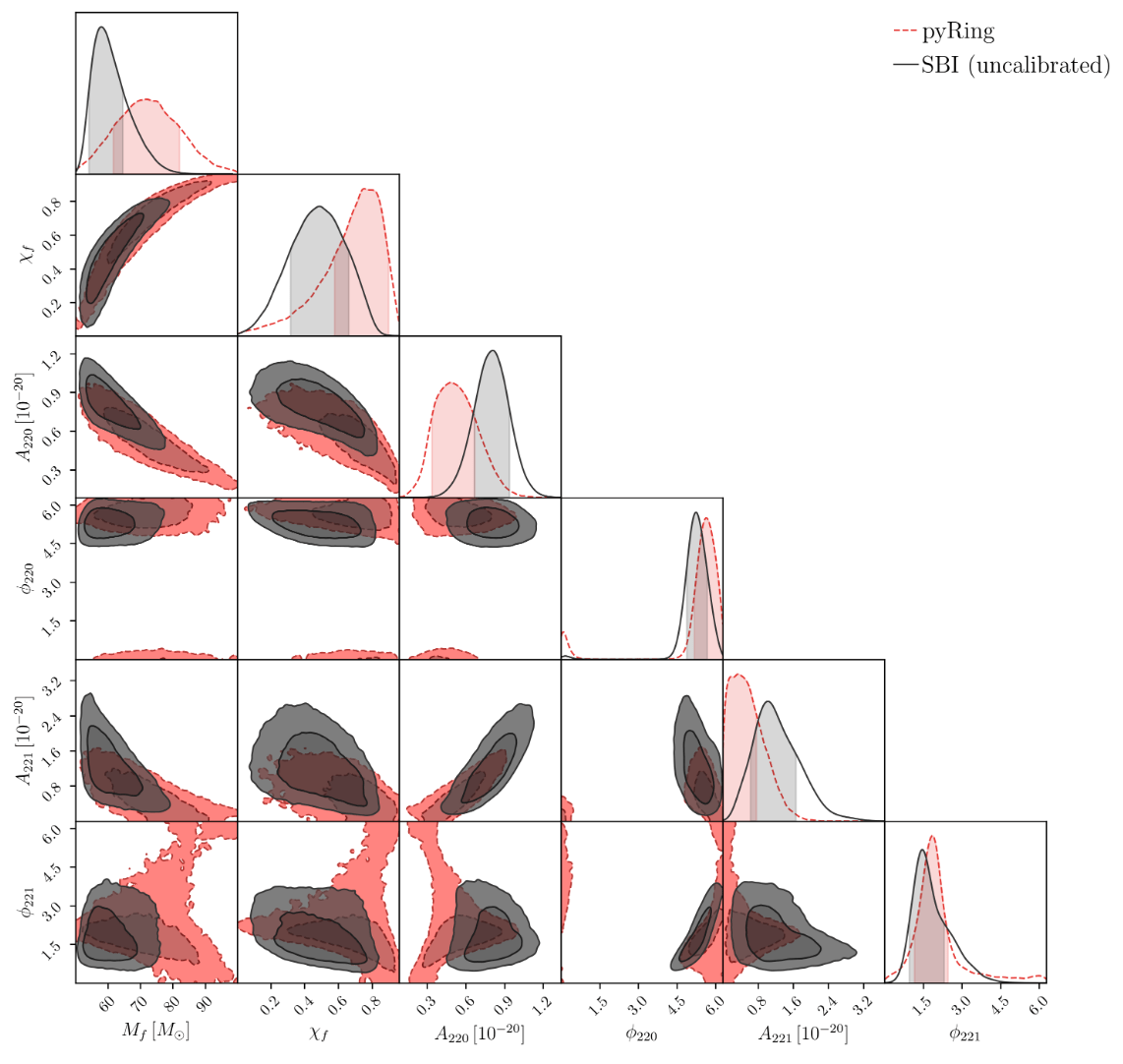
Neural Posterior Estimation with Guaranteed Exact Coverage: The Ringdown of GW150914
arXiv:2310.13405, LIGO-P2300306
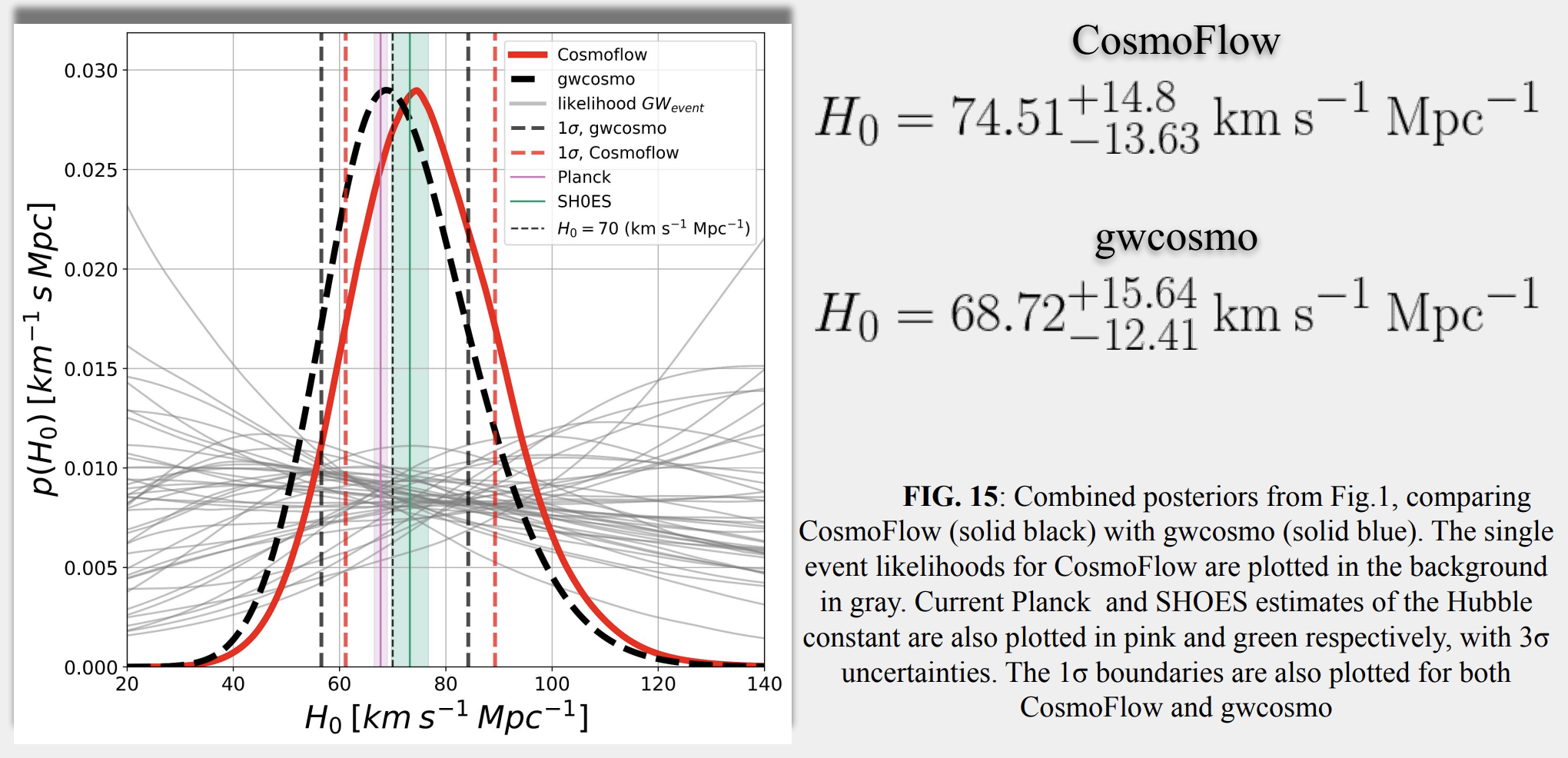
Cosmological Inference using Gravitational Waves and Normalising Flows
PRL 131, 17 (2023): 171403.
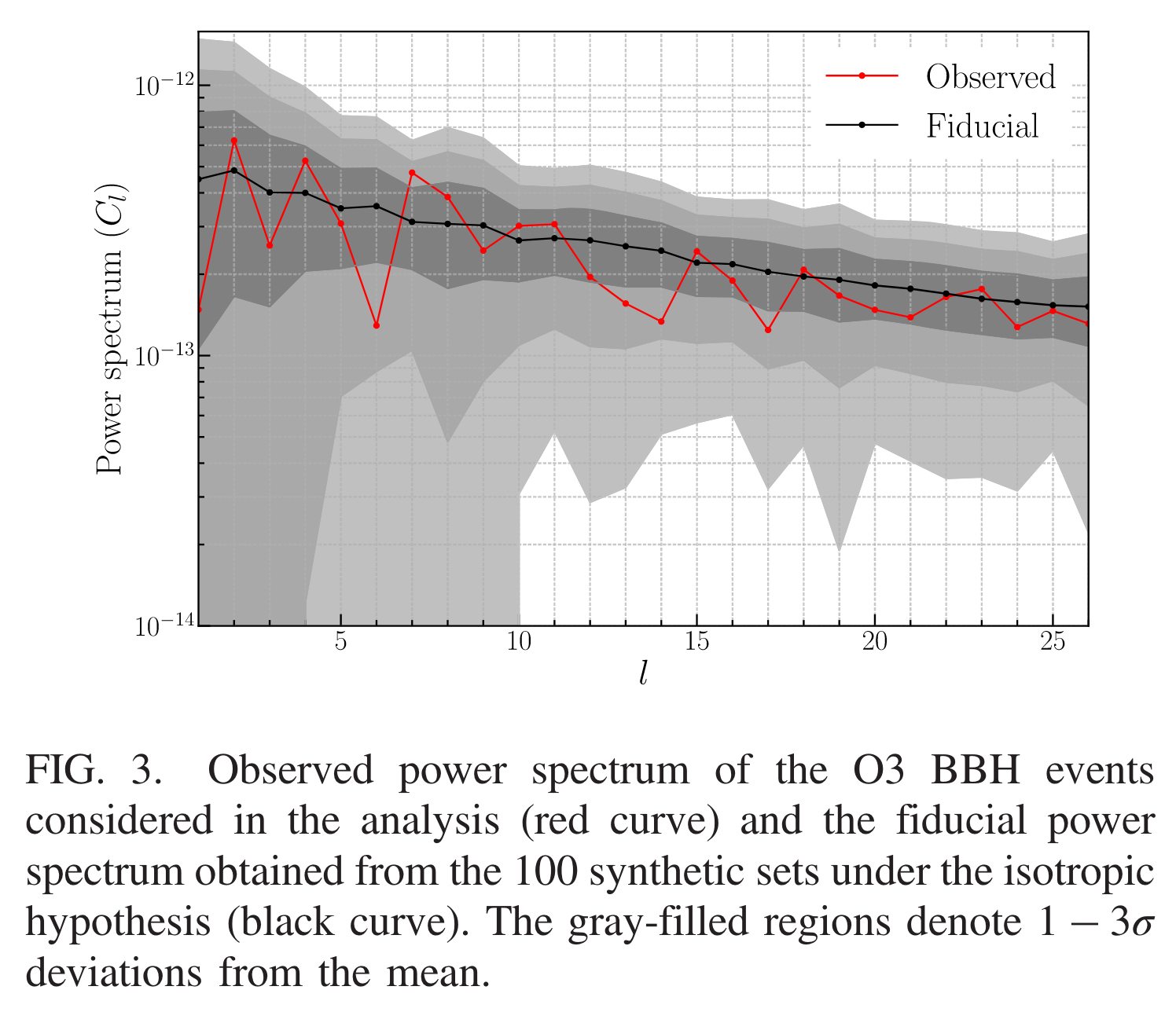
Angular Power Spectrum of Gravitational-Wave Transient Sources as a Probe of the Large-Scale Structure
Parameter estimation · Scientific discovery
Fast Parameter Inference on Pulsar Timing Arrays with Normalizing Flows
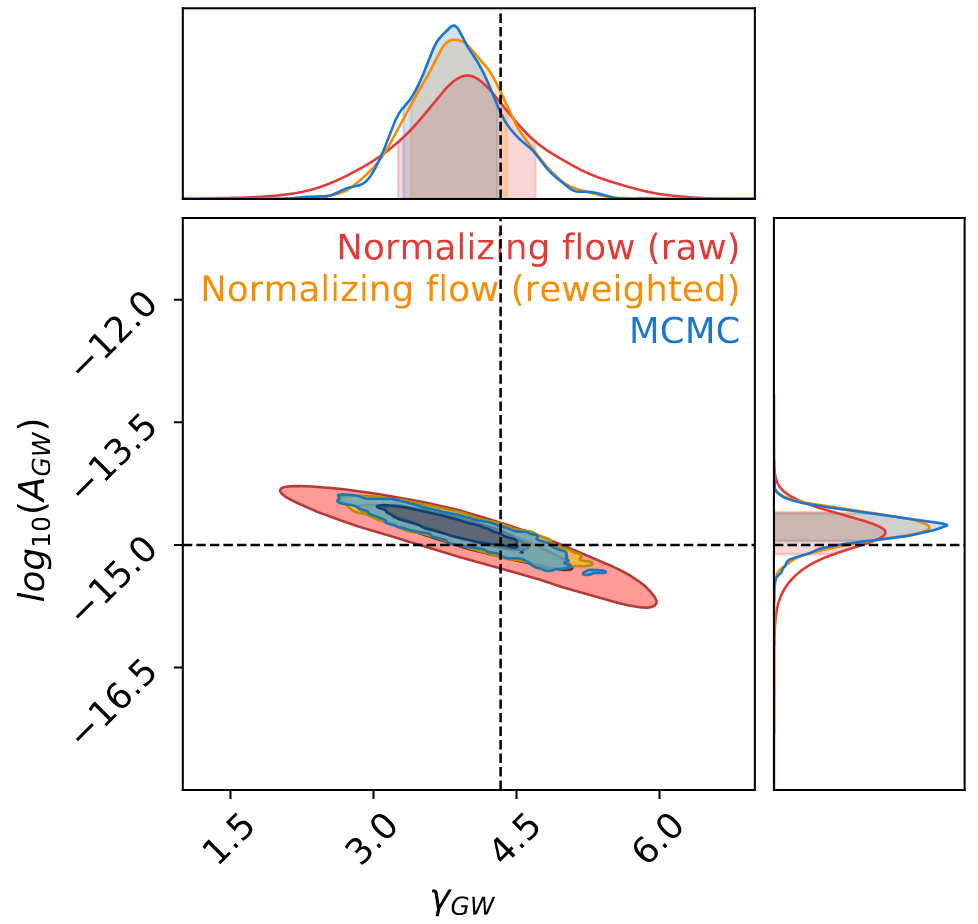
arXiv:2310.12209
He Wang, et al. (2024)
Parameter estimation · Scientific discovery
PRD 108, 4 (2023): 044029.
Text
Appreciating the Ringdown Overtone Test of GW150914
- A notable work involves ringdown overtone testing, which, acknowledging the difficulty in achieving DINGO-like precision for complex waveforms, leverages the speed advantage of AI.
- By simulating the signal and \(10^3\) realizations of LIGO noise for each pixel, it accomplishes what is impossible for MCMC methods, prioritizing speed over precision in a strategic trade-off.
Parameter estimation · Scientific discovery
Text
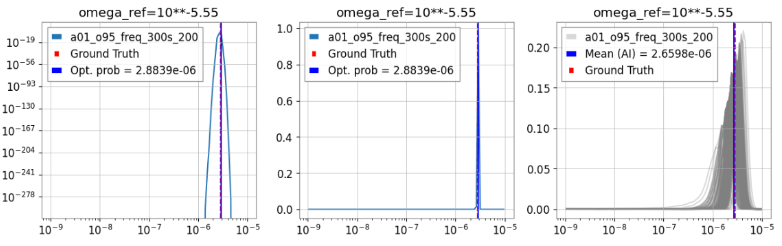
Exploring Stochastic Gravitational Wave Background with AI
- Utilizing AI for parameter estimation in the stochastic gravitational wave background (SGWB) presents a fascinating blend of rich theoretical content and the potential for optimizing current data processing methods.
- While still preliminary and ongoing, our work shows promising results for high SNR SGWB scenarios, where AI-based posterior probabilities are notably more precise and narrower compared to traditional cross-correlation methods used in PyGWB.

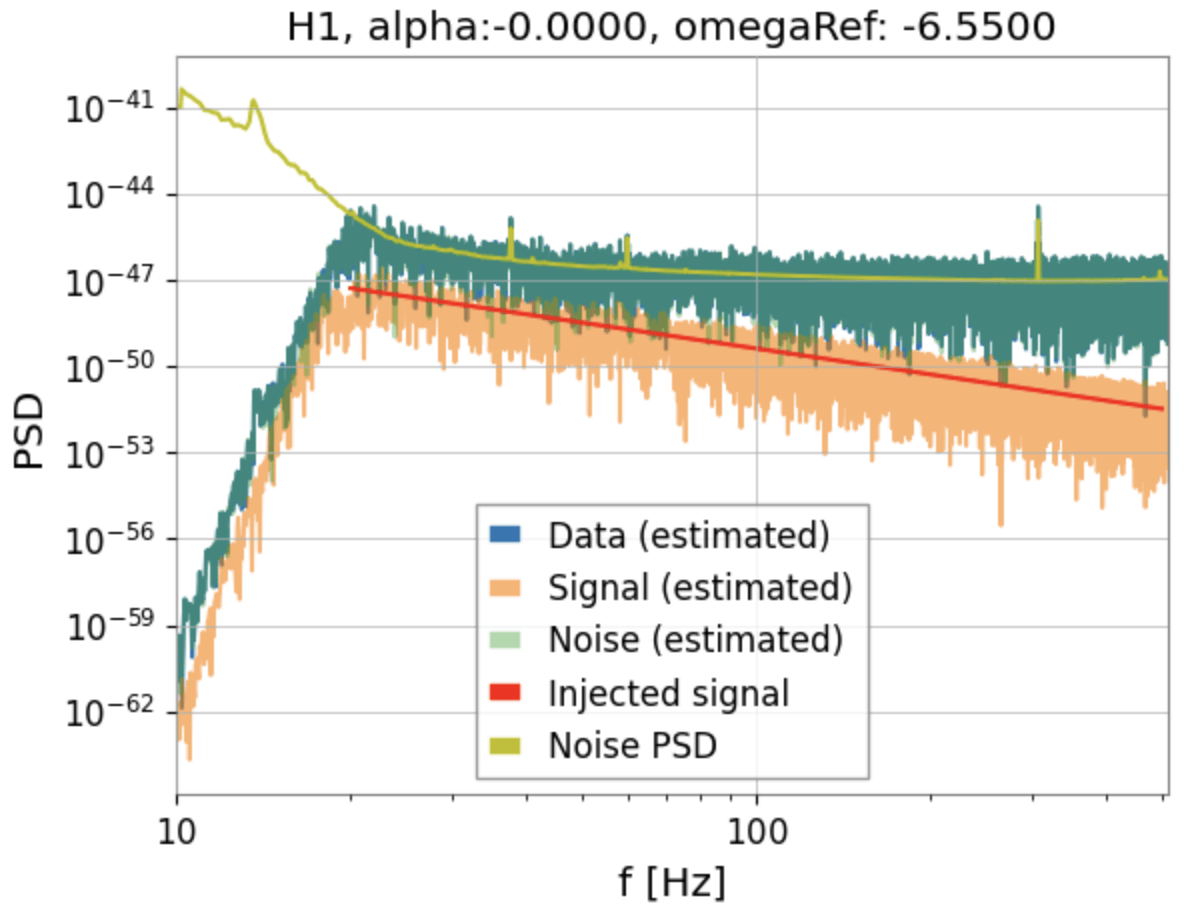
Our result (preliminary)
Parameter estimation · Scientific discovery
Text
Exploring Stochastic Gravitational Wave Background with AI
- Performance saturation is observed between SNR levels of \(10^{-6}\) to \(10^{-7}\), indicating a plateau in model effectiveness in low SNR conditions.
- Unlike PyGWB, which can accumulate cross-correlation data from SGWB to further constrain the power spectrum, AI model outputs do not readily provide statistically meaningful information for aggregation. Multiplying posterior probabilities from multiple segments leads to ambiguous, and potentially biased, results due to the lack of statistically significant fluctuations across different posterior distributions.
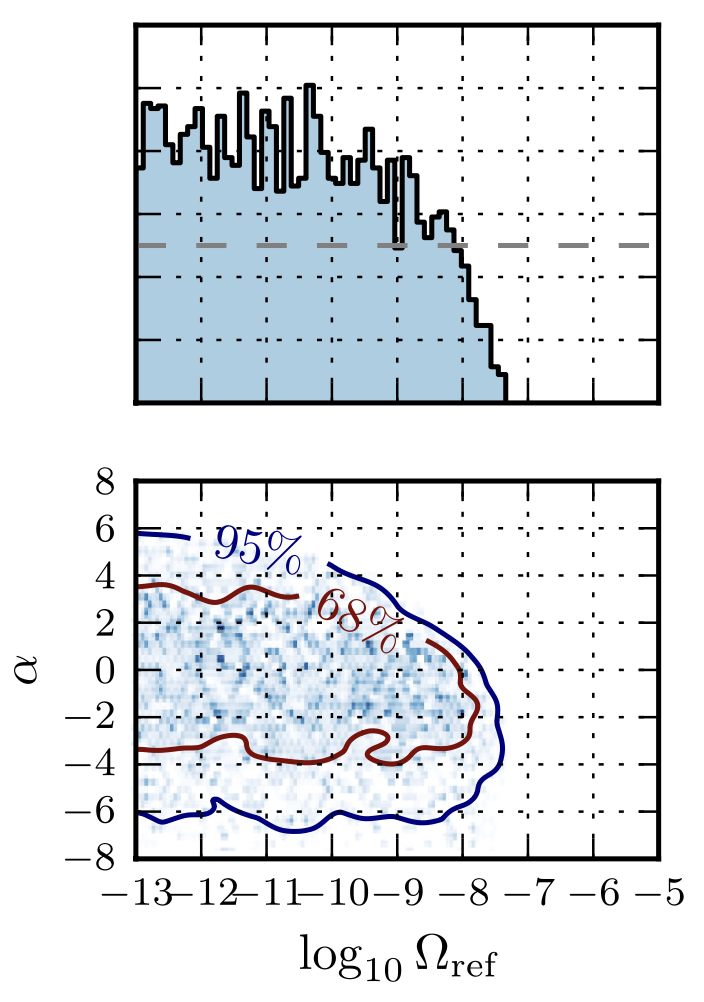
Abbott R, et al. PRD 104, 2 (2021): 022004.
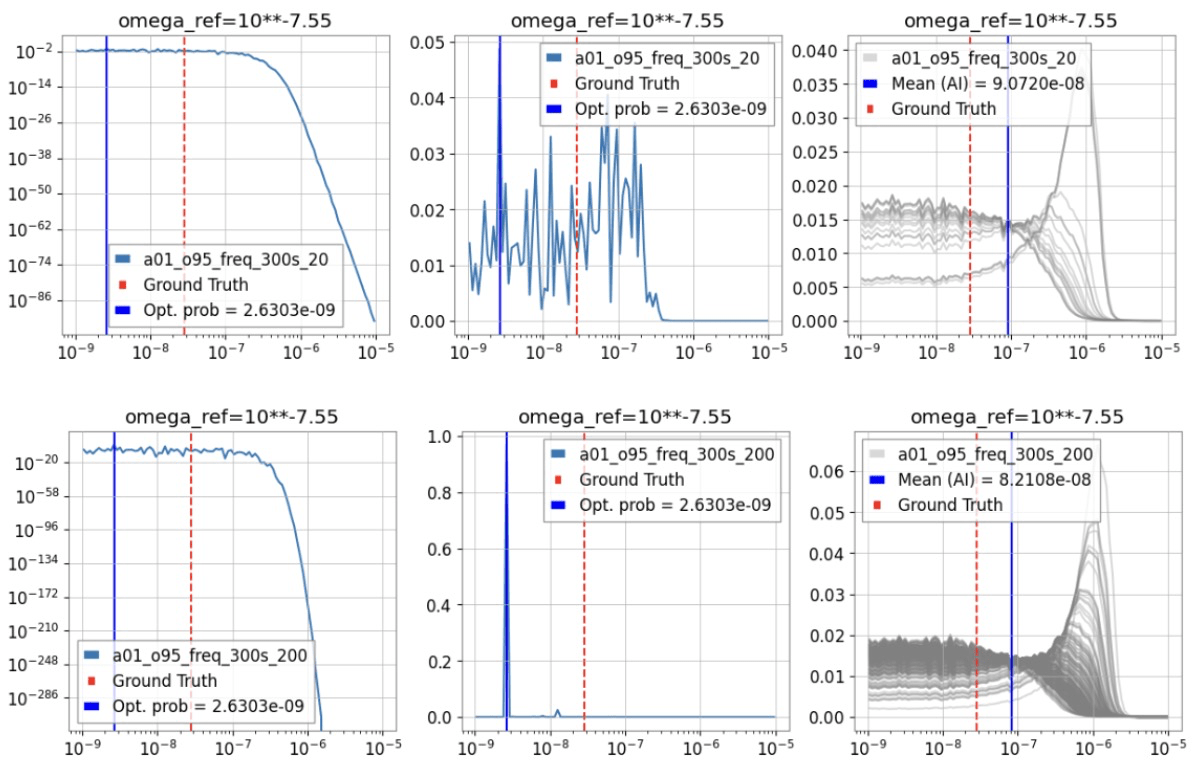
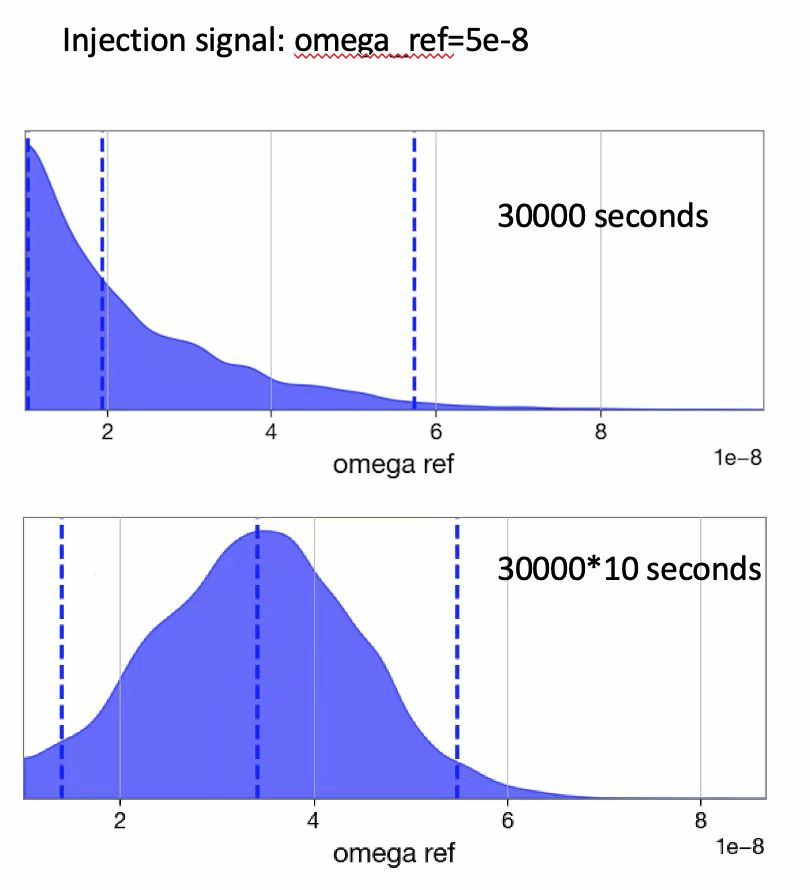
PyGWB result
Our result (preliminary)
- GW Astronomy
- GW search · Pipeline
- Parameter estimation · Scientific discovery
- Key Takeaways
Content
Key Takeaways
Text
On-going
- Agentic Reasoning for Inference
- ...
Text
Insights
- AI is not just a tool; it is a revolutionary pathway for scientific discoveries.
- Theoretical Advancements in ML for GW Statistics
- There is a pressing need for the theoretical refinement of ML applications in GW statistics, aiming to bridge current gaps and enhance model reliability.
- Improve the interpretability of AI models, as it is essential for enhanced and trustworthy discoveries.


Statistics
Statistics
Key Takeaways
Text
On-going
- Agentic Reasoning for Inference
Text
Insights
- AI is not just a tool; it is a revolutionary pathway for scientific discoveries.
- Theoretical Advancements in ML for GW Statistics
- There is a pressing need for the theoretical refinement of ML applications in GW statistics, aiming to bridge current gaps and enhance model reliability.
- Improve the interpretability of AI models, as it is essential for enhanced and trustworthy discoveries.
Statistics
Statistics
for _ in range(num_of_audiences):
    print('Thank you for your attention! 🙏')
For further reference or to cite the work presented today,
please cite this silde: https://slides.com/iphysresearch/2024apr_ucas
GW search · Pipeline
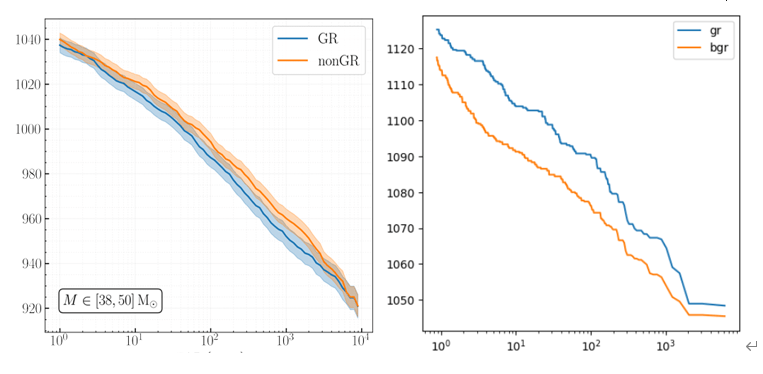
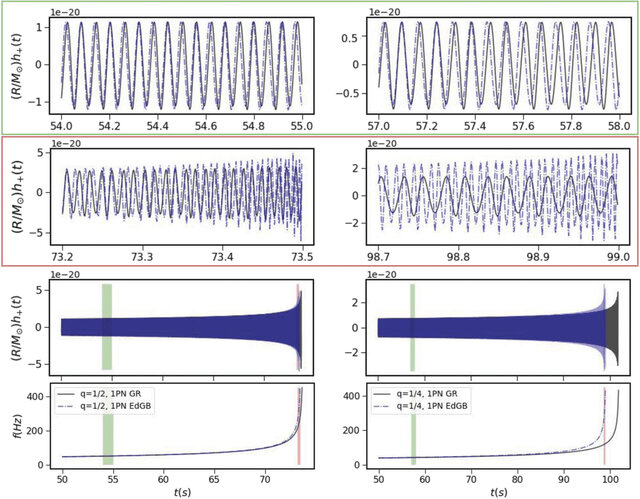
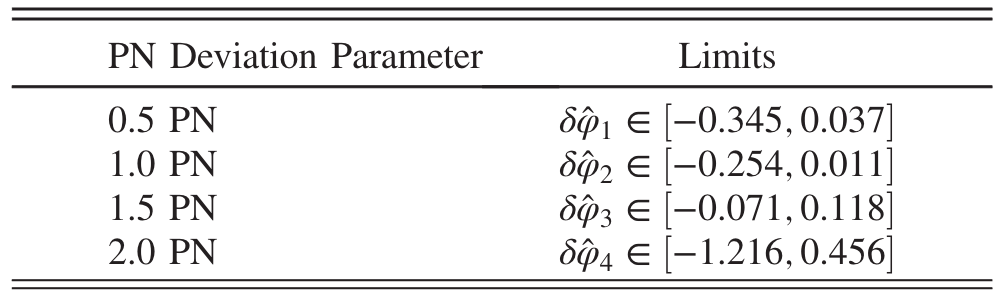
Exploring Beyond General Relativity
- Much of the discussion on model generalization has been within the GR framework. Our collaboration with 东北大学 on beyond General Relativity (bGR) aims to demonstrate AI's potential advantages in detecting signals that surpass GR's limitations.
Text
Harsh Narola, et al. “Beyond General Relativity: Designing a Template-Based Search for Exotic Gravitational Wave Signals.” PRD 107, 2 (2023): 024017.
Yu-Xin Wang, et al. "Draft in Progress"
iFAR [years]
iFAR [years]
Sensitivity dfistance [Mpc]
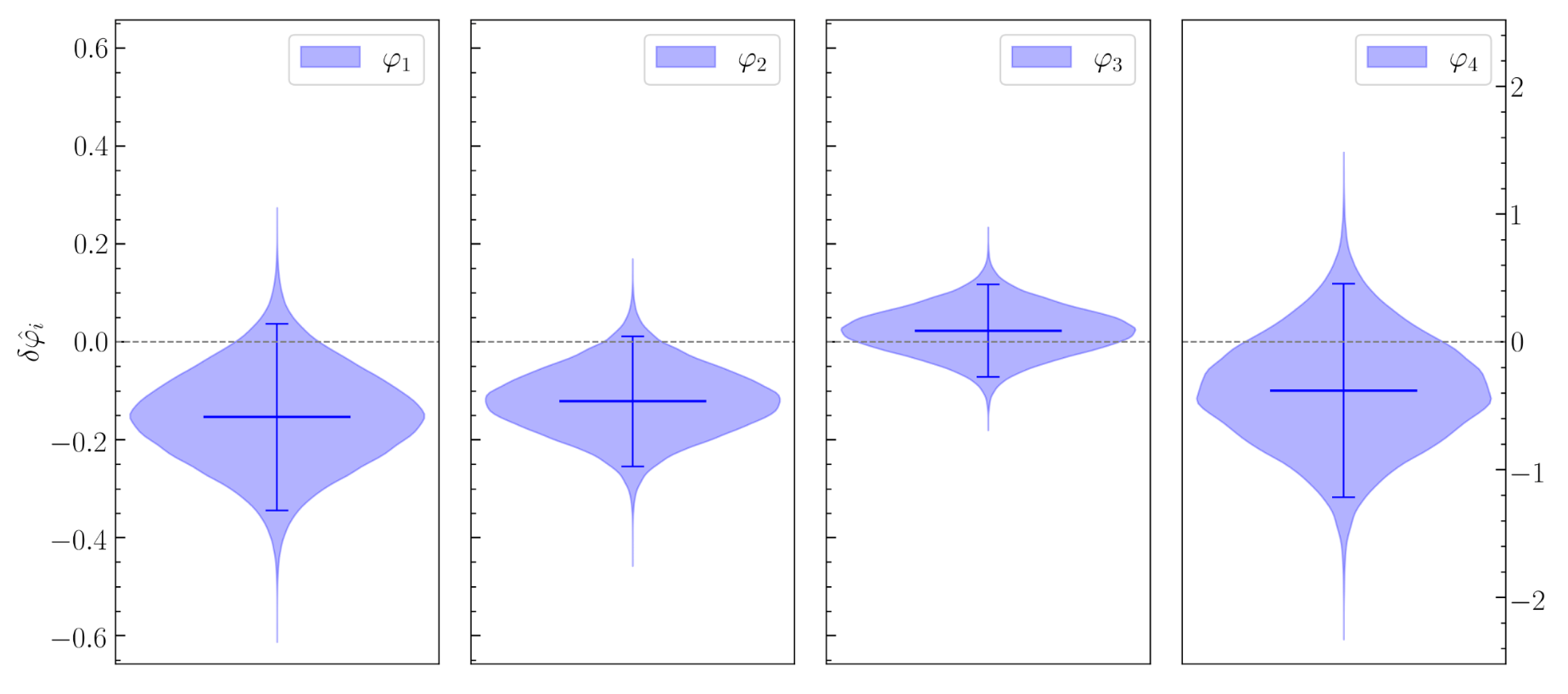
B. P. Abbott et al. (LIGO-Virgo), PRD 100, 104036 (2019).