Nomination for Early Career Co-Chair
ICTP-AP & UCAS
LISA Consortium Core Member
LVK MLA Group Co-Chair
Research focus: GW data analysis, simulation-based inference, scalable ML methods
LISA Data Analysis R&D Working Group
He Wang

Current Activities & Background
Consortium & coordination activities
- Co-Chair, LVK Machine Learning Algorithms Group
- Core member, LISA Consortium
- UCAS joined LVK as member institution in 2024
- Current DataAnalysisRDWG project:
datard-wg-2025-03 — Novel methods for LISA
Research directions
- simulation-based inference
- probabilistic modeling
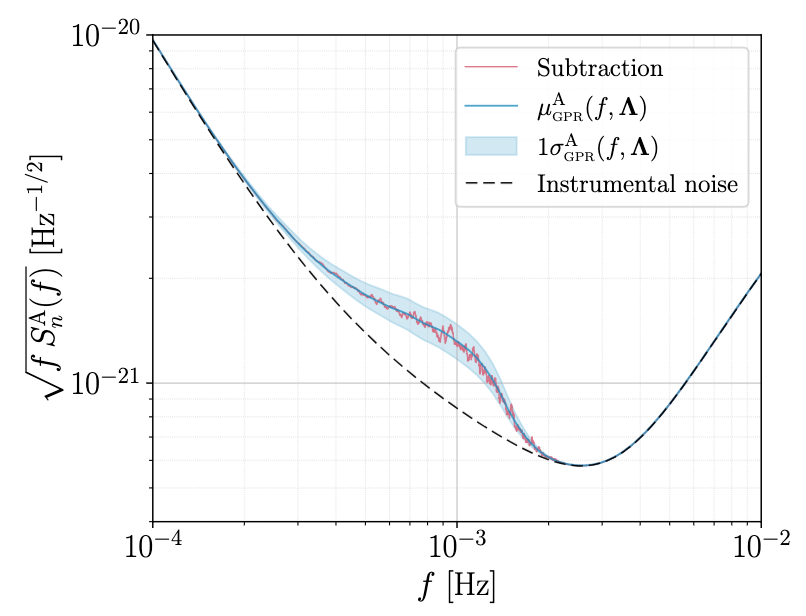
- global-fit methodologies
- interpretable ML approaches
- scalable GW data-analysis pipelines
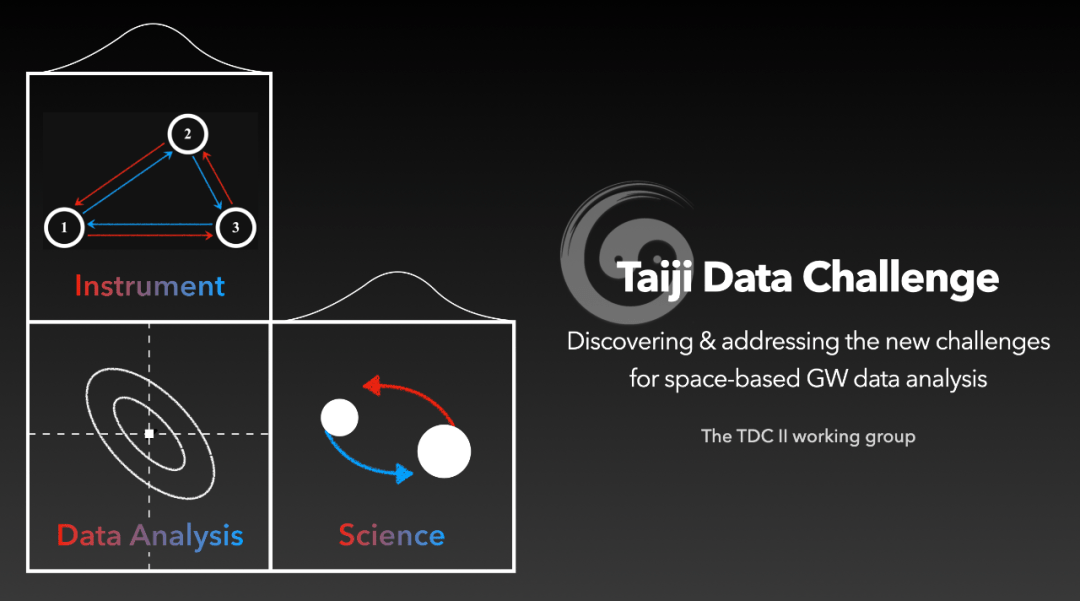
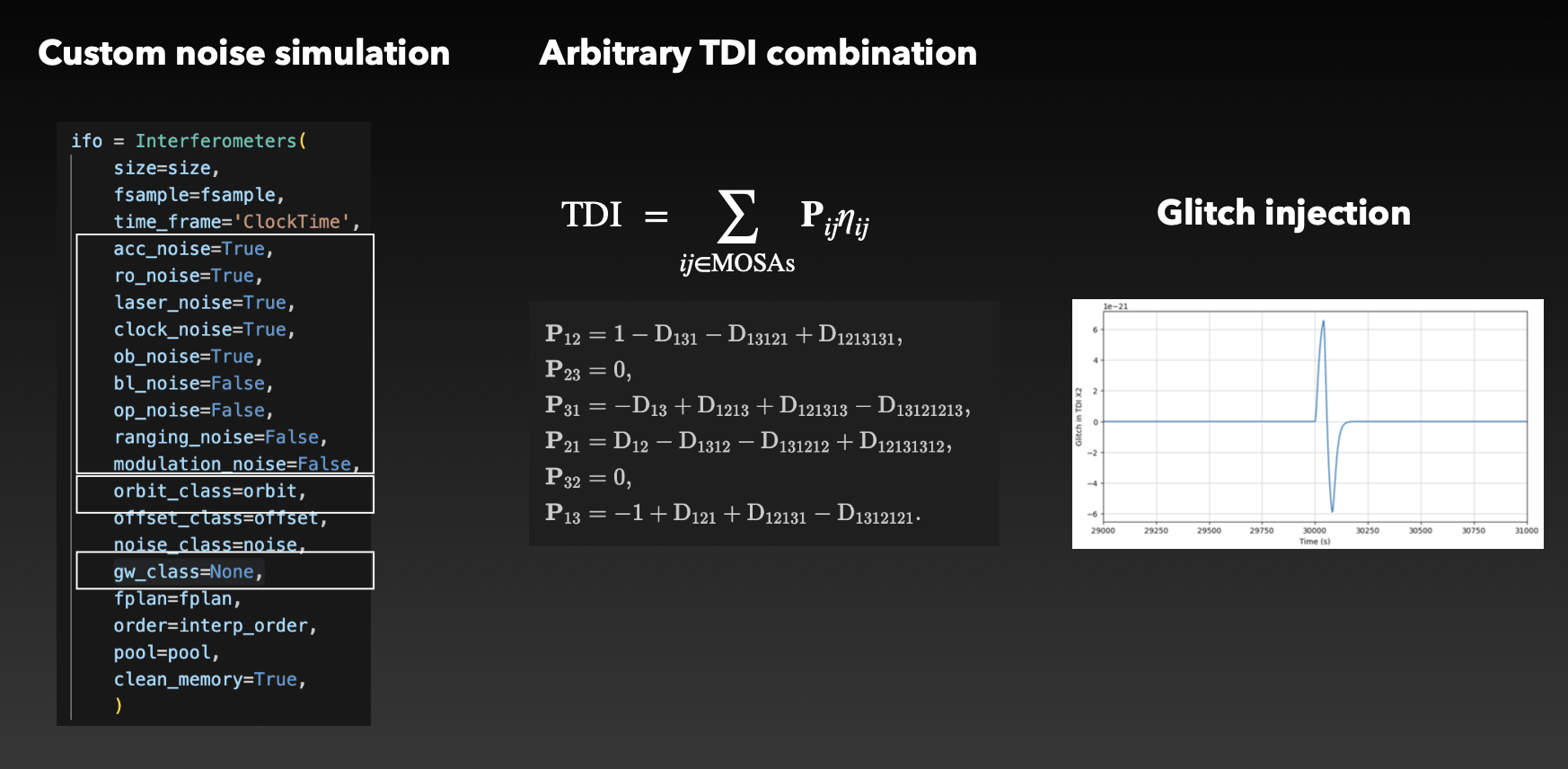
Taiji Data Challenge (TDC) tutorial
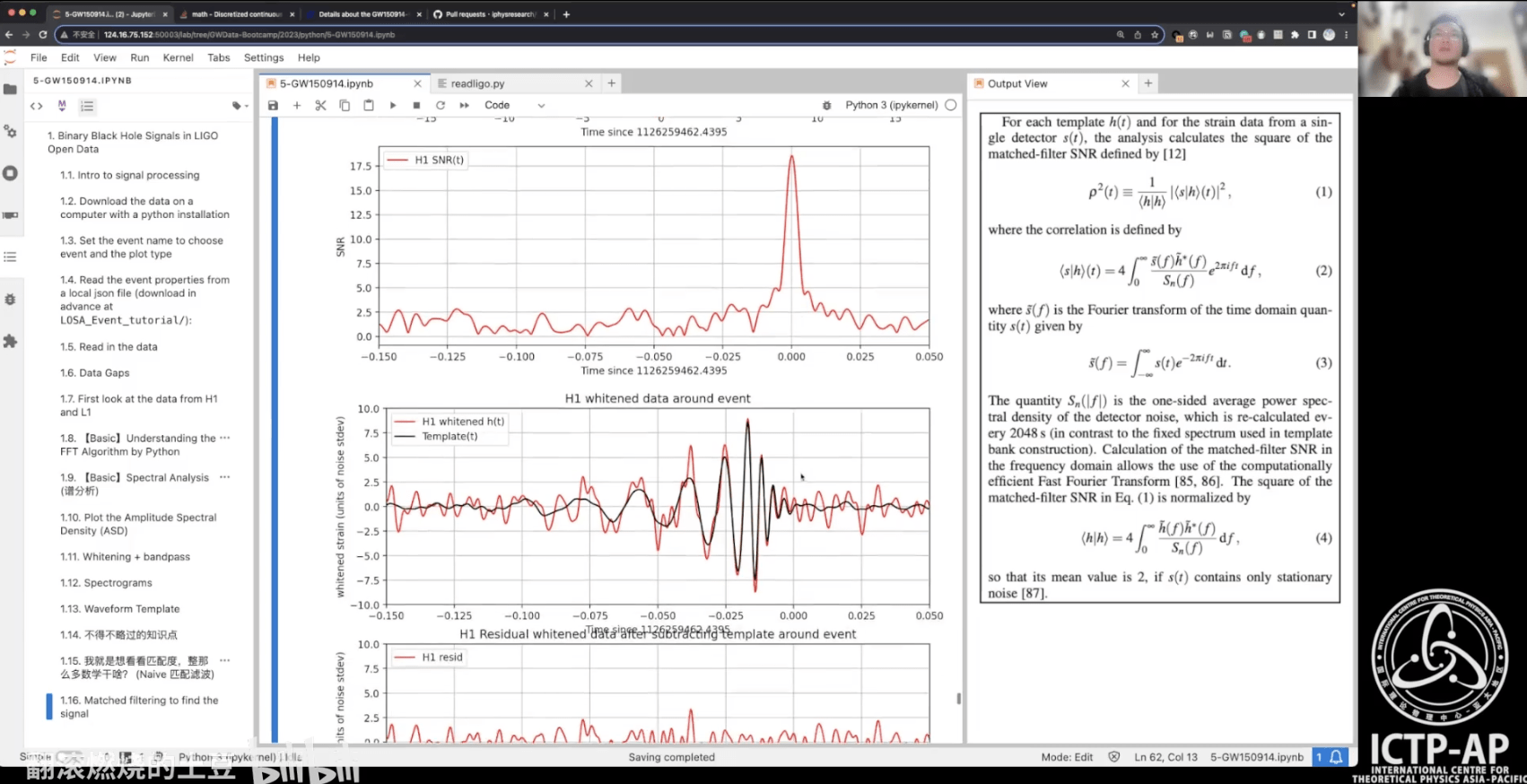
GWData-Bootcamp
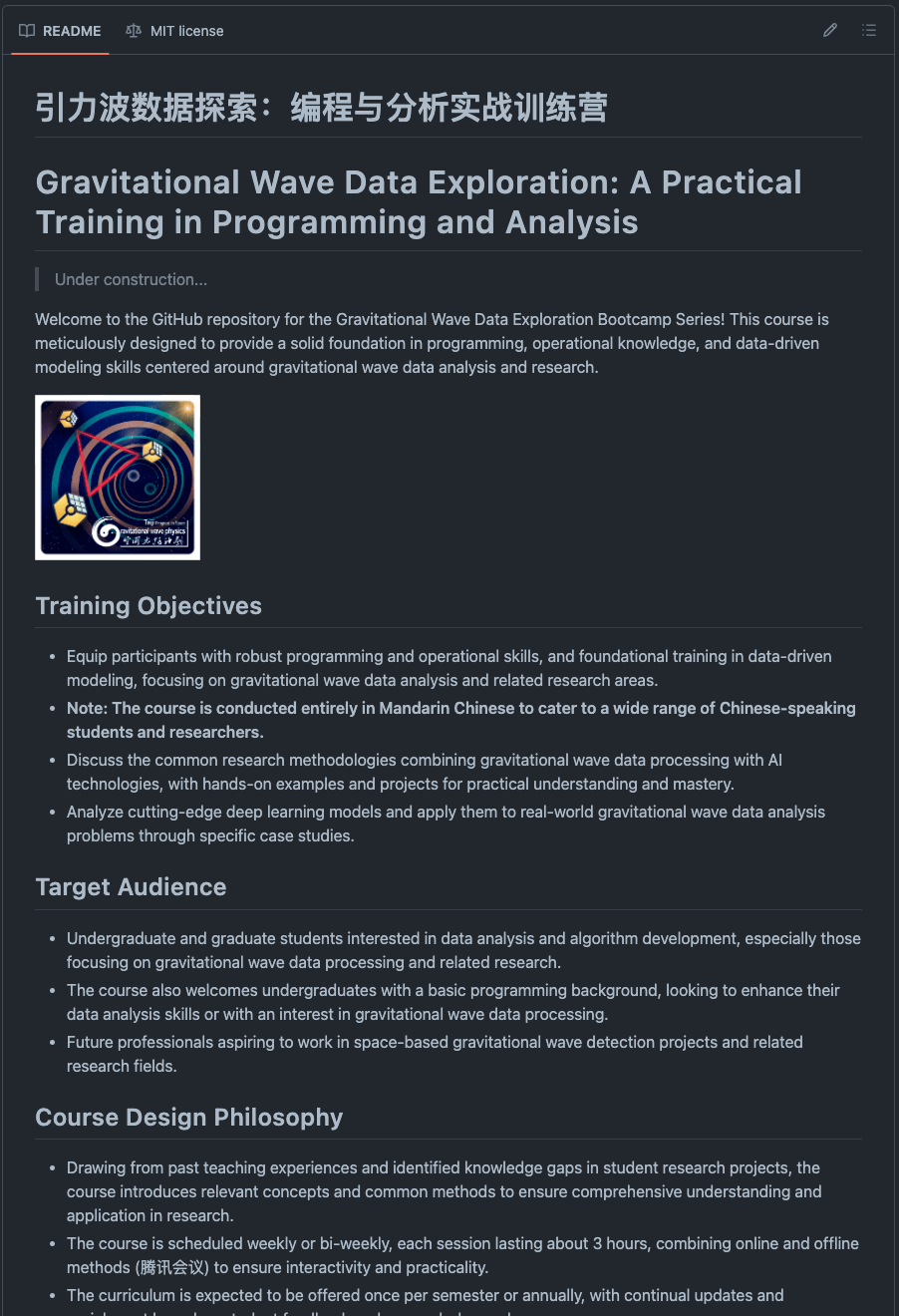

- Numerical orbits (of Taiji)
- Unequal-arm
- TDI-2.0
Training & community evidence
- GWData‑Bootcamp: Structured hands‑on training from Python to DL for GWs
- Co‑organized TDCII training sessions
- Active community engagement across LISA / Taiji / TianQin
Methodological Work Relevant to the WG
Current methodological interests
- benchmark datasets/reproducibility
- alternative global-fit strategies
- interpretable AI methodologies
- RL-assisted planning strategies
Bridging methodological research and practical analysis infrastructure
- benchmark-oriented validation
- community evaluation workflows
- reproducible comparisons
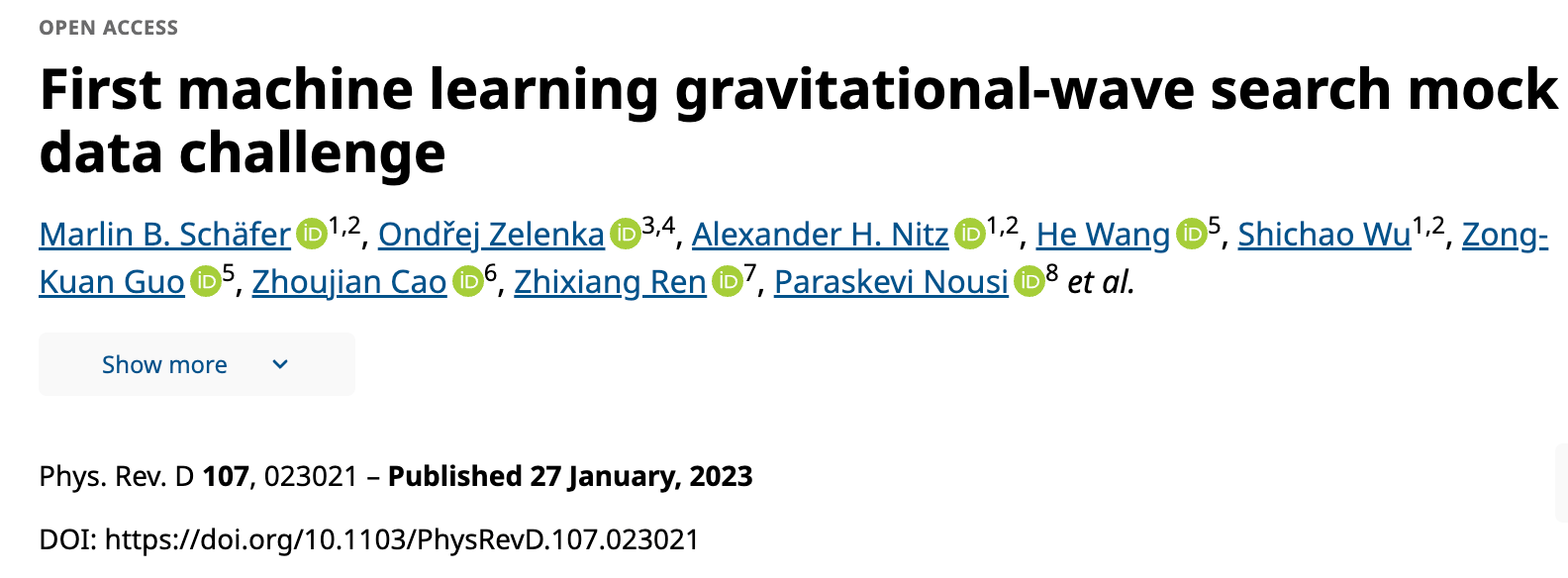
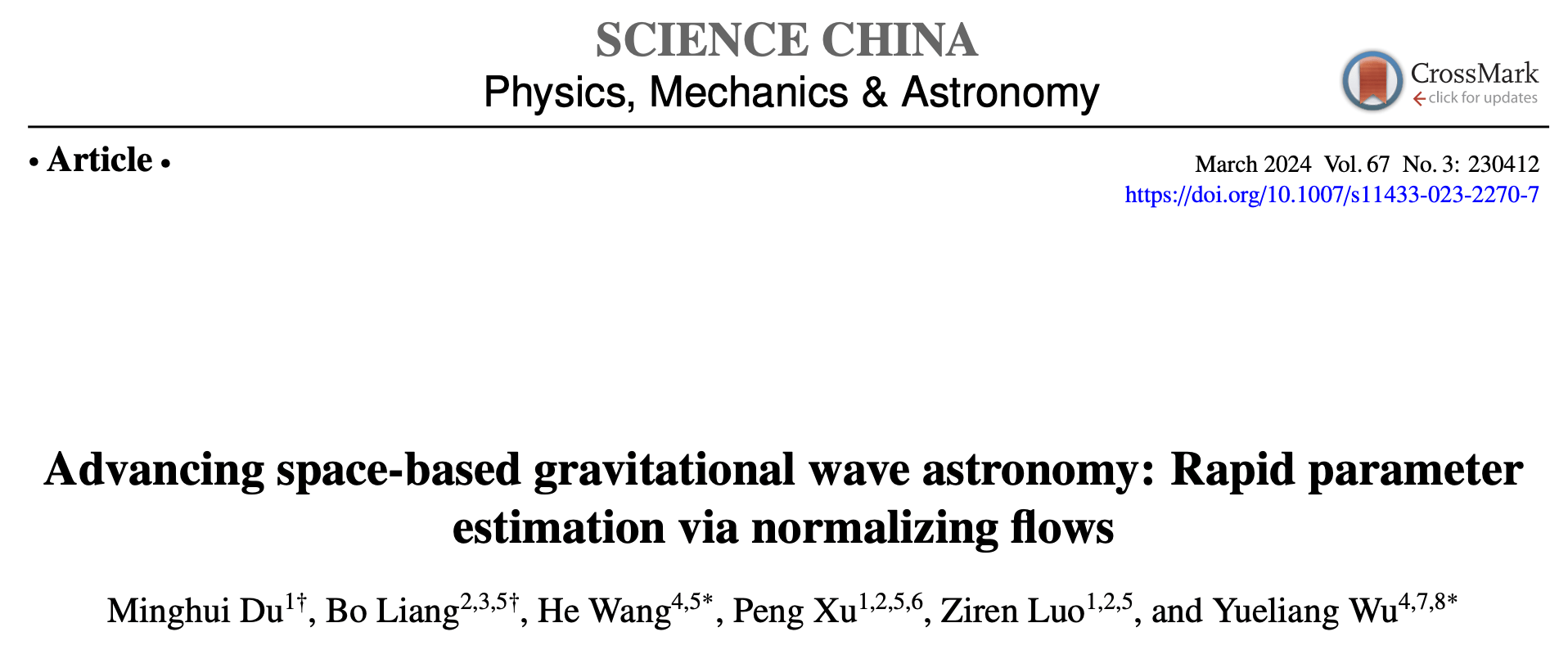
- high-dimensional parameter estimation
- scalable probabilistic inference
- practical pipeline considerations
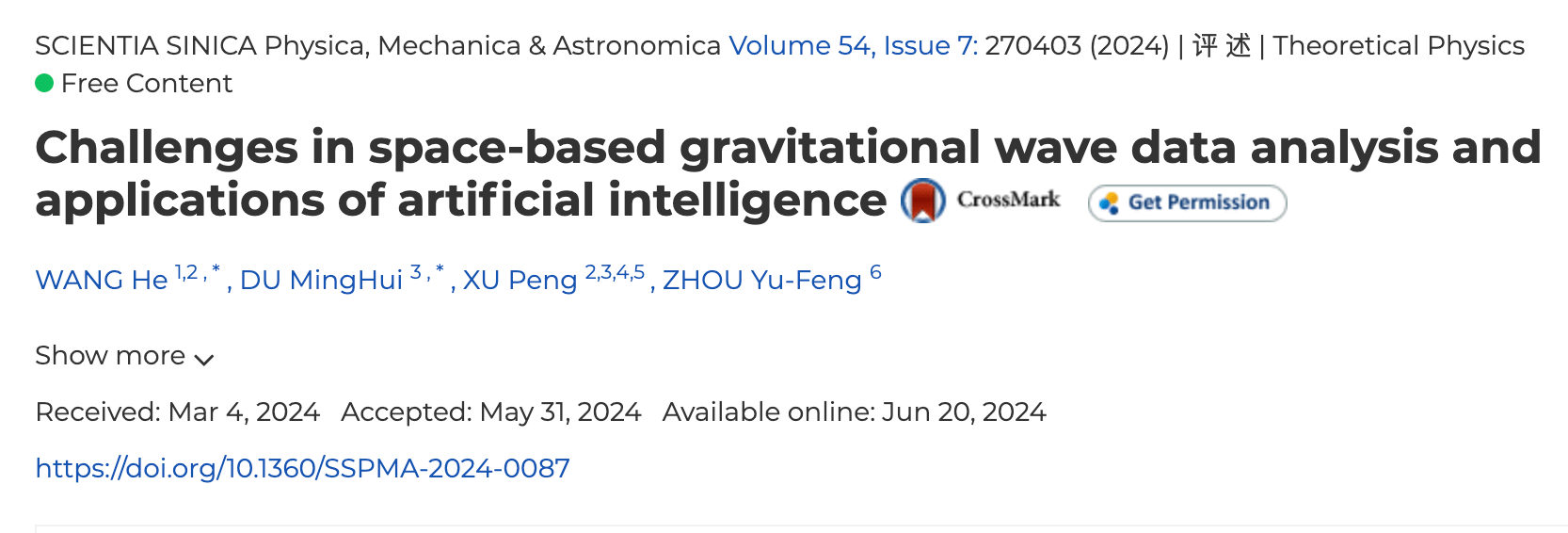
- survey of realistic challenges in space-based GW analysis
- data complexity, global fitting, multimodal inference
What I Think the WG Needs Most
Shared benchmark & infrastructure development
- realistic validation datasets
- reusable workflows
- common evaluation metrics
- interfaces to DDPC / analysis pipelines
Cross-ecosystem coordination experience
- shared methodological challenges across LISA/Taiji/TianQin
- opportunities for open collaboration and knowledge exchange
- shared tutorials, datasets, and benchmarking activities
- encouraging open-source and reusable analysis components
Lowering the barrier for ML & GW data analysis
- many groups are exploring AI methods for overlap/global-fit problems
- practical training resources remain limited
- need for tutorials on:
- GW data analysis basics
- SBI/ML workflows
- reproducible benchmarking
Improving technical communication
- methodological exchange across projects remains fragmented
- useful developments are often difficult to track or reproduce
- regular technical sharing could help:
- tutorials / hackathons / focused workshops / benchmark reports
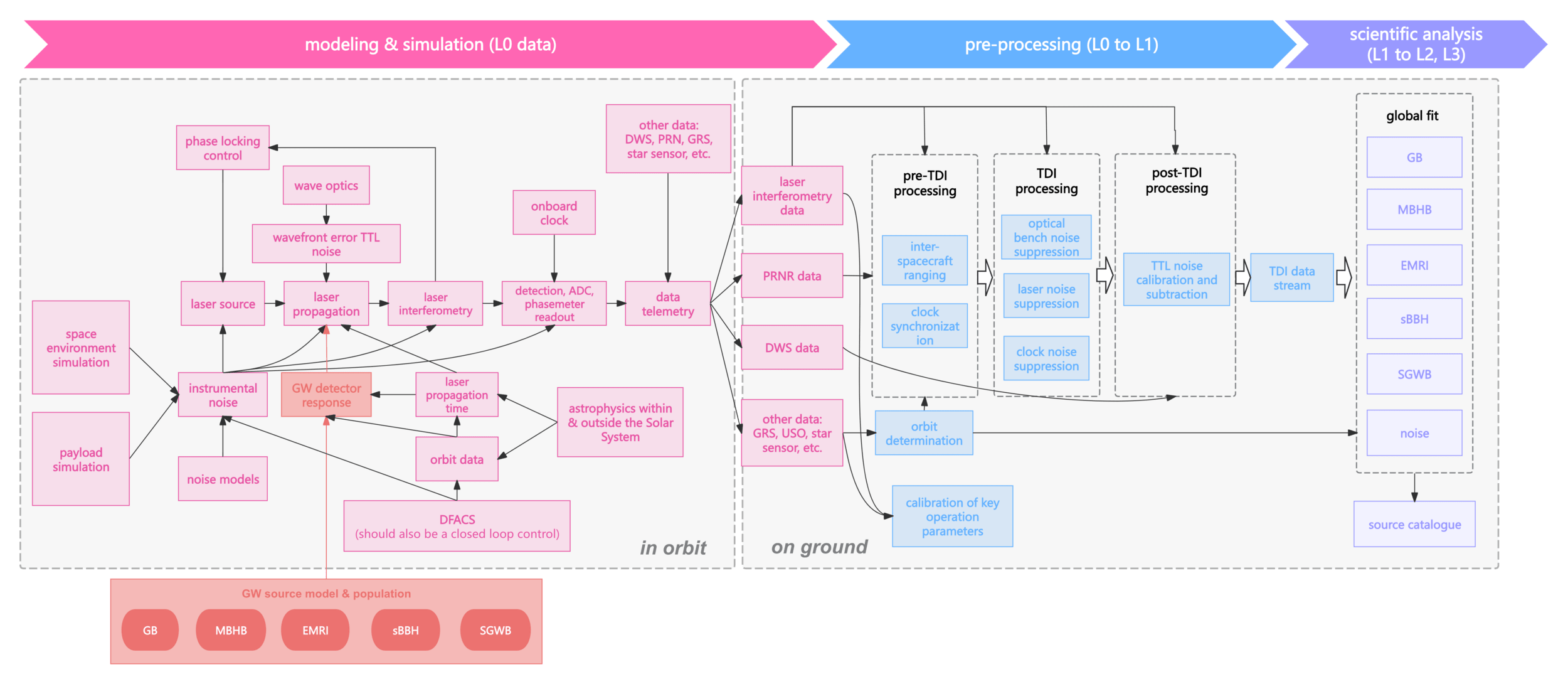
Space-GW analysis is an ecosystem problem
Image credit: TDCII&MH Du
- Part One: Programming Development Environment and Workflow
- - Linux Commands and Shell Scripting
- Git Version Control (GitHub / GitLab)
- SSH Remote Server Access (Shell / VSCode)
- Containerization with Docker
- Hands-On: Setting up Python / Jupyter Development Environment
- Hands-On: Compiling LALsuite / LISAcode Source Code
- - Linux Commands and Shell Scripting
- Part Two: Python-Based Data Analysis Fundamentals
- - Introduction to Python Programming
- Algorithms with Numpy / Pandas / Scipy
- Hands-On: Exploratory Data Analysis of GW Event Catalog / Glitch Data
- Hands-On: Matched Filtering for GW150914 Data
- Data Visualization in Python: Theory and Practice
- Hands-On: Reproducing Figures from GWTC Papers
- - Introduction to Python Programming
- Part Three: Basics of Machine Learning
- - Overview of Artificial Intelligence
- Definitions, Objectives, and Types of Machine Learning
- Machine Learning Project Development and Preparation
- Hands-On: Clustering Analysis of LIGO's Glitch Data
- - Overview of Artificial Intelligence
- Part Four: Introduction to Deep Learning
- - Overview of Deep Learning Technologies
- Fundamentals of Artificial Neural Networks (ANN)
- Convolutional Neural Networks (CNN)
- Hands-On: Identifying Gravitational Waves from Binary Black Hole Systems using CNN
- Frontiers of Gravitational Wave Data Analysis and AI
- - Overview of Deep Learning Technologies
Outline from GWData-Bootcamp: github.com/iphysresearch/GWData-Bootcamp
Why Coordination Matters Now
Rapid diversification of methodological approaches
- ongoing global-fit activities
- ML/SBI approaches
- alternative representations
- probabilistic inference
- search/planning methods
The challenge is no longer only developing methods
- connecting methods to realistic datasets
- validating across workflows
- improving reproducibility
- reducing duplicated effort
- enabling broader participation
Potential role of the WG
- facilitating technical exchange
- maintaining methodological visibility
- encouraging shared validation efforts
- helping emerging methods mature into reusable infrastructure
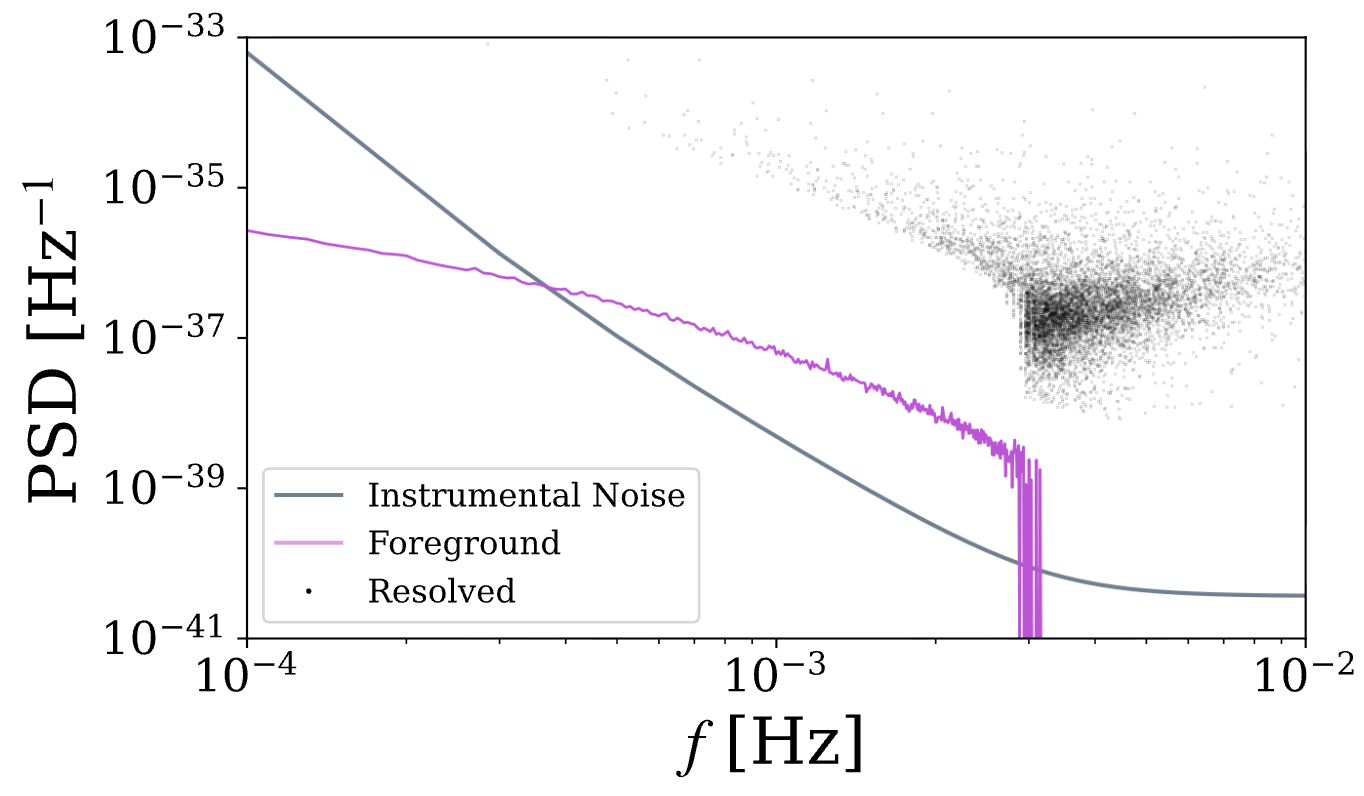
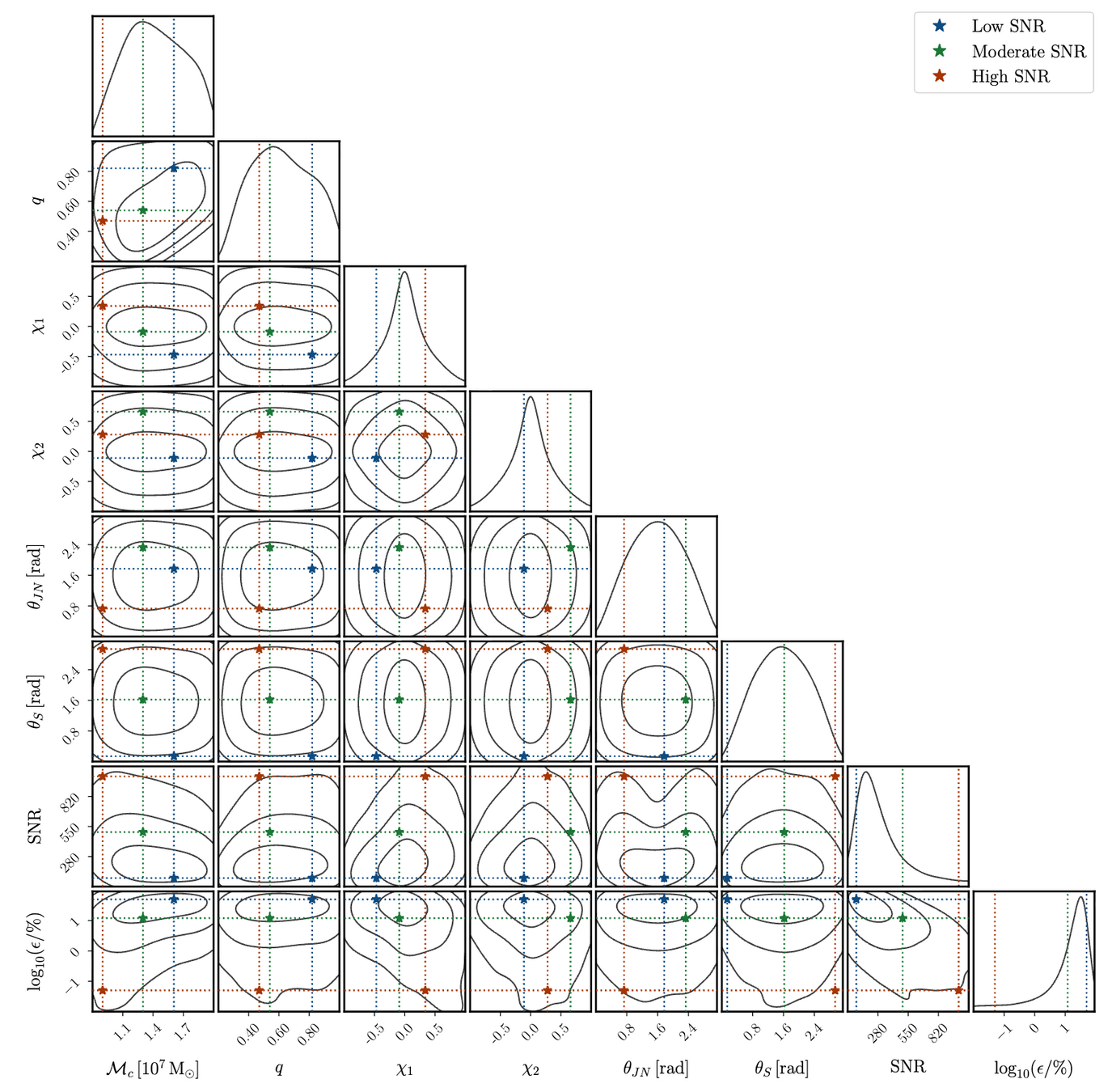
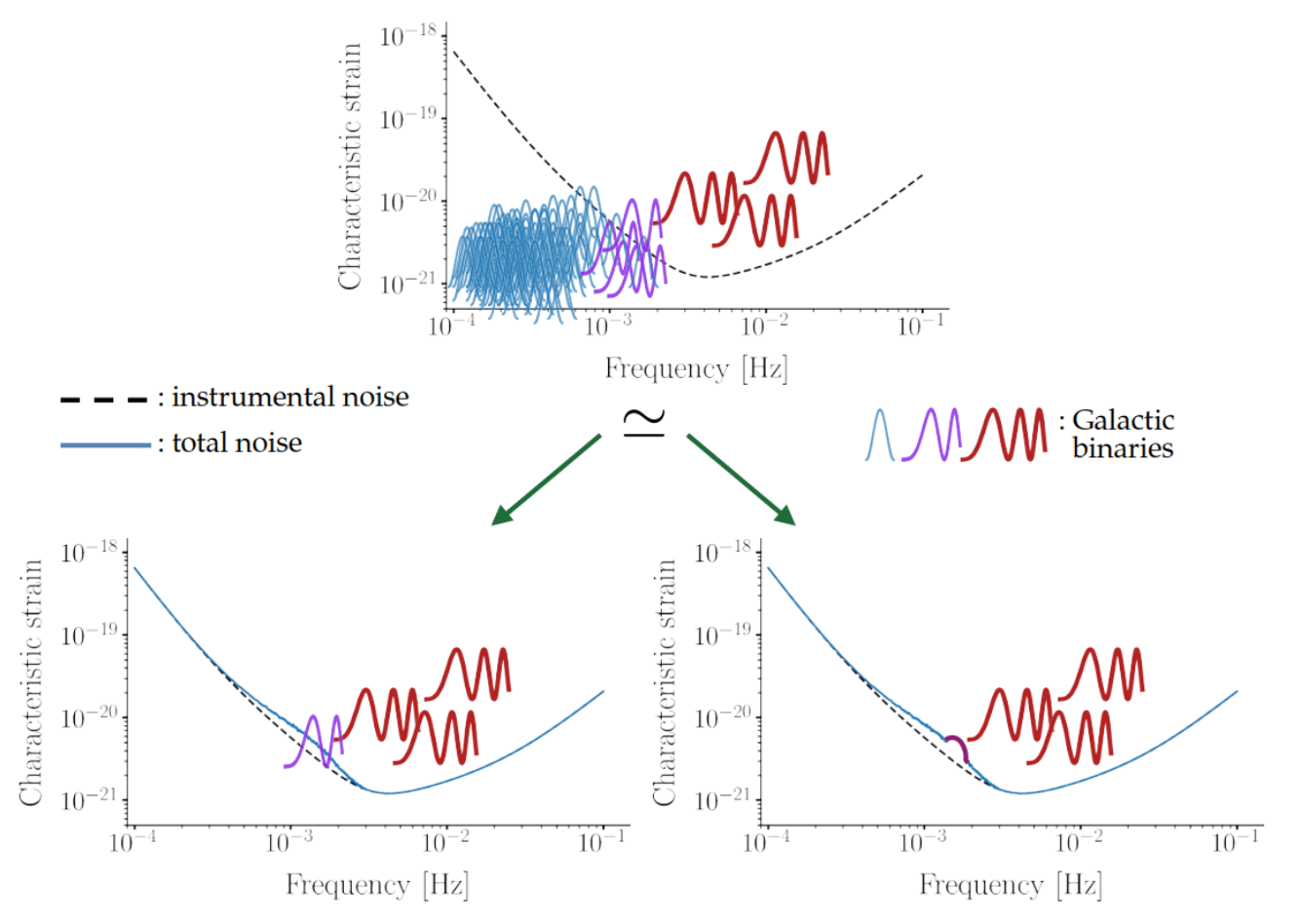
Hierarchical Bayesian population inference for LISA (2026)
arXiv: 2601.04168
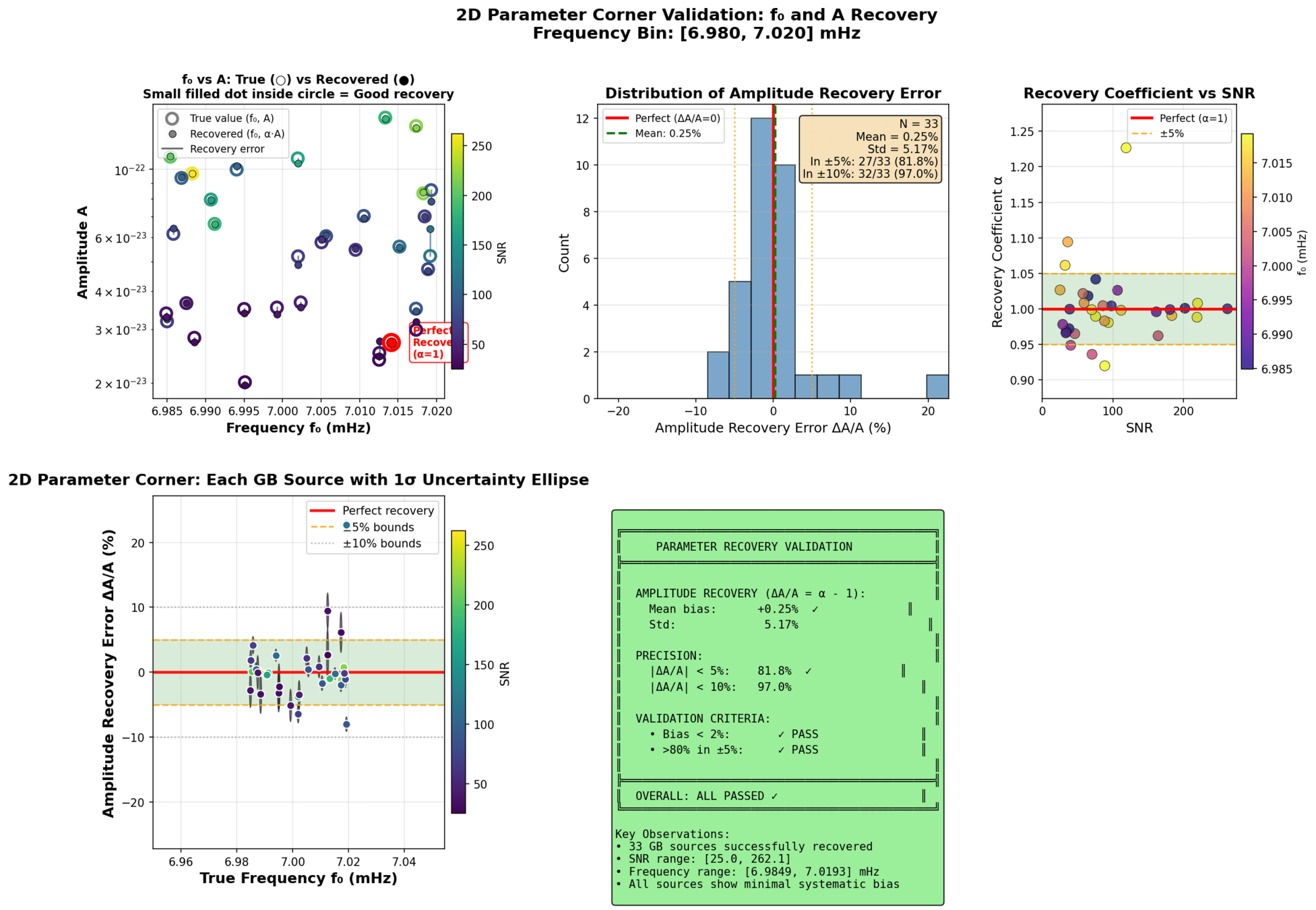
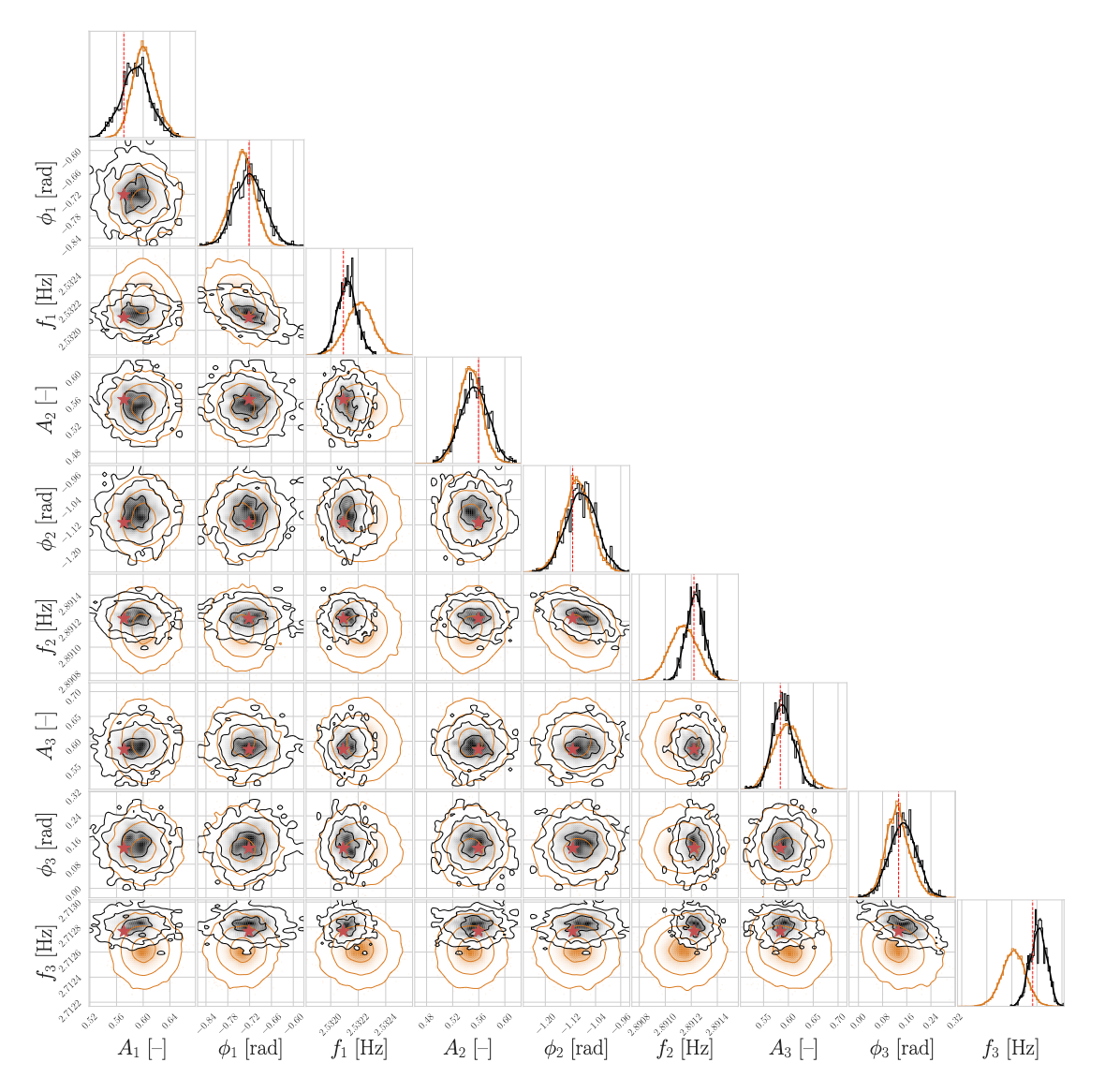
RL for global-fit (2026)
HW+, arXiv: 26xx.xxxx