Large Science Models: From Biological Data to AI for Commercial Scientific Discovery
Ishanu Chattopadhyay, PhD
Asst Professor, Biomedical informatics & Computer Science
University of Kentucky
ishanu_ch@uky.edu
ALLTECH RESEARCH SHOWCASE

PAI PREEMPT MAGICS
The views, opinions and/or findings expressed are those of the author(s) and should not be interpreted as representing the official views or policies of the Department of Defense or the U.S. Government.
1918 onward: classical swine H1N1 persists in pigs [1,2]
1979: Eurasian avian-like swine H1N1 becomes established in European swine [2]
1998: North American triple-reassortant swine viruses emerge [3]
2008-2009: pandemic genome assembled in swine; 6 segments from North American triple-reassortant swine viruses, 2 segments (NA, M) from Eurasian avian-like swine [3]
Mar-Apr 2009: human outbreak recognized in Mexico and the U.S. [3,4]
Jun 11, 2009: WHO declares pandemic [5]
Memoli MJ, Tumpey TM, Jagger BW, Dugan VG, Sheng ZM, Qi L, Kash JC, Taubenberger JK. An early “classical” swine H1N1 influenza virus shows similar pathogenicity to the 1918 pandemic virus in ferrets and mice. Virology. 2009;393(2):338-345. doi:10.1016/j.virol.2009.08.021.
Dunham EJ, Dugan VG, Kaser EK, Perkins SE, Brown IH, Holmes EC, Taubenberger JK. Different evolutionary trajectories of European avian-like and classical swine H1N1 influenza A viruses. Journal of Virology. 2009;83(11):5485-5494. doi:10.1128/JVI.02565-08.
Smith GJD, Vijaykrishna D, Bahl J, Lycett SJ, Worobey M, Pybus OG, Ma SK, Cheung CL, Raghwani J, Bhatt S, Peiris JSM, Guan Y, Rambaut A. Origins and evolutionary genomics of the 2009 swine-origin H1N1 influenza A epidemic. Nature. 2009;459(7250):1122-1125. doi:10.1038/nature08182.
Centers for Disease Control and Prevention. Outbreak of swine-origin influenza A (H1N1) virus infection, Mexico, March-April 2009. MMWR Morb Mortal Wkly Rep. 2009;58(17):467-470.
World Health Organization. DG Statement following the meeting of the Emergency Committee. 11 June 2009.
the 2009 swine-flu pandemic



1918
1979
1998
2008
2008
2009
Mar
Jun

ALLTECH / 19 OCT 2026
01 / WHY IT MATTERS
Emergence starts in animals
8 of 8
Segments of the 2009 pandemic genome came from viruses already circulating in swine
30 years
From the 1979 swine lineage to the first human cases in 2009
Visible in sequence data years before it was visible in people.
Timeline after Smith et al., Nature (2009); full references on slide.
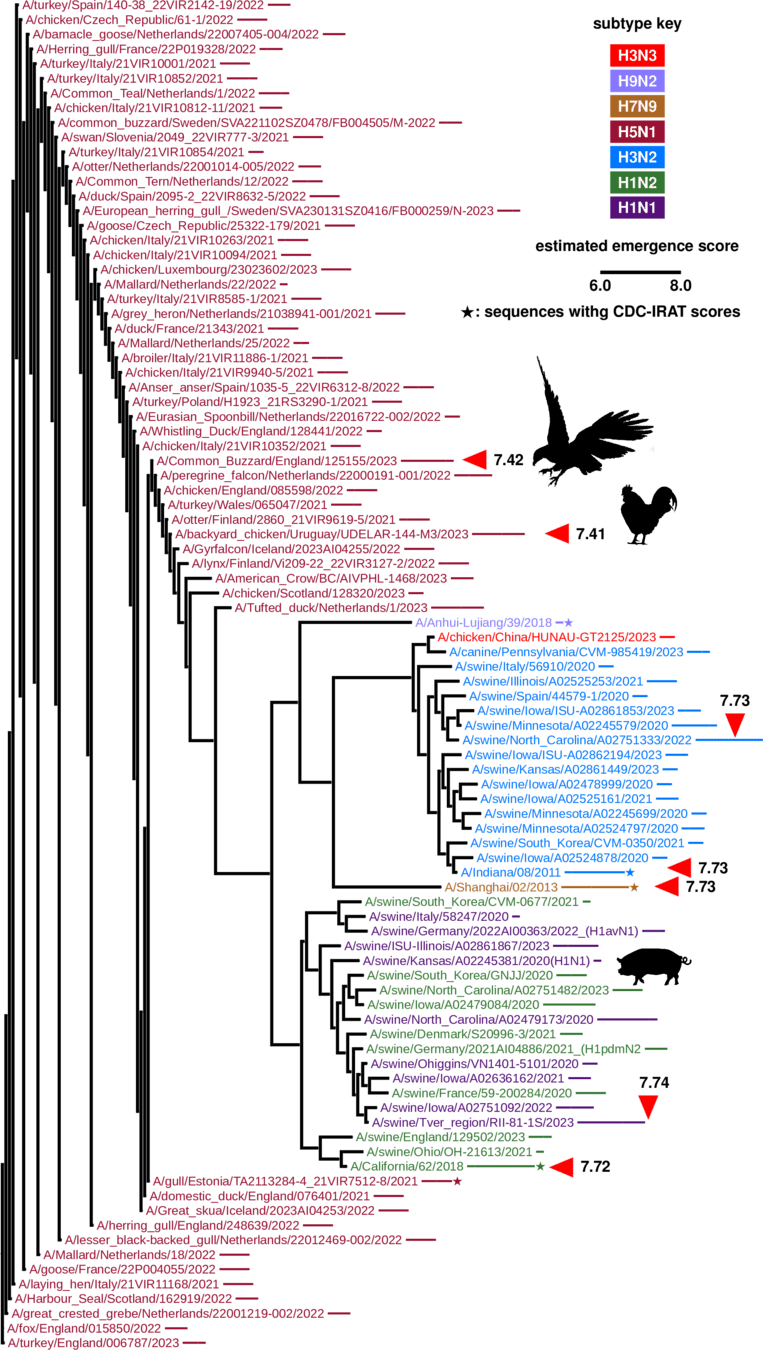
Are emergence events predictable?
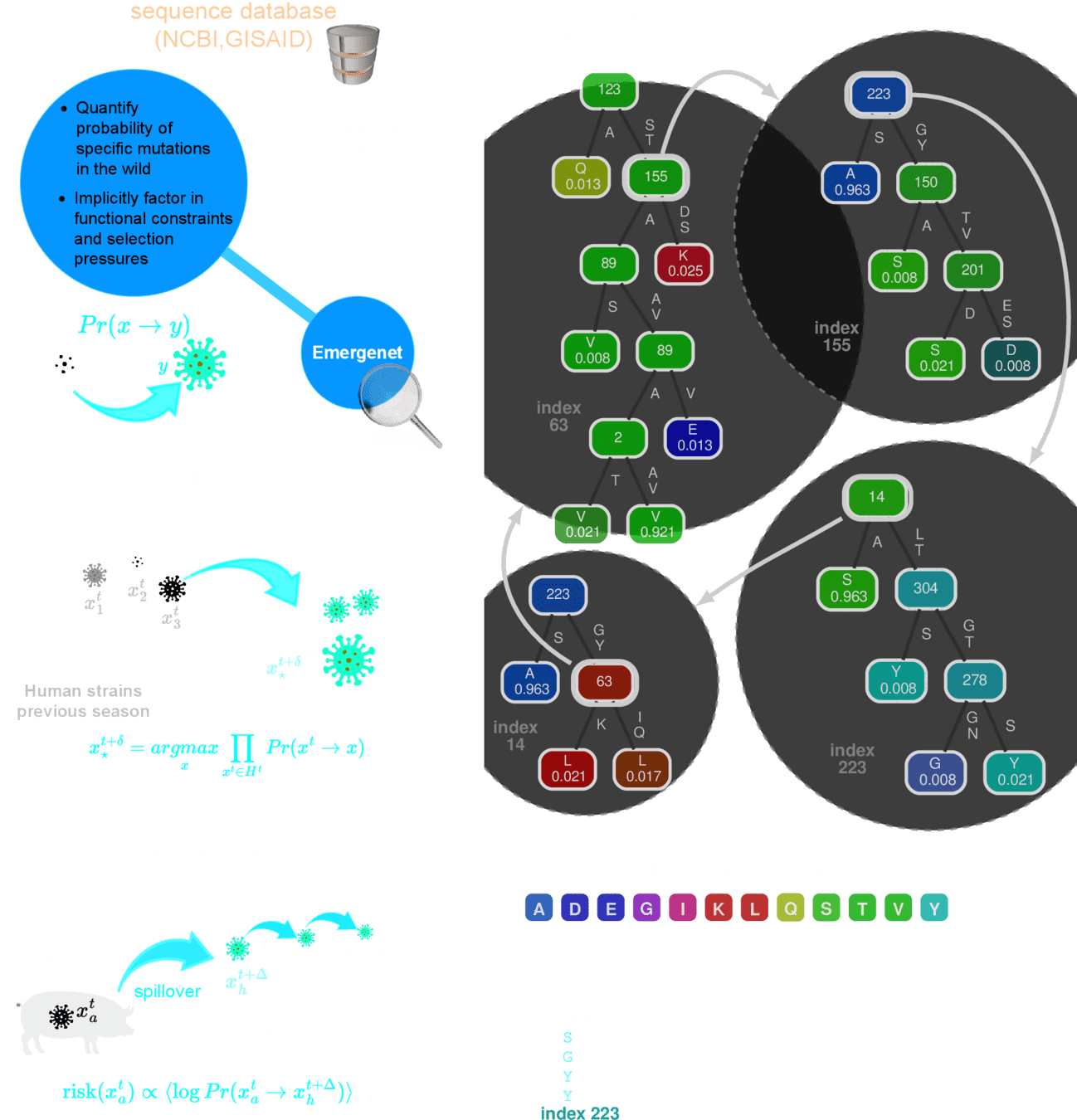
Building A Large Science Model
NCBI + GISAID
>400,000 HA/NA sequences
recursive forest of conditional inference trees
- Sizemore, N., Oliphant, K., Zheng, R., Martin, C. R., Claud, E. C., & Chattopadhyay, I. (2024). “A digital twin of the infant microbiome to predict neurodevelopmental deficits.” Science Advances, 10(15), eadj0400. https://doi.org/10.1126/sciadv.adj0400
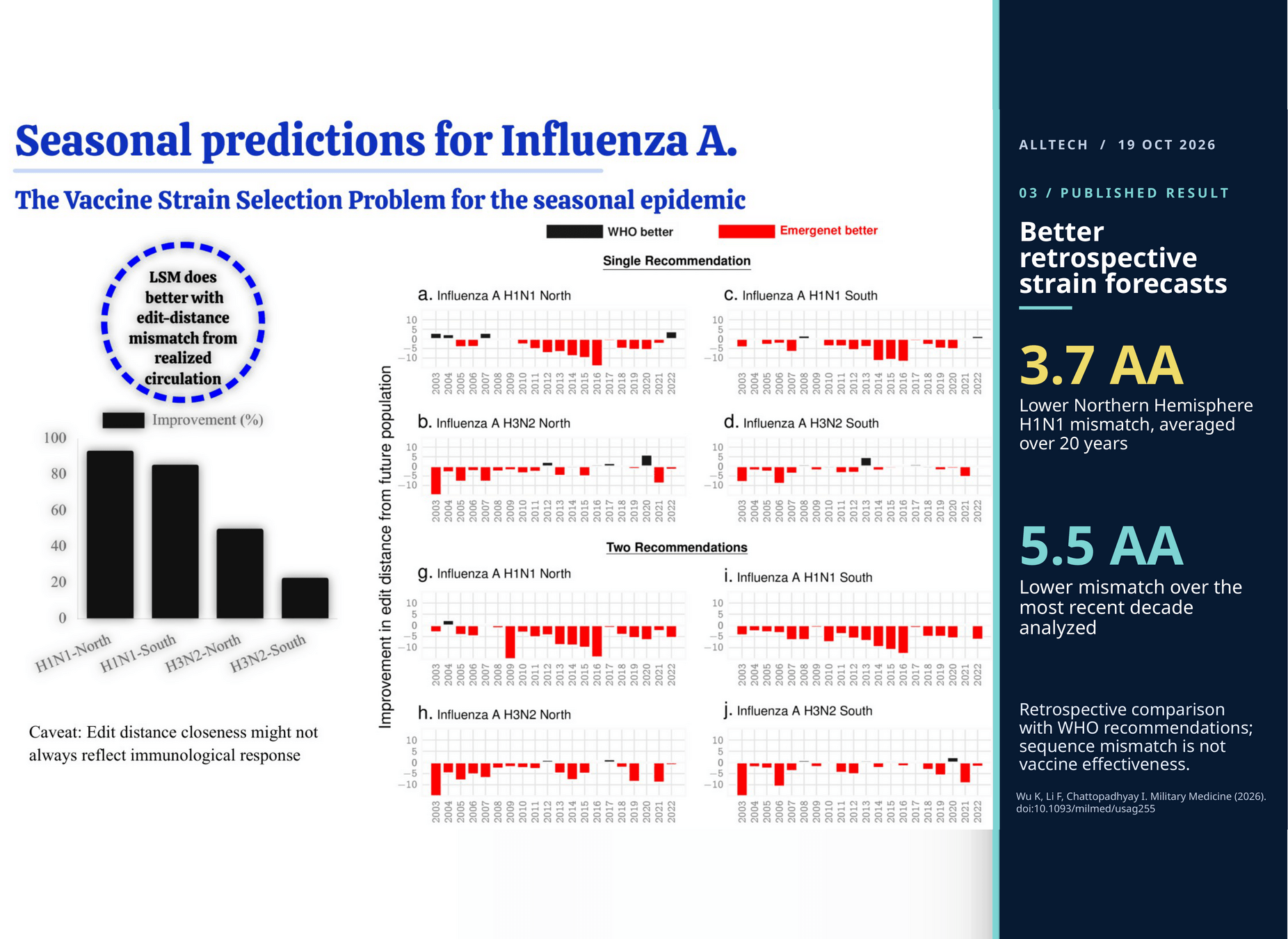
- Wu, K., Li, F., & Chattopadhyay, I. (2026). “Emergenet: A Digital Twin of Influenza A Evolution for Vaccine Strain Forecasting and Emergence Risk Assessment.” Military Medicine, usag255. https://doi.org/10.1093/milmed/usag255
Publications
H1N1 2025 Influenza A HA
Set of conditional inference trees (CIT)
Strict statistical guarantees: quantifies inference uncertainty
Each tree models exactly one variable as a function of potentially all other variables
Non-leaf nodes are "hyperlinked" to other trees
Recursive LSM forest: hyperlinked nodes capturing emergent macro-structures
Large Science Models
Learn the emergent constriants from data
H5N1 2025 Influenza A HA
Set of conditional inference trees (CIT)
Strict statistical guarantees: quantifies inference uncertainty
Each tree models exactly one variable as a function of potentially all other variables
Non-leaf nodes are "hyperlinked" to other trees
Recursive LSM forest: hyperlinked nodes capturing emergent macro-structures
Large Science Models
Learn the emergent constriants from data
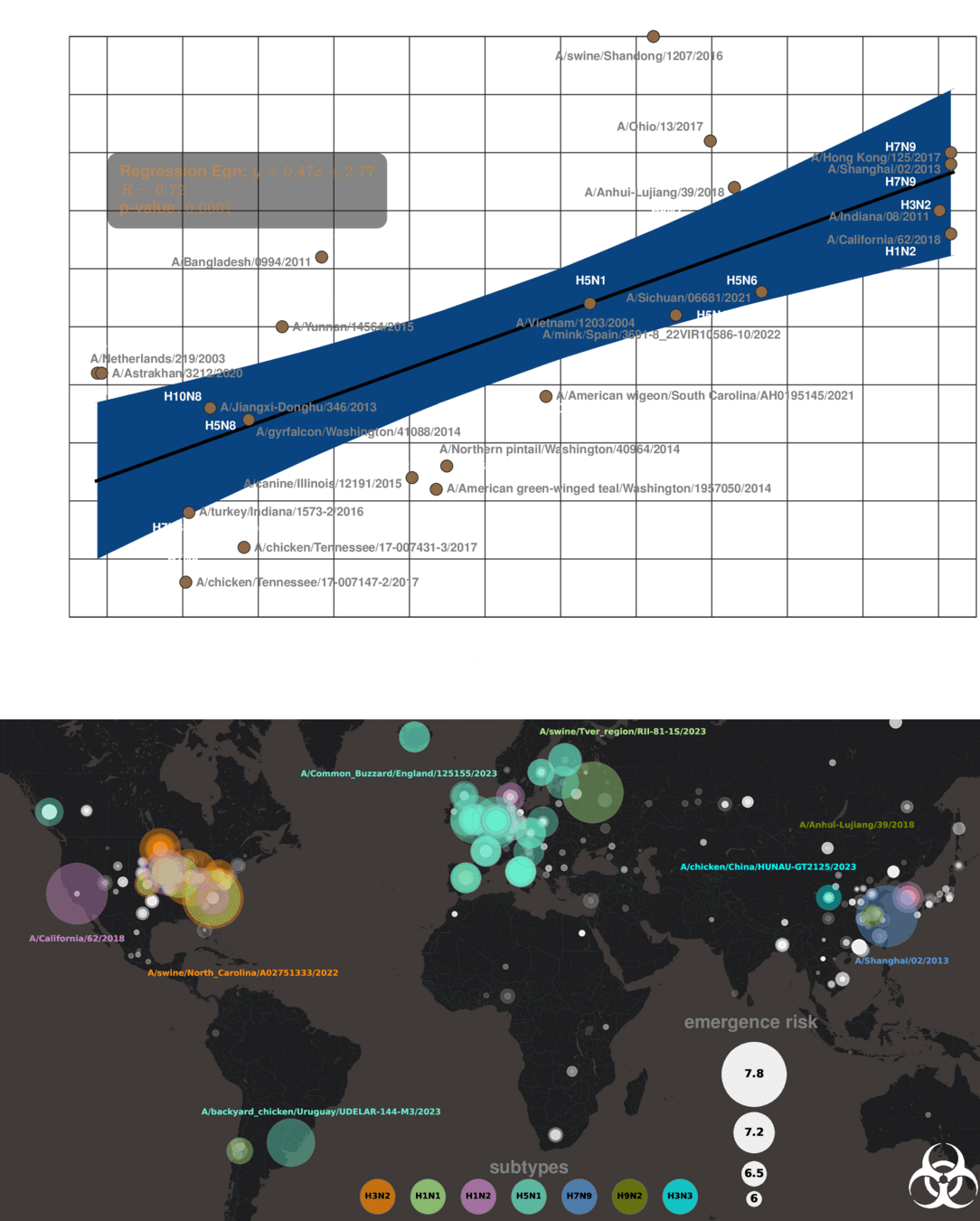
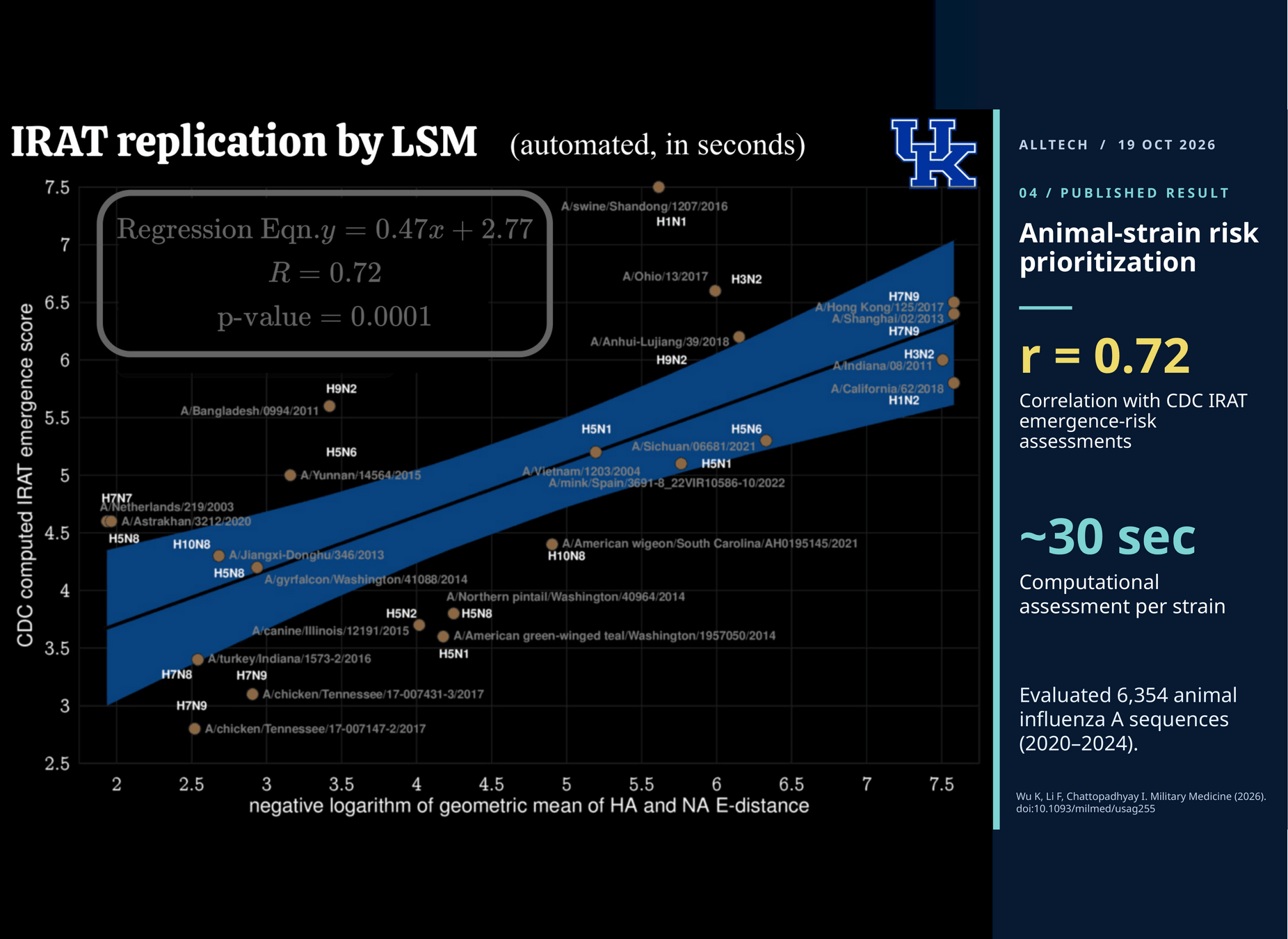
IRAT replication by LSM
(automated, in seconds)
Stamping Out the Next Pandemic **Before** The First Human Infection
BioNorad
-
MICROBIOME: Thousands of Bacterial & Fungal Species — Simultaneous Discovery of Ecological Interactions
-
METABOLOMICS: 100,000+ Targeted & Untargeted Molecular Features — Simultaneous Discovery of Biochemical Patterns
-
ONE FRAMEWORK: High-Dimensional Pattern Discovery → Prediction → Commercially Deployable AI
Generative AI For Biological Discovery
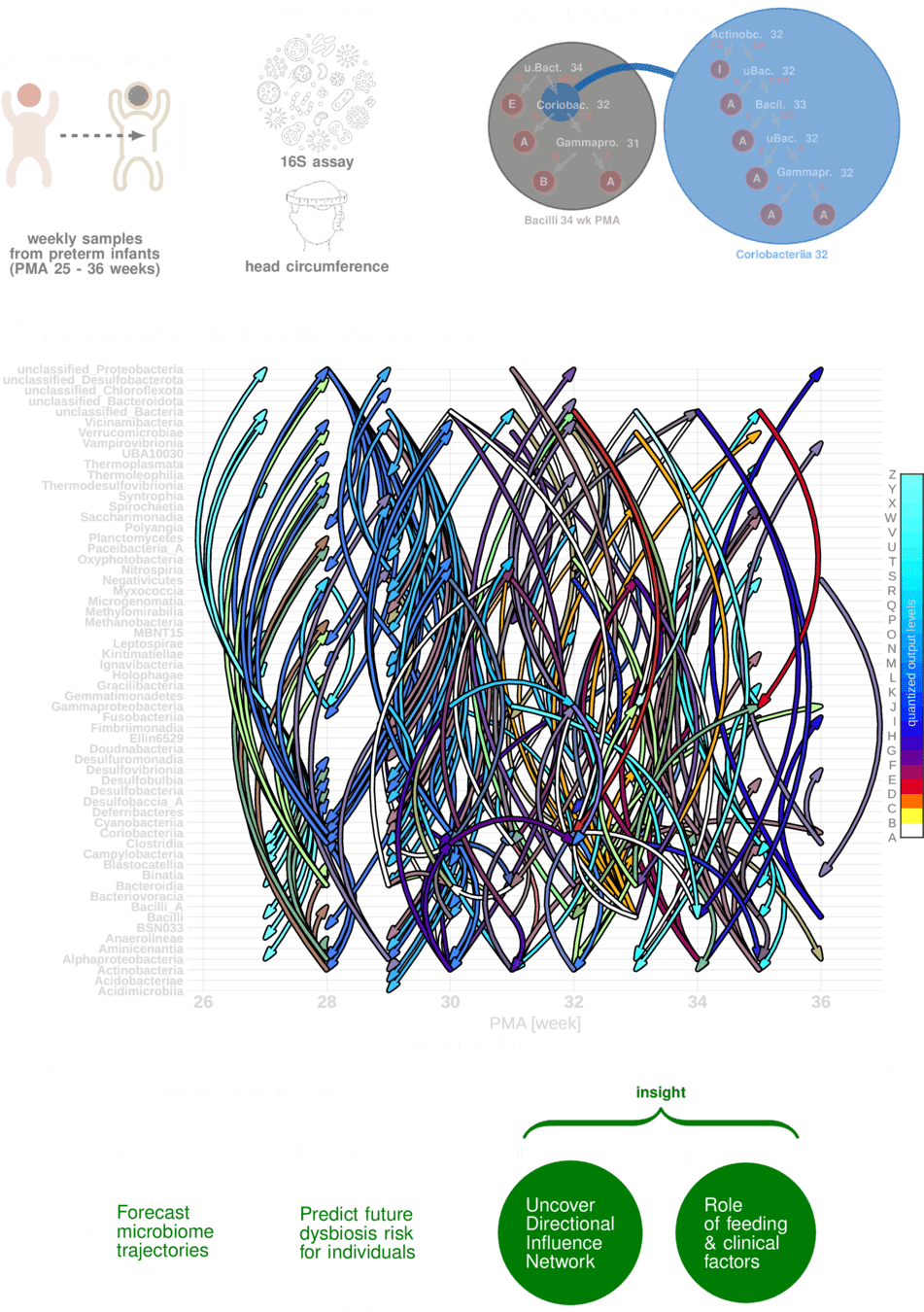
High Abundance Classes
Complex Interdependecies Exist over time and taxonomic strata
quantized output levels
Can microbial assay from gut actionably
pre-empt developmental deficit?
Study Set-up
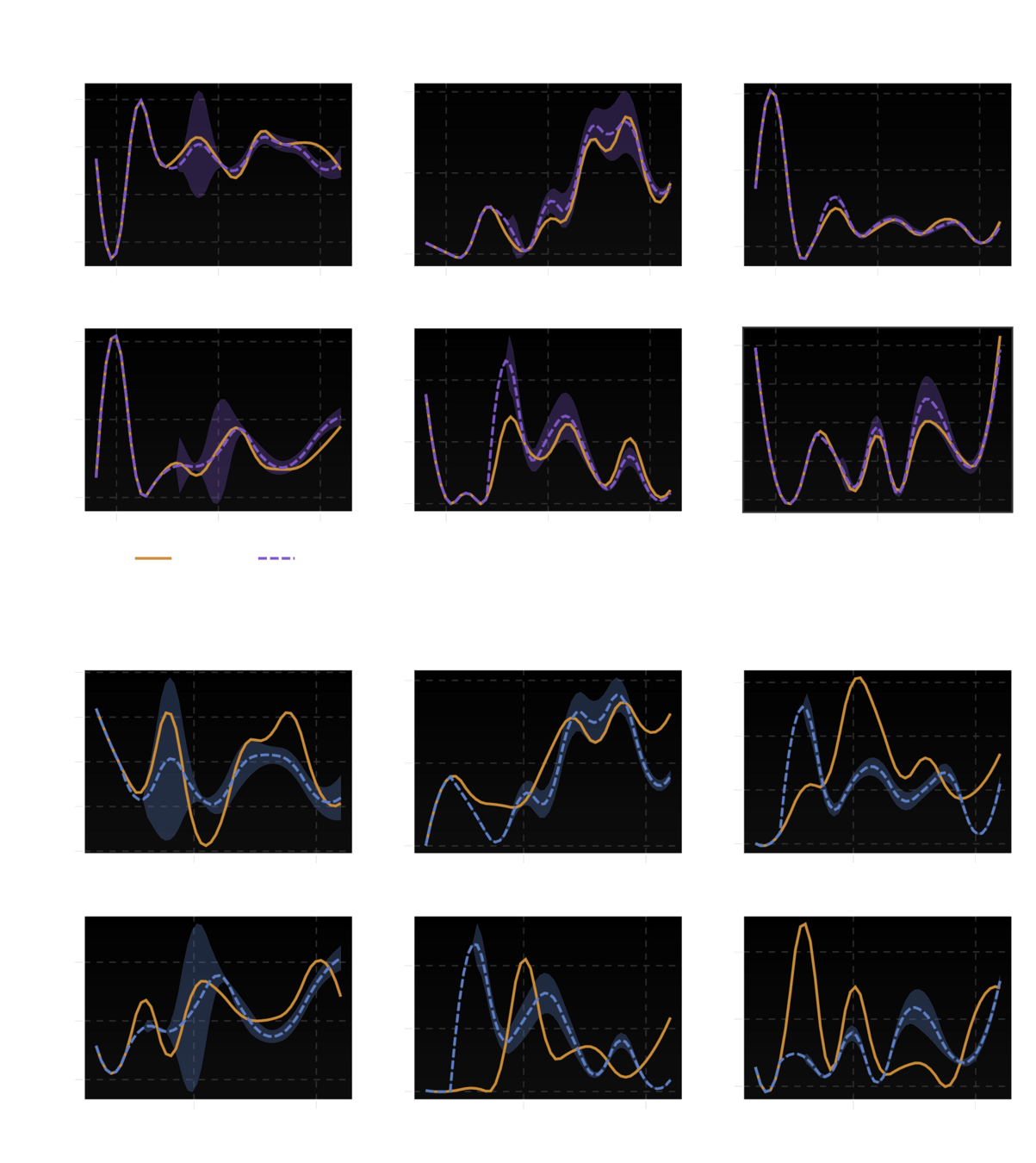
Forecasting of class abundance variations both
in-sample (\( R^2 \ge 95\%\))
and out-of sample (\(R^2\ge 72\%\))
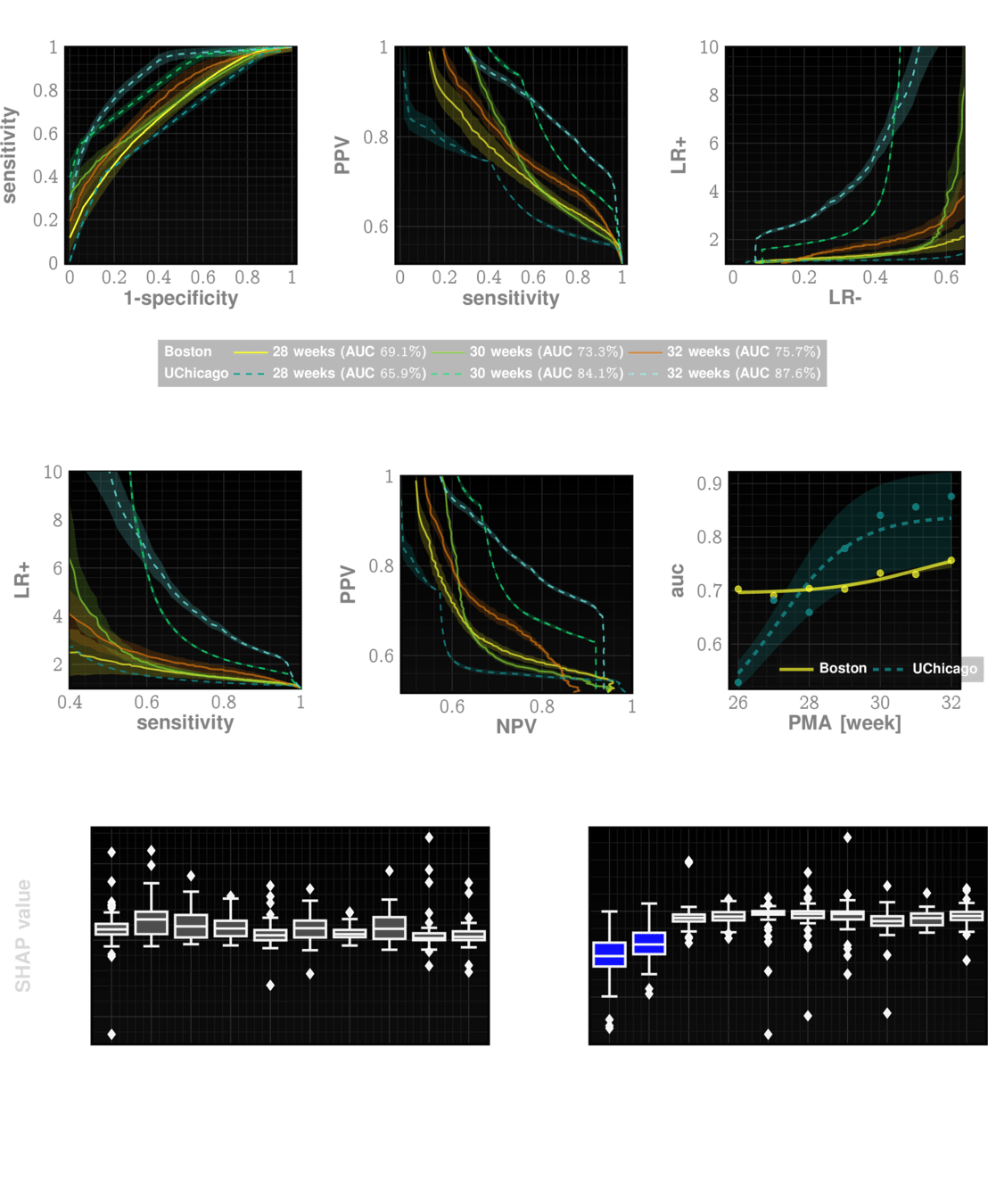
Understanding key drivers of risk
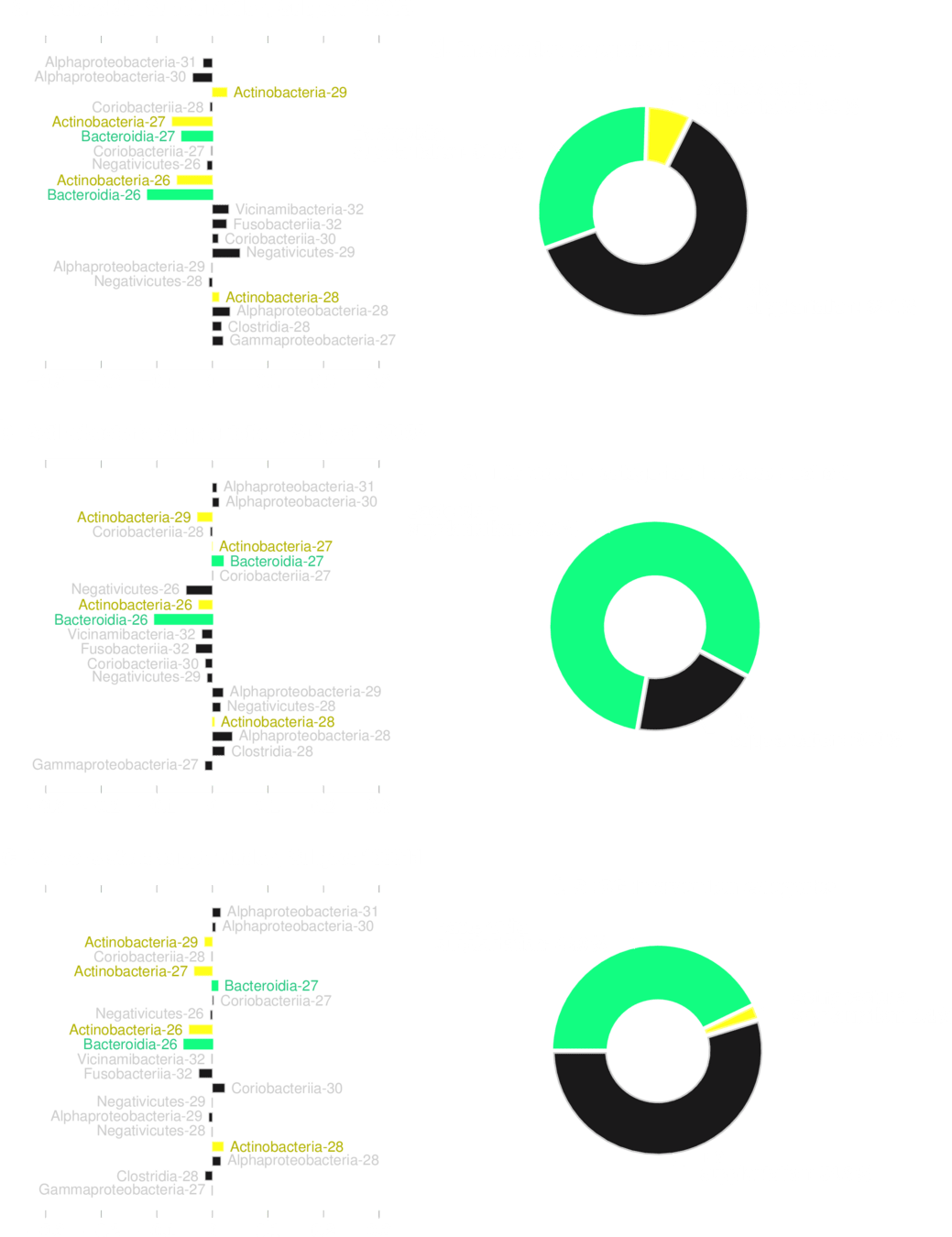
No transplantation is guaranteed to work reliably
Predicted to reduce
risk reliably
Predicted to reduce
risk reliably
Predicting Perturbations
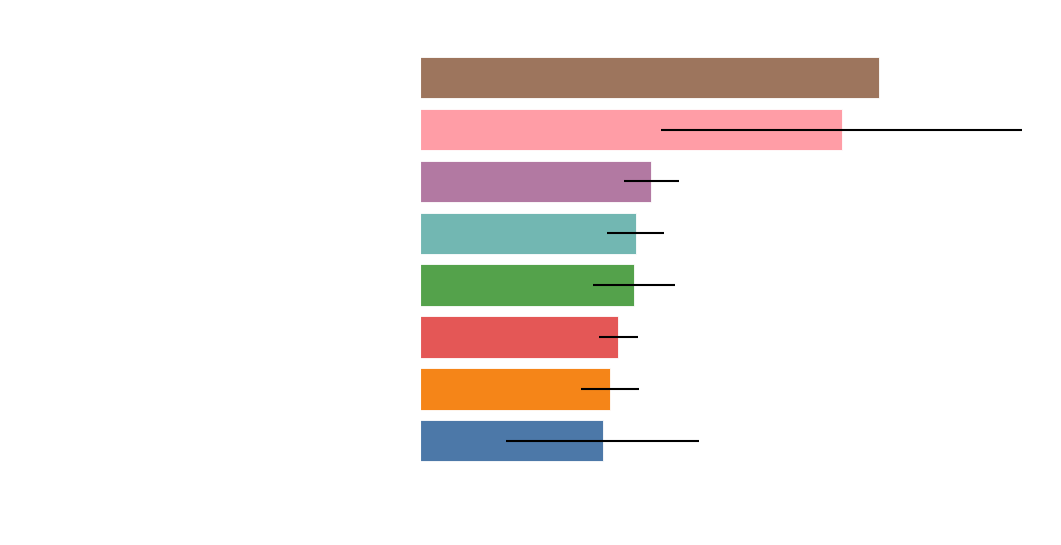
Top risk drivers mapped to known pathways
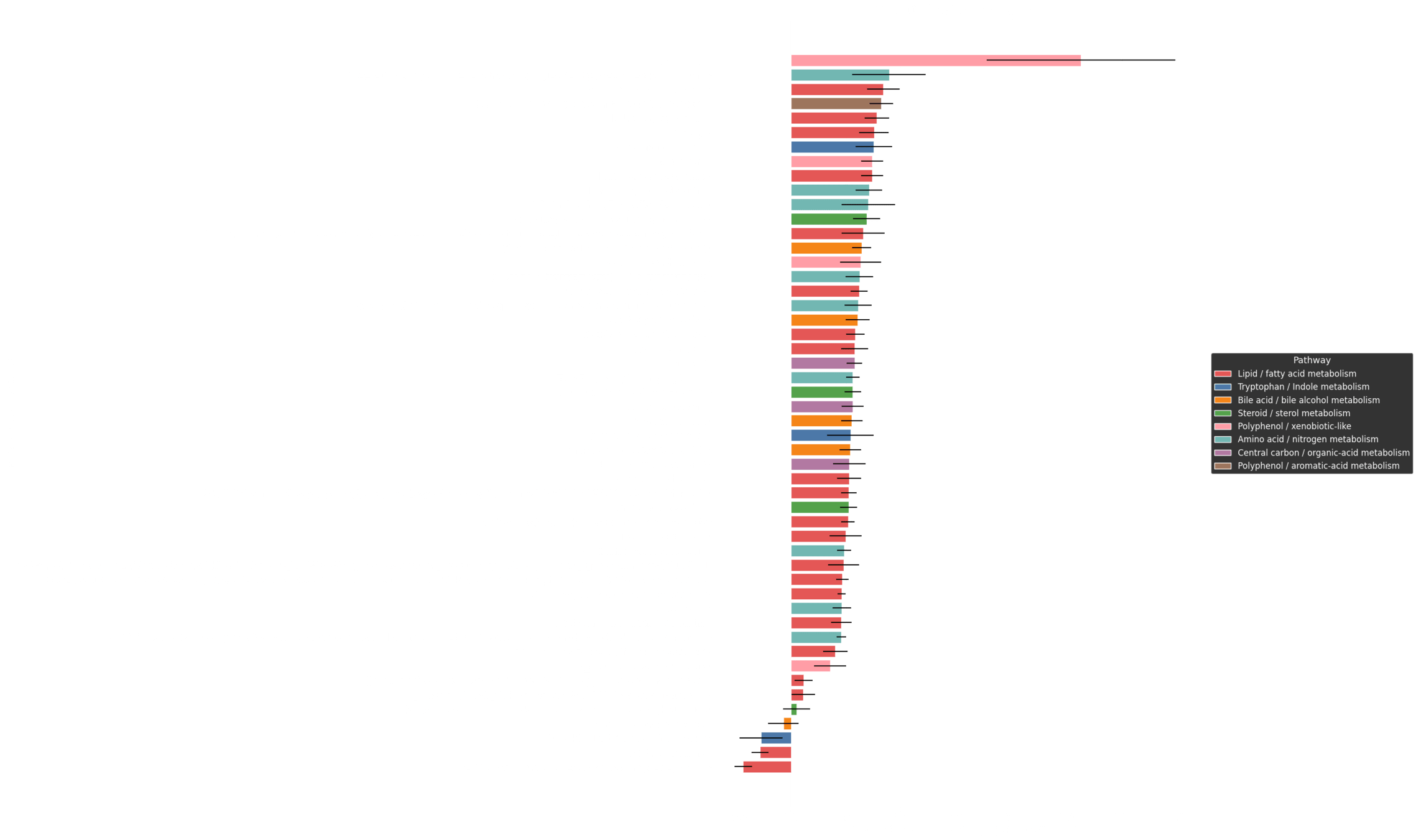
Top 30 risk drivers (targeted met.)
IBD Metabolomics: Preliminary Results
Dataset from Metabolomics Workbench
| Study ID | ST000923 |
|---|---|
| Study Title | Longitudinal Metabolomics of the Human Microbiome in Inflammatory Bowel Disease |
| Institute | Broad Institute of MIT and Harvard |
|---|---|
| Last Name | Avila-Pacheco |
| First Name | Julian |
| Submit Date | 2017-11-14 |
| Num Groups | 3 |
| Total Subjects | 546 |
| Num Males | 276 |
| Num Females | 270 |
| Analysis Type Detail | LC-MS |
State-of-art microbiome based Classification (~10 species) *
| IBD vs UC | 0.82 |
| IBD vs CD | 0.76 |
*Zheng, J., et al. (2024). Noninvasive, microbiome-based diagnosis of inflammatory bowel disease. Nature Medicine, 30(12), 3555–3567. https://doi.org/10.1038/s41591-024-03280-4
| IBD vs non IBD | 0.85 |
Gut-Metabolome based Classification (~36 metabolites) *
Application 2

Metabolomics
LSM model
- No. parameters: 70 million
- Out of sample n=150
- Uses all names and unnamed metabolites (>81K features)
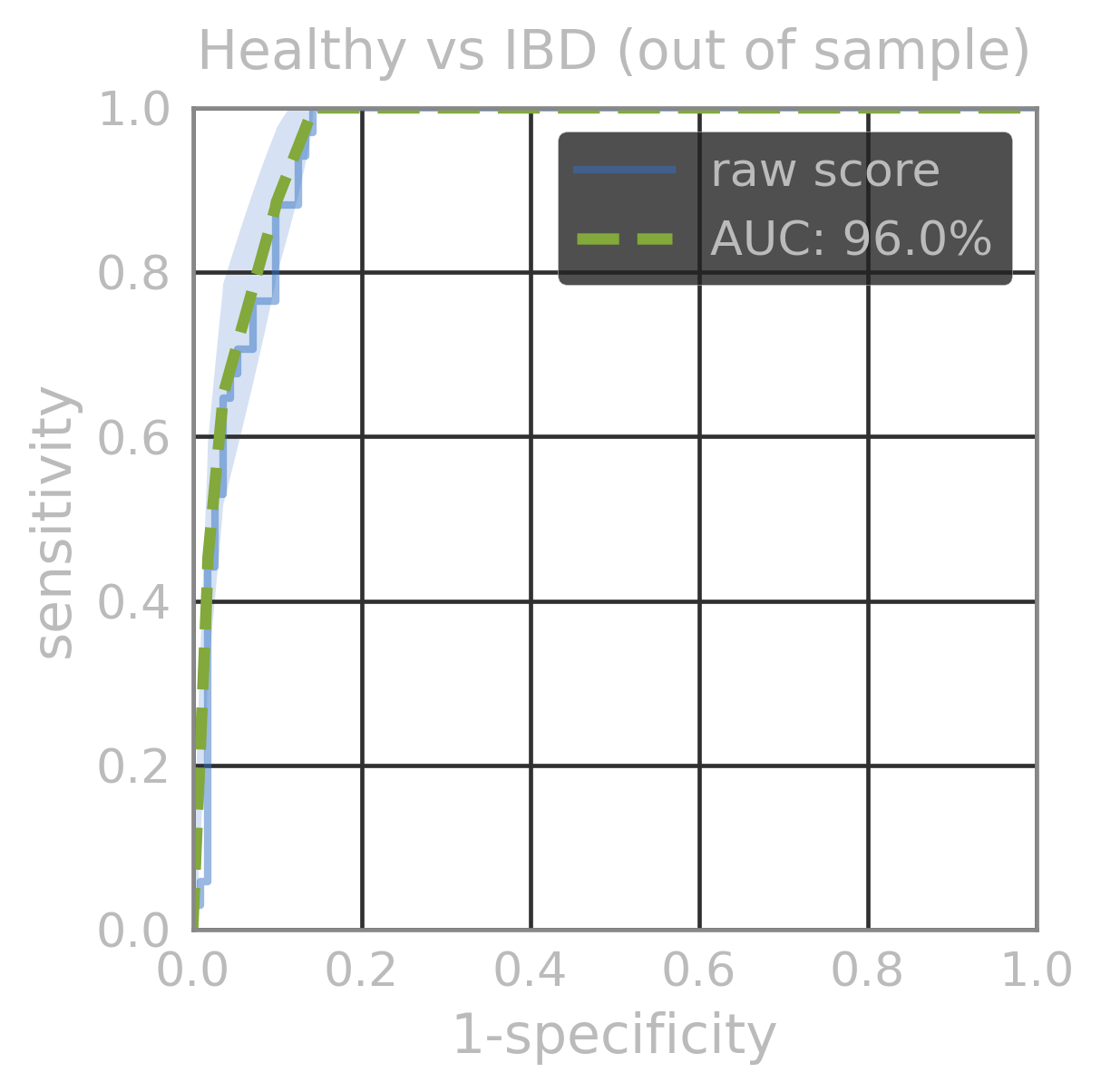
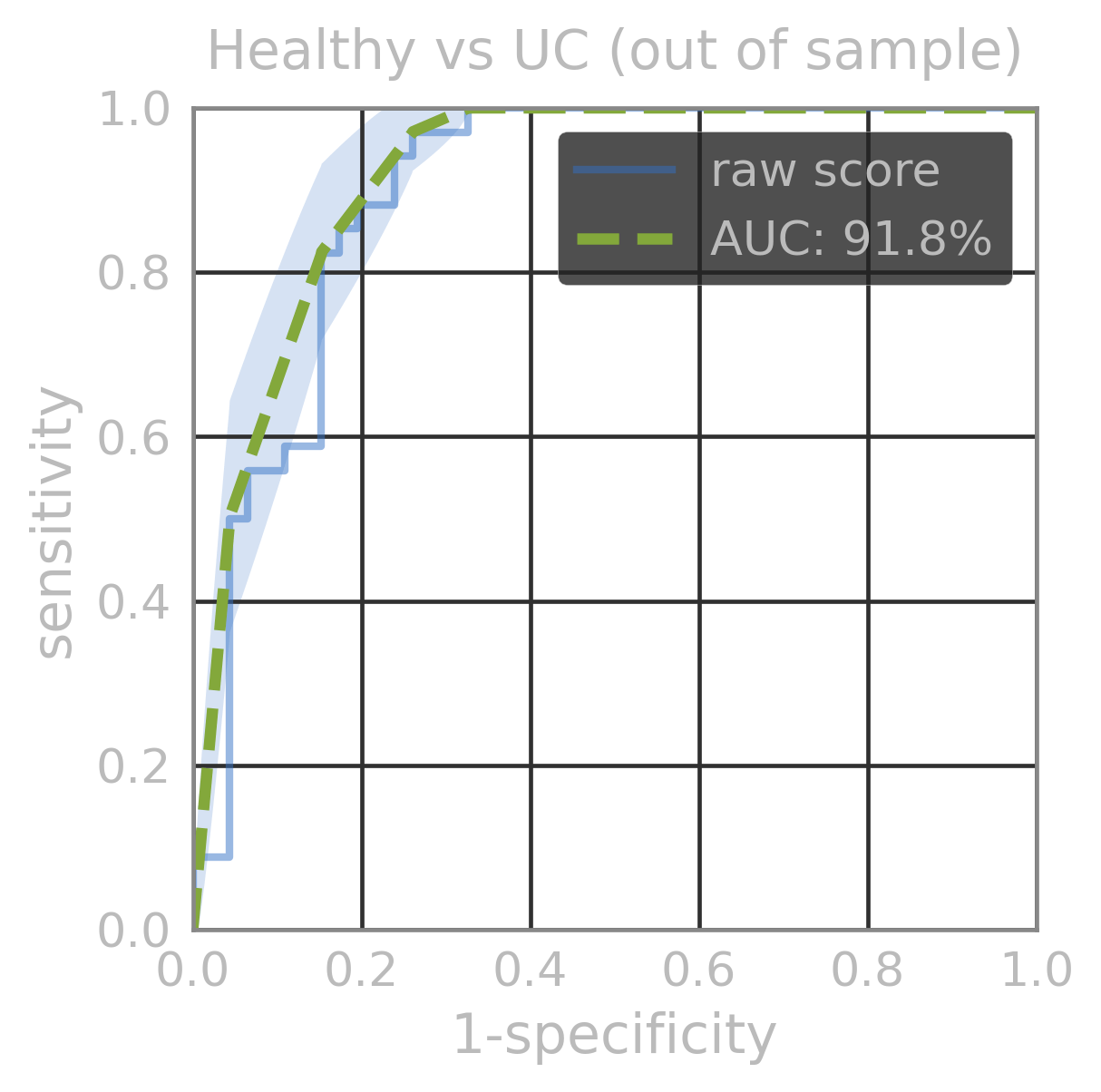
| AUC (out of sample) | |
|---|---|
| Healthy vs IBD | 96.1% |
| Healthy vs UC | 92% |
| UC vs CD | 99% |
| Healthy vs CD | 99% |
Metabolomics
LSM model
- No. parameters: 70 million
- Out of sample n=150
- Uses all names and unnamed metabolites (>81K features)
| AUC (out of sample) | |
|---|---|
| Healthy vs IBD | 96.1% |
| Healthy vs UC | 92% |
| UC vs CD | 99% |
| Healthy vs CD | 99% |
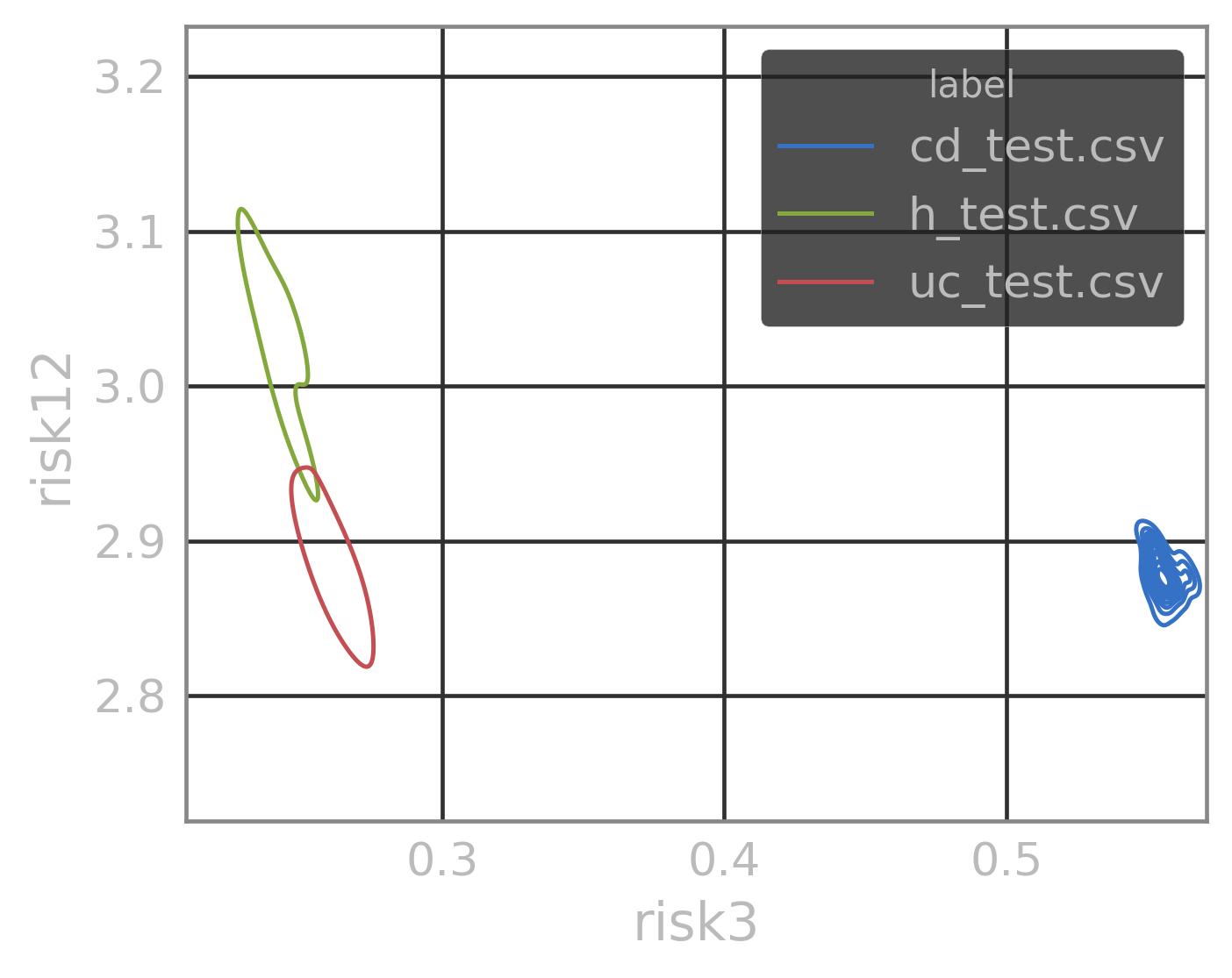
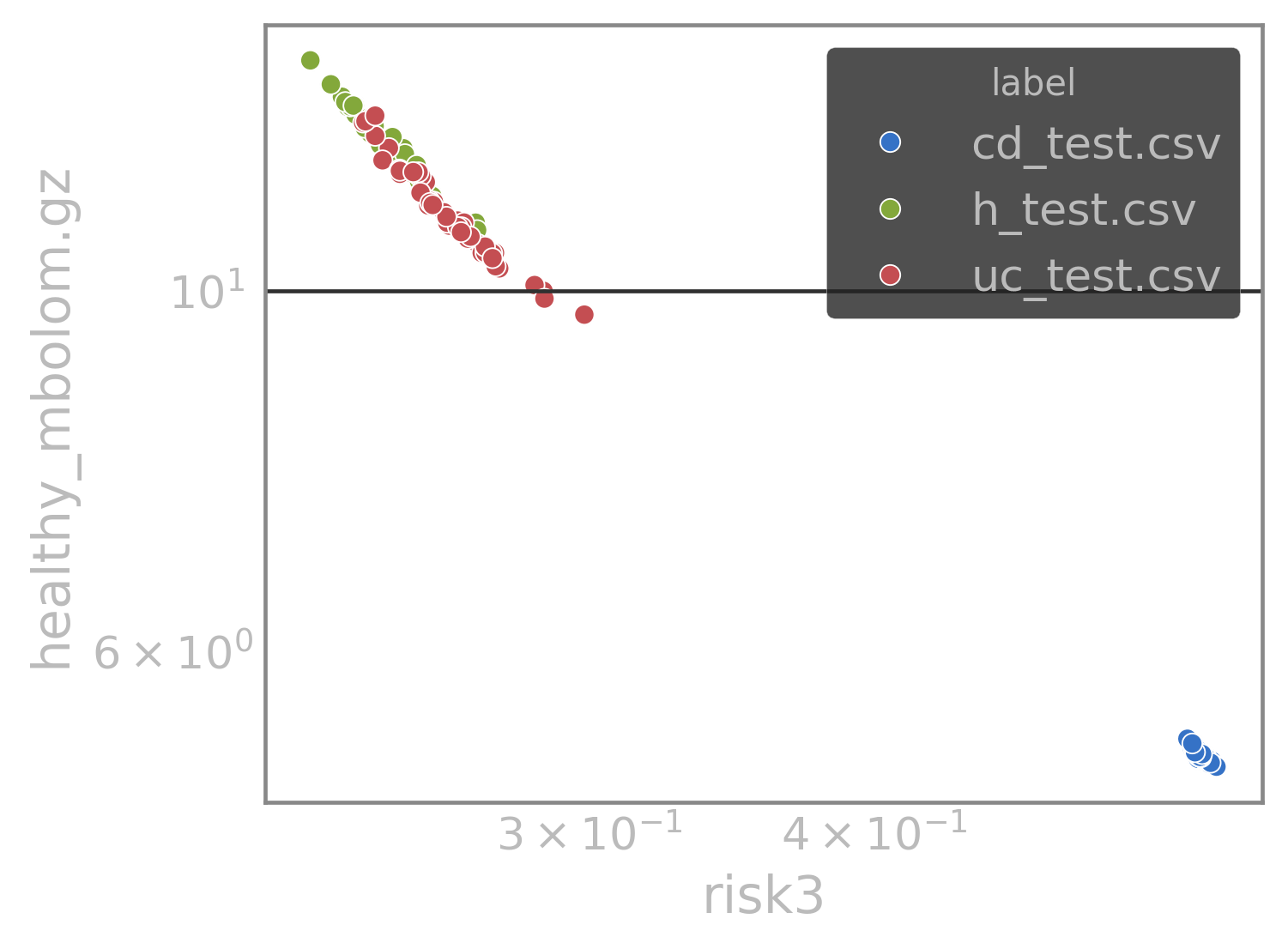
Metabolomics
Insight: the discriminating hypersurface is 2d (almost 1d)
Future
Validating antigenicity predictions
Application to Equine Influenza dynamics
Corona Viruses and other emerging pathogens
Questions
Backup Slides
Lets train a machine learning model to recognize human vs swine Influenza HA proteins
High confidence generally
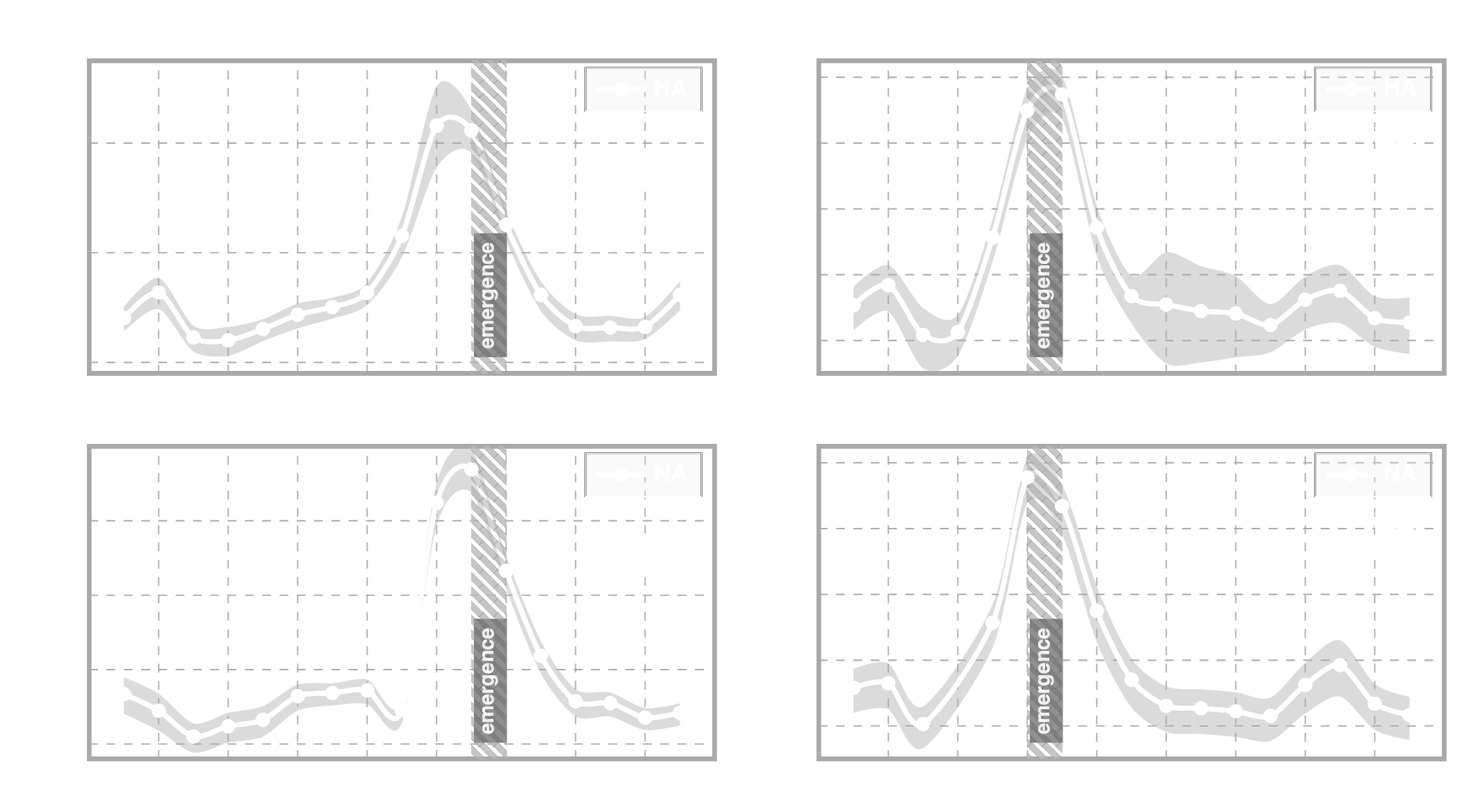
Data source: NCBI and GISAID HA sequences collected between 1999 and 2016 globally (HA protein fasta)
LSM distance \(\neq \) Edit Distance
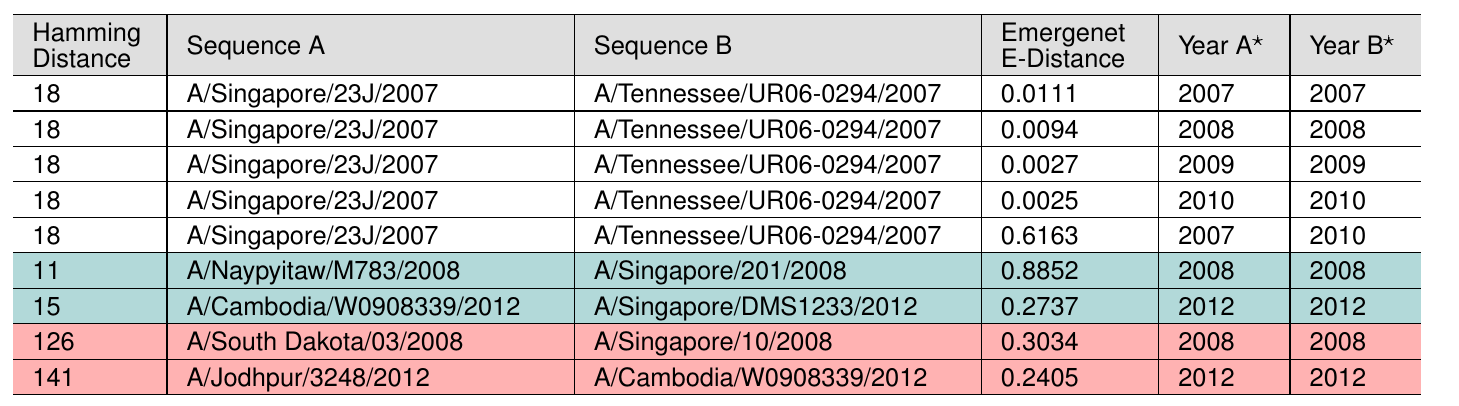
Same sequence/strain pair, but dfferent background (times of collection)
LSM distance
Small edit distance (5-8) and large LSM distance
Measure of Emergence Potential
Neuraminidase contribution
Hemagglutinin contribution
current animal circulation
Protein-specific Lsms
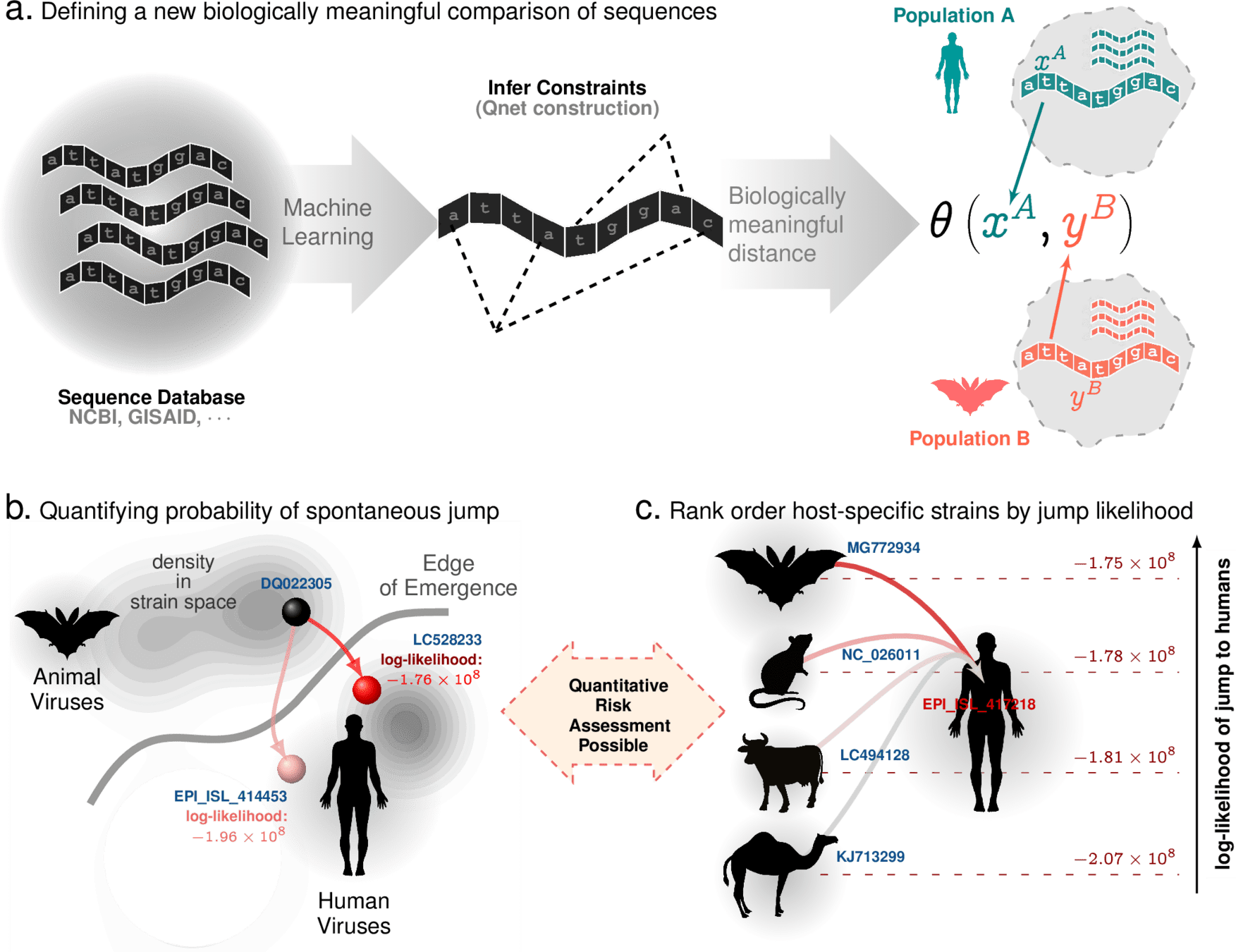
Which animal strain has the highest odds of giving rise to a strain similar to the circulating humans population?
Same subtype doesnt need to pre-exist in humans
Very few observations suffice in the animal circulation
Fewer strains increase quantifiable uncertainty
Optimization Problem
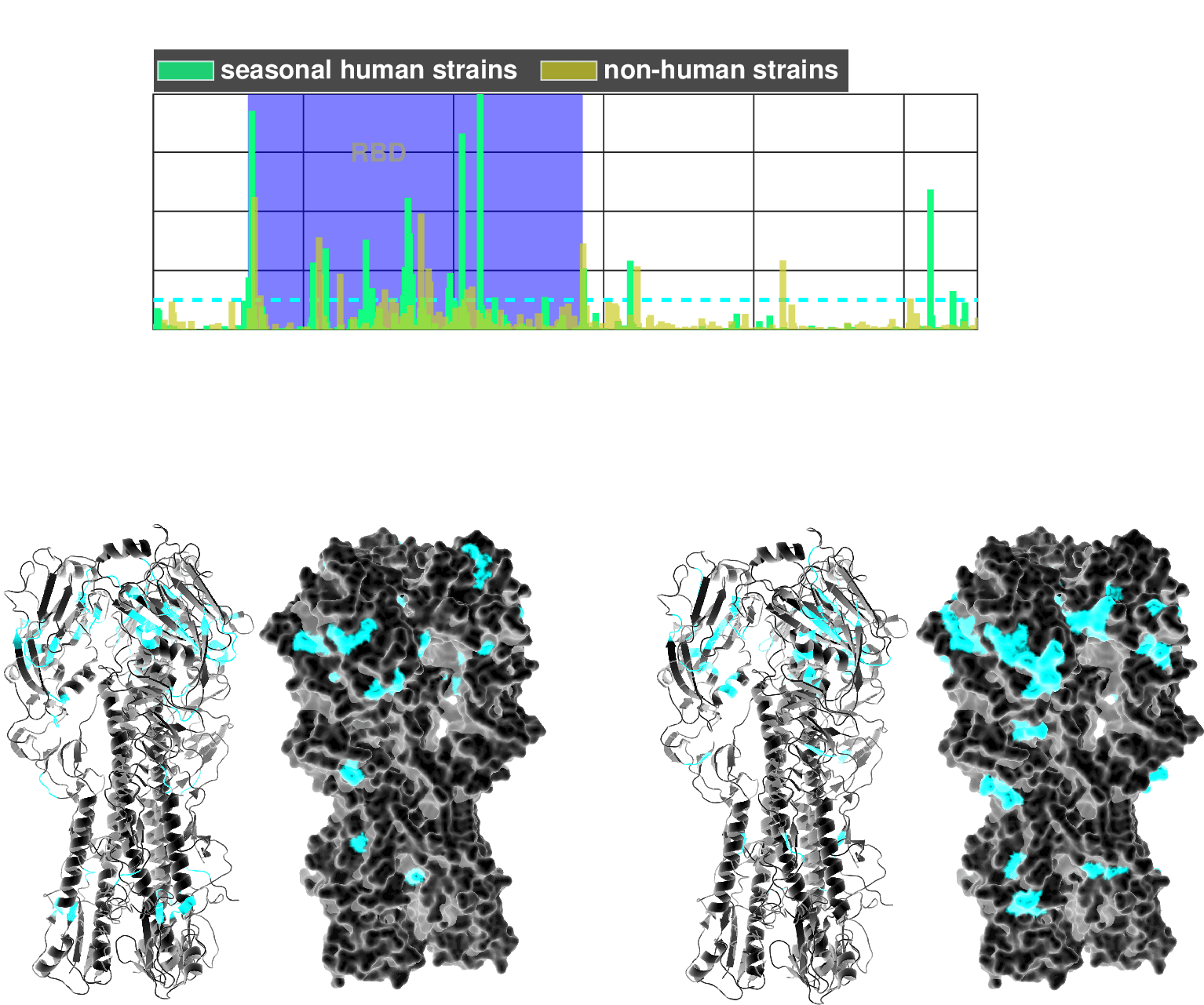
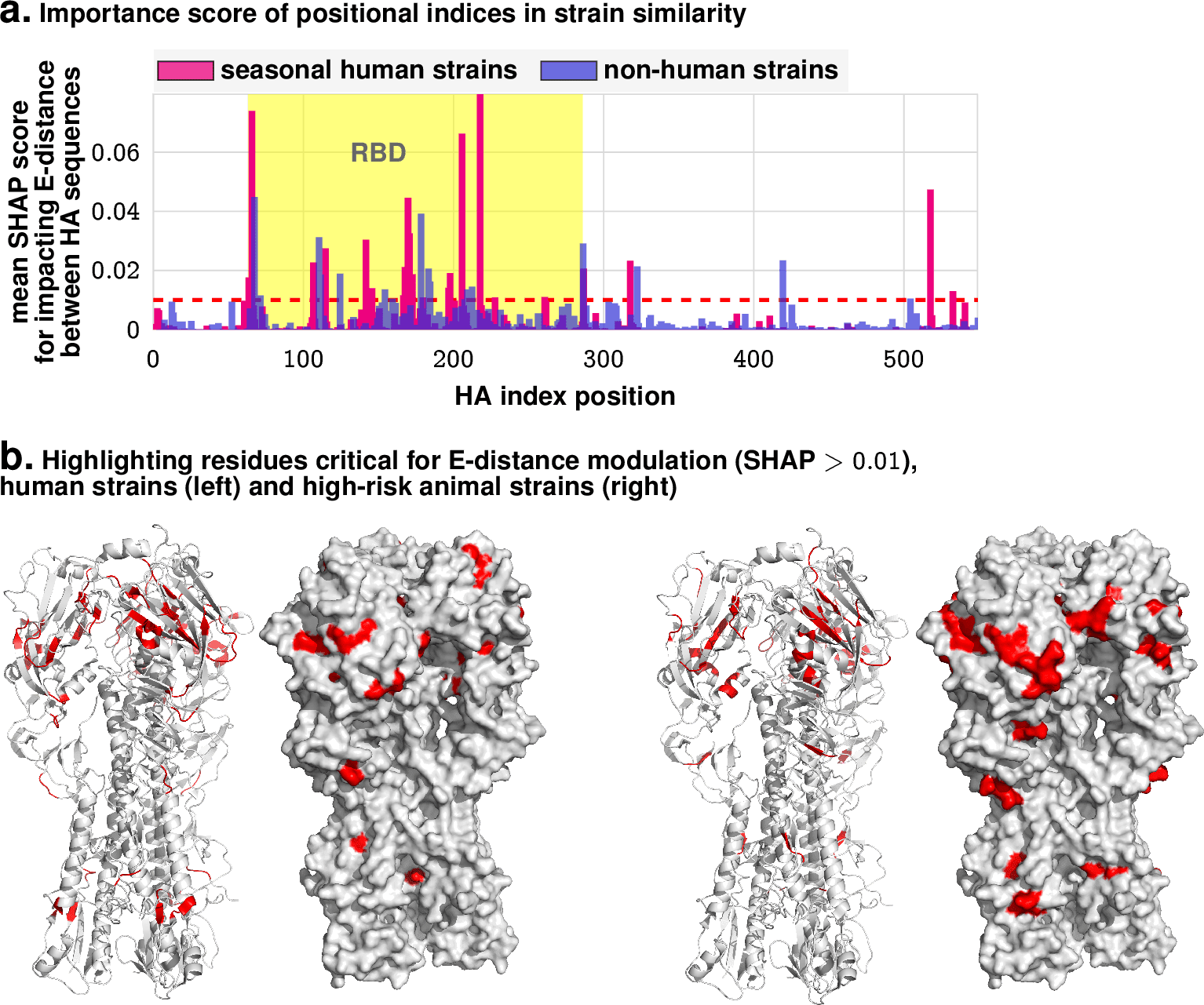
Which sites are driving prediction?
Estimate how LSM distances perturb as we perturb individual sites