Large Science Models:
Foundation Models for
Generalizable Insights Into Complex Systems
with Psycho-social Application
PI: Ishanu Chattopadhyay, PhD
Assistant Professor of Biomedical Informatics & Computer Science
University of Kentucky


DARPA-EA-25-02-05-MAGICS-PA-025
HR0011-26-3-E016

May 2026Summary of Scientific Accomplishments
For public dissemination
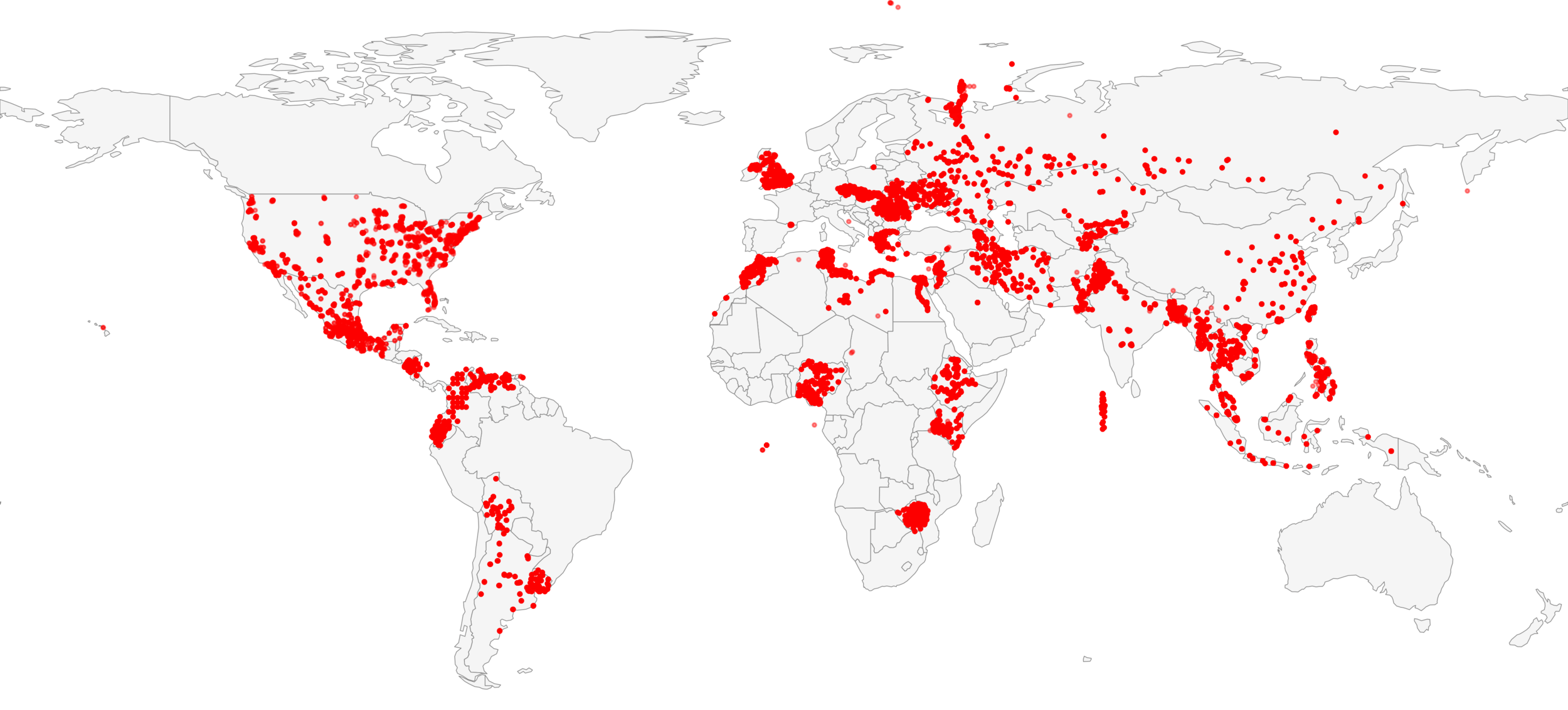
GSS
Eurobarometer
Afrobarometer
WVS

- A general modeling stack now exists for creating digital twins of opinion surveys, with detailed oos validation netrics
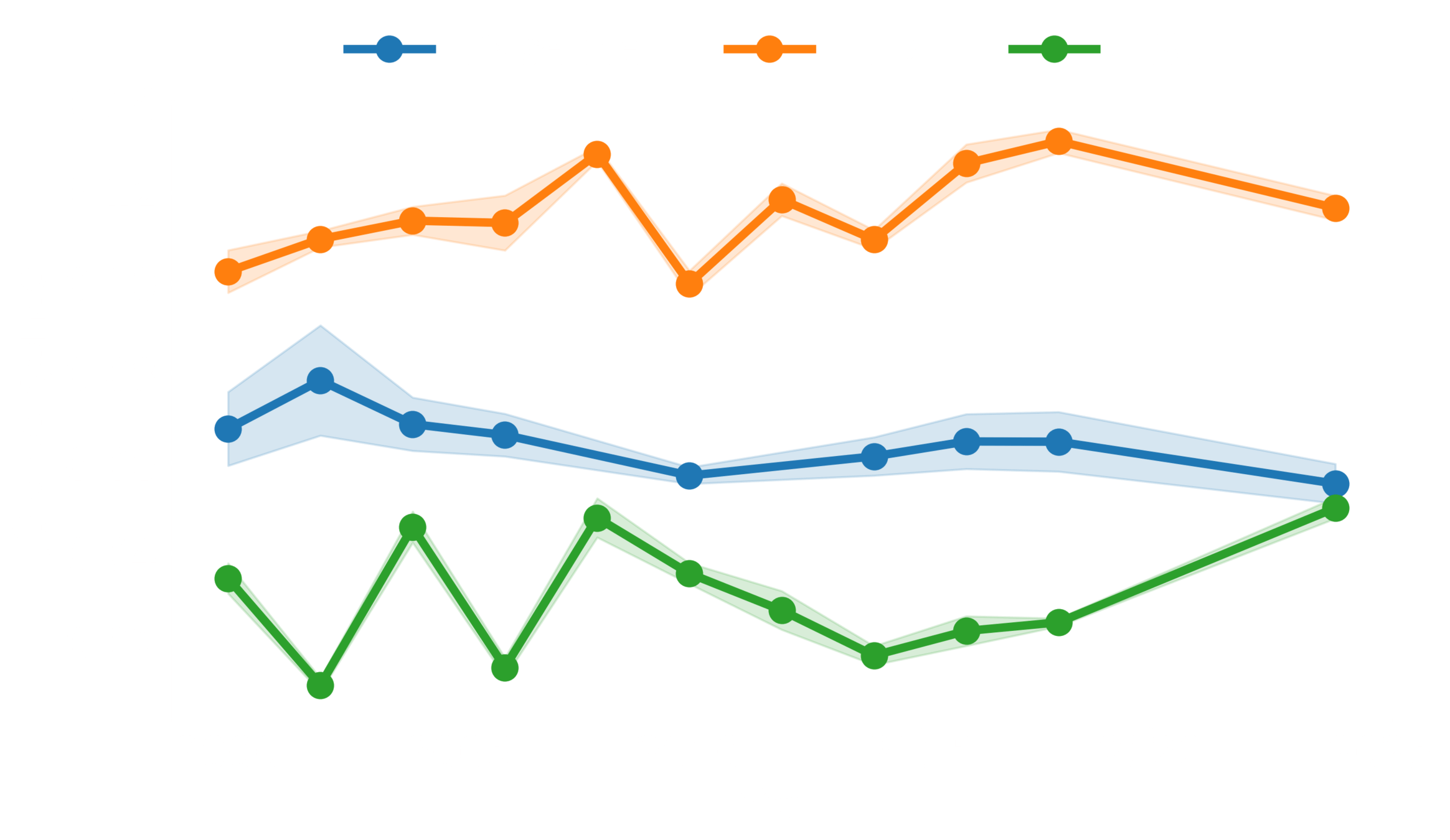
1. Large Science Models: Latent dependency non-parametric inference model working code (https://github.com/zeroknowledgediscovery/quasinet)
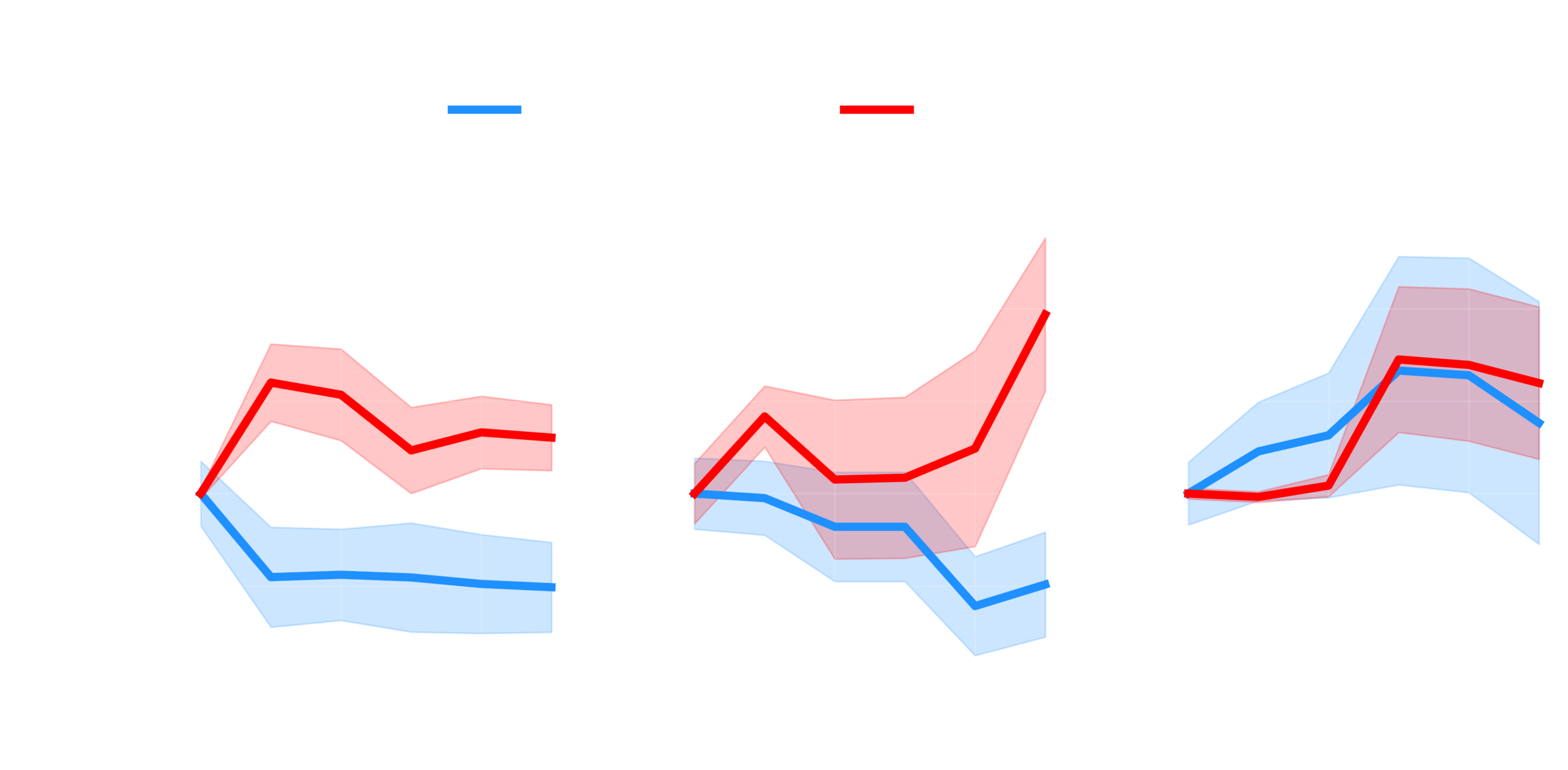
2. Extensive out-of-sample validation of response reconstruction showing substantial improvement over LLM based survey models (Fig 2)
Fig. 1
Fig. 2
LLM model: GPT 5.4
Baseline: independent generation
Fig. 3
3. Digital Twin Anchored Generation (DTAG) framework code in beta testing. Allowing a LLM semantic layer to access LSM models stratified by time, geolocation and demographics to make it possible to have human "conversations" with persona without hallucinations.
3. With DTAG, Targeted question sequences being investigated to drive opinion changes (Fig.3)
4. D. Yang, J. Evans and I. Chattopadhyay, “The Fabric of Opinion: How Interdependent Attitudes Constrain Worldviews, Predict Behavior, and Evolve Over Time", Nature Human Behavior, Under Review

Planned Abstract Submission:
Accepted Paper:
K. Wu, F. Li and I. Chattopadhyay, "Emergenet: A Digital Twin of Influenza A Evolution for Vaccine Strain Forecasting and Emergence Risk Assessment", Military Medicine, In Press




DTAG: Global Digital Twin of Opinions
Recall Bail etal.
“Exposure to opposing views on social media can increase political polarization” by Christopher A. Bail et al., published in PNAS in September 2018 (Vol. 115, No. 37, pp. 9216–9221; DOI: 10.1073/pnas.1804840115)
We find more general possibilities: We can make world-views go more extreme or less extreme based on the line of questions and the persona
Perturbing with opposing views made conservatives more conservative (statistically significant), liberals more liberal (not statistically significant)
LSM
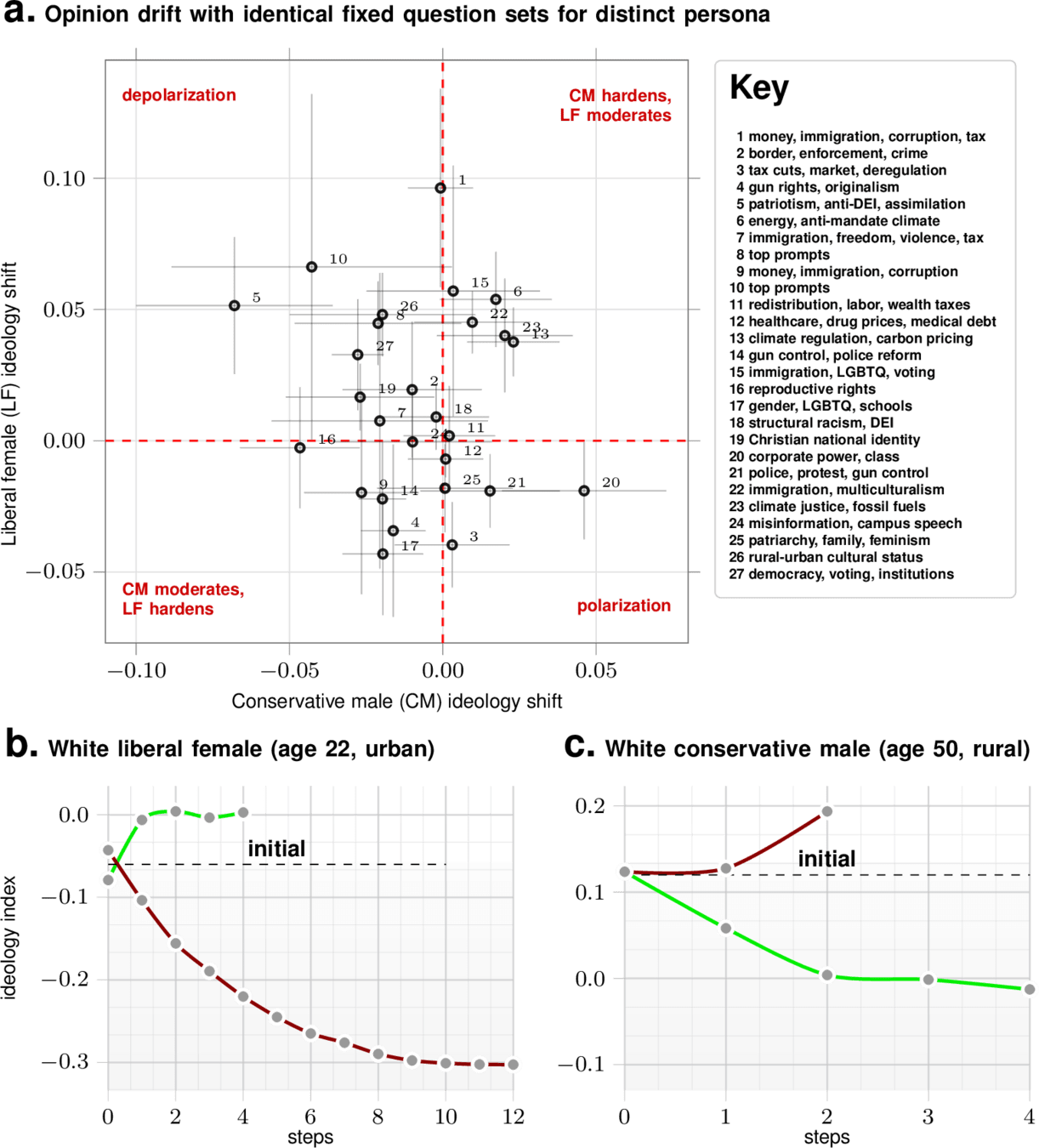
- Fixed Question Sets Exist That Move Different Persona Towards Polarization/Depolarization
- We can optimize question sequences to move the same persona in a chosen direction
- Note: It is relatively easy to polarize than to depolarize
Prospective validation in Human Cohorts
- Beyond MAGICS Scope
- Prolific Experiments using non-DARPA External Funding with UKy IRB approval
x
demographic filter
persona filter
P2
P1
fixed question sets
attention questions
Milestones
| 1 | Kickoff Meeting: A briefing on the technical plan for the effort to include milestone schedule and path to accomplish the objectives of the agreement. | Government acceptance / Kickoff meeting briefing slides | Month 1 after award start |
| 2 | Validation plan: Detailed validation plan, including description,acquisition plan, and justification for the ground truth data, and description of the metricsand benchmarks to be used to measure performance. | Government acceptance / Technical report as described. | Month 1 |
| 3 |
Milestone Title: Dataset Acquisition and LSM Inference Technical goal: a) Dataset acquisition (10 social survey datasets acquired: GSS, ANES, CES, Eurobarometer etc) b) Infer LSM models for each dataset using 50% random samples, multiple LSMs trained with different random splits for each dataset. |
Government acceptance / Technical report detailing figure/code/data/etc. and all underlying materials generated in support of milestone, regardless of success | Month 2 |
| 4 |
Milestone Title: Masked sample reconstruction Technical goal: LSM predictive accuracy validation via censored sample reconstruction validation on out of sample data from each dataset, Demonstrate statistically significant reduction of LSM distance post reconstruction relative to post-masking. Target: Reconstruction metric error at least 50% improvement over 1) random imputation 2) median imputation |
Government acceptance / Technical report detailing figure/code/data/etc. and all underlying materials generated in support of milestone, regardless of success | Month 4 |
| 5 |
Milestone Title: Model drift sensing validation Technical goal: Demonstrate that LSM framework can reliably sense when underlying model drifts. Assess if the model drift statistic is stationary from samples drawn from the same survey wave of our datasets, and reliably indicates non-stationary drift for samples from different survey waves. Target: Model drift statistic must have statistical significance at 5% level for survey waves 5 years apart for at least GSS, CES and Eurobarometer Deliverable are detailed documentation on all 10 datasets |
Government acceptance / Technical report detailing figure/code/data/etc. and all underlying materials generated in support of milestone, regardless of success | Month 6 |
| 6 |
Milestone Title: Data sufficiency assessment capability Technical goal: Use the conservation of complexity principle to show that LSM framework can sense data deficiency and sufficiency. |
Government acceptance / Technical report detailing figure/code/data/etc. and all underlying materials generated in support of milestone, regardless of success.Analysis results on all 10 datasets | Month 8 |
| 7 |
Milestone Title: Social Theory and Competing Hypotheses Adjudication Technical goal: a) Social Theory Hypothesis Assessment: Polarization is an inevitable attractor b) Investigate the competing hypotheses that socio-economic identity vs belief proximity and latent opinion space geometry is more predictive of specific opinion / belief outcomes |
Government acceptance / Technical report detailing figure/code/data/etc. and all underlying materials generated in support of milestone, regardless of success | Month 10 |
| 8 |
Final milestone meeting and report (one month prior to award end date): The final briefing and final report should summarize all work completed on the project, highlighting accomplishments, lessons learned, unexpected outcomes, and challenges requiring further Research. Technical artifact delivery (Software release, evaluation results, source code, models, etc.) |
Government acceptance / Technical report as described.For software: Github repository with deployable code complete with example notebooks | Month 11 |
|
Milestone Title / Detailed Description |
|
Exit Criteria /Deliverable |
|
|
Milestone # |
\(\checkmark\)
\(\checkmark\)