CBIOMES 2026 Annual Meeting Update
Jesse McNichol, St. Francis Xavier University (StFX)
Implications of Prokaryotic Microdiversity for Ecosystem Functional Resilience - an Empirical Approach
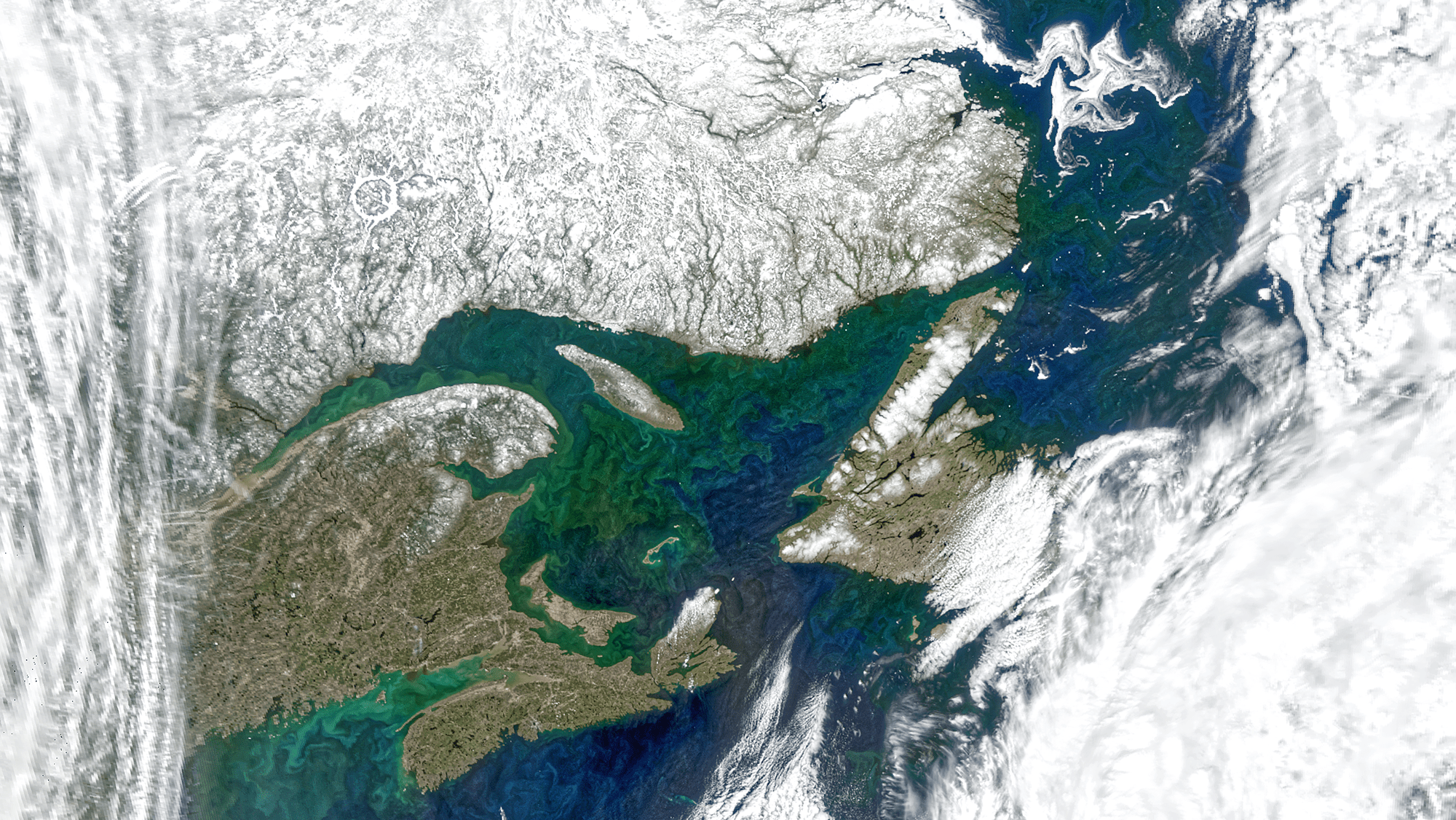
NASA PACE
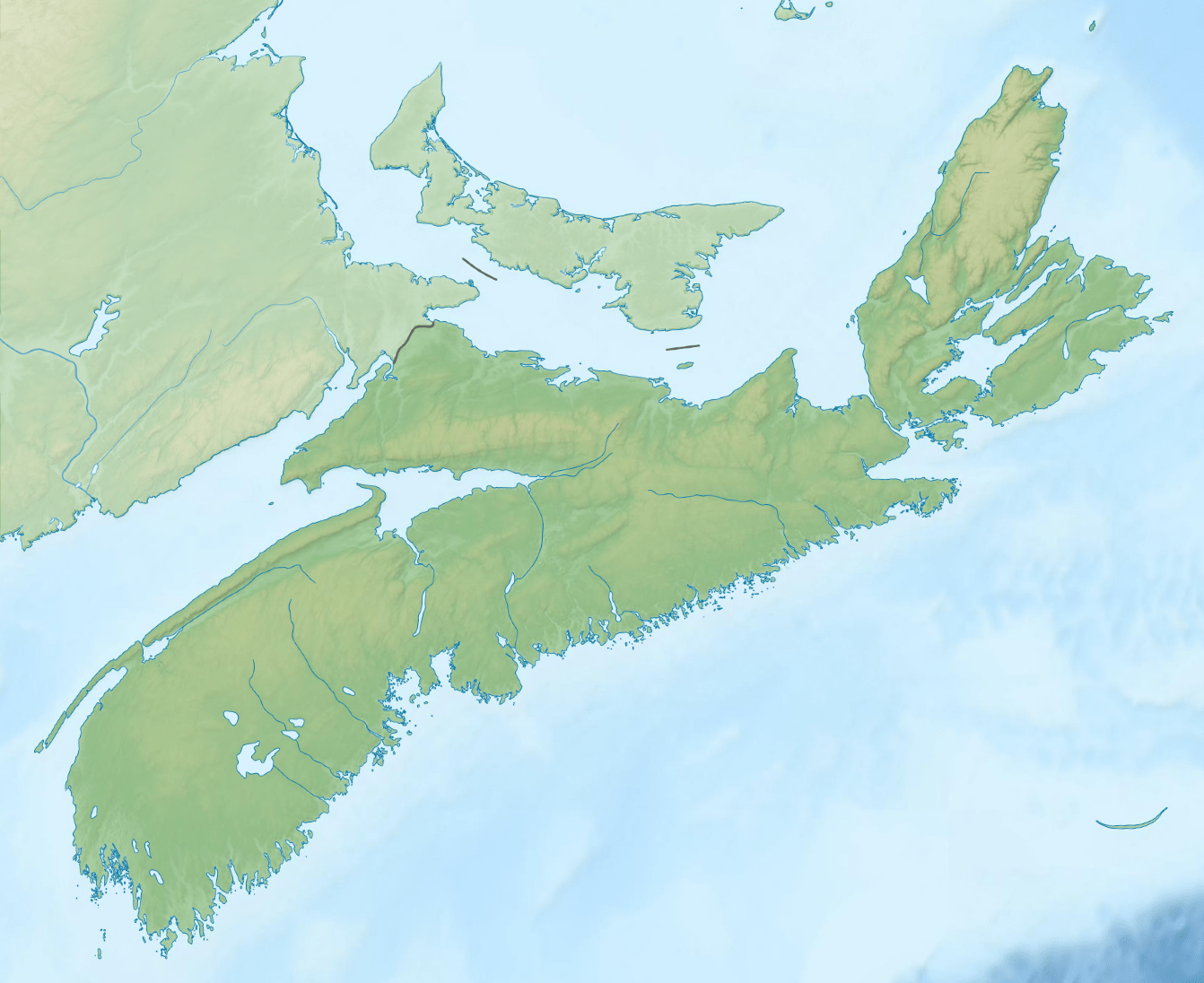
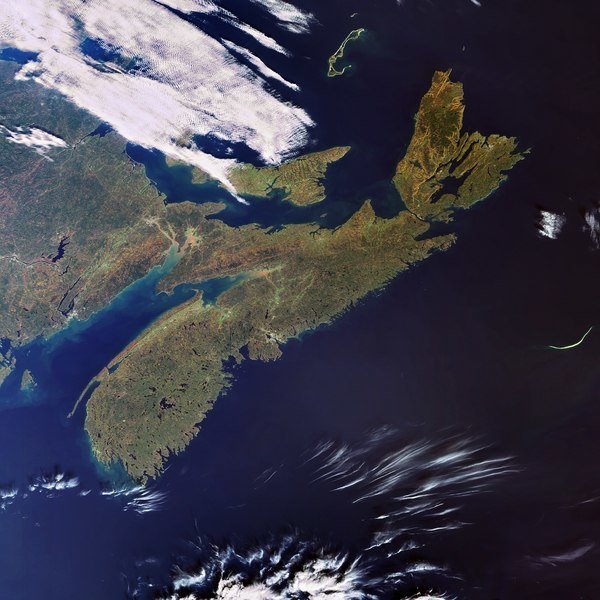
A "model ecosystem" in Cape Breton
A "model ecosystem" in Cape Breton
A "model ecosystem" in Cape Breton
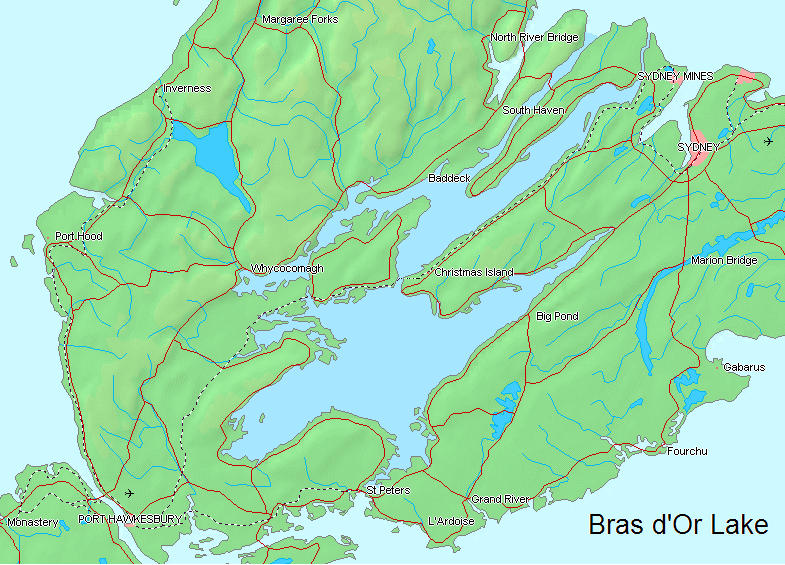
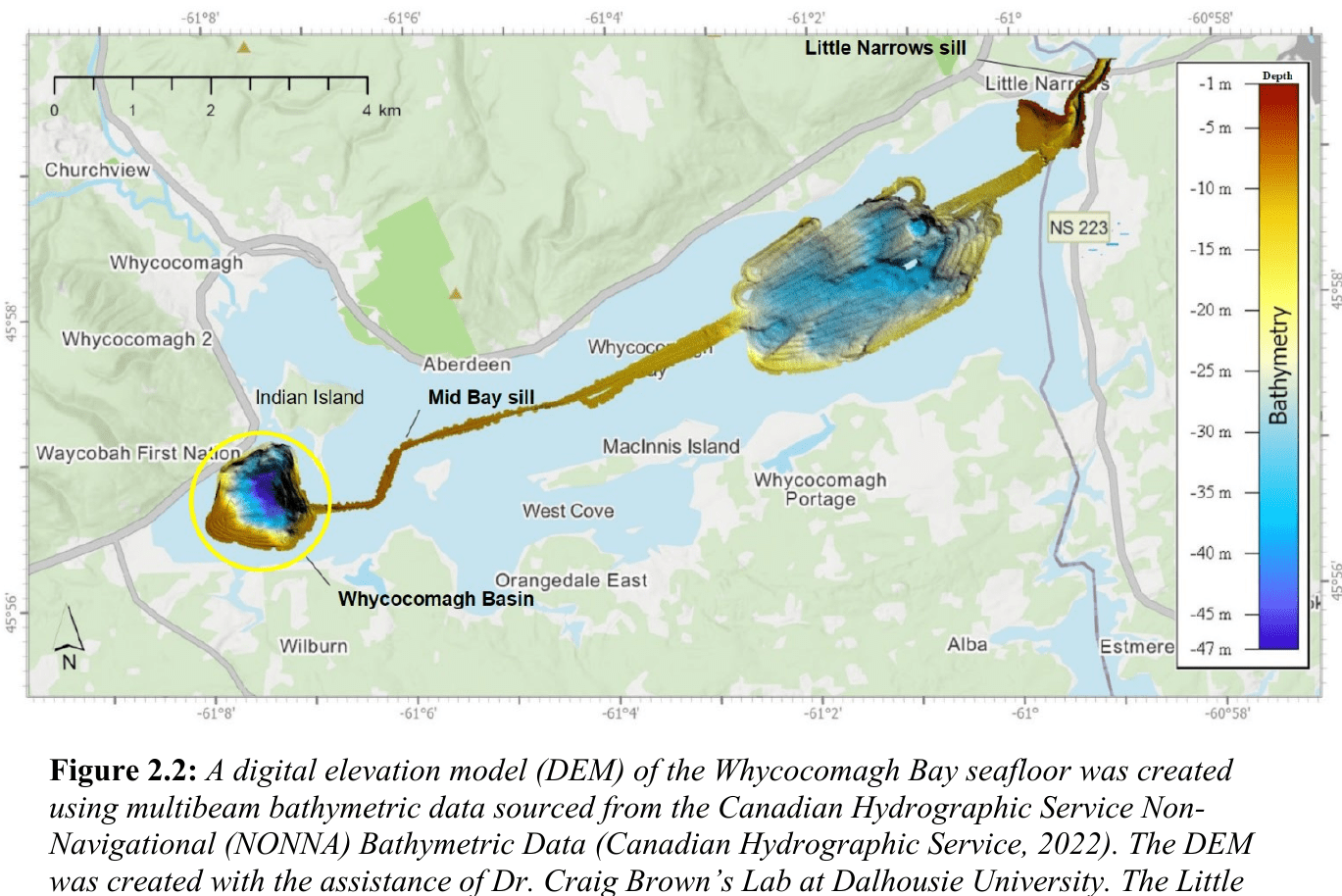
Source: Stormy Vandenplas, MSc. Thesis
A "model ecosystem" in Cape Breton
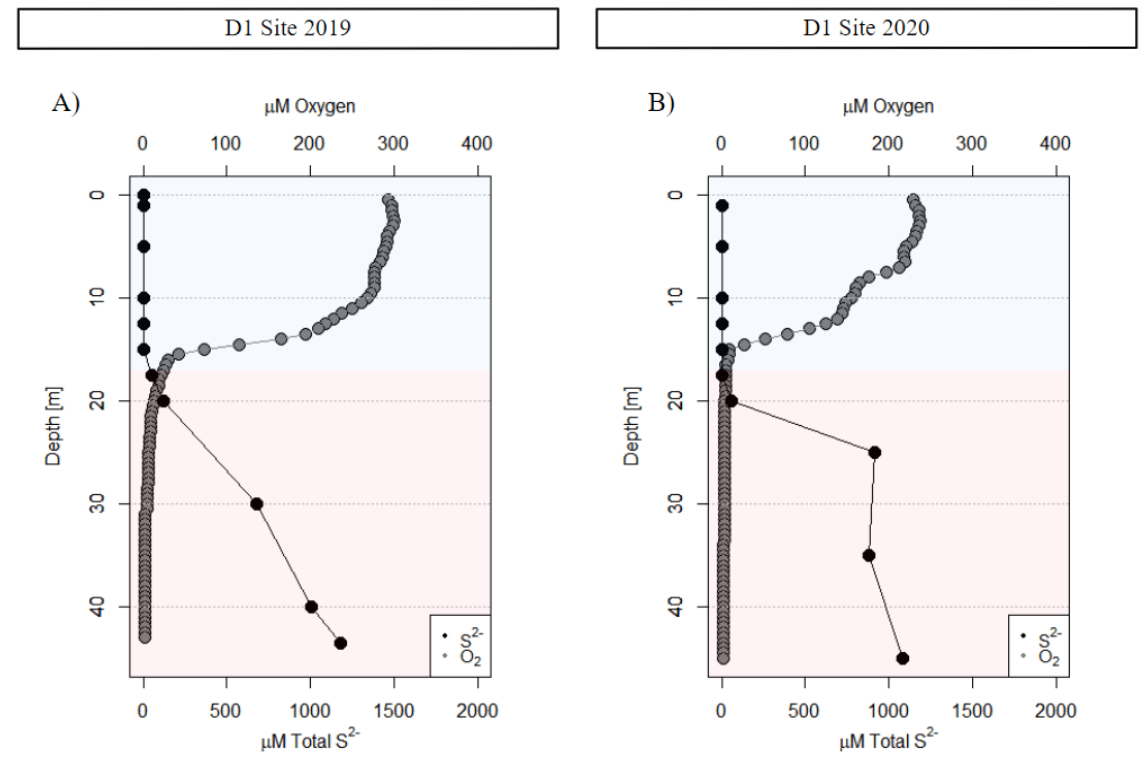
Source: Stormy Vandenplas, MSc. Thesis
A "model ecosystem" in Cape Breton
A "model ecosystem" in Cape Breton
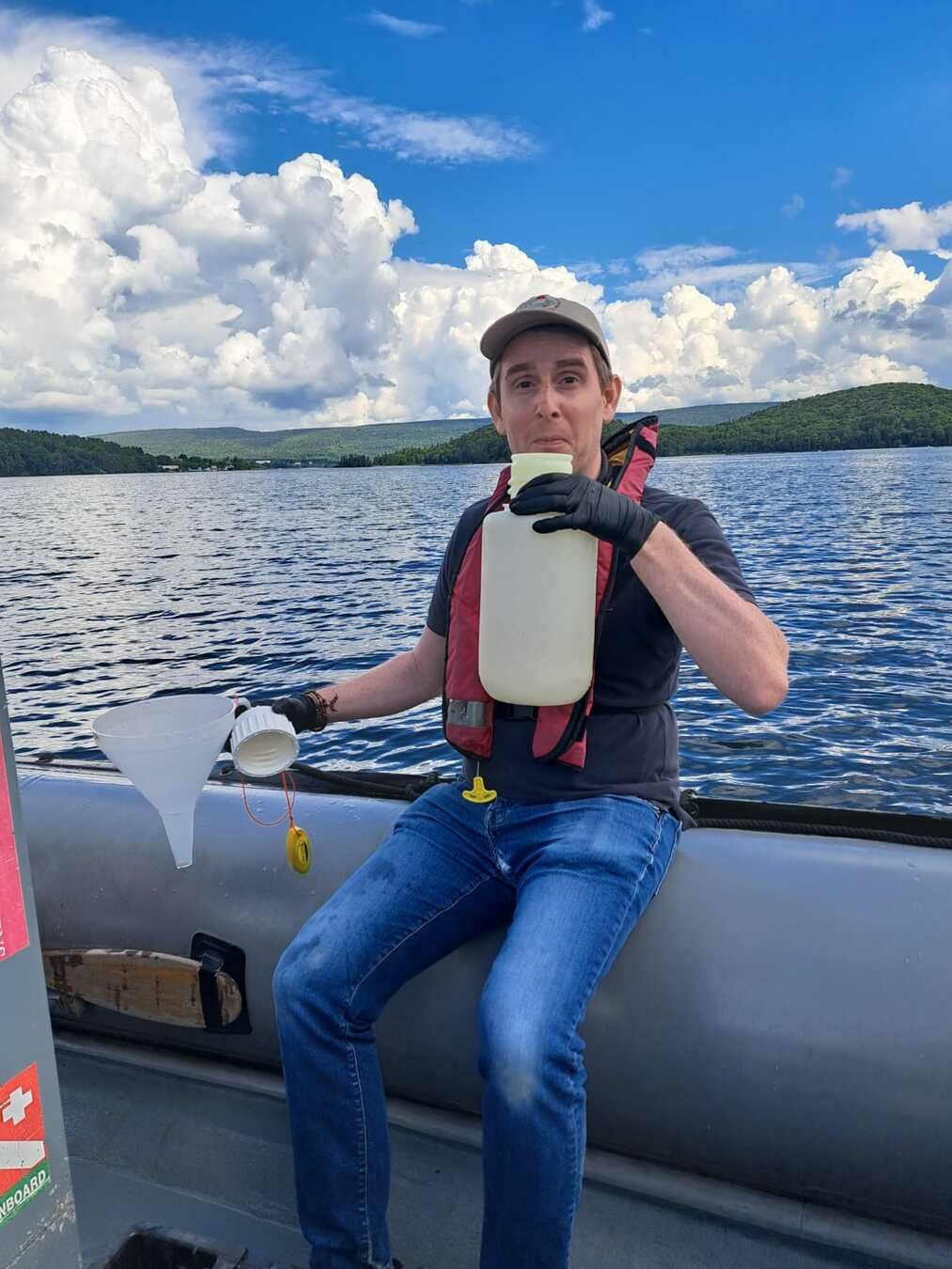
Me aboard Dr. Bruce Hatcher's research vessel Exocet in 2024
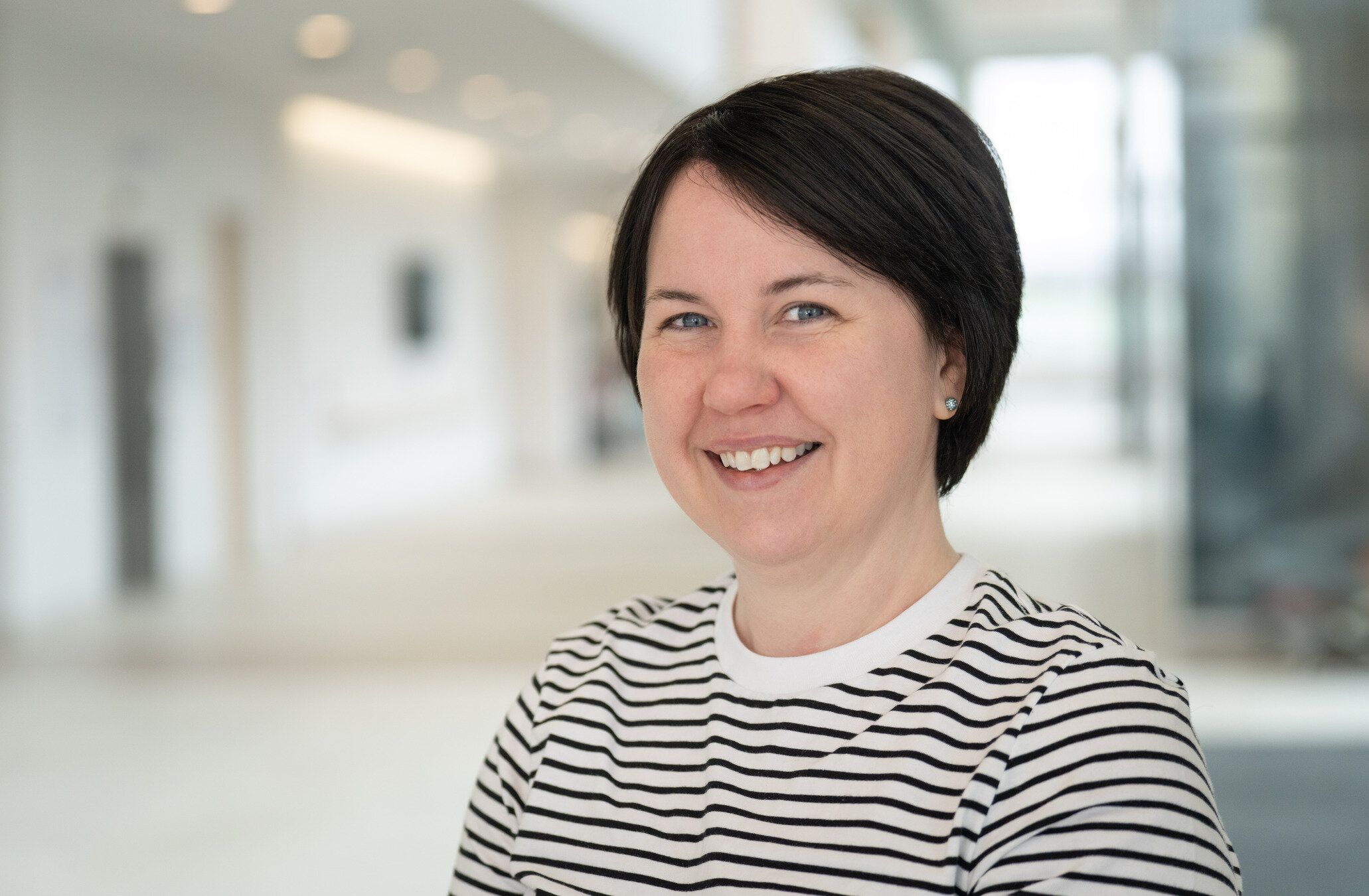
Dr. Katherine Rutherford (StFX)
Dr. Bruce Hatcher (CBU)
Does high genetic "microdiversity" observed in natural microbial ecosystems confer functional resilience of H2S detoxification during deep water mixing, or will rapid changes in environmental conditions slow or stop this critical ecosystem service?"
A simple question
A simple question ... but how to answer it?
"Biobank" (collected approximately monthly in Whycocomagh)
Whycocomagh Bay
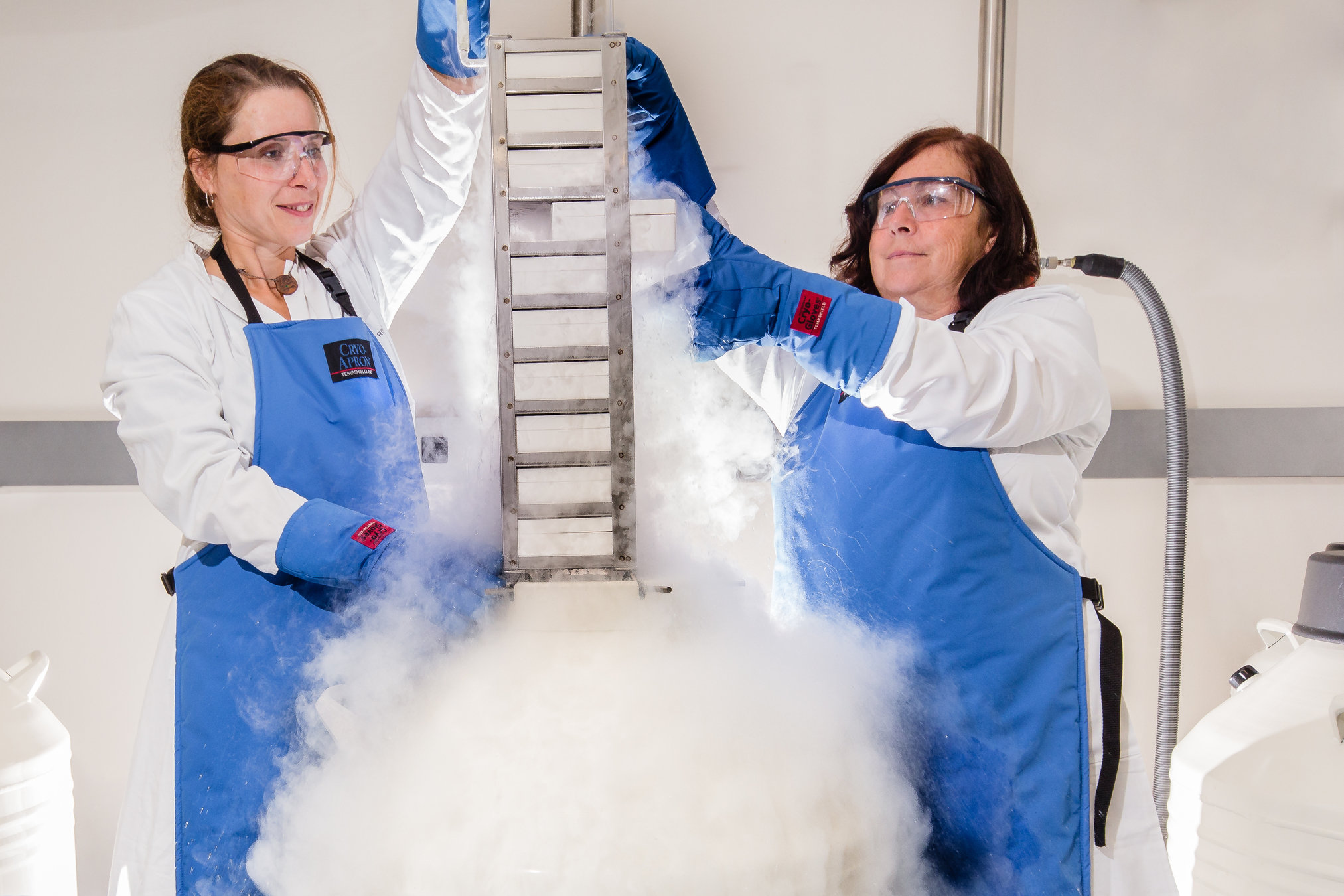


Viable cells
DNA
T/S/Chl./Nut.
Fixed cells
Barcoding

Core environmental data
Projects inspired by environmental data
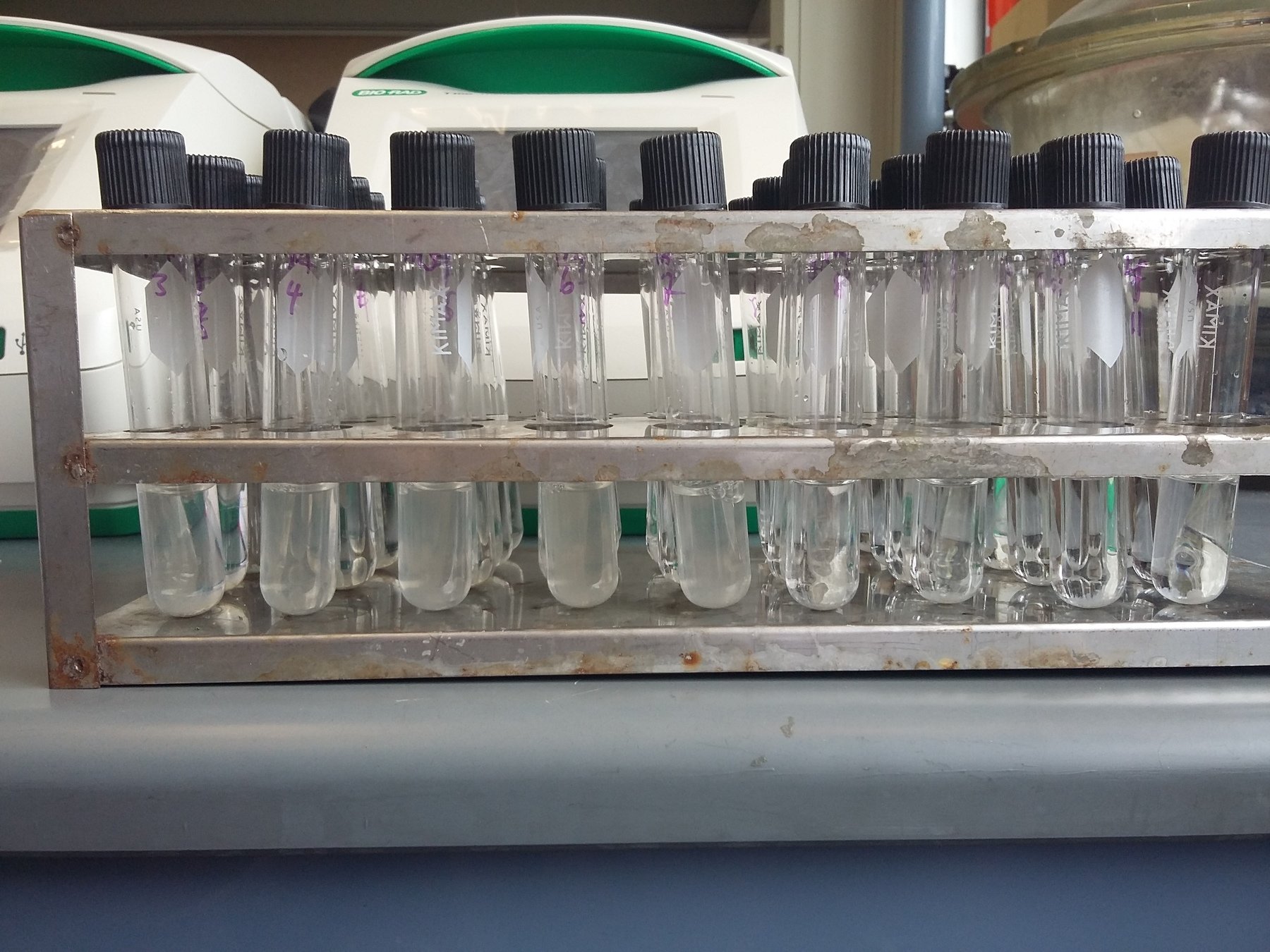
Cultivation
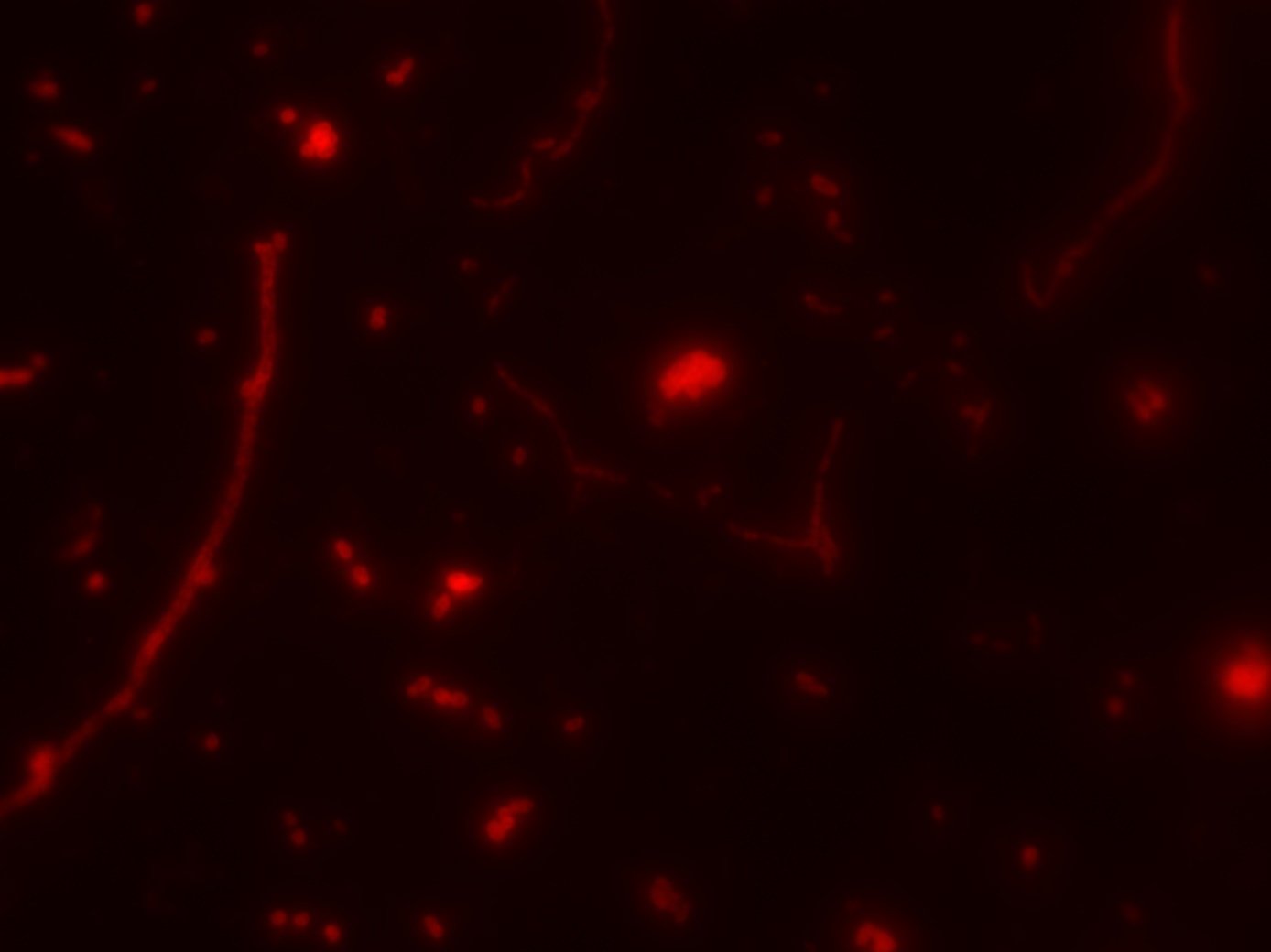
HCR-FISH
'omics
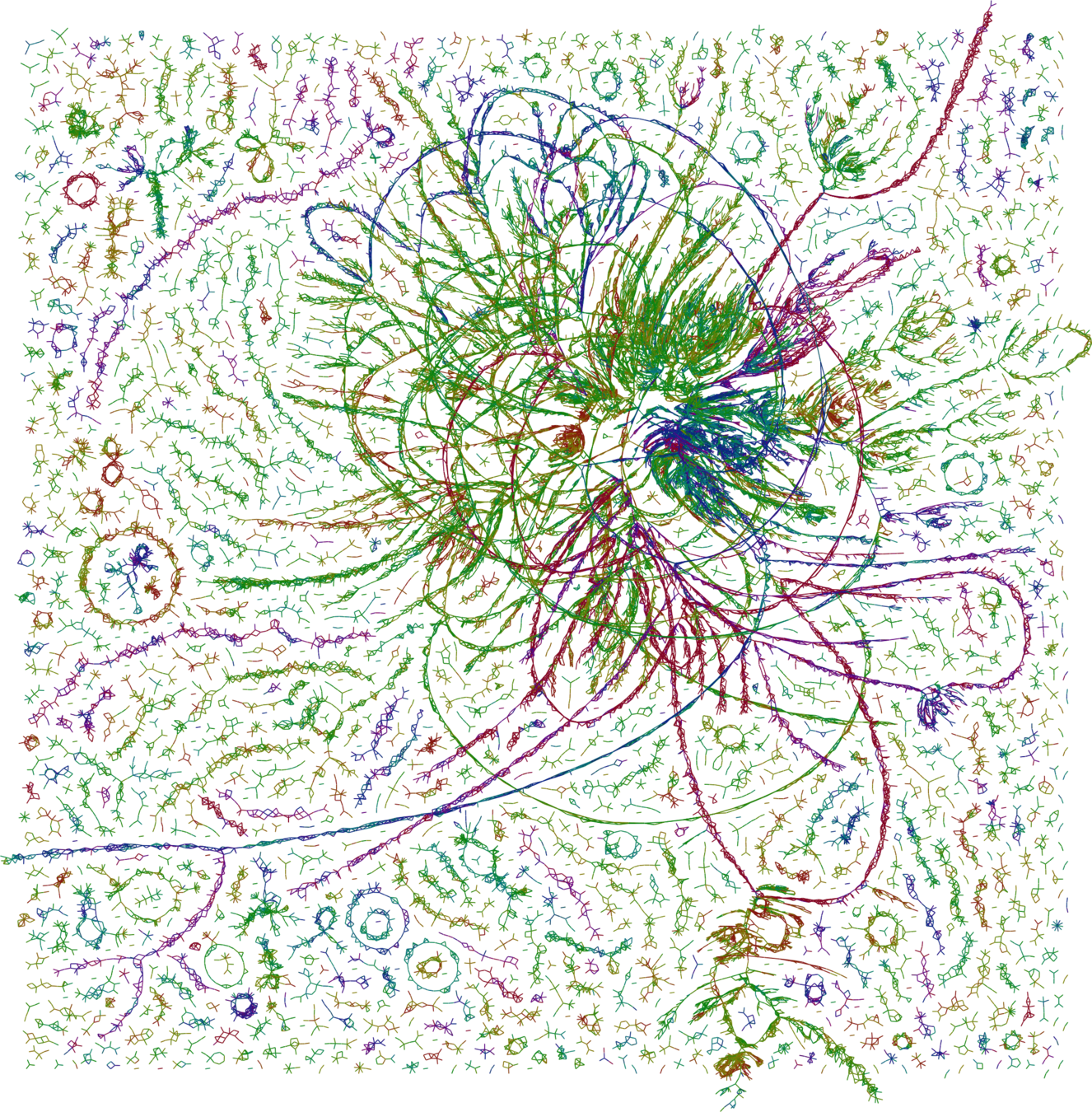
Establishing the Whycocomagh Euxinia Time-Series (WET)
"Biobank" (collected approximately monthly in Whycocomagh)
Whycocomagh Bay
DNA
Projects inspired by environmental data
'omics
- María Alas Romero, BSc Honours project: "The Resilience of Arcobacter in Sulfidic Environments [as determined by metagenomics]"
Establishing the Whycocomagh Euxinia Time-Series (WET)
"Biobank" (collected approximately monthly in Whycocomagh)
Whycocomagh Bay
Viable cells
DNA
Projects inspired by environmental data
Cultivation
'omics
Joanna Martinsen, BSc Honours project: "Isolation and Characterization of Sulfur-Detoxifying Prokaryotes in a Coastal Euxinic Basin"
Establishing the Whycocomagh Euxinia Time-Series (WET)
"Biobank" (collected approximately monthly in Whycocomagh)
Whycocomagh Bay
DNA
Fixed cells
Projects inspired by environmental data
HCR-FISH
Leslie Tran, undergrad research assistant: will be working on HCR-FISH analyses
Establishing the Whycocomagh Euxinia Time-Series (WET)
Establishing the Whycocomagh Euxinia Time-Series (WET)


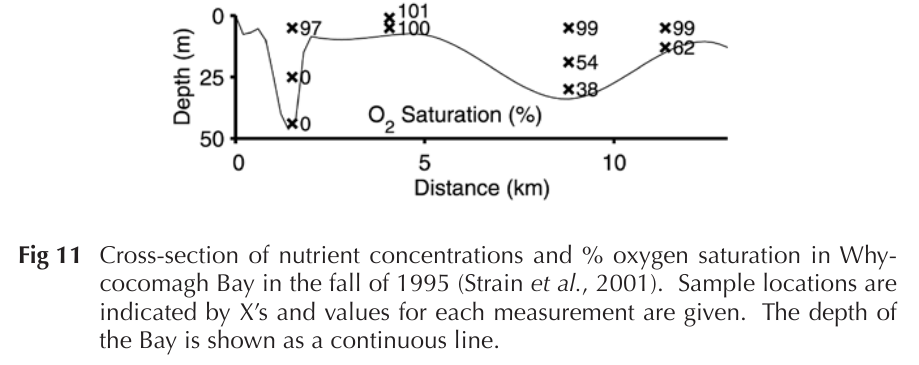
Sampling depth
Extreme euxinia has disappeared, but plenty of evidence for active sulfur cycling
pre / post turnover
Establishing the Whycocomagh Euxinia Time-Series (WET)

Sampling depth
Extreme euxinia has disappeared, but plenty of evidence for active sulfur cycling (and water column sulfate reduction)
pre / post turnover

Establishing the Whycocomagh Euxinia Time-Series (WET)
Sampling depths
a.k.a. "SUP05"
Extreme euxinia has disappeared, but plenty of evidence for active "cryptic" sulfur cycling
pre / post turnover

Julia Kadel, Unsplash
What is the right level for understanding ecosystem function?
Does "microdiversity" buffer changes at WET?
How we plan to do the work
[H2S]
[O2]
depth
EUX ~3°C
RXL ~10°C
SRF ~22°C
Field sampling
DNA
-3DMB
-MAGs
-FL-16S
Lab processing
OOI
(function,
microdiversity)
OOI-specific measurements:
-Growth rate
-Respiration
-Resilience
Field incubations
FISH probes
(broad group level,
microdiverse subcluster level)
Katherine Rutherford (StFX)
Bruce Hatcher (CBU)
3DMB=3-domain metabarcoding, FL-16S=full-length 16S (PacBio)
SRF=surface, RXL=redoxcline, EUX=Euxinic (sulfide-rich waters)
How we plan to do the work: incubations
[H2S]
[O2]
depth
EUX ~3°C
RXL ~10°C
SRF ~22°C
Simulate upwelling to surface by subjecting RXL or SRF communities to increased [H2S], temp, [O2] (or combinations of all) by mixing at different ratios and incubating at controlled temperatures for ~6-12 h. Response (compared to control) measured by:
- Single-cell respiration rates
- Bulk H2S oxidation
- Bulk community respiration w/ spot optodes
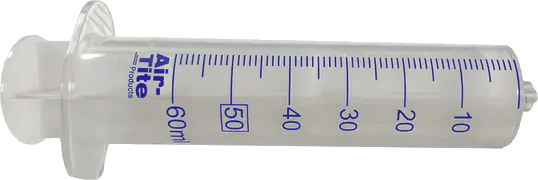
in situ conditions (control)
"disturbance" conditions
How we plan to do the work: organism-specific respiration
FISH probes + Redox Sensor Green → OOI respiration rate changes after short-term incubations
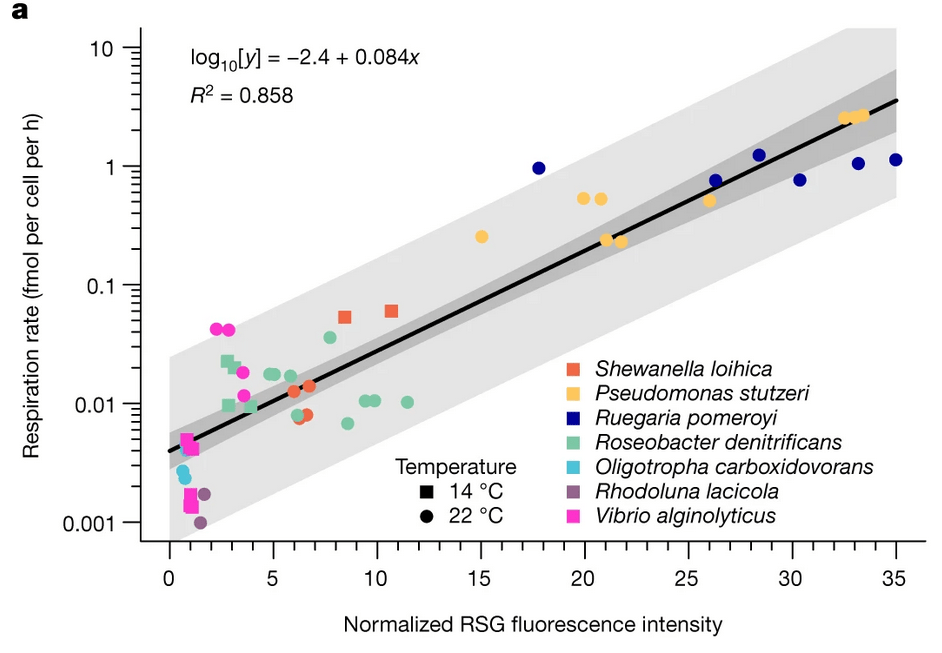
Next steps
[H2S]
[O2]
depth
EUX ~3°C
RXL ~10°C
SRF ~22°C
in situ conditions (control)
"disturbance" conditions
Summer 2026:
Identify targets from bioinformatics, optimize FISH probes
Fall 2026 / Spring 2027:
Apply incubation approach with FISH probes targeting organisms of interest
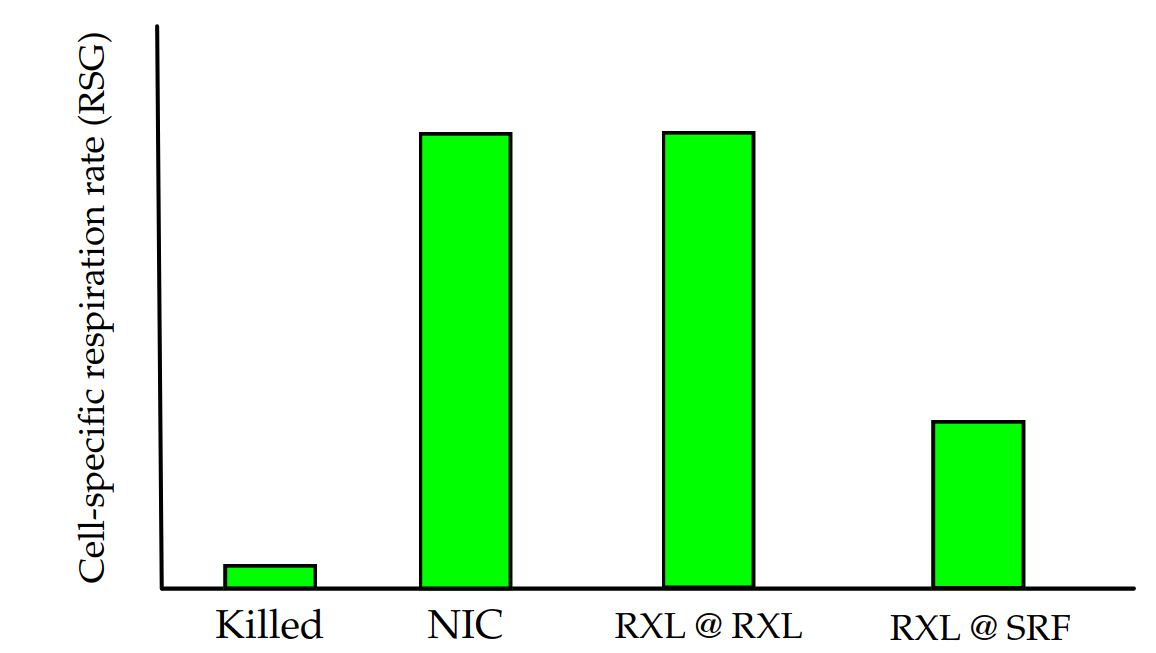
What knowledge we can gain?
- An inventory of sulfur oxidation potential in system from metagenomics (Illumina + Nanopore)
- Spatiotemporal diversity patterns (stochastic? predictable?)
- In situ growth and respiration rates (FODC, RSG)
- Resilience to realistic disturbances across diversity
- "Traits" we can use to model future disturbance
STAY TUNED over the next 2-3 years!
Does high genetic "microdiversity" observed in natural microbial ecosystems confer functional resilience of H2S detoxification during deep water mixing, or will rapid changes in environmental conditions slow or stop this critical ecosystem service?"
Much to learn!
Questions?
Thanks to:
- Current and former CBIOMES collaborators (Fuhrman, Follows, Levine, Zakem labs)
- Dr. Bruce Hatcher (CBU)
- Dr. Katherine Rutherford (StFX)
- All of you for listening!

stfxmicroeco.ca | jmcnicho@stfx.ca
https://slides.com/jcmcnch/cbiomes-annual-meeting-update-2026

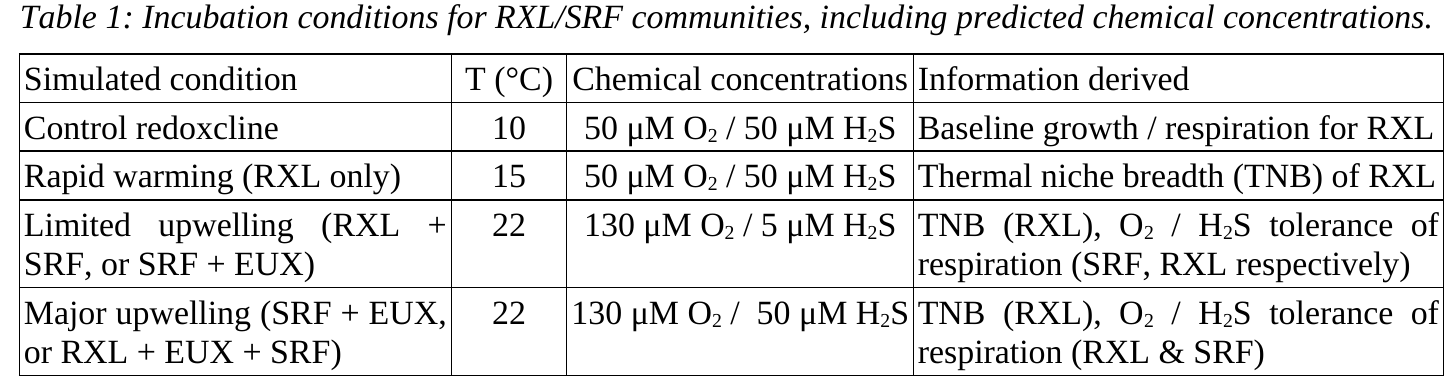
Summary of incubation conditions