Phrasal Verbs

Phrasal Verbs
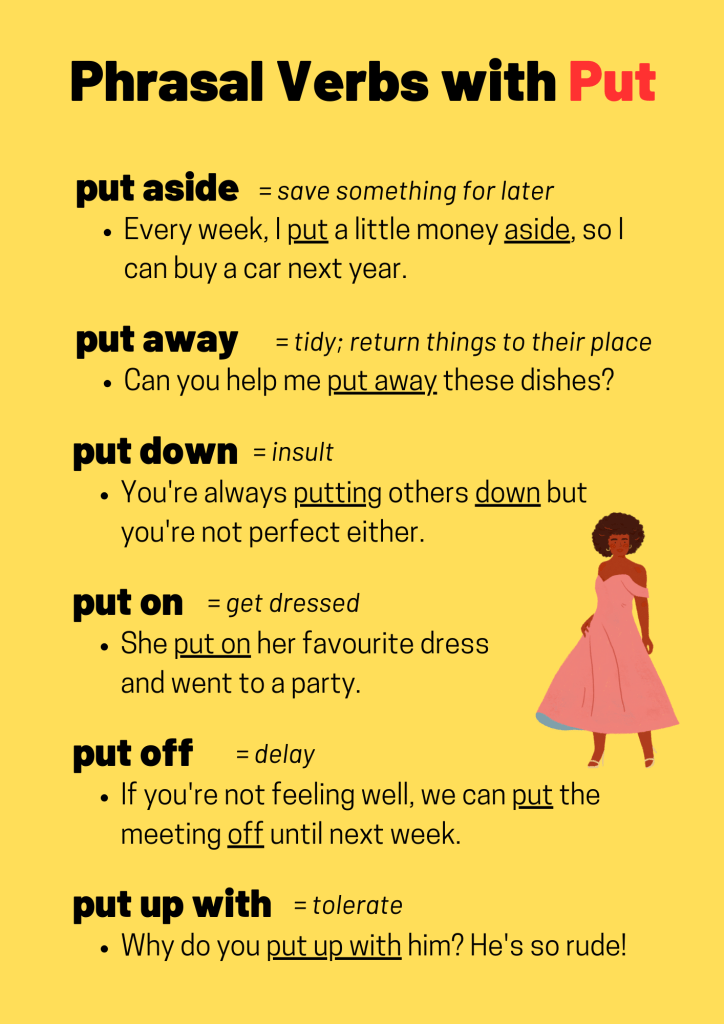
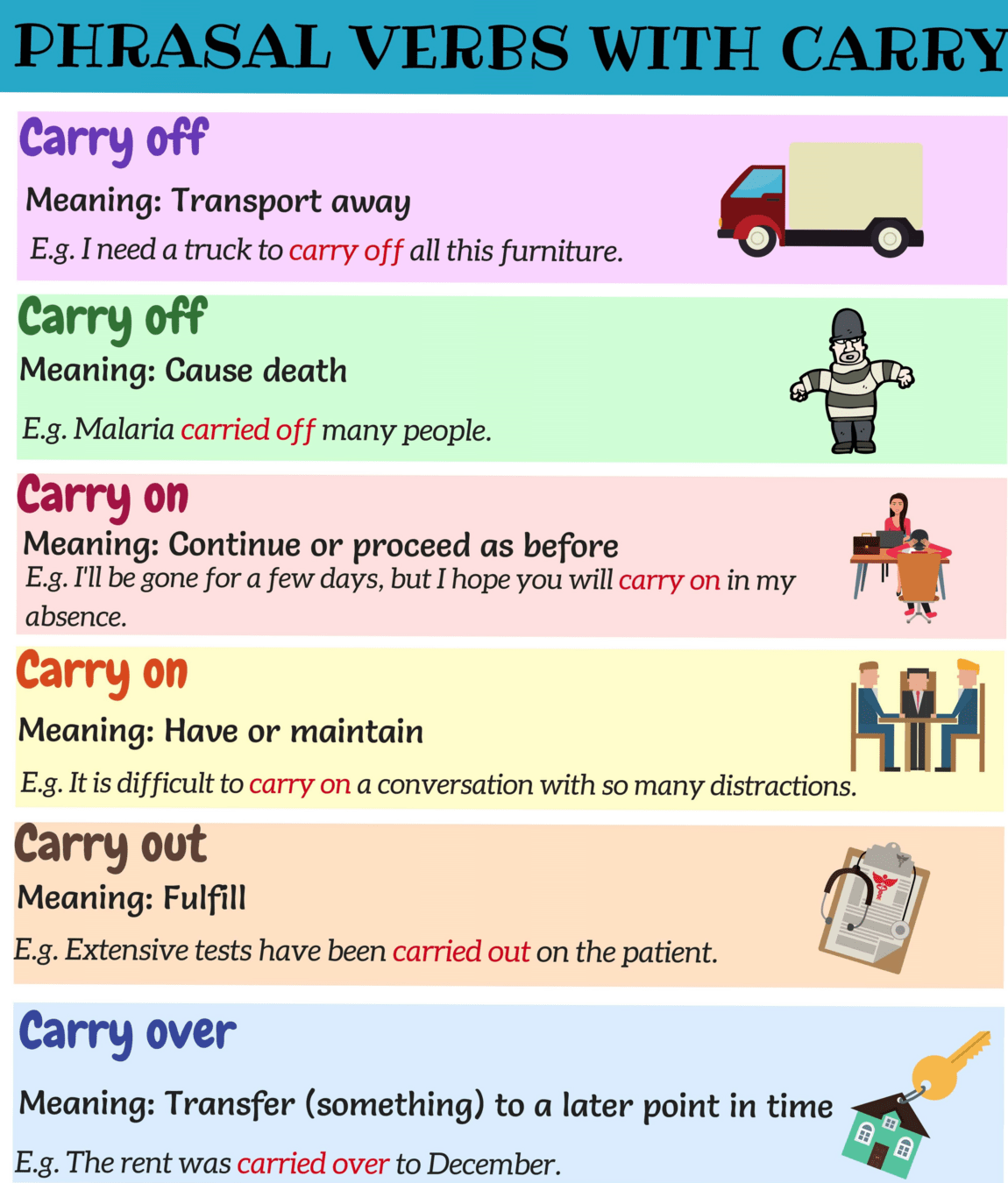
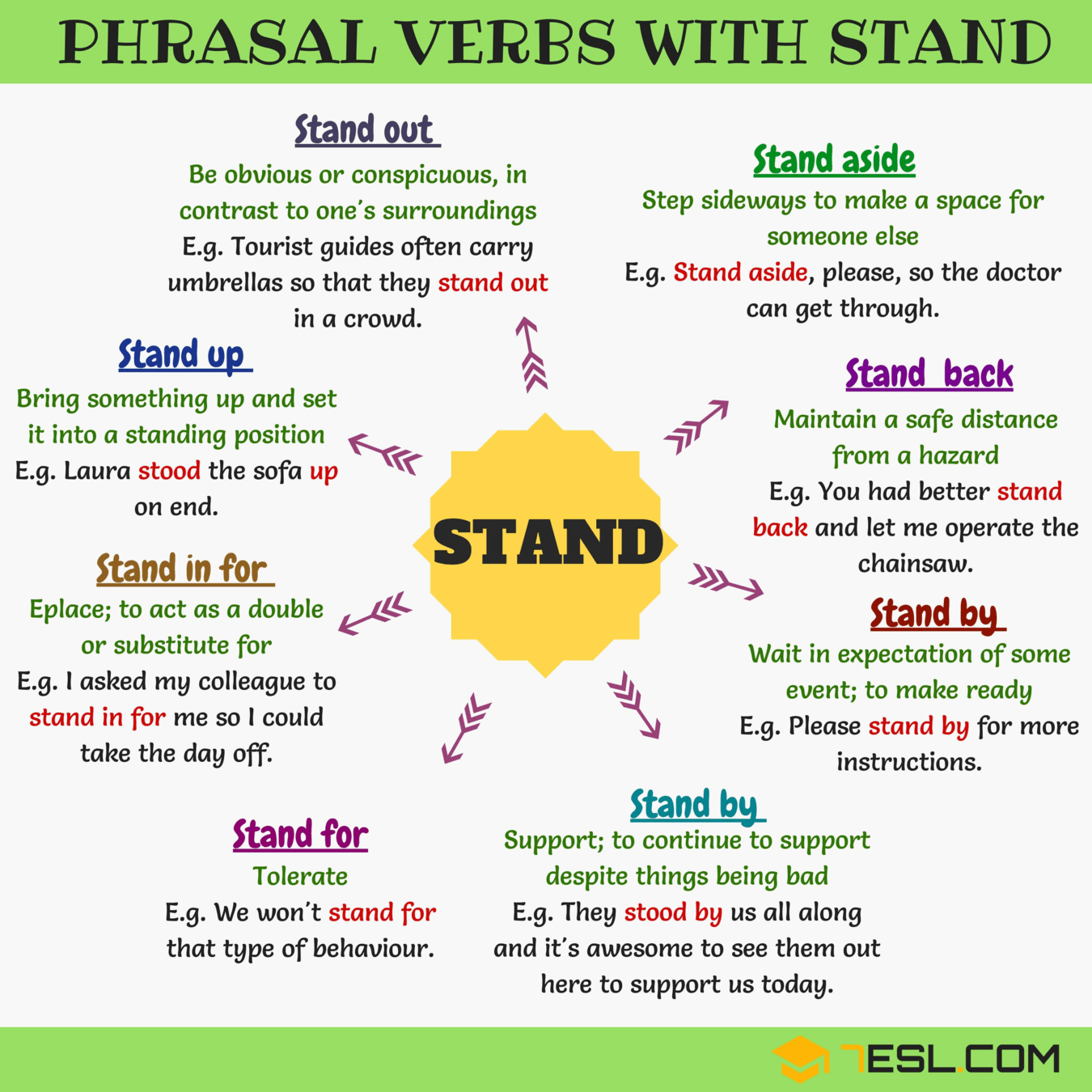
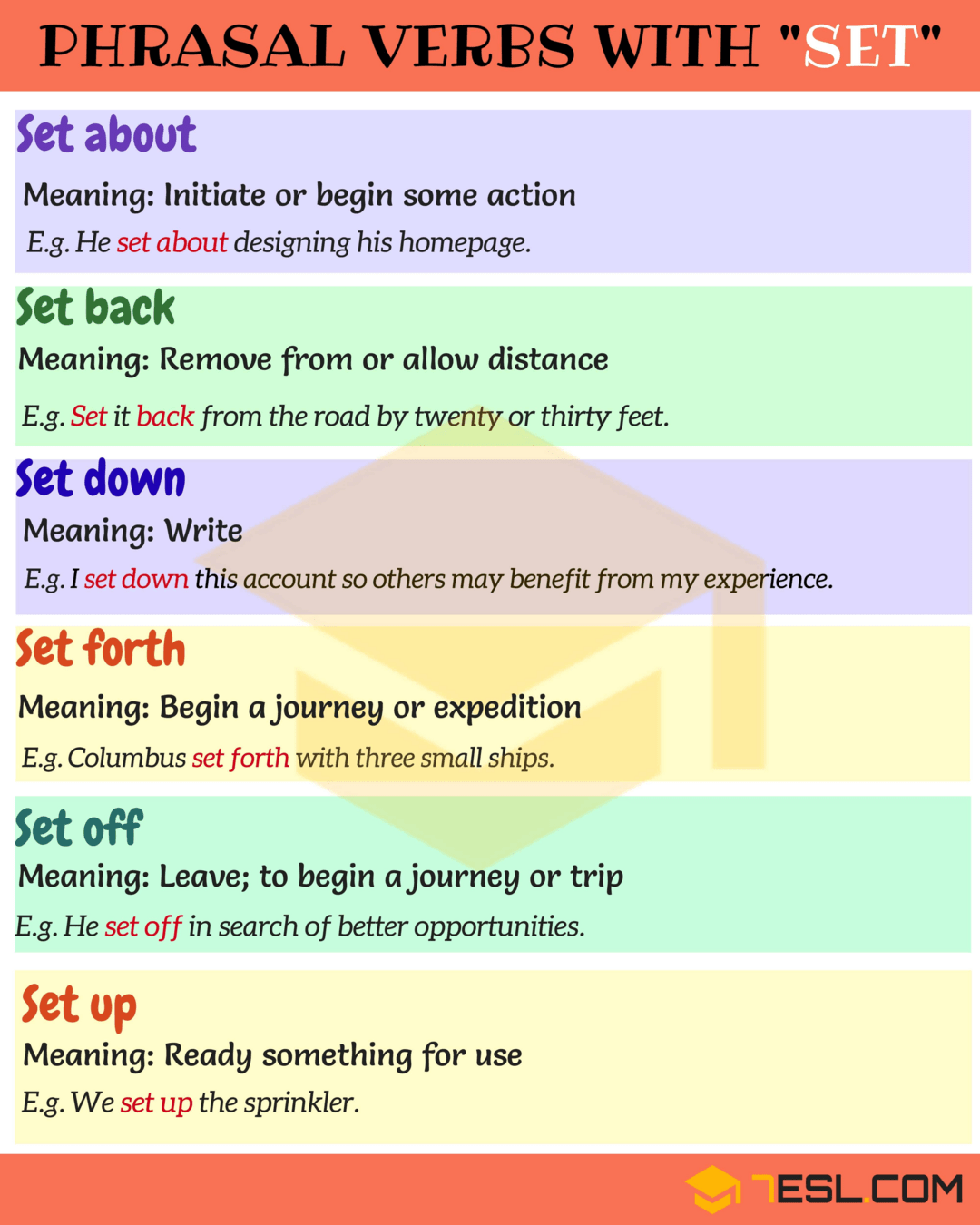
- Verbal Lego blocks: Just as you combine Lego pieces to create something new, phrasal verbs combine a verb with other words to make a new meaning. (preposition or adverb)
- The meaning changes: Often, you can't guess the meaning of a phrasal verb by looking at its parts. For example, "give up" doesn't mean to "give" something in an upward direction - it means to stop trying or surrender.
- They're very common in everyday speech: Native English speakers use phrasal verbs all the time, often without realizing it.
Examples:
- "Turn off" (the lights) = to switch something to an inactive state
- "Look after" (a child) = to take care of someone
- "Run out of" (milk) = to use up all of something