Market Design with Blockchain Technology
Katya Malinova Andreas Park

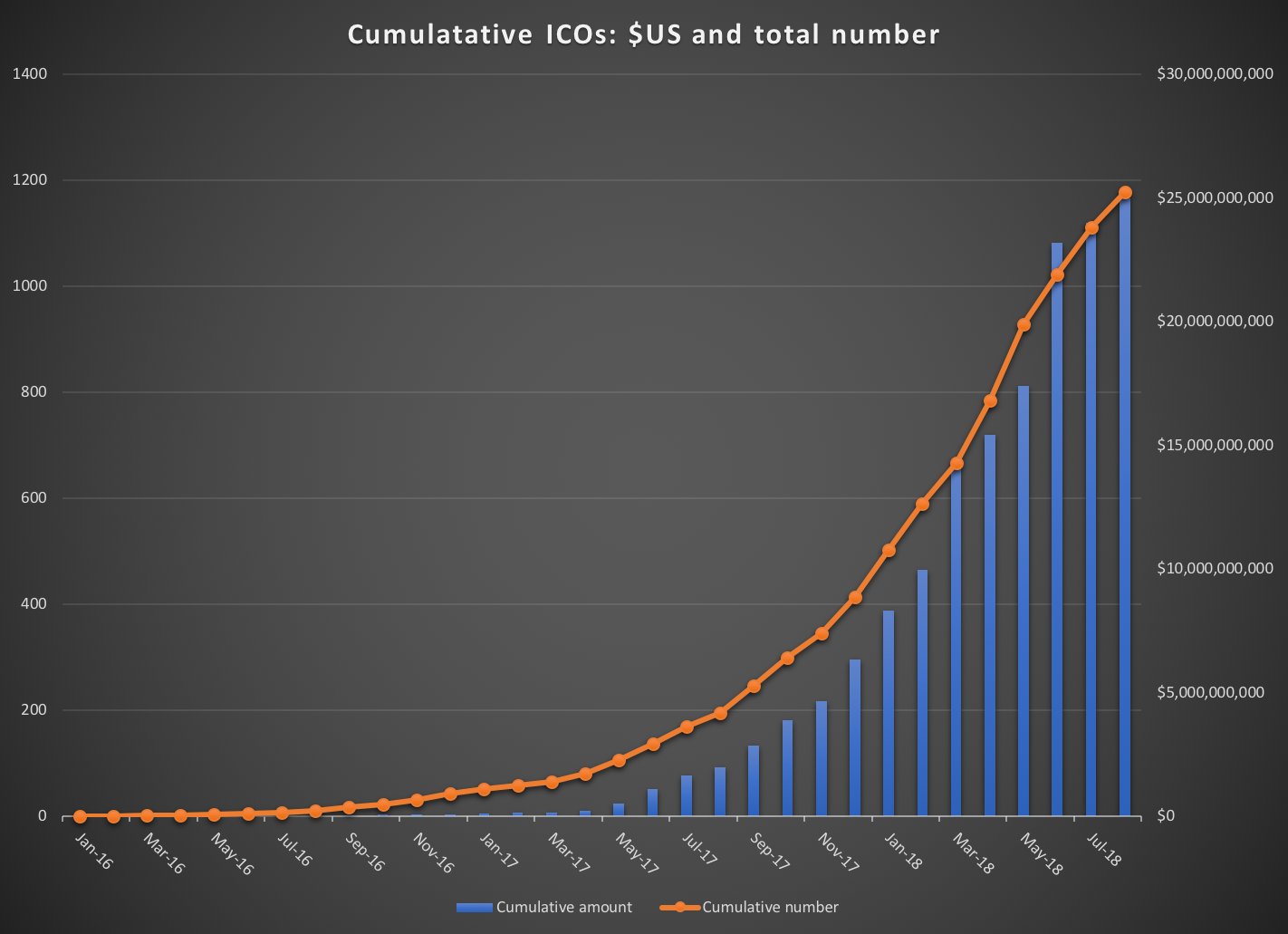
source: coinschedule (data from Sept 5, 2018)
Initial Coin Offerings are now a reality
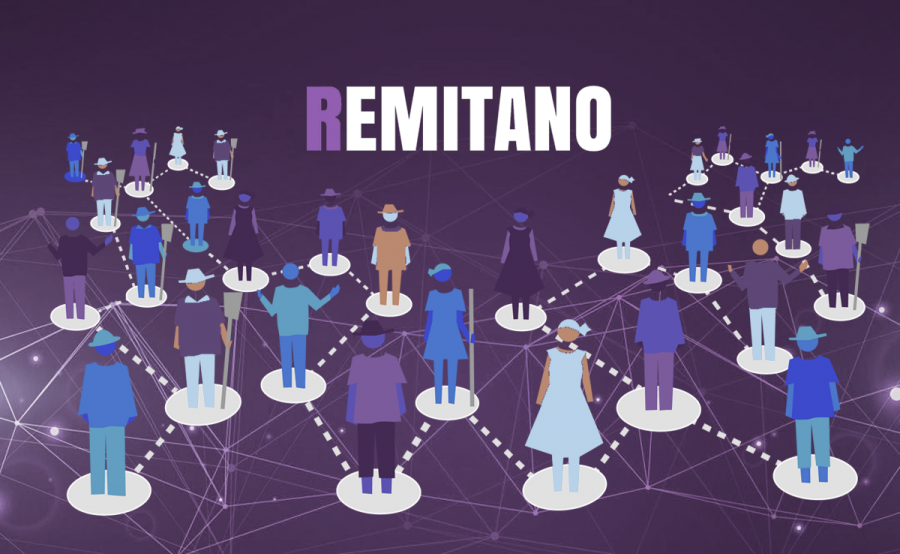
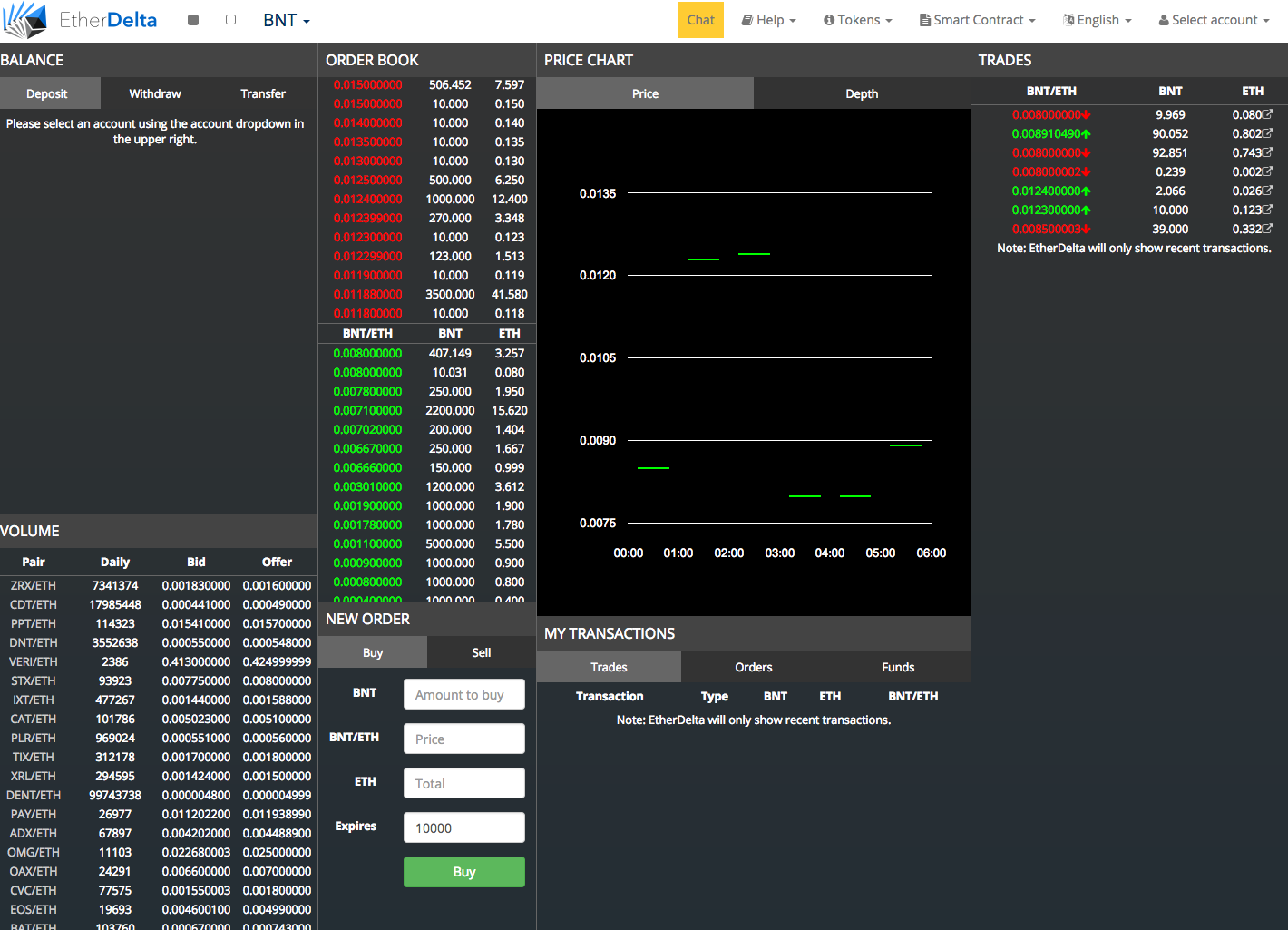
-
current world peer-to-peer -- through intermediaries
-
a dealer/market maker is on one side of trade
-
parties know who they are trading with
-
-
technology enables frictionless value transfer
1. Multiple Trading Protocols are possible
What is different?
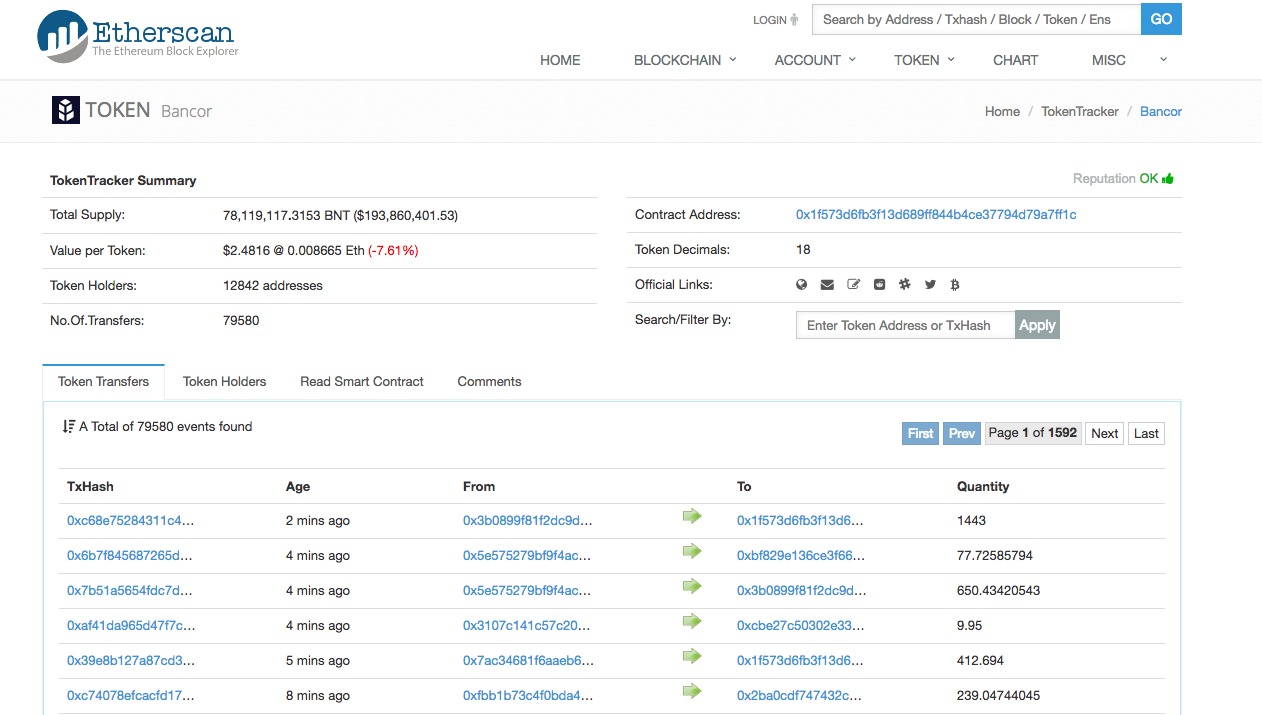
-
See transactions between "addresses" (="IDs")
-
may be able to see frequent "traders"
-
What is different?
2. High Level of Transparency
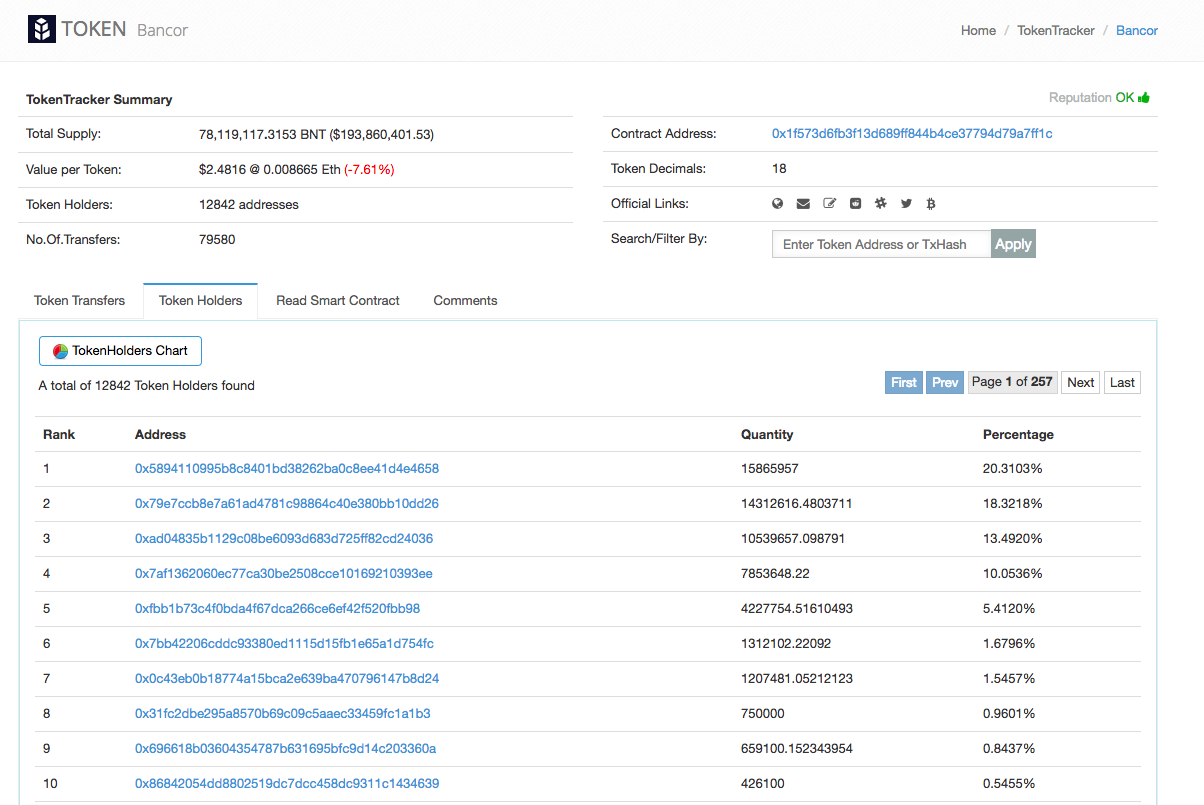
you can tell if someone owns a lot
3. You can tell who owns what
What is different?
Key: wallets/addresses = IDs but NOT = traders
Informational environment changes drastically
Frictionless peer-to-peer trading
\(+\)
Research Question
How does the design of ledger transparency and identifier-usage with possible P2P interactions affect trading behavior and economic outcomes?
What is different?
Literature
-
Economics of blockchain protocols and transaction costs
-
there is a large literature in computer science, e.g., Eyal and Sirer (2014)
-
Gans and Halaburda (2015); and Halaburda and Gandel (2016)
-
Budish (2018), Saleh (2017), Biais, Bidiere, Bouvard, Casamatta (2018)
-
Huberman, Leshno, and Moallemi (2017), Easley, O'Hara, Basu (2018)
-
-
Smart contracts and other uses of blockchain
-
Cong and He [2017], Yermack (2017)
-
-
Blockchain and financial securities/markets
-
Boehm et al [2015]; Harvey [2016], Raskin and Yermack [2016; 2017]; Aune, Krellenstein, O’Hara, and Slama [2017]
-
inefficient risk transfer
-
Data processing to contact small
-
Linear mining/validation cost
Model Ingredients
Direct Costs
Indirect Costs
-
Risky asset, normally distributed
-
Two large investors, one hit by liquidity shock, repeated interactions
-
Continuum of small investors, half buys, half sells
-
Shocked "liquidity trader" (LT) may trade
-
peer-to-peer with other large
-
with many small
-
with risk-averse intermediary
-
Liquidity Providing peer may front-run Liquidity Trader


Requires a system design choice:
-
allow an entity (individual, investment fund) only a single ID per instrument
-
possible with private blockchain or ICO contracts.
Benchmark:
fully transparent (single ID) ownership
Trade with small investors and intermediary
Trade with the large liquidity provider ("LP")
-
costs:
complexity + validation
intermediation
-
costs
-
LT may get “front-run” by LP
-
Repeated setting:
Front-running is punished by “grim trigger”
Single shot:
LP extracts all surplus
Options for the Large Liquidity Trader ("LT")
Equilibrium
-
"social norms" have bite: LT always trades with LP; share cost savings.
-
Price concession: none for frequent interactions (=large enough discount factor)
Equilibrium
-
%IDs contacted independent of intermediary's inventories, but depends on:
-
probability of small accepting
-
(il-)liquidity of intermediated market
-
complexity/data processing costs.
-
-
For non-large validation cost, LT trades with small (and intermediary)
Opaque single ID ownership
Closest and native to "public" blockchains:
-
anyone can participate anonymously
-
can create as many accounts as I want
-
described by Ethereum founder as simple solution to achieve privacy
-
private blockchains can choose to organize like this
Opaque multi-ID ownership
small traders
large trader
small traders
large trader
small traders
large trader
filled
unfilled
Opaque Single ID
Opaque Multi-ID: LP accepts
Opaque Multi-ID: LP rejects
Acceptance Probabilities in Opaque Settings
accept offer
"target" small investors only
-
price concession "wasted" on small
-
complexity costs: high
-
intermediary costs: low
-
no price concession
-
complexity costs: low
-
intermediary costs: high
"target" IDs of both: large and small
-
validation fees
Decision problem LT
Decision problem LP
front-run
Theorem: There exists an equilibrium with no front-running where:
-
LP accepts
-
price concession = 0
provided:
-
frequent interactions
-
or very liquid intermediated market (front running hard)
-
or high validation costs (front running expensive)
Result 2 (numerical): For infrequent interactions, the equilibrium with no front-running where LP accept does not exist. Then:
-
In equilibrium, LT offers p = 0 to the continuum, and
-
LP's IDs reject the offer.
=> "over-trading" with intermediary
- Note: an increase in the validation cost may curb front-running.
Equilibrium & More
-
Large traders do interact:
-
welfare single ID \(<\) welfare multi-ID
-
payoff to large multi-ID (assume price=0) \(>\) payoff large single ID
-
-
Large traders do not interact:
-
welfare single ID \(=\) welfare multi-ID.
-
payoff to large with single ID \(>\) payoff large multi-ID
-
-
(Numerical) \(\exists\) parametric configurations with
-
large interact in multi-ID & p > 0 s.t.
-
payoff to large with single ID > payoff large multi-ID
-
-
Comparing designs
Observations
-
Intermediary involved \(\Rightarrow\) social inefficiency
-
Small with large traders \(\Rightarrow\) complexity costs
-
\(\Rightarrow\) Best if large interact
-
payoffs under the full transparency highest by construction.
-
Blockchain="Back office" tech with front office implications!
-
with peer-to-peer there are critical design choices
-
Who can see the ledger?
-
How are virtual identities managed?
-
-
-
Findings:
-
Transparent ledger with single IDs is welfare optimal and has lowest wealth redistribution (almost by construction)
-
Between (A) public blockchain solution with multiple IDs and (B) private, non-transparent ledger with single IDs:
-
public blockchain privacy solution has higher aggregate welfare
-
but does not necessarily lead to higher payoffs for large investors.
-
-