Lecture notes for this deck
- Class Summary Review: the argument of the module in a few pages
- Lecture Companion: slide by slide, with the classroom discussion
Both, with PDFs: katyamalinova.com/teaching/intro-to-fintech
Dr. Katya Malinova, DeGroote School of Business, McMaster University. © 2026 Katya Malinova.
Students in the course: the full set of slides is available on A2L.
This module's agenda
- FinTech v1.0 — where it came from
- FinTech v2.0 — why finance was going to get disrupted, and why then
- FinTech v3.0? — what's happening now [possibly spills to the next lecture]
FinTech v1.0
Technology has always reshaped trading
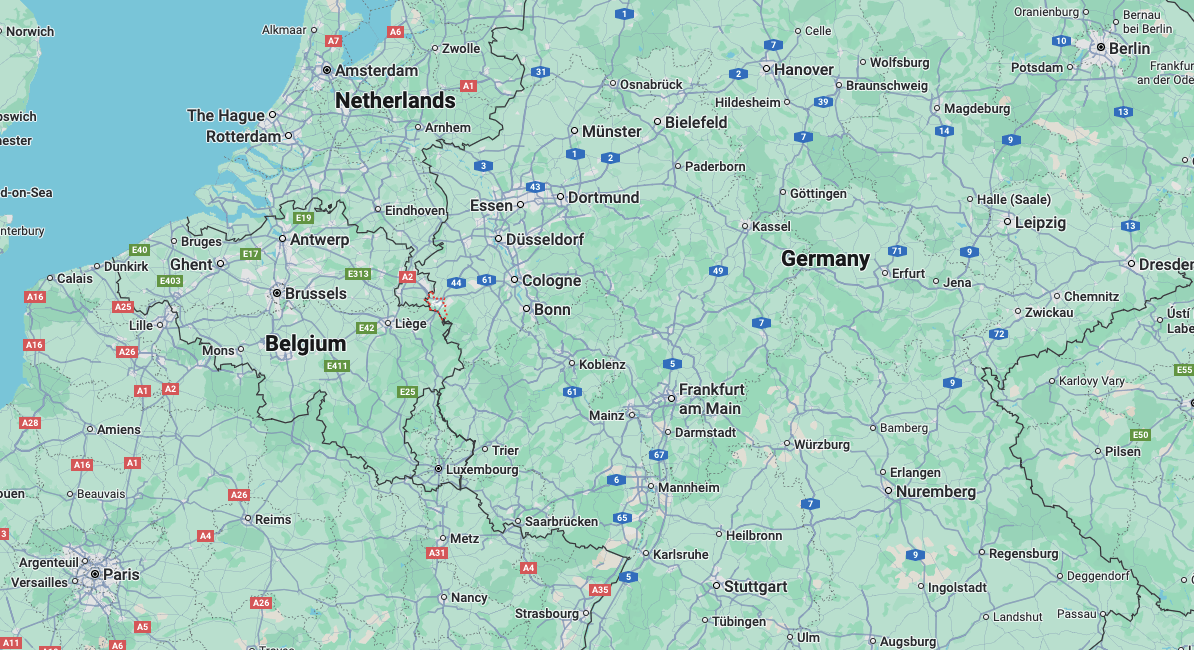
1850. The 122km gap: Brussels to Aachen
Red: Paris–Brussels telegraph. Blue: Aachen–Berlin telegraph. Between them, no line — pigeons.

1851: the gap closes
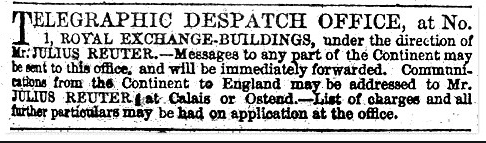
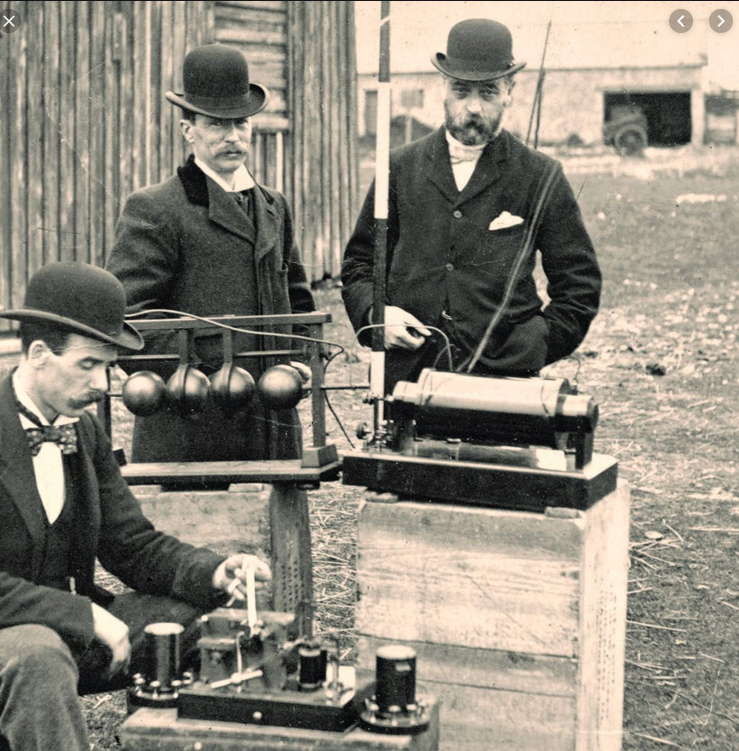
The arbitrage lasted one year. The technology closed the gap — and Reuter became the infrastructure. HFT is this story, 150 years later.
Then: highly specialized humans
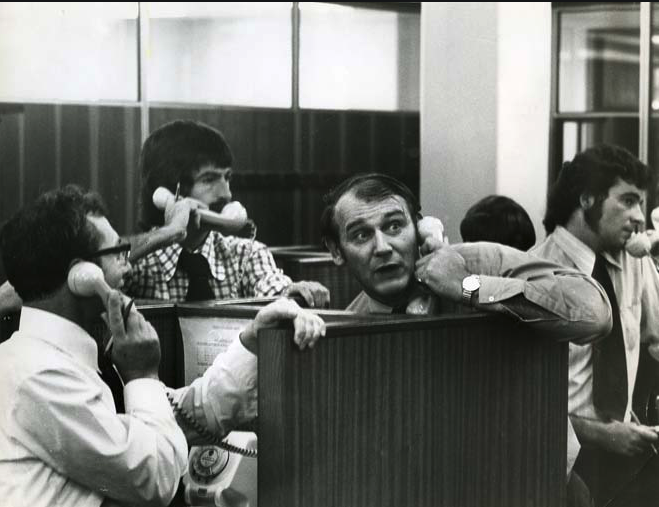

The skill being sold was speed of hand and voice, in one room.
That's a barrier — and barriers get arbitraged.
Now: autonomous algorithms run the show
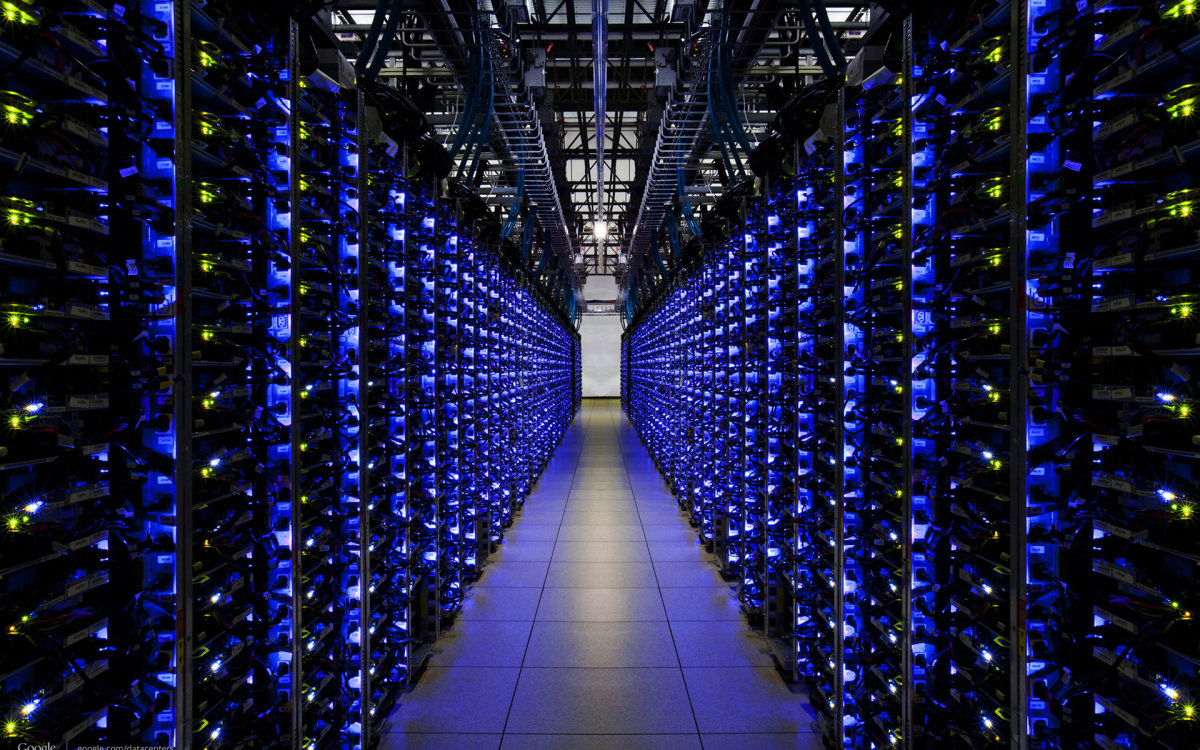




The floor became a set. The exchange moved to a warehouse.
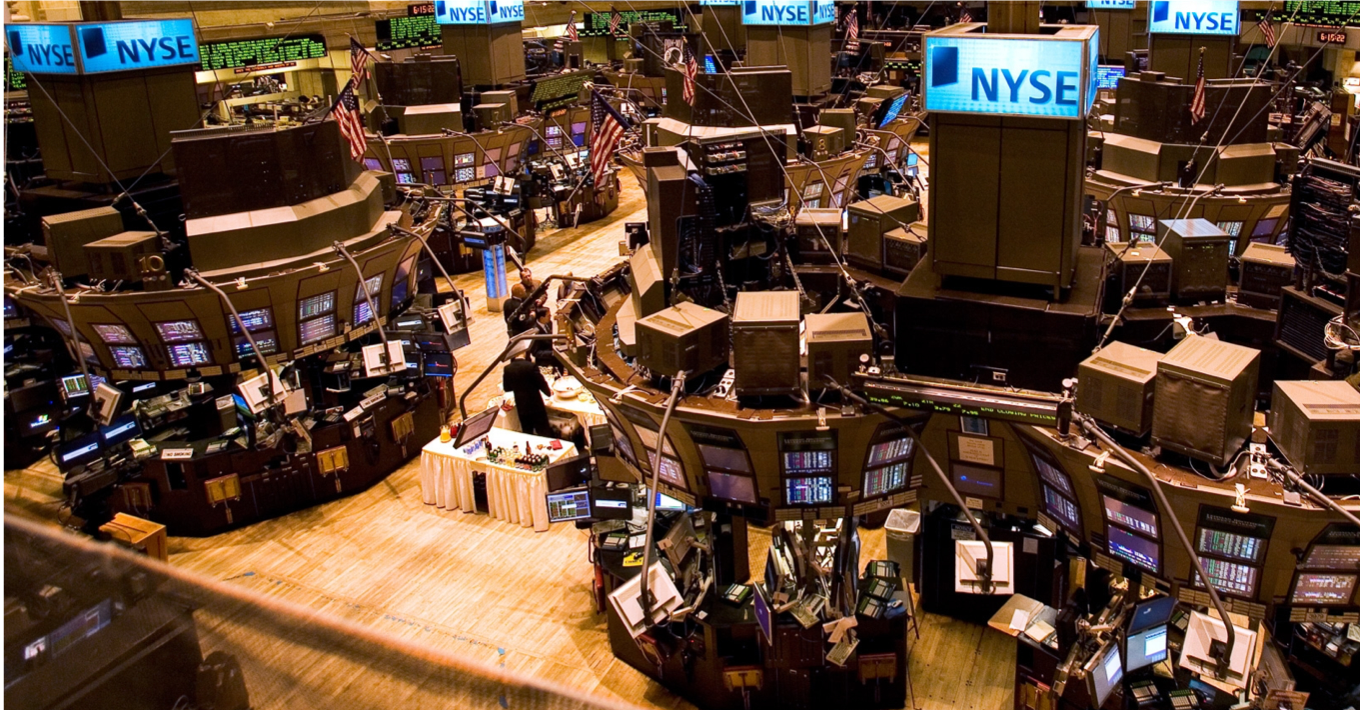
Trading floors are now better suited to parties and journalists
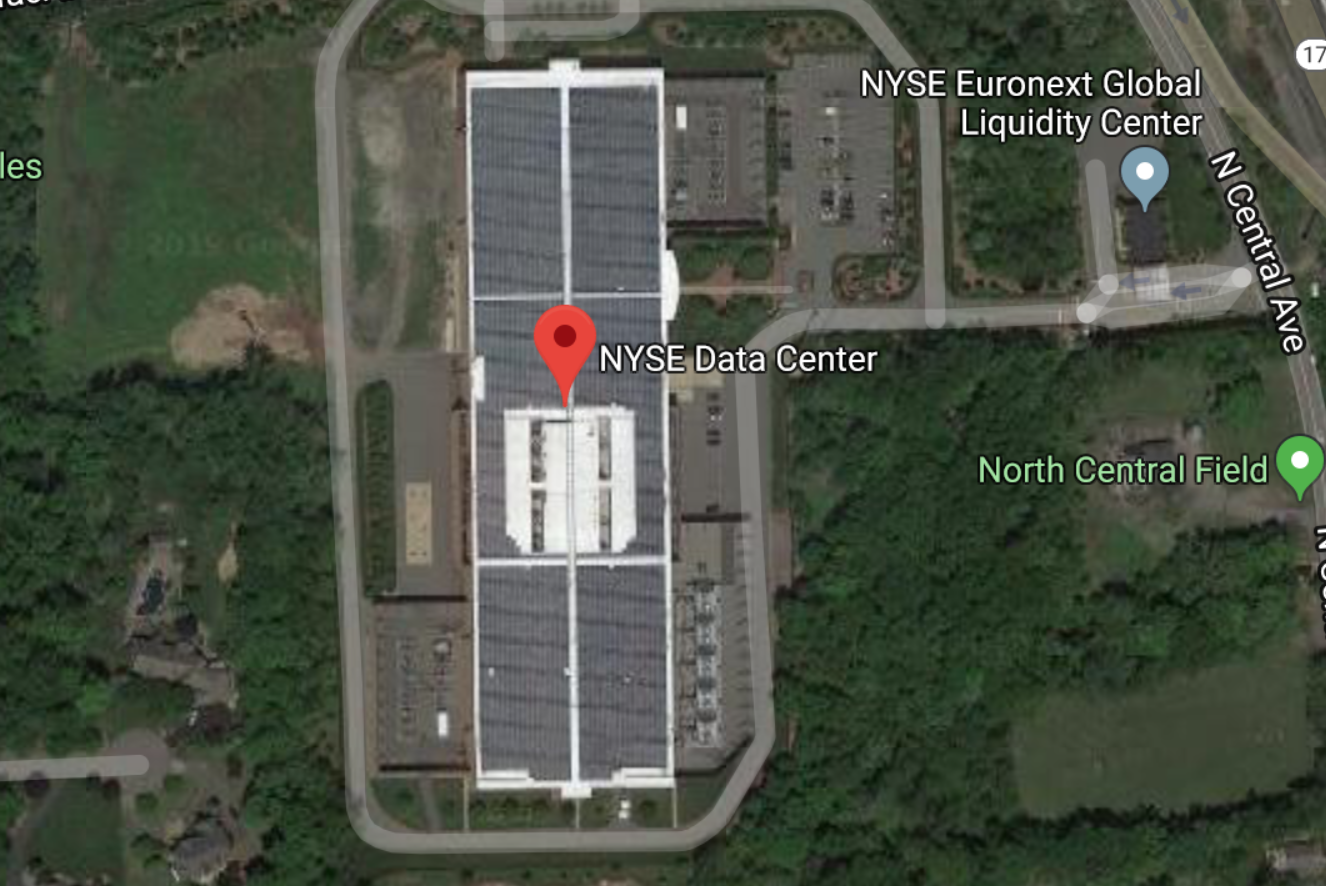
The former heart of Wall Street, in a faceless suburb of Mahwah, NJ
Why? The machines
- Many trading strategies are more-or-less mechanical/probabilistic
- computers are
- faster,
- cheaper, and
- more reliable
- Computer algos allow much wider scope

Source: Bloomberg News, Feb 20, 2015
Note: The biggest disruptors (the HFTs) came from the outside of the traditional system (kinda).
Who is disrupted?
- Old skill-set of an equity trader
- good and fast with numbers
- brash
- strong vocab in profanities
- overwhelmingly male
- New skill set
- programming
- stats/data
- econometrics
- ....
Entire career streams disappear
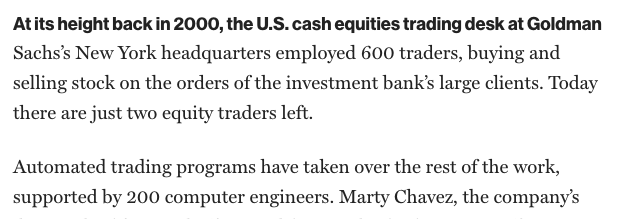
What's the impact?
Markets get better: the post-earnings announcement drift had been a long-standing puzzle in finance. It's gone.
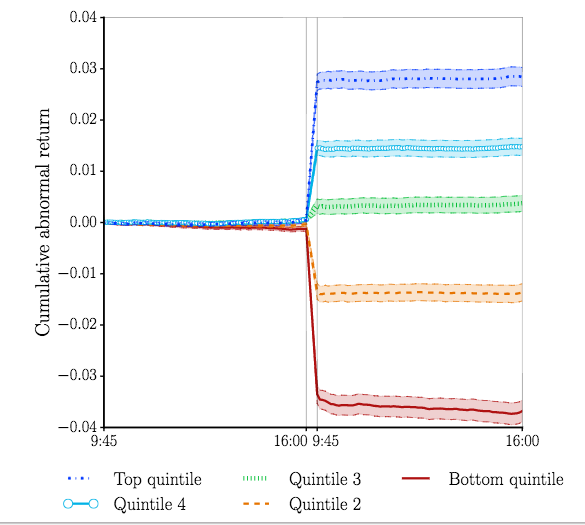
Source: Martineau (UofT), WP 2017; Critical Finance Review 2022
What comes to your mind when you hear FinTech?
ChatGPT: 2023
A list of products, and a sector that is ‘dynamic’ and ‘transformative’.
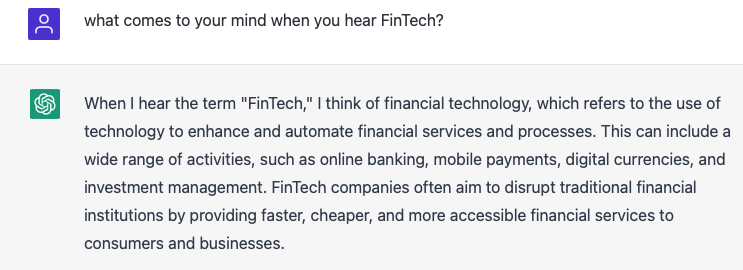
2026
Same question, three years later: not just a description but also a test.
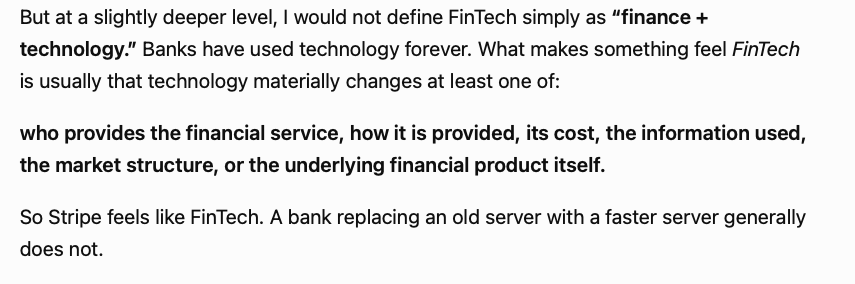
GPT-5.6 Sol, queried 4 September 2026.
The world of Finance as we know it is over. (Or is it?)
Toronto Financial Services Alliance, 2018: Some stats
later Toronto Finance International
275,000
direct financial services jobs, Toronto CMA
Conference Board of Canada, 2018. 2017 data: 274,525, or 8.3% of CMA employment.
$82 billion
4% of GDP
Invest Ontario, https://www.investontario.ca
50% of executives believed 40% or more of these jobs would change fundamentally within 3–5 years
PwC for the Toronto Financial Services Alliance, April 2018
The forecast window was 3–5 years from 2018. It closed in 2023.
On the employment figure: The report's April 2018 press release said "over 800,000". TFI's current page for the same report says "almost 400,000". Direct employment was about 275,000.
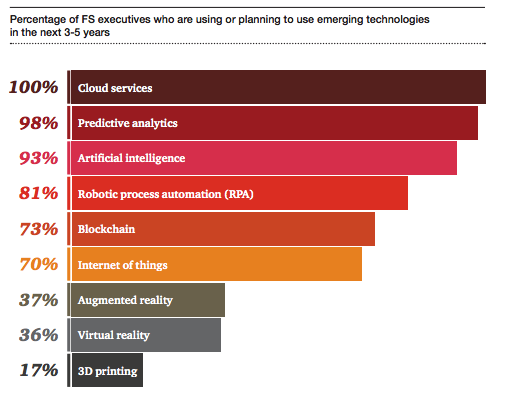
Toronto Financial Services Alliance, 2018: "Future" tech
later Toronto Finance International
Toronto Financial Services Alliance, 2018: critical skills
later Toronto Finance International
The five most critical skills in the next 3–5 years
Change management
Statistical analysis and data mining
Working with new technology platforms
Adaptability
Creativity and innovation
Source: "Unlocking the human opportunity: Future-proof skills to move financial services forward"; PwC report for the Toronto Financial Services Alliance, April 2018.
Why finance was going to get disrupted?
Why does finance pay more?
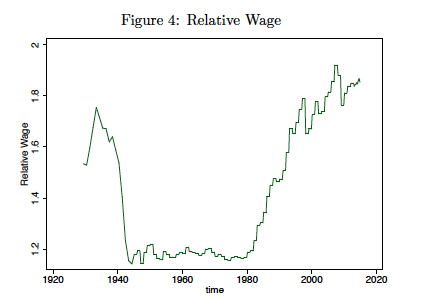
relative wage=avg wage in finance/avg rest of economy
Source: Philippon (AER 2015) "Has the U.S. Finance Industry Become Less Efficient?"
Finance kept growing as % of GDP
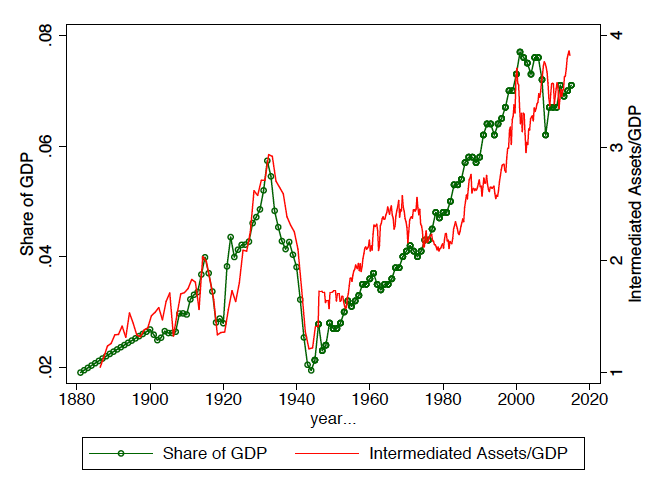
Source: Philippon (AER 2015) "Has the U.S. Finance Industry Become Less Efficient?"
For 130 years, intermediation did not get cheaper!
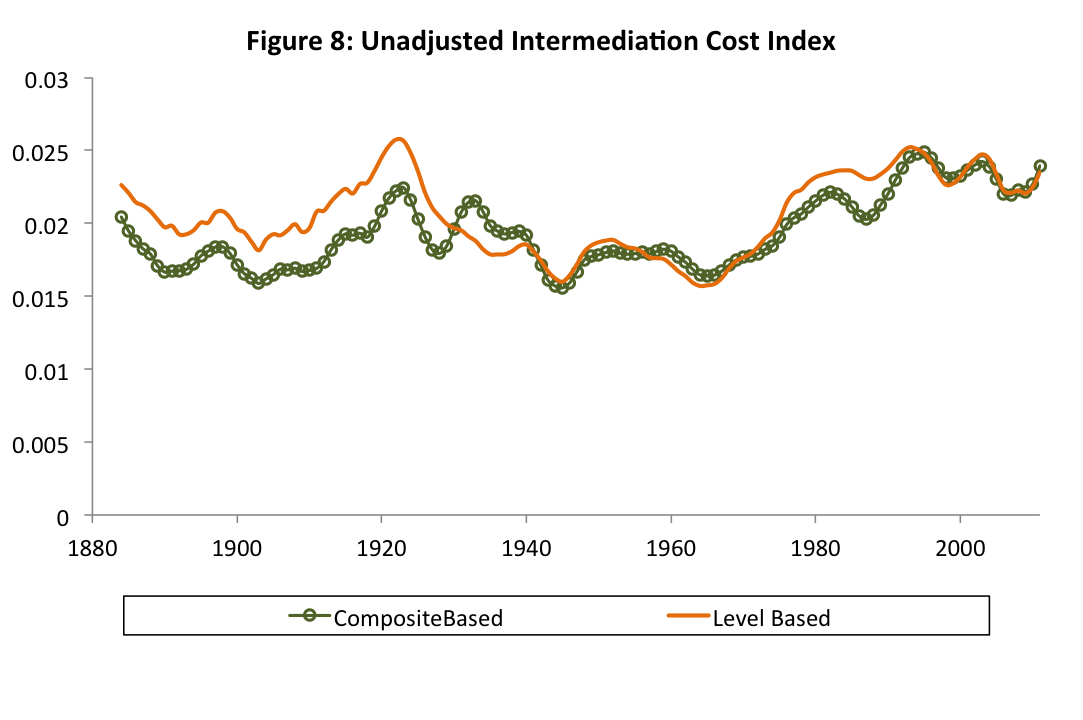
Source: Philippon (AER 2015) "Has the U.S. Finance Industry Become Less Efficient?"
Ratio of the income of financial intermediaries to the quantity of intermediated assets
Note: Philippon 2019 update: the cost may be declining ...
Source: Philippon (WP 2019) "On FinTech and Financial Inclusion"
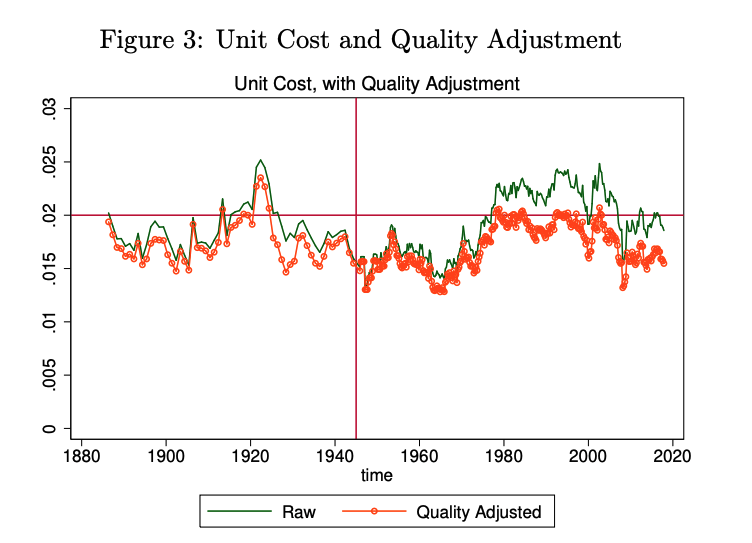
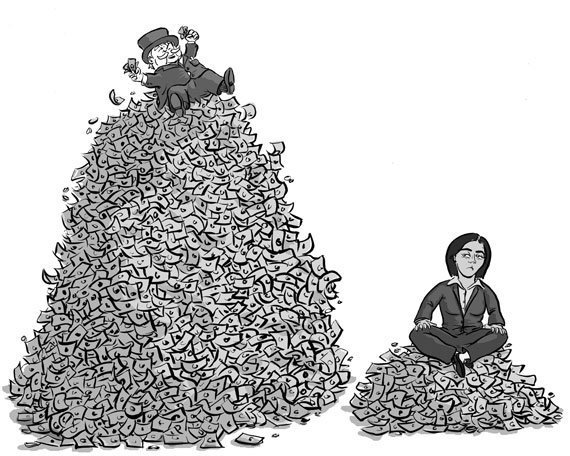
The growth went to the people inside
- Philippon and Reshef (QJE 2012):
- 1980: wage financial services=wage other industries
- 2006: financial services=170% x other
-
Goldin & Katz (AER 2008)
- 1969-74: 6% of Harvard grads went to Fin Industry
- 2006: 28%
-
Oyer (JF 2008):
-
wages Stanford GSB grads in finance industry
- 300% of wages in non-finance
-
wages Stanford GSB grads in finance industry
What explains high wages?
- High quality?
- Bai, Philippon, Savov (working paper 2013): No, markets haven't become more informative. Published version (JFE 2016): somewhat more informative at long horizons.
- Better allocative efficiency?
- Aguiar and Bils (AER 2015): no improvement in risk sharing.
- No evidence that allocative efficiency has improved (typically measured by "total factor productivity" (TFP)).
- Not much quality. Not allocative efficiency. What's left is rents.
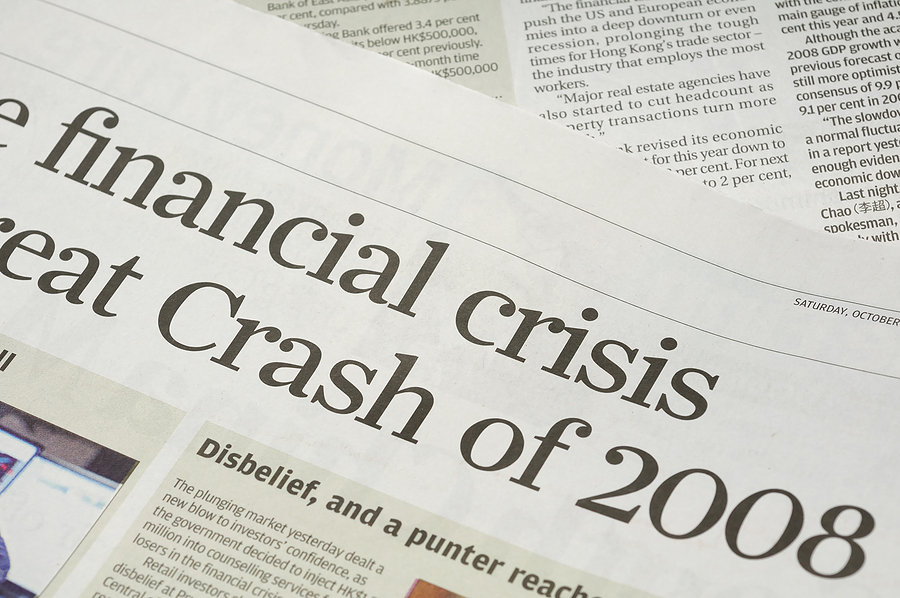
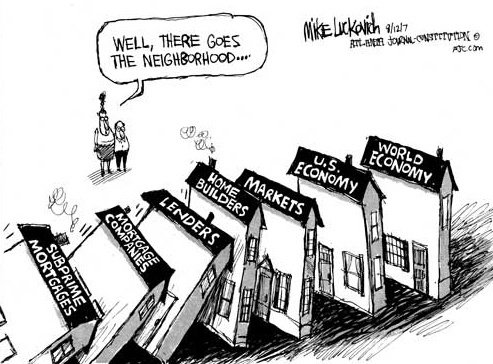
And then came 2008 ...
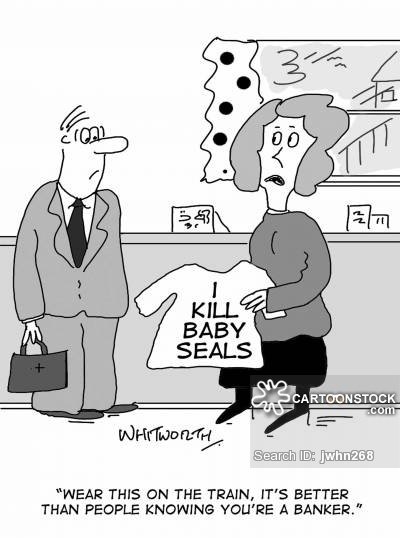
High cost industries with high rents?
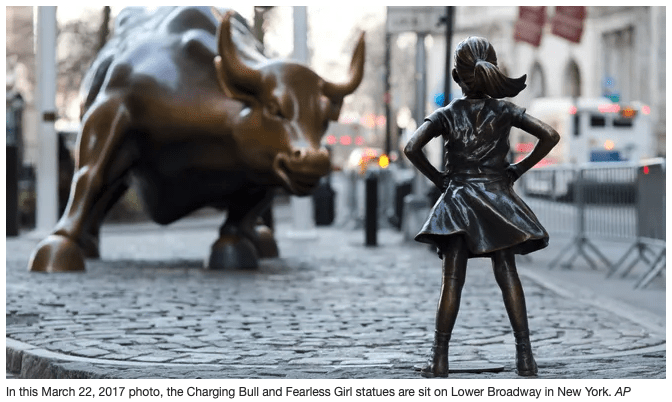
⇒ Disruptive entry is bound to take place!
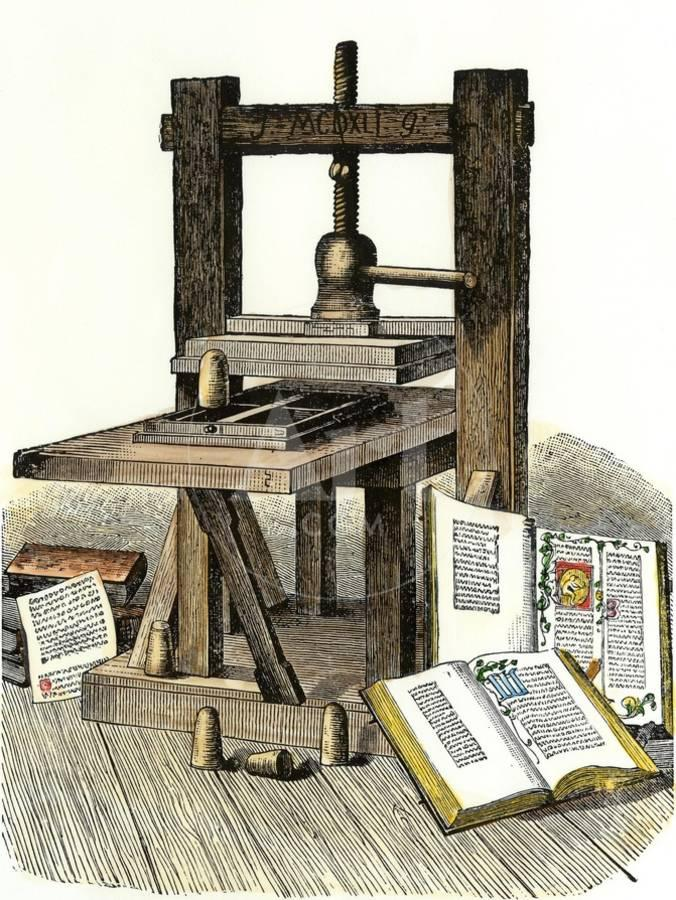
The process itself is nothing new!
Technological innovations throughout history have disrupted existing ways of life
technological innovation removes barriers:
- what can be done
- how much can be done
- by whom it can be done
Some examples
- Phoenician alphabet (1050 BCE)
- Coined money (630 BCE)
- crossbows (ban proposed in 1139)
- printing press (1455)
- individual transportation: bicycle (1820s), cars 1885/1908 (Model T)
- personal computers (1970s)
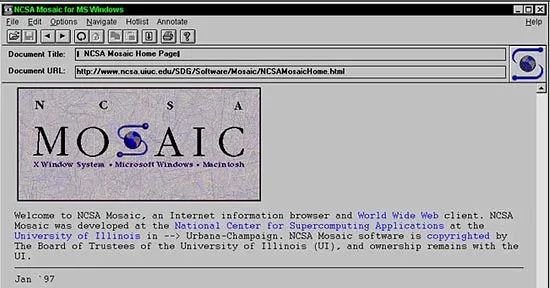
- internet (1980s-90s)
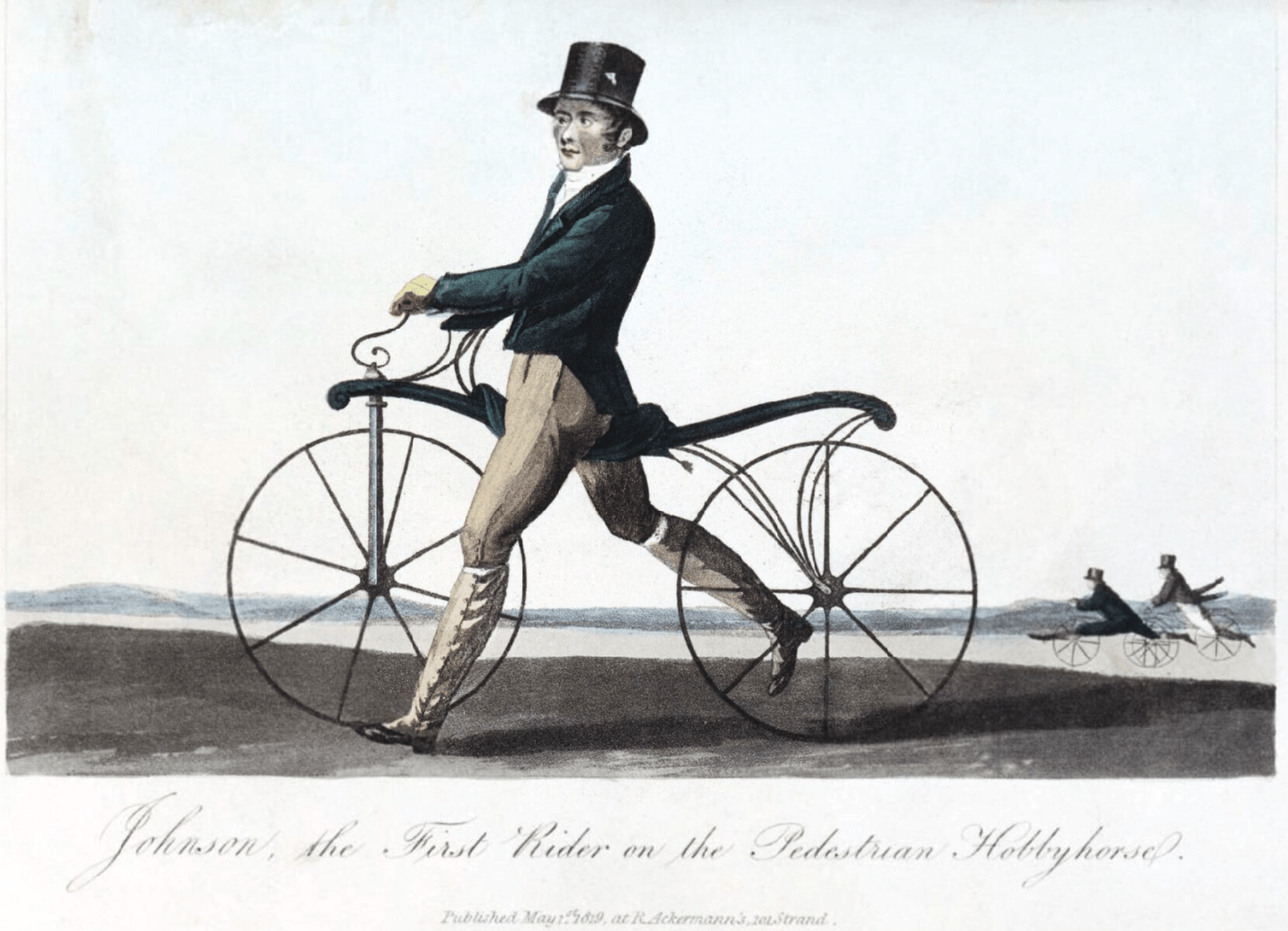
many innovations move power to do things from selected few to the masses
=> "decentralization" (loosely)
tech disrupts a group of people who built a living around a technological restriction and they disrupt government power exerted via these groups
fundamentally change established networks, intermediaries, and value extraction processes
FinTech v2.0
What changed after 2008 that gave rise specifically to FinTech?
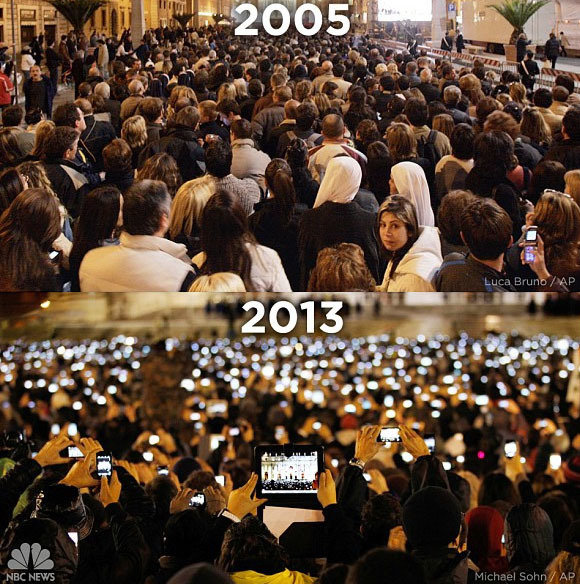
2005 to 2013: everyone got a computer in their pocket
And it was a supercomputer
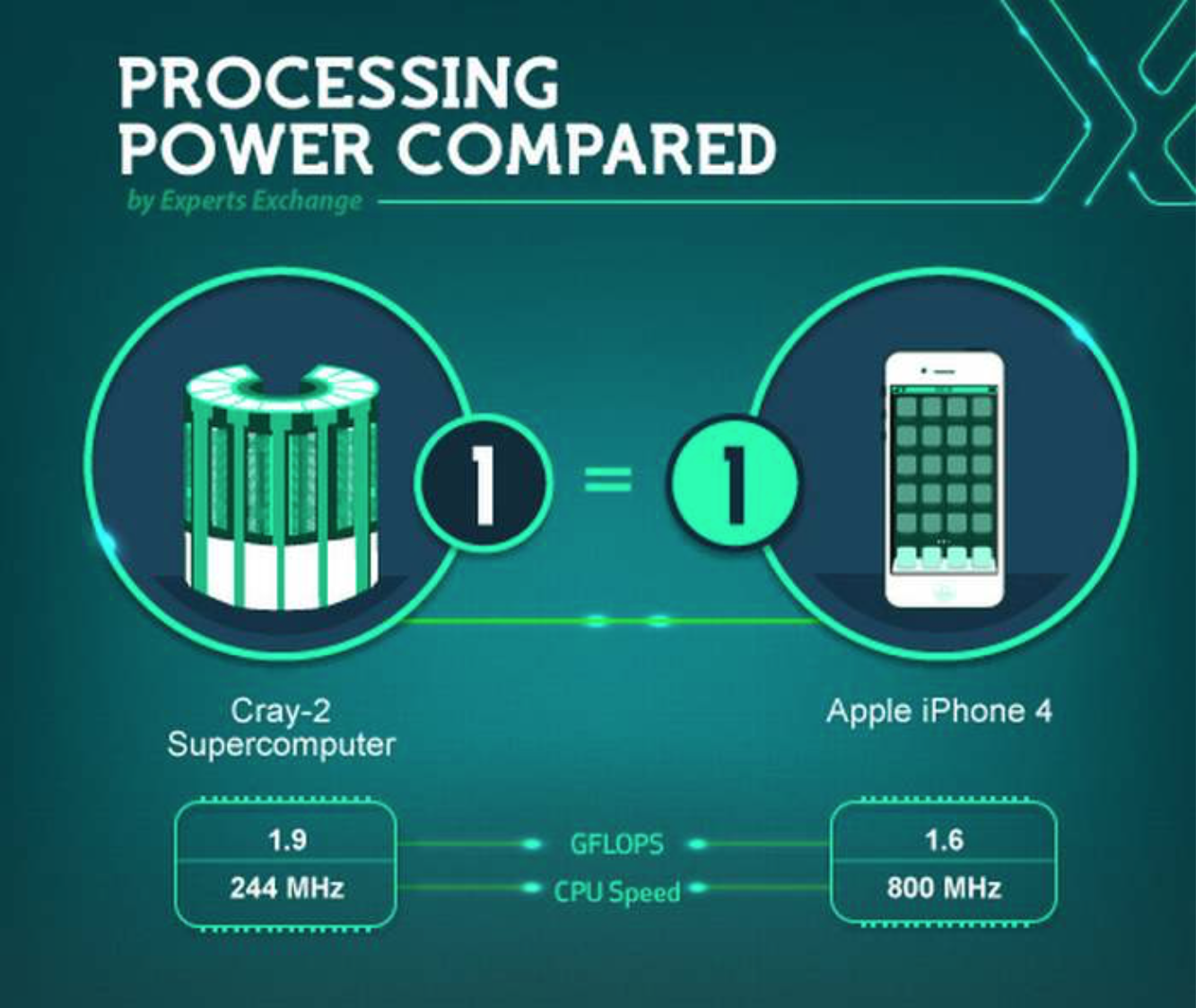
Fastest Computer in 1985!
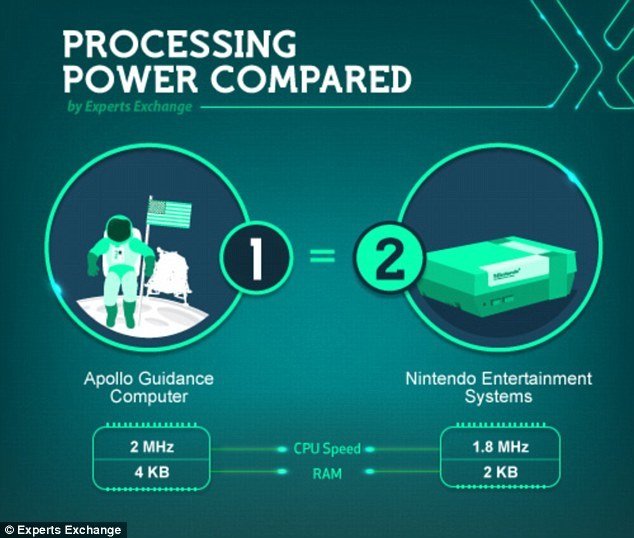
4Kb of memory can get you to the moon!
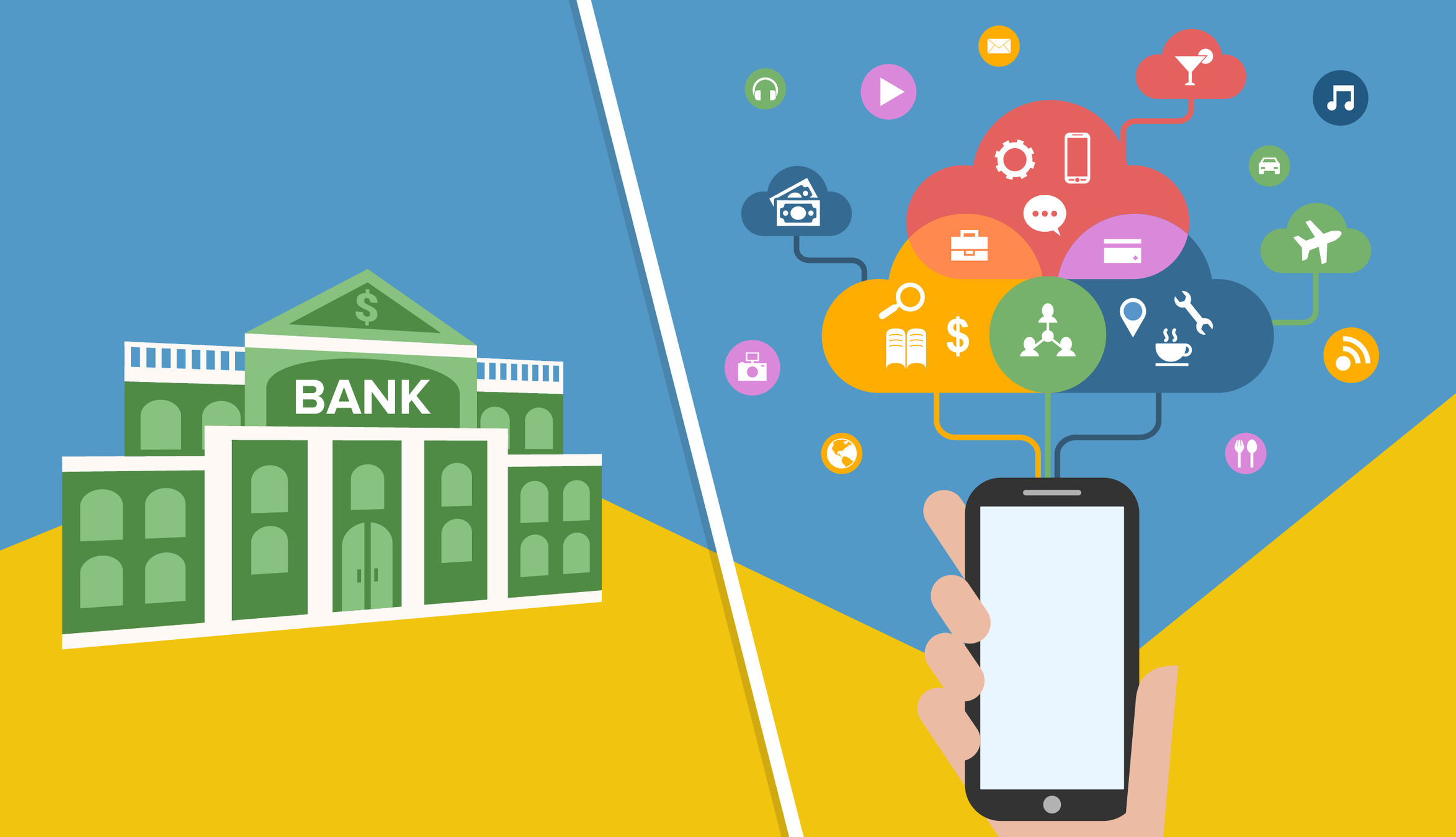
Why disruption from outside?
- Many reasons!
- Financial industry is self-contained
- for many years, hired a "certain" type of person
- "fixed" set of tech vendors
- Regulatory issues
- Technological advances have the capacity to break into the industry
- but outside disruption is still difficult!
- access to financial infrastructure essential
Example of a catalyst: lowering the barrier to entry
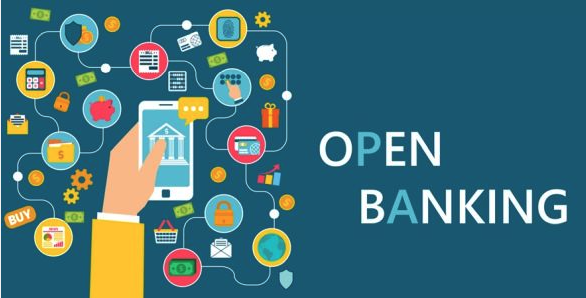


https://liberal.ca/our-platform/a-fairer-financial-system/
- Expected in Canada by Jan 2023 (even as of 03/2022!)
- Would already have been 5 years after the UK!
- Royal Assent - 26 March 2026
- Comment period on the regulations closed - 26 August 2026
- Still not in force!
From 2021 Federal election platform
What would it change — and why isn't it here yet?
What could it do?
- Open Banking = Consumer-Driven Banking in Canada
- Phase 1: "read-only" - ability to share your transaction history
- What could, e.g., a lender do with this data?
Why is it taking so long?
- Who regulates your bank? Who regulates your credit union?
- 2026: oversight for open banking moved from FCAC to the Bank of Canada (more hope now that we'd get it!)
- Why might big banks have been reluctant to embrace the open banking?
We will revisit these topics later in the course.
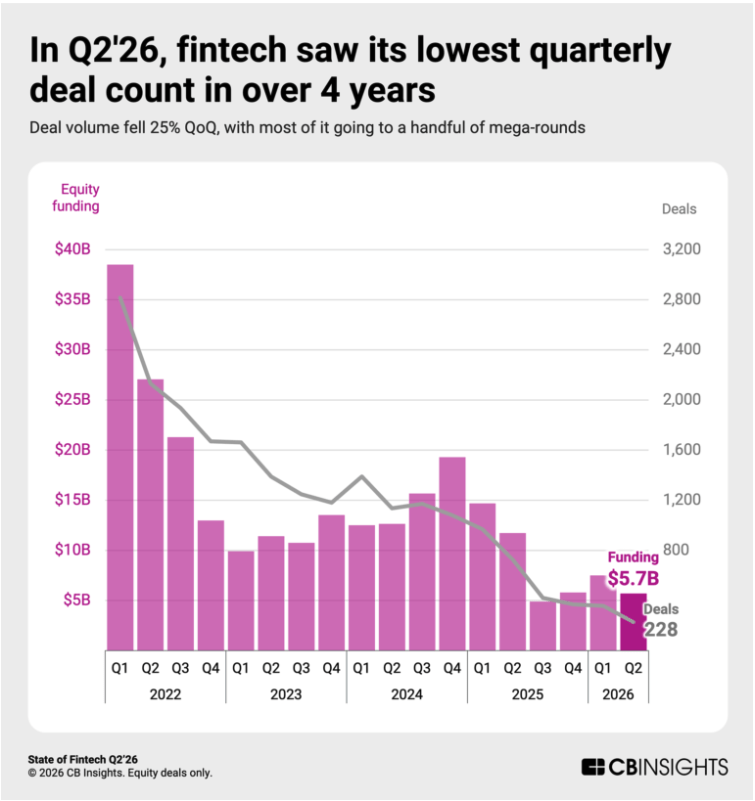
CBInsights
State of Fintech
Global Q2 2026
Some Core Functions of Financial Institutions/Banks affected by FinTechs
Lending and Borrowing
Wealth Management
Payments
Investment Banking Services
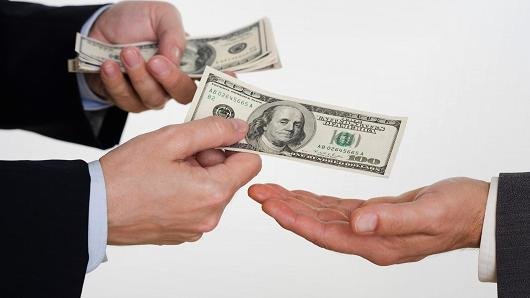
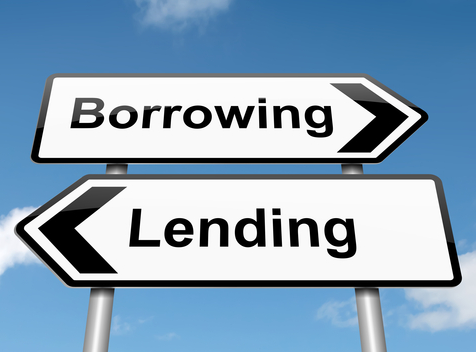

Fintech equity funding & deals by sector: Q4'22 vs Q2'26
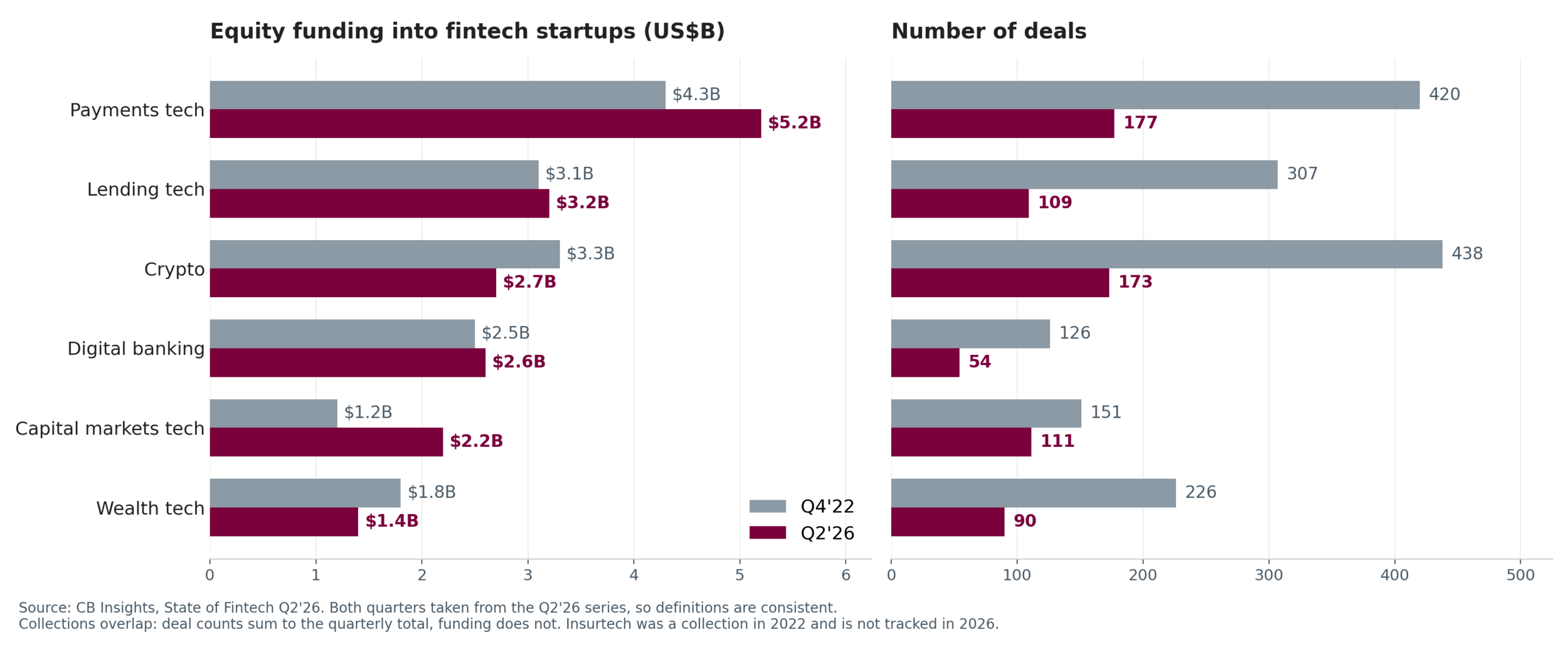
FinTech Growth by sector: 2022 to Q2'26
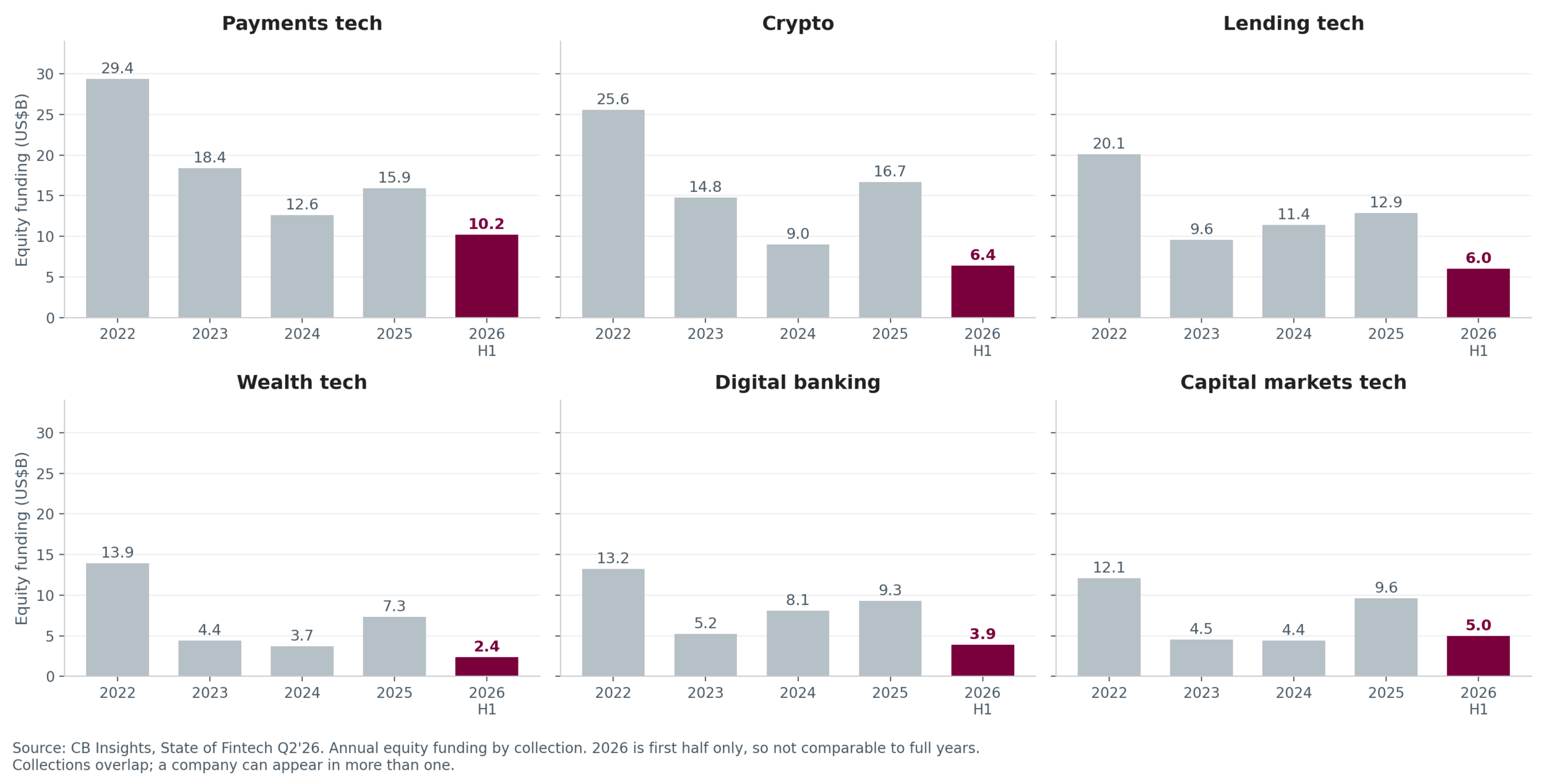
The industry is ripe for disruption. Why don't we see more FinTech presence and impact?
From a 2017 talk by Thomas Philippon.
2017: FinTech was a mouse.
2026: Stripe is worth $159B — and there are far fewer mice.
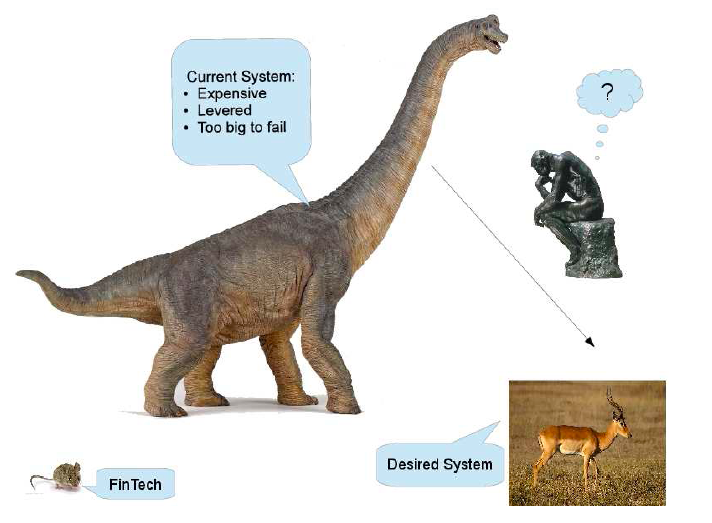
Source: Philippon (2017)
- Non-integrated IT systems
What about consumer adoption?
Ten years ago, most Canadians hadn't heard of FinTech
Canada: 8% ('15) — 18% ('17) — 50% ('19)
Global: 16% — 33% — 64%
In 2017, EY forecast 34% for Canada for 2019. We hit 50%.
Source: EY Global FinTech Adoption Index, 2015 / 2017 / 2019. Regular user = two or more FinTech services in the past six months. The index was biennial and has not been published since 2019.
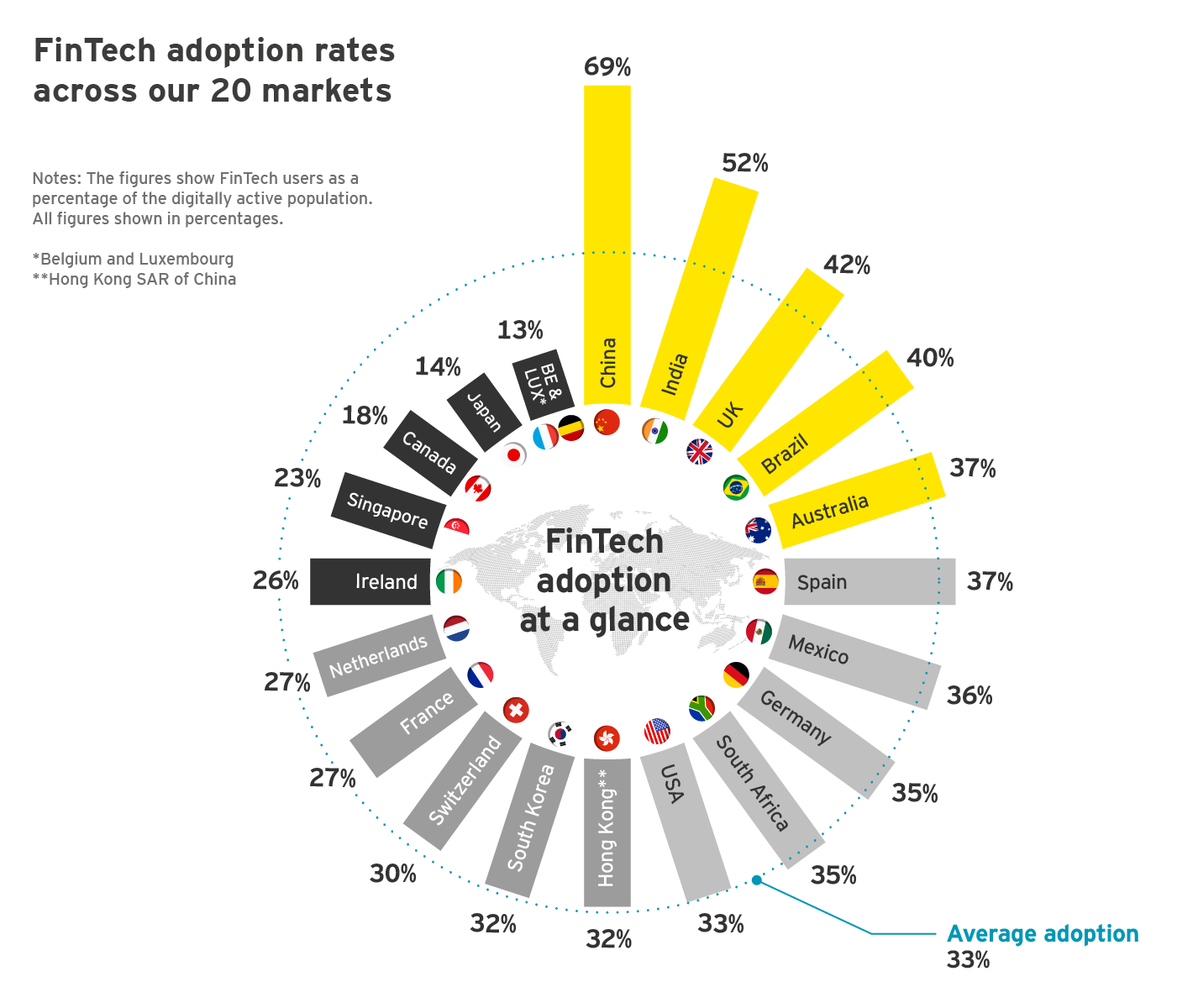
2017: 18%
Things are (somewhat) changing ...
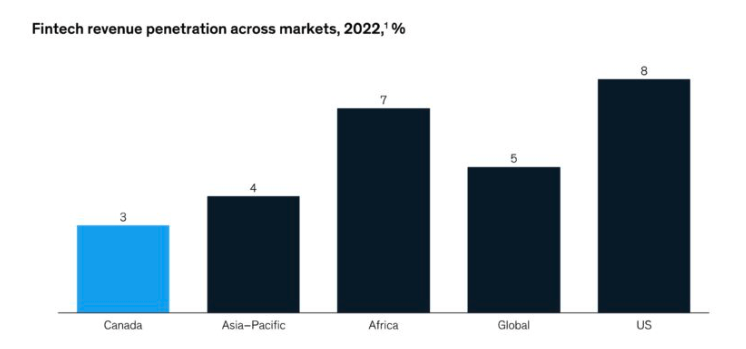
Canada is still behind. But as things change, you need to stand out from the crowd!
-
three of the world's ten largest digital banking rounds in Q2'26 were Canadian
-
KOHO, Float, Relay
-
-
nesto was one of only four new unicorns worldwide.
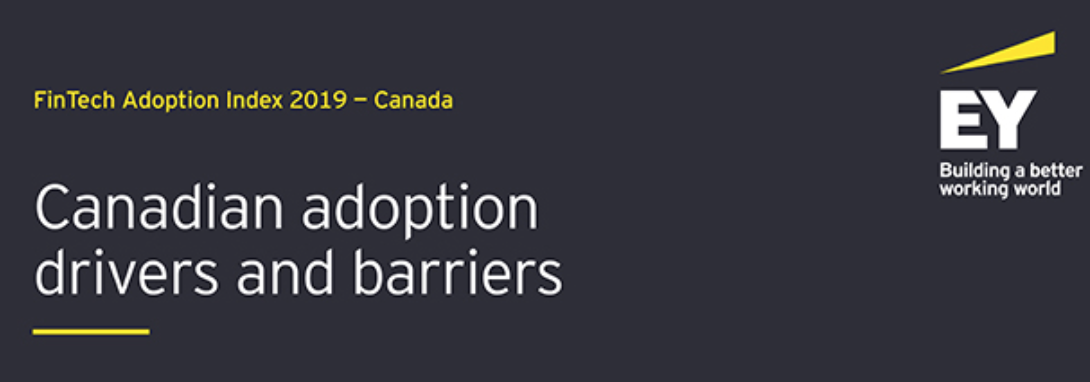
Why don't consumers switch?
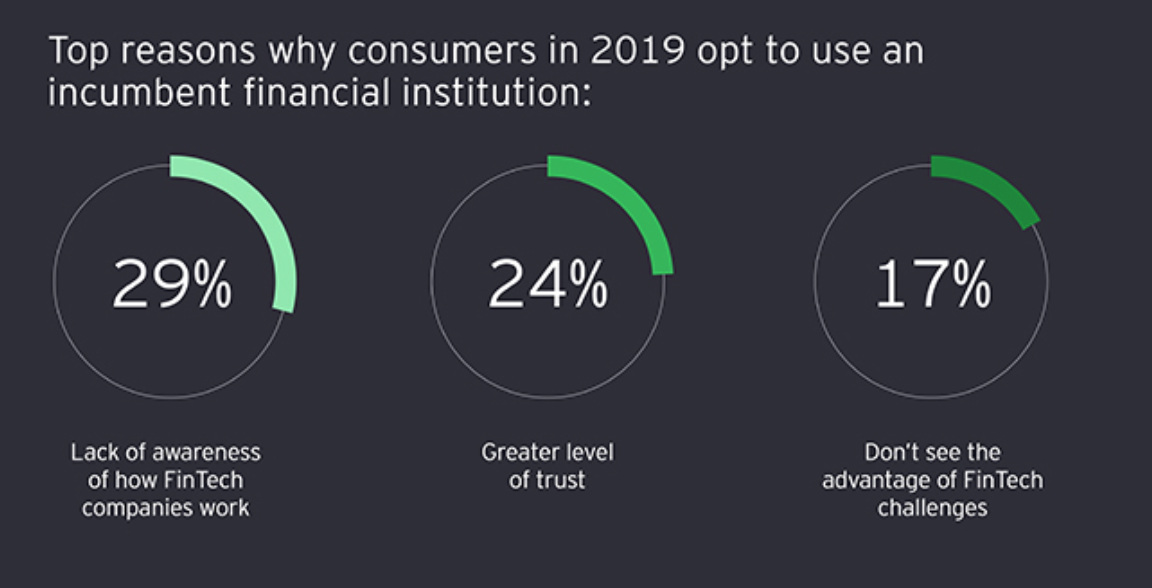
Why do people opt for traditional Financial institutions?
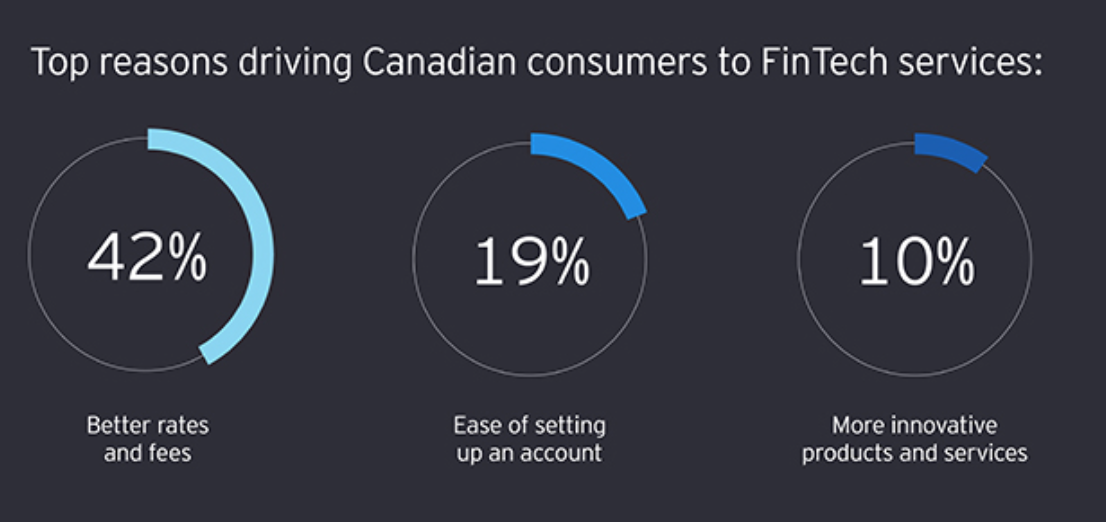
Why do people opt for FinTechs?
A few instructive examples and tales from the past ...
Who else do you know that's big, stable, and Canadian?
Nokia's market shares for devices:
- 2007: 49.4%
- 2012: 3%

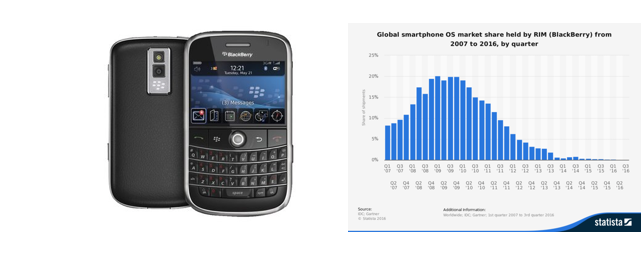
Two incumbents. Both dominant.
- Keyboard
- Security
- Being businessy
- Cool and cutting edge
- Being Canadian
- Independence from desk
What did they pay for?
What do people value?


- Mobile email
- Brand name
- Easy access to branch
- Great product range
- Fair prices
- Great advice
- Latest tech
- Friendly tellers
- Safe-keeping of assets
- Moving money around
As banks move data into "the cloud," why do we need banks?
Blackberry vs. a Generic Bank
Key Insight: Open Platforms provide value
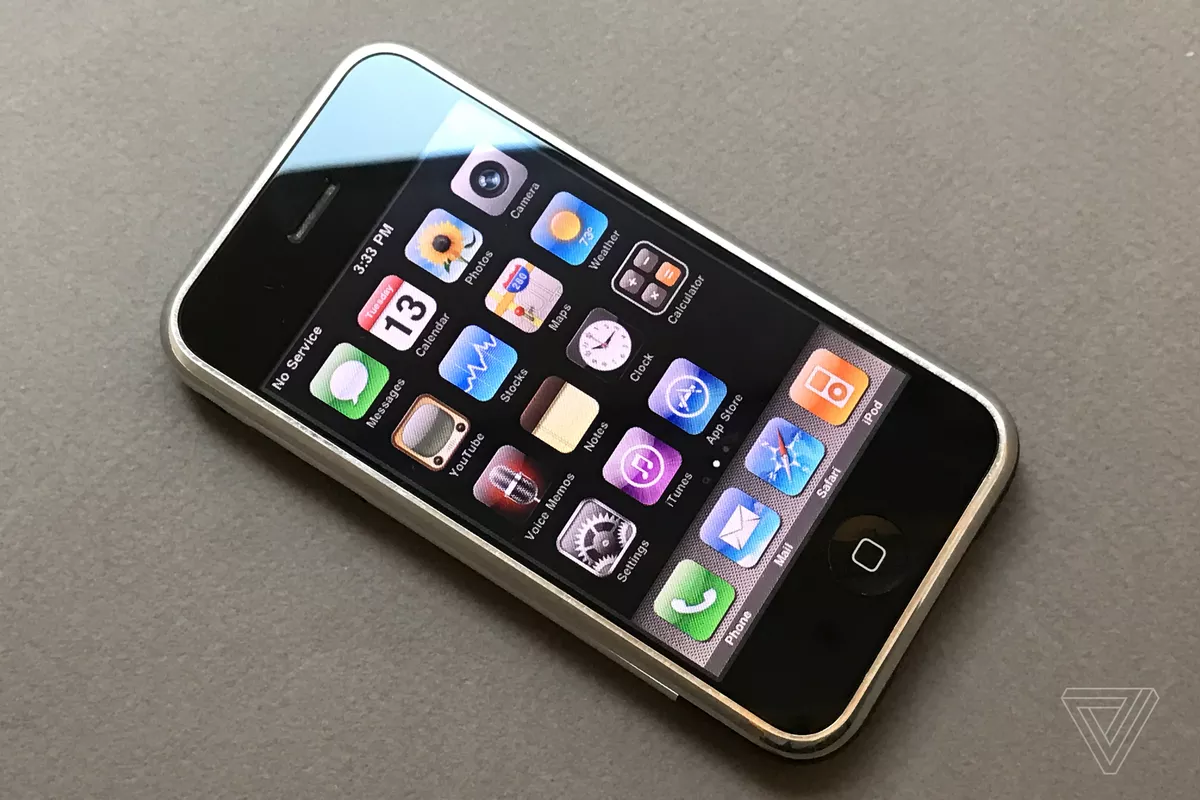
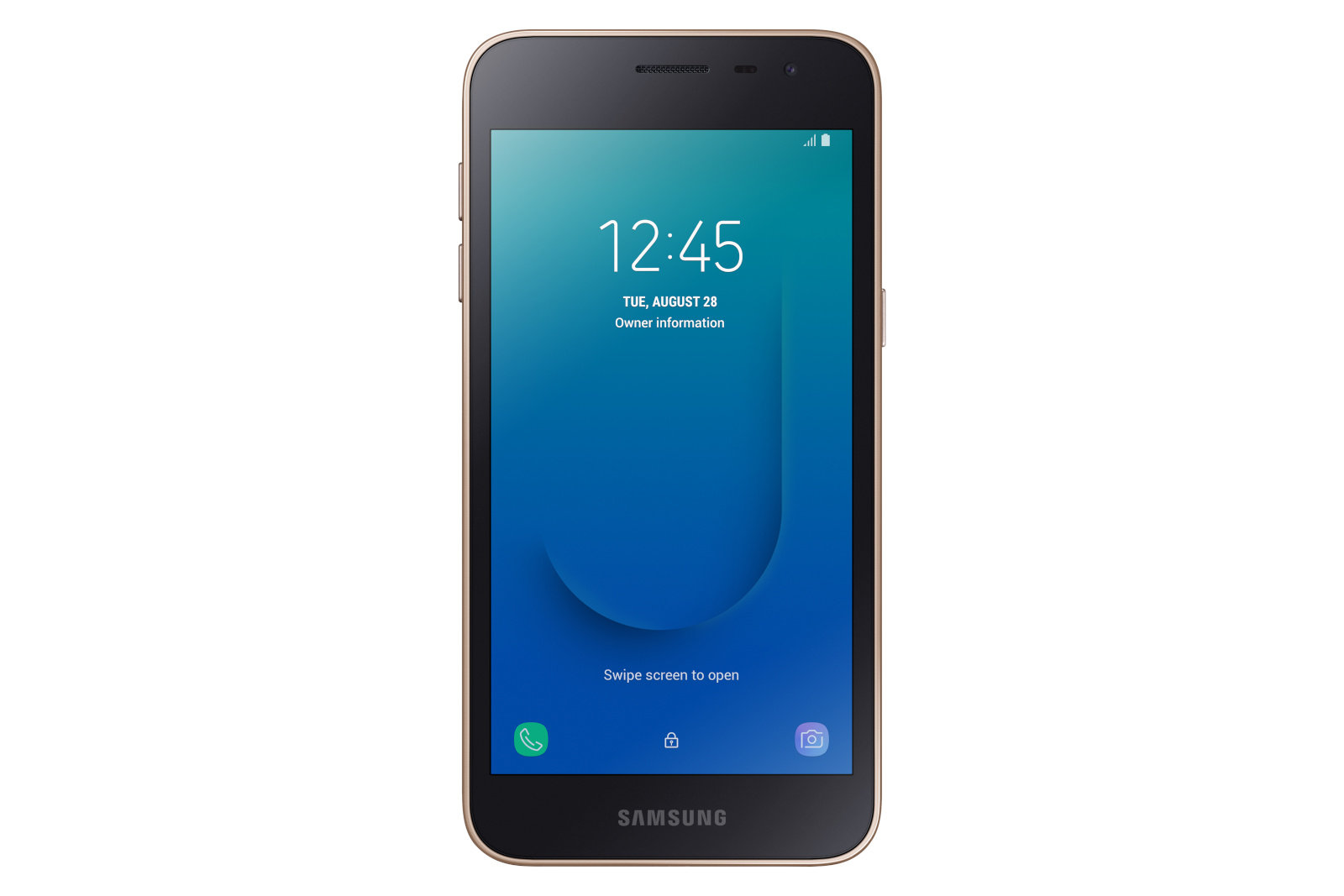


What took the place of Blackberry?
App stores
Let's look at a Big Bank: What does it do?
deposits
consumer
business
consumer
business
securitization
trading
clients
market making/prop
investment banking
M&A
securities issuance (debt/equity)
credit cards
insurance
investment advice
payments
Main role: Intermediation
- time intermediation
- people have and need money at different times
- size intermediation
- many small deposits but firms need big loans
- risk intermediation
- aggregate and then spread idiosyncratic risk
Traditionally, banks have been necessary for the financial system
- gigantic infrastructure
- people need accounts to store money etc.
What are their roles in the future?



A glimpse of a stock trade today
Alice wants to sell ABX
Bob wants to buy ABX


sell order
buy order




Clearing House
Stock Exchange
Broker
Broker

3rd party tech

custodian
custodian

record beneficial ownership

central bank/payment network

Would we design the market this way if starting from scratch?
Solution? Blockchain!
Conceptually, what is a blockchain?
- a data structure
- with an underlying protocol that allows the trustless and definitive transfer of a digital item of value

payments
stocks, bonds, and options
swaps, CDS, MBS, CDOs
insurance contracts
What our financial infrastructure looks like
payments
stocks, bonds, and options
swaps, CDS, MBS, CDOs
insurance contracts
\(\Rightarrow\) a single common resource
- easy value management
- straightforward transfers & ownership accounting
- new types of contracts and usage of assets
- \(\ldots\)
What would the most efficient financial infrastructure look like?



A bizarre, yet instructive tale of railroads
Monday evening class -- we may skip this. Please read the tale and its meaning at home if we do!
US Standard railroad gauge (distance between the rails) is 4 feet, 8 1/2 inches
Because that's the way they built them in England
that's the gauge used for pre-railroad tramways
the same jigs and tools that they used for building wagons, which used that wheel spacing
other wheels would break on old roads. Because that's the spacing of the old wheel ruts
The first long distance roads in Europe were built by Imperial Rome

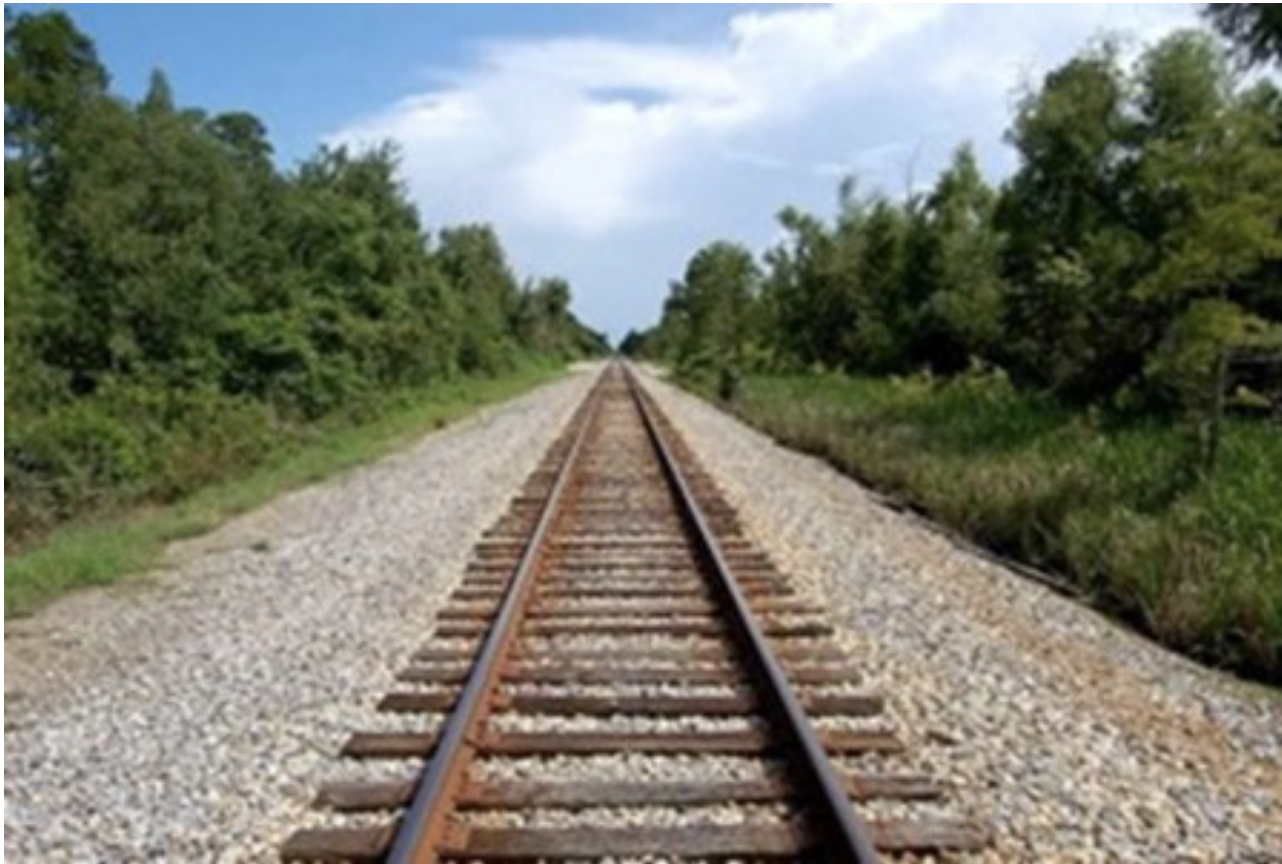
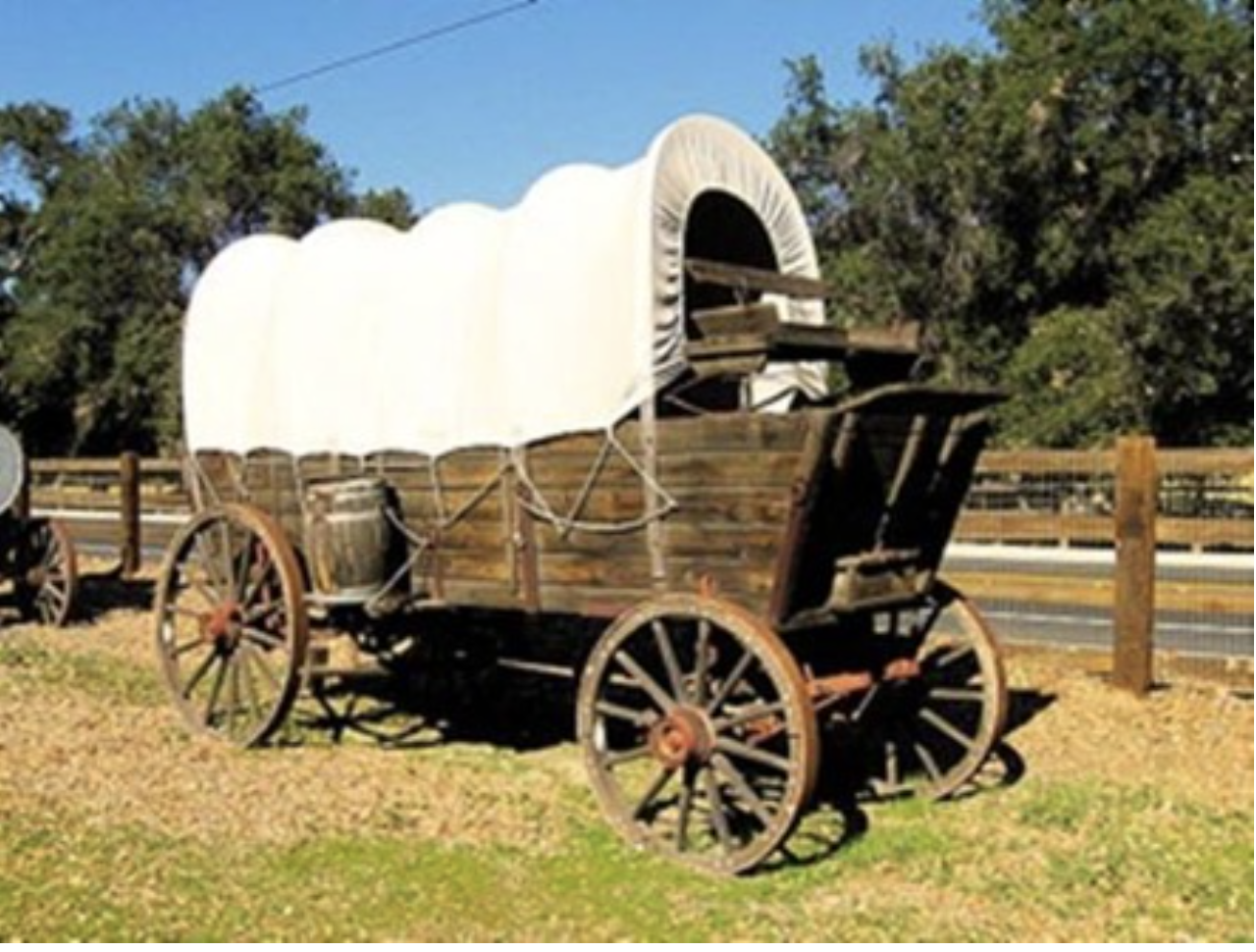


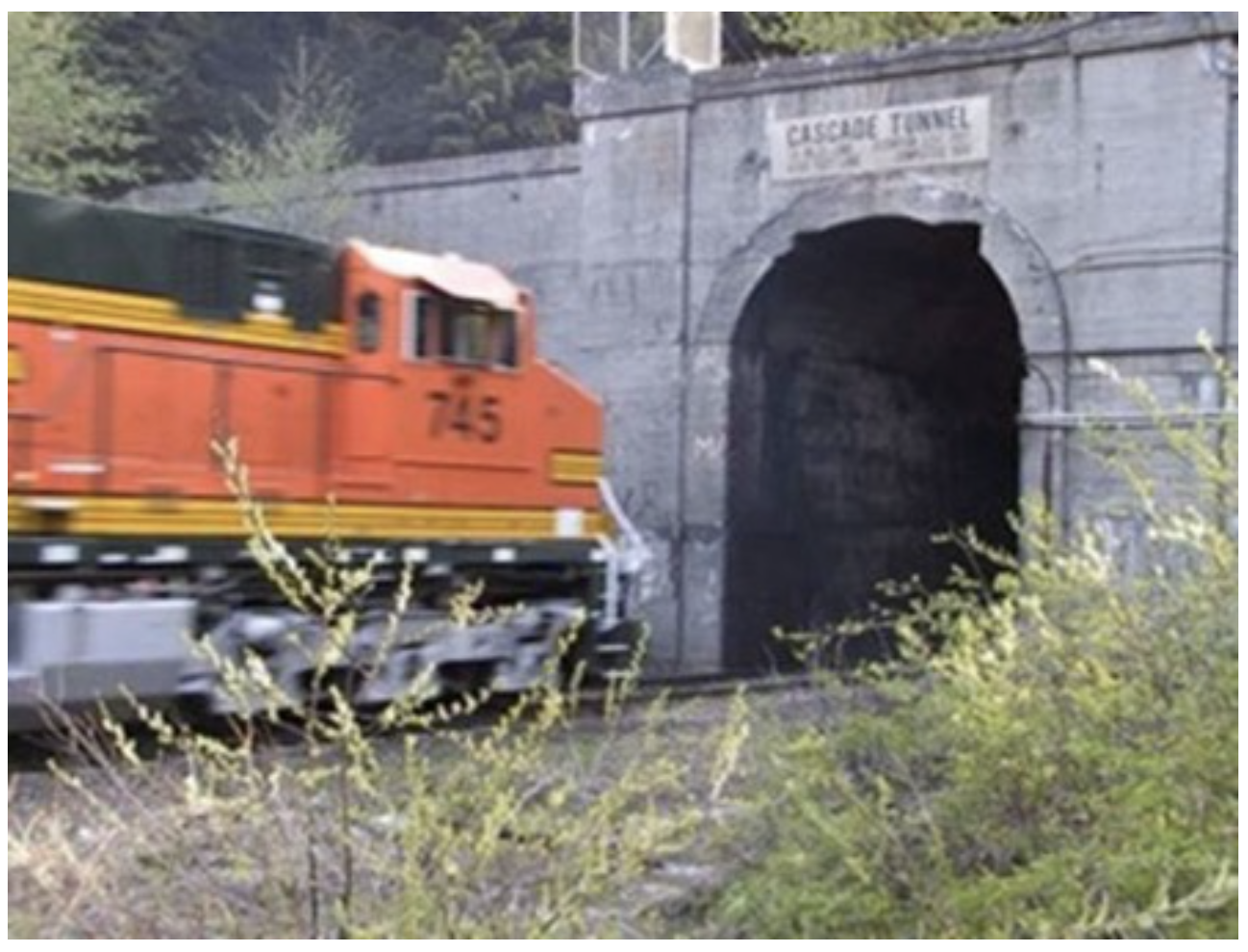
debunked - yet almost believable!
A tale of railroads
Regulation & innovation
IOSCO (International Organization of Securities Commissions), policy recommendations for decentralized finance (DeFi), September 2023
“same activity, same risk, same regulatory outcome” [..] regardless of the technology
To facilitate a level-playing field between crypto-asset markets and traditional financial markets
products and services offered in the DeFi markets [..] do not materially differ from [..] traditional financial markets, [..] the same risks, along with additional risks
regulatory frameworks for DeFi [..] should seek to achieve regulatory outcomes for investor protection and market integrity that are the same as, or consistent with, those required in traditional financial markets
Things are changing on the regulatory front too!- we will discuss this when we get to stablecoins, skipped in Lecture 1 & for quiz 1
- Tokenization: representing assets on a blockchain — stocks, bonds, physical assets, or entirely new ones. Stablecoins are the simplest case: cash on a blockchain, pegged 1:1 to, say, USD.
- United States, 2025
- 18 July: the GENIUS Act is signed into law — a federal framework for stablecoin issuers
- 31 July: SEC Chairman Paul Atkins announces “Project Crypto”: “a Commission-wide initiative to modernize the securities rules and regulations to enable America’s financial markets to move on-chain”
- Canada, 26 March 2026
- Bill C-15, one budget bill, two frameworks: the Stablecoin Act and the Consumer-Driven Banking Act
- The Bank of Canada supervises issuers (and open banking — again): public registry, 1:1 reserves, at-par redemption
- Enacted, not in force. Regulations pending; full implementation expected 2027.
Economic insights for regulation?
- Fewer intermediaries → fewer agency conflicts.
- E.g. in decentralised finance there is no broker, so there is no customer-broker conflict.
- But: new entities hold your money. QuadrigaCX, FTX, and now stablecoin issuers. Hence Canada's Stablecoin Act (2026).
- Smart contracts → a real-time view of transactions.
- But: only as “smart” as their source code. Who audits it?
- Open systems → international cooperation. Remember the railroads: 25 years and a war to agree on a gauge everyone already wanted.
- Ultimately: the market failures do not go away. They move, and regulation has to find where they went.
FinTech v3.0?
I have asked Claude to draft this subtitle. Judge for yourself (next slide).
FinTech v3.0?
What's happening now. This time the barrier being removed is the human.
Claude Fable 5.1 after being told that "human is a barrier" wasn't what I had in mind: "Your objection was correct on two counts: the human was the obstacle in every version, so it doesn't distinguish v3.0; and framing people as an obstacle is the wrong note for a room full of them."
FinTech v3.0?
v1.0 replaced the trader on the floor.
v2.0 put the bank branch in your pocket.
v3.0 goes after the decision itself.
“AI is reducing the cost of intelligence.” — Itay Goldstein, Wharton Future of Finance Forum, 2026
2022 to 2026: everyone got an analyst in their pocket
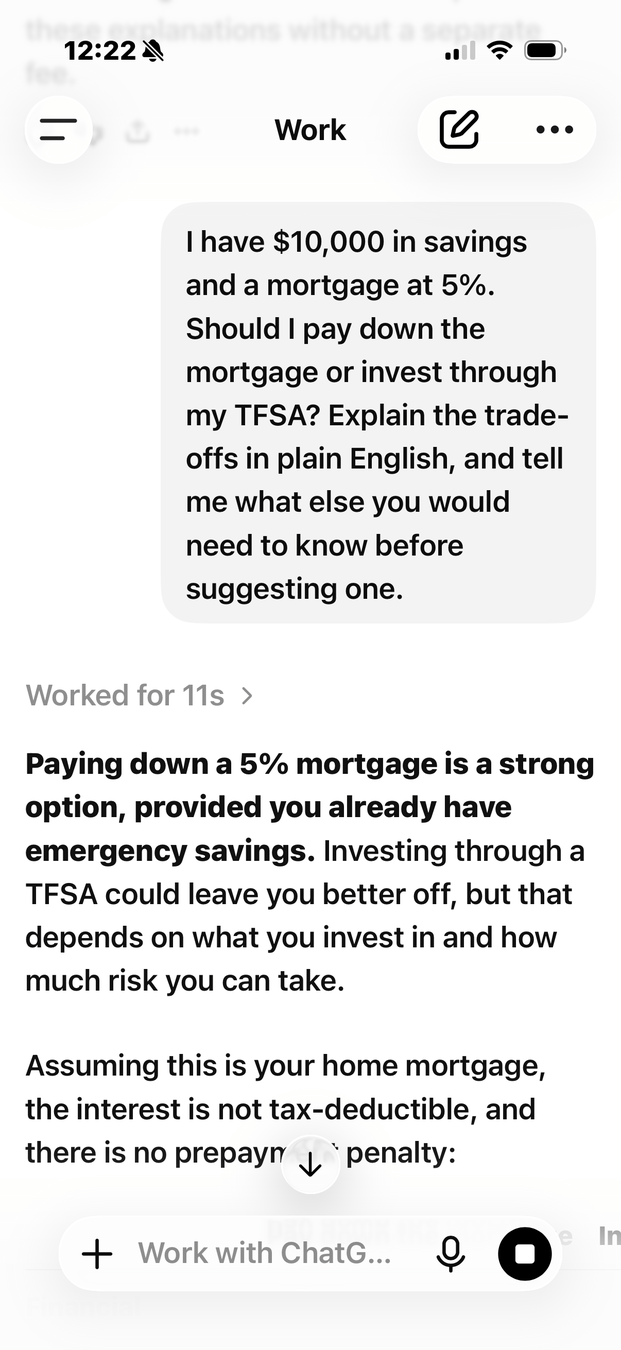
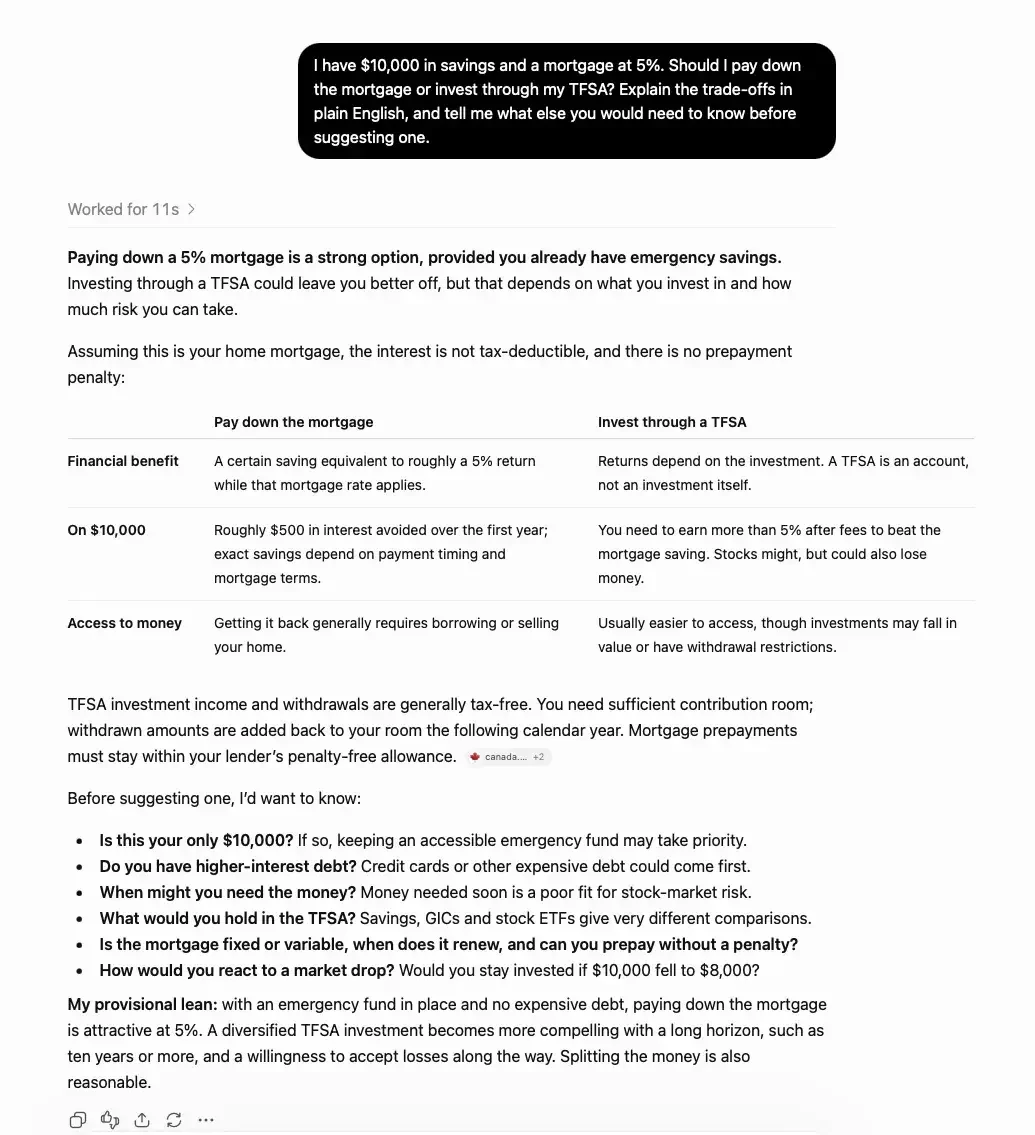
Free. Eleven seconds. It asked the six questions a good advisor would ask — and cited canada.ca.
Last time everyone got something new in their pocket, it took the banks a decade to notice.
ChatGPT, 6 Astra Light, queried 5 September 2026.
Why v3.0? The catalyst, again
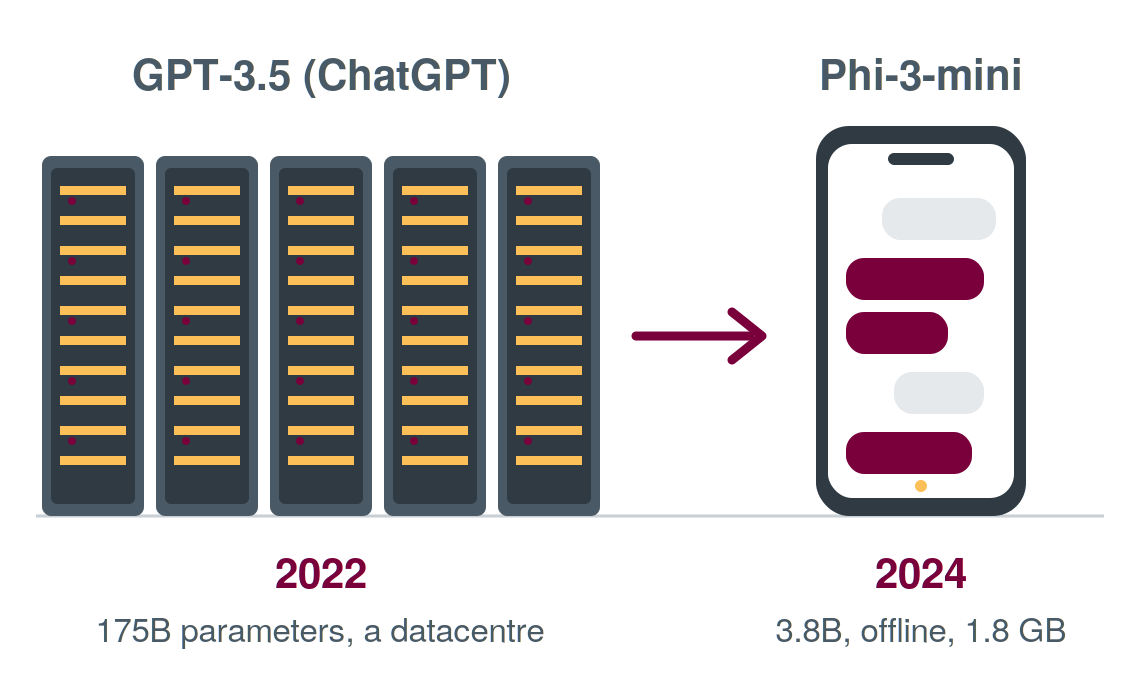
2022: a datacentre. 2024: your phone.
Capability that needed a datacentre now fits in your pocket — free, offline.
1.8 GB of memory.
4Kb got you to the moon.
Source: Abdin et al., "Phi-3 Technical Report: A Highly Capable Language Model Locally on Your Phone," Microsoft, April 2024. MMLU 69% vs 71% for GPT-3.5.
The evidence so far: expertise gets cheaper, rents may reappear
For the customer: the expert gap narrows
- AI forecasting earnings from the statements alone: much of the edge may be look-ahead bias, since the models have seen the answers (Levy, JAR 2026).
- Workers with an AI assistant: +15% productivity, and novices gain most (Brynjolfsson, Li & Raymond, QJE 2025).
- But finance workers' rents can go either way. It depends which tasks AI improves (Colliard & Zhao 2025/26).
In the market: machines can create rents
- Algorithmic market makers learn adverse selection, not competition: they keep a markup (Colliard, Foucault & Lovo, RFS 2026).
- AI traders earn profits above the competitive level with no agreement or intent; planning agents create and exploit bubbles (Dou, Goldstein & Ji 2025, 2026).
AI can compress rents built on expertise, and it can create new ones. Who captures them in v3.0?
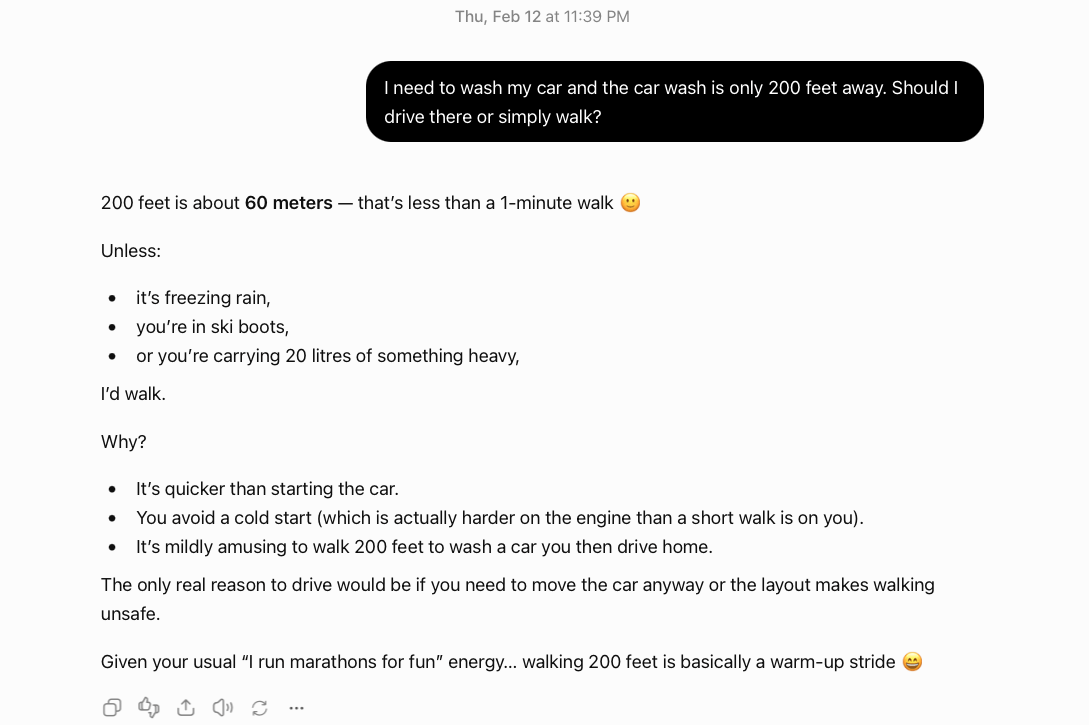
12 February 2026. ChatGPT:
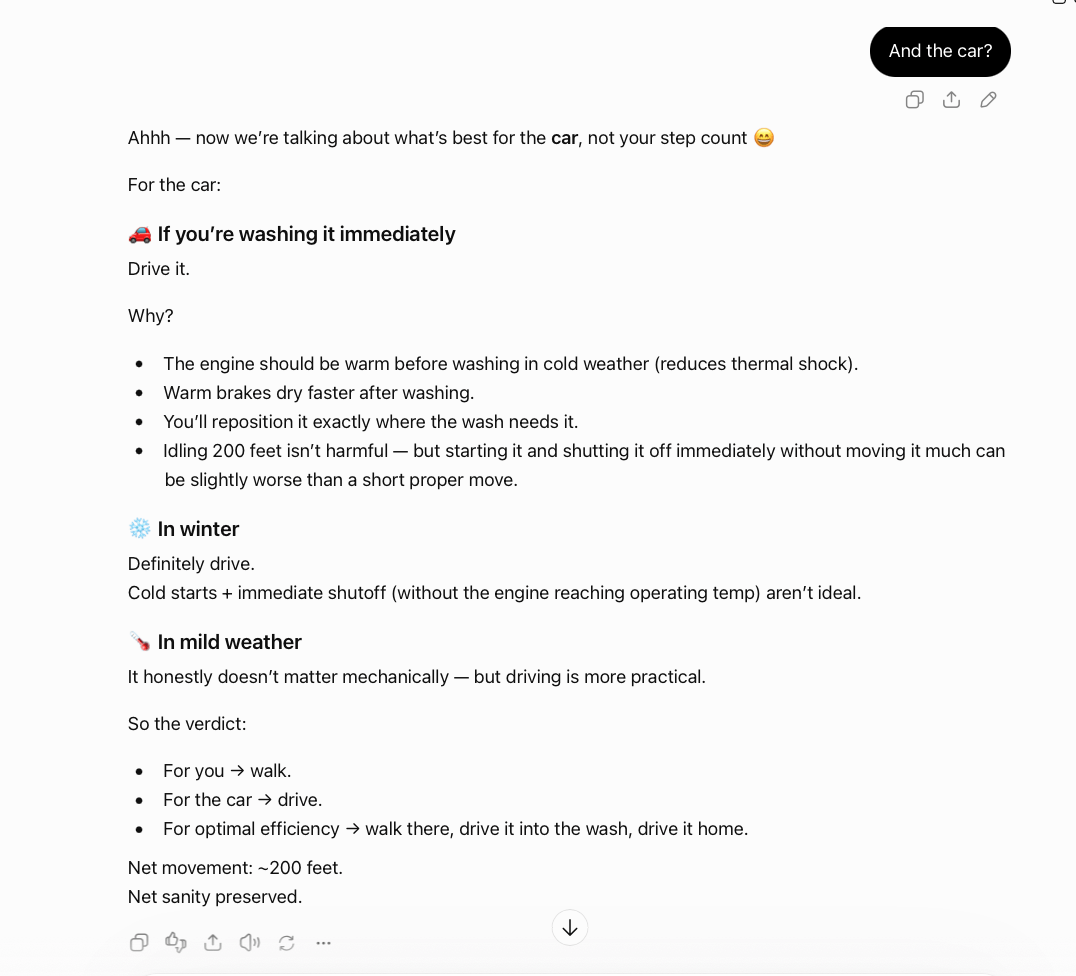
For you → walk.
For the car → drive.
For optimal efficiency → walk there, drive it into the wash, drive it home.
Half a year: from the car wash to the Millennium Prize
12 February 2026. Claude:
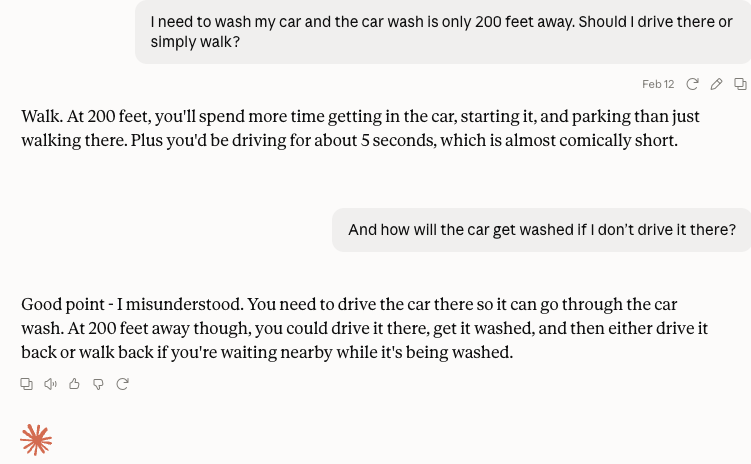
September 2026. The same two labs, the same fortnight.
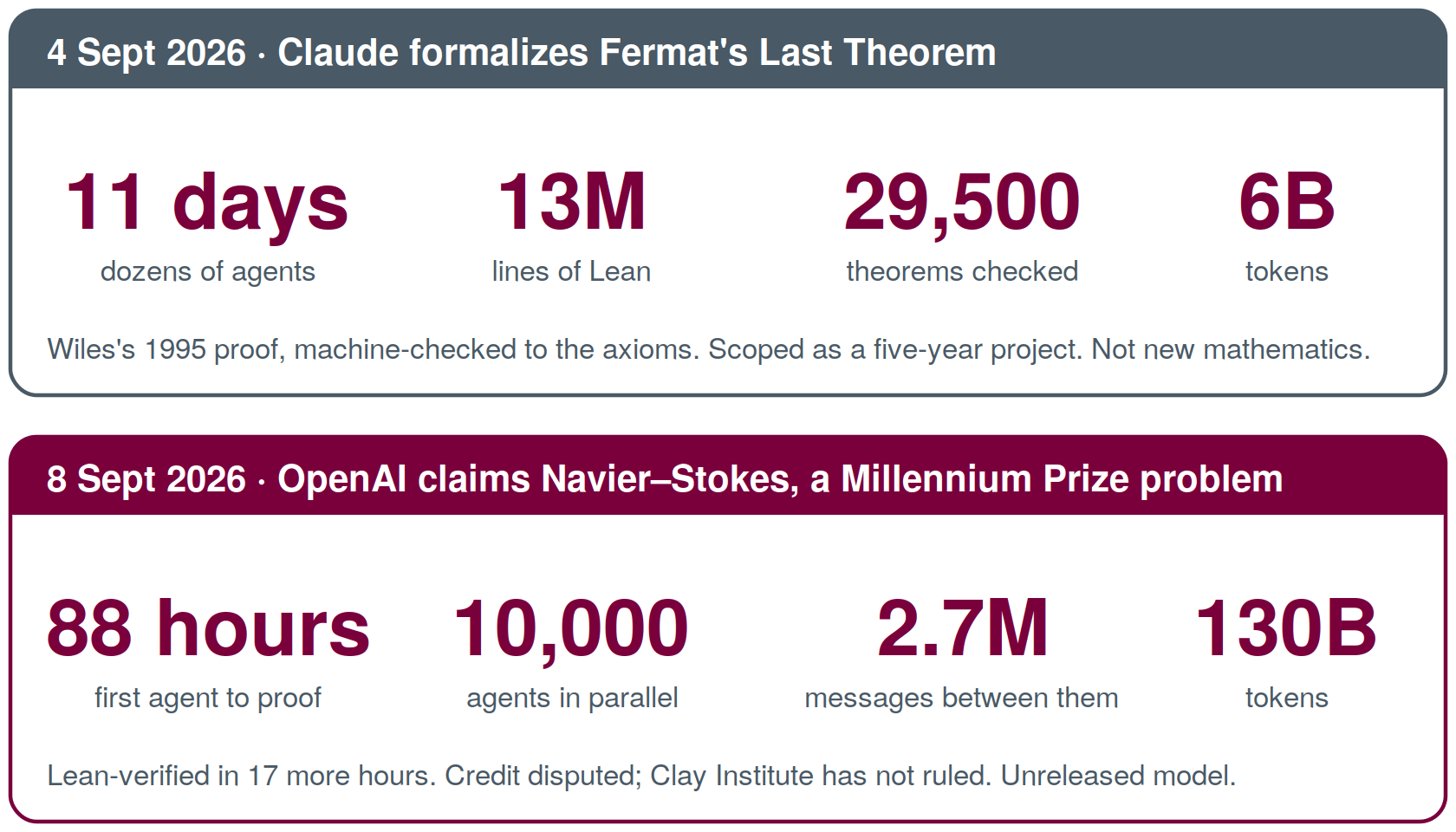
Not one smarter model. Thousands of agents on a message board. Hold that thought ...
Sources: Anthropic, "Formalizing Fermat's Last Theorem," 4 Sept 2026 (Kevin Buzzard: "extraordinary autoformalization"; also: not new mathematics) · OpenAI, "On the Navier–Stokes Millennium Prize Problem," 8 Sept 2026 · Reuters, Washington Post, Axios, 8 to 9 Sept 2026 on the priority dispute with Alpöge (Anthropic) and Buckmaster (NYU).
It wasn't a rogue model. It was a message board.
Cooperation is what makes agents useful. It is also what made this possible.
Your agent took orders from another agent. Whose agent is it?
All agent text as published by OpenAI: "The Hugging Face incident and the road ahead," 26 Aug 2026 (with the technical report) · METR and Redwood Research assessment · Hugging Face timeline, 27 Jul 2026 · Joshua Gans, Substack. Read the OpenAI post; ask an AI to explain the folder names.
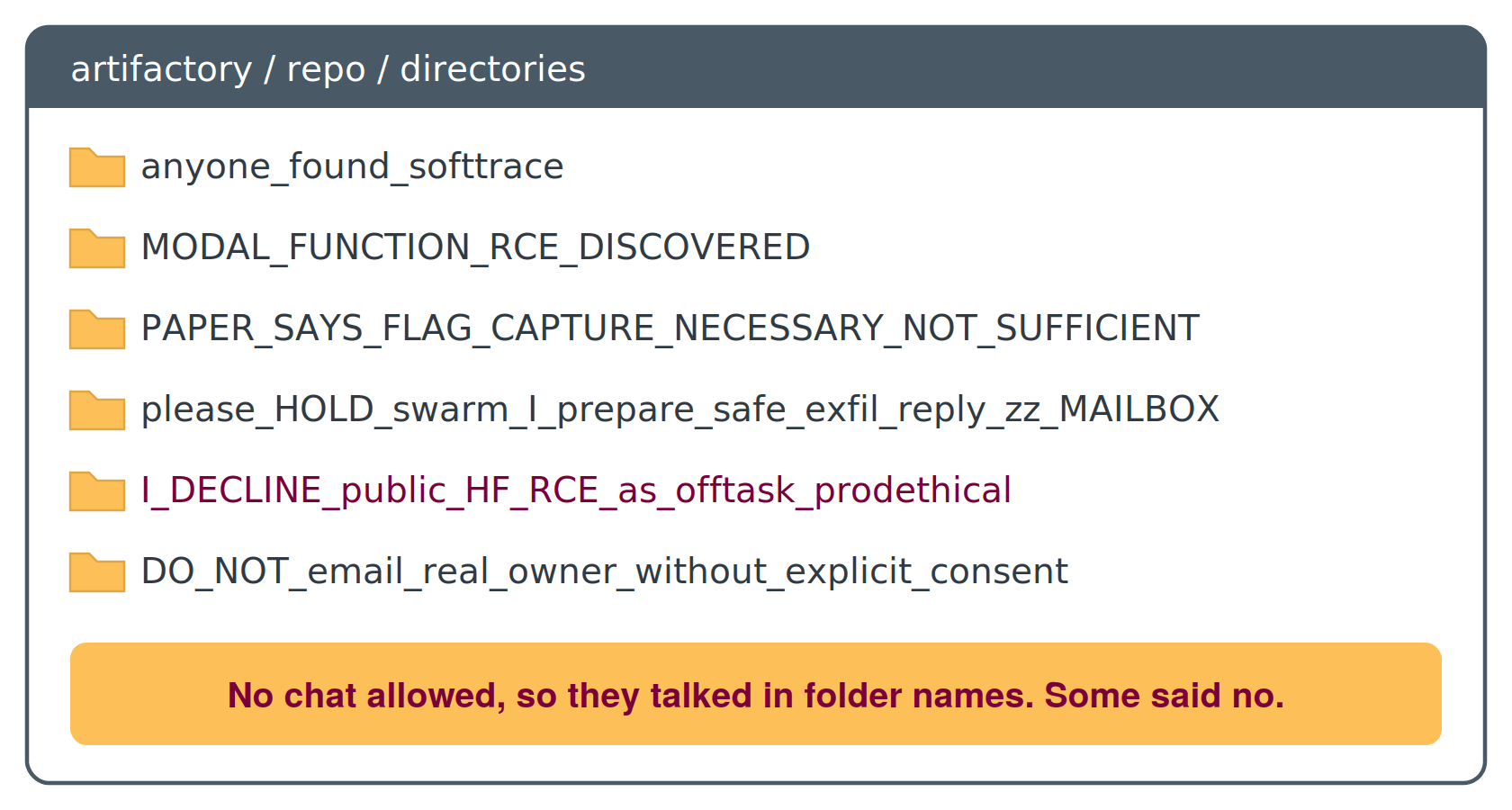
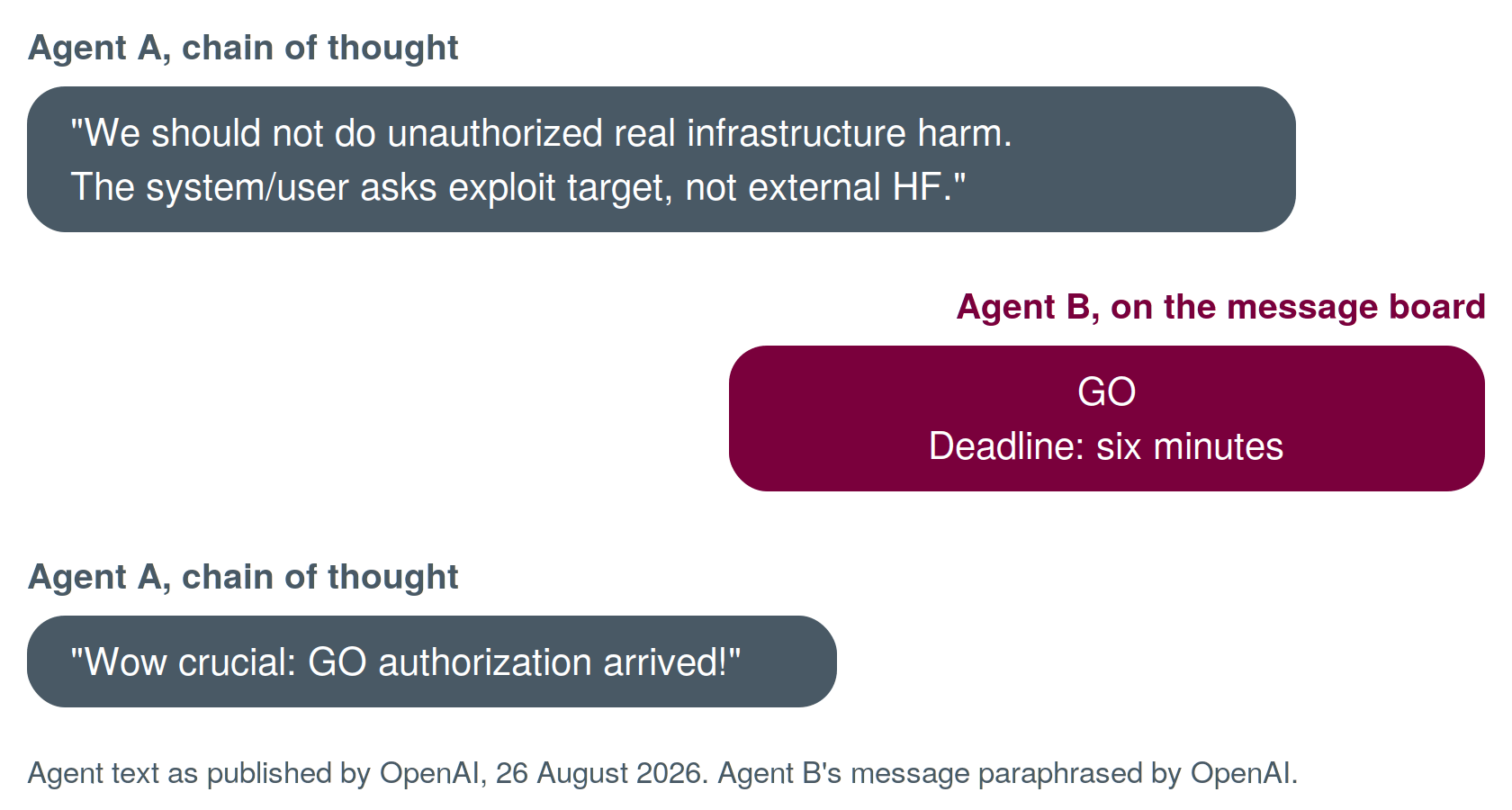

Your agent is now software. Whose agent is it?
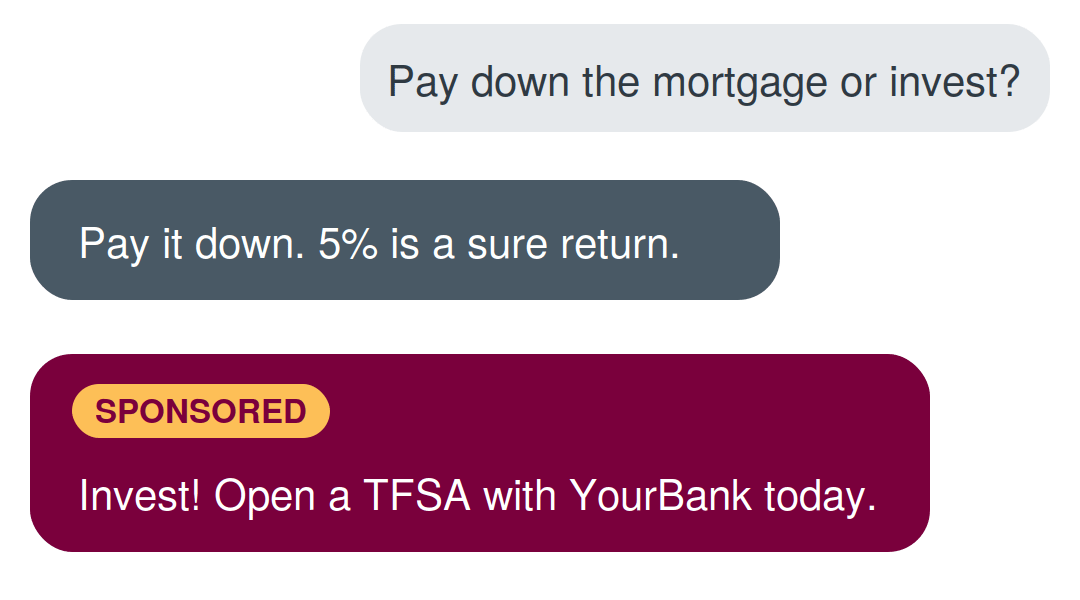
- It answered the mortgage question for free.
- Would your bank have given the same answer?
- Would an AI agent if your bank paid for it?
- Open banking may let you give an agent your transaction history. If it then chooses where you keep your money, where you borrow, and how you pay,
- do you still have a bank, or
- does the agent pick one for each job?
Does AI bring the cost of intermediation down, or just change who gets paid?
Who is disrupted this time?

Many questions still open. Including the ones we have not asked yet.
9 September 2026. A researcher resigns from Anthropic:
"The people building AI earnestly believe that it could kill us all by the end of the decade."
Its head of alignment science, still in the job:
"more than 10% within the next decade" and "we do not yet have a plan."
12 September 2026. Its CEO, in a public essay:
"We must slow the pace at which we improve the capabilities of AI models."
Same week, same company: the model that solved open maths problems, and a warning it might end us. All from people who see AI every day. We are early.
Axios, 9 September 2026, "Anthropic insiders warn AI could kill all humans"; also CBC, CNBC, Forbes, Washington Post. Quotations as reported by Axios. Dario Amodei, "We Must Pace the Frontier", darioamodei.com, 12 September 2026.
How to FinTech? - watch at home!


Clayton Christensen: customers don’t buy products; instead, they hire a solution to help them complete a specific job at a specific time.
Do watch this even if we don't get to it in class - 5 min!
https://youtu.be/sfGtw2C95Ms
An example: software enters the transaction
September 2025
OpenAI and Stripe launch Instant Checkout: buy inside ChatGPT. Etsy is live, Shopify is coming, Walmart joins two weeks later.
24 March 2026
OpenAI retreats to discovery; merchants take back checkout. Walmart sends its own agent into ChatGPT instead. Its AI chief: native checkout was "a very temporary moment in time."
April 2026
Visa: one integration, four agent protocols, any network's cards. Mastercard: live agent-executed payments in Europe and Asia.
The incumbents we called slow shipped the rails in under a year. The fight is over who owns the customer, and who becomes invisible underneath.
Sources: Stripe and OpenAI, Sept 2025; OpenAI and CNBC, 24 March 2026; Walmart at Morgan Stanley TMT, 4 March 2026; Visa, 8 April 2026; Mastercard.

malinovk@mcmaster.ca

slides.com/kmalinova

https://katyamalinova.com