How does your digipak use, develop and challenge conventions?
Using Conventions
One way in which our digipak uses conventions of real digipaks is by using the front and back panels as the main promoters of the album cover. This is a key style of digipaks and is commonly utilised as a convention. For example:
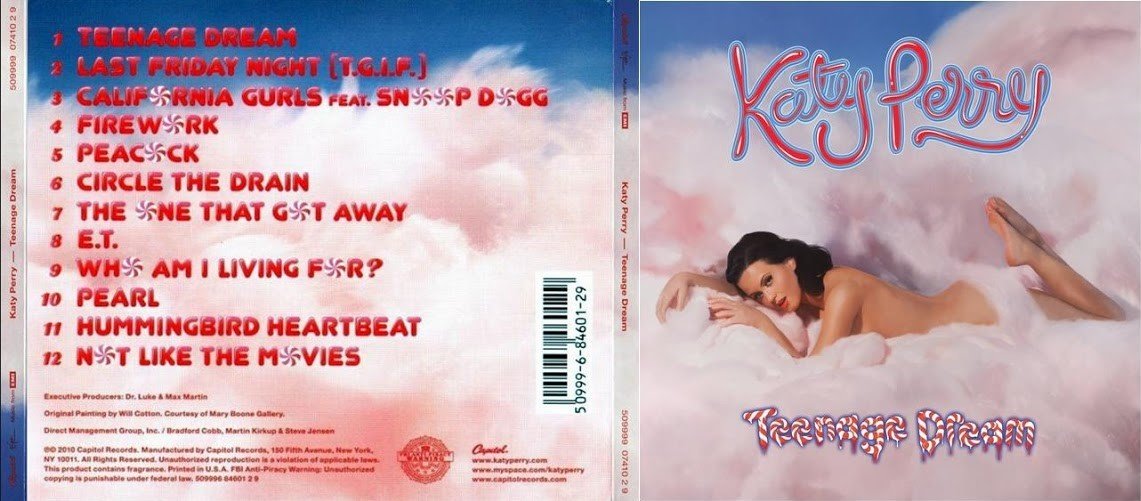
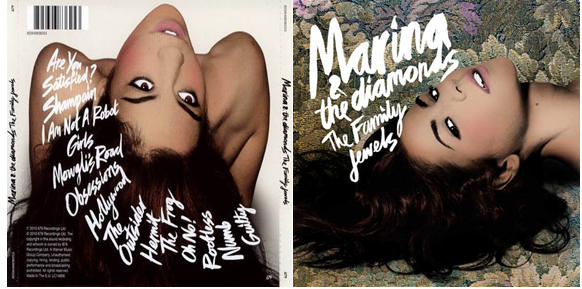
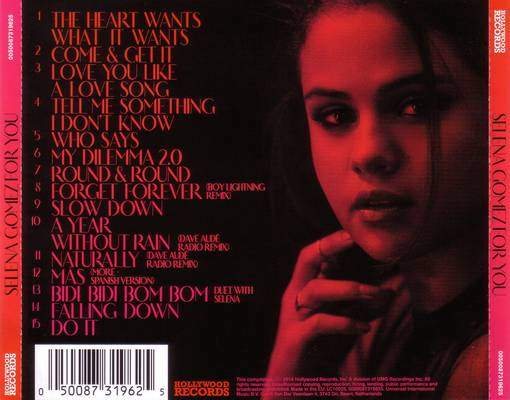

As you can see from these examples, the front and back panels of digipaks are usually the main panels and are the ones that are used most significantly to market the artist. This is because these are the first panels that the audience sees when they come across a digipak, meaning that these are the panels that need to most effectively market to their audience.
From the examples above you can also see how the artist's face and physical appearance is frequently used on these two panels. For debut artists in particular this convention is often utilised. For example, Dua Lipa is currently a debut upcoming artist who released her debut album in June 2017. This is the front panel of her digipak:

For Lipa's debut album a photo of her herself was used, similarly to other debut albums such as...
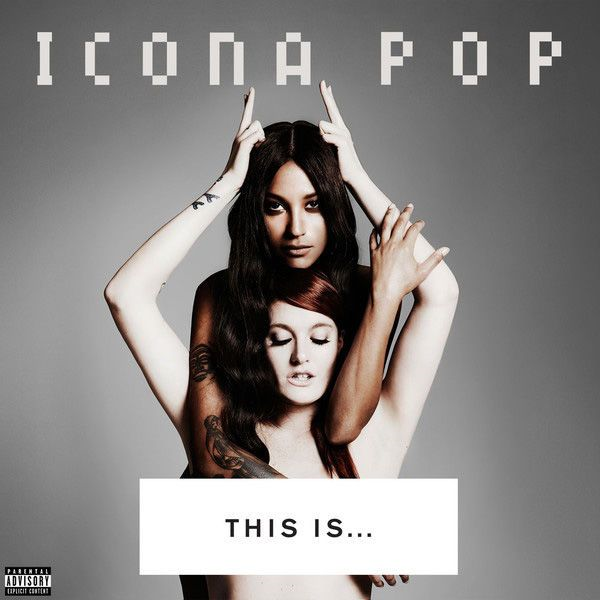
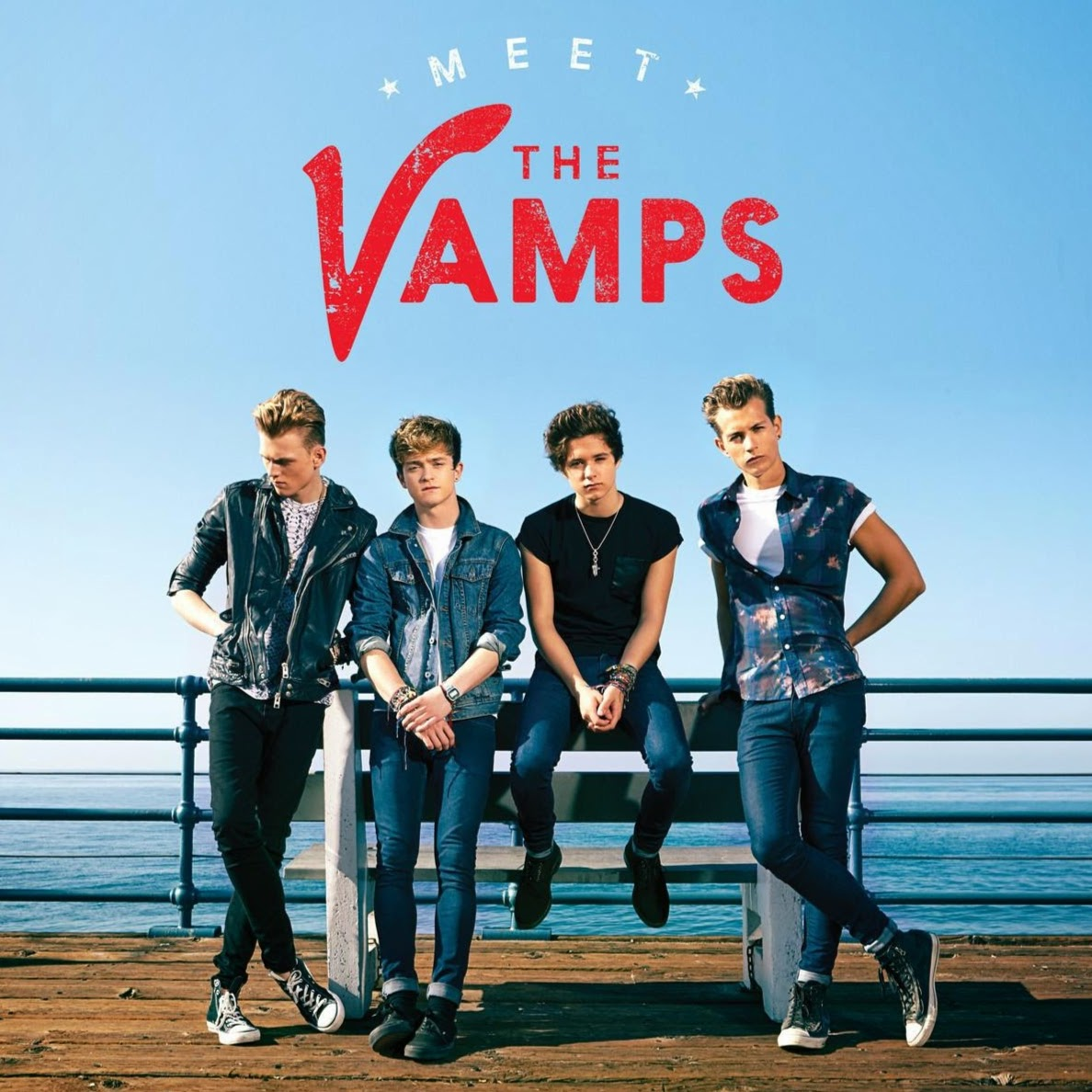


From these examples you can clearly see how, for artists' debut albums, their front panels are often relatively simplistic, featuring a photograph of themselves with their name.
How we applied this convention to our own digipak
After researching digipaks and the conventions of the digipaks of debut artists, we decided to also use this convention of using a photograph of the artist for both our front and back panels:
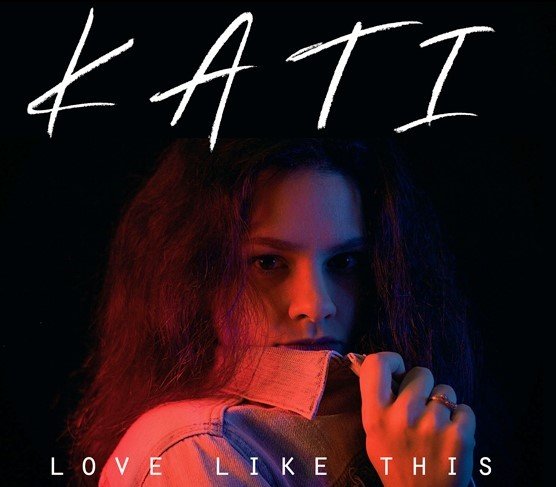

Similarly to other digipaks, for these panels we used close-up and medium close-up shots of our artist. This enables our audience to essentially become 'closer' to Kati due to these close-up shots, allowing them to connect with our artist on a more personal level which is essential in order to gain a connection between our artist and their audience.
Using Conventions
Another way in which we have used conventions of digipaks is by including a barcode, the name of our production company, the logo of the record label and copyright legalities on our back panel. All of these individual features are always included in digipaks and they are always placed on the back panel. For example:

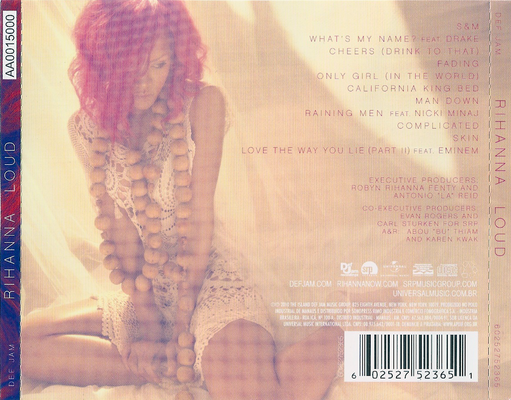


Barcode
Record label
Copyright legalities
On the back panel of our own digipak, we also decided to use these features:
Copyright legalities
Logo of the record label
Barcode
Developing Conventions
One way in which we developed conventions of digipaks is by including the name of our artist's website on one of our panels alongside a hashtag for the name of our artist's album. Many digipaks do not always include this information, with the digipaks below being some key examples of this:
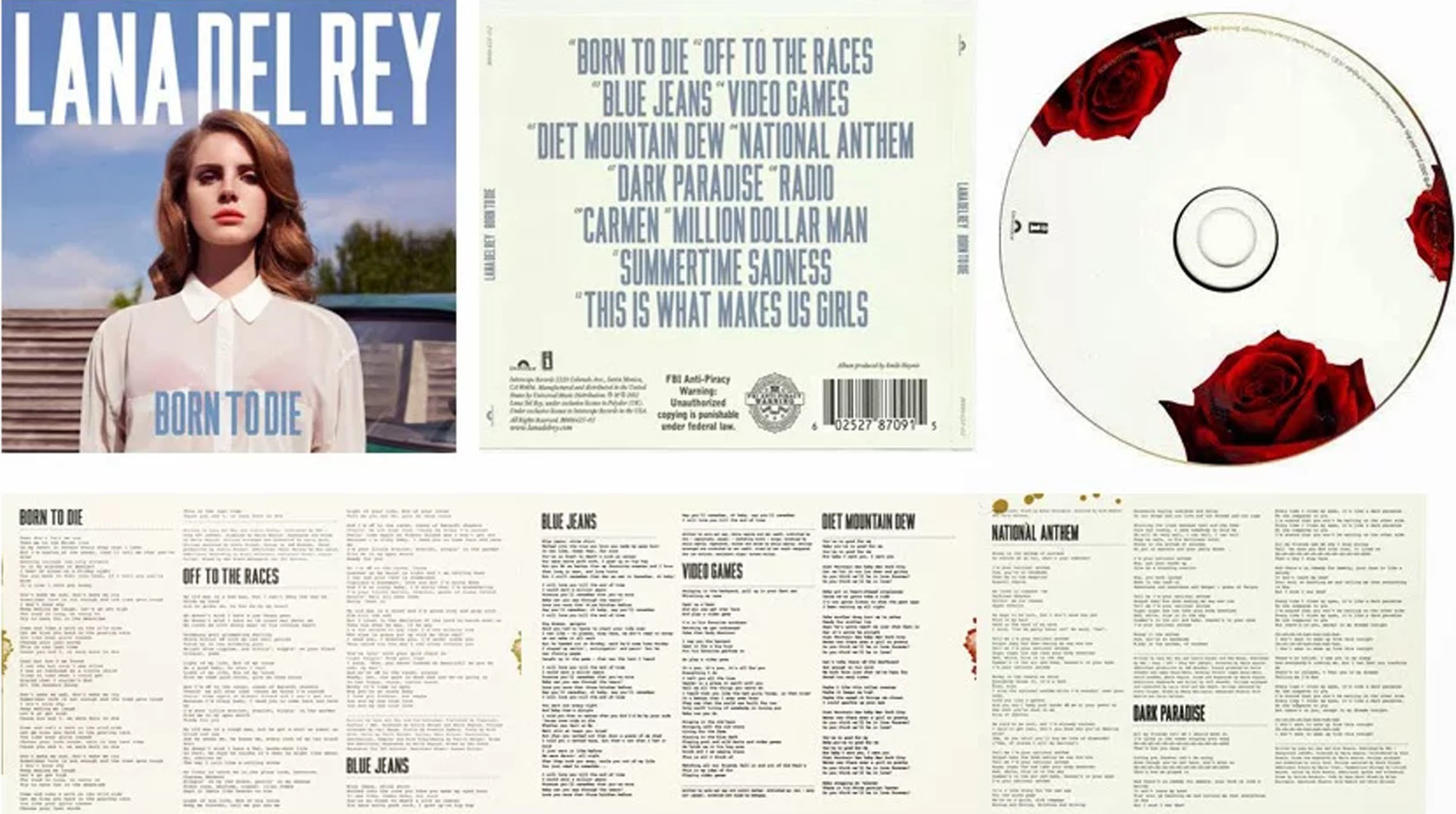
Neither of these digipaks above, marketing very well-known pop artists feature links to any of their social media profiles or their website. However, this does not apply to all digipaks. Take Beyoncé's album '4' for example (featured on the left). The back panel of her digipak for this album does feature the link to her website.

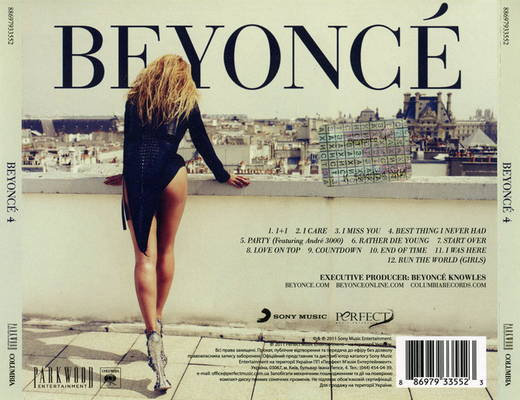
Website address
Developing Conventions (contd.)
We also decided to include the website address of our artist in order to add to the marketing process, also enabling our audience to easily access our artist's website and also social media links:

On this part of our third panel we have included a hastag for the name of our artist's debut album. Hastags are often used amongst several different social media platforms, enabling us to market our artist on many different social media sites. Consequently, this enables us to widen our marketing campaign of our artist. This also demonstrates how we have developed the convention of some digipaks including website addresses of the artist because not only do we include the website of our artist on our digipak, we also include a hashtag to create a 'hype' around our artist.
Here we have also included the website address of our artist, enabling our audience to quickly and easily connect to our artist as they will be able to easily access our artist's website. Due to the way how several digipaks do not actually include this information, this demonstrates how we have developed this particular convention of digipaks.
Challenging Conventions
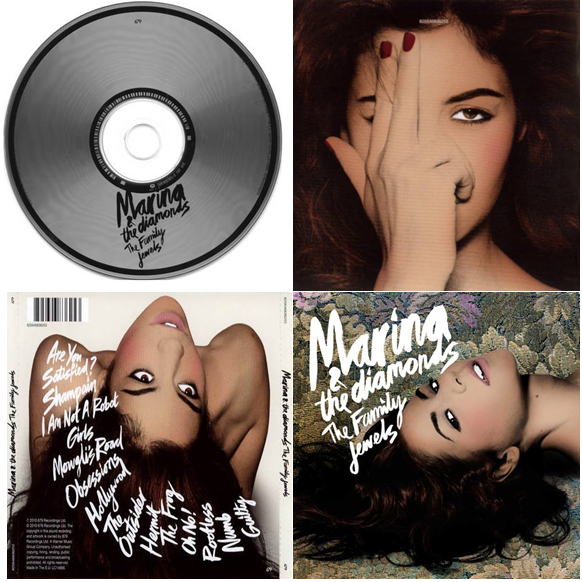
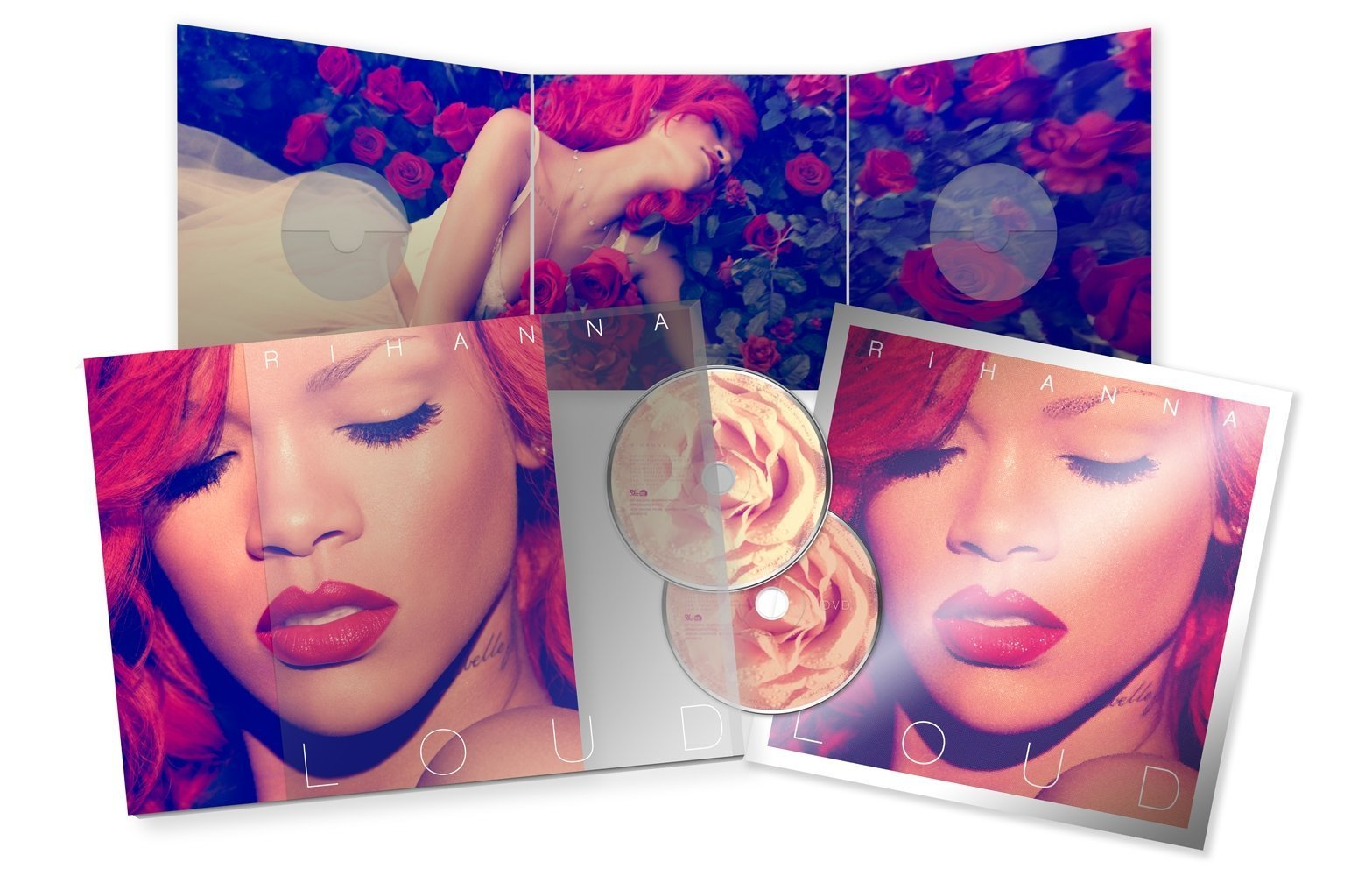
The main way in which we have challenged conventions of digipaks, specifically digipaks within the pop genre is by not using our artist's (Kati) face/appearance for every panel of our digipak. This is very commonly seen in digipaks and is especially seen in the pop genre, with only the disc panel usually being the only option for the artist's appearance not to appear on. For example:

Challenging Conventions (contd.)
From the examples on the previous slide are able to see how it is typical of digipaks within the pop genre to include the artist's appearance on every panel, with the disc panel being the only one to sometimes not include the appearance of the artist. As our own artist is within the pop genre, we decided to challenge this convention slightly by not including Kati's appearance on every panel. Whilst most pop digipaks use the disc panel as the only one to sometimes not use the artist's appearance on, we chose to use our third panel as the one to not feature Kati's face on:
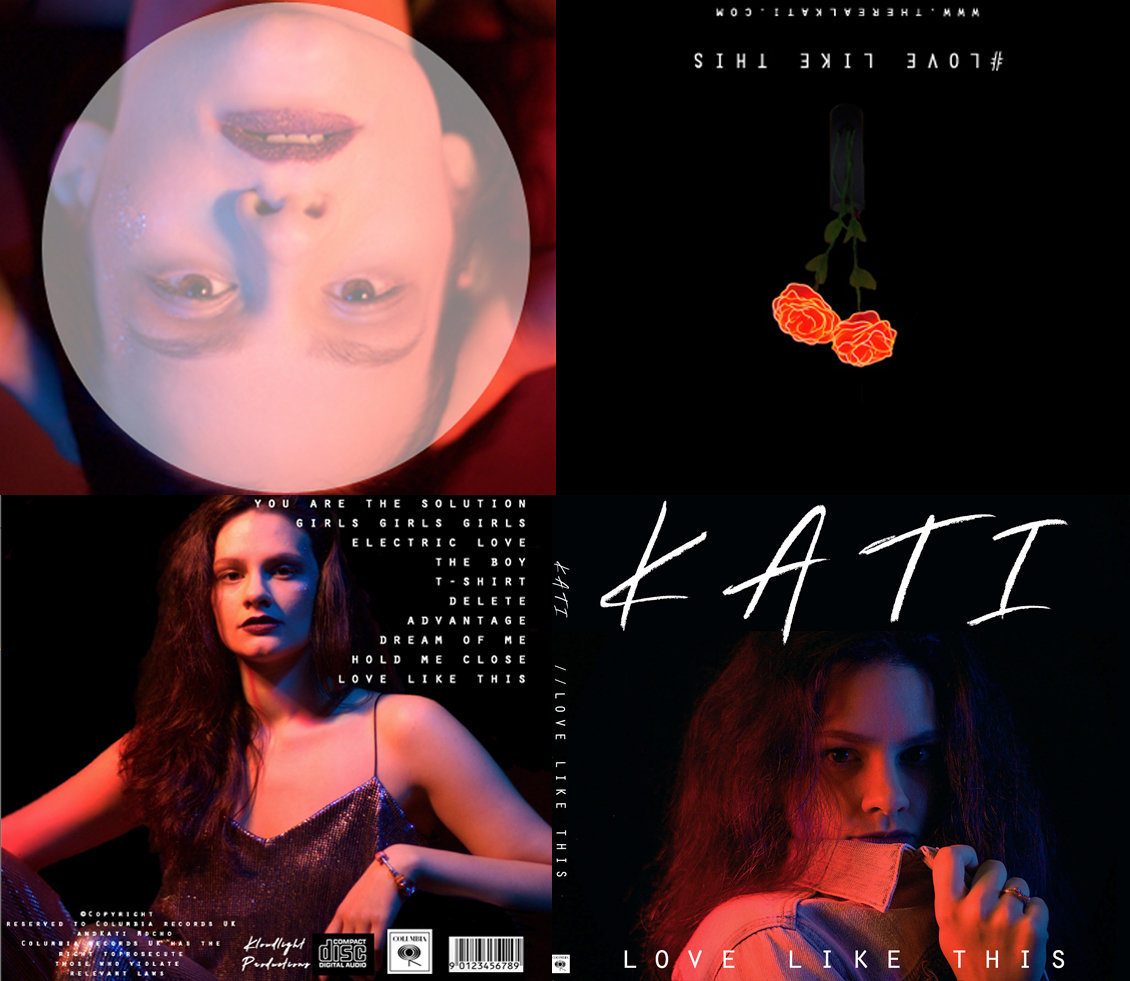

By using the third panel, rather than the disc panel, as the panel to not feature our artist's appearance, this makes our digipak more varied, making it more interesting and eye-catching for our audience, and this also demonstrates the way in which we have challenged this convention of digipaks, specifically of those within the pop genre which our artist themselves is a part of.
Conclusion
To conclude, regarding our digipak we have mainly used or developed conventions of digipaks rather than challenged these. The main way in which we have used conventions is by using our front and back panel of our digipak as the main promoters of this product. We also used our third panel to develop some of these conventions, by using this particular panel to advertise our artist's website and also a hashtag associated with our artist that can be used on any social media platform, enabling our artist to be marketed on several parts of the online world which will help to 'spread the word' about her debut single and album. The main way in which we challenged some of these conventions is by not including a photograph of our artist on every single panel of our digipak which is commonly seen in digipaks, specifically those within the pop genre which our artist themselves is a part of.