How does your website use, develop and challenge conventions?
Using Conventions no.1
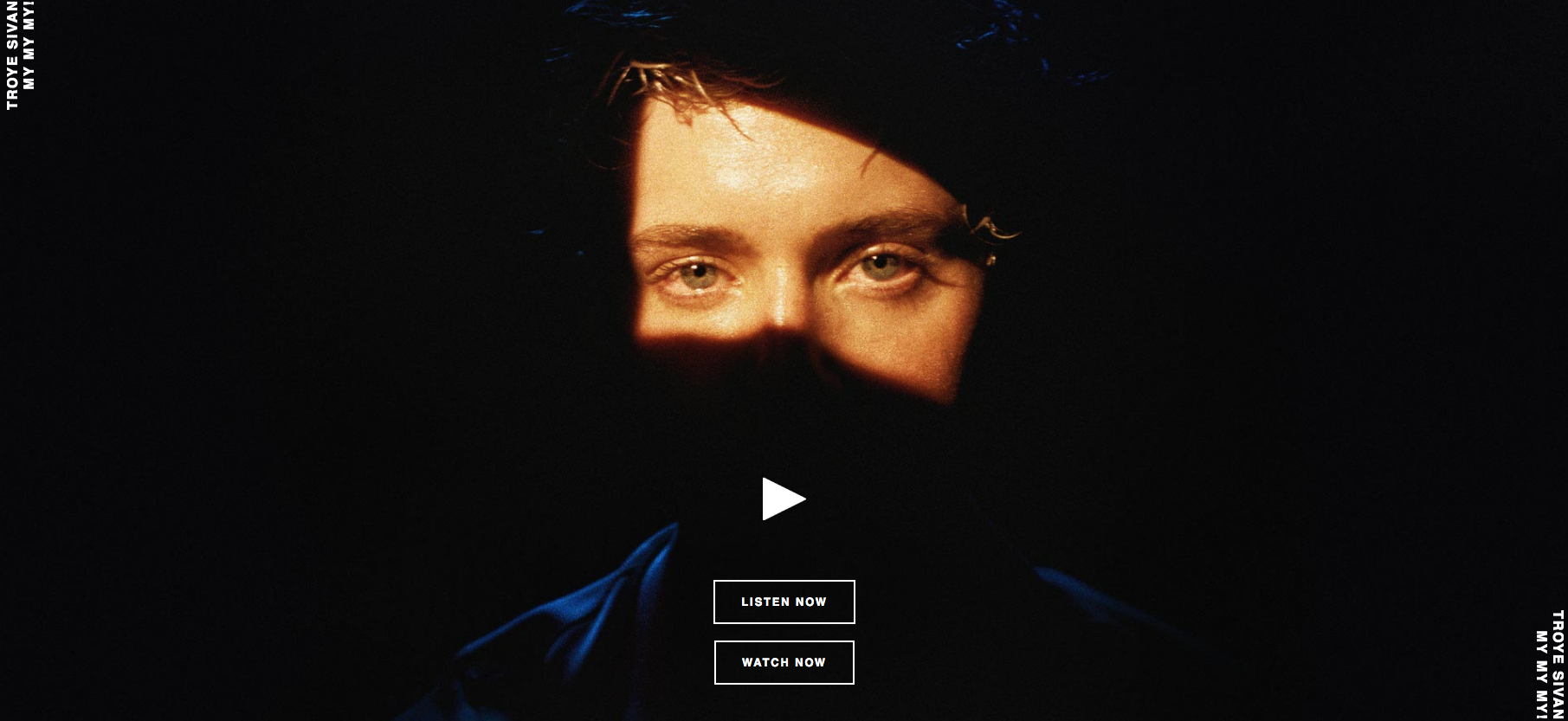
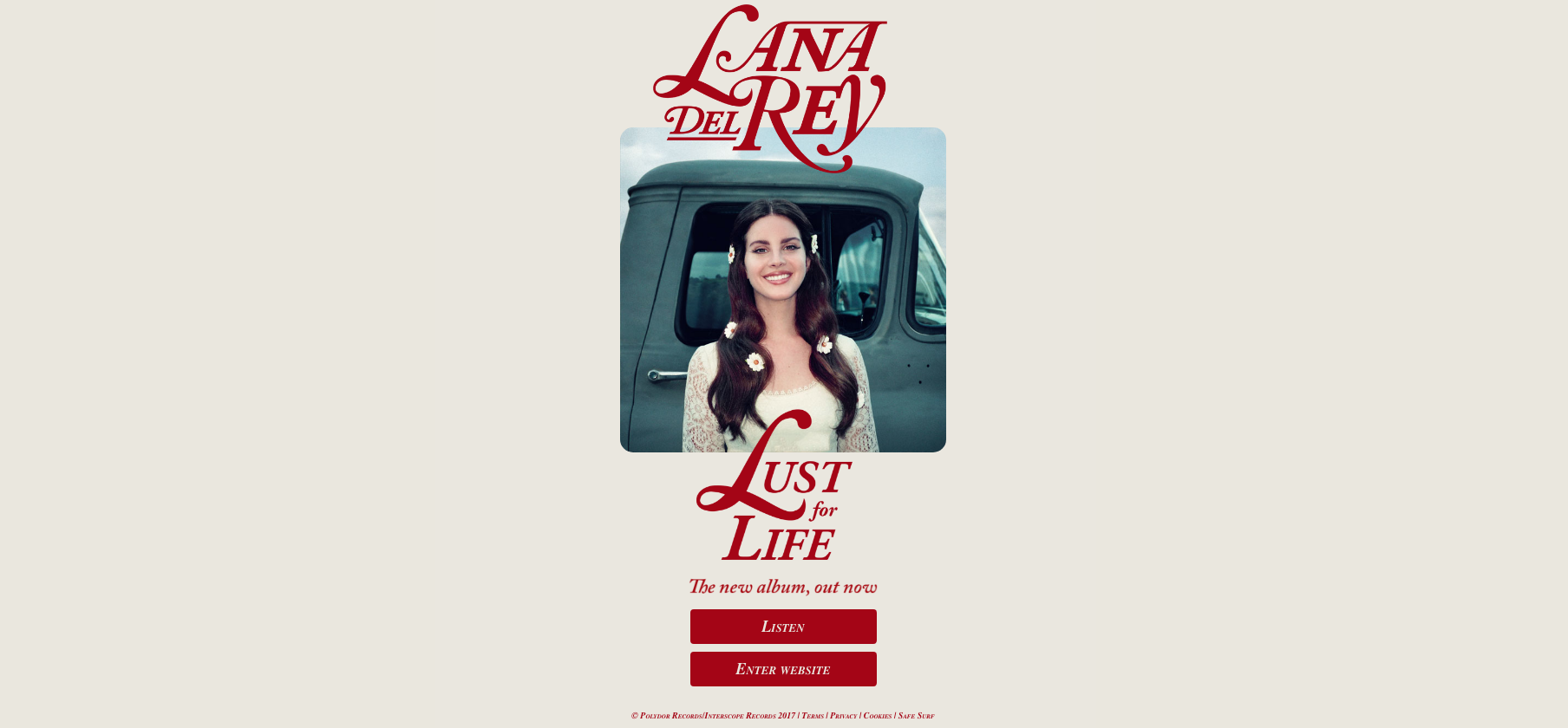
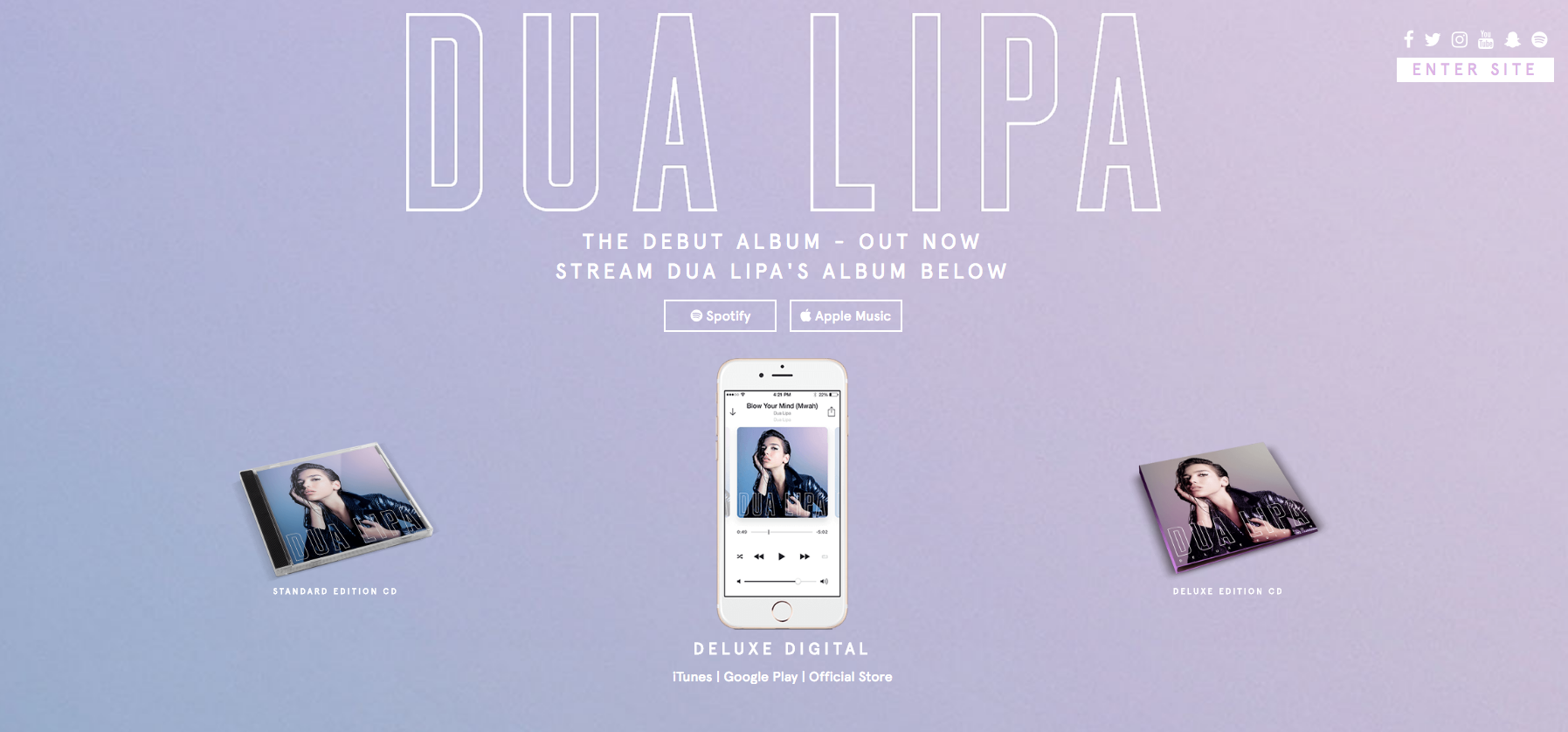
One way in which we have used conventions of debut artists' websites is by including an 'enter' page before our audience enters our actual website. This is very common for debut artists as it allows them to immediately advertise their products, such as newly-released singles, EPs and albums. For example:
Already established artists
Debut artist
This artist, Troye Sivan, has recently released a new single titled 'My My My' which this very first page of his website immediately advertises.
Lana Del Rey has also recently released new music. This first page of her website immediately advertises her new album, 'Lust For Life'.
Using Conventions no.1 (contd.)
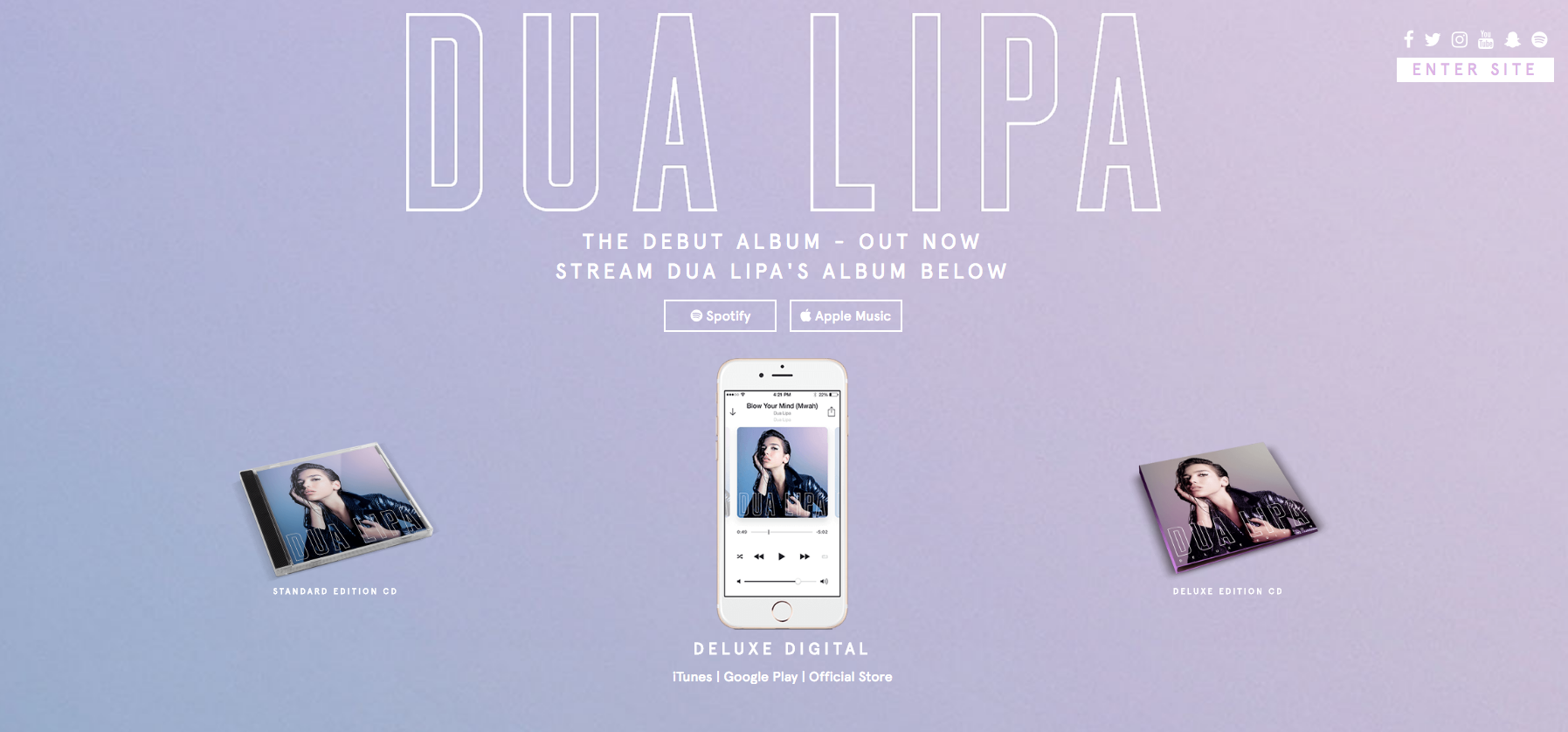
In particular, Dua Lipa is a very useful case study for me and my group as she is very similar to our own artist, Kati. Like Kati, Lipa is also a debut pop artist and on her website, an 'enter' page is used in order to advertise her debut album:
Big and bold text used for the artist's name in order to emphasise the marketing campaign seen on this part of Lipa's website.
Physical CD of Lipa's debut album advertised on this 'enter' page.
Digital download copy of Lipa's debut album also advertised on this part of her website.
Physical CD Lipa's deluxe debut album also available for purchase on the 'enter' page.
Text underneath Lipa's name telling her audience that her debut album is 'out now', with links provided just underneath this enabling her audience to stream her album on Spotify and also Apple Music.
From this analysis of Lipa's 'enter' page, you are able to see how this part of her website has been used to its maximum. This is the first page that the audience is taken to when they click on the link for Lipa's website, meaning that as soon as they click on her website, her debut album is immediately marketed to them in all of its different forms, from physical CDs to digital downloads as well as online streaming. This demonstrates how the use of this particular page heavily emphasises Lipa's marketing campaign.
Here we have a link to Lipa's actual website which is accessible by clicking on the text 'enter site'. This then easily allows Lipa's audience to access the main part of her website. Also, just above this link are links to all of Lipa's different social media profiles, which then further connects with her audience by allowing them to easily access her activity on her different social media accounts.
Using Conventions no.1 (contd.)
After studying the affect that the use of an 'enter' page for an artist's website can have, we decided to include on in our own website:

Perhaps somewhat dissimilar to Dua Lipa's 'enter' page for her website, for this page of our website we decided to make it relatively simplistic, focusing more on the aesthetic and style of the page rather than its contents. We chose to do this because we had the rest of our website to include all of the different contents that we wanted to, and by having this simpler style for our 'enter' page, it makes it more stylish and affective, enabling the audience to completely focus on our artist, Kati, and her debut single 'You Are The Solution'. Both of these are clearly advertised on this part of our website, with capital letters and bold fonts. The way how this page of our website is simpler than those of other websites, this shows how we have developed this convention. However, we have still used basic aspects of this convention through the way how we use this page to advertise our artist's debut single.
Using Conventions no.2
Another way in which we have used conventions of websites is through our front page. This is what the front page of our website looks like:
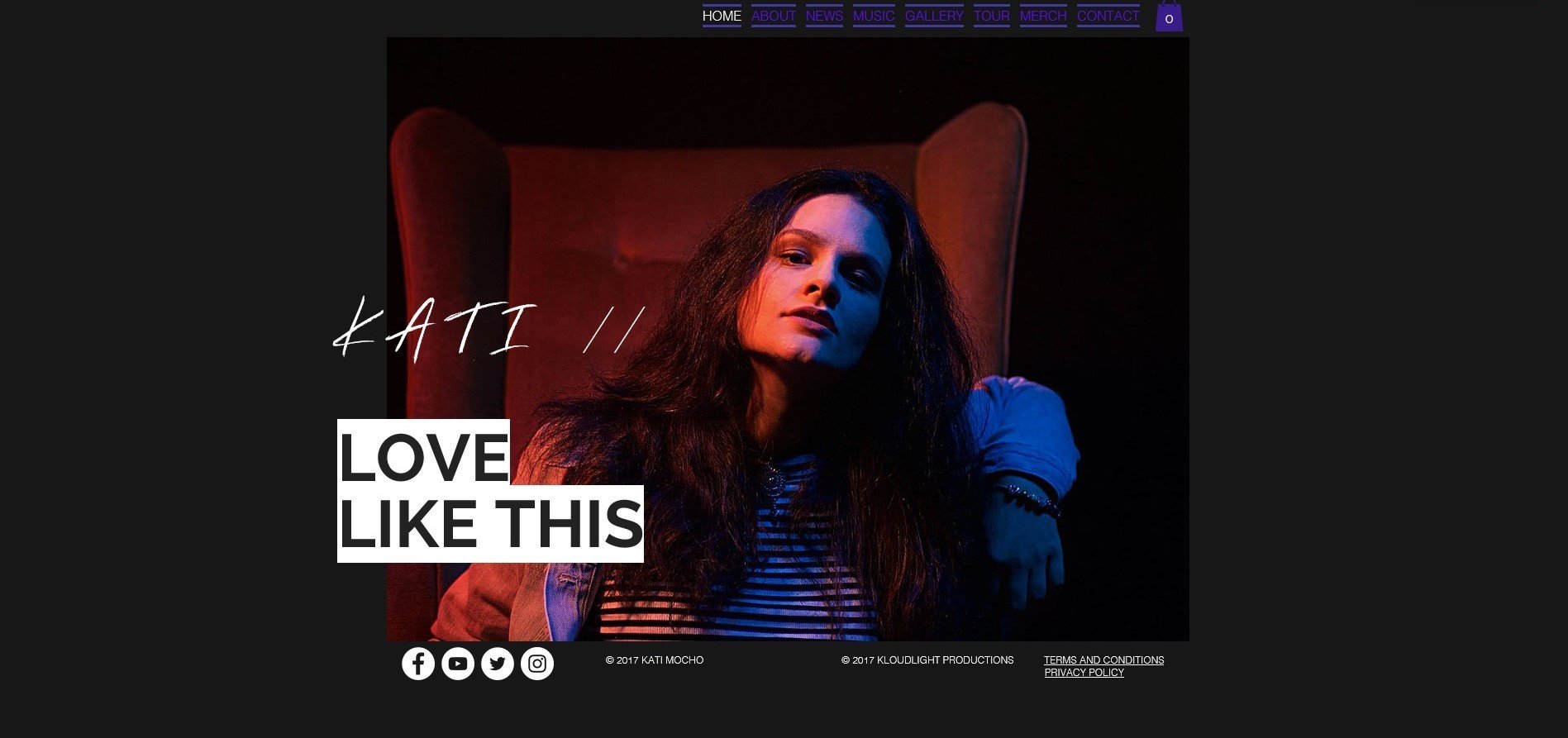
For this page we decided to use a large photo of Kati, representing her to her audience from the very beginning of her website. This immediately shows our audience who our artist is and gives a clear representation of her as being feminine but also somewhat bold and lively. She comes across as bold through the way how she slightly tips her head up towards the camera, suggesting that she is the one who is in control, and the lighting used for this shot gives it colours of reds and blues, with these bright colours representing her as lively. Whilst this gives a positive representation of a female pop artist for her predominantly young female audience, she also appears to be rather feminine as well, further attracting our audience, through her make-up, jewellery and outfit which includes a crop top and denim jacket which is a rather mainstream and popular fashion amongst Kati's predominantly teenage audience.
Using Conventions no.2 (contd.)
The use of a large photo of our artist for the front page of our website is very common in the music industry, with this convention frequently used for pop artists. For example:
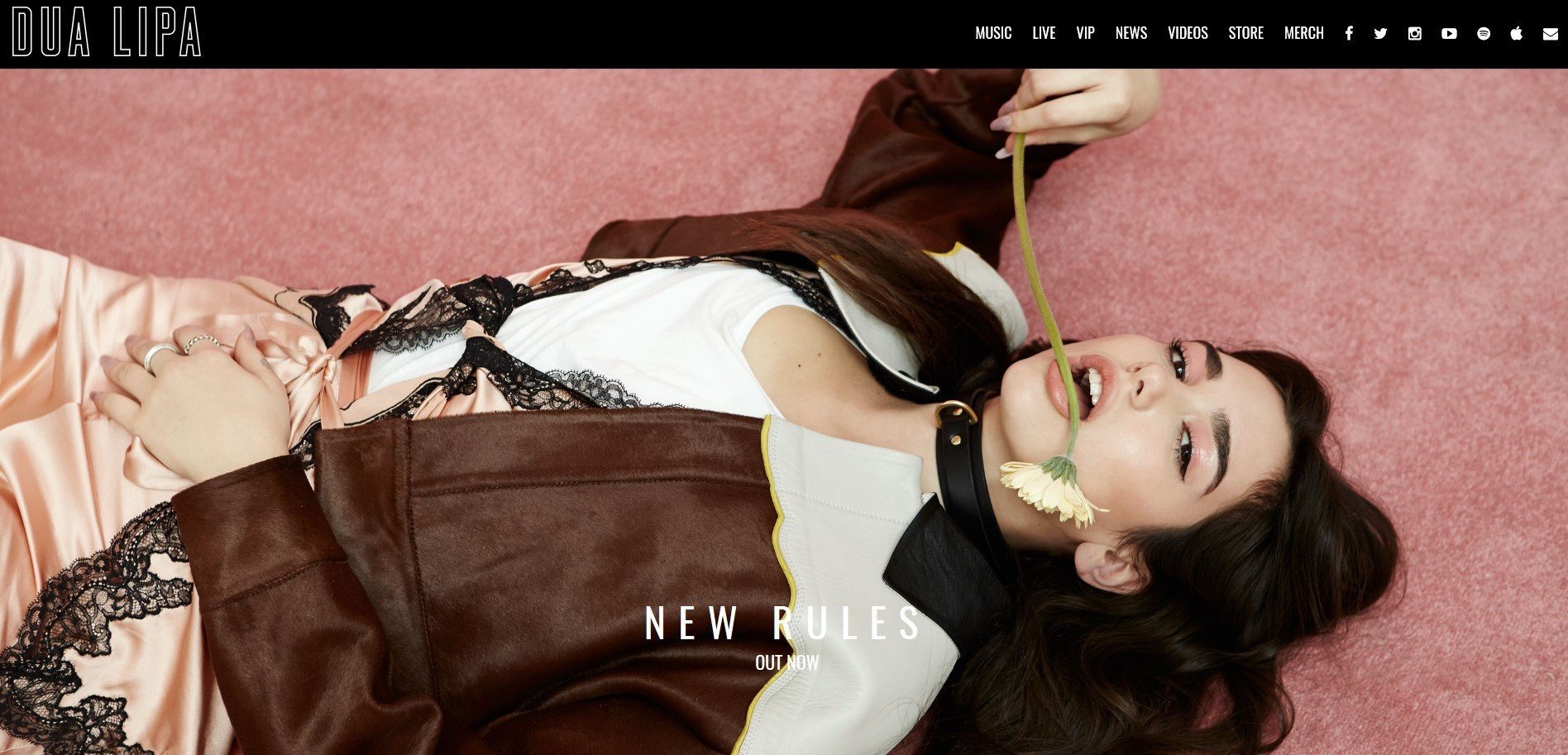
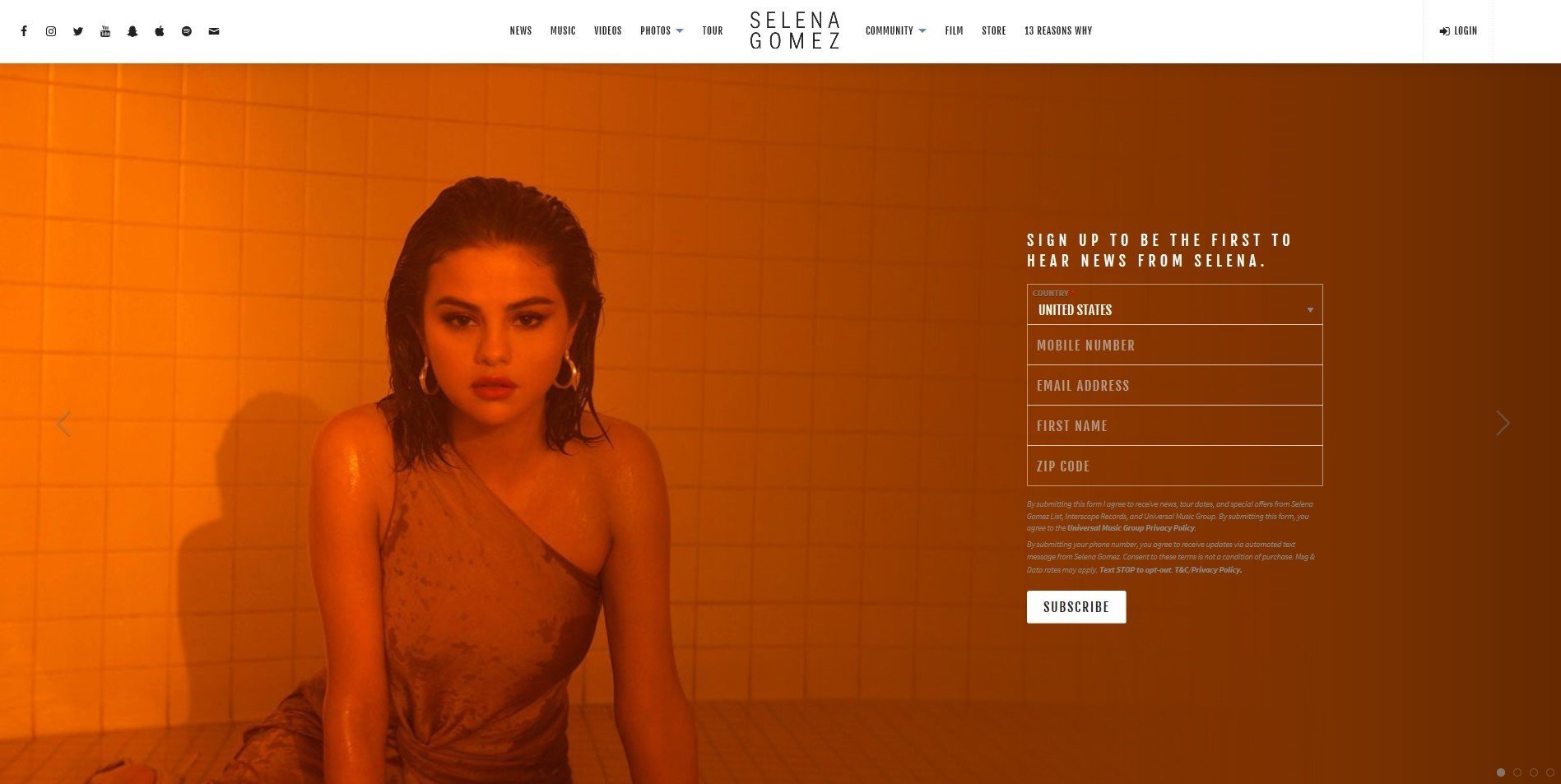
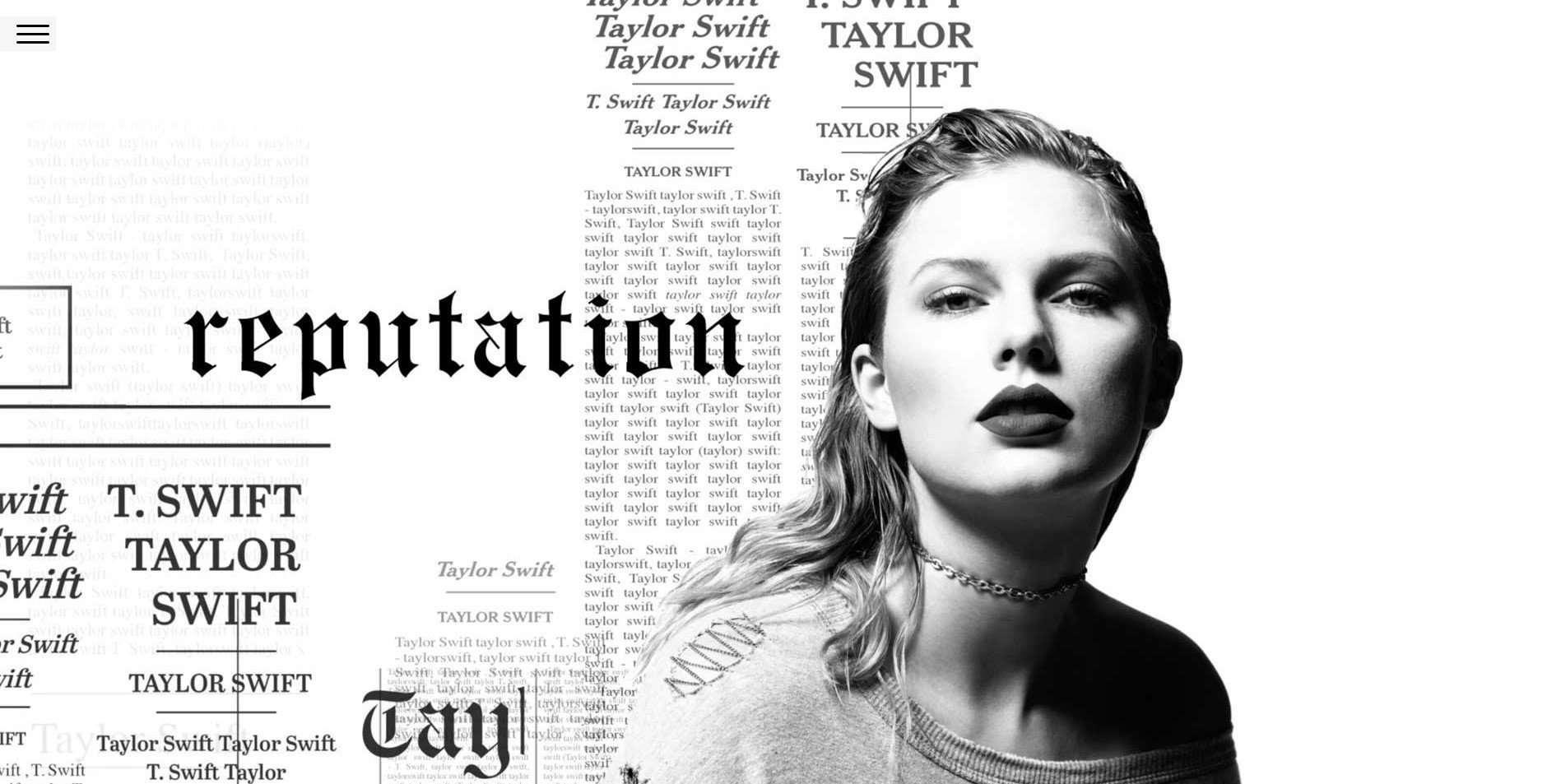
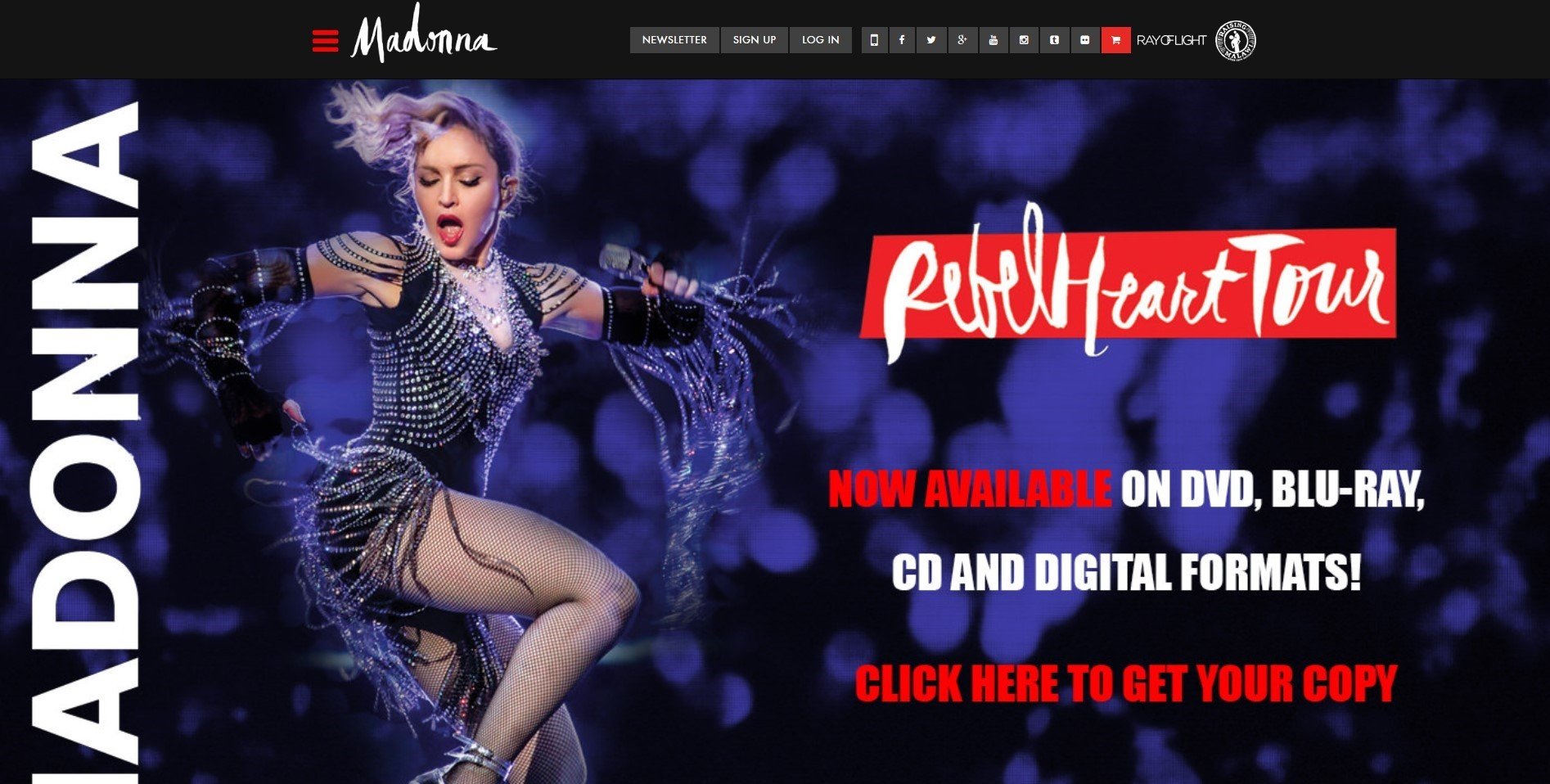

From these examples you are able to see one of the key ways in which our website uses conventions of not only websites advertising music artists, but also websites within the pop genre which is specific to our particular artist who is indeed themselves within this same genre. Each of the websites featured above show their front pages with a large photo of the artist. This immediately represents them to their audiences, quickly and easily enabling their audiences to access them and everything that they stand for.
Using and Developing Conventions
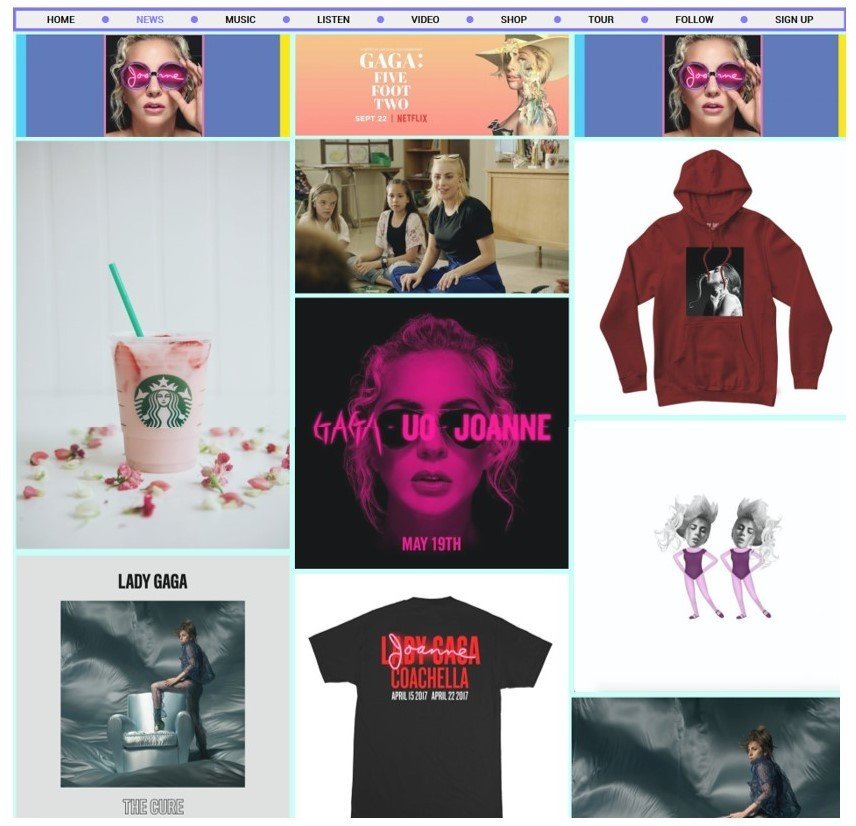
Another way how we used conventions of music artists' websites is by including a 'news' page. The function of this page is to update the audience on the recent activities of the artist. This can include:
- Recent music that the artist has released.
- Any recent campaigns of which they have been a part of.
- Recent social media activity of the artist, e.g. tweets from Twitter, posts from Facebook and photos from Instagram.
- Any new merchandise that the artist is now selling.
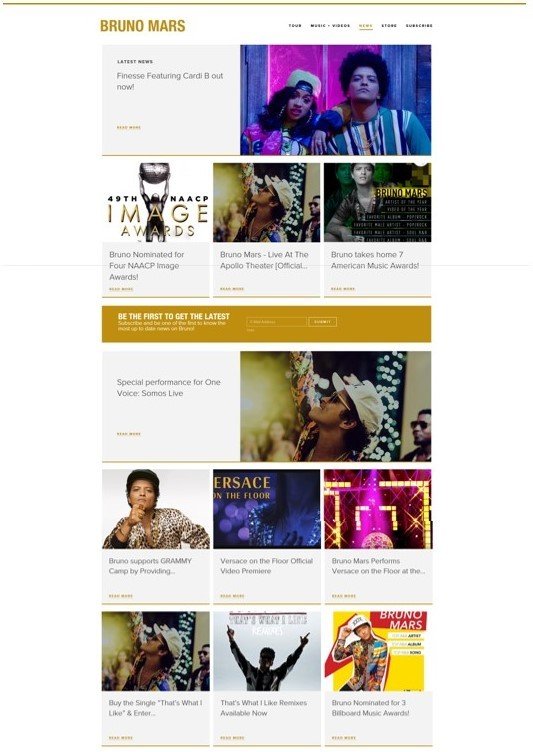
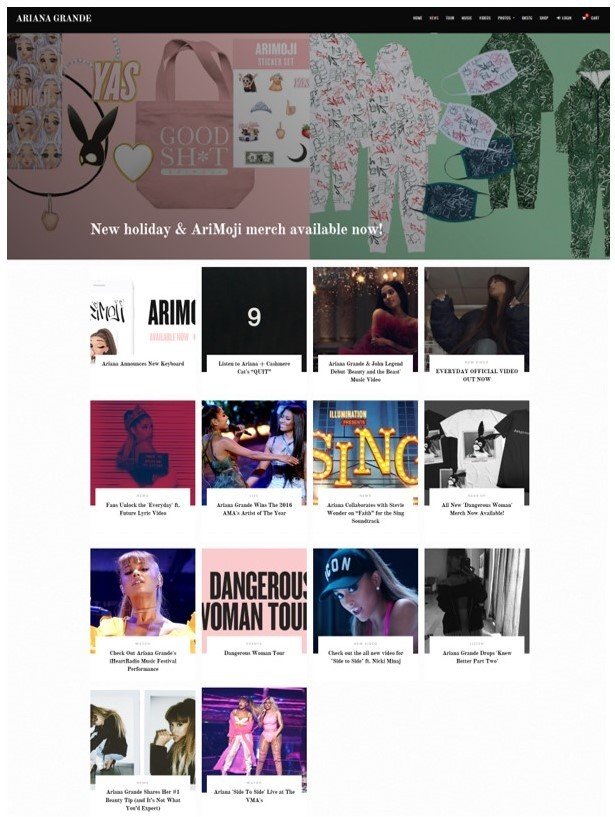
The pictures below show news pages taken from pop artist's websites:
Using and Developing Conventions (contd.)
From the examples given on the previous slide, you are able to see how these 'news' pages provide the audience with a range of information, including extra-curricular activities that the artist is involved in as well as other marketing campaigns, further advertising them. However, they mainly include advertisements for new singles, EPs or albums that the artist has recently released alongside any new merchandise which relates to these new products.
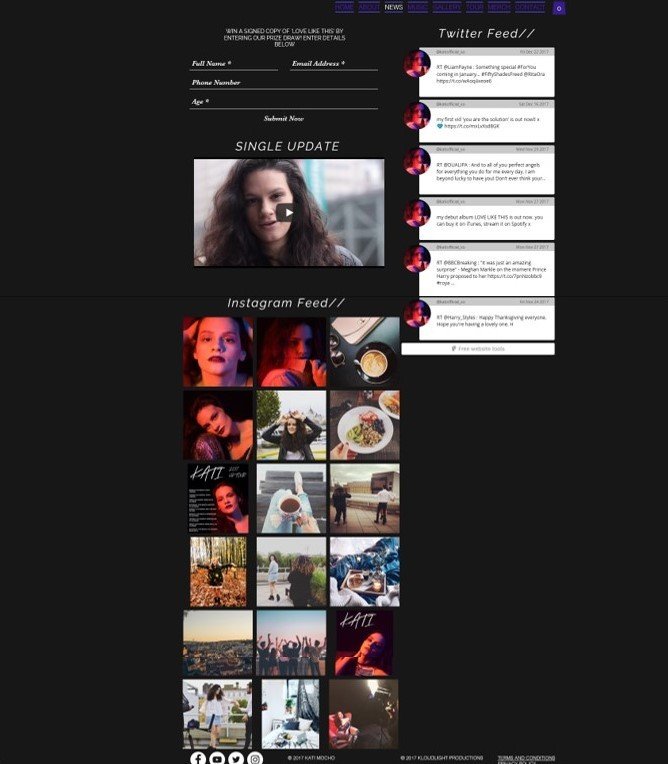
On our news page, however, we developed this convention by only primarily including posts from Kati's social media accounts as a source of news for our audience. Yet we still used some conventions of this part of music artists' websites by including a short video by Kati in which she advertises her debut single 'You Are The Solution' by telling her audience that they can pre-order it on her website an also stream it on Spotify. In this way we have also used our news page to advertise some of our artist's products but we have also developed this convention by using our artist's social media profiles more as a source of news rather than focusing on her new products (debut single, debut album, new merchandise, etc.).
This is what our news page looks like:
Developing Conventions
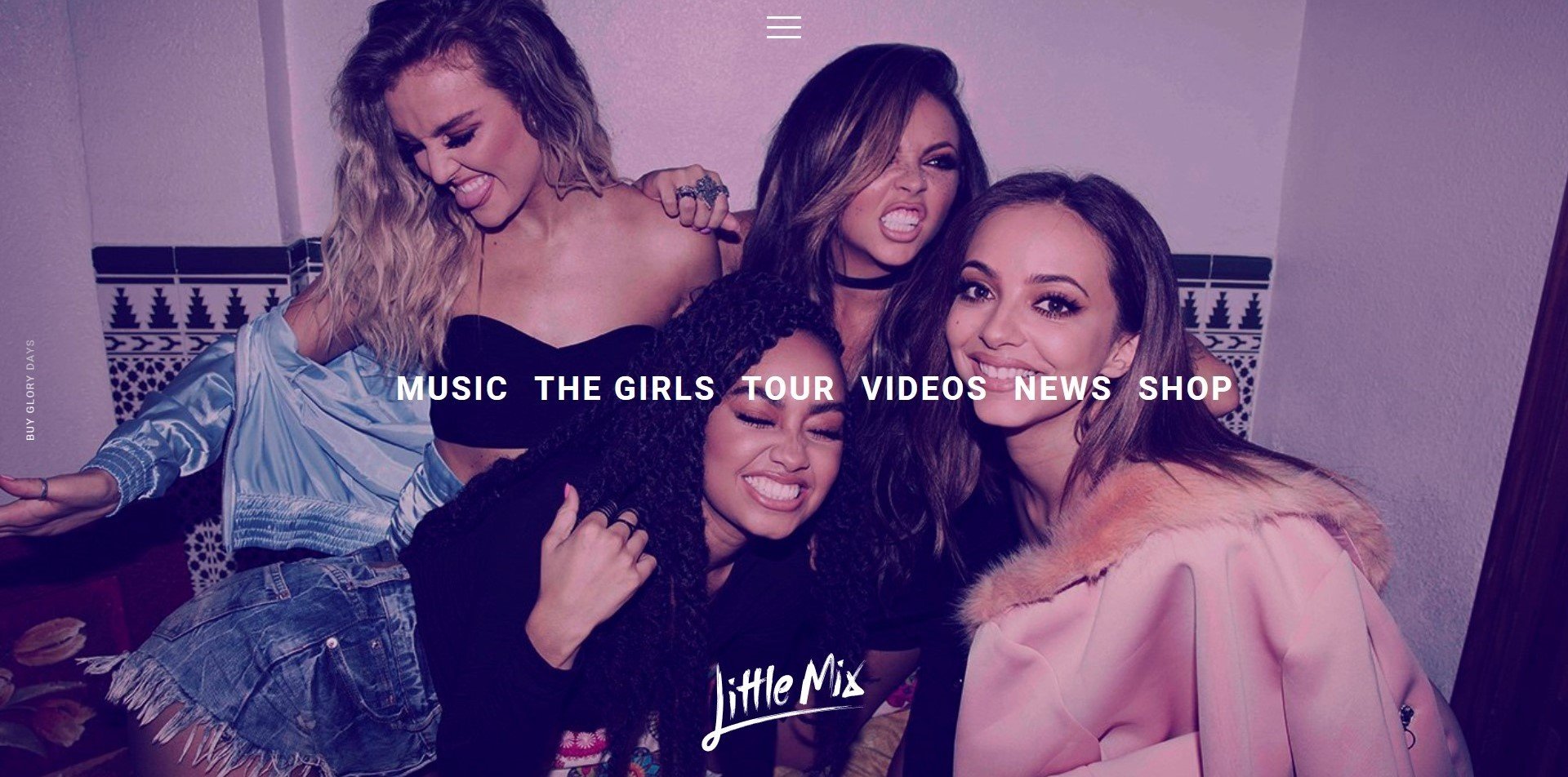
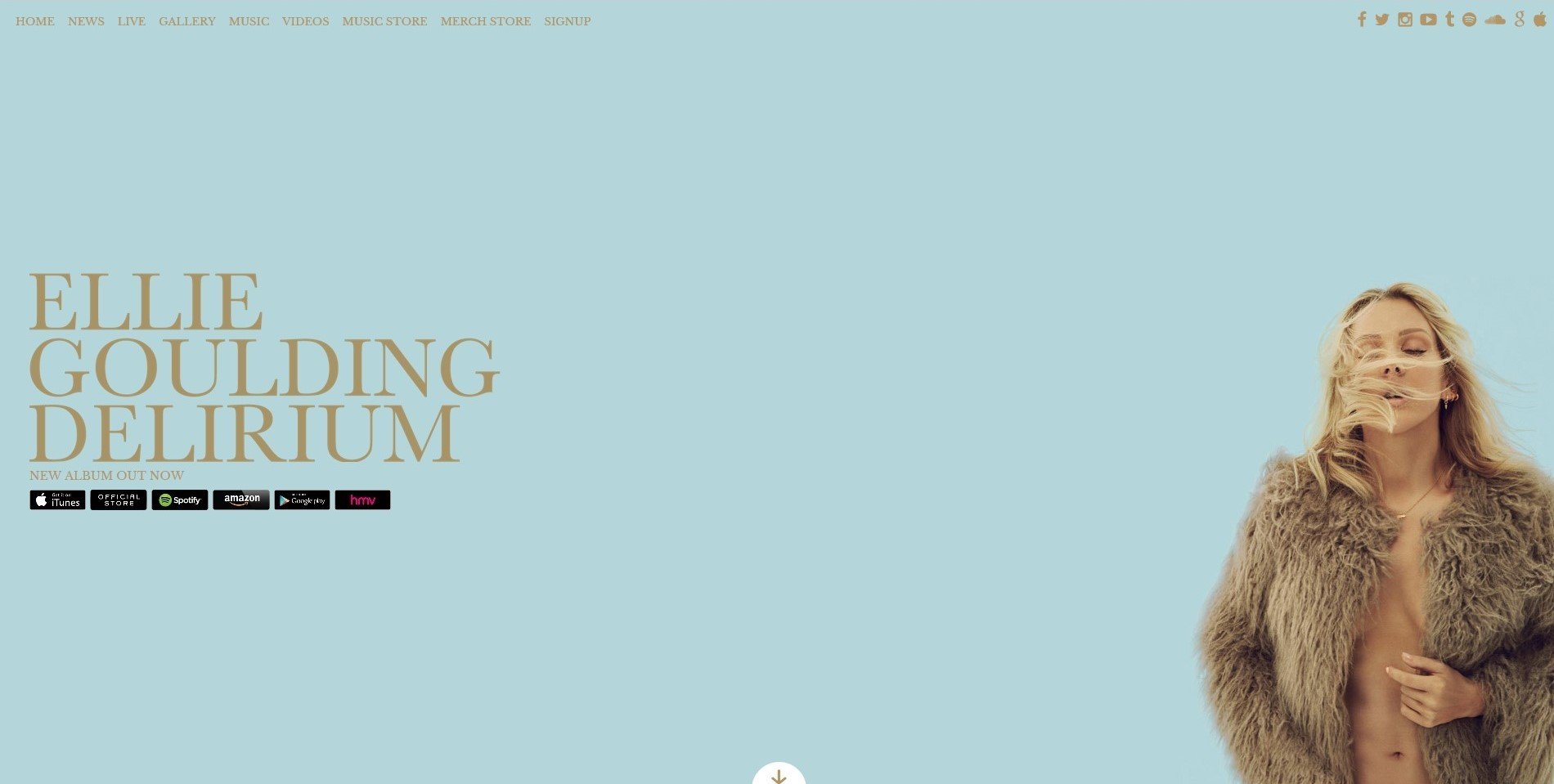
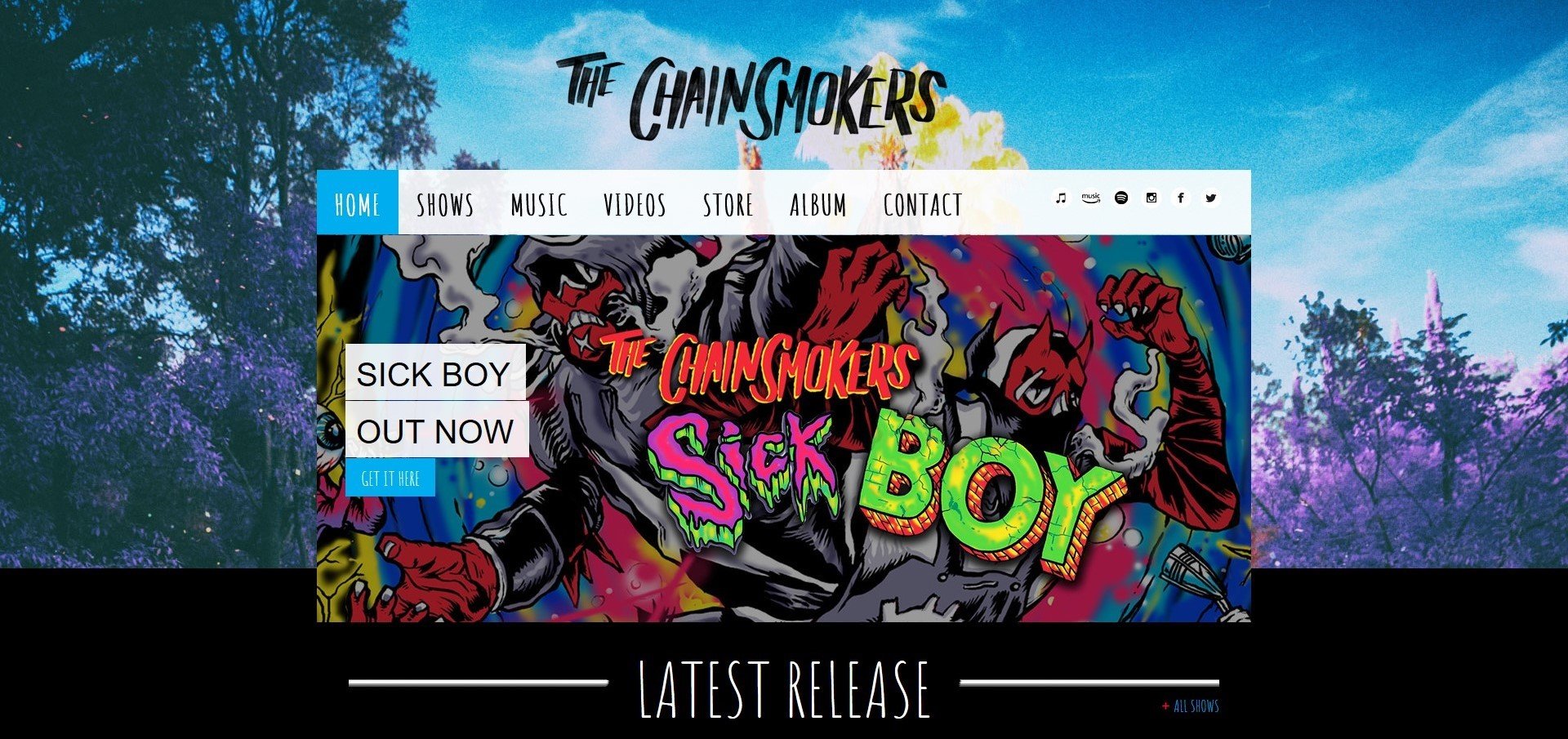
When researching the websites of different music artists, specifically pop artists, I found that many of them do not include an 'about' or 'bio' page. For example, the pictures below show websites of pop artists that do not have an 'about' page, perhaps somewhat surprisingly: (the areas circled in red show all of the different pages available on the website, revealing the lack of an 'about' page)
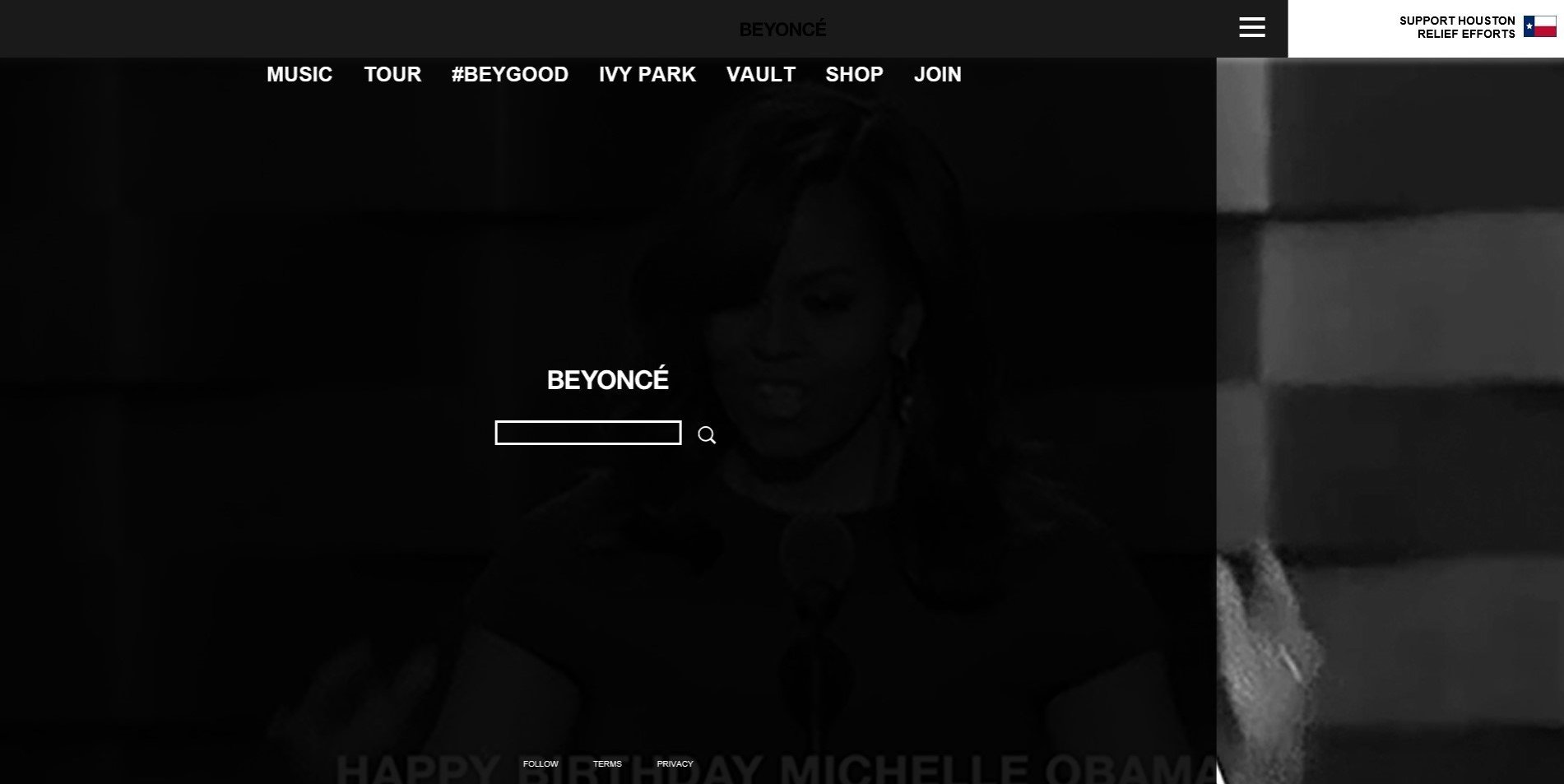
Developing Conventions contd.
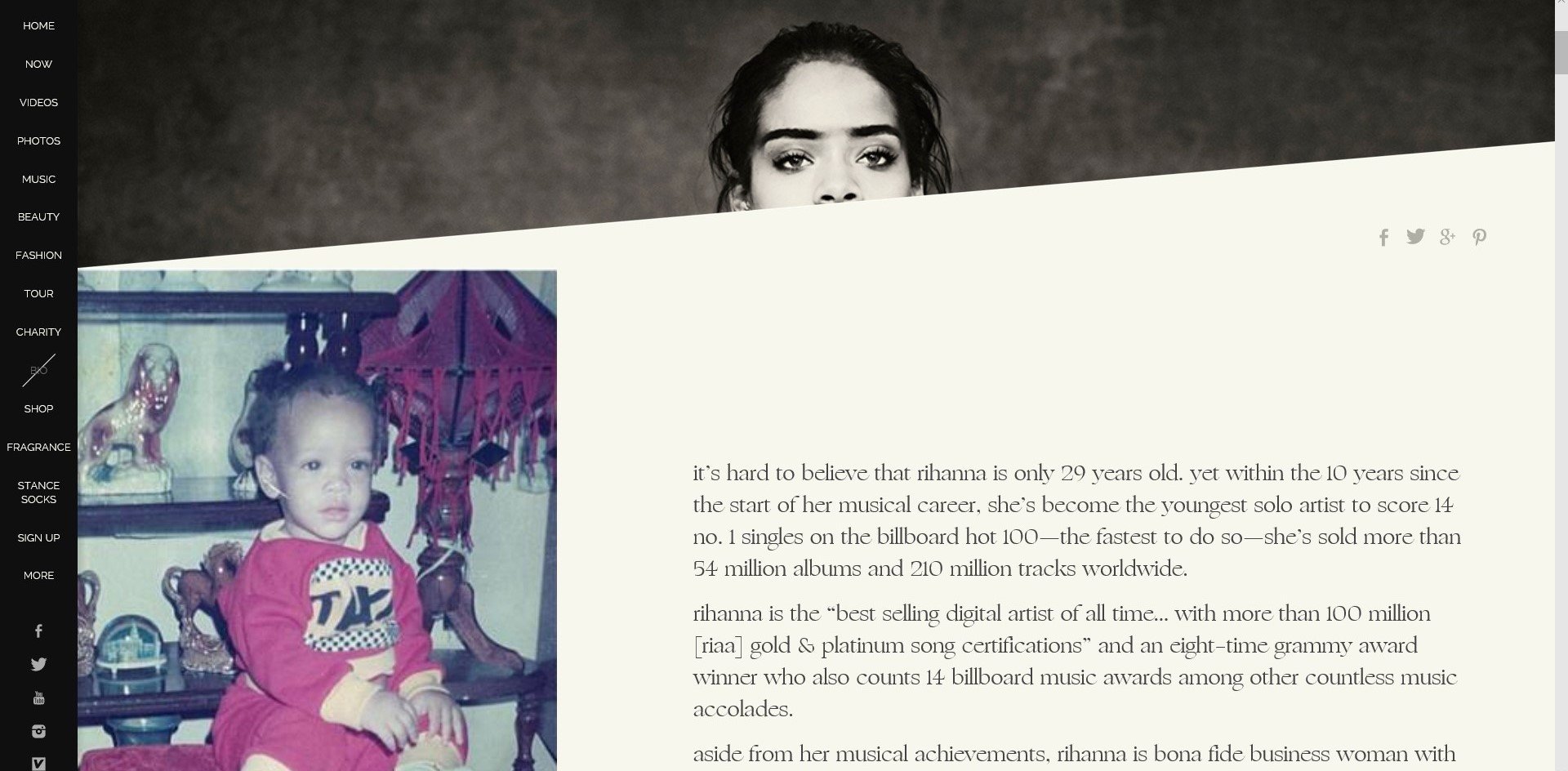
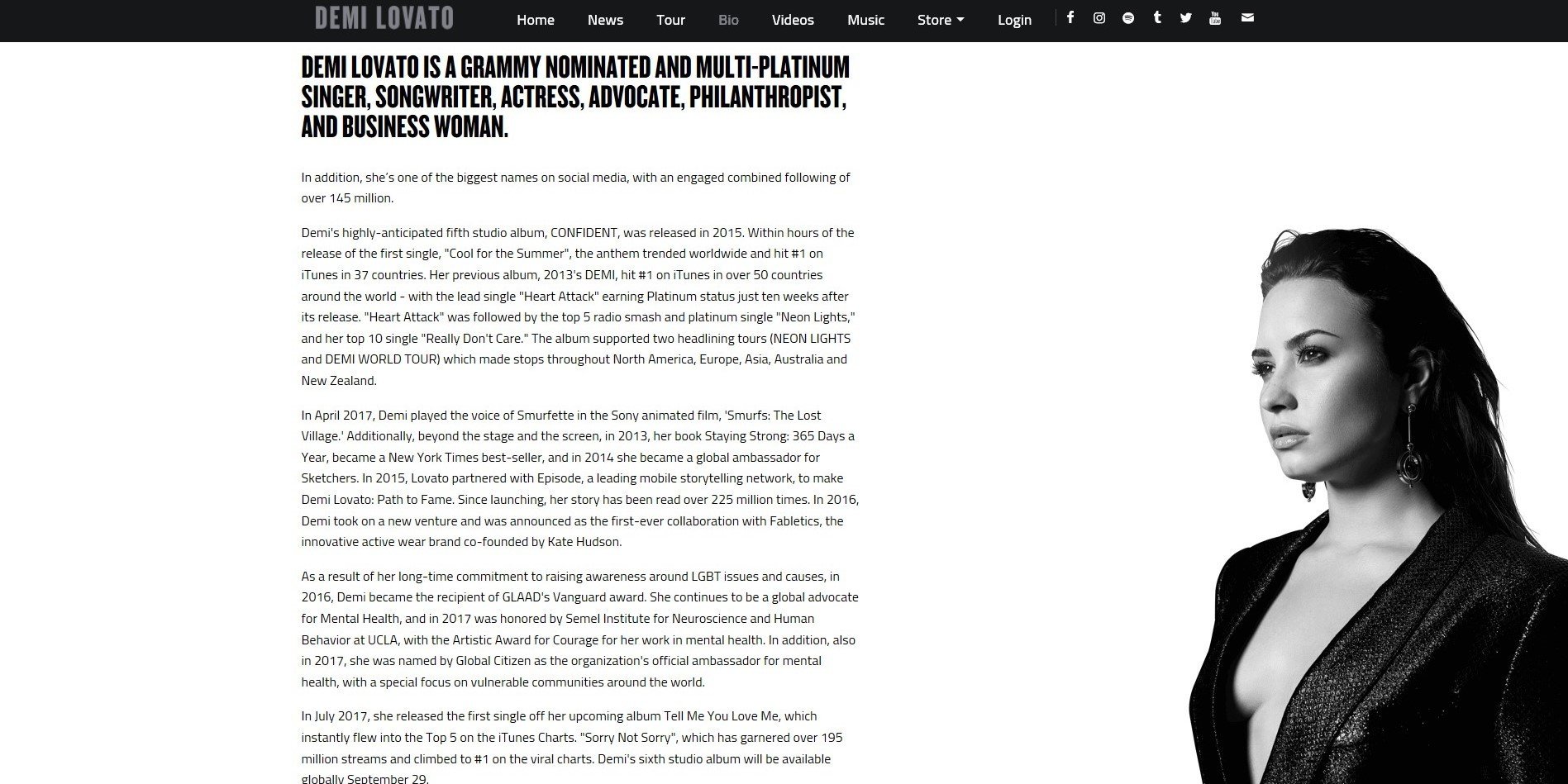
From the examples on the previous slide, you can see how many websites for music artists do not actually include personal information about the artists' background. Although this is rather common, not all artists exclude this information from their website. For example Demi Lovato and Rihanna's website both include a 'bio' page, discussing the artists' personal life and background and how far they have come as a singer from the start of their career:
On Kati's website, likewise, we also included an 'about' page:
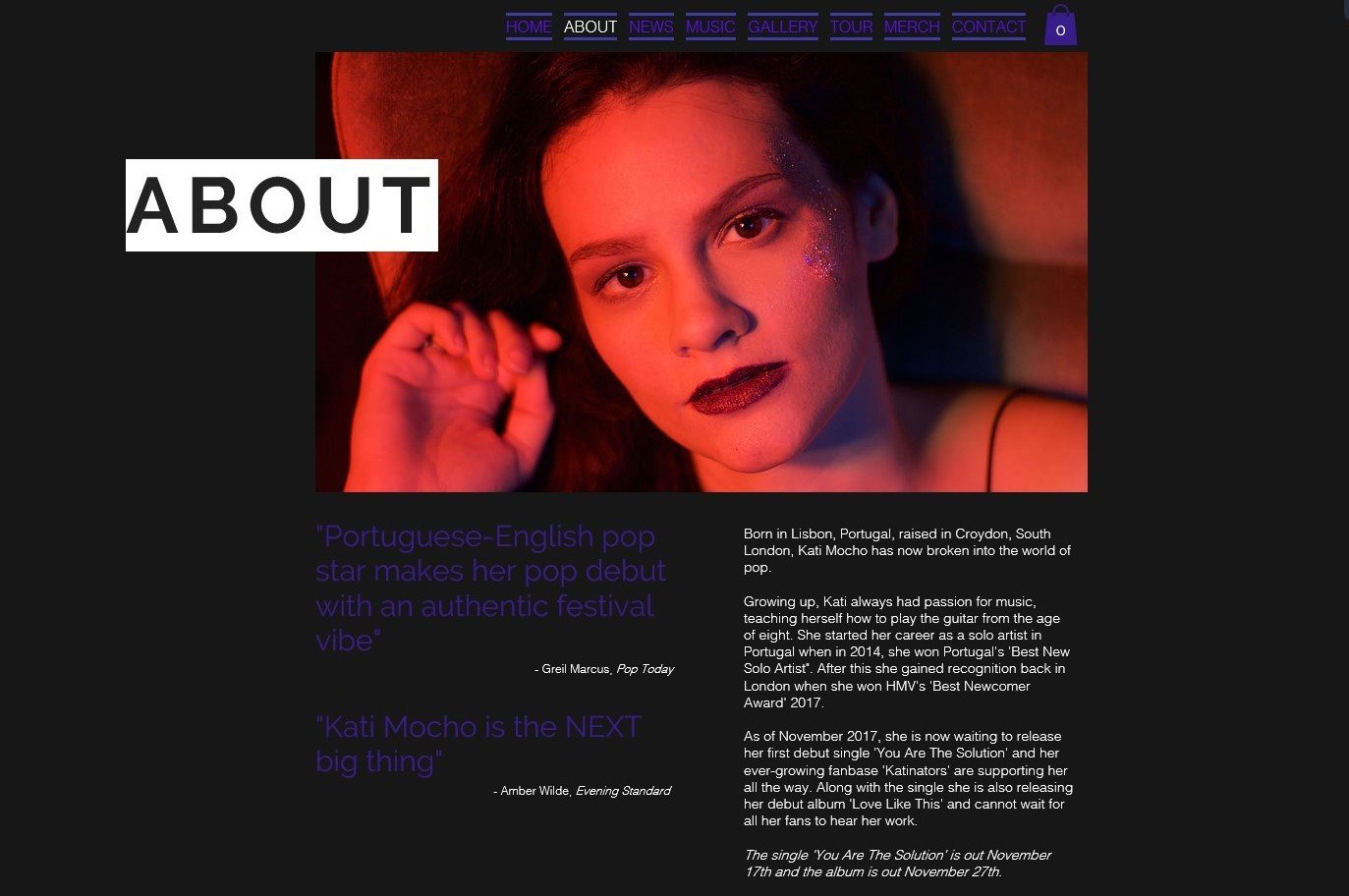
Whilst some websites use this page and some do not, this demonstrates how we have developed this convention by utilising it more and using it in a conventional way to tell Kati's audience about her personal background, including where she was brought-up for example, and how she started her career as a solo pop artist.
Conclusion
Overall our website mainly uses conventions of music artists' websites, specifically those within the pop genre. In particular we have achieved this by using a large image of our artist on our front page which is very common for websites advertising pop artists. Whilst we have mainly used these conventions we have also developed some by adding more to them and experimenting with them more. For example, with our news page we focused on the feed from our artists' social media profiles, while most websites will include several pieces of information about the artist and not necessarily focus on one specific aspect of them. In terms of challenging conventions we have not especially done this with our website. Instead we have more utilised conventions in order to make our website appear more professional and more realistic.