Electromagnetic Waves,
Light and Color
M. Rocha
Physics 1 - Chapters 26 -27
Electromagnetic Waves
Moving charges produce magnetic fields

Moving magnetic fields produce electric fields
Current
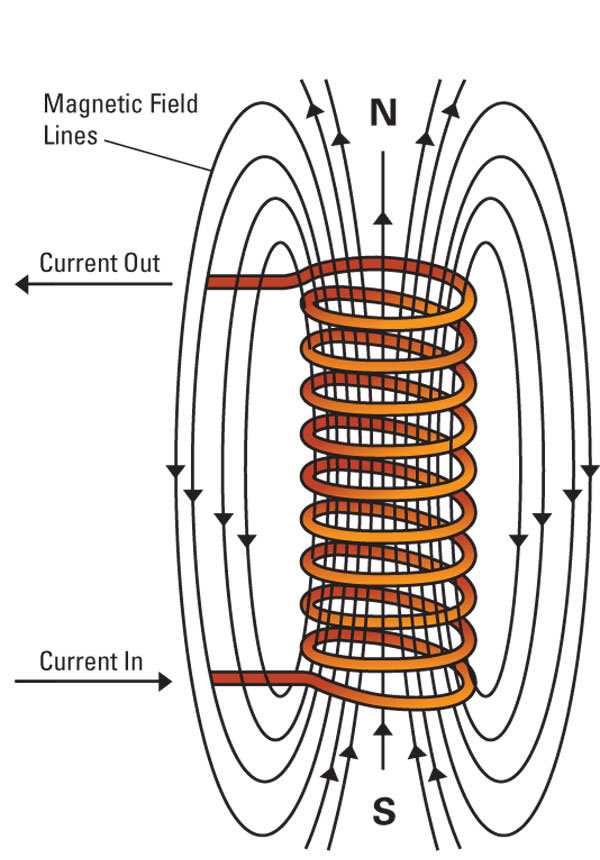
and
Electromagnetic Waves
Oscillating charges create oscillating magnetic fields, which in turn create oscillating electric fields


The result are oscillating electric and magnetic fields that regenerate each other while traveling on space
Electromagnetic Waves
E&M waves need not material medium to travel!
They can travel on vacuum
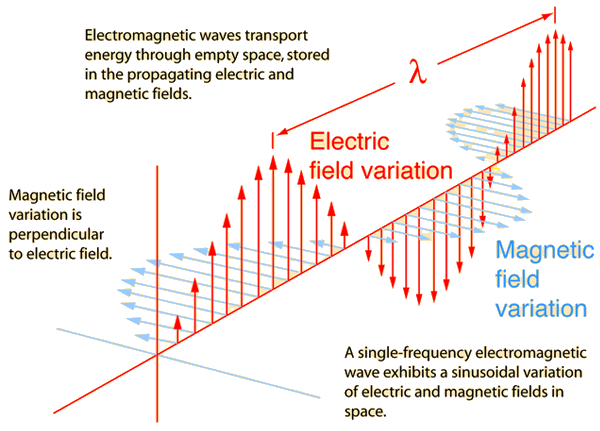
E&M waves have the standard properties of waves, but they all travel at the same speed, the speed of light
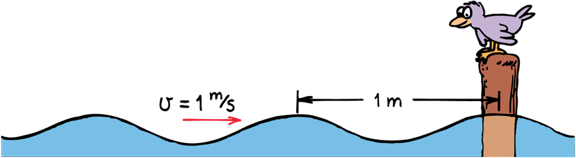
The speed at which waves travel through a medium is related to the frequency and wavelength
Wave Speed
Oscillations & Waves
The time required for a full oscillation (one round trip)
Period:
Frequency:
Number of oscillations per unit time
1 Hertz = 1 oscillation per second
For example, for a period of 2 seconds per oscillation, the frequency is ½ oscillations per second or ½ Hertz
Checkpoint
What is the wavelength of an E&M wave with a frequency
f = 3x10^4 Hz ?
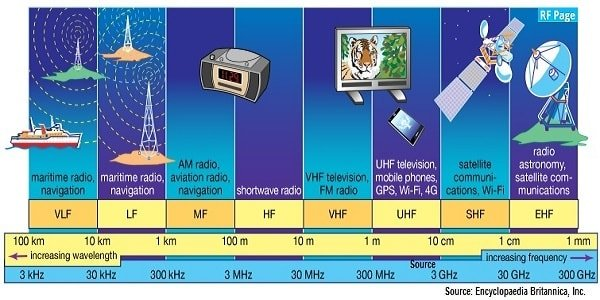
Electromagnetic Spectrum

Wavelength (m)
Light :
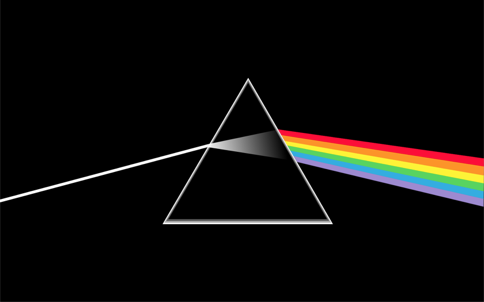
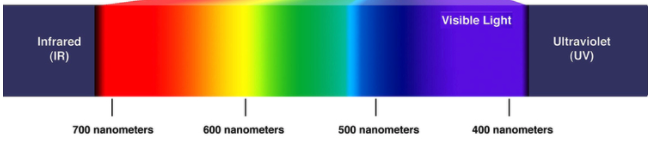
E&M waves in the visible range of the spectrum

Normal: Line perpendicular to interface
Checkpoint
What color of light has the highest frequency?
Violet
Checkpoint
What color of light has the shortest wavelength?
Violet
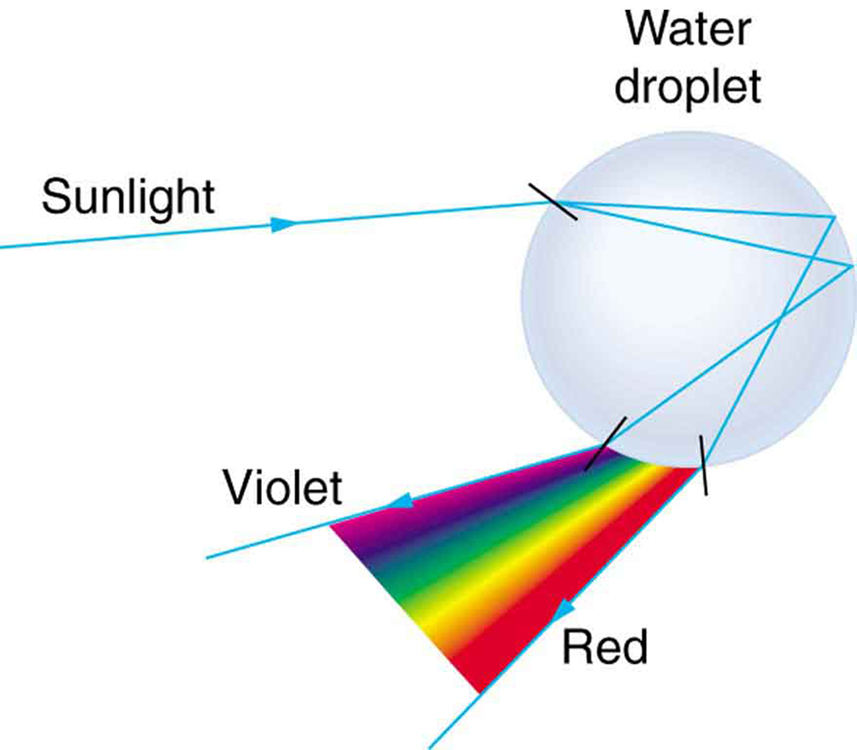
Refraction and Dispersion of Light
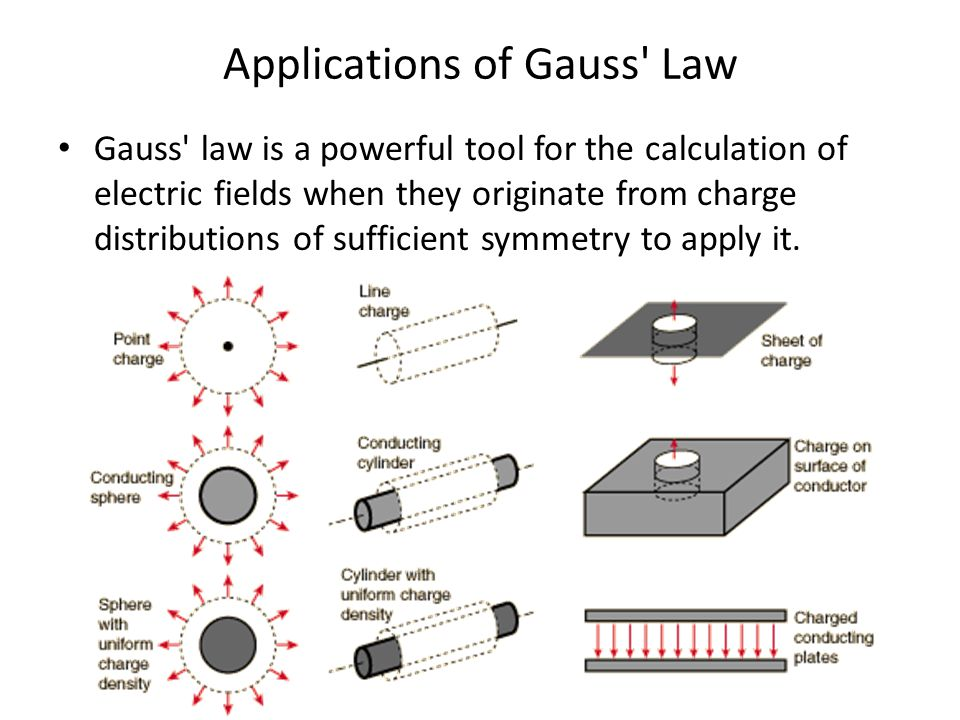
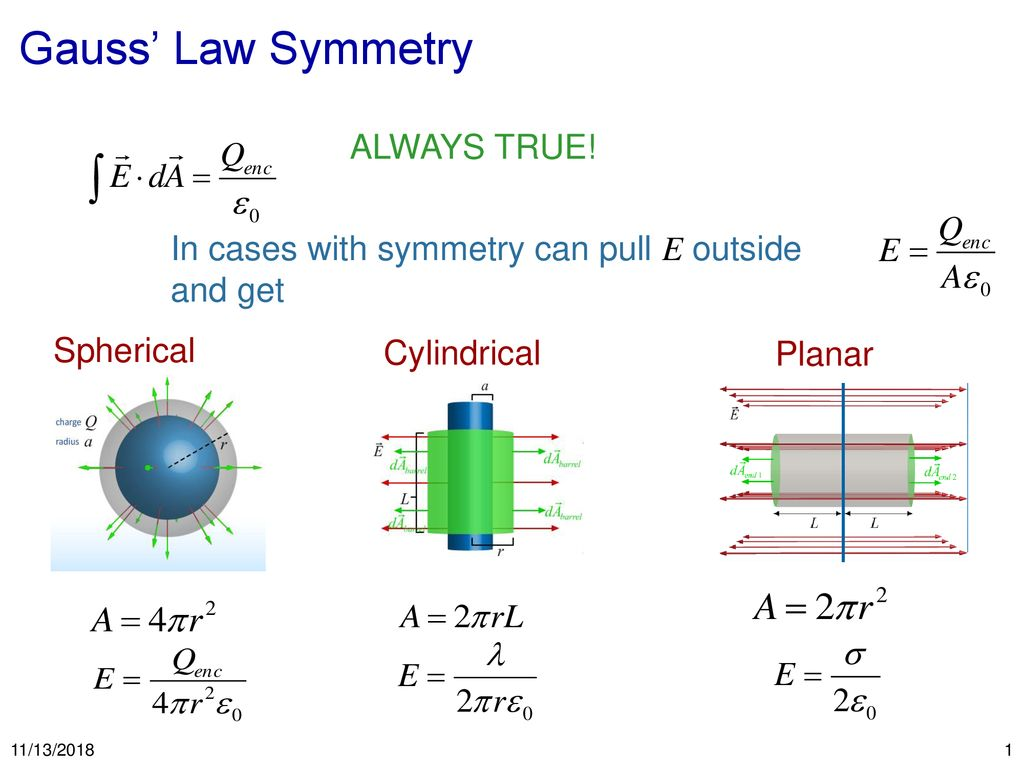
Gauss's Law
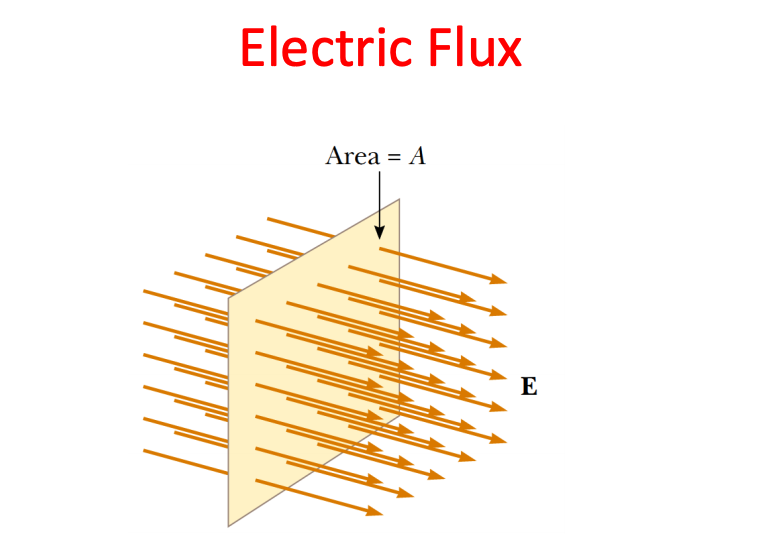
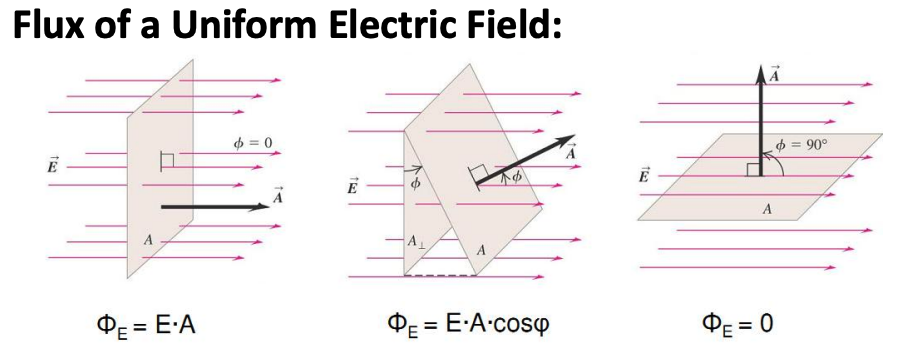

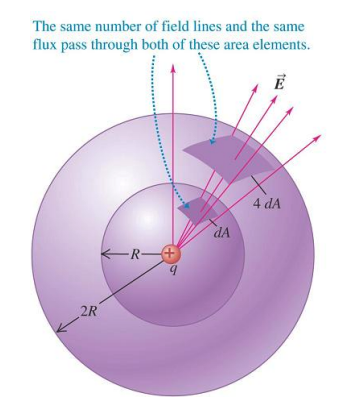

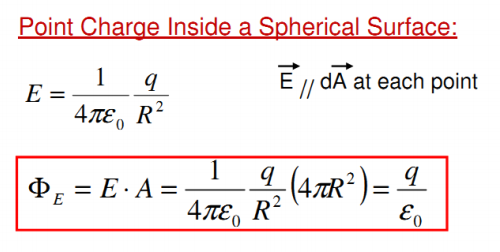
Gauss's Law for a point charge
Flux is independent of R
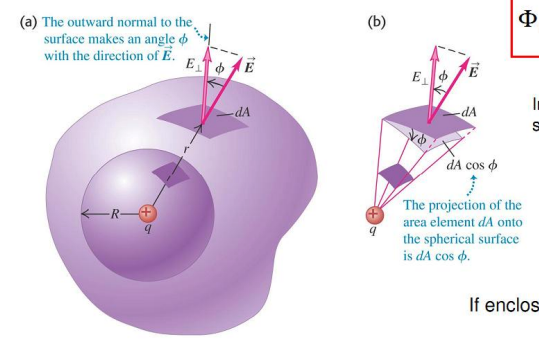
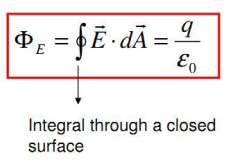
Gauss's Law for a point charge
Flux is independent of the surface shape
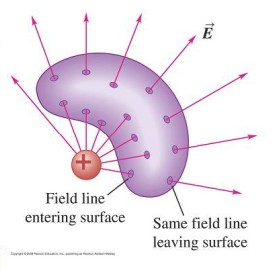
For charges outside of the enclosing surface flux cancels out
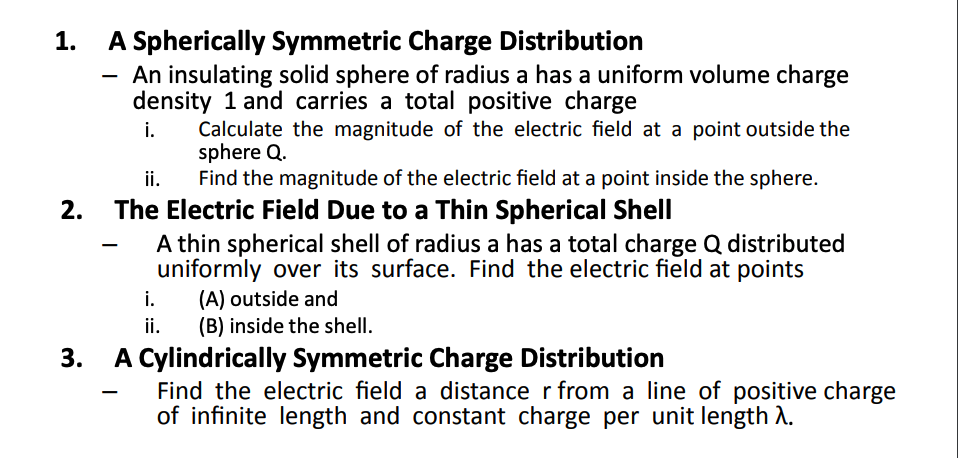
Exercises