Moon Night
M. Rocha
The Moon
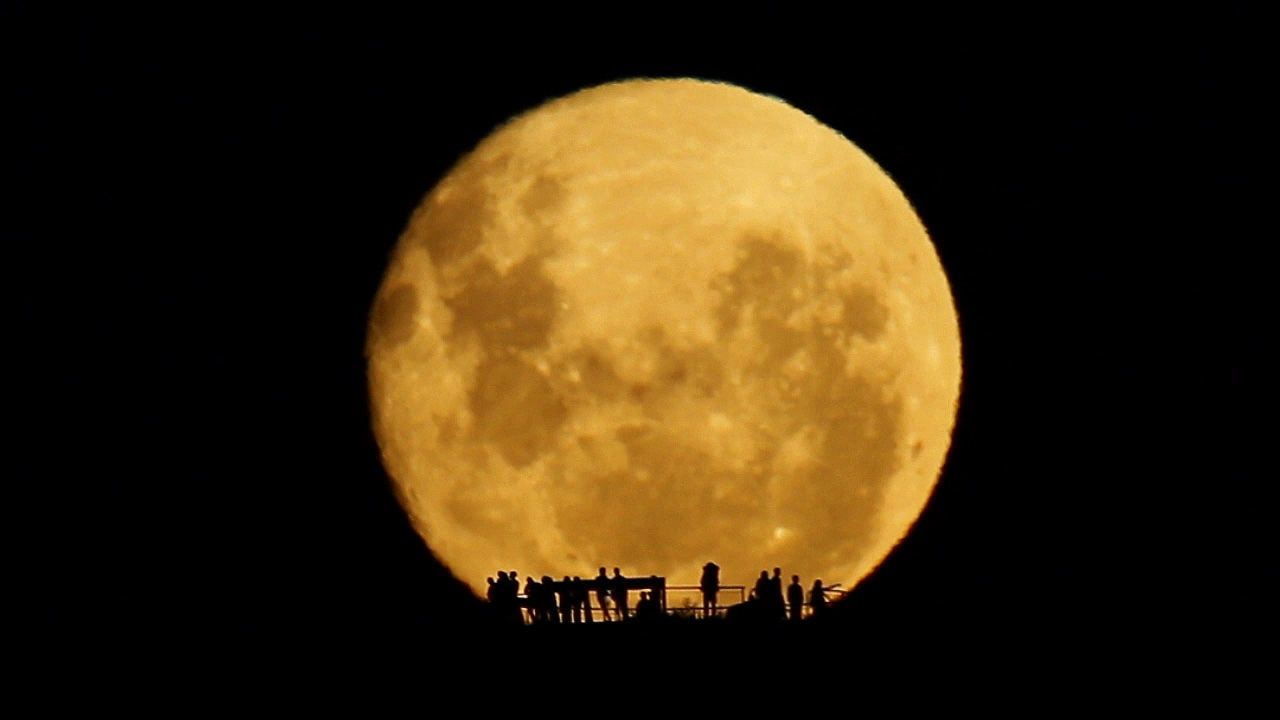
The most visible object in the sky!
Phases of The Moon
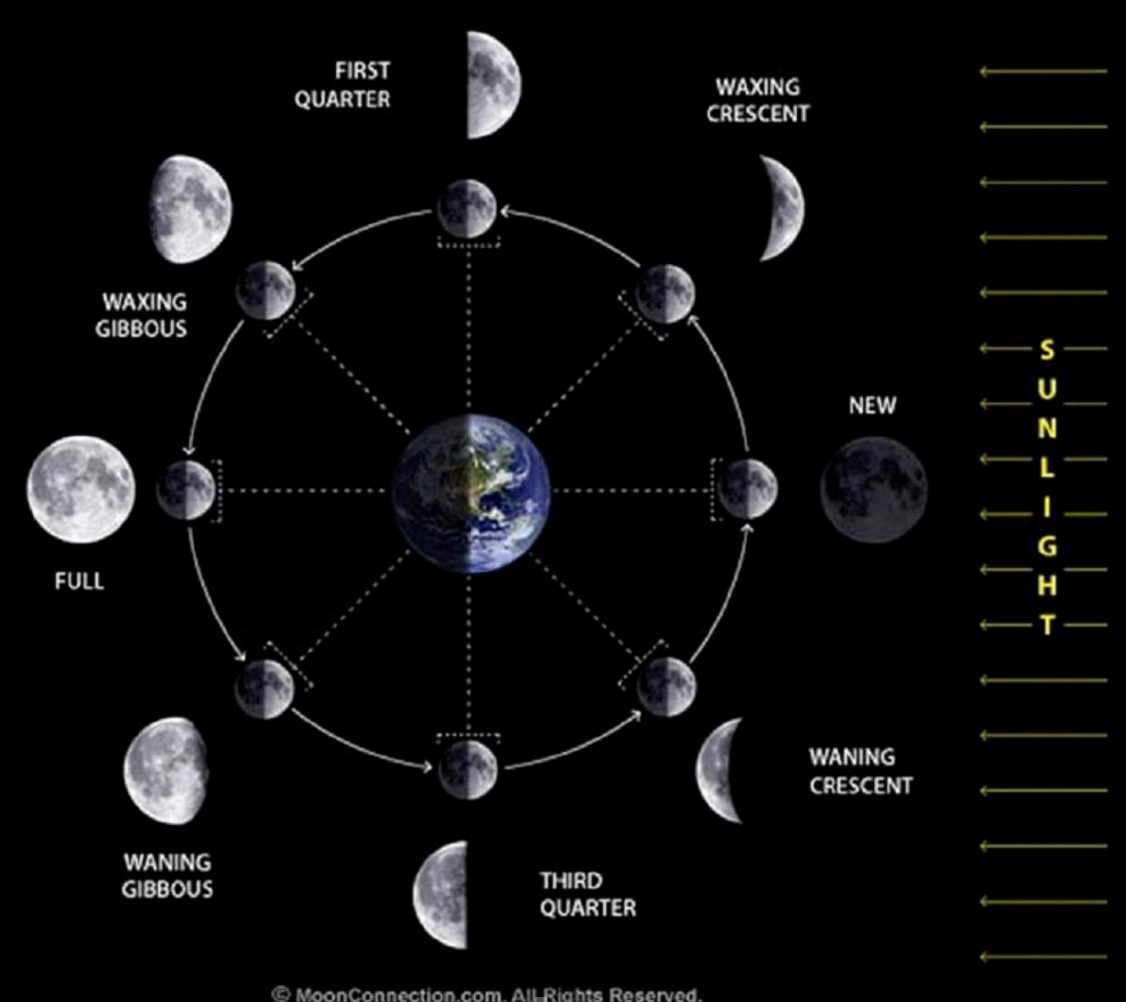
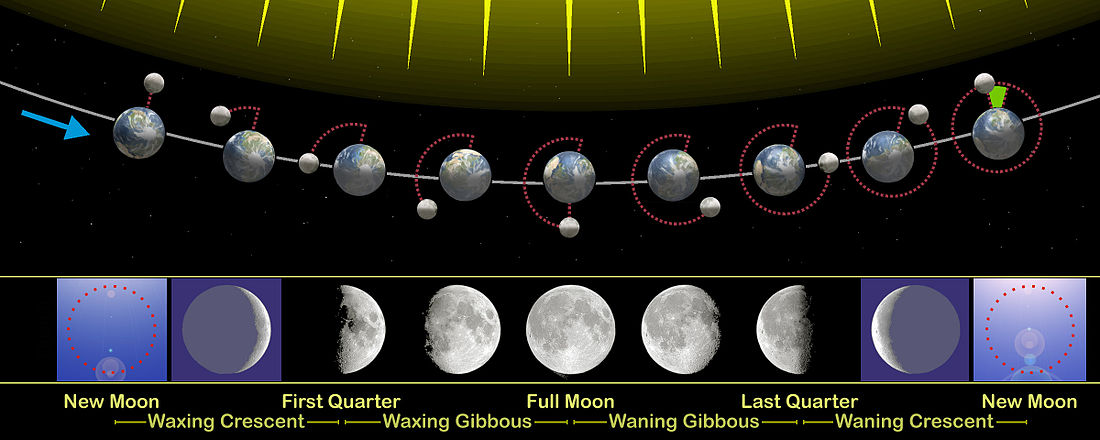
Phases of The Moon
The Moon's sidereal orbital period (the sidereal month) is ~27.3 days; this is the time interval that the Moon takes to orbit 360° around the Earth relative to the "fixed" stars. The period of the lunar phases (the synodic month), e.g. the new moon to new moon period, is longer at ~29.5 days
When the moon is being eclipsed it appears red, this is because the Earth's atmosphere scatters away purple, blue and green light, but lets red light pass and reach the Moon
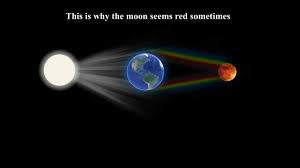
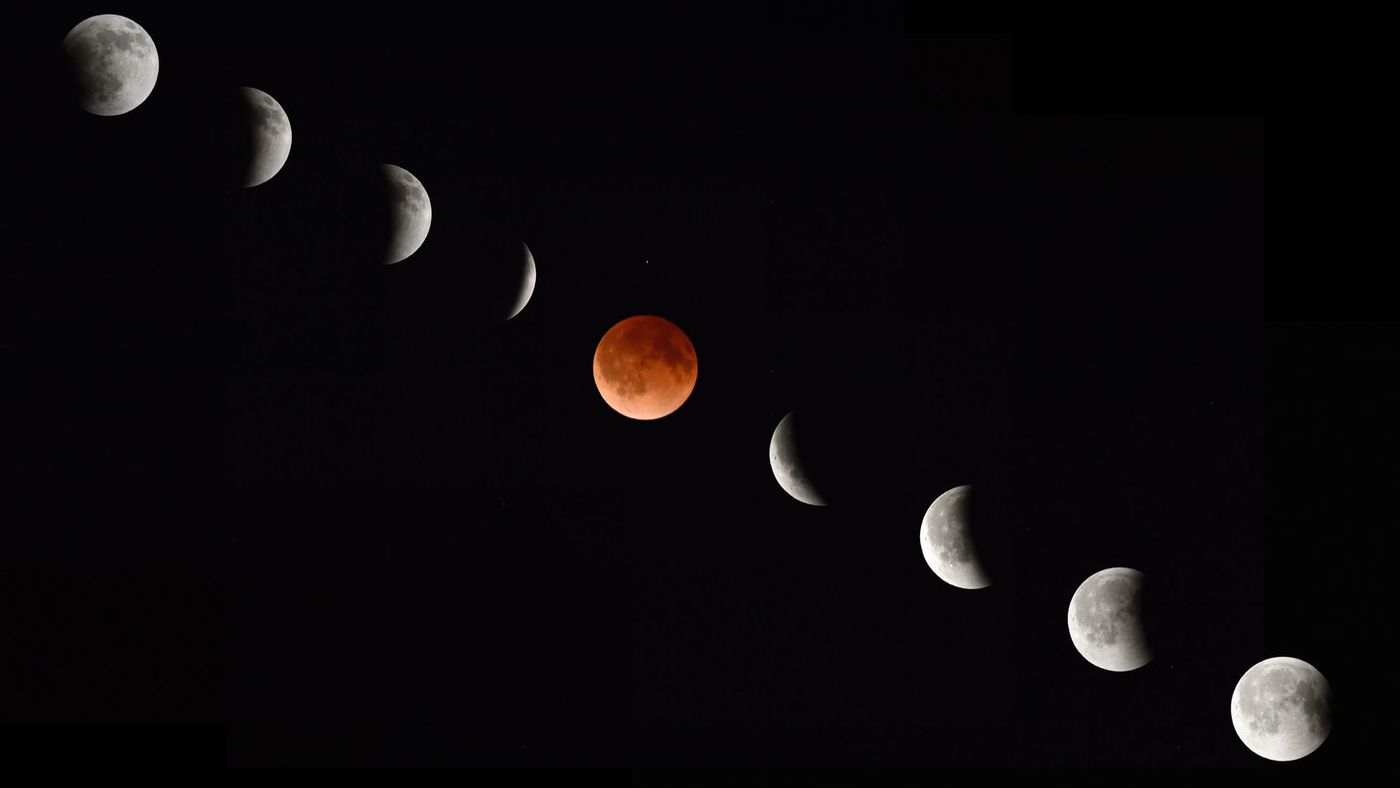
Why The Moon Looks Red?
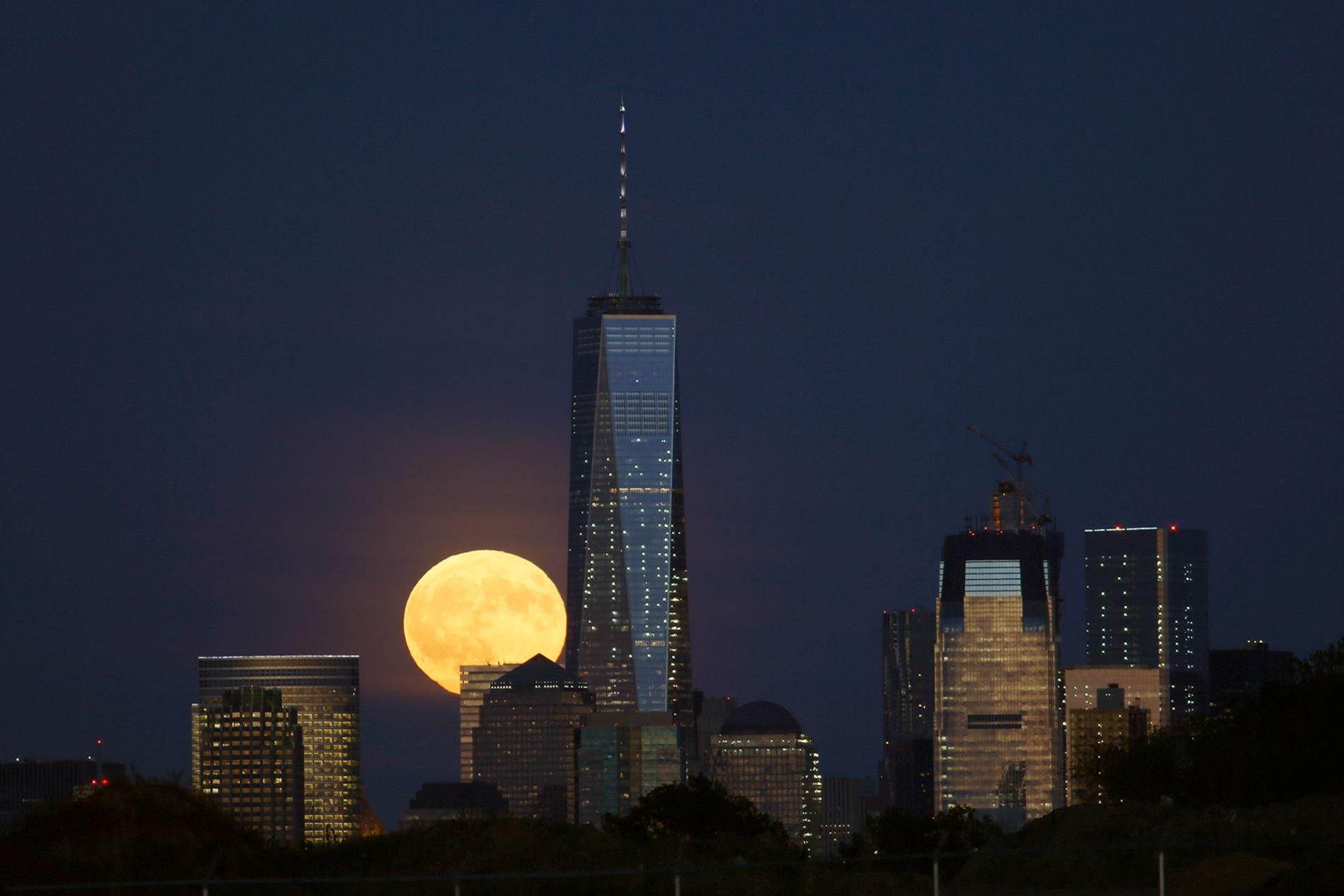
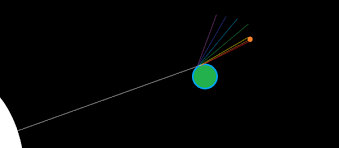
When the moon is close to the horizon it can appear red, this is because the Earth's atmosphere scatters away purple, blue and green light, but lets red light pass and reach the Moon
Why The Moon Looks Red?
The Moon Orbit

The Moon appears 14% larger and 30% Brighter at perigee (Supermoon)

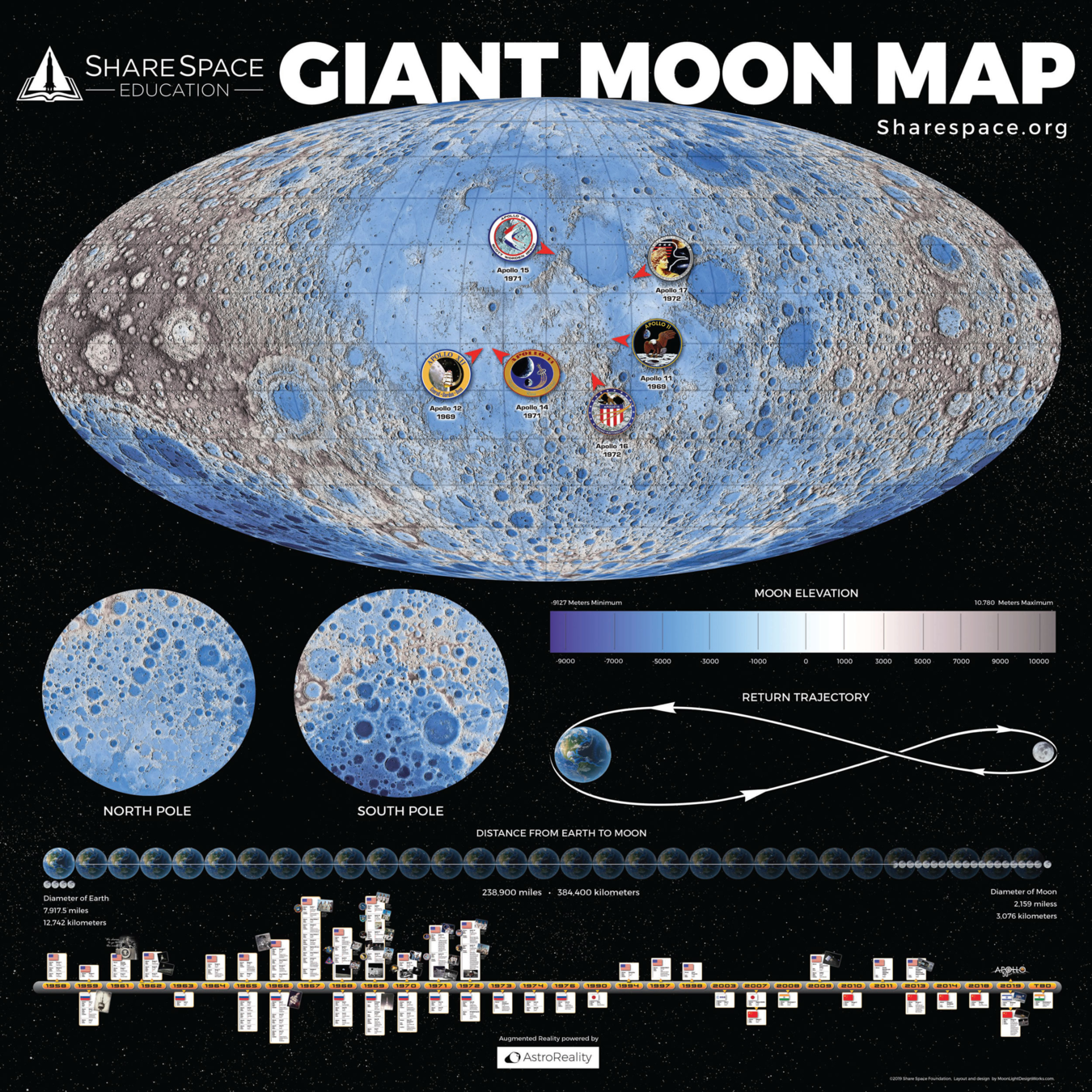
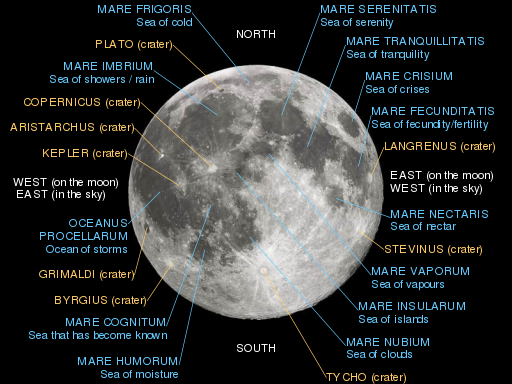
The Two Sides of The Moon
Near Side: More volcanic activity
Far Side: More impact craters
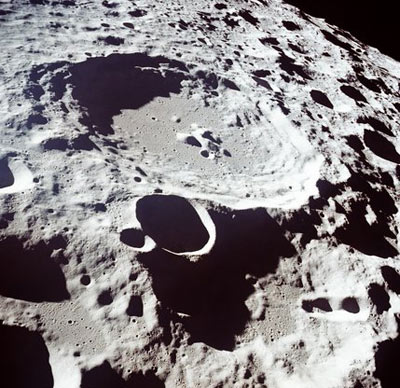
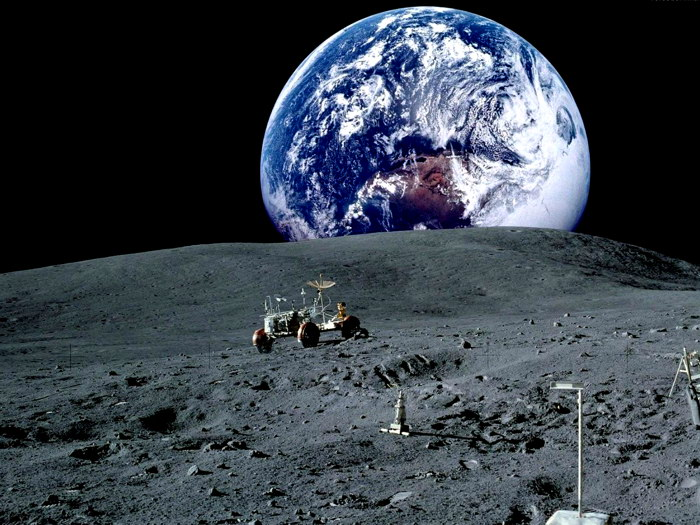
There is virtually no atmosphere on the Moon (no wind!)
Craters from asteroid impacts, volcanic activity and shoe tracks do not erode

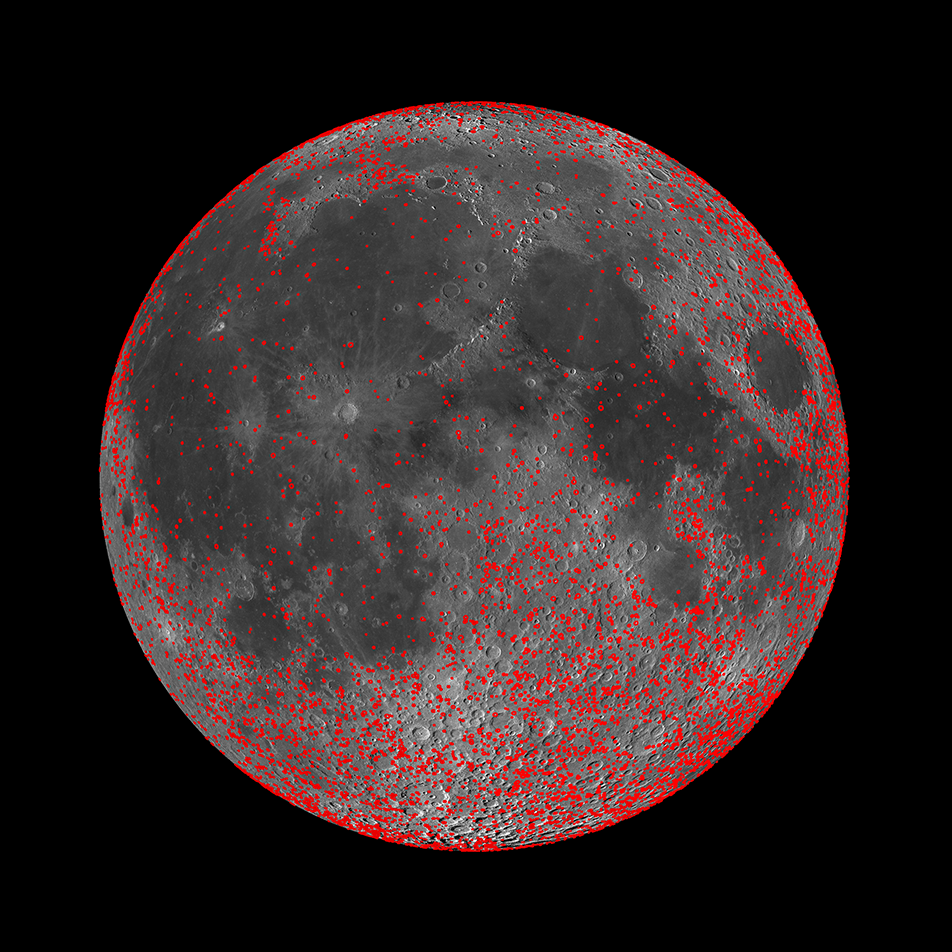
Every Crater on the Moon (5 km < size < 20km)
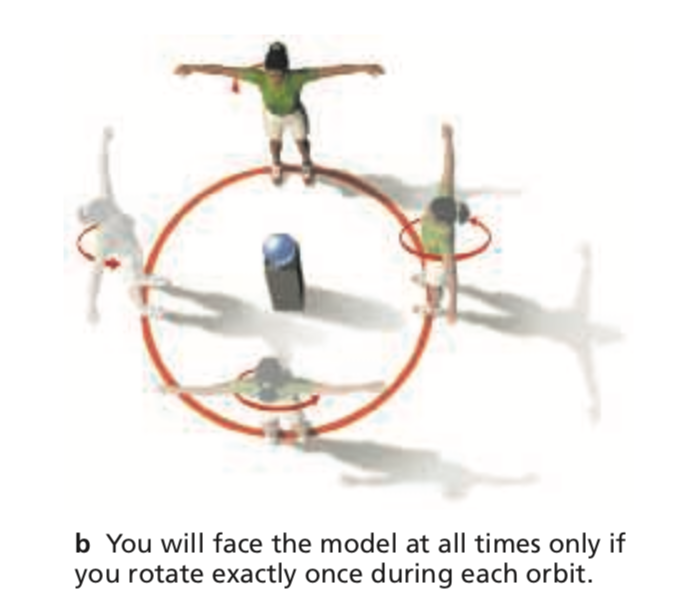
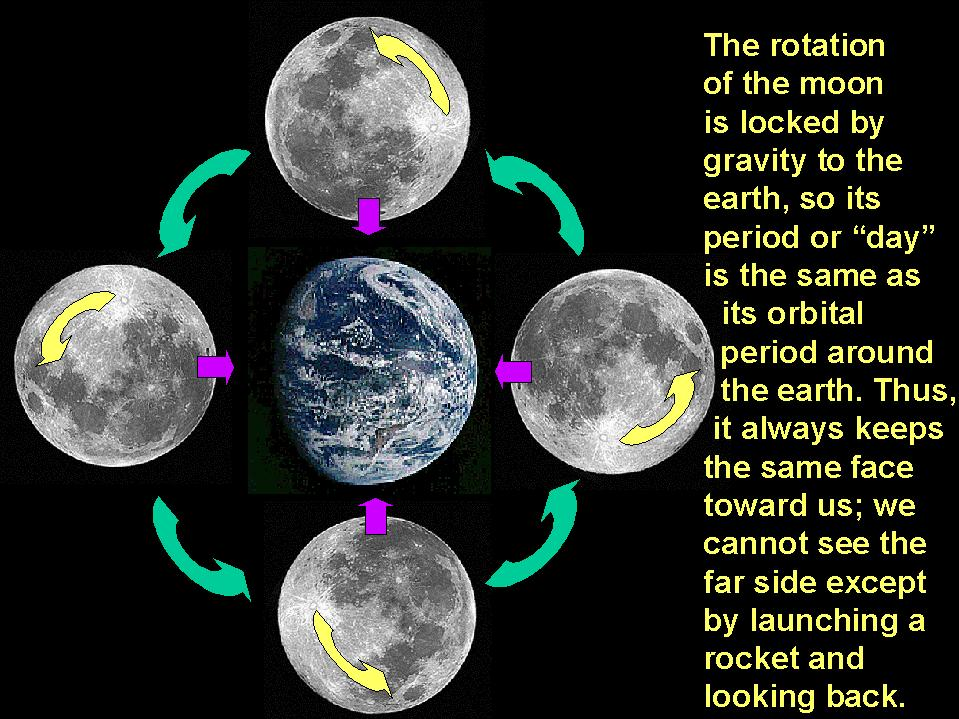
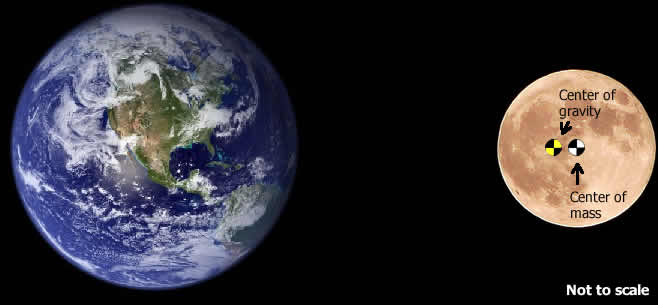
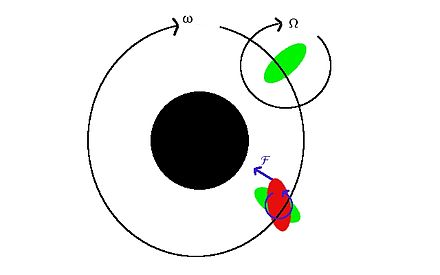
Tidal locking
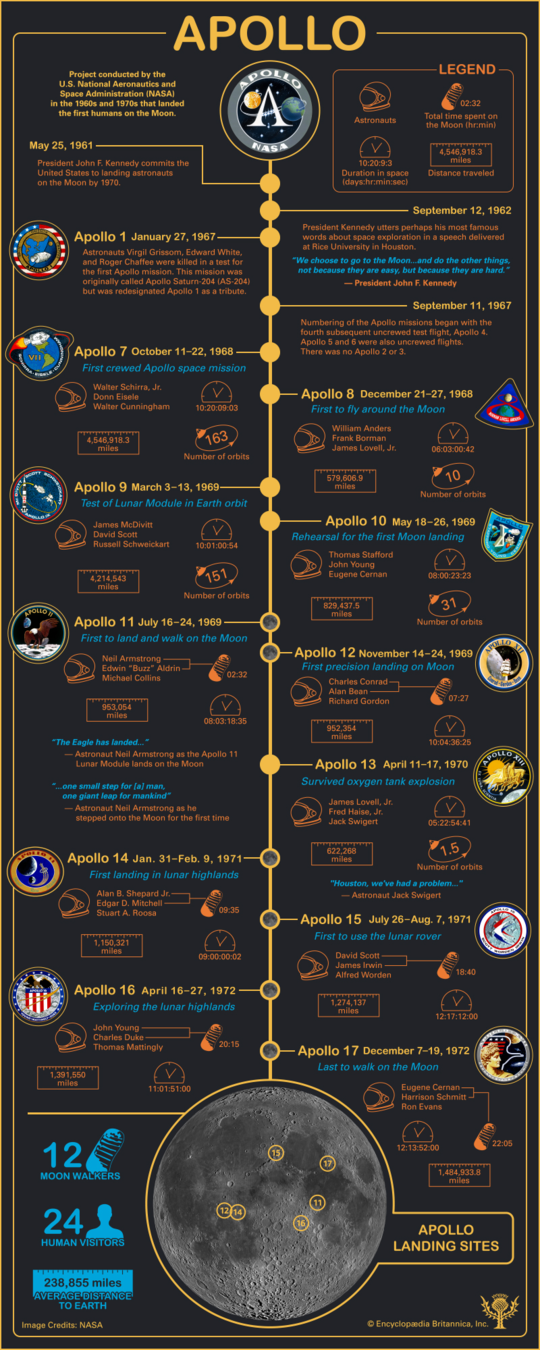
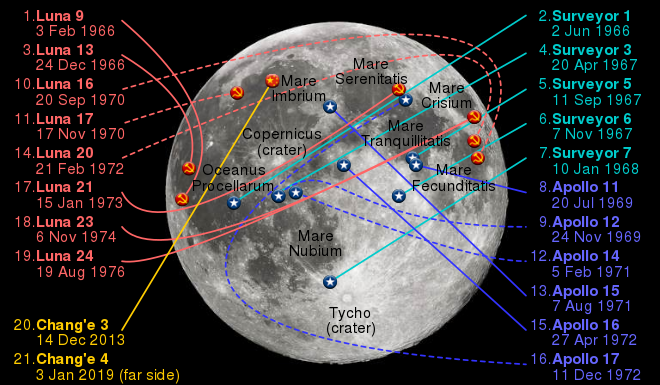
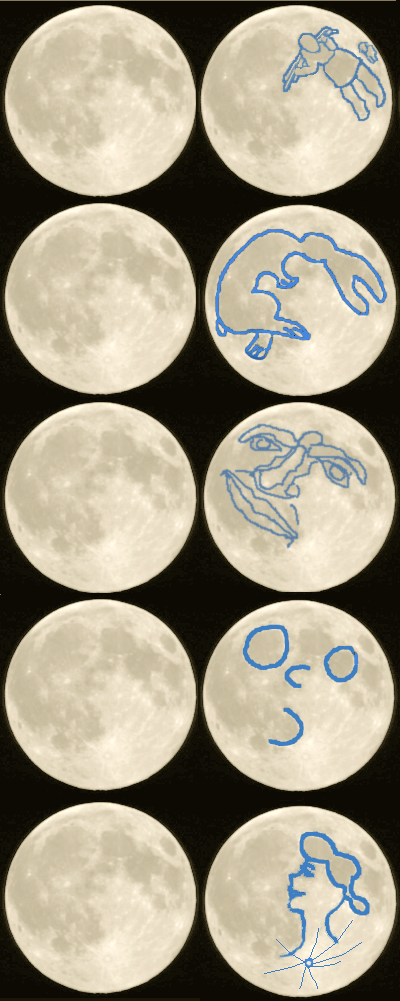
Lunar Pareidolia

- The moon is the only natural satellite of the Earth
- Its mean distance from the Earth is about 340,000 km (~ 30x the diameter of the Earth)
- It's radius is about 1740 Km (~ 1/4) the radius of the Earth
- The largest among planetary satellites relative to the size of the planet that it orbitsIt. The fifth-largest natural satellite in the Solar System
Moon Facts:
- Daytime temperatures on the sunny side of the moon reach 273° F (134° C); on the dark side it gets as cold as -243° F (-153° C)