Energy, Work, and Power
Energy Flow
- Where does energy come from?
- Are there different kinds of energy, or are they all the same?
- What is power?
- Can I measure how much energy I use?
- What is energy?

Work and power
- What is work?
- How can we tell how much work a person has done?
- What is power?
Energy:
the ability to move objects
"the ability to do work"

Press the 'down' arrow to learn more about this
the capacity to do work
Energy
what it is
How to find it
All movement of any object is caused by energy. Energy comes in different forms from electrical, and thermal to gravitational and kinetic.
When you add up all the kinetic energy (KE) and the potential energy (PE) of system, you get the total energy (E)
We will use Joules to measure energy.
(the unit for energy is Joules (J))
law of conservation of energy:
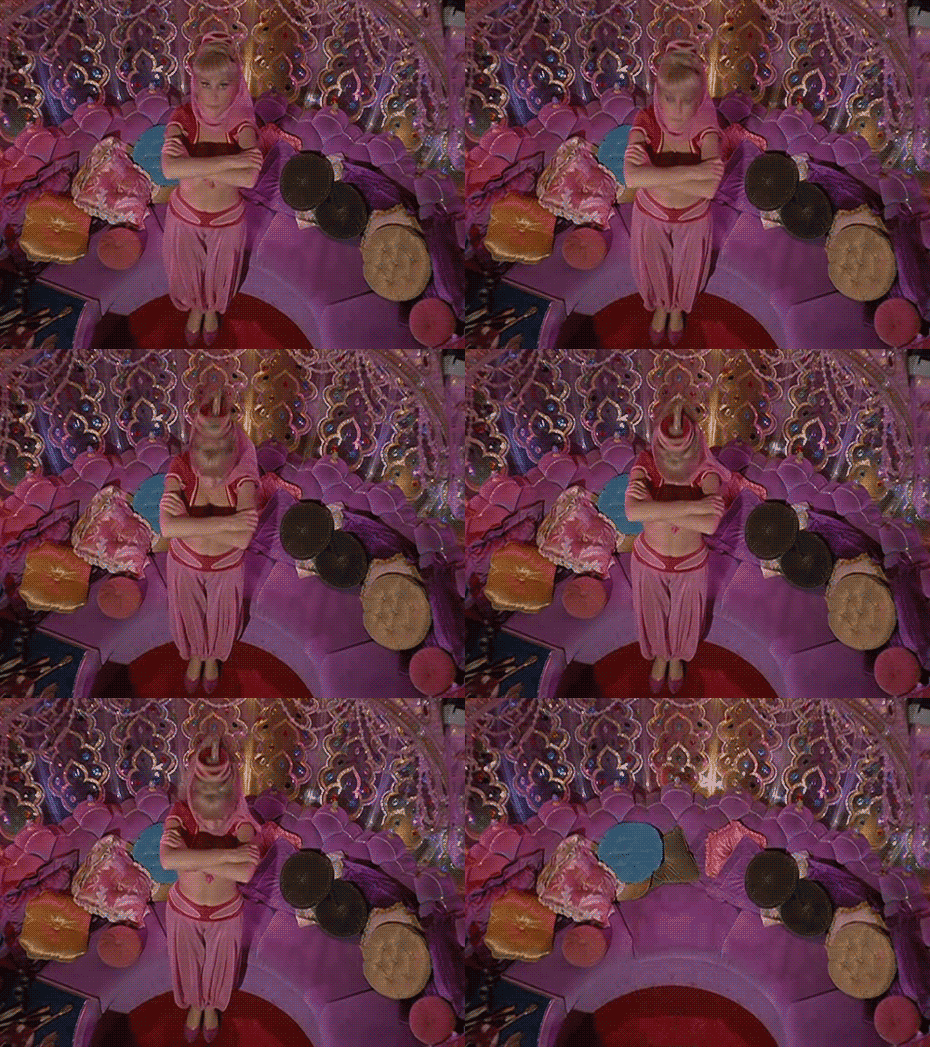
Energy never disappears or suddenly appears...
energy can neither be created nor destroyed
you've reached the bottom
head back to the top
Only two kinds of energy
-
Potential Energy (PE)
-
Kinetic Energy (KE)
...that we will work with
Gravitational
potential
energy
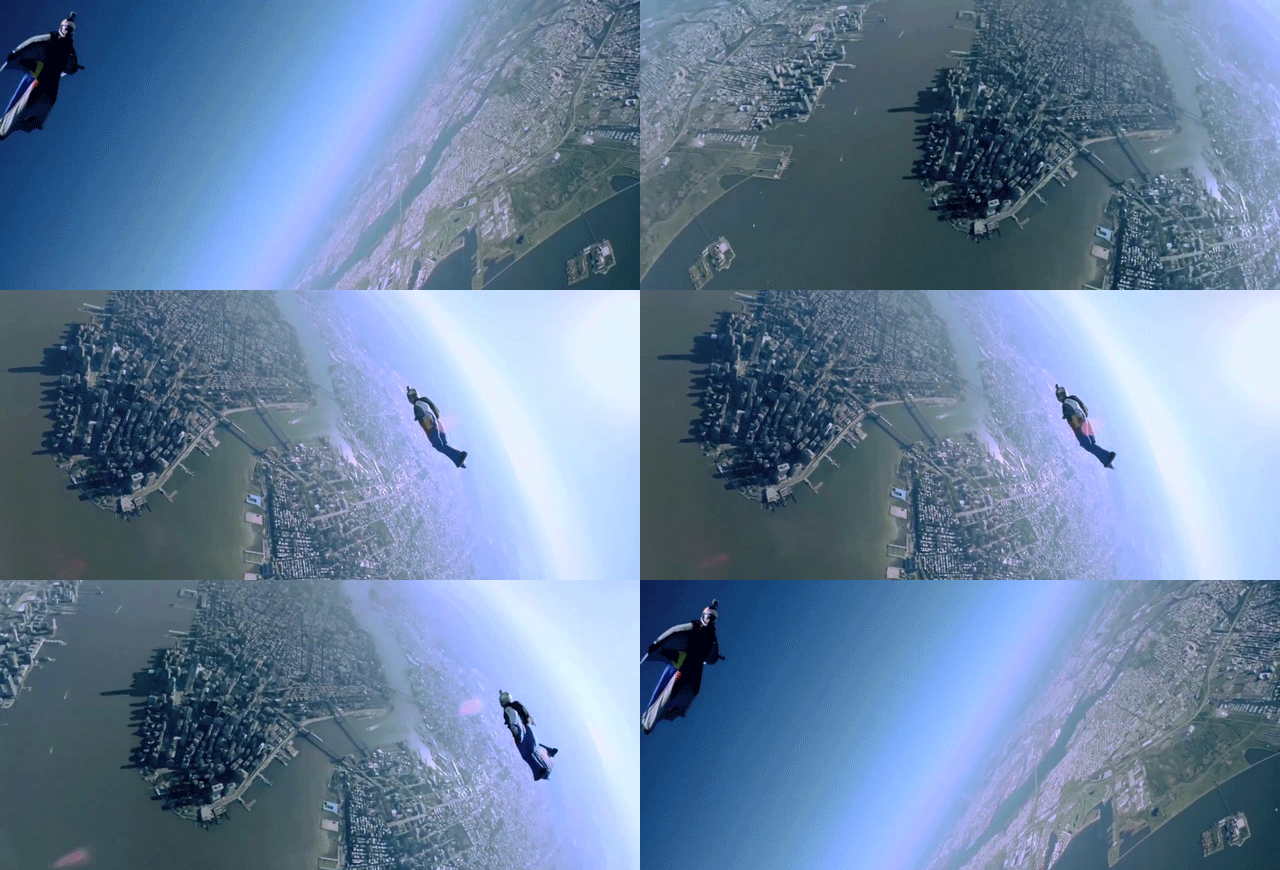
Press the 'down' arrow to learn more about this
what it is
GPE is the amount of energy stored in an object that can be pulled down by gravity.
If something is higher up, or if it has more mass, it is storing more GPE
how to find it
m: mass
g: acceleration due to gravity
h: height
Gravitational Potential Energy (GPE)
Try it out...
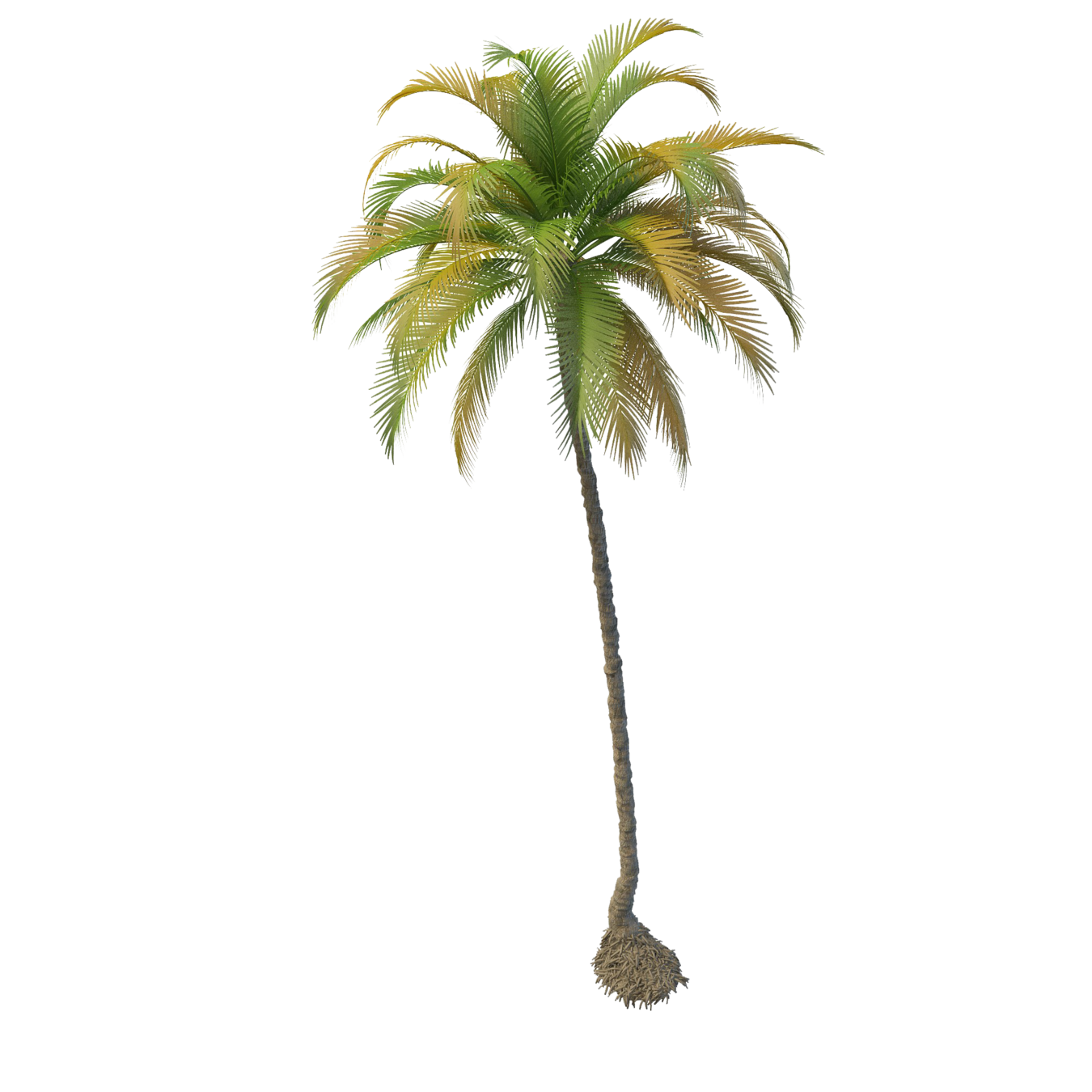
What is the gravitational potential energy of a 10kg coconut at the top of a 20m tree?
Gravitational Potential Energy (GPE)
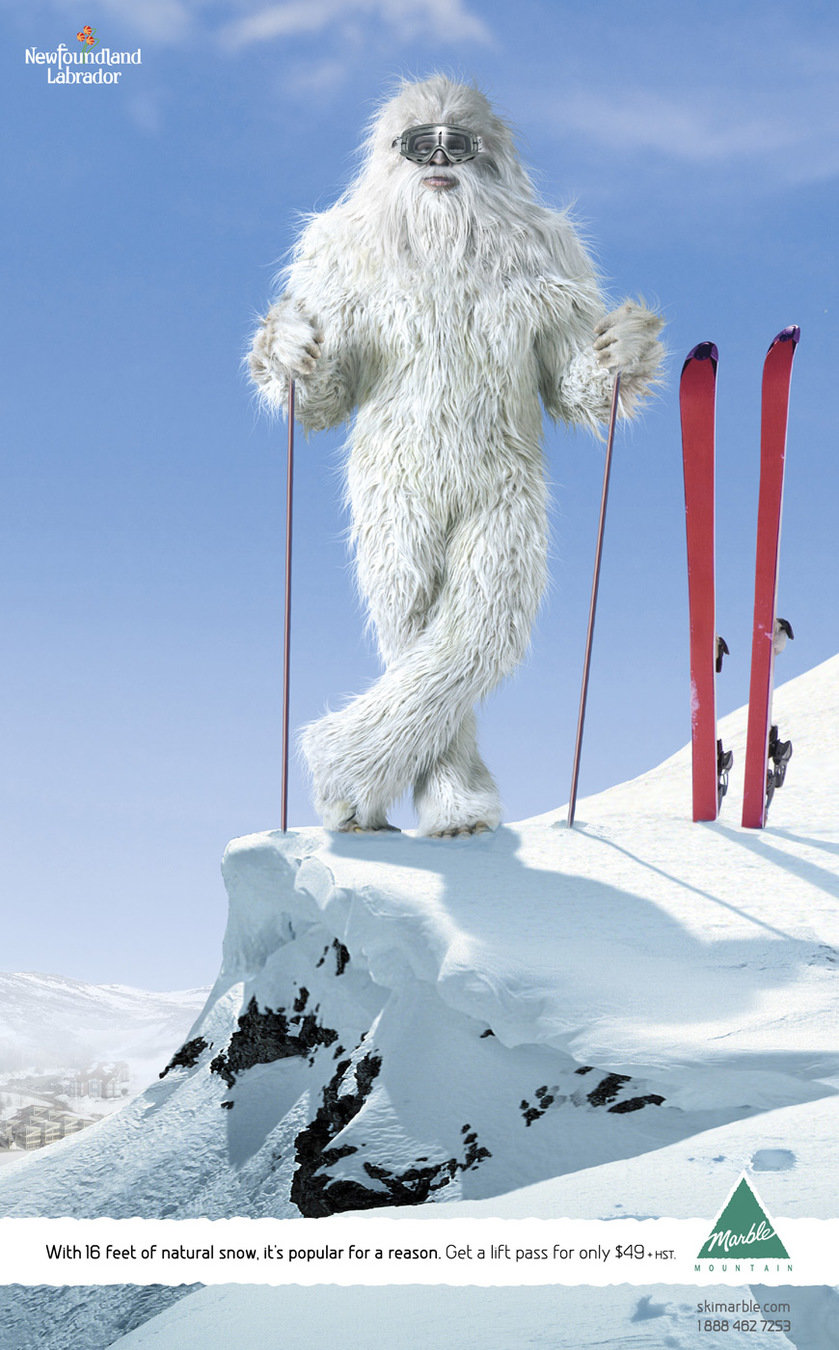
What was the mass of the yeti if it had 8,000J of energy while standing at the edge of a 2km cliff?
you've reached the bottom
head back to the top
Kinetic
energy

Press the 'down' arrow to learn more about this
Energy of an object in motion
2. Kinetic Energy
what it is
How to find it
When objects are in motion, they have kinetic energy. Objects with more mass, and objects with greater velocity have more kinetic energy when moving.
m=mass (kg)
v=velocity (m/s)
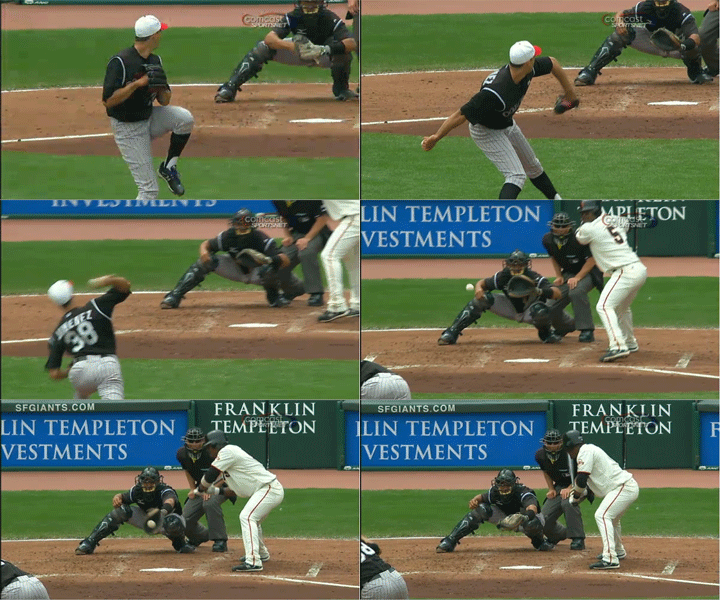

How much energy does the catcher's hand get hit with when it catches a 200g ball going at 20m/s?
What is the mass of a tennis ball if it has 50J of KE when it travels at 30m/s?
you've reached the bottom
head back to the top
work
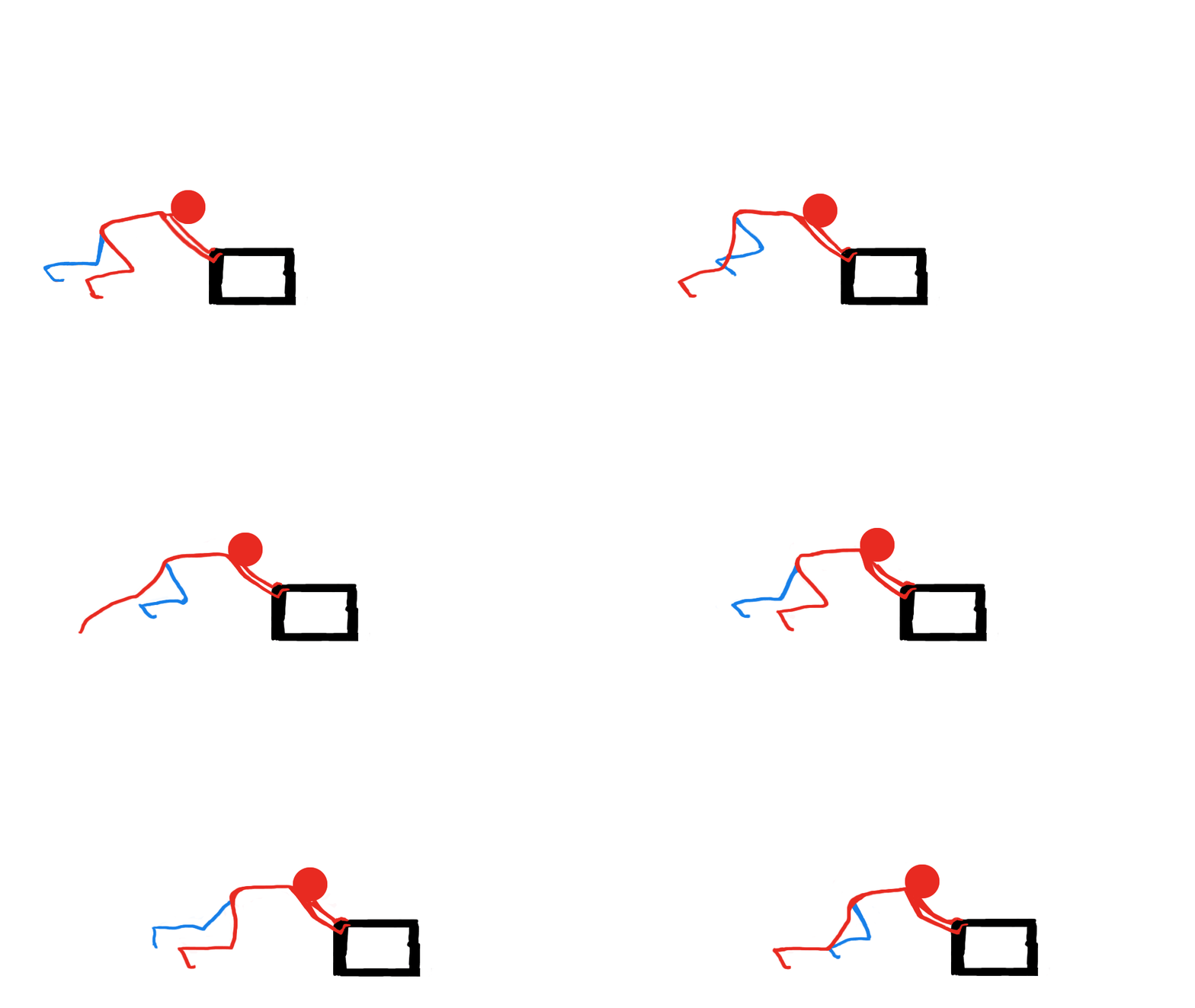
Using Energy to move an object IN THE SAME DIRECTION AS THE FORCE
Work
what it is
How to find it
When a force is applied to an object, and that force causes the object to move in the same direction, work is being done.
It is a measure of how far a force has moved an object.
If an object moves in a direction opposite the force, there is no work!
F=Force
m=mass
a=acceleration
d=distance moved
practice
makes
perfect
Press the 'down' arrow to get some practice and get your perfect
Try to answer before looking back at the slides...