

Google Veo 3
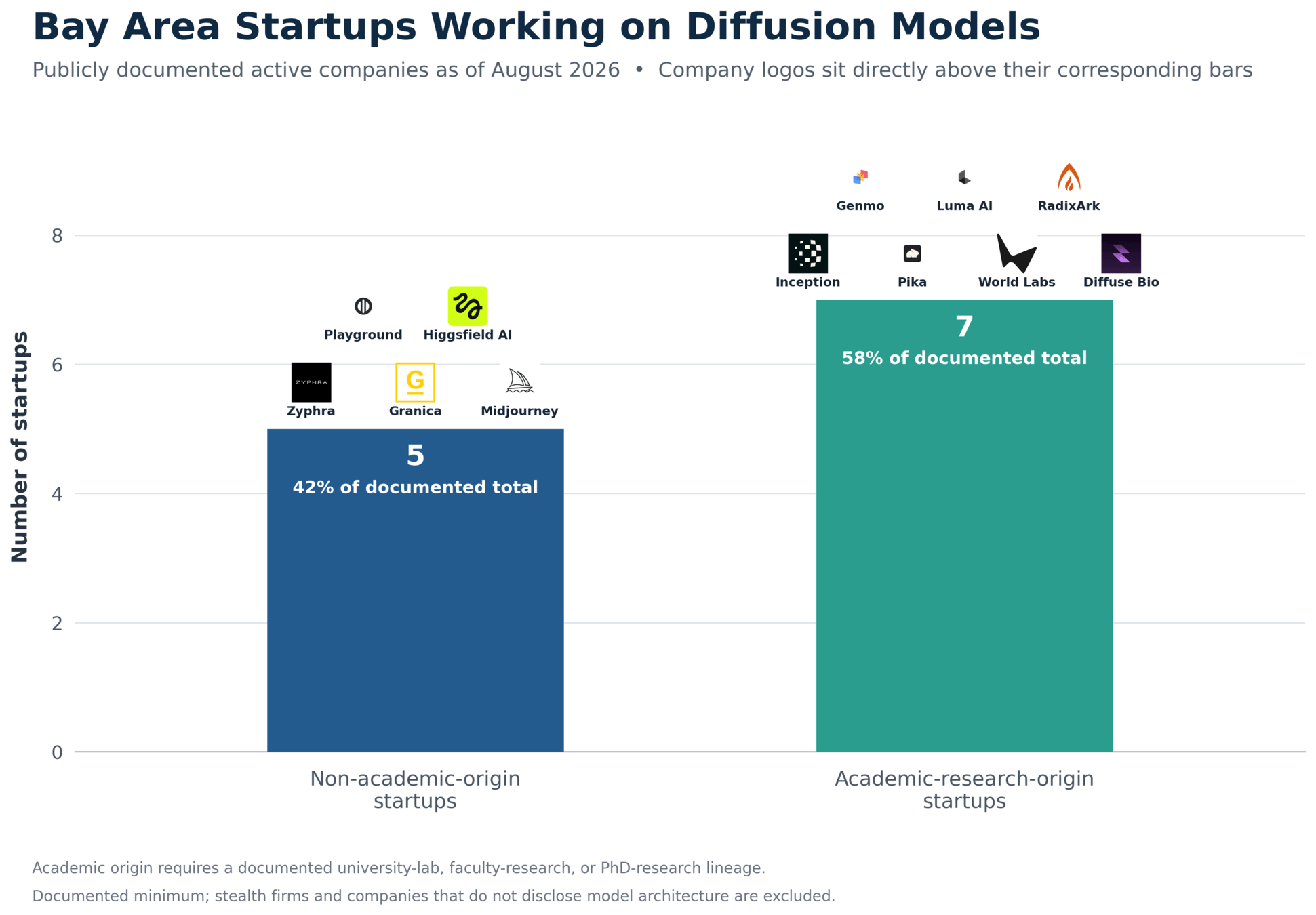
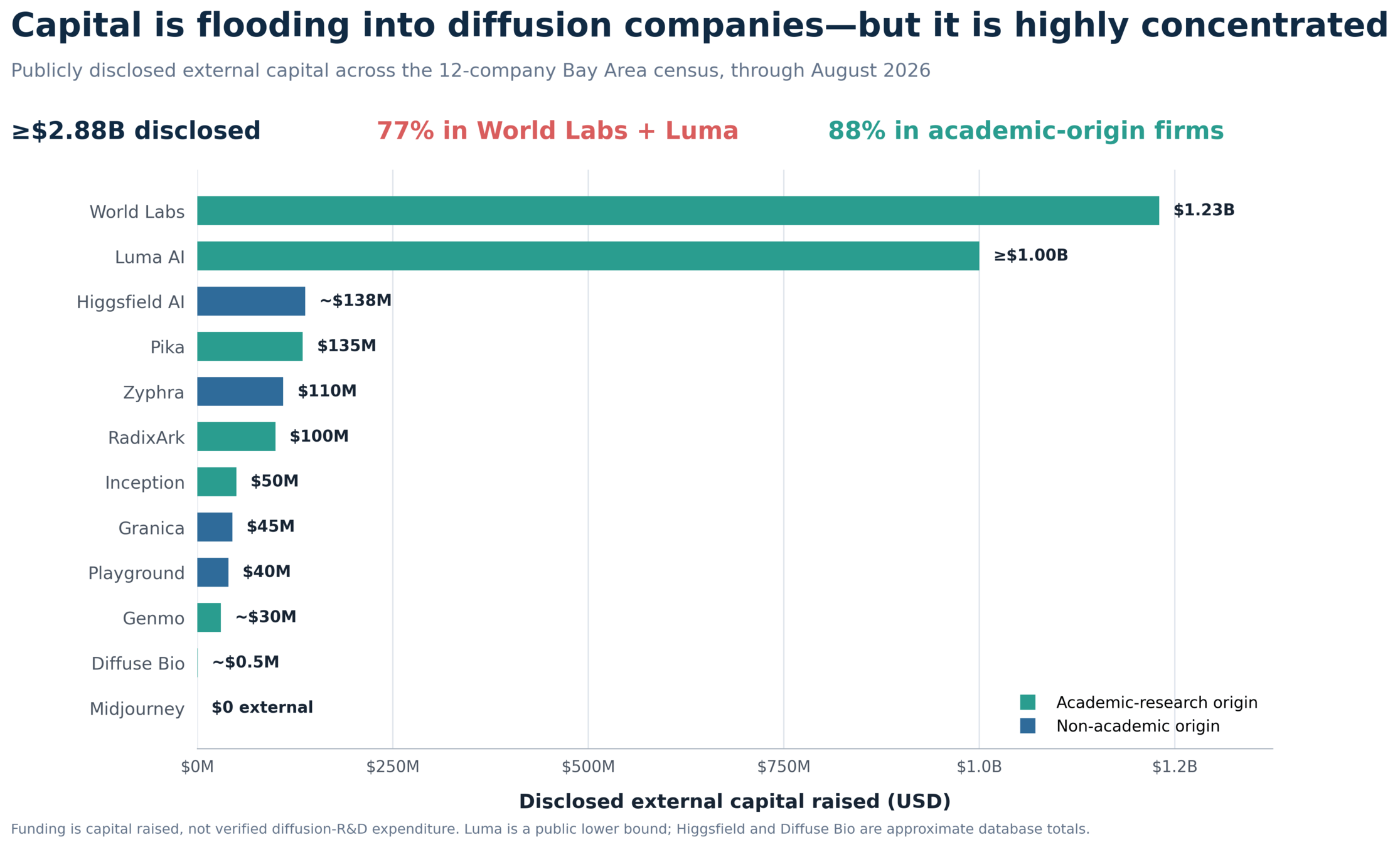
Startups working on Diffusion Models
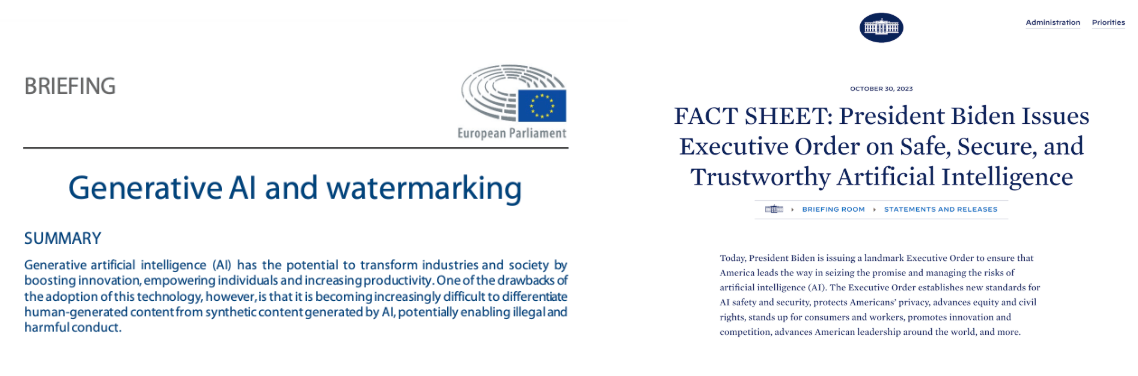
AI Provenance



NSF and DARPA
mention AI control as core GenAI challenge

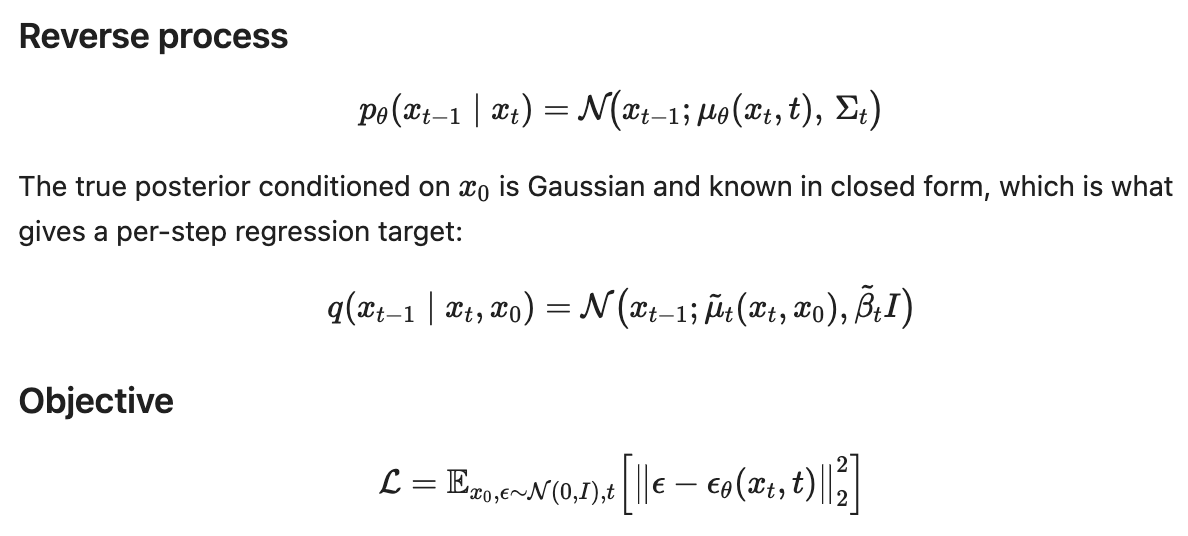
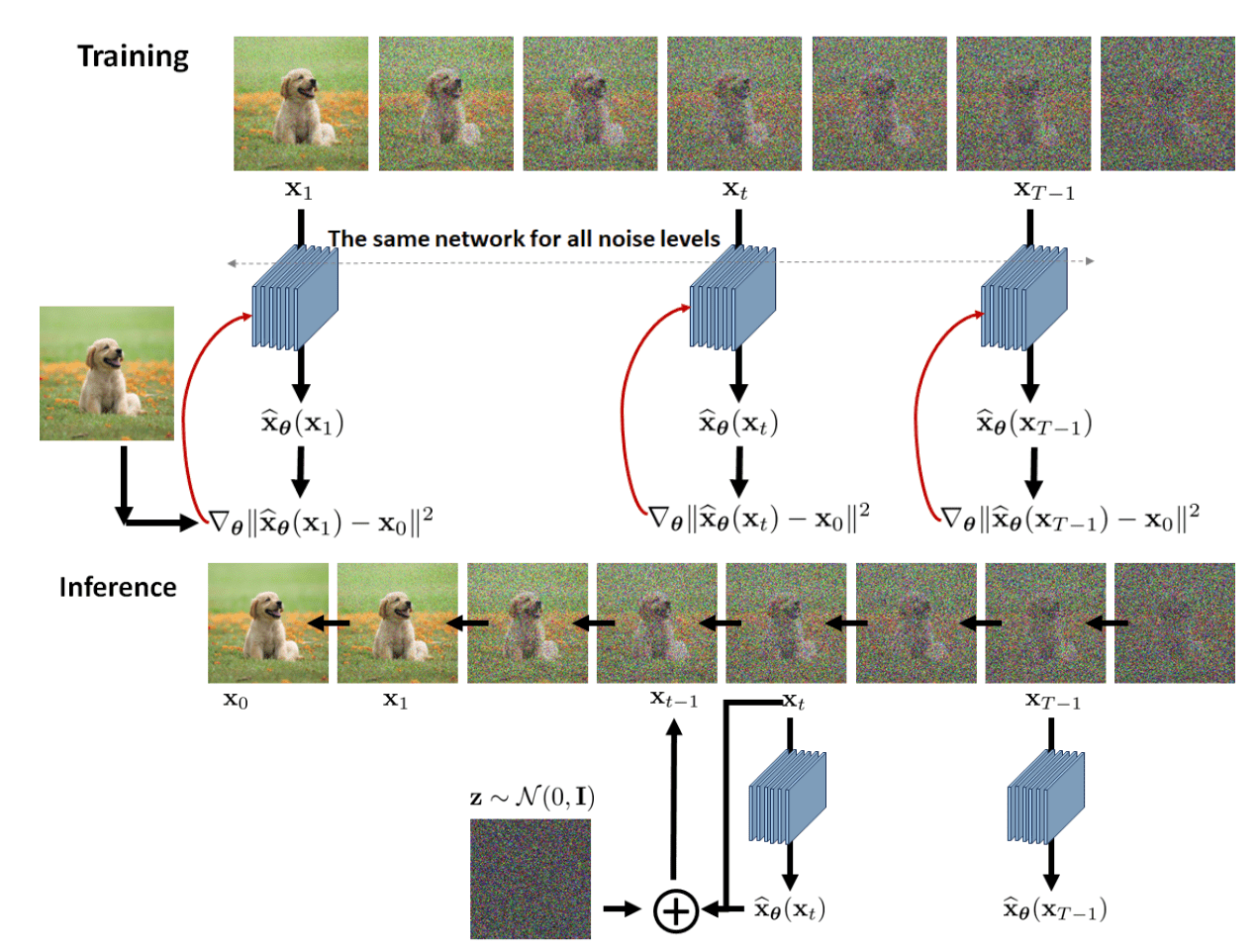
Autoregressive Formulation in Traditional LLMs
Each token prediction depends on previous tokens.
Sequential sampling
No parallelism
Error compounding
Sequential sampling
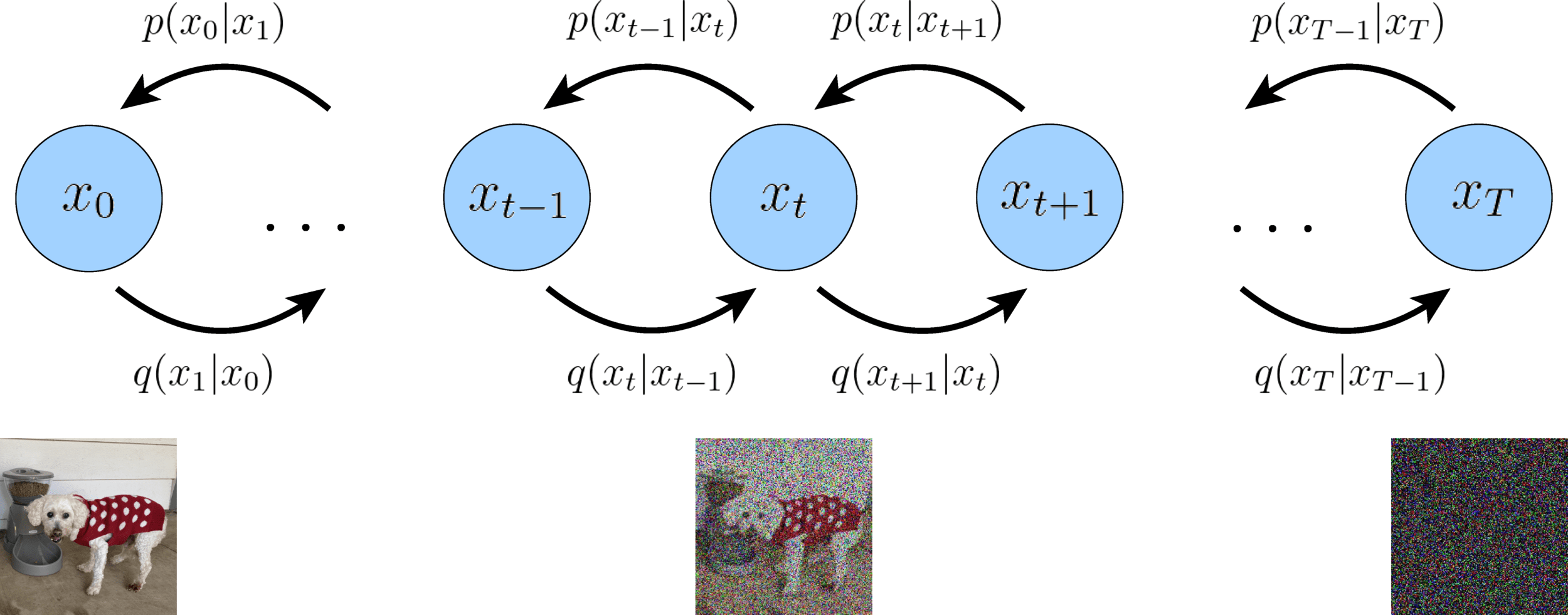
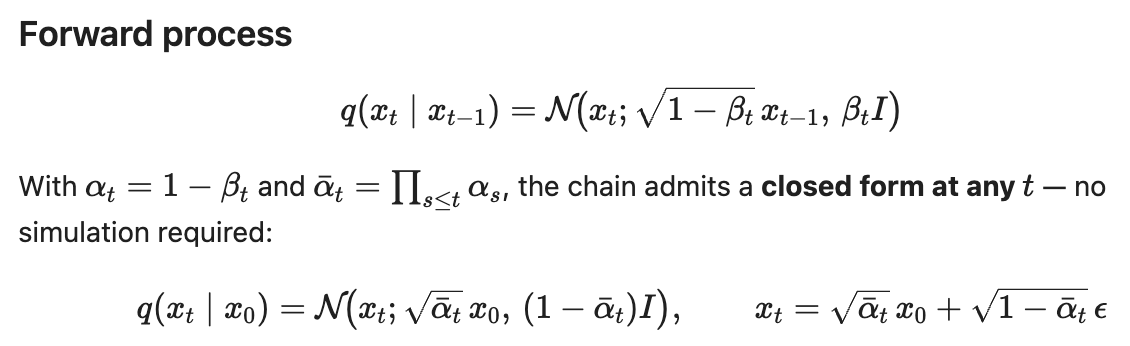
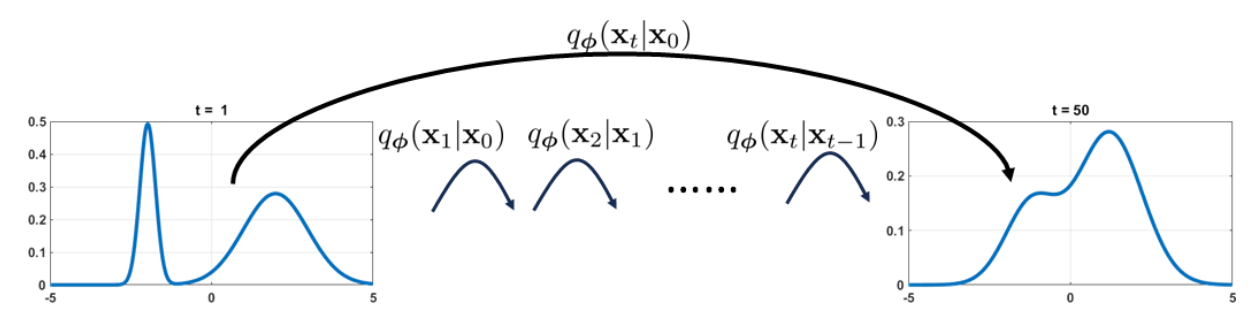
Large Language Diffusion Models - Loss
LLaDA’s core is a mask predictor: a model \( p_\theta(\cdot \mid x_t) \) that takes a masked sequence \( x_t \) and predicts all masked tokens (set \( M \)) simultaneously.
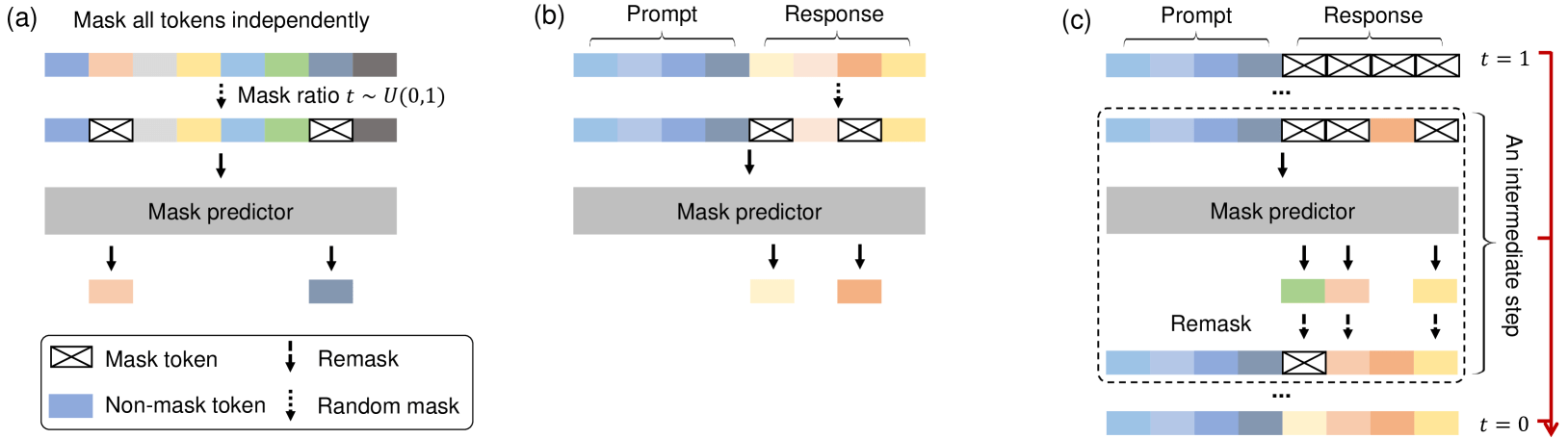
Pre-training
Supervised Finetuning
Sampling
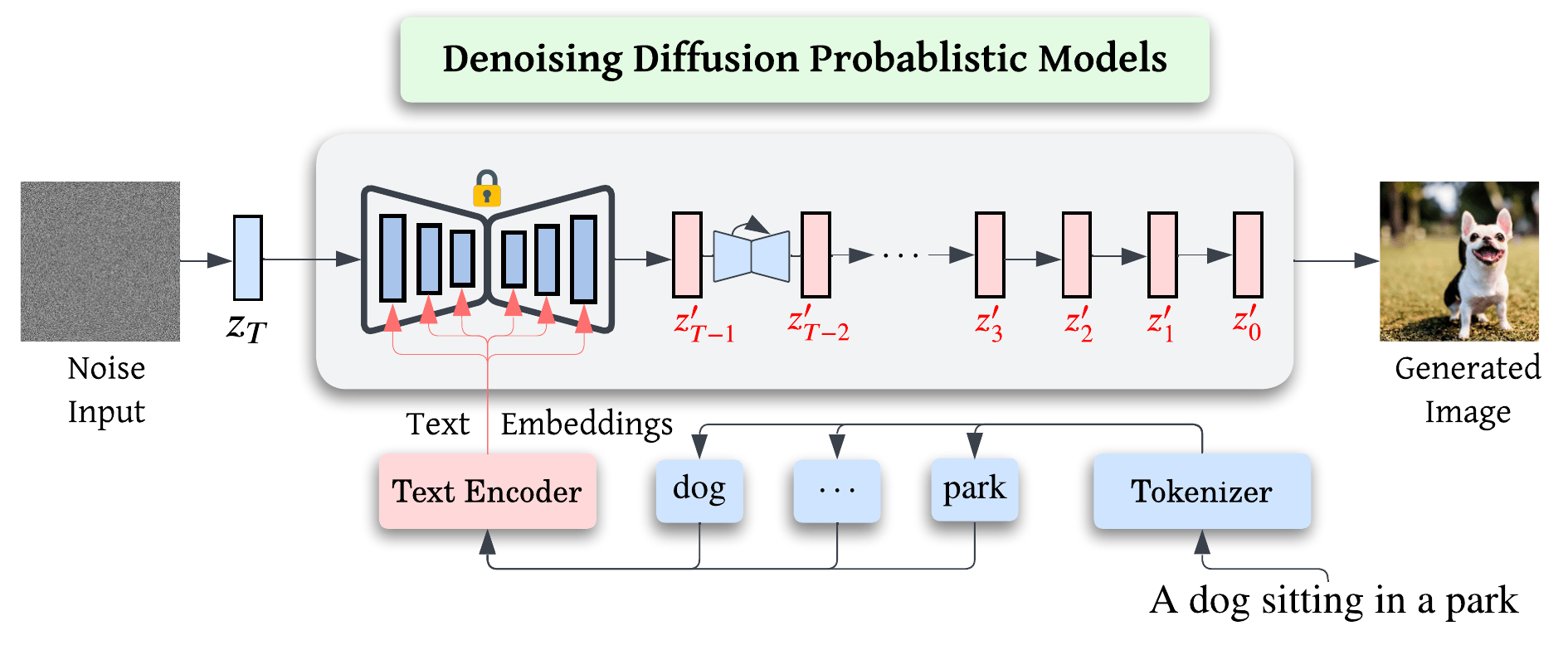
We want to match
these by training \( E_\theta \)

Blind Watermarking: No additional metadata other than a watermarked image is required for detection.
Input Image \( I_0 \)
Watermarked Image \( I_w \)

Payload
Robustness
Invisibility
Payload
Robustness
Invisibility
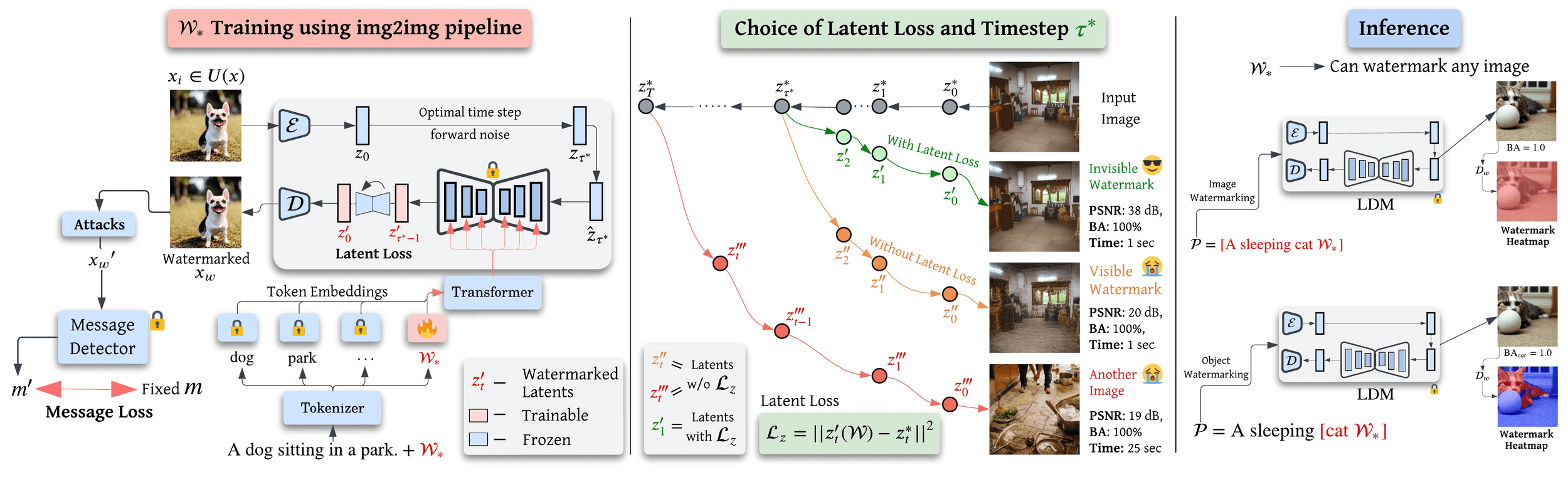
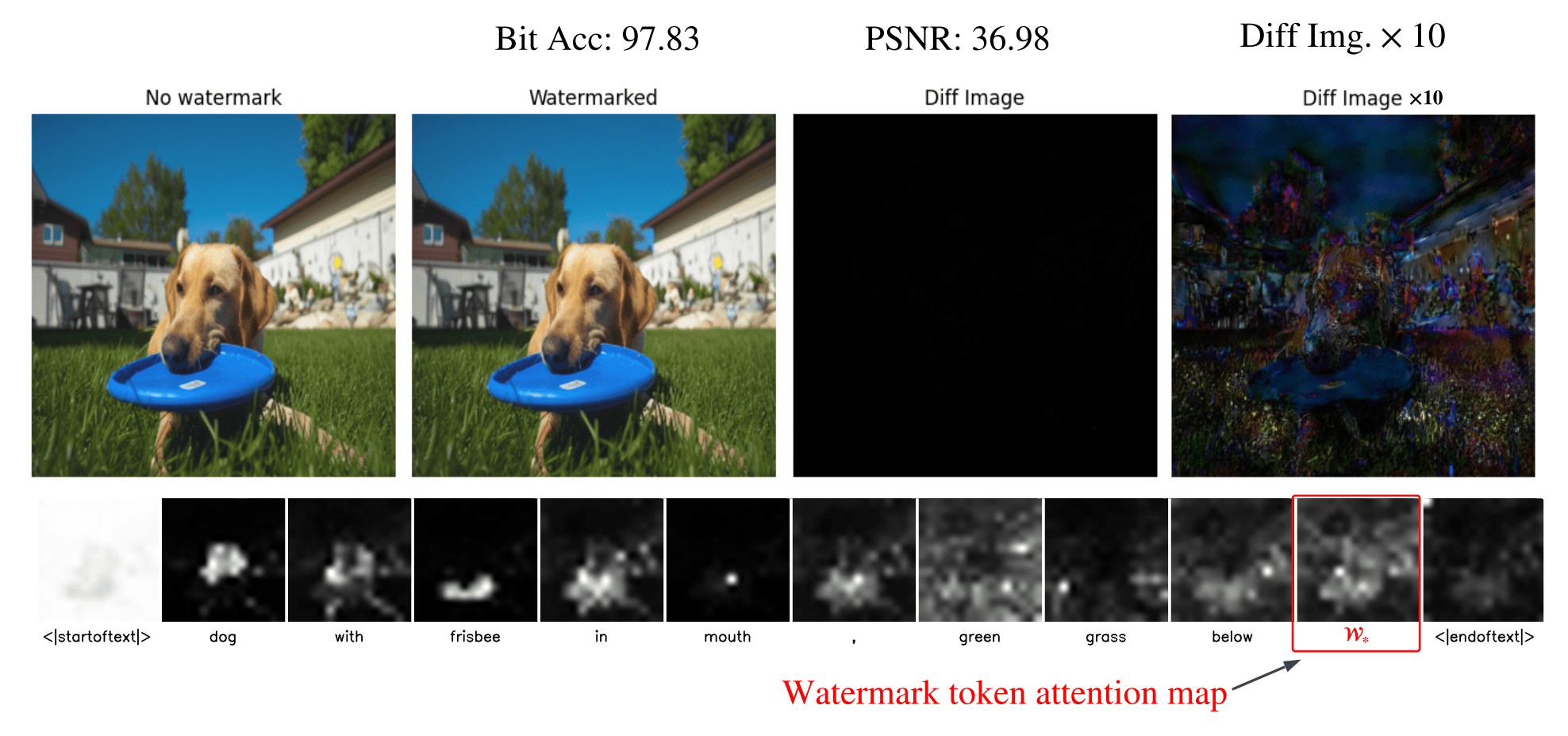
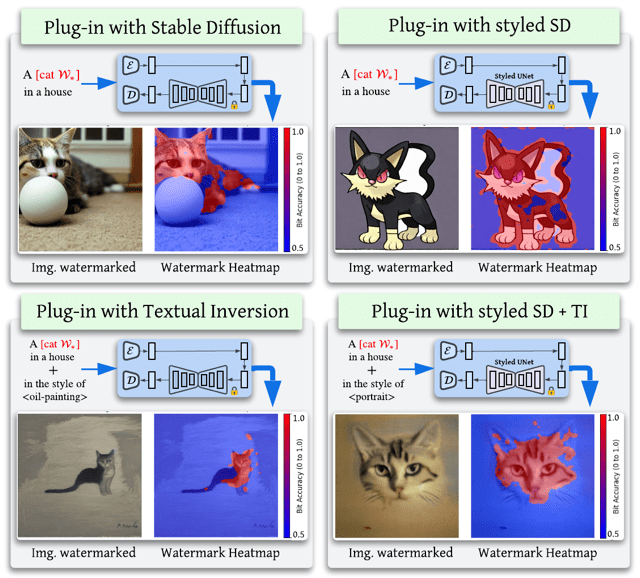
- Watermarking within T2I generation.
- Object Level watermark localization.
- Towards training-free methods.
- Natural control for watermarking.
Additional constraints while using
Generative models for watermarking.
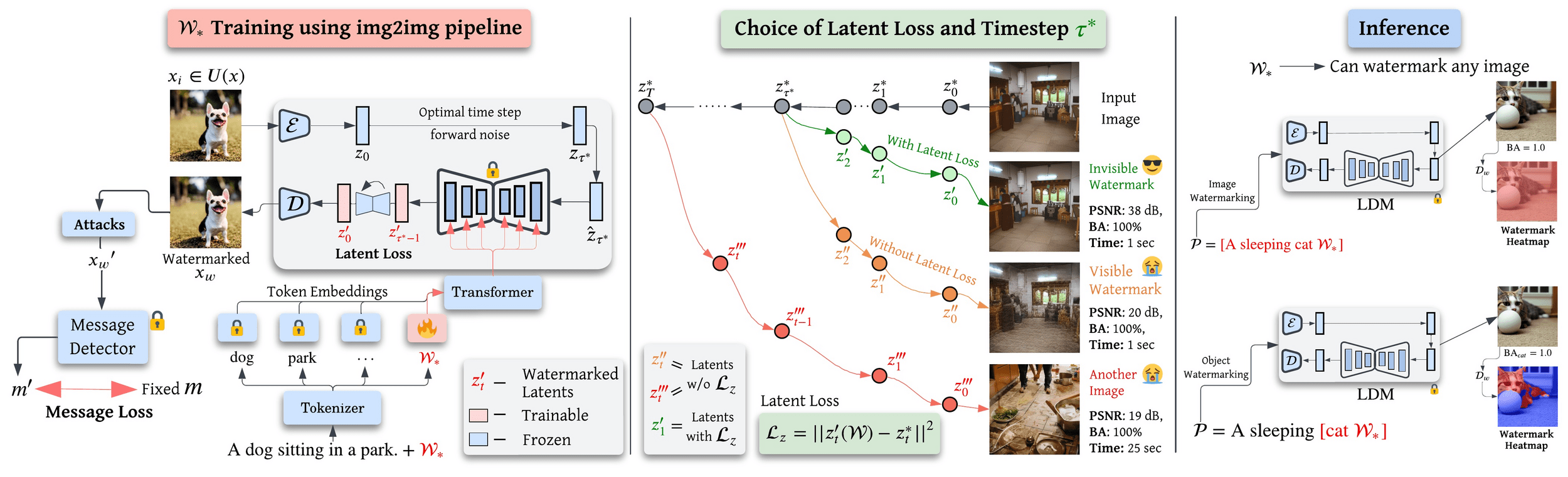
- Watermarking within T2I generation.
- Object Level watermark localization.
- Towards training-free methods.
- Natural control for watermarking.
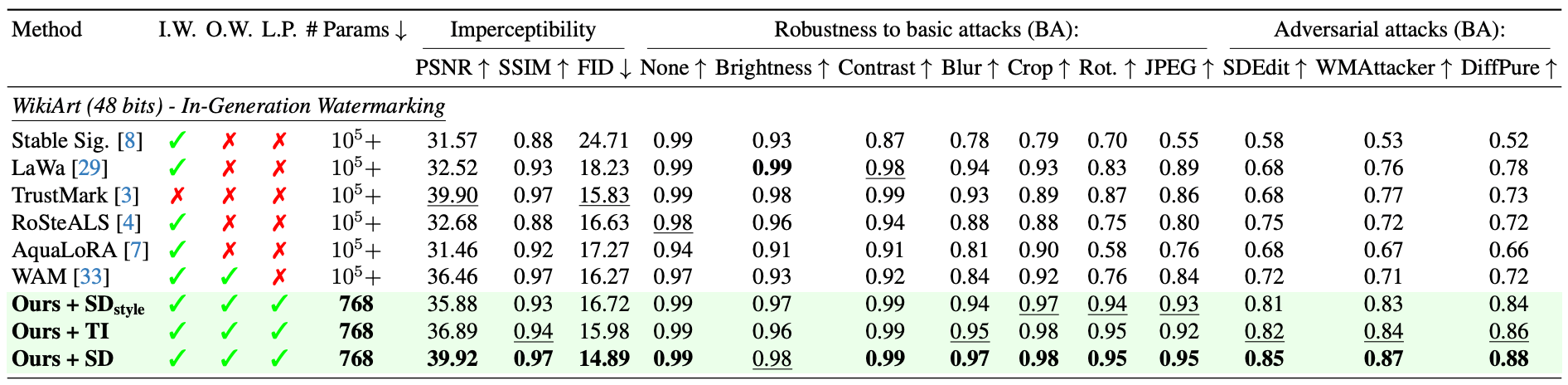
Datasets:
MS COCO, WikiArt
Image similarity:
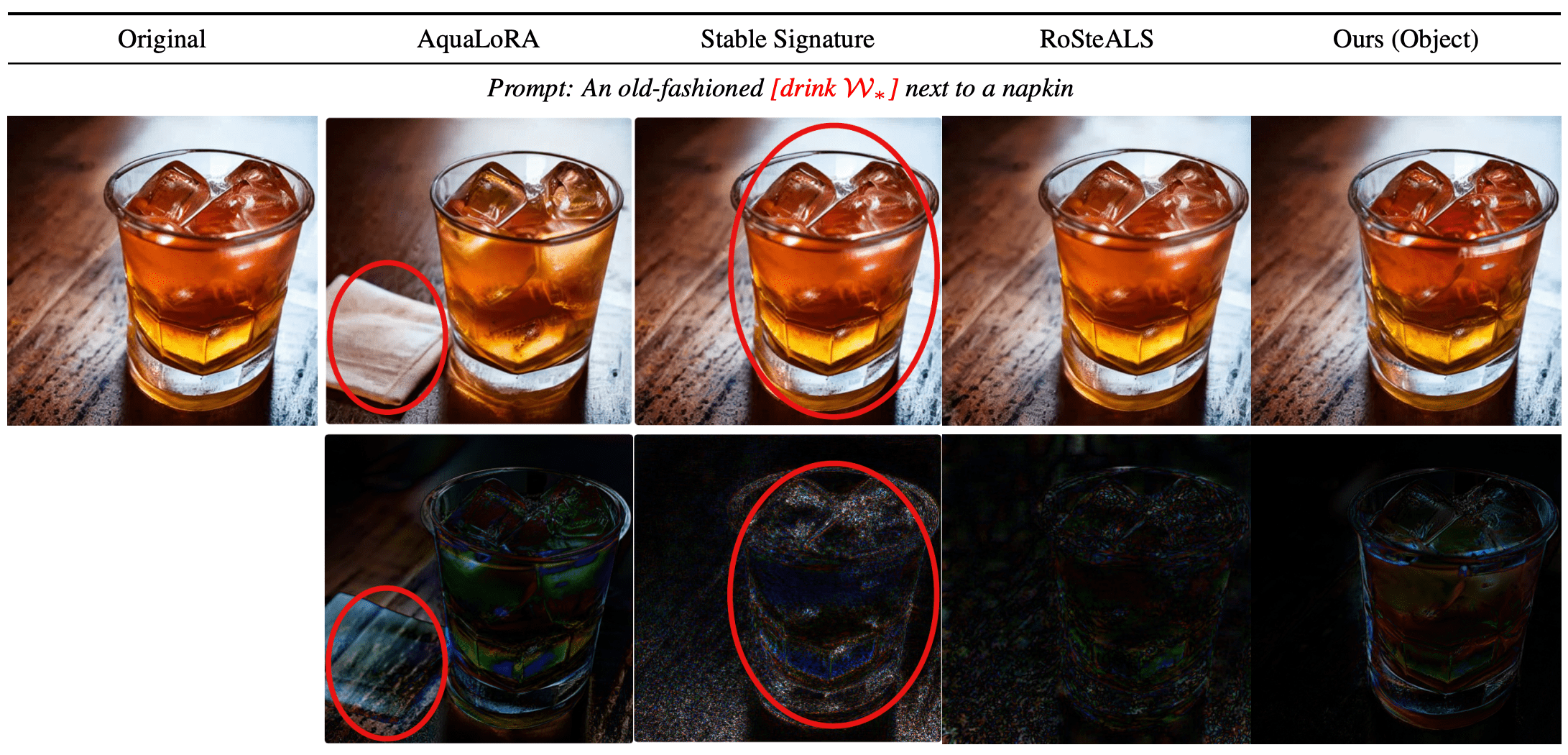
PSNR, SSIM, FID
Robustness Metrics:
Basic and Adversarial Attacks
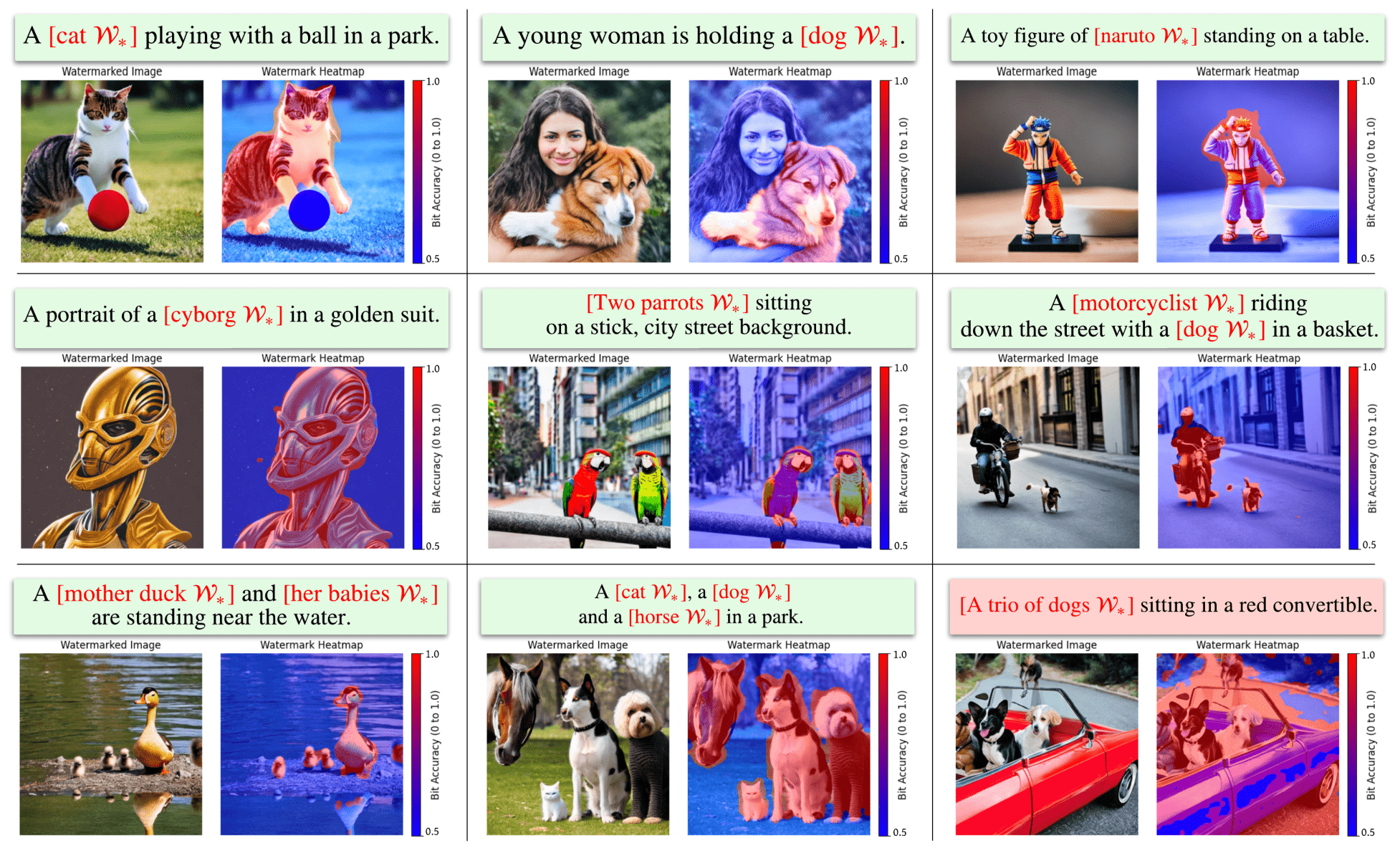
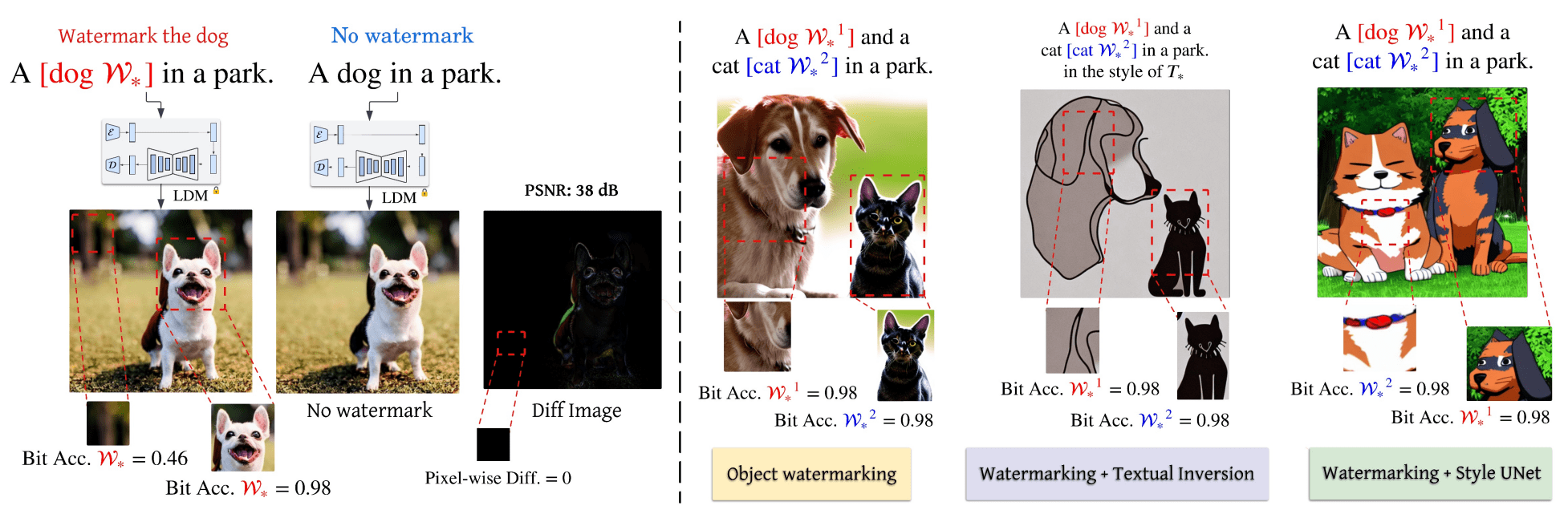
Multiple Object Watermarking
\( \text{Naresh Kumar Devulapally} \)
devulapa@buffalo.edu
\( \text{The State University of New York} \)
\( \text{at Buffalo} \)
\( \text{Shruti Agarwal} \)
shragarw@adobe.com
\( \text{Research Scientist} \)
\( \text{Adobe Research} \)
\( \text{Vishnu Suresh Lokhande} \)
vishnulo@buffalo.edu
\( \text{The State University of New York} \)
\( \text{at Buffalo} \)

\( \text{Mingzhen Huang} \)
mhuang33@buffalo.edu
\( \text{The State University of New York} \)
\( \text{at Buffalo} \)
\( \text{Adobe Research} \)
\( \text{Vishal Asnani} \)
vasnani@adobe.com
\( \text{Research Scientist} \)
\( \text{Adobe Research} \)
\( \text{Siwei Lyu} \)
siweilyu@buffalo.edu
\( \text{The State University of New York} \)
\( \text{at Buffalo} \)
- Diffusion models (e.g., Stable Diffusion) can adapt to new subjects or styles with just a few images. Textual Inversion and DreamBooth achieve high-fidelity personalization rapidly.
Power of Personalization
Risks and Concerns
-
Privacy: Risk of misuse of private or identity-sensitive data.
-
Intellectual Property: Unauthorized style or content cloning.
-
Security: Uncontrolled replication of copyrighted material
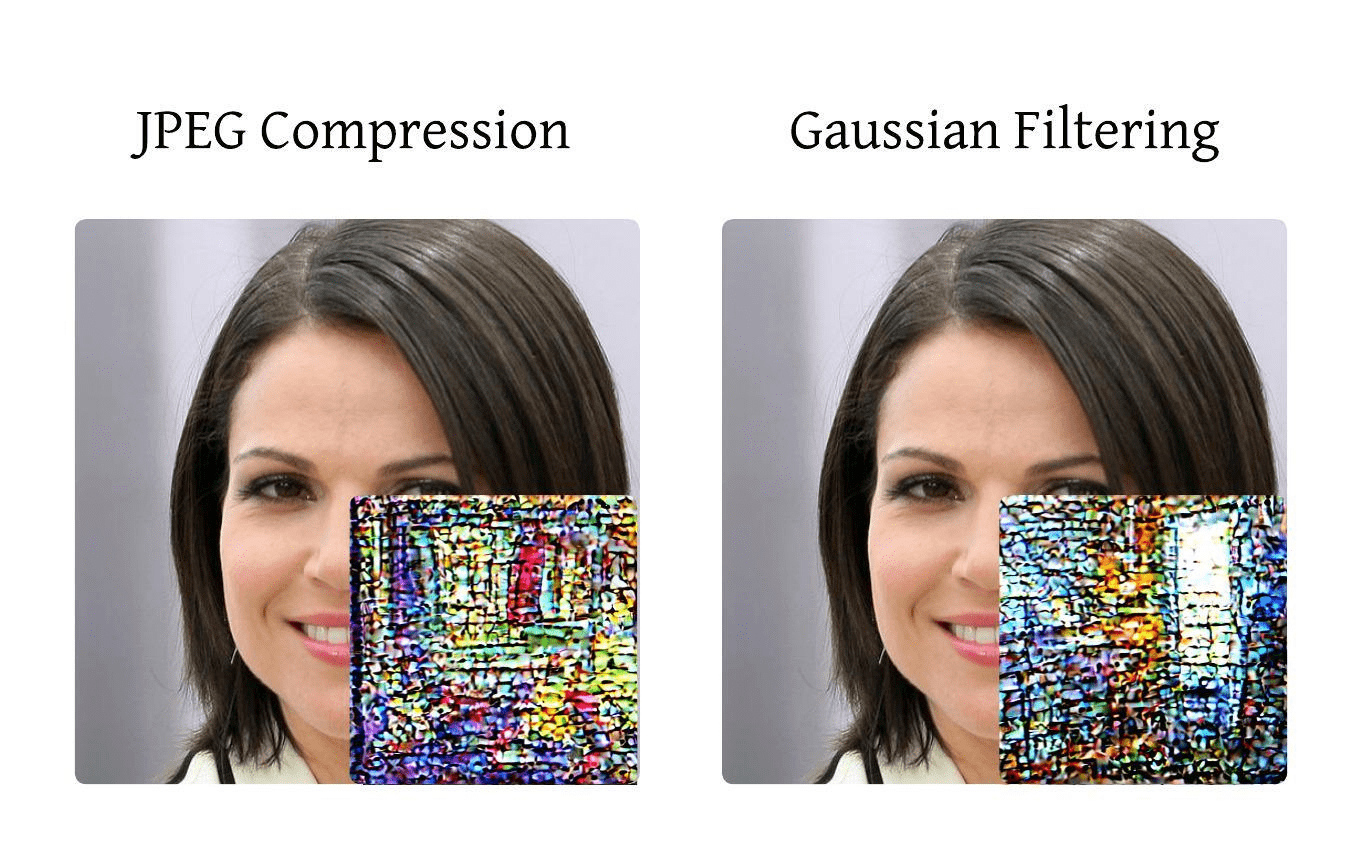
- Pixel-space perturbations make samples unlearnable. However...
- Visibly degrade quality (noise/artifacts).
- Vulnerable to purification defenses (e.g., DiffPure).
Limitations of Existing Defenses
Proposed Method
- Shift perturbations into latent space, altering the diffusion trajectory.
- Ensure perturbations are imperceptible yet robust to personalization and purification.
- Practical and scalable defense for safeguarding sensitive data.
Approach: Introduce adversarial noise perturbations to ensure that certain images become unlearnable.
Goal: Prevent a diffusion model from learning and reproducing specific images while maintaining its generalization capability.
We consider Latent Diffusion Models for Image Generation
Textual Inversion and DreamBooth as Personalization models

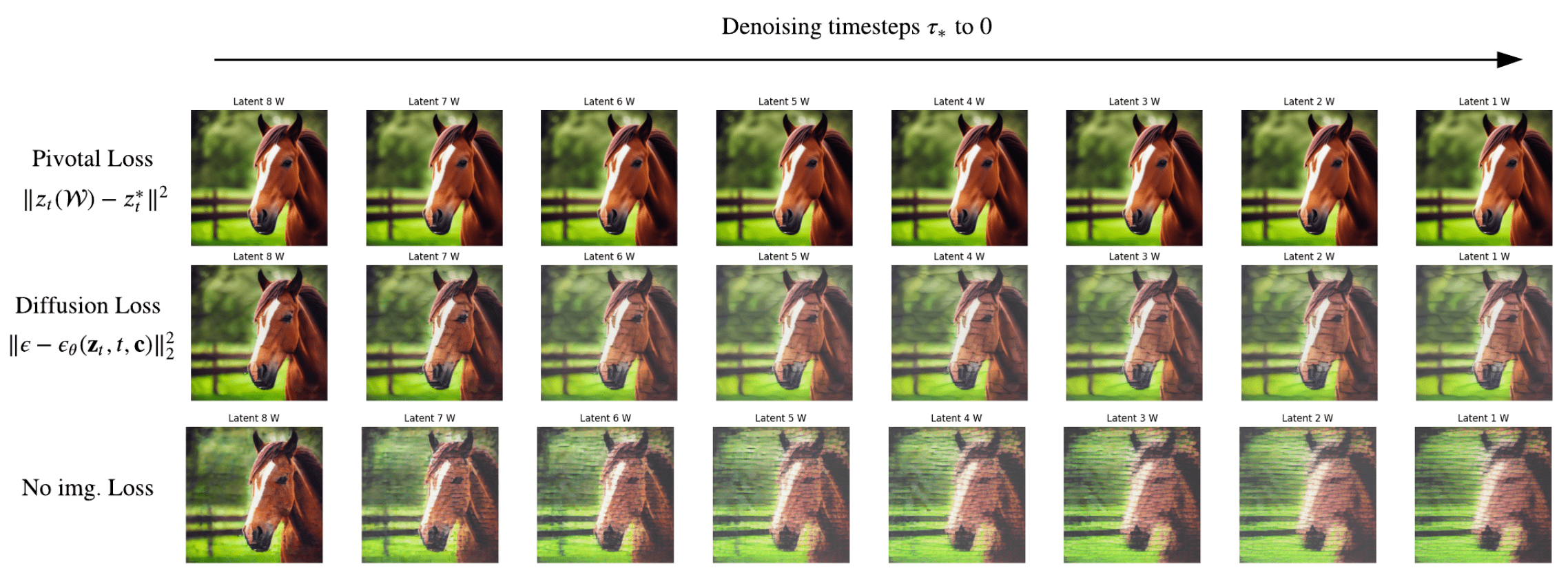
Diffusion Noise-Matching Loss
We consider Latent Diffusion Models for Image Generation
Textual Inversion and DreamBooth as Personalization models
Textual Inversion Loss
DreamBooth Loss
We consider Latent Diffusion Models for Image Generation
Textual Inversion and DreamBooth as Personalization models
where the personalization loss at the latent level is defined as
We consider Latent Diffusion Models for Image Generation
Textual Inversion and DreamBooth as Personalization models
Overall Loss:
\( \lambda \) - hyper-parameter
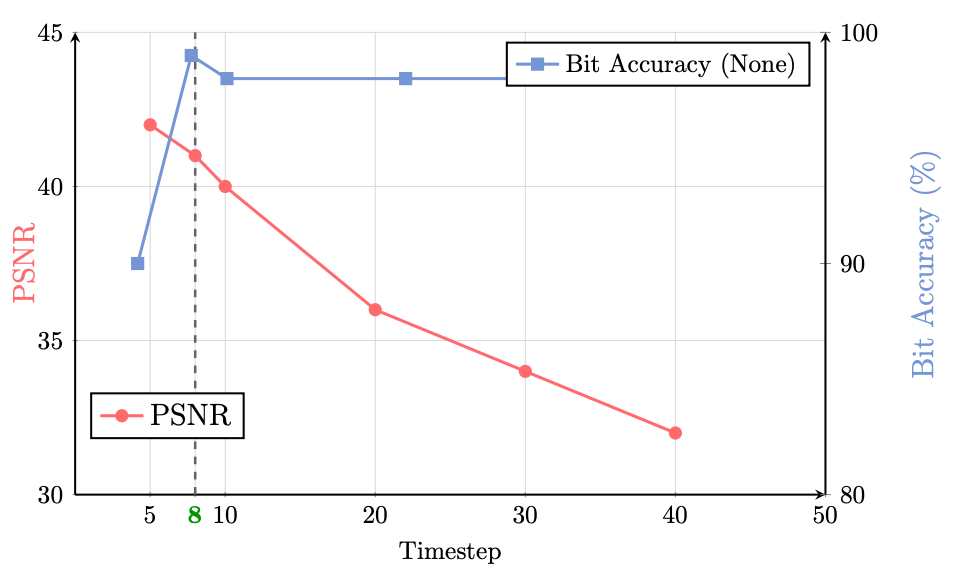
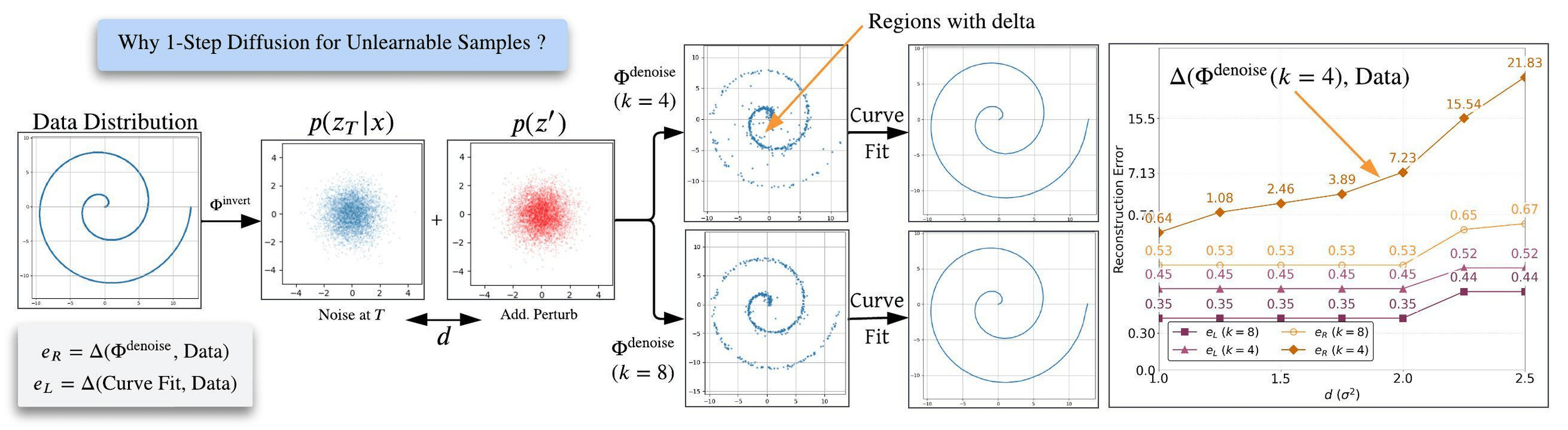
Few-step Diffusion Models maintain data distribution integrity while allowing perturbations in reconstruction:
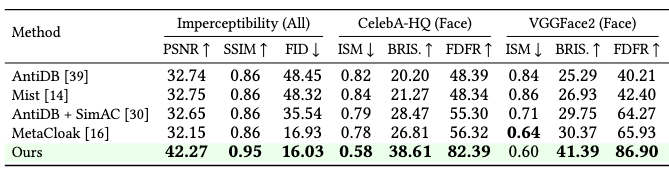
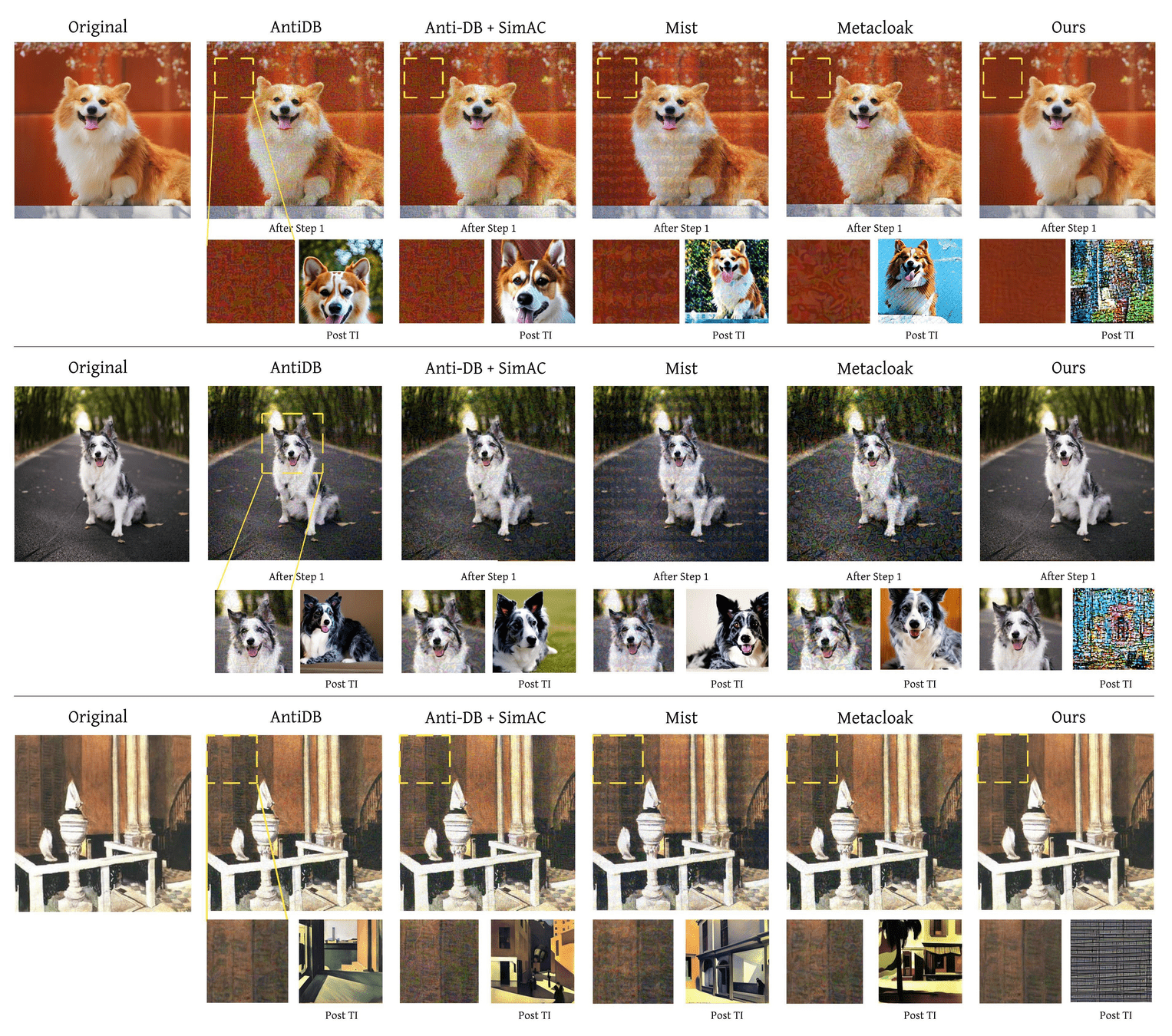
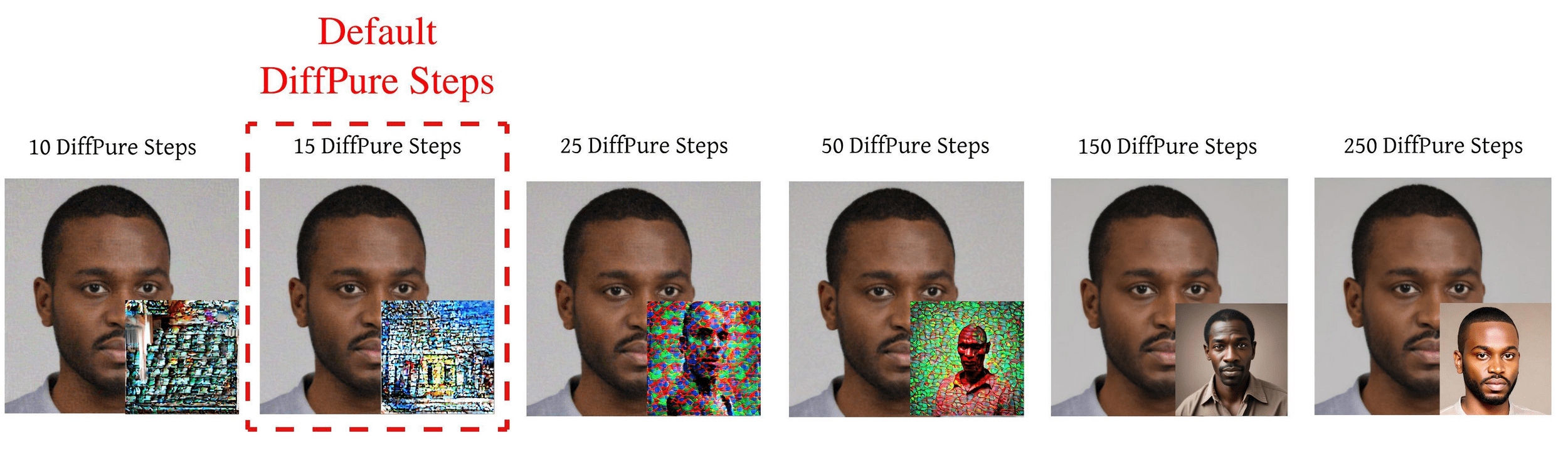
Quantitative results comparison to baseline methods: Metrics: (1) Imperceptibility (PSNR, SSIM, FID), (2) Face-specific metrics (ISM, BRIS, FDFR), (3) Non-Face metrics (SDS, ISM, BRIS, IQAC, LIQE). The metrics presented utilize \( 10/255 \) as the maximum budget, with \( 15 \) steps of DiffPure purification after Unlearnable Sample Generation and TI training with the prompt ``A photo of an sks person/object'' for personalization. We generate \( 16 \) images per prompt post personalization to report personalization metrics. We notice from the above table that our method shows significant improvements in imperceptible perturbation at the image-level while maintaining enhanced counter personalization metrics.
-
All Current unlearnable sample methods = static: perturbations crafted once after personalization model is fixed.
-
But real-world personalization is continual → models adapt incrementally.
-
Need defenses that also adapt continually to evolving personalization systems.
This min-max formulation can be written as:
This setup better reflects real-world usage, where users may upload new training data, and personalization systems are incrementally updated.
\( \text{Naresh Kumar Devulapally} \)
devulapa@buffalo.edu
\( \text{The State University of New York} \)
\( \text{at Buffalo} \)
\( \text{Shruti Agarwal} \)
shragarw@adobe.com
\( \text{Research Scientist} \)
\( \text{Adobe Research} \)
\( \text{Tejas Gokhale} \)
gokhale@umbc.edu
\( \text{University of Maryland} \)
\( \text{Baltimore County} \)
\( \text{Vishnu Suresh Lokhande} \)
vishnulo@buffalo.edu
\( \text{The State University of New York} \)
\( \text{at Buffalo} \)
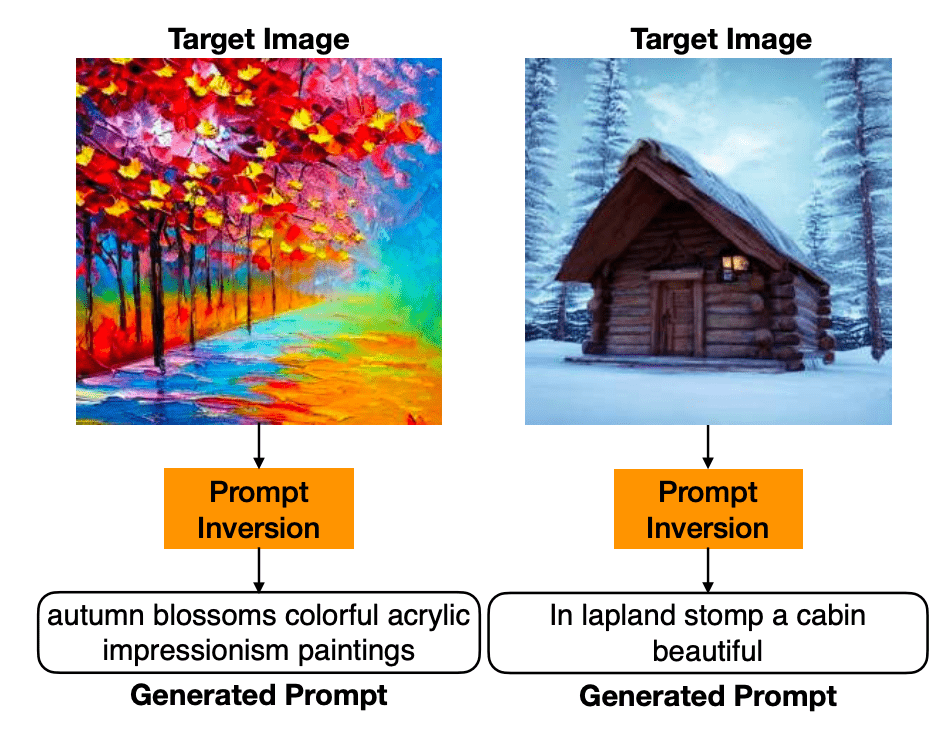
What is Prompt Inversion?
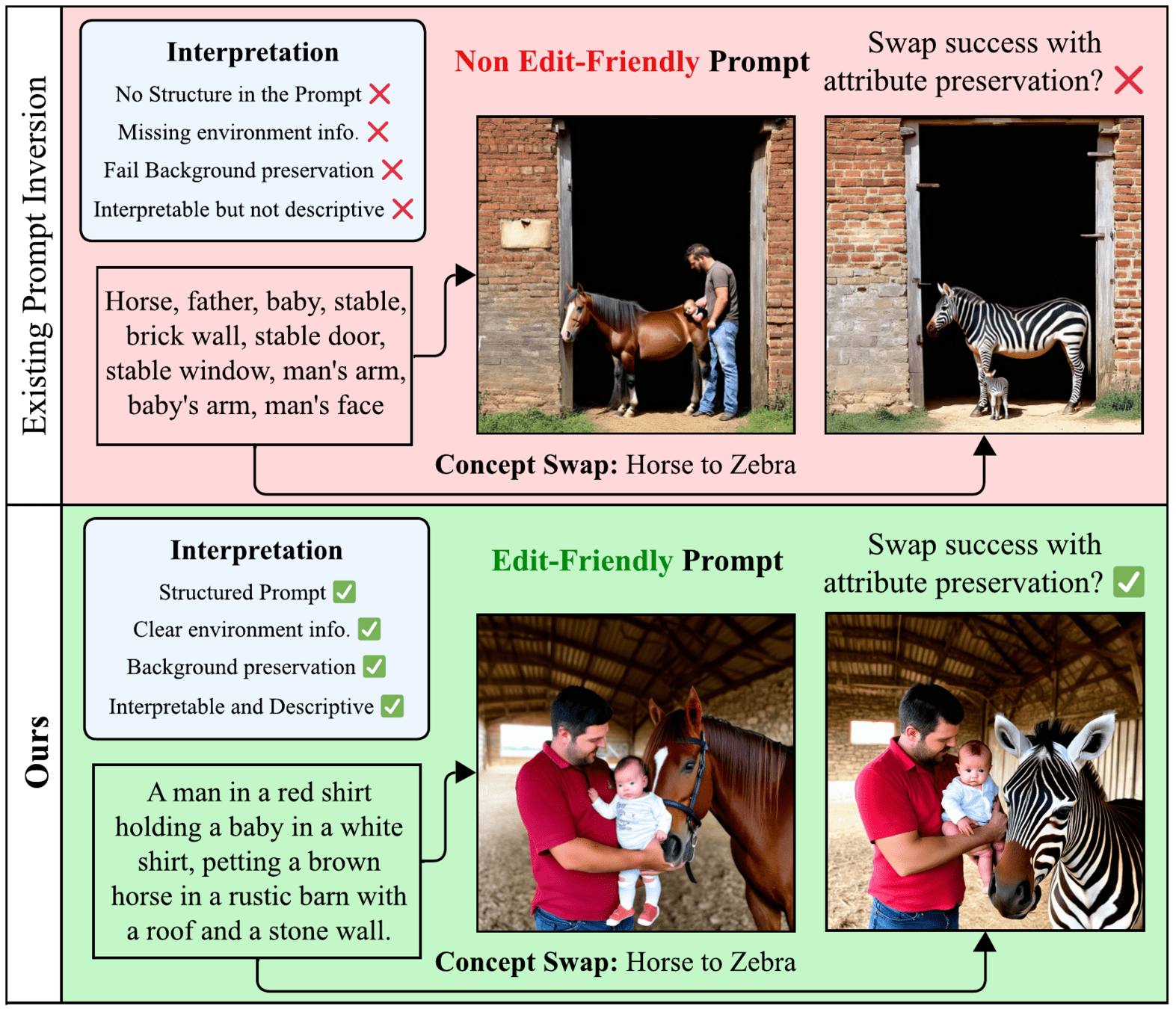
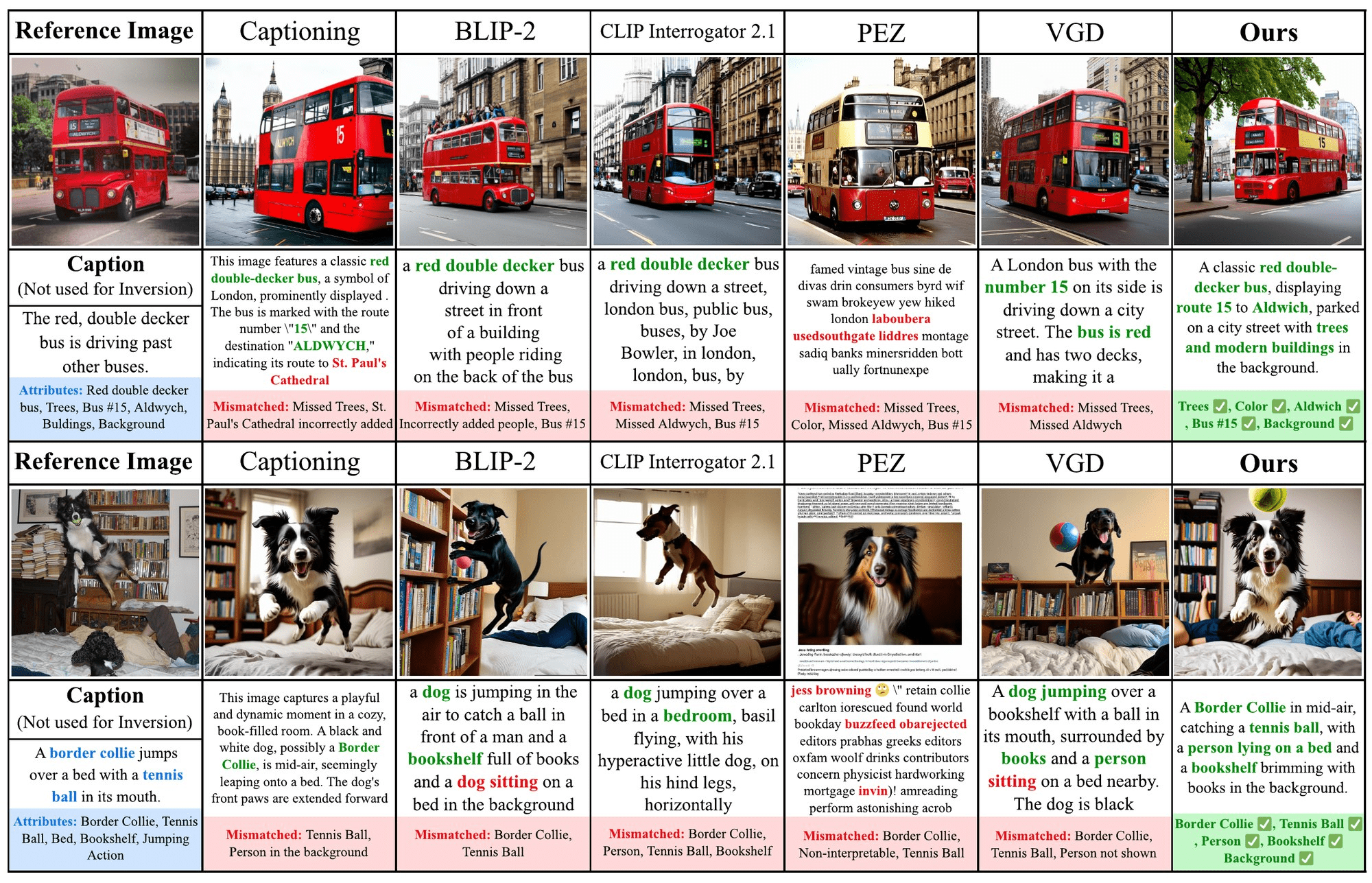
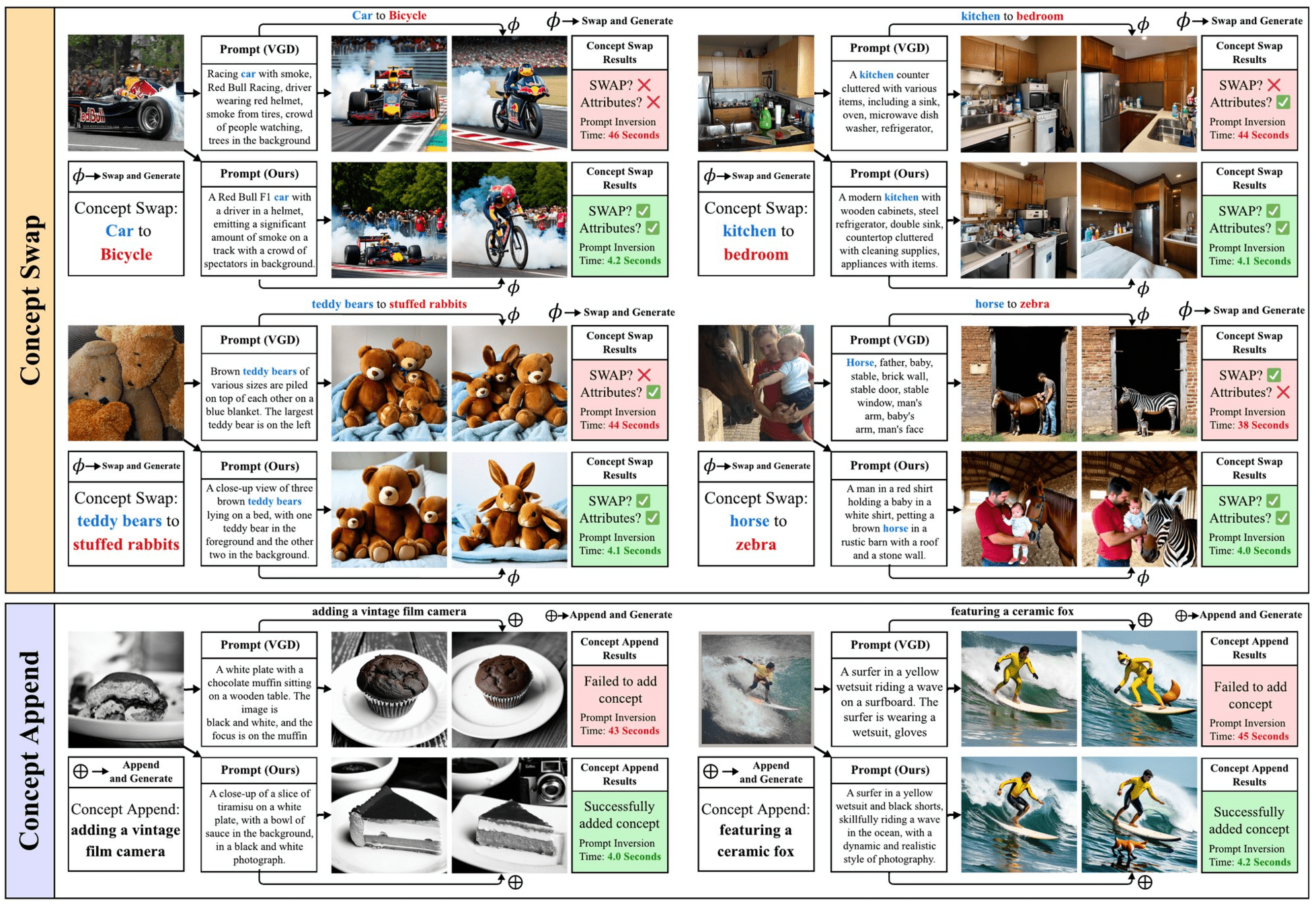
Existing hard prompt inversion methods produce prompts that are either incoherent or too brittle under downstream token edits, so we invert a reference image into a coherent, edit-robust prompt that reliably reconstructs it via a T2I model, sidestepping the slow trial-and-error of manual prompt engineering.
- Prompt engineering for text-to-image (T2I) models is a slow trial-and-error process.
- Hard prompt inversion aims to recover a discrete text prompt that reconstructs an input reference image. However, existing inversion techniques optimize only for one-shot reconstruction.
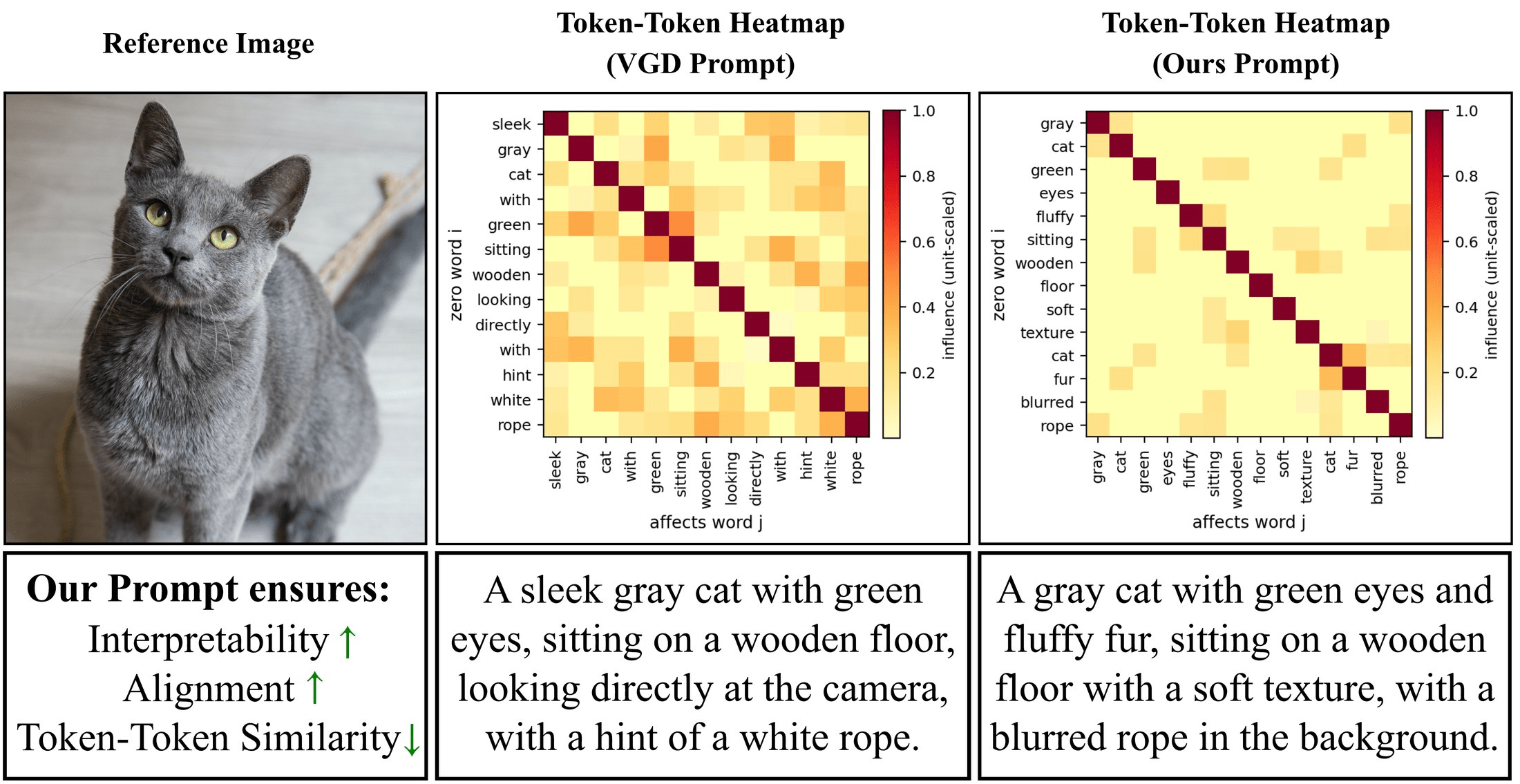
- Prompts by existing methods are incoherent (PEZ) or brittle; a small token edit can collapse the whole image.
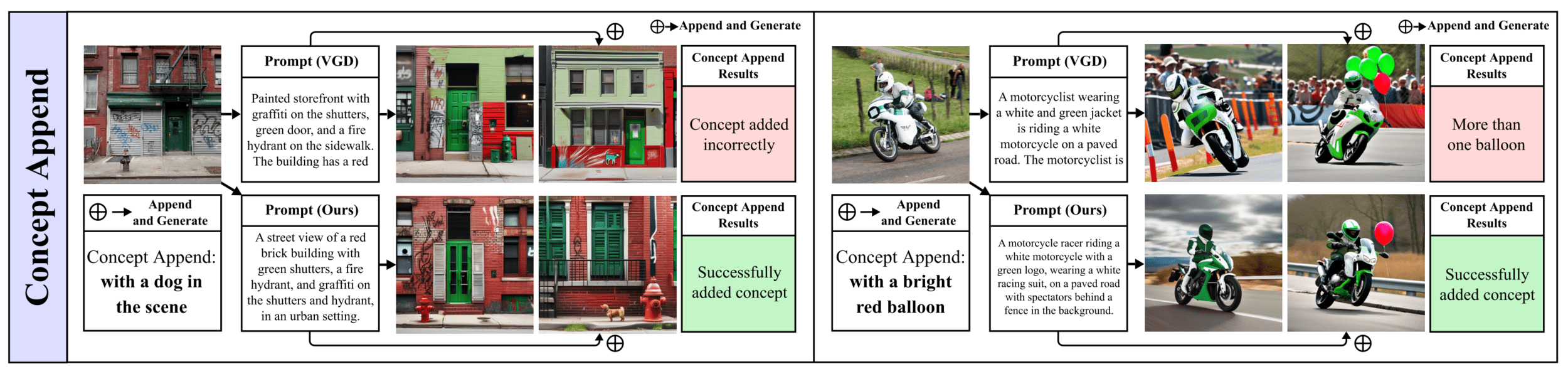
- Goal: prompts that are interpretable, aligned, and stay stable under token swap & append edits.
Interpretable and Edit-Friendly Prompt Inversion
◆ Edit-friendly objective. Hard inversion that directly optimizes alignment under token swap/append edits.
◆ CLIP-guided discrete diffusion. A dLLM decoder steered by CLIP for faithful, fully-readable prompts.
◆ Fast & plug-and-play. ~10x faster than baselines; no fine-tuning of the dLLM or any T2I model.
Contributions
Pipeline
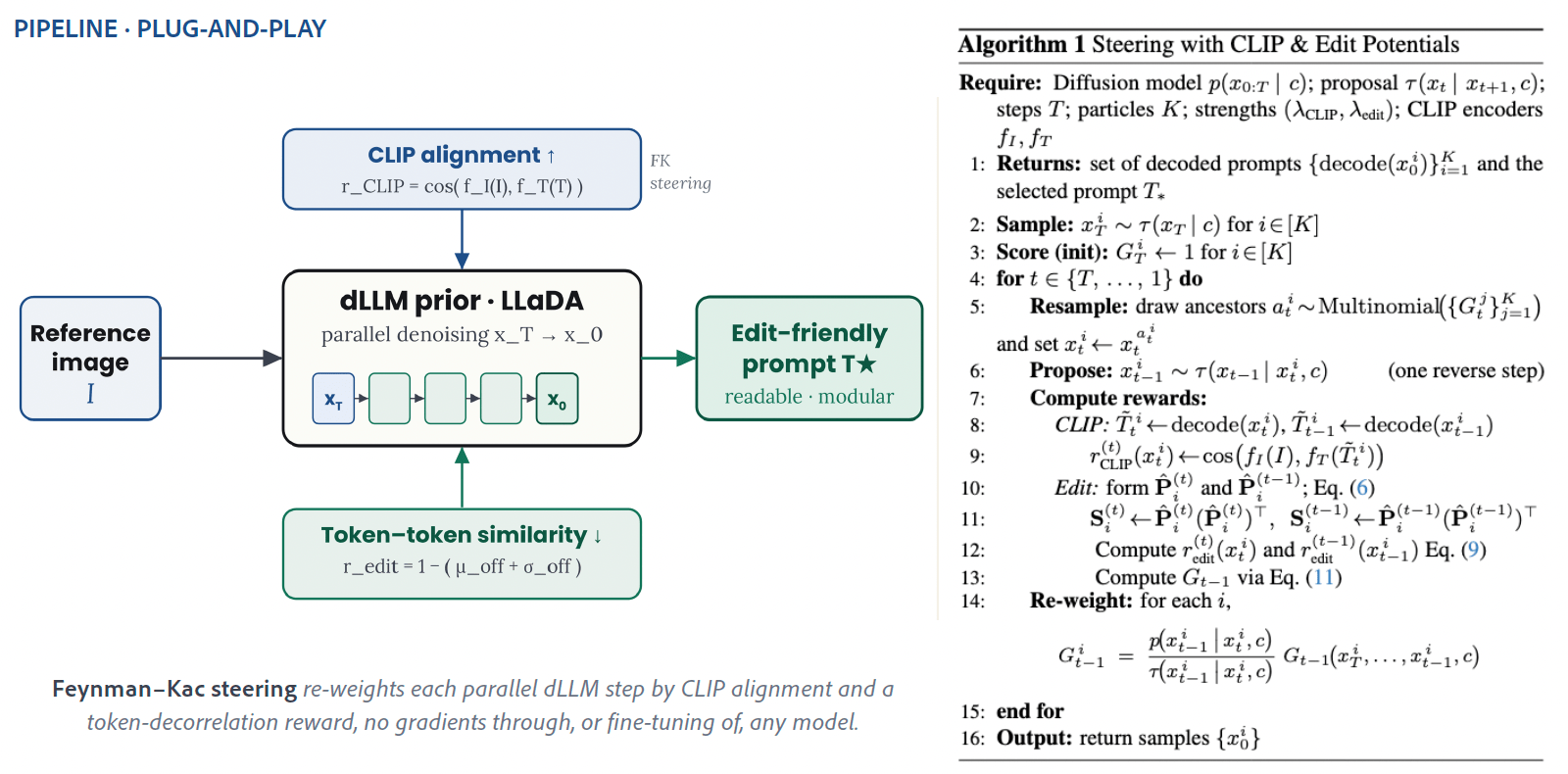
Method


Method
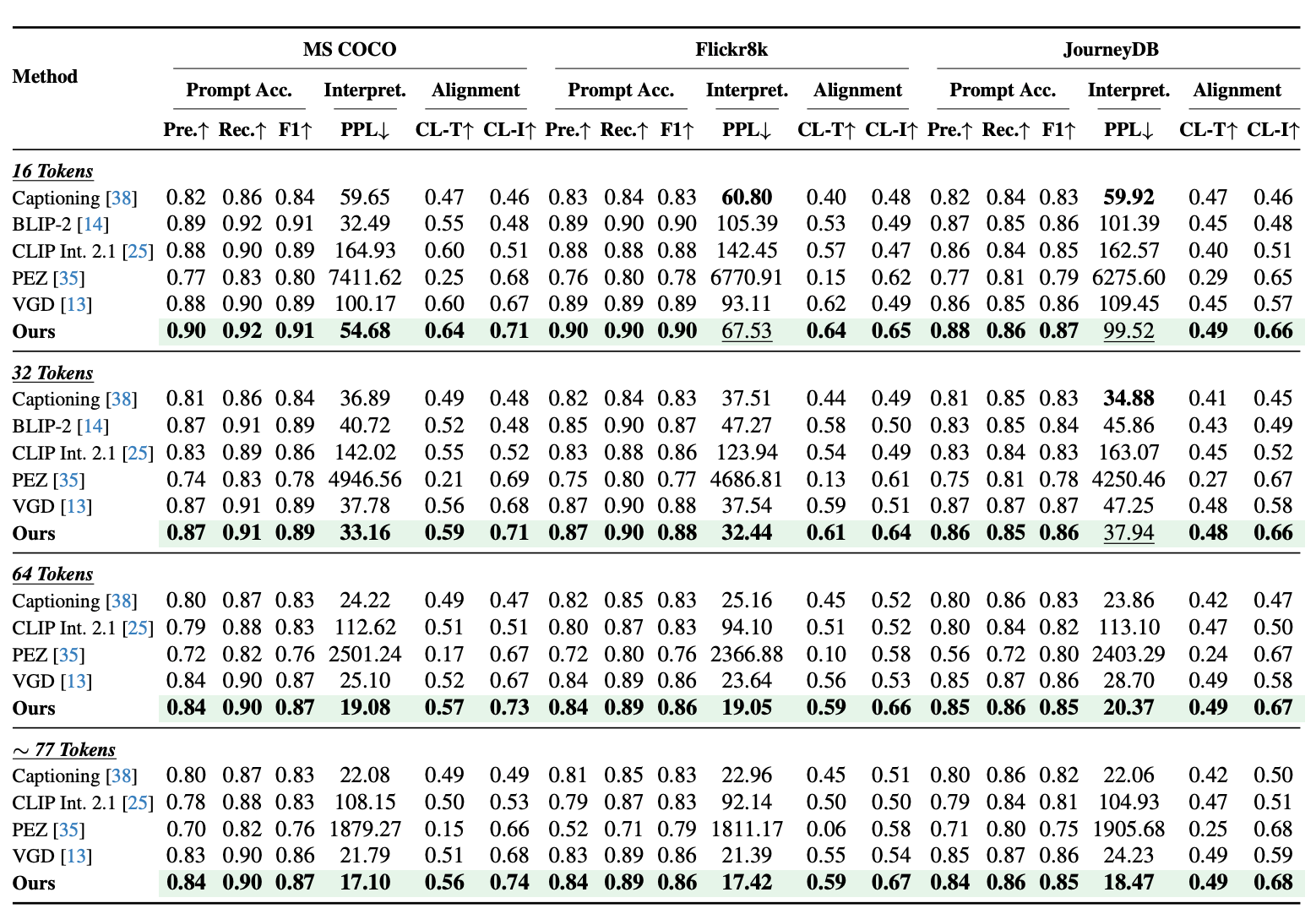
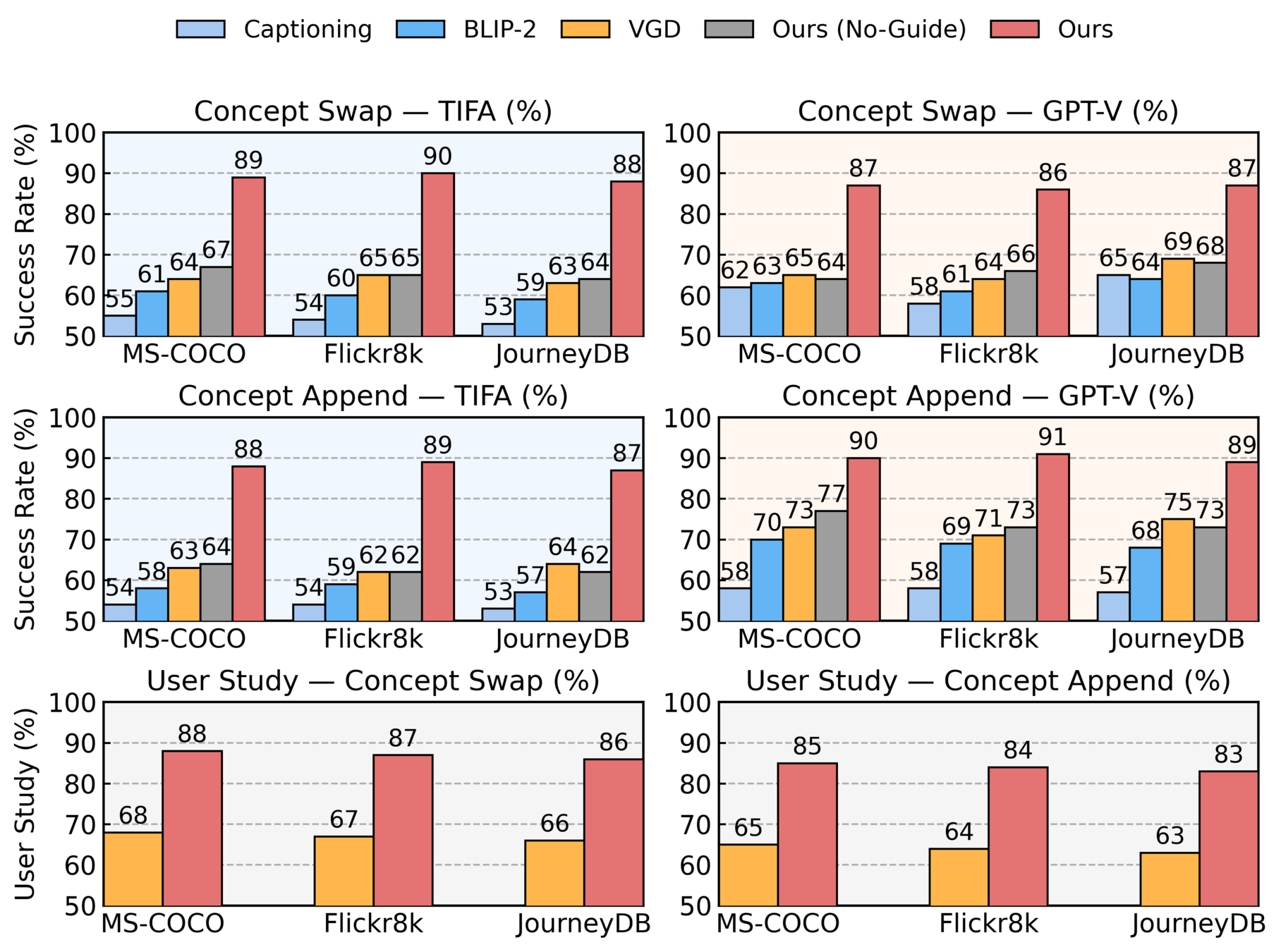
Results - Quantitative
Results - Prompt Inversion comparison
Results - Concept Swap
Results - Concept Append
Results - TIFA and LLM as a Judge
\( \text{Naresh Kumar Devulapally} \)
devulapa@buffalo.edu
\( \text{The State University of New York} \)
\( \text{at Buffalo} \)
\( \text{Shruti Agarwal} \)
shragarw@adobe.com
\( \text{Research Scientist} \)
\( \text{Adobe Research} \)
\( \text{Vishnu Suresh Lokhande} \)
vishnulo@buffalo.edu
\( \text{The State University of New York} \)
\( \text{at Buffalo} \)
\( \text{Adobe Research} \)
\( \text{Vishal Asnani} \)
vasnani@adobe.com
\( \text{Research Scientist} \)
\( \text{Adobe Research} \)
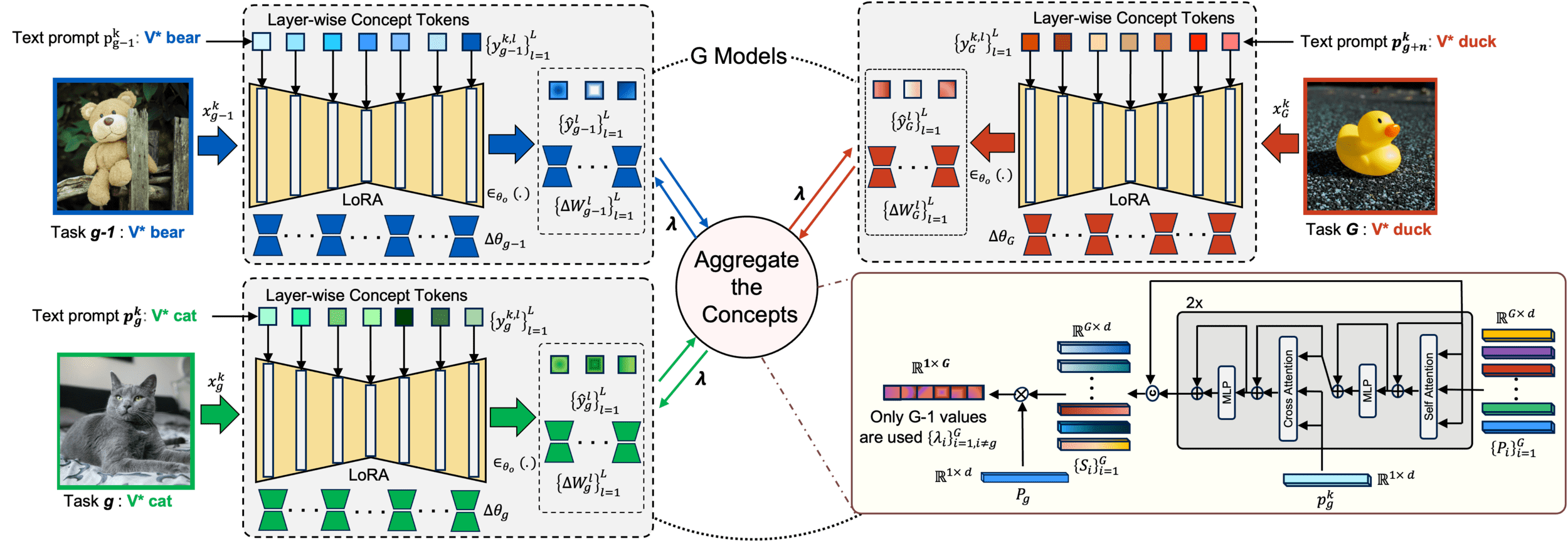
Incremental concept addition without forgetting
Arjun Ramesh Koushik et al. 2026
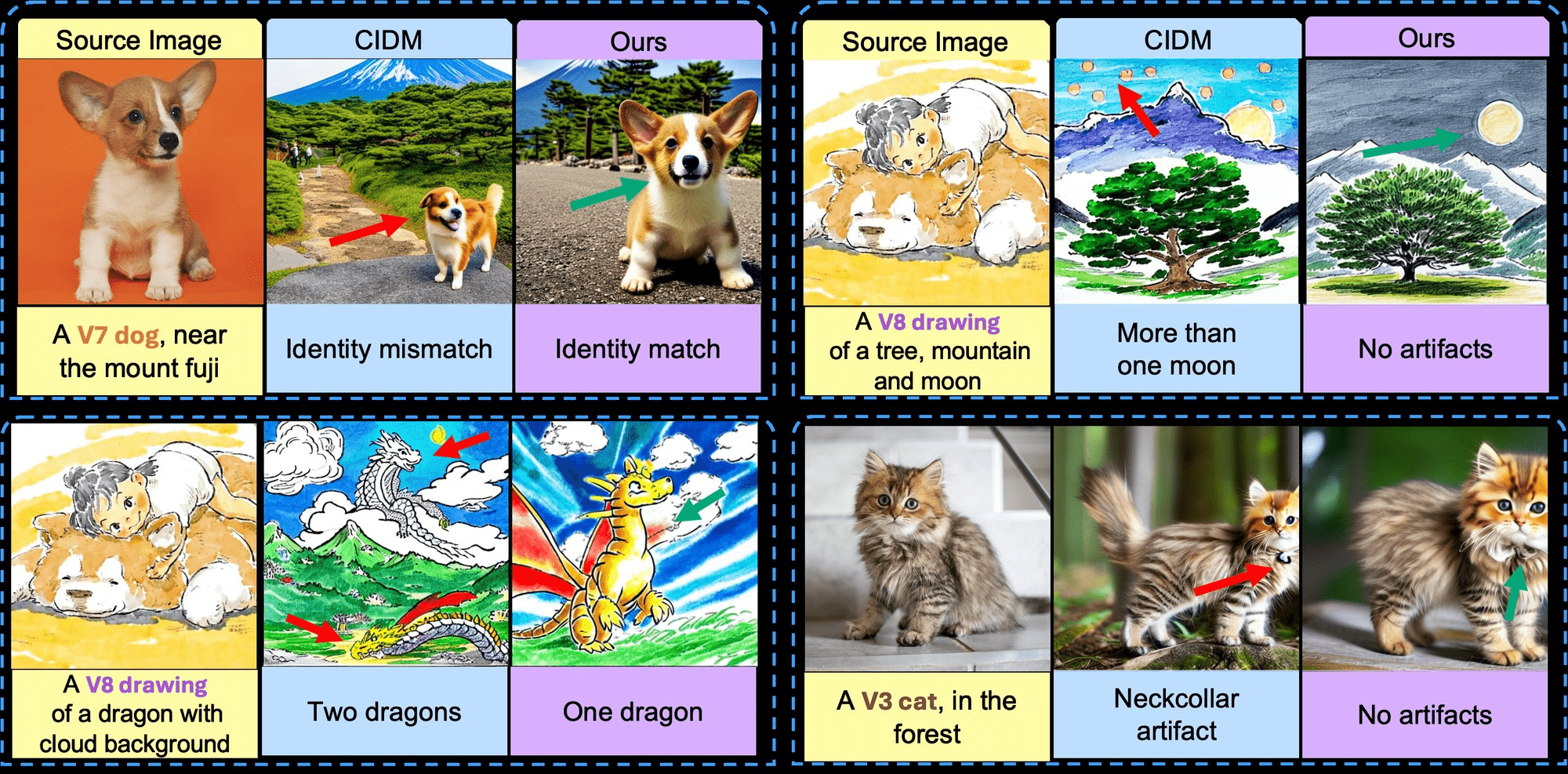
Arjun Ramesh Koushik et al. 2026
Internal-signal guided Hallucination Detection and Mitigation
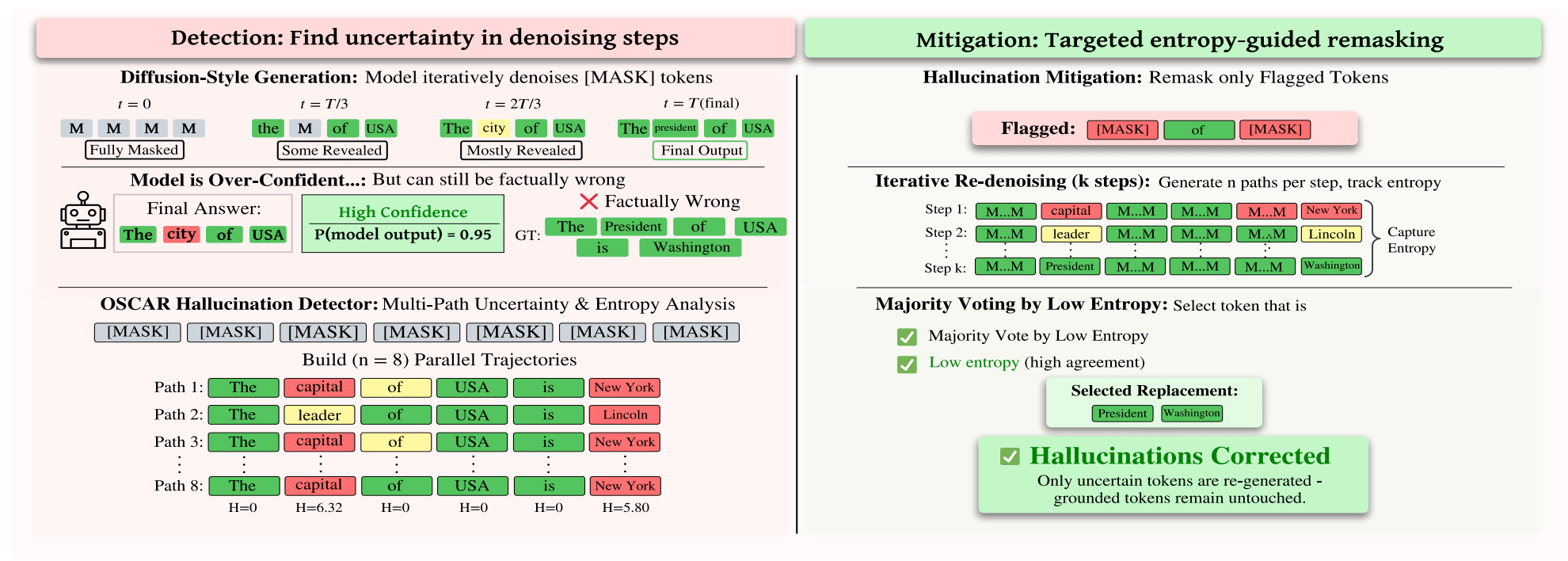
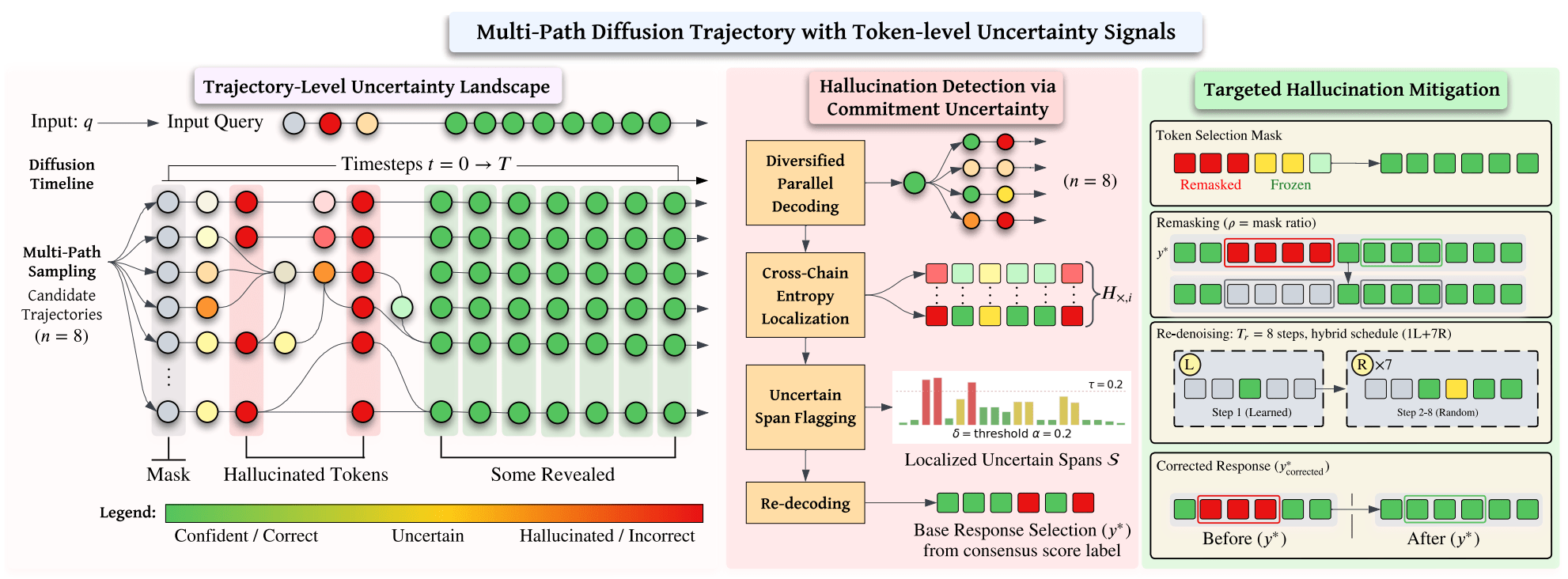
Internal-signal guided Hallucination Detection and Mitigation
Internal-signal guided Hallucination Detection and Mitigation
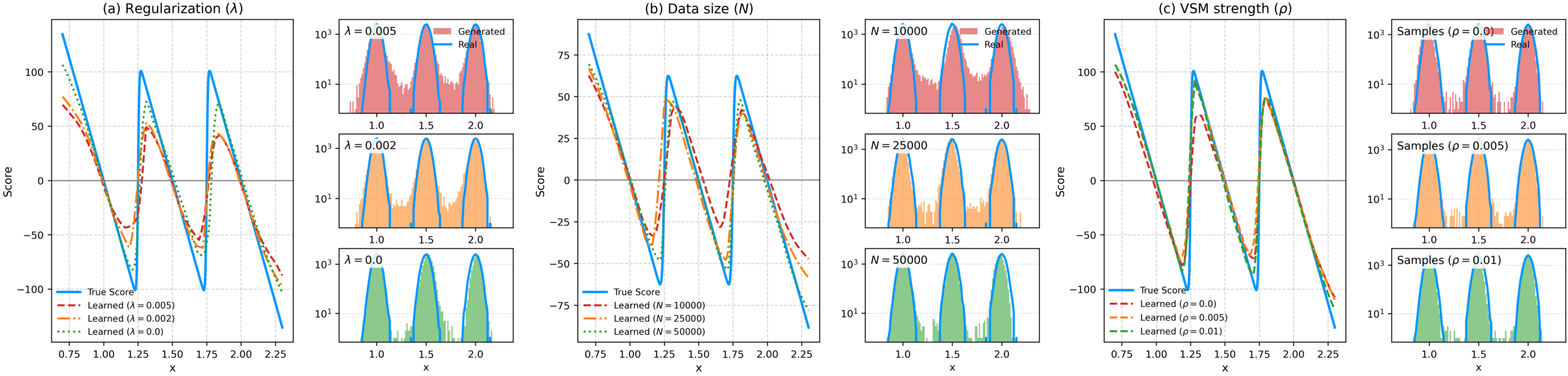
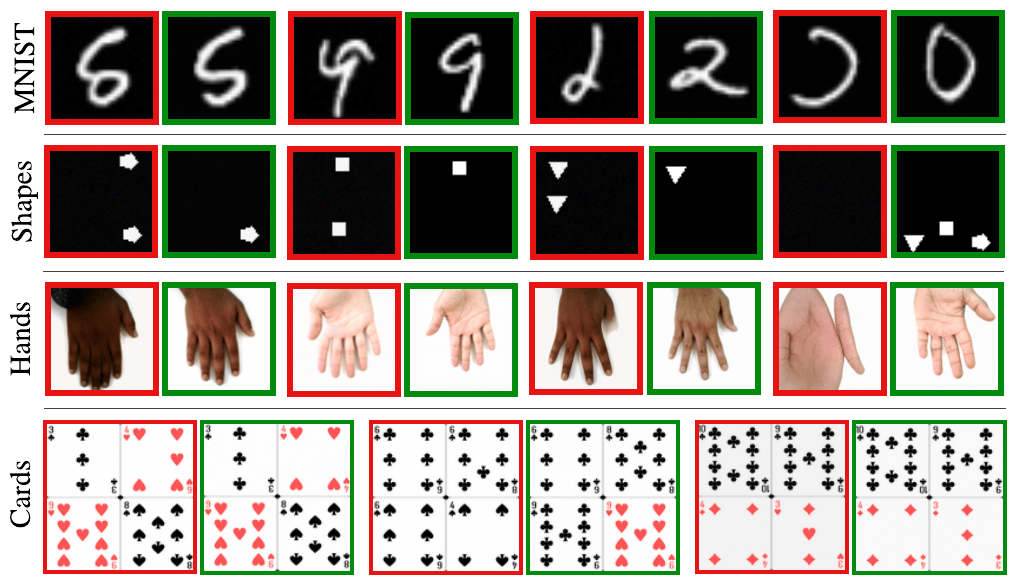
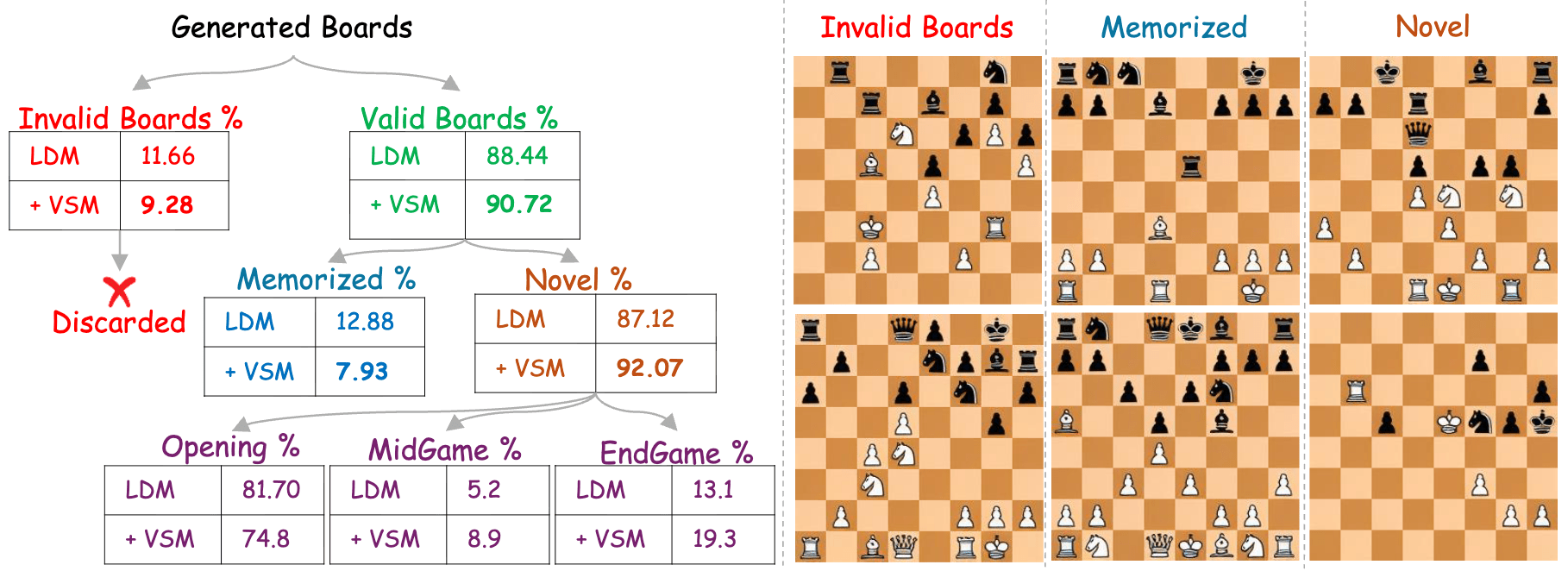
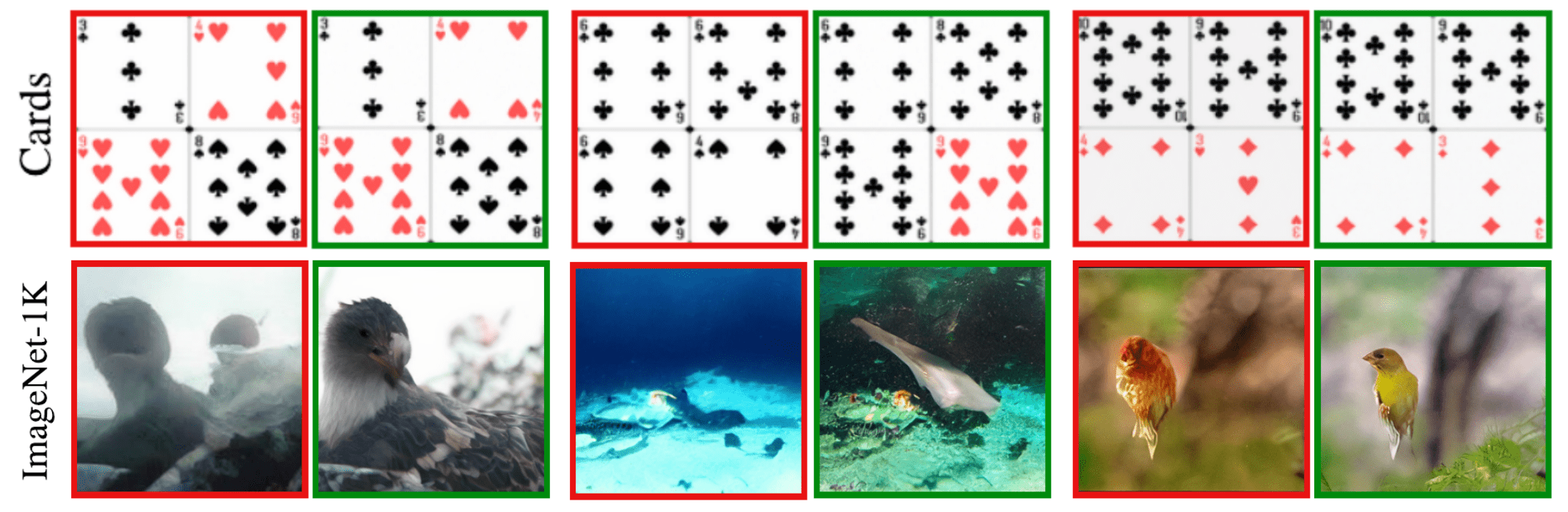
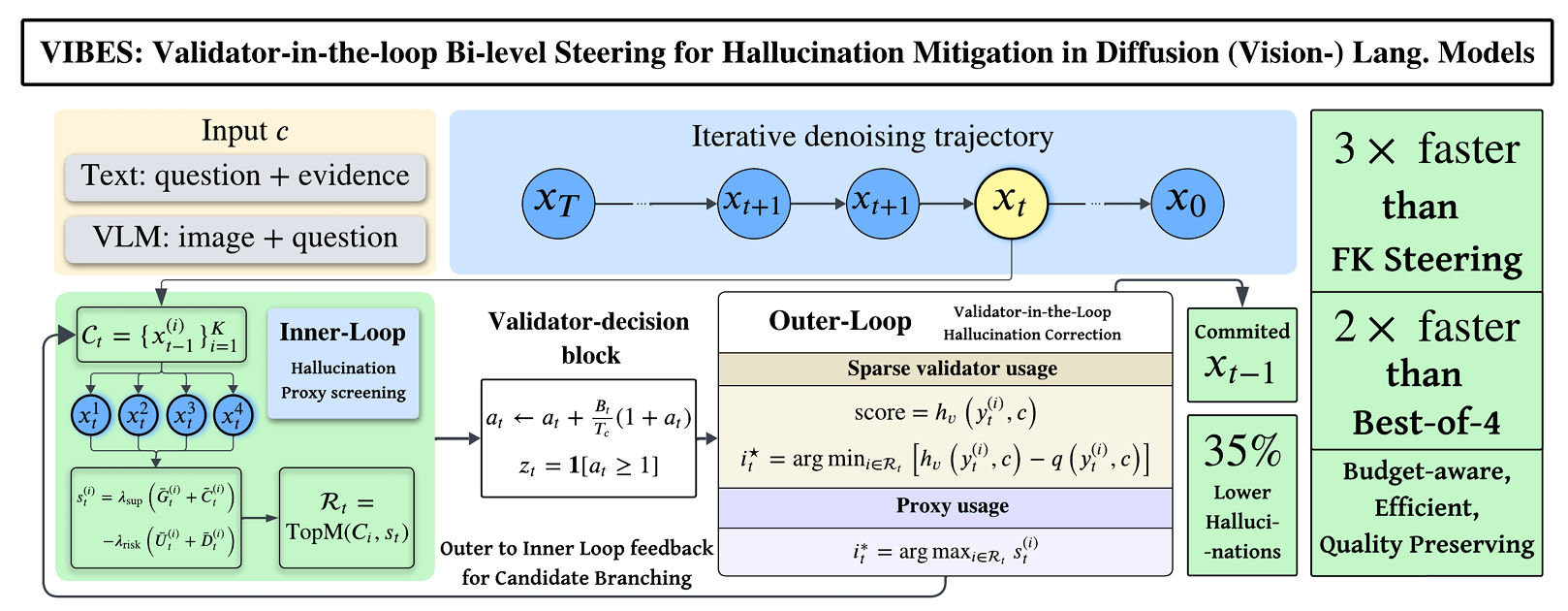
Validator-guided Hallucination Mitigation in Diffusion LLMs and VLMs
ongoing work
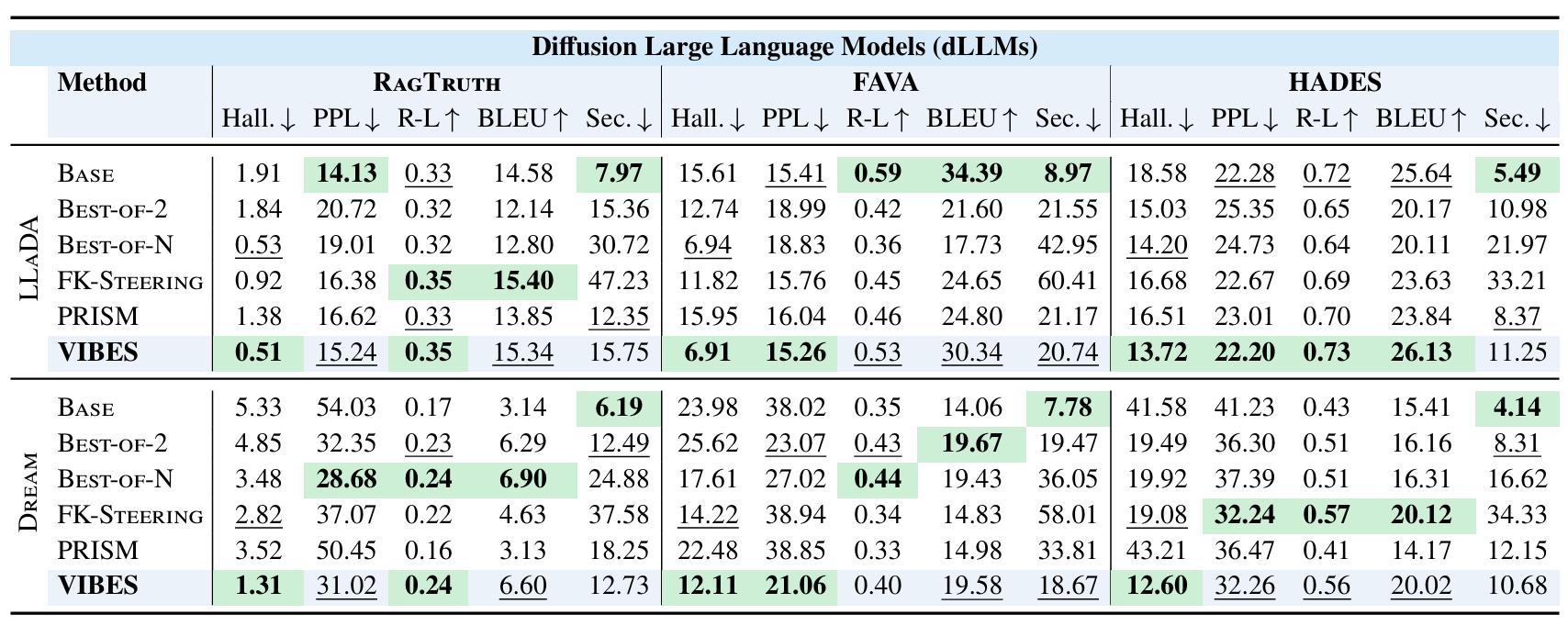
ongoing work
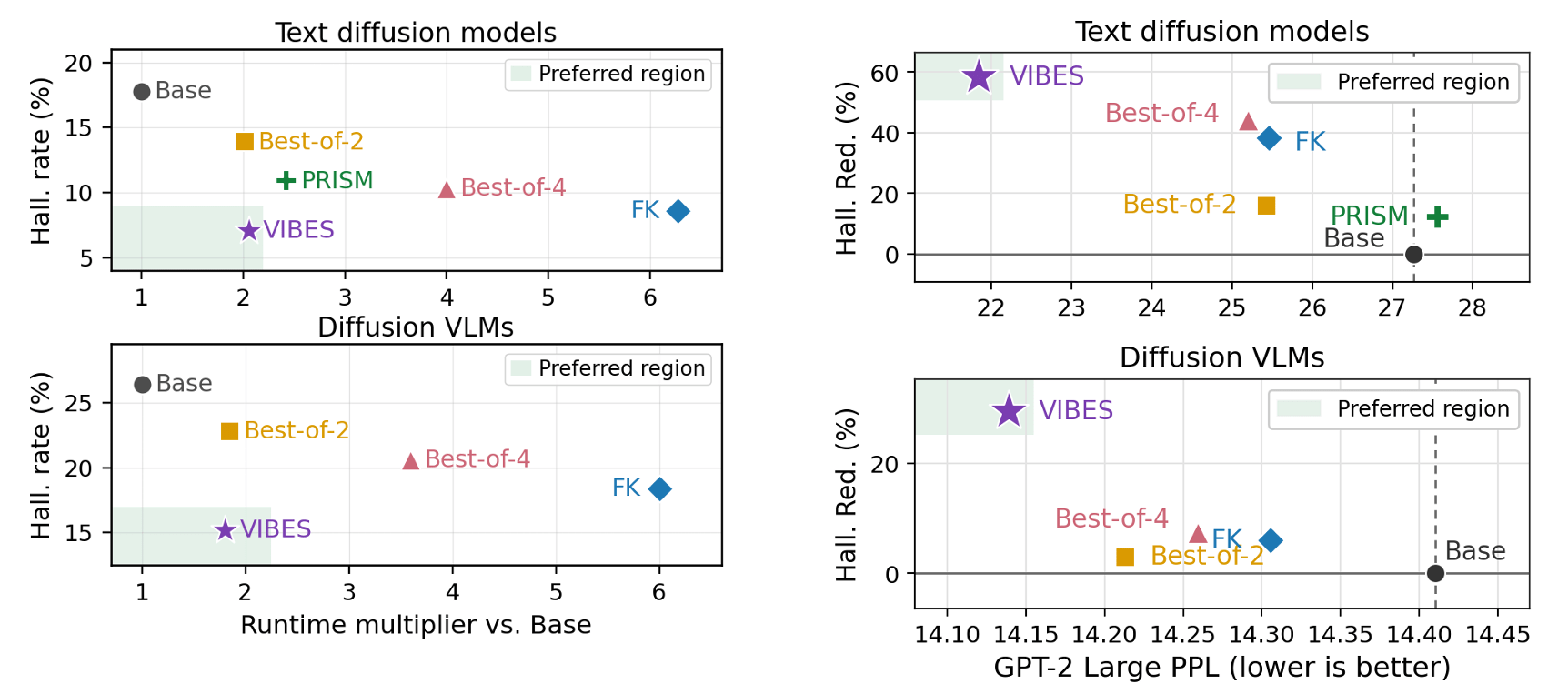
ongoing work
May 2024
Jan 2025
Feb 2025
May 2025
Nov. 2025
Feb. 2026
May 2026
July 2026
Aug. 2026
...


Chair's Fellowship
CSE 573 Instructor
Teaching Award 🌟
CSE 573
Instructor




...
Research
Intern 👨🏻💻
The floor is open to questions :)