Navigating Truth: Unraveling the Threads of Objectivity and Scientific Consensus
Corona crisis and climate change clearly show how science hast lost its credibility
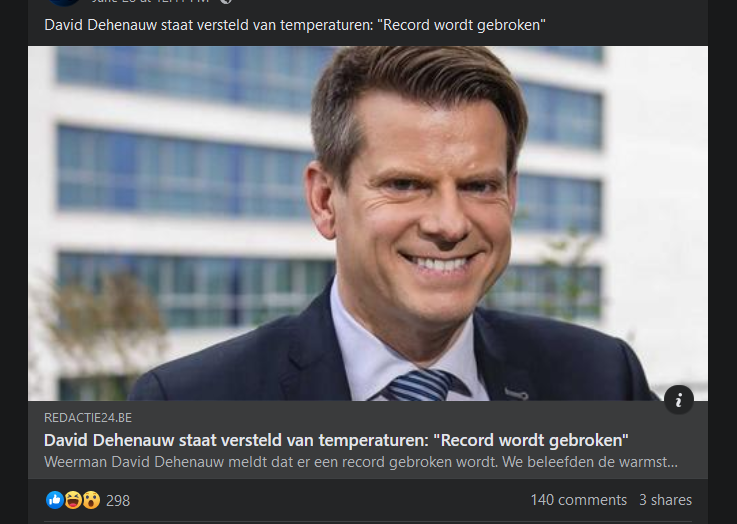

Distrust in science
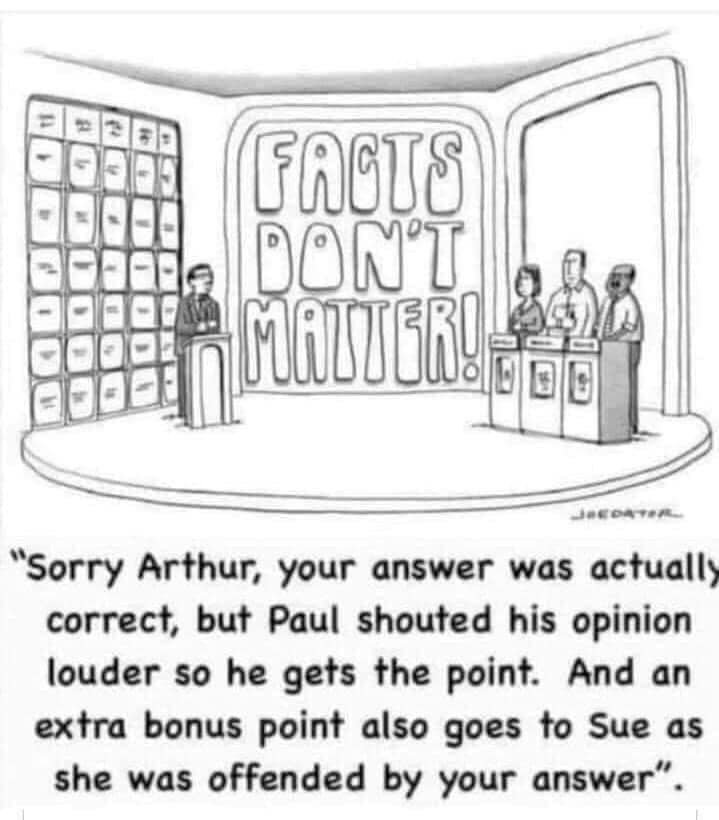
Who is actually right?
Distrust in science
Firehosing...
- Abundance of information
- Fast, continuous, en repetitive
- Objective truth has no importance
- No consistency
Trump & Poetin
Distrust in science
Firehosing...
- Abundance of information
- Fast, continuous, en repetitive
- Objective truth has no importance
- No consistency
Distrust in science
The algorithms behind social media can cause the same effect. You click on something once, and you get more and more similar things to see.
You go "down the rabbit hole," you're in an "echo chamber."
Misinformation also spreads very rapidly
Objective truth
Objective truth
Independent of human perception or preferences. No interpretation is needed.
Example: the Earth is spherical.
This lecture: exact sciences including medical sciences
The scientific process
Experiment theory
Observations provide data that cannot be explained by an existing theory.
We formulate new hypotheses
- Example: Discovery Penicillin by Fleming
Theory experiment
We have to generate data to test it.
- Example: Einstein's theory of relatvity
Debate versus consensus
Scientific debate
???
???
???
???
???
???
Frontier of science
What we know for sure = consensus
Scientific debate
???
???
???
???
???
???
Place of debate
What we know for sure = consensus
1. No certainty about the theory
-
Different groups (experts) have different opinions!
-
Multiple explanations possible
-
Insufficient evidence
-
Contradictory data
-
...
2. No certainty about the experiment
- Only one group has conducted the experiment (reproducibility)
- The data is uncertain, not precise enough
- The hypotheses cannot be effectively tested (experiments are not feasible)
- Tested on animals > What about humans?
Scientific debate
"why science is hard", Neil Degrasse Tyson (youtube)
Existing theory predicts a new planet
Discovery of Neptune
- The orbit of Uranus deviated from what Newton predicted
- Limits of Newton's laws reached?
- Or is there a new planet causing the deviation?
- Super difficult inverse problem to solve
- Adams & Le Verrier: location found
- Neptune discovered (Galle 1846)
Scientific debate: example
"why science is hard", Neil Degrasse Tyson (youtube)
Strange behavior of Mercury
- Mercury: orbit also deviates from what Newton predicts
- The data is accurate enough! There must be a new planet!
- Vulcan can't be seen because it's so close to the sun.
- Search during eclipses (nothing found)
- 1916: Einstein makes Newton more precise for strong gravitational fields Mercury's orbit is explained!
Incomplete theory is cause of discrepancy!
Scientific debate: example
When do we reach consensus?
Challenge: can someone find one that was overthrown?
Conditions for a good consensus
- Based on scientific data
- Multiple independent studies find the same results
- Studies are funded without conflicts of interest
- Overwhelming majority of experts in the field agree with each other
- Is based on different methods
Conditions for a good consensus
- Based on scientific data
- Multiple independent studies find the same results
- Studies are funded without conflicts of interest
- Overwhelming majority of experts in the field agree with each other
- Is based on different methods
Earth is special!
(Plato en Aristoteles, ~400 BC)
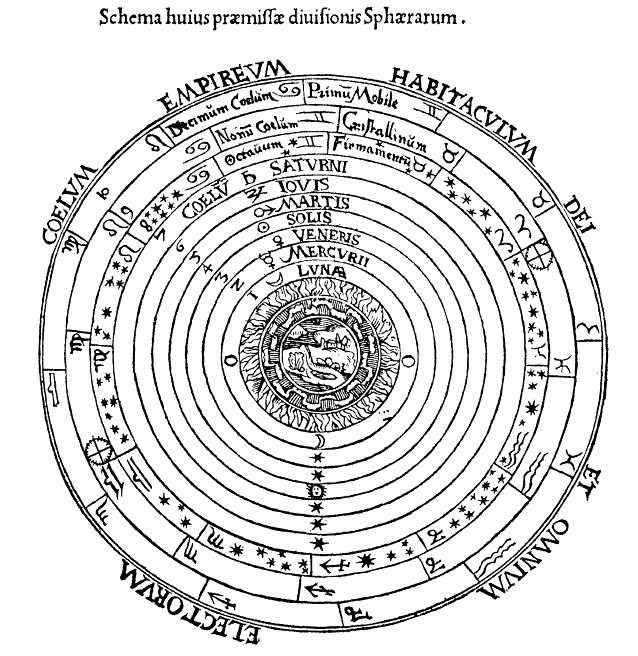
1. Based on scientific data
Counterexample
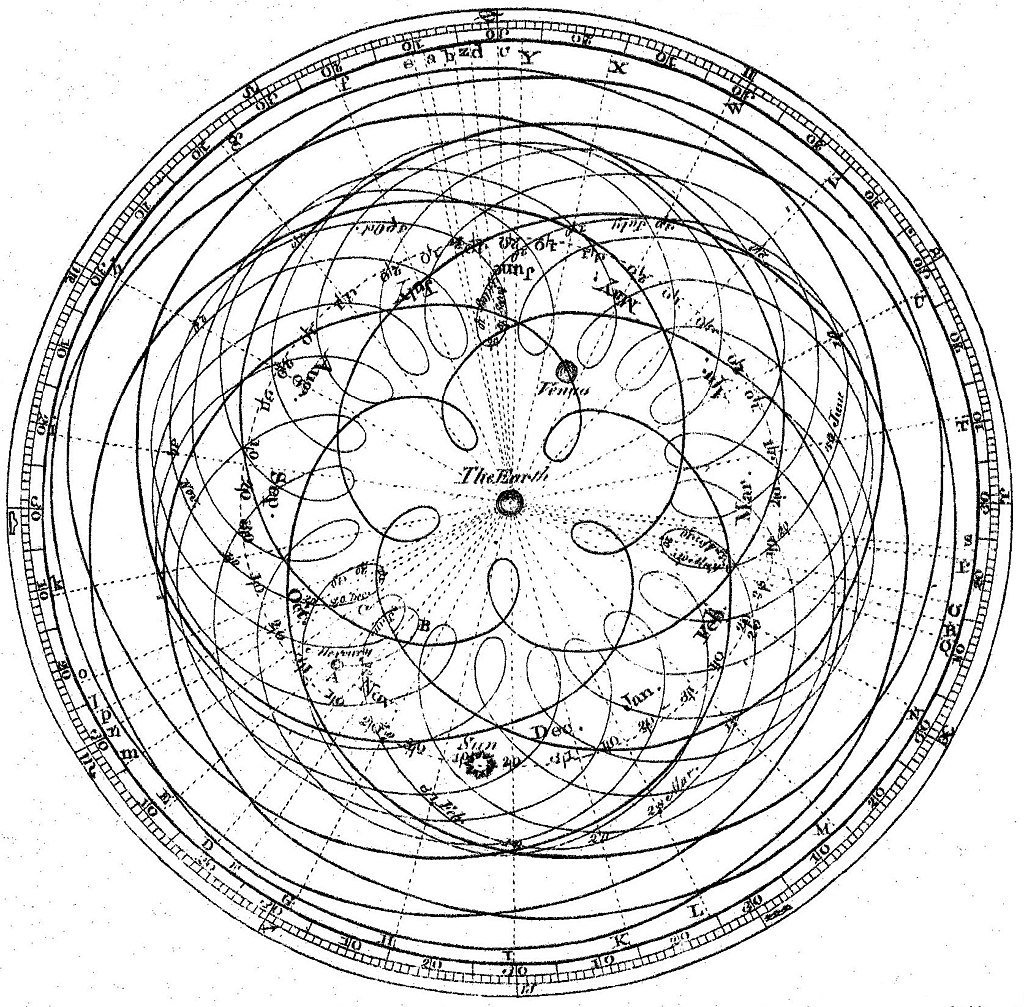
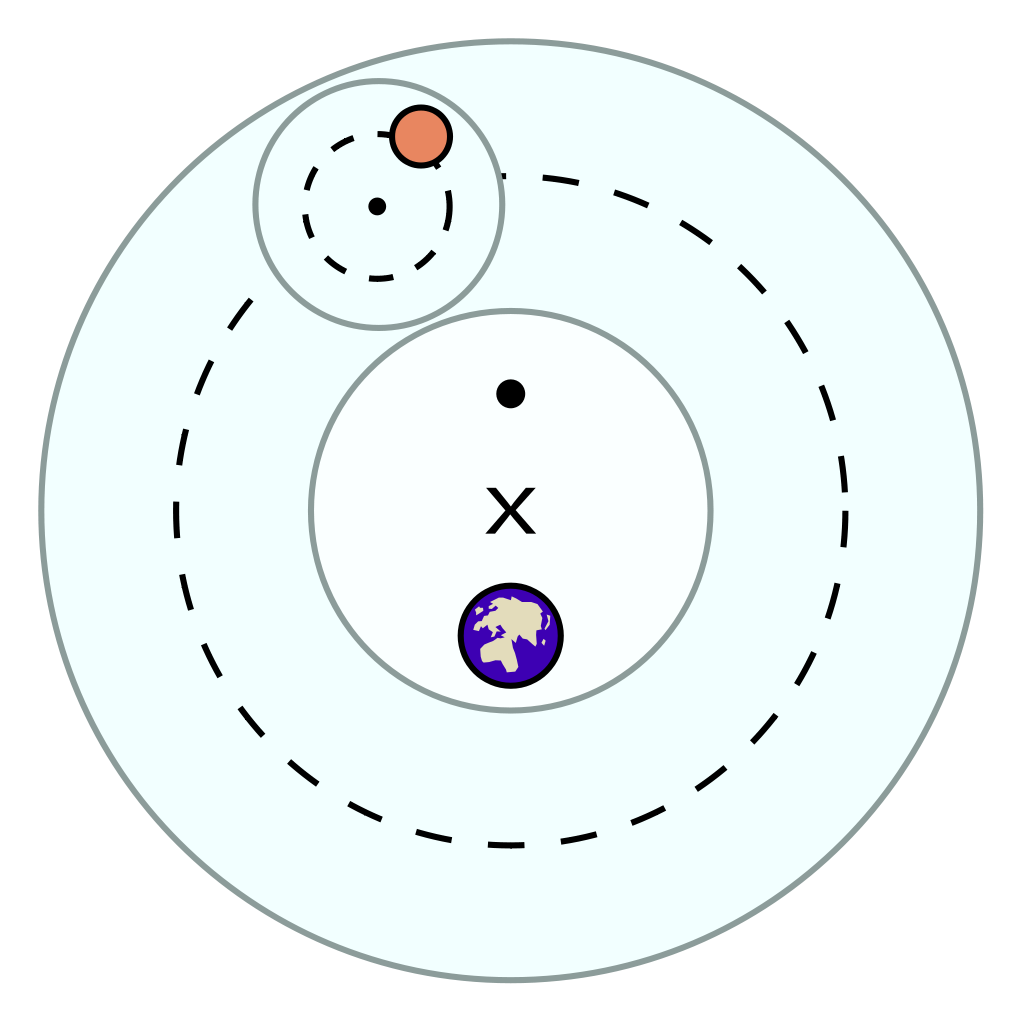
Ptolemaic model: Epicycles to explain movement planets
1. Based on scientific data
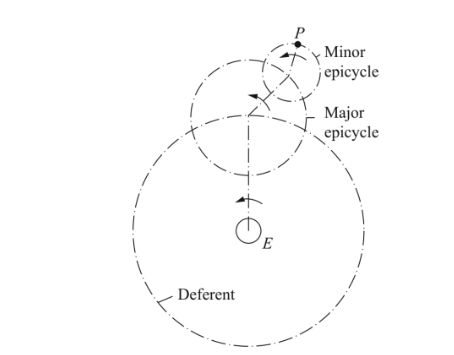
The better the observation, the more complicated the models: up to 12 epicycles piled on top of each other!
1. Based on scientific data
- No explanation for maximum brightness of planets when they were in opposition to the Sun
- Issues with Mercury and Venus being too close to the Sun
- Center of motion wasn't even the Earth
The religious dogma that the Earth had to be at the center hindered other explanations.
1. Based on scientific data
Copernicus - Kepler - Galileo: Copernican revolution
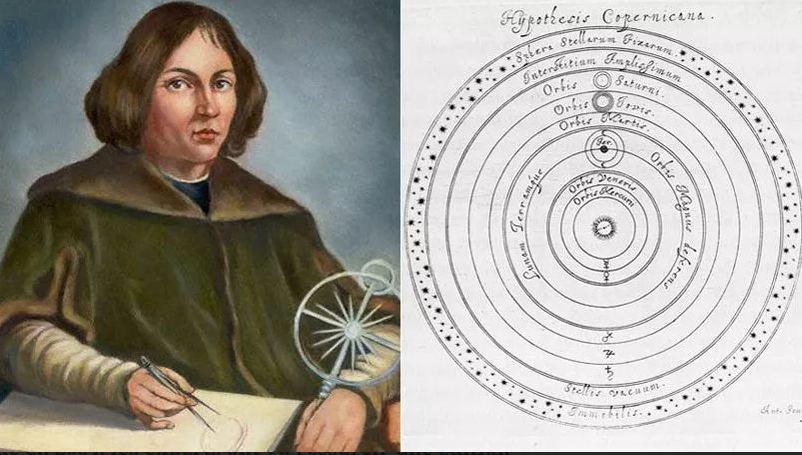
Simplification and explanation: the sun is at the center!
1. Based on scientific data
Medicine:
When there's a human aspect involved, be wary of the placebo effect!
The ultimate studies are Randomized Controlled Clinical Trials.
Plate tectonics:
Long-held assumption that the Earth was entirely solid matter
1. Based on scientific data
1. Based on scientific data
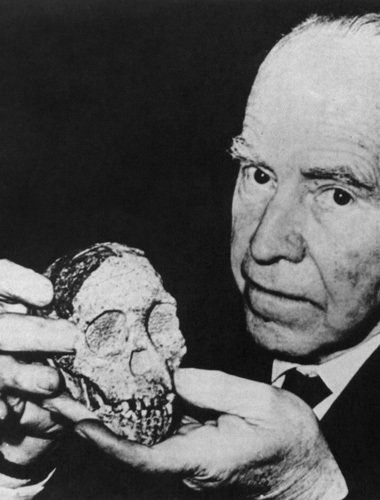
Important role of bias
Raymond Dart: 1924 skull from Africa, the missing link between humans and apes.
But: origin of humans was thought to come from the white race (Asia).
Took 20 years before accepted!
Example confirmation bias/racial bias
Conditions for a good consensus
- Based on scientific data
- Multiple independent studies find the same results
- Studies are funded without conflicts of interest
- Overwhelming majority of experts in the field agree with each other
- Is based on different methods
2. Multiple independent studies find the same results
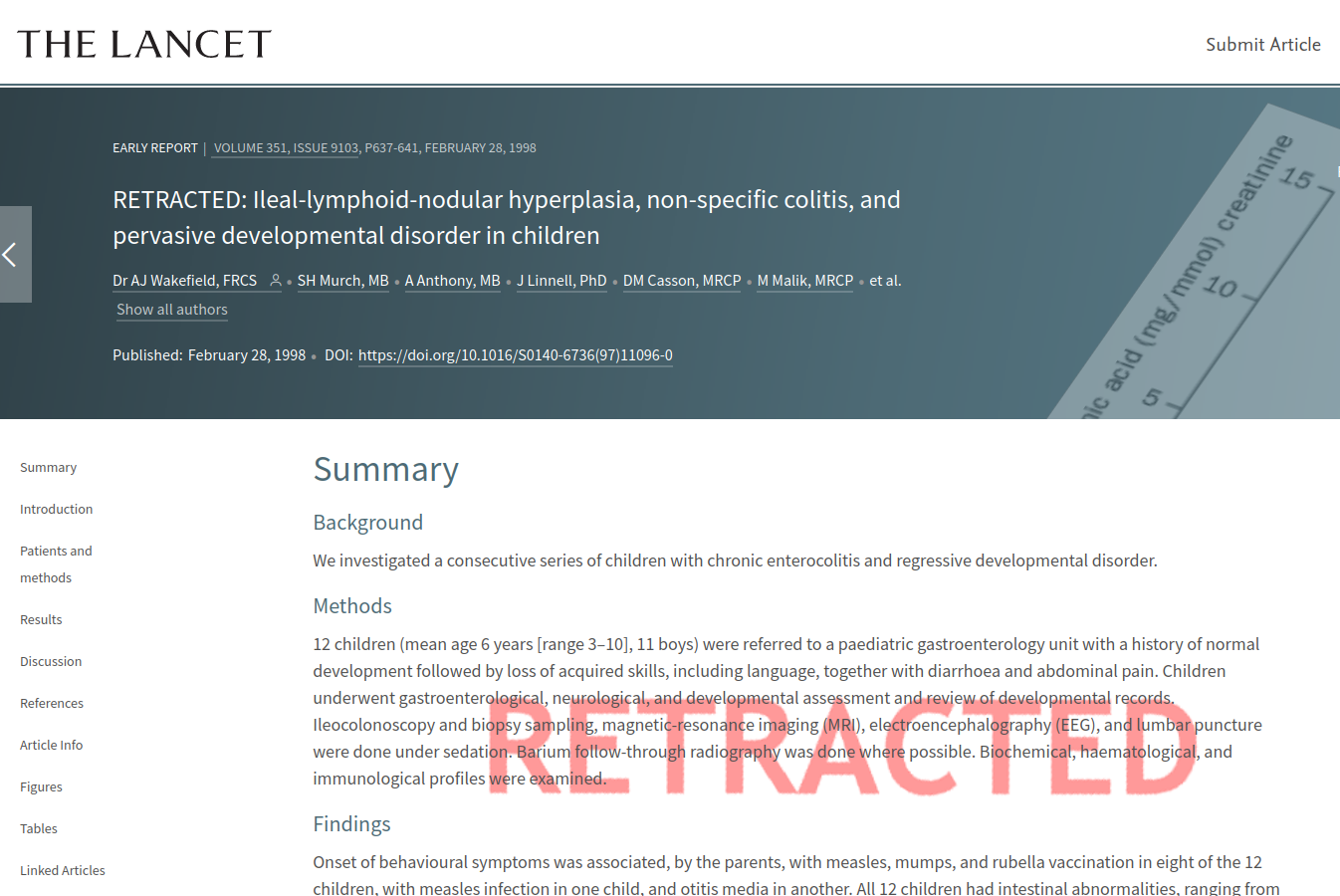
Counterexample: Autism is linked to vaccinations.
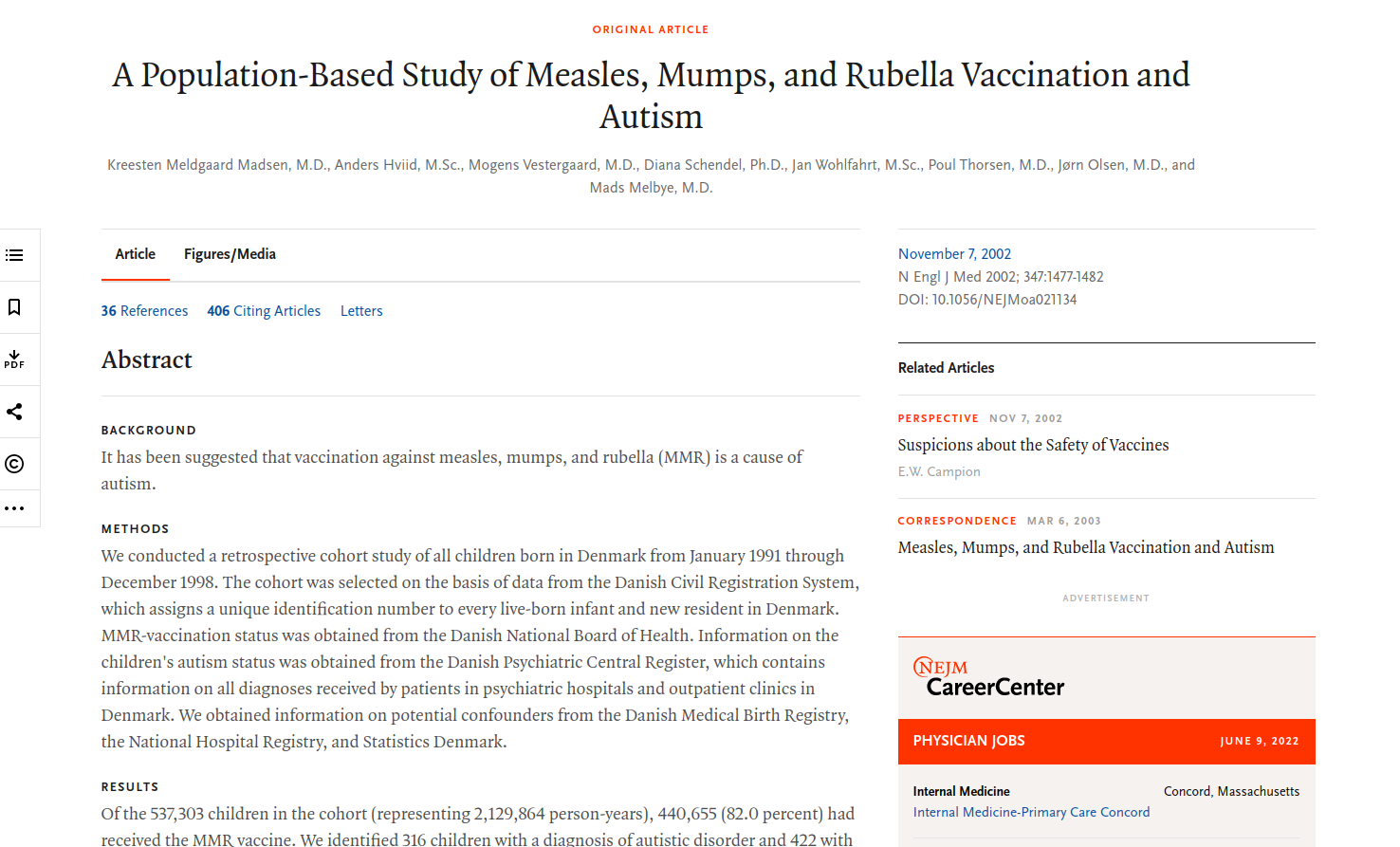
Counterexample: Autism is linked to vaccinations.
2. Multiple independent studies find the same results
2. Multiple independent studies find the same results
Counterexample: Autism is linked to vaccinations.
2. Multiple independent studies find the same results
Counterexample: Autism is linked to vaccinations.
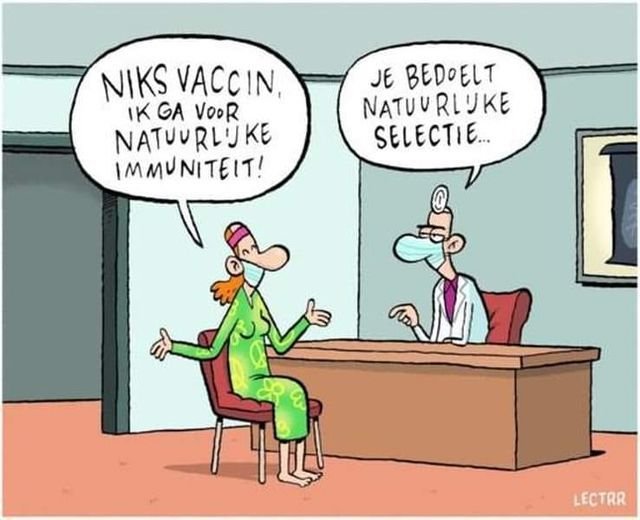
Counterexample: Autism is linked to vaccinations.
2. Multiple independent studies find the same results
Replication crisis in science: a large portion of studies are not replicable.
- Amgen, a US biotech company: could only reproduce 11% of 53 high-impact cancer research studies.
- German pharmaceutical company Bayer: could only reproduce 36% of 64 studies.
- John Ioannidis, MD, Professor of Medicine and Statistics at Stanford University: could replicate only 44% of the 45 most important clinical studies.
2. Multiple independent studies find the same results
Role of Bias
We usually see what we want to find:
In research, bias occurs when “systematic error is introduced into sampling or testing by selecting or encouraging one outcome or answer over others”. Bias can occur at any phase of research, including study design or data collection, as well as in the process of data analysis and publication
2. Multiple independent studies find the same results
Conditions for a good consensus
- Based on scientific data
- Multiple independent studies find the same results
- Studies are funded without conflicts of interest
- Overwhelming majority of experts in the field agree with each other
- Is based on different methods
3. Studies are funded without conflicts of interest
Counterexample: the story of lead in fuel.
- Thomas Midgley Jr. was tasked by Dayton Research Laboratories (General Motors) to find a cheap, efficient additive to prevent air-fuel mixtures from premature detonation.
- Lead was known to be lethal.
- Yet Midgley convinced that it was not harmful.
- In 1923, he himself suffered lead poisoning.
- Lead poisoning likely killed more than 100 million people, plus all other harmful effects.
- Only in 2021 was the final ban implemented.
Scientists paid by industry:
- Story of lead in gasoline
- Scientists sow doubt on behalf of the fossil fuel industry: Michael Mann: "New Climate War" beautifully addresses this issue!
- Tobacco lobby: similarly sowed doubt
Result: science is discredited.
3. Studies are funded without conflicts of interest
Role of bias
Compensation bias/industry bias/funding bias/sponsorship bias/funding outcome bias, funding publication bias
already exists when we receive a meal or gadget
3. Studies are funded without conflicts of interest
Conditions for a good consensus
- Based on scientific data
- Multiple independent studies find the same results
- Studies are funded without conflicts of interest
- Overwhelming majority of experts in the field agree with each other
- Is based on different methods
4.Overwhelming majority of experts in the field agree with each other
- Should follow from the previous three:
- Example: climate change!
- But important to consider this: personal experience with Torsades de Pointes.
! Difference between consensus and something everyone simply assumes. A real consensus is based on extensive research, data, and independent studies.
Conditions for a good consensus
- Based on scientific data
- Multiple independent studies find the same results
- Studies are funded without conflicts of interest
- Overwhelming majority of experts in the field agree with each other
- Is based on different methods
5. Based on different methods
Pneumocystis jirovecii
1. Classified protozoan parasite
- Early microscopy & staining resembled protozoa.
- The organism is sensitive to drugs like pentamidine, which also treat protozoa.
2. Classified as fungus
- Later molecular studies (DNA sequencing, rRNA analysis) revealed it is in fact a fungus, although it lacks ergosterol in its cell membrane (which makes some antifungal drugs ineffective).
High confidence that the findings hold up?
Conditions for a good consensus
- Based on scientific data
- Multiple independent studies find the same results
- Studies are funded without conflicts of interest
- Overwhelming majority of experts in the field agree with each other
- Is based on different methods
Nutritional sciences:
- 1960: debate: fat or sugar bad for health?
- Yudkin: Sugar Keys: Fat
- Keys won the debate: 1970 Fat was the culprit
However, it turned out to be sugar after all; studies by Keys were not conducted accurately.
Example of authority bias
So far, only one counterexample found?
Other counterexamples?
Conditions for a good consensus
Precision
What to do with advancing scientific insight?
There are constantly new developments.
However, this does not necessarily undermine an existing consensus.
It usually makes it more precise and adds additional knowledge to the existing knowledge. An important nuance!
Newton versus Einstein
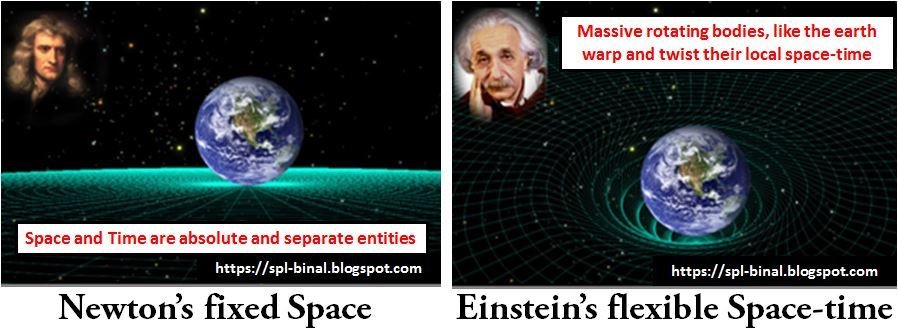
At first glance, two seemingly different theories.
But Newton is encompassed within Einstein.
Classic mechanics versus Quantum mechanics
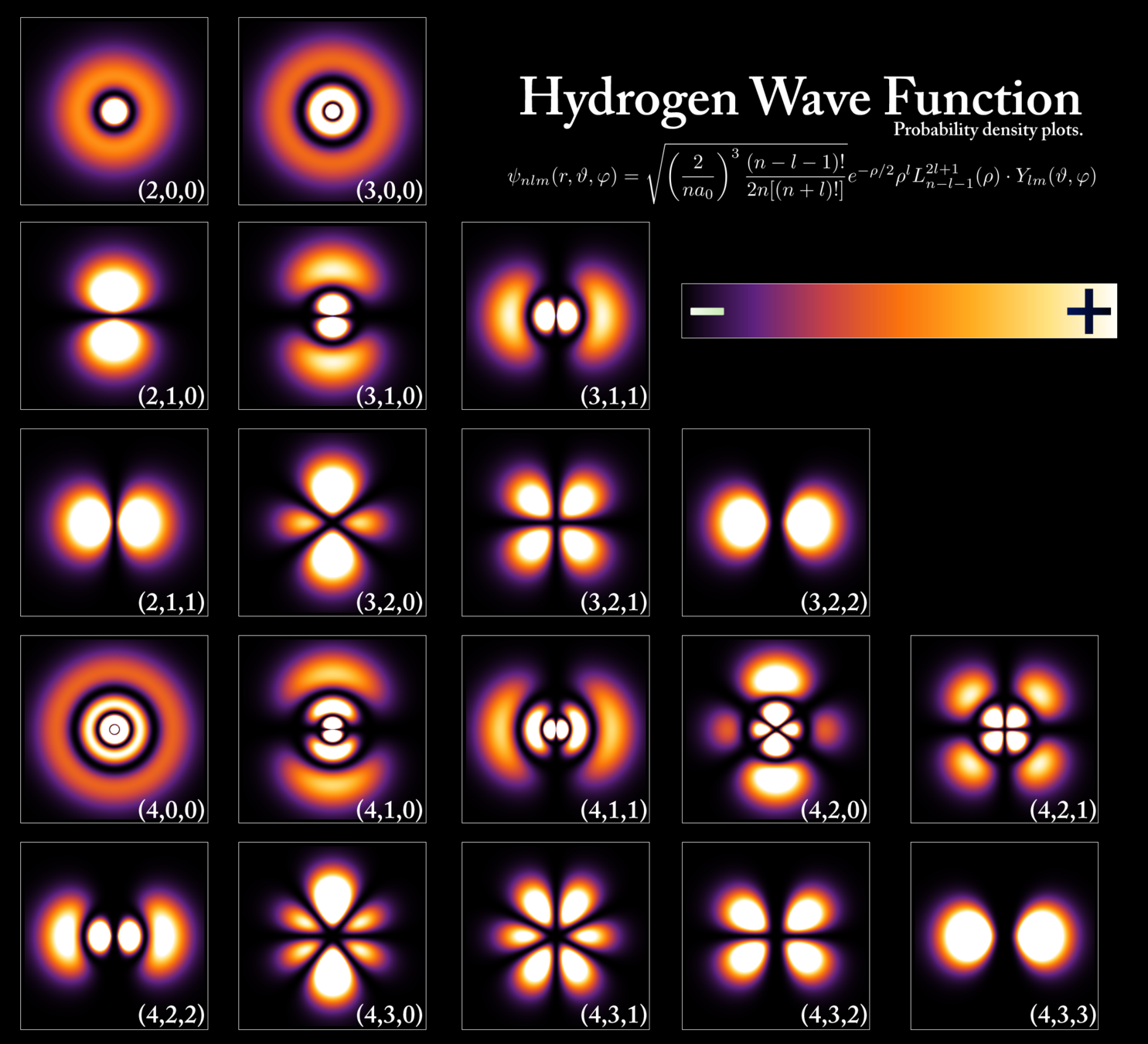

Genetic revolution
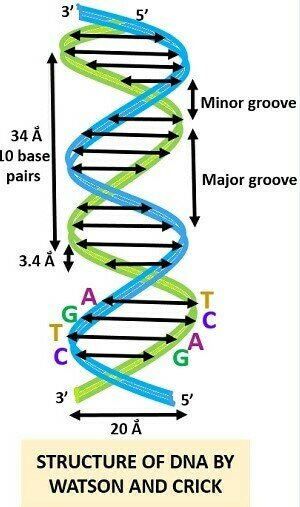

Discovery DNA
Watson Crick, 1953
CRISPR
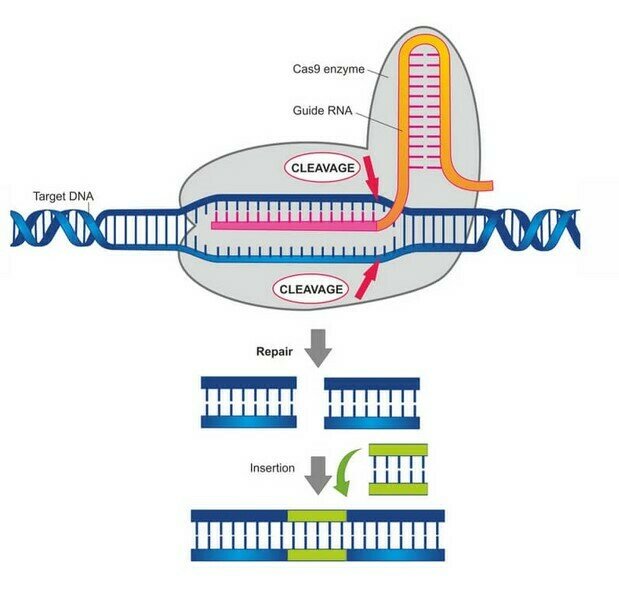
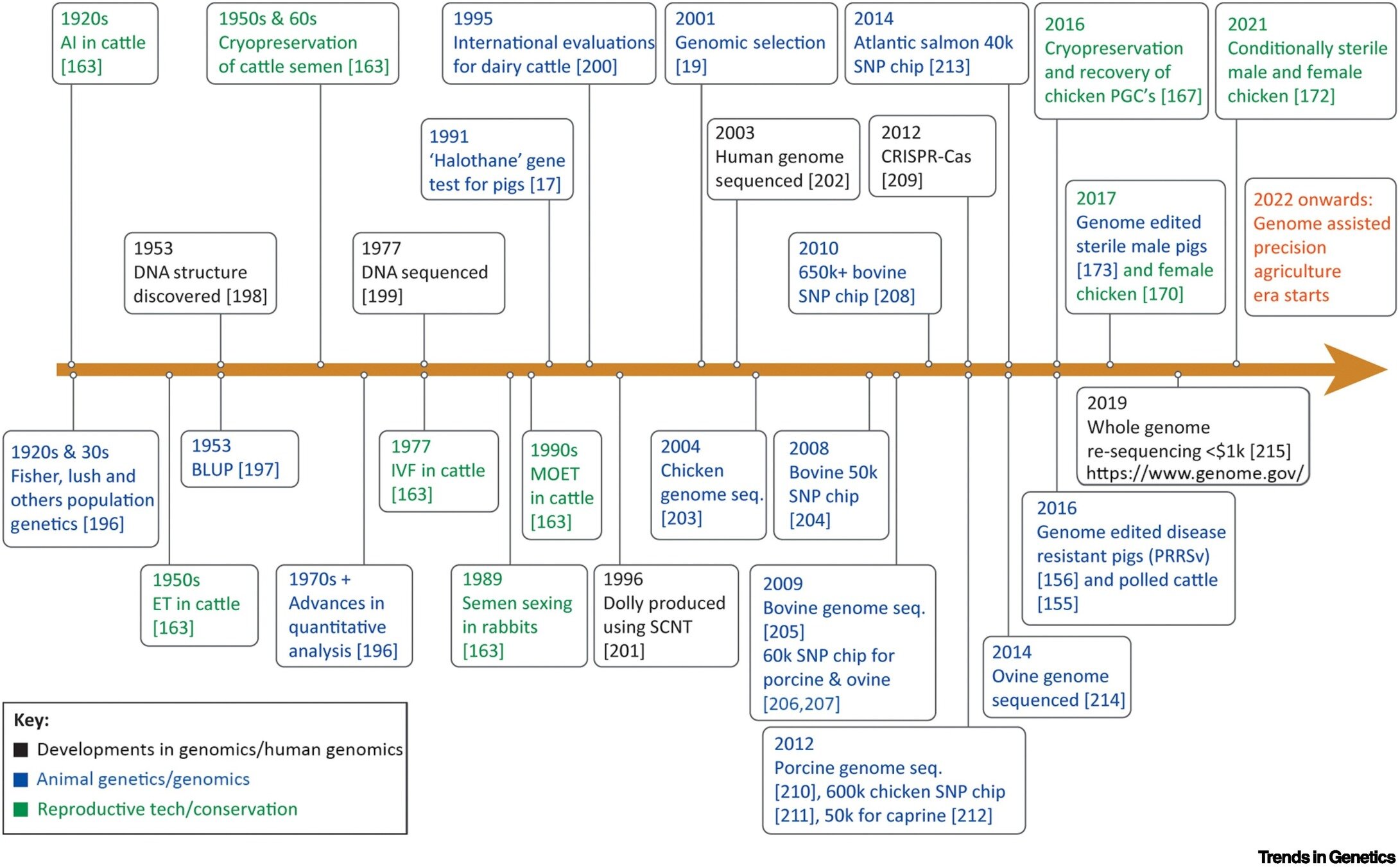
Genetic revolution
Precision adds knowledge
???
???
???
???
???
???
Place of debate
What we know for sure = consensus
Conclusion: adding certainty
Increasing our certainty
???
???
???
What we know for sure = consensus
0%
99,99%
99%
- Based on scientific data
- Multiple independent studies find the same results
- Studies are funded without conflicts of interest
- Overwhelming majority of experts in the field agree with each other
Thank you!
???
???
???
What we know for sure = consensus
0%
99,99%
99%
- Based on scientific data
- Multiple independent studies find the same results
- Studies are funded without conflicts of interest
- Overwhelming majority of experts in the field agree with each other
Thank you!
???
???
???
What we know for sure = consensus
0%
99,99%
99%
-
Nobody doubts the functioning of GPS, GSM, cars, heart surgeries, ...
-
But people do doubt a vaccine, climate: why?
The Dunning-Kruger Effect (cognitive bias):
Overestimating one’s own skill levels.
Failing to recognize true skill and expertise.

Authority bias: the serious scientist
-
Theo Schetters (professor who develops vaccines): refers to Andrew Wakefield
-
Bas Brokken (former lecturer in health sciences): has not conducted any research on vaccines and their effectiveness
-
Lidewij de Vos (Forum for Democracy, Netherlands)
'I also have a background in biochemistry, and therefore I can better judge what is sense and nonsense in climate science.'
Cherry picking: confirmation bias
-
There will always be some study that appears to confirm what you’re looking for.
-
Unscrupulous scientists cherry-pick results to persuade others.
Anecdotal bias
-
I know someone who …
-
It seems that …
-
I myself have experienced this or that ...
Deliberately misrepresenting or omitting data: confirmation bias

Mixing truths with non-scientific claims
-
Example: KNPI therapy
Illusory truth effect
-
Repeating the same false information over and over makes you start to believe it.
Scientists criticizing policy, not scientific facts. Misread and used as “evidence” that science itself is wrong
-
This happened often during the COVID-19 crisis.
Exploiting desperate people
-
People who are ill and for whom no remedy exists due to insufficient scientific research
Role of traditional media
Role of social media
Conspiracy theories
Mainstream media
-
Placing a climate scientist next to a politician: bad idea
-
Solid research behind a paywall – weaker articles: free
-
Generating clicks by seeking sensation
-
Providing insufficient context for science (one study versus consensus?)
Social media
-
Fake news spreads 6× faster than truth
-
Brandolini’s law: debunking takes far more effort than producing nonsense
-
Platforms optimize for profit: clicks & ML
-
Firehosing tactics
-
Even voting behavior can be influenced
Role (social) media
Conspiracy theories: down the rabbit hole!
-
Deep distrust of pharma (sometimes justified)
-
Deep distrust of governments (sometimes justified)
What do we doubt?
-
We don’t question GPS, cell phones, cars, or heart surgery.
-
But we do question vaccines and climate science — why?
-
Perhaps because they directly impact our daily lives.
-
And because some have an interest in pulling people down the rabbit hole.
Conspiracy theories
Conclusion
Conditions for a good consensus
Good start to good science
- Based on scientific data
- Multiple independent studies find the same results
- Studies are funded without conflicts of interest
- Overwhelming majority of experts in the field agree with each other
- Is based on different methods
- De uitvinding van “alternative facts”, door Kellyanne Conway in 2017 is ook een mijlpaal. https://www.youtube.com/watch?v=VSrEEDQgFc8
- Maar de wetenschap zit ook in een crisis, de “replication crisis”. En dat help niet. Je kent het: https://www.nature.com/articles/d41586-021-03691-0
-
https://decorrespondent.nl/14791/hoe-waarheid-ons-verdeelt-en-ons-weer-kan-samenbrengen/120eb16d-23a0-0b69-0127-a8849b251ed7
-
Placebo: https://pubmed.ncbi.nlm.nih.gov/15257721/