How can we efficiently leverage coding agents for dexterous manipulation?
Tao Pang @

1X
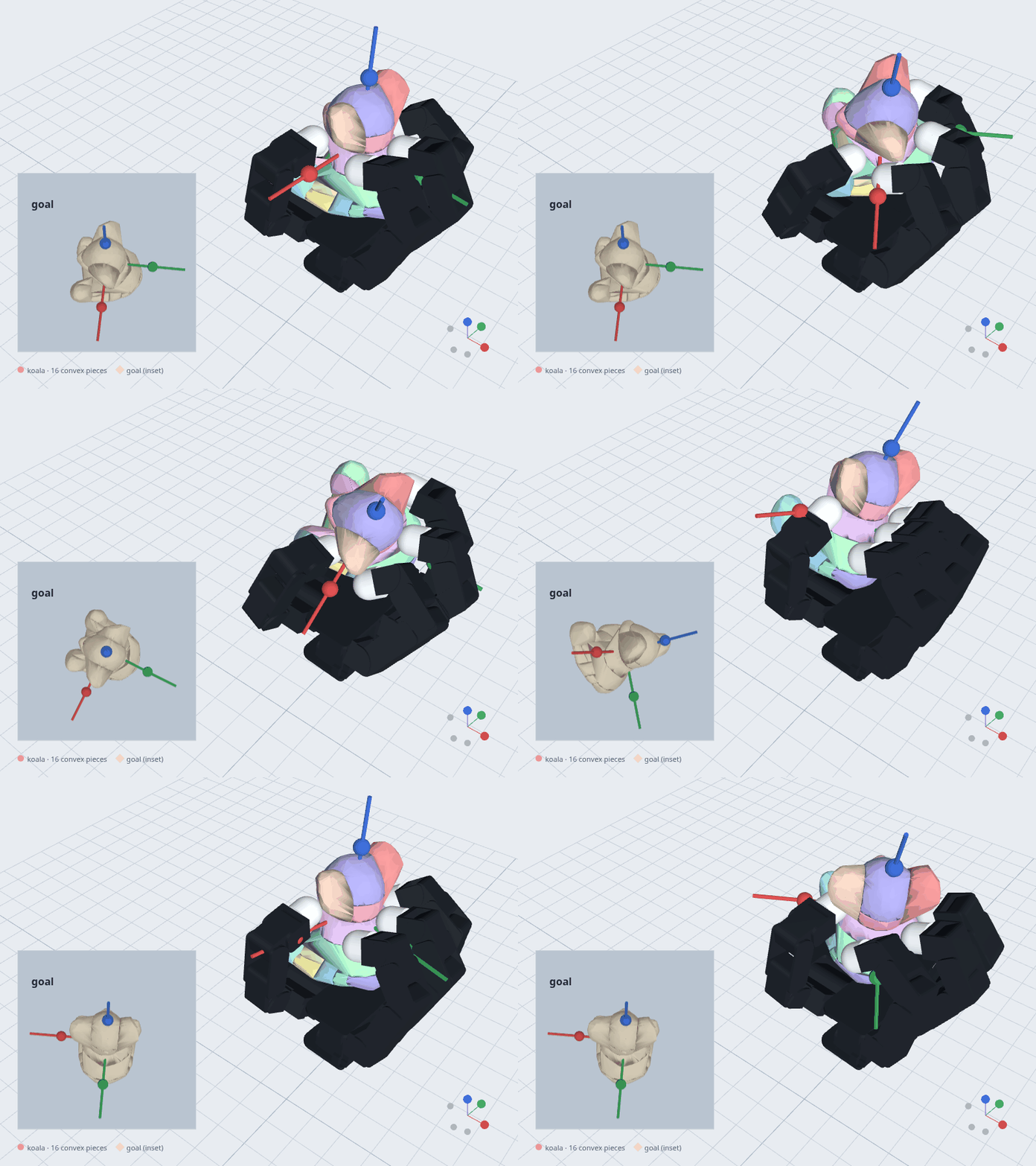
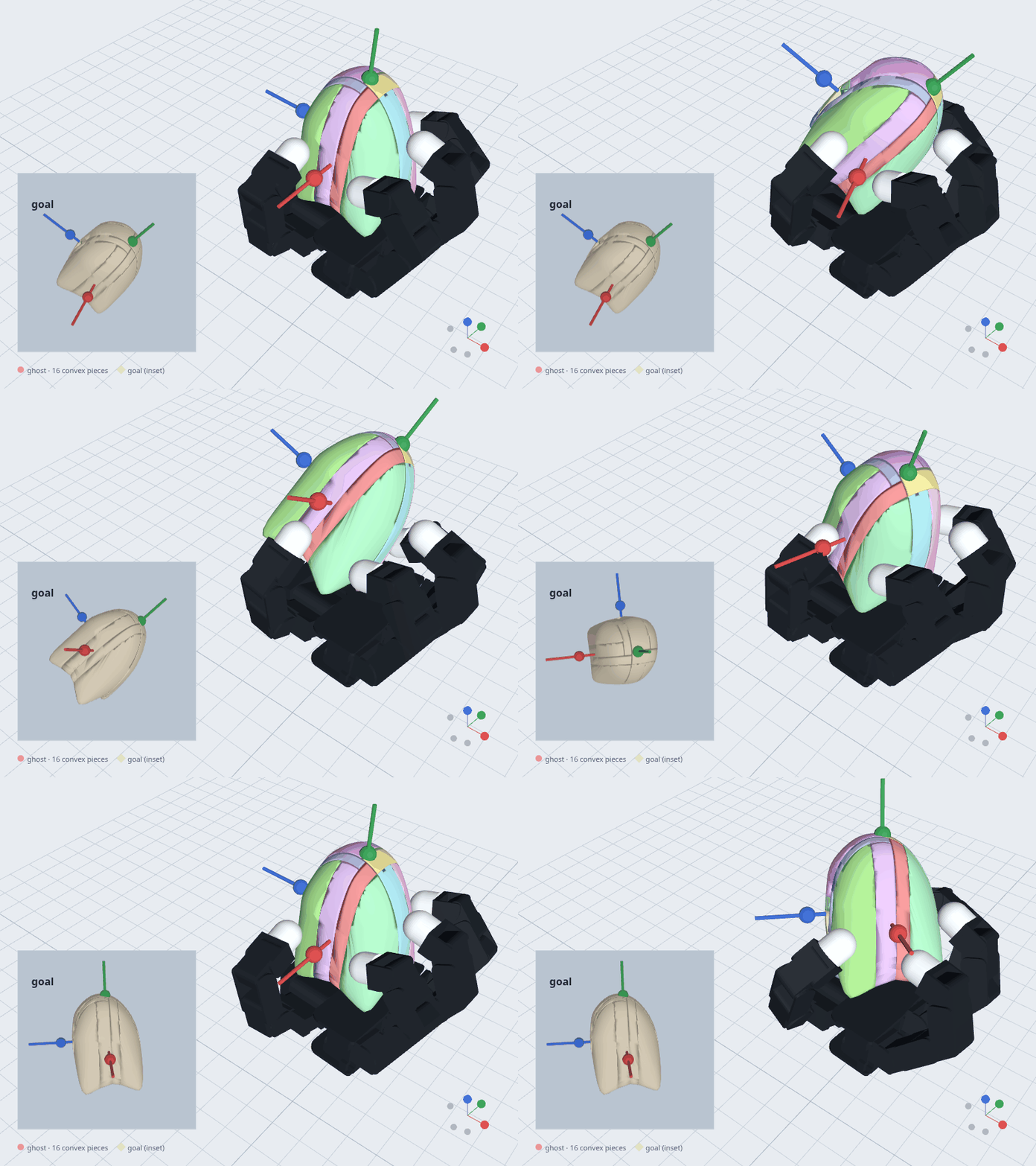
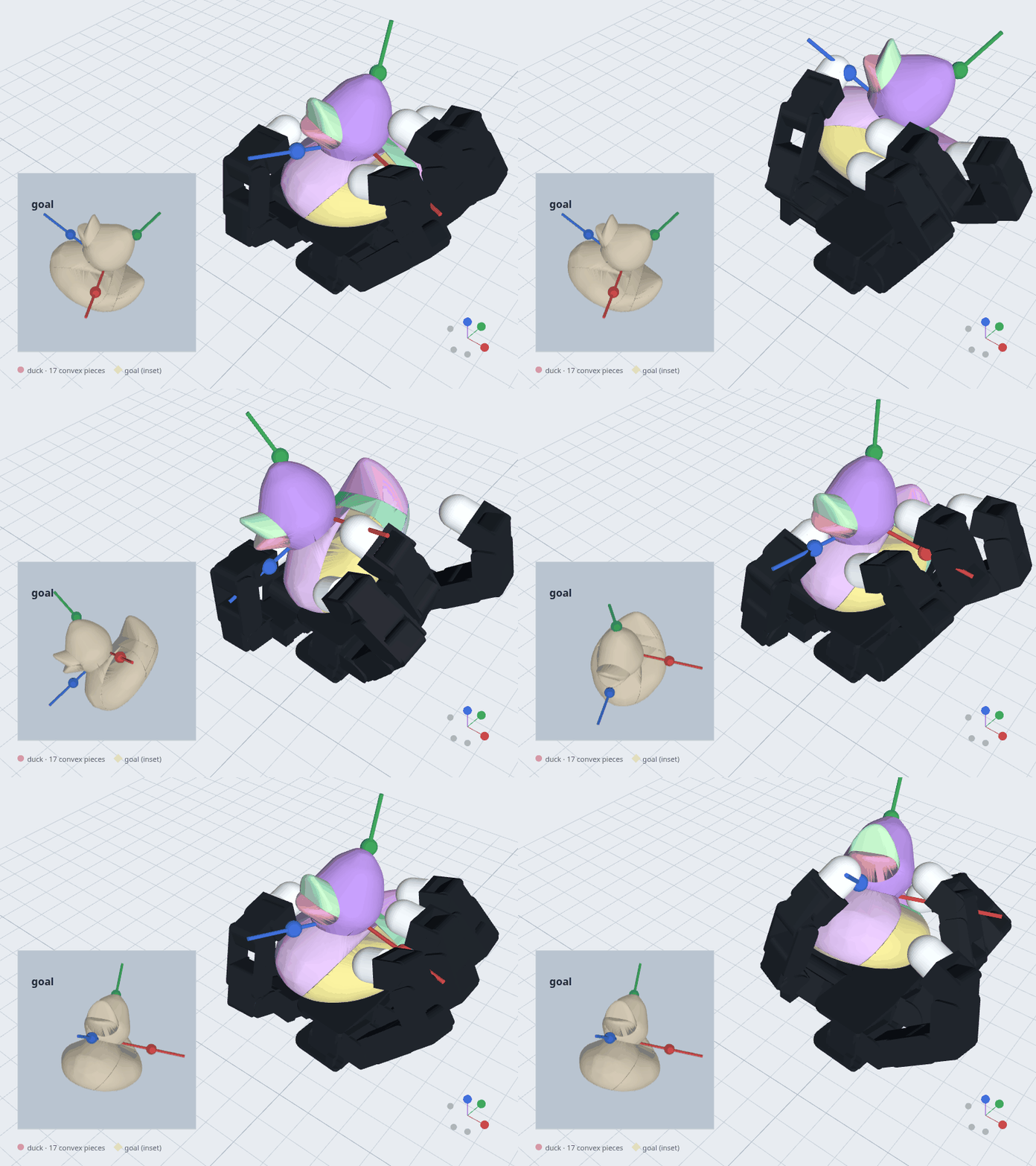
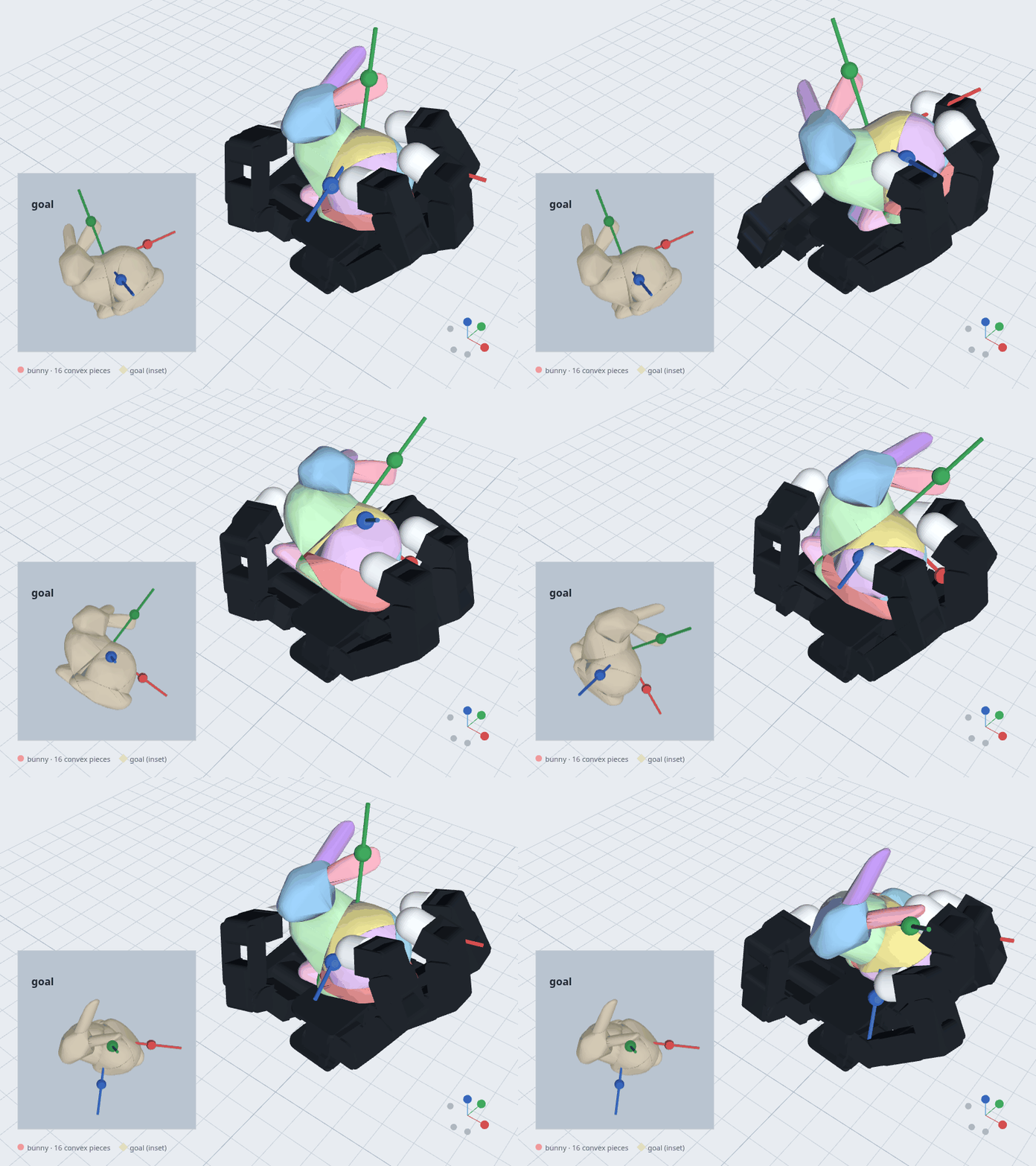
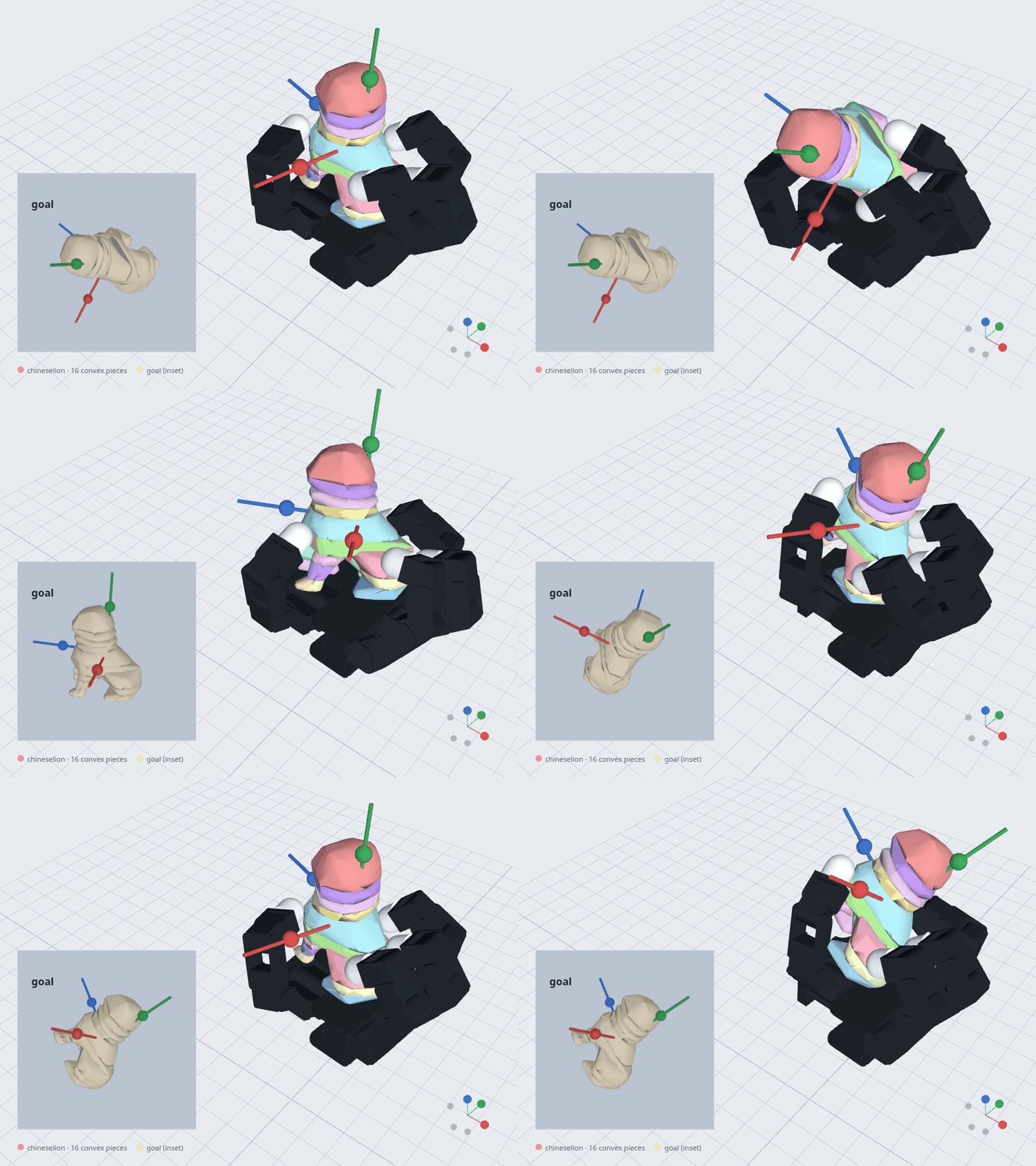
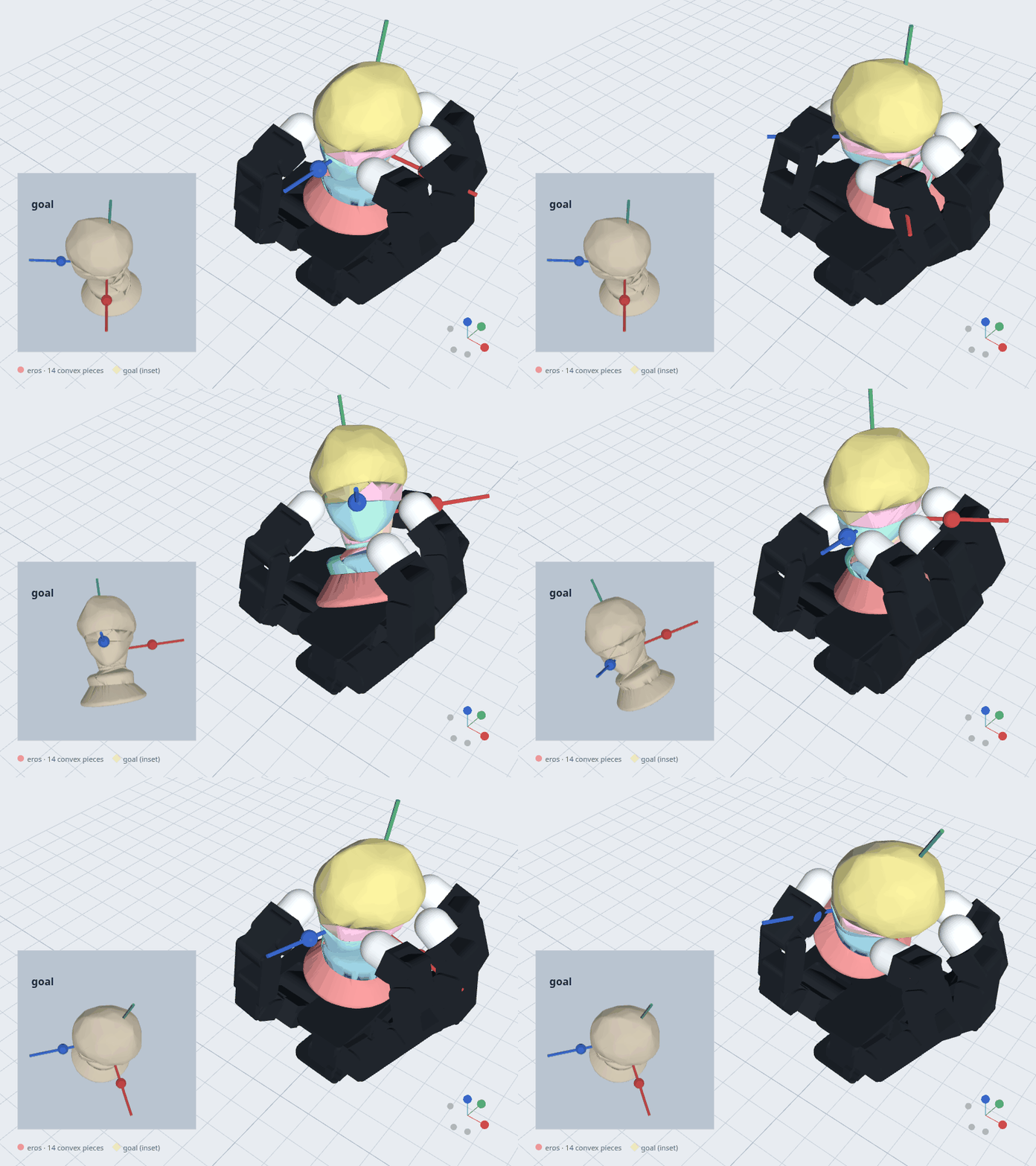
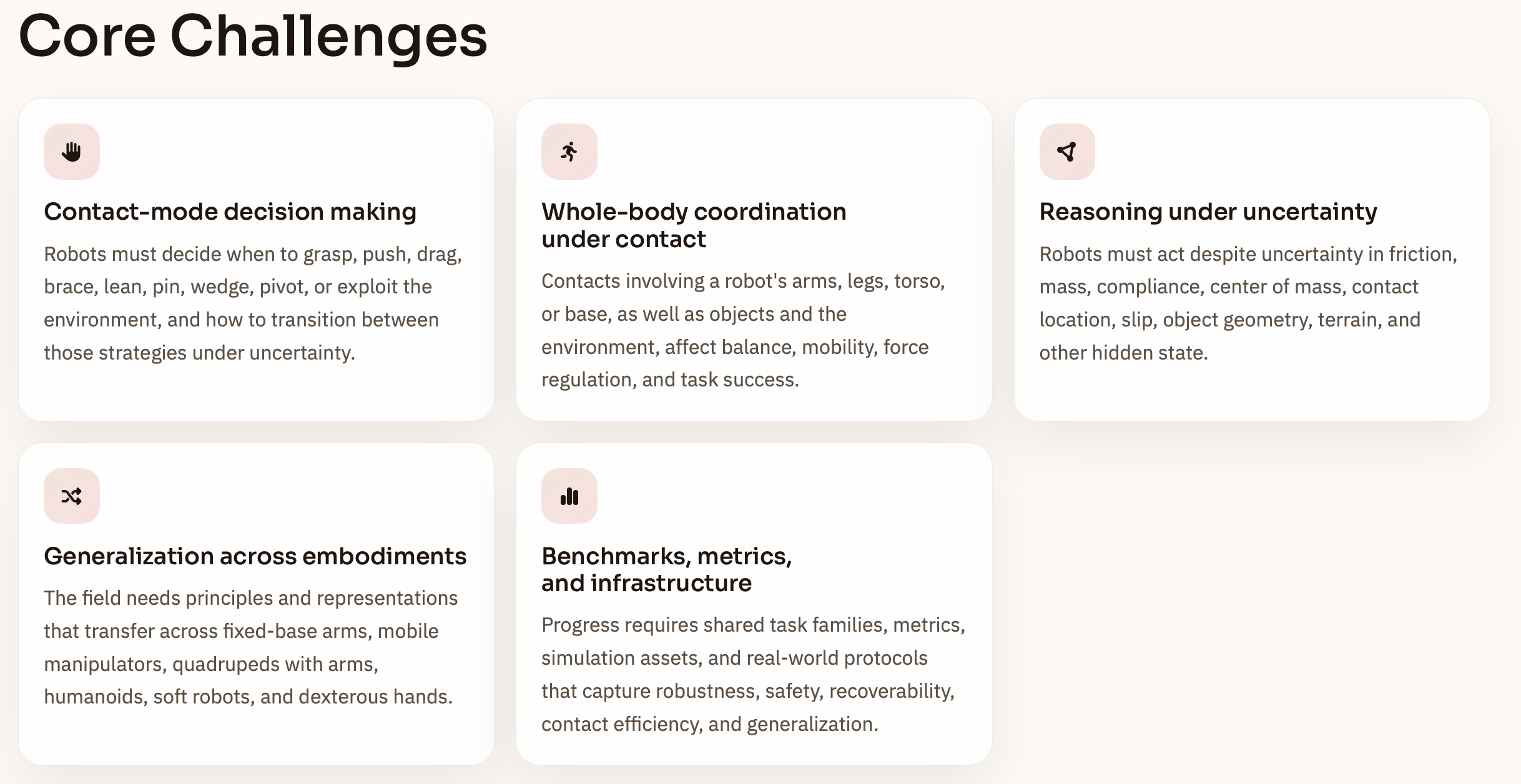
Is the next release of Astra / Fable going to solve these challenges?
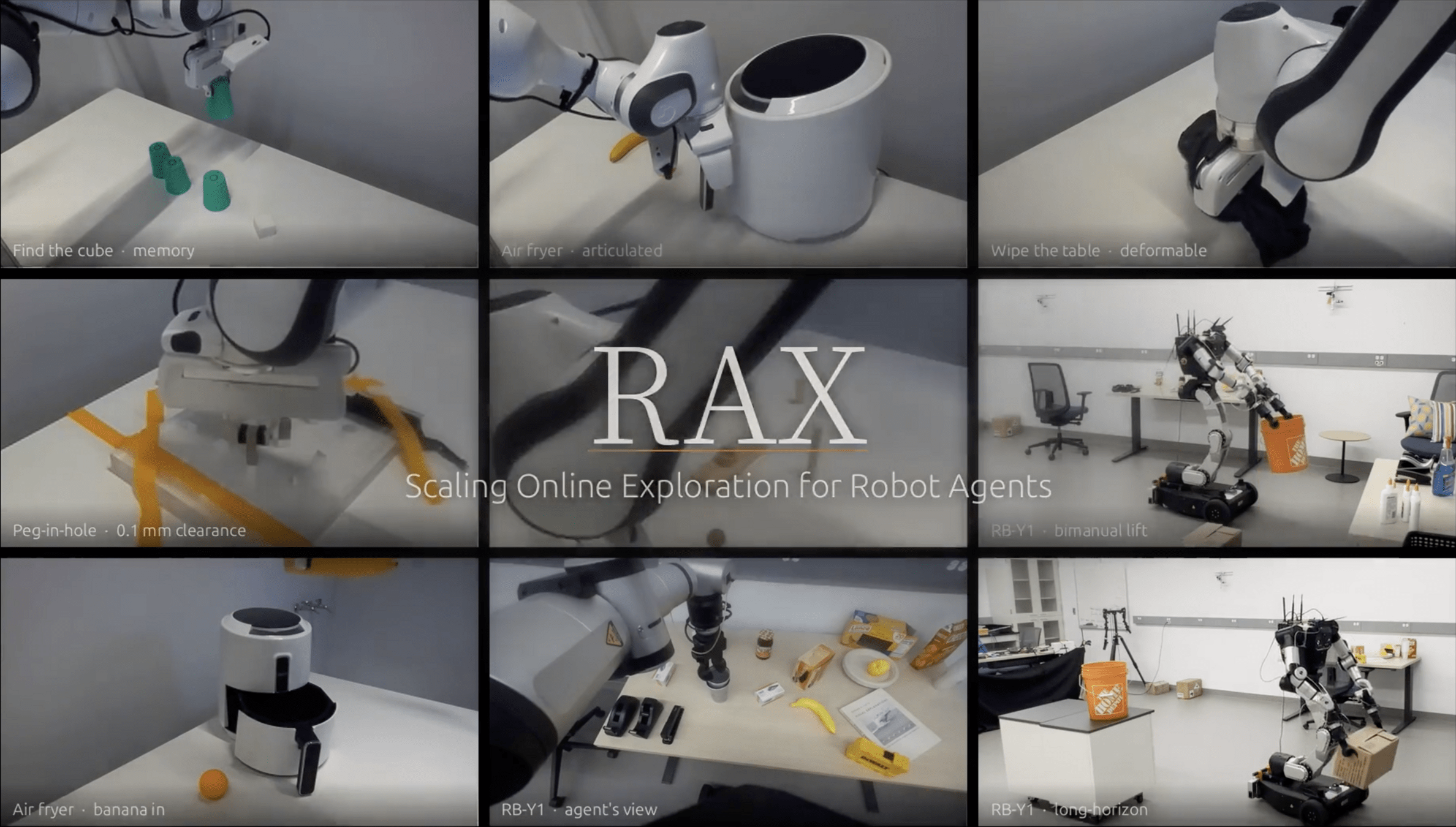
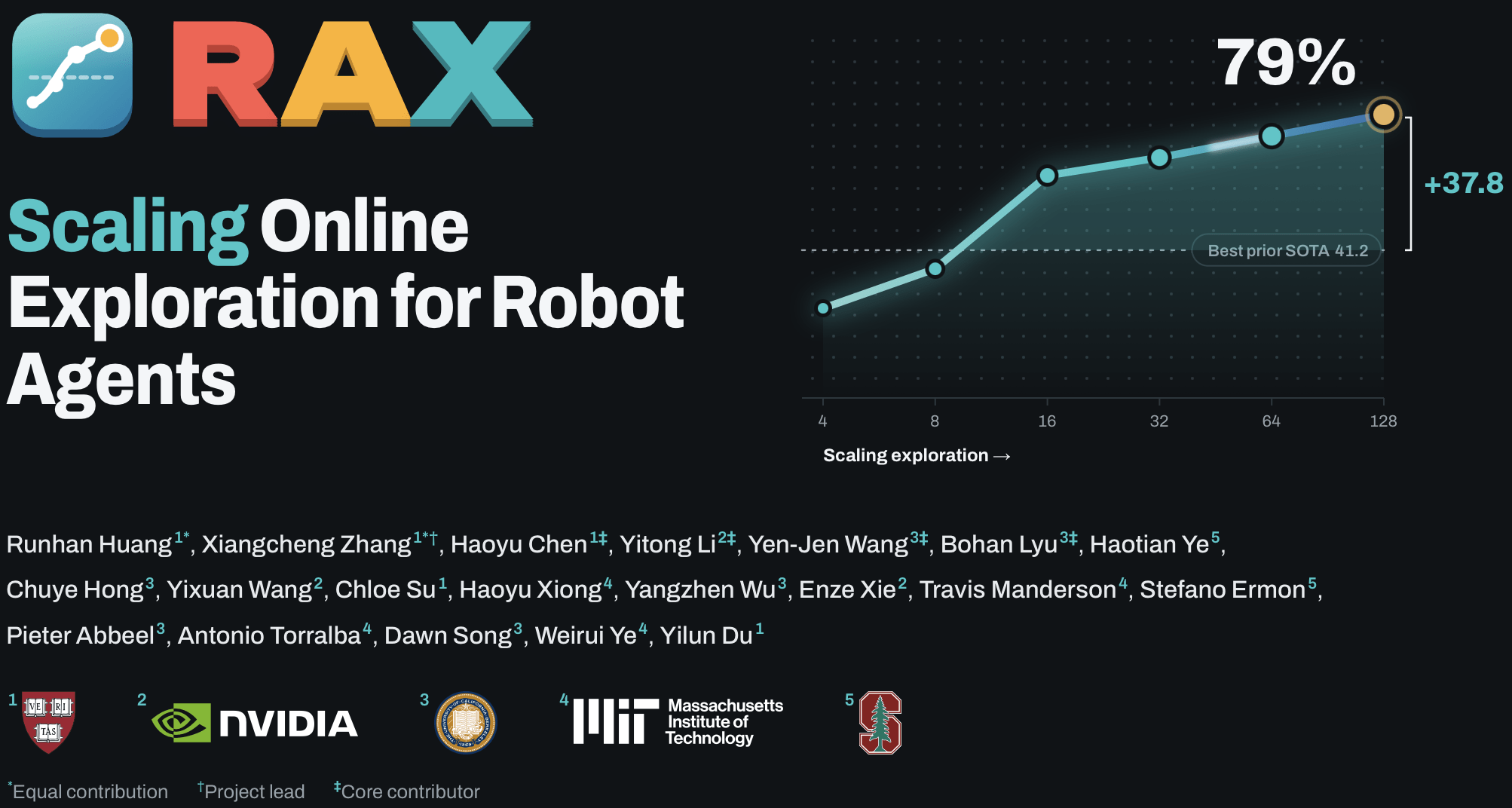
Agents operate robots with tools
- Forward kinematics
- Inverse kinematics
- Collision detection
- Collision-free motion planning
- etc.
Understanding the hardness of these challenges leads to more capable agents.
🤔

Opus 5.5
high
A simple experiment to measure agent performance
A simple experiment to measure agent performance
🤔
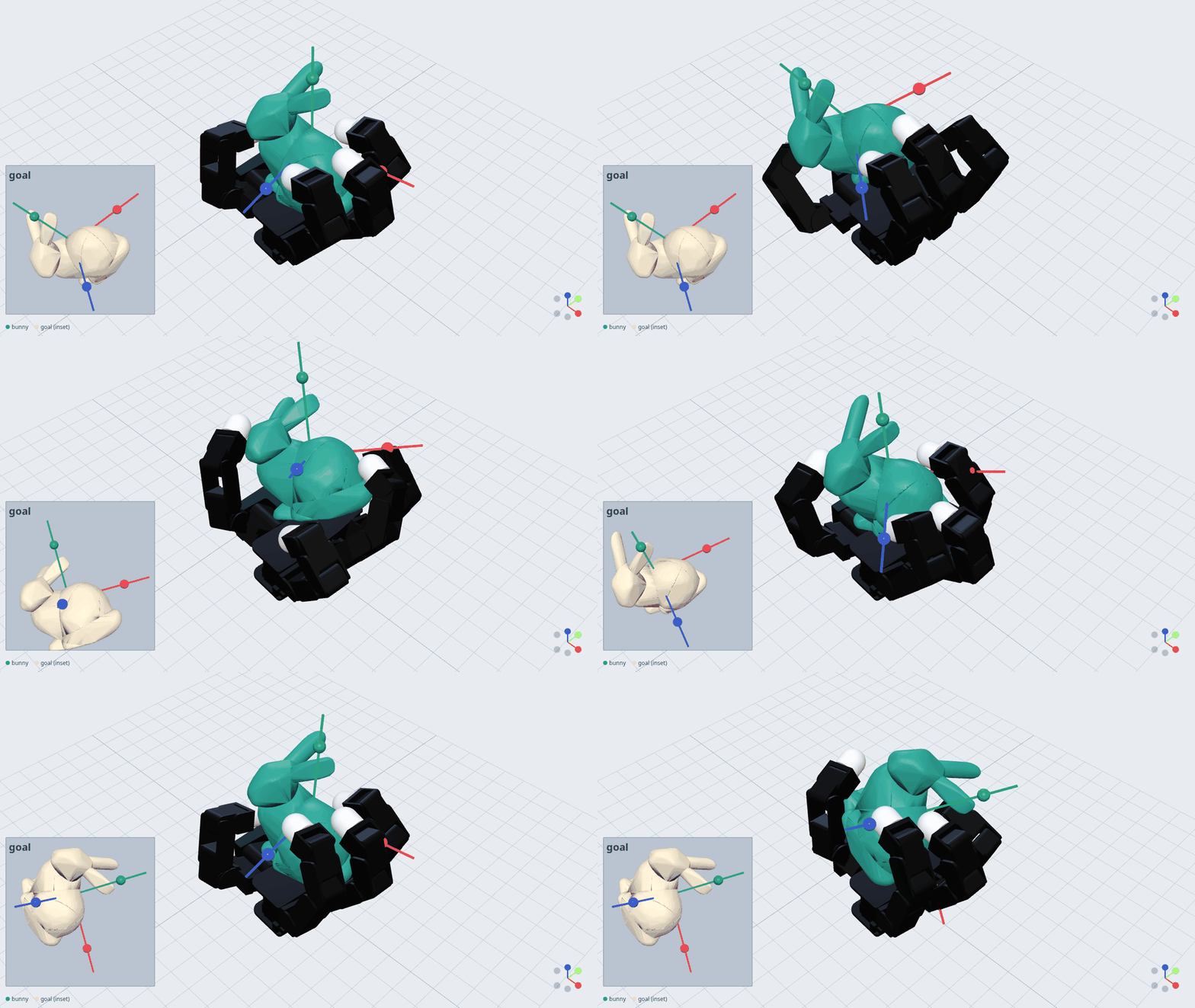
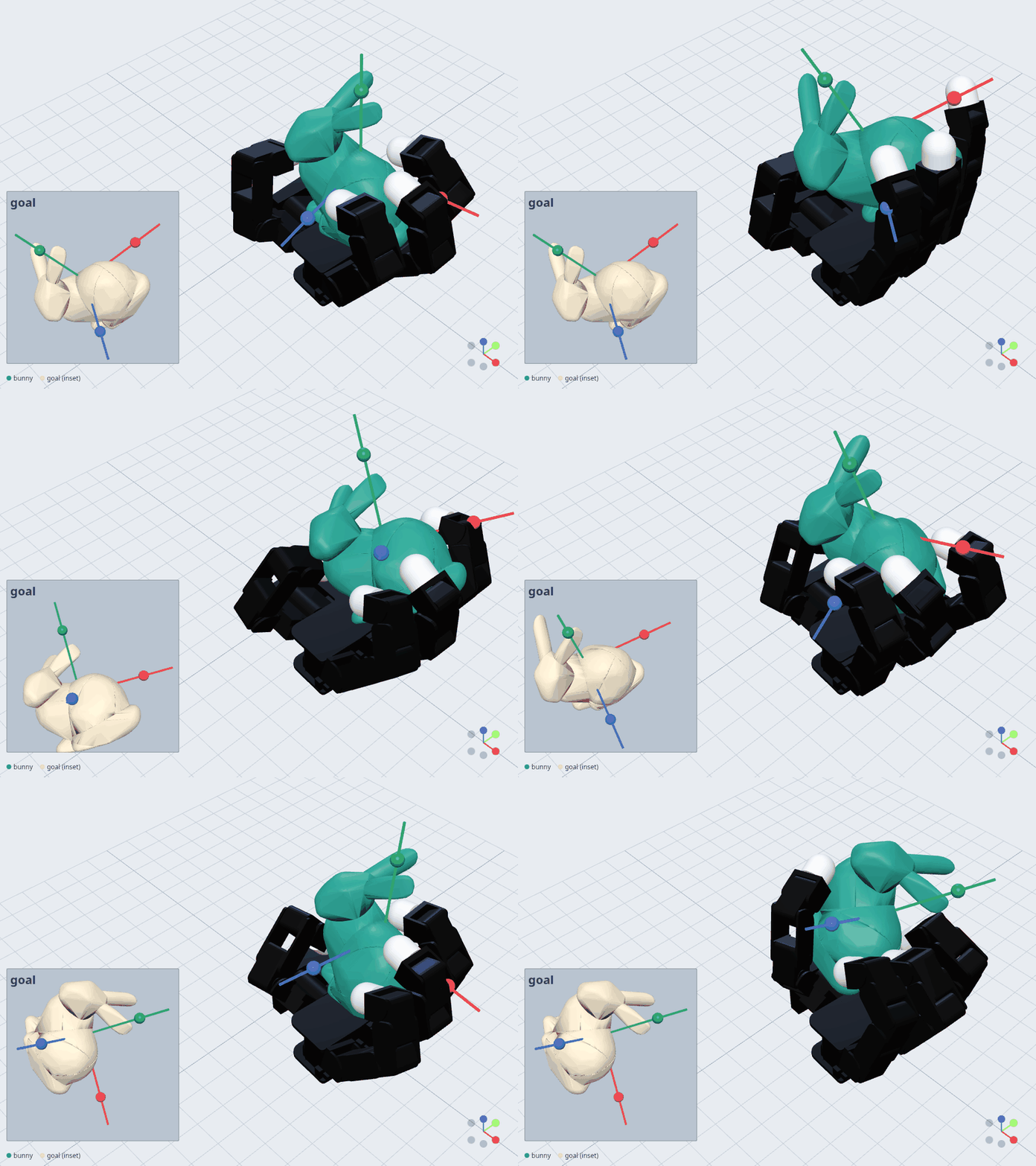
A Simple yet Interesting Task
- Fixed initial configuration
- 200 random goal orientations \(\leq\) 60 degrees
- 50 for training (agents can see)
- 150 for validation (agents can't see)
- Write a python script as a policy that reaches the goals (Code as Policy).
- Emulate zero-shot / few-shot scenarios
- Limited environment interaction
- Both exploration and validation happen in high fixedly simulation (Drake)
1X
Opus 5.5
high
🤔
1X
Opus 5.5
high
A Simple yet Interesting Task
- Fixed intitial configuration
- 200 random goal orientations \(\leq\) 60 degrees
- 50 for training (agents can see)
- 150 for validation (agents can't see)
- Code as Policy.
- Zero-shot / Few-shot execution
💵
$10 for tokens
A simple experiment to measure agent performance
🤔
1X
Opus 5.5
high
# Tools: Fingertip
def calc_intertip_positions(...):
	pass

def solve_fintertip_ik(...):
    pass

def step_fintertips(...):
  	pass

# and more functions
💵
$10 for tokens
A simple experiment to measure agent performance
A Simple yet Interesting Task
- Fixed intitial configuration
- 200 random goal orientations \(\leq\) 60 degrees
- 50 for training (agents can see)
- 150 for validation (agents can't see)
- Code as Policy.
- Zero-shot / Few-shot execution
🤔
1X
Opus 5.5
high
# Prompt
- Take the tools
- Do the task
# Tools: Fingertip
def calc_intertip_positions(...):
pass
def solve_fintertip_ik(...):
pass
def step_fintertips(...):
pass
# and more functions
💵
$10 for tokens
A simple experiment to measure agent performance
A Simple yet Interesting Task
- Fixed intitial configuration
- 200 random goal orientations \(\leq\) 60 degrees
- 50 for training (agents can see)
- 150 for validation (agents can't see)
- Code as Policy.
- Zero-shot / Few-shot execution
🤔
1X
Opus 5.5
high
# Tools: Fingertip
def calc_intertip_positions(...):
	pass

def solve_fintertip_ik(...):
    pass

def step_fintertips(...):
  	pass

# and more functions
# Prompt
- Take the tools
- Do the task
💵
$10 for tokens
A simple experiment to measure agent performance
A Simple yet Interesting Task
- Fixed intitial configuration
- 200 random goal orientations \(\leq\) 60 degrees
- 50 for training (agents can see)
- 150 for validation (agents can't see)
- Code as Policy.
- Zero-shot / Few-shot execution
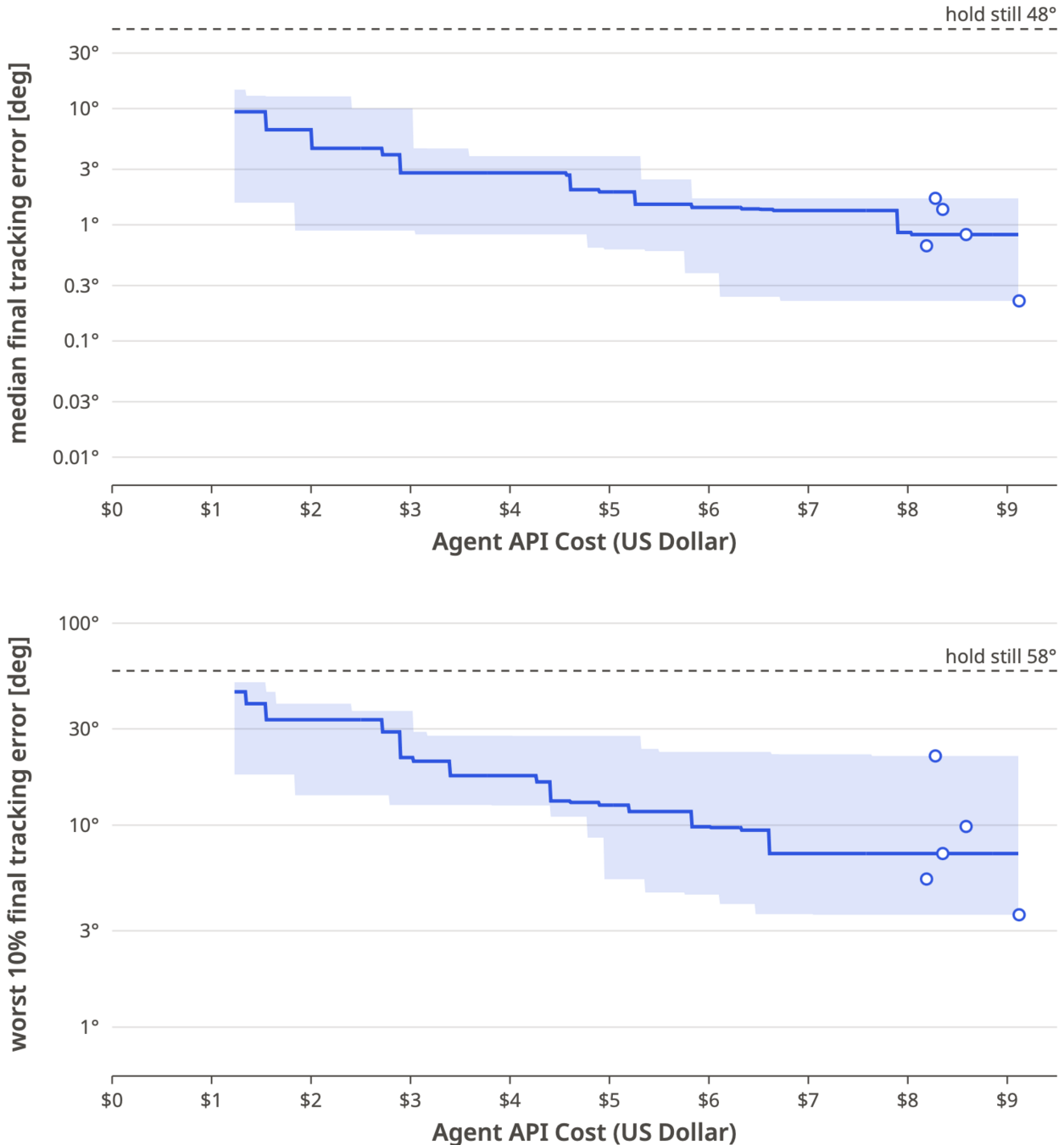
Results
1X
"Training Loss"
# Prompt
- Take the tools
- Do the task
💵
$10 for tokens
💵
$10 for tokens
💵
$10 for tokens
💵
$10 for tokens

Opus 5.5
high
# Tools: Fingertip
def calc_intertip_positions(...):
	pass

def solve_fintertip_ik(...):
    pass

def step_fintertips(...):
  	pass
Evaluation Runs
Results
# Prompt
- Take the tools
- Do the task
💵
$10 for tokens
💵
$10 for tokens
💵
$10 for tokens
💵
$10 for tokens
Opus 5.5
high
# Tools: Fingertip
def calc_intertip_positions(...):
	pass

def solve_fintertip_ik(...):
    pass

def step_fintertips(...):
  	pass
"Training Loss"

Opus 5.5
high
💵
$10 for tokens
💵
$10 for tokens
# New Tools# Tools: Fingertip
def calc_intertip_positions(...):
pass
def solve_fintertip_ik(...):
pass
def step_fintertips(...):
pass
# Prompt
- Take the tools
- Do the task this way: ...Results
# Prompt
- Take the tools
- Do the task💵
$10 for tokens
💵
$10 for tokens
💵
$10 for tokens
💵
$10 for tokens
Opus 5.5
high
# Tools: Fingertip
def calc_intertip_positions(...):
	pass

def solve_fintertip_ik(...):
    pass

def step_fintertips(...):
  	pass
"Training Loss"
Opus 5.5
high
💵
$10 for tokens
💵
$10 for tokens
# New Tools# Tools: Fingertip
def calc_intertip_positions(...):
pass
def solve_fintertip_ik(...):
pass
def step_fintertips(...):
pass
# Prompt
- Take the tools
- Do the task this way: ...$2
Results
# Prompt
- Take the tools
- Do the task
💵
$10 for tokens
💵
$10 for tokens
💵
$10 for tokens
💵
$10 for tokens
Opus 5.5
high
Opus 5.5
high
💵
$10 for tokens
💵
$10 for tokens
# Tools: linear control, grasp planning
def solve_linear_mpc(...):
return argmin x.T @ Q @ x + u.T @ R @ u
s.t. x = A @ x_prev + B @ u# Tools: Fingertip
def calc_intertip_positions(...):
pass
def solve_fintertip_ik(...):
pass
def step_fintertips(...):
pass
# Tools: Fingertip
def calc_intertip_positions(...):
	pass

def solve_fintertip_ik(...):
    pass

def step_fintertips(...):
  	pass
# Prompt
- Take the tools
- Do the task by tuning linear control "Training Loss"
$2
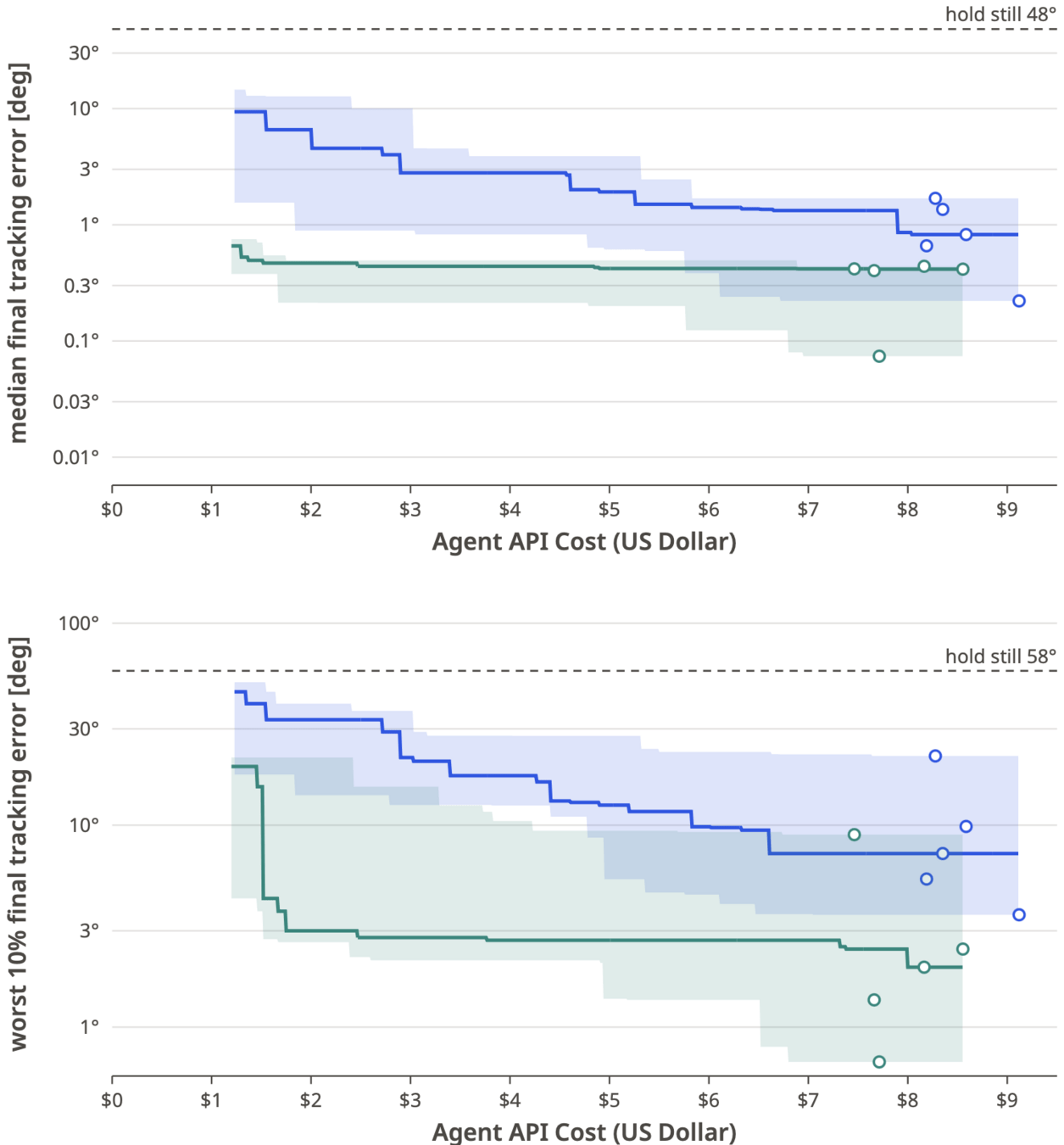
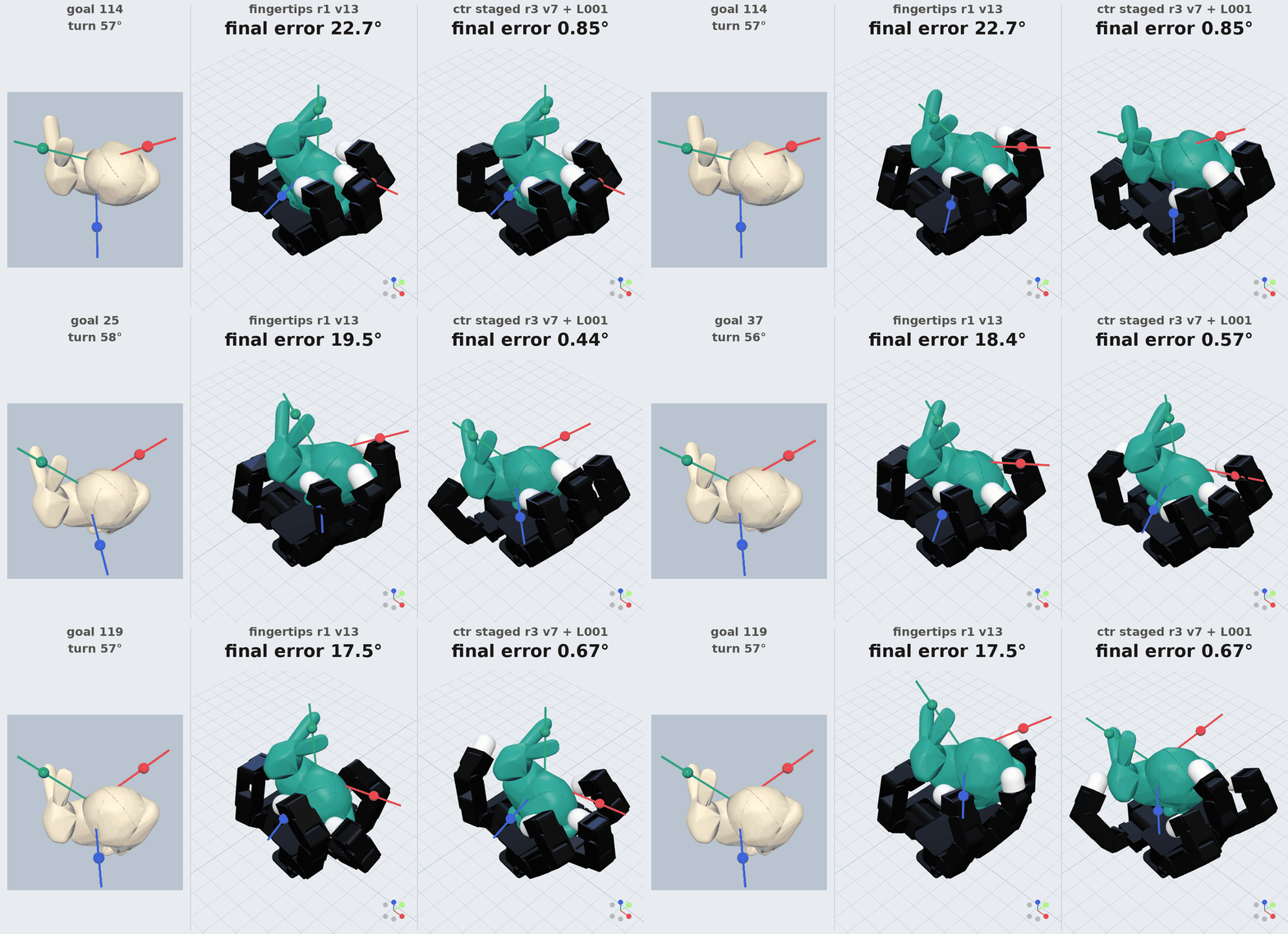
Results, on the test set
- $10
- Fingertip tools
- $10
- Fingertip tools
- Linear control tools
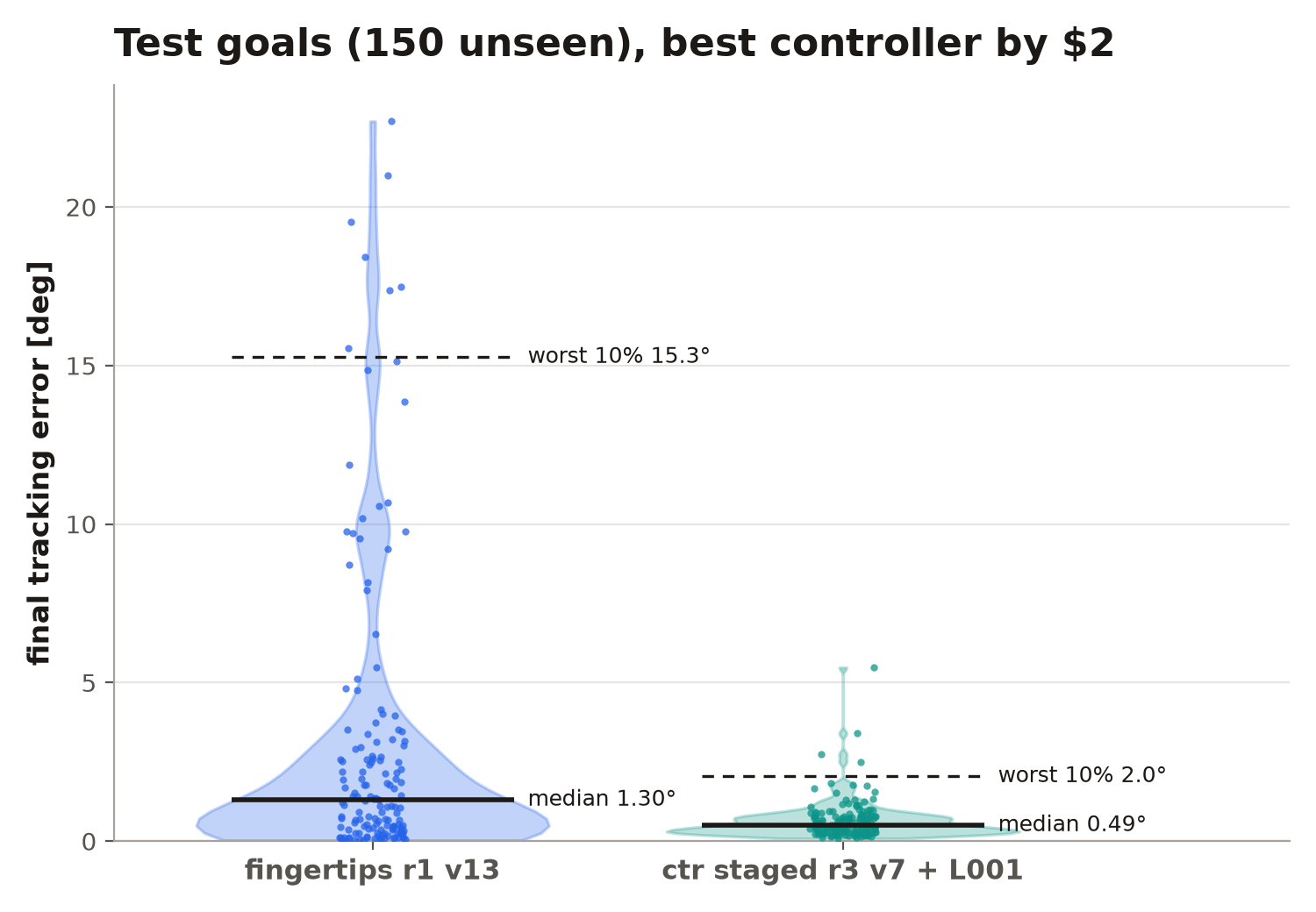
On the test set,
- at convergence, beats in median (p = 0.016) and worst (p = 0.016) errors.
- at $2, also beats in median (p = 0.008) and worst (p = 0.032) errors.
1X
But why is linear control a good idea for contact-rich manipulation?
Isn't gradient of contact dynamics famously bad?
Hybrid contact dynamics
Dynamics:
Dynamics:
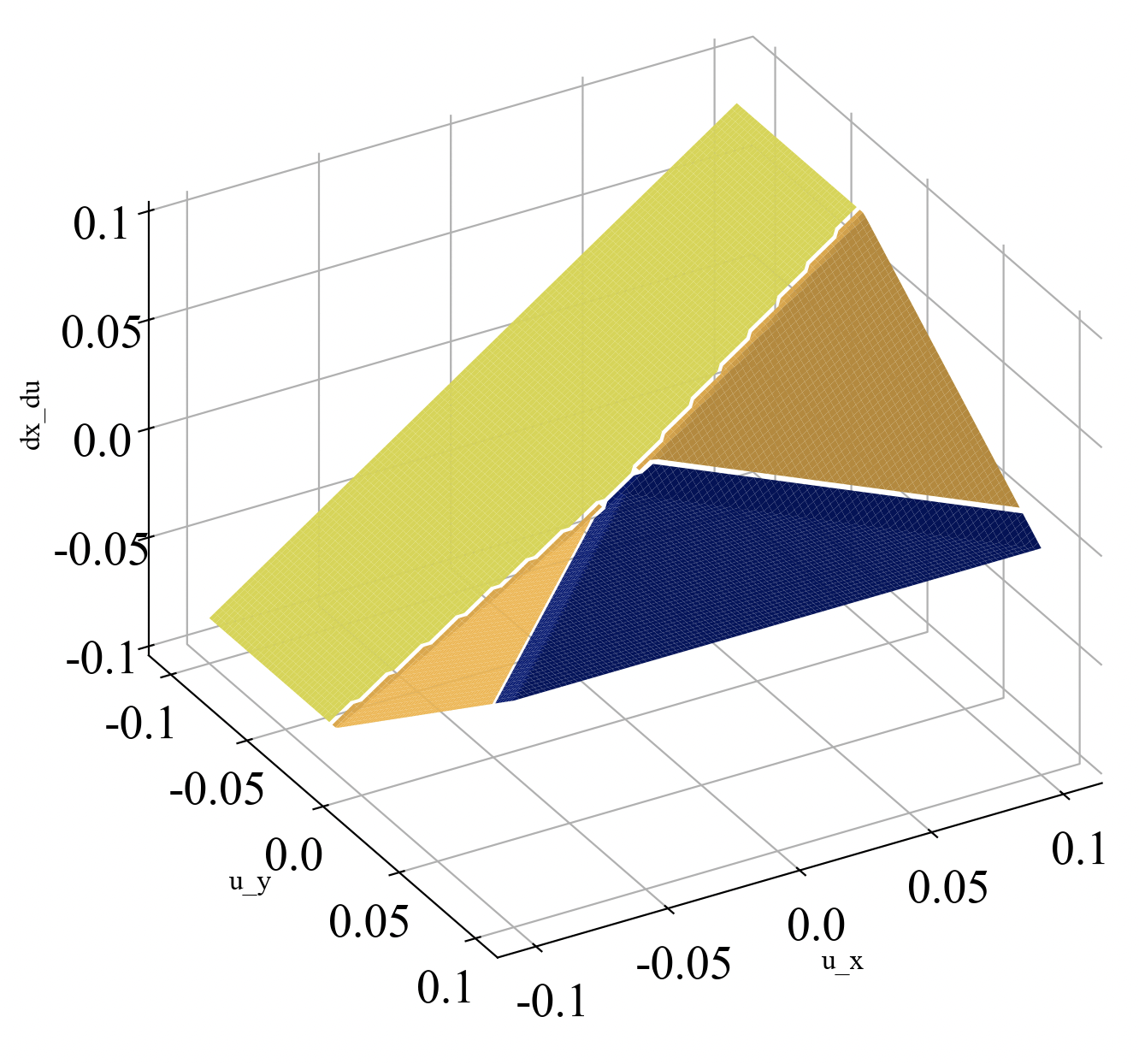
Sticking
Sliding Left
Sliding Right
Separation
Contact modes:
Hybrid contact dynamics
Sticking
Sliding Left
Sliding Right
Separation
How can we move the box to the right?
Contact modes:

Dynamics
Distance to goal
Effort
Sticking
Sliding Left
Sliding Right
Separation
How can we move the box to the right?
Contact modes:
Sticking
Sliding Left
Sliding Right
Separation
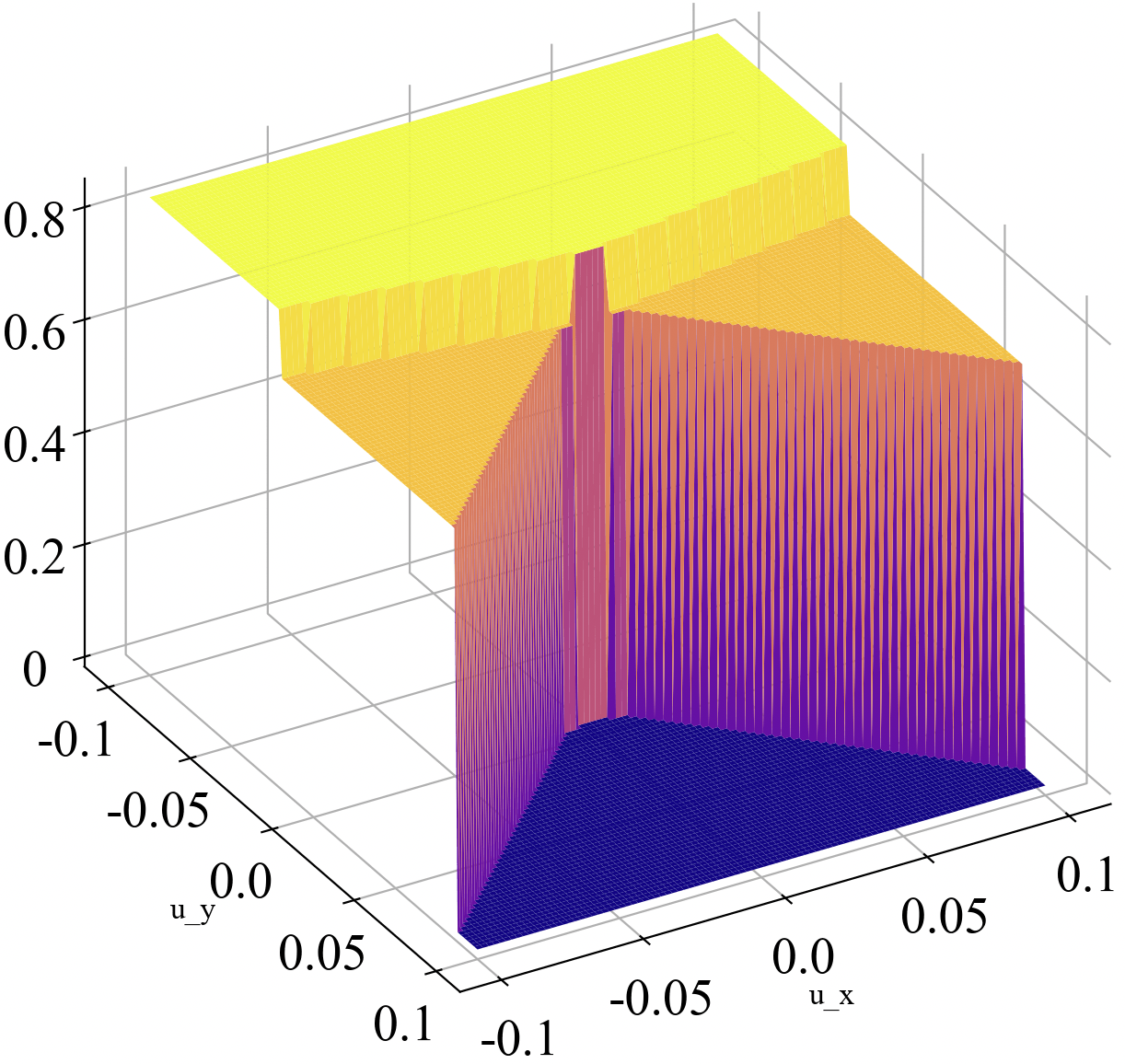
Dynamics
Distance to goal
Effort
Sticking
Sliding Left
Sliding Right
Separation
How can we move the box to the right?
Contact modes:
Sticking
Sliding Left
Sliding Right
Separation
Dynamics
Distance to goal
Effort
Particularly bad if we start here!
Can we search for the best contact mode?
Sticking
Sliding Left
Sliding Right
Separation
Contact modes:
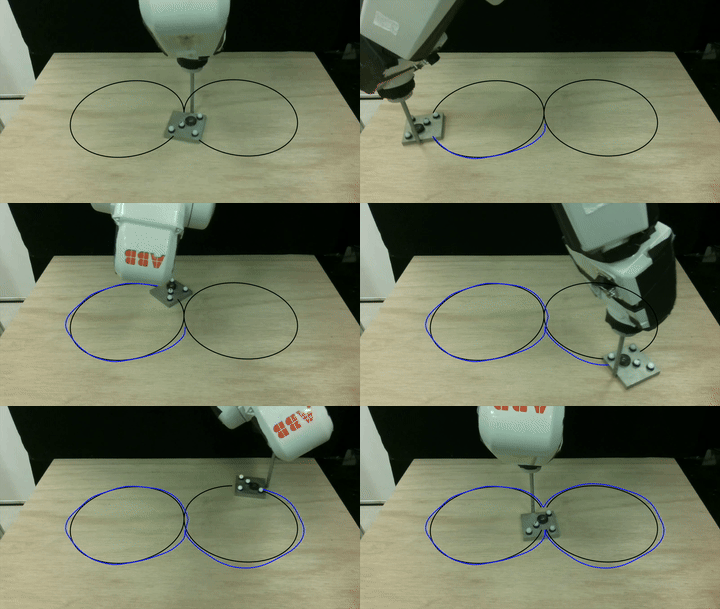
[HR2016]
Dynamics
Distance to goal
Effort
Sticking
Sliding Right
Sliding Left
Separation
Contact mode Transitions
(for longer-horizon problems)
Pitfalls of Mode Enumeration
System
Number of Modes
No Contact
Sticking Contact
Sliding Left
Sliding Right
Number of collision pairs
Pitfalls of Mode Enumeration
System
Number of Modes
No Contact
Sticking Contact
Sliding Left
Sliding Right
Number of
pairs of spheres
Number of collision spheres
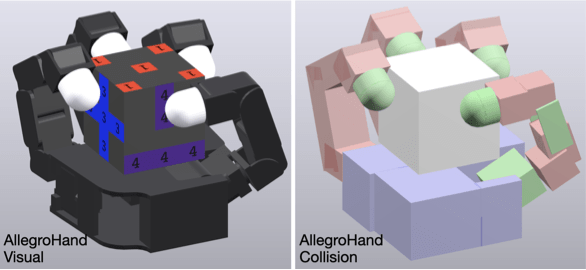
Number of collision pairs
Pitfalls of Mode Enumeration
System
Number of Modes
No Contact
Sticking Contact
Sliding Left
Sliding Right
Number of
pairs of spheres
Number of collision spheres
Number of collision pairs
Over a horizon of 1!
How does RL deal with contact modes?
We believe RL handles contact modes with stochasticity.
Policy Gradient
[OpenAI2018]
[Nvidia2022]
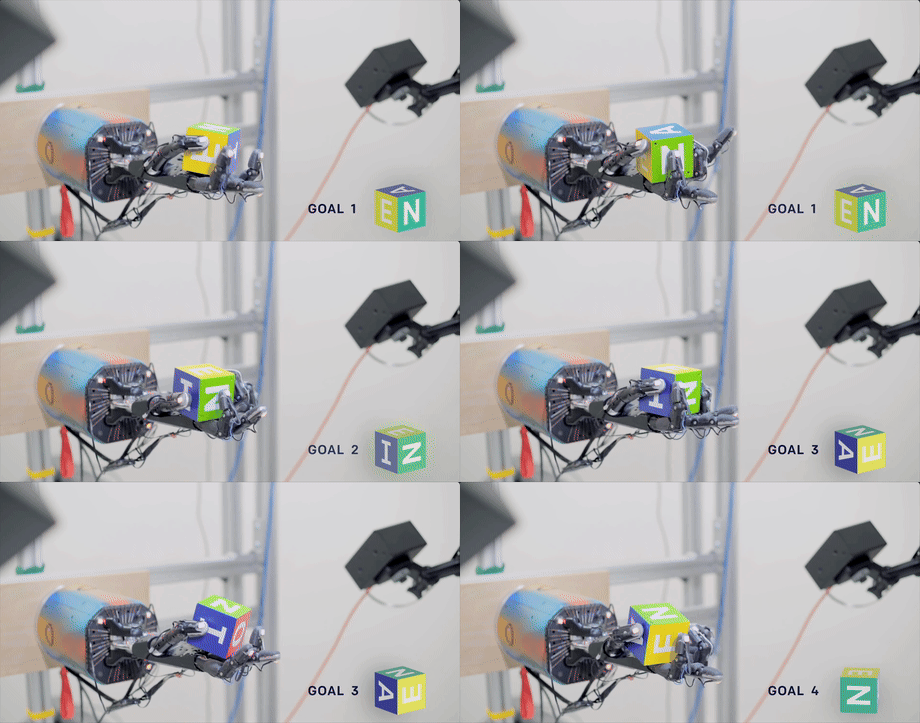
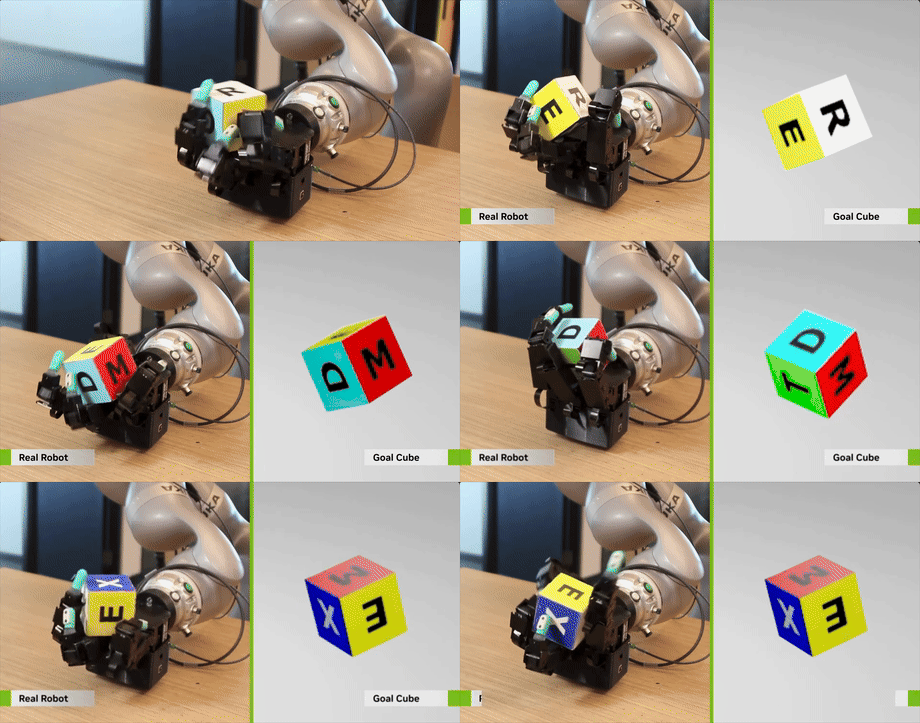
How does RL deal with contact modes?
RL considers a stochastic policy.
Sticking
Sliding Left
Sliding Right
Separation
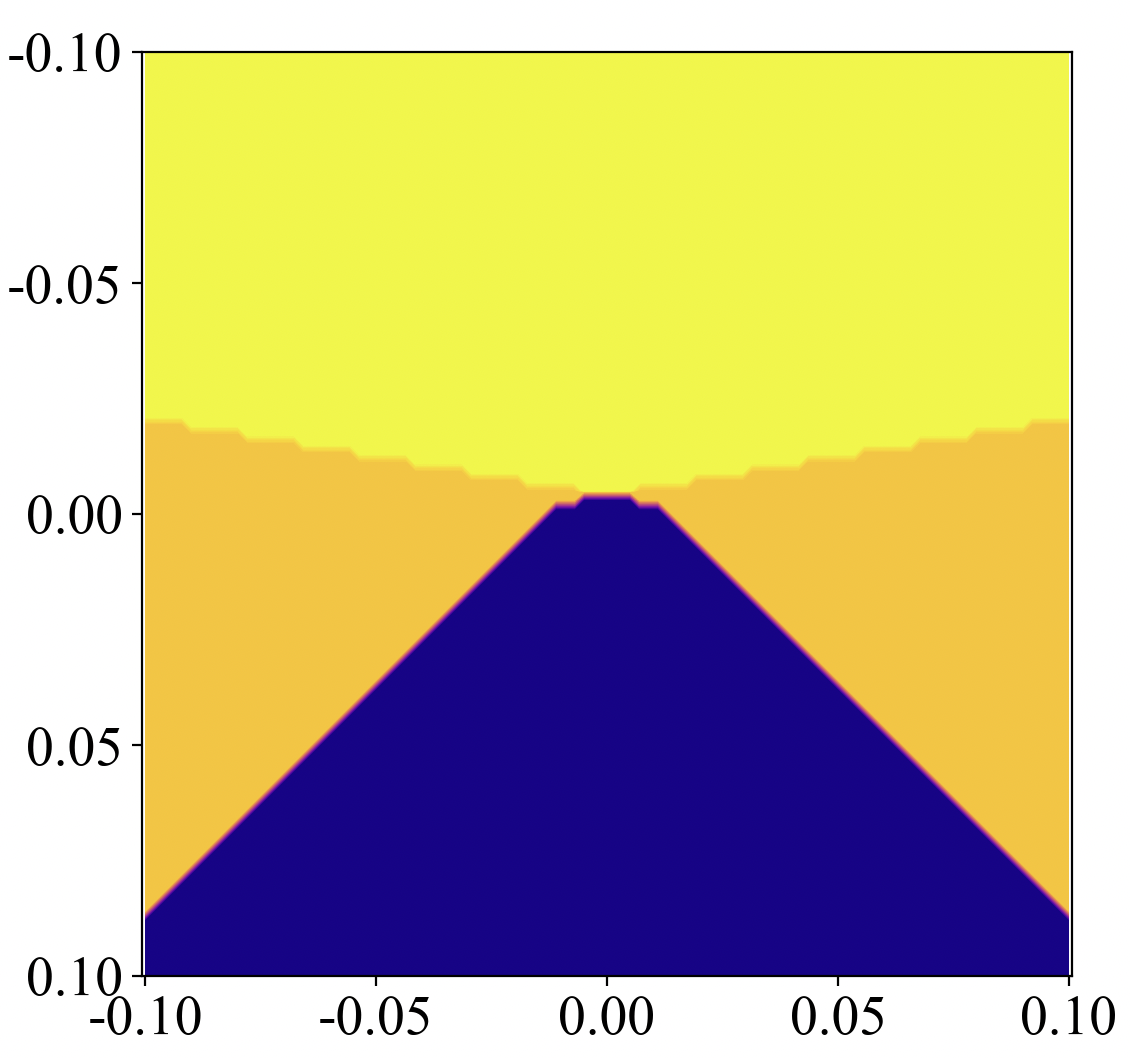
[SPT2021, PSYT2023]
Randomized Smoothing
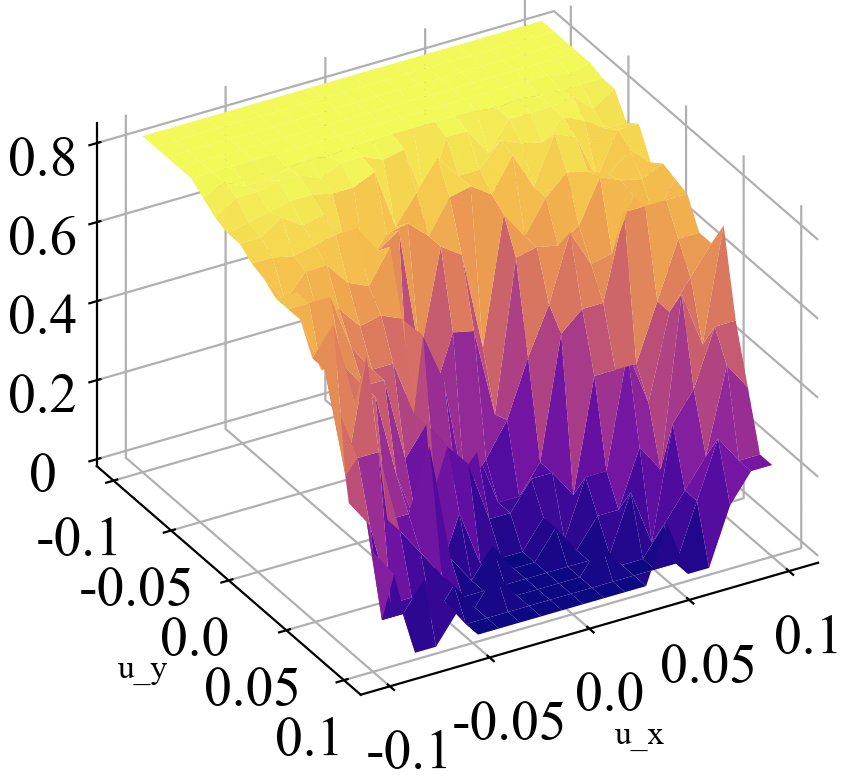
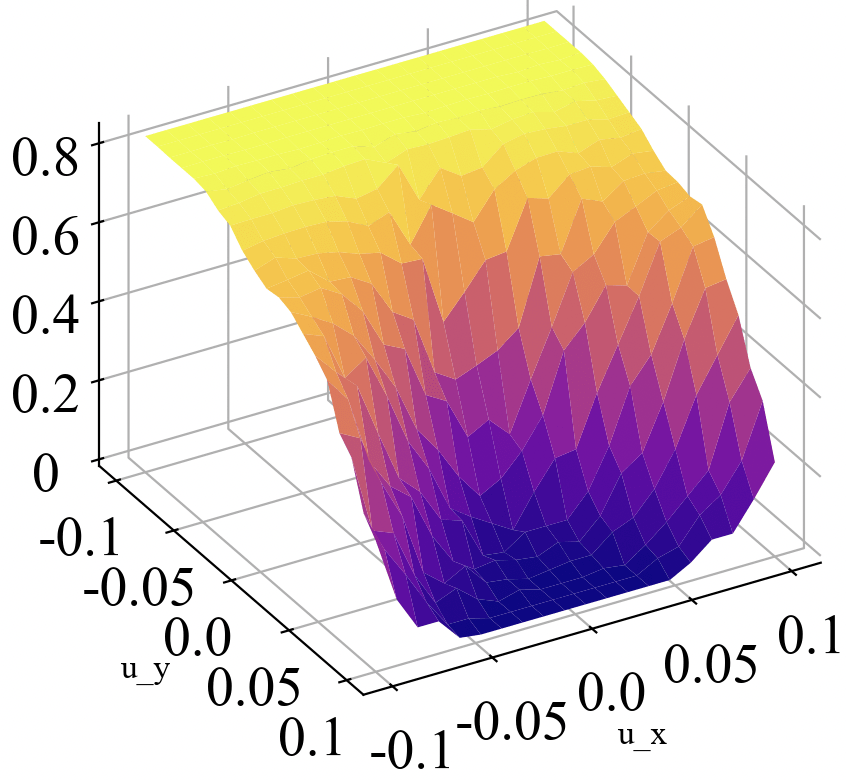
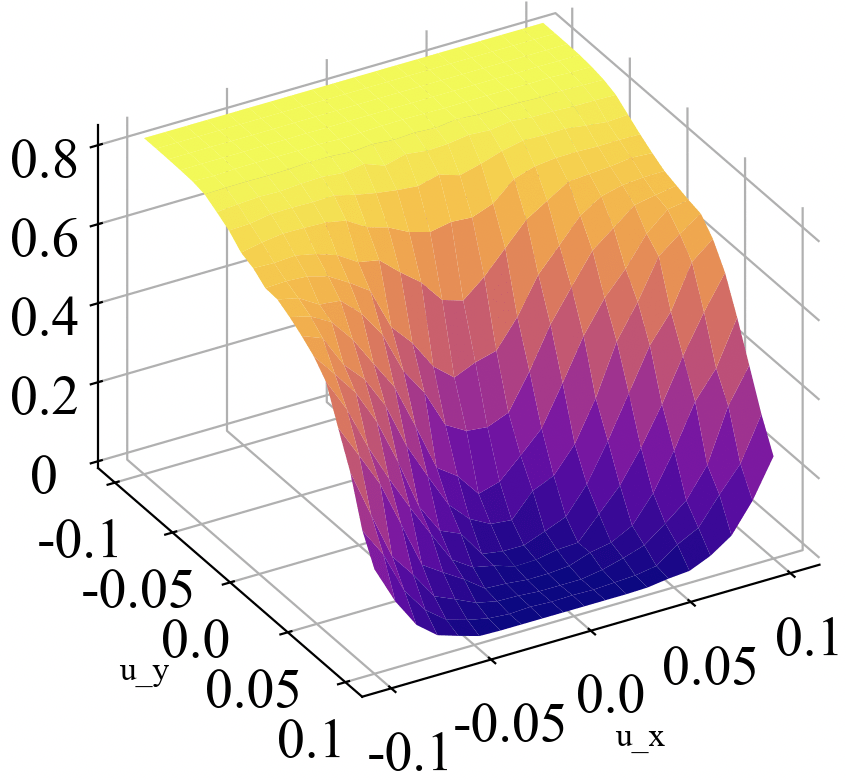
[SPT2021, PSYT2023]
Randomized Smoothing
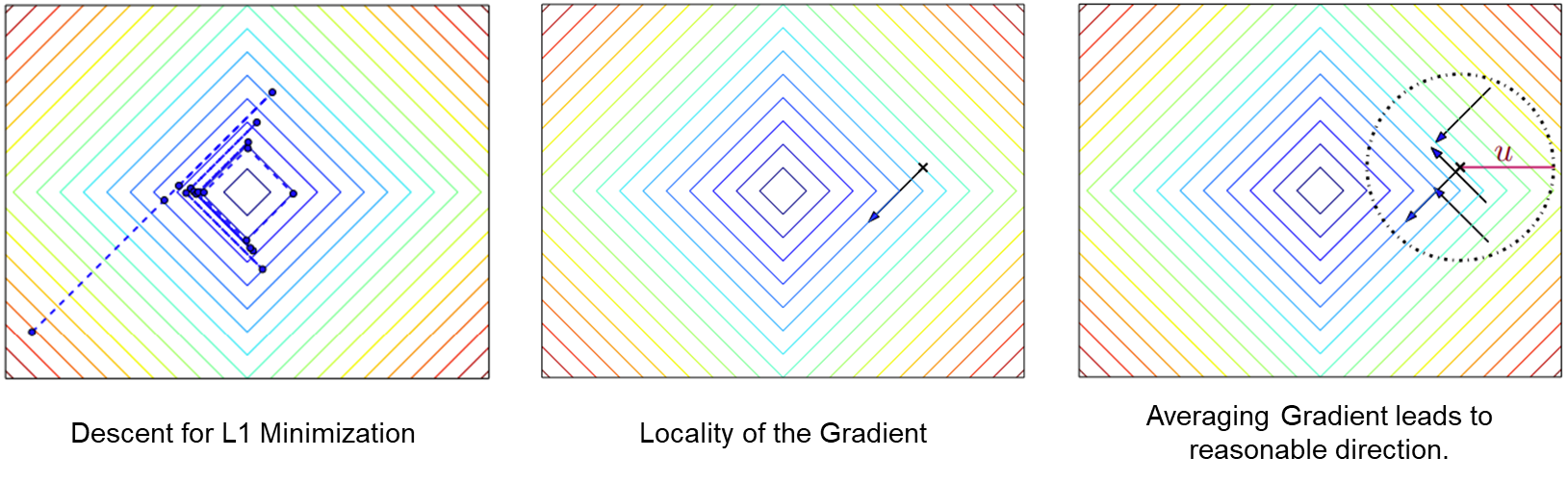
[Duchi et al, 2012]
Randomized smoothing: sampling regularizes flat/stiff landscapes.
[SPT2021, PSYT2023]
Contact Mode Abstraction via Sampling
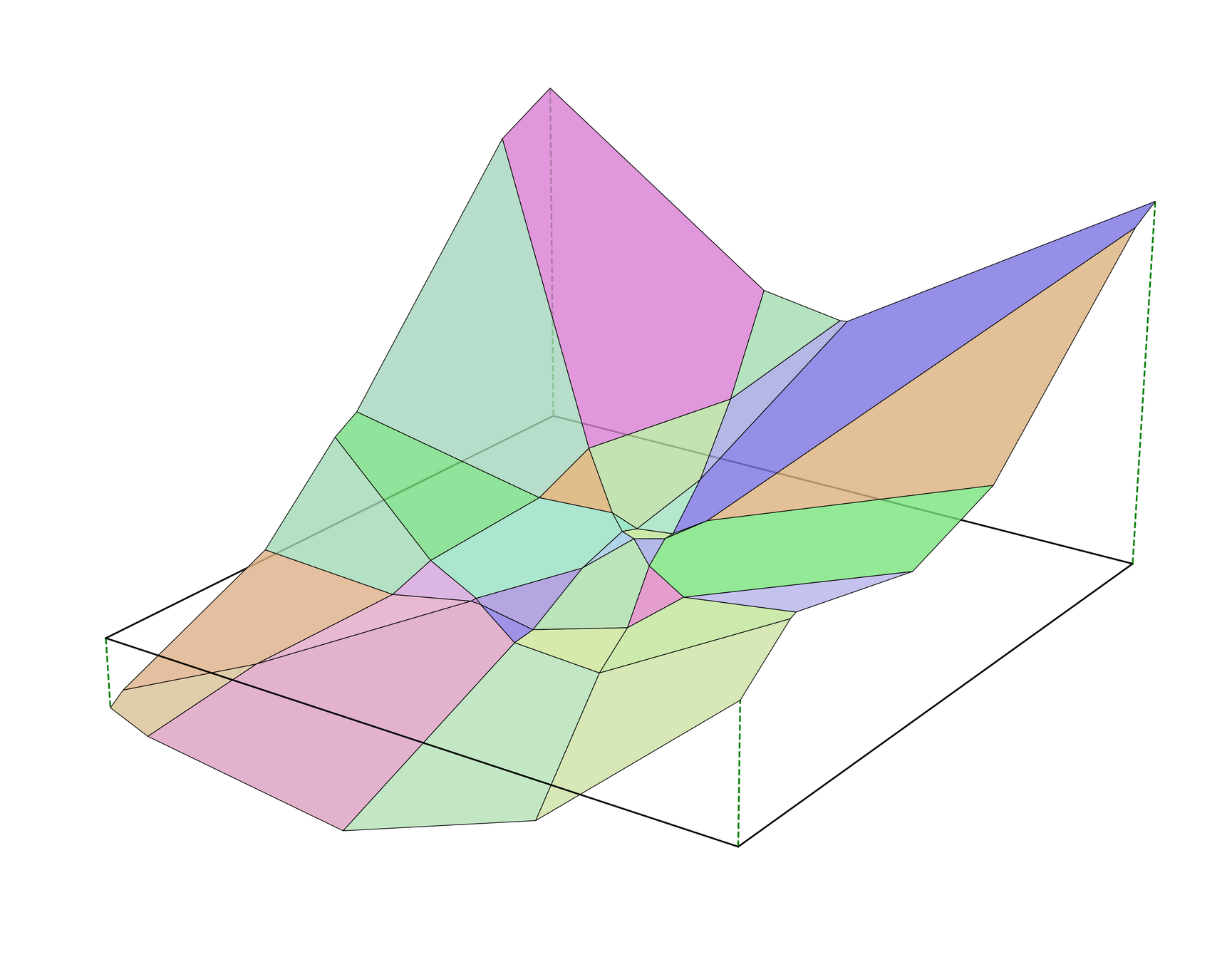
"Thumb Only"
"Thumb and index"
Ring Only
"Thumb, Index, Ring"
[SPT2021, PSYT2023]
Contact Mode Abstraction via Sampling
"Thumb Only"
"Thumb and index"
Ring Only
"Thumb, Index, Ring"
[SPT2021, PSYT2023]
Contact Mode Abstraction via Sampling
"Thumb Only"
"Thumb and index"
Ring Only
"Thumb, Index, Ring"
[SPT2021, PSYT2023]
Randomized vs Barrier Smoothing
Barrier smoothing
Randomized smoothing
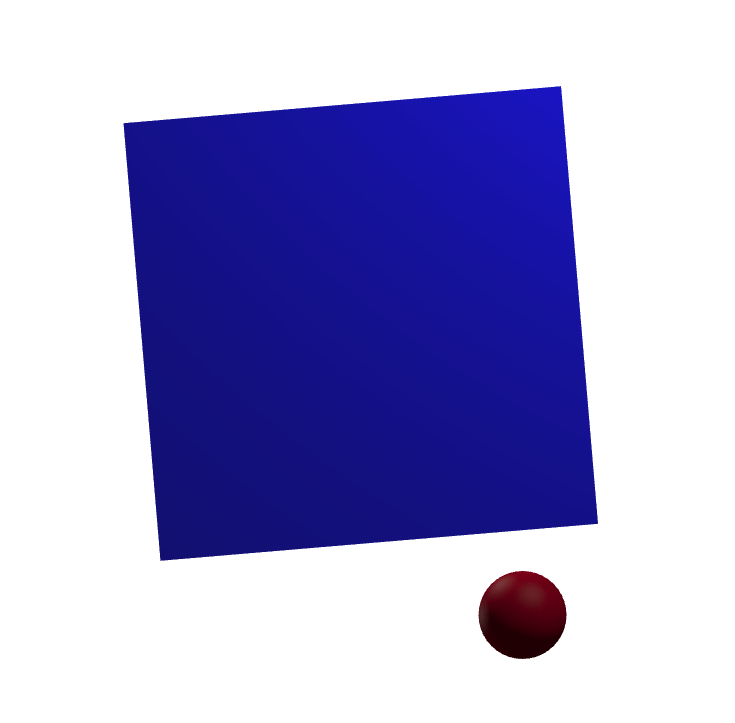
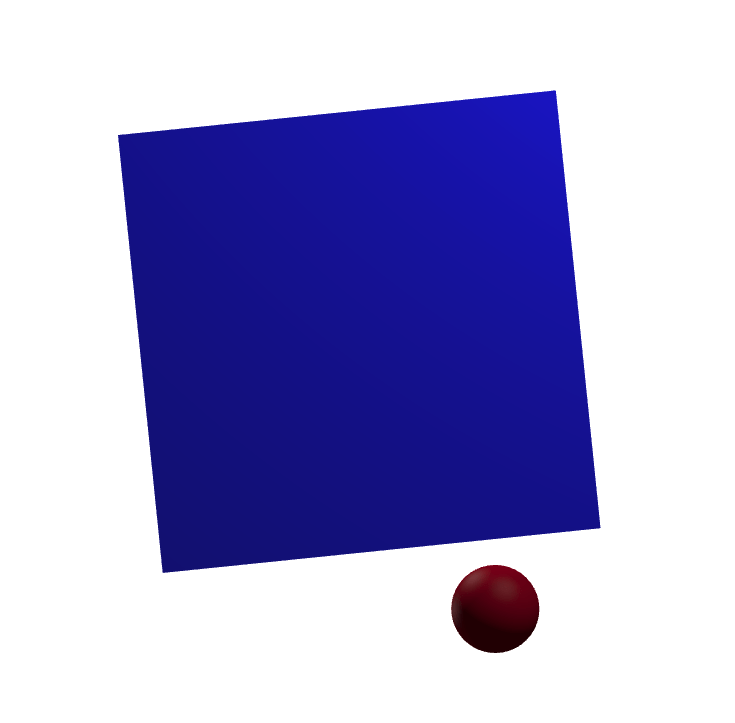
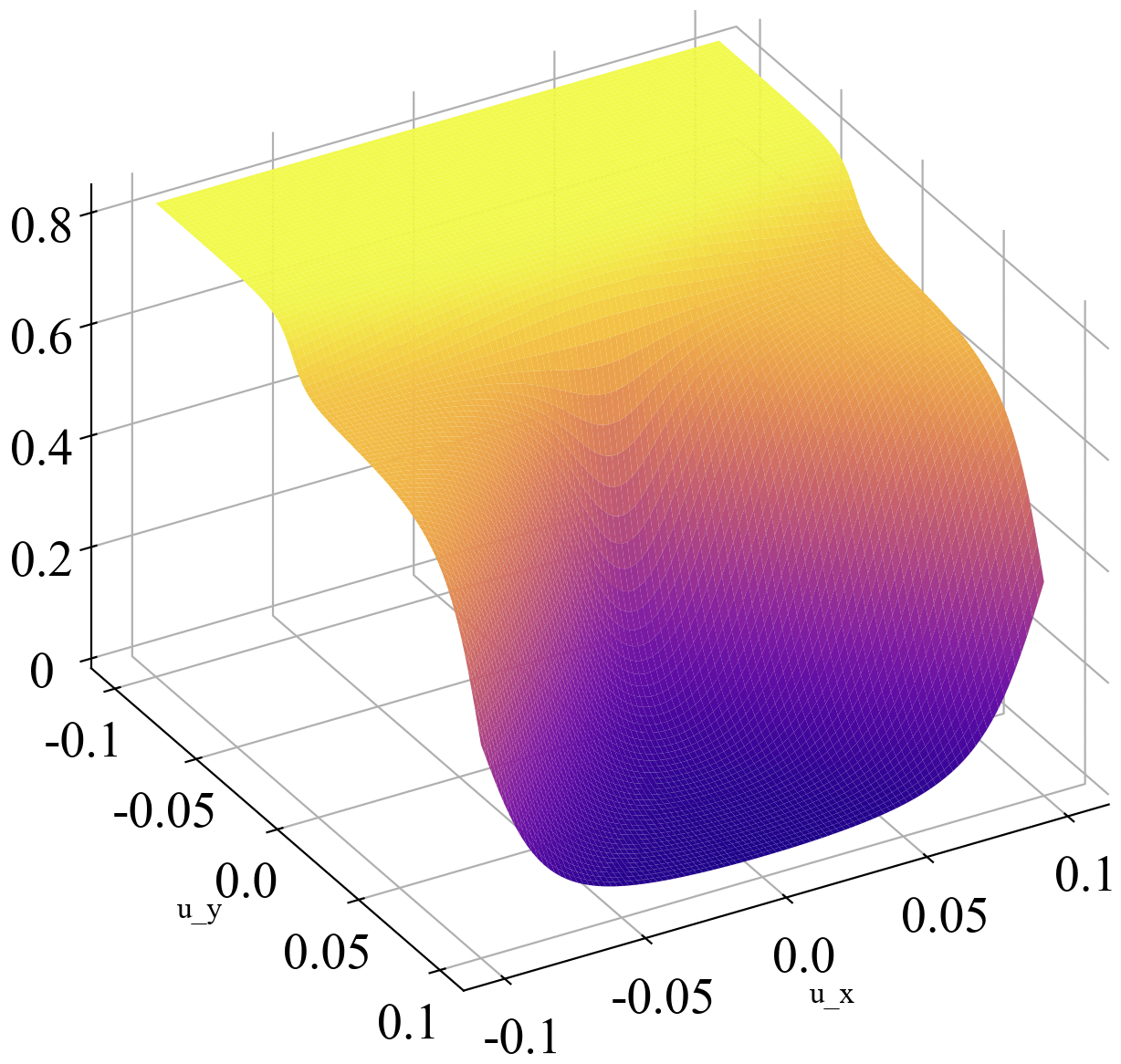
The two smoothing schemes are practically equivalent!
1-step dynamics
[PSYT2023]
Randomized vs Barrier Smoothing
Barrier smoothing
Randomized smoothing
The two smoothing schemes are practically equivalent, but...
1-step dynamics
[PSYT2023]
500 dynamics evaluations per grid point
1 dynamics evaluation per grid point
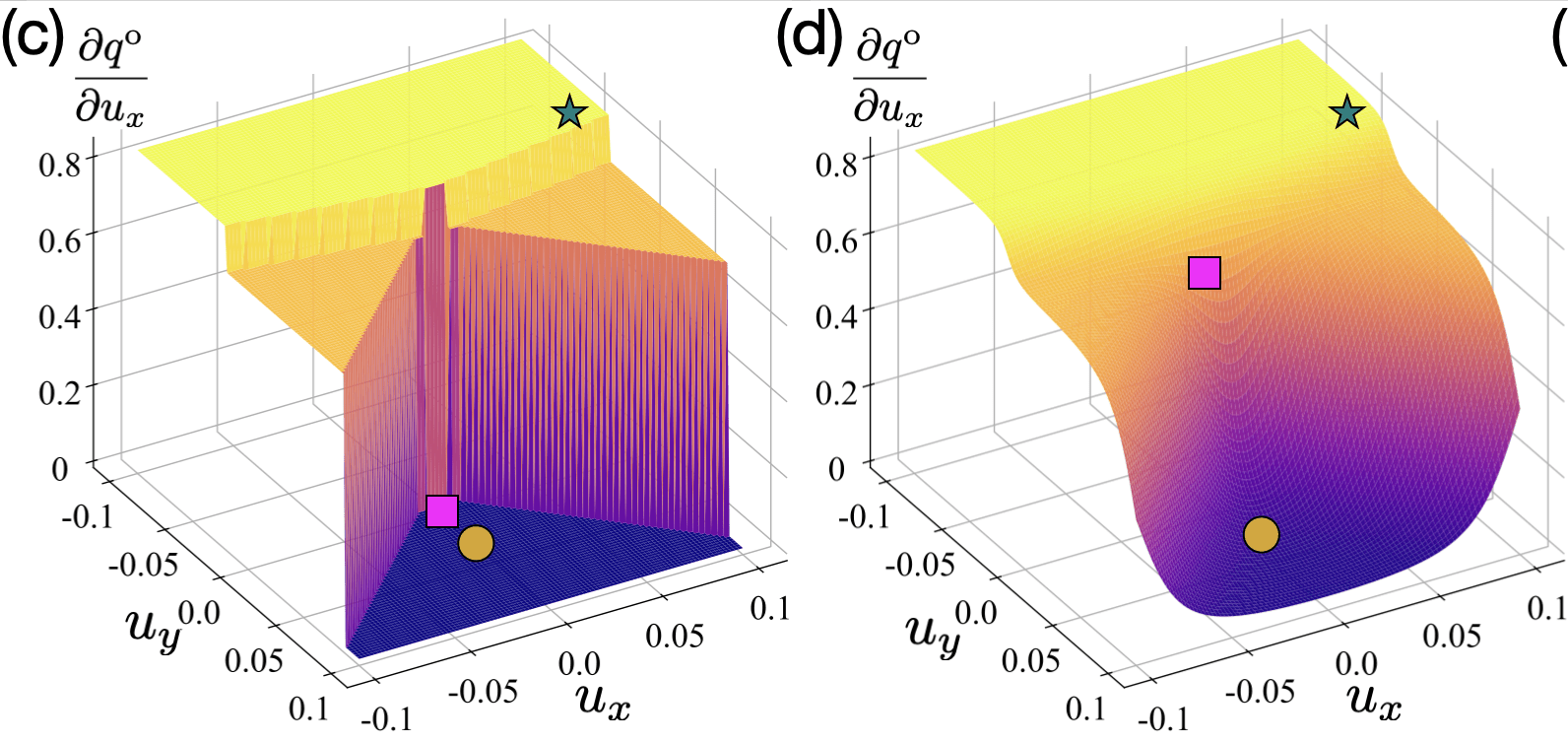
Where can we trust the smoothed linearization?
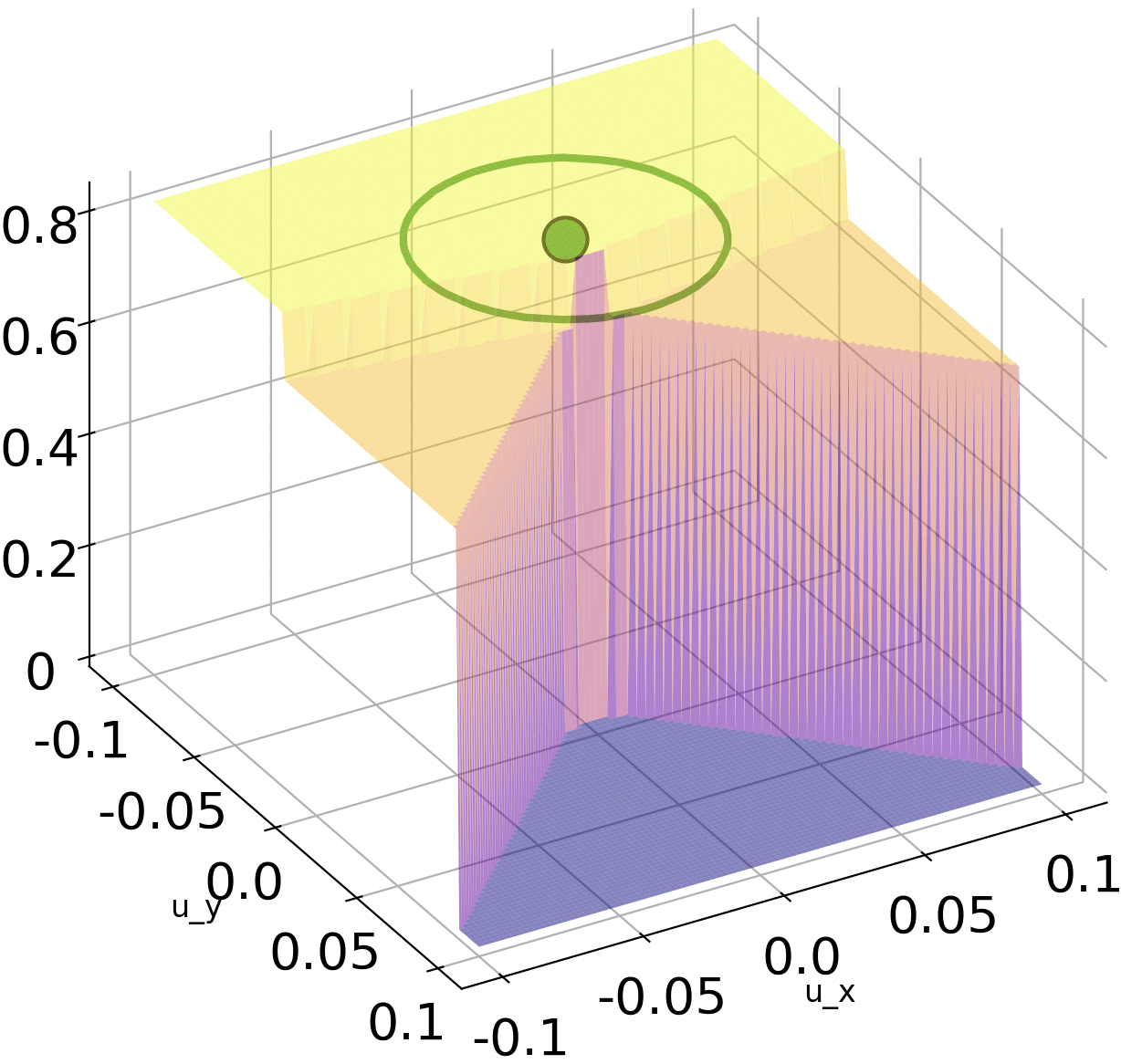
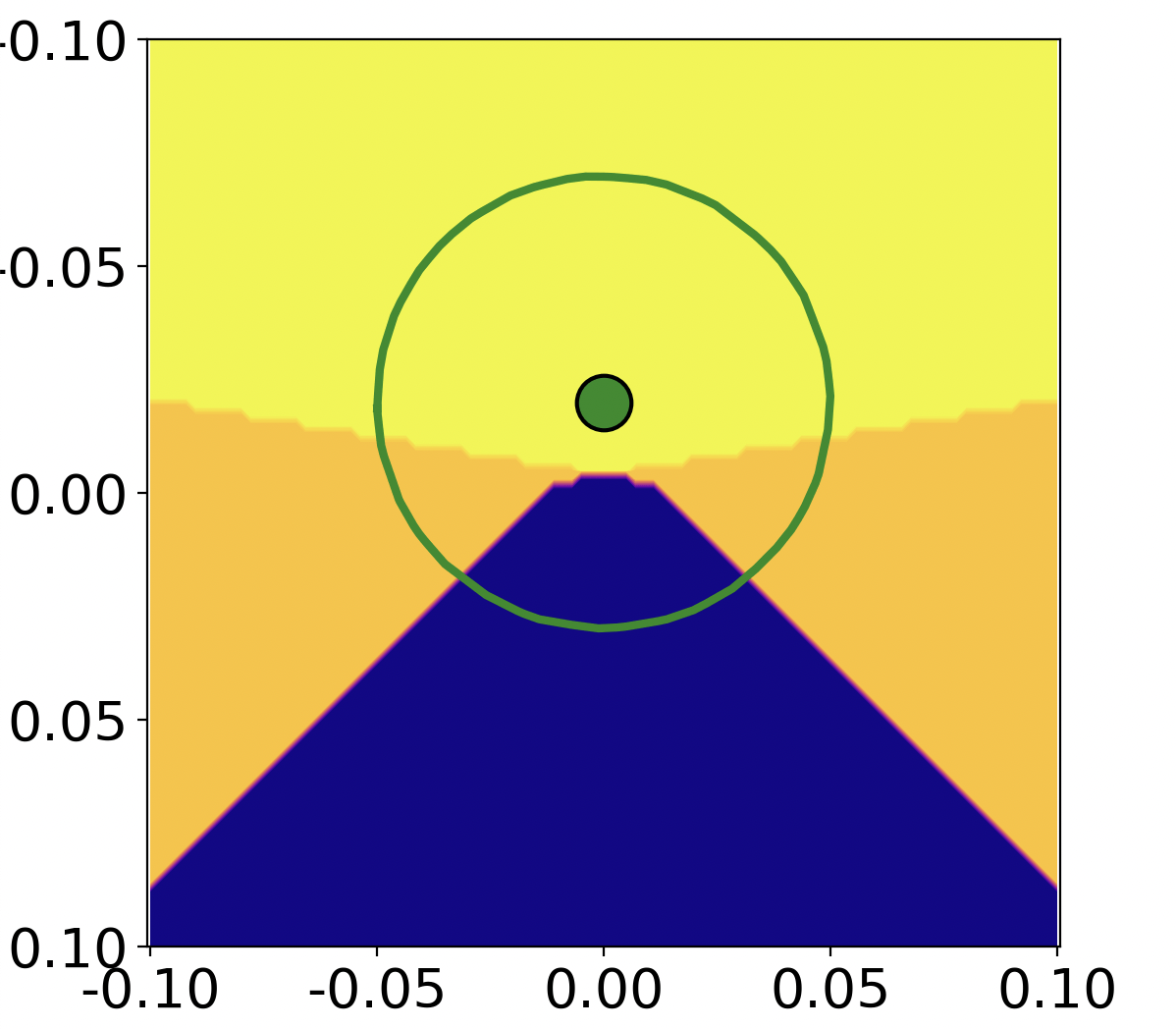
Drawing a circle around the nominal action?
Sticking
Sliding Left
Sliding Right
Separation
Nominal action:
[SPZT2025]
Adding a few more constraints back to correctly capture the boundary.
Sticking
Sliding Left
Sliding Right
Separation
Nominal action:
[SPZT2025]
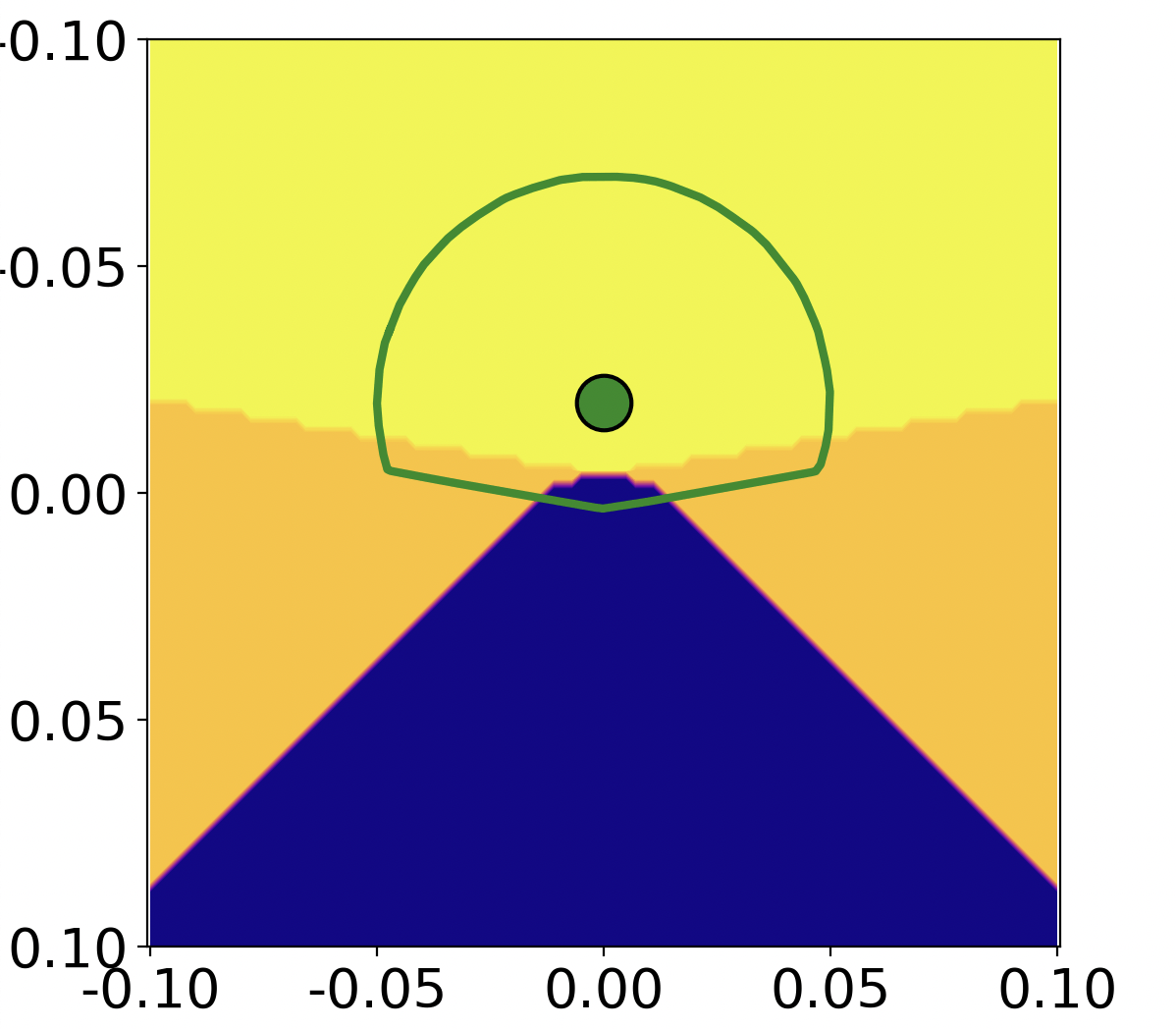
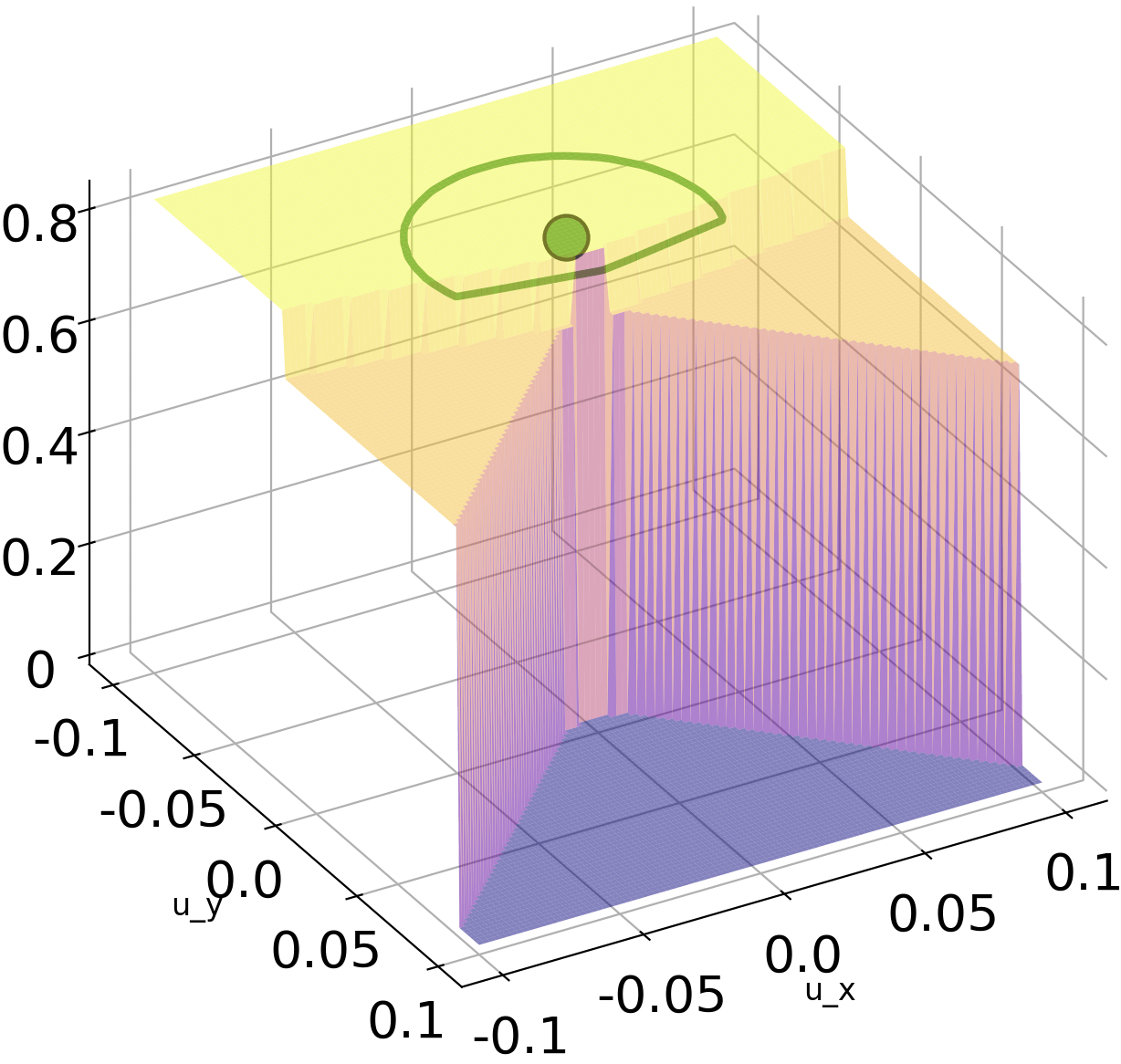
Where can we trust the smoothed linearization?
Finally, moving the box to the right
Iteration 1
Iteration 2
Initial Guess
Solution
Dynamics
Distance to goal
Effort
[SPZT2025]
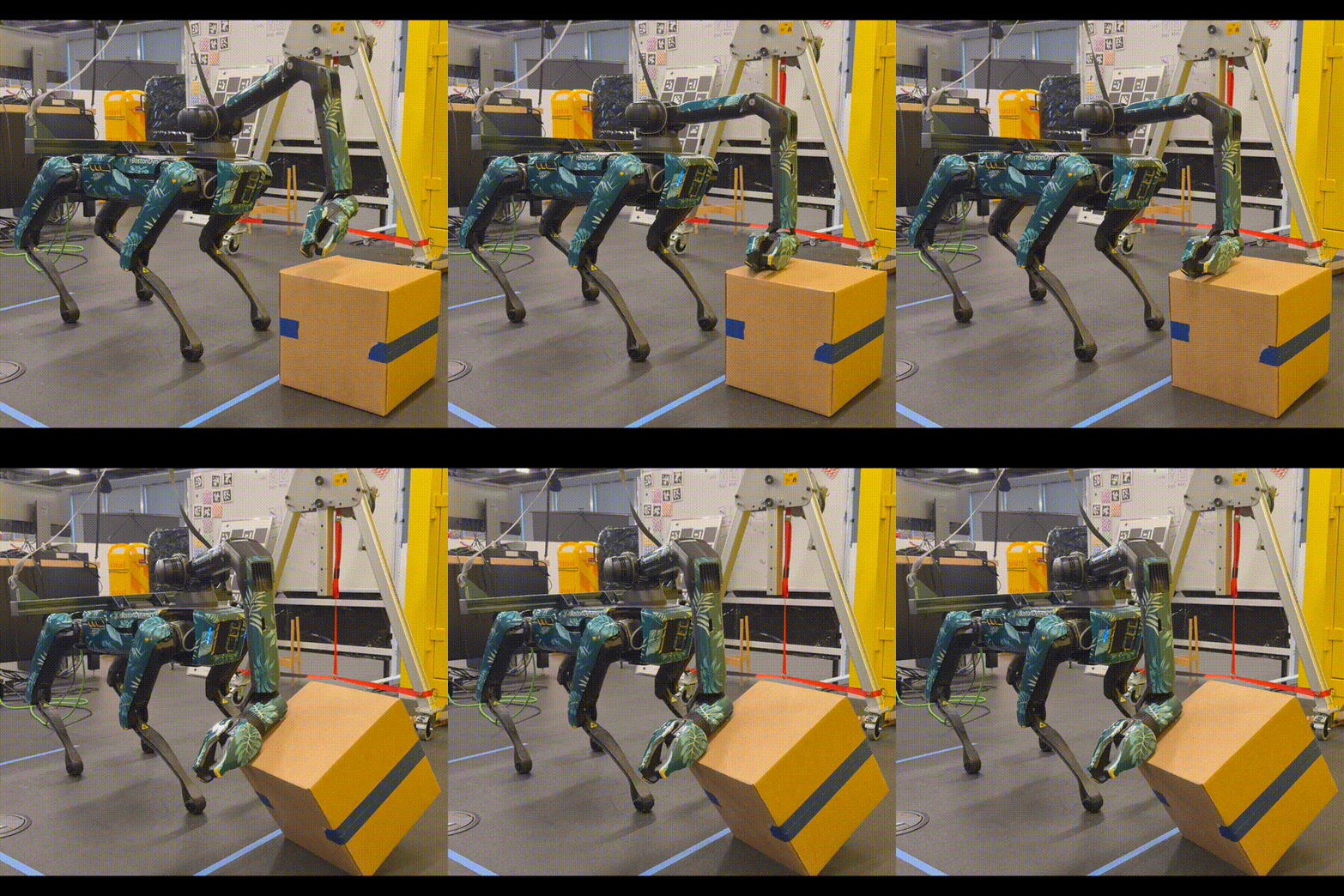
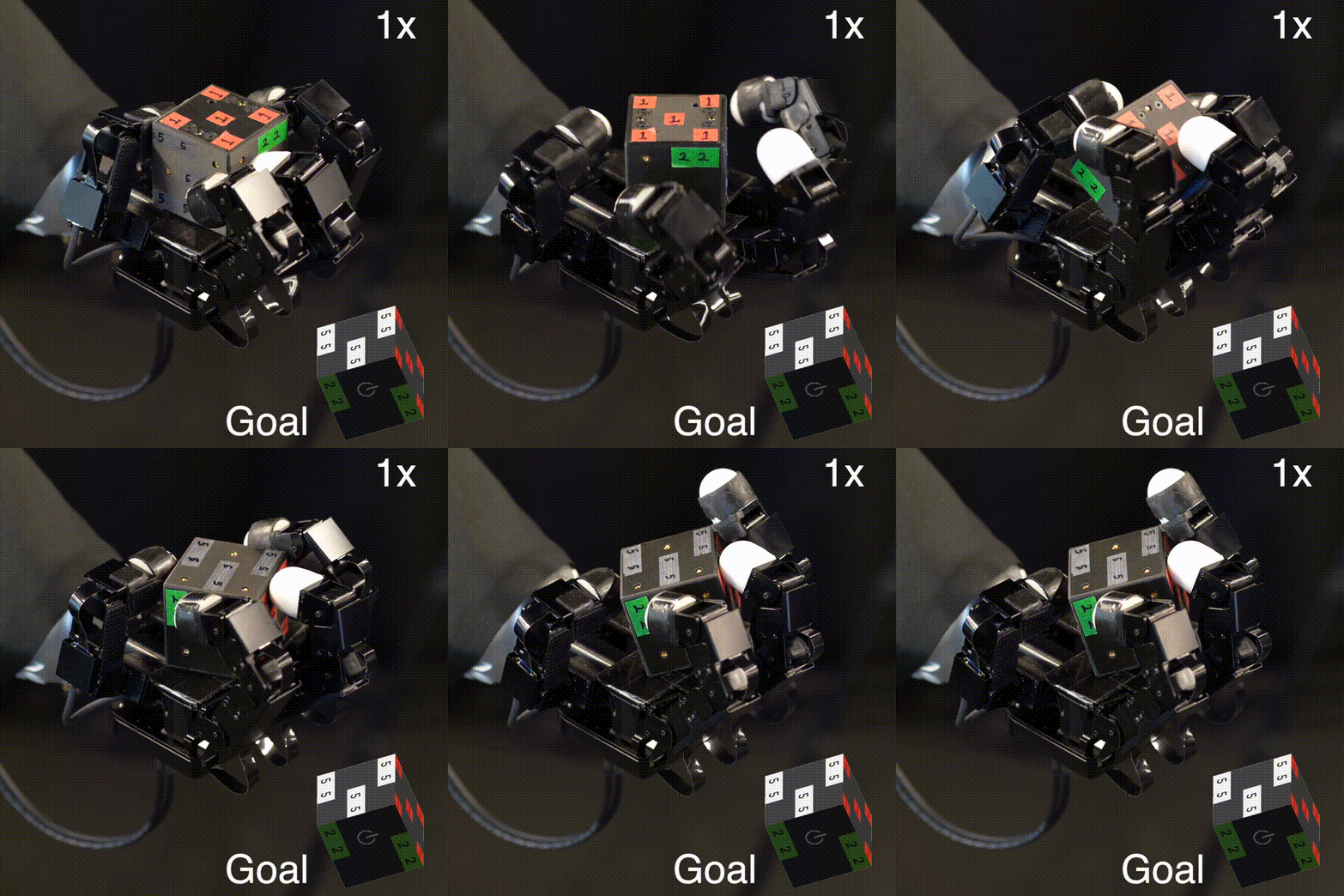
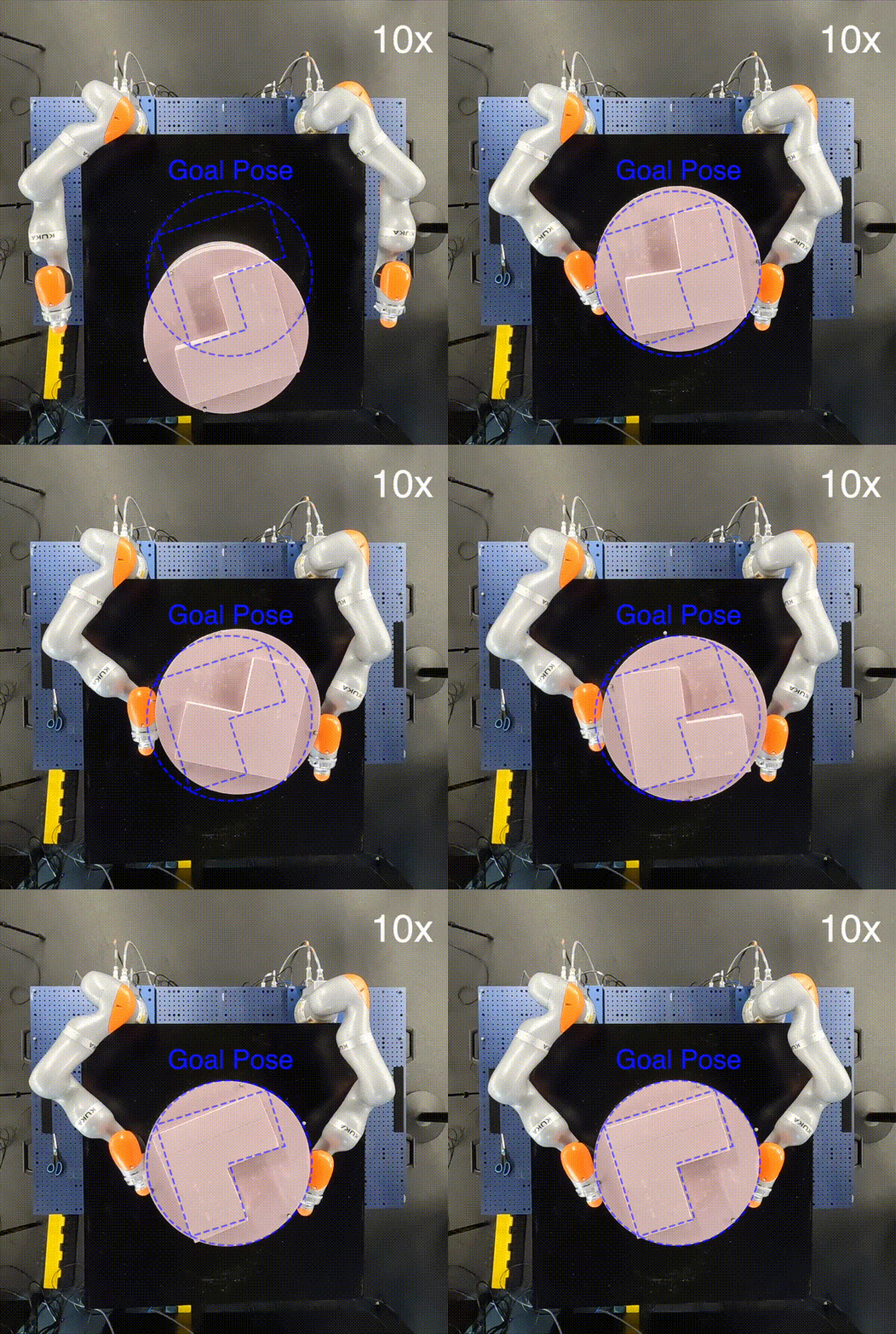
The same basic idea works on other embodiments
[SPZT2025]
To summarize...
-
Contact modes artificially inflate the hardness of dexterous manipulation.
-
Summarize many contact modes into one linear dynamics.
So... better tools => better agents, what's next?
Robotics is notoriously long-tail.
So... better tools => better agents, what's next?
Robotics is notoriously long-tail.
So... better tools => better agents, what's next?
Robotics is notoriously long-tail.
To be truly generalists, robots need to efficiently learn from and adapt to real-world interactions.