- Google Developer Expert (GDE) in Angular
- Author of Mastering Angular Reactive Forms
- Educator & Technical Content Creator
- Senior Angular Developer @ ASI
- Co-organizer of Angular Athens Meetup
Fanis Prodromou

Code. Teach. Community. Angular.
https://blog.profanis.me

/prodromouf

@prodromouf



Introduction
to
Signal Forms
- Simple -> Complex Form
- Mental Model
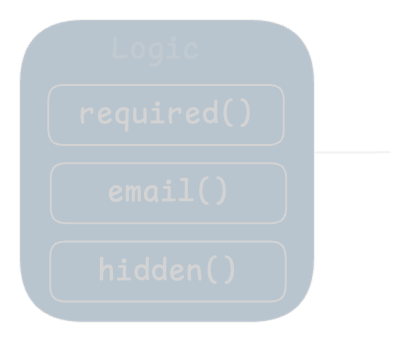
- Validators/Logic
- Split Form

ng new signal-forms-appLogin
Register
Create a
Contract
Login
Register
Create a
Contract
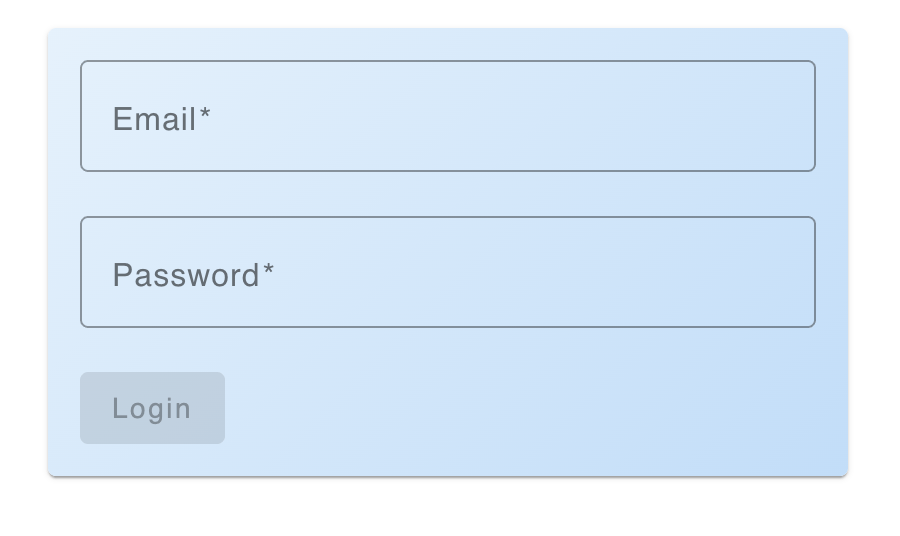
<form>
  <input type="email" placeholder="Email" />

  <input type="password" placeholder="Password" />

  <button>Login</button>
</form>
export interface LoginFormModel {
email: string;
password: string;
}loginModel = signal<LoginFormModel>({
email: '',
password: '',
});import { FormField, form } from '@angular/forms/signals';
@Component({
selector: 'app-login',
imports: [FormField],
template: `on next slide :)`
})
export class LoginComponent {
loginForm = form(this.loginModel);
}import { FormField, form } from '@angular/forms/signals';
@Component({
selector: 'app-login',
imports: [FormField],
template: `on next slide :)`
})
export class LoginComponent {
loginForm = form(this.loginModel);
}import { FormField, form } from '@angular/forms/signals';
@Component({
selector: 'app-login',
imports: [FormField],
template: `on next slide :)`
})
export class LoginComponent {
loginForm = form(this.loginModel);
}<form>
<input
[formField]="loginForm.email"
type="email"
placeholder="Enter your email"
/>
<input
[formField]="loginForm.password"
type="password"
placeholder="Enter your password"
/>
<button>Login</button>
</form>
import { FormField, form } from '@angular/forms/signals';

@Component({
  selector: 'app-login',
  imports: [FormField],
  template: `on next slide :)`
})
export class LoginComponent {
  loginForm = form(this.loginModel);
}Validators
import { FormField, email,
        form, required  } from '@angular/forms/signals';

@Component({
  selector: 'app-login',
  imports: [FormField],
  template: `on previous slide :)`
})
export class LoginComponent {
  loginForm = form(this.loginModel, (rootPath) => {
	// validators go here
  });
}
import { FormField, email,
form, required } from '@angular/forms/signals';
@Component({
selector: 'app-login',
imports: [FormField],
template: `on previous slide :)`
})
export class LoginComponent {
loginForm = form(this.loginModel, (rootPath) => {
required(rootPath.email);
});
}import { FormField, email,
form, required } from '@angular/forms/signals';
@Component({
selector: 'app-login',
imports: [FormField],
template: `on previous slide :)`
})
export class LoginComponent {
loginForm = form(this.loginModel, (rootPath) => {
required(rootPath.email);
required(rootPath.password);
});
}import { FormField, email,
form, required } from '@angular/forms/signals';
@Component({
selector: 'app-login',
imports: [FormField],
template: `on previous slide :)`
})
export class LoginComponent {
loginForm = form(this.loginModel, (rootPath) => {
required(rootPath.email);
required(rootPath.password);
email(rootPath.email);
});
}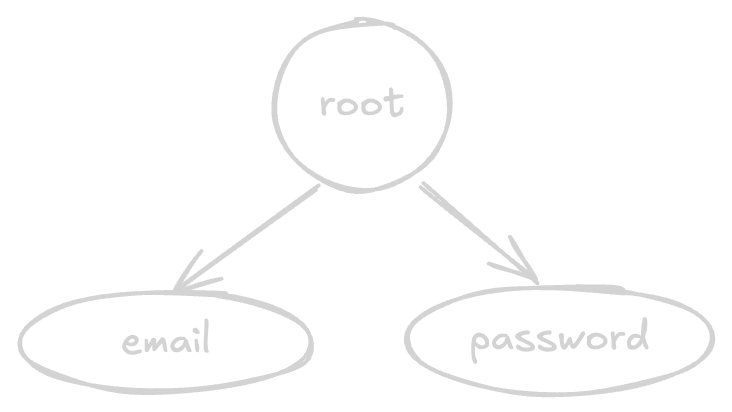
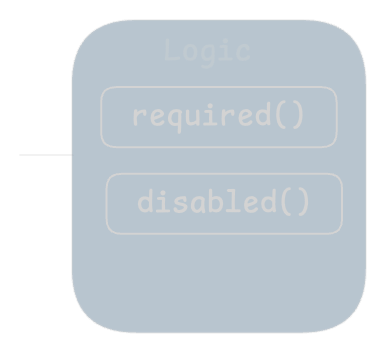

How can we walk trough the form fields?
By simply using the dot (.) notation

root
password
By simply using the dot (.) notation
loginForm
password
By simply using the dot (.) notation
loginForm
loginForm.email
password
By simply using the dot (.) notation
loginForm
loginForm.email
loginForm.password
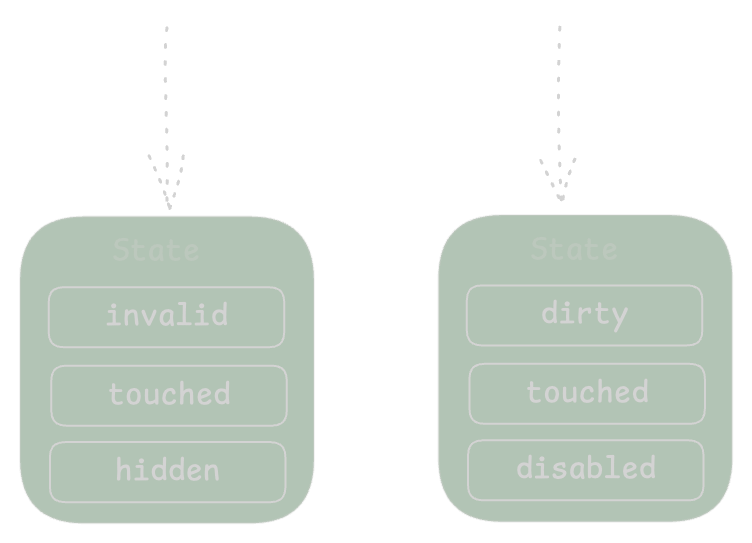
How can we access the state?
loginForm()
password
By simply using parenthesis ()
loginForm.email()
password
By simply using parenthesis ()
loginForm()
By simply using parenthesis ()
loginForm.email()
loginForm.password()
loginForm()
By simply using parenthesis ()
loginForm.email()
loginForm.password()
loginForm()
...().value()
...().valid()
...().errors()
...().disabled()
...().hidden()
...().submittedStatus()
...
Let's access the state!
<form>
  <input
    [formField]="loginForm.email"
    type="email"
    placeholder="Enter your email"
  />
  @if (loginForm.email().touched() && loginForm.email().invalid()) {
    <p>The email is invalid.</p>
  }

  <input
    [formField]="loginForm.password"
    type="password"
    placeholder="Enter your password"
  />
  <!-- same as above -->

  <button [disabled]="loginForm().invalid()">Login</button>
</form>
<form>
<input
[formField]="loginForm.email"
type="email"
placeholder="Enter your email"
/>
@for (error of loginForm.email().errors(); track error.kind) {
@if (error.kind === "required") {
<p>This field is required.</p>
}
}
<input
[formField]="loginForm.password"
type="password"
placeholder="Enter your password"
/>
<!-- same as above -->
<button [disabled]="loginForm().invalid()">Login</button>
</form><form>
<input
[formField]="loginForm.email"
type="email"
placeholder="Enter your email"
/>
@for (error of loginForm.email().errors(); track error.kind) {
@if (error.kind === "required") {
<p>This field is required.</p>
}
@if (error.kind === "email") {
<p>This field is invalid.</p>
}
@if (error.kind === "minlength") {
<p>This field is short.</p>
}
}
<button [disabled]="loginForm().invalid()">Login</button>
</form>import { FormField, email,
form, required } from '@angular/forms/signals';
@Component({
selector: 'app-login',
imports: [FormField],
template: `on previous slide :)`
})
export class LoginComponent {
loginForm = form(this.loginModel, (rootPath) => {
required(rootPath.email, {
message: 'Email is required',
});
required(rootPath.password, {
message: 'Password is required',
});
email(rootPath.email, {
message: 'Email is not valid',
});
});
}<form>
<input
[formField]="loginForm.email"
type="email"
placeholder="Enter your email"
/>
@for (error of loginForm.email().errors(); track error.kind) {
<p>{{ error.message }}</p>
}
<button [disabled]="loginForm().invalid()">Login</button>
</form>Submit Form
import { submit } from '@angular/forms/signals';

submit(?, ?)
import { submit } from '@angular/forms/signals';
submit(myForm, ?)import { submit } from '@angular/forms/signals';
submit(myForm, () => actionHandler)import { submit } from '@angular/forms/signals';
submit(this.loginForm, () => actionHandler)import { submit } from '@angular/forms/signals';
submit(this.loginForm, (form) => {
try {
return undefined;
} catch (error) {
// return an error
}
})import { submit } from '@angular/forms/signals';
submit(this.loginForm, async (form) => {
try {
await firstValueFrom(this.loginService.login(form().value()));
return undefined;
} catch (error) {
// return an error
}
})import { submit } from '@angular/forms/signals';
submit(this.loginForm, async (form) => {
try {
await firstValueFrom(this.loginService.login(form().value()));
return undefined;
} catch (error) {
return {
message: (error as Error).message,
field: this.loginForm.email,
kind: 'submit',
};
}
})import { submit } from '@angular/forms/signals';
submitForm(event: Event) {
event.preventDefault();
submit(this.loginForm, async (form) => {
try {
await firstValueFrom(this.loginService.login(form().value()));
return undefined;
} catch (error) {
return {
message: (error as Error).message,
field: this.loginForm.email,
kind: 'submit',
};
}
});
}<button
type="submit"
[disabled]="
loginForm().invalid() ||
loginForm().submitting()">
Login
</button>Login
Register
Create a
Contract
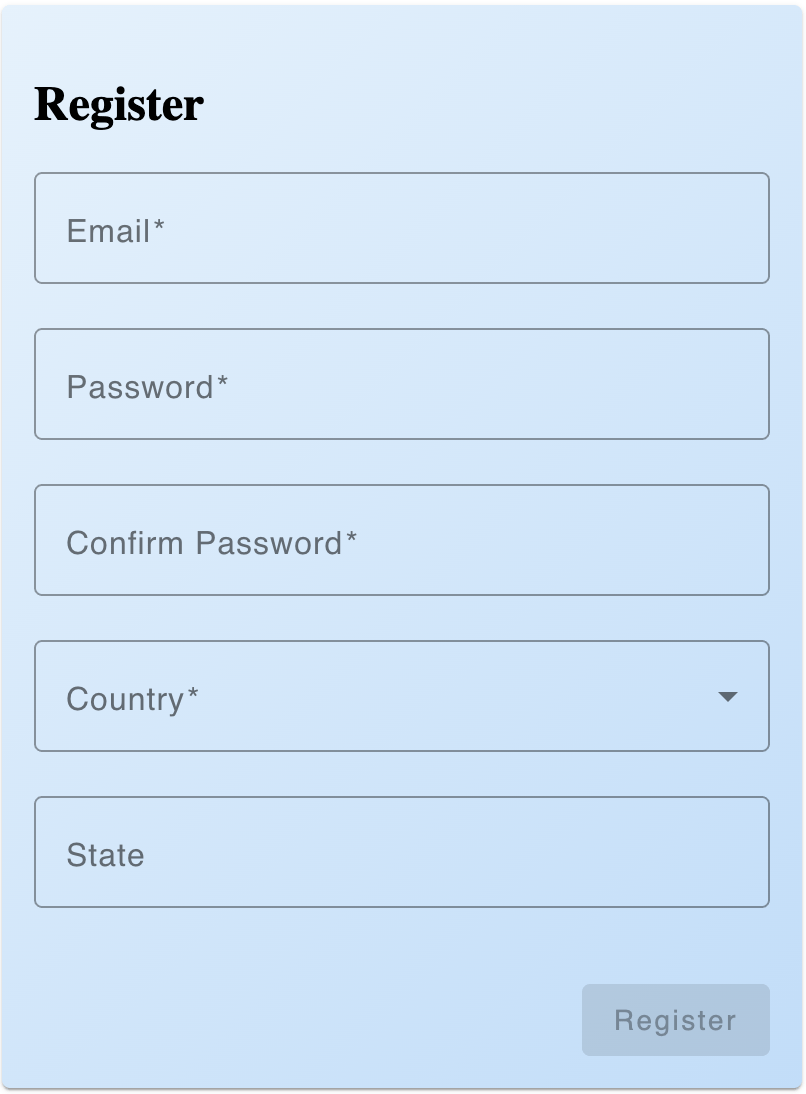
registrationForm = form(this.formModel, (path) => {
	// validators and logic goes here
});
registrationForm = form(this.formModel, (path) => {
// validators and logic goes here
});registrationForm = form(this.formModel, (path) => {
// validators and logic goes here
});registrationForm = form(this.formModel, (path) => {
// validators and logic goes here
});Approach #1
Approach #1
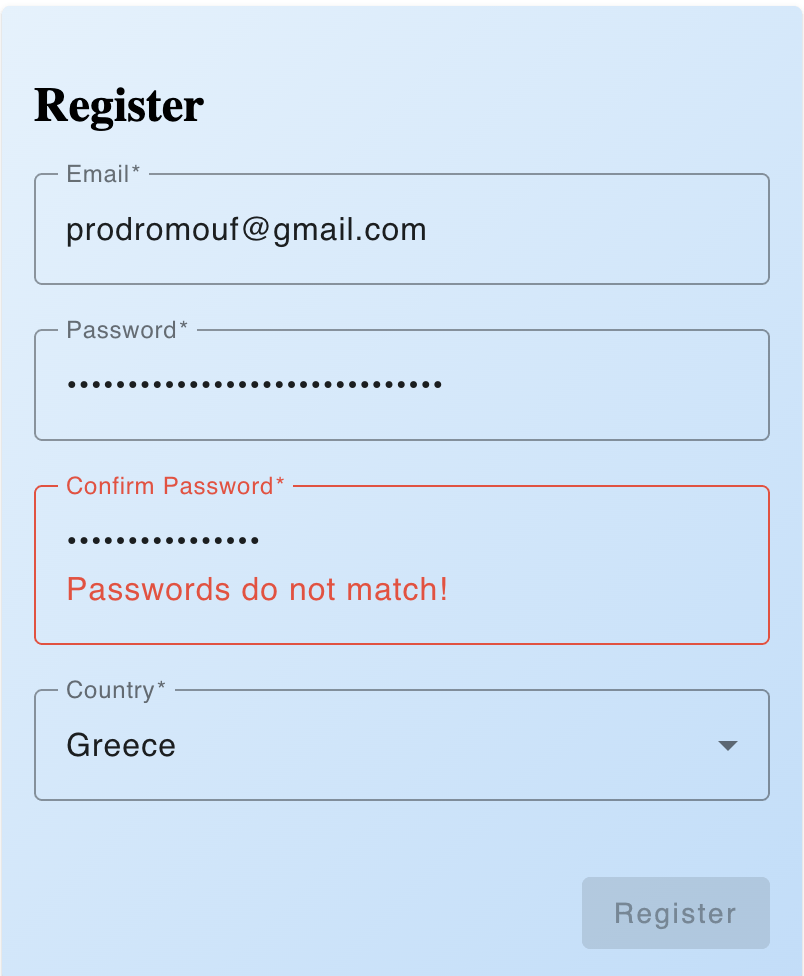
Approach #1
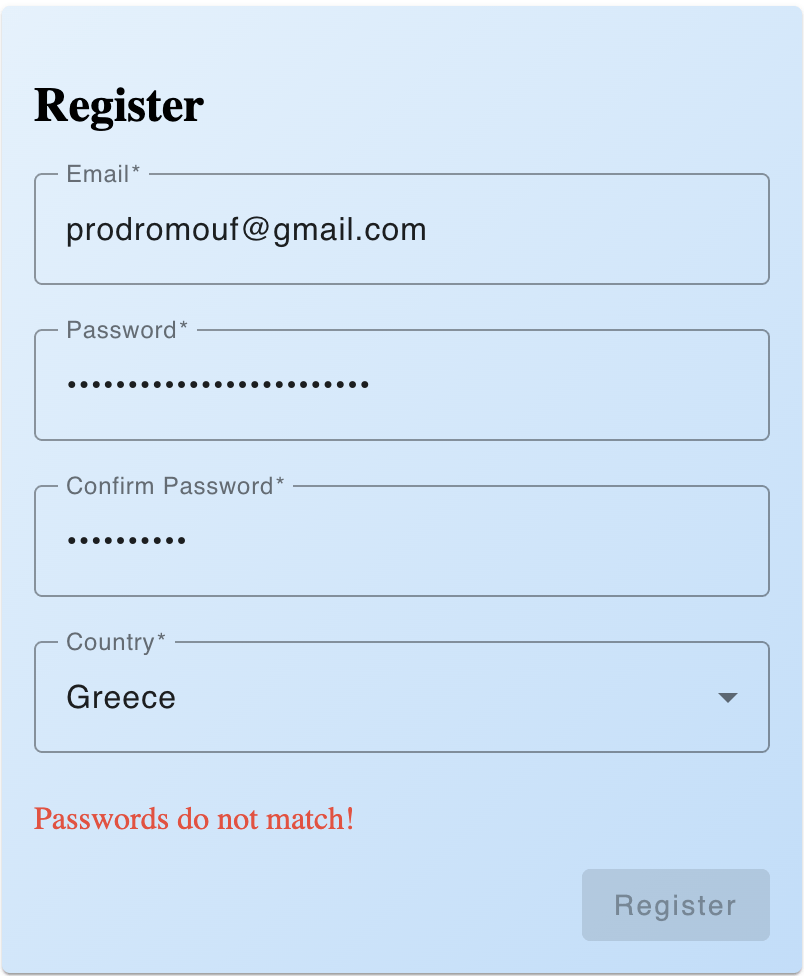
validate(path, (ctx) => {

    return ifTrue
        ? undefined
        : customError();
});
validate(path, (ctx) => {
return ifTrue
? undefined
: customError();
});validate(path, (ctx) => {
return ifTrue
? undefined
: customError();
});Schema Runs Once ⏳
Validation Must Be Reactive
The ctx Argument 🔑

validate(path, (ctx) => {

    return ifTrue
      	? undefined
    	: customError();
});validate(rootPath, (ctx) => {
const password = ctx.value().password;
const confirmPassword = ctx.value().confirmPassword;
return confirmPassword === password
? undefined
: {
kind: 'confirmationPassword',
};
});validate(rootPath, (ctx) => {
const password = ctx.value().password;
const confirmPassword = ctx.value().confirmPassword;
return confirmPassword === password
? undefined
: {
kind: 'confirmationPassword',
};
});validate(rootPath, (ctx) => {
const password = ctx.value().password;
const confirmPassword = ctx.value().confirmPassword;
return confirmPassword === password
? undefined
: {
kind: 'confirmationPassword',
};
});validate(rootPath, (ctx) => {
const password = ctx.value().password;
const confirmPassword = ctx.value().confirmPassword;
return confirmPassword === password
? undefined
: {
kind: 'confirmationPassword',
};
});@for (error of registrationForm().errors(); track error.kind) {
@if (error.kind === "confirmationPassword") {
Ooppps, passwords do not match!
}
}Approach #1
validate(path.confirmPassword, (ctx) => {
    const password = ctx.valueOf(path.password);

    return ctx.value() === password
      ? undefined
      : {
          kind: 'confirmationPassword',
        };
  });
validate(path.confirmPassword, (ctx) => {
const password = ctx.valueOf(path.password);
return ctx.value() === password
? undefined
: {
kind: 'confirmationPassword',
};
});@for (error of registrationForm.confirmPassword().errors();
track error.kind) {
@if (error.kind === "confirmationPassword") {
Ooppps, passwords do not match!
}
}Approach #2
Approach #2
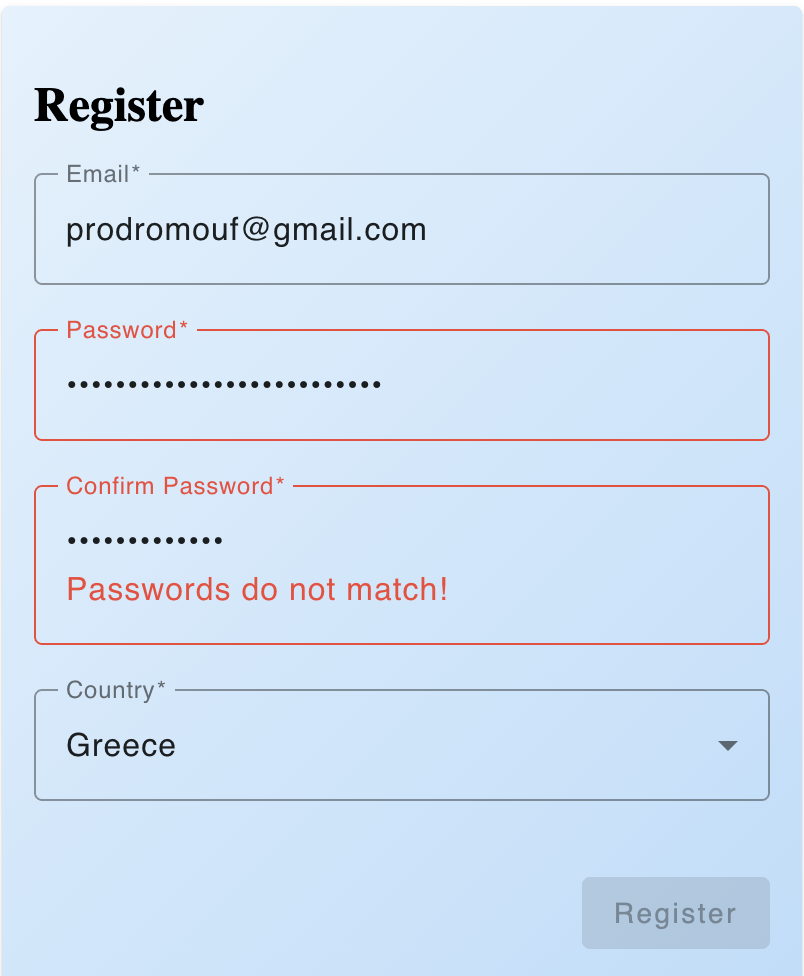
validateTree(path, (ctx) => {

    return ifTrue
      	? undefined
    	: [ customError() ];
});
Why Use It 🎯
What it is

Main Benefit

validateTree(path, ({ value, fieldOf }) => {
  return value().confirmPassword === value().password
    ? undefined
    : [
        {
          field: fieldOf(path.confirmPassword),
          kind: 'confirmationPassword',
        },
        {
          field: fieldOf(path.password),
          kind: 'confirmationPassword',
        },
      ];
});
required(path.country);
required(path.state, {
when: (ctx) => ctx.valueOf(path.country) === 'US',
});required(path.country);
required(path.state, {
when: (ctx) => ctx.valueOf(path.country) === 'US',
});@if (registrationForm.country().value() === "US") {
<label>State</label>
<input
type="text"
name="state"
[formField]="registrationForm.state"
/>
}required(path.country);
required(path.state, {
when: (ctx) => ctx.valueOf(path.country) === 'US',
});@if (registrationForm.country().value() === "US") {
<label>State</label>
<input
type="text"
name="state"
[formField]="registrationForm.state"
/>
}required(path.country);
required(path.state);
hidden(path.state, (ctx) => {
return ctx.valueOf(path.country) !== 'US';
});@if (!registrationForm.state().hidden()) {
<label>State</label>
<input
type="text"
name="state"
[formField]="registrationForm.state"
/>
}Schema
registrationForm = form<RegisterFormModel>(this.formModel, (path) => {
  required(path.email);
  required(path.password);
  required(path.confirmPassword);
  validateTree(path, ({ value, fieldOf }) => {
    return value().confirmPassword === value().password
      ? undefined
    : [
      {
        field: fieldOf(path.confirmPassword),
        kind: 'confirmationPassword',
      },
      {
        field: fieldOf(path.password),
        kind: 'confirmationPassword',
      },
    ];
  });
  required(path.country);
  hidden(path.state, (fieldCtx) => {
    return fieldCtx.valueOf(path.country) !== 'US';
  });
});
// -> registration-form.schema.ts
import { schema } from '@angular/forms/signals';
export const registrationSchema = schema((path) => {
// Validators and logic goes here
});export const registrationSchema = schema<RegisterFormModel>((path) => {
required(path.email);
required(path.password);
required(path.confirmPassword);
validateTree(path, ({ value, fieldOf }) => {
return value().confirmPassword === value().password
? undefined
: [
{
field: fieldOf(path.confirmPassword),
kind: 'confirmationPassword',
},
{
field: fieldOf(path.password),
kind: 'confirmationPassword',
},
];
});
required(path.country);
hidden(path.state, (fieldCtx) => {
return fieldCtx.valueOf(path.country) !== 'US';
});
});registrationForm =
form<RegisterFormModel>(this.formModel, (path) => {
required(path.email);
required(path.password);
required(path.confirmPassword);
validateTree(path, ({ value, fieldOf }) => {
return value().confirmPassword === value().password
? undefined
: [
{
field: fieldOf(path.confirmPassword),
kind: 'confirmationPassword',
},
{
field: fieldOf(path.password),
kind: 'confirmationPassword',
},
];
});
required(path.country);
hidden(path.state, (fieldCtx) => {
return fieldCtx.valueOf(path.country) !== 'US';
});
}); registrationForm = form(this.formModel, registrationSchema);
// -> email.schema.ts

const emailSchema = schema<string>((path) => {
  required(path, { message: 'Email is required' });
  email(path, { message: 'Email is not valid' });
});
// -> email.schema.ts
const emailSchema = schema<string>((path) => {
required(path, { message: 'Email is required' });
email(path, { message: 'Email is not valid' });
});// -> registration-form.schema.ts
const registrationSchema = schema<RegisterFormModel>((path) => {
apply(path.email, emailSchema);
required(path.password);
required(path.confirmPassword);
// rest of the validations
});// -> email.schema.ts
const emailSchema = schema<string>((path) => {
required(path, { message: 'Email is required' });
email(path, { message: 'Email is not valid' });
});// -> registration-form.schema.ts
const registrationSchema = schema<RegisterFormModel>((path) => {
apply(path.email, emailSchema);
applyEach(path.additionalEmails, emailSchema);
required(path.password);
required(path.confirmPassword);
// rest of the validations
});Login
Register
Create a
Contract
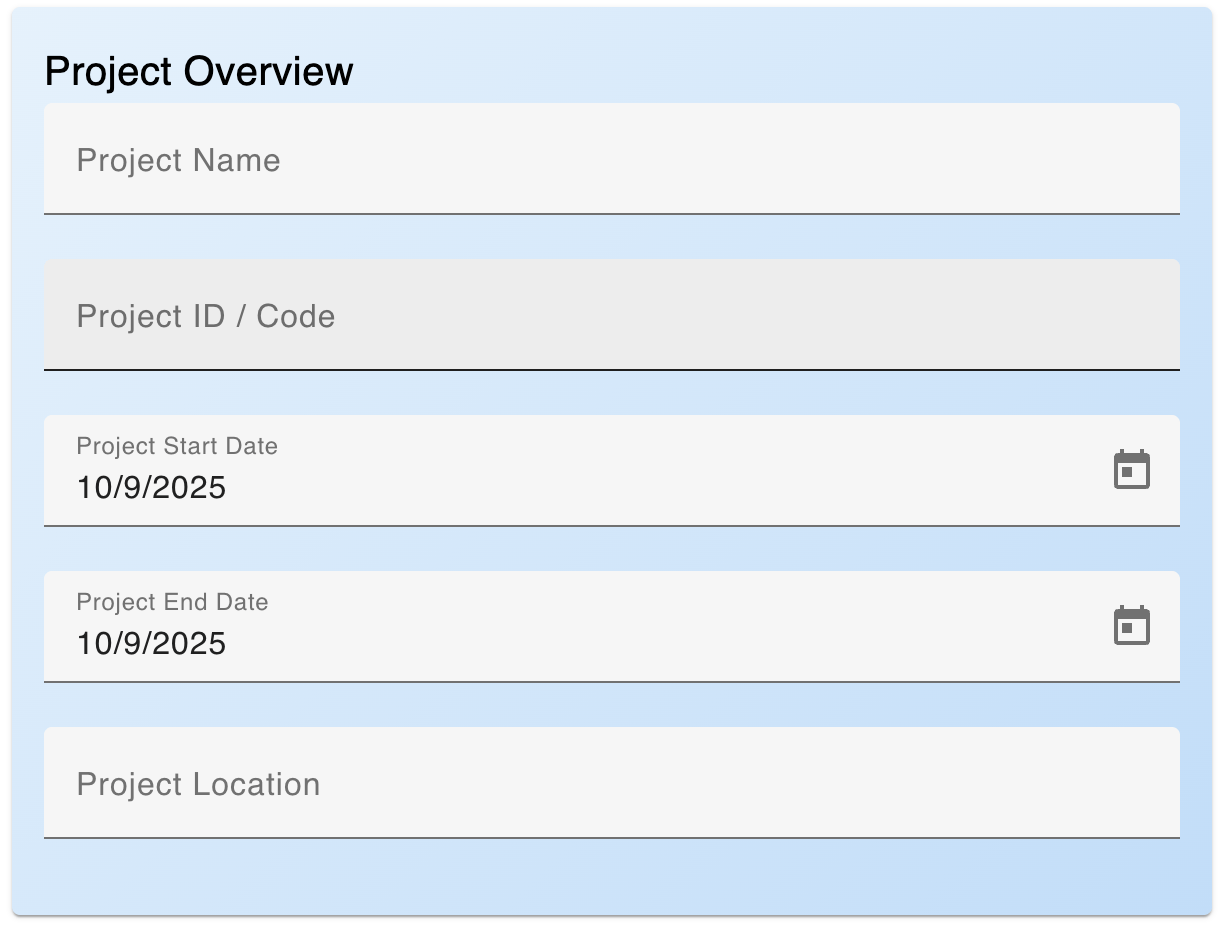
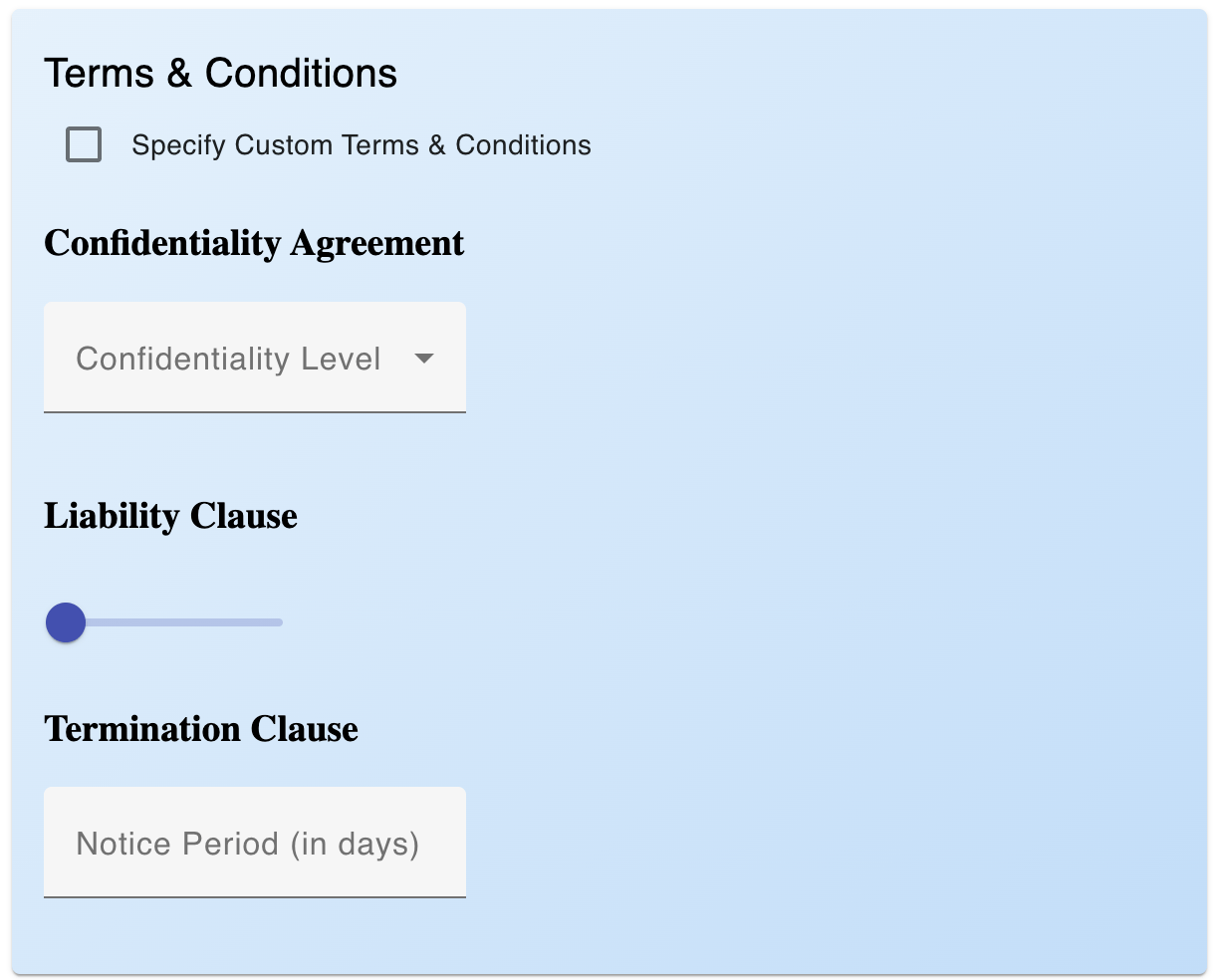
  formModel = signal<ContractFormModel>({
    title: '',
    projectOverview: {
      projectName: '',
      projectCode: '',
      startDate: new Date(),
      endDate: new Date(),
      projectLocation: '',
      projectDescription: '',
    },
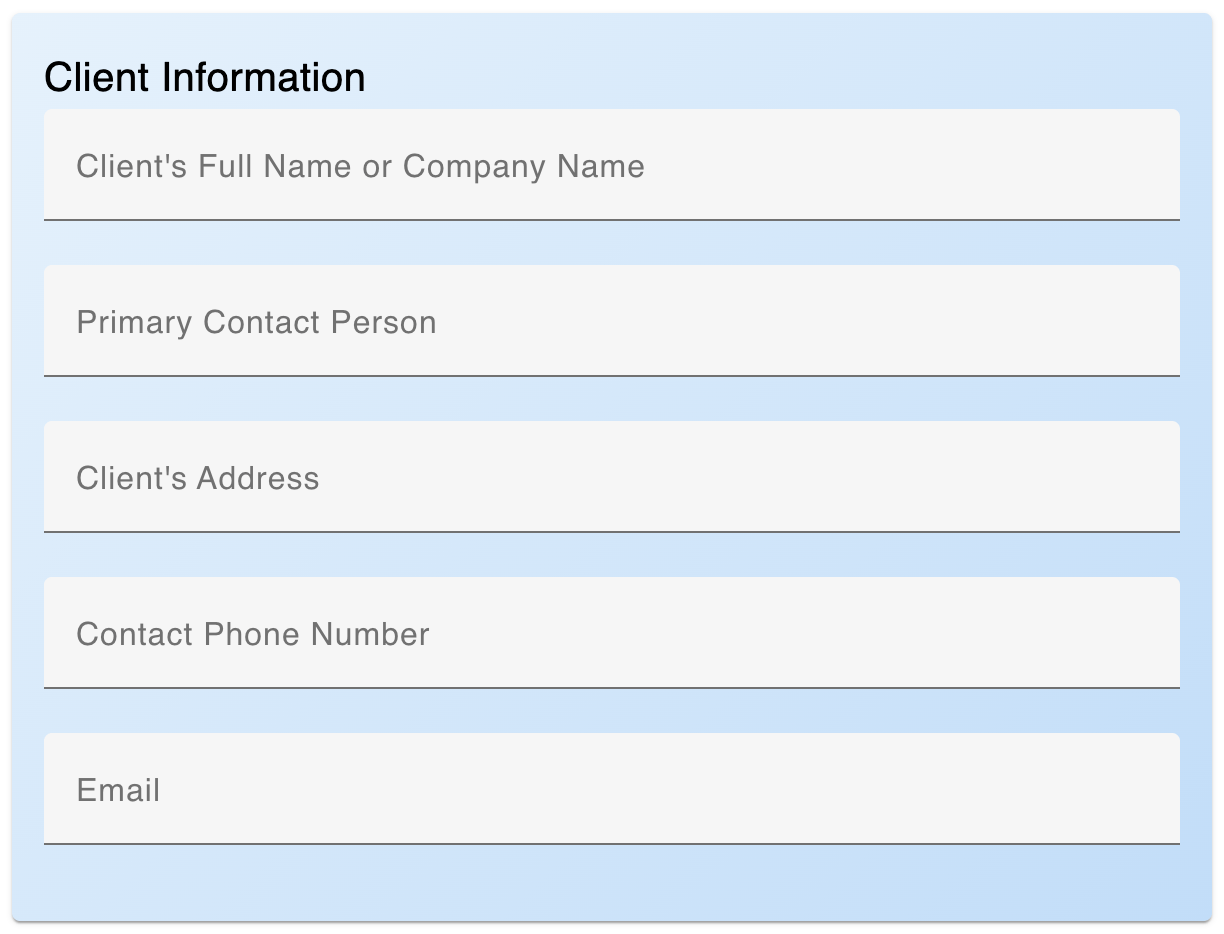
    clientInformation: {
      clientName: '',
      clientContact: '',
      clientEmail: '',
      clientAddress: '',
      clientPhone: '',
    },
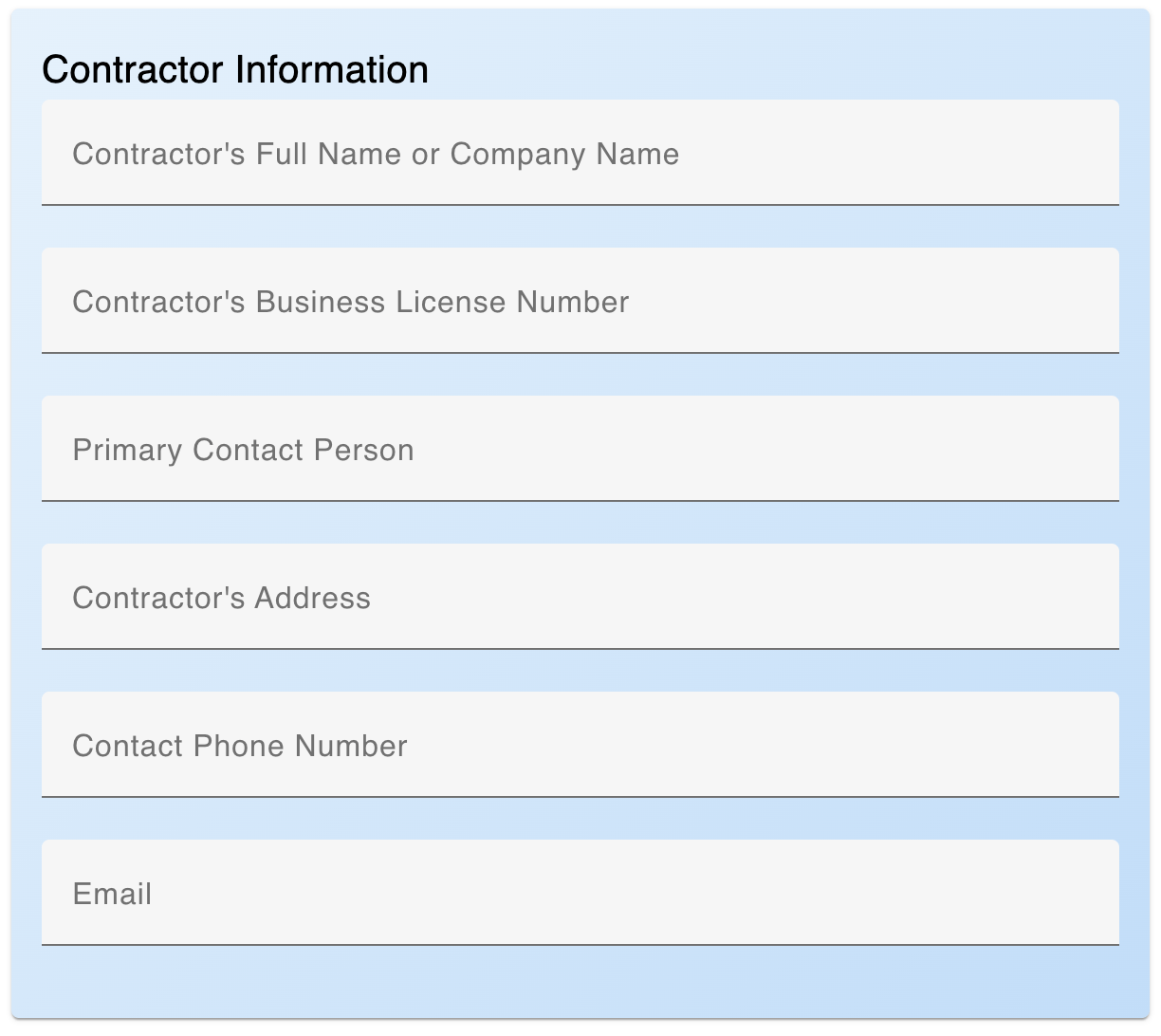
    contractorInformation: {
      contractorName: '',
      contractorLicenseNumber: '',
      contractorContact: '',
      contractorEmail: '',
      contractorAddress: '',
      contractorPhone: '',
    },
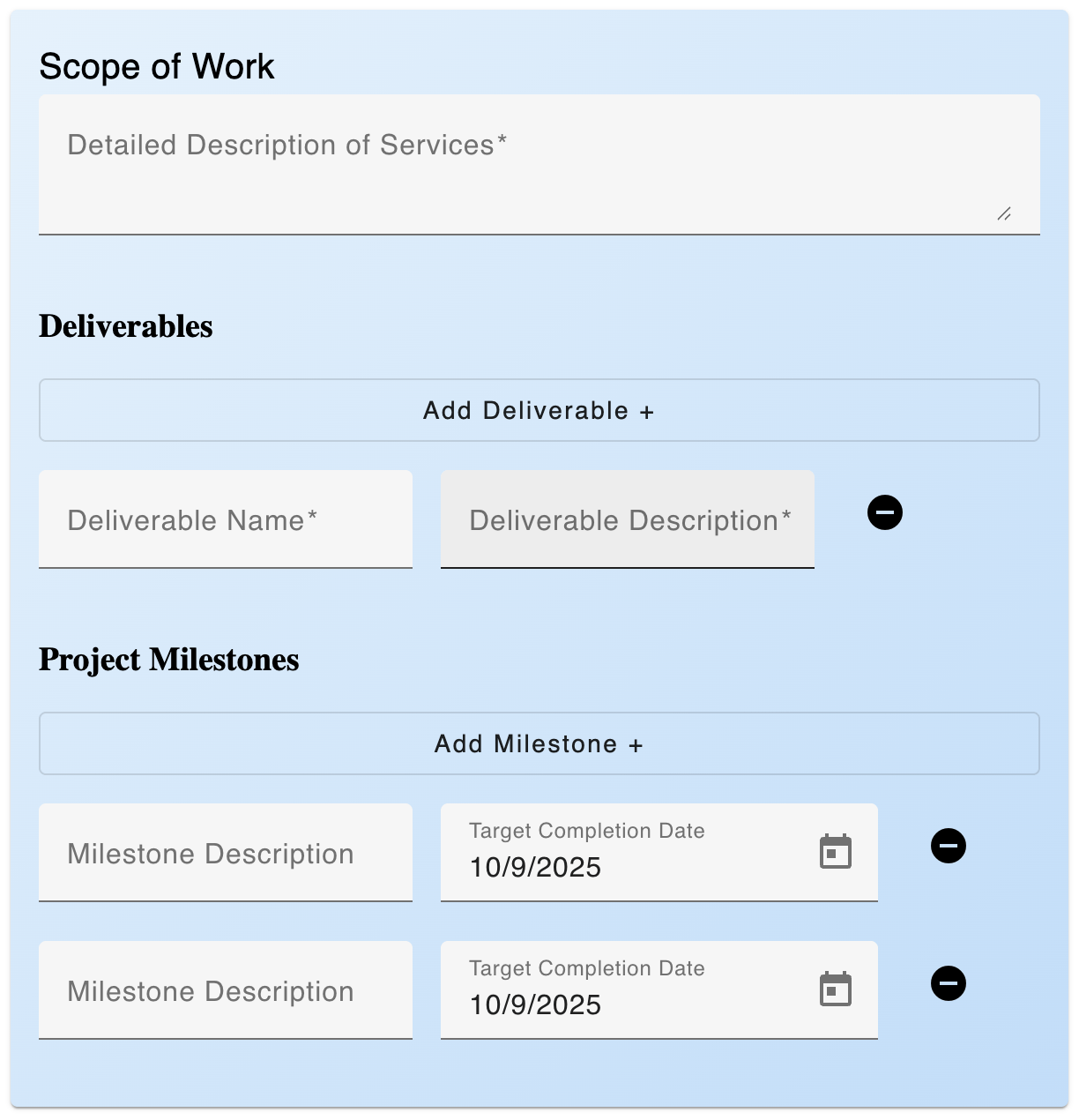
    scopeOfWork: {
      scopeDescription: '',
      deliverables: [],
      milestones: [],
    },
    termsConditions: {
      termsAccepted: false,
      confidentialityLevel: '',
      liabilityClauses: '',
      terminationClause: '',
      governingLaw: '',
      specialClauses: [],
    },
    signatory: {
      signatoryName: '',
      signatoryContractor: '',
      signatoryDate: new Date(),
      signatorySignature: '',
    },
    paymentDetails: {
      totalAmount: null,
      currency: '',
      paymentSchedule: '',
      invoiceFrequency: '',
    },
  });
<!-- contractor information START -->
raw form fields goes here
<!-- contractor information END -->
<!-- client information START -->
raw form fields goes here
<!-- client information END -->
<!-- scope of work START -->
raw form fields goes here
<!-- scope of work END -->
<!-- project overview START -->
raw form fields goes here
<!-- project overview END -->
<!-- terms and conditions START -->
raw form fields goes here
<!-- terms and conditions END --><app-contractor-information
[formField]="myForm.contractorInformation" />
<app-client-information
[formField]="myForm.clientInformation"/>
<app-scope-of-work
[formField]="myForm.scopeOfWork" />
<app-project-overview
[formField]="myForm.projectOverview" />
<app-terms-conditions
[formField]="myForm.termsConditions" />@Component({
selector: 'app-scope-of-work',
imports: [ Field, FieldTree ],
templateUrl: './scope-of-work.component.html',
styleUrl: './scope-of-work.component.scss',
})
export class ScopeOfWorkComponent {
formField = input.required<FieldTree<ScopeOfWorkFormModel>>();
addDeliverable() {
this.formField()
.deliverables()
.value.update((current) => [
...current, { name: '', description: '' }
]);
}
}<textarea [formField]="formField().scopeDescription"></textarea><textarea [formField]="formField().scopeDescription"></textarea>.
├── parent
│ └── parent.component.ts
├── children
│ ├── child-1
│ │ ├── child-1.component.ts
│ │ └── child-1.schema.ts
│ └── child-2
│ ├── child-2.component.ts
│ └── child-2.schema.ts.
├── parent
│ └── parent.component.ts
├── children
│ ├── child-1
│ │ ├── child-1.component.ts
│ │ └── child-1.schema.ts
│ └── child-2
│ ├── child-2.component.ts
│ └── child-2.schema.ts.
├── parent
│ └── parent.component.ts
├── children
│ ├── child-1
│ │ ├── child-1.component.ts
│ │ └── child-1.schema.ts
│ └── child-2
│ ├── child-2.component.ts
│ └── child-2.schema.ts.
├── parent
│ └── parent.component.ts
├── children
│ ├── child-1
│ │ ├── child-1.component.ts
│ │ └── child-1.schema.ts
│ └── child-2
│ ├── child-2.component.ts
│ └── child-2.schema.ts parentForm = form(this.parentFormModel, (path) => {
apply(path.childOne, childOneSchema);
apply(path.childTwo, childTwoSchema);
// rest of schemas goes here
}); parentForm = form(this.parentFormModel, (path) => {
apply(path.childOne, childOneSchema);
apply(path.childTwo, childTwoSchema);
// rest of schemas goes here
});Custom Form Control

@Component({ ... })
export class StarRatingComponent {
  // Input property for the rating value
  rating = model<number>(0);

  stars = computed(() => {
    // Computed property to generate the stars array
  });

  // Click handler for star selection
  onStarClick(starIndex: number): void {
    this.rating.set(starIndex);
  }
}
<div class="star-rating">
@for (star of stars(); track star.index) {
<span [class.filled]="star.filled"
(click)="onStarClick(star.index)">
★
</span>
}
</div>
<app-star-rating [rating]="4" />@Component({ ... })
export class StarRatingComponent {
// Input property for the rating value
rating = model<number>(0);
stars = computed(() => {
// Computed property to generate the stars array
});
// Click handler for star selection
onStarClick(starIndex: number): void {
this.rating.set(starIndex);
}
}@Component({ ... })
export class StarRatingComponent {
// Input property for the rating value
value = model<number>(0);
stars = computed(() => {
// Computed property to generate the stars array
});
// Click handler for star selection
onStarClick(starIndex: number): void {
this.value.set(starIndex);
}
}<!--app-star-rating [rating]="4" /-->
<app-star-rating [field]="path.rating" />@Component({ ... })
export class StarRatingComponent {
// Input property for the rating value
value = model<number>(0);
stars = computed(() => {
// Computed property to generate the stars array
});
// Click handler for star selection
onStarClick(starIndex: number): void {
this.value.set(starIndex);
}
}@Component({ ... })
export class StarRatingComponent
implements FormValueControl<number> {
// Input property for the rating value
value = model<number>(0);
stars = computed(() => {
// Computed property to generate the stars array
});
// Click handler for star selection
onStarClick(starIndex: number): void {
this.value.set(starIndex);
}
}Thank you
Code. Teach. Community. Angular.
https://blog.profanis.me
/prodromouf
@prodromouf