State-dependent processing in
Spiking Neural Networks
Renato Duarte
03/05/2018



- What is the goal?
(why is it necessary?)
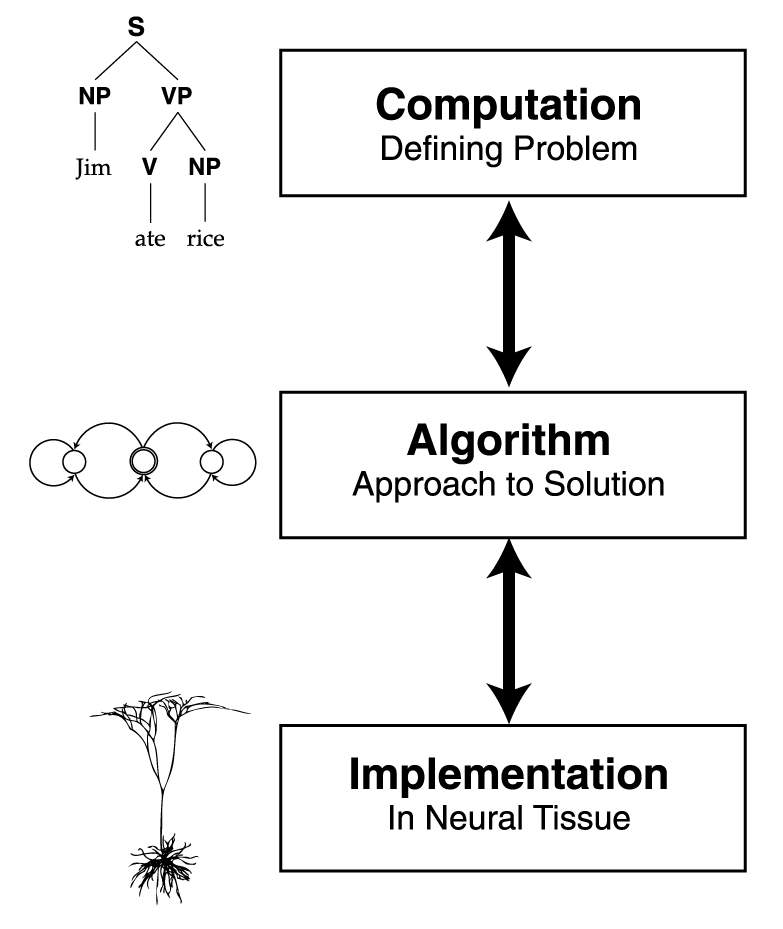
- How can I actually compute this?
(what is the relevant I/O mapping?)
- How is the computation realized?
(how are the mappings realized?)
Marr, D. (1982). MIT Press.
Defining the problem...
Systematicity
A Taxonomy of Constraints
Fitch W. T. (2014). Phys. Life Rev., 11:329–364.
An improved conceptual framework:
- Neurobiology poses very hard constraints on the cognitive architecture
- Cognition and behavior pose critical constraints on neurobiology
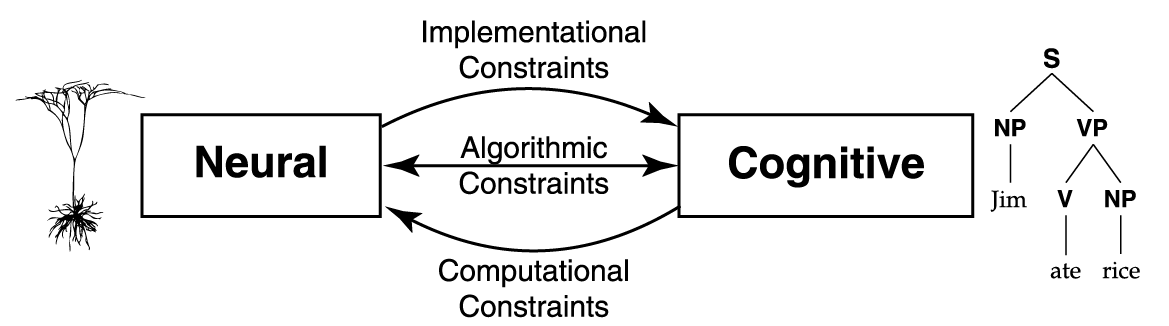
Defining the problem...
Constraints
Fitch W. T. (2014). Phys. Life Rev., 11:329–364.
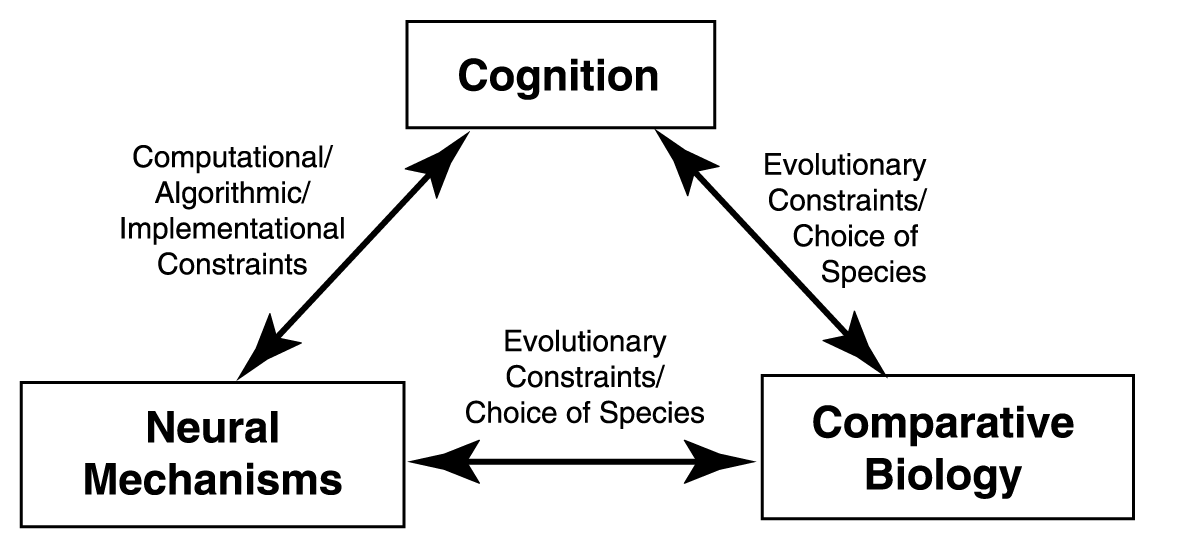
An improved conceptual framework:
- Neurobiology
- Cognition and behavior
- Evolution - innate prior structure
- Learning and development - adaptive systems
Defining the problem...
Cognitive constraints
Computation is formally constrained manipulation of representations
Edelman, S. (2012).
What might cognition be if not computation?
van Gelder, T. (1995). Journal of Philosophy, 92:345–381.
Cognitive constraints
Structured sequence processing
Biological Neural Networks
What might cognition be if not computation?
van Gelder, T. (1995). Journal of Philosophy, 92:345–381.
Computation is formally constrained manipulation of representations
Edelman, S. (2012).
Pattern perception and rule learning in a relevant class of dynamical systems
Structured sequence processing
A problem in cognition that is both generic and fundamental
Petersson, K.M.P. (2007). In IeCS 2007:195–199.
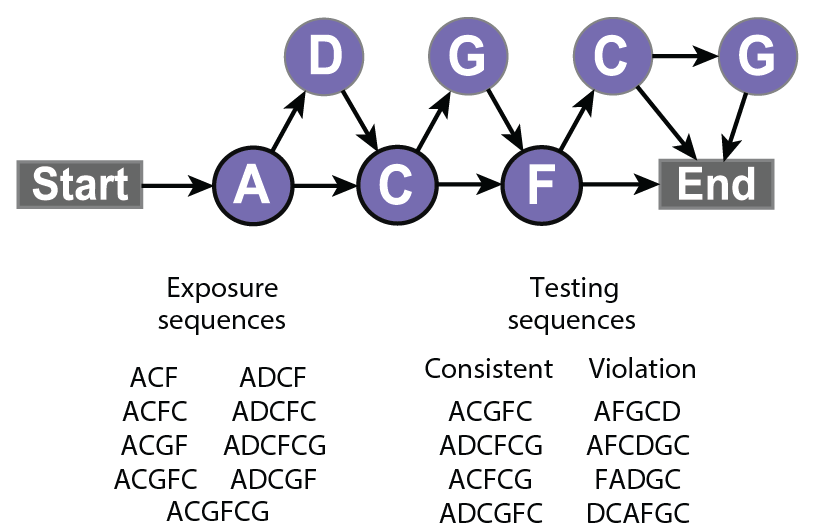
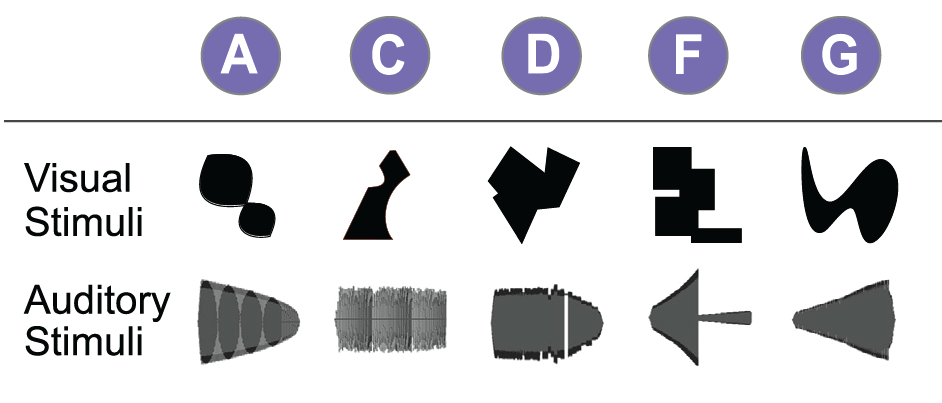
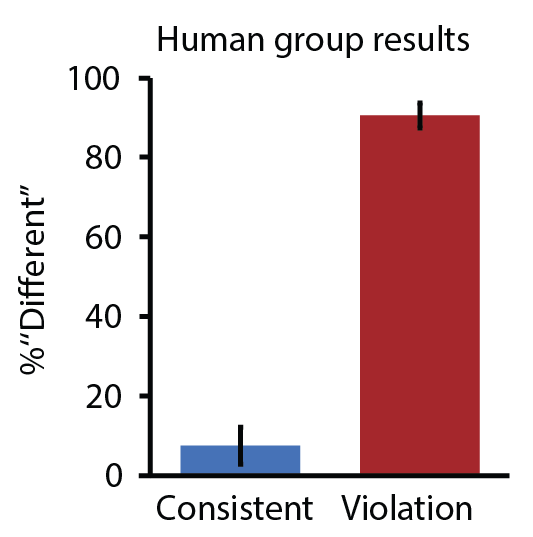
Cognitive constraints
Dehaene S., et al. (2015). Neuron. 88:2–19.
Reber A.S., et al. (1991). Journal of Experimental Psychology. 17:888–896.
Learning occurs without any requirements of awareness of either the process or the product of acquisition
Structured sequence processing
Cognitive constraints
Temporally integrated actions do occur even among insects, but they do not reach any degree of complexity until the appearance of the cerebral cortex.
Lashley, K. (1950).
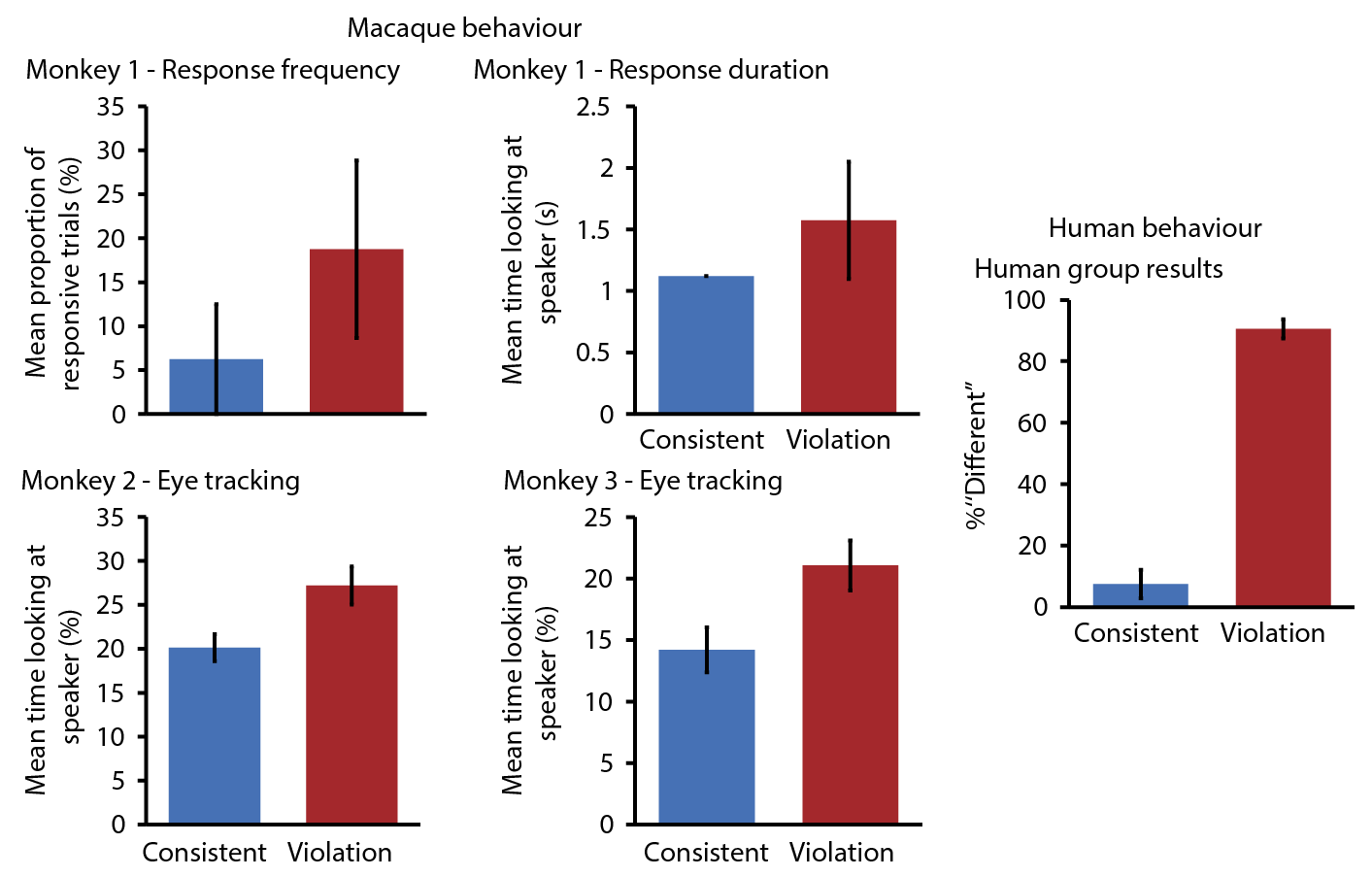
Wilson B., et al. (2015). Nature Communications. 6:8901.
Structured sequence processing
Cognitive constraints
Temporally integrated actions do occur even among insects, but they do not reach any degree of complexity until the appearance of the cerebral cortex.
Lashley, K. (1950).
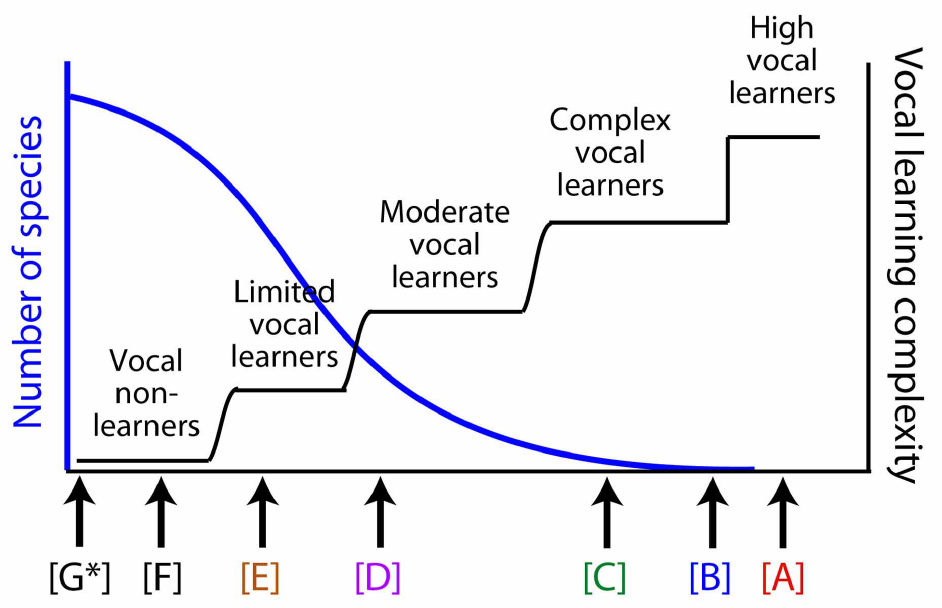
Wilson B., et al. (2015). Nature Communications. 6:8901.
Petkov C.I., et al. (2012). Frontiers of Evolutionary Neuroscience. 4:1–24.
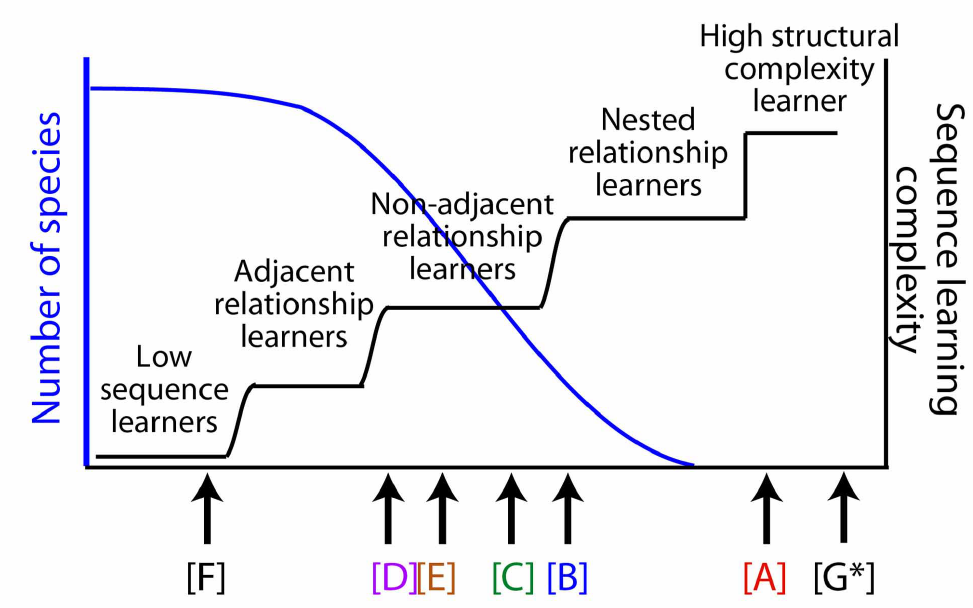
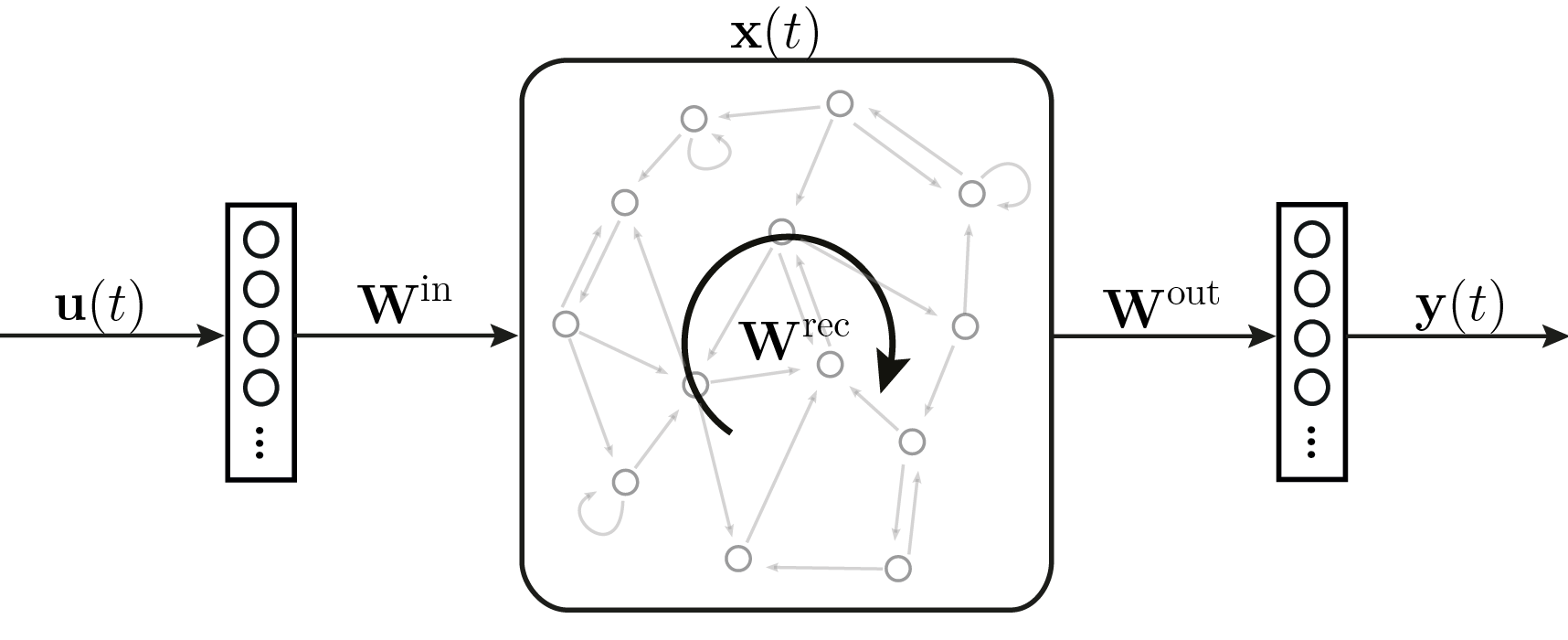

Encoder
Decoder
Circuit
Testing functional hypotheses
Applying cognitive constraints
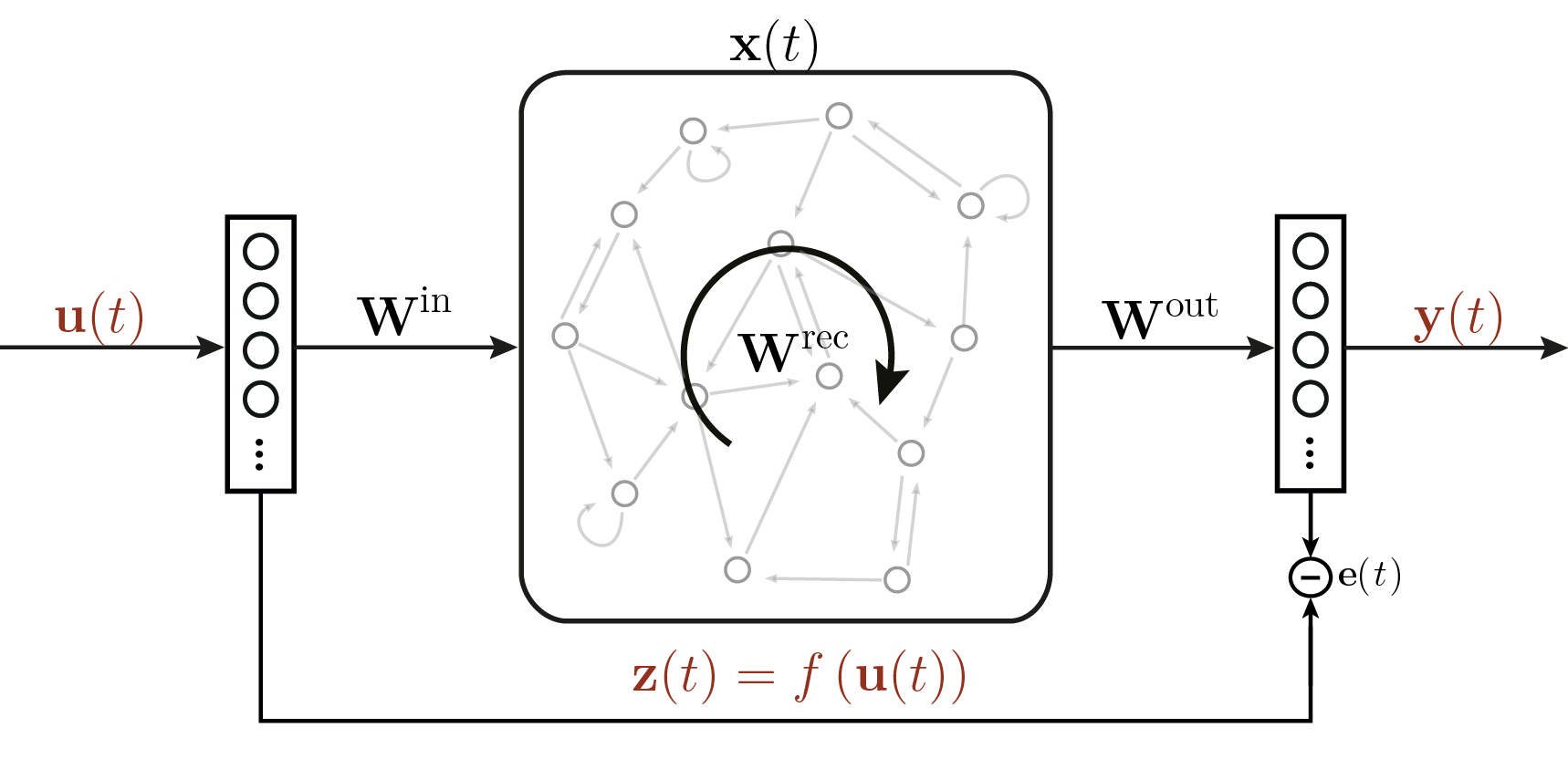
Define the computation and expected performance
Testing functional hypotheses
Offline / batch:
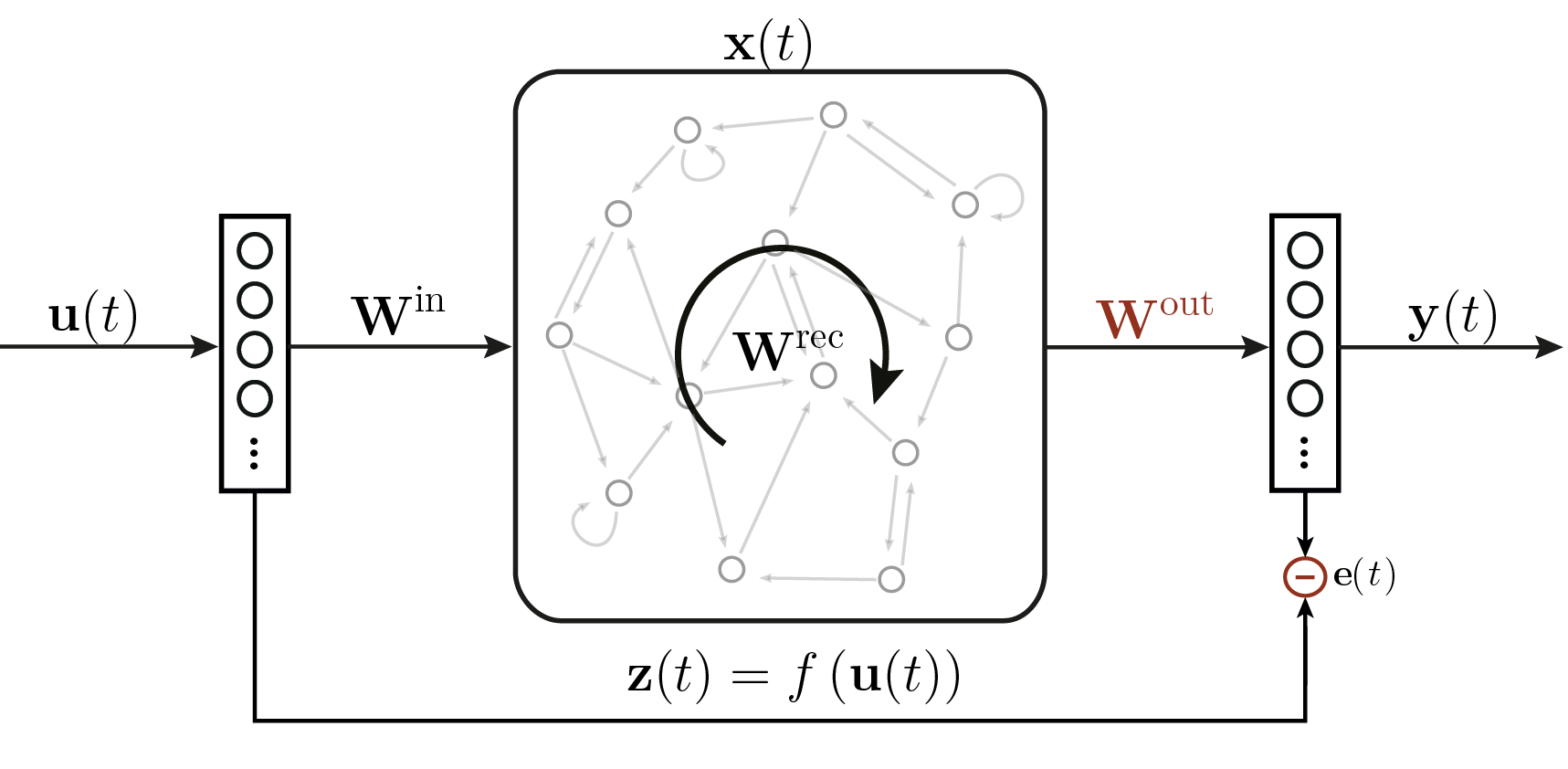
Online:

Readouts as metrics
Define the computation and expected performance
Testing functional hypotheses
Testing functional hypotheses
Applying neurobiological constraints
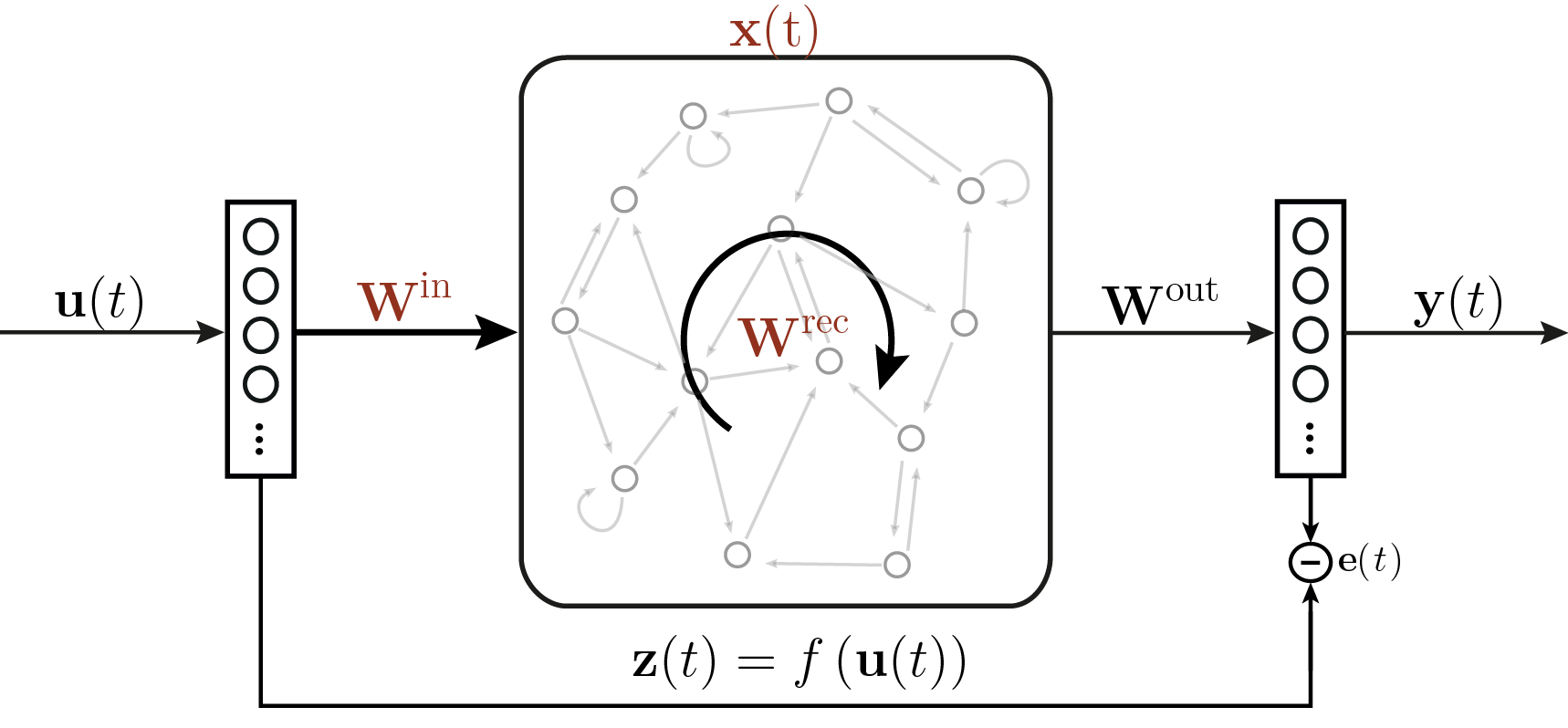


Symbolic input sequence:
Random alternation of 3 "words":
Binary encoding
Sigmoidal neurons: weighted-sum + nonlinearity
Stability ensured by design (ESP)
Elman, J. (1993). Cognitive Science.
Jaeger, H. et al. (2009).
Next-symbol prediction:
1-step prediction
(only for predictable items)
Context through recurrence
Context-dependence and rule learning
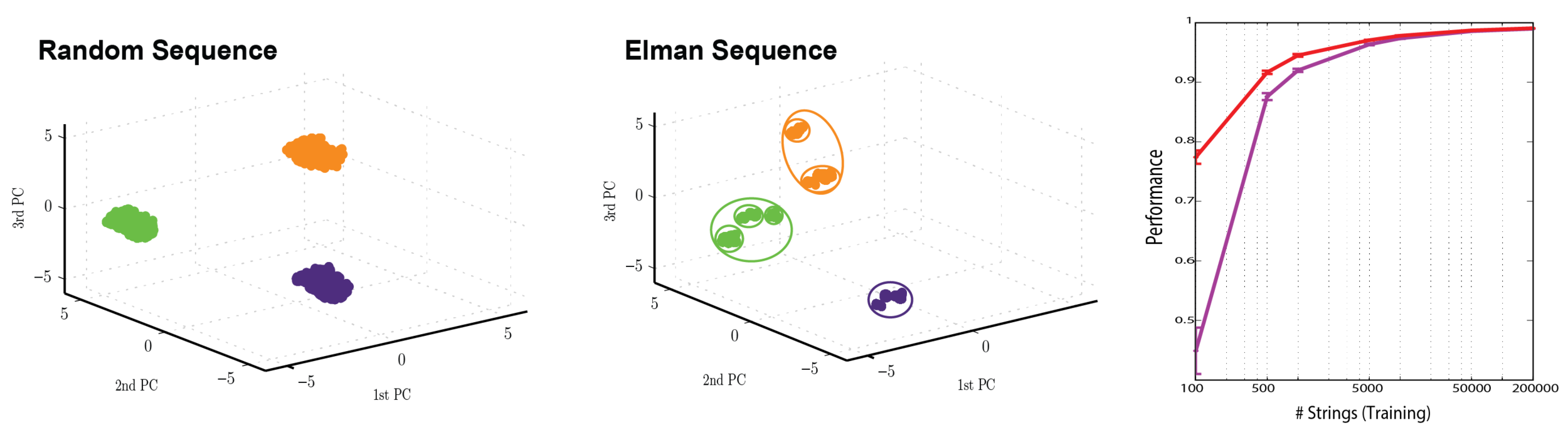
Context through recurrence
Context-dependence and rule learning
Grammatical induction through plasticity

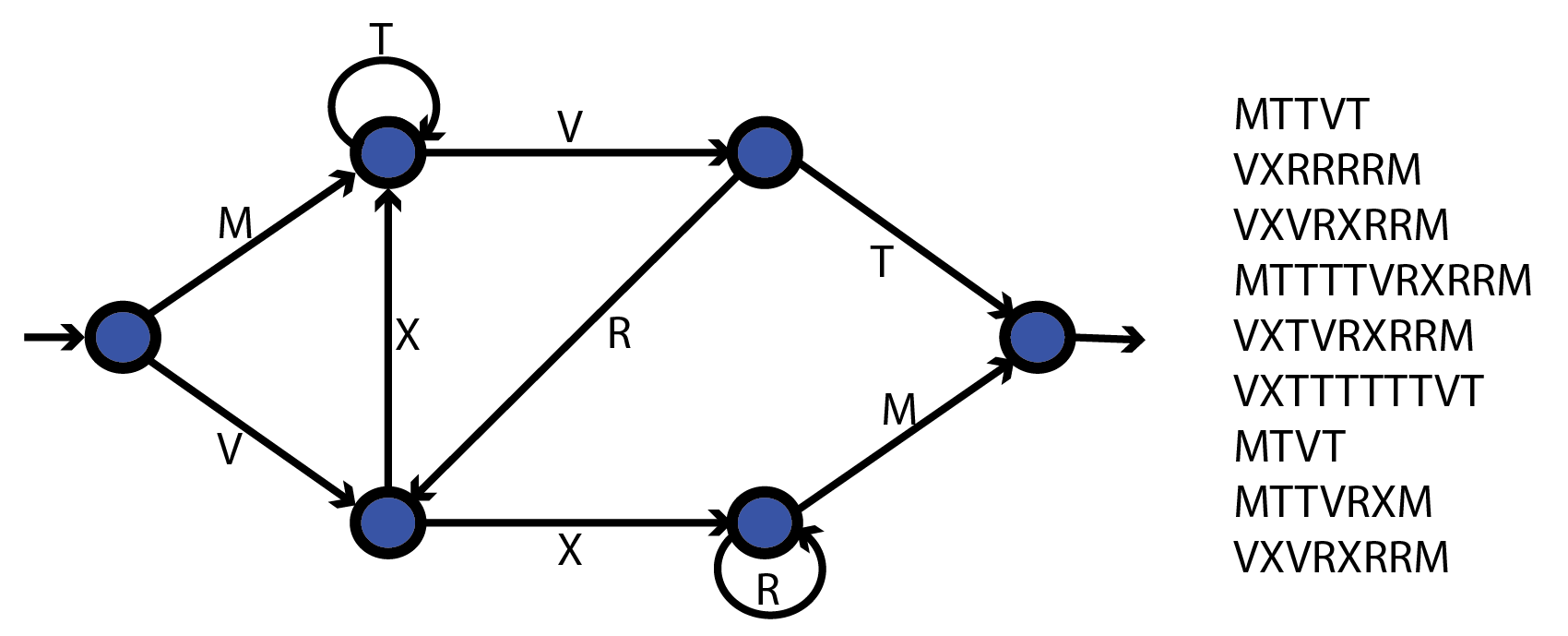
Acquisition of complex, rule-governed knowledge
Task specifications
Duarte R, Seriès P, Morrison A (2014). Proceedings of the 36th Annual Conference of the Cognitive Science Society. 2014:427–432.
Generative rule system:
Symbolic input sequence:
Next-symbol predicition:
Ground truth -
Reber, A. (1967). Journal of verbal learning and verbal behavior. 6:855–863.
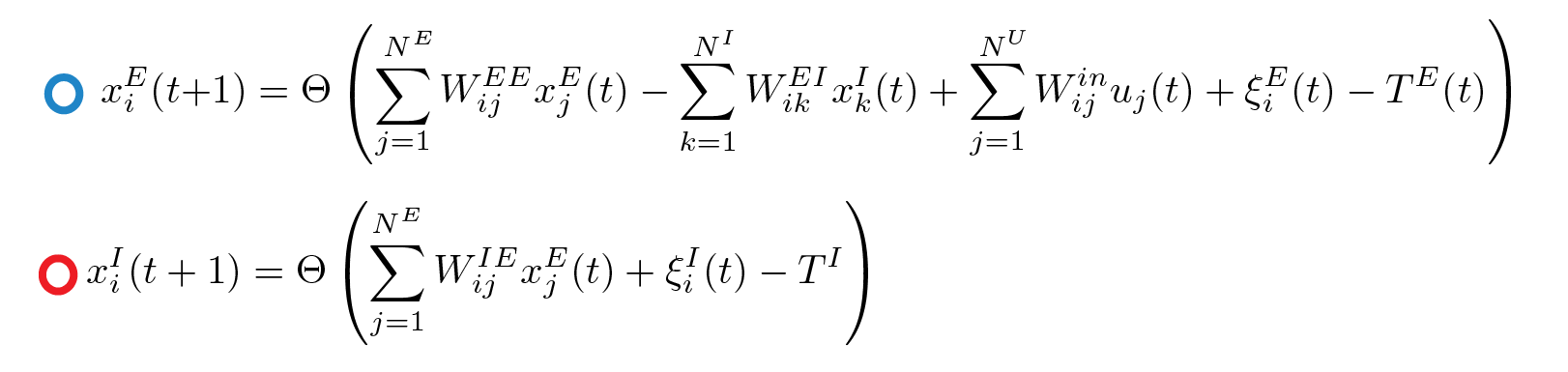
System specification
Duarte R, Seriès P, Morrison A (2014). Proceedings of the 36th Annual Conference of the Cognitive Science Society. 2014:427–432.
Lazaar et al. (2009). Frontiers in Computational Neuroscience. :427–432.
Excitatory / Inhibitory neurons
Binary (McCulloch-Pitts) neurons
Heterogeneous parameters
Grammatical induction through plasticity
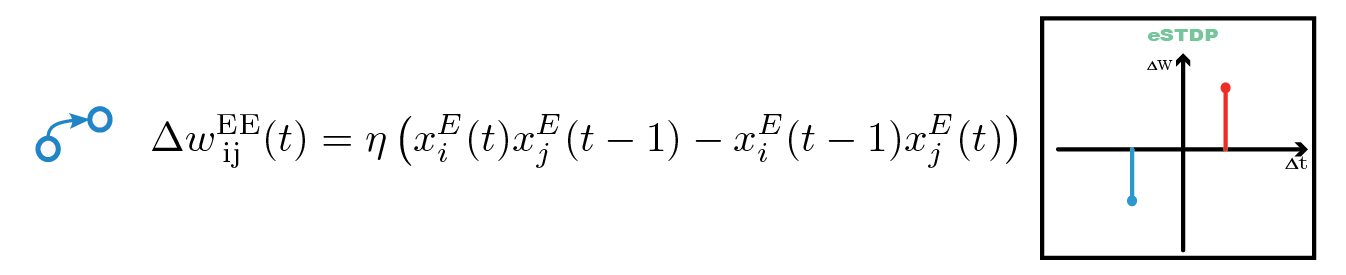
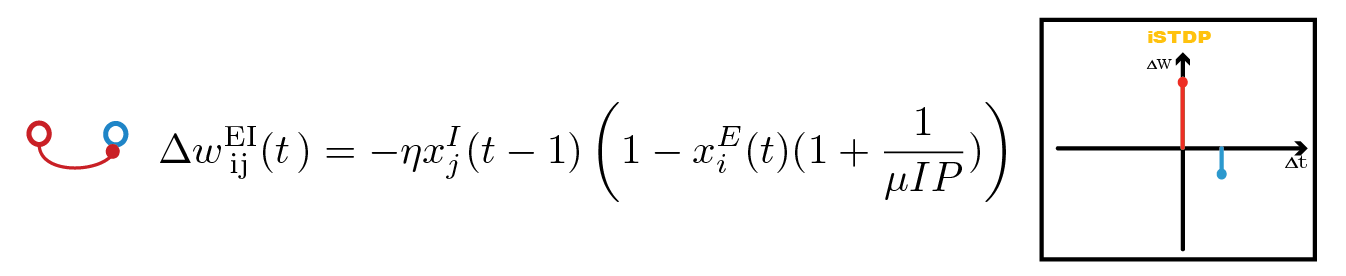

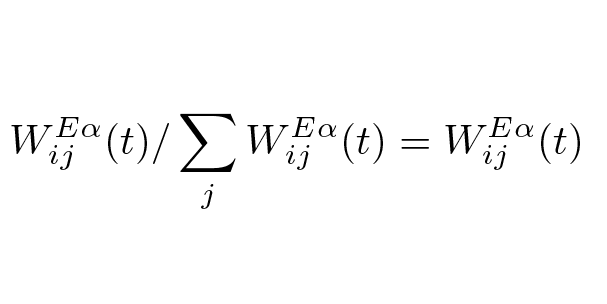
System specification
Duarte R, Seriès P, Morrison A (2014). Proceedings of the 36th Annual Conference of the Cognitive Science Society. 2014:427–432.
Biologically-inspired unsupervised learning
eSTDP
Synaptic Normalization
iSTDP
Intrinsic Plasticity
Structural Plasticity
Zheng, P. et al. (2013). PLoS Computational Biology. 9:e1002848.
Grammatical induction through plasticity
Duarte R, Seriès P, Morrison A (2014). Proceedings of the 36th Annual Conference of the Cognitive Science Society. 2014:427–432.
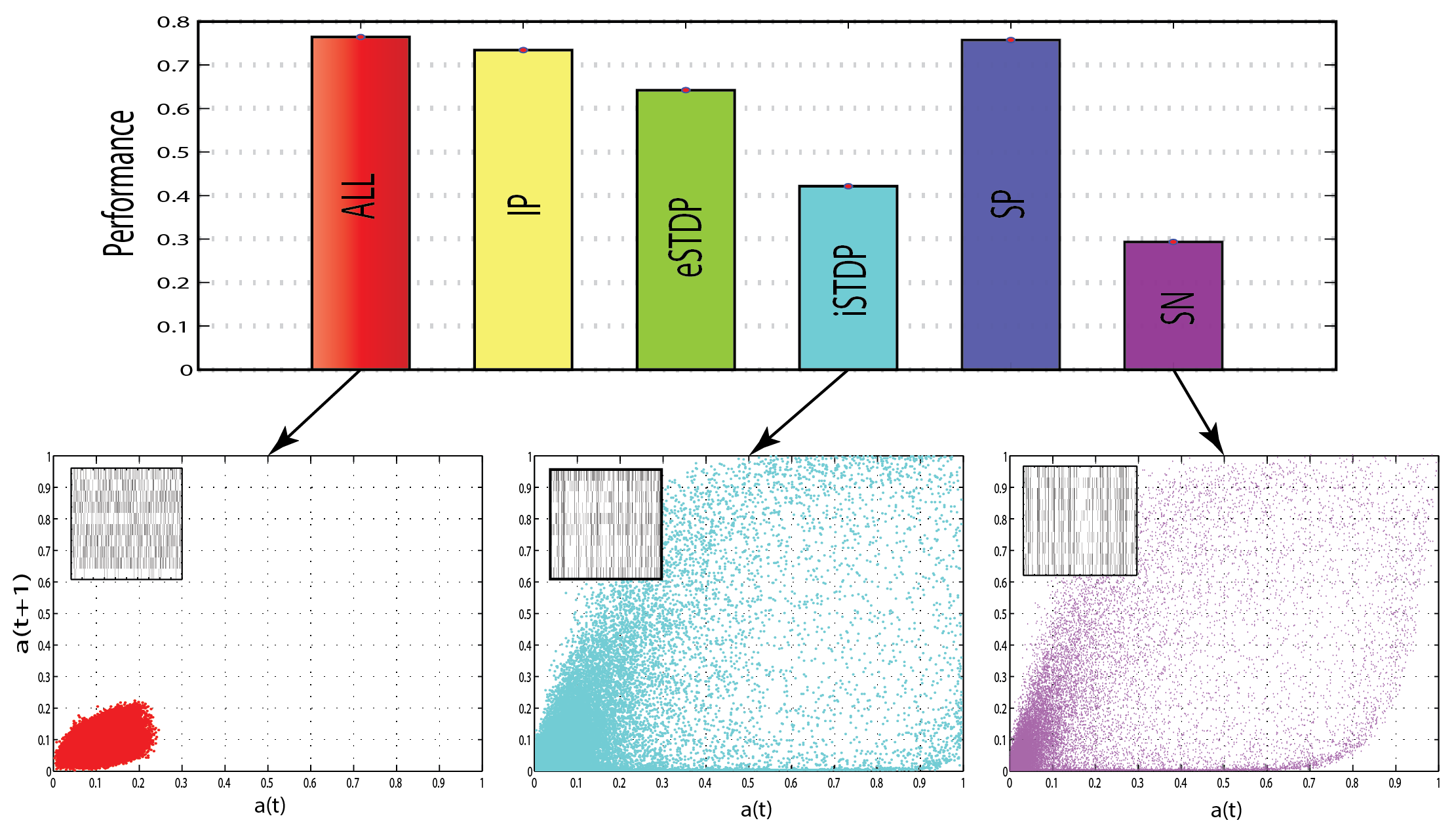
Compact representations
Grammatical learning is only possible with plasticity
Prominent role of iSTDP and SN
- High performance from compact trajectories
- Inhibitory adaptation is strictily necessary
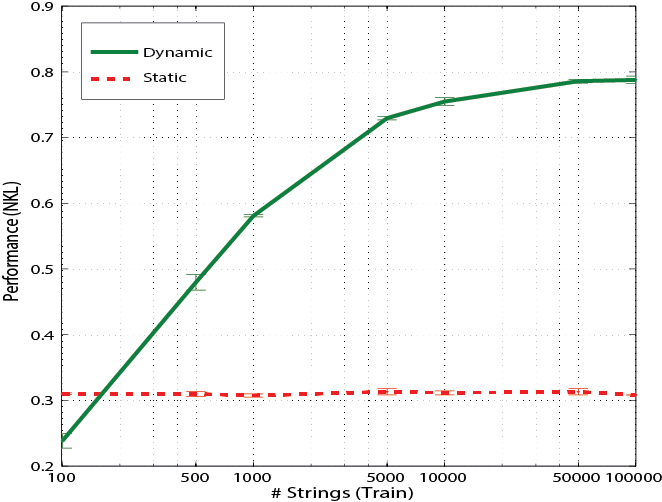
Grammatical induction through plasticity
Duarte R, Seriès P, Morrison A (2014). Proceedings of the 36th Annual Conference of the Cognitive Science Society. 2014:427–432.
Rule Learning
Sensitivity to violations of sequential structure
Qualitatively comparable to human behavioral performance
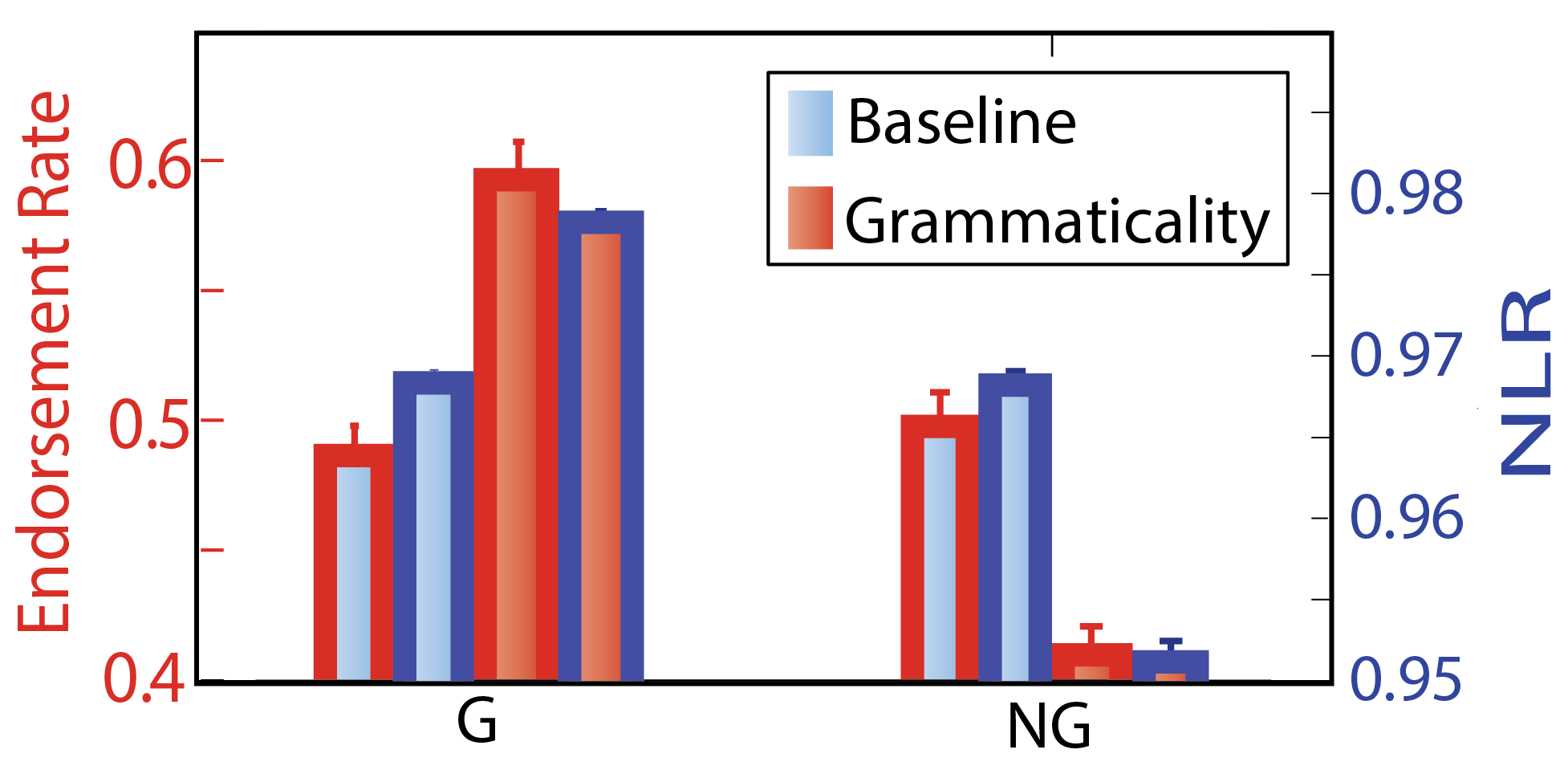
Grammatical induction through plasticity
Duarte, R. & Morrison A. (2014). Frontiers in Computational Neuroscience. 8:124.

Task specifications
Symbolic input sequence:
Random or repeating
Binary encoding
Identity mapping:
Stimulus discrimination / representation
Input transduction:
Thalamic burst mode
- wake-up call
- signal change
State-dependence and representational dynamics
Duarte, R. & Morrison A. (2014). Frontiers in Computational Neuroscience. 8:124.
Spiking neurons: Leaky Integrate-and-Fire neurons
Fixed, homogeneous parameters
Exponential, conductance-based synapses
Circuit state -> low-pass filtered spike trains; sampled at stimulus offset
System specification
State-dependence and representational dynamics
Duarte, R. & Morrison A. (2014). Frontiers in Computational Neuroscience. 8:124.


State-dependence and representational dynamics
System specification
Adaptive synapses (eSTDP + iSTDP)
van Rossum, M. et al. (2000). The Journal of Neuroscience. 20(23):8812:8821.
Vogels, T. et al. (2012). Science. 334(6062):1569-1573.
Duarte, R. & Morrison A. (2014). Frontiers in Computational Neuroscience. 8:124.
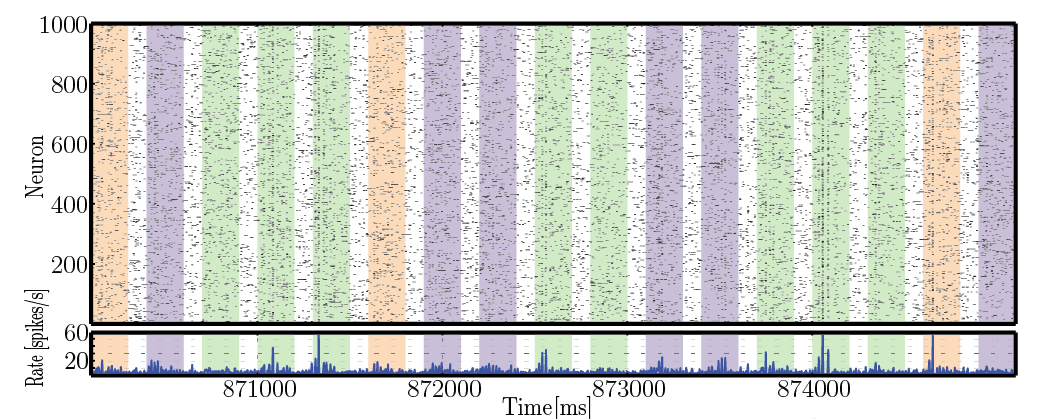
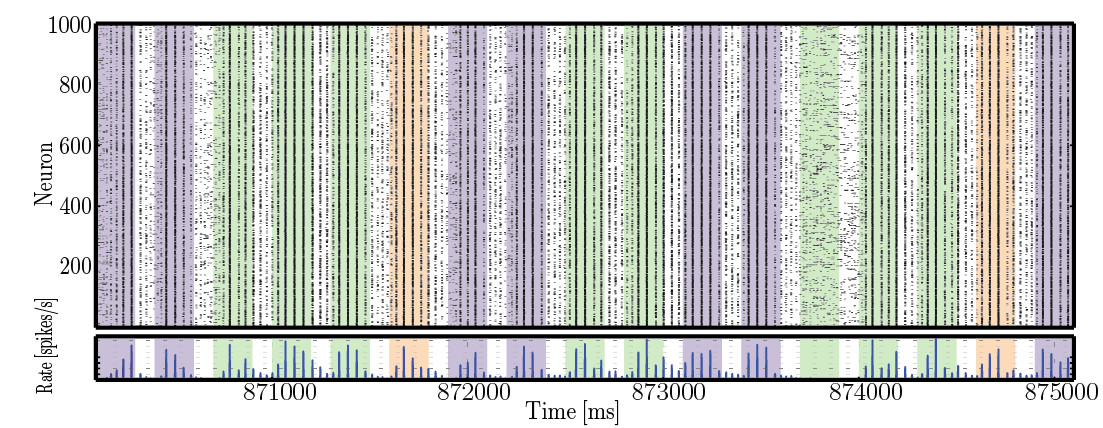
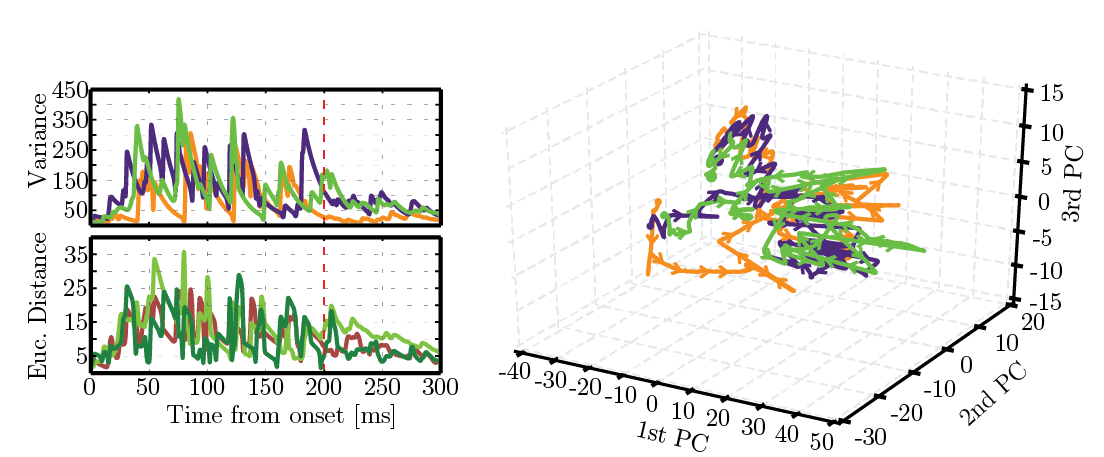
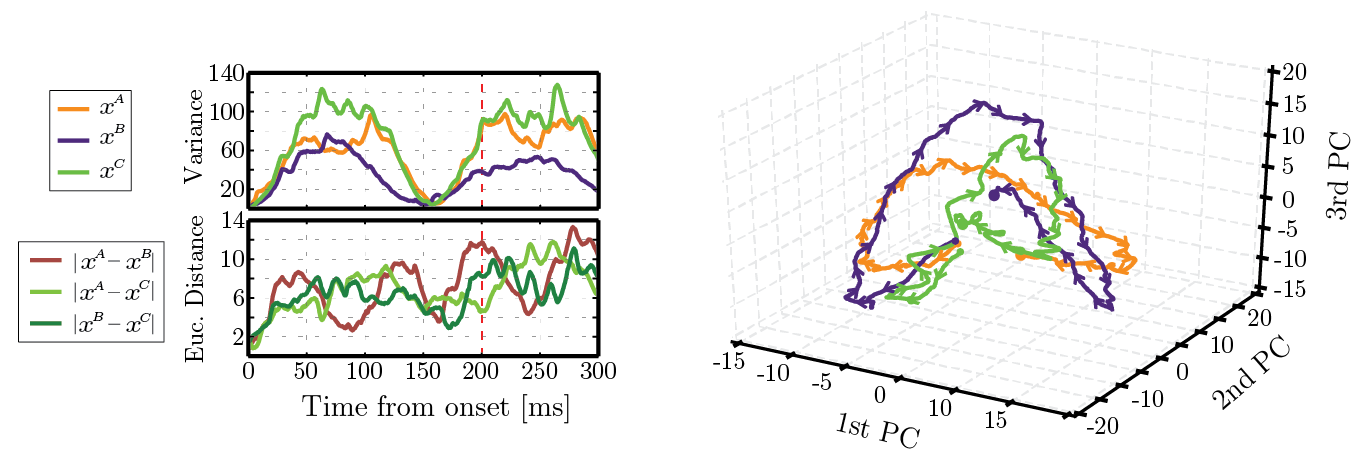
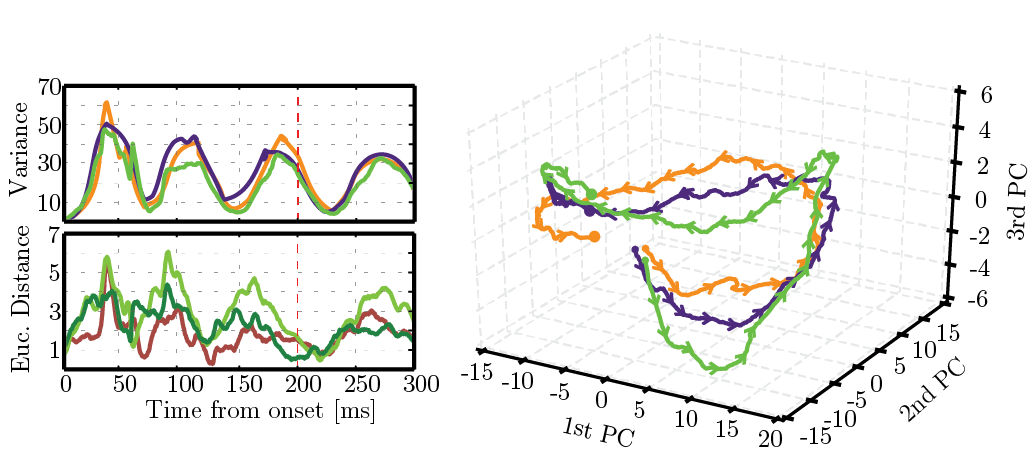
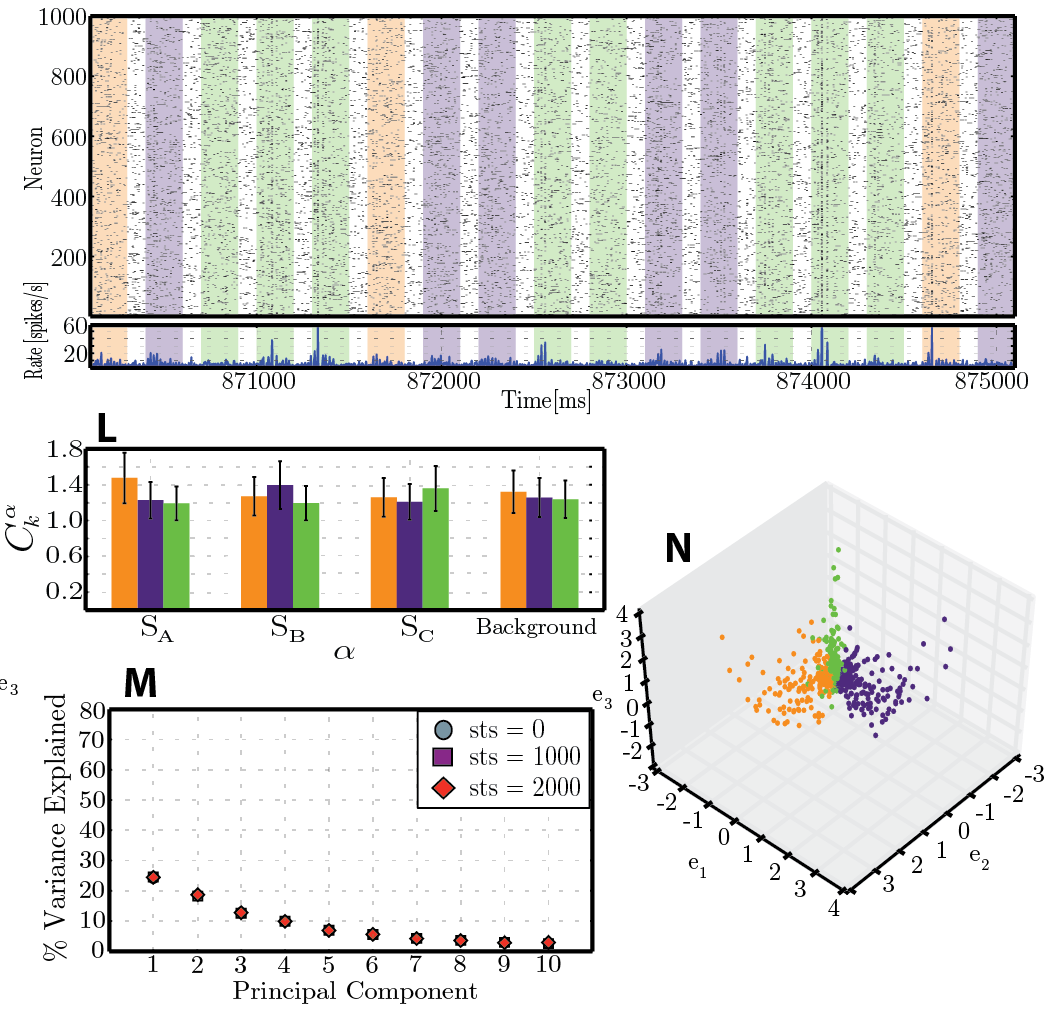
Stimulus representations
State-dependence and representational dynamics
Duarte, R. & Morrison A. (2014). Frontiers in Computational Neuroscience. 8:124.
Stimulus representations
State-dependence and representational dynamics
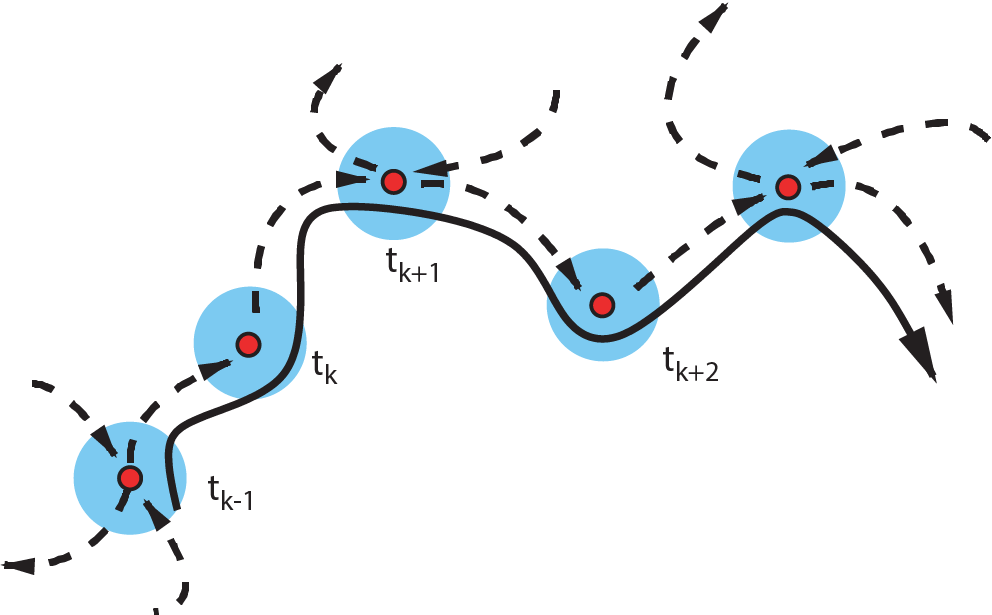
Rabinovich, M.I., et al. (2008). PLoS Computational Biology. 4:e1000072.
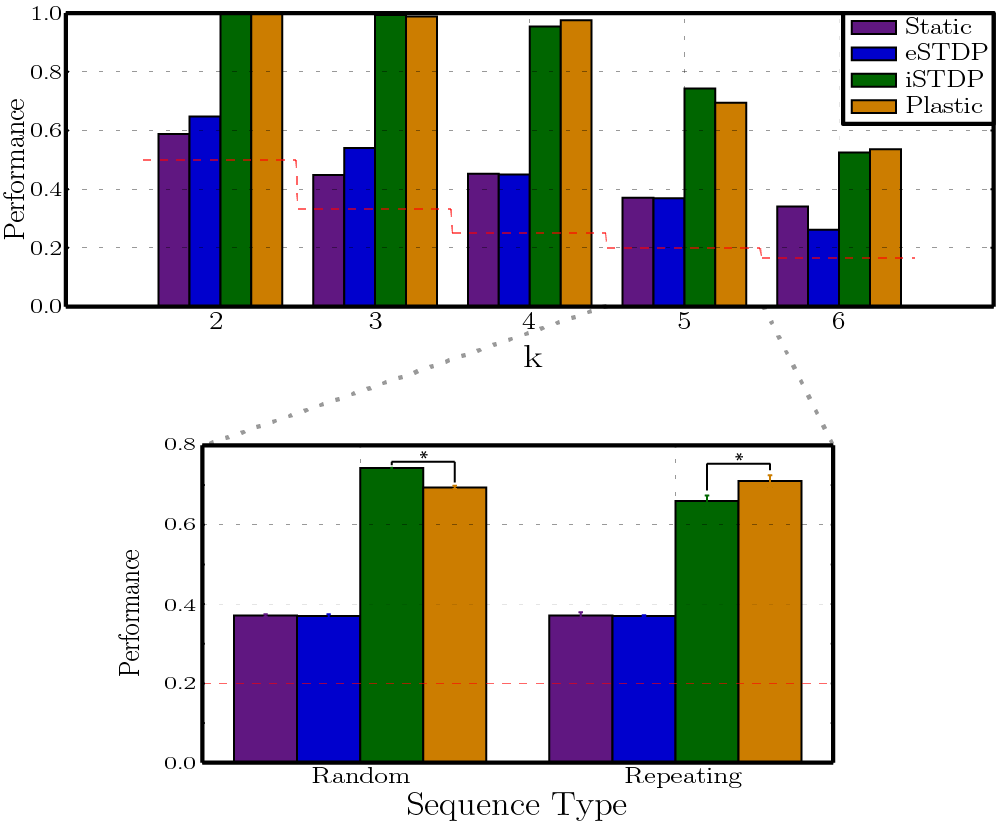
Duarte, R. & Morrison A. (2014). Frontiers in Computational Neuroscience. 8:124.
Network is insensitive to sequence structure:
- Memory span < stimulus duration
- Unable to infer relations among sequence items
Structured sequences?
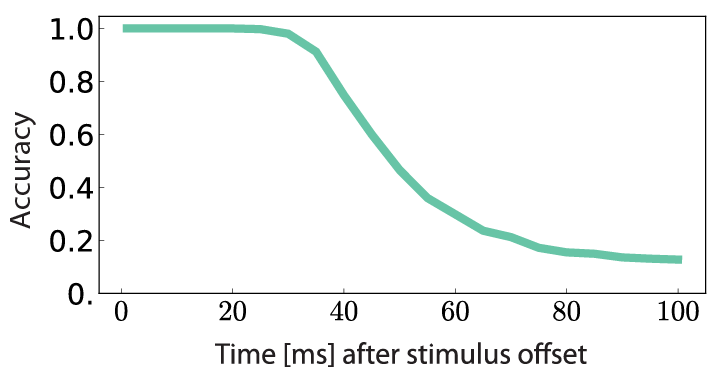
State-dependence and representational dynamics
Where does processing memory come from?
Hierarchical processing memory
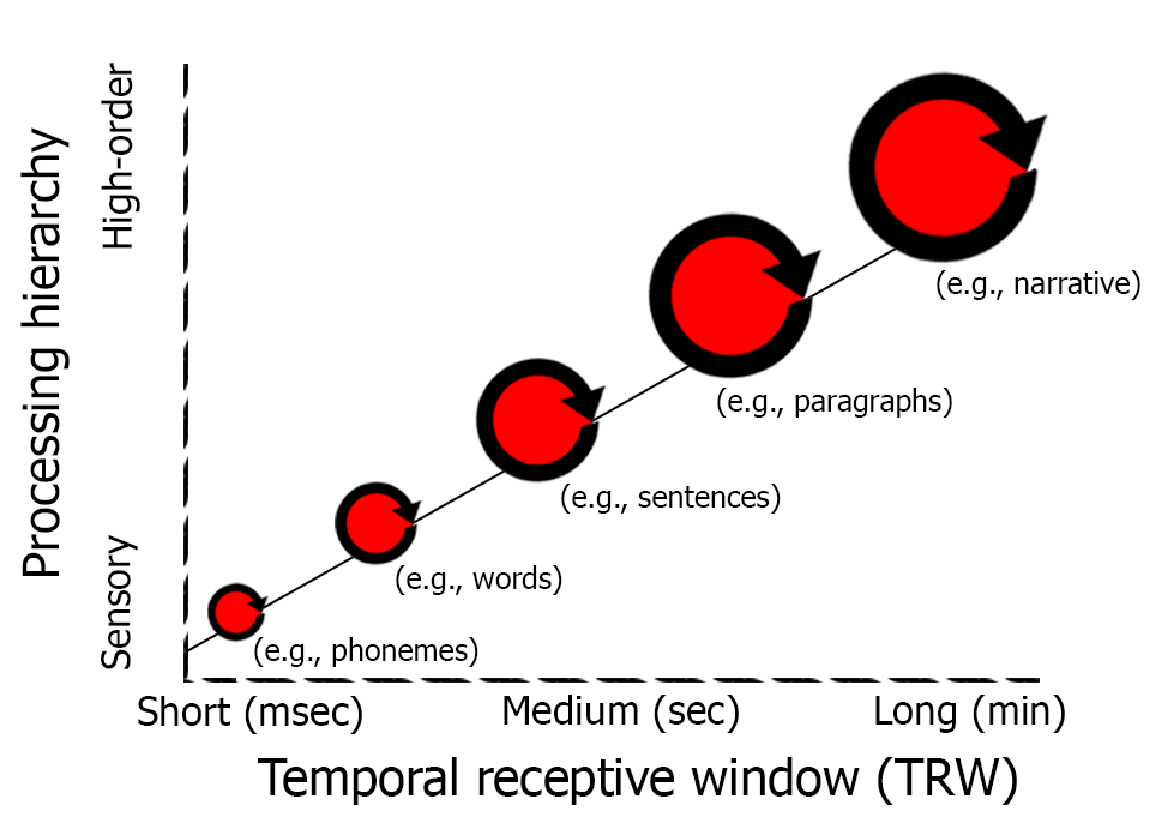
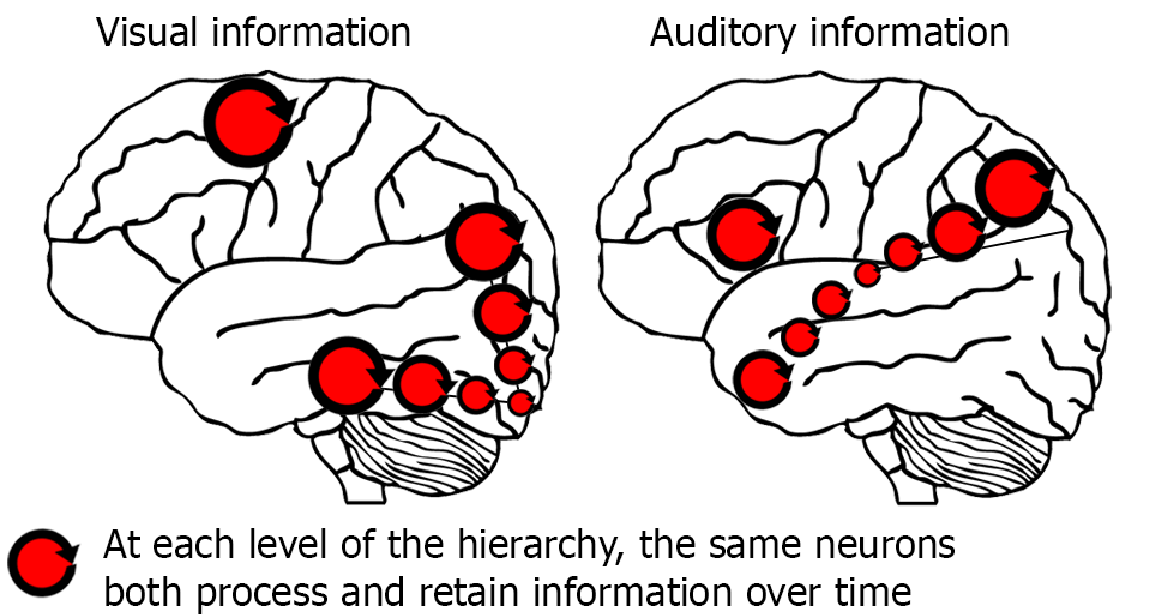
Hasson U. et al. (2015). Trends in Cognitive Sciences. 19:304–313.
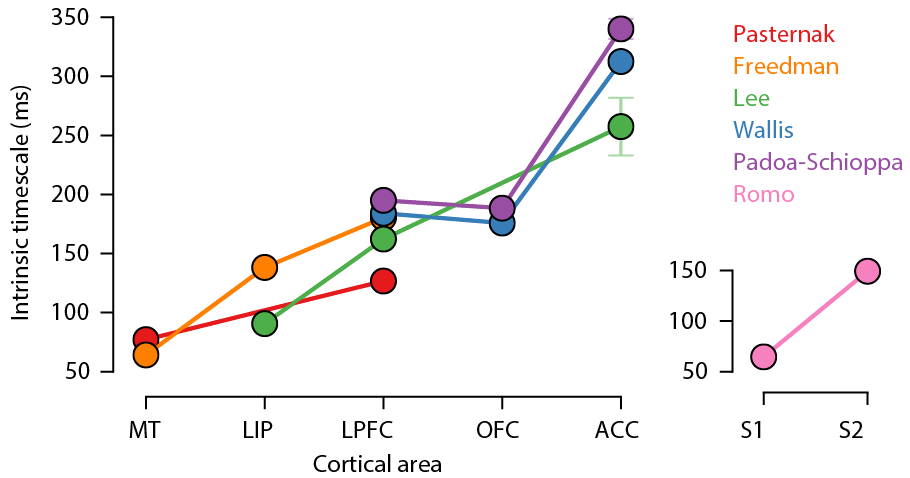
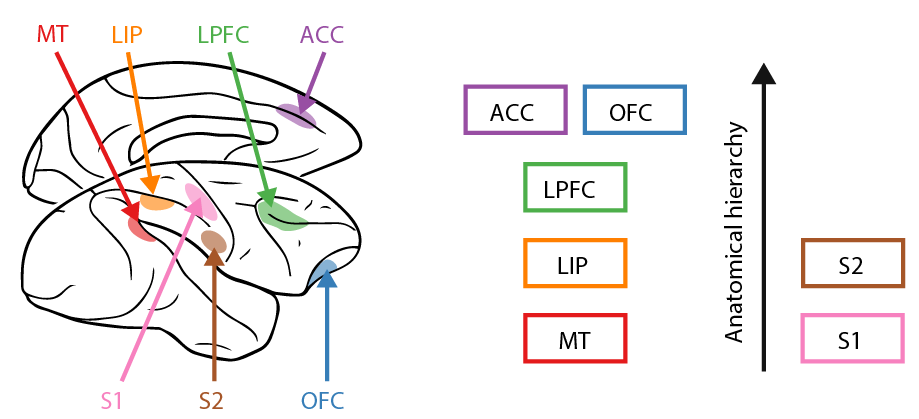
Murray J. D. et al. (2014). Nature Neuroscience. 17:1661–1663.
Memory and timescales in the cortex
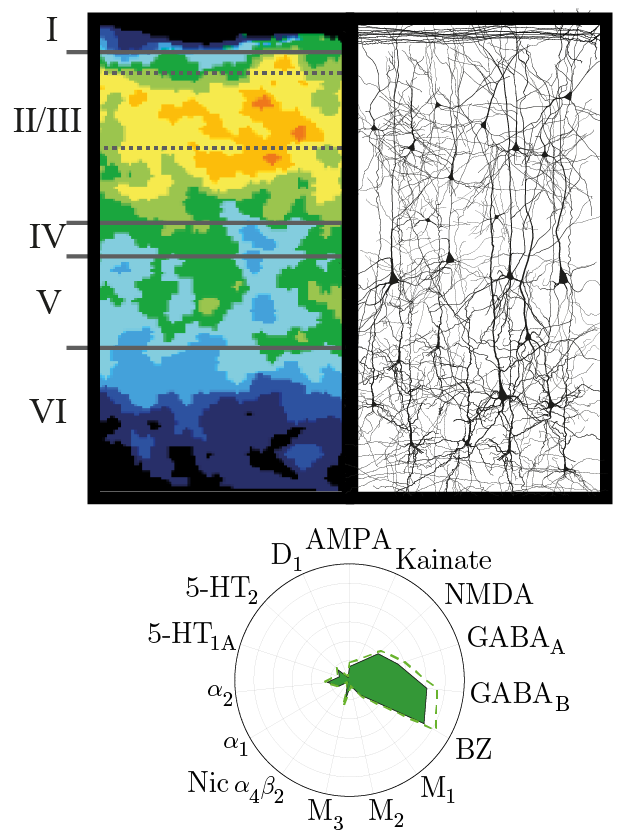
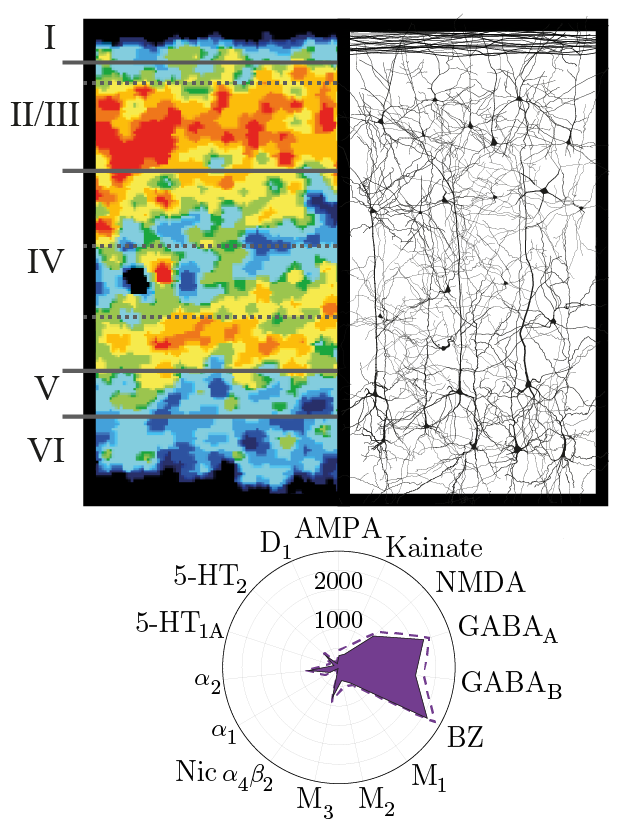
Synaptic patterning
Most significant source of regional variation in the adult cortex is the DEX of genes related to synaptic components, in an otherwise relatively homogeneous transcriptome...
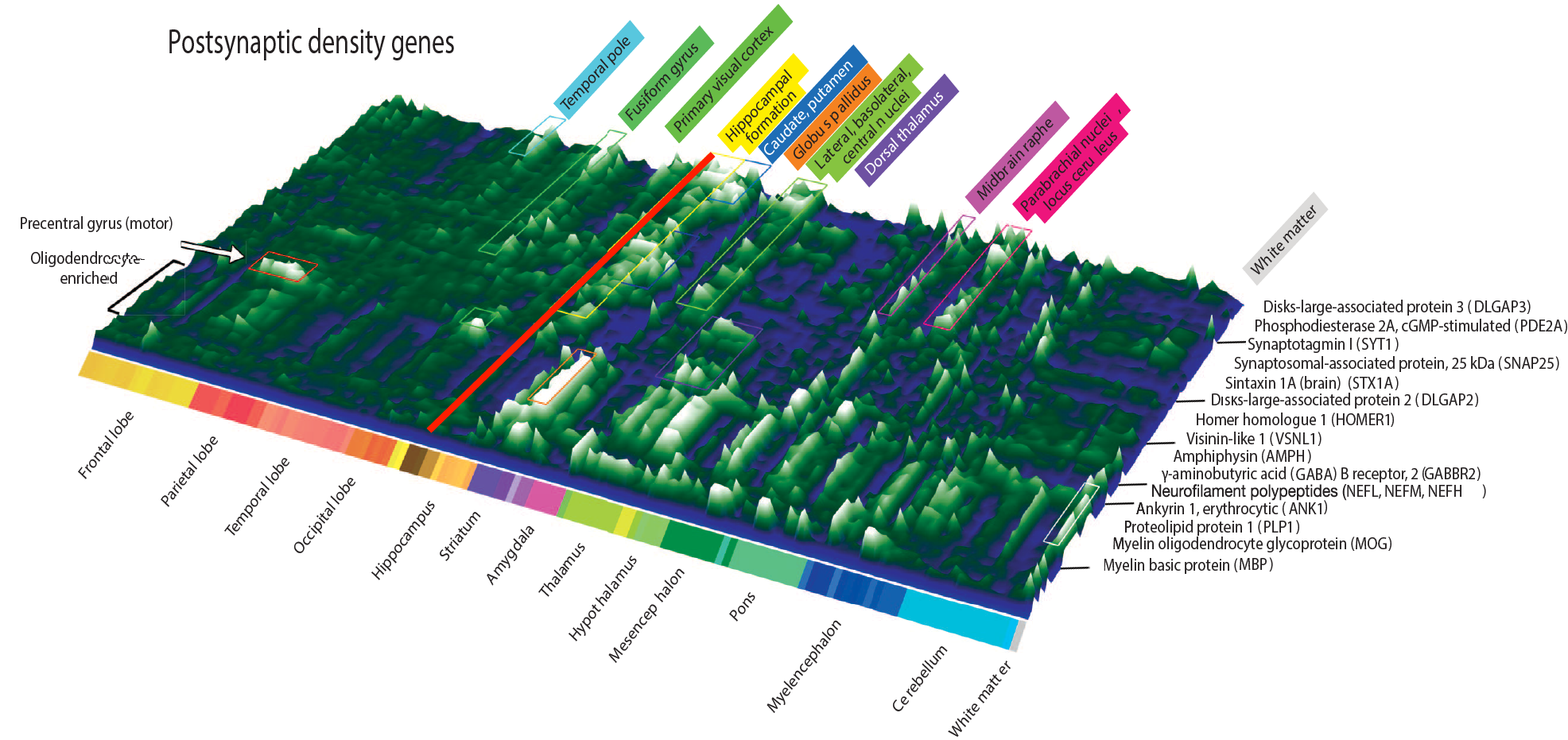
Hawrylycz M.J. , et al. (2012). Nature. 489:391–399.
Memory and timescales in the cortex
Duarte, R. , Seeholzer, A., Zilles, K. & Morrison A. (2017). Current Opinion in Neurobiology. 43:156-165.
Synaptic patterning
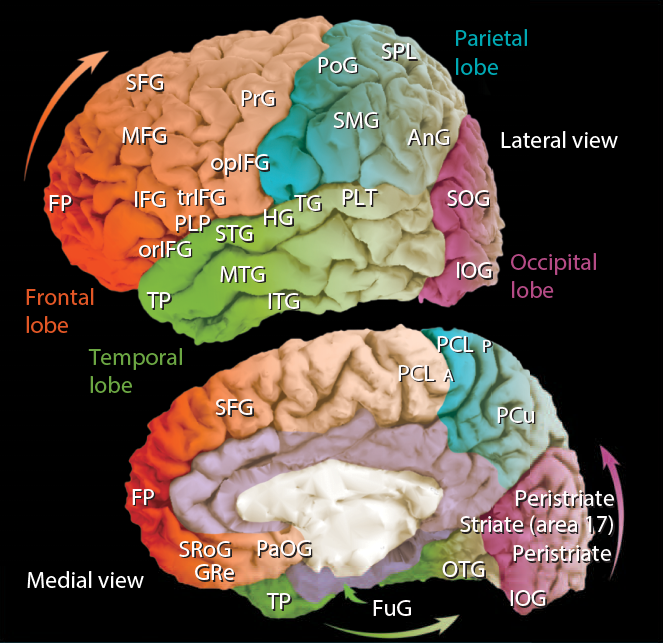
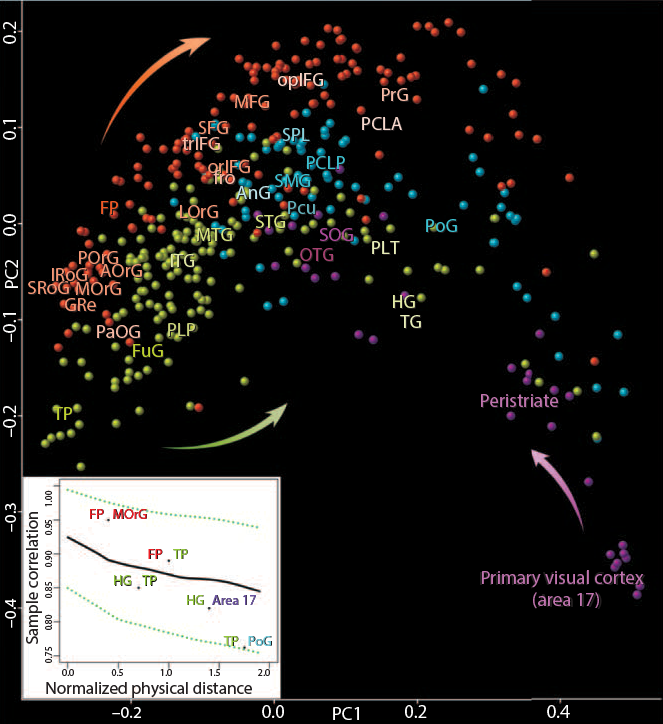
Hawrylycz M.J. , et al. (2012). Nature. 489:391–399.
... so much so that one can recover cortical organization patterns based on these differences
Memory and timescales in the cortex
Duarte, R. , Seeholzer, A., Zilles, K. & Morrison A. (2017). Current Opinion in Neurobiology. 43:156-165.
Duarte, R. , Seeholzer, A., Zilles, K. & Morrison A. (2017). Current Opinion in Neurobiology. 43:156-165.
Synaptic patterning
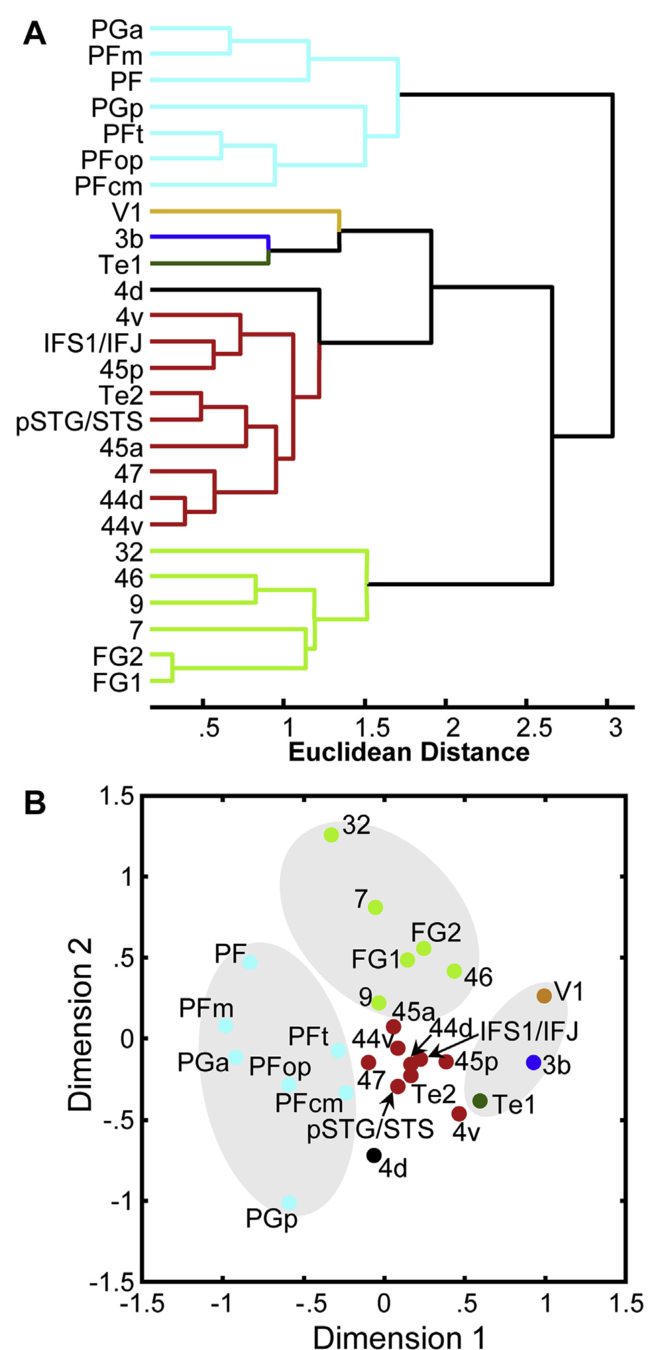
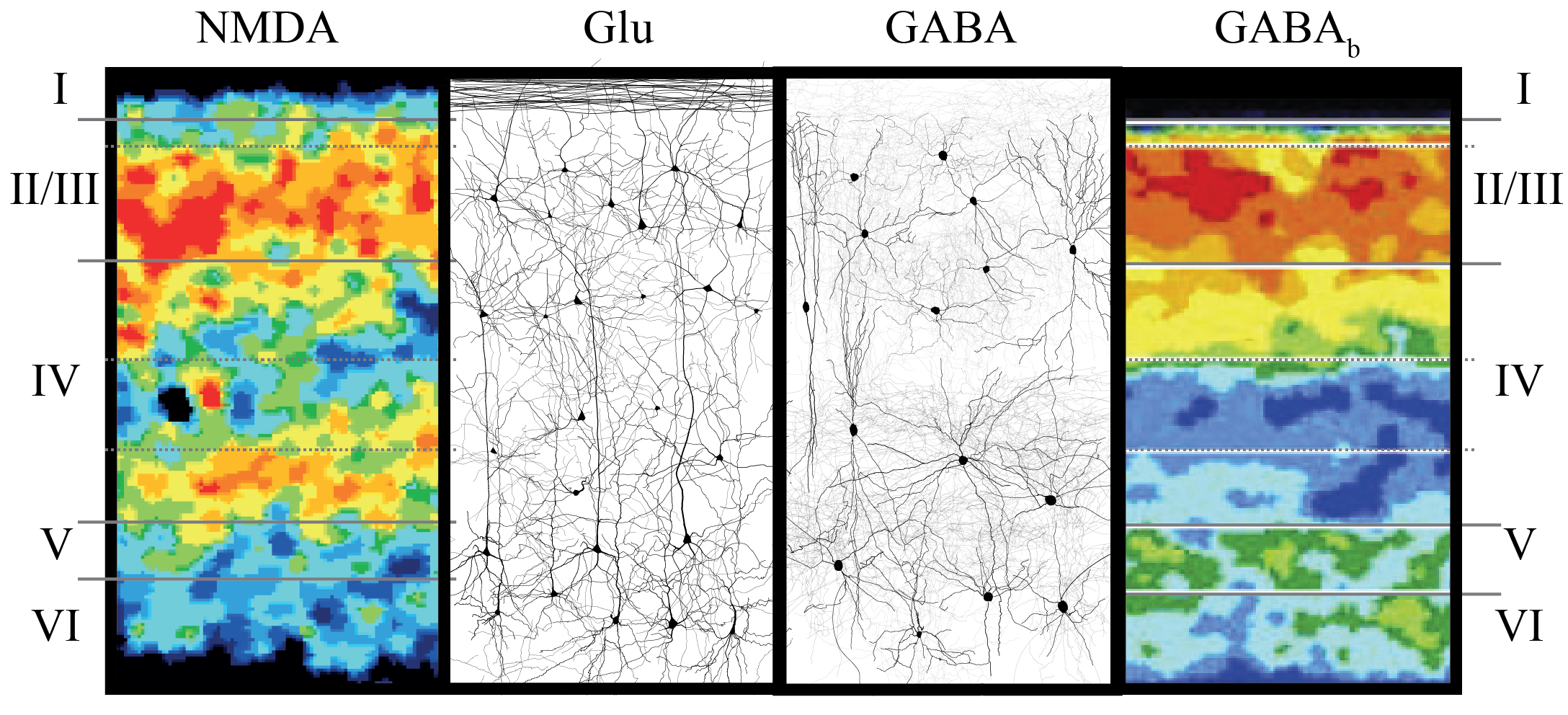
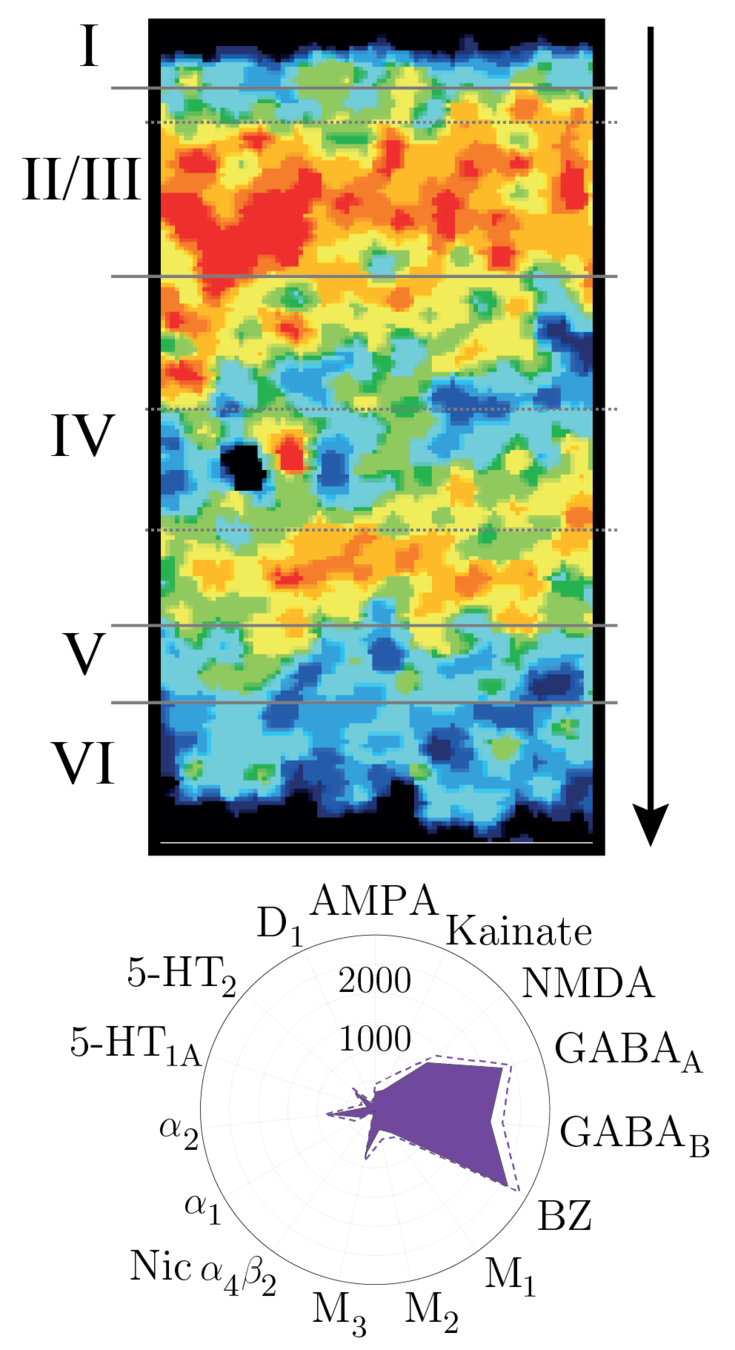
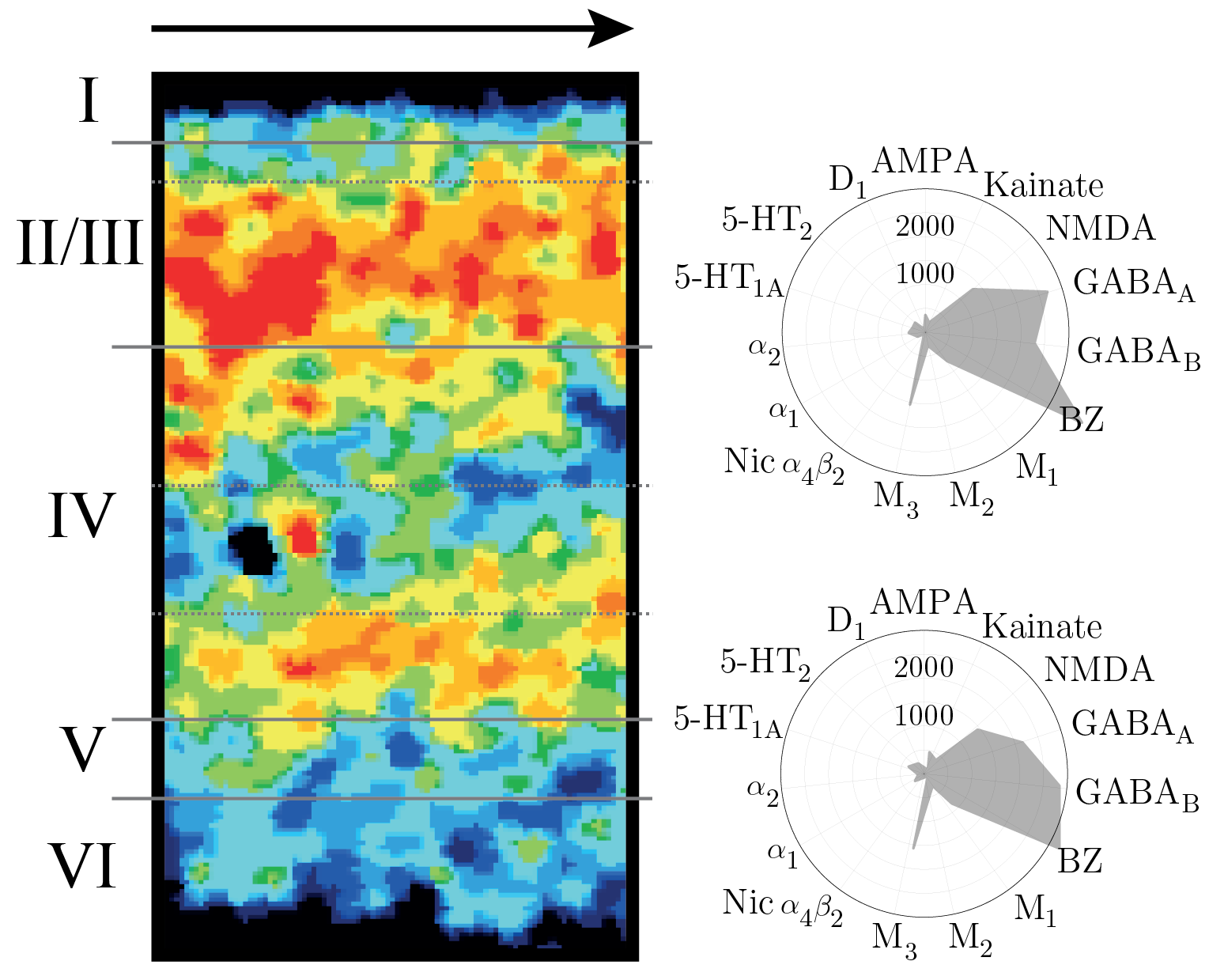
Receptor "fingerprints" - default molecular organization
Zilles K. et al. (2015). Cortex. 63:79–89.
Memory and timescales in the cortex
Duarte, R. , Seeholzer, A., Zilles, K. & Morrison A. (2017). Current Opinion in Neurobiology. 43:156-165.
Synaptic patterning
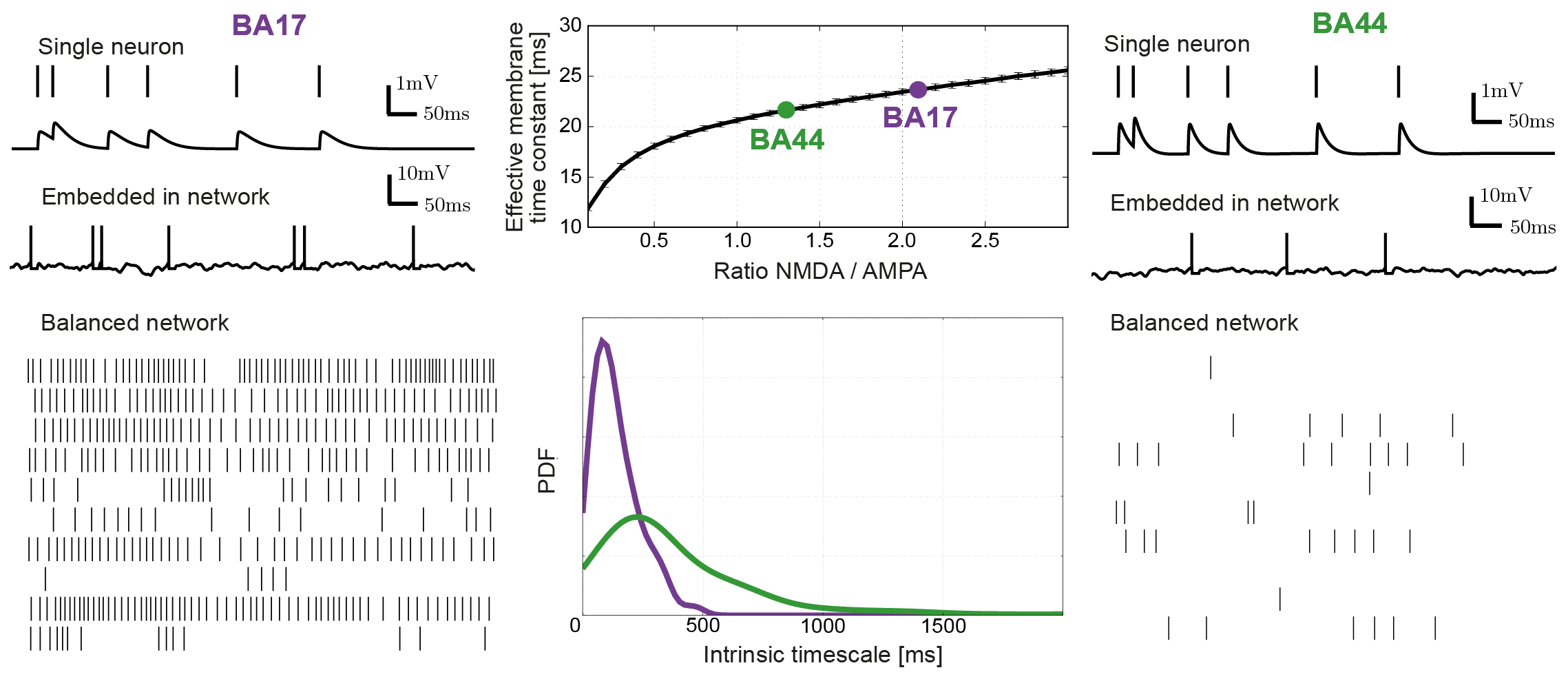
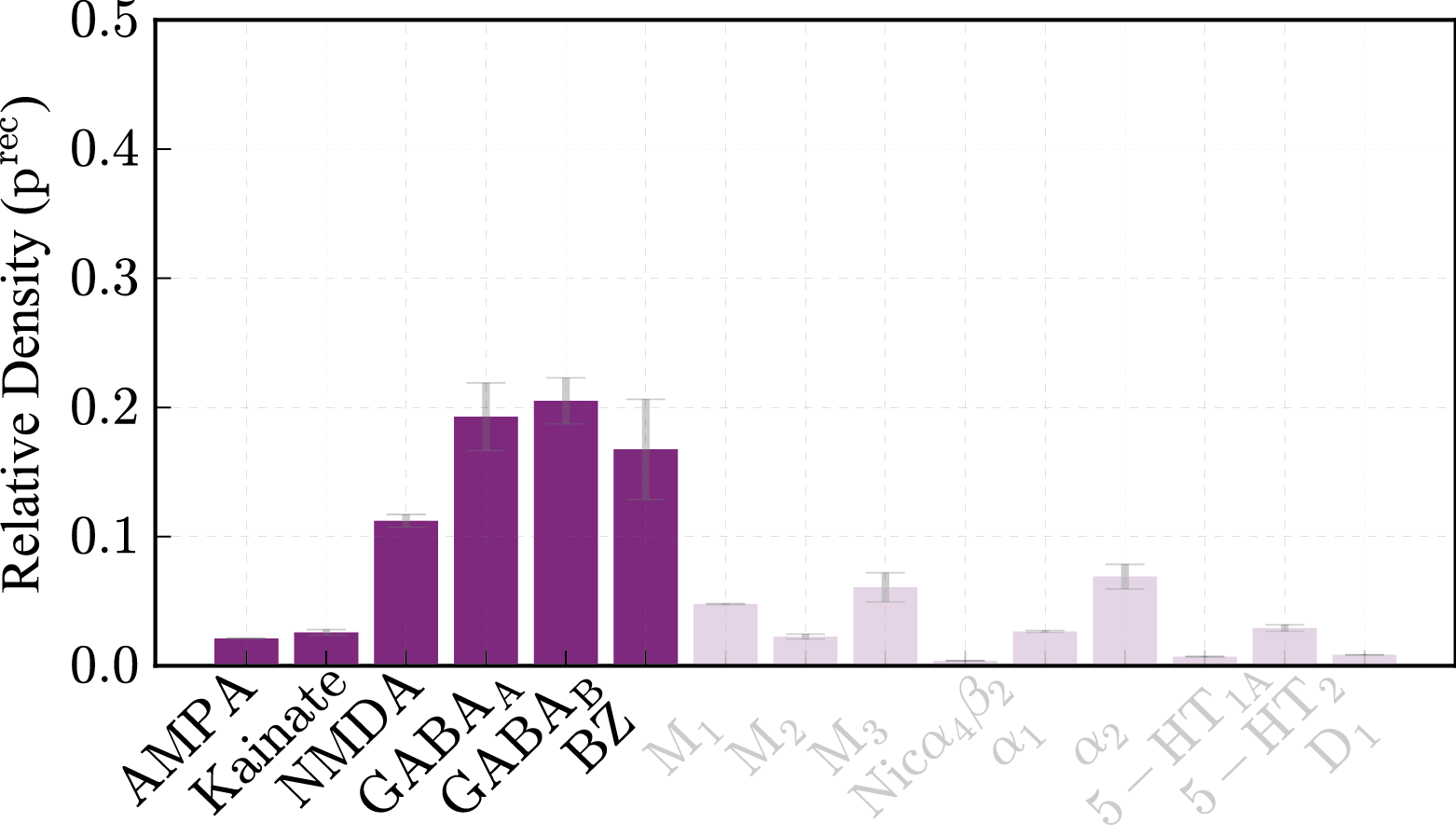
Receptor composition constrains temporal tuning properties
(innate)
Memory and timescales in the cortex
Duarte, R. & Morrison A. (In Revision). PLoS Computational Biology.
Computational role of heterogeneity
Account for realistic synaptic kinetics in point neuron models
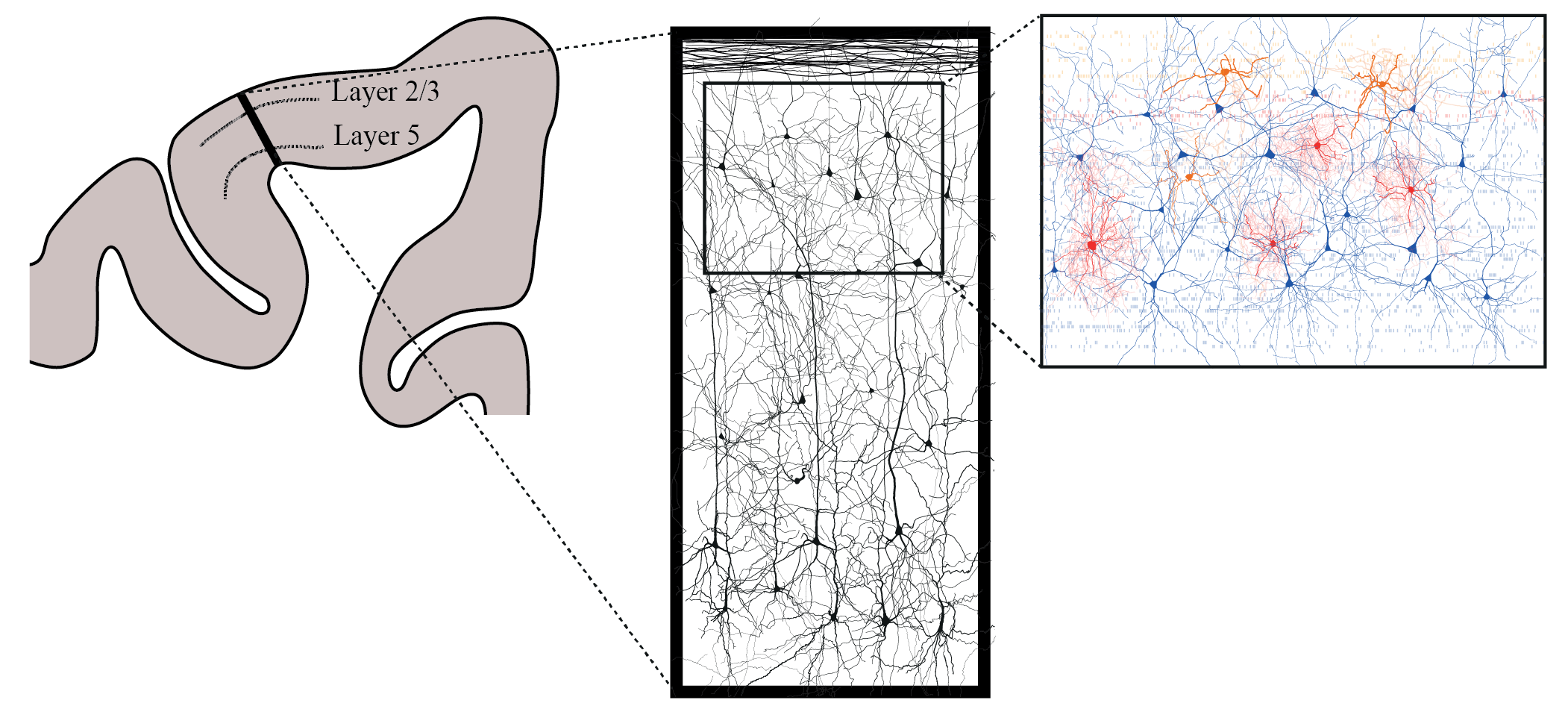
Data-driven Layer 2/3 model
Why Layer 2/3?
- Highly recurrent connectivity
- Sparse, asynchronous activity
- Unique I/O relations
- Small neurites
- "Manageable" complexity
- Complete experimental data
Need to "modularize" heterogeneity
Need more realistic models
Duarte, R. & Morrison A. (In Revision). PLoS Computational Biology.

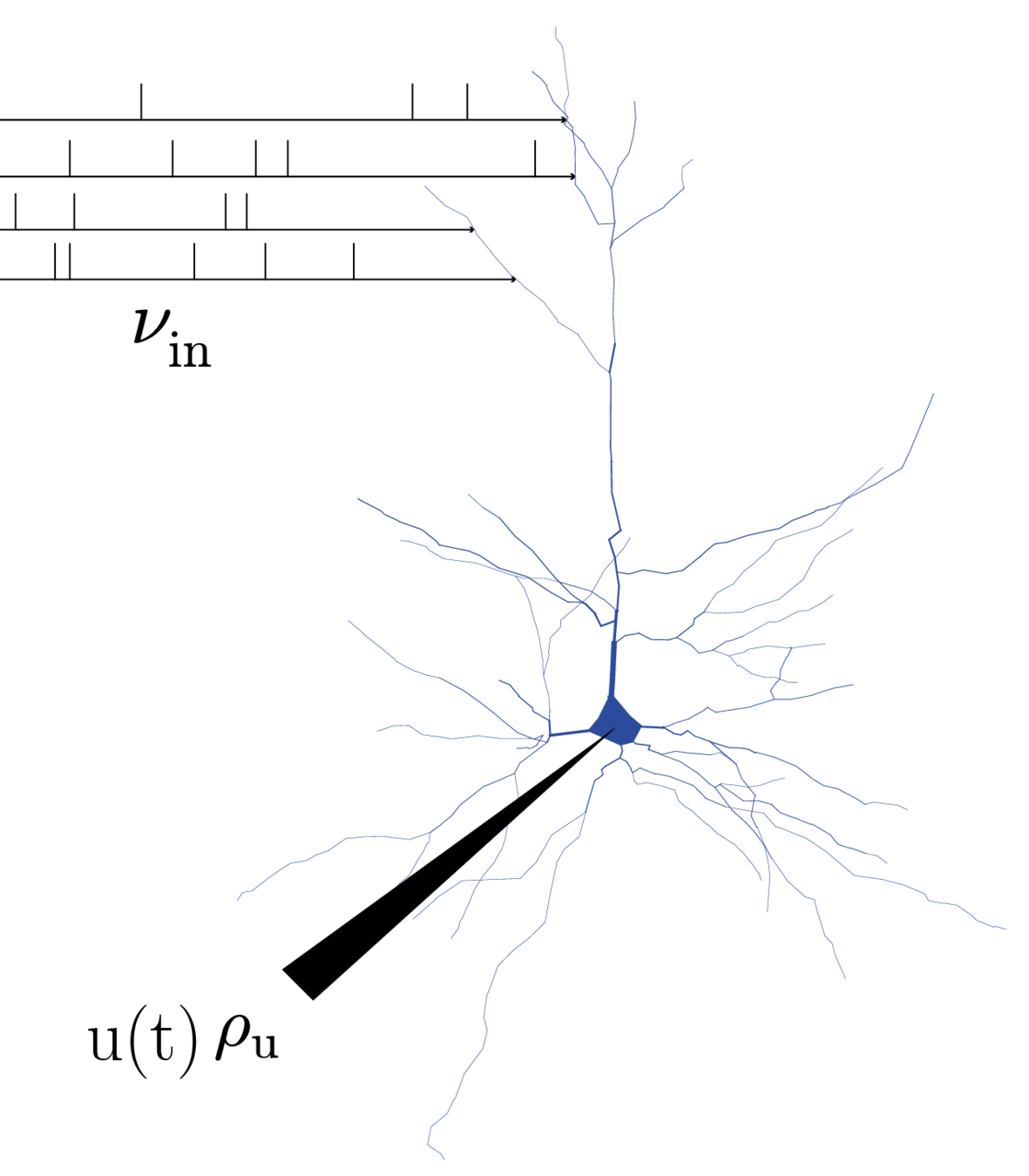
Task specifications
Information processing capacity
Sub-population of E neurons
Step-wise constant DC
Dambre J. et al. (2012). Scientific Reports. 2:514.
Ability to perform arbitrary functional mappings:
Set targets to cover a broad space of orthonormal basis functions of u
Random input process
Measure only properties of the system
Computational role of heterogeneity
Duarte, R. & Morrison A. (In Revision). PLoS Computational Biology.
3 types of neurons (E / I1 / I2):
- Spiking neurons: Adaptive Leaky Integrate-and-Fire neurons
- Complex synaptic kinetics
- No plasticity
System specifications
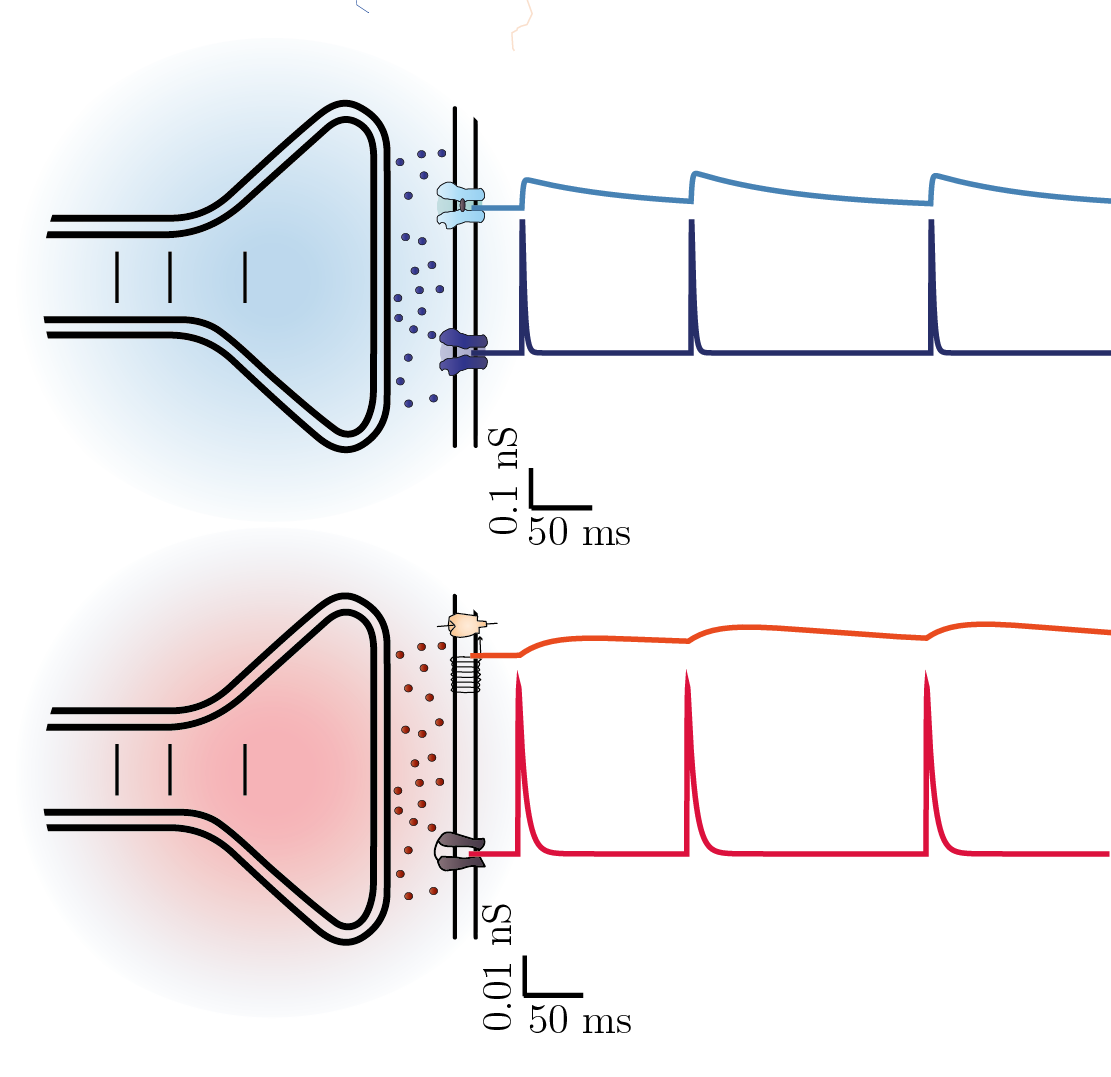
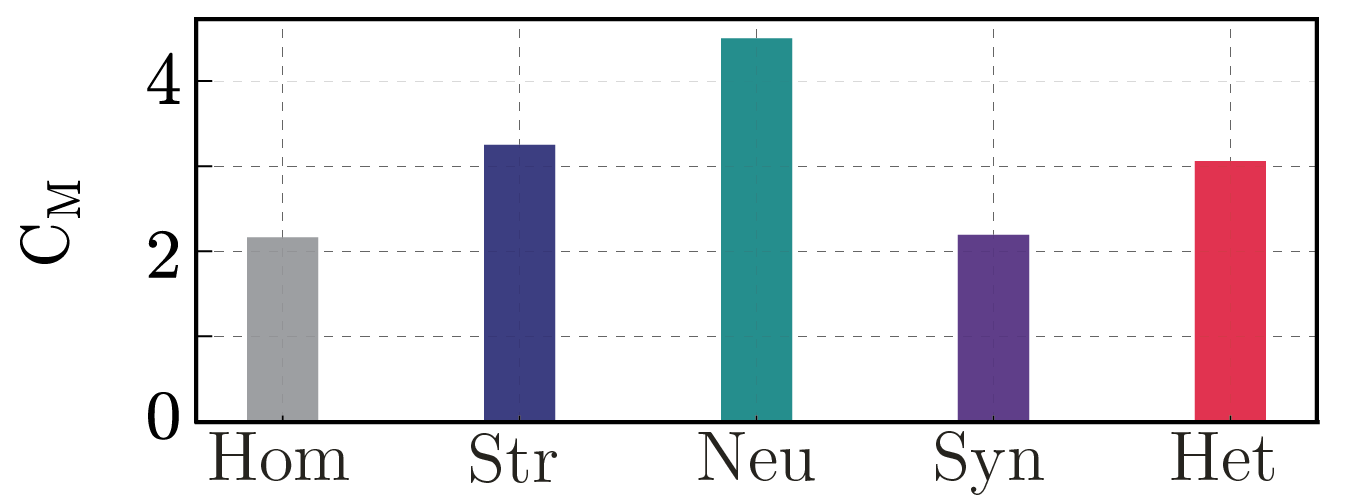
Study the impact of heterogeneity in systems components:
- Homogeneous (Hom)
- Neuronal (Neu)
- Synaptic (Syn)
- Structural (Str)
- Heterogeneous (Het)
Computational role of heterogeneity
Duarte, R. & Morrison A. (In Revision). PLoS Computational Biology.
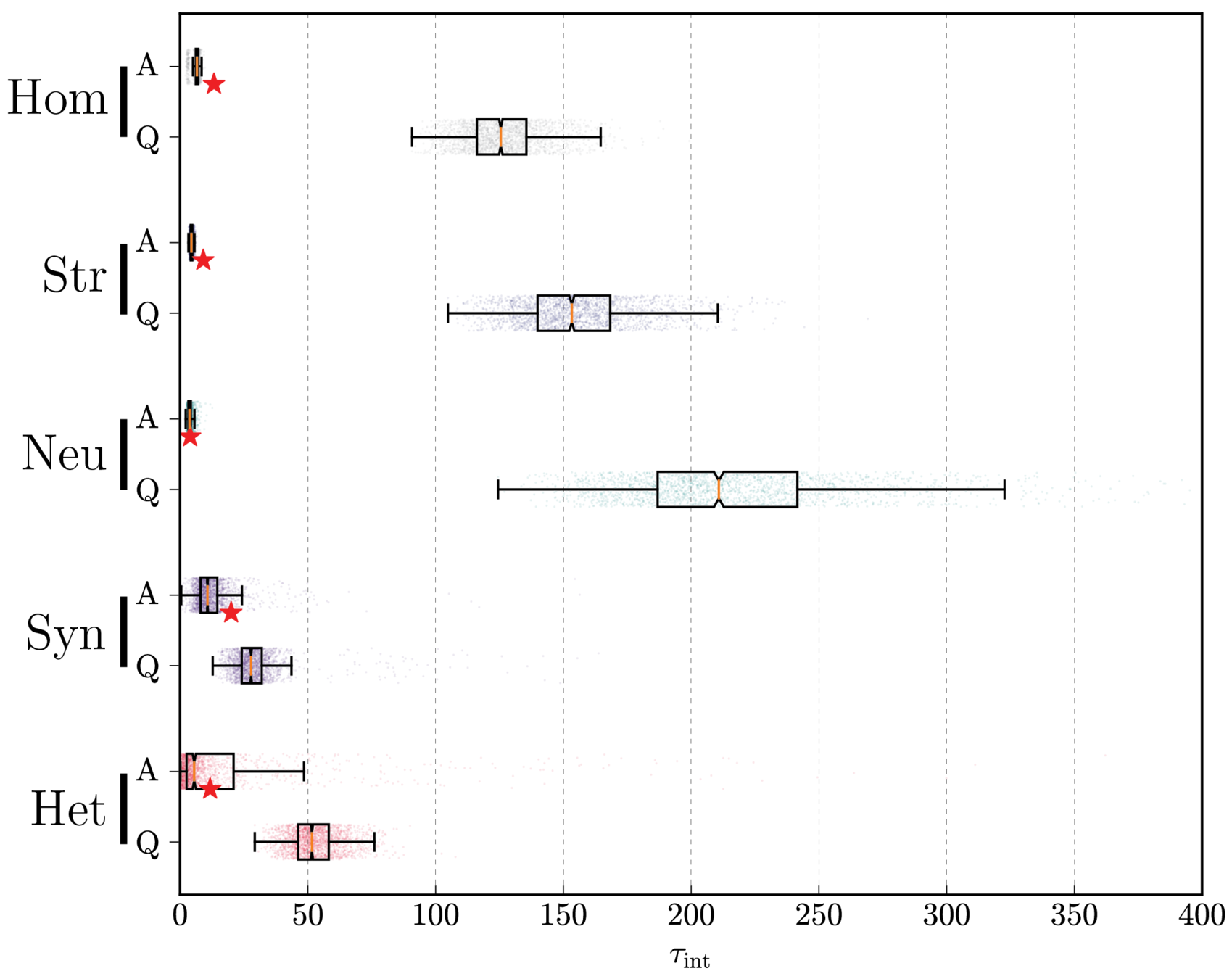
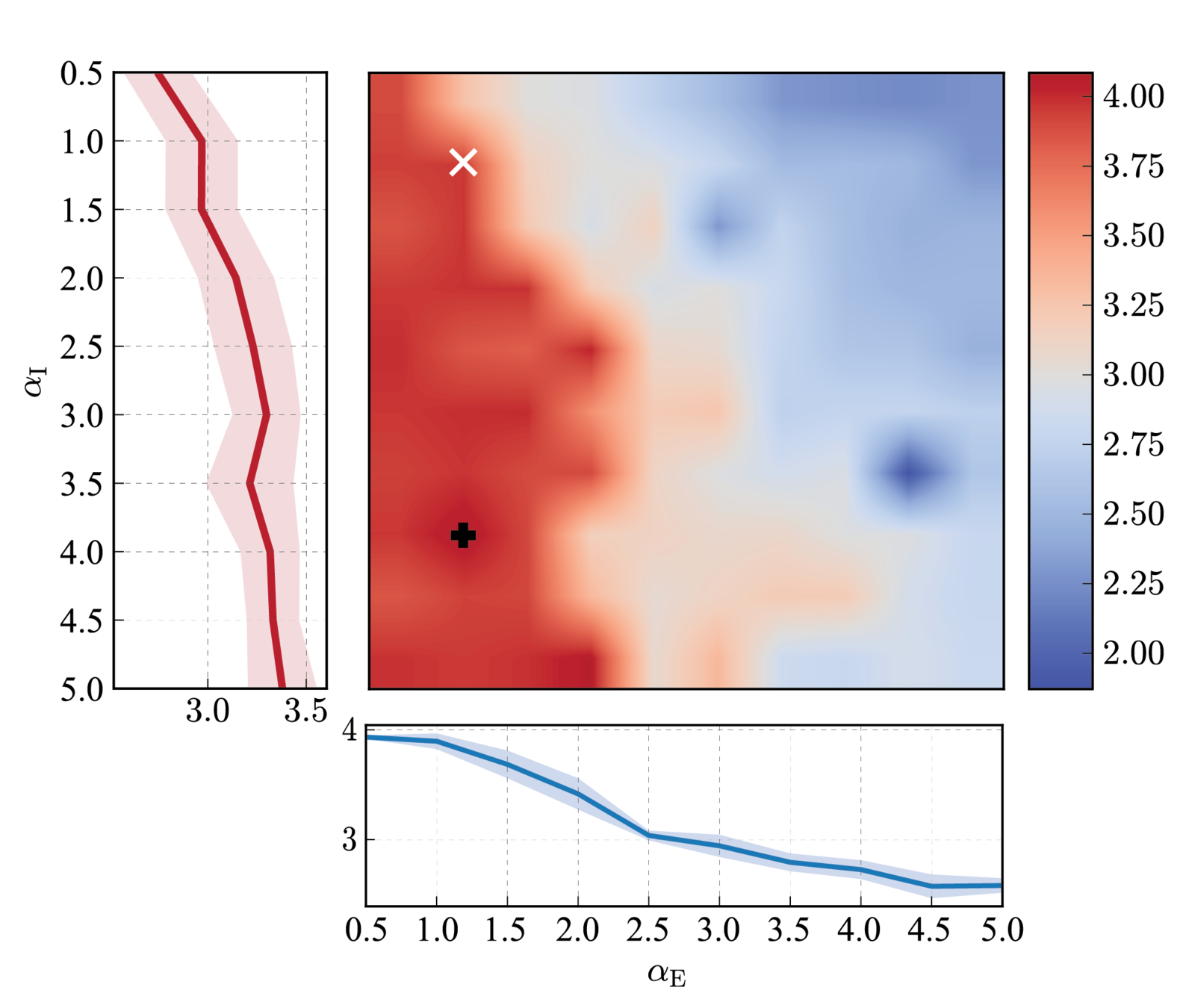
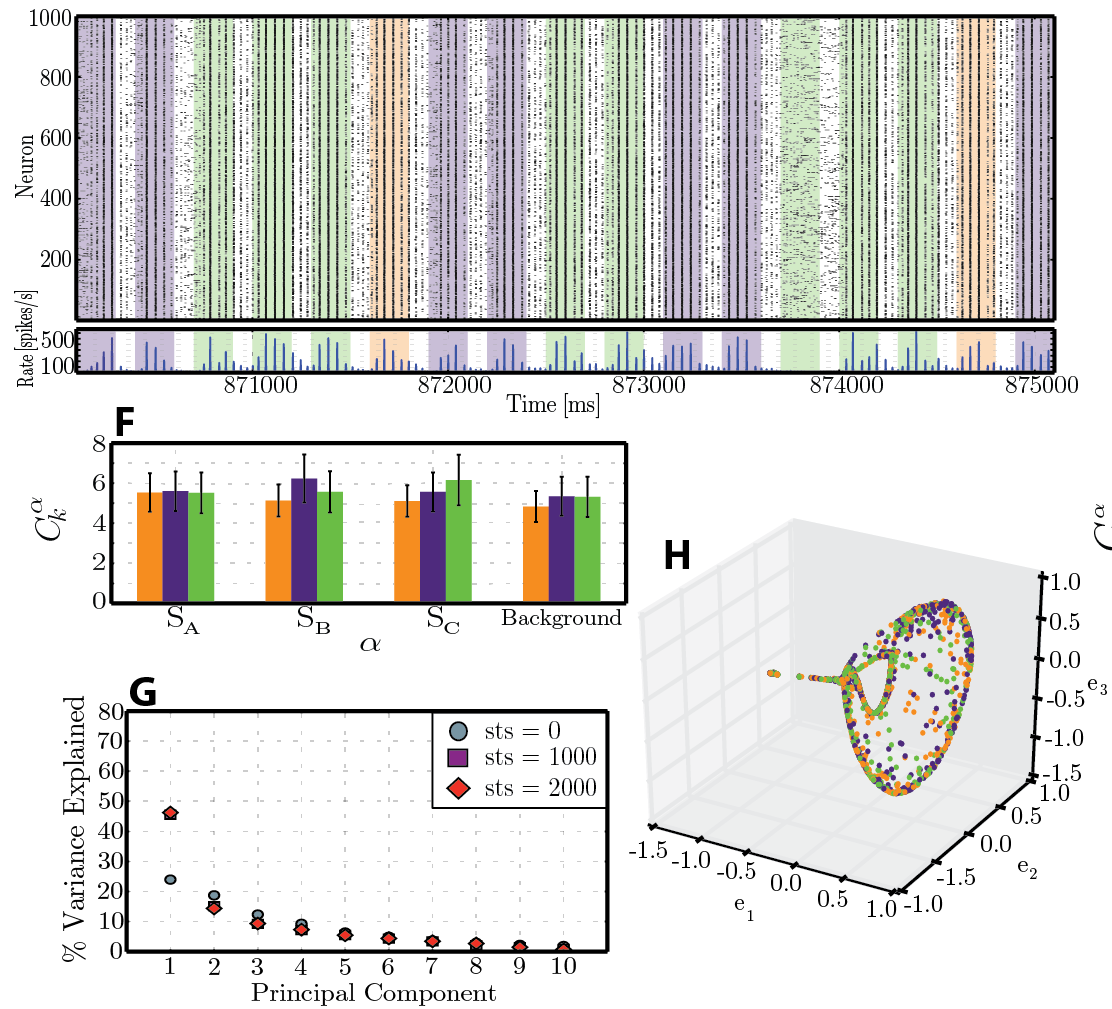
Temporal tuning and memory
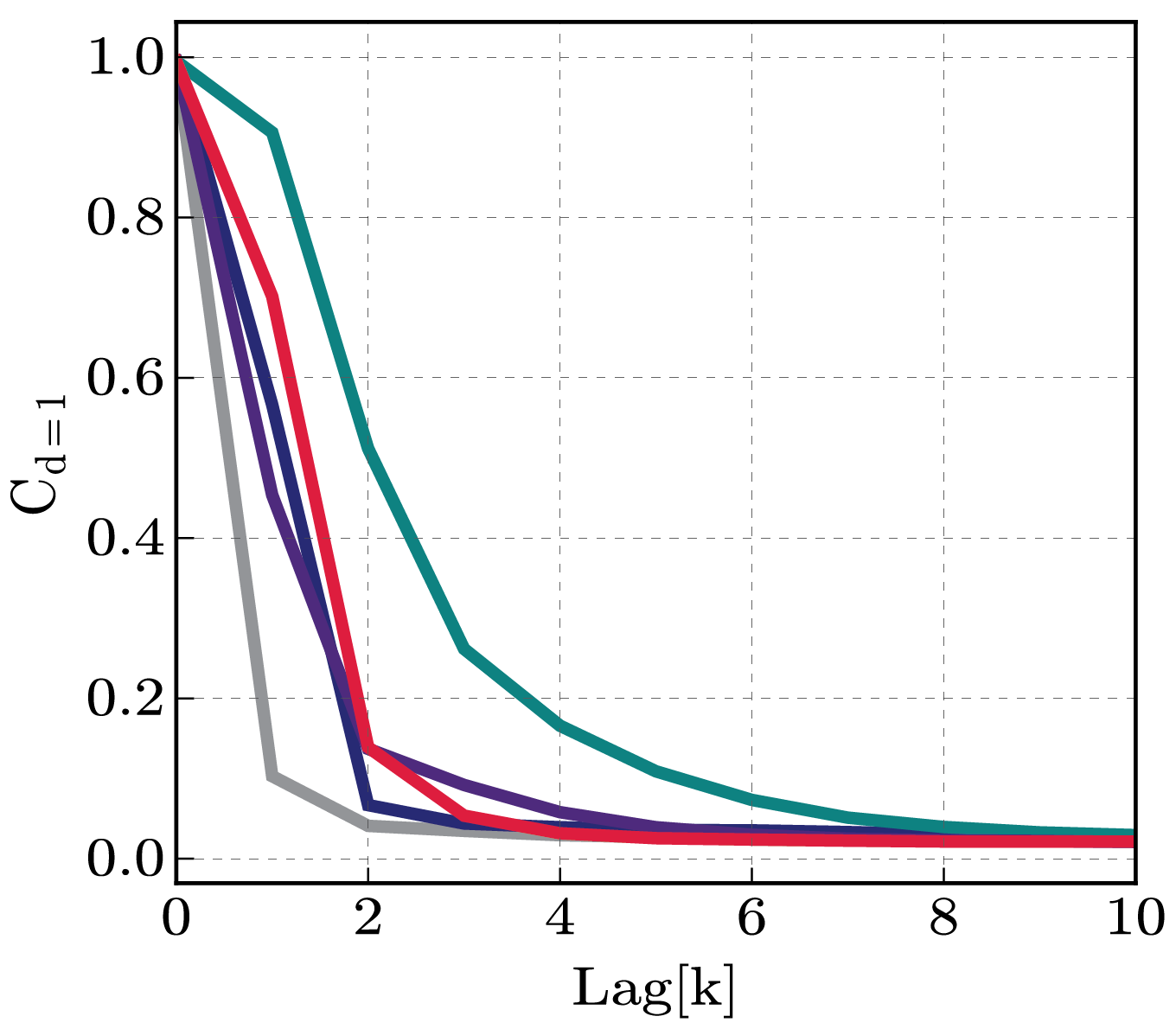
Computational role of heterogeneity
Duarte, R. & Morrison A. (In Revision). PLoS Computational Biology.
Variations in receptor composition modulate memory capacity
Memory and Intrinsic timescales
Computational role of heterogeneity
Duarte, R. & Morrison A. (In Revision). PLoS Computational Biology.
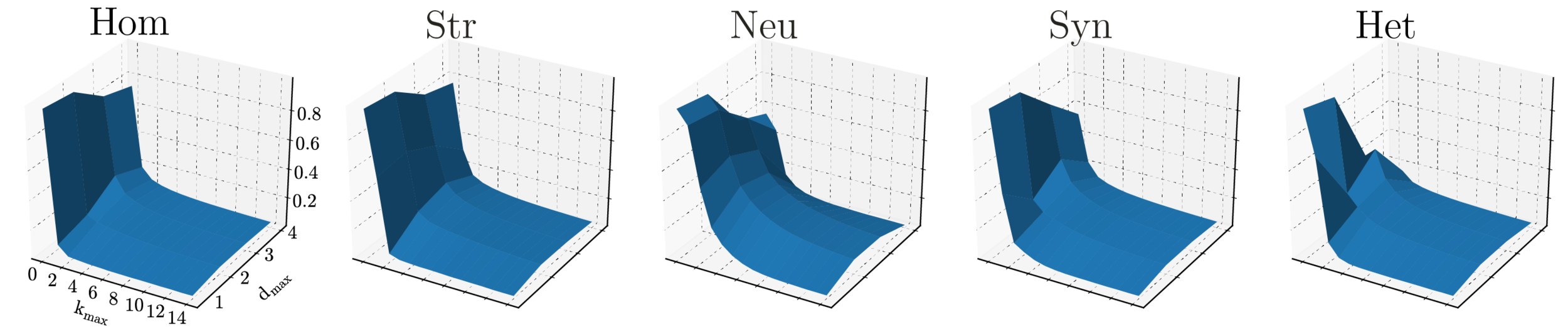
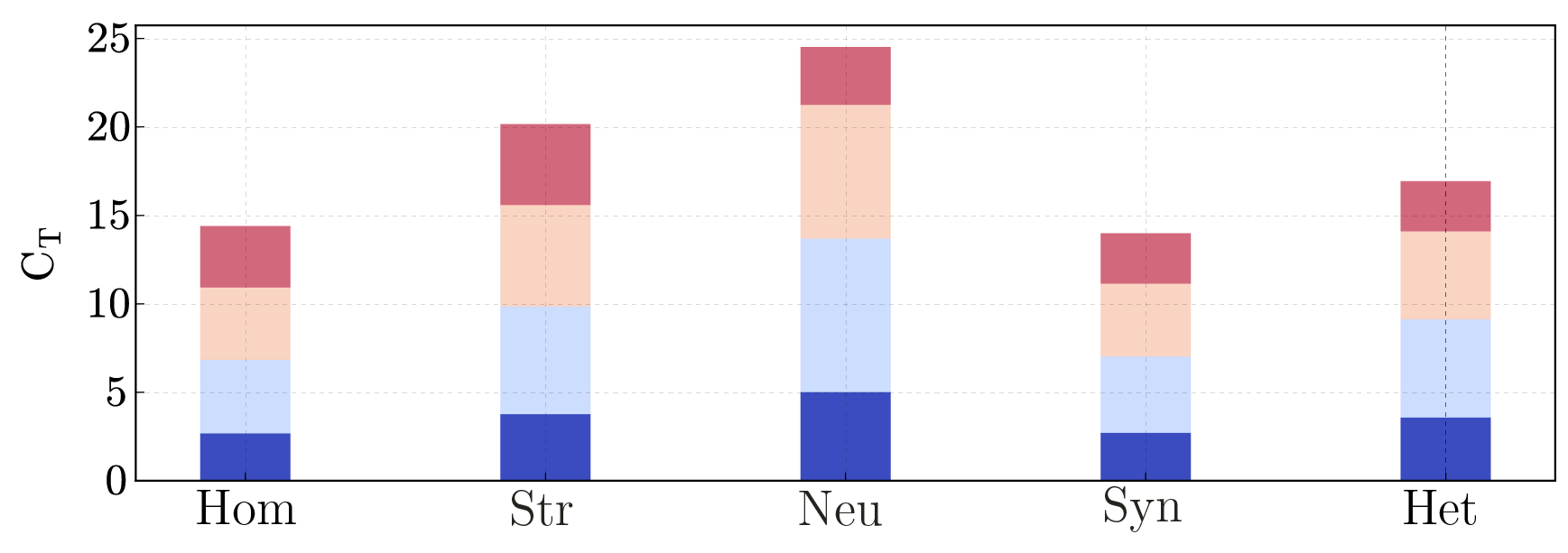
- Neuronal heterogeneity has the largest functional impact
- Structural heterogeneity boosts the capacity to process highly nonlinear functions
Processing Capacity
Computational role of heterogeneity
Summary I
- Recurrence allows contextual information to reverberate in the current state
- Context-dependent representations
- Plasticity allows the network to learn the structure of simple (regular) grammars and developing a reliable predictive model
- Networks become sensitive to sequence violations and string legality
- Rule-guided learning
- Learning is successful if trajectories are kept constrained and compact - iSTDP
- Compact (low-dimensional) representations
Symbolic processing in discrete dynamical systems
- The macroscopic features of intrinsic dynamics constrain population responses to stimuli
- Representational "precision" is state-dependent
- Plasticity (iSTDP) acts by maintaining sparse, distributed activity patterns (AI)
- Active decorrelation
- Sparse, distributed dynamics
- Stimulus-specific responses evolve through bounded, reproducible trajectories
- Compact representations
- Sequential metastability
Stability, precision and state-dependence
Summary II
- Patterning of the "synaptic machinery" may prime specific circuits to operate on specific timescales
- Innate / evolutionary constraints
- Learning, memory, attention, ...
- Structural and electrophysiological diversity have a significant functional impact
- Complexity and heterogeneity
Heterogeneity and memory
Summary III
Discussion / Outlook
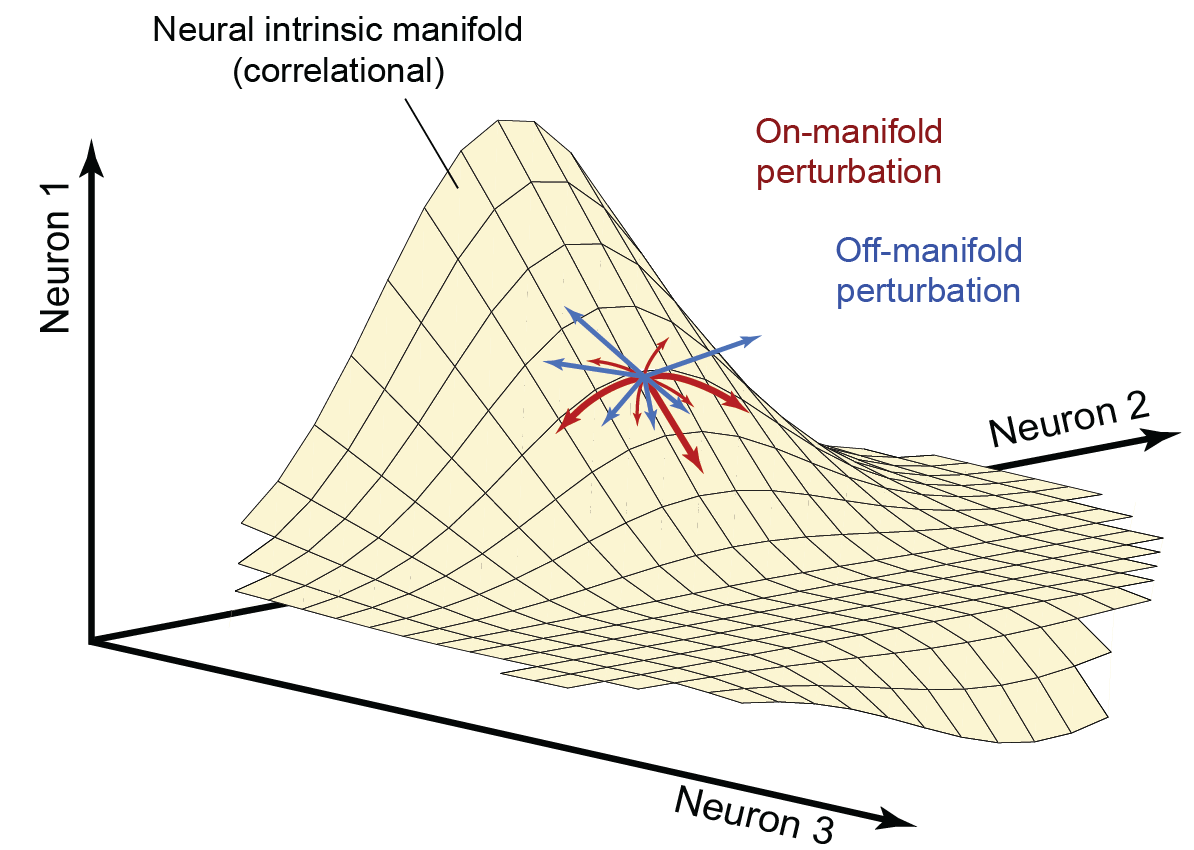
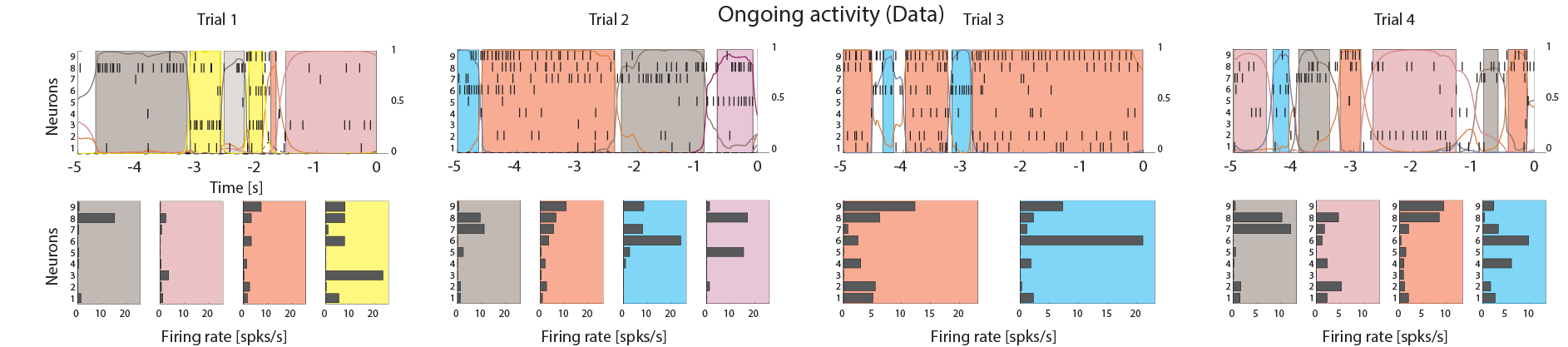
Neural responses are constrained to a low-dimensional manifold
On-manifold perturbations - high behavioral performance
Off-manifold perturbations - learning
Learned sequence structure is reflected in the intrinsic dynamics...
Jazayeri, M., et al. (2017). Neuron. 93:1003–1014.
Mazzucato, L. et al. (2016). Frontiers in Systems Neuroscience. 10(11)
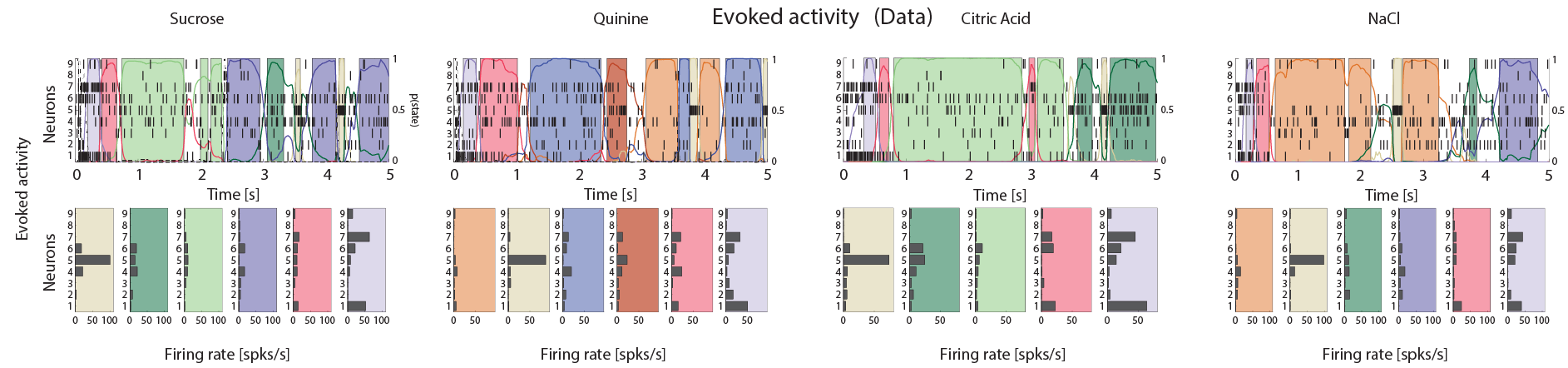
...which, in turn, reflects acquired knowledge
Neural responses are constrained to a low-dimensional manifold
On-manifold perturbations - high behavioral performance
Off-manifold perturbations - learning
Jazayeri, M., et al. (2017). Neuron. 93:1003–1014.
Mazzucato, L. et al. (2016). Frontiers in Systems Neuroscience. 10(11)
Discussion / Outlook
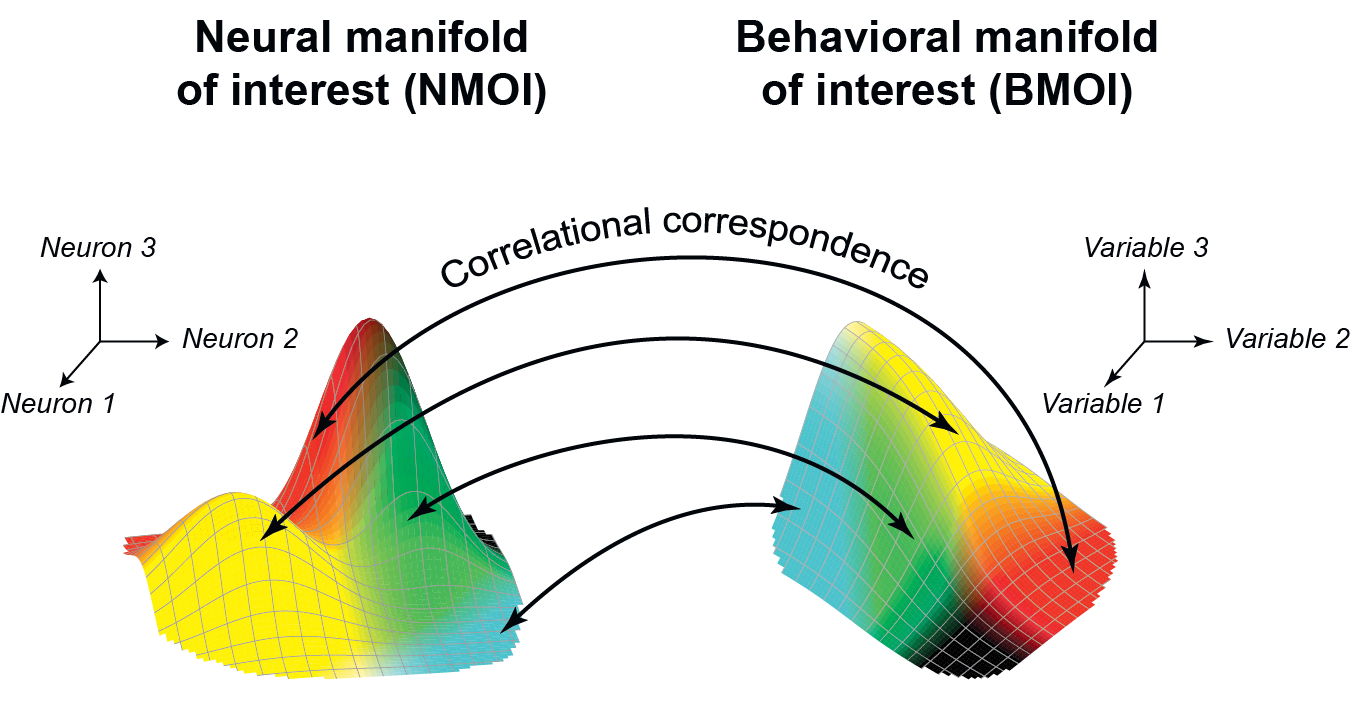
Determine the appropriate mappings between cognition/behavior and neural states
Jazayeri, M., et al. (2017). Neuron. 93:1003–1014.
Neural responses are constrained to a low-dimensional manifold
On-manifold perturbations - high behavioral performance
Off-manifold perturbations - learning
Discussion / Outlook
The "atoms" of neural computation are the functional outcomes of anatomophysiological and biochemical specializations
Compositional sequence learning
- sequences-of-sequences
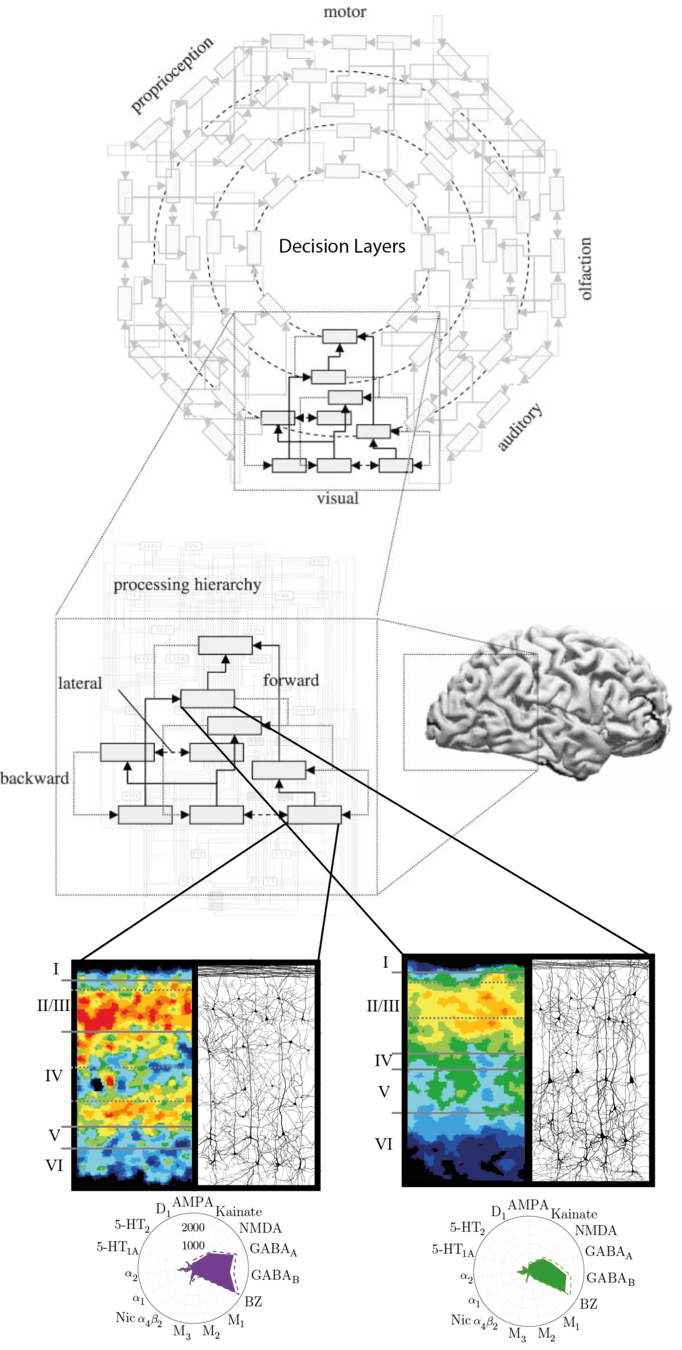
Discussion / Outlook
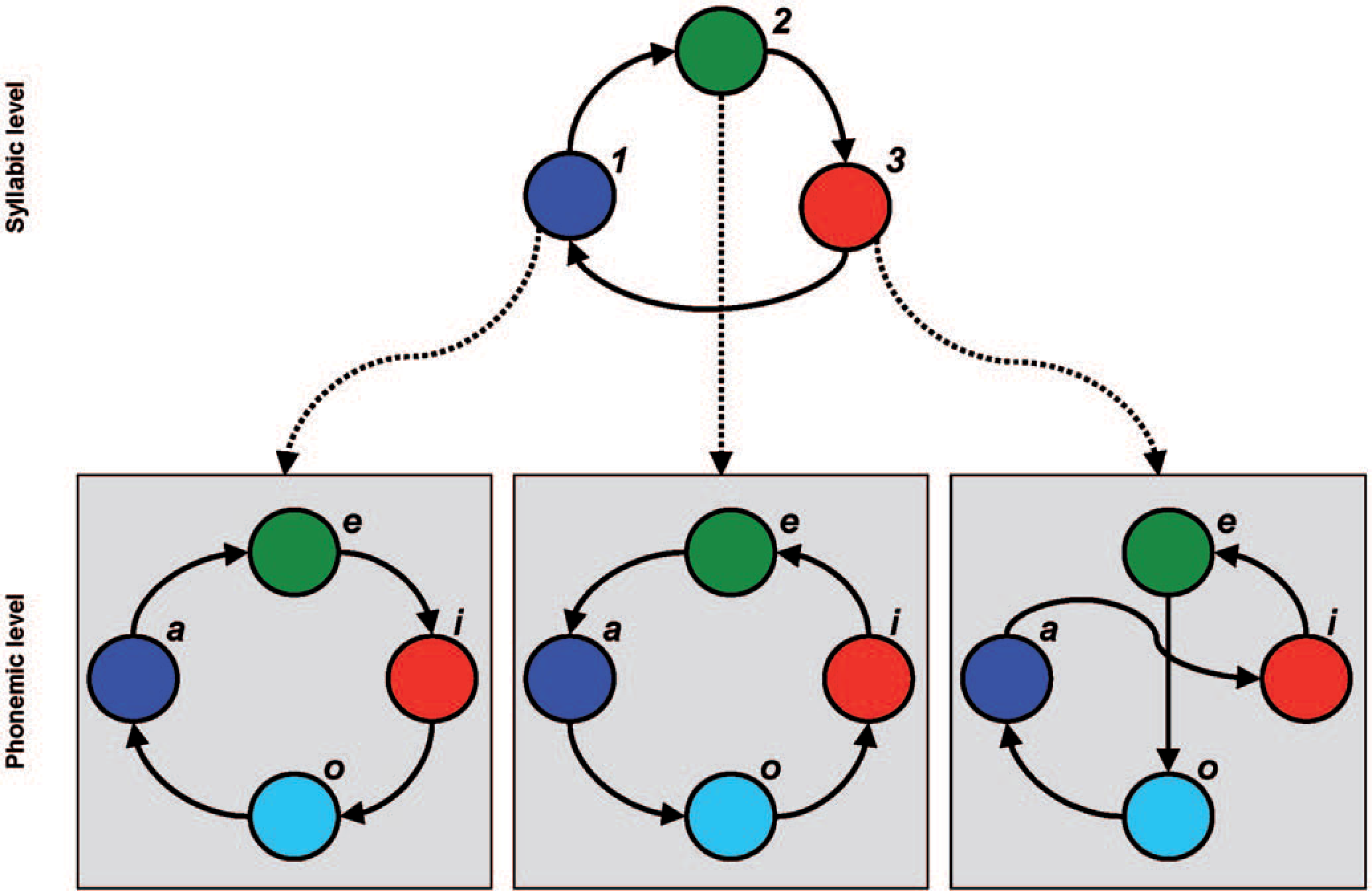
Kiebel SJ, et al. (2009). PLoS Computational Biology. 5:e1000464.
Thank you!
Abigail Morrison
Peggy Series
Karl Magnus Petersson
Karl Zilles
Philipp Weidel
Barna Zajzon
Alexander Seeholzer
Susanne Kunkel
Carlos Toledo-Suarez









Jannis Schuecker
Sandra Diaz
Yury Zaitsev
Claudia Bachmann
(...)