Lecture 16: Motion Planning (part 2)
This is a live streamed presentation. You will automatically follow the presenter and see the slide they're currently on.
This is a live streamed presentation. You will automatically follow the presenter and see the slide they're currently on.
MIT 6.881: Robotic Manipulation
Fall 2020, Lecture 16
Follow live at https://slides.com/russtedrake/fall20-lec16/live
(or later at https://slides.com/russtedrake/fall20-lec16)
subject to:
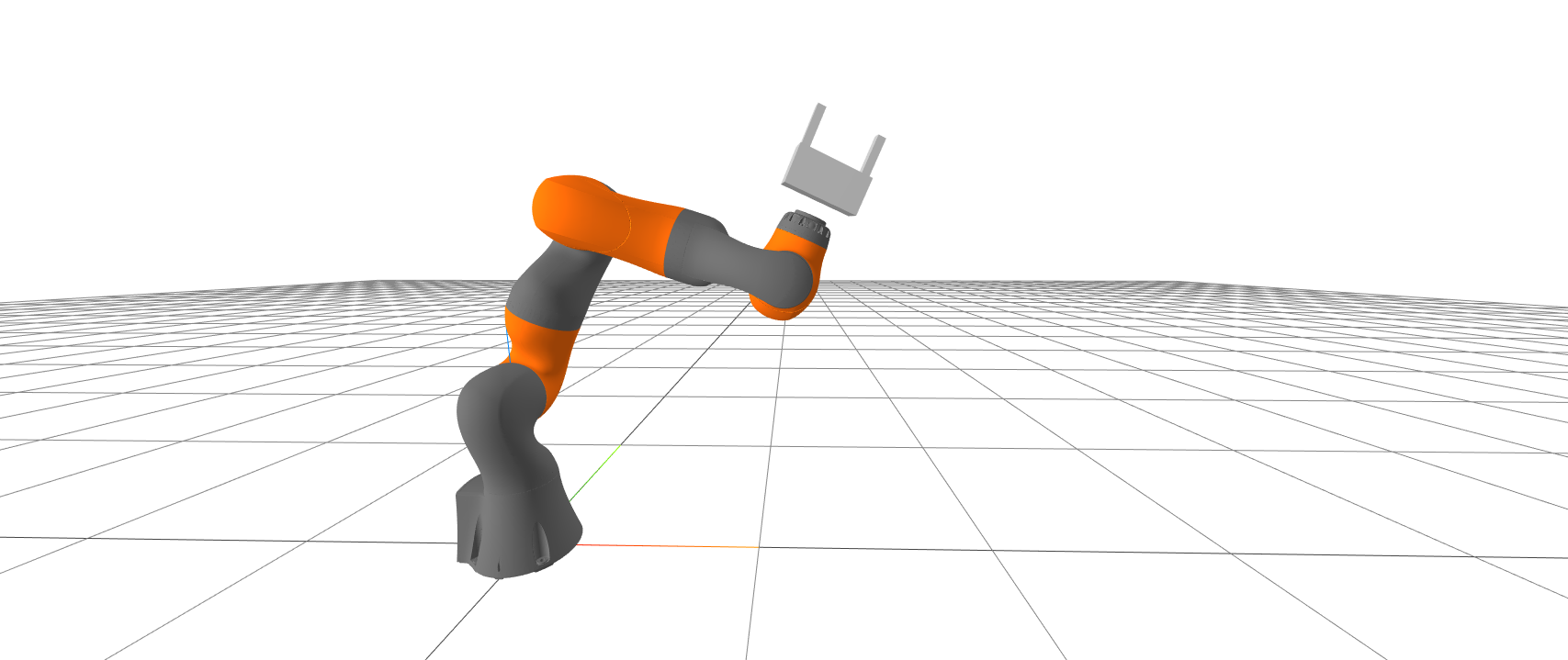
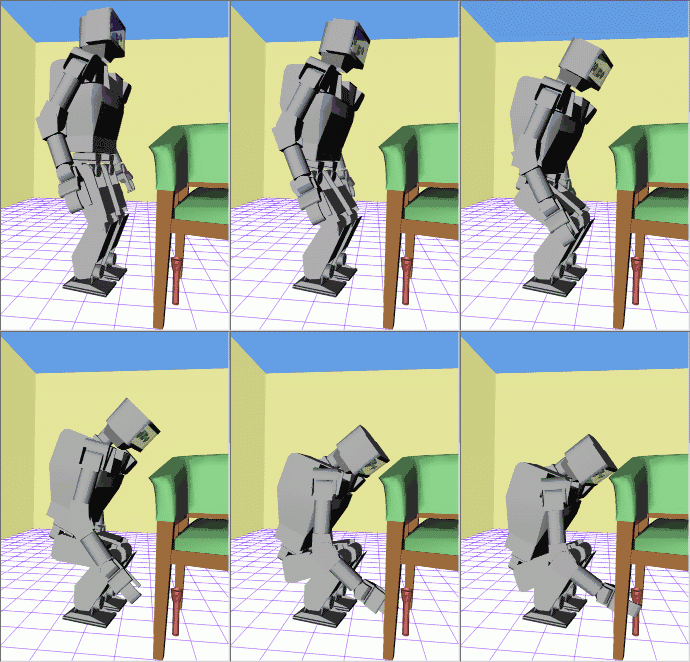
work by Hongkai Dai et al. at TRI
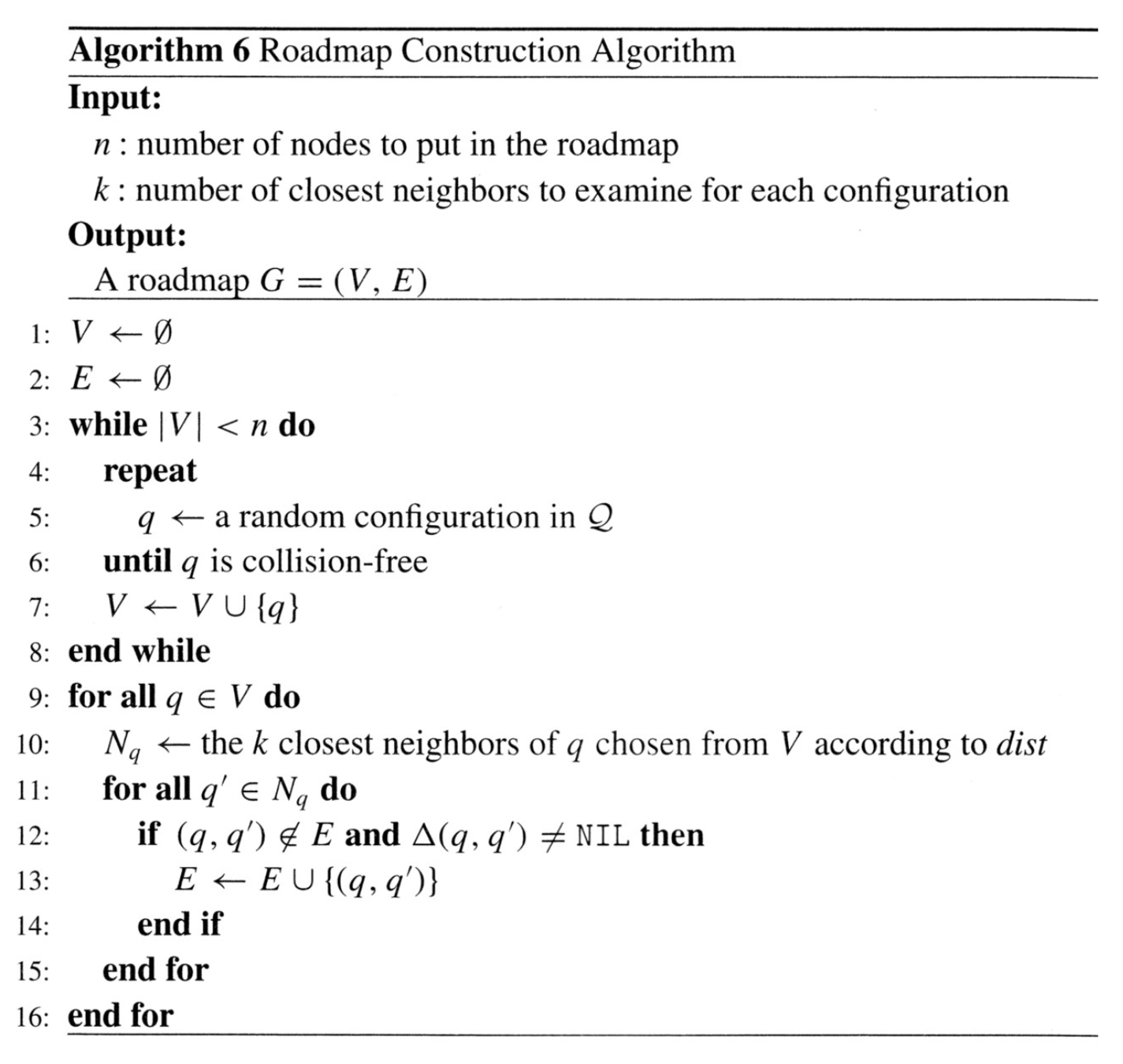
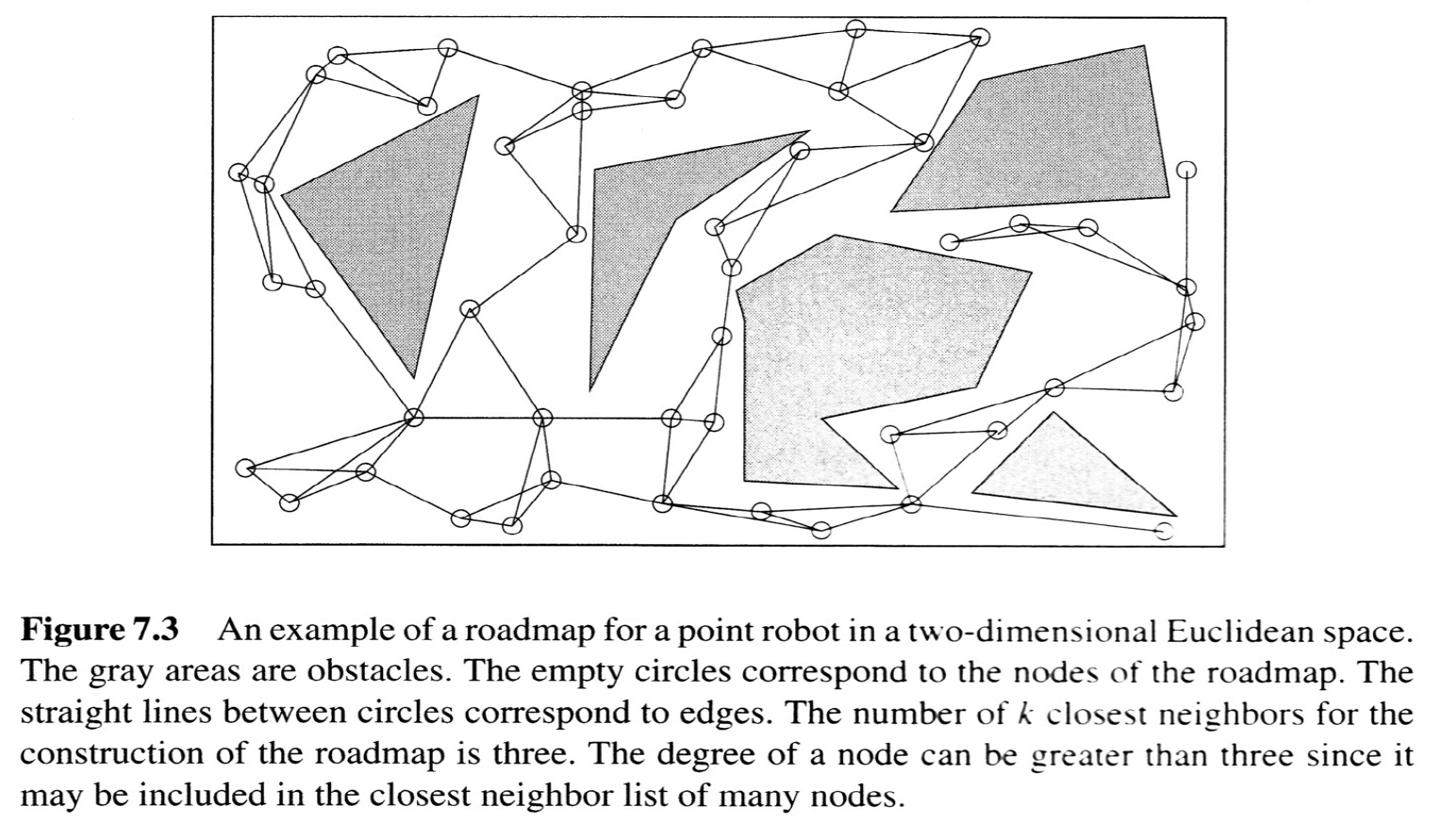
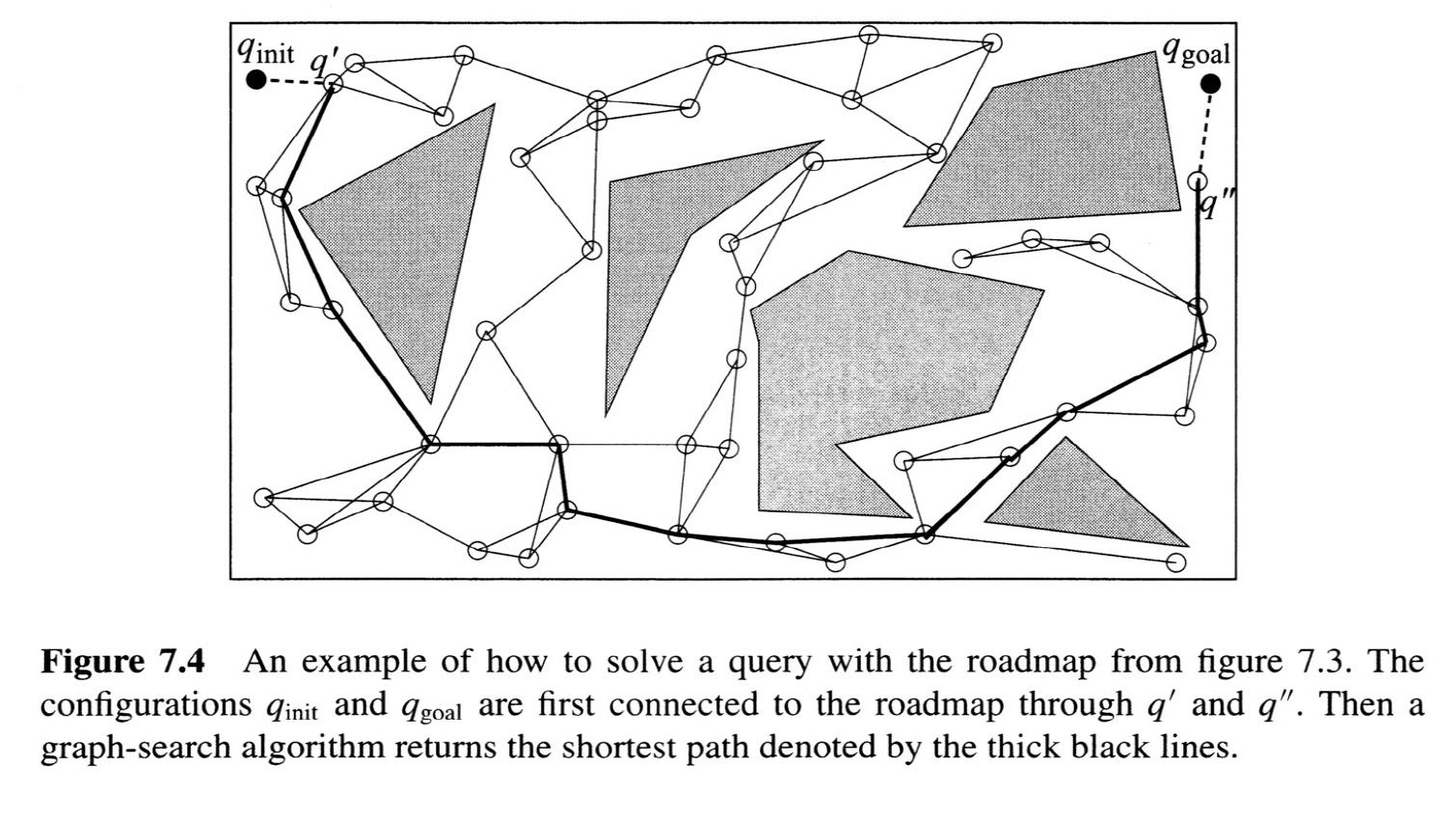
Amato, Nancy M., and Yan Wu. "A randomized roadmap method for path and manipulation planning." Proceedings of IEEE international conference on robotics and automation. Vol. 1. IEEE, 1996.
from Choset, Howie M., et al. Principles of robot motion: theory, algorithms, and implementation. MIT press, 2005.
from Choset, Howie M., et al. Principles of robot motion: theory, algorithms, and implementation. MIT press, 2005.
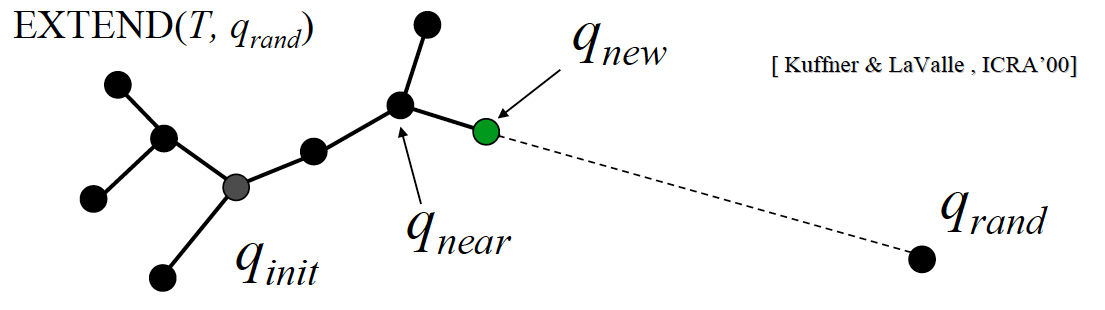
BUILD_RRT (qinit) {
  T.init(qinit);
  for k = 1 to K do
    qrand = RANDOM_CONFIG();
    EXTEND(T, qrand)
}
http://www.kuffner.org/james/plan
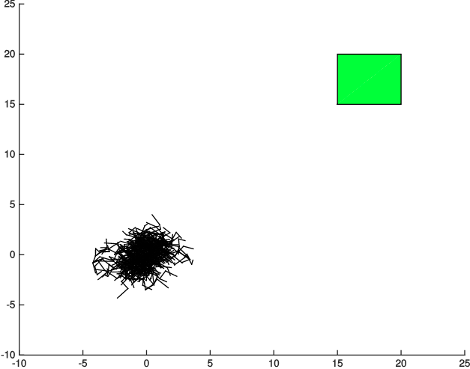
Naive Sampling
RRTs have a "Voronoi-bias"
Google "drake+ompl" to find some examples (on stackoverflow) of drake integration in C++. Using the python bindings should work, too.