October 29 2026. {{author}}
...and what's cooking at Carleton U
shawn.graham@carleton.ca
Flavours of DH

slides.com/shawngraham/oct29_dh
AGENDA - this is a version of the kind of first lecture I give my undergraduates!
But I figured you should know who I am first
Who is this Shawn Graham guy anyway?
{{##}} / {{total}}


Books and more at

...I also do archaeology in space...
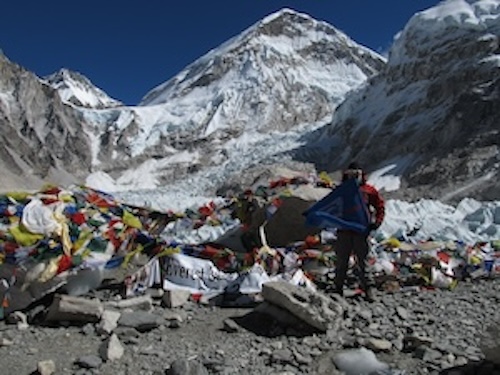
Photo Robert Kearn, Litter trash rubbish garbage junk at Mount Everest Base Camp - South (Nepal) 2012, wikimedia commons, creative commons 3.0
...and I run the DH Minor and MA programs at Carleton U. So... what unites all these weird things?
{{##}} / {{total}}
We learn more from the broken than the perfect
01. What even is 'DH'?
01. What even is 'DH'?
A spotter's guide to DH in the wild:
If: it uses a digital tool for asking/answering a humanistic question
and in turn
it uses a humanistic lens for asking/answering a digital tech/society question
then:
That's DH!
so... what kinds of 'DH' have you perhaps spotted in your daily life?

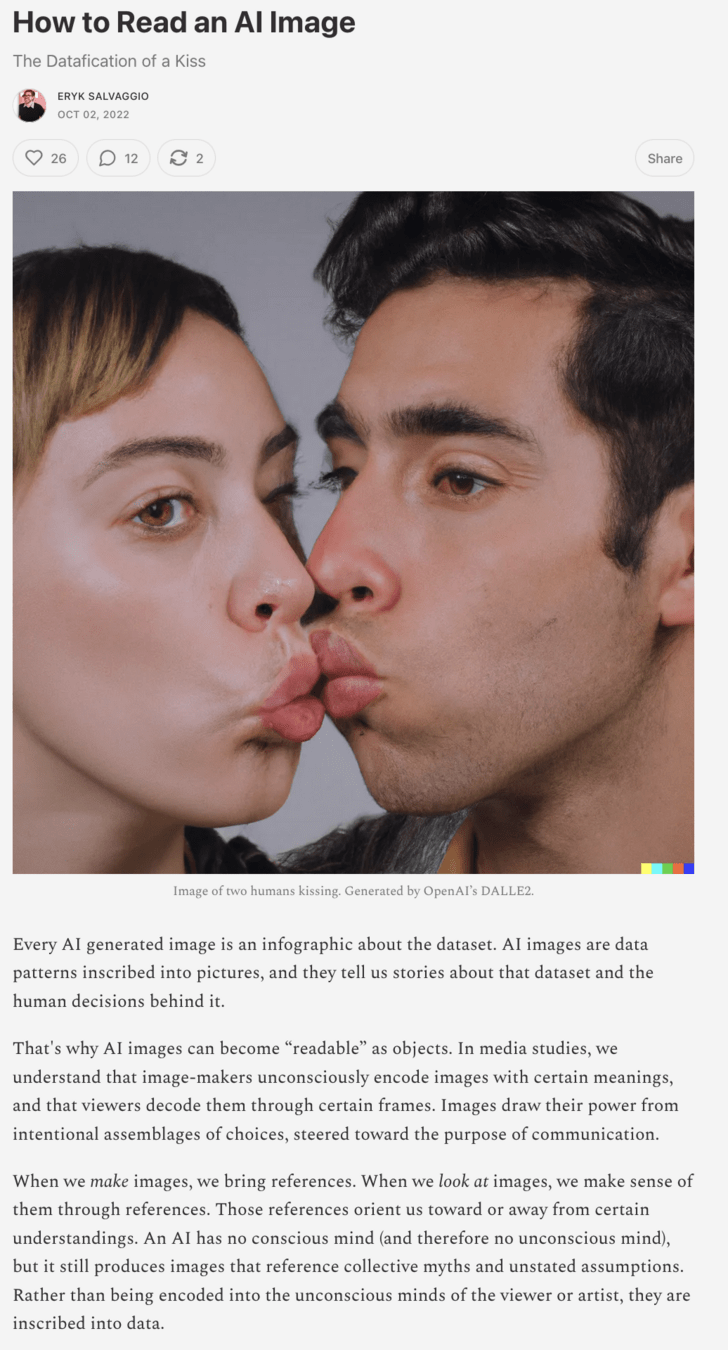
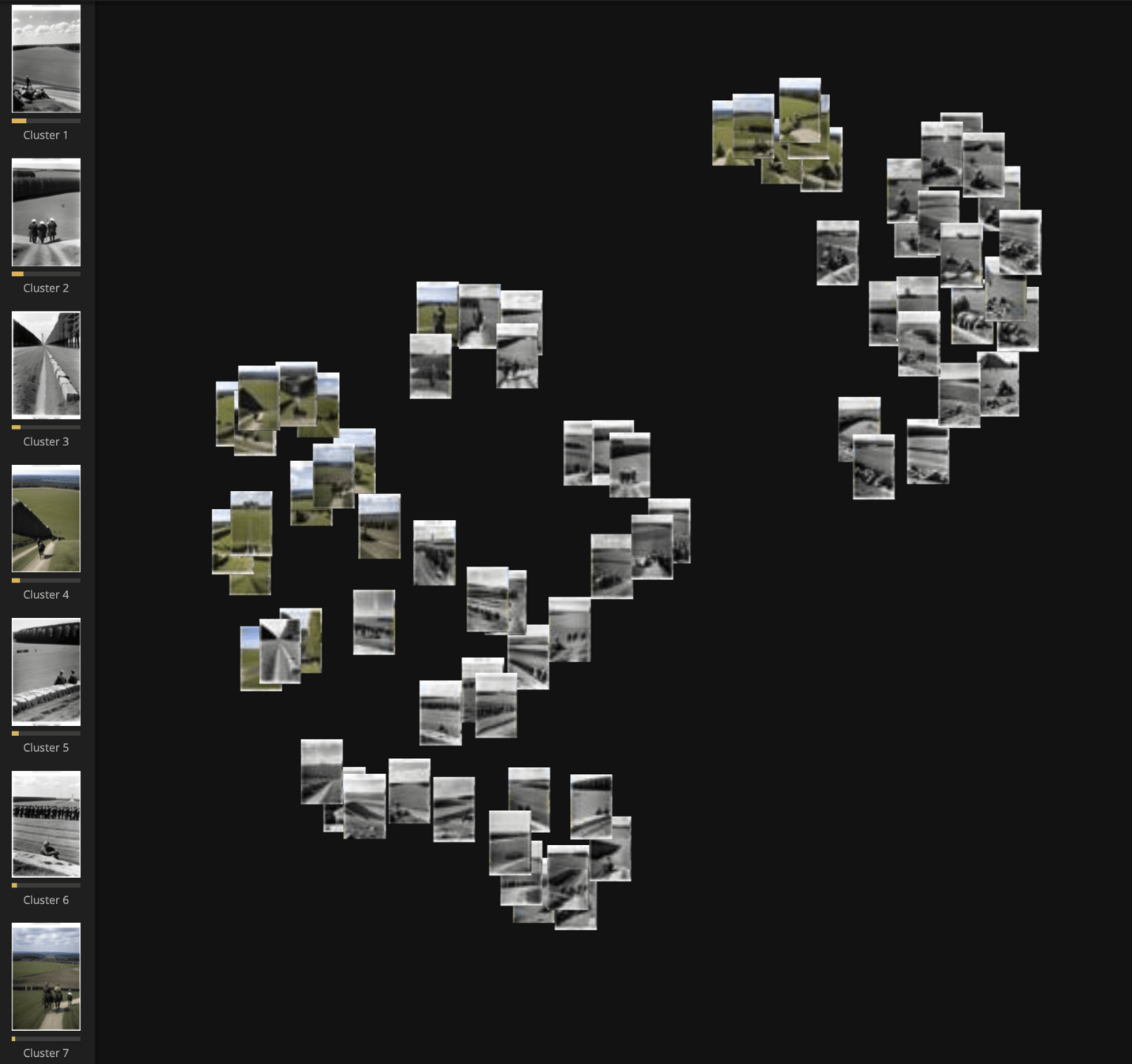
AI is an artefact
Some DH people use it, some critique it, some study it. Some do all these things. Some do none.
{{##}} / {{total}}
My rules-of-engagement, fyi.
{{##}} / {{total}}
“The world is not like a computer. Computers – like us, like plants and animals, like clouds and seas – are like the world.” - James Bridle, Ways of Being:
"If computers are like the world, the machine is a late arrival. It’s a small, recent, perhaps clumsy imitation of patterns that were here long before us [...]
"Technology is constantly trying to draw our attention back to the world because it is part of the world."
full essay at: https://www.phiand.ai/p/off-the-pedestal-into-the-world by Cassandre
...all that to say, DH is not something outside that we apply, but rather a kind of relationship we are attuned for.
{{##}} / {{total}}
So let's break something
1. Find something interesting.
2. Break it
3. Fail Gloriously!
Who is the most important character in Les Misérables?
If you had the membership lists of women's organizations in Upper Canada, what kind of history could you do with it?
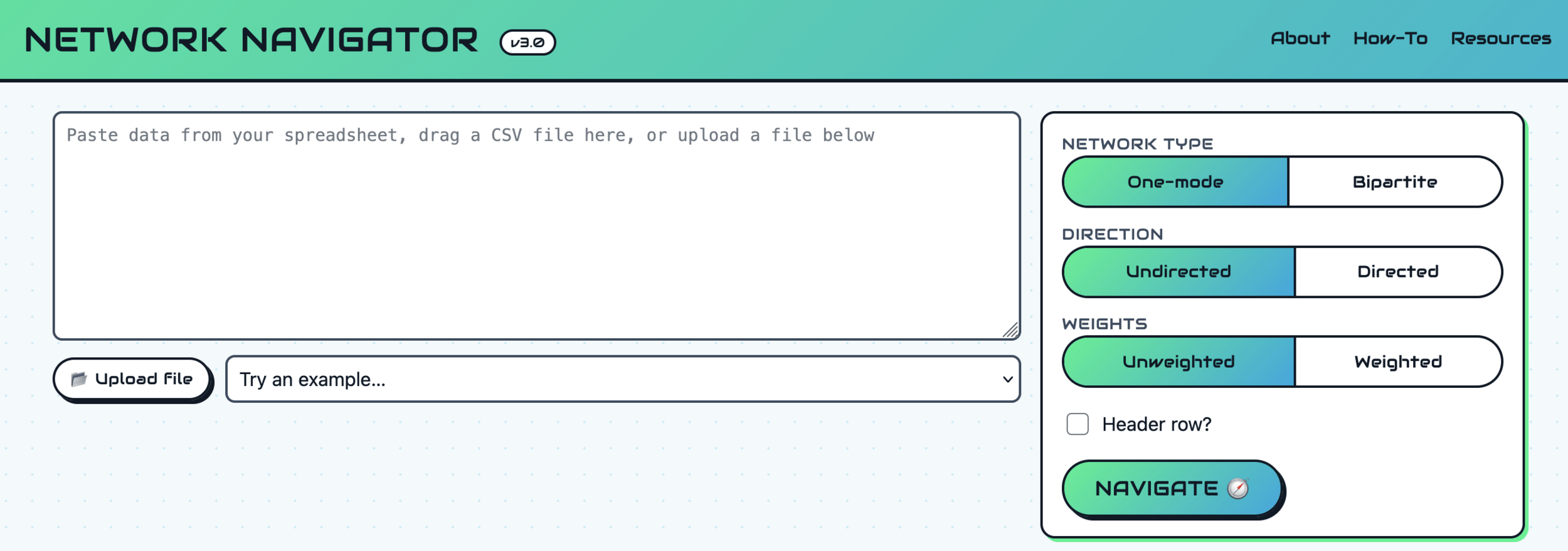
Let's go to https://networknavigator.jrladd.com/ and 'try an example'.
- Who is most 'between'? (the person who sits on the most paths between all pairs of individuals)
- Who has the highest 'eigenvector centrality'? (a 'central' person is one who is well connected to other well-connected people)
- Who has the highest 'pagerank'? (a person whose in-coming links are from high-quality sources - where high-quality means = high pagerank!)
- bipartite: a network with two kinds of nodes. You have to 'project' such a network into two separate networks to make the metrics work.
Tool applied to text -> the first part of the DH circle
Humanities applied to the tool -> the second part of the DH circle (and what do you see if you do that?) Using Metadata to Find Paul Revere | data
Network Analysis - a gateway into DH!
Anywhere there are relationships in your data, you can give Network Analysis a try.
Voyant Tools for Playful* Text Analysis - another gateway into DH!
What patterns are latent in the text of Frankenstein? Let's find out. (Also, here's an excellent example of 'topic modeling' in action.)
Playfulness is a DH virtue. Why shouldn't learning be enjoyable?
Laura Banducci
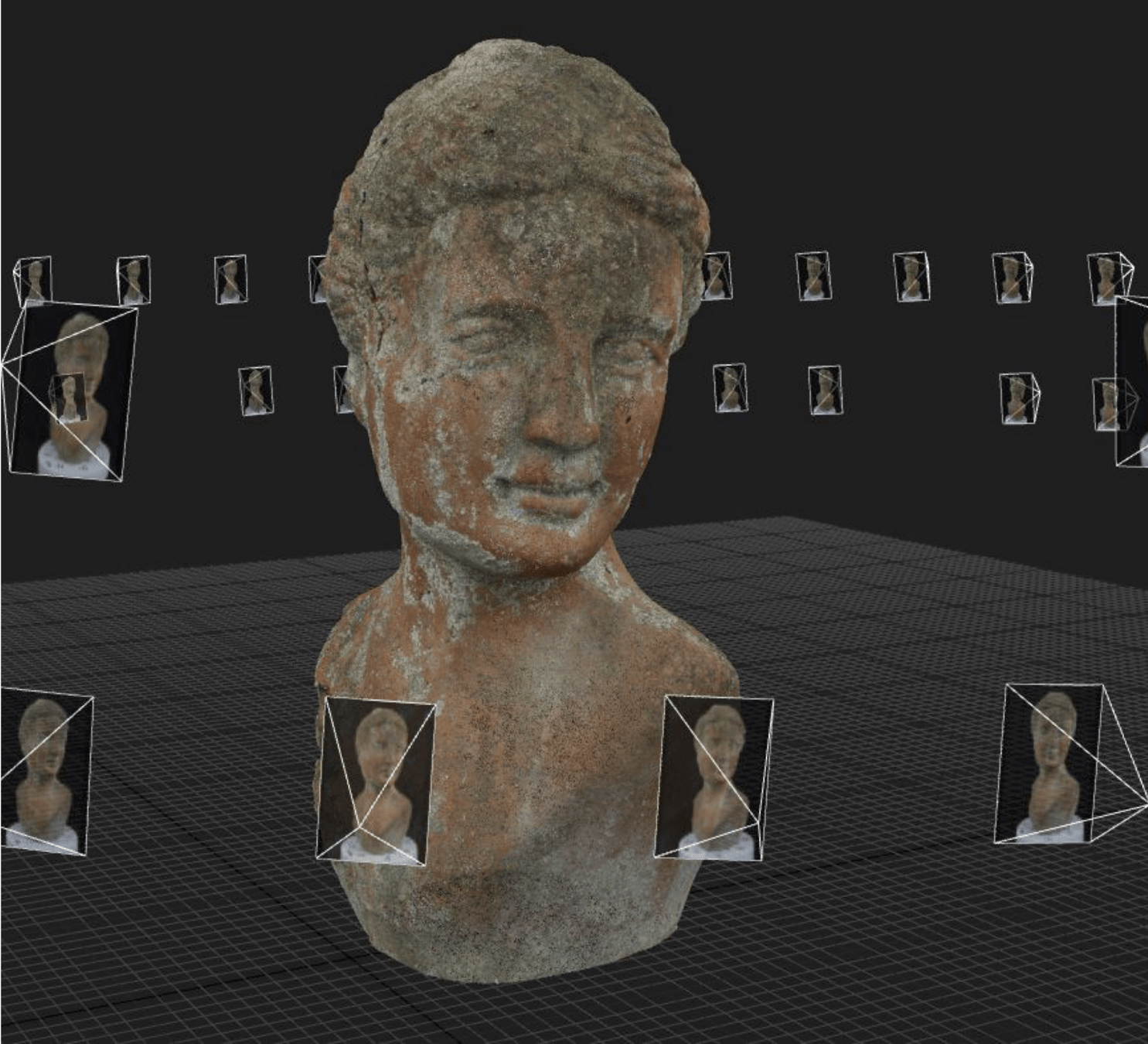
Archaeology, The XLab
Brian Greenspan
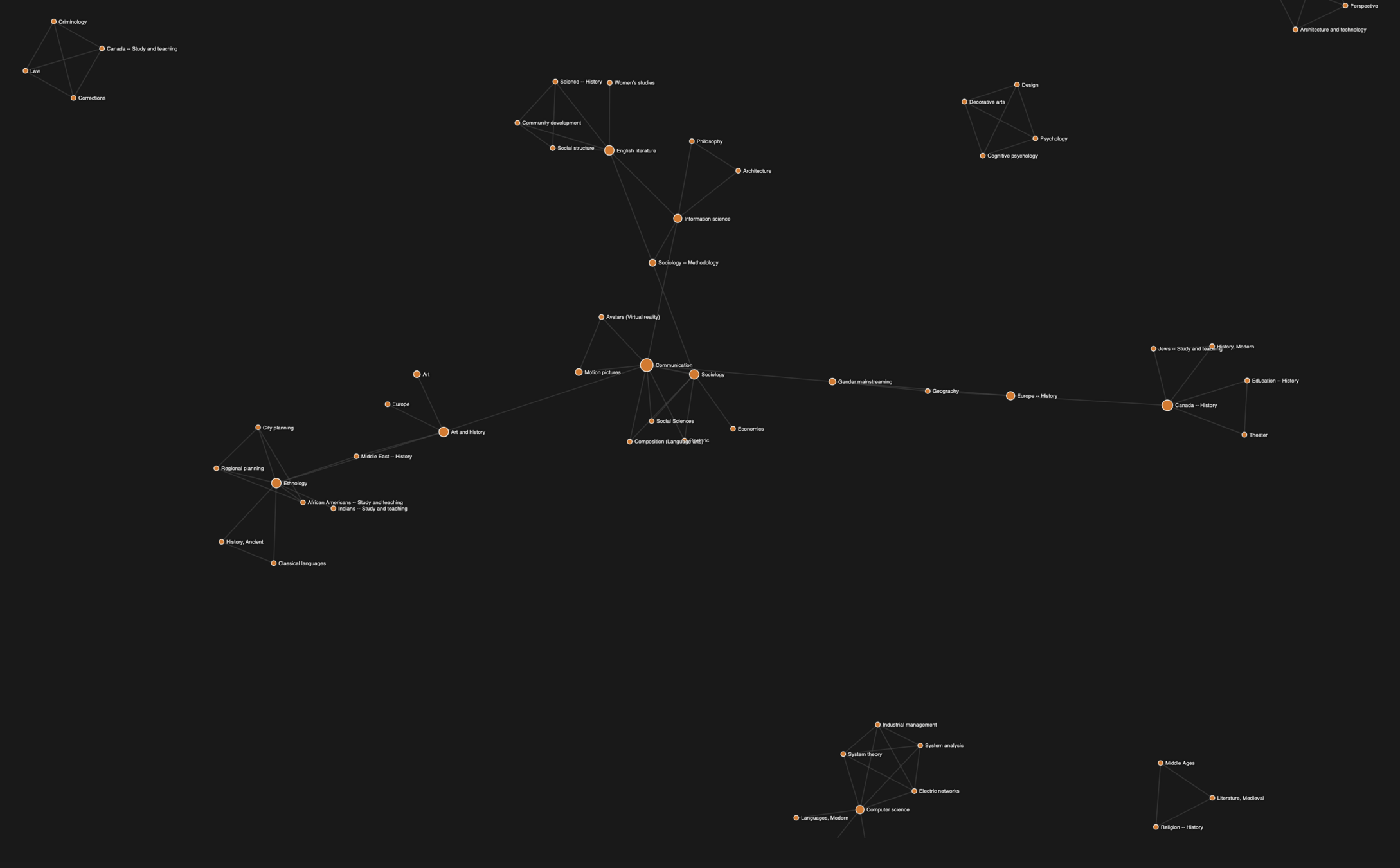
English, The Hyperlab
Laura Horak
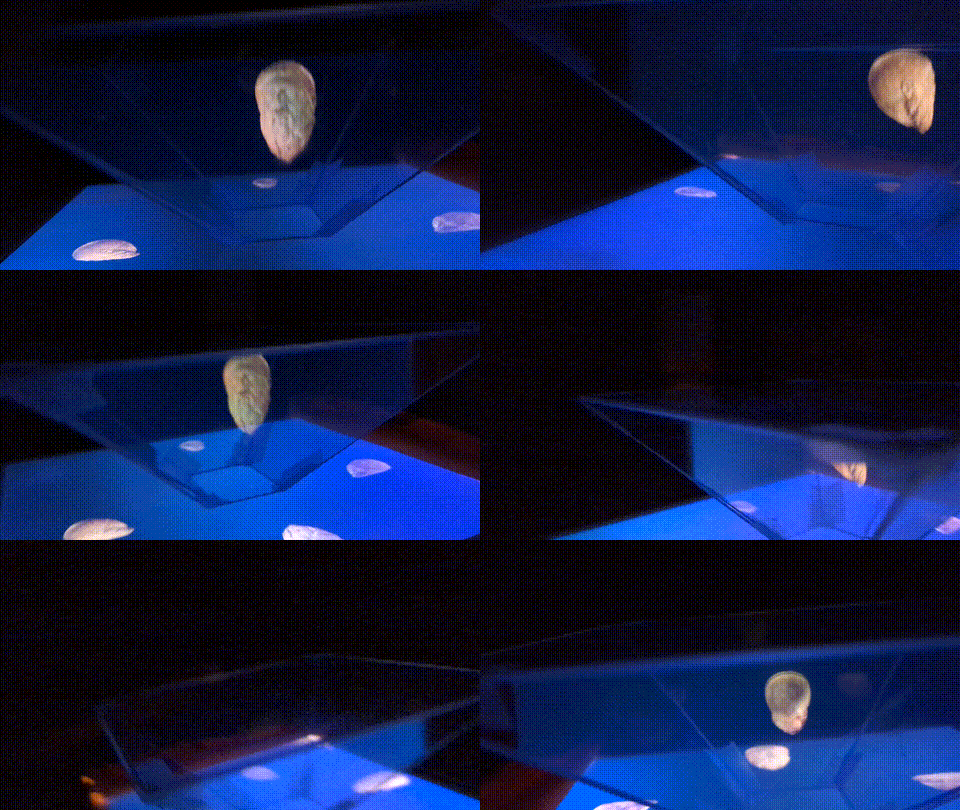
Film, Transgender Media Portal
There are so many neat things going on!
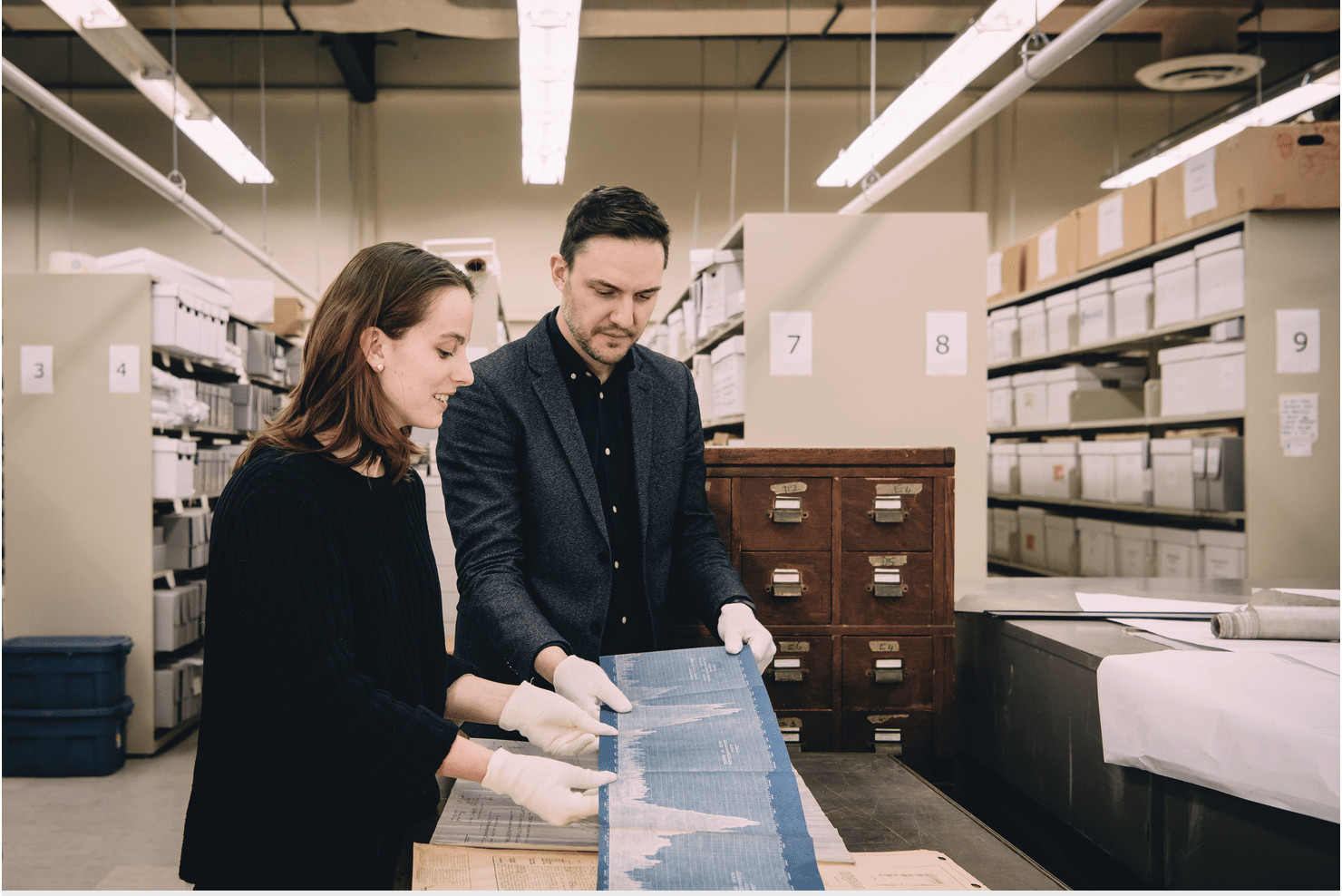
Some DH People at Carleton U



Jen Evans
History, Populist Publics

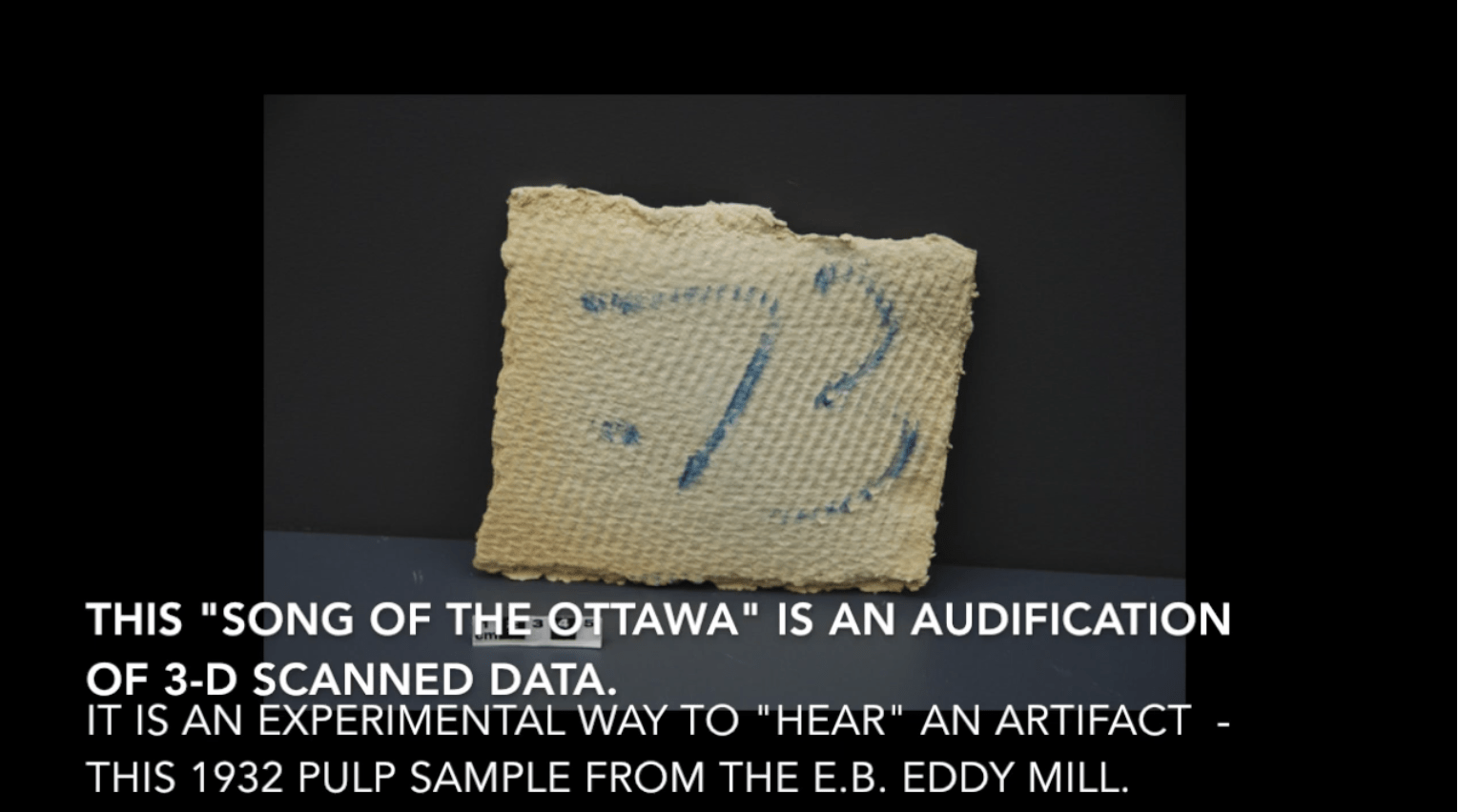
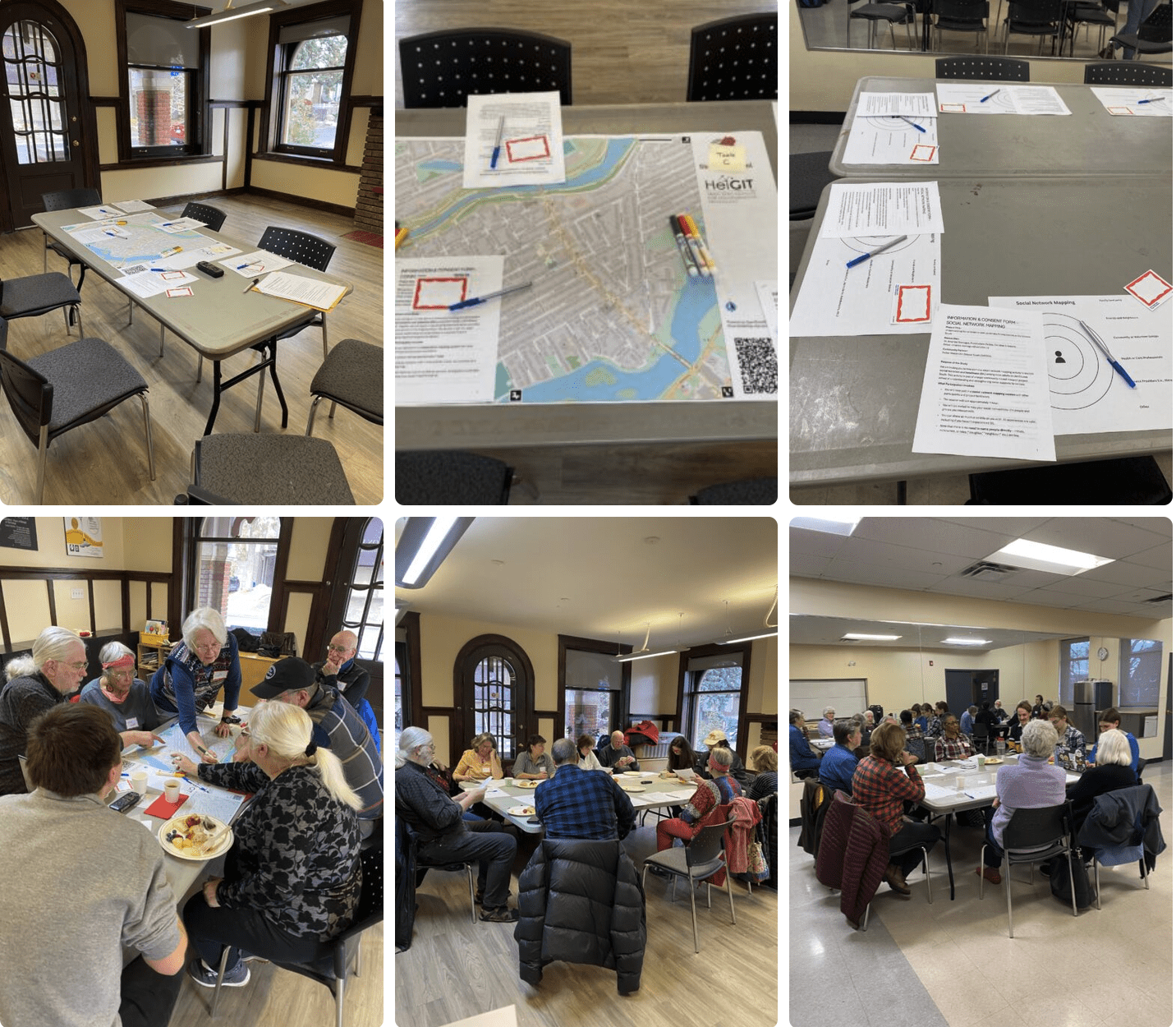
The Minor in DH
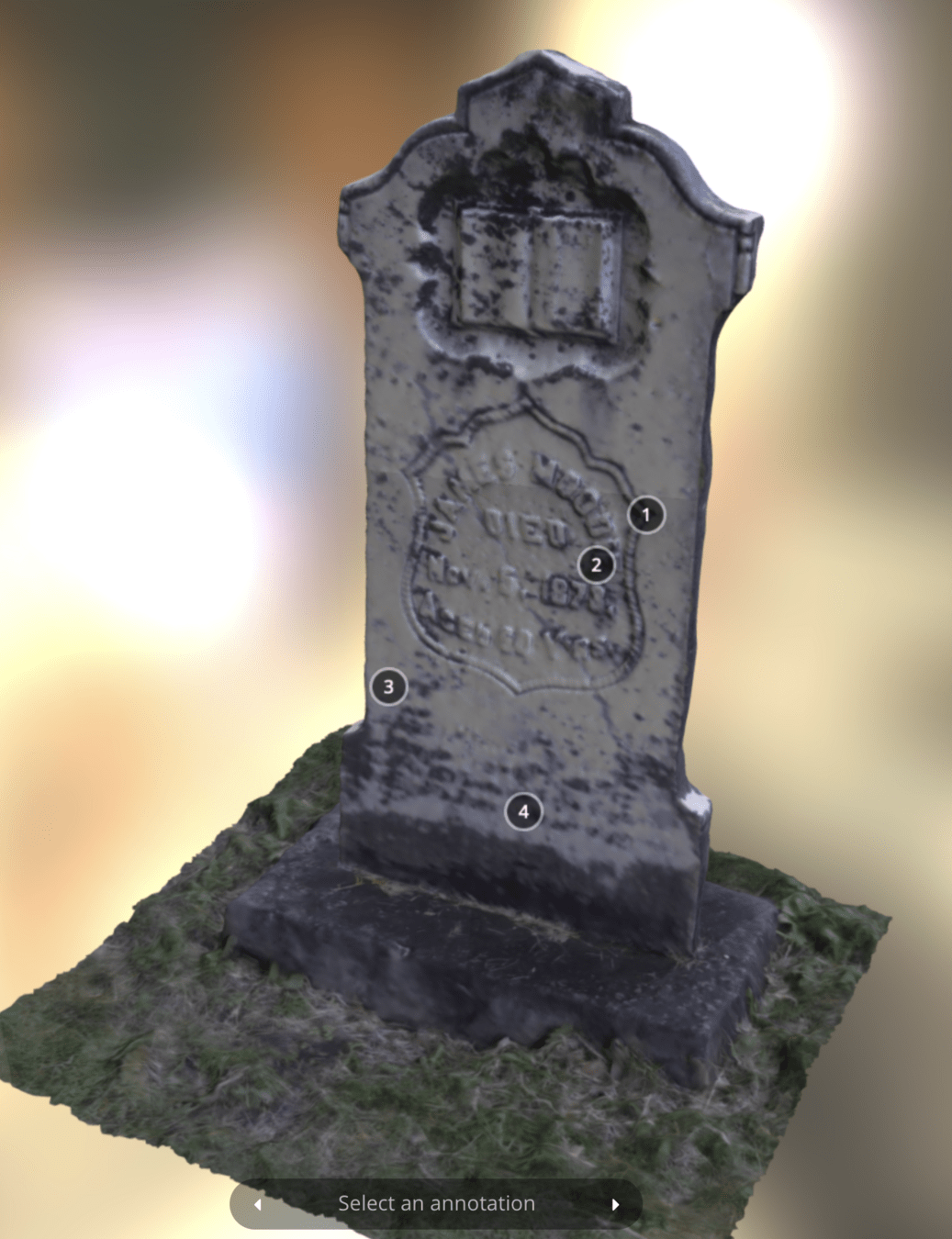

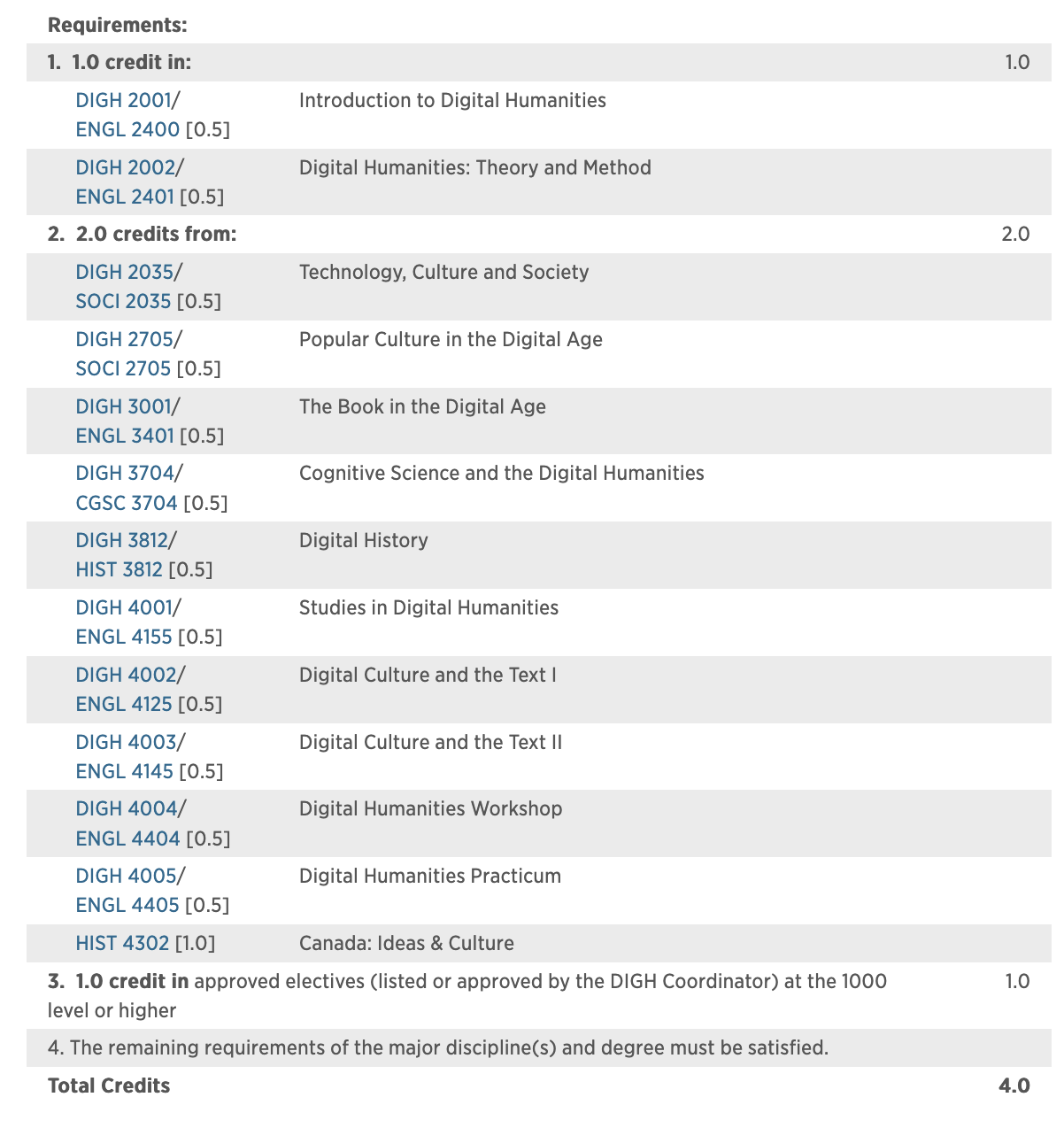
Open to all* BA undergrads
- keep track of the information/data you're interested in [data]
- keep track of where that information comes from [metadata]
- keep track of the transformations in your data and in your own thinking! [paradata]
[...] the heart of the matter is transformation. A manuscript becomes an image. A sermon becomes machine-readable text. A correspondence becomes a network. A landscape becomes a map layer. Digital humanities is the study of what happens in those transformations, what they make possible, and what they put at risk. - Adam DJ Brett
Thank
you.
Questions? Drop me a line!
shawn.graham@carleton.ca
Program details: carleton.ca/dighum
