Virtuous or Viceful? Students’ Use of AI in the Anteater Virtues Course
Shayan Doroudi
Anteater Virtues and Scholarly Values
September 16, 2025




Sina Rismanchian
Peter Liu
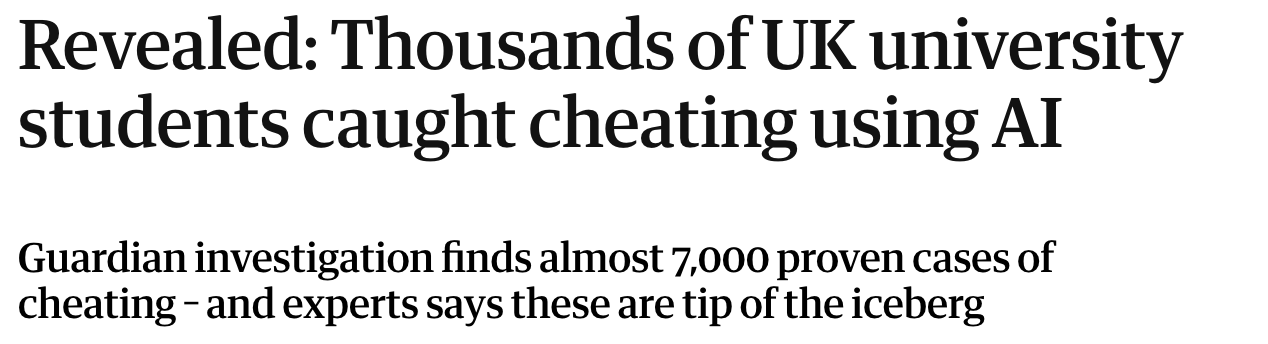
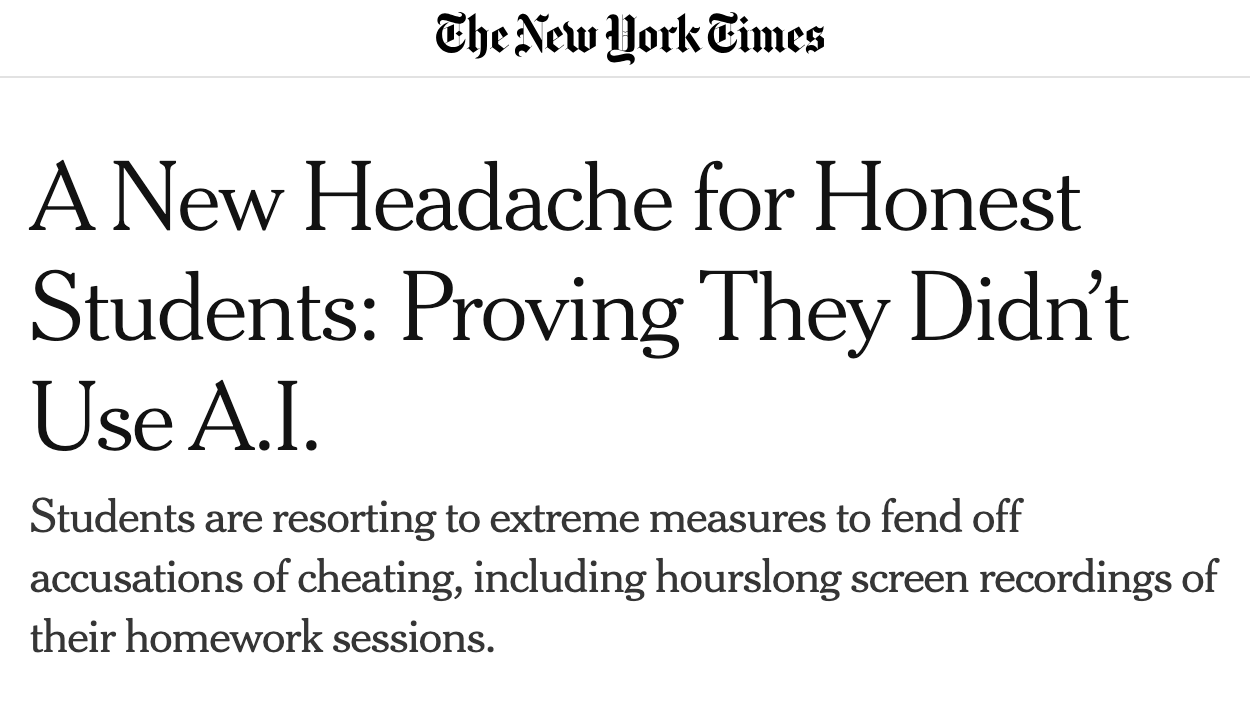
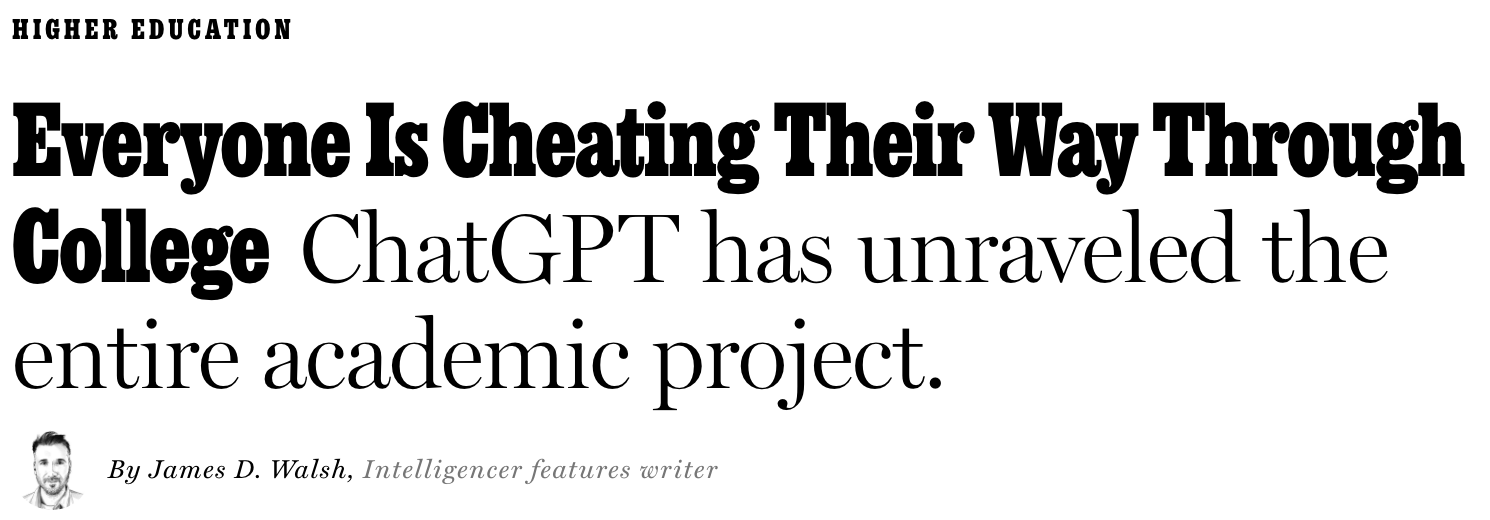
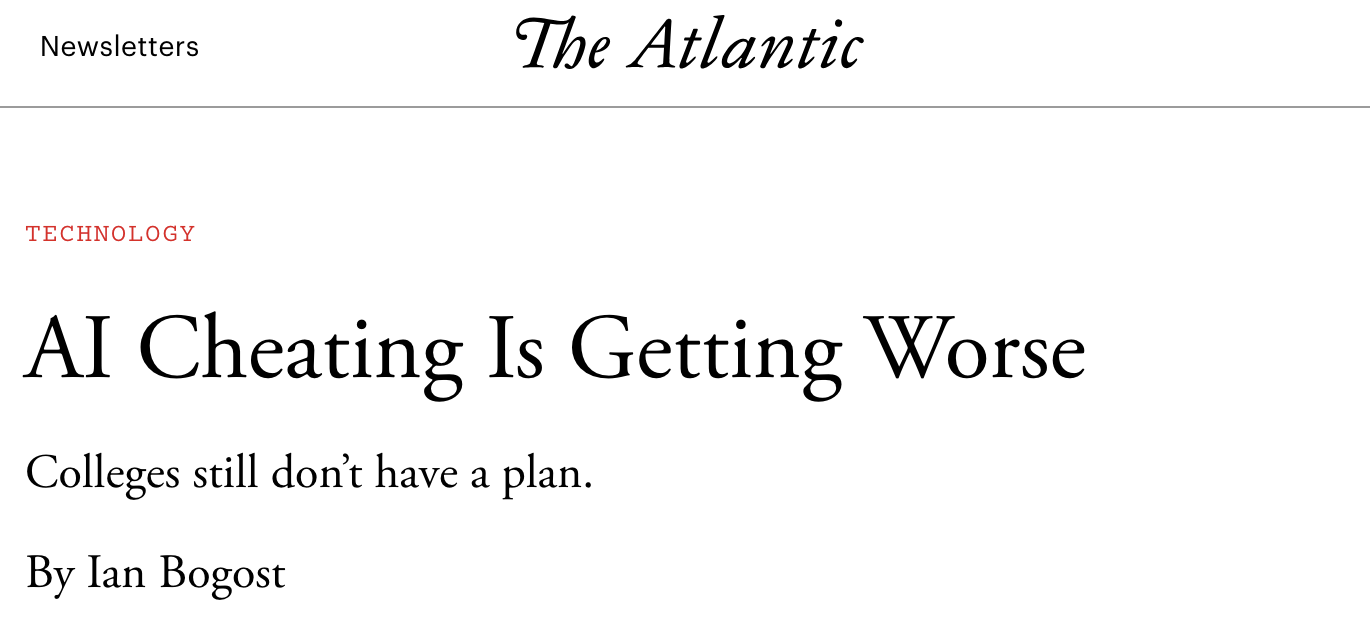

So to what extent are students actually having AI do their work for them?
Study Design
- We recruited 135 students from three UCI philosophy courses to participate in our study.
- Participants were asked to complete a pre-survey, five Anteater Virtues modules (4-6 hours over the quarter), and a post survey.
- 81 students completed at least one short answer question.
- 70 students completed all parts of the study.
-
Students were not told the focus would be on AI usage until the end of the study:
- “The researchers aim to better understand how undergraduate students complete the [Anteater Virtues] modules, how their behaviors are compatible with intellectual virtues, and how learning about intellectual virtues affects the way they approach the course.”
Short Answer Questions
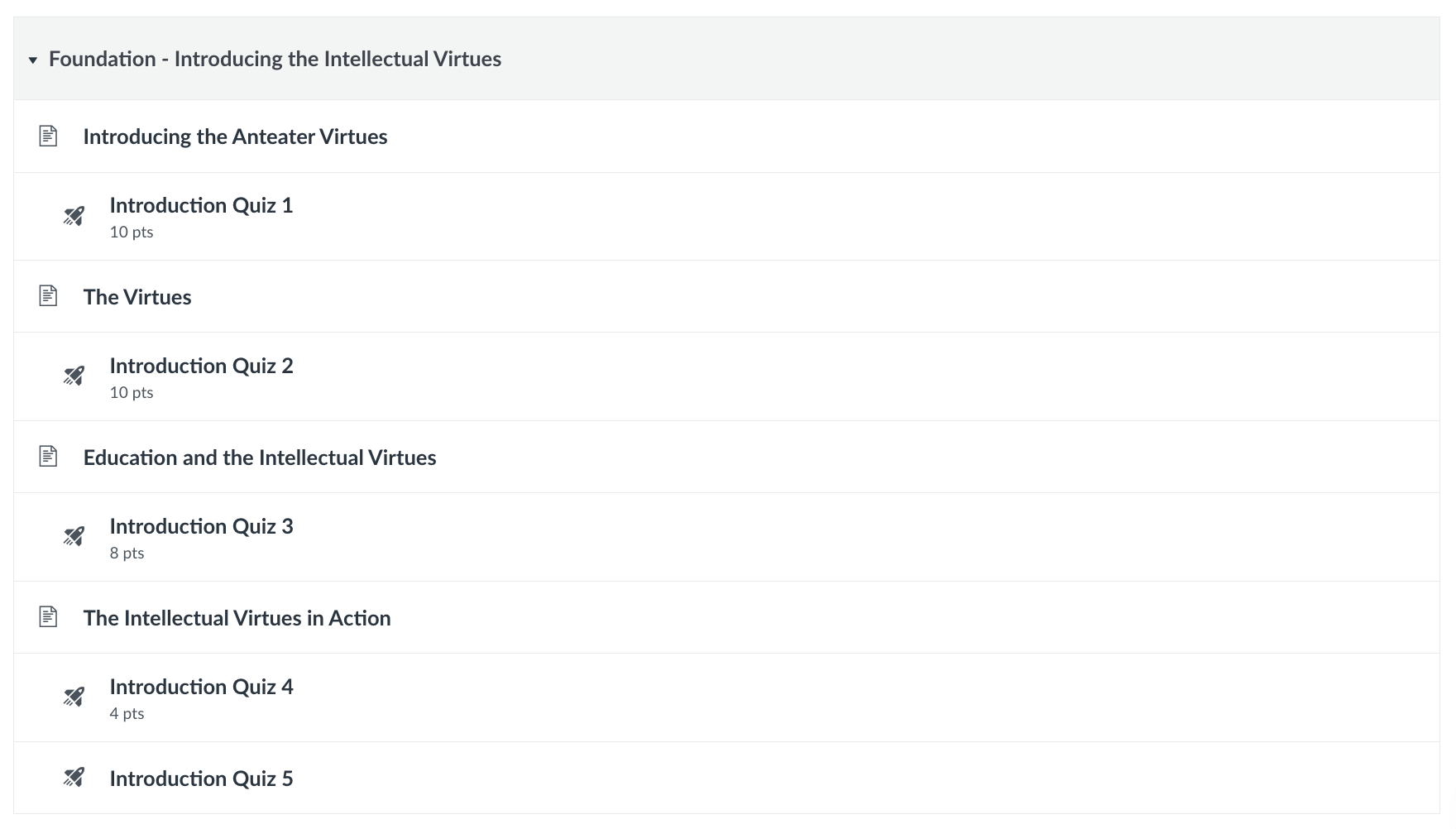
Added seven short answer questions at the end of each Foundation module.
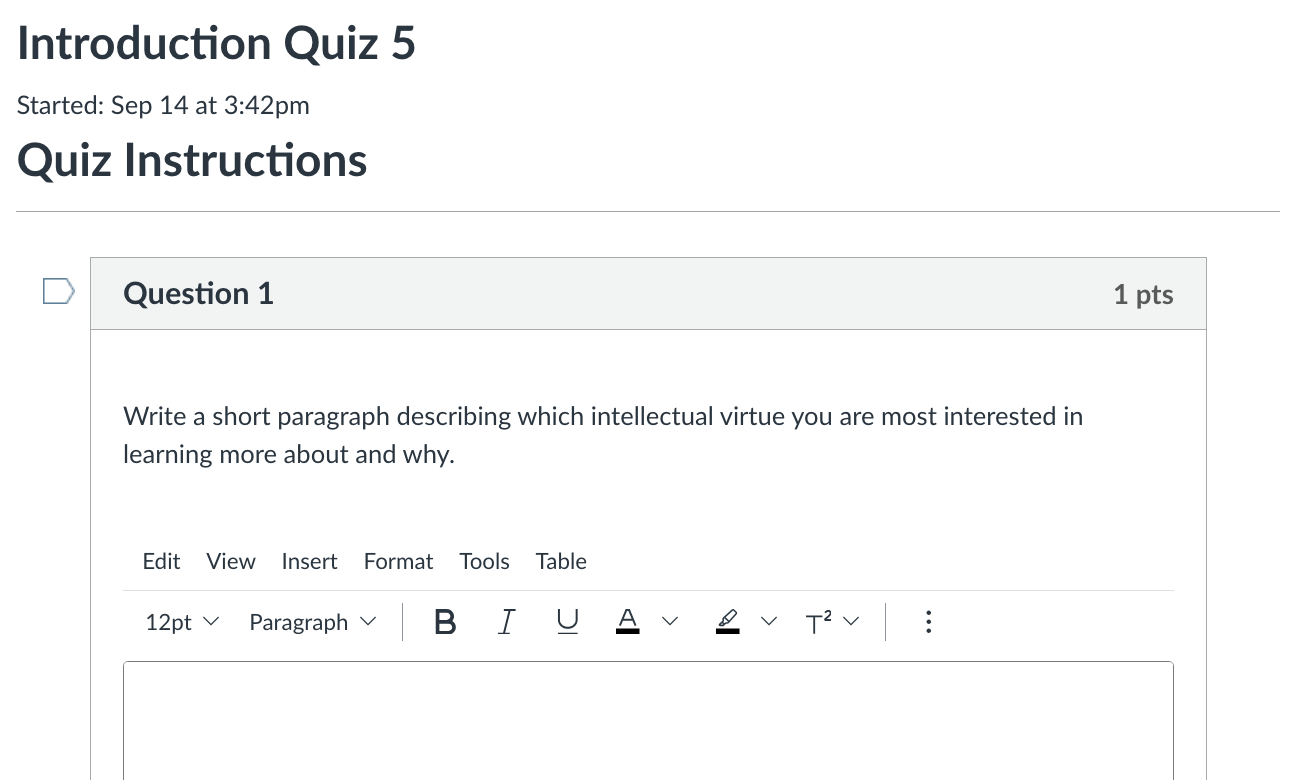
Three Types of Short Answer Questions
Knowledge Question
Write a short paragraph summarizing the four Anteater Virtues.
Personal Questions
e.g.,
Write a short paragraph reflecting on the role that curiosity has or has not played in the past couple years of your education. Please include at least one specific anecdote.
Creative Questions
e.g.,
Write a short story featuring two characters, one who embodies intellectual integrity and another who lacks it, highlighting how their differing attitudes shape their educational interactions and outcomes.
How do we determine if a student’s answer reflects problematic AI usage?
Red Flags 🚩
Answers that contain hidden text (for two questions)
HTML red flags
Pasted Text
Several sentences pasted at once (as captured in Canvas action logs)
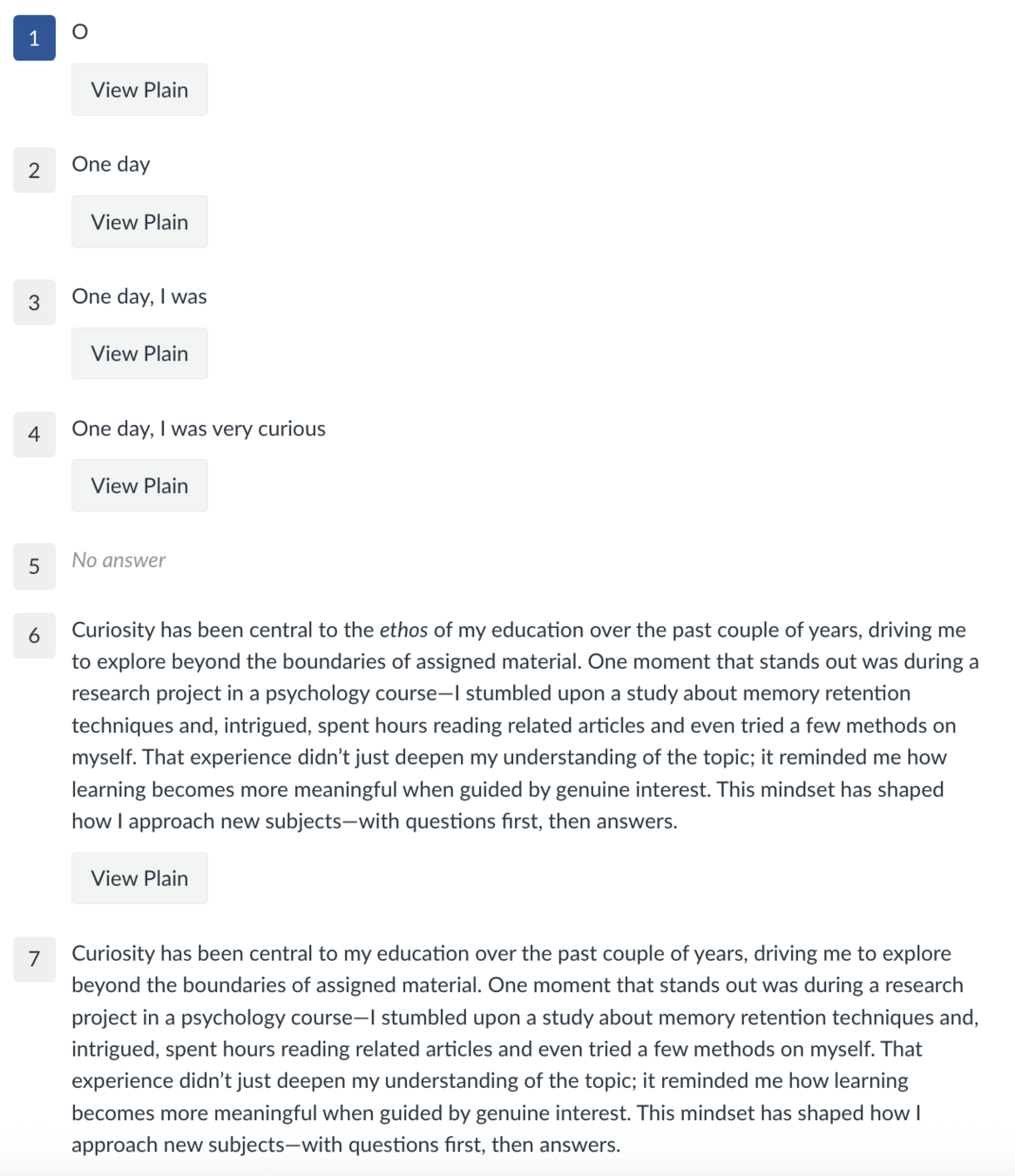
Fast Completion
Answer completed at a rate ≥ 100 words per minute.
Likely AI-Generated Content
Example:
Write a short story featuring two characters, one who embodies intellectual integrity and another who lacks it, highlighting how their differing attitudes shape their educational interactions and outcomes.
ChatGPT Responses:
- Always a female student and a male student
- Female student is always virtuous; male student is always viceful.
- Maya is its favorite name! Male student might be Liam, Leo, Jack, Jake, Alex...
If coder was 80% confident that an answer was AI-generated.
Likely AI-Generated Content
Maya and Jake were paired together to work on a lab report in E112L. Maya insisted they collect their own data and find/cite every source accurately, and be honest about their research limitations. She believed that being truthful in research was more important than making their results perfect. Jake was more concerned with getting an A than doing things honestly.
Jake and Maya both were working together on a class presentation and had to do equal amounts of work and presenting. Jake has taken shortcuts and cheated throughout his academic career but Maya has put in the time and effort to make sure she knows everything. When the time came, Maya gave a very well formulated speech while Jake mumbled and made a fool of himself. It's a perfect example of how their interactions with their own educations shaped and affected them later on when it was important.
Maya and Leo were classmates in their final year of high school, preparing for the biggest science exam of their lives. Maya was known for her intellectual integrity—she always did her own work, cited her sources carefully, and never cut corners. Leo, on the other hand, often took shortcuts. He copied answers from friends, reused old assignments without understanding them, and dismissed the importance of honesty in learning.
At Lincoln High, Maya and Jake were lab partners in chemistry class. Maya always insisted on double-checking their data, citing sources, and admitting when she didn’t understand a concept. Jake, on the other hand, copied answers from online forums and dismissed Maya’s concerns as “overthinking.”
Two Levels of Confidence
Very Likely Problematic AI Usage
If answer contains any red flags or meets TWO of the following criteria: Pasted Text, Fast Completion, Likely AI-Generated Content
Possibly Problematic AI Usage
If answer meets at least one of the following criteria: Red Flag, Pasted Text, Fast Completion, Likely AI-Generated Content
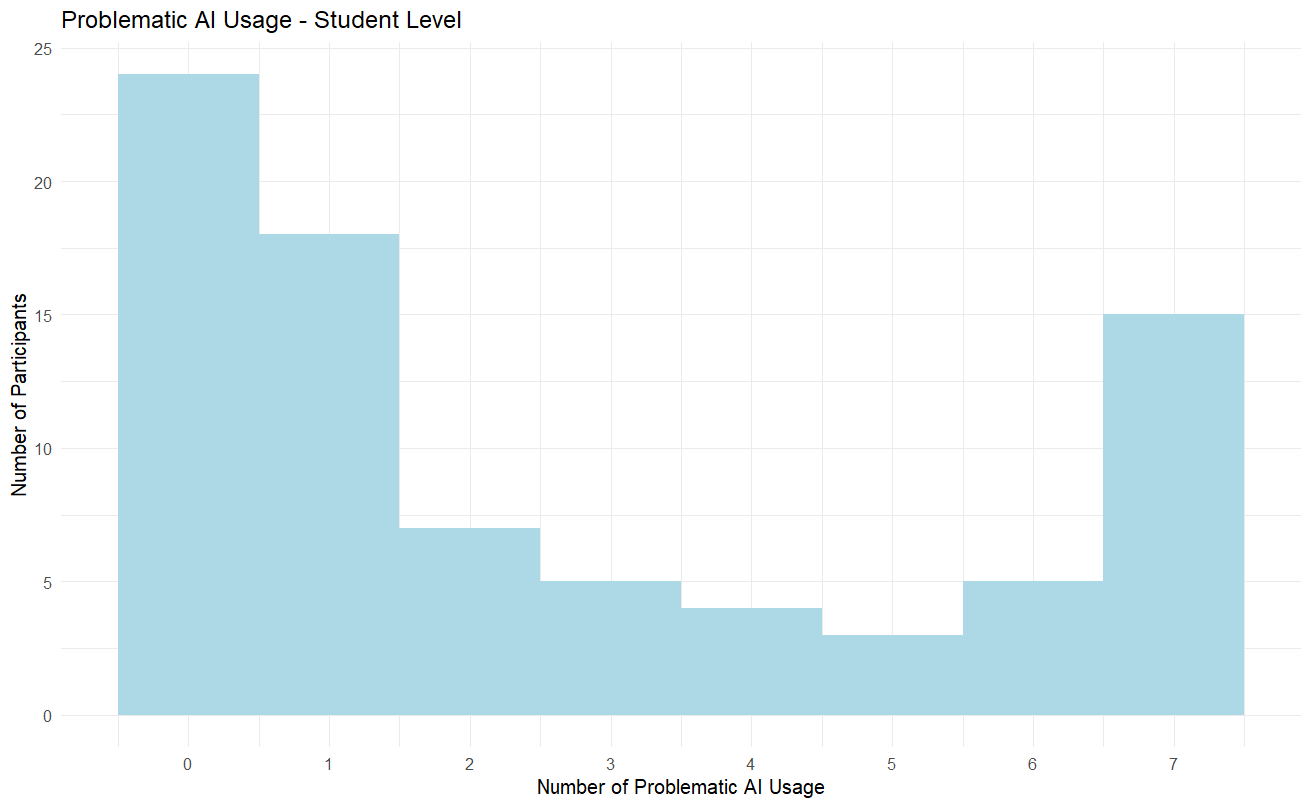
To what extent do students engage in problematic AI usage to complete course assignments?
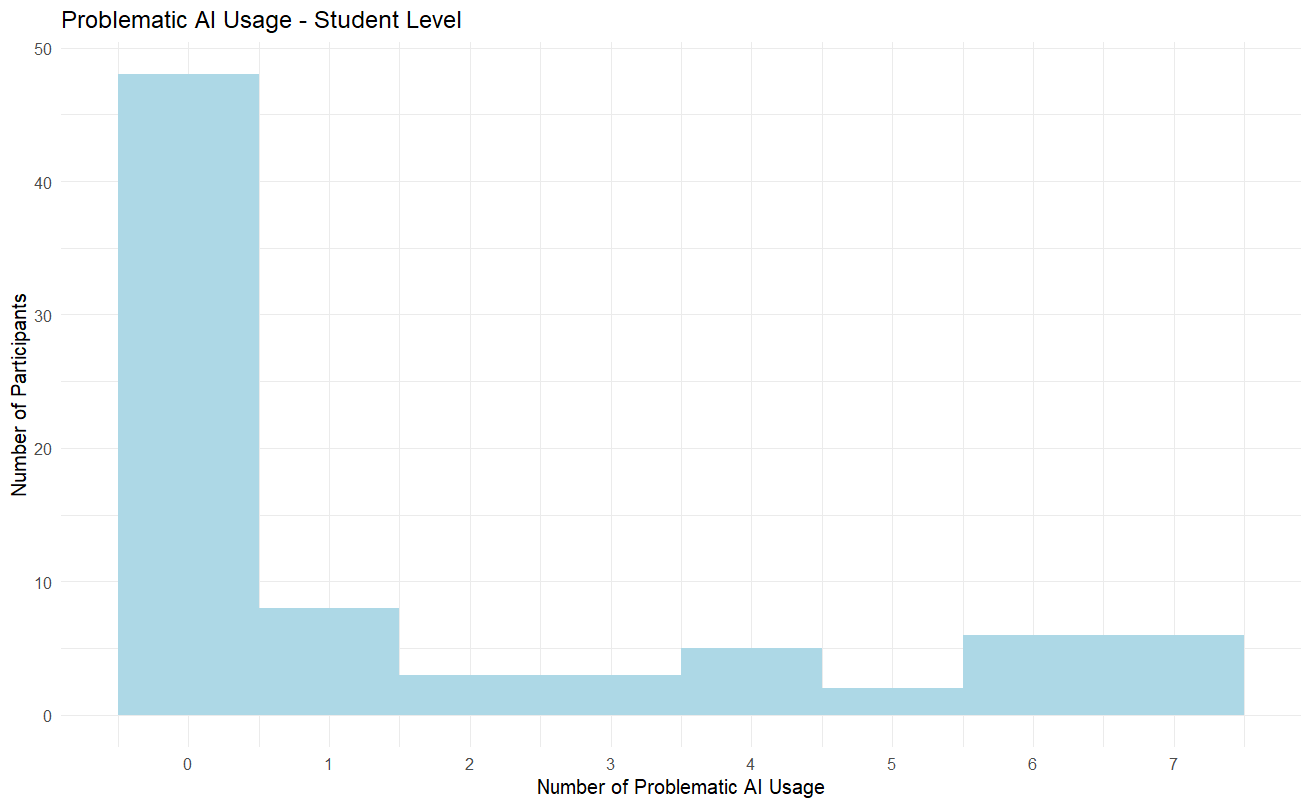
Very Likely Problematic AI Usage Per Student
Possibly Problematic AI Usage Per Student
How does AI usage vary across different types of questions?
| Coefficient Estimate | p-value | |
|---|---|---|
| Intercept | -1.03 | 0.016 * |
| Personal Question | -0.377 | 0.245 |
| Creative Question | 0.699 | 0.043 * |
Logistic regression to predict the likelihood of Possibly Problematic AI Usage on a question given the question type (Knowledge, Personal, Creative).
Model also included intercept for each student as a random effect.
Caveat: Result is not significant when predicting Very Likely Problematic AI Usage.
To what extent are students honest about using AI to complete course assignments?
| Self-Reported... | No AI |
|---|---|
| Using AI | 4% |
| Not Using AI | 91% |
| Don't Remember | 4% |
| Self-Reported... | No AI |
Very Likely AI ≥ 1 |
Possibly AI ≥ 1 |
|---|---|---|---|
| Using AI | 4% | 25% | 18% |
| Not Using AI | 91% | 58% | 68% |
| Don't Remember | 4% | 17% | 13% |
To what extent is students’ self-reported intellectual virtue correlate with their degree of problematic AI usage?
Self-Reported Intellectual Virtue
Curiosity / Shortened Need for Cognition
(Cacioppo & Petty, 1982; 4 items)
Intellectual Tenacity
(Orona et al., 2024; 4 items)
Intellectual Integrity
(Orona et al., 2024; 6 items)
Intellectual Autonomy
(6 items)
Measured intellectual virtue using four scales where participants rate agreement with statements from 1 (less virtue) to 5 (more virtue).
| Coefficient Estimate | p-value | |
|---|---|---|
| Intercept | -1.96 | 0.016 * |
| Curiosity | 0.445 | 0.047 * |
Beta binomial regression to predict the # of Possibly Problematic AI Usage given the student’s self-reported...
Dispersion parameter: 0.943
| Coefficient Estimate | p-value | |
|---|---|---|
| Intercept | -3.42 | 0.0028 ** |
| Integrity | 0.863 | 0.0077 ** |
Dispersion parameter: 1.01
Integrity
Curiosity
| Self-Reported... | No AI |
Possibly AI = 7 |
|---|---|---|
| Integrity | 3.38 | 3.97 |
| Curiosity | 3.31 | 3.92 |
| Tenacity | 3.93 | 4.25 |
| Autonomy | 3.49 | 3.5 |
| Self-Reported... | No AI |
Possibly AI = 7 | Very Likely AI = 7 |
|---|---|---|---|
| Integrity | 3.38 | 3.97 | 4.23 |
| Curiosity | 3.31 | 3.92 | 4.33 |
| Tenacity | 3.93 | 4.25 | 4.63 |
| Autonomy | 3.49 | 3.5 | 3.61 |
Takeaways
- Many students (perhaps the majority) are willing to use AI in problematic ways.
- The majority of those who do are willing to lie about it.
- Self-report may not be a reliable way of measuring intellectual virtue!
Where Do We Go From Here?
How do we design learning environments so students do not offload their cognition to AI?
How can AI be used as a way to get students to reflect on the need for intellectual virtue?
How do we design learning environments so students do not offload their cognition to AI?
even when they can get away with it?
Thank you!
This project was made possible through the support of Grant 63365 from the John Templeton Foundation. The opinions expressed in this publication are those of the author(s) and do not necessarily reflect the views of the John Templeton Foundation.