Why Don’t Students Like School?
Or an introduction to how thinking works and how that influences attention and motivation
EDUC 173 / PSCI 192T
Shayan Doroudi
University of California, Irvine
Behaviorism
1890s-1960s
The Mind as a Black Box
Stimulus
Response
Cognitivism
1960s-present
Stimulus
Response
The Mind as a Computer
Working Memory
site of awareness and thinking
Long-Term Memory
factual knowledge and procedural knowledge
Environment
The Mind as a Computer
Cognitivism
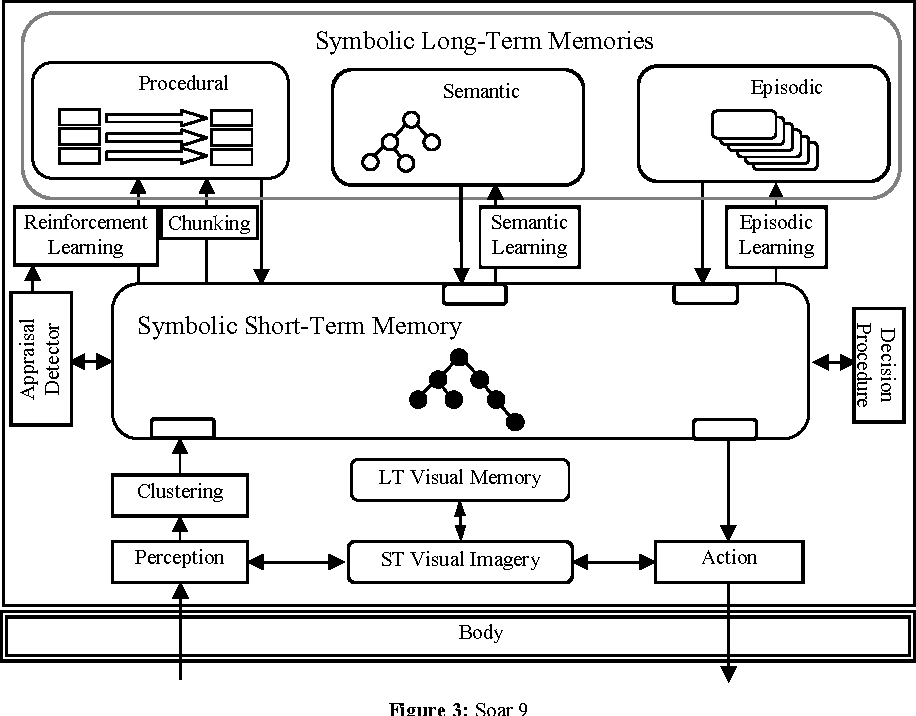
SOAR
1950s-present
AKA Information-Processing Psychology
ACT-R
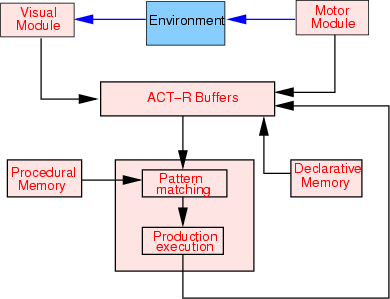
ACT-R Research Group
http://act-r.psy.cmu.edu/about/
Laird, J.E. (2008). Extending the Soar Cognitive Architecture. In Goertzel, B., Wang, P., & Franklin, S. (Eds.), Artificial General Intelligence 2008: Proceedings of the first conference.
Cognitivism
1950s-present
AKA Information-Processing Psychology
Herbert Simon
Early Pioneers in Artificial Intelligence
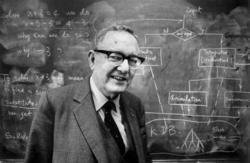
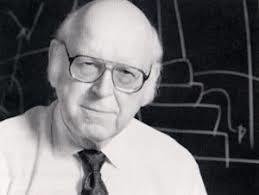
Allen Newell
Founded Information-Processing Psychology
Carnegie Mellon University
1916-2001
1927-1992

© Chris Litherland Photography
© Jim Fetters, Pittsburgh Post Gazette
Cognitivism
1950s-present
AKA Information-Processing Psychology
In 1975, Simon and Newell won the Turing Award (equivalent to Nobel Prize in computer science).
In 1978, Simon won the Nobel Prize in economics.
"I like to think that since I was about 19 I have studied human decision making and problem solving. Bounded rationality was the economics part of that. When computers came along, I felt for the first time that I had the proper tools for the kind of theoretical work I wanted to do. So I moved over to that and that got me into psychology."
- Herbert Simon, 2000
Herbert Simon
Allen Newell
1916-2001
1927-1992
© Jim Fetters, Pittsburgh Post Gazette
Working Memory
site of awareness and thinking
Long-Term Memory
factual knowledge and procedural knowledge
Environment
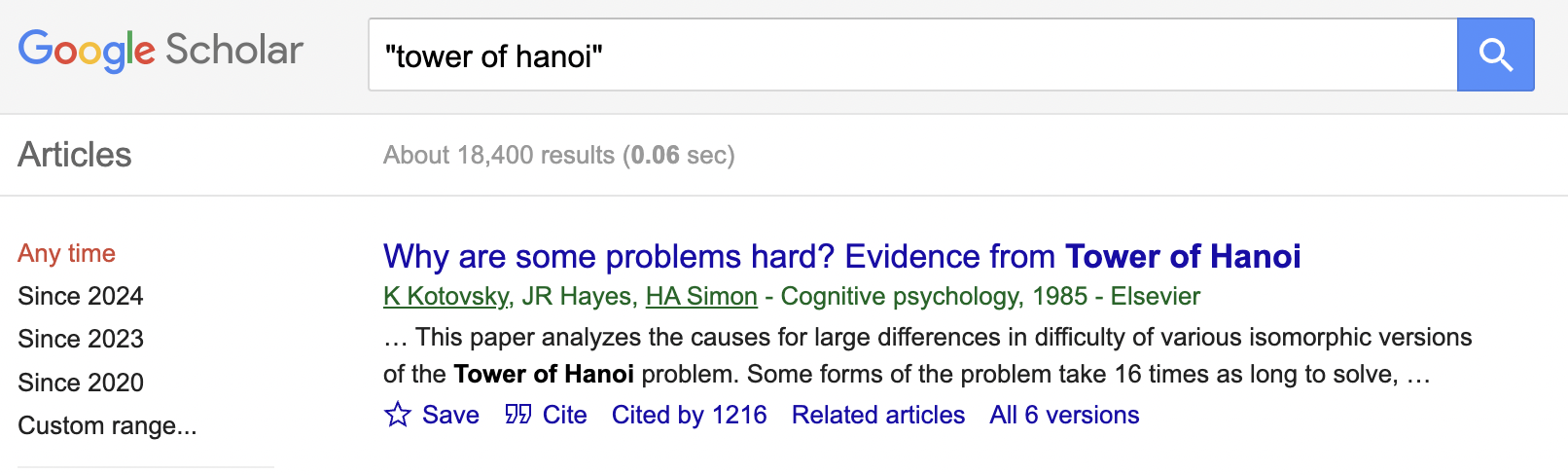
Tower of Hanoi
Tower of Hanoi
Tower of Hanoi
Tower of Hanoi
Tower of Hanoi
Tower of Hanoi
Tower of Hanoi
Tower of Hanoi
Tower of Hanoi
Why did Willingham pick Tower of Hanoi?
It's a classical cognitive psychology task.
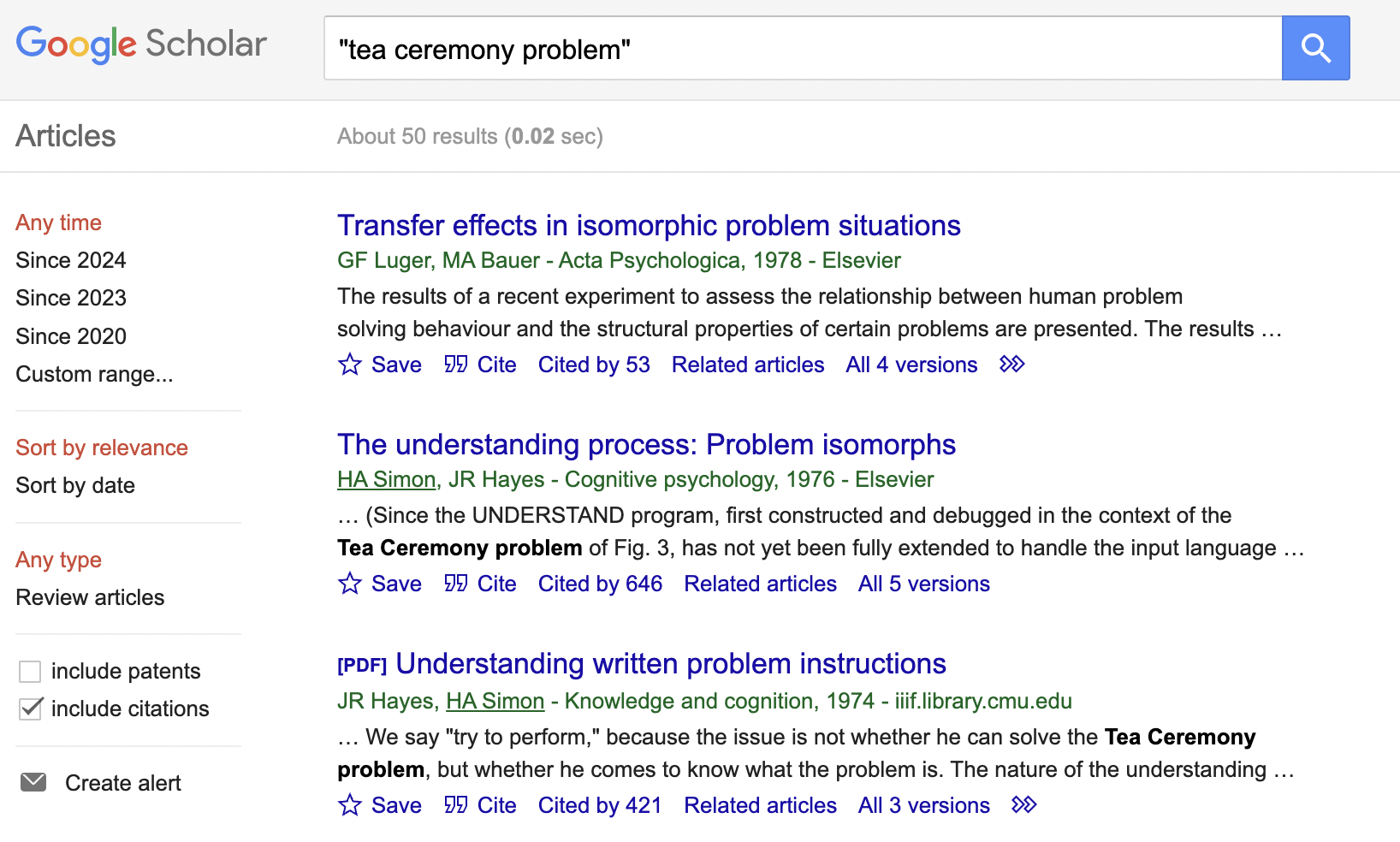
Tea Ceremony Problem
Could you tell it was the same as Tower of Hanoi?
People are naturally curious, but we are not naturally good thinkers; unless the cognitive conditions are right, we will avoid thinking.
People Are Not Naturally Good Thinkers?
Depends on what we mean by thinking!
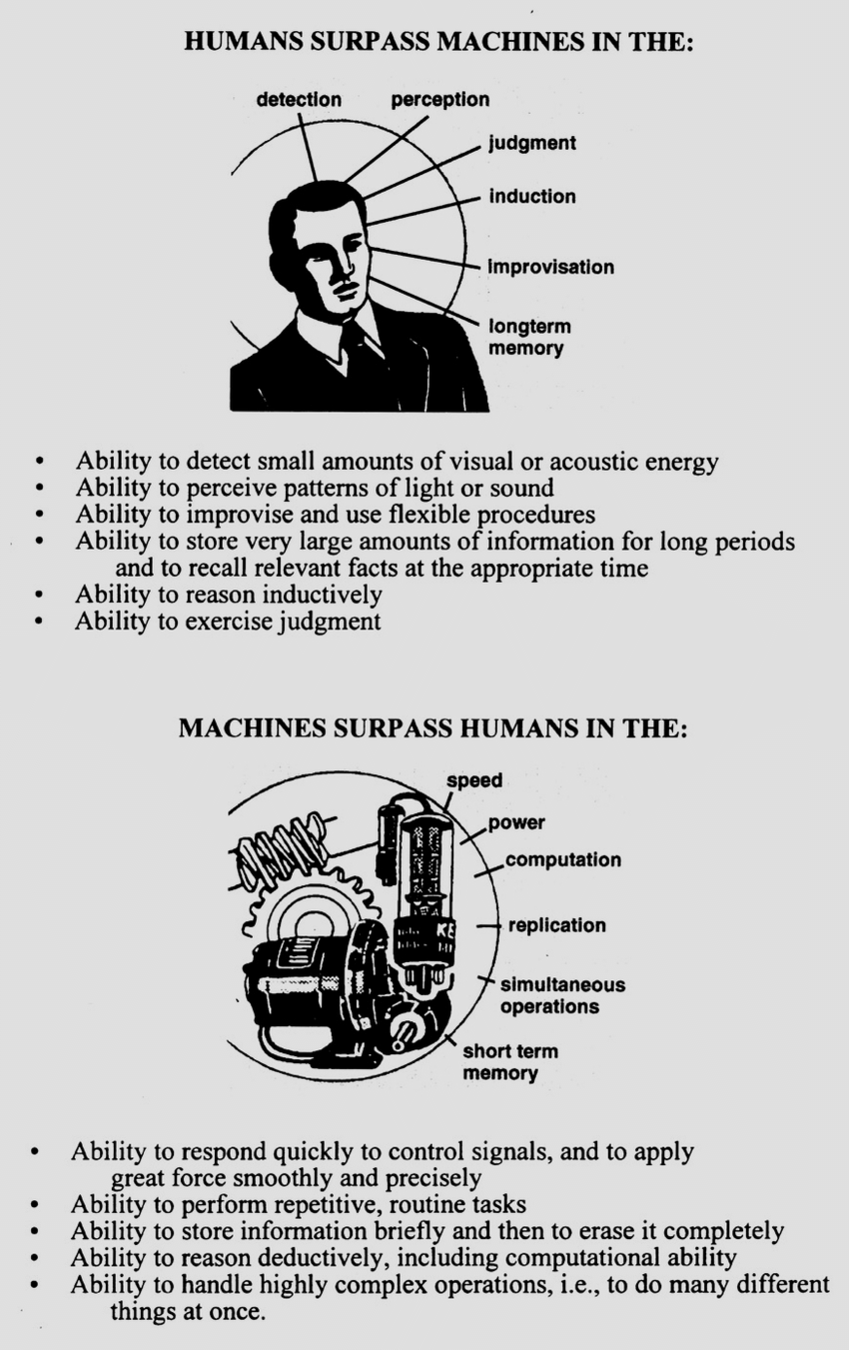
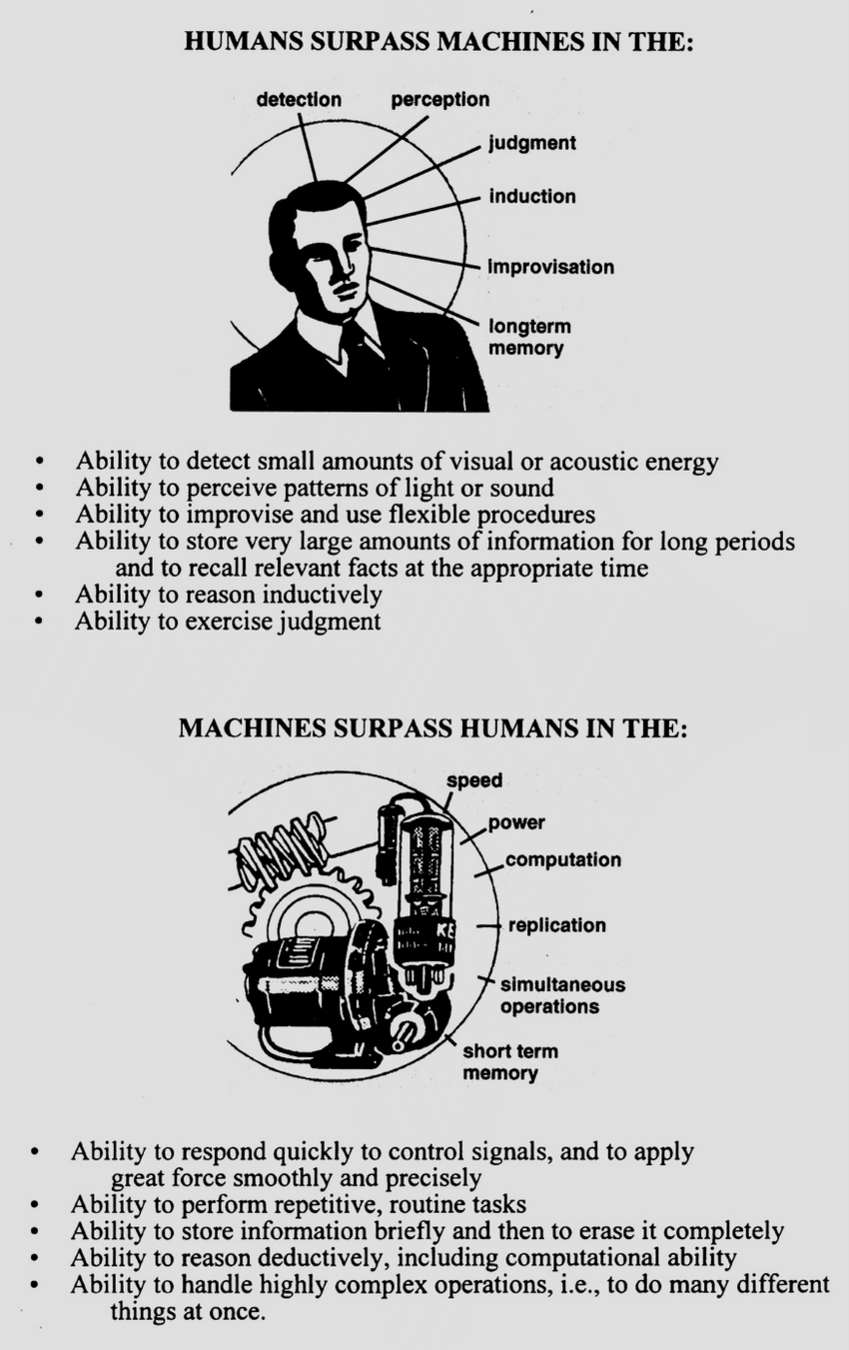
Hoffman, R. R., Feltovich, P. J., Ford, K. M., & Woods, D. D. (2002). A rose by any other name... would probably be given an acronym [cognitive systems engineering]. IEEE Intelligent Systems, 17(4), 72-80.
Fitt’s List (1951)
People Are Not Naturally Good Thinkers?
“Computers are incredibly fast, accurate and stupid. On the other hand, a well trained operator as compared with a computer is incredibly slow, inaccurate and brilliant.”
- Anonymous
People are Naturally Curious!
Problems have to be the right level of difficulty:
- Not too hard (too much demand on working memory)
- Not too easy (no thinking needed)
Course Structure
For each week, I have singled out some of the key cognitive processes/principles as well as types of content that the chapter is about.
But cognition is complex and processes are intertwined so each chapter is about a lot of things.
Chapter 1 is about attention and motivation
and how that intersects with thinking and memory.
In fact, two aspects of cognition pervade this book:
Working Memory
Cognitive Load
Cognitive Load 😵💫
Cognitive load is the amount of demand placed on our working memory in a task.
Cognitive load is much greater 😵💫 for the tea ceremony problem than Tower of Hanoi.
This suggests we can use strategies to reduce cognitive load for students! 😌
Even though Willingham doesn’t use the term, cognitive load will come up again and again in this course!
Working memory capacity is limited.