Representation Learning
Building Useful Internal Knowledge


Today's Roadmap
Representations
Layer-by-layer geometry and transfer
Learning Without Labels
Autoencoders, bottlenecks, and masking
Word Embeddings
Prediction, similarity, and soft lookup
Recent Ideas
Masking, contrastive learning, multimodality
Some image credits for Parts 1–2: visionbook.mit.edu
layer
linear combo
activations
layer
input
neuron
learnable weights
hidden
output

asymptotically, can approximate any function!*
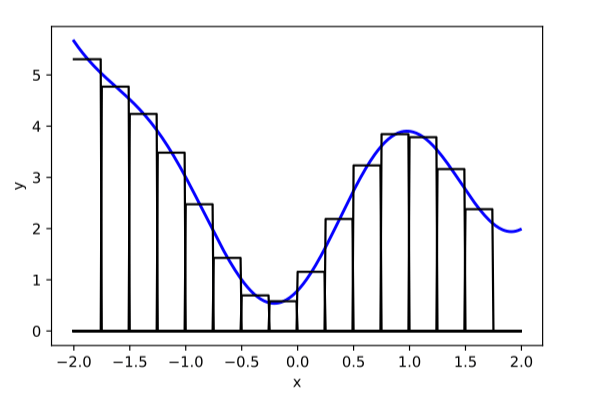
under some technical conditions (e.g. nonlinearity can't be polynomial)
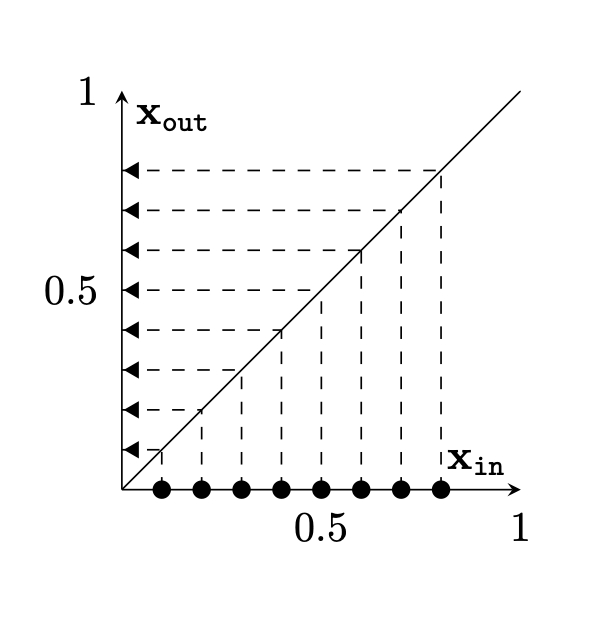
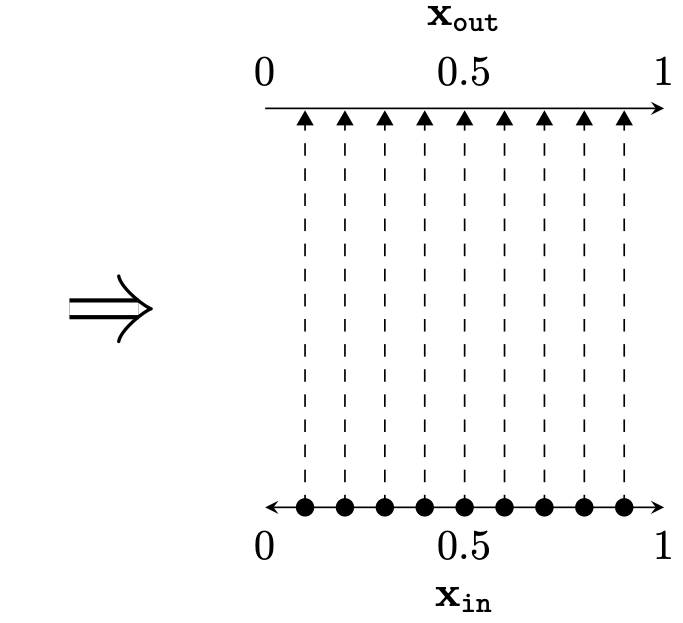
Two different ways to visualize a function
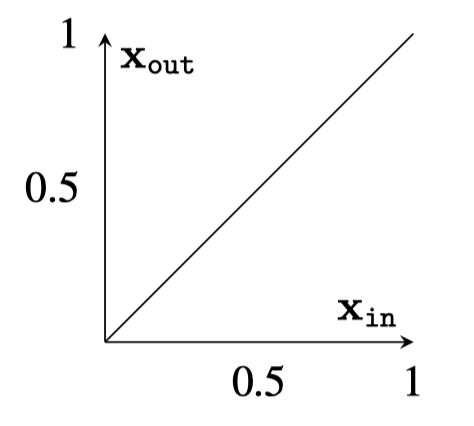
e.g. the identity function
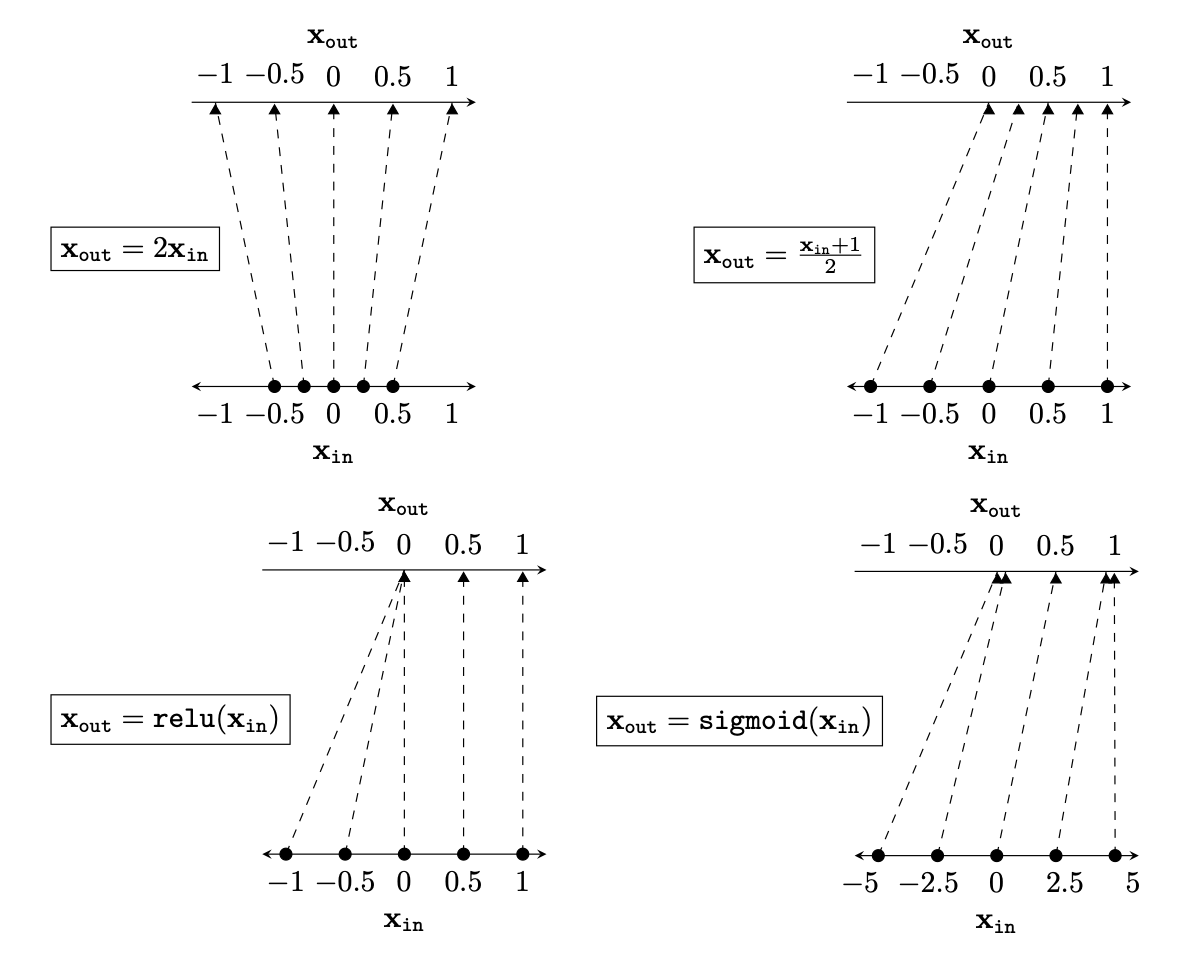
Representation transformations for a variety of neural net operations
and stack of neural net operations
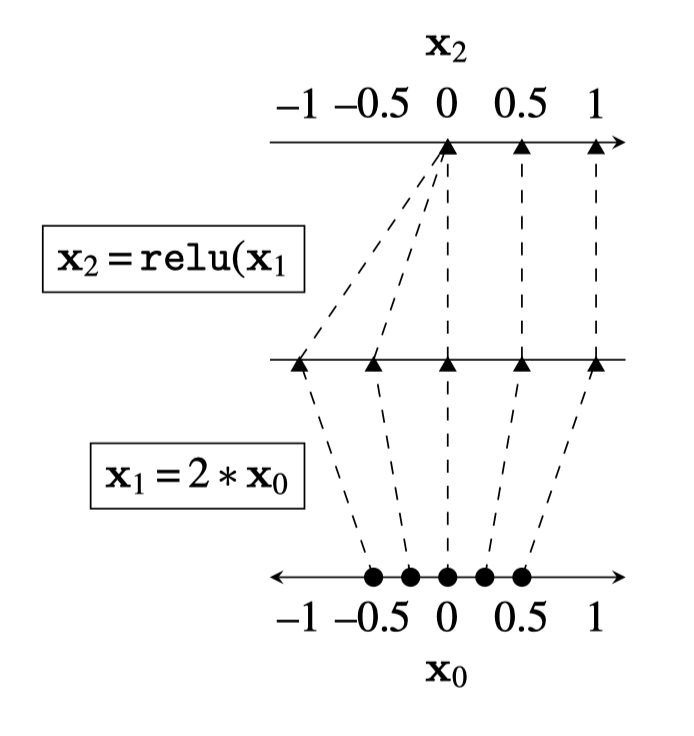
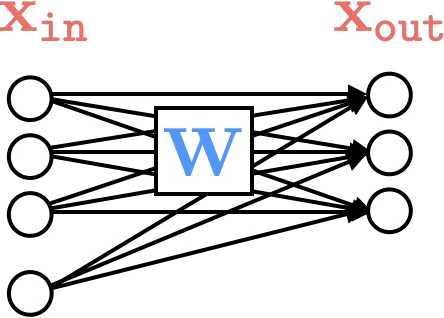
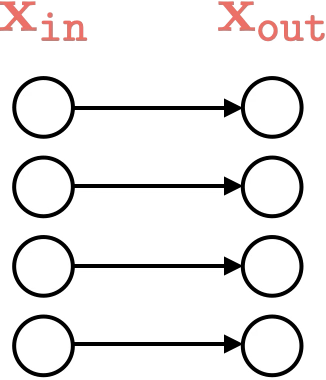
wiring graph
equation
mapping 1D
mapping 2D
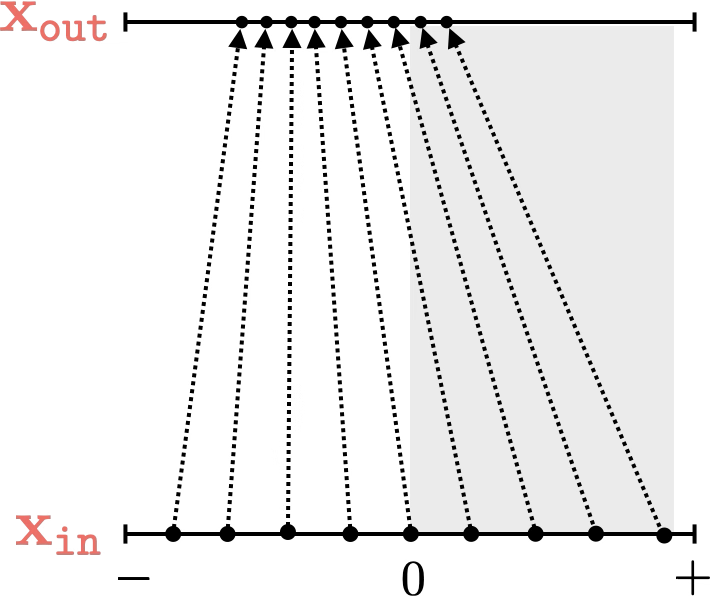
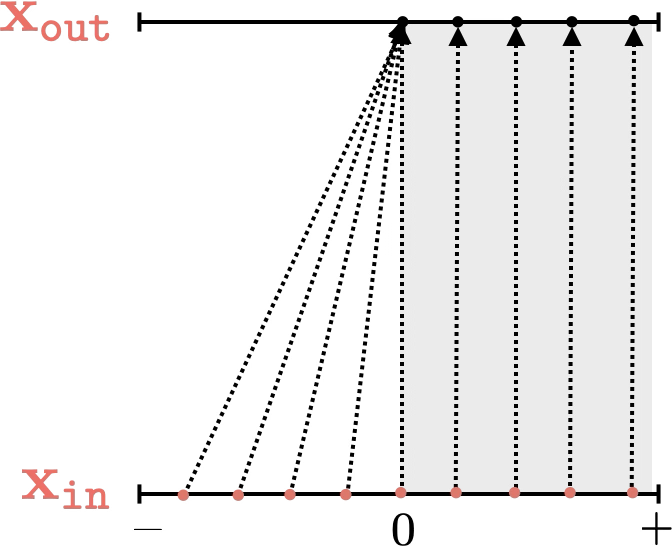
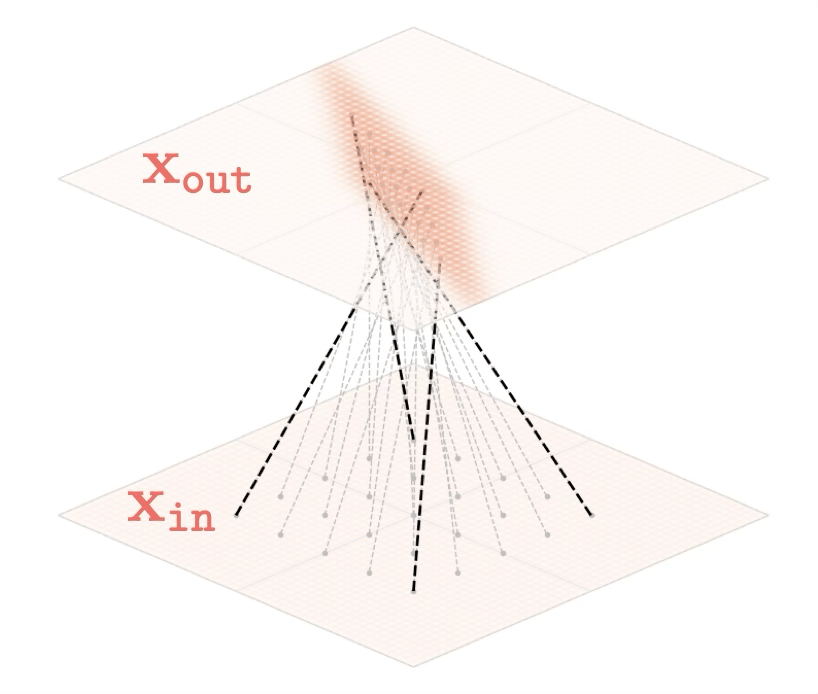
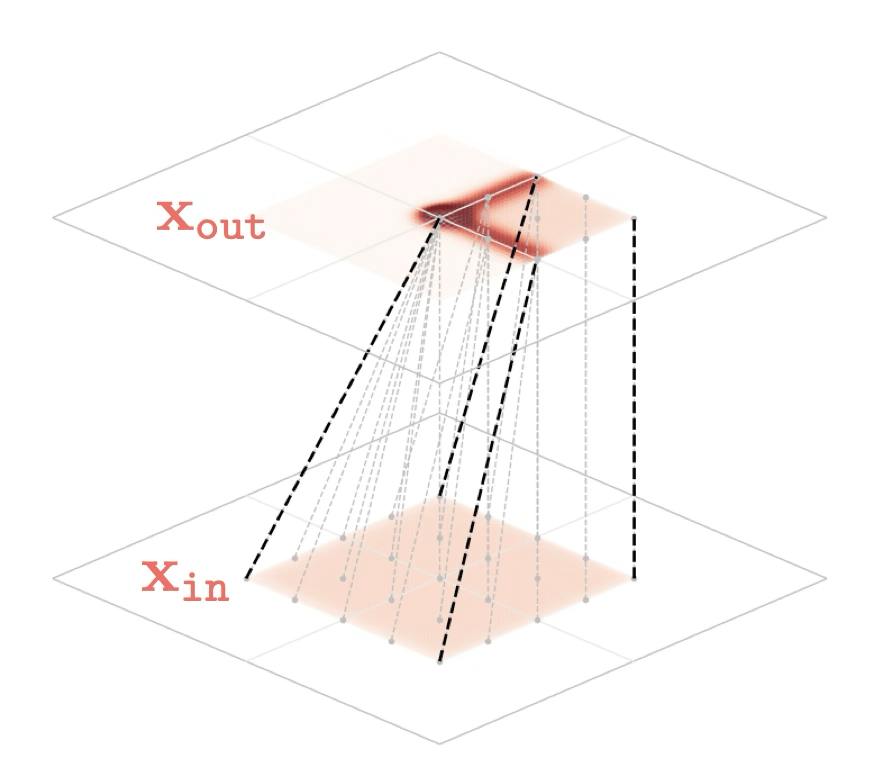


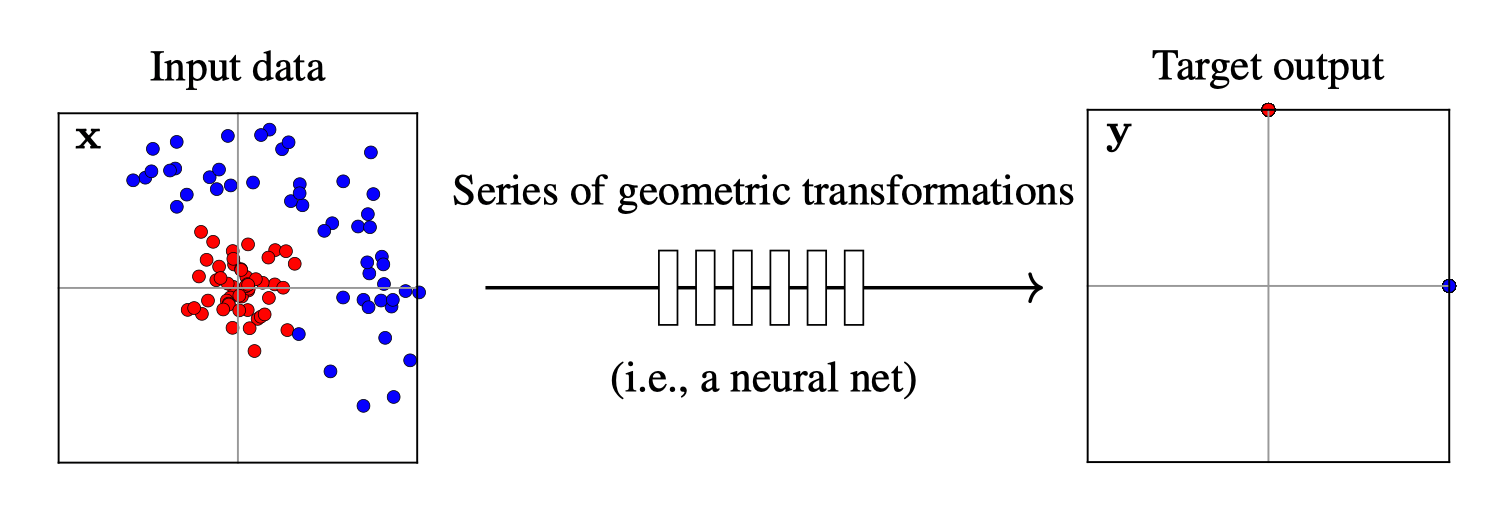
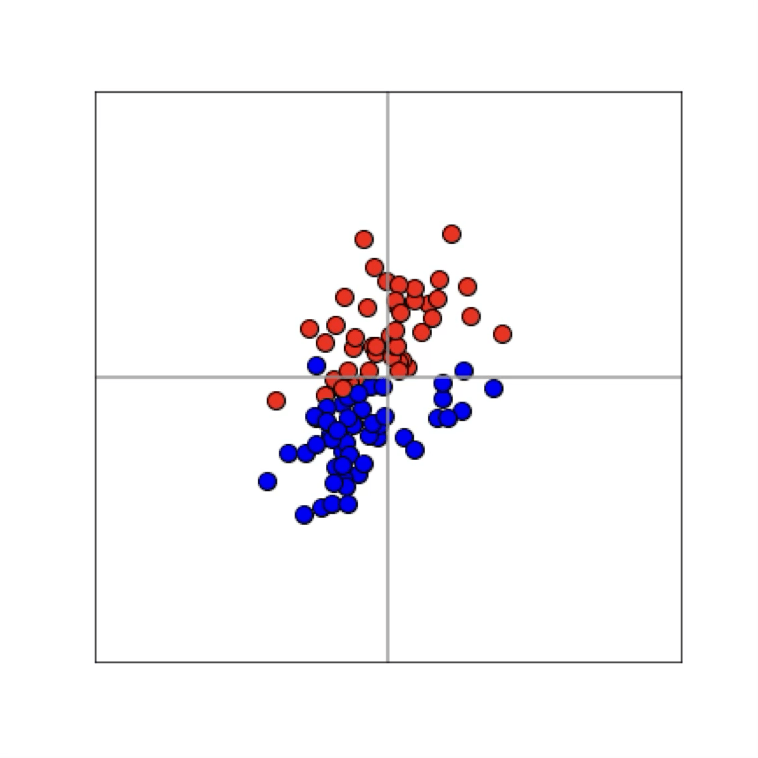
What does training a neural net classifier look like?
Training data
maps from complex data space to desired target space
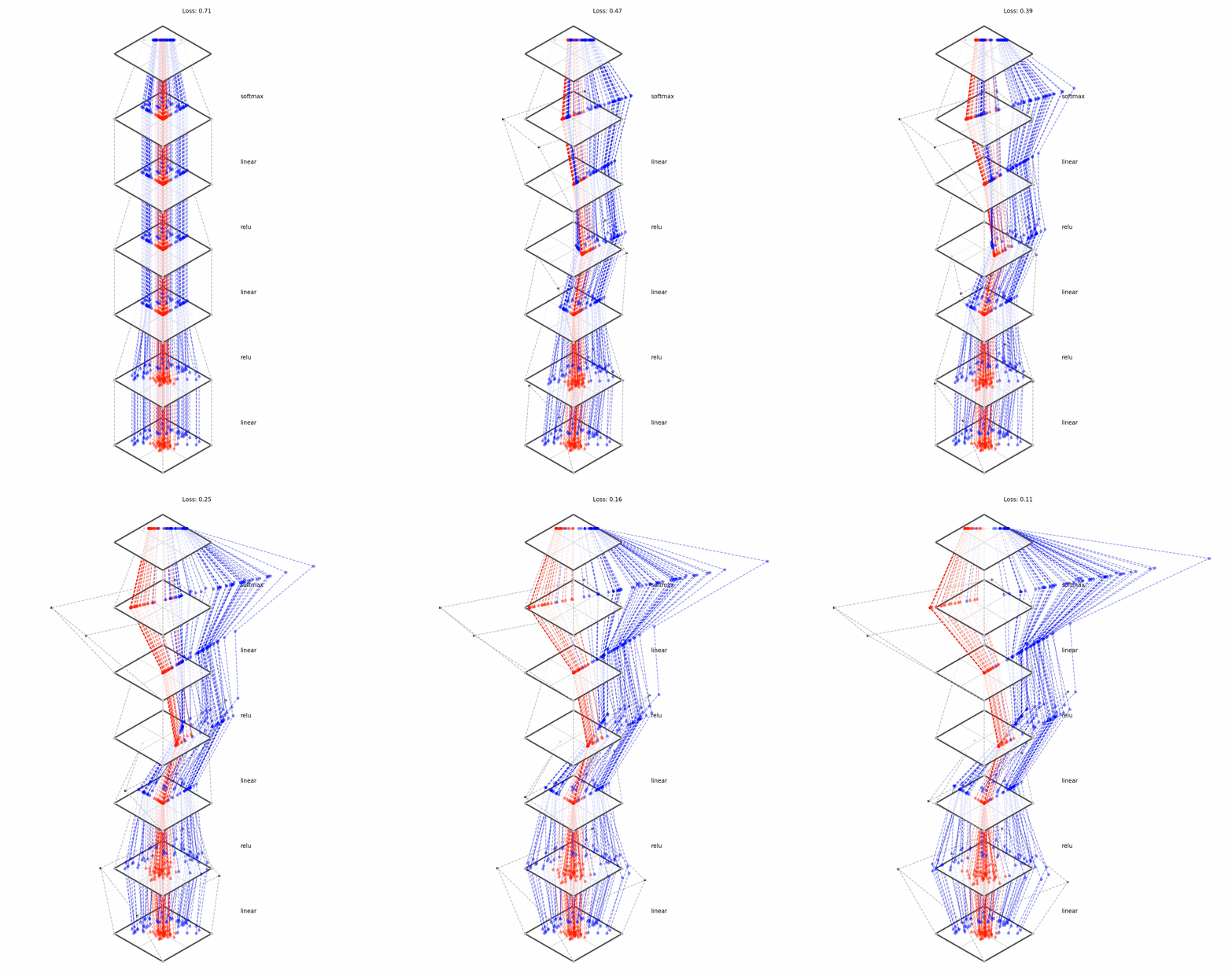
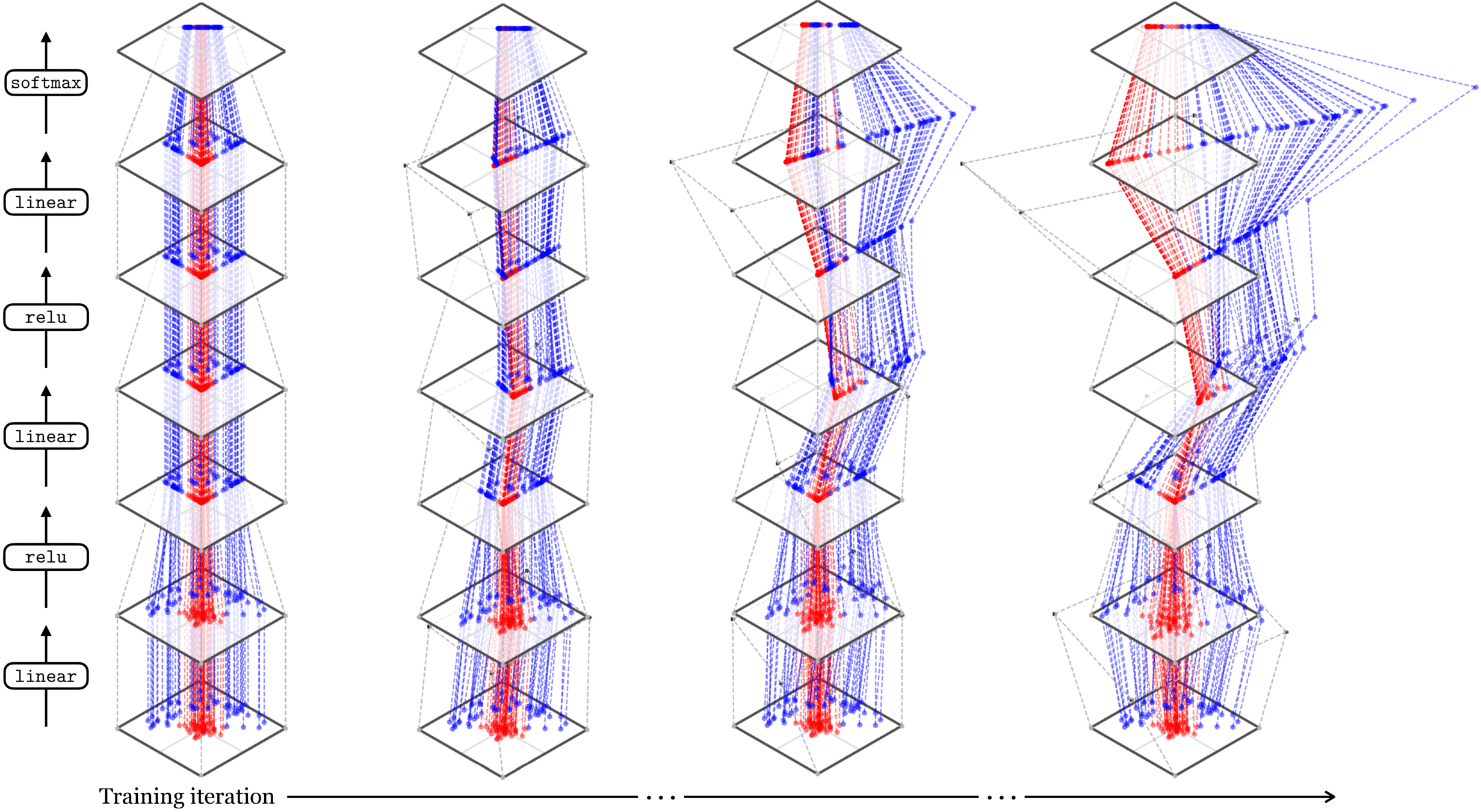
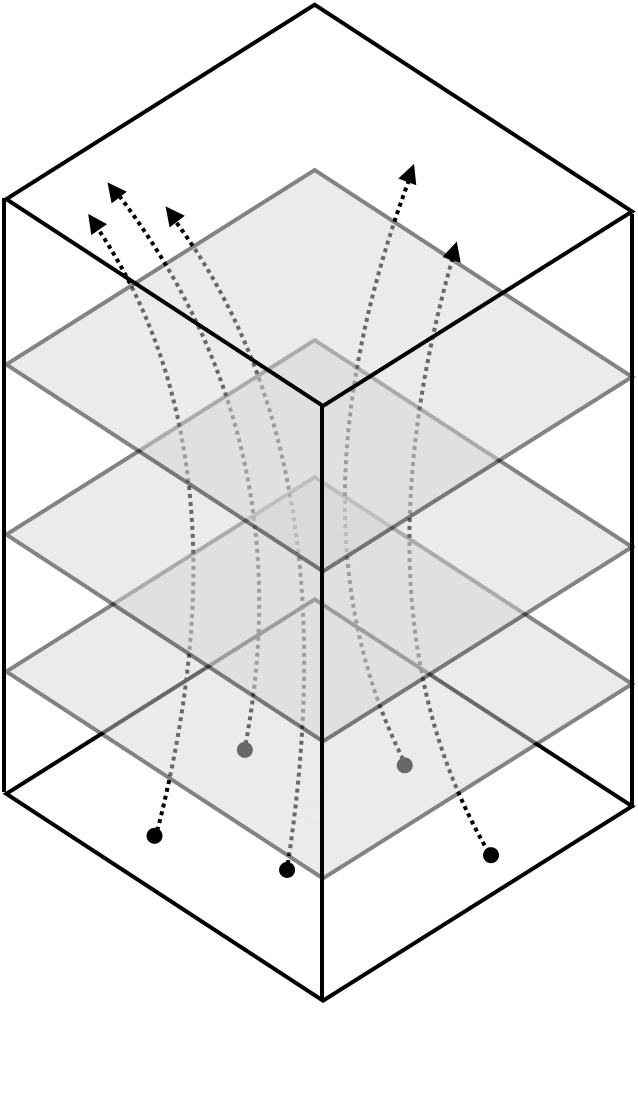
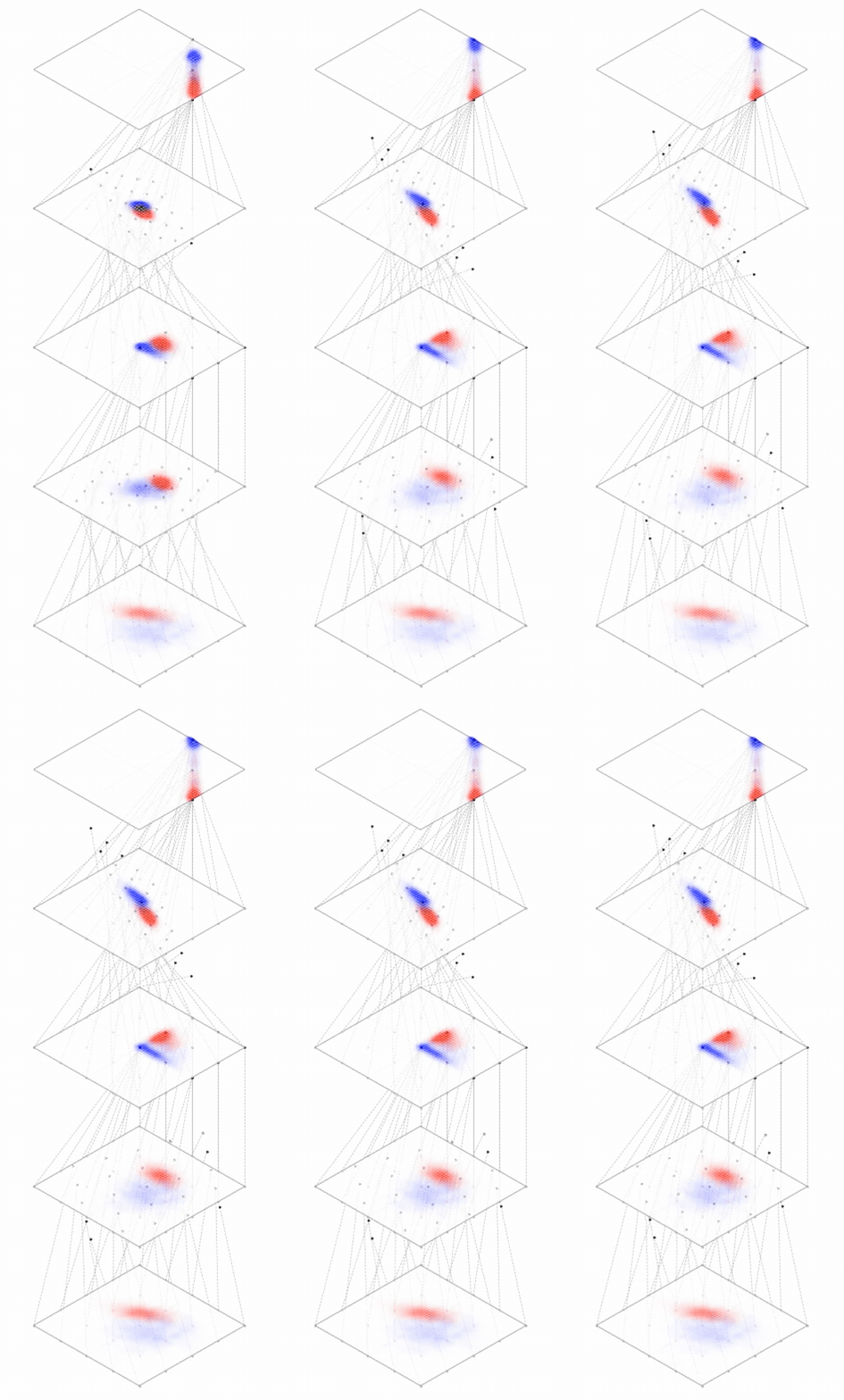
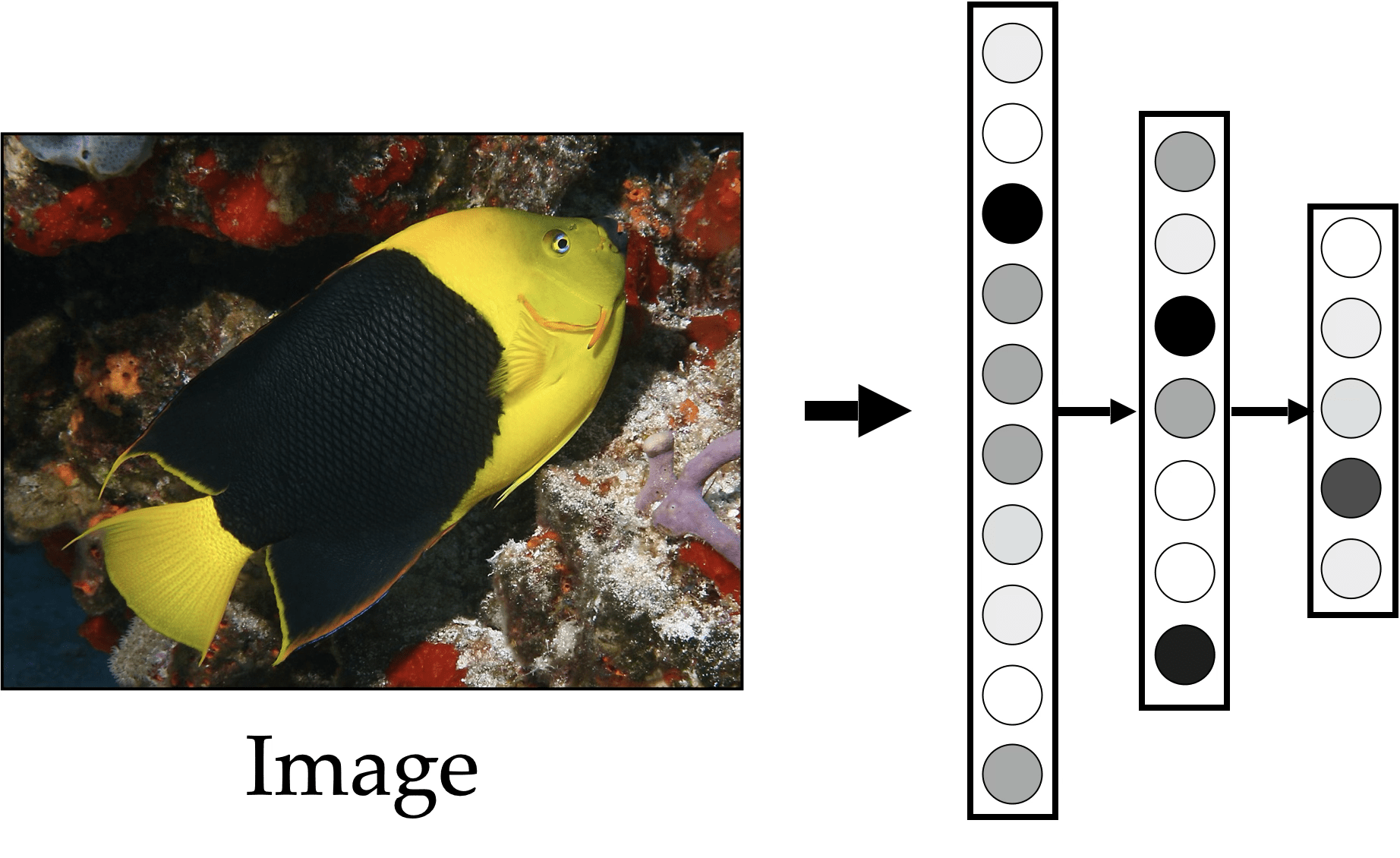
Deep neural nets transform datapoints, layer by layer
Each layer is a different representation, aka embedding, of the data
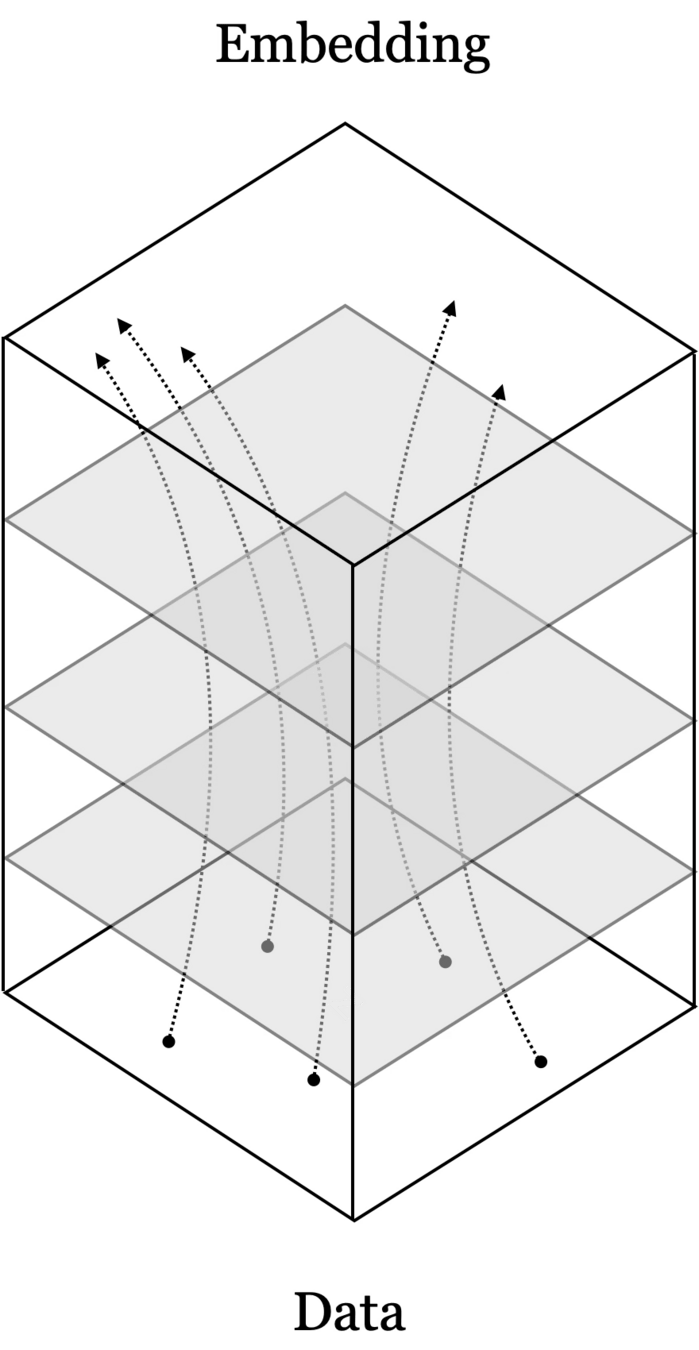
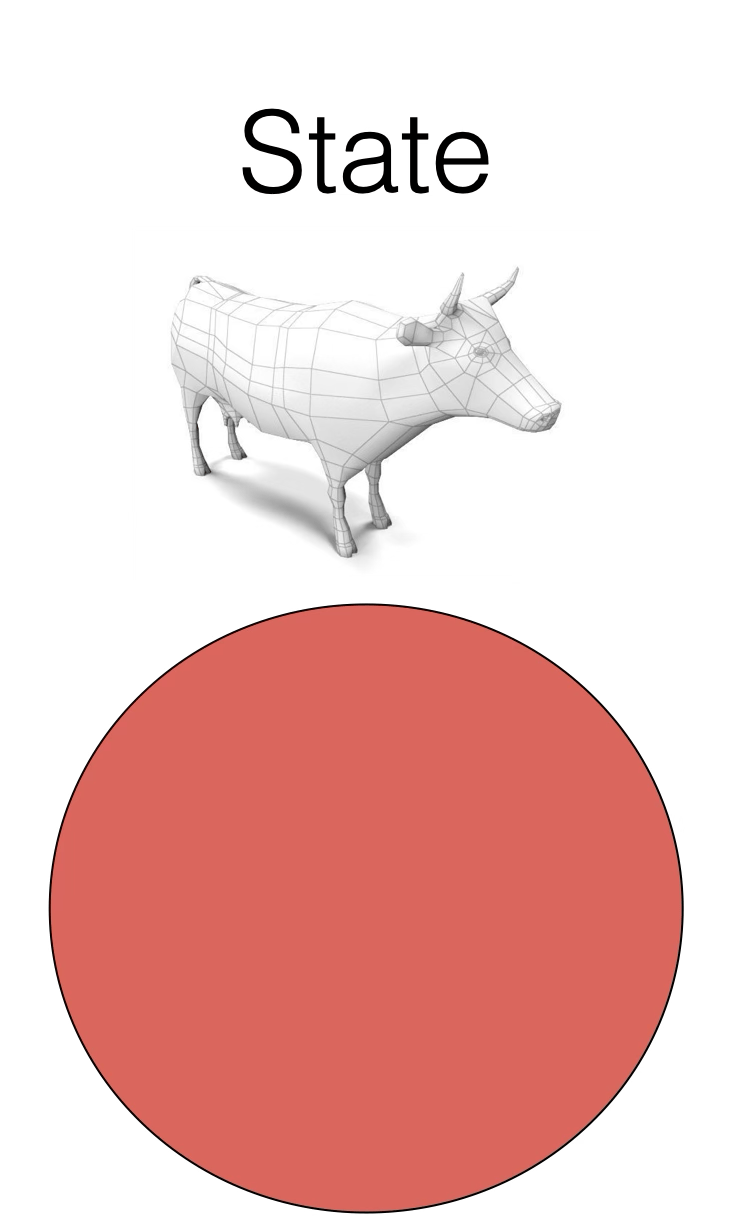
From data to latent embeddings: representation learning
(From latent embeddings to data: generative modeling)
Representation learning
Generative modeling

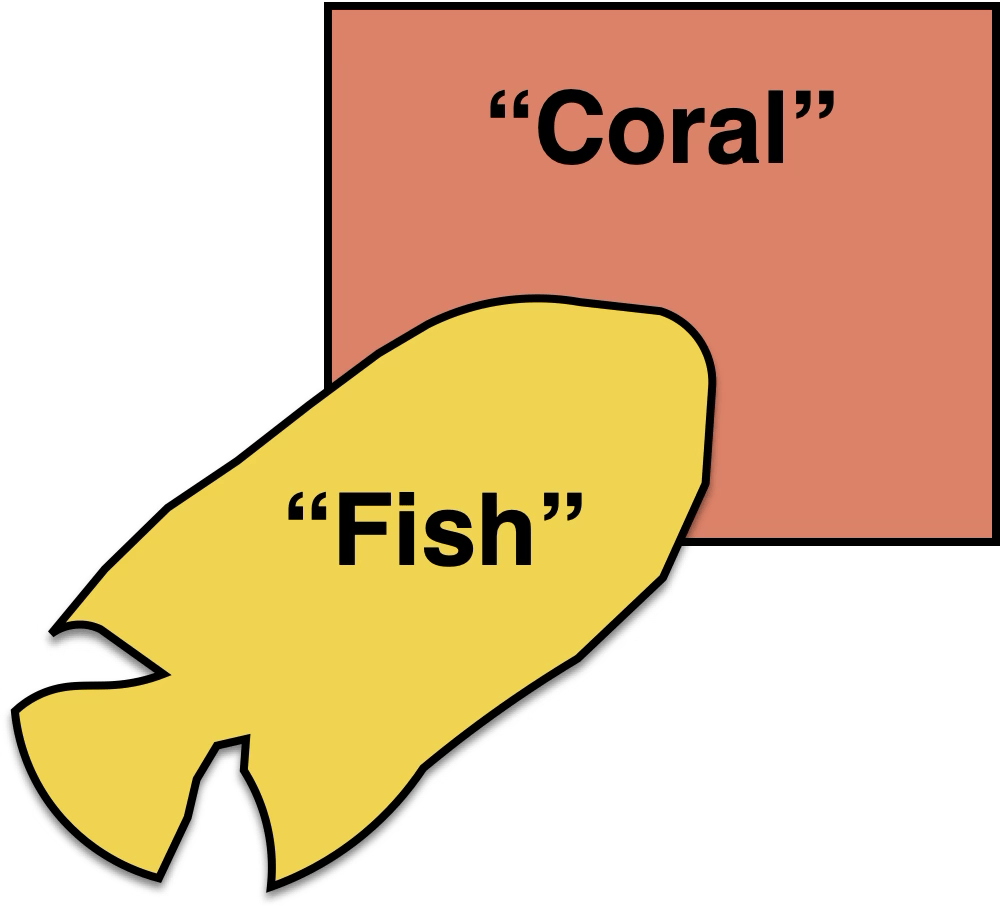
🧠
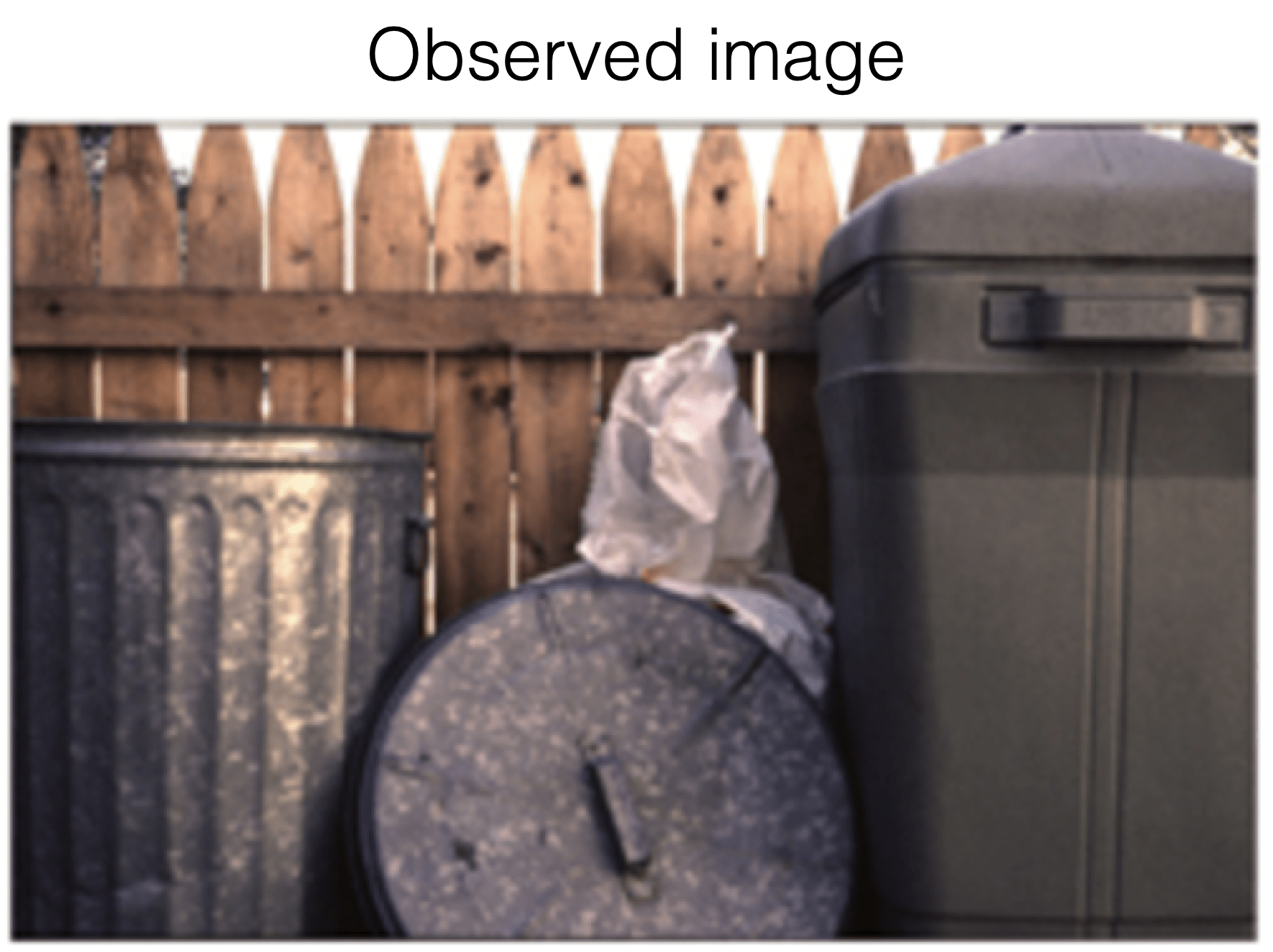
humans also learn representations
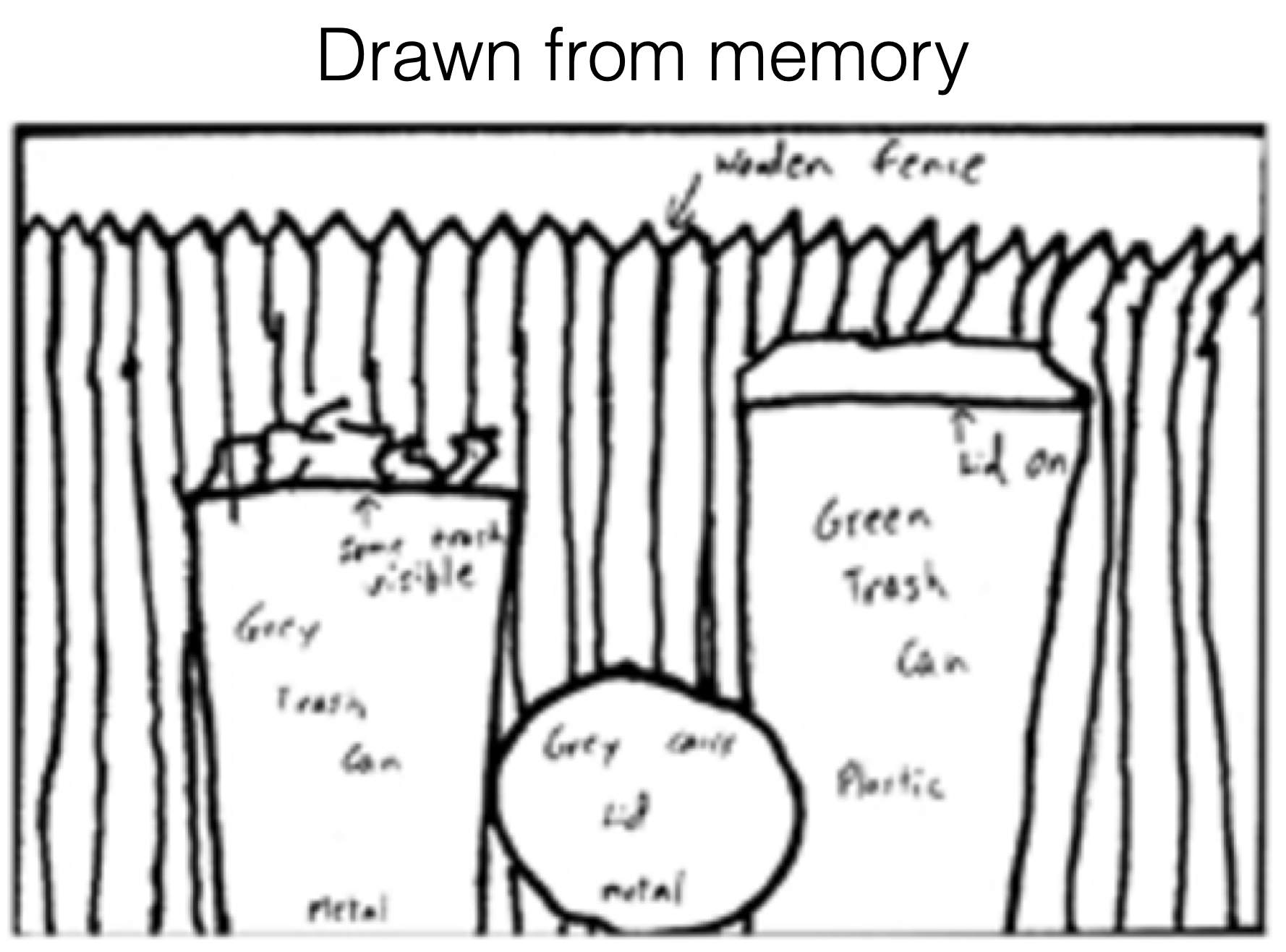
[Bartlett, 1932]
[Intraub & Richardson, 1989]
- Compact (minimal)
- Explanatory (roughly sufficient)
- Disentangled (independent factors)
- Interpretable (understandable by humans)
- Make subsequent problem solving easy
[See “Representation Learning”, Bengio 2013, for more commentary]
Good representations are:
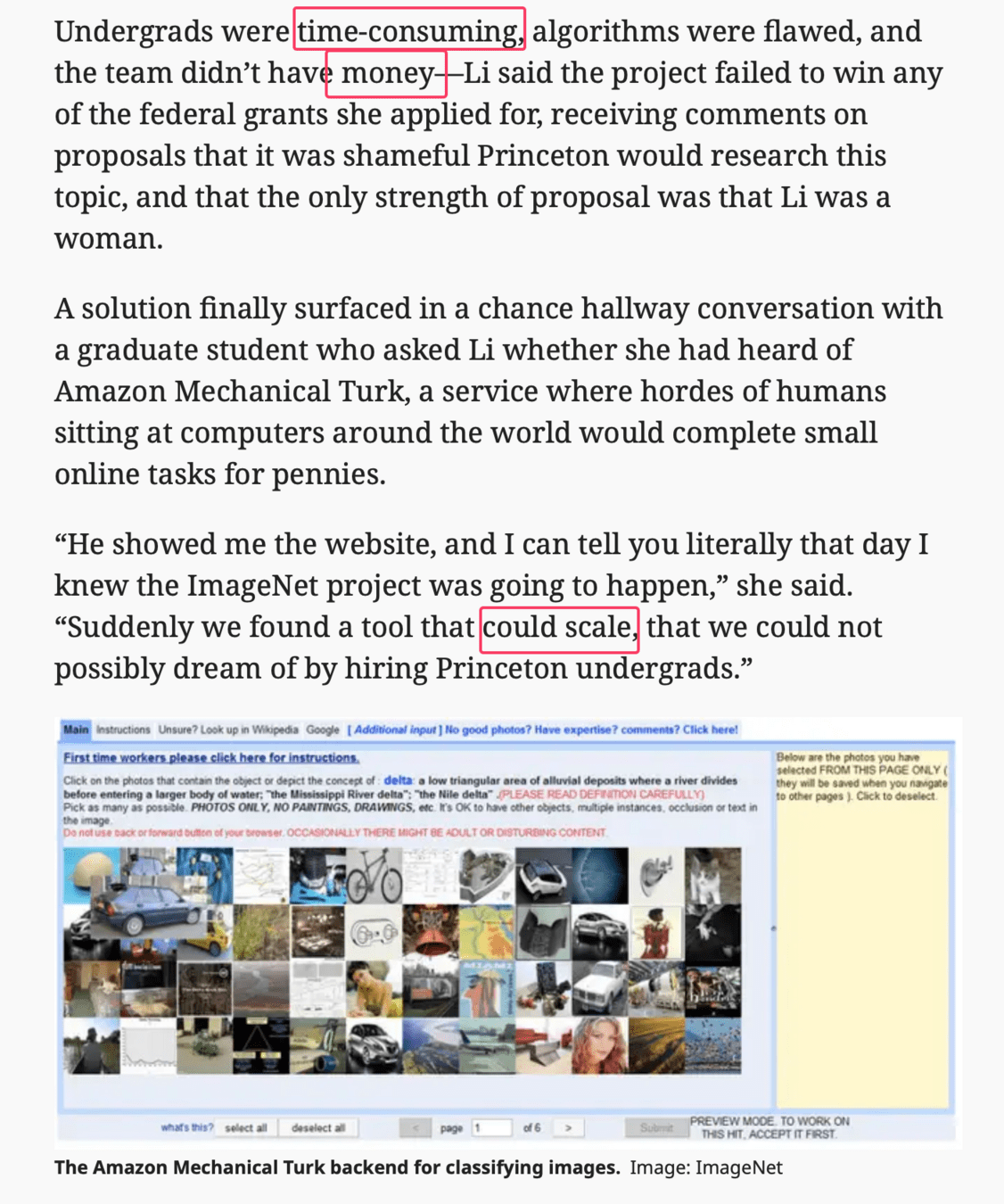
ImageNet also taught us that labeling 14 million images by hand is brutal.
Label prediction (supervised learning)
Label
$$x$$
$$y$$
Features
Labels \(y\) are expensive…
Unlabeled features \(x\) are abundant
Can we learn useful things with just \(x\)?
- Compact (minimal)
- Explanatory (roughly sufficient)
- Disentangled (independent factors)
- Interpretable (understandable by humans)
- Make subsequent problem solving easy
[See “Representation Learning”, Bengio 2013, for more commentary]
Auto-encoders explicitly aims
these may just emerge as well
Good representations are:
Unsupervised Learning (feature reconstruction)
Features
Reconstructed Features
$$x$$
$$\hat{x}$$
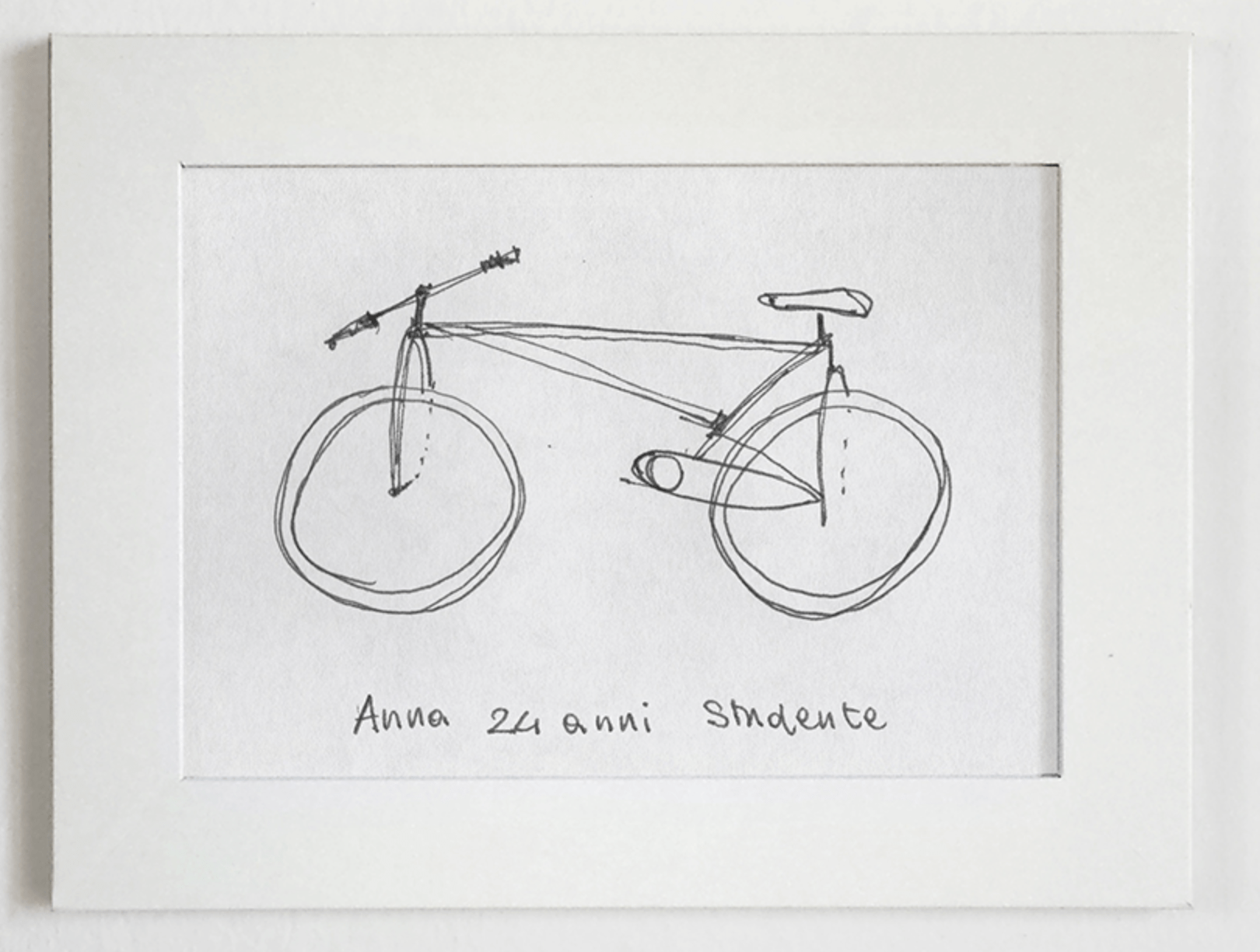
[https://www.behance.net/gallery/35437979/Velocipedia]
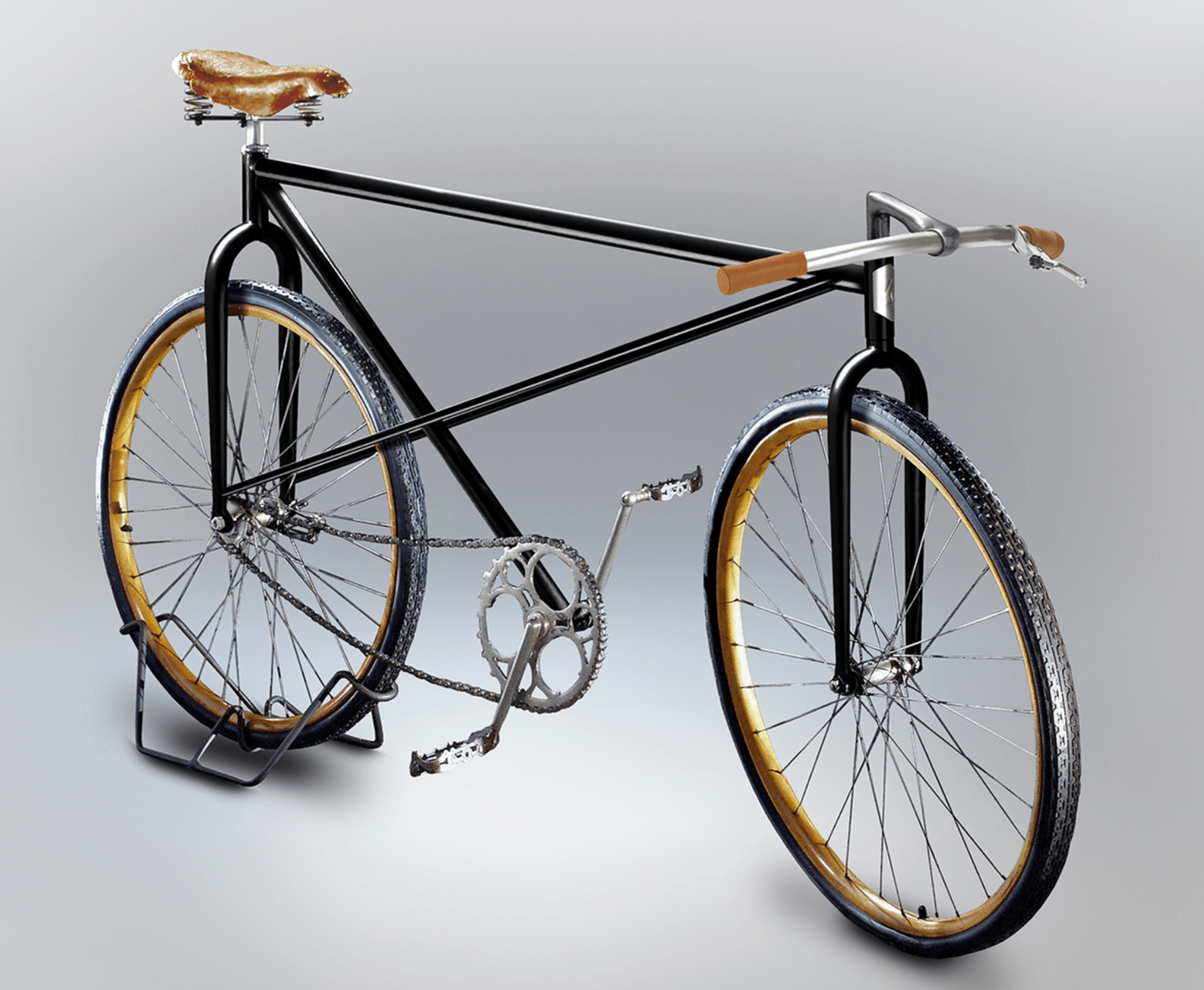
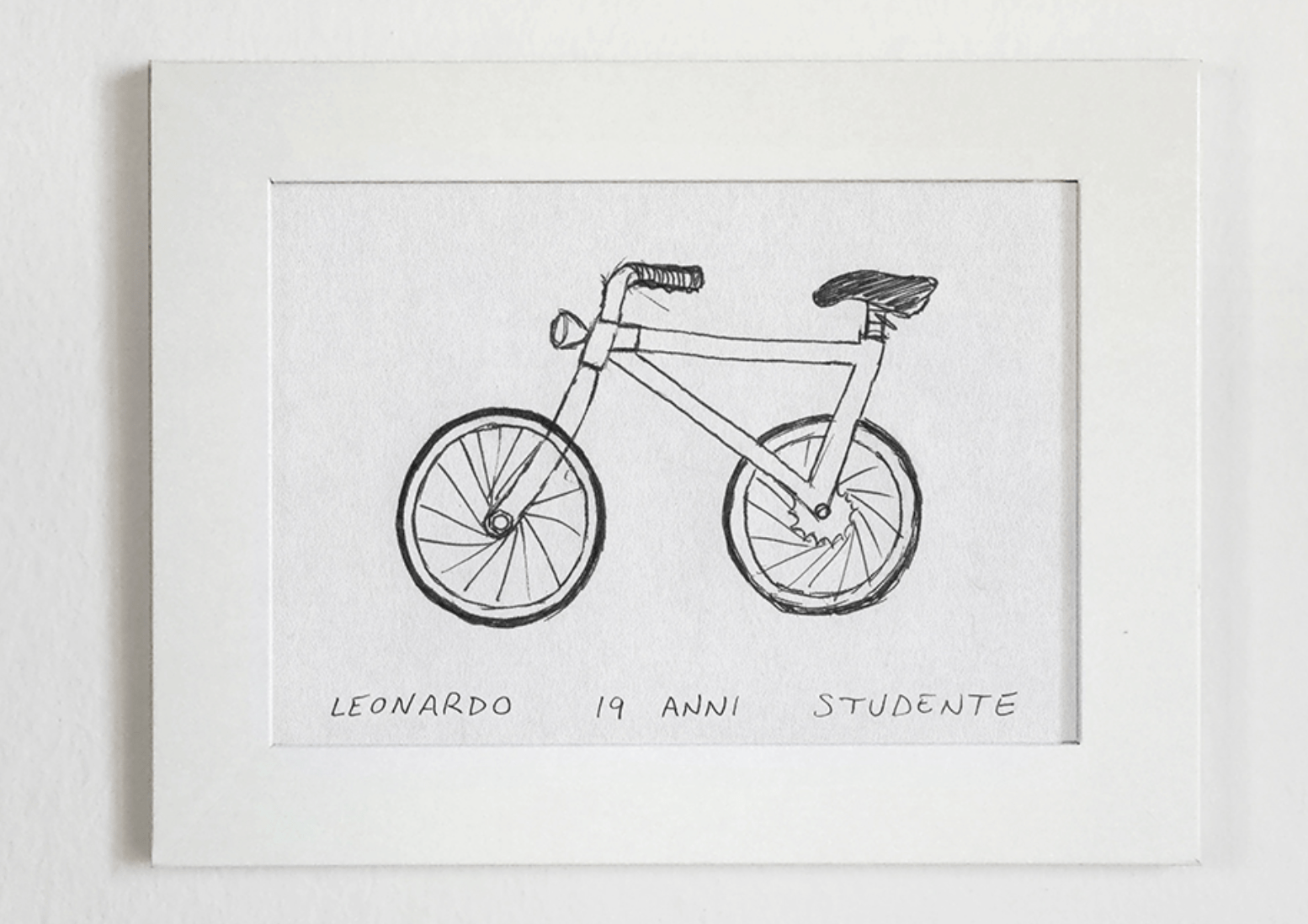
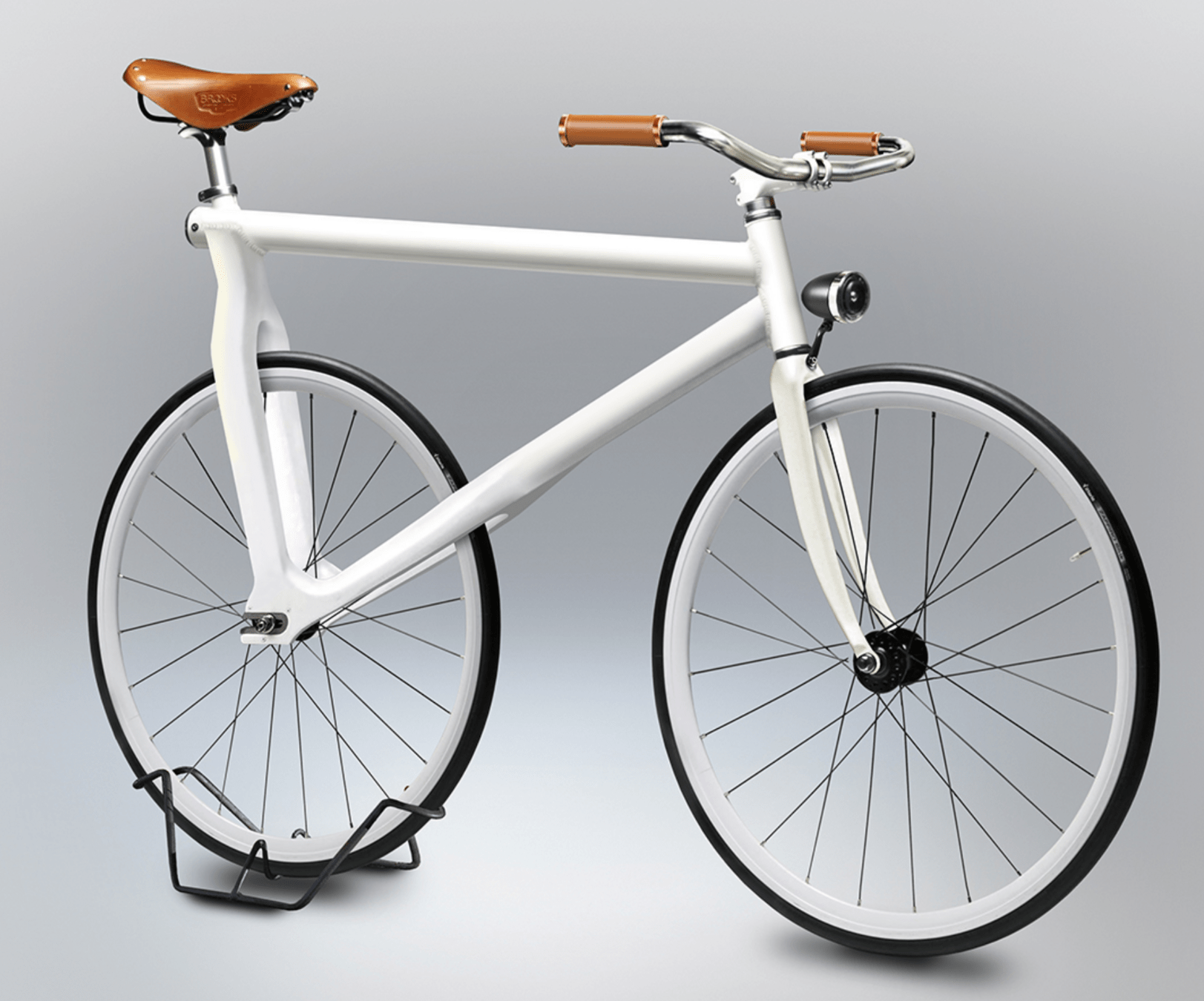
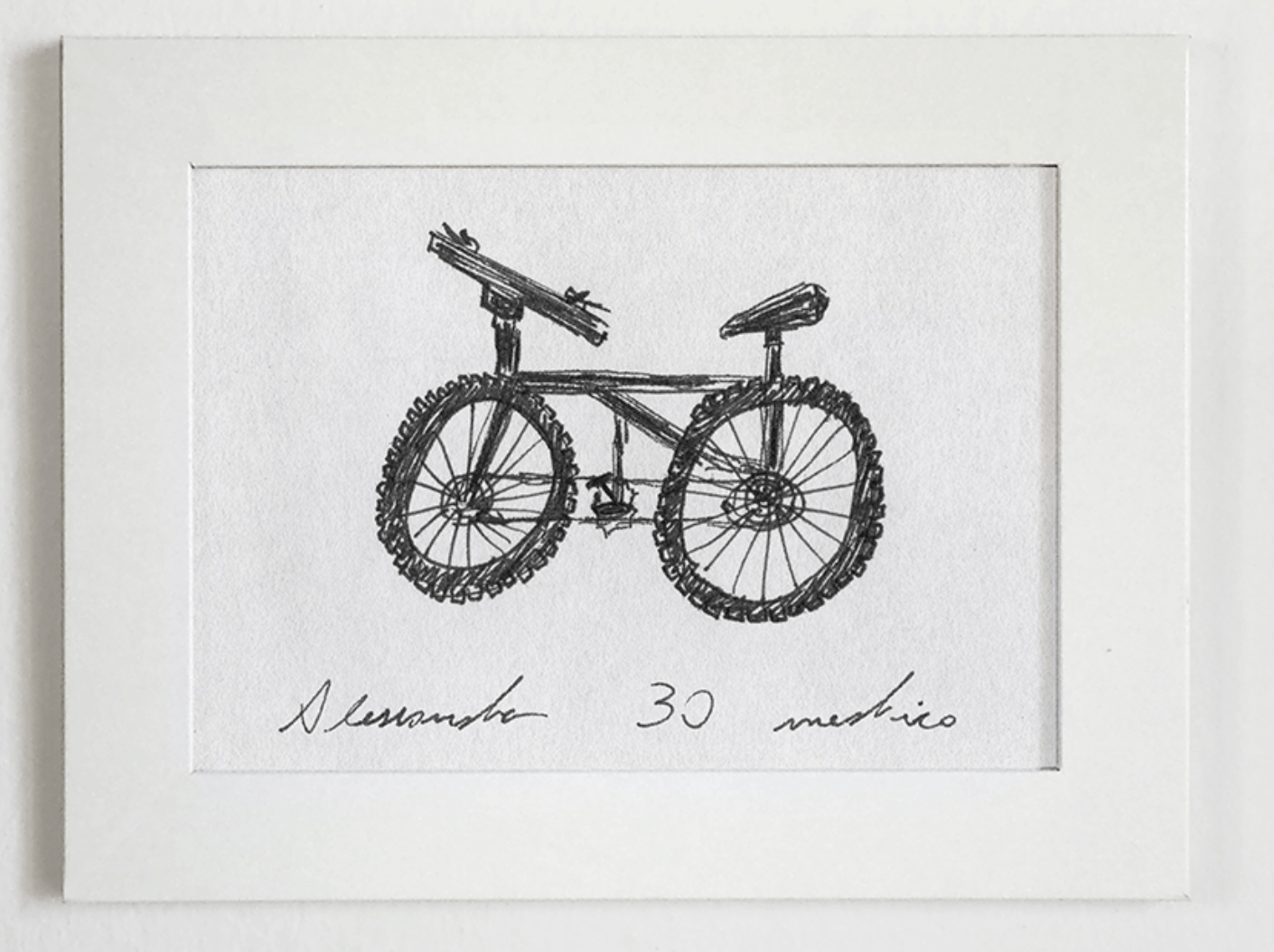
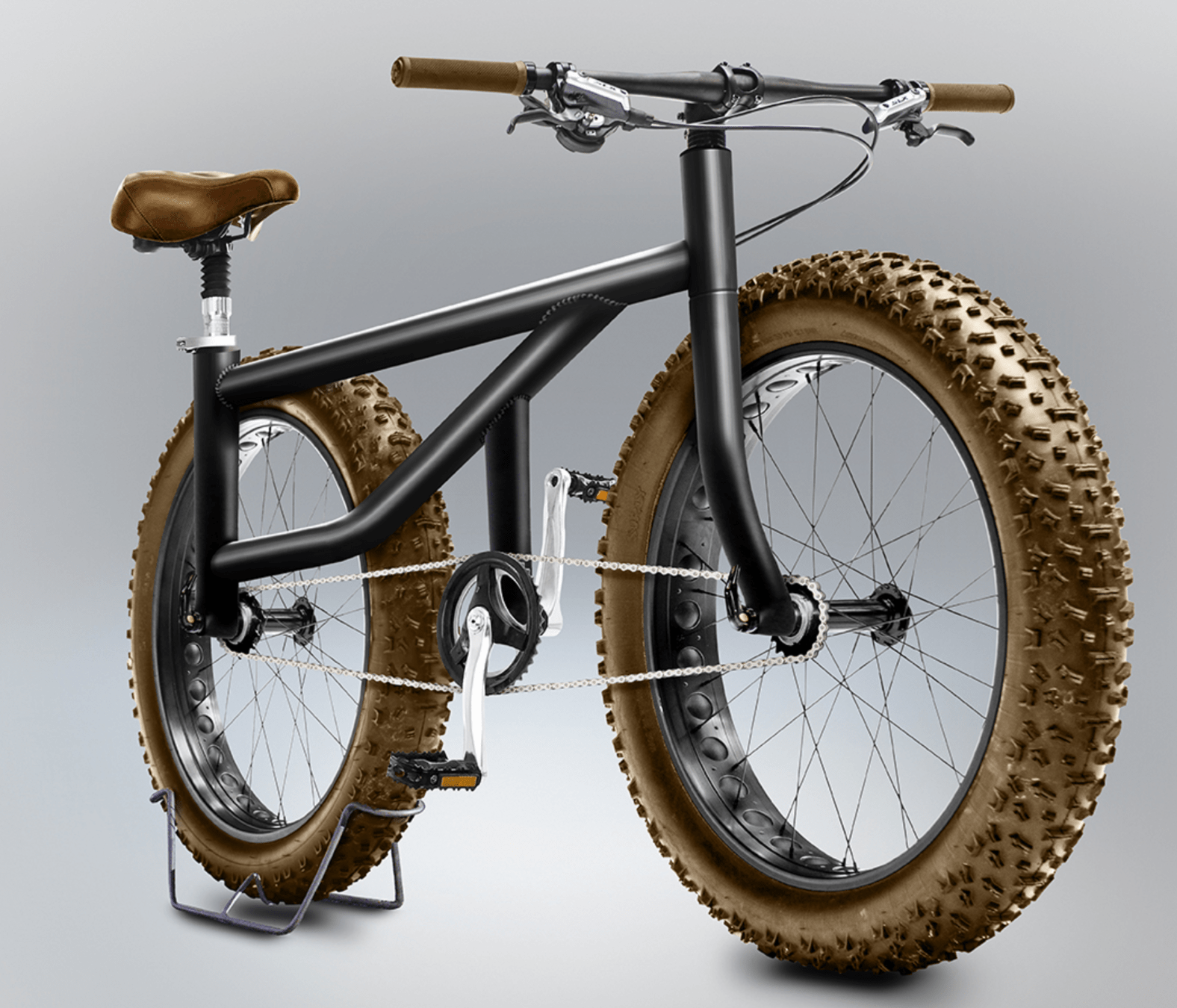
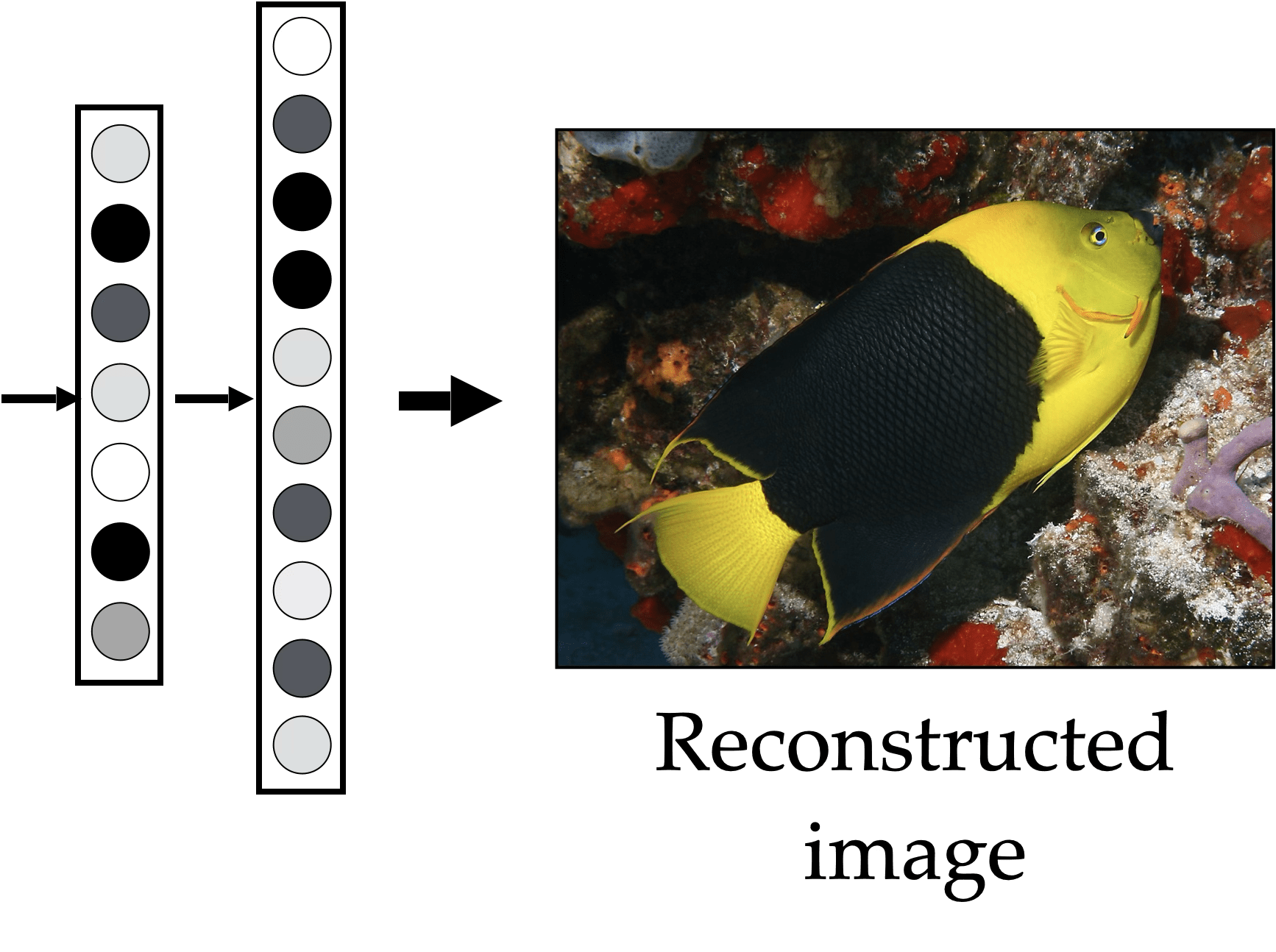
Auto-encoder
"What I cannot create, I do not understand." Feynman
compact representation/embedding
Auto-encoder
encoder
decoder
bottleneck
Auto-encoder
Data space:
(high dimensional, irregular)
Encoder
Decoder
Representation space
(low dimensional, regular)
[Typically, encoders can serve as a translator to get "good representations", whereas decoders can serve as "generative models"]
But it's easy to "cheat" with auto-encoders
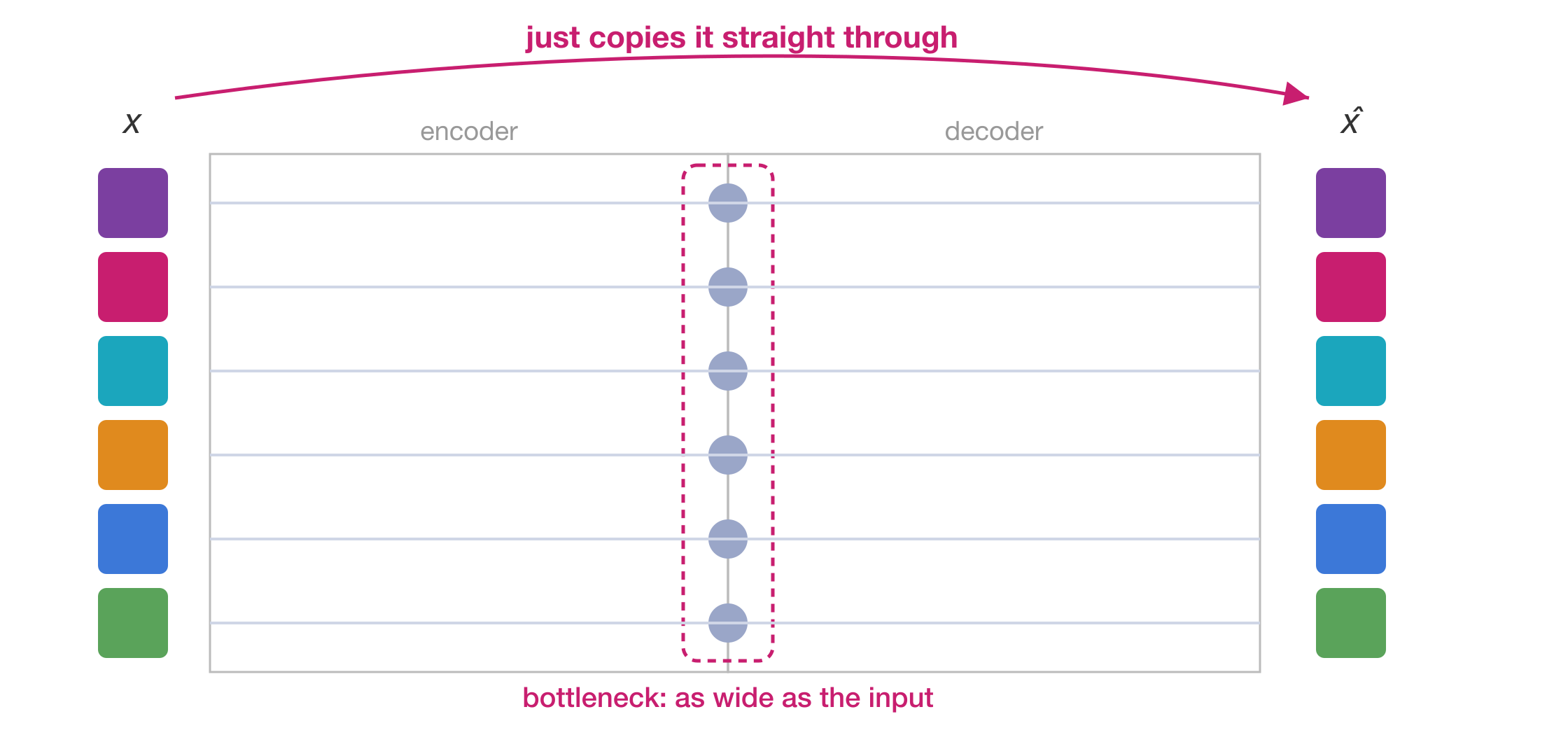
A bottleneck that's too wide
Perfect reconstruction, nothing learned. It just photocopies x.
[Vincent et al, Extracting and composing robust features with denoising autoencoders, ICML 08]
But it's easy to "cheat" with auto-encoders
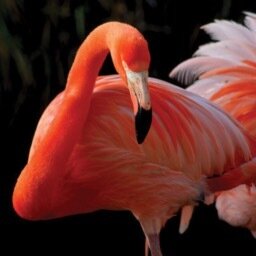
[Steck 20, Zhang et al 17]
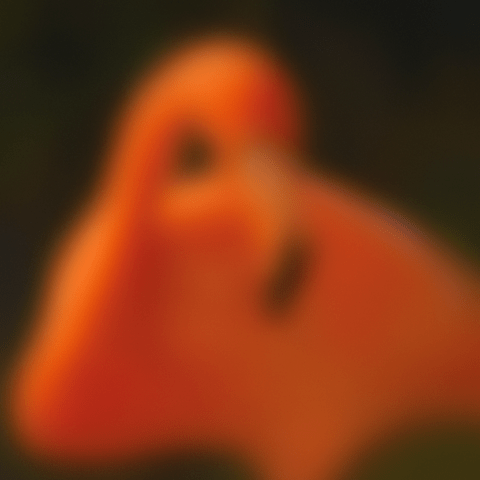
the reconstruction error is fine
but not very useful

decoder

encoder
Unsupervised Learning (feature reconstruction)
Features
Reconstructed Features
$$x$$
$$\hat{x}$$
$$\hat{x}$$
$${x}$$
Self-supervised Learning (partial feature reconstruction)
Partial
Features
Other Partial Features
Hard reconstruction, forces understanding.
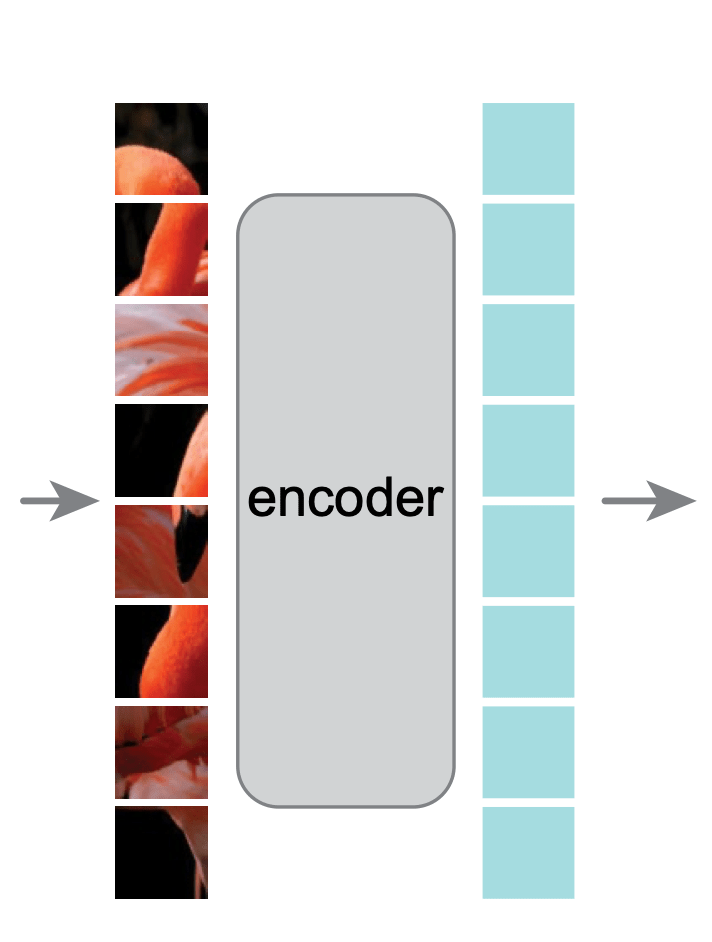
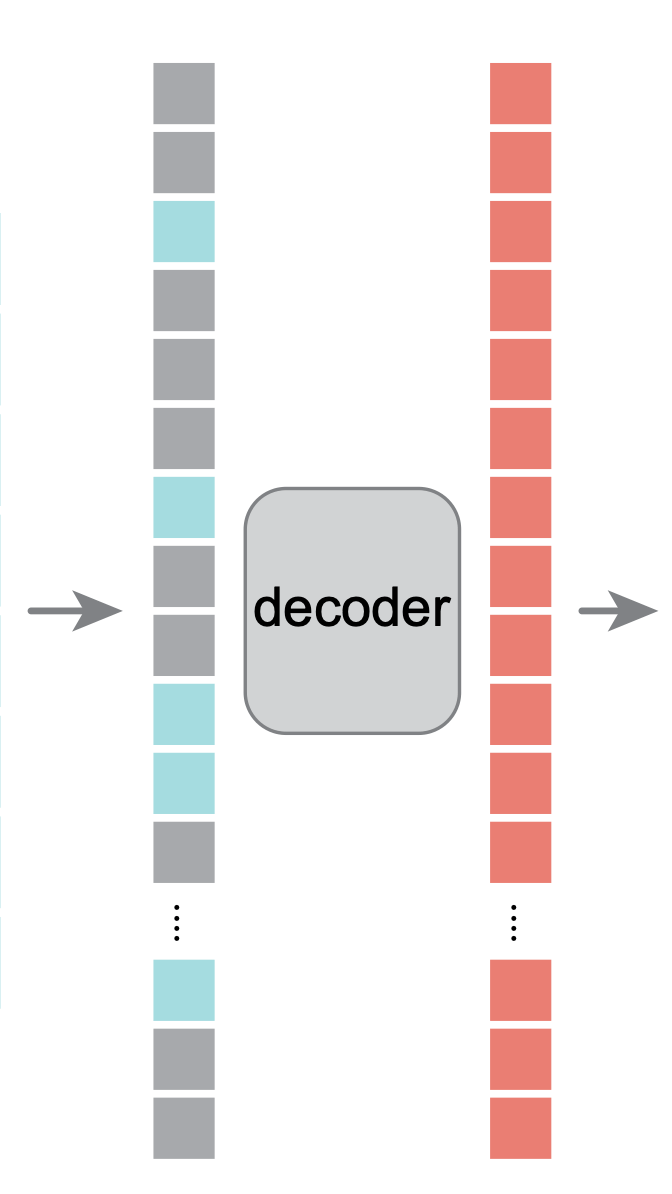
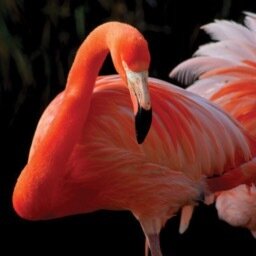
Masked Auto-Encoder (Vision)
[He, et al. Masked Autoencoders Are Scalable Vision Learners, 2021]
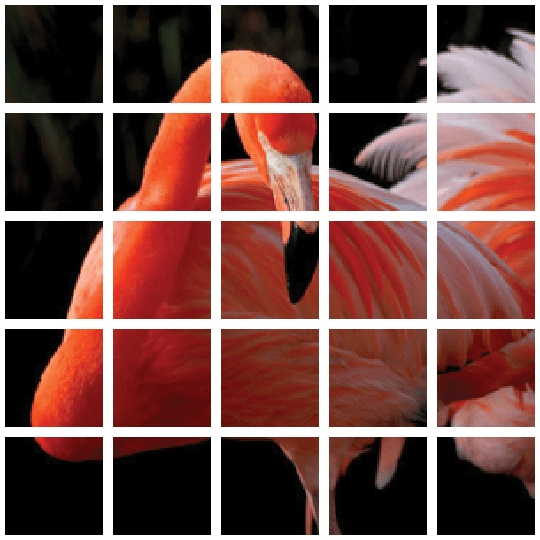
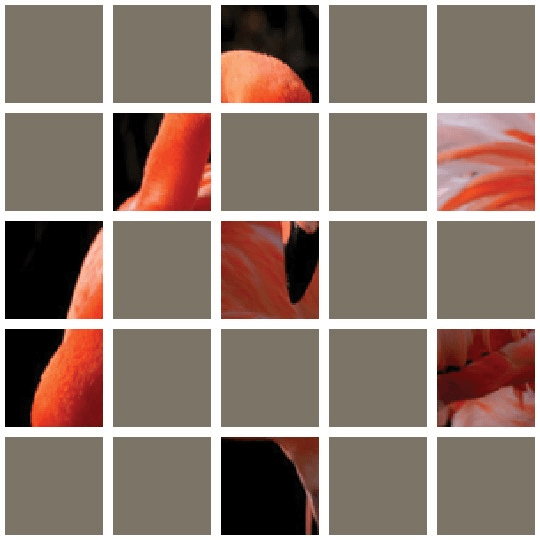
[Zhang, Isola, Efros, ECCV 2016]
e.g. masking channels
1. Masking
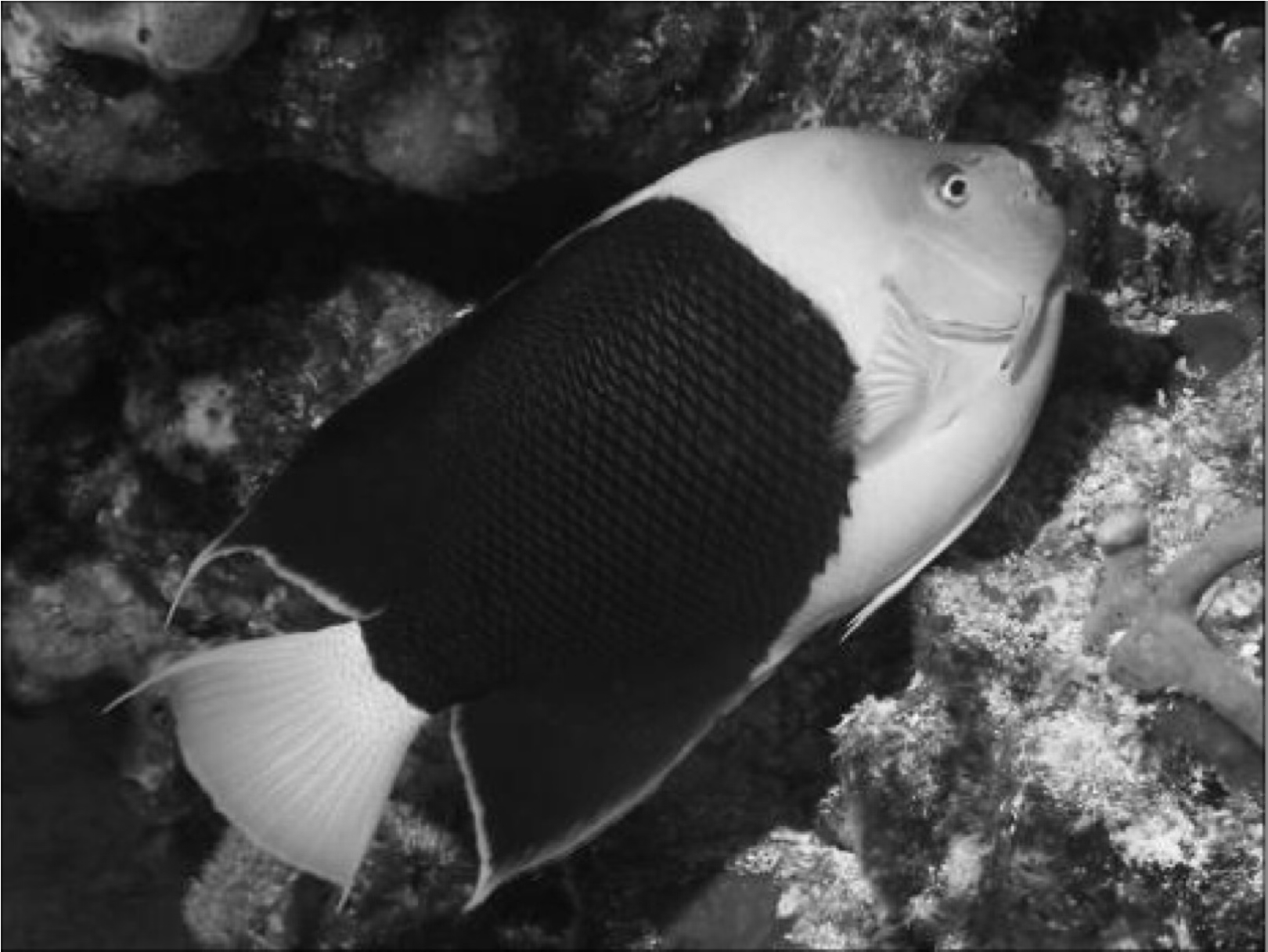
predict color from gray-scale
[Zhang, Isola, Efros, ECCV 2016]
1. Masking
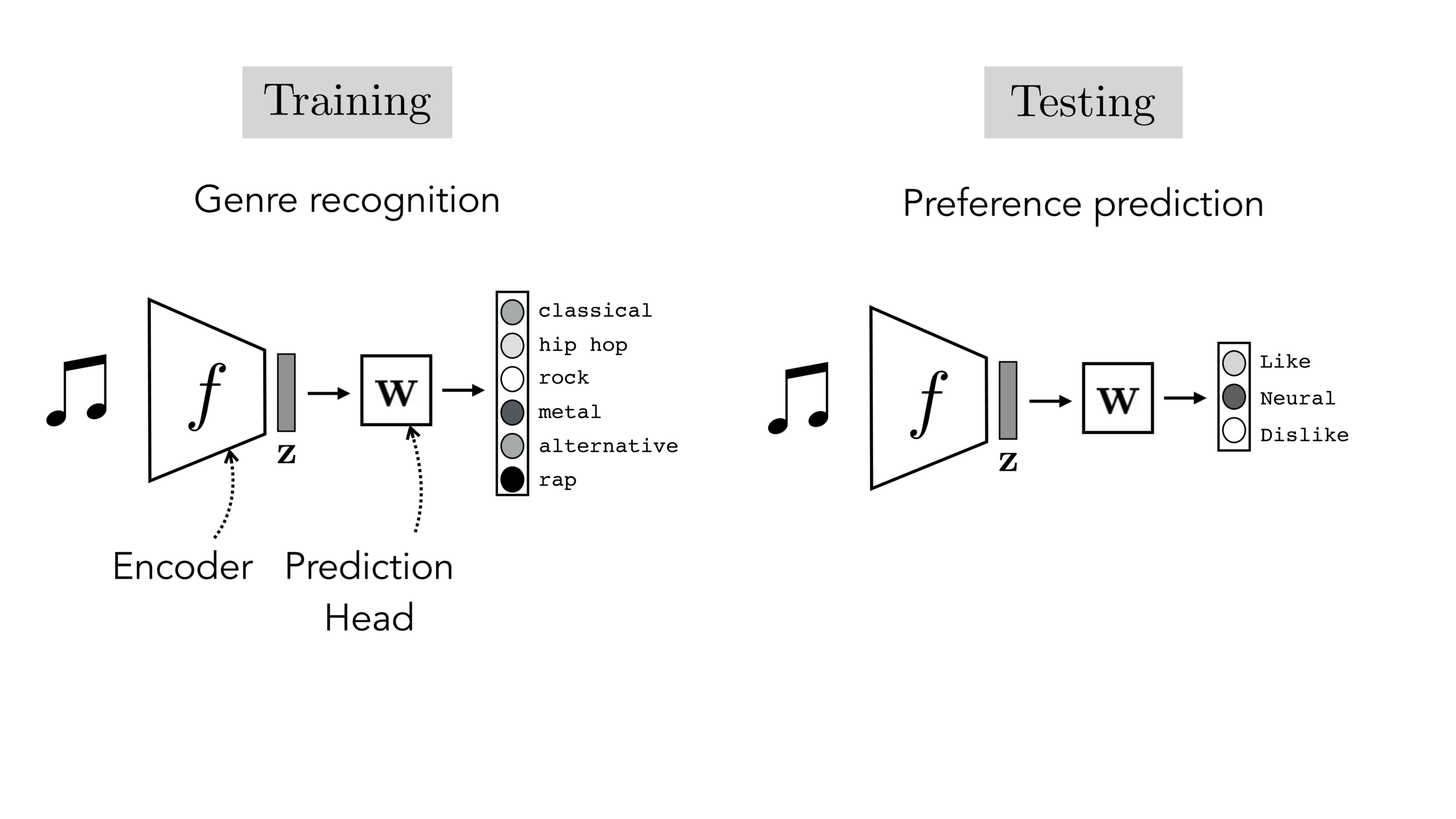
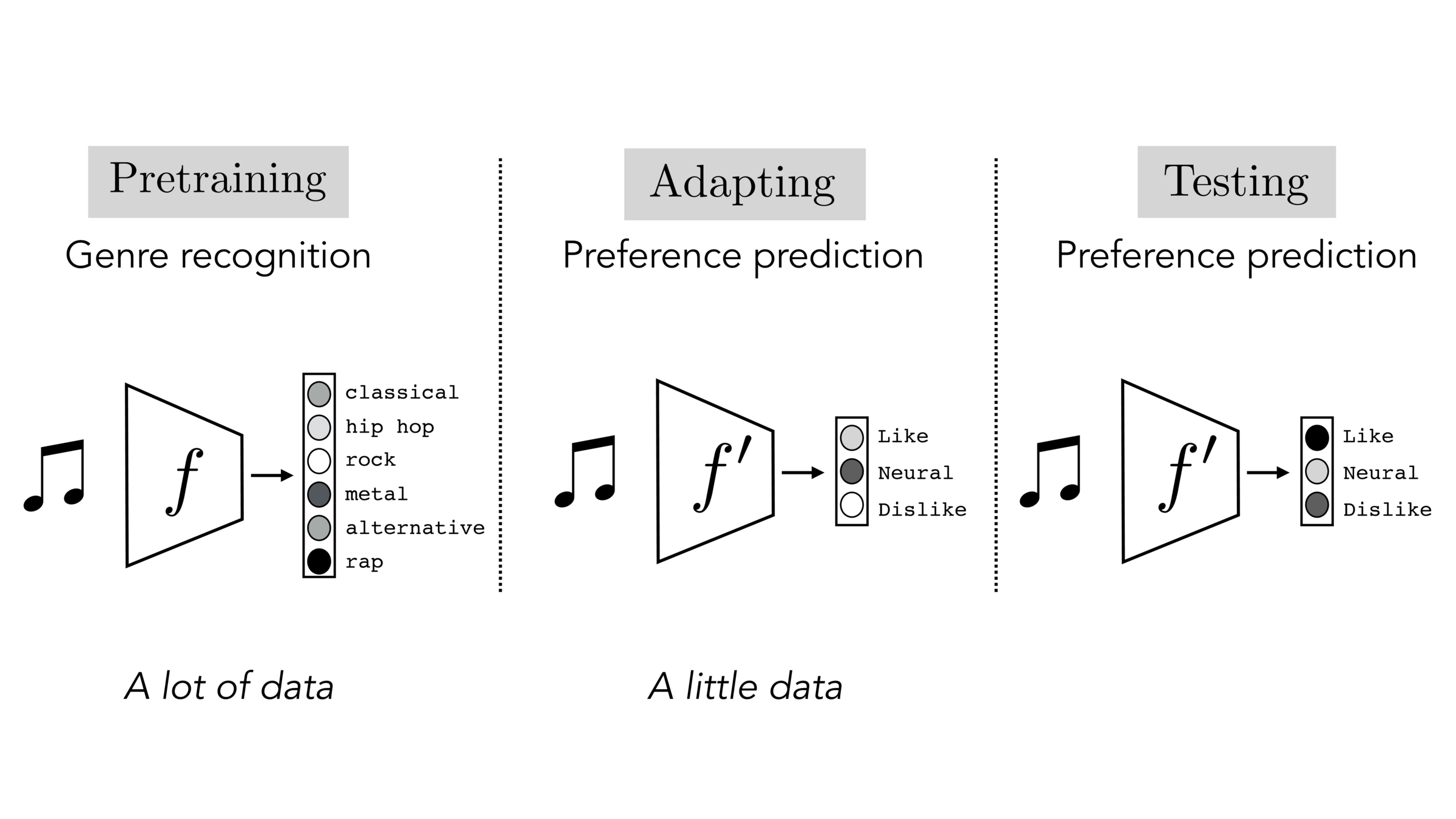
Often, what we will be “tested” on is not what we were trained on.
"common"-sense representation
task-specific prediction
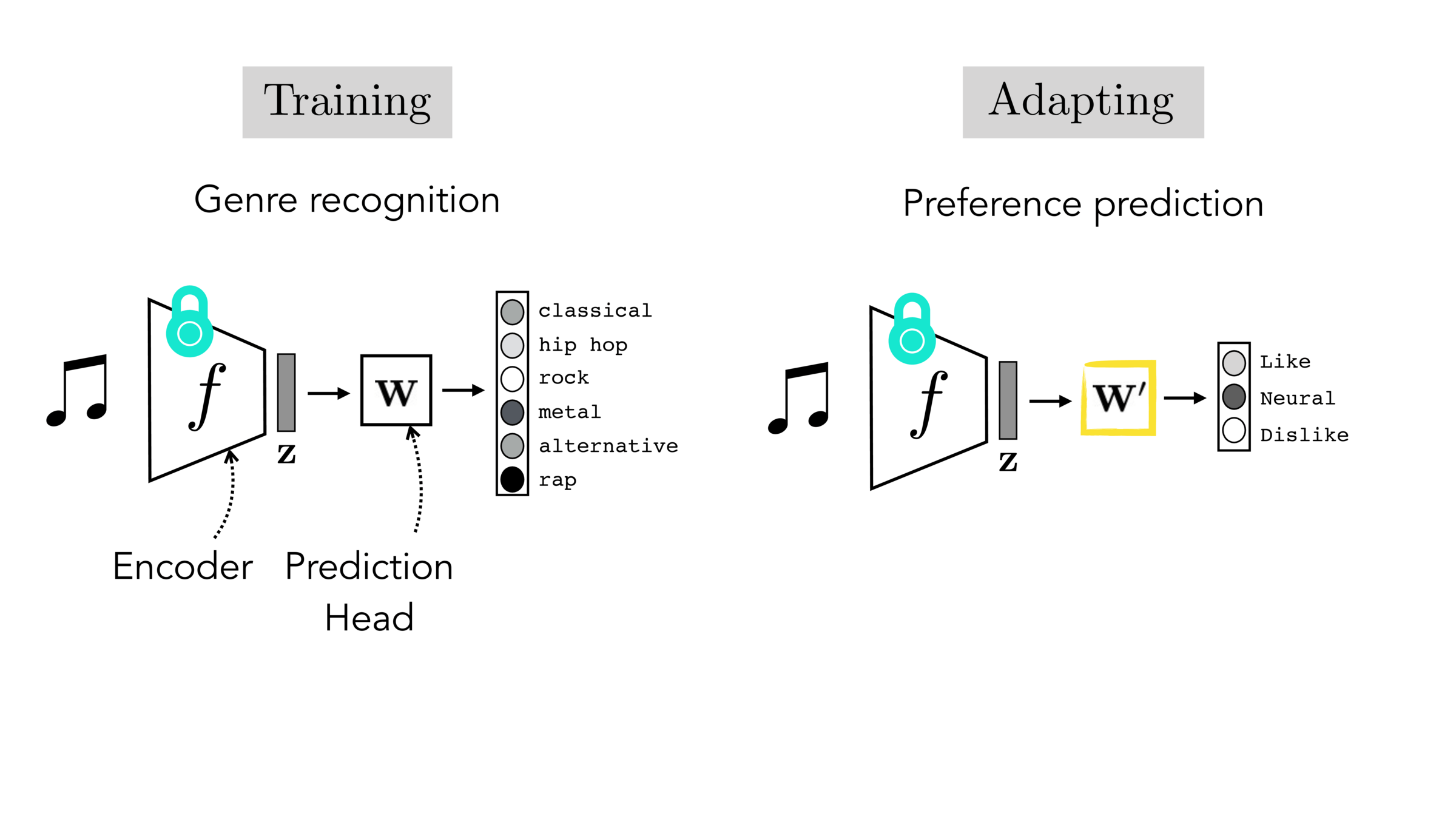
Final-layer adaptation: freeze \(f\), train a new final layer to new target data
"common"-sense representation
task-specific prediction
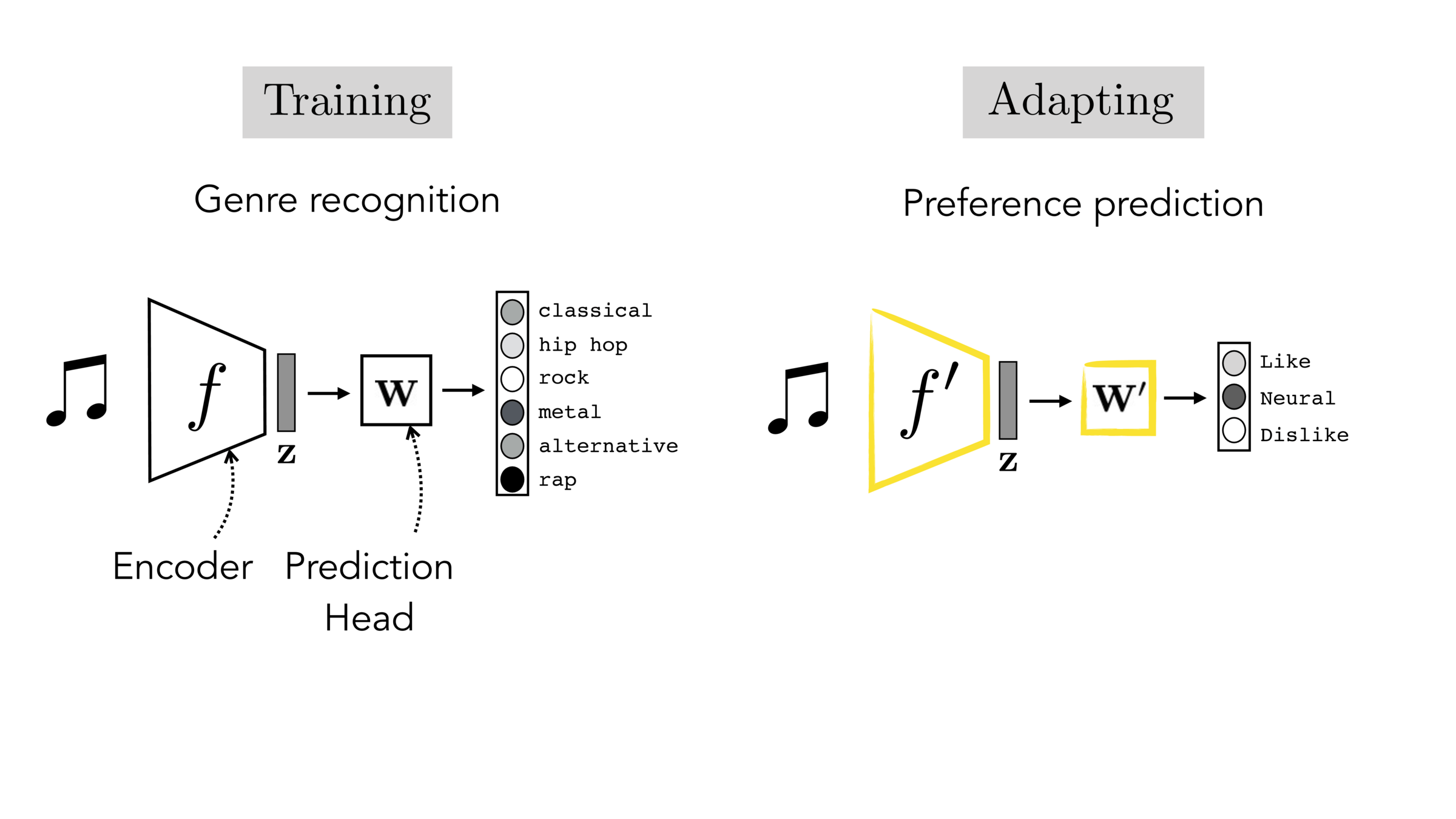
Finetuning: initialize \(f’\) as \(f\), then continue training for \(f'\) as well, on new target data
"common"-sense representation
task-specific prediction
Large Language Models (LLMs) are trained in this self-supervised way
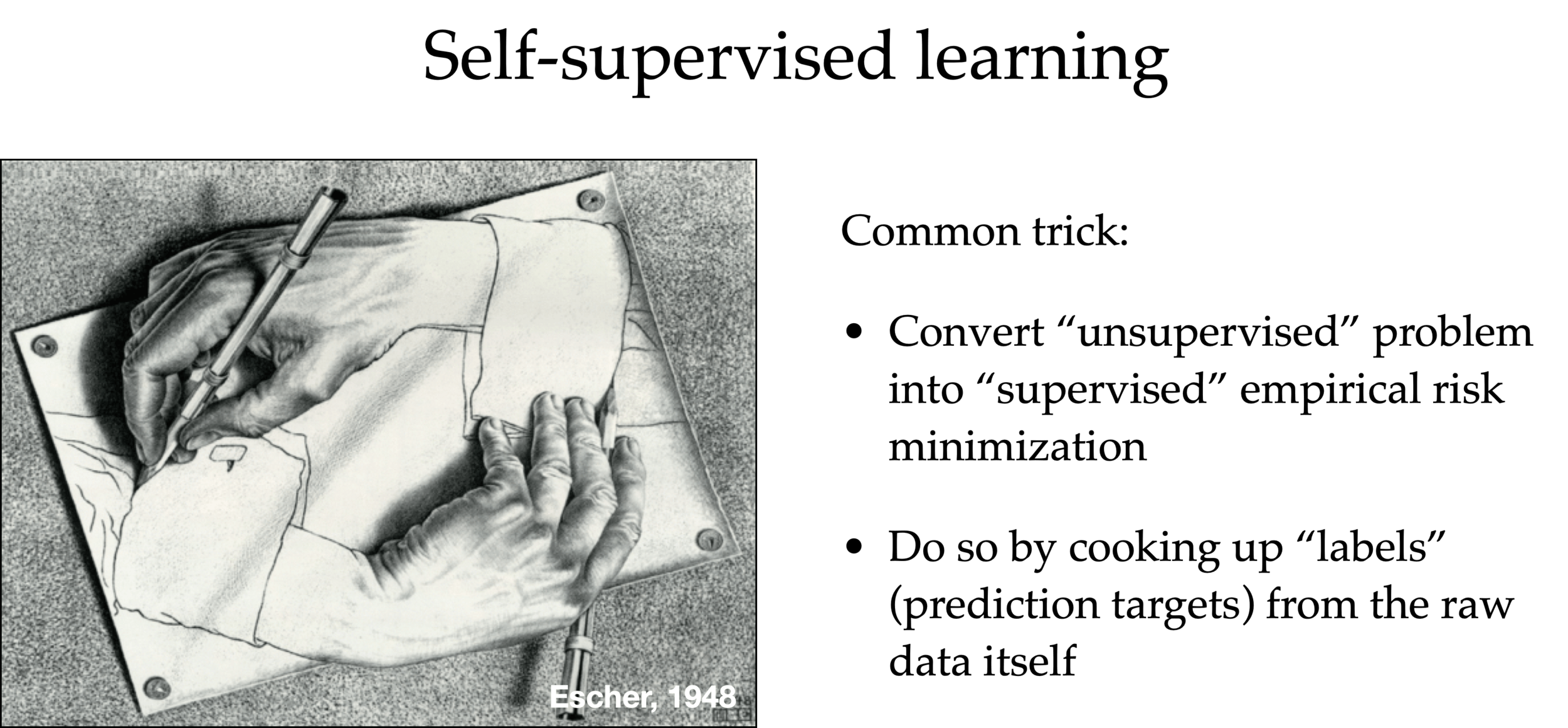
- Scrape the internet for plain texts.
- Cook up “labels” (prediction targets) from these texts.
- Convert “unsupervised” problem into “supervised” setup.
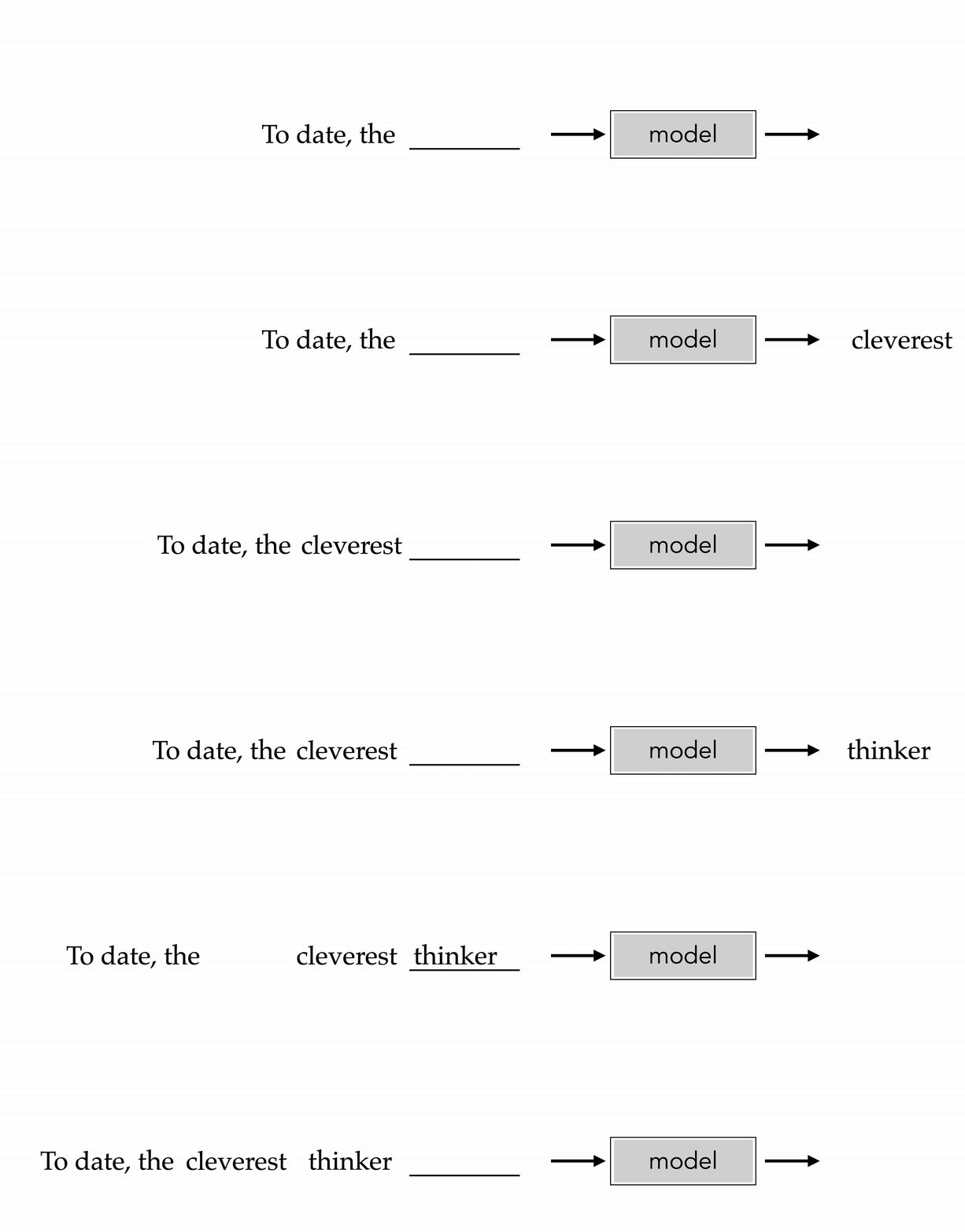
"To date, the cleverest thinker of all time was Issac. "
feature
label
To date, the
cleverest
To date, the cleverest
thinker
To date, the cleverest thinker
was
To date, the cleverest thinker of all time was
Issac
[video edited from 3b1b]
Word embedding
dot-product similarity
[video edited from 3b1b]
dot-product similarity
For now, let's look at how good embeddings enable "soft" dictionary look-up:
dict_en2fr = {
  "apple" : "pomme",
  "banana": "banane",
  "lemon" : "citron"}
Good word embeddings space is equipped with sensible dot-product similarity
Key
Value
apple
pomme
\(:\)
banane
banana
\(:\)
citron
lemon
\(:\)
dict_en2fr = {
  "apple" : "pomme",
  "banana": "banane",
  "lemon" : "citron"}

query = "lemon"
output = dict_en2fr[query]
apple
pomme
banane
citron
banana
lemon
Key
Value
lemon
\(:\)
\(:\)
\(:\)
Query
Output
citron
dict_en2fr = {
  "apple" : "pomme",
  "banana": "banane",
  "lemon" : "citron"}

query = "orange"
output = dict_en2fr[query]
Python would complain. 🤯
orange
apple
pomme
banane
citron
banana
lemon
Key
Value
\(:\)
\(:\)
\(:\)
Query
Output
???
What if we run
What if we run
But we can probably see the rationale behind this:
Query
Key
Value
Output
orange
apple
\(:\)
pomme
banana
\(:\)
banane
lemon
\(:\)
citron
dict_en2fr = {
  "apple" : "pomme",
  "banana": "banane",
  "lemon" : "citron"}

query = "orange"
output = dict_en2fr[query]
0.1
pomme
0.1
banane
0.8
citron
+
+
0.1
pomme
0.1
banane
0.8
citron
+
+
via these merging percentages [0.1 0.1 0.8] made sense
We put (query, key, value) in "good" embeddings in our human brain
such that "merging" the values
Query
Key
Value
Output
orange
apple
\(:\)
pomme
0.1
pomme
0.1
banane
0.8
citron
banana
\(:\)
banane
lemon
\(:\)
citron
+
+
orange
orange
0.1
pomme
0.1
banane
0.8
citron
+
+
apple
banana
lemon
orange
0.8
0.1
0.1
pomme
banane
citron
+
+
very roughly, the attention mechanism in transformers automates this process.
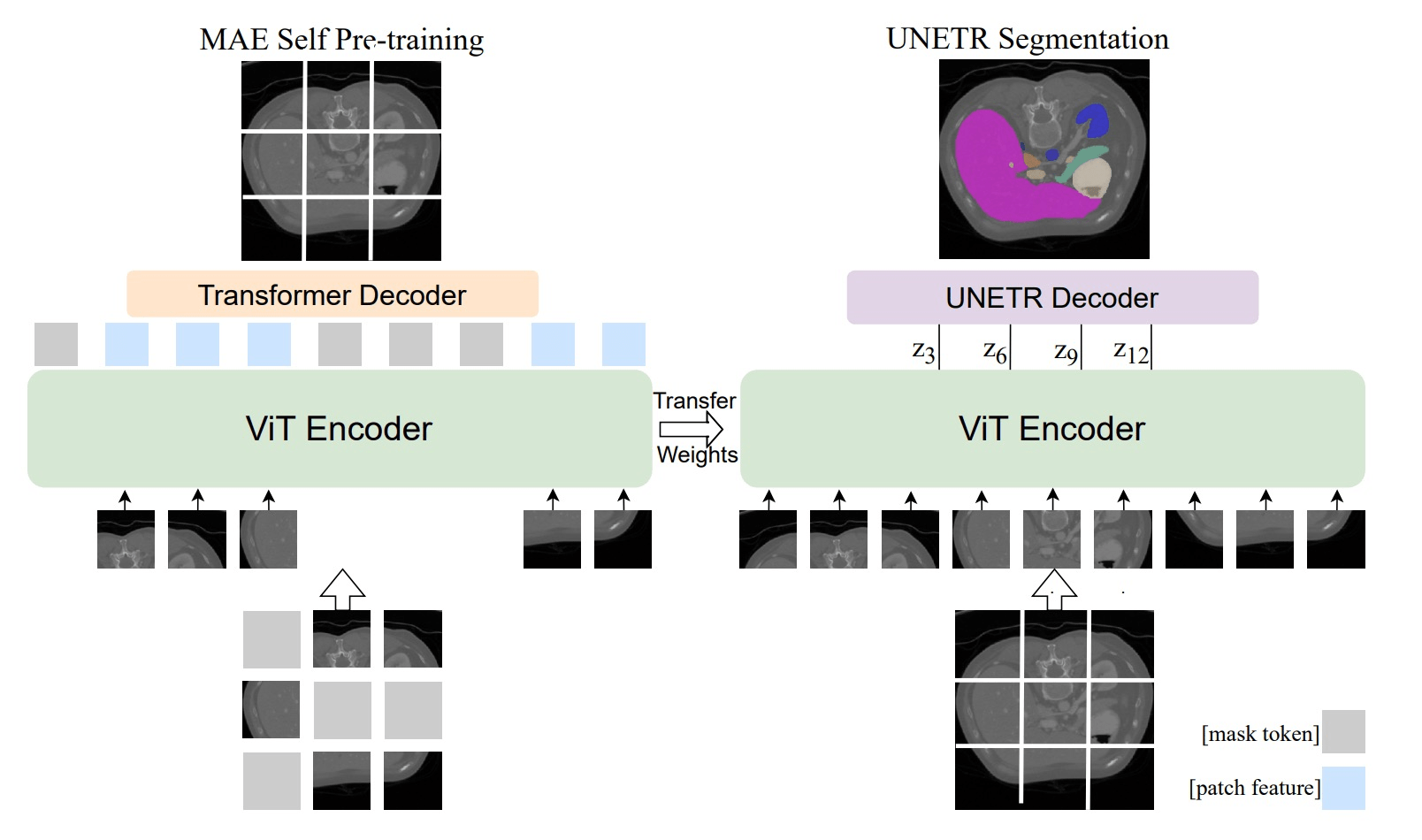
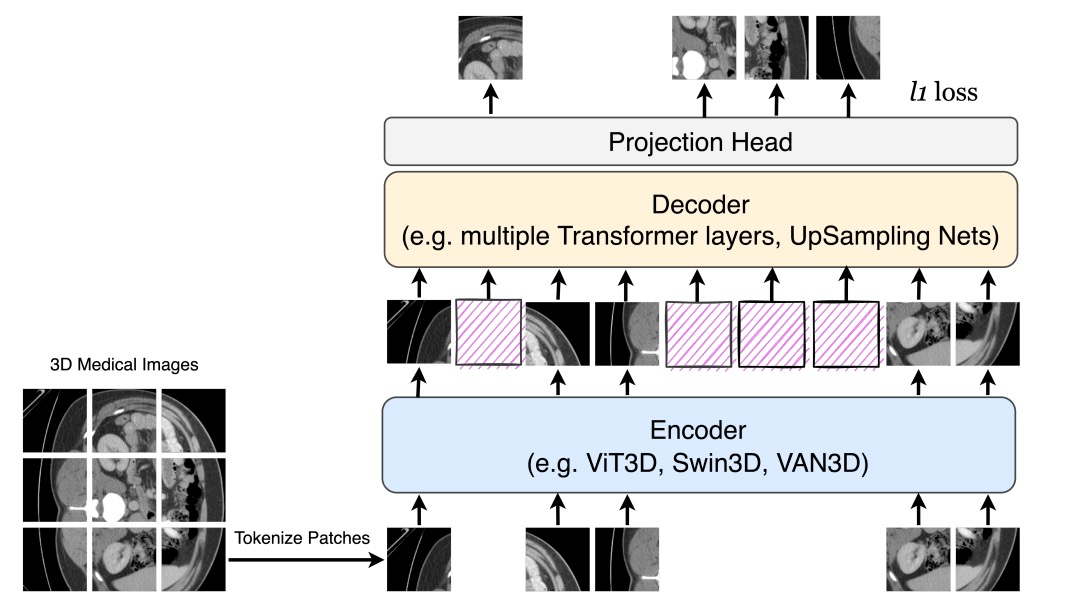
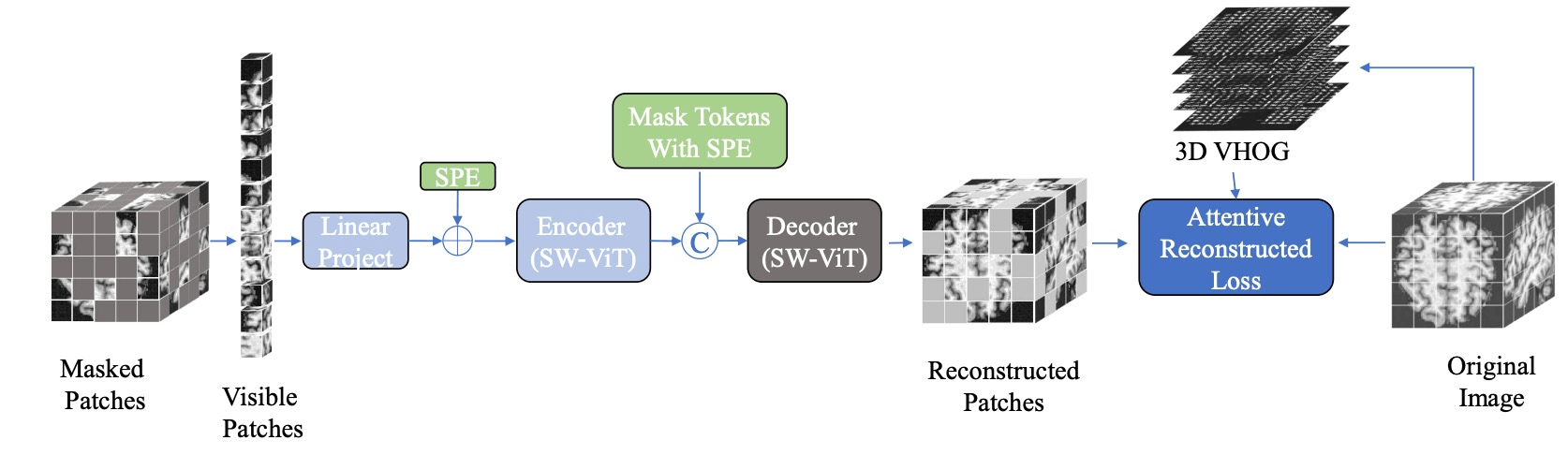
e.g. medical imaging
[Zhou+,'22; Chen+,'22; Huang+,'22; An+,'22]
1. Masking
e.g. 3d geometry
[Pang+, '22; Liang+, '22; Min+, '22; Krispel+, '22]
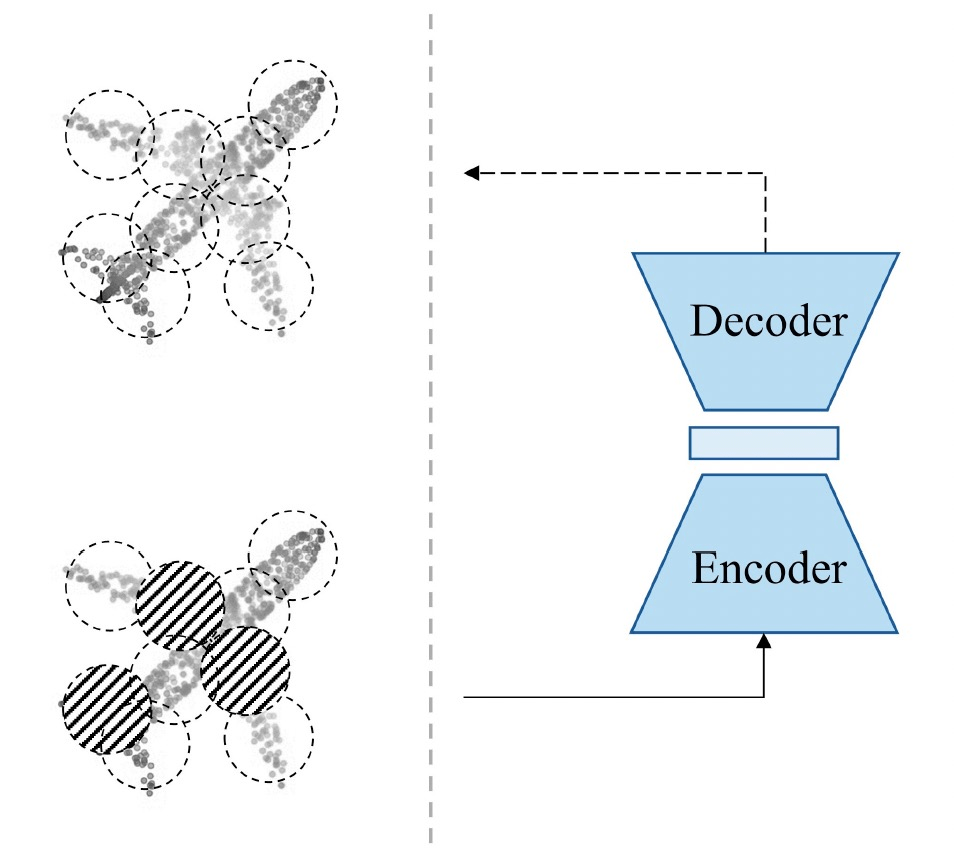
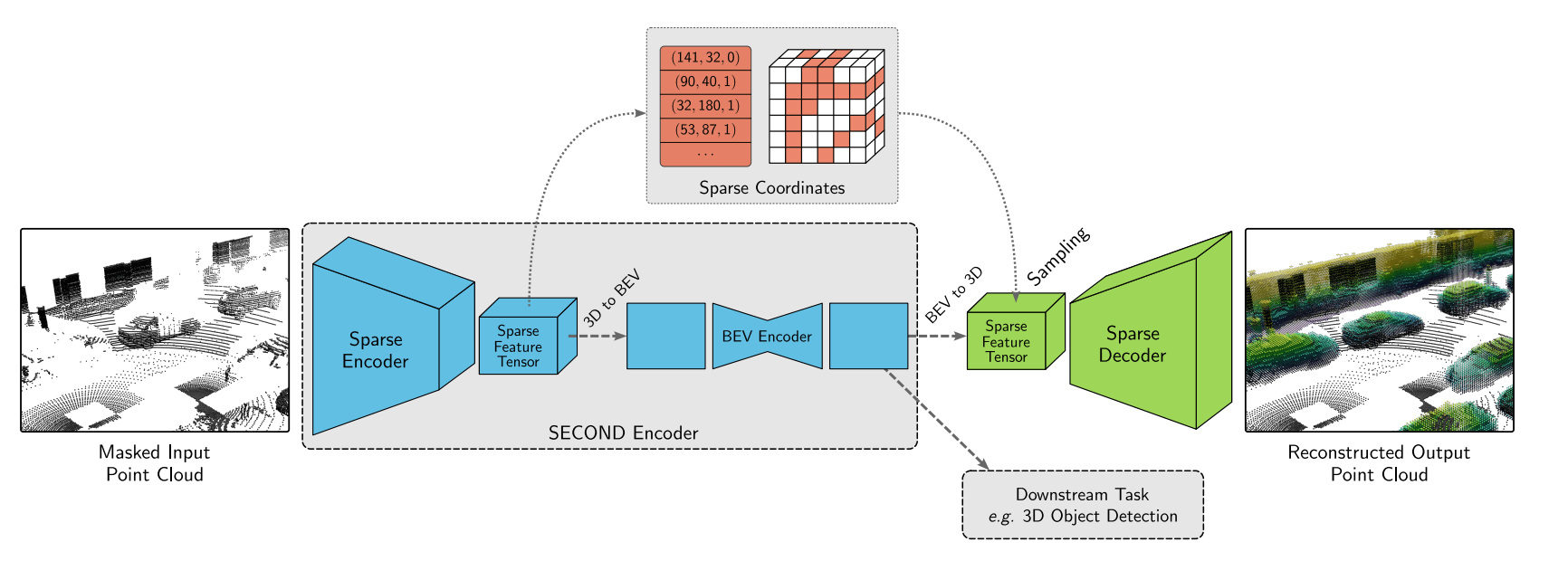
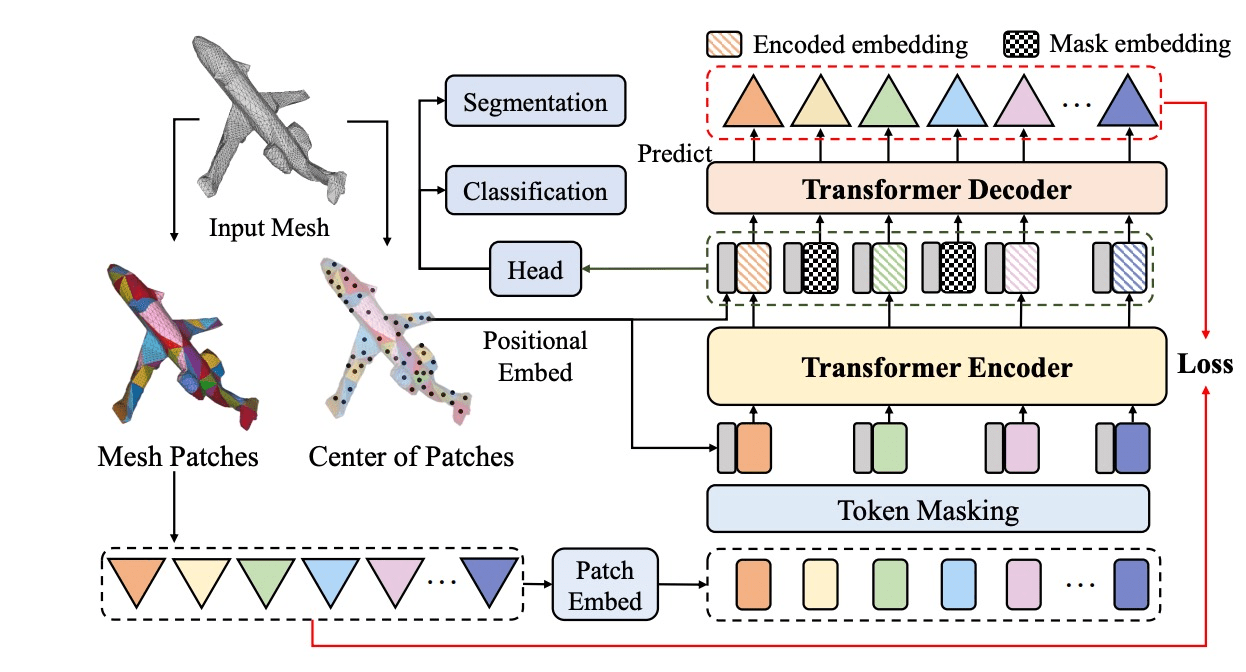
1. Masking
e.g. audio
[Baade+, '22; Chong+, '22; Niizumi, '22; Huang+, '22]
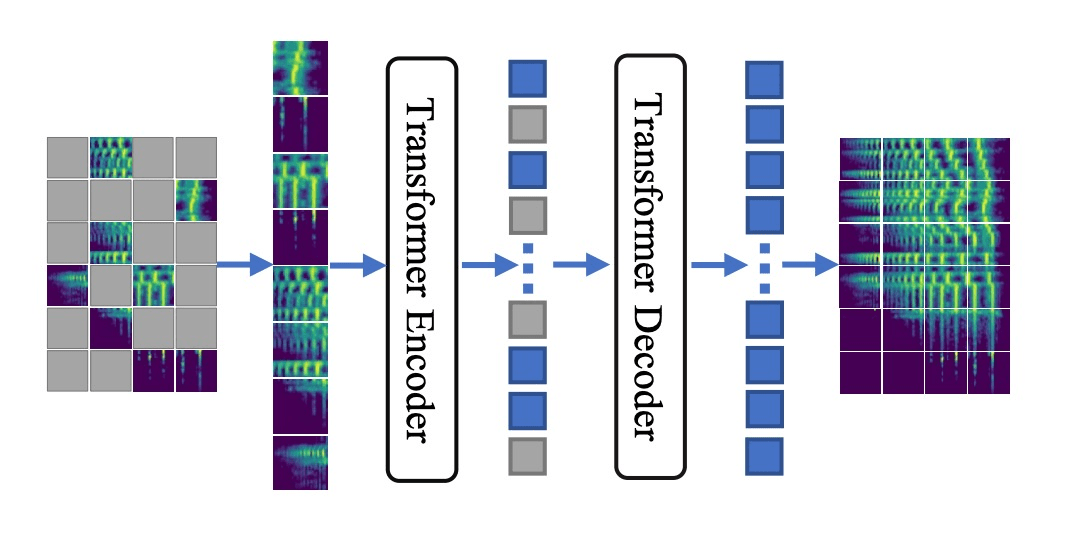
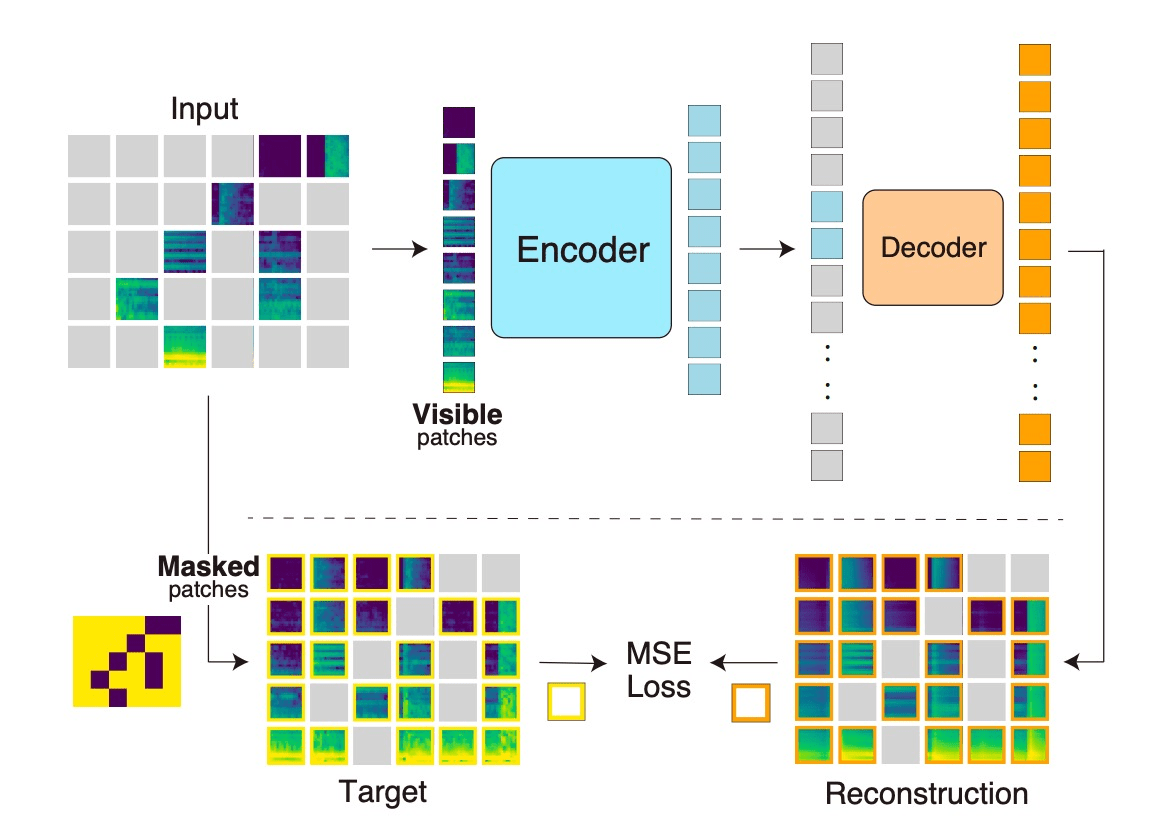
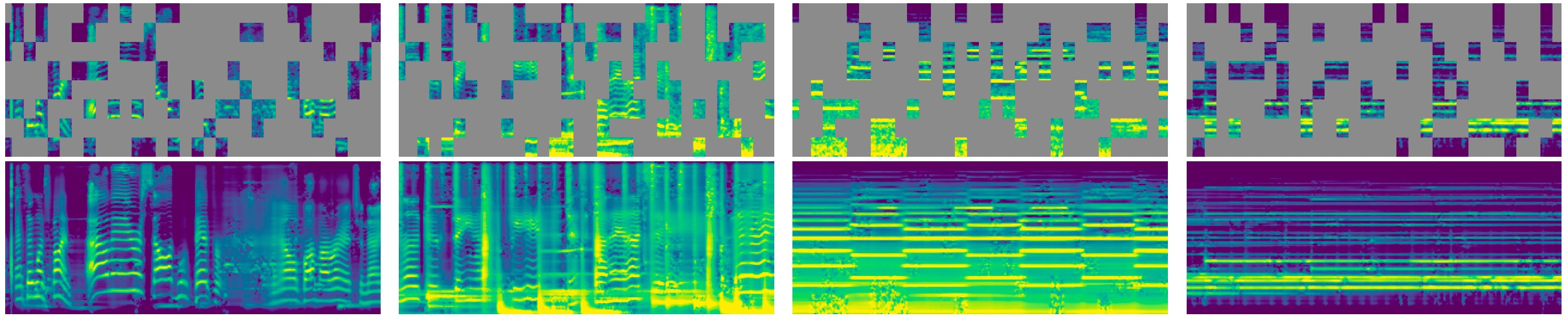
1. Masking
e.g. graphs
[Tan+, '22; Zhang+, '22; Hou+, '22; Li+, '22]
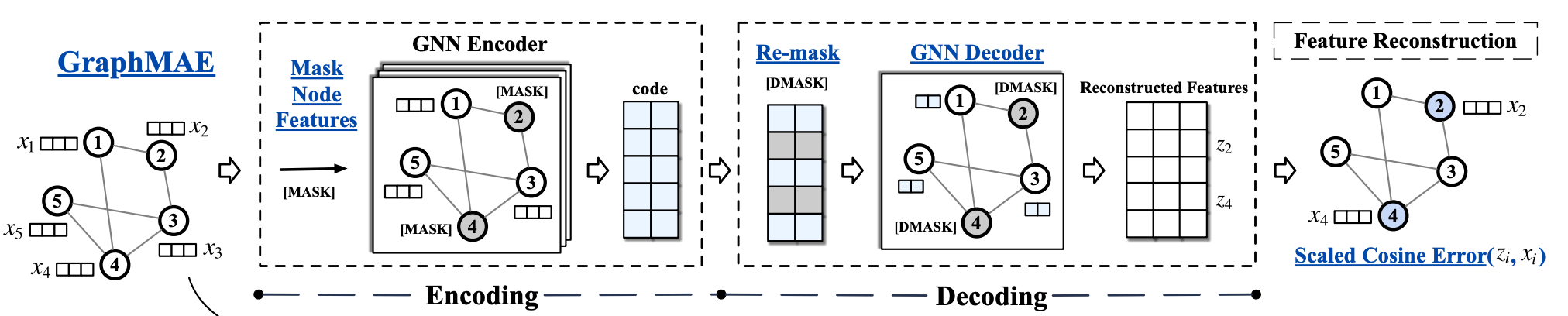
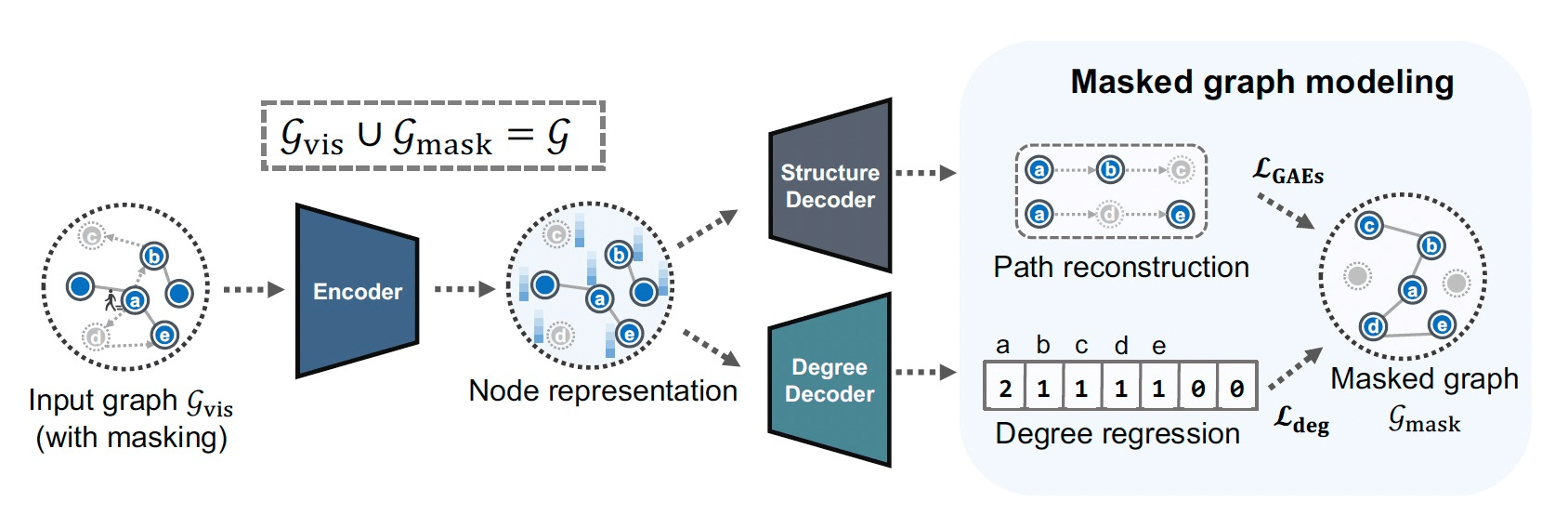
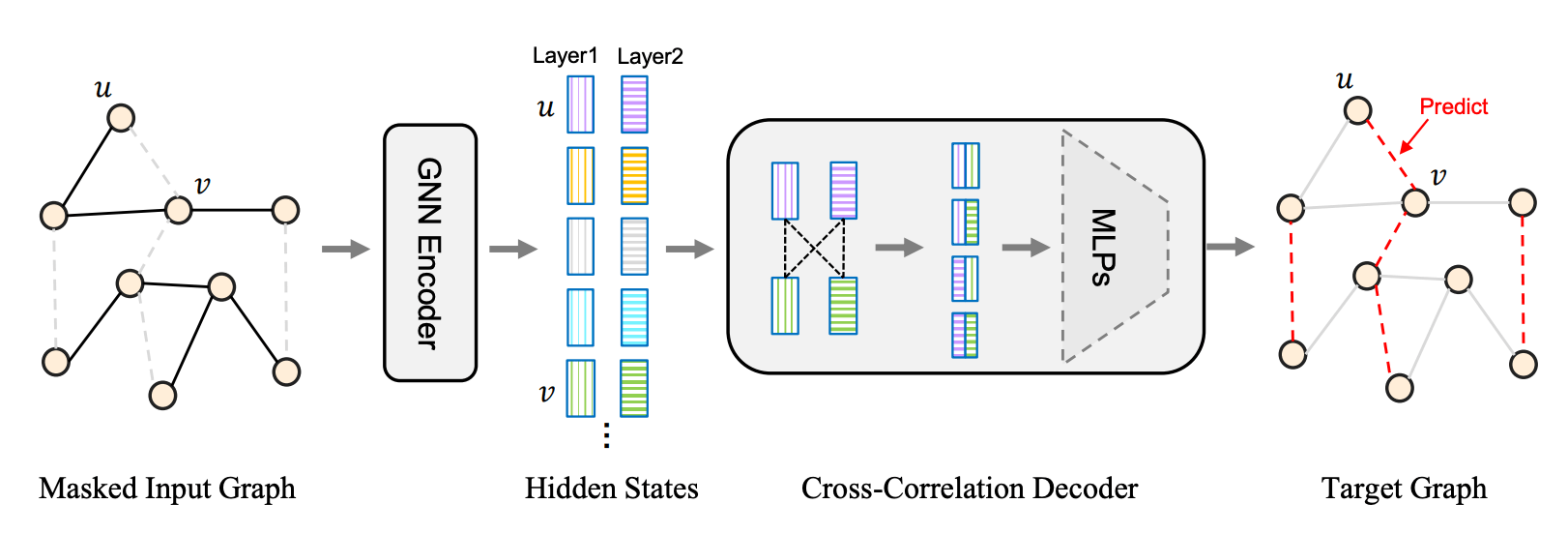
1. Masking
e.g. robotics
[Xiao+, '22; Radosavovic+, '22; Seo+, '22;]
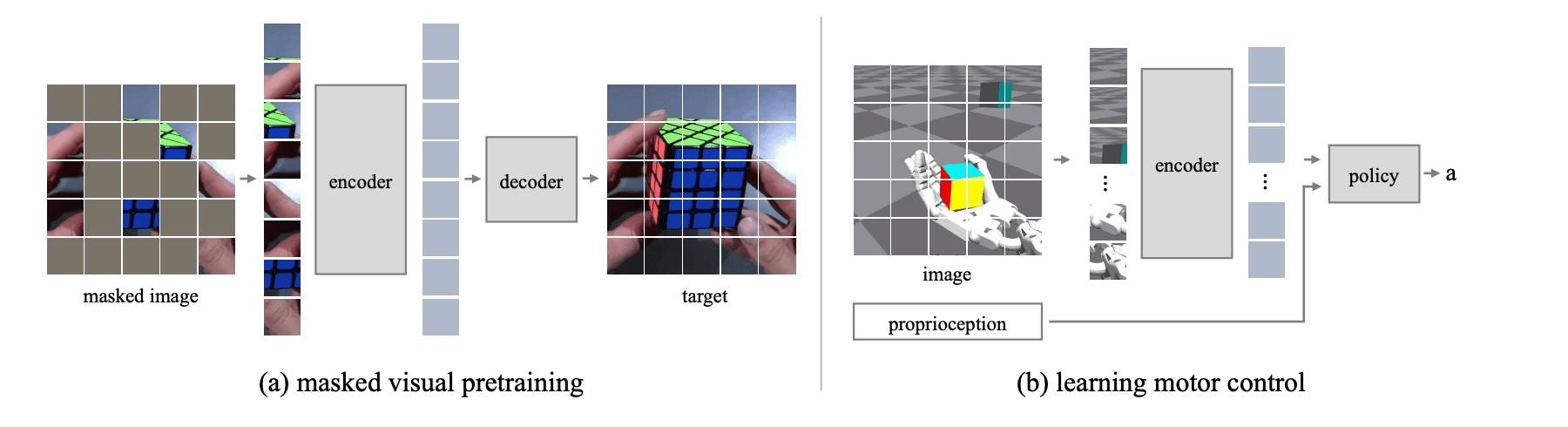
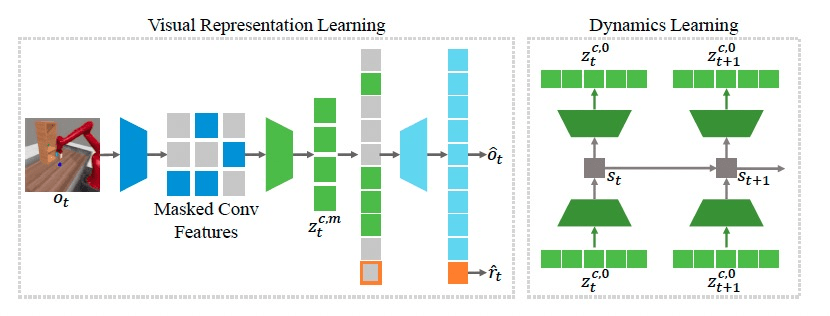
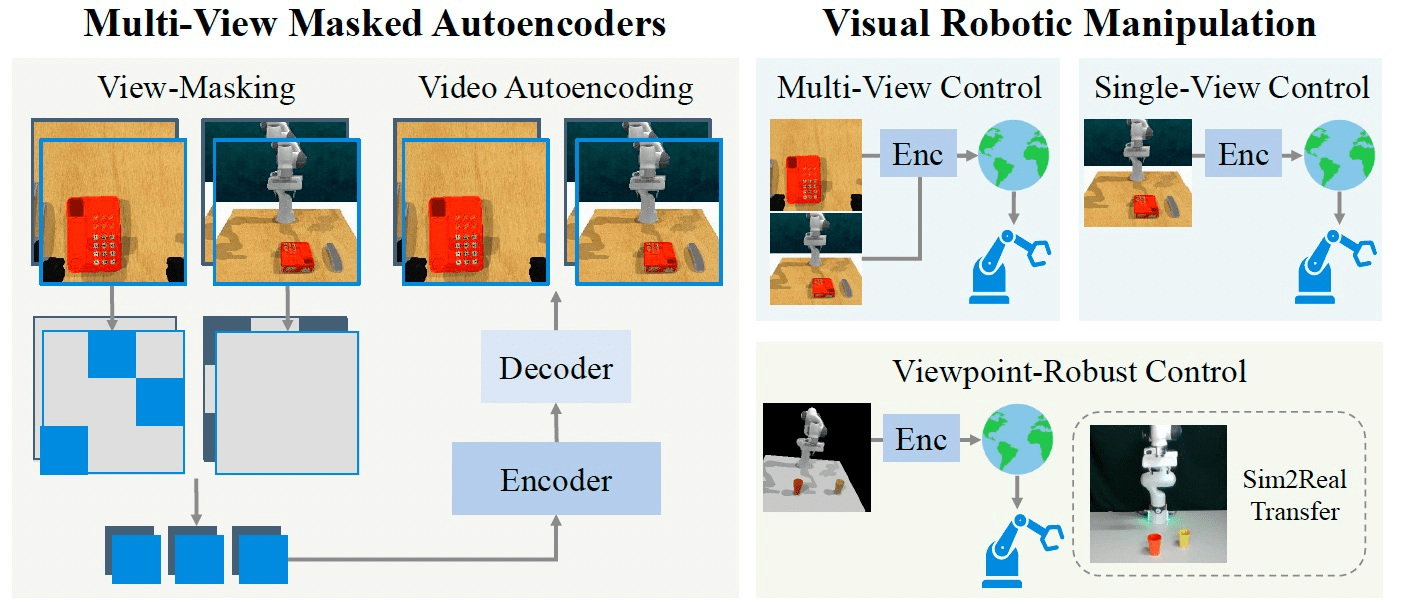
1. Masking
[Feichtenhofer, et al., "Masked Autoencoders As Spatiotemporal Learners", NeurIPS 2022]
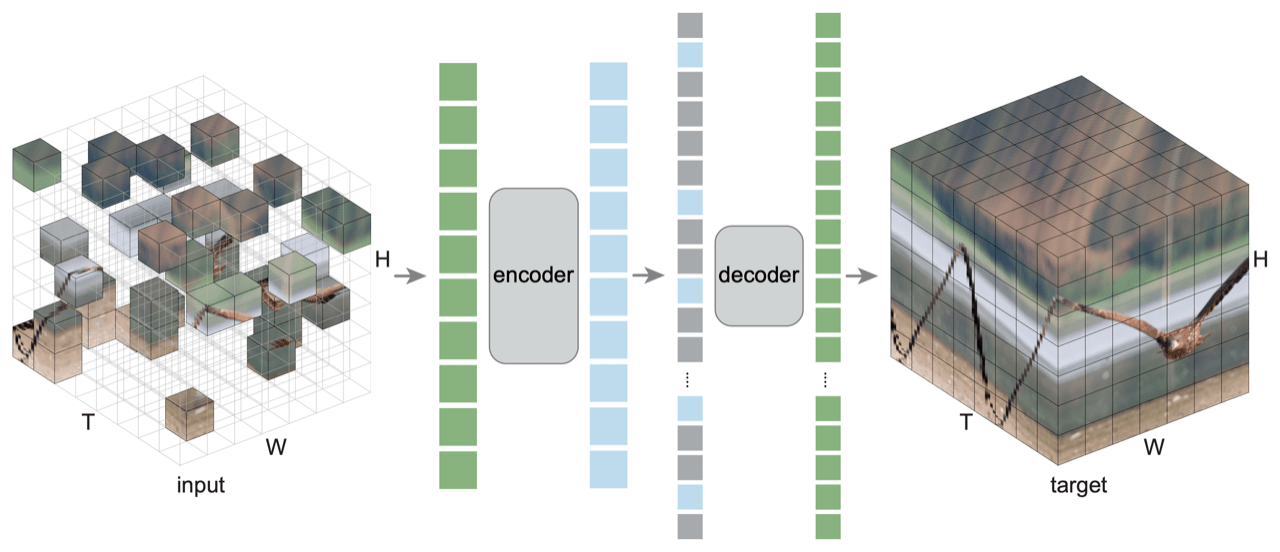
1. Masking
[Feichtenhofer, et al., "Masked Autoencoders As Spatiotemporal Learners", NeurIPS 2022]
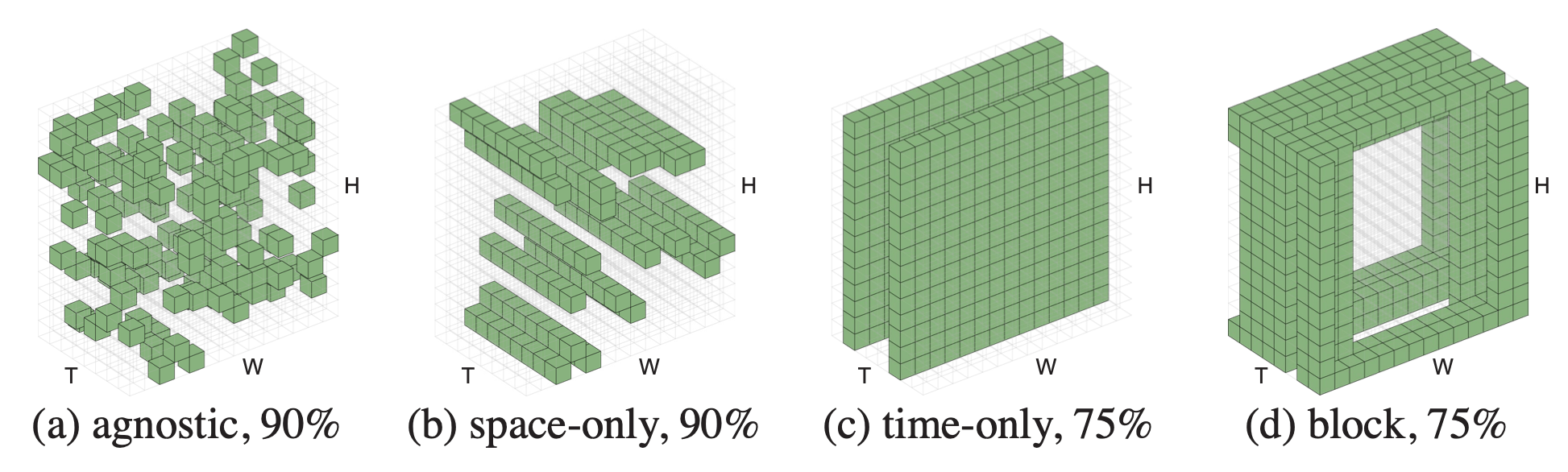
1. Masking
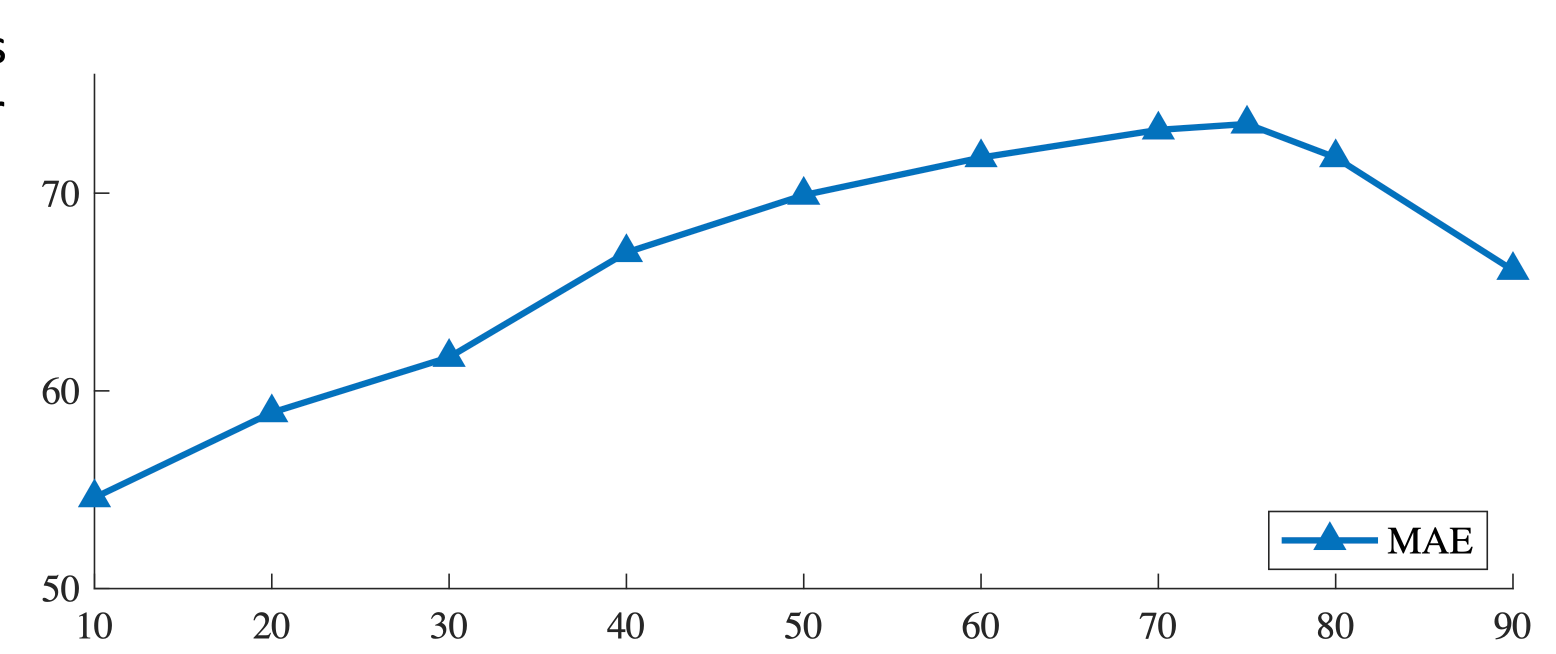
[He, et al. Masked Autoencoders Are Scalable Vision Learners, 2021]
masking ratio
transfer accuracy
masking 75% is
optimal for images
1. Masking
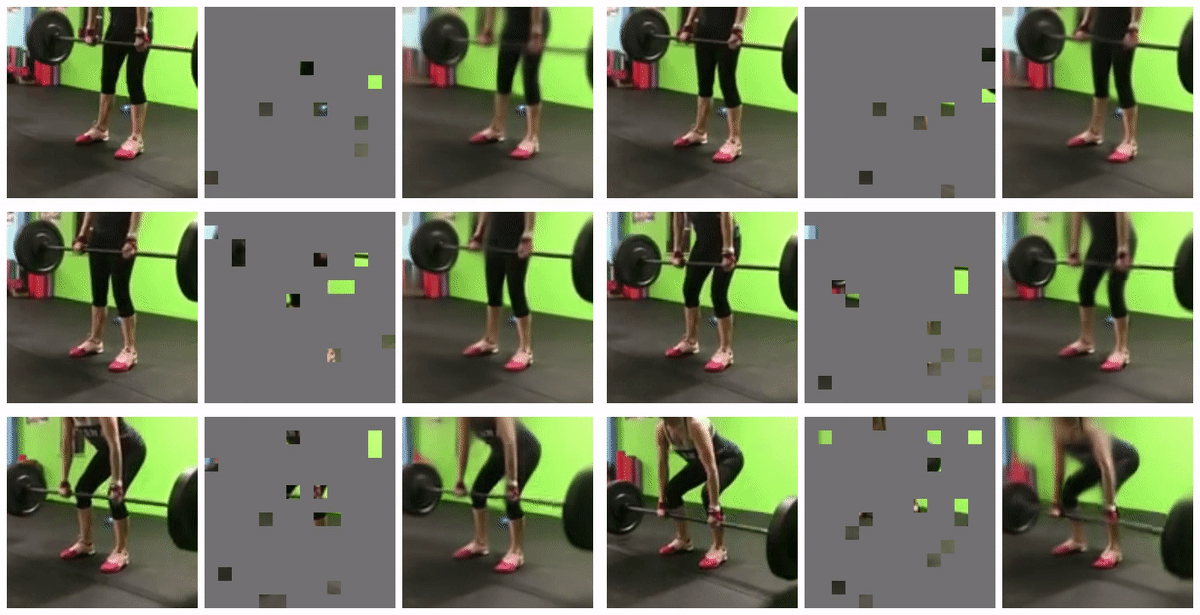
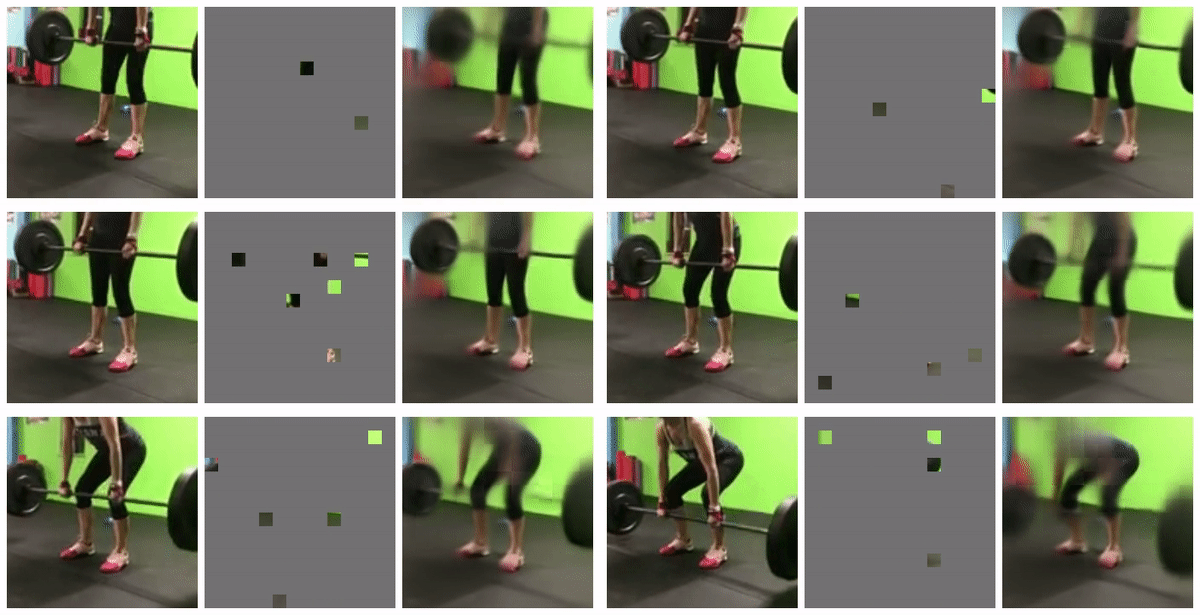
95% masked
98% masked
Similar empirical studies shows 15% as optimal for languages, and 95% for videos
1. Masking
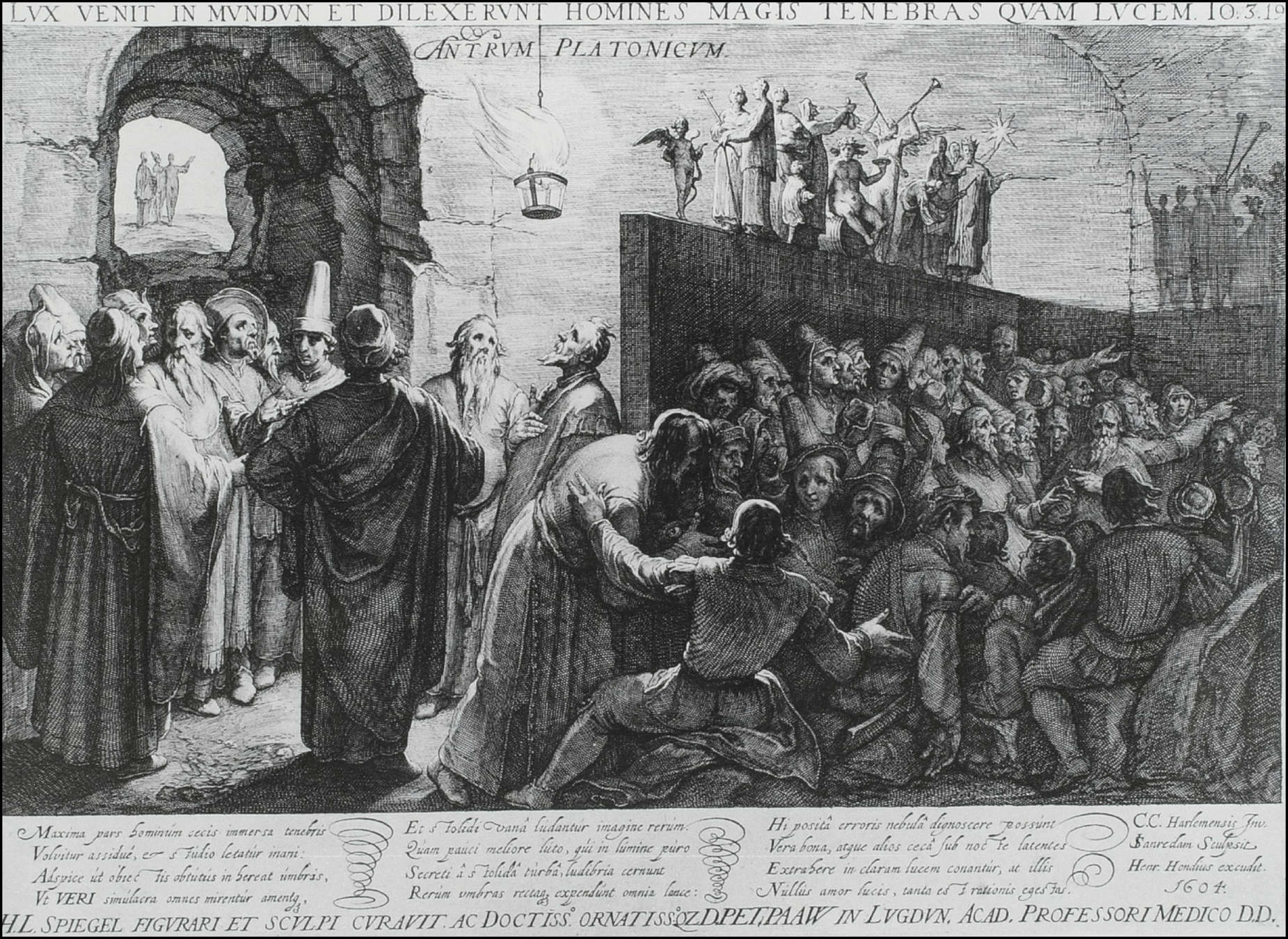
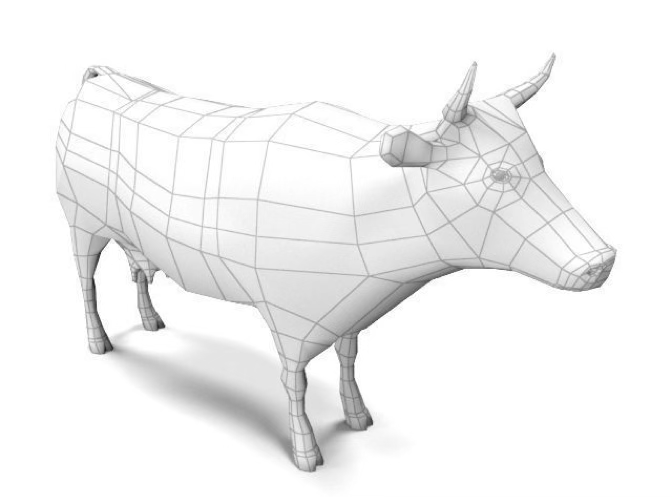
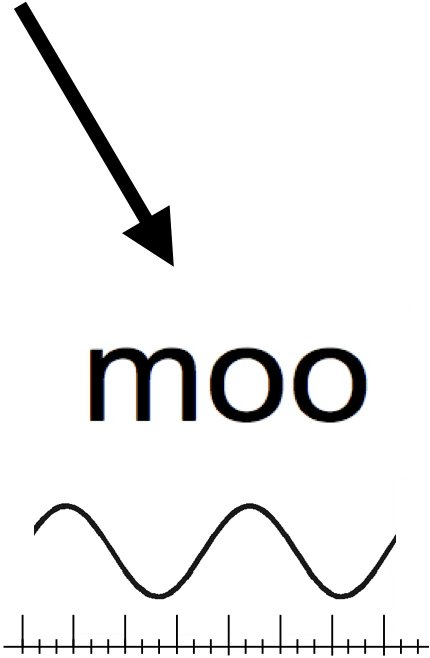
The allegory of the cave
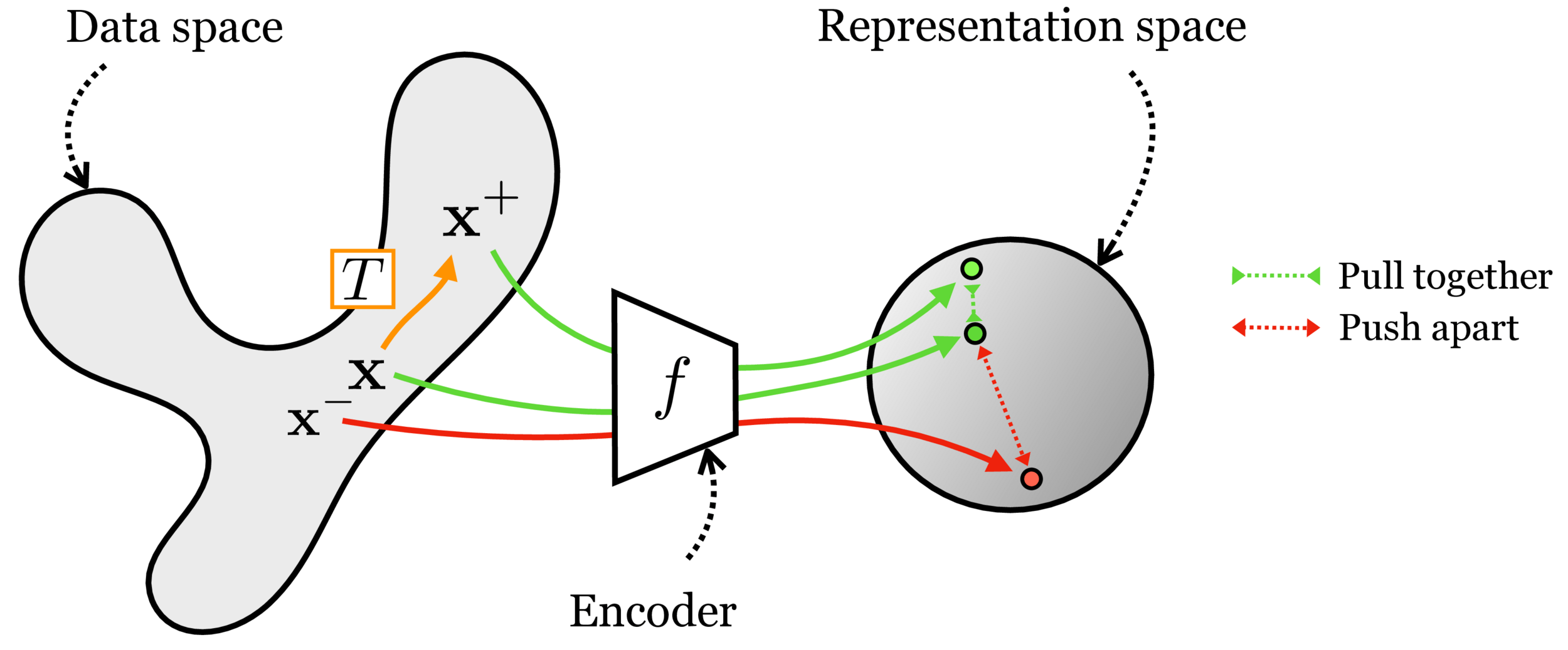
2. Contrastive learning

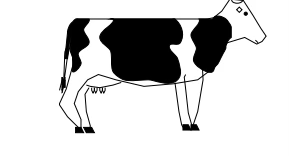
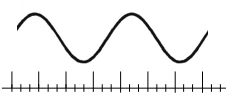
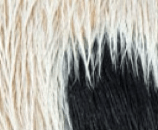
[images credit: visionbook.mit.edu]
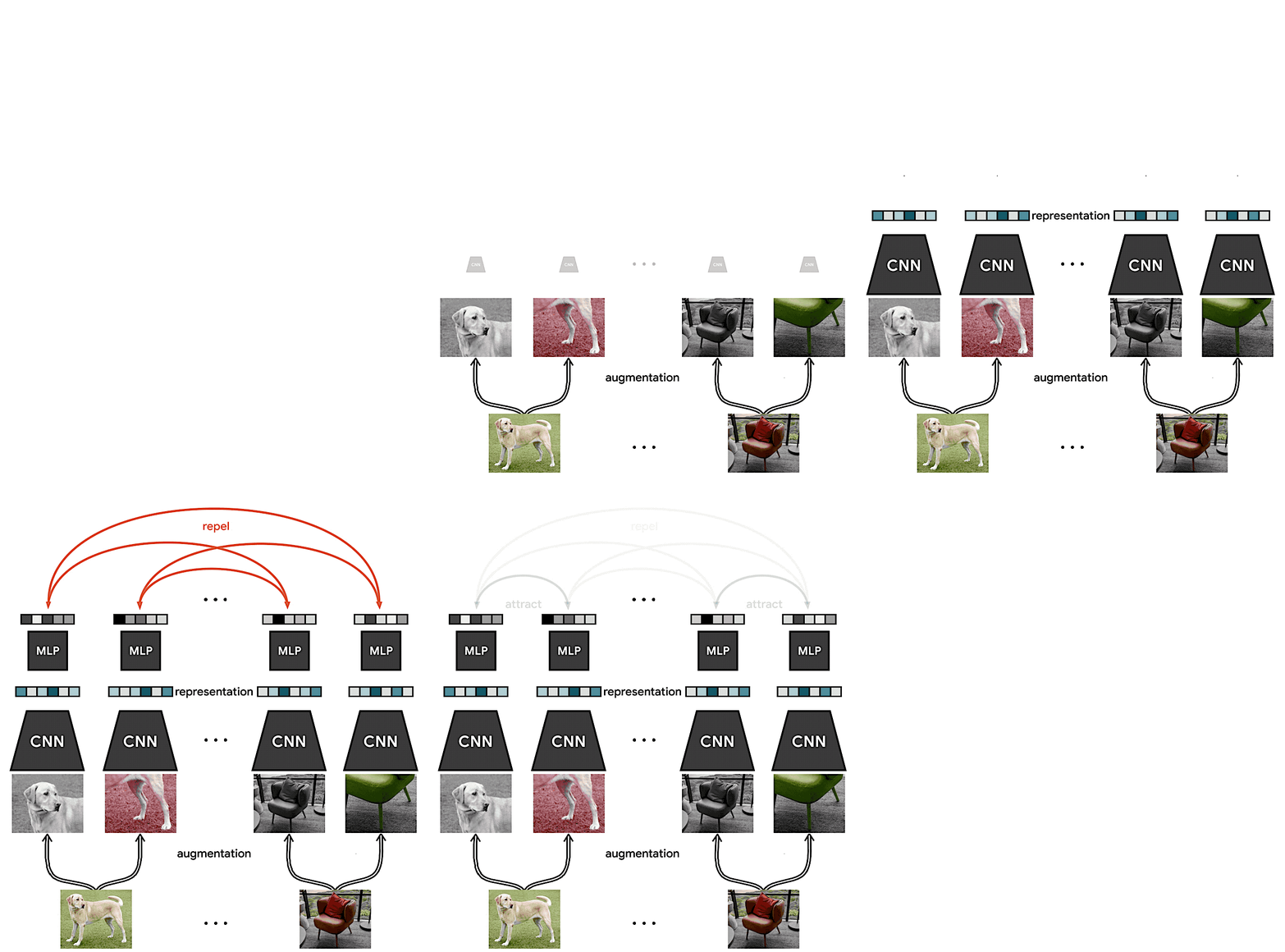
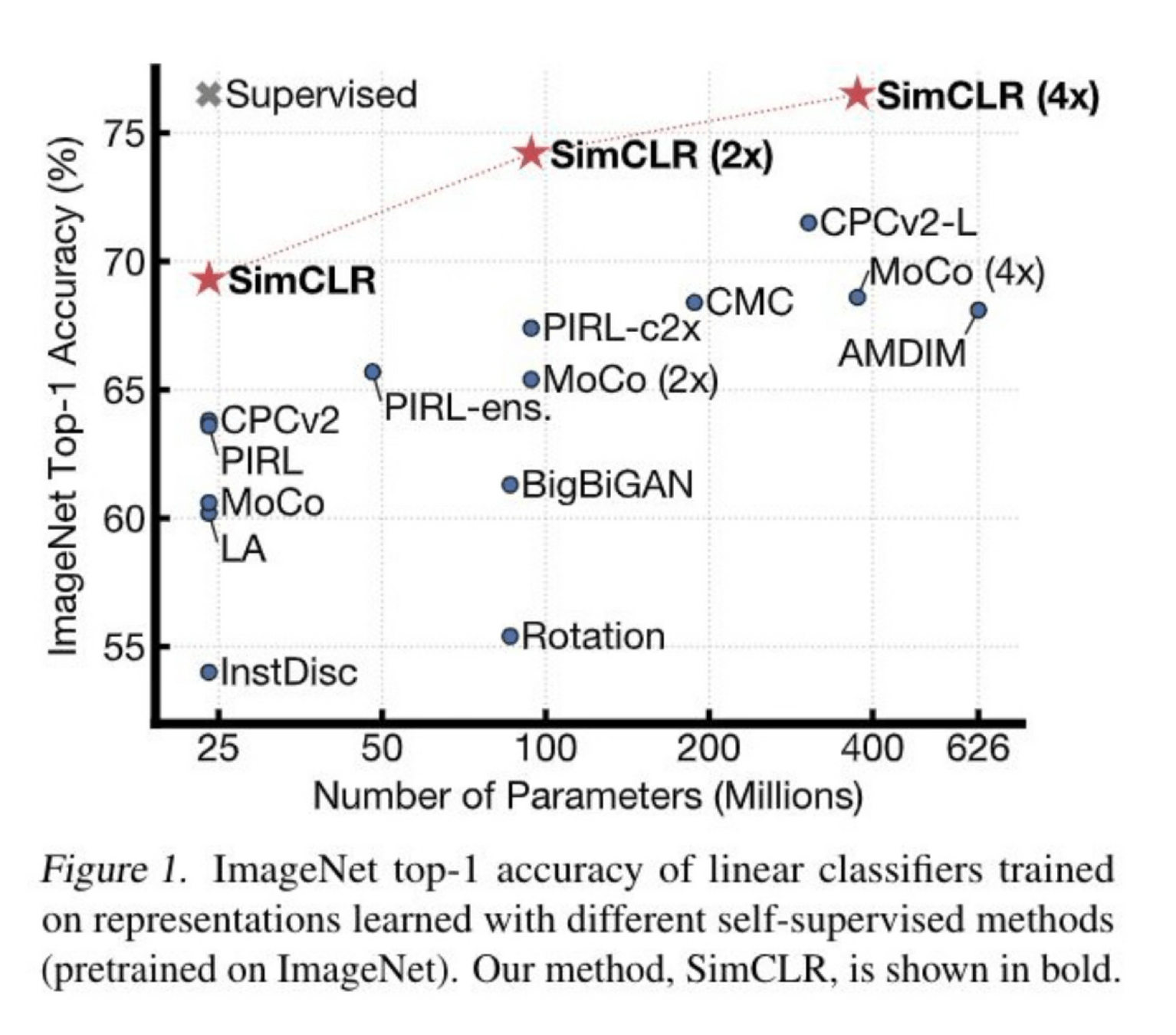
2. Contrastive learning
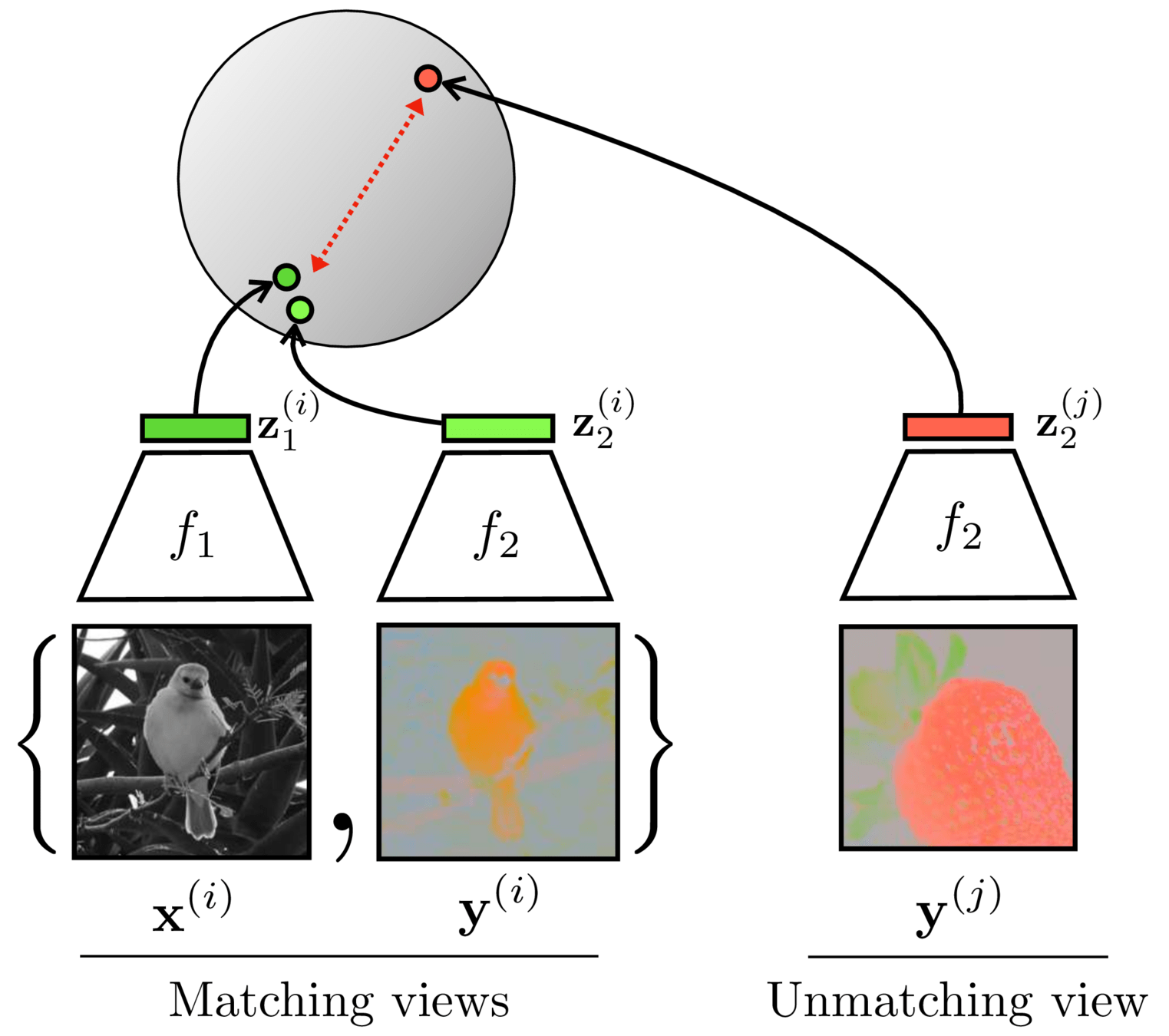
[images credit: visionbook.mit.edu]
2. Contrastive learning
[Chen, Kornblith, Norouzi, Hinton, ICML 2020]
SimCLR animation
2. Contrastive learning
3. Multi-modality
[images credit: visionbook.mit.edu]
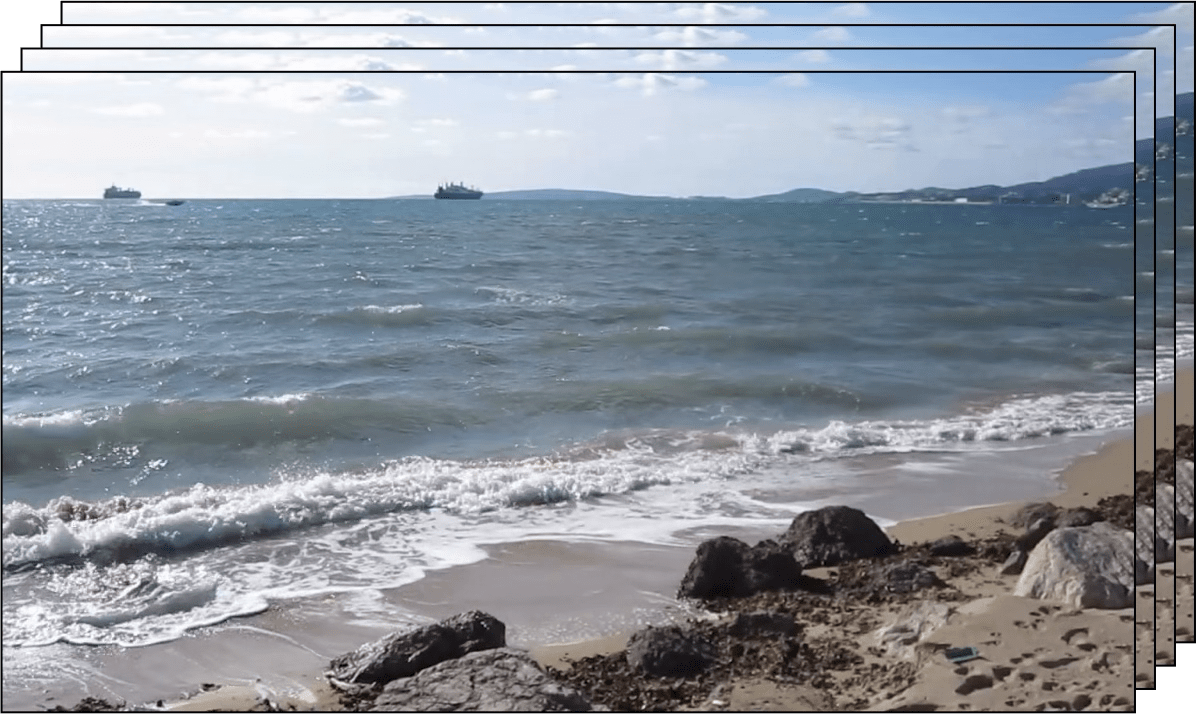
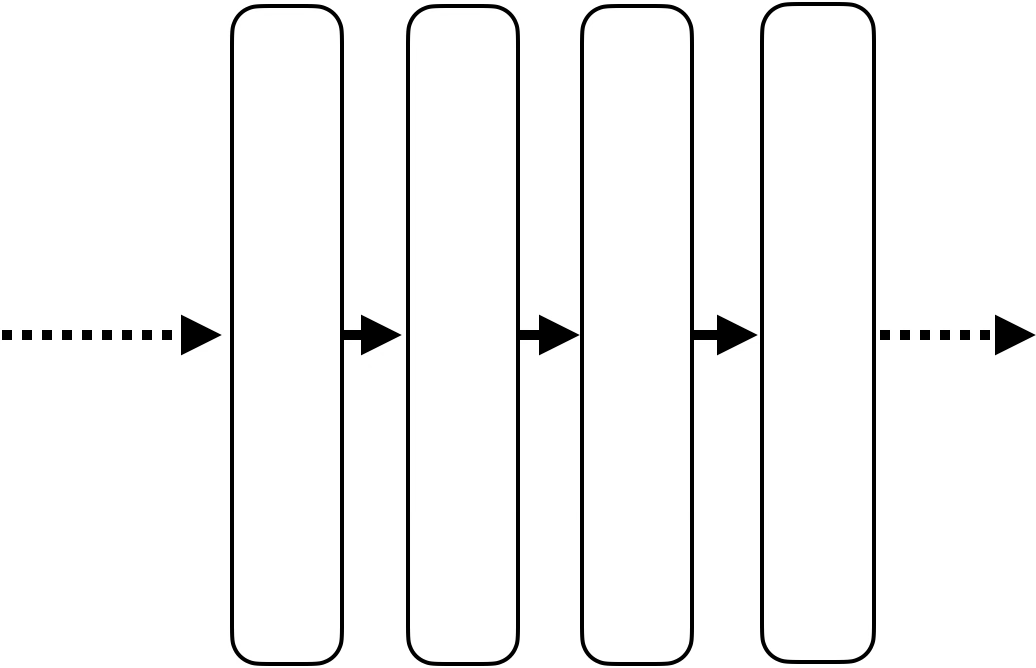
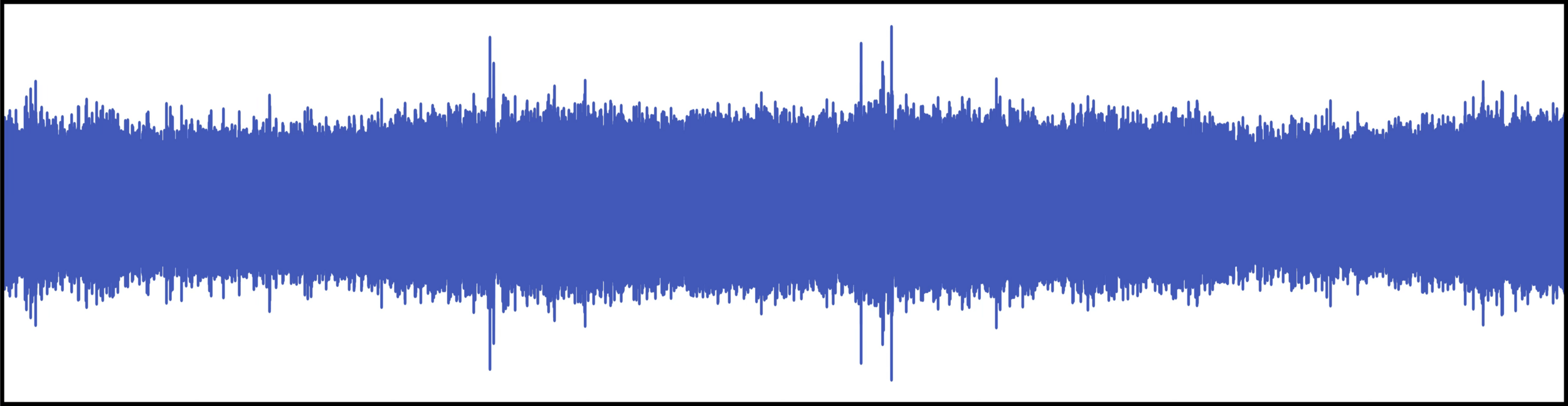
[Owens et al, Ambient Sound Provides Supervision for Visual Learning, ECCV 2016]
e.g. video, audio, images
[Owens et al, Ambient Sound Provides Supervision for Visual Learning, ECCV 2016]
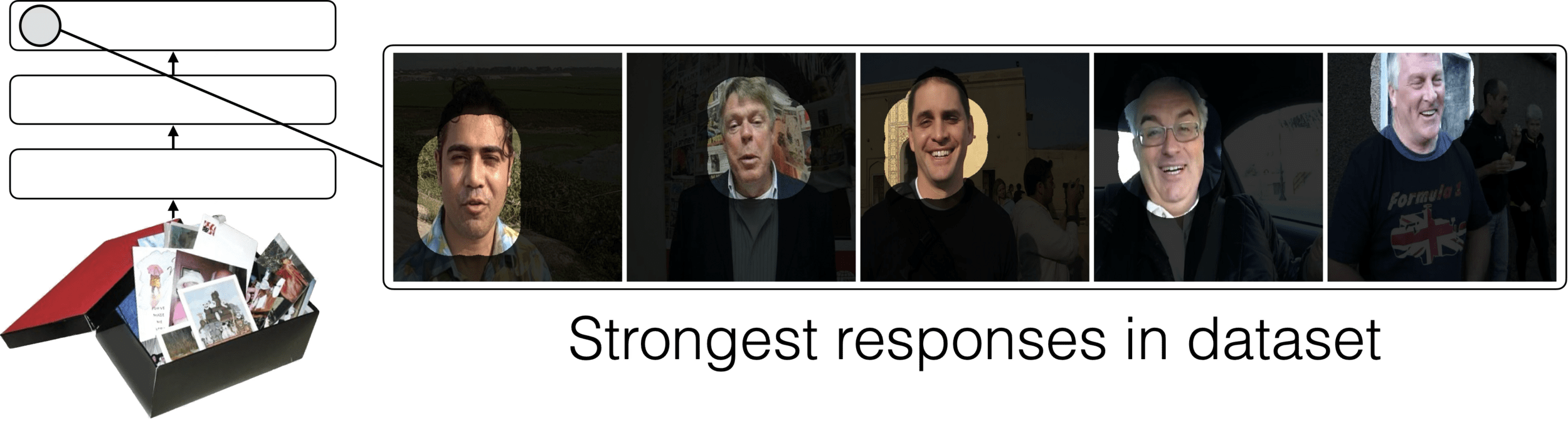
What did the model learn?
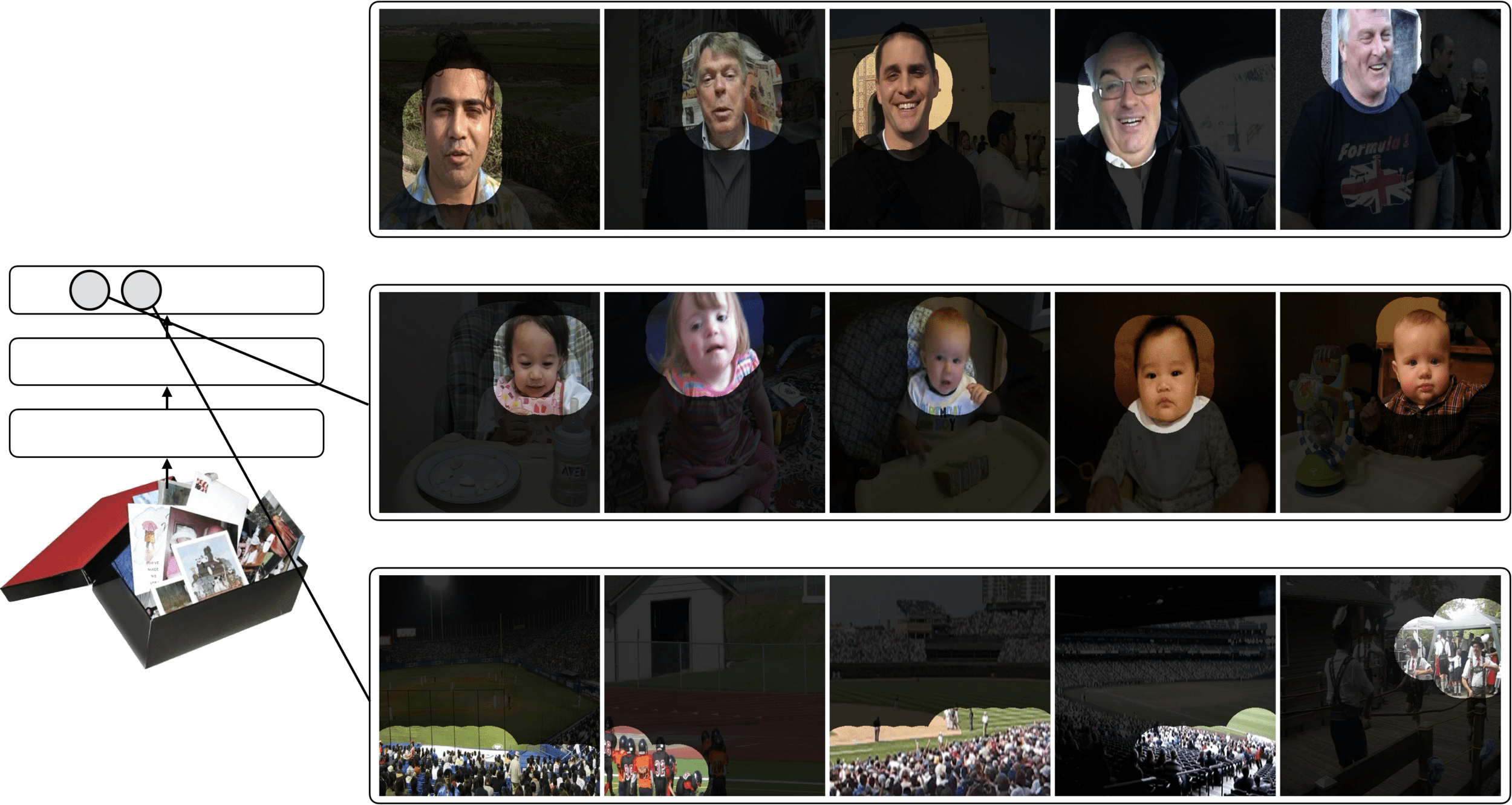
[Owens et al, Ambient Sound Provides Supervision for Visual Learning, ECCV 2016]
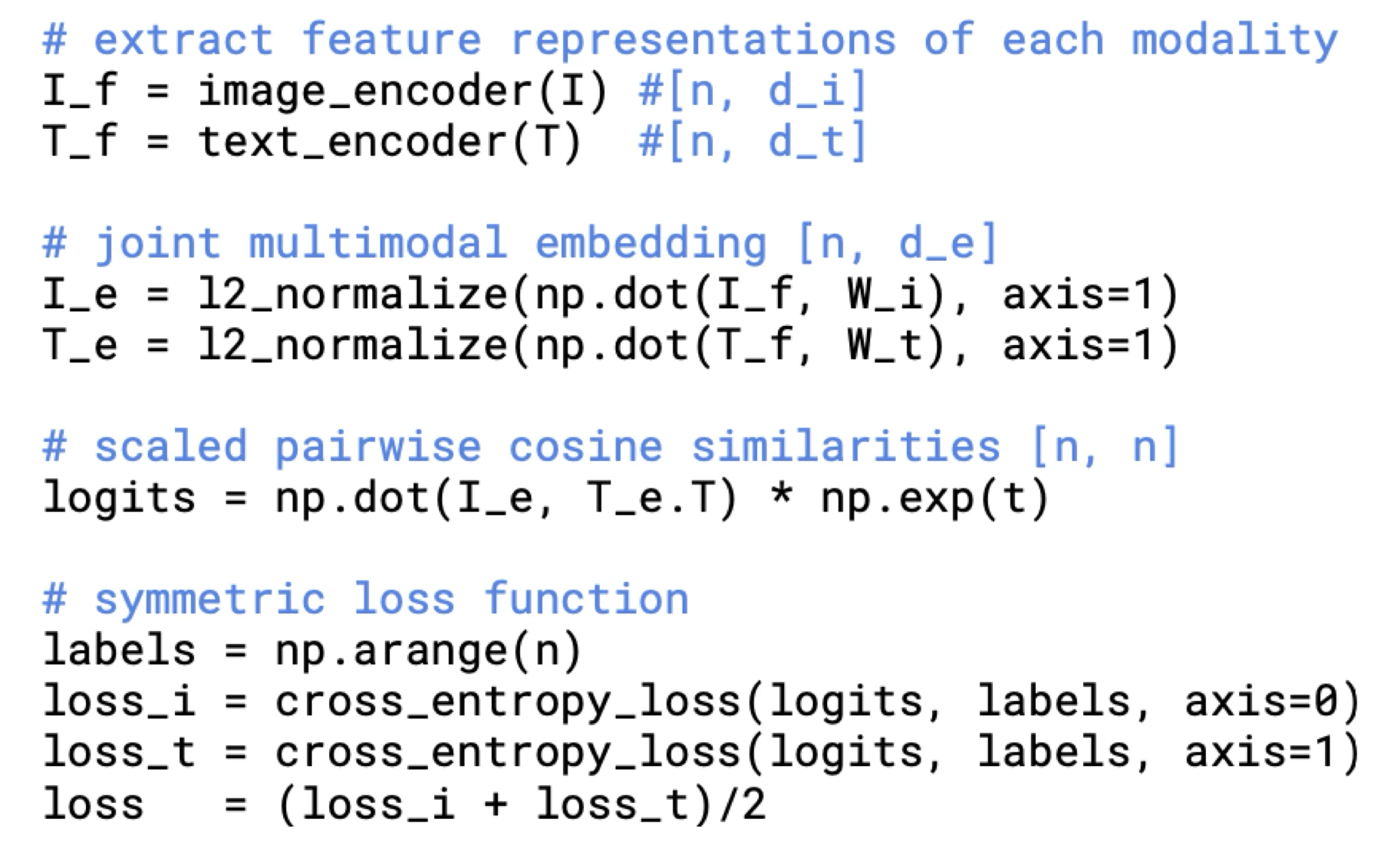
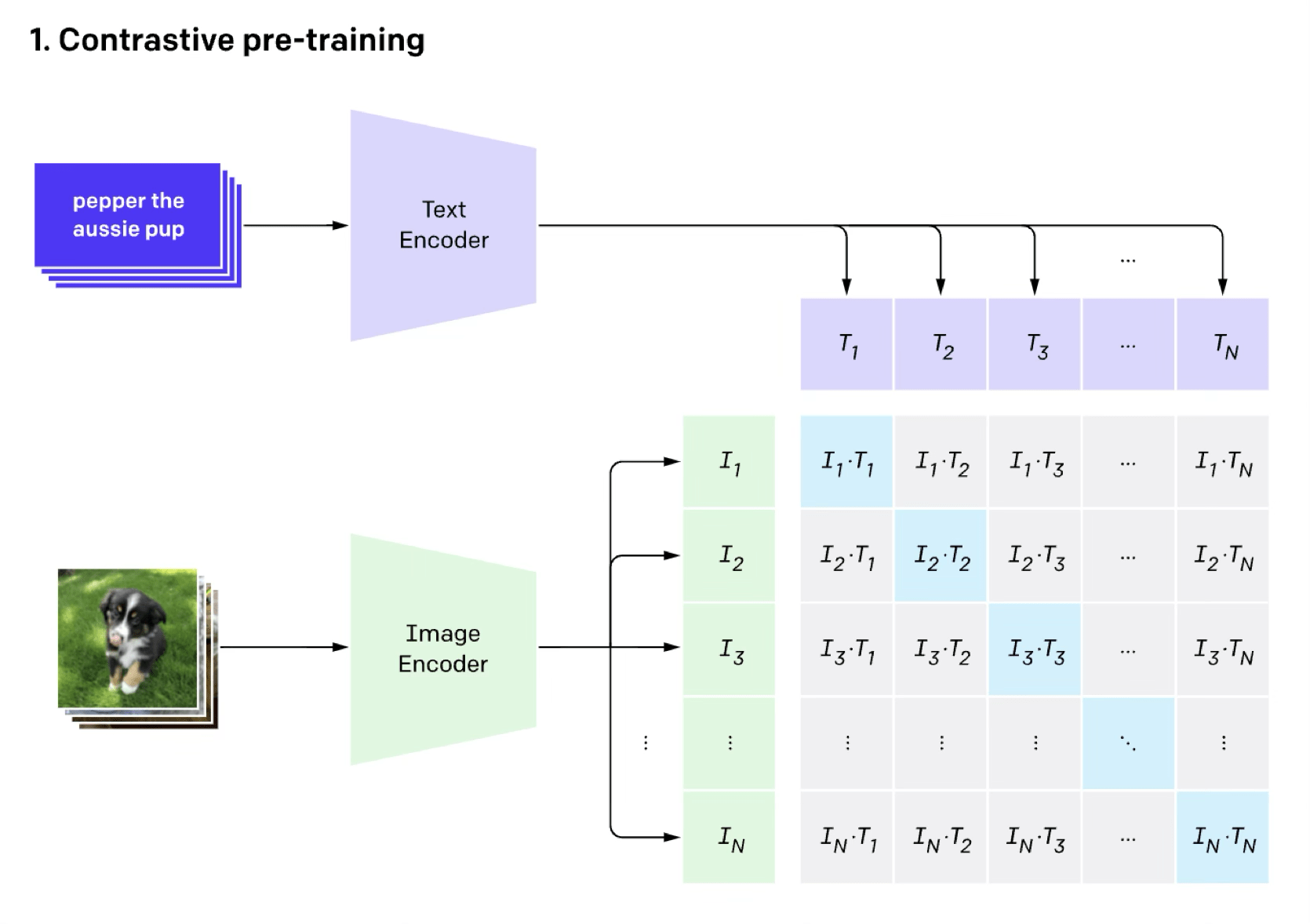
e.g. image classification (done in the contrastive way)
[Radford et al, Learning Transferable Visual Models From Natural Language Supervision, ICML, 2011]
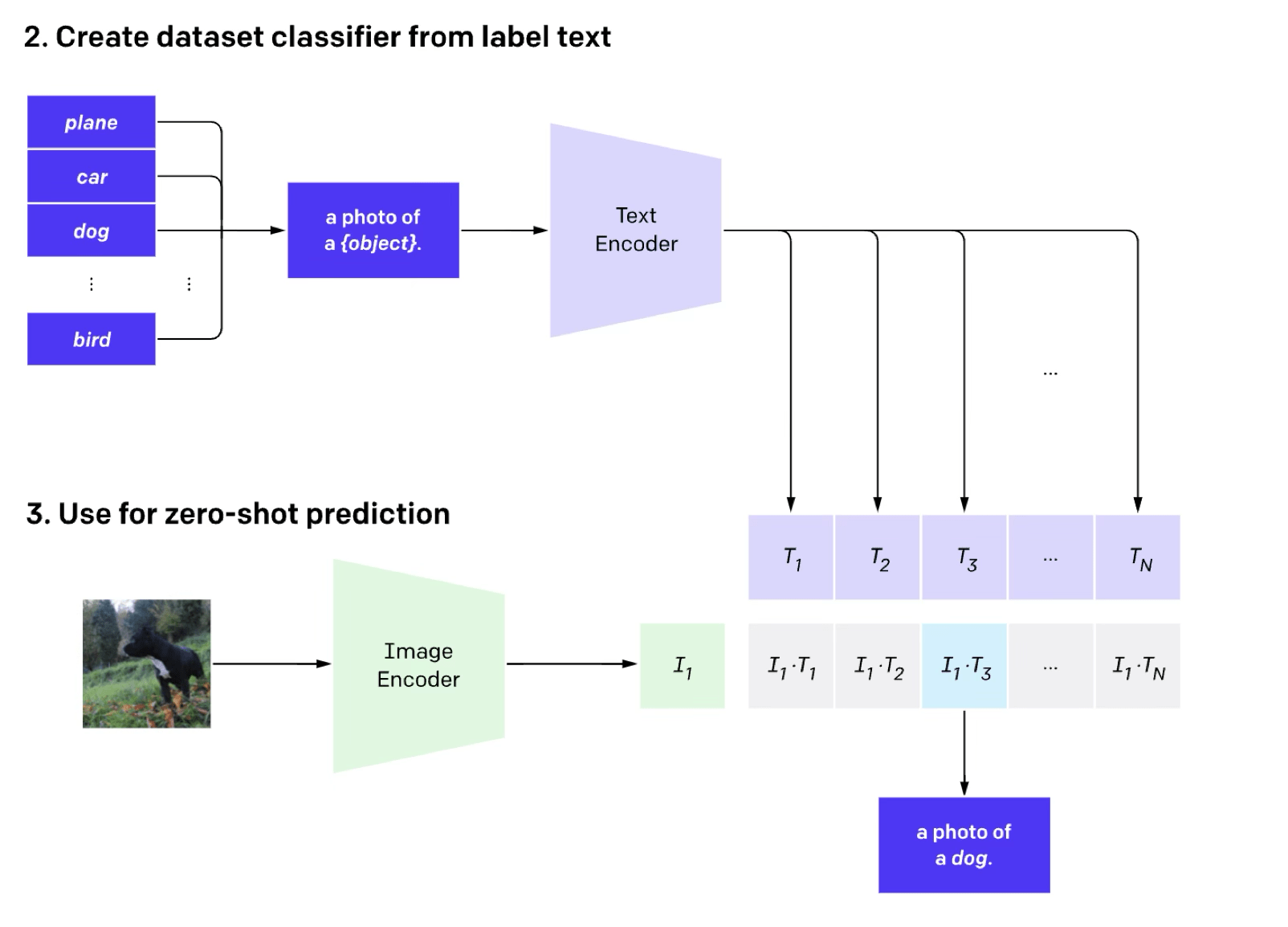
e.g. image classification (done in the contrastive way)
[Radford et al, Learning Transferable Visual Models From Natural Language Supervision, ICML, 2011]
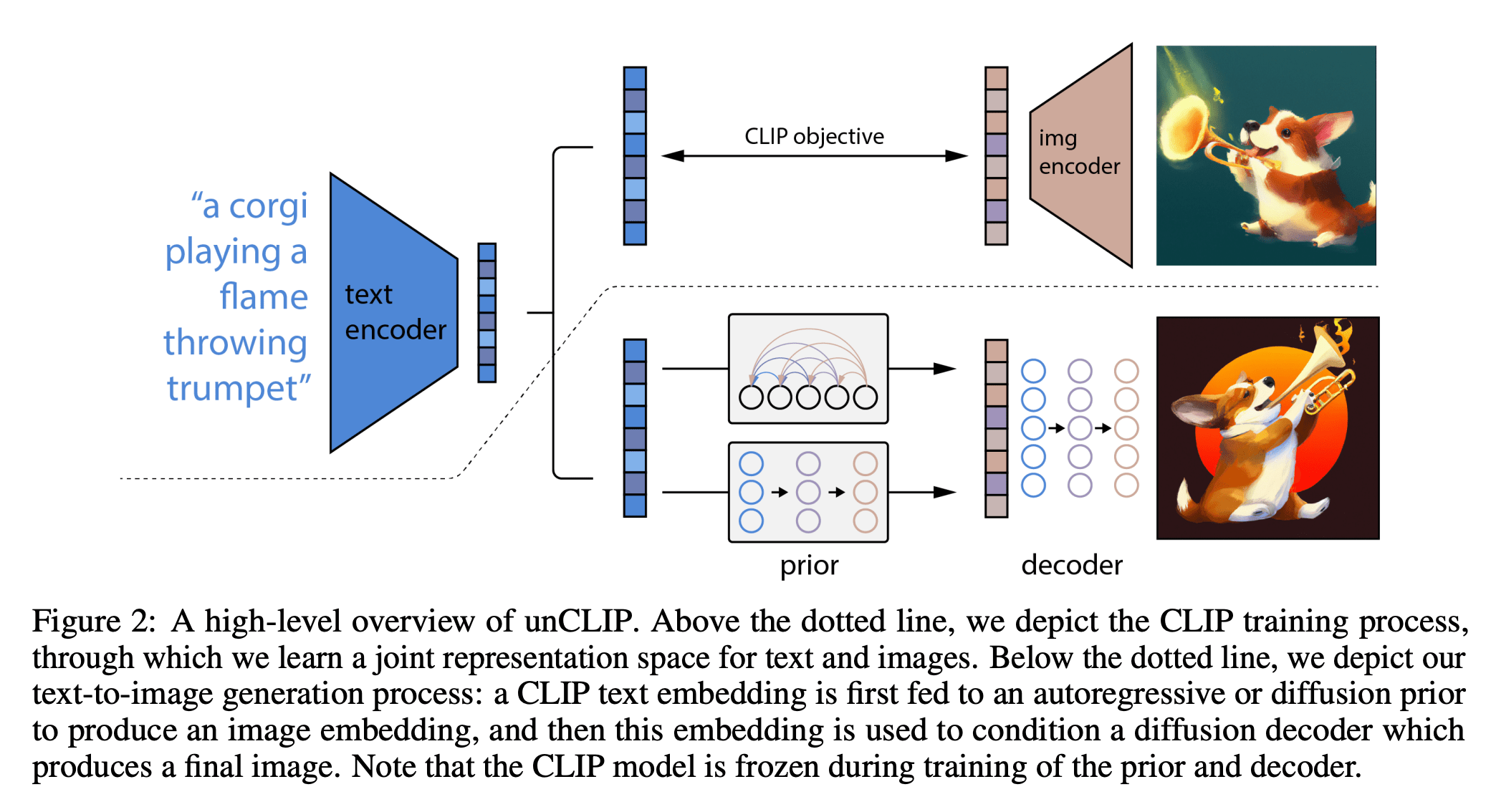
[https://arxiv.org/pdf/2204.06125.pdf]
e.g Dall-E: text-image generation
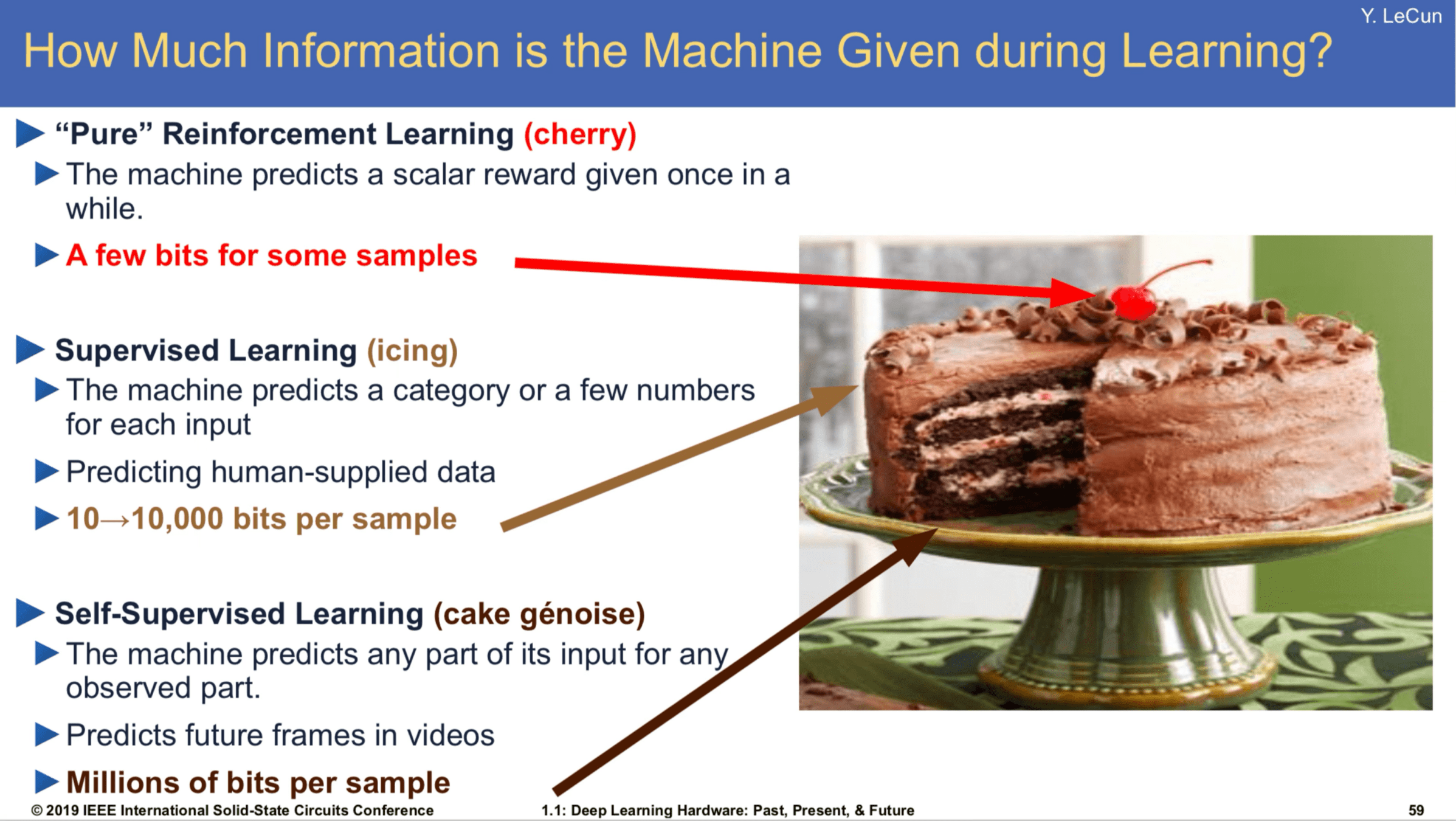
[Slide Credit: Yann LeCun]
Summary
Neural networks are not just calculators; each layer reshapes data into a new representation.
Good representations are compact, explanatory, reusable, and useful for transfer.
Autoencoders learn representations by reconstructing inputs, but plain reconstruction can cheat.
Self-supervised masking makes reconstruction harder and turns unlabeled data into a training signal.
Word embeddings, contrastive learning, and multimodality all learn geometries where meaning is useful.