Teaching Inequality in the 21st Century
Simon D. Halliday, Harriet Brookes-Gray, Scott Cohn, and Bridget Diana



Smith College '21
UT Austin (MA. Econ) '21
UMass (PhD Candidate)
Follow along at:


“What is the most pressing problem economists today should be addressing?” 2020: approximately 3500 students from 17 universities across 8 countries responded.
2020
Over time
Big questions
-
In what ways does inequality manifest in modern economies?
-
What ways of measuring inequality do we teach students?
-
How can we model our economies in ways that show the mechanisms producing inequality in modern capitalist economies?
-
New ways of connecting micro with macro
Where/how have these ideas been taught?
-
LACs and big state universities; US, UK, Germany, India & elsewhere
-
Intermediate Micro; Advanced Micro; Labor Econ; Inequality seminar
-
Classes of 15 to 300 (mostly UGs; some grad classes)
-
DON'T HAVE SURVEY DATA; I'm just demo-ing the ideas
-
Part of wider curricular reform movements, e.g.
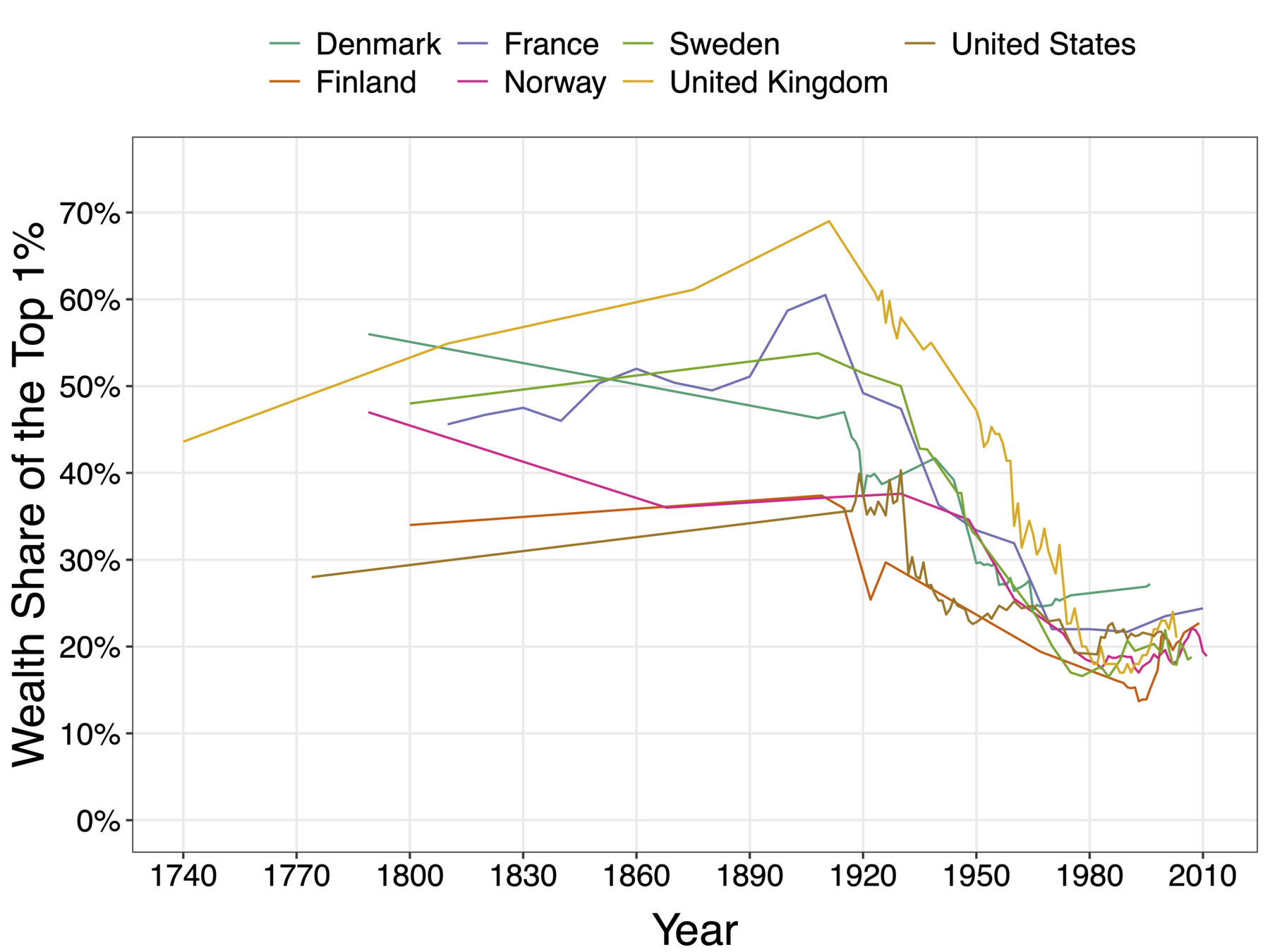
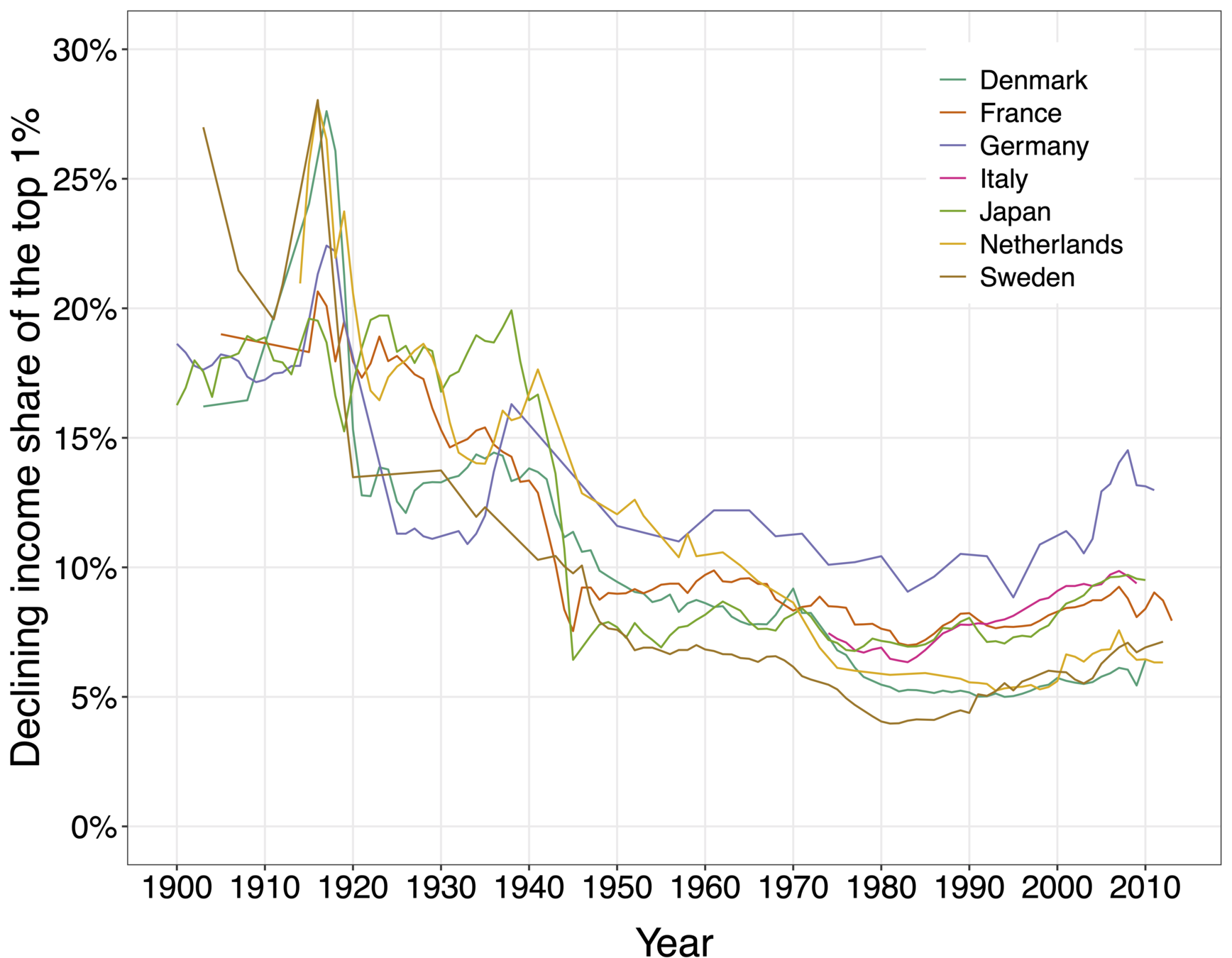
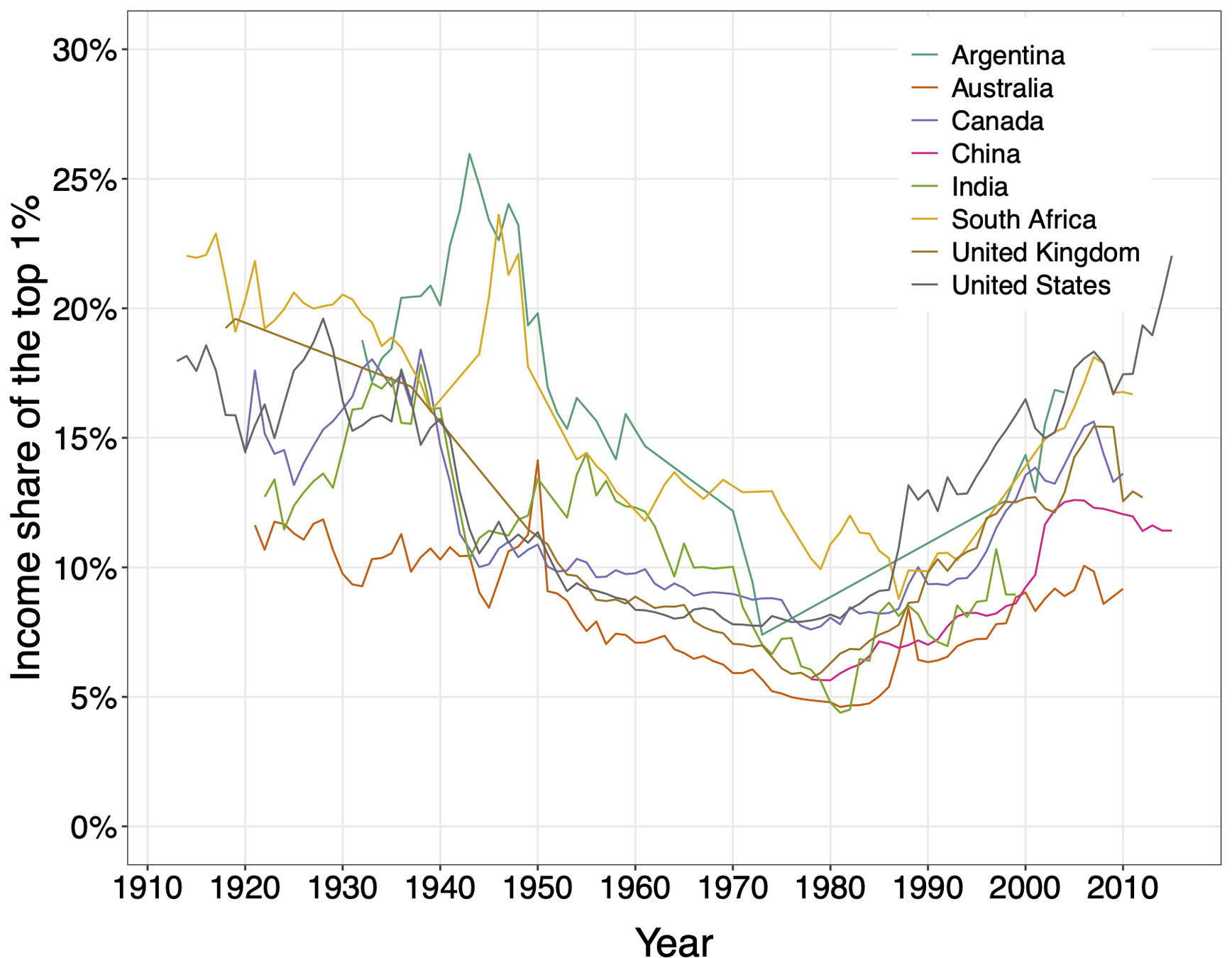
Evidence of inequality?
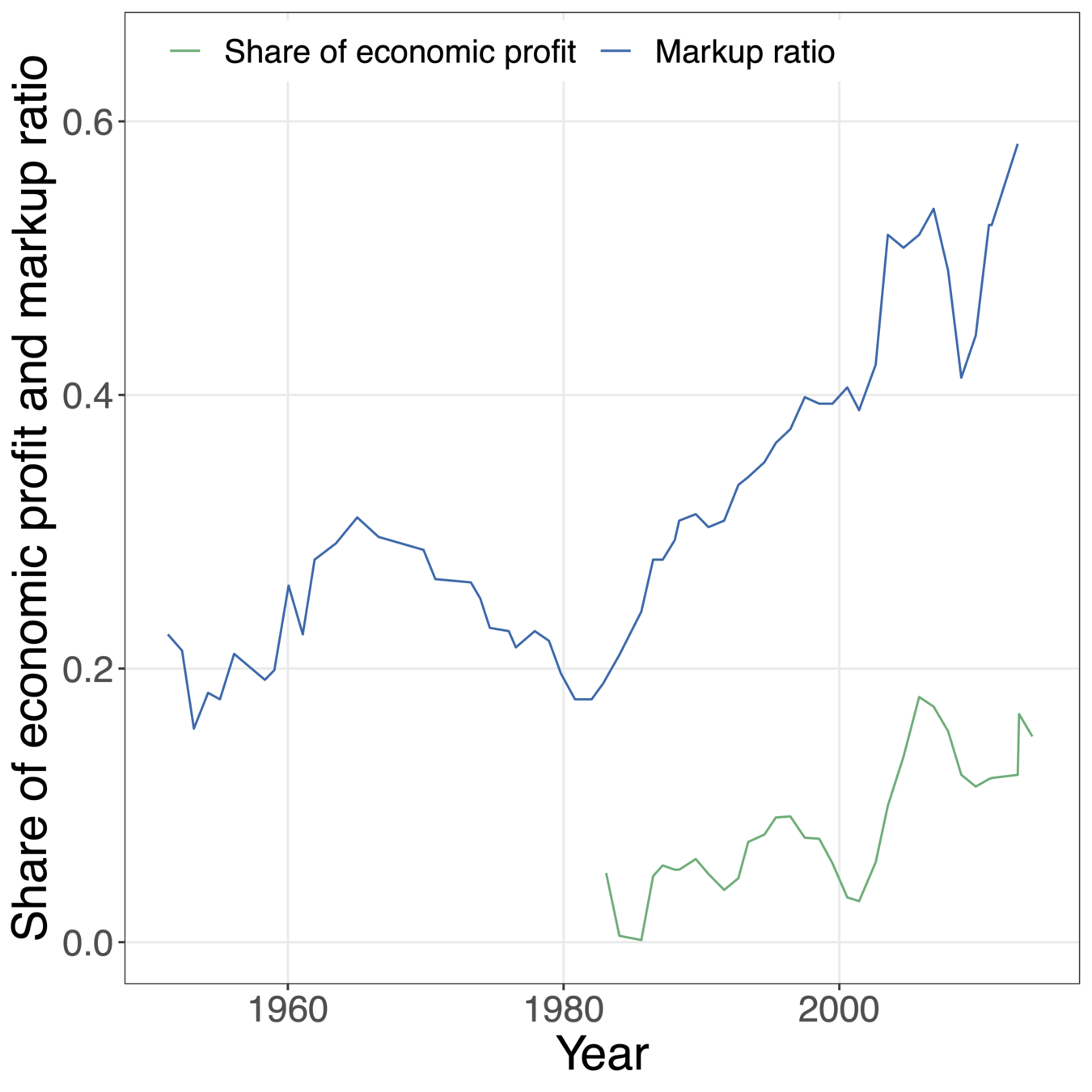
Wealth & income inequality, rising markups, increased profit shares, increased concentration...
Waldenström and Roine (2014)
Alvaredo, Atkinson, Piketty, Saez, and Zucman (2017)
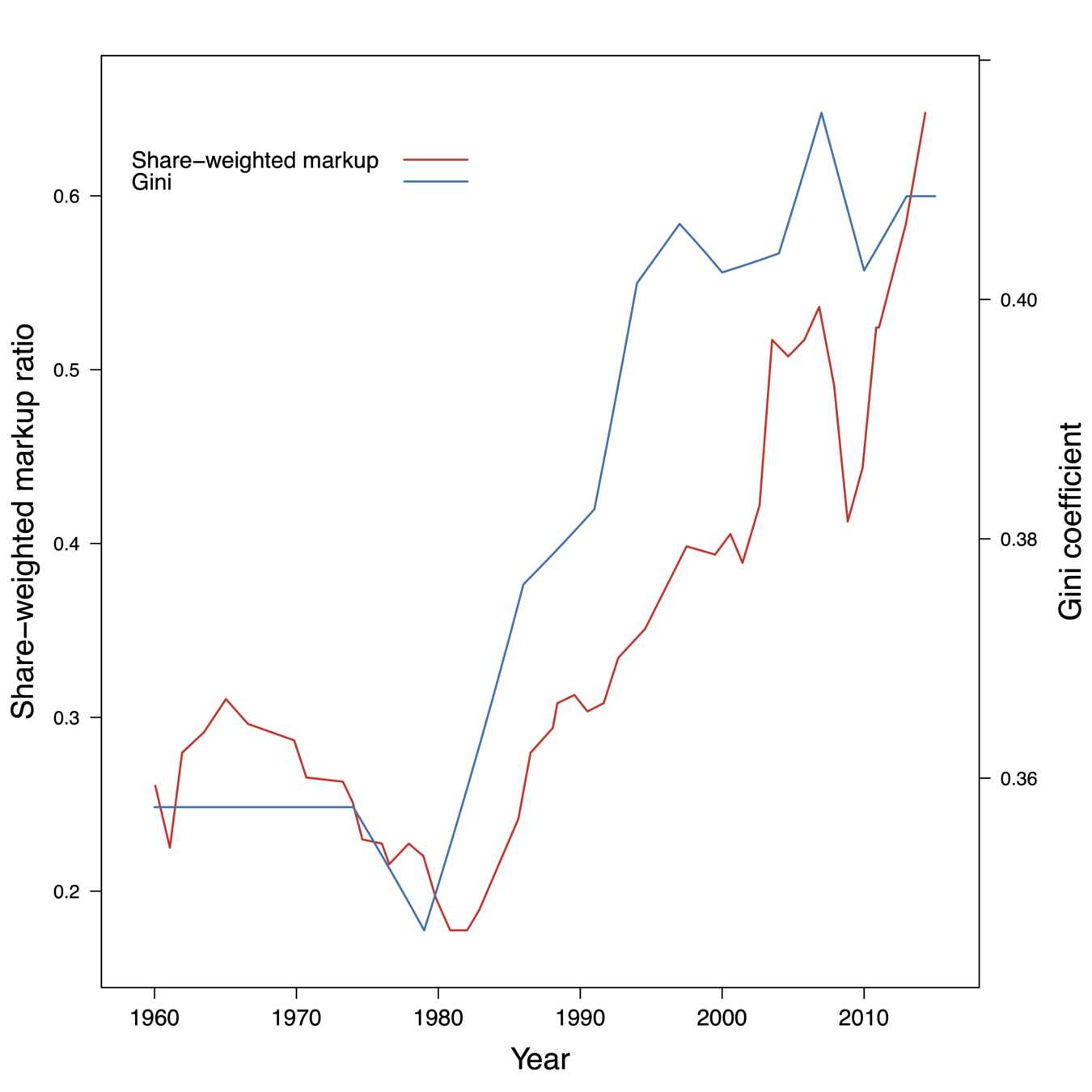
Markup and profit share
Profit share and inequality
The product market
Imperfect (Cournot) competition with barriers to entry
Basic Cournot
- Downward-sloping demand $$p(X) = \bar{p} - \beta X$$ Where $$X = x^A + x^B$$ for firms A and B.
- Firms impose negative external costs on each other and over-produce $$\pi^i = (p(X))x^i - cx^i$$
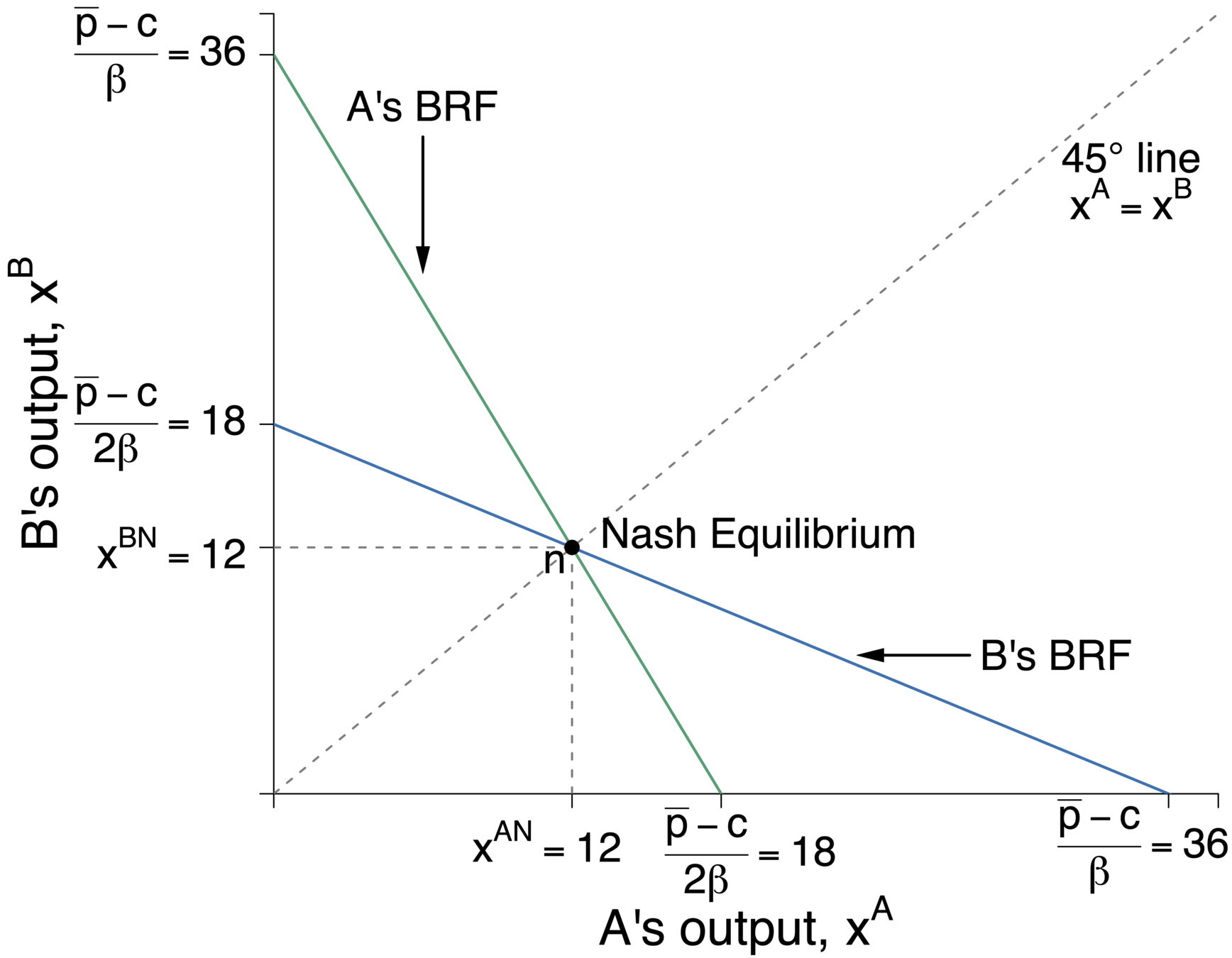
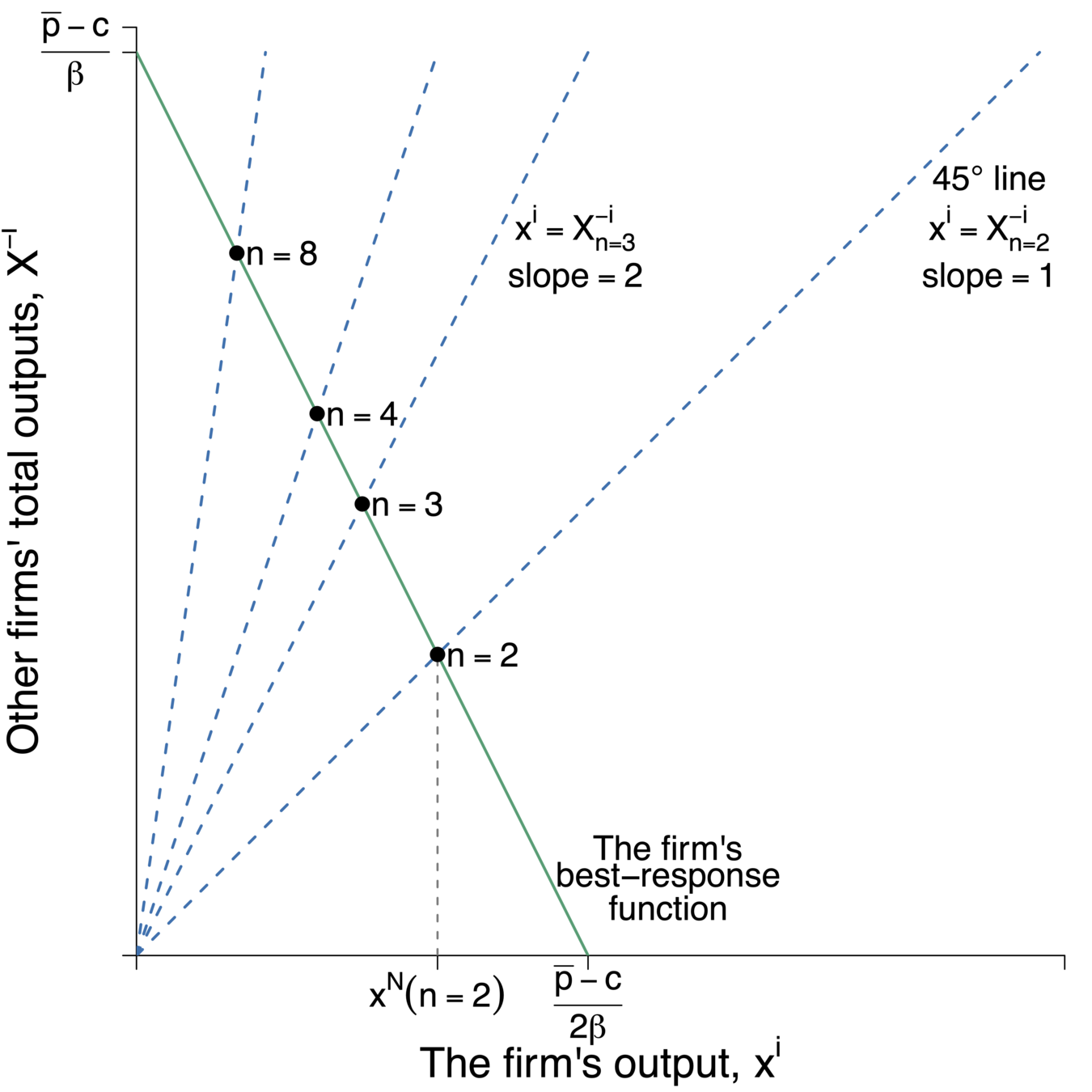
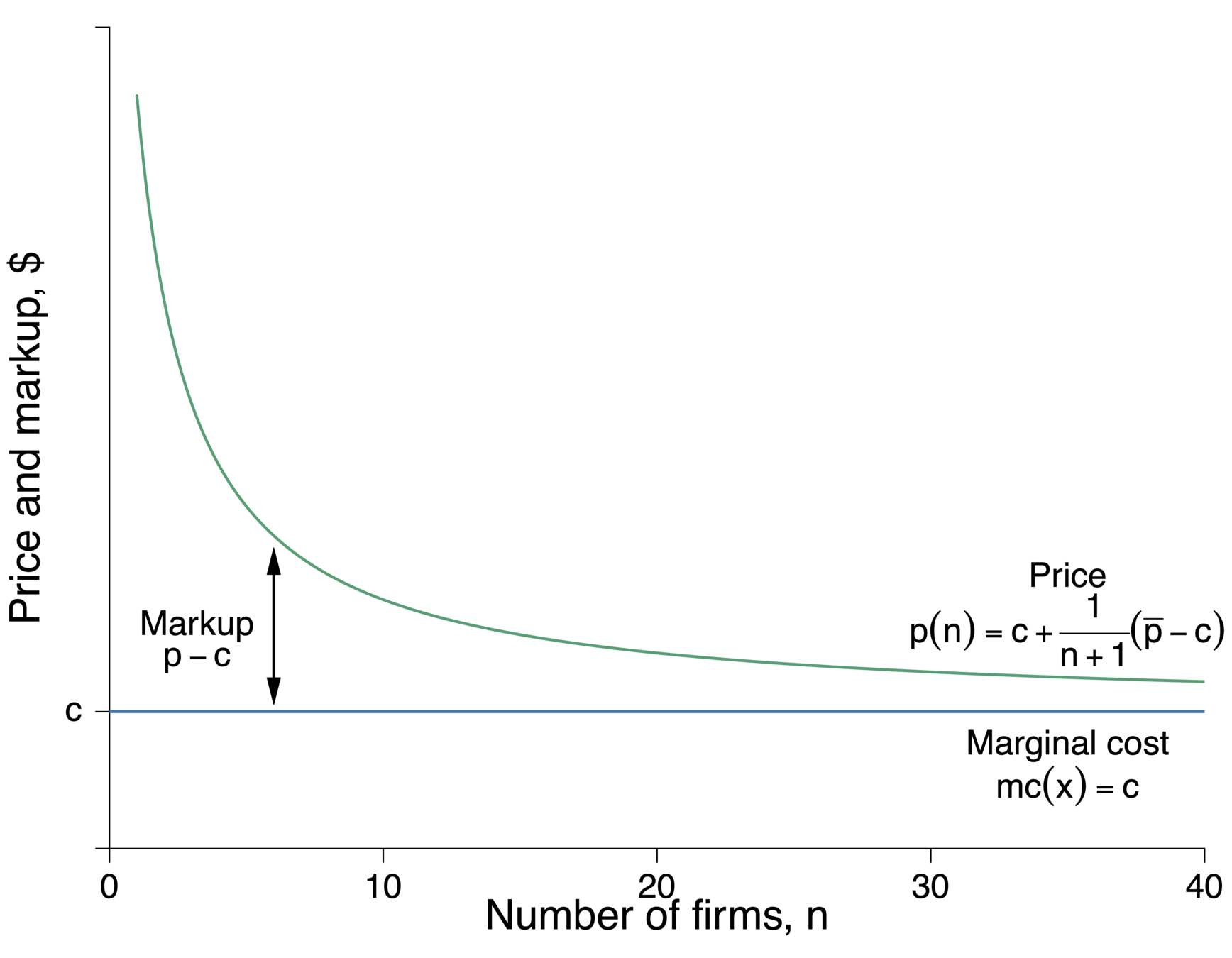
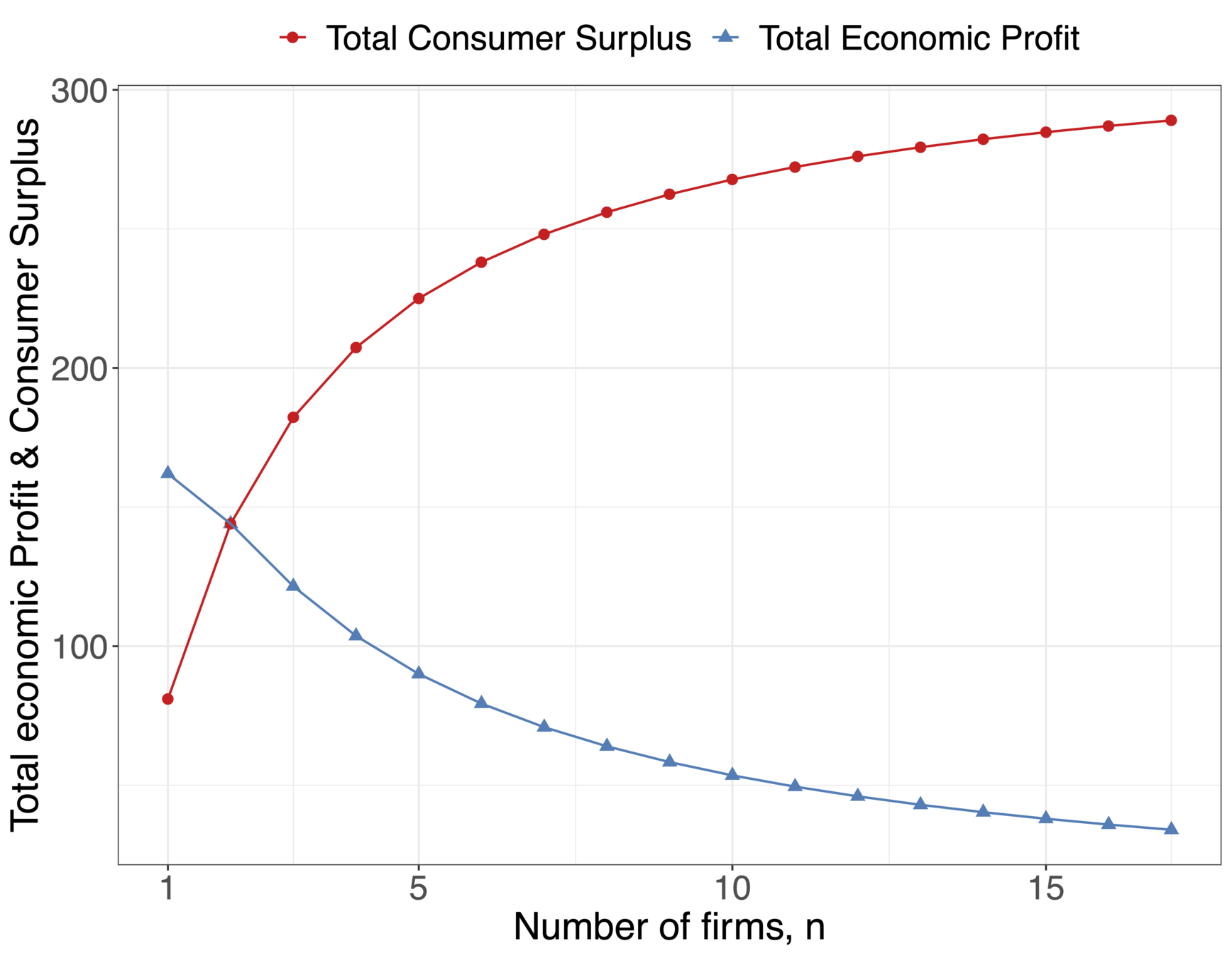
As n increases, markup (and markup ratio) decrease. (Cournot’s “unlimited competition”)
Standard Cournot, with increasing number of firms n
Inequality in welfare
-
Firms' economic profits decrease with the number of firms (profit per unit decreases as p decreases)
-
Consumer surplus increases as n increases and p decreases
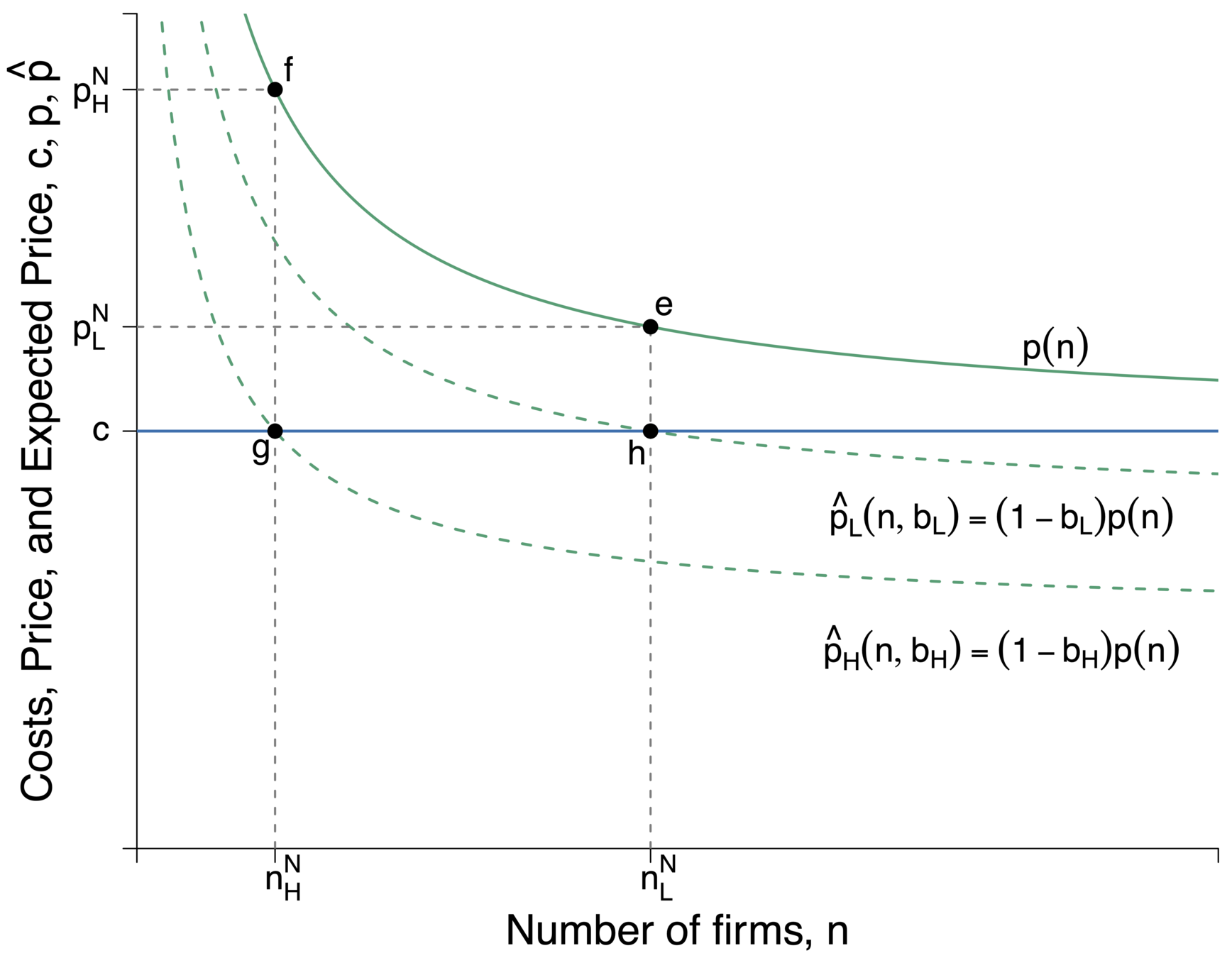
Cournot with Barriers to entry
- Barriers to entry (b) and probabilistic failure.
- Incur marginal costs (c) regardless, only successfully enter with probability (1 - b)
- Therefore expected profit per unit is: $$\frac{\pi}{x} = (1-b)(p(n) - c)$$
The labor market
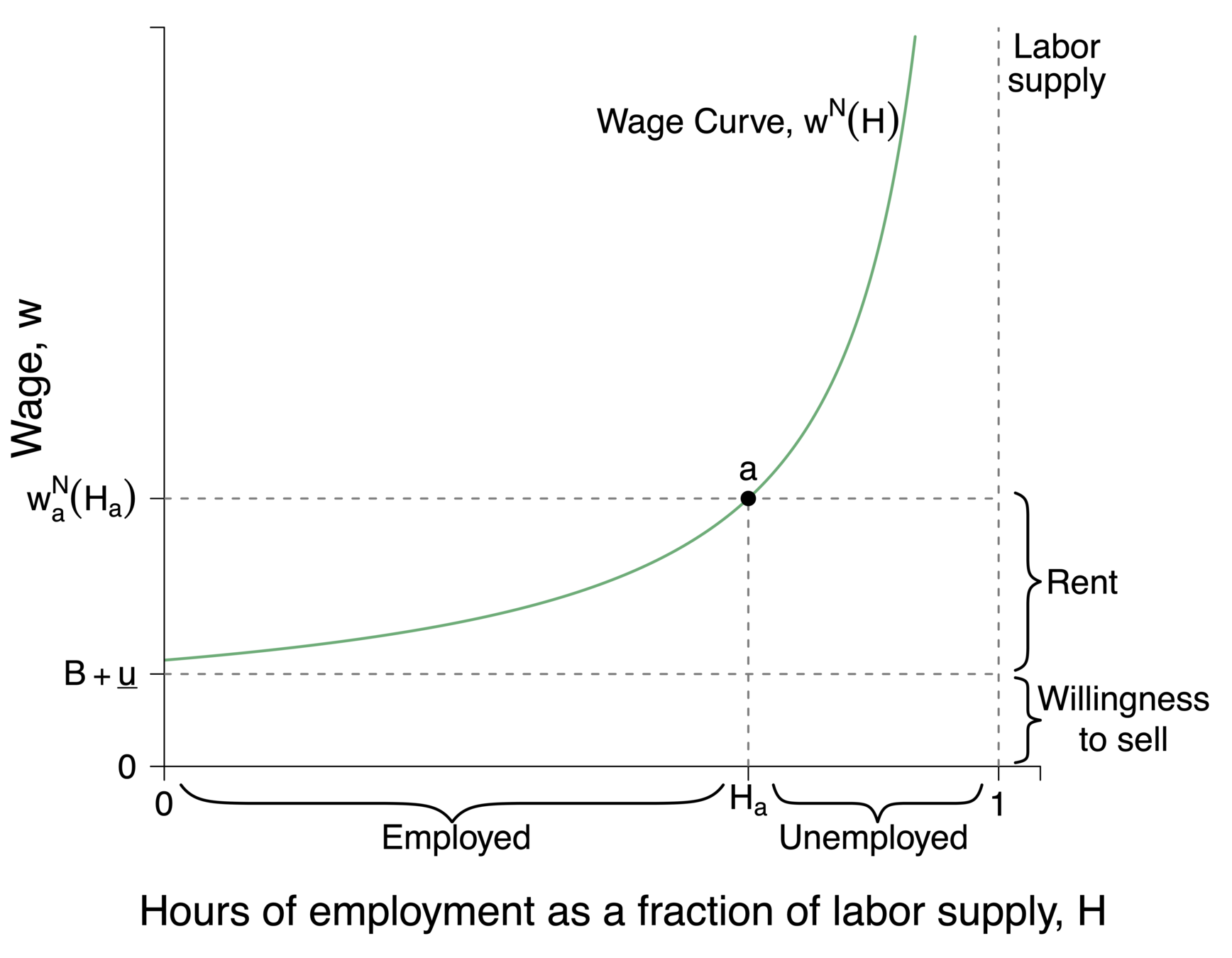
Efficiency wages (labor discipline)
& barriers to entry
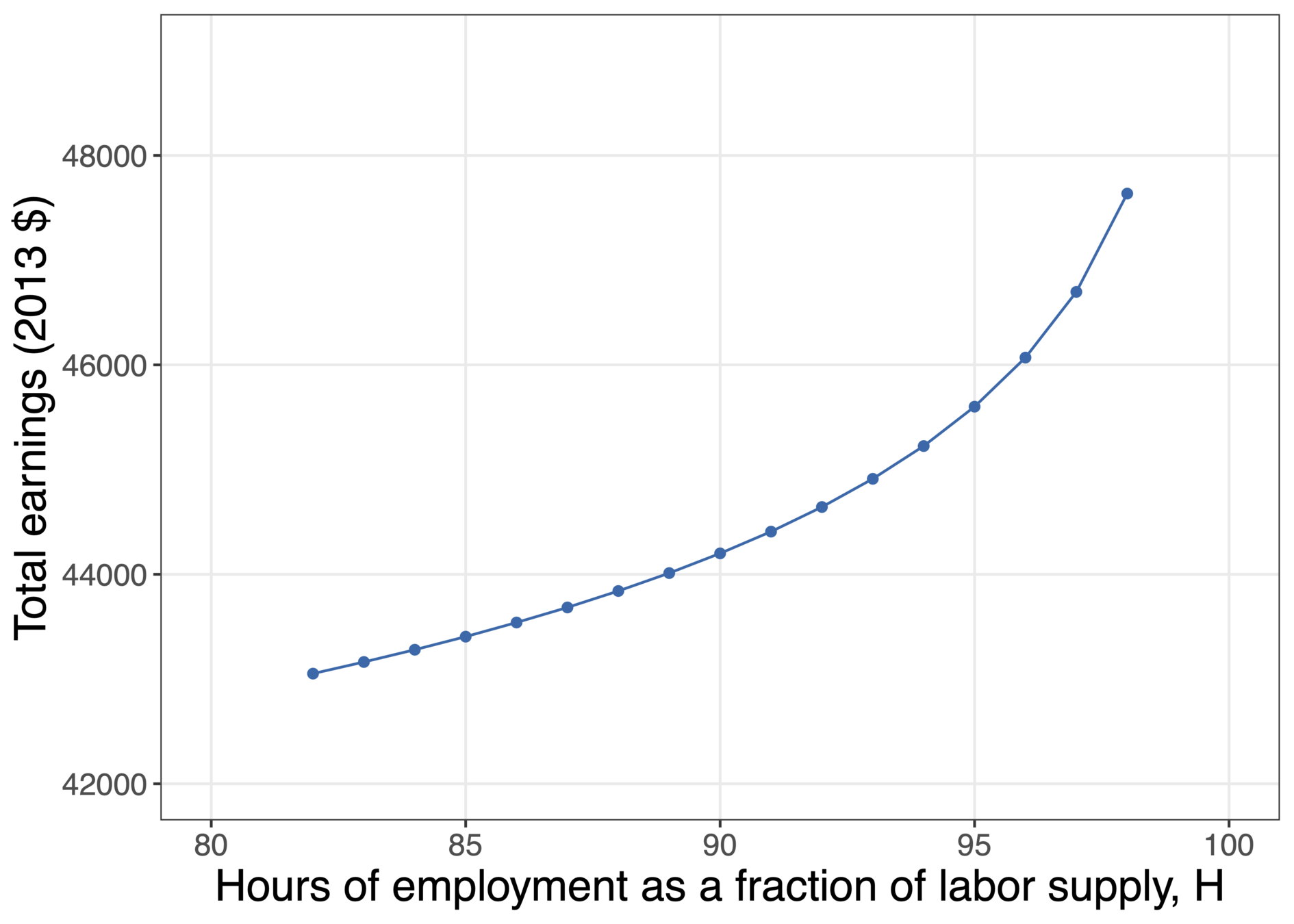
Sample of 2.34 million workers are males aged 26-64 over the years 1979-2013. Earnings are in 2013 dollars. Data source: BLS, Stephen Machin, 2015
The economy-wide wage curve
An economy-wide wage curve estimated for the United States economy, 1979-2013
Blanchflower & Oswald (1994, 2005, etc)
-
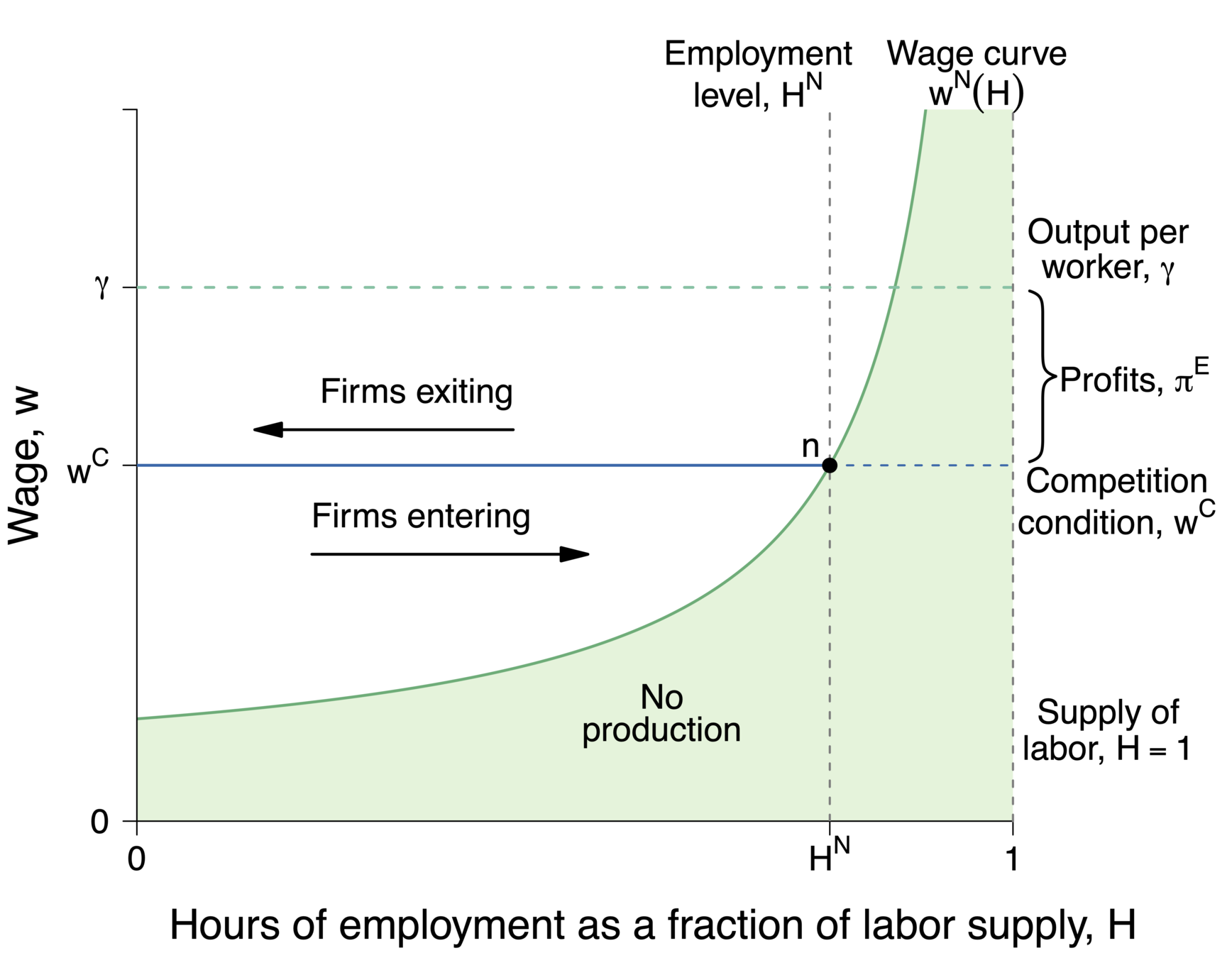
Equilibrium in the product and labor markets of the whole economy
-
Point n indicates the Nash equilibrium wage and employment levels, from which the level of profits and unemployment, $$1 -H^N$$
Equilibrium in the product & labor markets of the whole economy
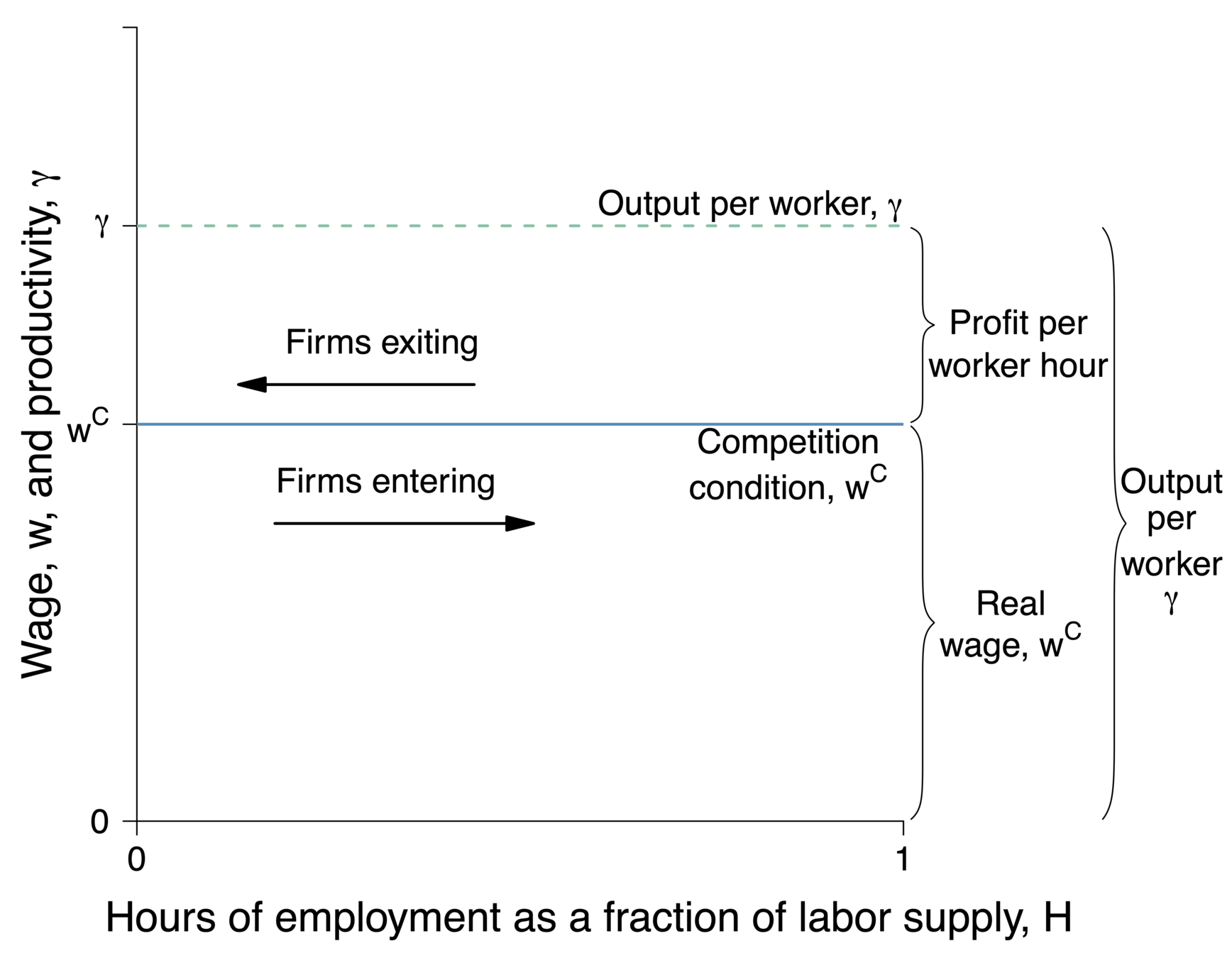
Given the extent of barriers to entry, output per worker hour, and the opportunity cost of capital, the real wage indicated by the competition condition divides the output per worker between wages and profits in such a way that the number of firms does not change.
The competition condition and the real wage curve
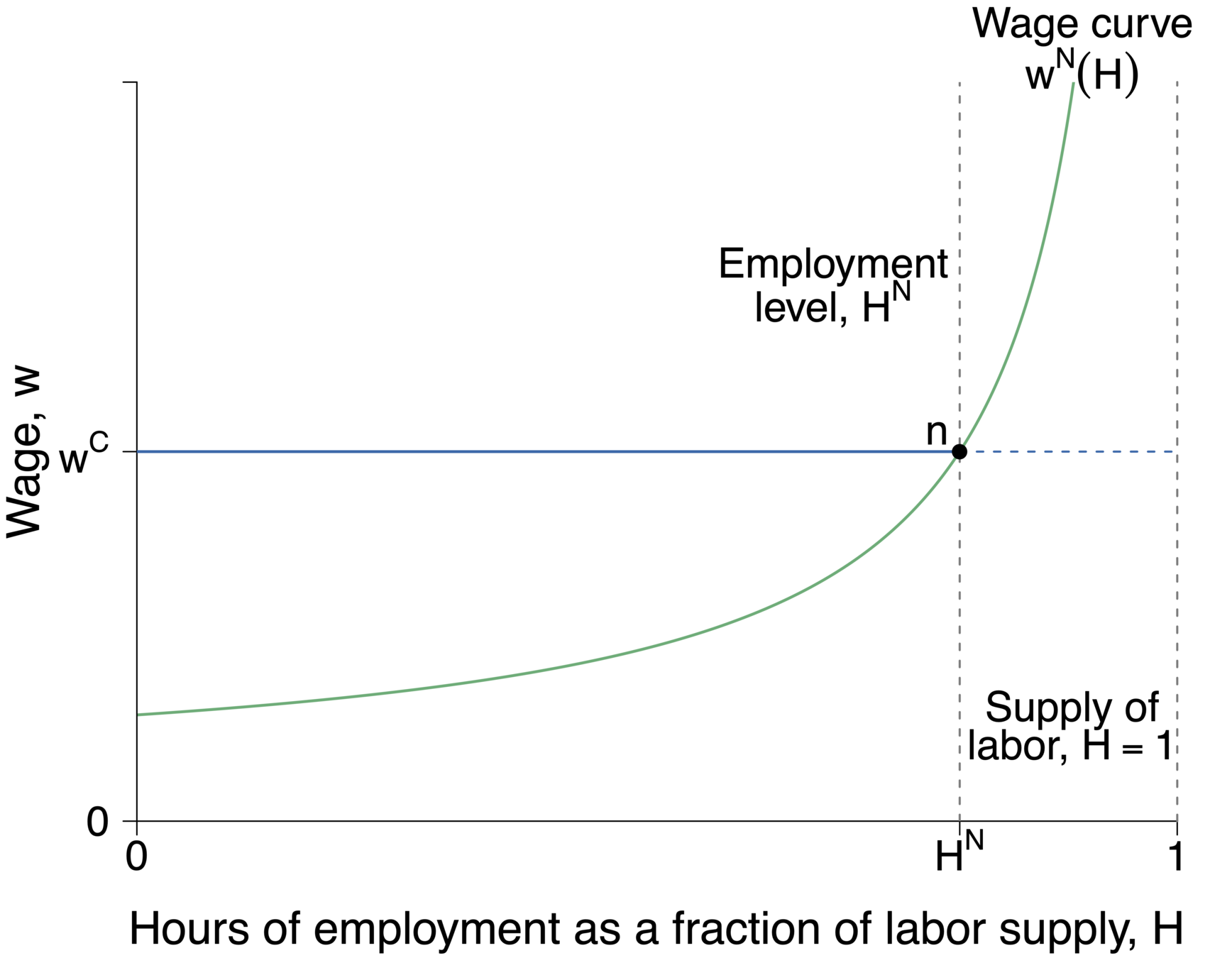
The economy-wide wage curve
- Point n indicates the Nash equilibrium wage and employment level
The "whole economy"
The product market, labor market, and inequality
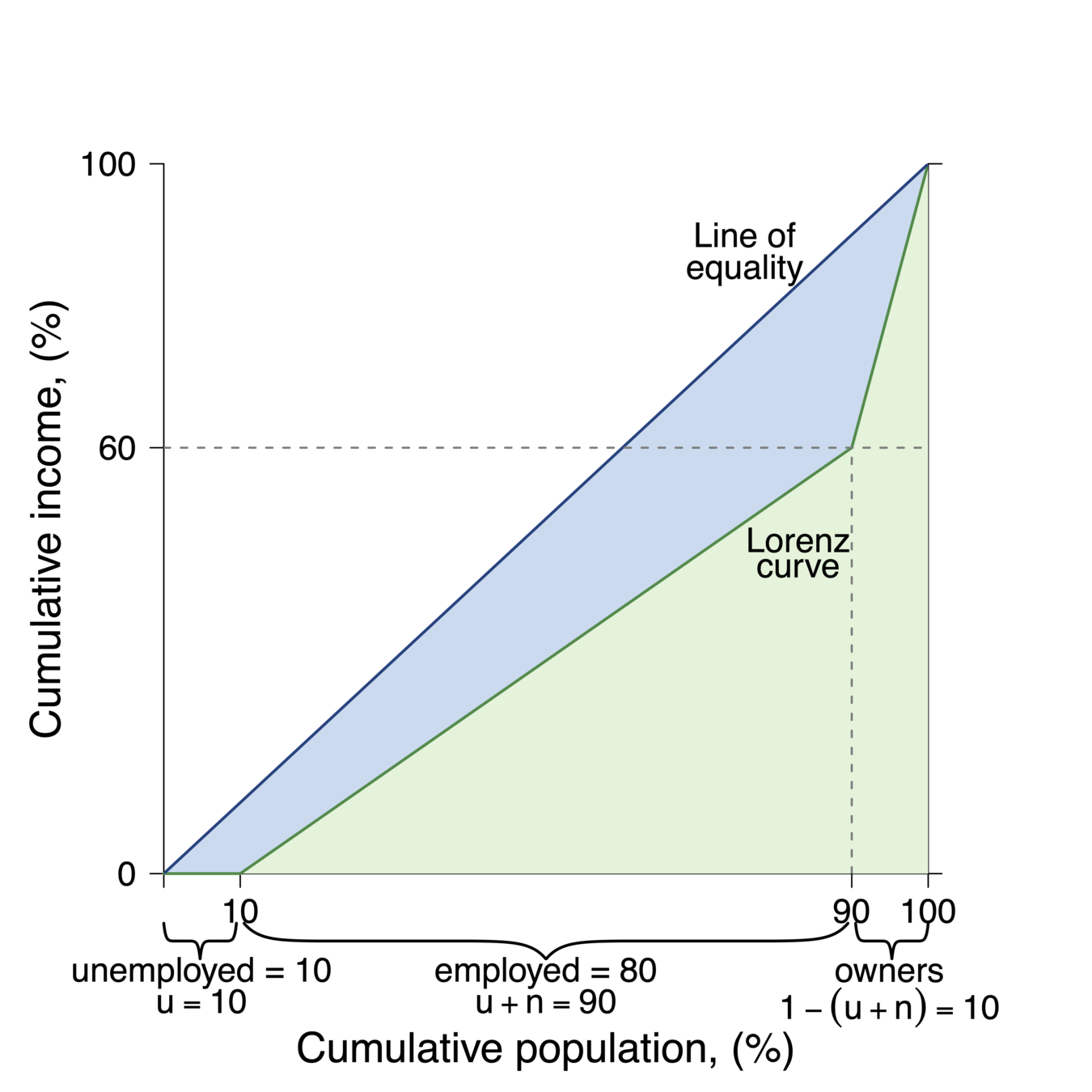
Lorenz curves: Wages & Profits
3 "classes" of people in corresponding proportions:
- Unemployed (u) - get 0
- Employed (n) - get wage shares
- Owners of firms (1 - u - n) - get profit shares
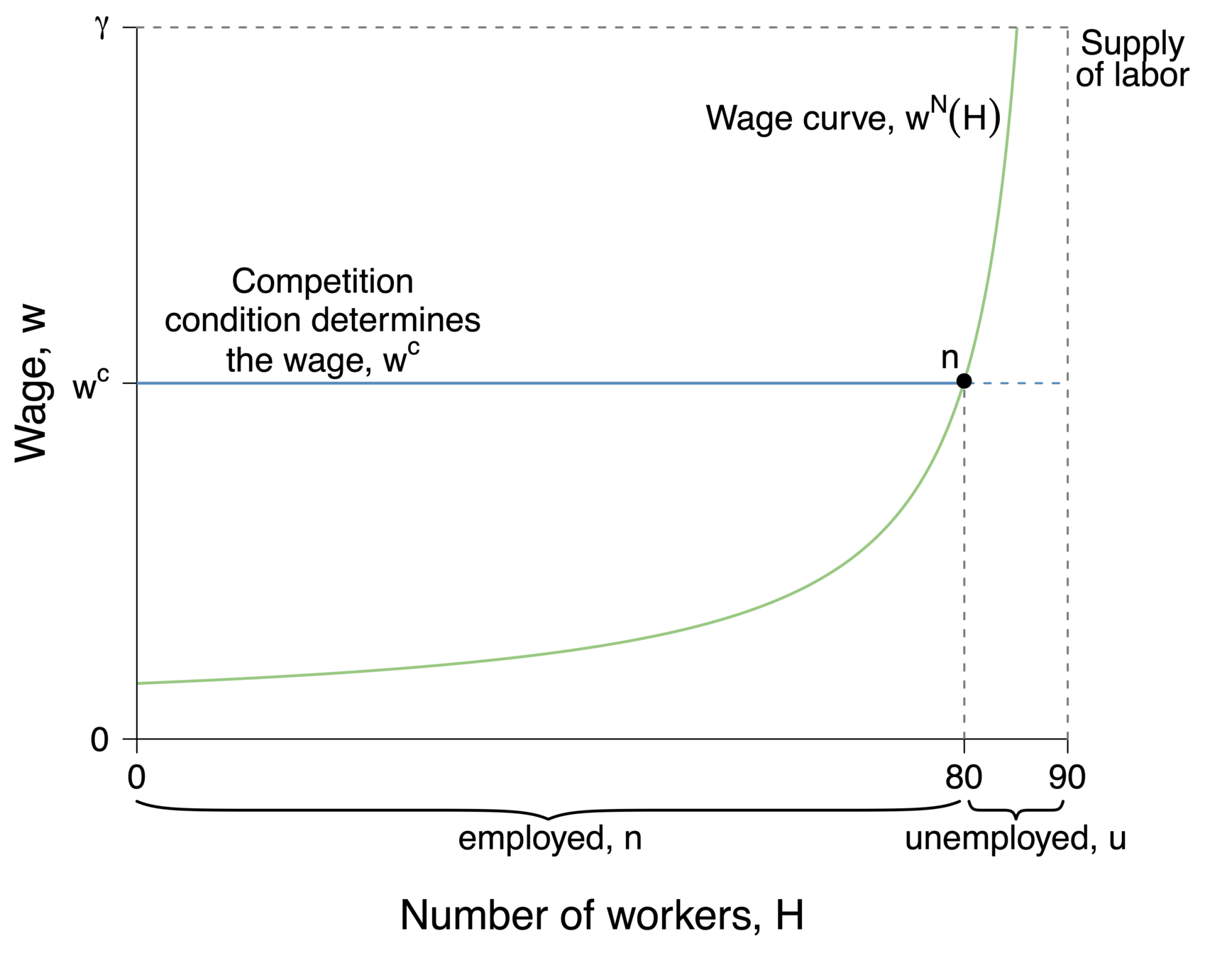
The whole economy model: wage curve and competition condition curve
The Lorenz curve associated with the whole economy model

Conclusion?
- Tie the variables in product & labor markets to inequality
- barriers to entry (b)
- probability of termination (t)
- unemployment benefits (B)
- labor productivity (\(\gamma\))
- Get students to think about public policy implications (through interactive models)
- fiscal policy
- competition policy
- monetary policy (opp cost of capital (\( \rho\)))