

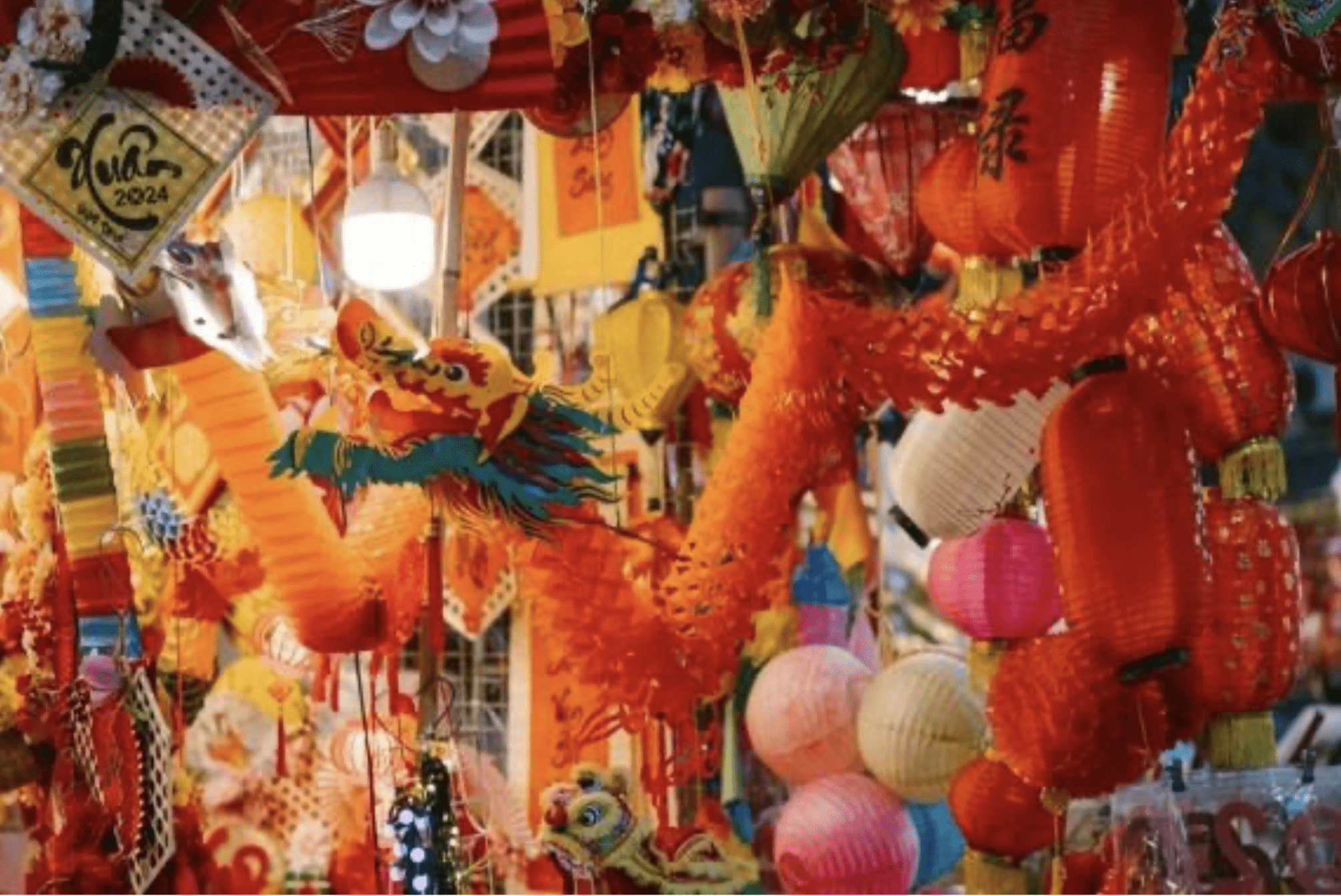
CC: View of Colorful Decorations at a Market in Vietnam. Hanoi, Vietnam, June 10, 2024. Photo by HONG SON from Pexels: https://www.pexels.com/photo/view-of-colorful-decorations-at-a-market-in-vietnam-25949477/
What is the Korean instrument gayageum?
Where is Korea? Who are Korean Americans?
How do melodies use sounds from nature?
Can I step to the big beats in 6/8?
Come Out and Look! Vietnamese Rhymes and Song
Lesson 3


HISTORY & CULTURE
20+ MIN

Come Out and Look!

MUSIC LISTENING
Bird Design on Gayageum, photo by Gianina Ferreyra.
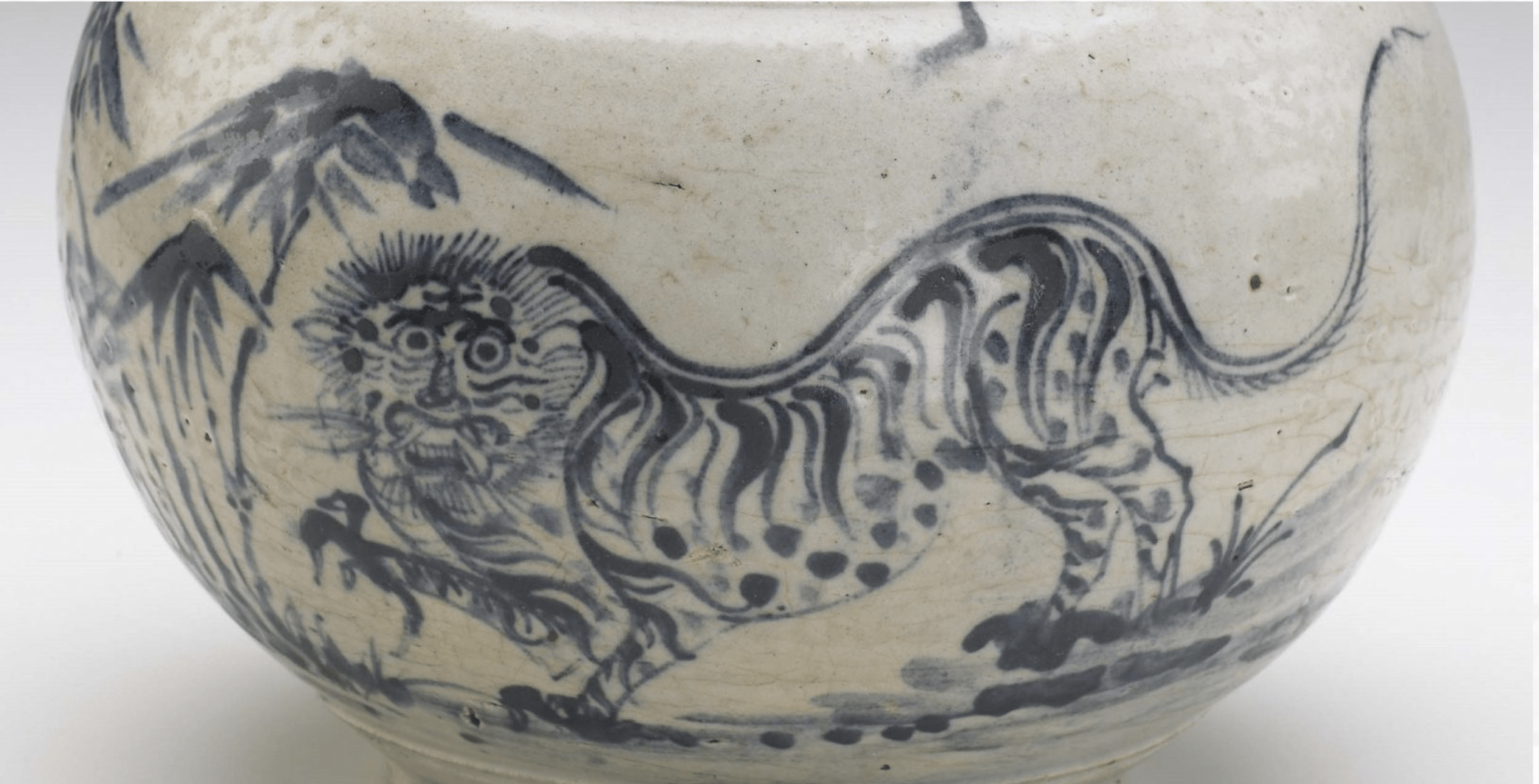
Lion on Jar with Lid, 19th century from Southern Vietnam, Smithsonian National Museum of Asian Art, S2005.105a-b. https://asia.si.edu/explore-art-culture/collections/search/edanmdm:fsg_S2005.105a-b/
Vietnam: Geography and People
20+ minutes
Path 1
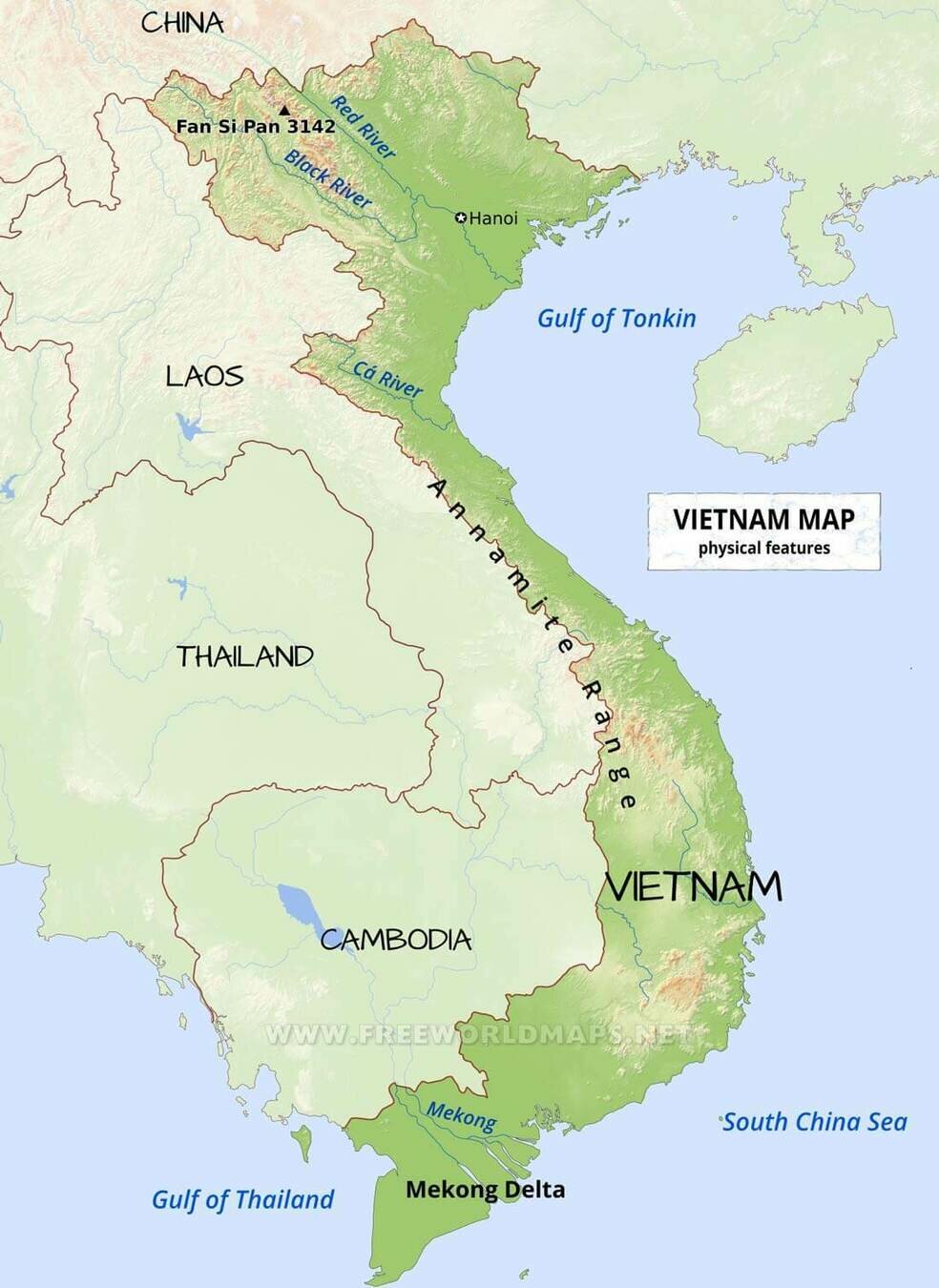
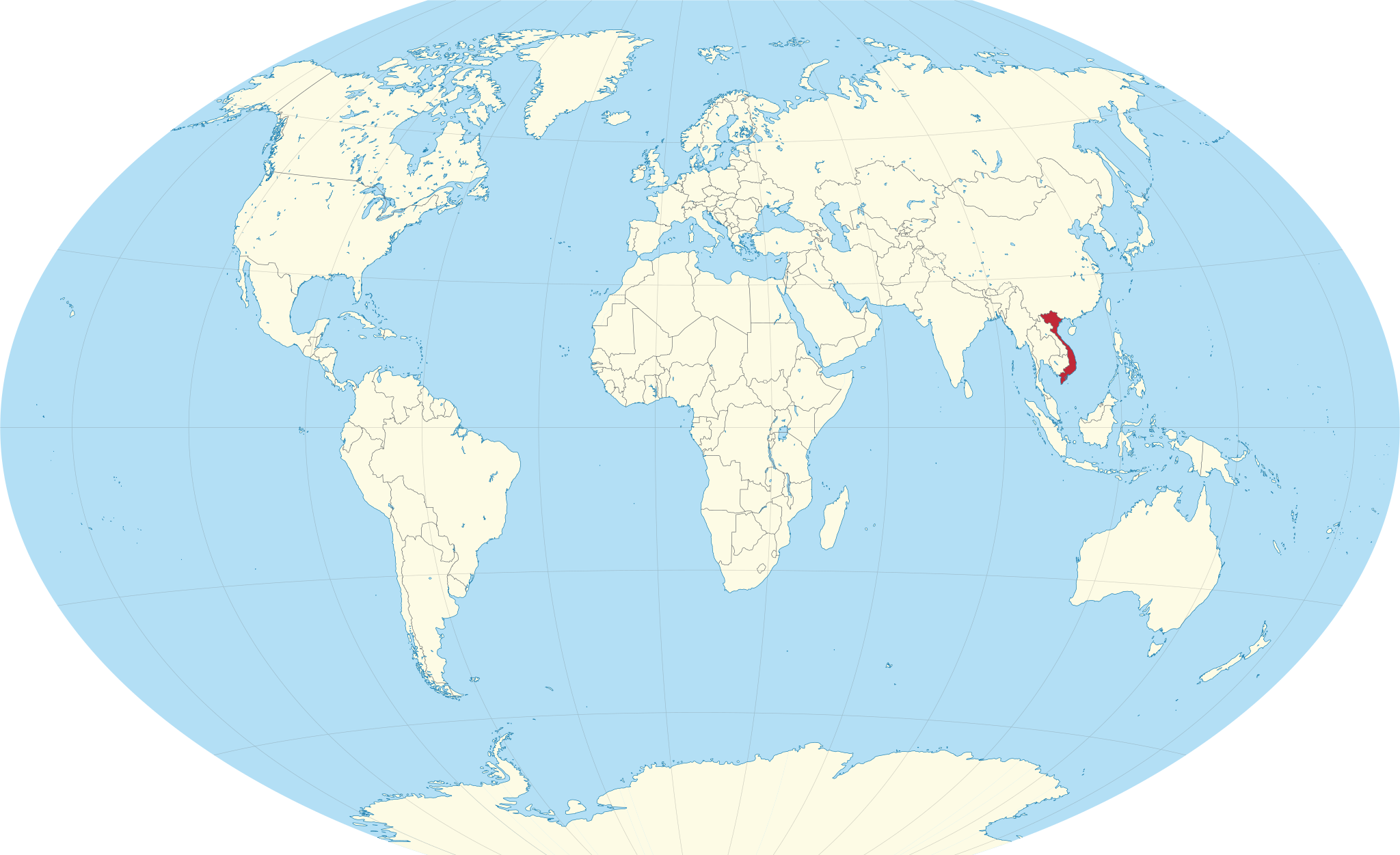
Vietnam Map, by TUBS, CC BY-SA 3.0 <https://creativecommons.org/licenses/by-sa/3.0>, via Wikimedia Commons

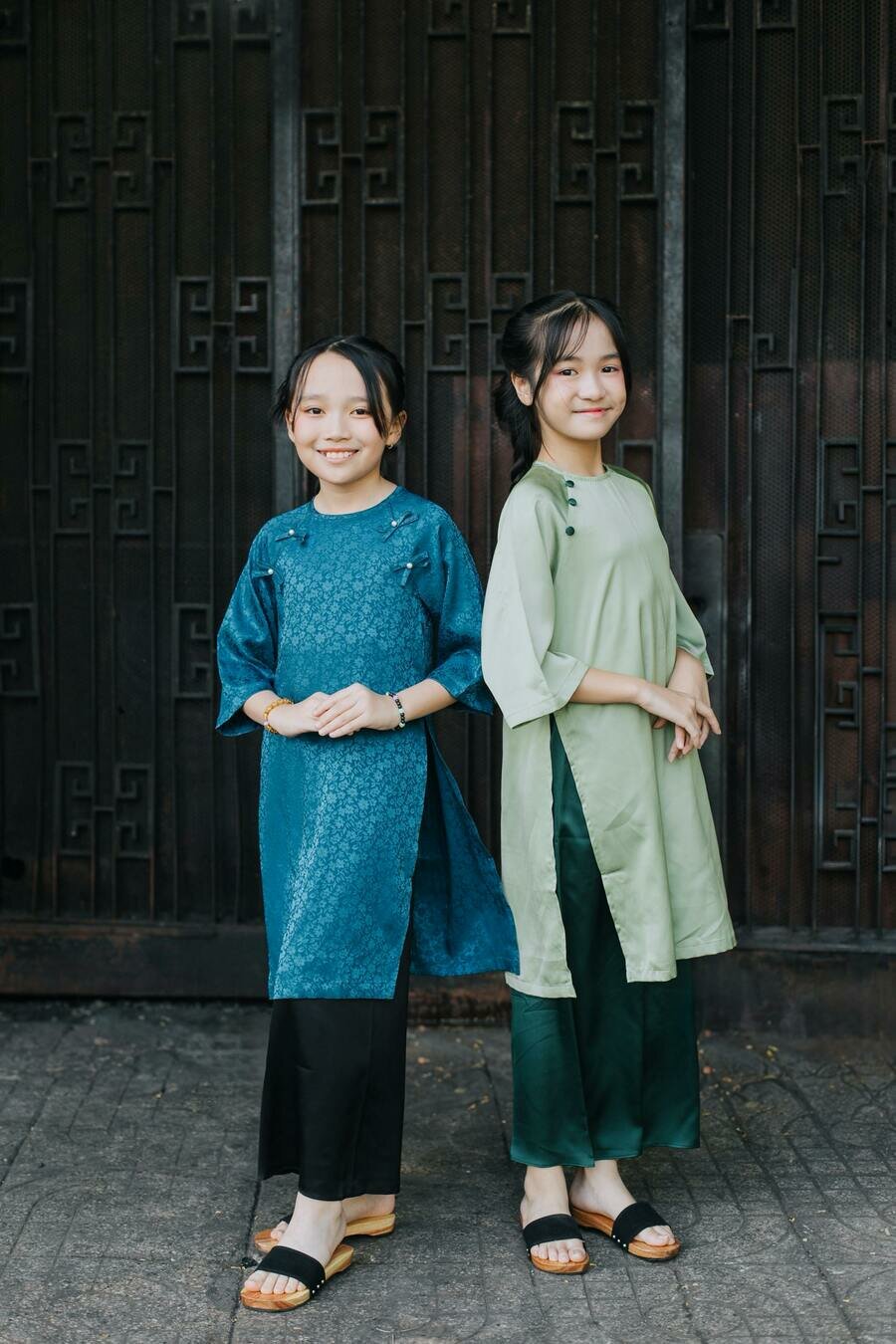
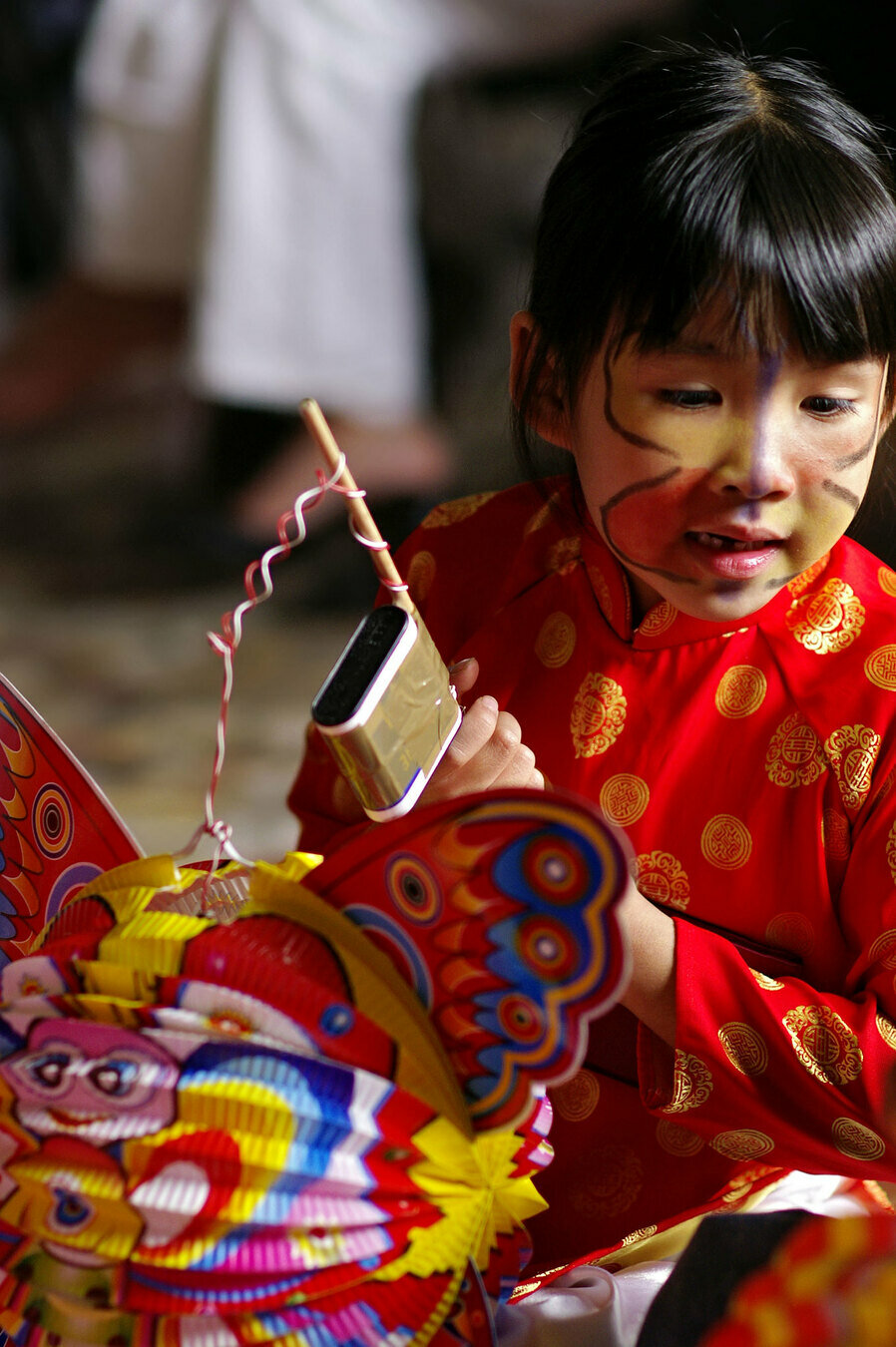
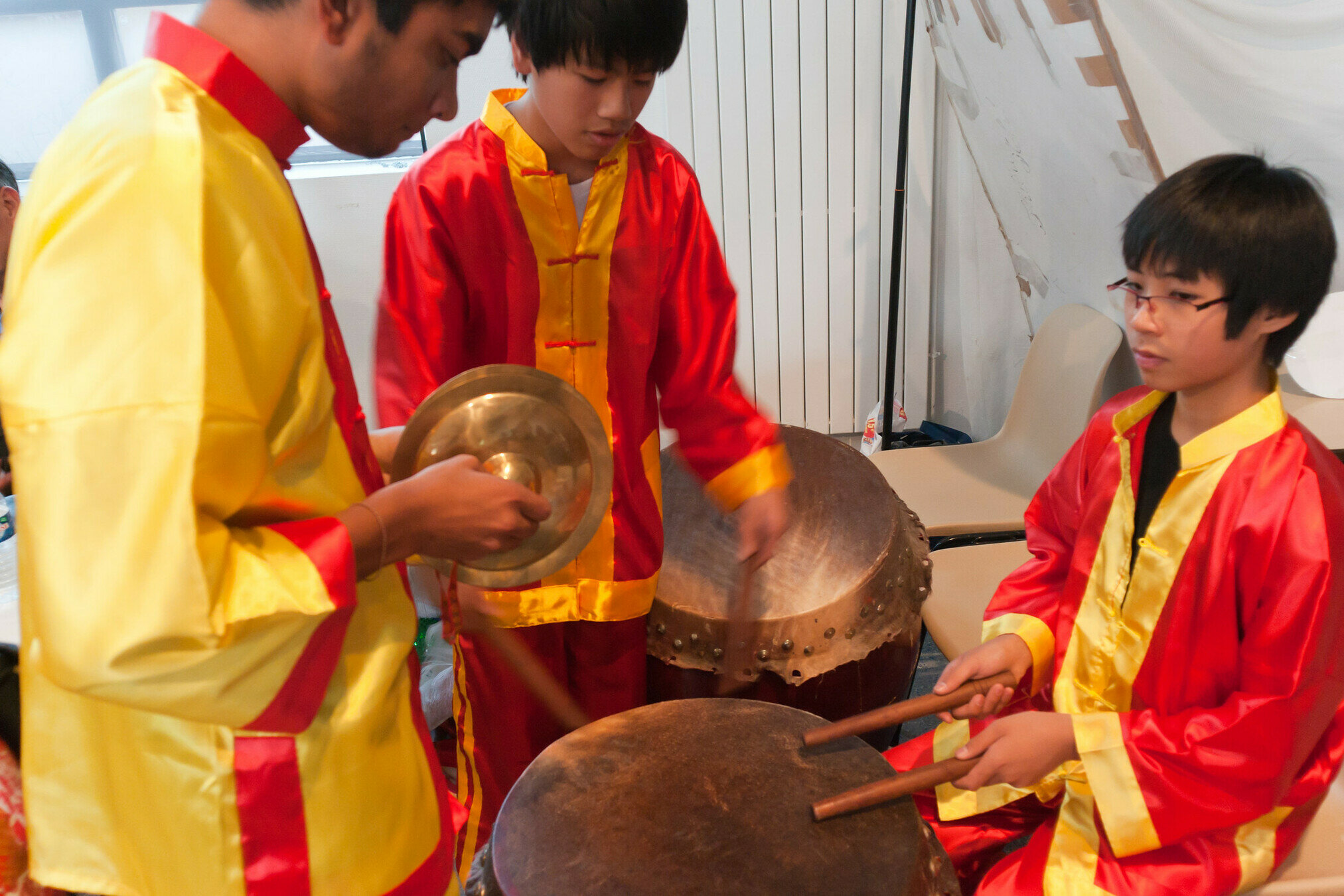
These children live in Vietnam. What are they wearing? What are they doing?
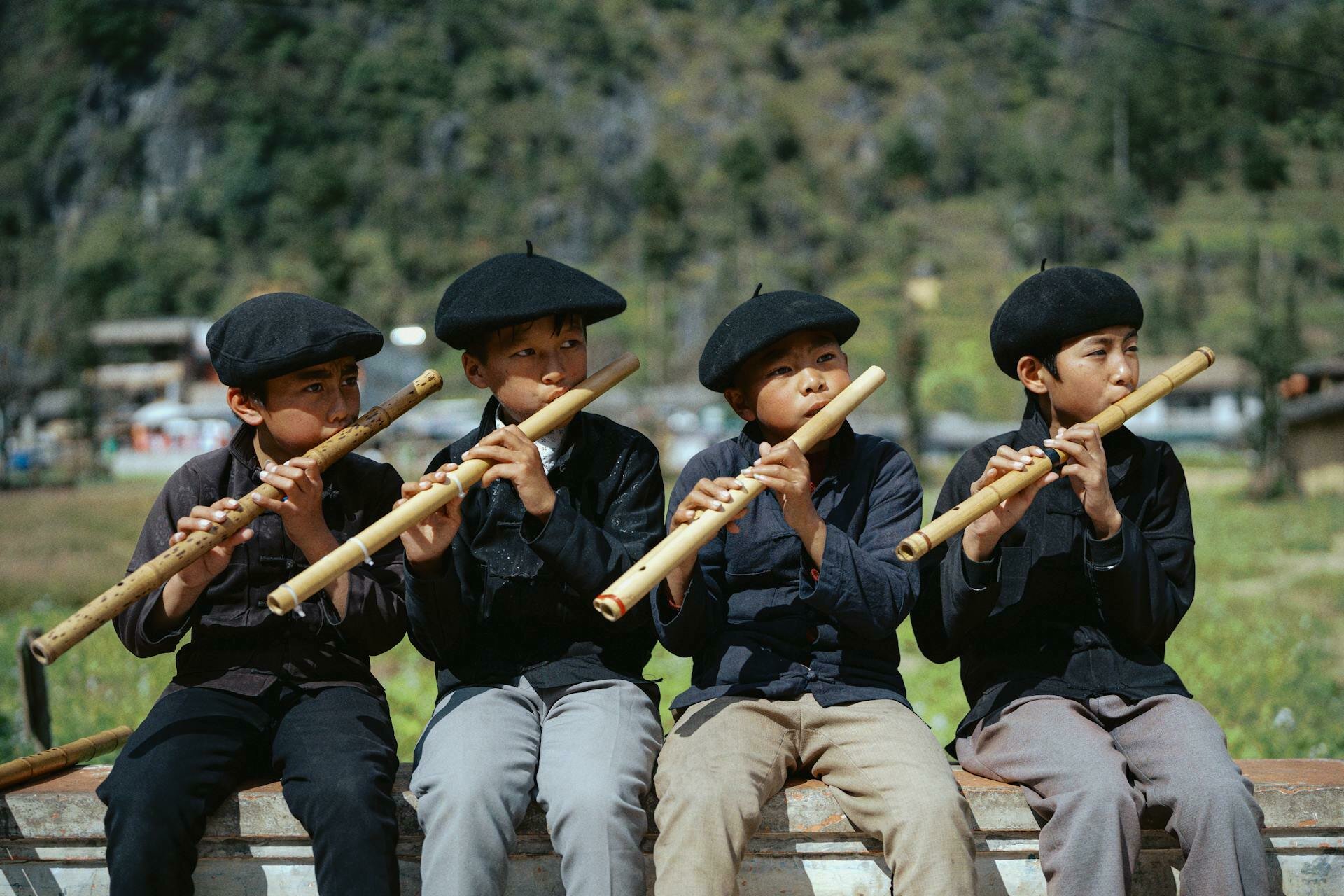
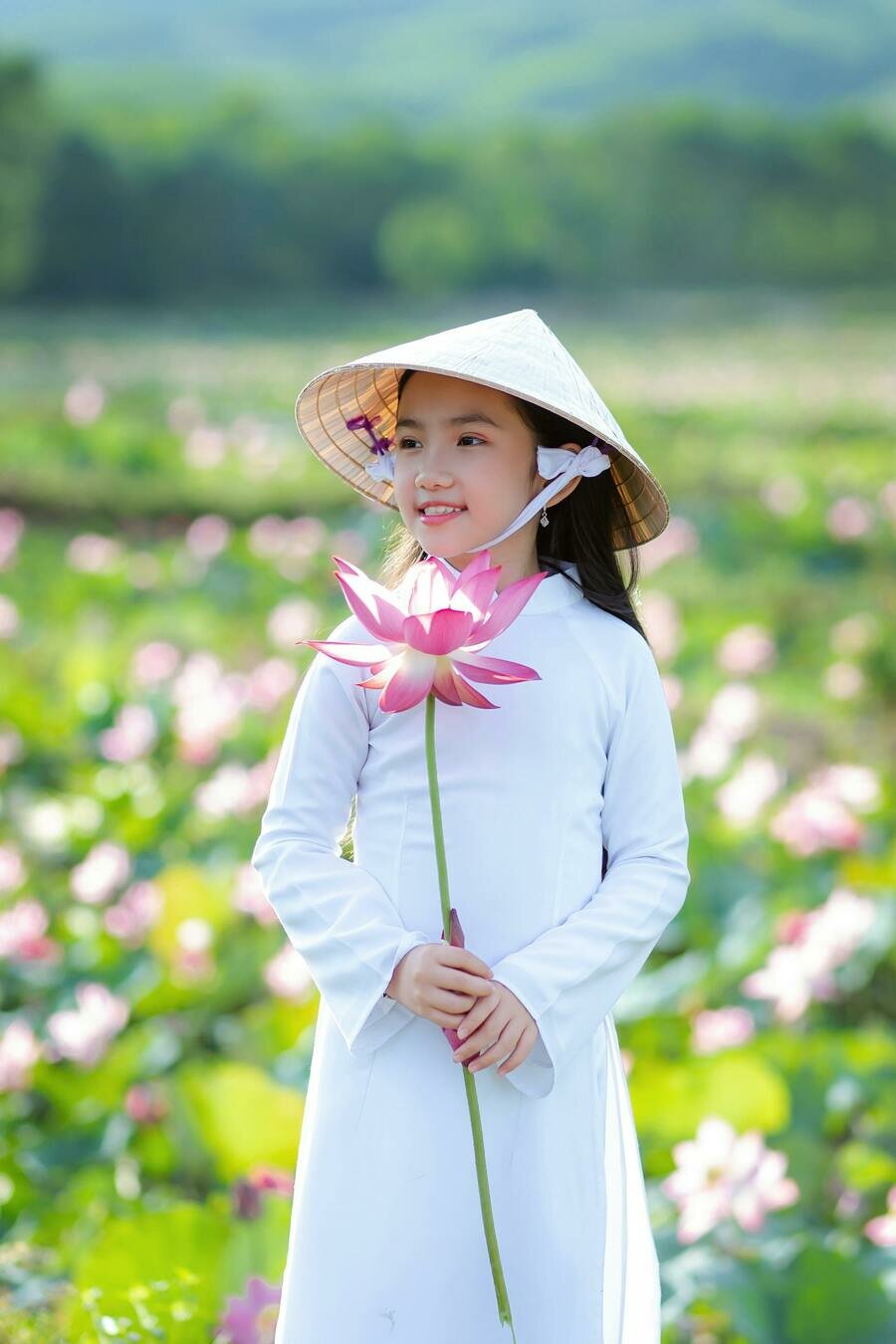


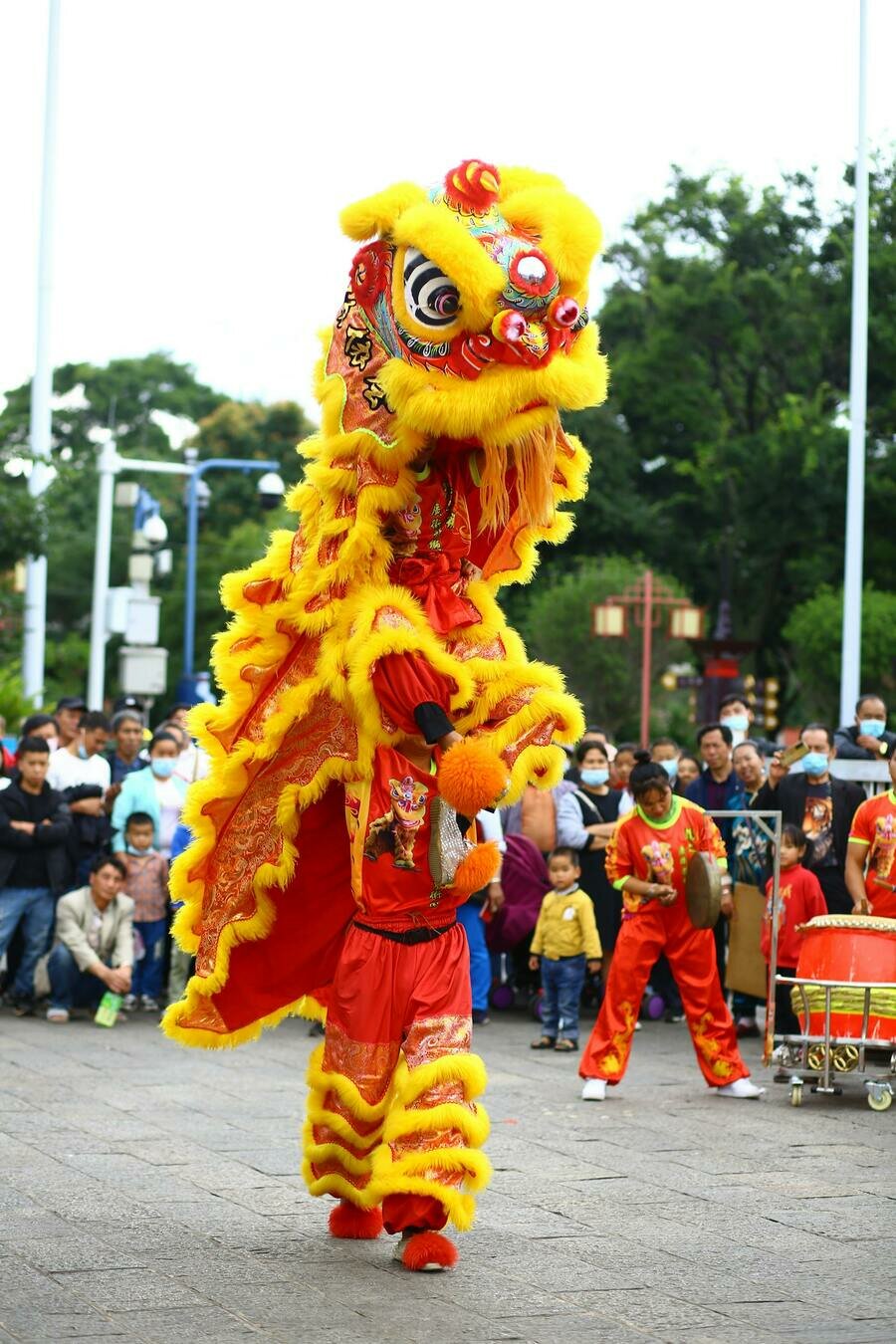
These children are celebrating Vietnamese holidays. What are they wearing? What are they doing?



Gayageum
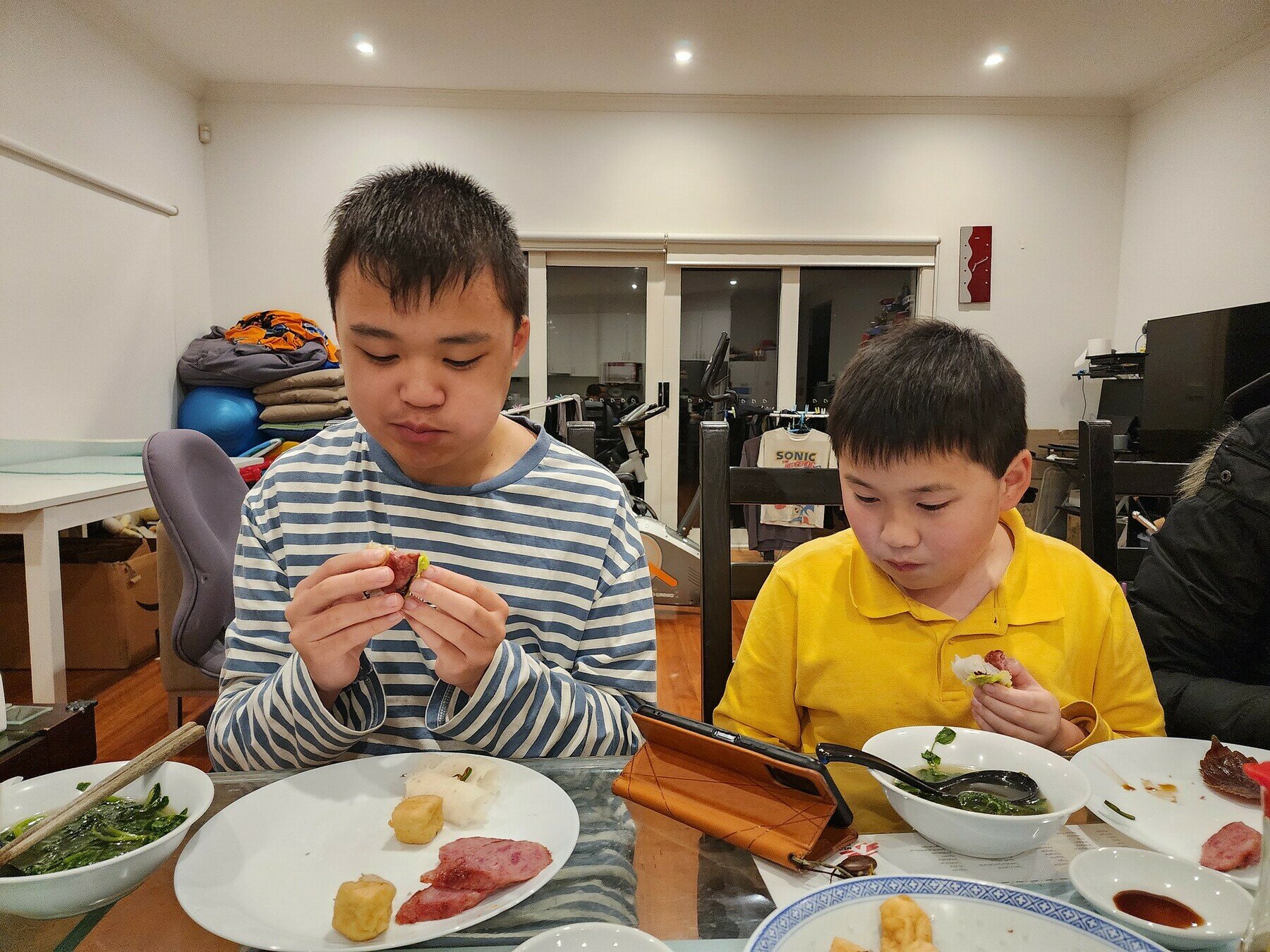
Vietnamese children live all over the world
These Vietnamese kids live in Australia.

These Vietnamese kids live in France.
This photo is of children in Australia on a typical day. What are they wearing? What are they eating? What else are they doing?
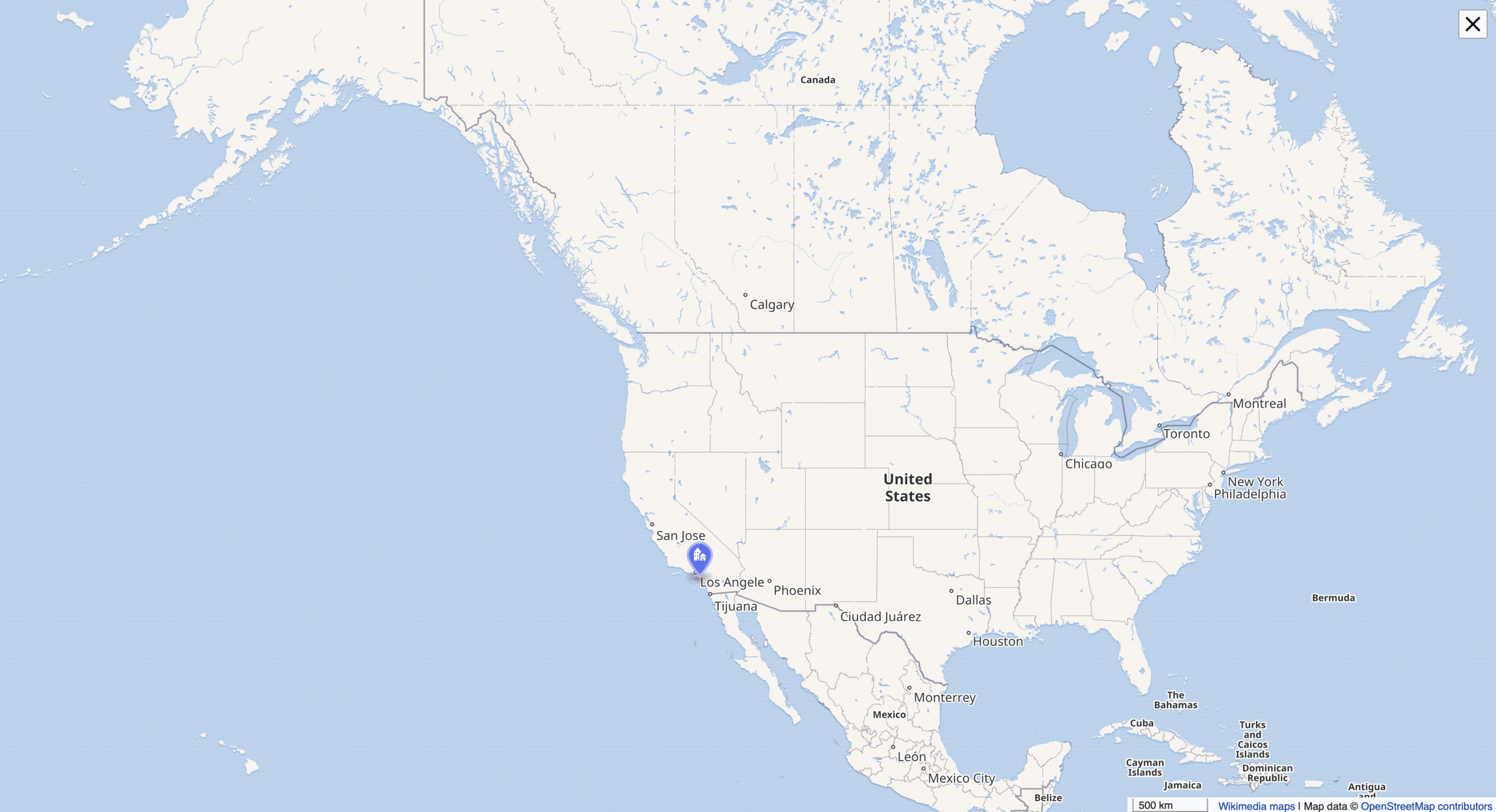
These are the countries with the most Vietnamese immigrants.
Little Saigon, California, United States
Little Saigon, California, United States
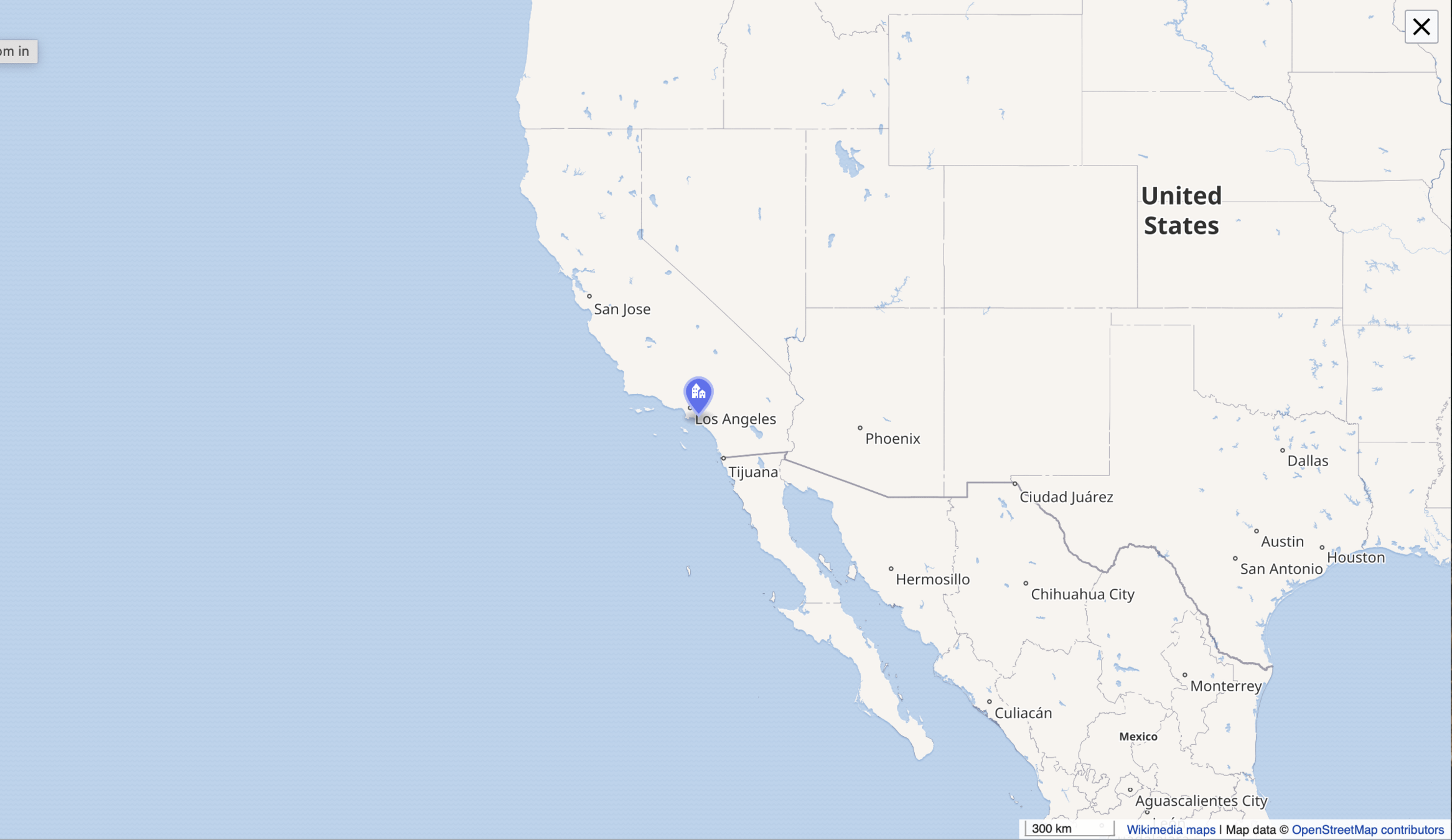
Little Saigon, California, United States
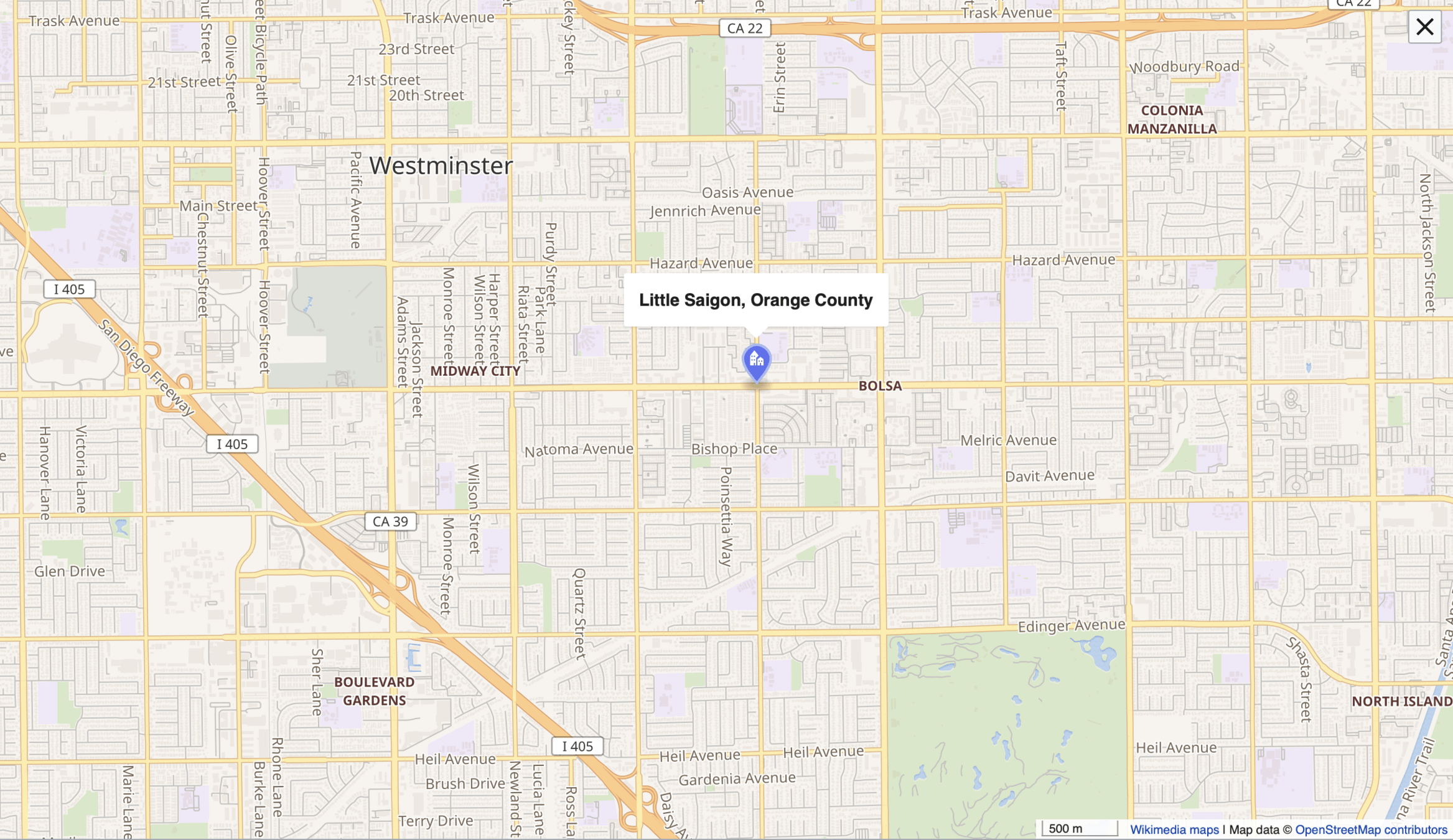
Little Saigon, California, United States
Let’s review the Vietnamese words you’ve heard so far.
5.
Now you’ll listen to a Vietnamese song called “Come Out and Look.”
Come out and look!
Something's sitting on the ground.
It's showing its back, it's a toad.
The toad sitting on the ground,
It's showing its back, it's a baby toad.
- Where do Vietnamese children live?
- What are some Vietnamese words you have learned?
- What is the name of a song Vietnamese children around the world sing?
Learning Checkpoint
End of Path 1: Where Will You Go Next?


Advance to the next History/Culture Path:
Filipina American Music
COMING SOON
Listening, Moving, Responding
15+ minutes
Path 2
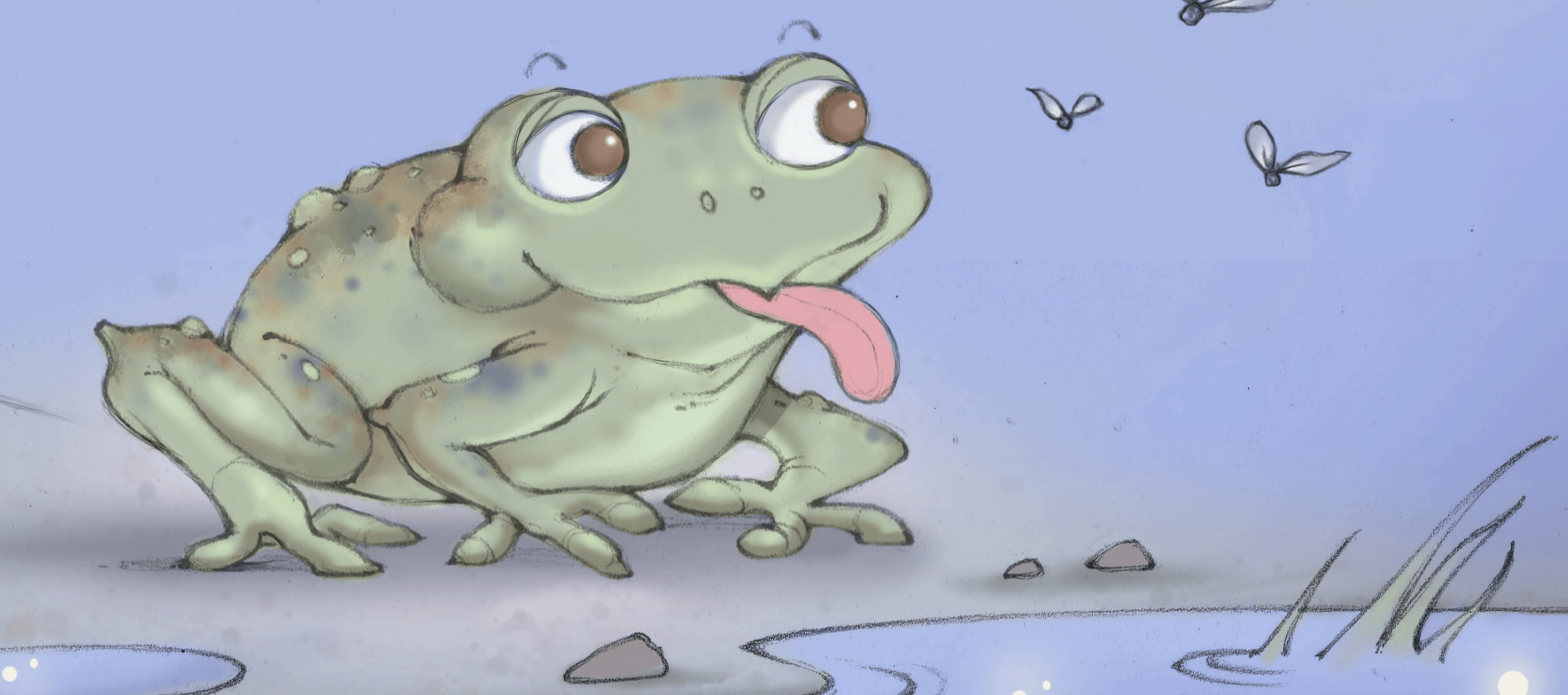
This song is about a toad! What sound does a toad make? Can you imitate that sound with your voice?
Vietnamese toad
Engaged listening
Instrumentation in the recording
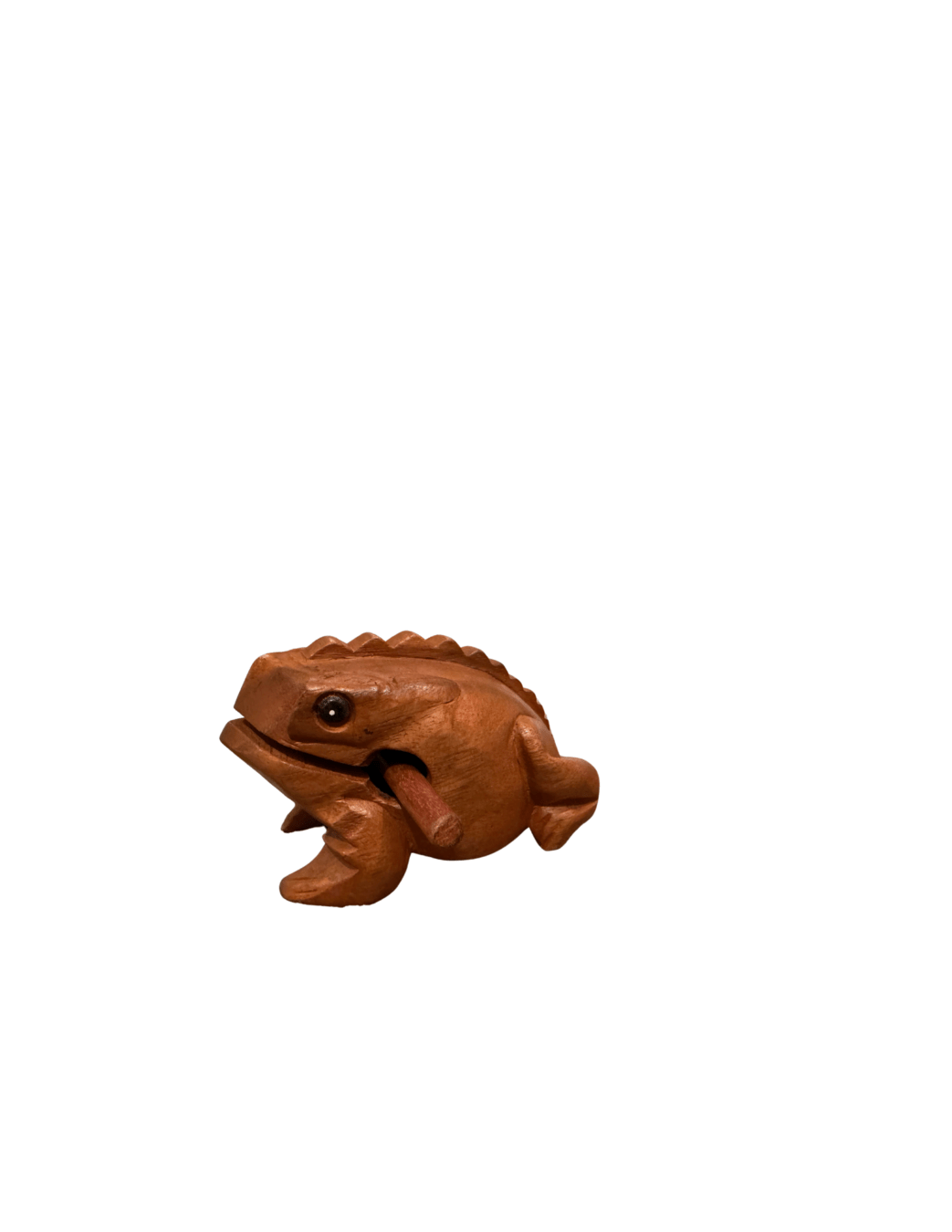
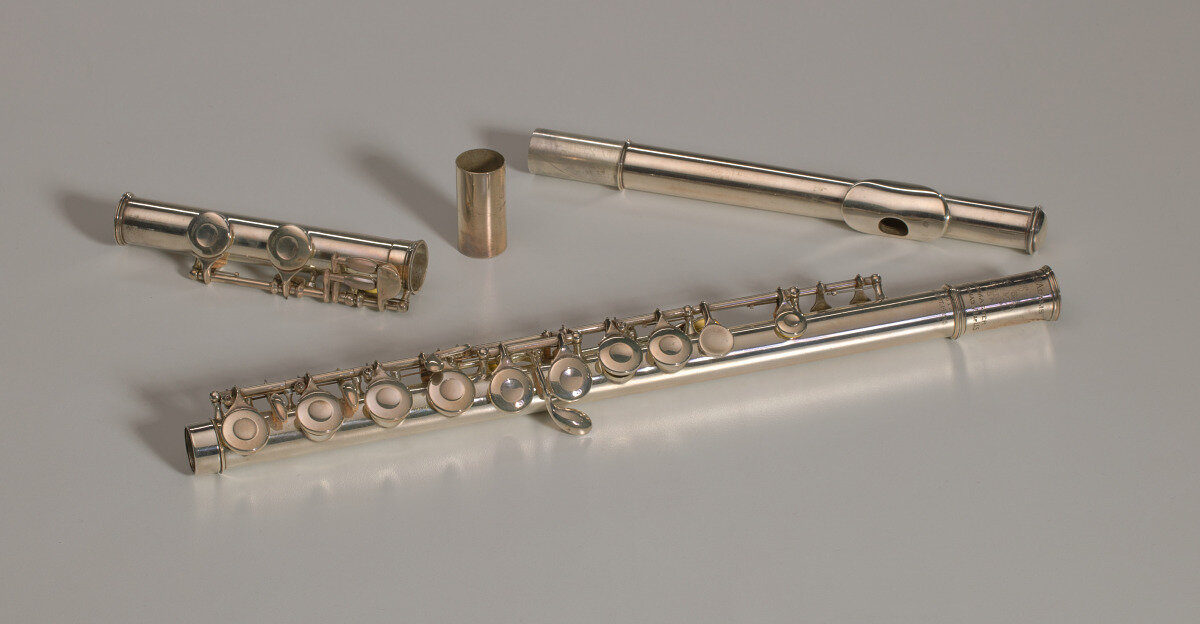
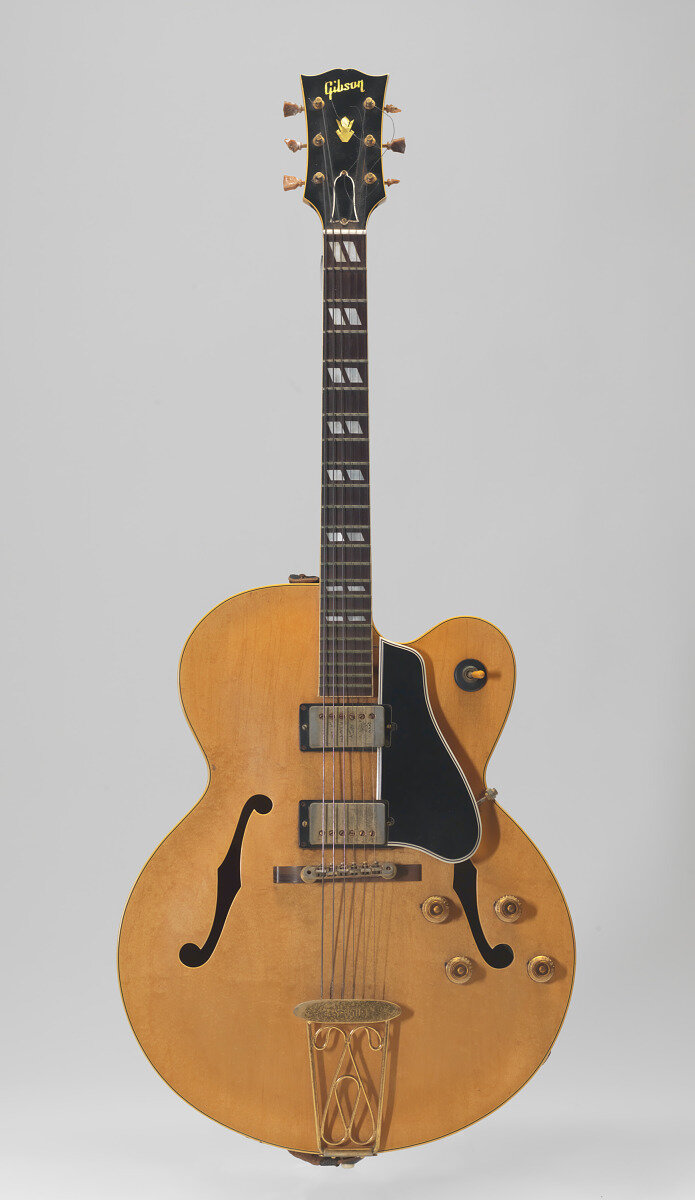
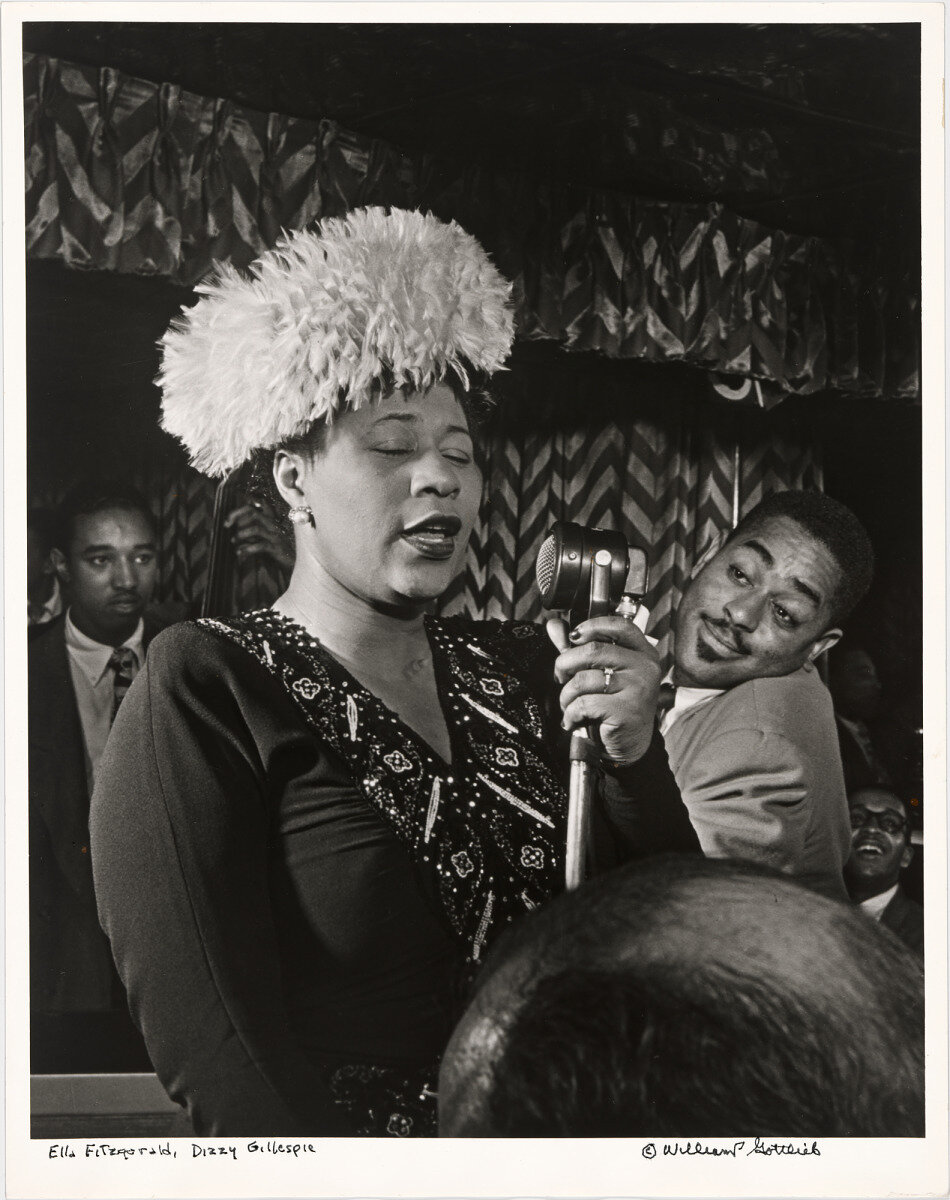
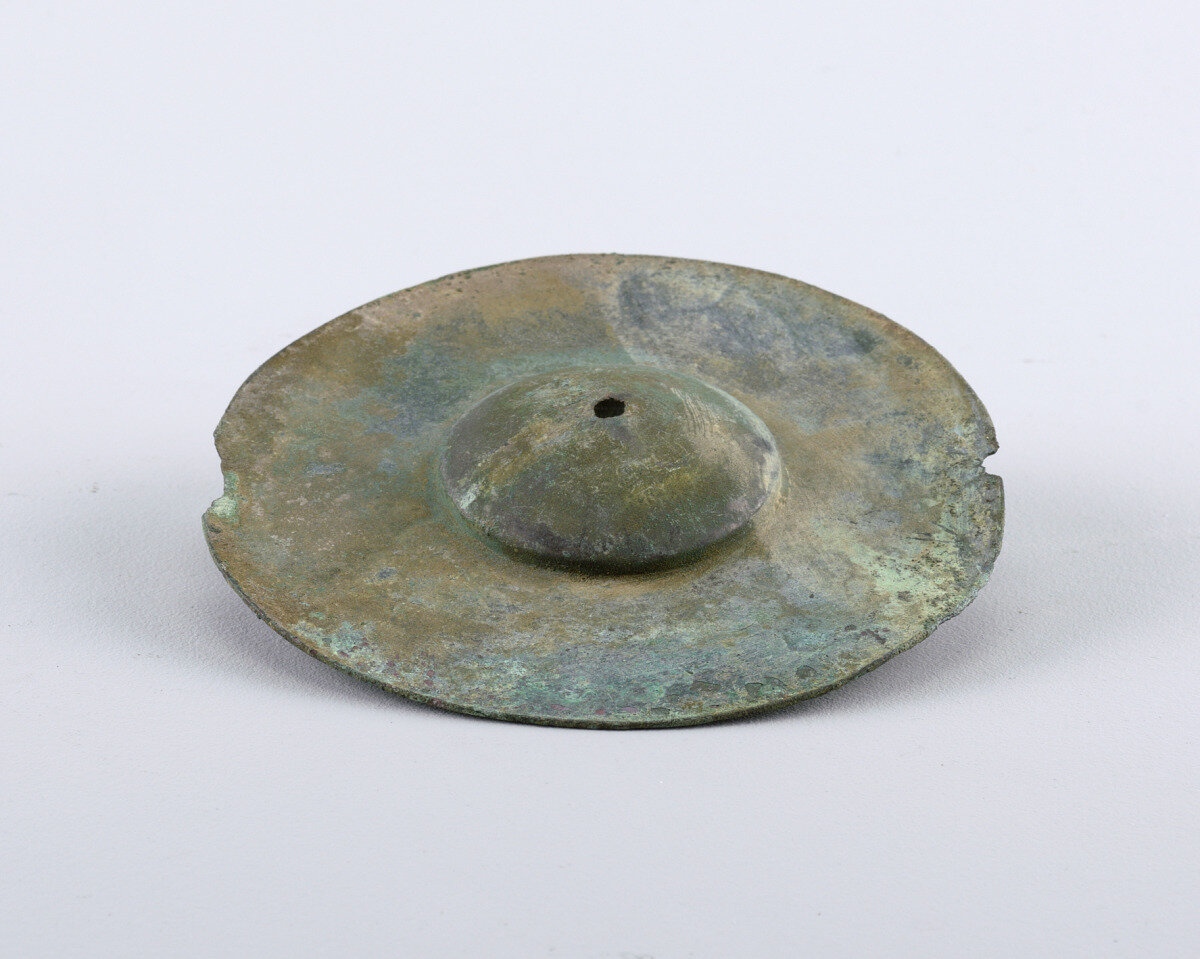
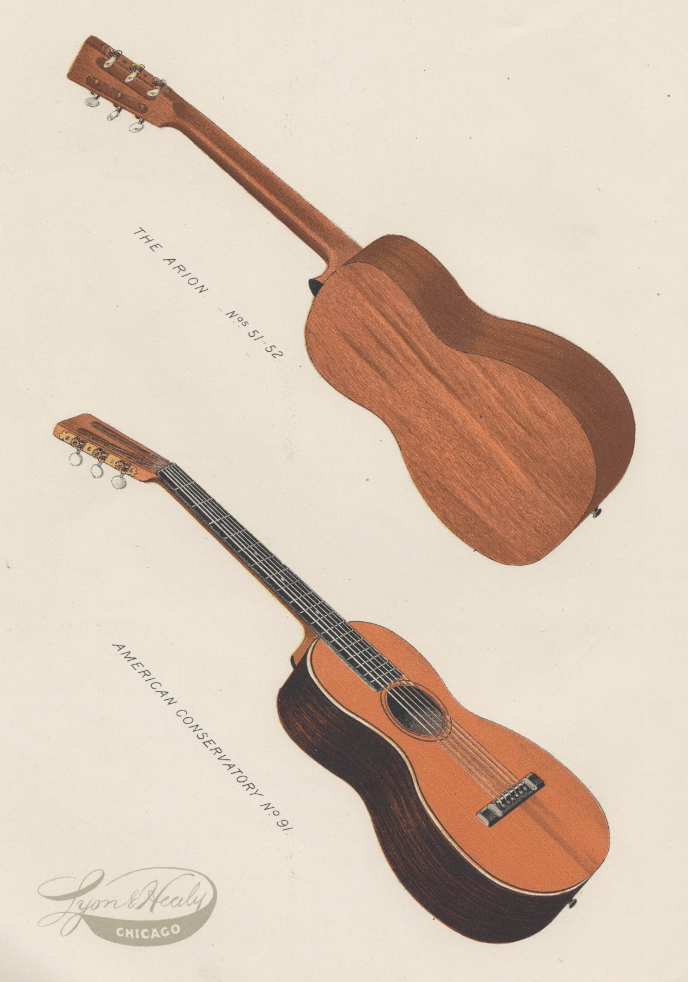
https://library.si.edu/image-gallery/106840
Little Bird
Engaged listening with Tina: Toad percussion
Learning Checkpoint
- Imitate the sound of a toad with your voice.
- Play a steady beat on a percussion instrument along with the recording of “Come Out and Look”/ “Ra Mà Xem”.
- Play on beats 2 and 4 in 4/4 time along with the recording of “Come Out and Look”/ “Ra Mà Xem”.
End of Path 2: Where Will You Go Next?
Playing and Moving to Music
15+ minutes
Path 3
Listening and identifying rhyming words
Song Title: Ra Mà Xem/ Come Out and Look
A traditional Vietnamese children’s rhyme/song
Verse 1 (Vietnamese):
Ra mà xem!
Cái gì nó ngồi trong hang.
Nó đưa cái lưng ra ngoài, đó là con cóc.
Con cóc nó ngồi trong góc,
Nó đưa cái lưng ra ngoài, đó là cóc con!
Verse 1 (English):
Come out and look!
Something's sitting on the ground.
It's showing its back, it's a toad.
The toad sitting on the ground,
It's showing its back, it's a baby toad.
Generating creative ideas
Come out and look!
Something's sitting in/on/near the ______.
It's showing its _____, it's a _____.
The _____ sitting in/on/near the _____,
It's showing its _____, it's a (baby) _____.
(body part)
(body part)
(animal)
(animal)
(animal)
(location)
(location)
Inspiration from other animal songs
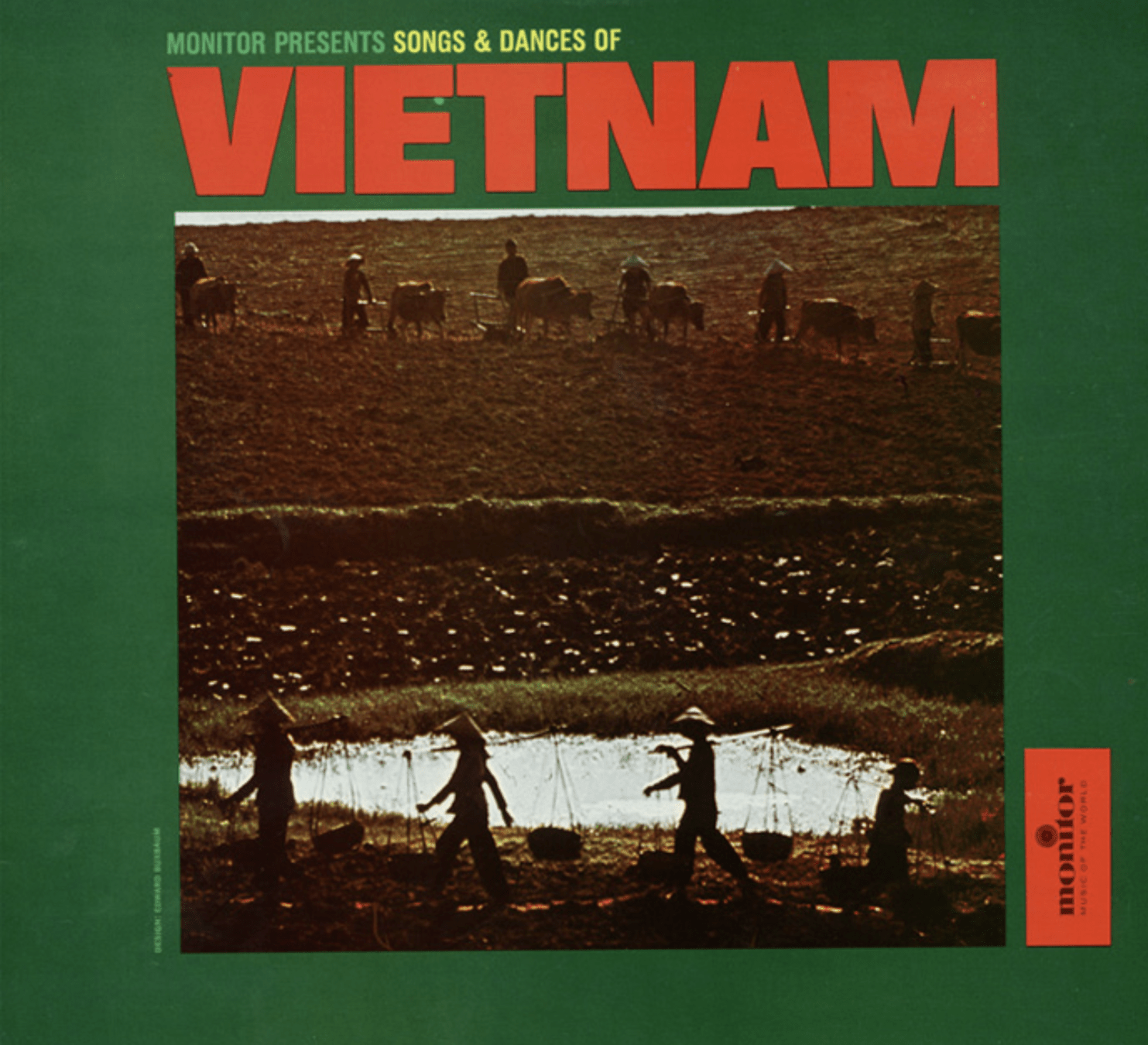
Con Voi
(The Elephant)
Ly´Con Sáo
(Song of the Blackbird)
Learning Checkpoint
- Identify 2 rhyming words in Vietnamese.
- Create your own short rhyming verse in English.
- Recite and sing your own rhyming verse.
End of Path 3 and Lesson 3: Where Will You Go Next?


Discover Something New!
Music at the Vietnamese Court
Music of the Asian Royal Courts Pathway, Lesson 5

COMING SOON
Lesson 1 Media Credits
Audio courtesy of
Tina Huynh and Smithsonian Folkways???
Video courtesy of
Tina Huynh
Images courtesy of
Tina Huynh and the Smithsonian Institution ???
© 2025 Smithsonian Institution. Personal, educational, and non-commercial uses allowed; commercial rights reserved. See Smithsonian terms of use for more information.
This project received Federal support from the Asian Pacific American Initiatives Pool, administered by the Smithsonian Asian Pacific American Center.
For full bibliography and media credits, see Lesson 1 landing page.